It has been a long time coming, but finally the latest instalment in Tom Clancy‘s award winning Splinter Cell franchise has landed on shelves in the UK. Splinter Cell: Blacklist is the sixth chapter in the Splinter Cell story. It tells the story of Agent Sam Fisher as he tries to take down a terrorist organisation who are executing a series of attacks on the USA nicknamed The Blacklist.
This exciting new instalment sees a fresh actor taking on the role of Sam Fisher as he creeps, slides, and crawls his way through the shadows into one of his darkest missions to date. Bringing back such popular game modes as Spies vs Mercs as well as a revamped co-op mode, Black List promises to be one of the last great gaming experiences of a dying console generation.
Published and developed by Ubisoft, Splinter Cell Blacklist is now available to purchase on PS3, Xbox 360, Wii U, and PC in the UK.
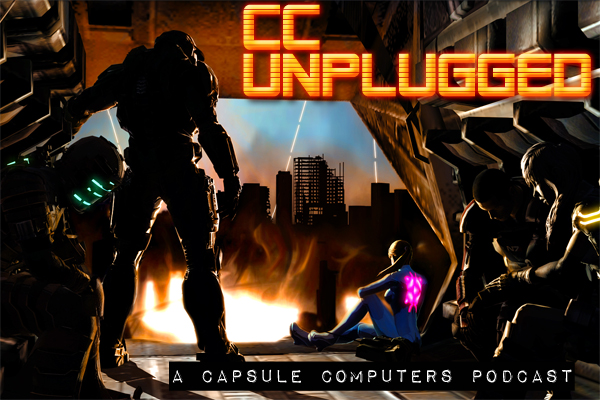
Hello Saints! Welcome to CC Unplugged, the show where we talk to you about games and other stuff you play. Yeah, that was a awesomely generic description, but this show is far more intriguing. Dustin Spencer, Travis Bruno, and Luke Halliday are back and ready to talk about the things they are doing, and chat a little bit about Gamescom and other news stories that are catching their ears.
So grab a power dildo baseball bat, tell your friends, and prepare to get UNPLUGGED!
Be sure to listen to our past CC Unplugged episodes here.
SPONSOR PLUG
Special Mention to our partners over at Razer, us here at Capsule Computers are geared by gamers, for gamers. Check them out on Twitter and Official Website.
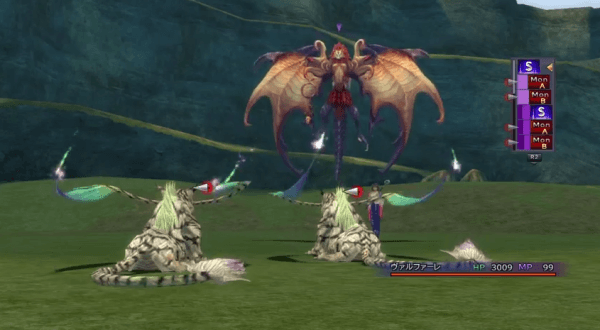
With Gamescom going on, loads of exciting news and videos have been released. Square Enix has gotten into the action to get fans of the Final Fantasy X series excited for its upcoming HD remaster.
In the newest video, which you can see in the video player below this article, we get to see just how big a difference the move to remaster the classic RPGs will be. The first half of the video we see and hear gameplay and battle theme music from the original release of Final Fantasy X. About halfway through the video, though, the swap to HD is made and we’re treated to both the updated visuals and, notably, the reworked music.
Fans of the original games should definitely check out the video and see the differences for themselves.
Hachioji P and kz(livetune) are a couple of the biggest named DJ’s in Japan today. Working with the voice audio directing software, Vocaloid, they have made a name for themselves in the Japanese music industry. The two musicians work most predominantly with the Vocaloid character, Hatsune Miku, who is also the most recognisable of all of the Vocaloid characters.
During their visit to Sydney for SMASH! which they would be DJ’ing for: Vocaloid Night, they were able to sit down with us for a quick chat about their work.
How are you enjoying Australia so far?
Hachioji P: The Seasons are totally opposite.
kz: The weather is pretty cold, Australia is quite livable as the weather is quite bright here and as are the people. The food that I have been having so far has been good. So it’s one of the places most closest to Japan in my view.
I want to talk about a while back, when you guys were younger, did you think that you would be in this position at this age?
Hachioji P: In my early years, I didn’t learn piano or any instrument at all. Without any experience I started doing music work just for fun. From there it seemed impossible that I would be in this position now.
kz: I came from a professional angle, and from a young age I have always wanted to be a professional musician and be in this kind of business. So I’m very happy about things.
In terms of the speed that I’ve been able to move, this pacing is due to the fact that all of the creators around my age have been able to help each other. I’ve been able to find my own space in that crowd and that is very special for me.
What drove you to use Vocaloid as a medium, so to speak?
Hachioji P: Because its a program, it does things that people can’t do and that’s something that really appeals to me. So I create songs where people just aren’t able to sing it, so that’s one of the key points about my work. So it’s just things that Vocaloid can do that other people can’t.
kz: Similar to Hachioji P, I think that the way you can use the software to do whatever you want, not so much with the melody, but with the lyrics. I’ve focused on lyrics a lot because there’s really no limits to what you can do with that. It creates a world where I can do something, like with my main song — “Tell your world” — where I was able to express what I wanted with that song.
Is that a part of the reason you choose to use Hatsune Miku more predominantly over the other Vocaloid characters?
Hachioji P: That’s because when I heard the voice of Hatsune Miku, I thought that the voice was very beautiful and it had a very high vocal range which works very well with the techno sounds. Because of that it matches my creation style so I use more Hatsune Miku in my work.
kz: Firstly, in terms of using the software, Hatsune Miku is easier to use and get into as a creation tool. With the other Vocaloids you can make them sound similar to real peoples voices. You can get to sound really close. However, I like to make it sound machine like, which makes it sound unique in that sense.
What has been the highlights of your careers as DJ’s so far?
Hachioji P: It’s a bit hard to say the number one, but it would have been my major single debut in japan which was a really a big turning point for me. The next would be my gig at the Rockin Japan festival which I had wanted to go to for a long time. To be able do that was really fantastic.
kz: Rather than the number one, it was recently that I realised through Twitter and other social networks that there are all these people out there, telling others and myself, that their favourites songs are from me. And that they’ve been listening to my songs. And it’s a wonderful thing that people have been enjoying my work all around the world.
In terms of one of the most happy things I was able to do, I did an event with Zedd, he’s a really big DJ in the world, and I worked with him to create a really big event. And that event was in Japan which was in Nicofarre which is the base of Nico Nico Douga live. The site where you can see everyone write things across the wall live.
Is there anything that you would like to promote or talk about before we go?
Hachioji P: In terms of promotion, because the internet and etc are big things these days I’m happy that a lot of people from other countries are able to get in contact, or see me and do interviews and the live shows that I appear on. So I would be happy if you could spread the word.
kz: Firstly, I am in the process of making a new song, and in the future, I will announce the details of that new song so please look forward to it.
Because it’s the first time I am here in Australia, I would be grateful if I could come down here again. So if people who come to see us tomorrow have a great time and let everyone know how much of a great time they had, we would be able to come back again.
We would once again like to thank both Hachioji P and kz(livetune) for their time during the interview. Just remember that you can check out our coverage of SMASH! here and our coverage of the Vocaloid Night event here.
The passing of Heavy Rain composer Normand Corbeil early this year was a devastating loss for the community. It also left large shoes to fill for the soundtrack of the upcoming BEYOND: Two Souls by Quantic Dream. Though I personally doubt anyone can even hope to replicate the emotion in Corbeil’s work, David Cage and Sony have spared no expense in hiring the biggest and best replacements possible.
And so, Sony is proud to announce the addition of two more Hollywood powerhouses to the team in legendary composer Hans Zimmer and, in some ways, his partner in crime Lorne Balfe, who works out of Remote Control Productions – Hans Zimmer’s film score company. Zimmer needs no introduction… he has received a total of 10 Golden Globe, 10 Grammy, and 9 Oscar nominations with the latest being for Christopher Nolan’s Inception (although he was robbed of a nod for The Dark Knight Rises). Lorne Balfe has written additional music for numerous Zimmer movie projects, and was lead composer on Assassin’s Creed III (that amazing main theme!) and Skylanders: Giants.
David Cage spoke on the opportunity to work with the duo;
I have always been fortunate to work with very talented composers on my games, from David Bowie to Angelo Badalamenti or Normand Corbeil. Working with such talented people as Hans Zimmer and Lorne Balfe has been an amazing experience. They did a great job at creating a very original soundtrack for the game, allying strong themes with very original sound textures. The soundtrack creates a fantastic landscape for the emotional journey of Jodie Holmes, and gives her a voice that players will remember.
Both Hans and Lorne also commented on their work for BEYOND: Two Souls;
Hans stated; One of the reasons I really enjoy the whole gaming world is because we are looking for that next thing where we can become immersive, that can involve us, that can really go beyond entertainment.
Lorne added; This game is so interesting. People ask, is it a film or is it a game? That’s the big thing and there is no difference, not to me. You could sit there and watch it as a film so the way of musically trying to tell the story is the same process.
You can view a developer diary entry on the soundtrack’s creation featuring the two below. BEYOND: Two Souls will be released this October, exclusively for the PlayStation 3.
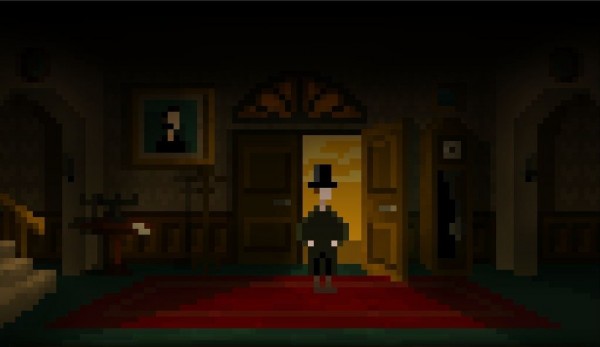
Indie Spanish developer The Game Kitchen, has released a brand new trailer for their free, PC and Mac, point-and-click horror adventure title The Last Door.
You can check out the video embedded below. We have reviewed the first two chapters of the atmospheric title, and spoken to the developers for an exclusive interview. Scheduled for this September is the release of Chapter 3, ‘The Four Witnesses’, which will follow suit in being exclusive to the original Kickstarter backers, before becoming available to the public two months later. Even though the team hasn’t accrued the required €10,000 to develop it, we hope it can be completed and it’s not delayed for too long.
On that note, keep an eye on Capsule Computers as we will (hopefully) be reviewing future instalments.
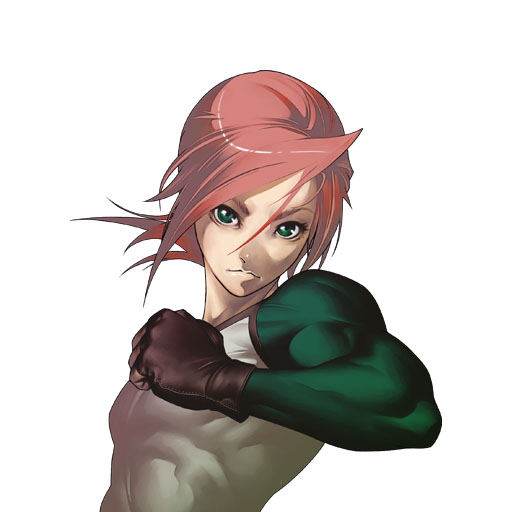
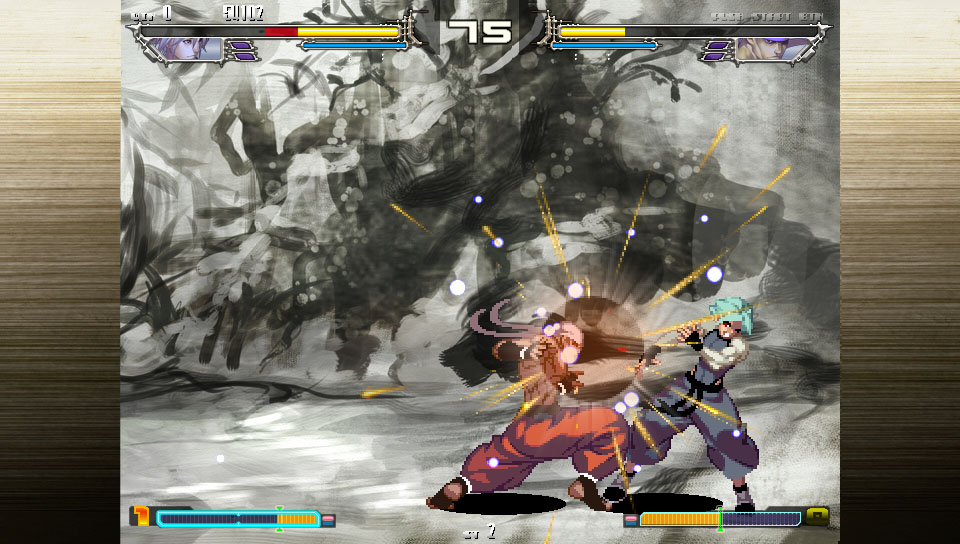
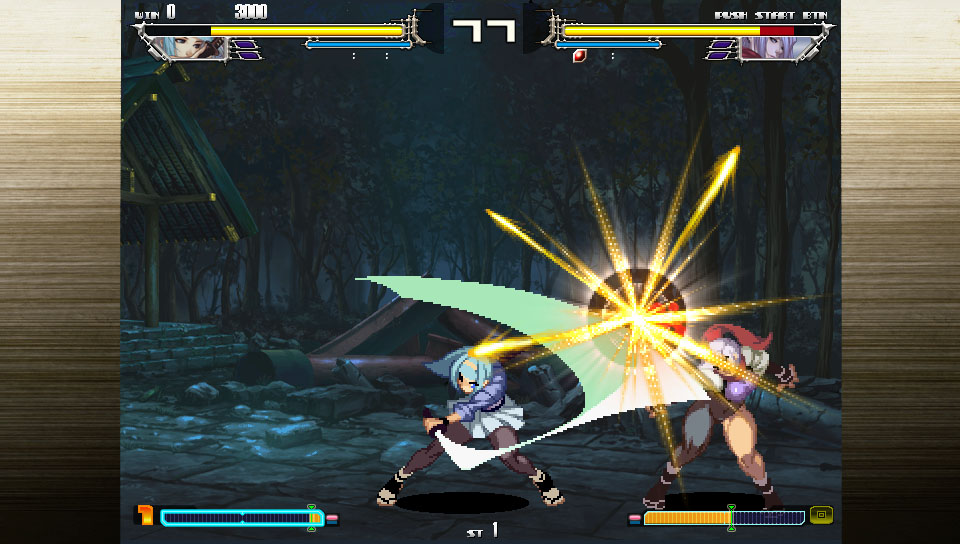
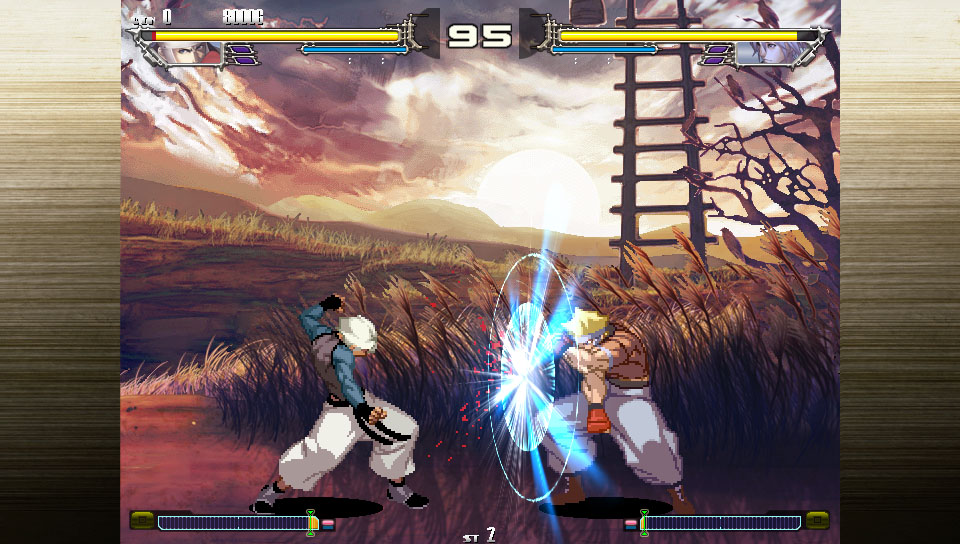
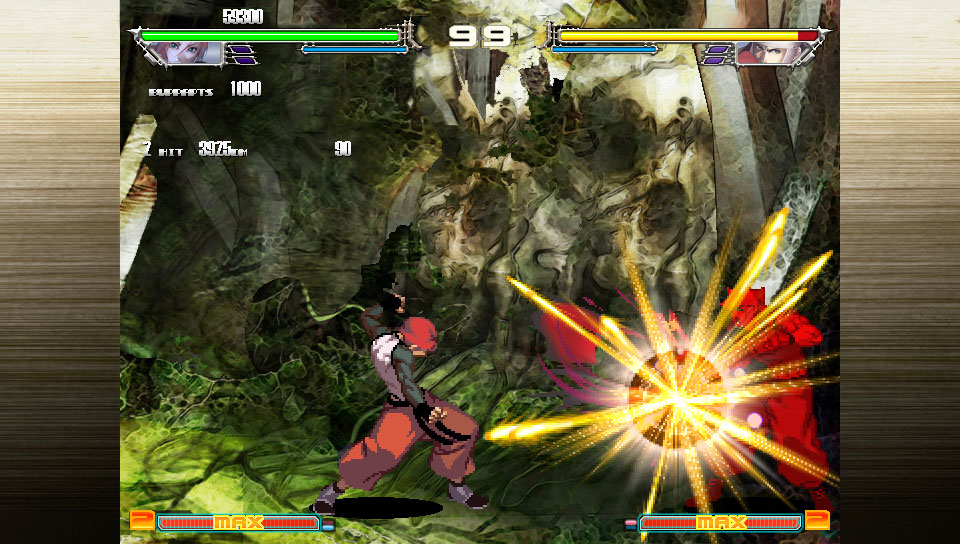
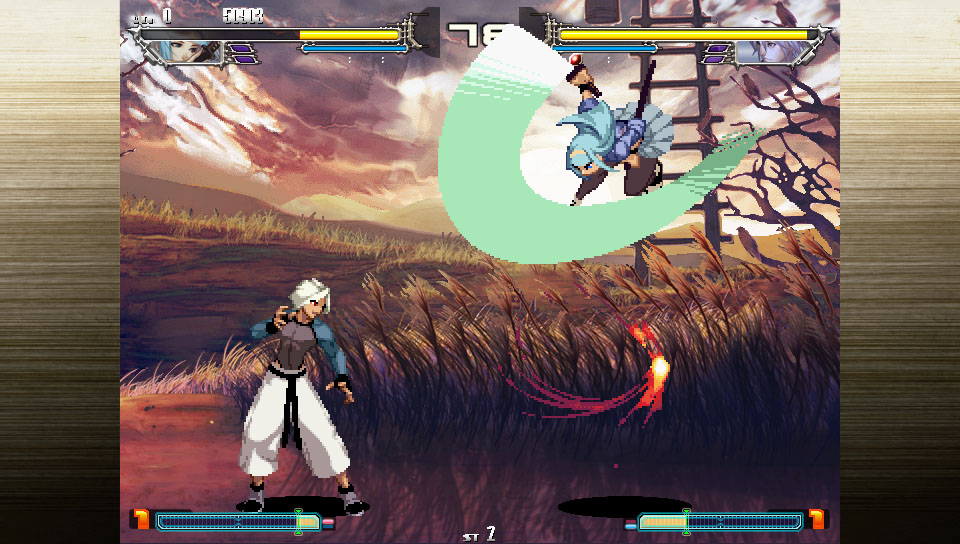
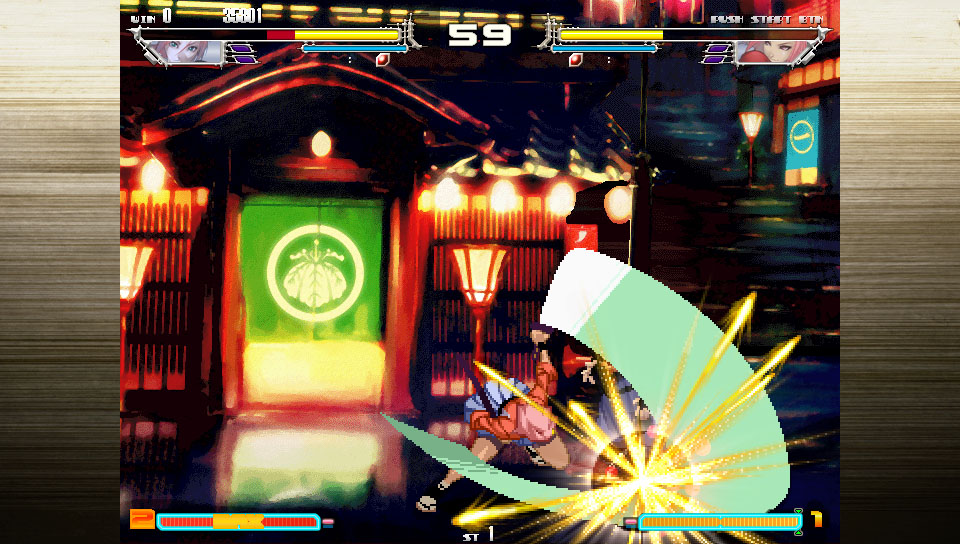
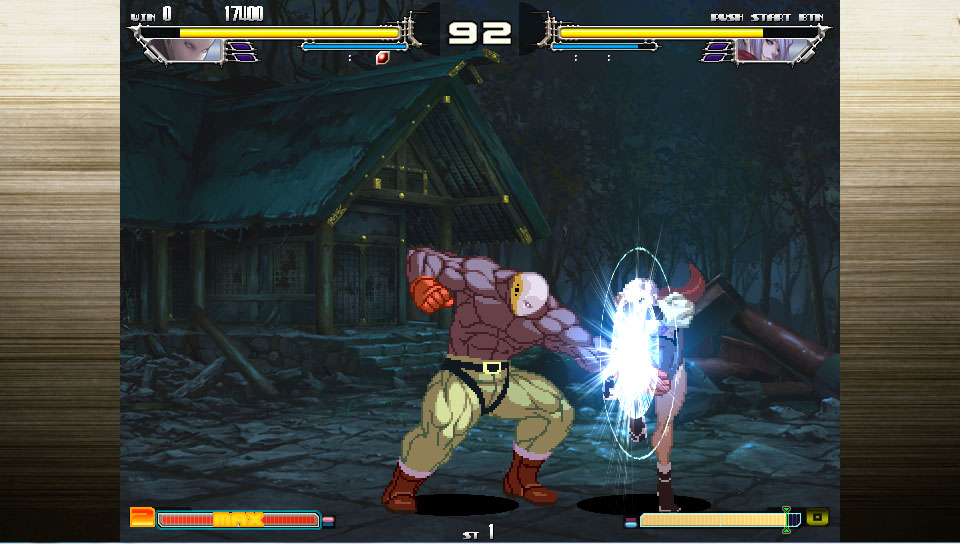
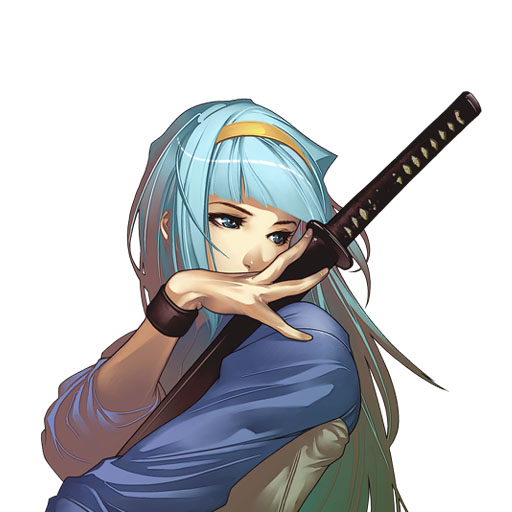
Nicalis has announced it’s bringing 2D fighter Yatagarasu to PS Vita through the PlayStation Network, rebuilt and renamed as Legend of Raven. A batch of screenshots have been released and can be seen below.
Yatagarasu was originally intended for the 3DS, but development was moved due to “the incredibly overwhelming response from the fighting gaming community,” according to CEO Victor Rodriguez. Along with the platform change the developers will “spend time developing new features like parallaxing backgrounds and an original new soundtrack.”
Legend of Raven features:
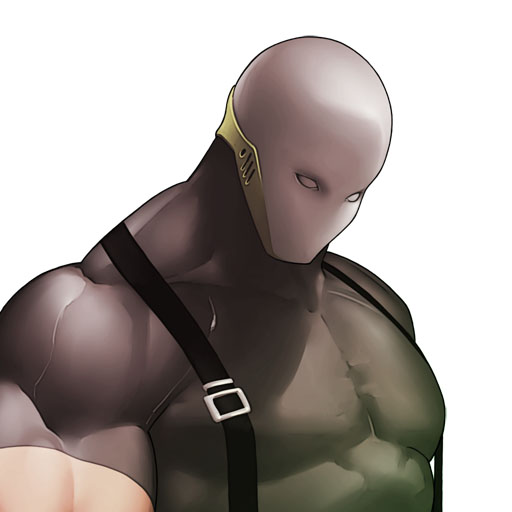
Featuring Eight exquisitely, hand-animated characters by King of Fighters artist, Kotani Tomoyuki – Every character features their own unique set of special attacks and super moves
Enhanced from the original – Featuring a new soundtrack, parallaxing backgrounds, ad-hoc versus play and more!
Innovative parry and damage mitigation systems allows for a multitude of defensive options – Execute well-timed counter attacks to turn the tide of battle.
Flawless Local Play! – Battle nearby friends with lag-free ad hoc Versus mode!
Prologue
The year was December 25th, 1926. Japan was on the verge of welcoming a new era…the era of “Koubun”.
Instead a revolution broke out, led by those who hoped to revive the Land of the Gods, Japan, and return her to its former glory. The Prime Minister’s cabinet, the police department, the Zaibatsu families, the mass media…the flow of information to the outside world was immediately suppressed.
Out of options, the old government resorted to creating a group of elite assassins, called the “Yatagarasu” in order to maintain order and suppress the rebellion.
These government agents have become known as the “Government’s Dogs” by the general populace. Now, they are on the move towards “Iga-sei”, which is said to still function as the government’s intelligence hub.
Here’s hoping this particular fighter comes to the EU PSN as well, unlike Guilty Gear XX Accent Core Plus R which was exclusive to NA. Check out the screenshots below and for more info visit the official website.
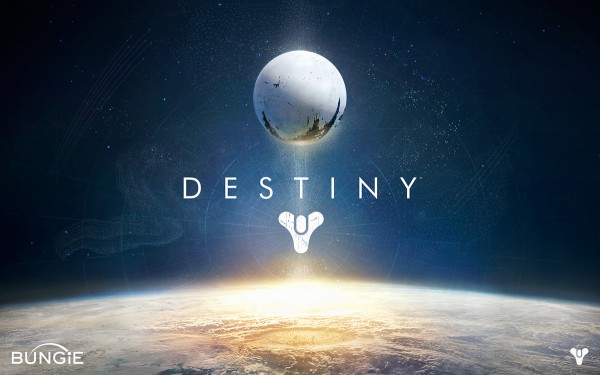
Bungie have released a brand new video for their hotly anticipated open world multiplayer shooter video-game Destiny. The video which is titled ‘Out Here in the Wild’ highlights the immense and highly detailed world of Destiny which gamers can expect to explore when they play the game.
The video features several of the games designers detailing the process that went into creating the world of Destiny. You can check out the ‘Out Here in the Wild’ video for Destiny below. Don’t forget that you can like Destiny on the official Destiny facebook page here. Stay tuned for further information on Destiny as it comes to light.
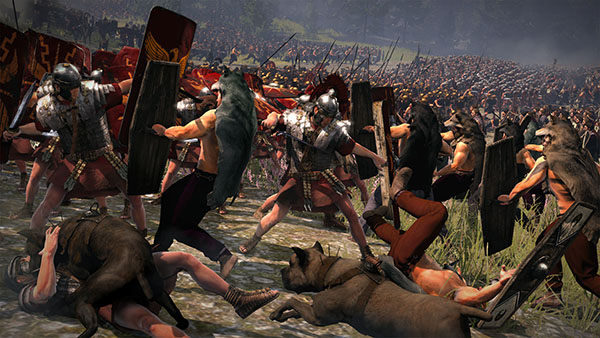
SEGA’sTotal War: Rome II is right around the corner and yet another Let’s Play video has been released by Creative Assembly featuring the Community Team’s Trish Ryniak and Multiplayer designer Elliot Lock. Last time we had a look at the game’s campaign mode.
The two clash shields as Parthia and Pontus during an unfortified city assault in Gor. Aside from the casual banter, the video highlights a few new multiplayer features and the importance of the campaign map in deciding just how the battlefield will look. In what is a welcome improvement, Rome II is set to feature a record variety of battle maps and types.
Total War: Rome II launches on September 3 this year worldwide for PC. For more info, visit the official website.
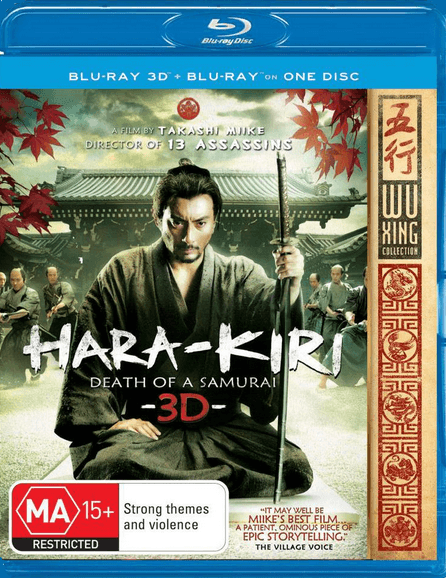
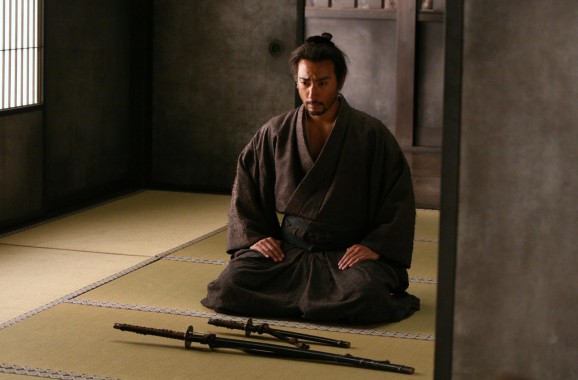
Overview Samurai tales often glorify the code of honor and laws by which the samurai live. Takashi Miike’s Hara-Kiri: Death of a Samurai is not one of those tales. The bloodshed and honor that defines the samurai is brought into question by Miike in a film that rebels against the ideals that have come to shape the very fabric of Japanese society.
This may very well be Miike at his most restrained. Instead of opting for the bombast he is so well known for he has crafted a quiet moving and emotionally intense drama with Hara-Kiri. Miike has a lot to say with this film and he does so slowly and carefully in what is undoubtedly his most thoughtful film to date.
Story Hara-Kiri: Death of a Samurai as the title suggests revolves around ritual suicide (also known as sepukku/hara-kiri) as as commonly performed by disgraced samurai. In the peaceful times of the 17th century Japan, the samurai business has hit a pretty rough patch. There is no need for warriors without war. The land is at peace and many samurai have fallen to poverty and look to houses for charity or work. This comes to be known as ritual suicide bluffs, with many samurai seeking to gain pity of masters in exchange for a better life. As time goes on the vows to commit seppuku begin to give rise to suspicions and things go bloody from there.
The tale plays out through a series of flashbacks, each unraveling the events that have led the characters to the point in which we see them. Things ultimately turn sour and Miike’s taste for the grisly is on show for all to see. The key here is that Miike doesn’t go all out too quickly, he builds things slowly with a calculated and deliberate pacing that pays off in a big way with the films incredible climax.
Not having seen the 1962 original, I can not say with certainty whether the themes expressed are lifted from the original or inserted by Miike, but it is clear that the film is very much against the code of honor and respect by which Japanese society is heavily ingrained, it picks a part the concepts and rules and highlights how flawed they truly are. There is no logic behind it, just blind belief in the system and structure, the machine by which the society is founded. The is no justice, no fairness, no honor. Miike brings this to light and seemingly draws parallels to modern Japanese society, condemning it and begging for a change.
It is the film’s insistence on not glorifying the samurai life that makes it so very special. While by Takashi Miike’s standard it is actually a fairly conventional film, it is the messages conveyed within it that set it apart. Samurai lived by a corrupt code and Miike does not hold back in showing the brutality and senselessness of it all. Hara-Kiri is not as exciting as Miike’s other works, but it is immensely fascinating none-the-less.
Visuals and Audio In terms of aesthetics, the film has a cold and chilling atmosphere that is juxtaposed by the harsh redness of bloodshed. Hara-Kiri beautifully captures the era for all its stoicism and tempered aggression. The sprawling landscapes one imagines of Japan are not the main event here, instead Hara-Kiri features a claustrophobic feel, trapped within the Edo-era walls. Much like the laws of the world that bind them, these samurai are trapped and Hara-Kiri conveys that visually.
The film is also made in 3D. Unfortunately for this review we were not able to test the 3D portion of the movie. But with the impressive fight scenes and lovely setting it would undoubtedly be a pleasure to watch in 3D.
As for the soundtrack, Hara-Kiri is a very quiet film with minimum use of incidental music, many scenes simply being dead quiet. It is the slow building tracks that give way to the film’s tension however. The tracks that are used are used sparingly and when they are put into play they only add to the action on screen, never distracting or detracting. It is an intriguingly silent soundtrack, but one that complements the film just fine.
Extras This particular Blu-Ray release from Icon Home Entertainment does not happen to feature any real bonus content, but it does feature an option to view the film in 3D. If you have a 3D television, this is of course an option you’d like to take advantage of. However, apart from this, there is not much else on offer in this release in the way of extras.
Overall If you are looking for the irreverent samurai action of Takashi Miike’s 13 Assassins, you won’t find it in Hara-Kiri: Death of a Samurai. This is undoubtedly a very different film for Miike and it is all the more interesting for it. While it is not the most flashy samurai flick or the most exciting one you could pick up, it may just be the most thought-provoking.
Hara-Kiri brings the very concept of the samurai into question, stripping back all the things that make samurai such glorified figures. This is not your average samurai flick, but what Hara-Kiri is is something remarkable. This may be one of the most fascinating samurai films ever made and it is yet another feather in Takashi Miike’s cap.
Much like it’s protagonsit, Hara-Kiri is a film that rebels against the status quo and sets out on a different path to it’s peers. It takes the genre and Miike’s career in an interesting new direction. Hara-Kiri is a special film and perhaps one of Takashi Miike’s best. It may not be a perfect but Hara-Kiri: Death of a Samurai is an intensely captivating film that will have you thinking about it long after its swords have been sheathed.
Capsule Computers review guidelines can be found here.