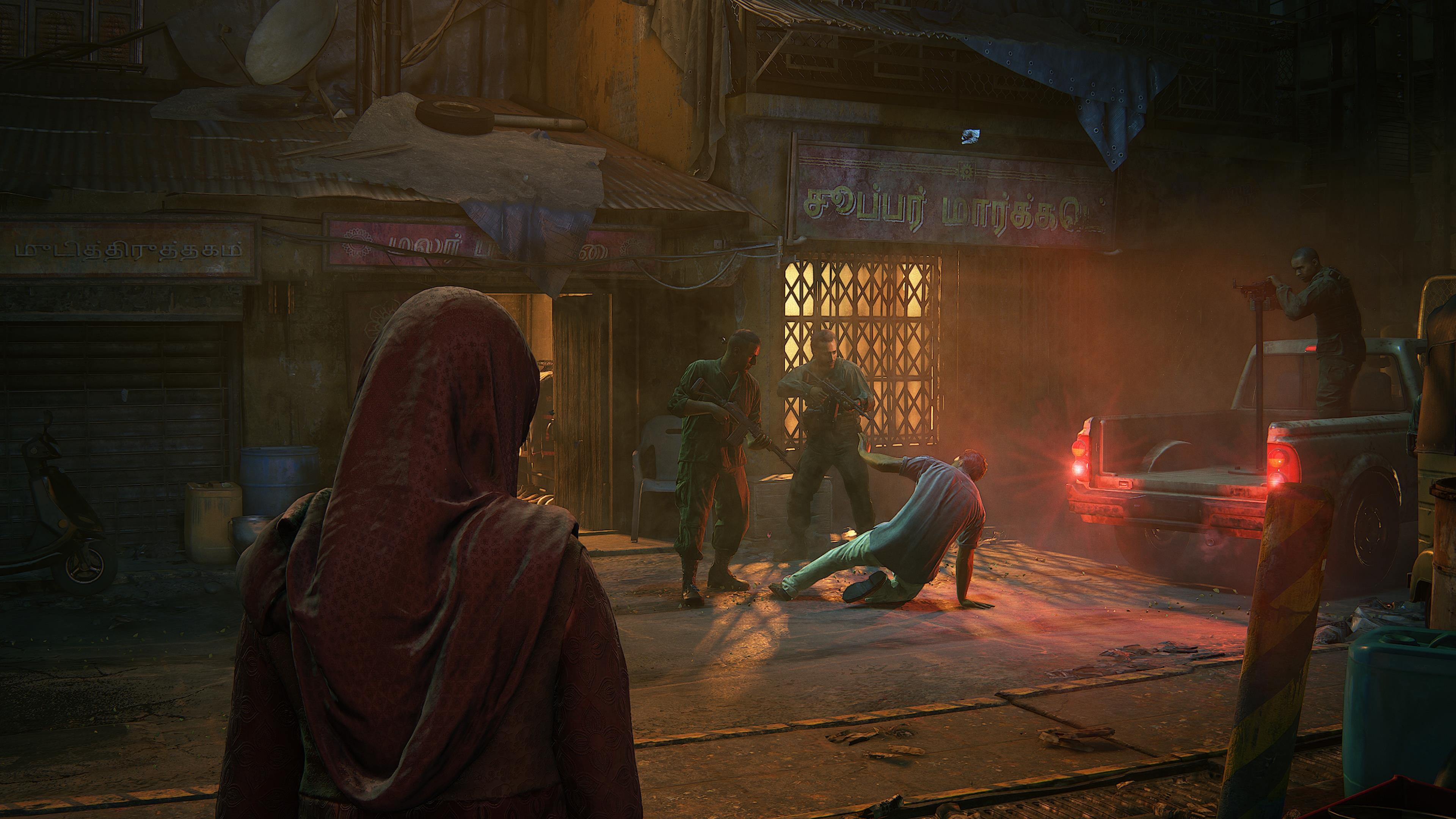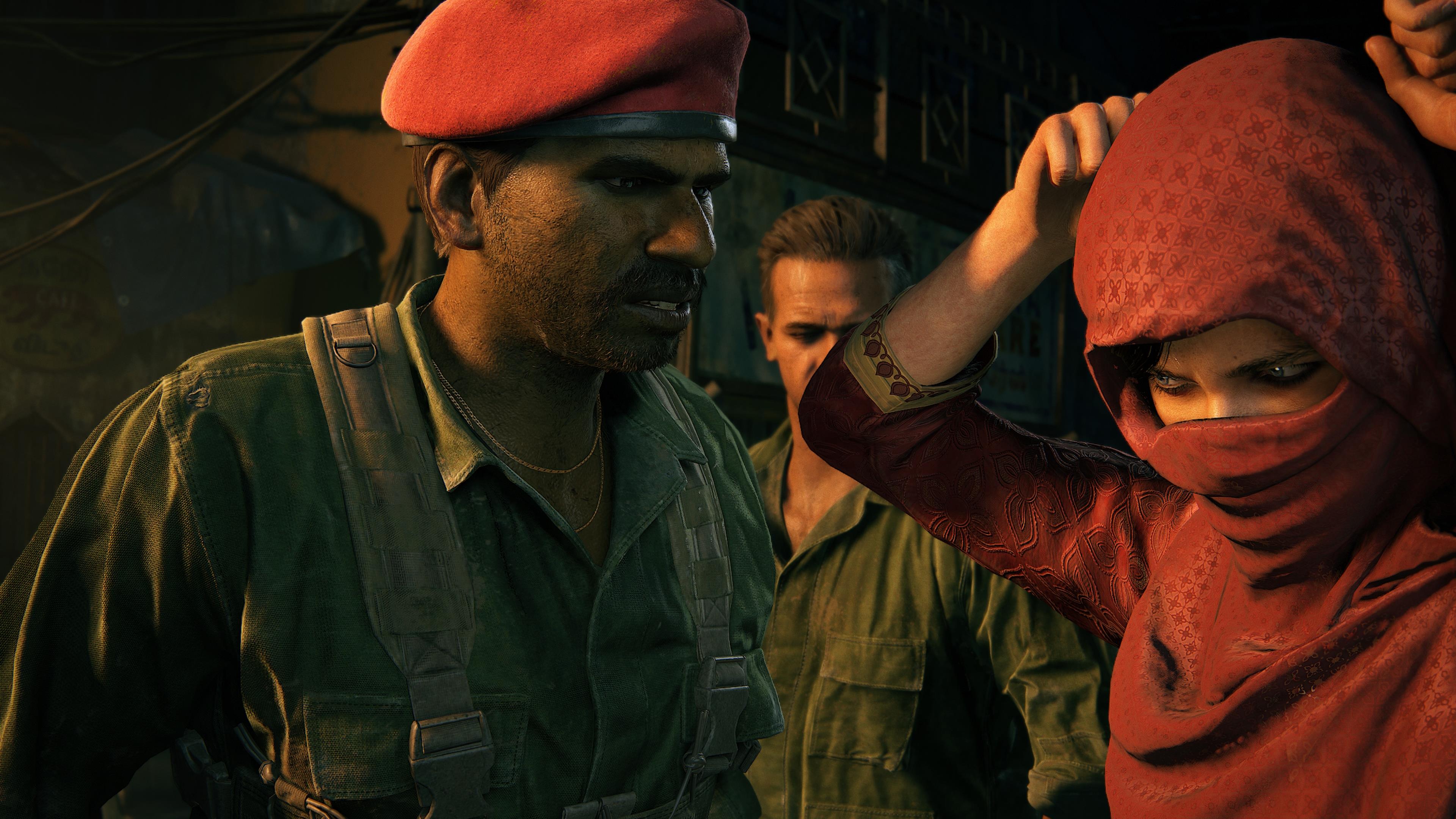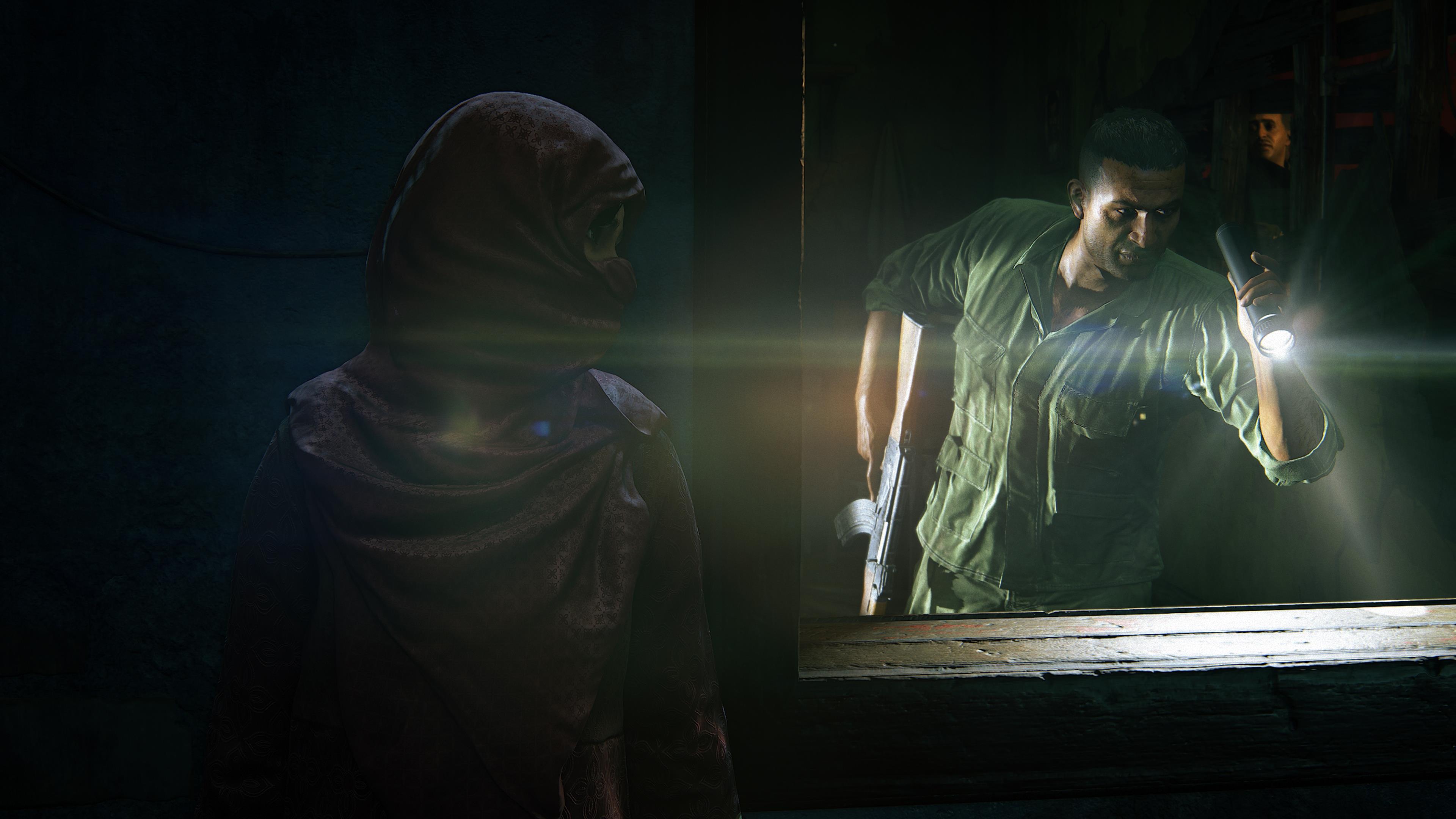

TRAVEL TO THE PAST TO SAVE THE WORLD’S FUTURE WHEN DRAGON QUEST VII: FRAGMENTS OF THE FORGOTTEN PAST ARRIVES ON NINTENDO 3DS ON 17TH SEPTEMBER
The classic RPG adventure arrives in Australia and New Zealand for the first time, rebuilt from the ground-up in 3D
9th September 2016 – When Auster and Prince Kiefer are determined to prove there’s more to life than their island home, they soon stumble into a quest that will see them travelling through time in order to save the fate of their world in DRAGON QUEST VII: Fragments of the Forgotten Past, coming to Nintendo 3DS family systems on 17th September.
Making its debut in Australia and New Zealand, DRAGON QUEST VII: Fragments of the Forgotten Past is the latest in the long-running Dragon Quest RPG series. This instalment of the series has been rebuilt from the ground-up in 3D, and represents the latest in a great line-up of RPGs on Nintendo 3DS family systems this year, including Bravely Second™: End Layer and Fire Emblem Fates.
In this handheld re-imagining, DRAGON QUEST VII: Fragments of the Forgotten Past begins when, in their quest to prove their island isn’t alone in the world, life-long friends Auster, Prince Kiefer and Maribel find themselves embarking on a journey that will see them travel through time and rescue civilisations long-forgotten in order to save the future. By collecting fragments of tablets and putting them back together again, the intrepid heroes can travel to new places and past dungeons in order to restore the world in this truly massive adventure.
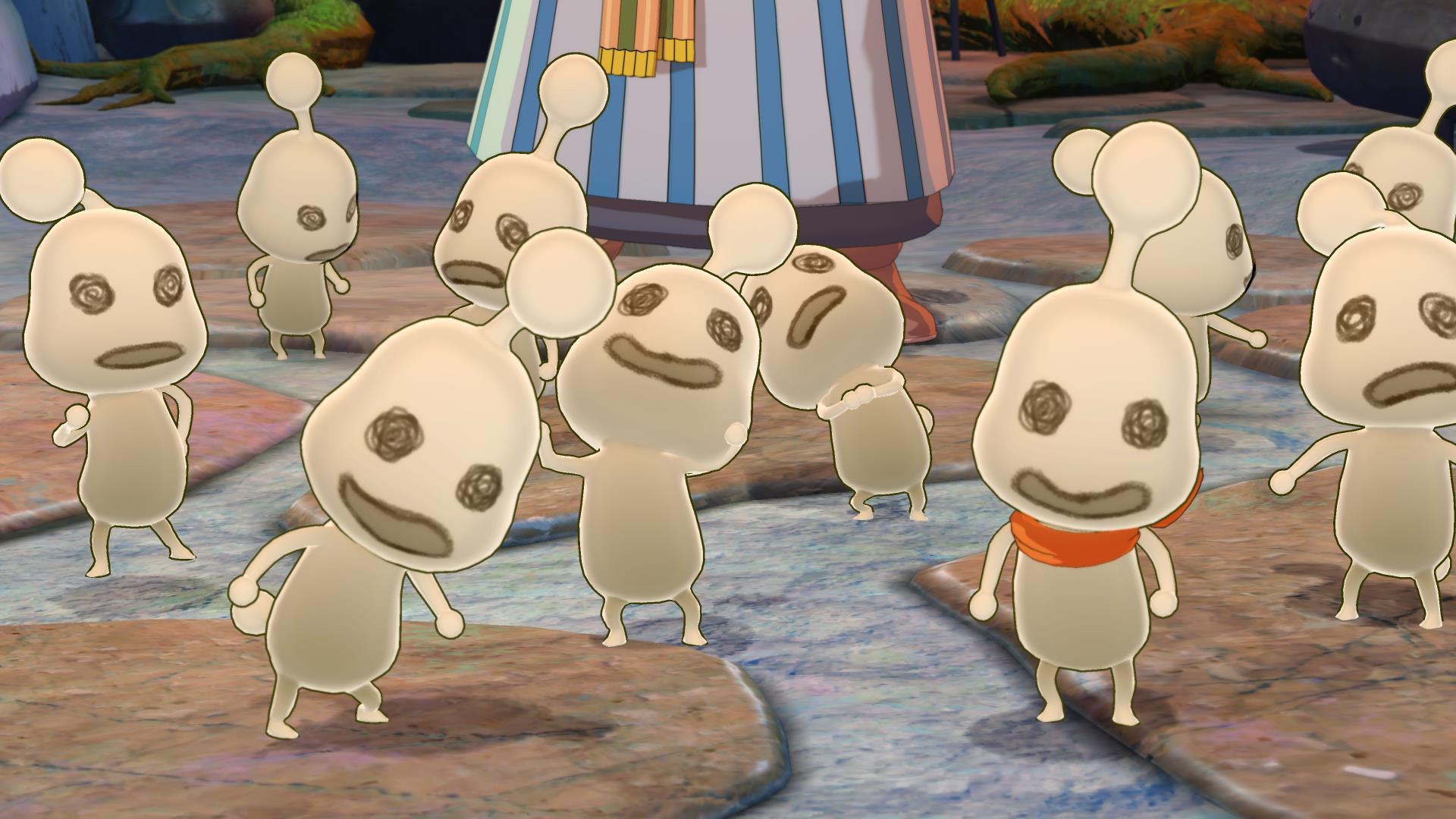
To aid in their fight against evil forces, Auster, Prince Kiefer and friends can be customised with over 50 different vocations, allowing them to specialise in a wide variety of classes that allow players to take more control of the battlefield. From Warrior to Mage to Martial Artist, each brings new strategies to the fight, and through the use of special items, heroes can even take on Vocations that allow them to fight as monsters, such as Dragon Quest’s memorable slime enemy.
During their travels, adventurers can not only fight as monsters, but will also be able to discover, befriend, and collect over 200 types of monsters to help grow their personal Monster Meadow. By populating the Meadow with monsters found throughout time, players can eventually send monsters out on scouting missions into special caves that can’t be explored by humans in order to find traveller’s tablets that grant access to special new dungeons. In addition, players can connect to the internet to download exclusive tablets that provide additional dungeons where extremely powerful monsters and rare weapons are waiting to be discovered.
As well as the Monster Meadows, monsters can also be invited to live in the player’s Haven. By inviting people and monsters into their Haven that they’ve met through their travels or via special dungeons, heroes will eventually be able to develop new buildings and settlements in their quest to cultivate the best civilisation and make their village the ideal place to live.
Travel to the past to save the world’s future when DRAGON QUEST VII: Fragments of the Forgotten Past launches for the first time in Australia and New Zealand on 17th September for Nintendo 3DS family systems.
Additional links:
Nintendo Australia website: http://www.nintendo.com.au
Nintendo Australia Twitter: https://twitter.com/NintendoAUNZ
Nintendo Australia Facebook: https://www.facebook.com/NintendoAUNZ
Nintendo AU on YouTube: http://www.youtube.com/nintendoau


I say this because while this sequel does provide small pieces of information about events that happened in the past, this is meant to be a refresher course for fans who played the game less than a year ago and not newcomers and also since one of the most enjoyable parts of the series comes from the character interactions, players will want to see the more personal interactions that are only available with data from the first game instead of the more generic versions that come from playing the title on its own.

Characters in combat can still be linked to one another allowing them to perform follow-up attacks to off-balance enemies but this time around there is another aspect to the link system that has been added to the game. This is called overdrive mode and allows players to attack multiple times with linked characters and even use arts with instant cast times, something that can be rather essential at times since this game is no walk in the park in certain areas and this feature will likely turn the fight in your favor against some of these particularly difficult areas. Outside of the standard battles mentioned above there are also fights that involve Rean taking control of a certain giant mech and battle against other mechanized foes. These battles are a bit different from your standard and help spice up the action from time to time but are hardly as exciting as one would think.
One of the more impressive, albeit somewhat predictable, additions in this title happens to be the unlocking of an airship that can be outfitted with shops and used as a way to move quickly from place to place though players also eventually unlock a special motorcycle like vehicle. It is worth noting that with this faster pace of travel available to players after a certain point that it might be possible to miss smaller aspects of the game but thankfully the game offers small warnings when players reach points in the story where certain events will close out side quests, giving players a chance to revisit and examine areas they otherwise might have blown past.
As far as the soundtrack for the game is concerned, fans will be pleased to hear that the title continues to excel in this department by featuring a wide variety of tracks that sound fit perfectly for this type of game and utilize numerous tones to keep from sounding too familiar to one another.

Despite these threats players head to Nuka World and are run through a gauntlet of challenges before coming up against and taking down the Overboss in a boss fight with a fairly unique gimmick that requires the use of a water gun to drop his shields before unloading with your standard weaponry. As one would expect with bandit gangs, eliminating the previous leader now crowns the player as the new Overboss and with the help of the new companion Gage they are well on their way to trying to take Nuka World to a whole new level.
This bare minimum storytelling is helped a little bit by the various tid-bits of information players can find in the various terminals in Nuka World that describe just how bad things were at the park before the bombs fell and their reckless abandon for safety in the eyes of profit. There are a few decisions throughout the game that can determine just how bad you really want to be in Nuka World and although the real story involves going through with everything and being the Overboss, there is an option to simply slaughter every bandit in the park and liberate the traders that once used the park as a hub, but this really isn’t developed in any way other than a way for players to feel like they aren’t forced in only one direction, though considering only Preston really takes notice of the Lone Survivor’s actions in taking the gangs back to the Commonwealth, your choices here don’t really affect much.
These areas include a Galactic Zone filled with special rides and robotic enemies all with Nuka Cola themed paint-jobs and attacks and the only way to power them down is to gather various pieces of machinery scattered through the area, a western area called Dry Gulch that is perhaps the shortest of the bunch but gives players a chance to act out a spaghetti western or simply hack through it using robotics perks while taking down new worm enemies that bury underground and burst out of corpses, face off against spliced Gatorclaws while interacting with a Tarzan-like human in the Safari Zone, dealing with neon painted ghouls and tricky obstacles in the irradiated Kiddie Kingdom, and more.
As you’ve probably noticed, the lack of real story development or giving your choices any worthwhile impact means that Fallout 4: Nuka-World is the type of DLC that is all about combat and taking what you want by force, though as mentioned there are a couple of choices you can make to not be quite so evil while on this path. This means while there can be a few humorous side-quests to undertake, the majority of your time here will simply be spent gunning down the mutated creatures and robots in the park while doing little else so those hoping for a bit more roleplaying or story elements like Far Harbor will be disappointed.
This being a Bethesda title, one can expect various bugs to raise their heads but it is worth noting that throughout my time with Fallout 4: Nuka-World I encountered a particularly nasty one that forced me to start the entire DLC over from scratch as an NPC required to advance the story refused to say anything more than his initial praise for liberating every area of the park. This issue appears to be quite common and, at the time of writing, hasn’t been fixed so those who do wish to take on Nuka-World will need to keep an eye out. Other glitches such as gang leaders refusing to offer additional quests or talk in any form appeared fairly often as well but resolved themselves with simple reloads unlike the aforementioned problem.
The voice work throughout this DLC is fairly standard and fitting considering the gruff nature of the bandits that players will be dealing with though it is nice to note that the soundtrack does feature a number of unique themes that fit the hubs that players explore.

Where the first film, Wild Dance of Kyoto, served as a way to introduce the various characters and the plot elements that come into play in the series, the focus of Warrior Spirit of the Blue Sky is more on the actual battles and personalities of the previously introduced characters coming into play as they fight according to their own personal code, even if it might mean their death. The large number of battles that are portrayed throughout this second film serve as both a way to keep fans interested in the action and also to help reveal the emotions of characters that generally were more reserved.
This also allows for more interaction between Chizuru and Hijikata and gives the plot a more stable ground to stand on rather than trying to abruptly force everything on the viewer in the time allotted like in the previous film. Instead, outside of the aforementioned time skip that might throw a few people off to start with, the story progresses rather smoothly this time around by building up the villain without dealing with nearly as much drama as before while also revealing additional details about events in the world before coming to a fairly satisfying conclusion that will leave most fans pleased by the time the credits run.
The wide array of colors used throughout the series return to help present a number of striking scenes and nicely detailed backgrounds and scenery that really helps draw attention to how great the film looks most of the time with the only noticeable drop in quality coming with the basic appearances of most of the standard enemies that are confronted by the cast.
The soundtrack remains fairly simplistic in nature which continues to be a disappointment considering the high quality of the animation budget but it is worth noting that the ending theme that is used during the credit sequence is rather incredible sounding, though it unfortunately never appears in the film proper.