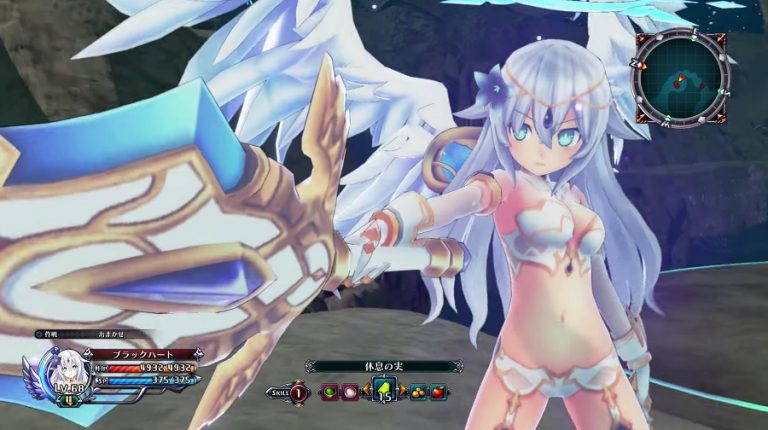
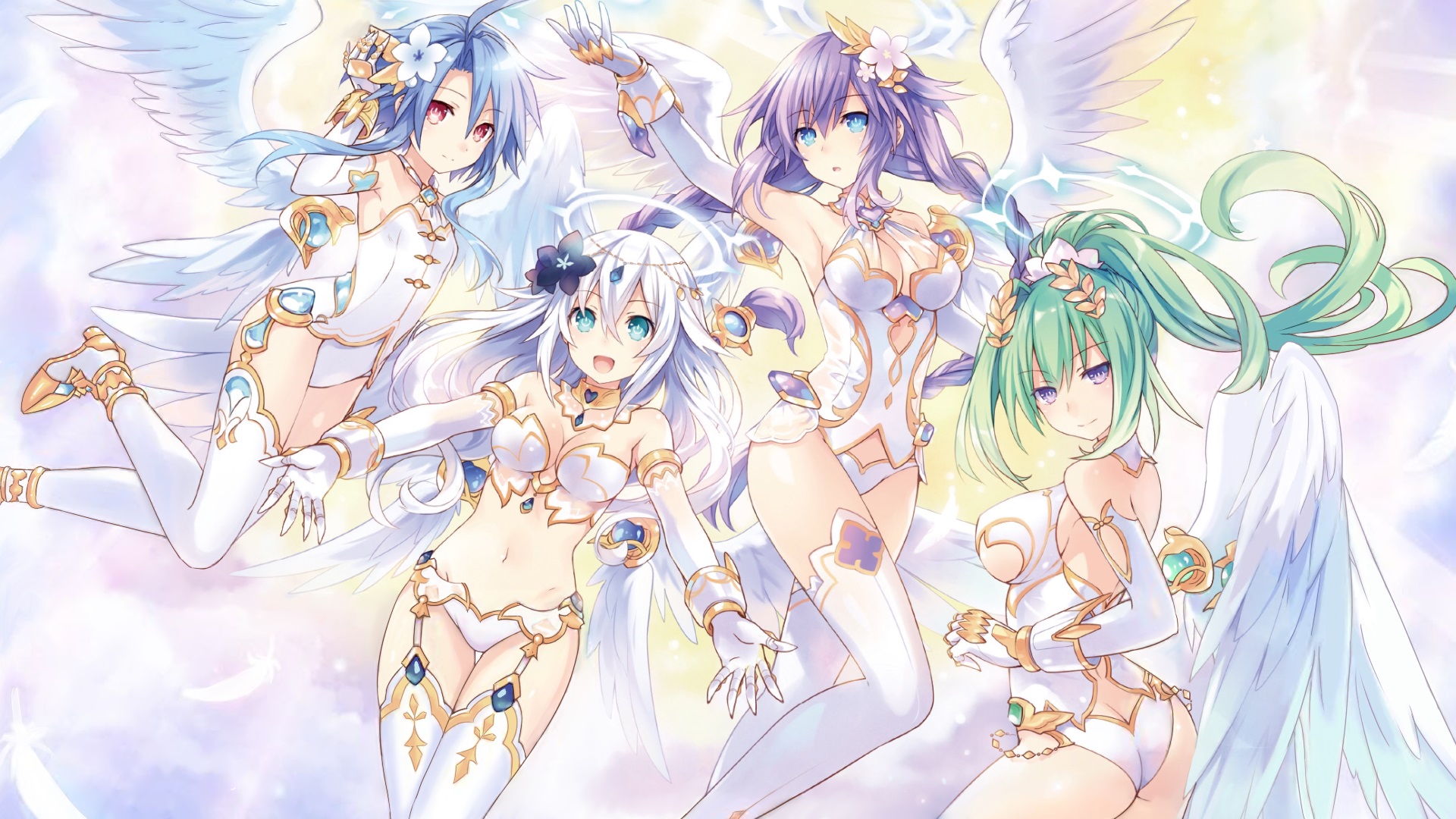
We’ve learned previously that in Four Goddesses Online: Cyber Dimension Neptune, the digital game that all of the characters are playing will feature their goddess forms in the game as NPC characters. Now Compile Heart has released a new trailer for the action RPG that shows just how these NPCs will react, and it even appears that they are now playable in some form.
You can check out the video below to see Purple Heart, Green Heart, Black Heart, and White Heart in action and keep an eye out for the game when it is released in Japan for the PlayStation 4 on February 9th.
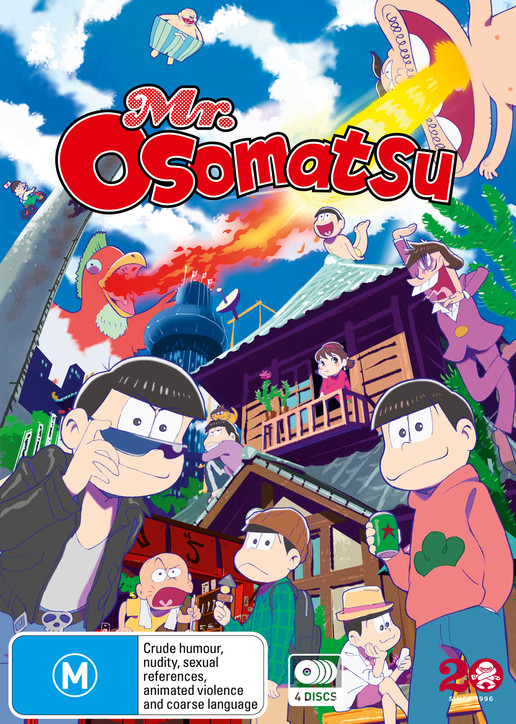
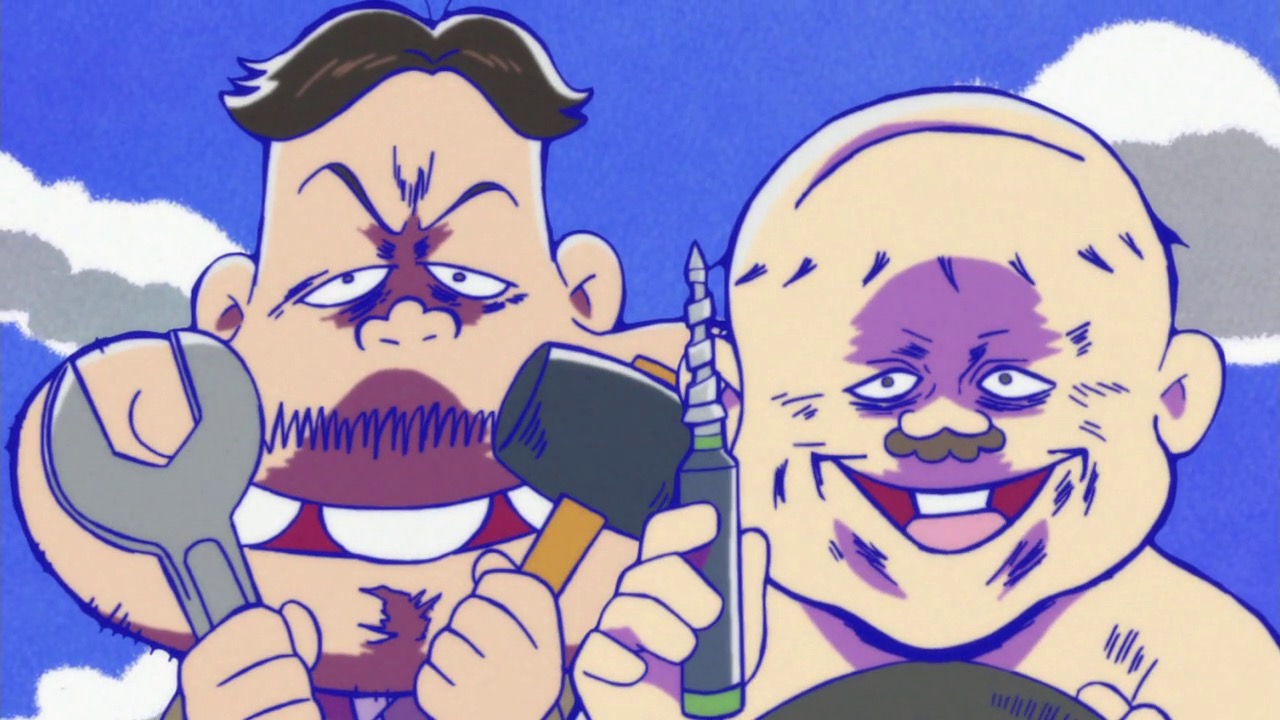
Osomatsu is the eldest sextuplet in the Matsuno family. His younger brothers Karamatsu, Choromatsu, Ichimatsu, Jyushimatsu and Todomatsu, all of whom are adults, live at home with their parents as NEETs. All six of them have a crush on Totoko, who is aspiring to become a mega-famous fish idol but continually fails to gain any positive attention from anyone other than the Matsunos. Iyami is a con artist who randomly switches from being helpful to antagonistic towards the brothers, and is often helped by oden chef Chibita. Dekapan is a scientific genius who keeps his incredible concoctions in his pants, and is often seen with Dayon, a person who is simply bizarre. Each of these characters are capable of demonstrating the positive aspects of humanity, but they usually just try to annoy each other and/or kill each other as violently as possible.
Story
The first thing to do before watching this series is to throw your perception of reality out the window for the duration of your viewing session. You will need to be prepared to ignore common sense, the laws of physics and human decency for about 10 hours. If you can do that, you may find yourself having an excellent time watching this wonderfully bizarre comedy. On many occasions, one or more of the brothers will come up with some ludicrous plan that should never be put into action, or say something utterly ridiculous that really needs to be questioned. Then, one of them will be the voice of reason. This supposedly ‘normal’ person is annoyingly common in anime series, and exists mostly to say ‘no’ to everyone else and tell them that they are crazy. Having someone play this role in Mr. Osomatsu is surprisingly effective, however, and somewhat necessary in this particular case. Some of the ideas that the brothers have really do defy logic and reason, yet much of the humour in this series comes from witnessing them following through with their dangerous plans. That is assuming, however, that we are told of their plans beforehand. There are times when something insane just starts happening for no apparent reason, and can be entertaining to see just how messed up situations can become in the shortest possible amount of time.
Some problematic situations can last for a few minutes before being resolved. This show does not let a joke go and move onto the next one as soon as the first joke has achieved its intended purpose. Instead, some jokes are repeated in increasingly ridiculous ways in an attempt to see how far the writers can take a joke while still being funny, and it works every time. These writers commit to a joke once they begin telling it like few others do.
Despite them all having more or less the same appearance, the Matsuno brothers all have different characteristics. Osomatsu gambles his or his brothers’ money away. Karamatsu acts cool and pretends to be a ‘ladies’ man’. Choromatsu tends to be the butt of many jokes, which is not an actual human characteristic. Ichimatsu always looks disinterested and is shy around humans, resulting in him making friends with cats. Jyushimatsu is hyper-energetic and obsessed with baseball, yet he has no idea how baseball works. Todomatsu is the most normal of the Matsuno brothers; he is shown to have a job and be able to talk to women, unlike each of his brothers. Jyushimatsu is the most consistently hilarious of the six, despite not being relatable.
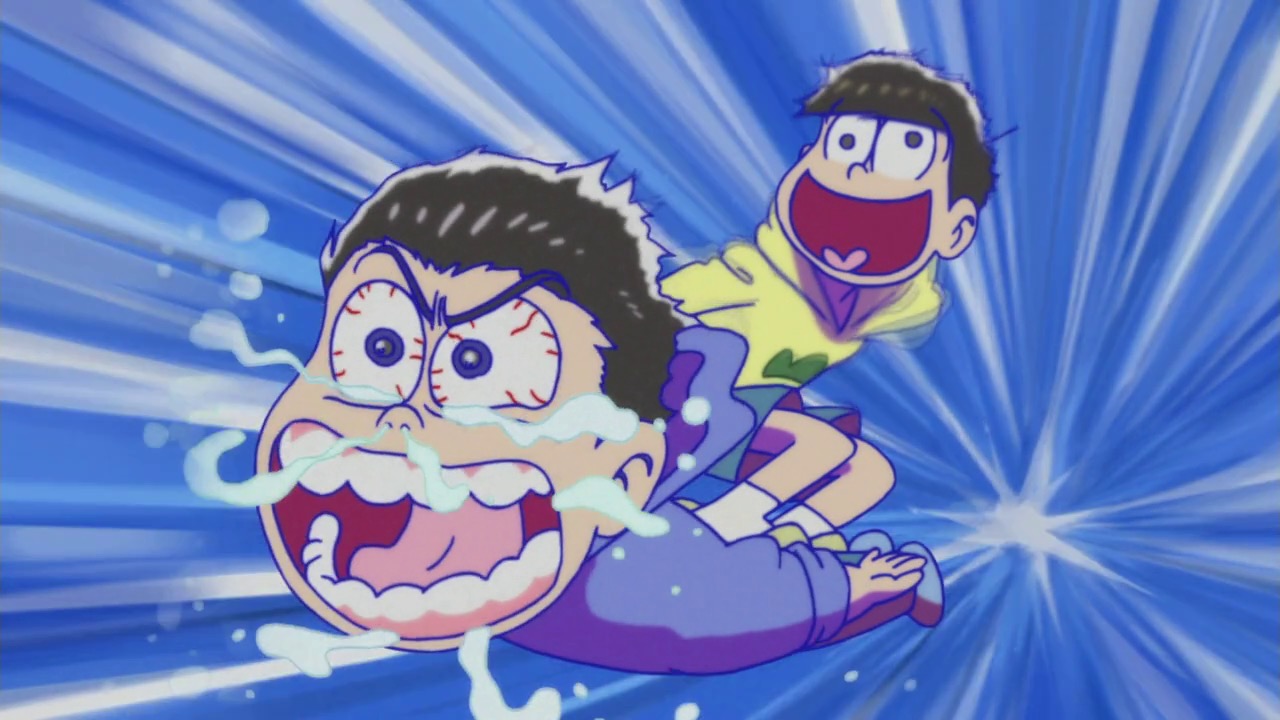
Odd situations occasionally just happen to the brothers for no real reason, but Jyushimatsu is one of the most active characters in the entire show. Despite his appearance, he is capable of having emotions and developing relationships with other people. Those occasions are few and far between, but they still happen. He is extremely unpredictable and random, and that characteristic works well in this series. One would probably not predict, for example, that he would pull down his pants and shove his behind in his interviewer’s face at a job interview, nor that he would pick up one of his brothers, throw him in the air and ride him like a surfboard. As a result of all his hyper-energetic randomness, the episode devoted entirely to him immediately becomes one of the highlights of the series. Every Matsuno gets a moment in the spotlight, and they never cease causing and getting into as much trouble as they possibly can.
One of the impressive things about this series is that the minor characters can become the star of an episode and sideline the Matsunos without being boring. For example, Chibita becomes a compelling protagonist in one story. In it, he waters a plant that seems out of place, only to be greeted later by the Flower Fairy who reciprocates Chibita’s kindness. That such a one-note character who ends every sentence with ‘you idjit’ (‘idiot’) can be a part of a sweet story of fantastical romance without completely ruining it demonstrates the potential that this show has. Even Iyami can be entertaining when thrown into the spotlight, although his antagonistic nature renders him as little more than an occasionally effective gag. Dekapan and Dayon are without a doubt the most hilarious minor characters. Dayon’s mostly incomprehensible behaviour and tendency to only say his own name is inexplicably entertaining. The only character who is genuinely annoying is Totoko, mostly due to her constant physical abuse of the Matsuno brothers. Fujio Akatsuka does not seem to know how to write female characters properly, and the writers of this adaptation did not seem to have any interest in writing female characters properly either. The only female characters that are not entirely annoying are the ‘Girlymatsus’, the gender-flipped versions of the Matsuno brothers. They tend to be petty, focused on gaining the attention of boys and are generally mean to each other, but they at least more entertaining than Totoko. There are some average minor characters and some hilarious ones, but they all contribute to a crazy viewing experience.
Visuals
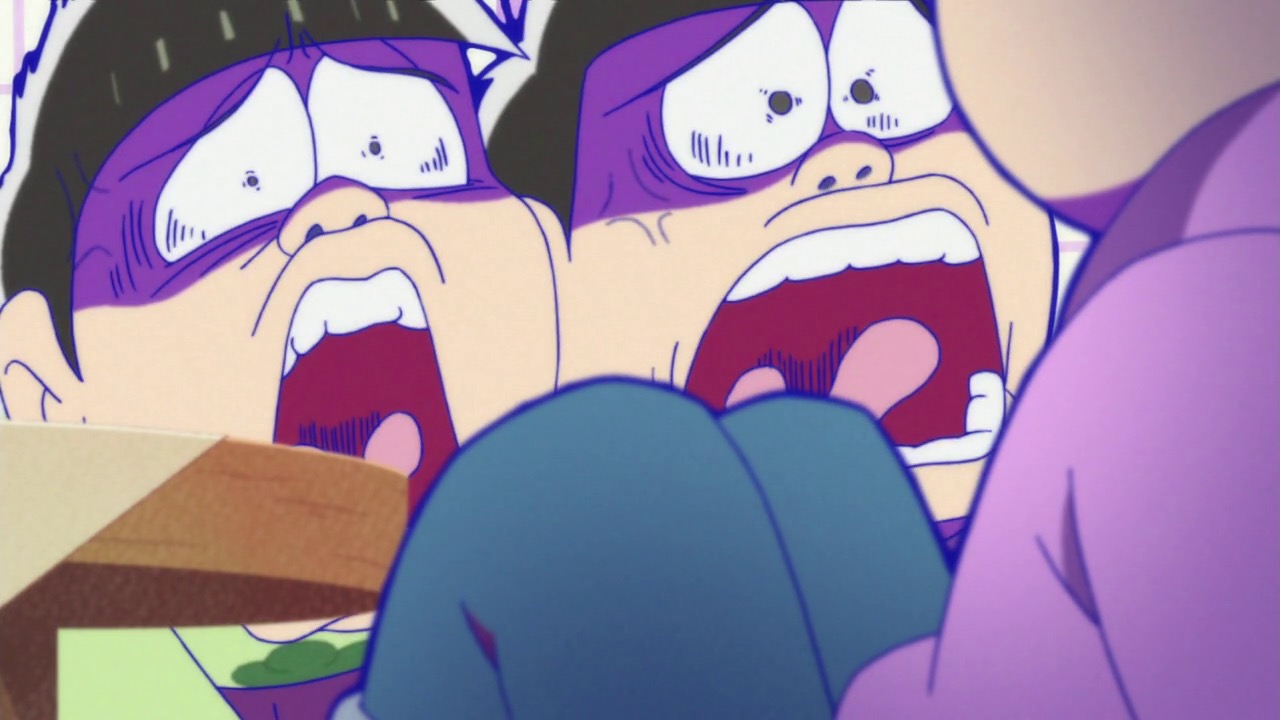
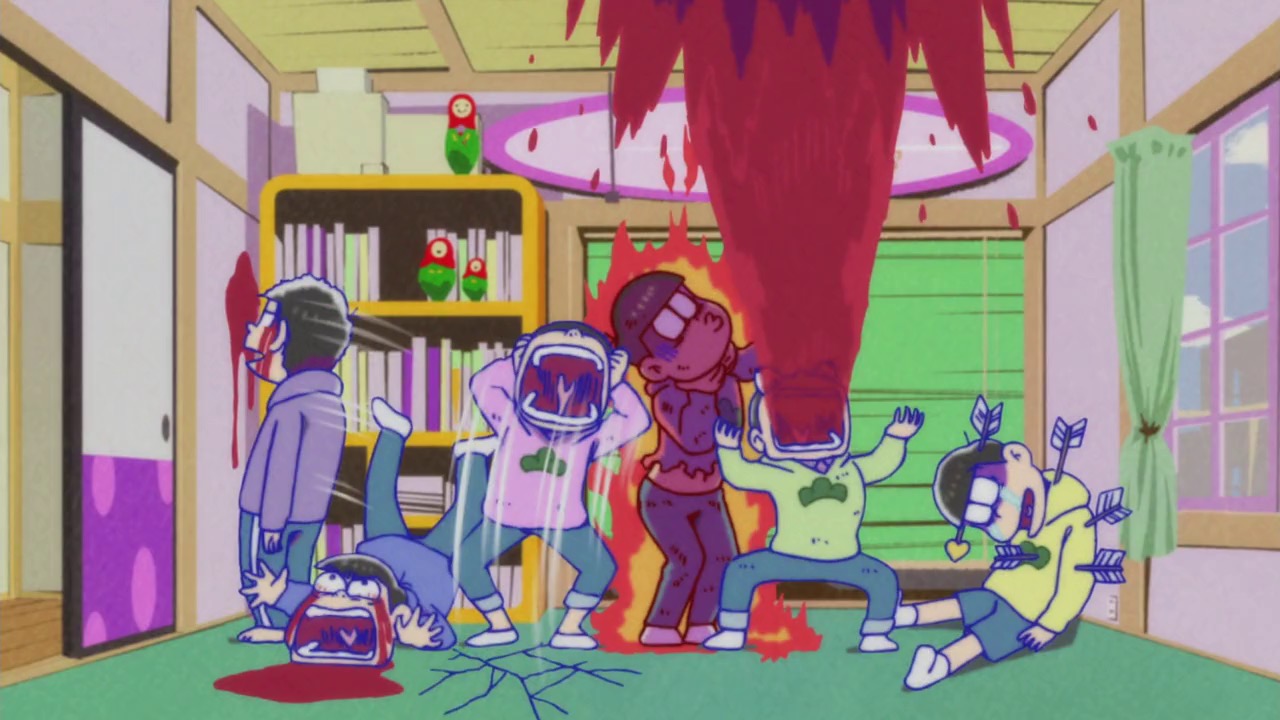
The animation is solid throughout the series. One episode mostly recycles clips from previous episodes, but aside from that and the otherwise minimal use of flashbacks, it rarely suffers from a drop in quality. The artwork is where this adaptation really succeeds at standing out. The Matsuno brothers are distinct enough in appearance that it is possible to identify each of them visually, and the minor characters are all unique. The faces that many characters make are some of the best elements of the visuals. Characters will often make a menacing face towards another, and at other times will look pleadingly at a person who just does not care. Some of these faces can be truly hideous, but it can also be hilarious. There is a significant amount of slapstick comedy, and watching characters spontaneously combust or bash their heads into a something is more funny than it is horrific. Characters can often be seen bleeding from their heads, and they die from anything ranging from oxygen deprivation to nothing whatsoever. There is a lot of male nudity, although it is censored. There are also certain episodes that feature bishounen versions of the Matsunos, which typically play out like a bizarre reverse harem anime.
Audio
The music is effective, but the most memorable aspect of the music is the opening and ending songs. They are quite catchy, and the accompanying visuals are cool too. Unfortunately, presumably due to licensing issues, they are not subtitled, nor are textless versions included as extras. The voice acting is excellent throughout, and this is no surprise given that some of the biggest names in Japanese voice acting are present.
Overall
Mr. Osomatsu is brilliant in an insane kind of way. If you had one or more brothers growing up or went to a co-educational school, you can probably recognise some of the characteristics and behaviour that the Matsunos demonstrate. If not, this series might function as a good advertisement for all-girls schools; boys like this should be avoided at all costs in the real world. Its sheer ridiculousness and constant barrage of jokes, as well as the slapstick violence that sometimes even results in reversible death, combine to make it stand out as one of the funniest anime productions ever.
Capsule Computers review guidelines can be found here.
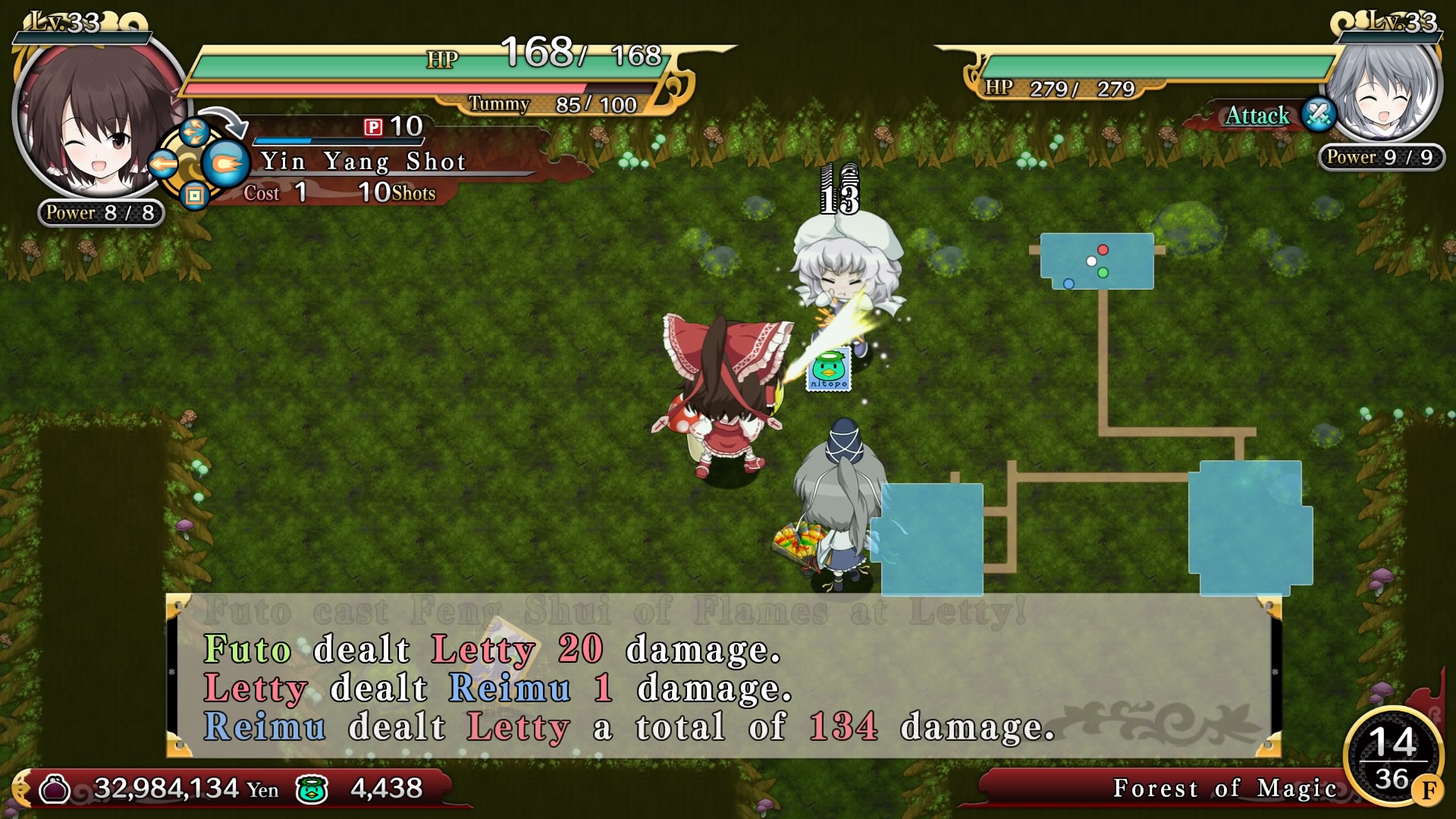
NIS America has announced that they will no longer be able to release the paired games Touhou Genso Wanderer and Touhou Double Focus on their previously planned dates of February 7th in North America and February 10th in Europe. The company has announced that these games will now be releasing on March 21st in North America and March 24th in Europe.
At the time of the announcement the company did not state why this delay occurred but the games will still be available in the same form as before, with the retail PlayStation 4 versions including both games on separate discs in North America (Touhou Double Focus will be digital only in Europe) and the PS Vita versions being available digitally as separate purchases.
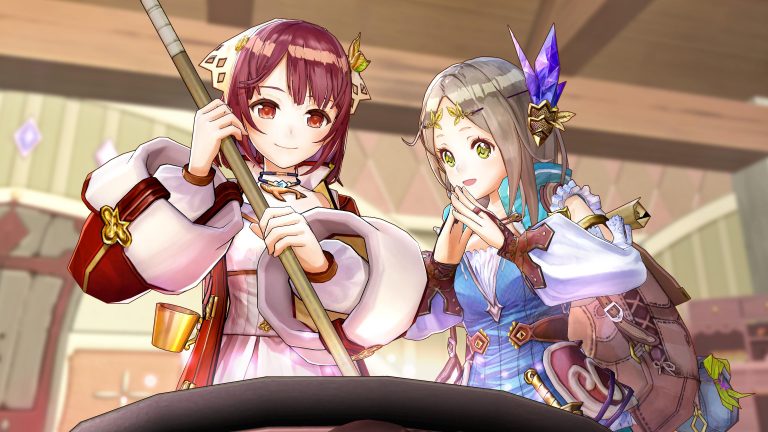
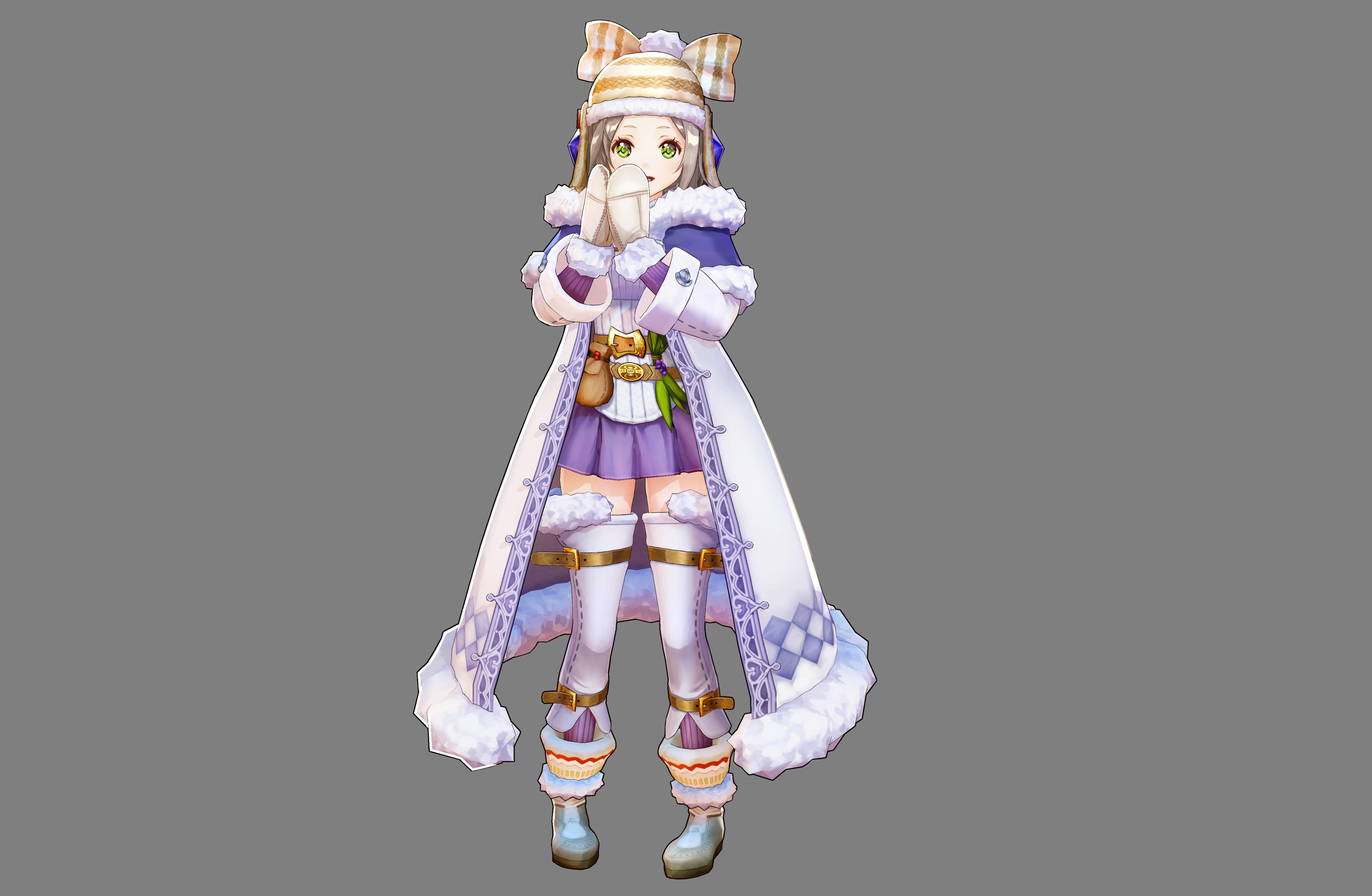
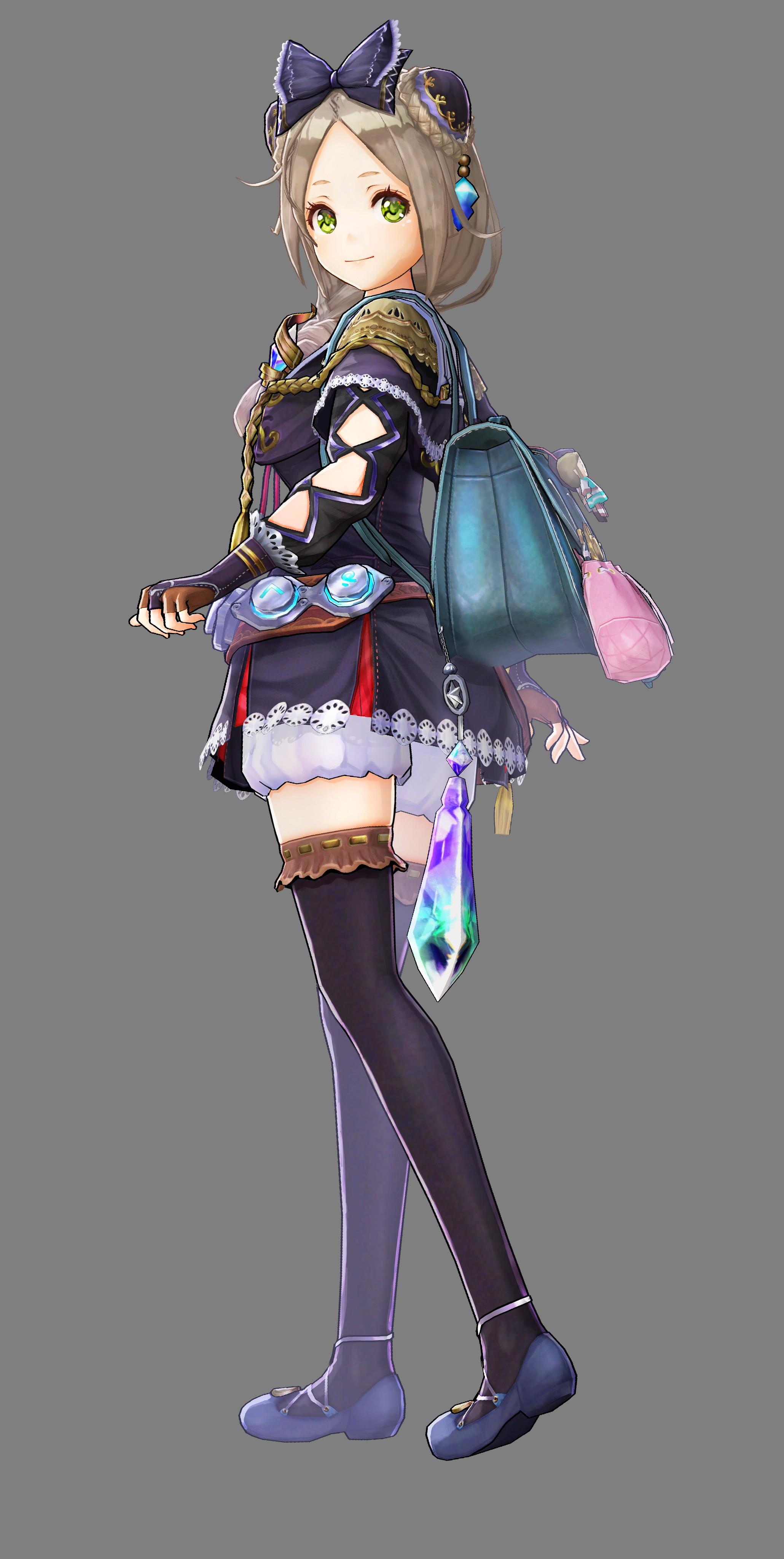
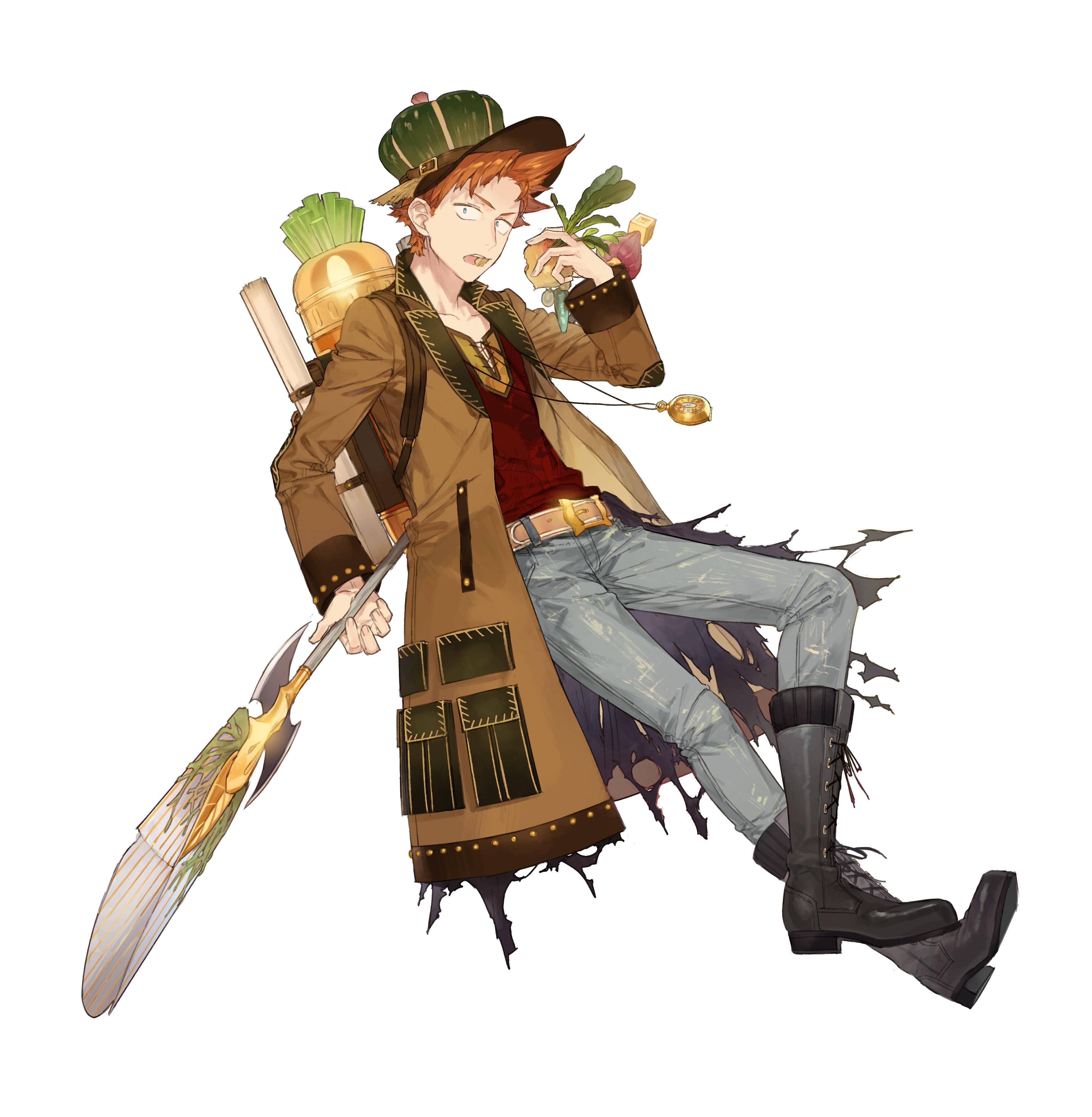
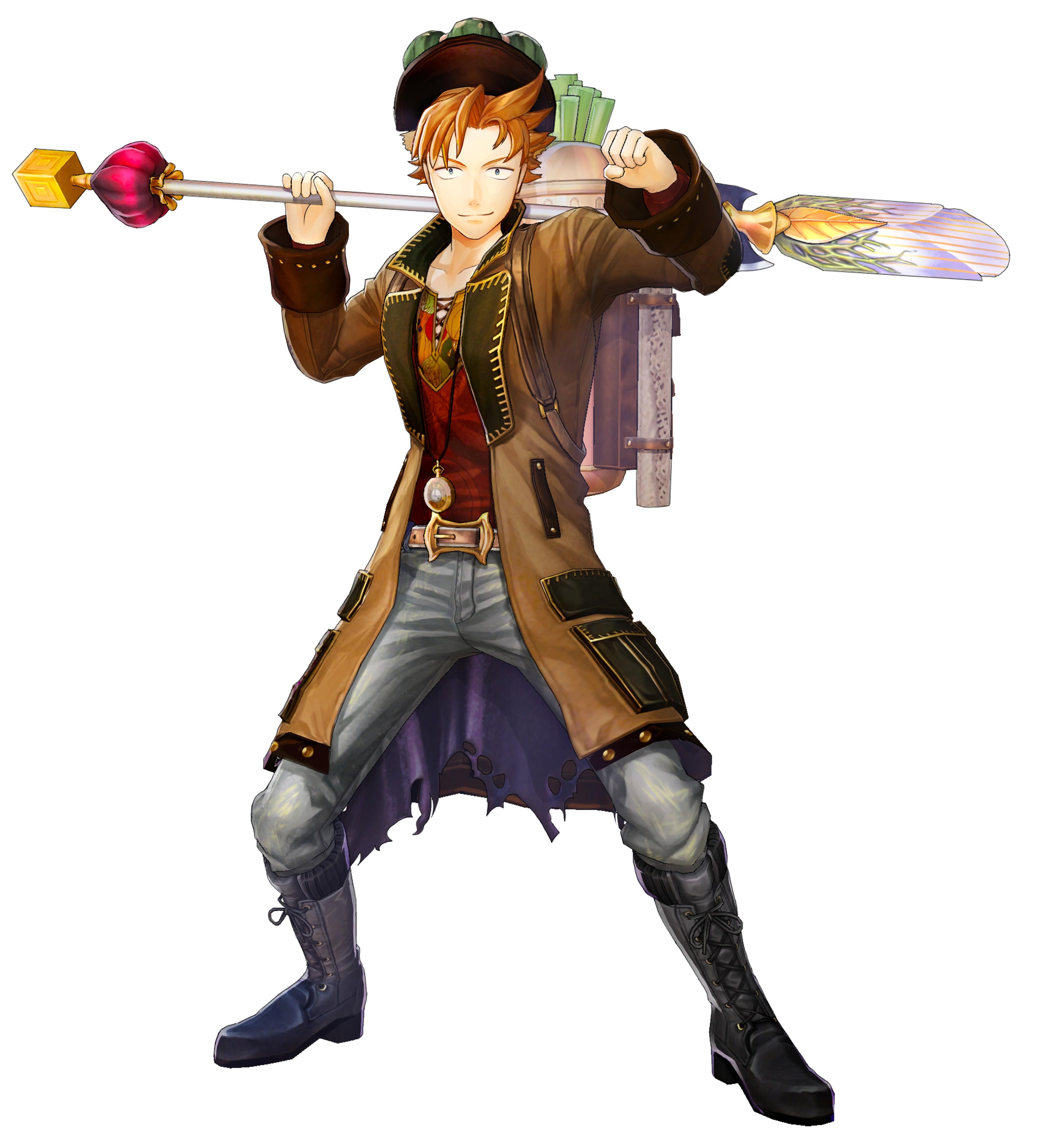
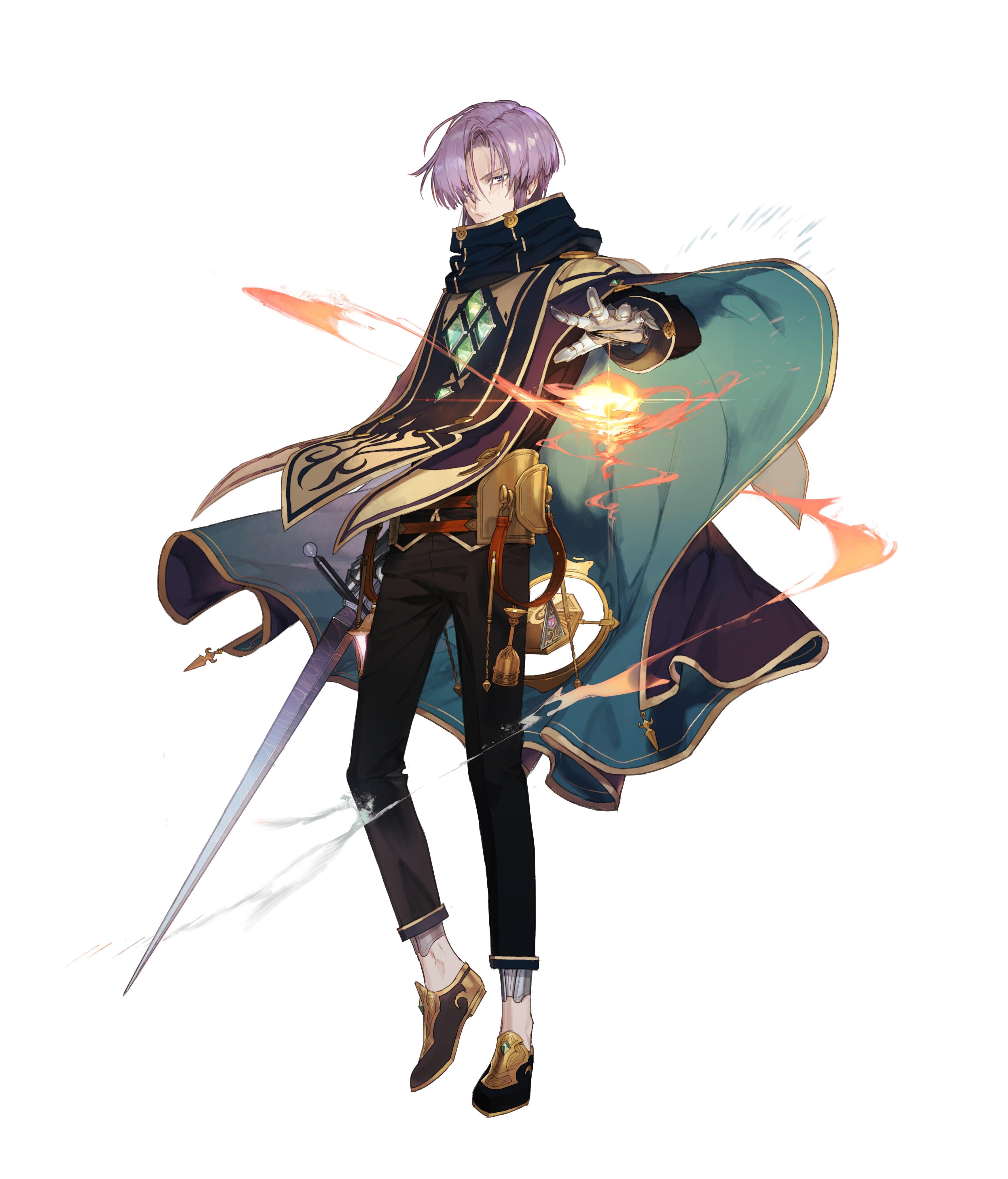
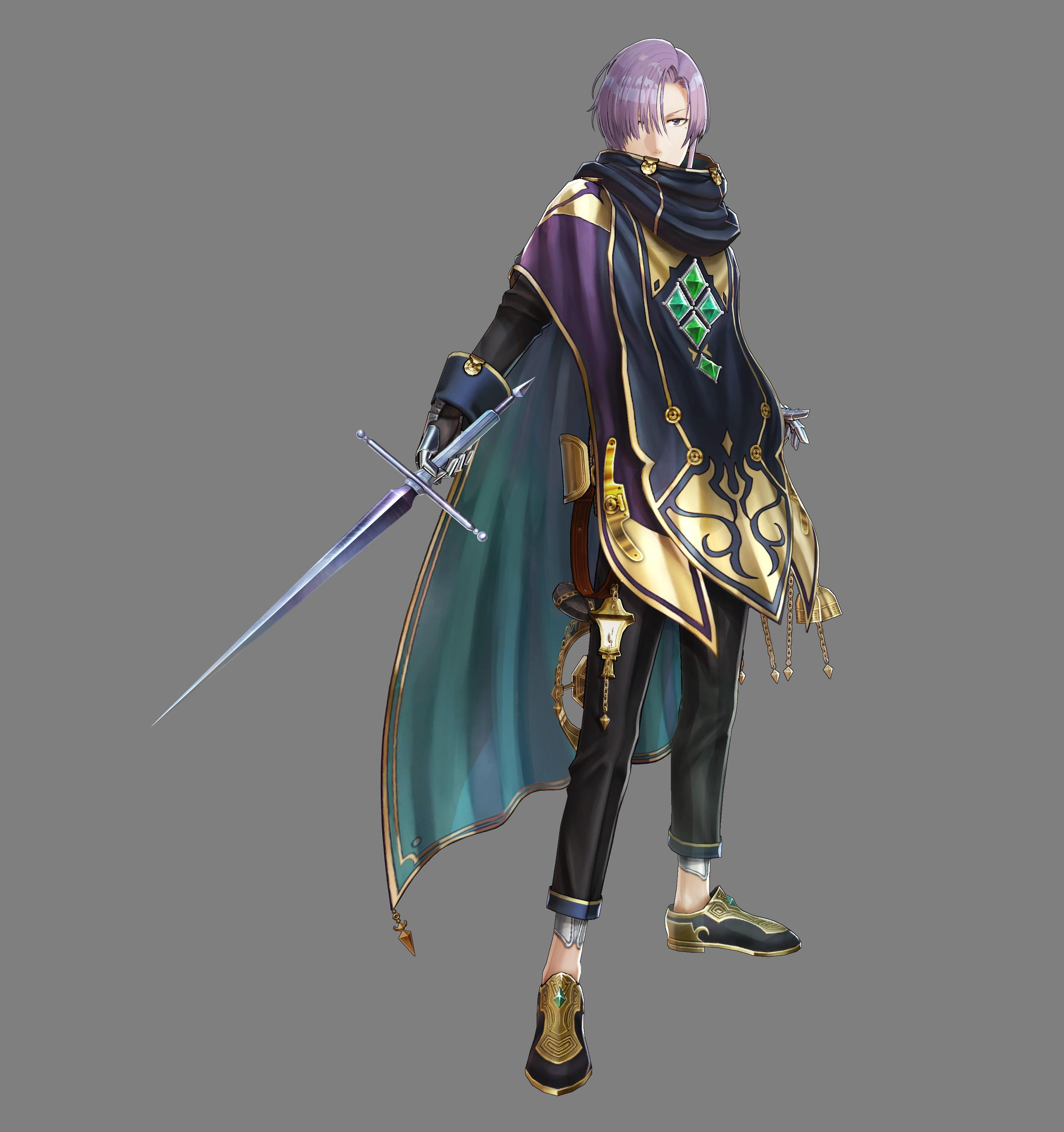
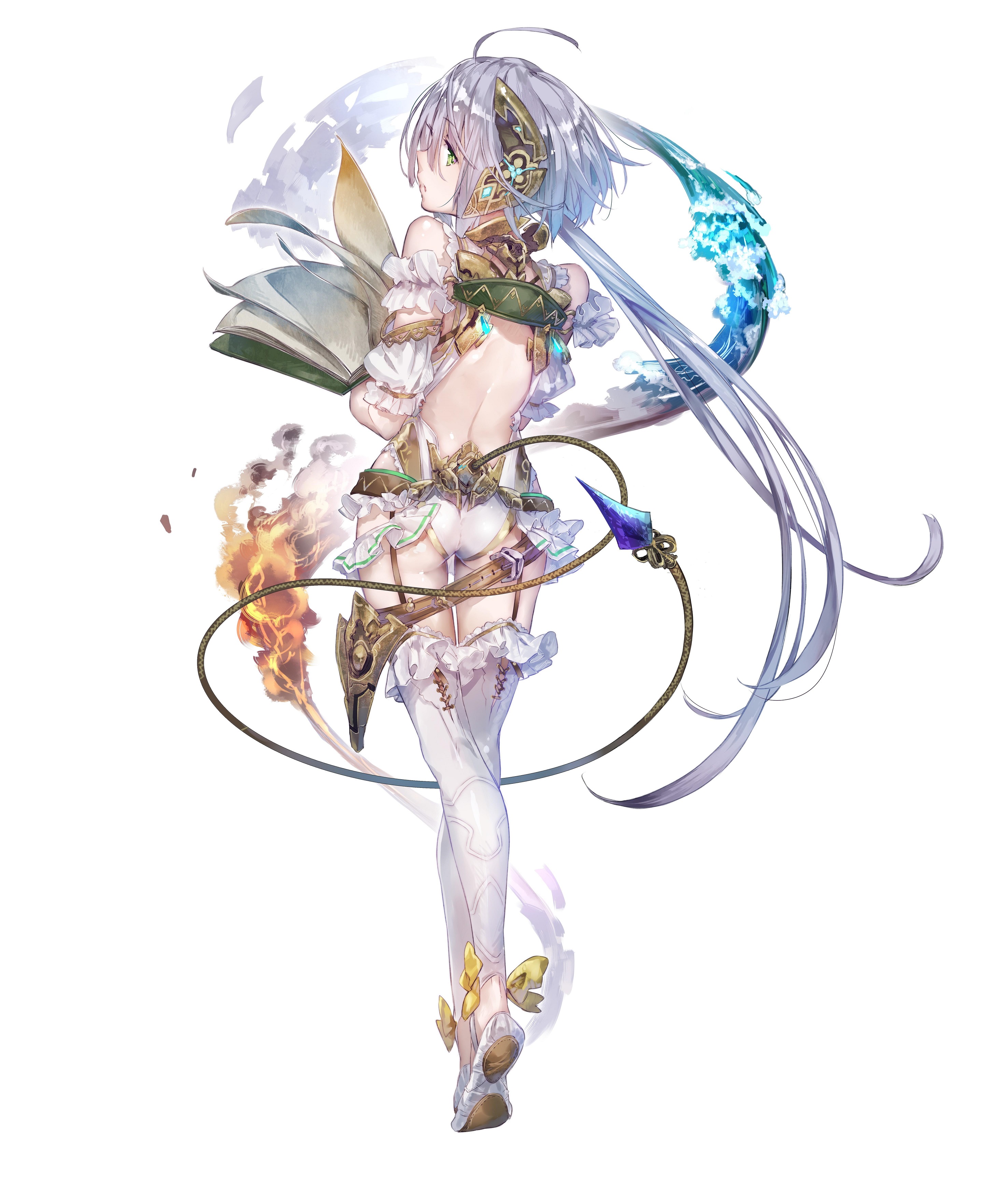
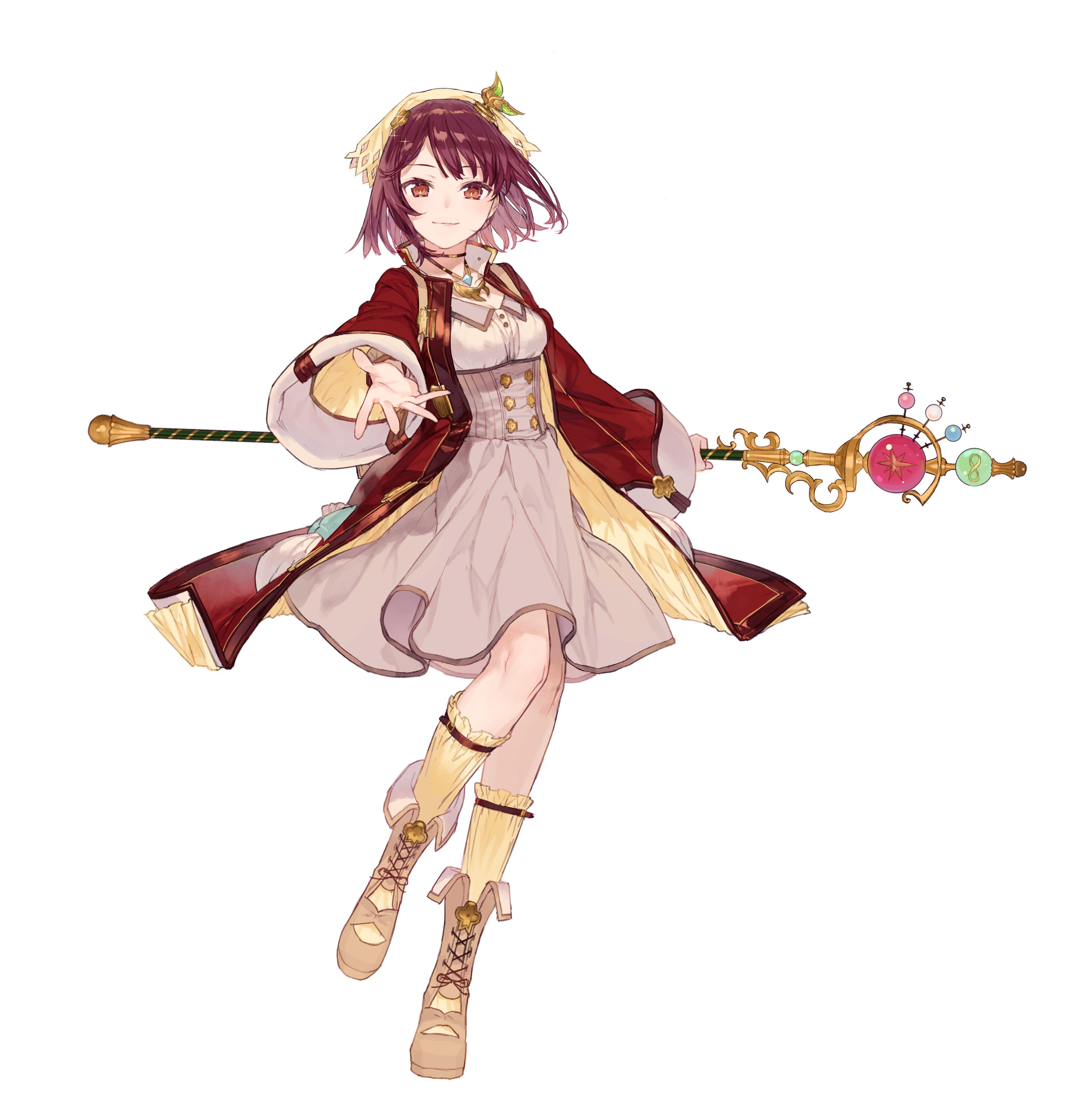
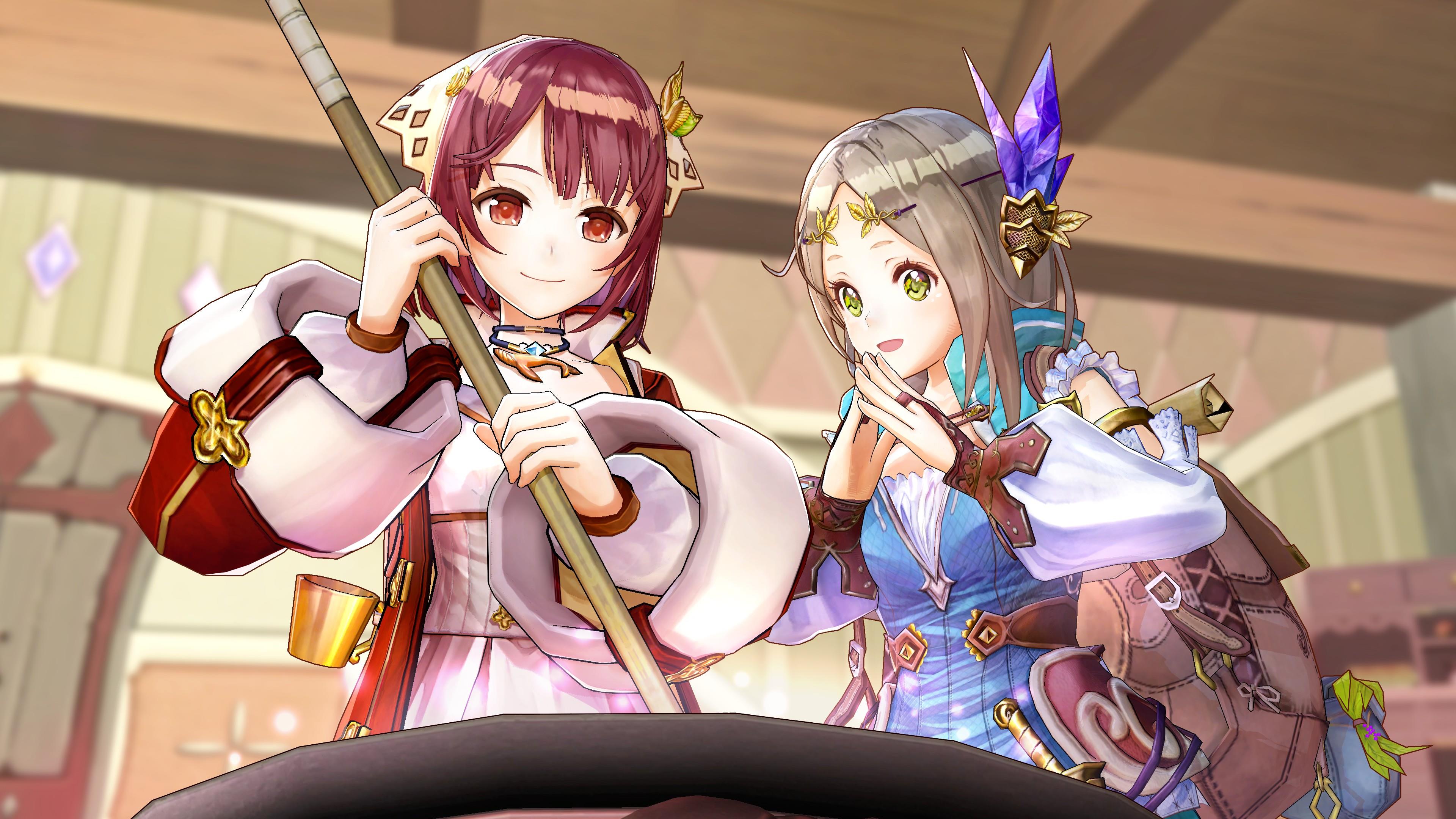
Koei Tecmo has announced that they are aiming to have Atelier Firis: The Alchemist of the Mysterious Journey released physically and digitally for the PlayStation 4, digitally on the PS Vita, and on PC through Steam on March 7th in North America and on March 10th in Europe.
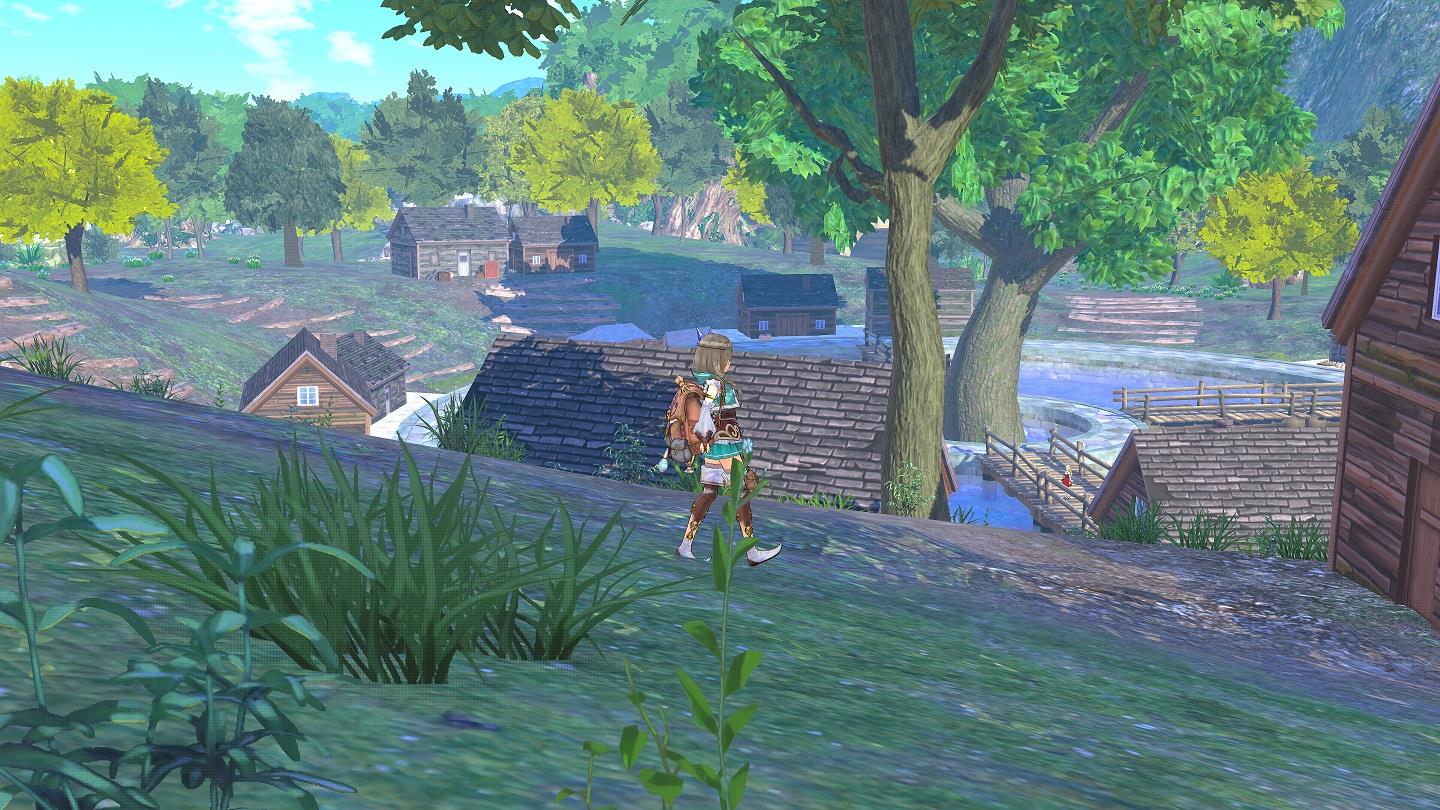
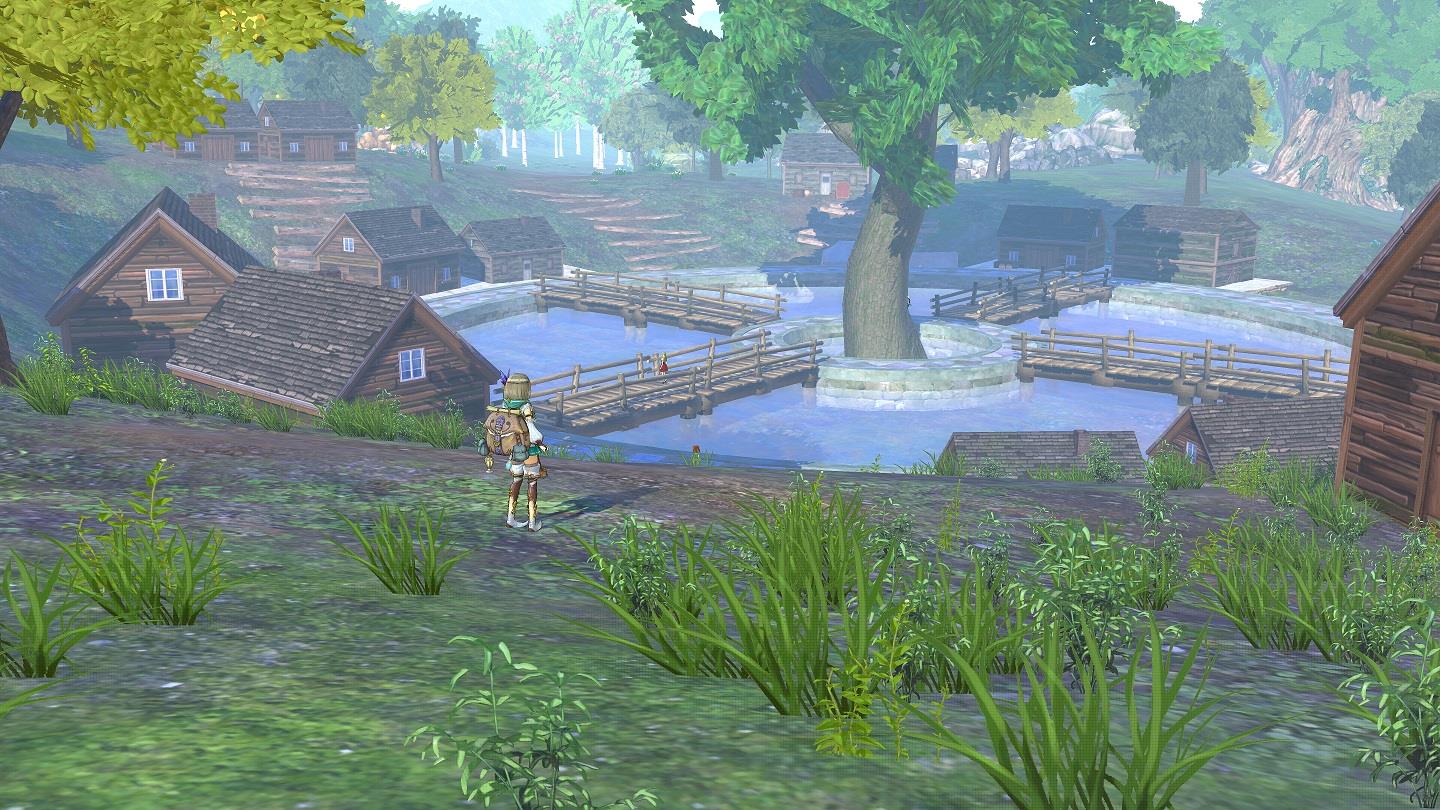
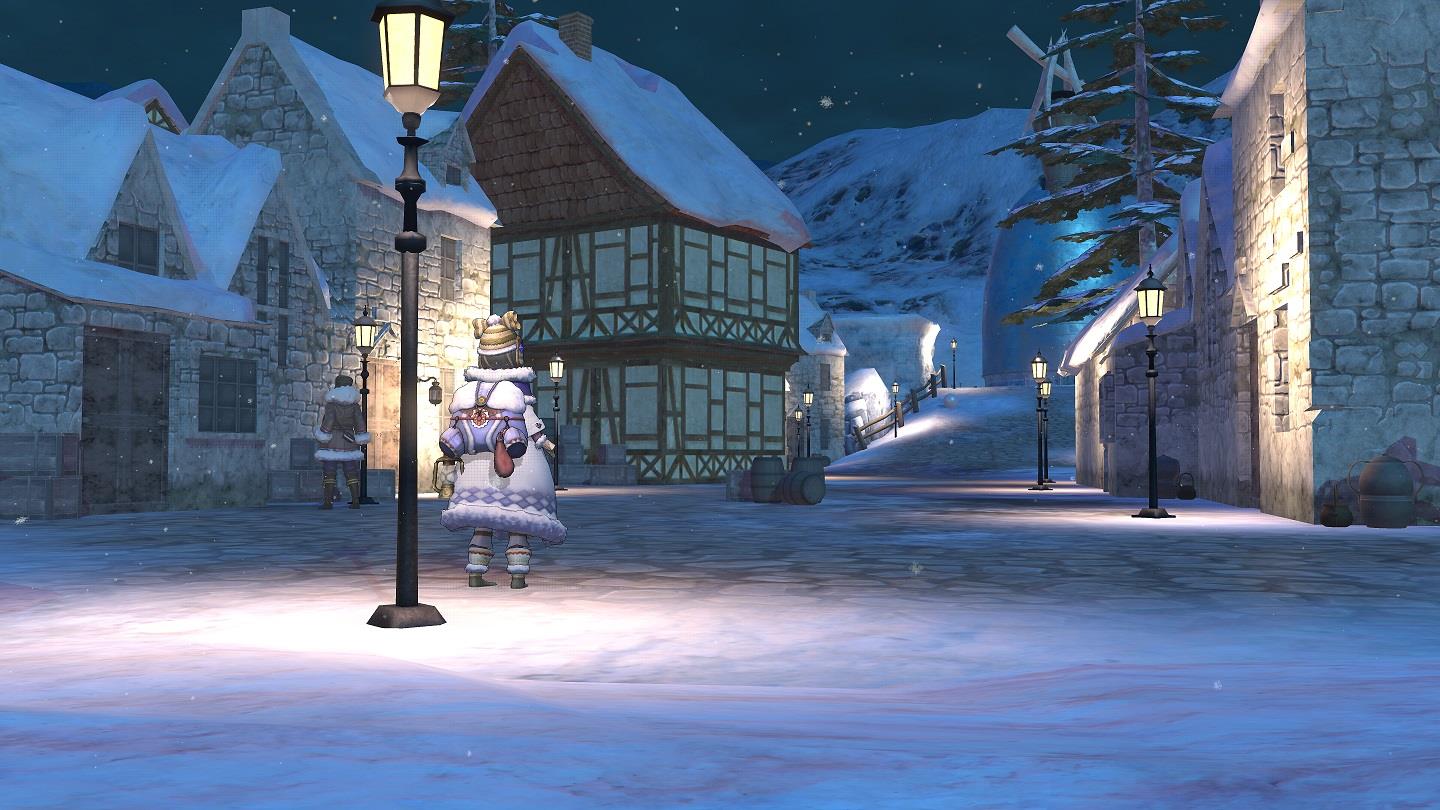
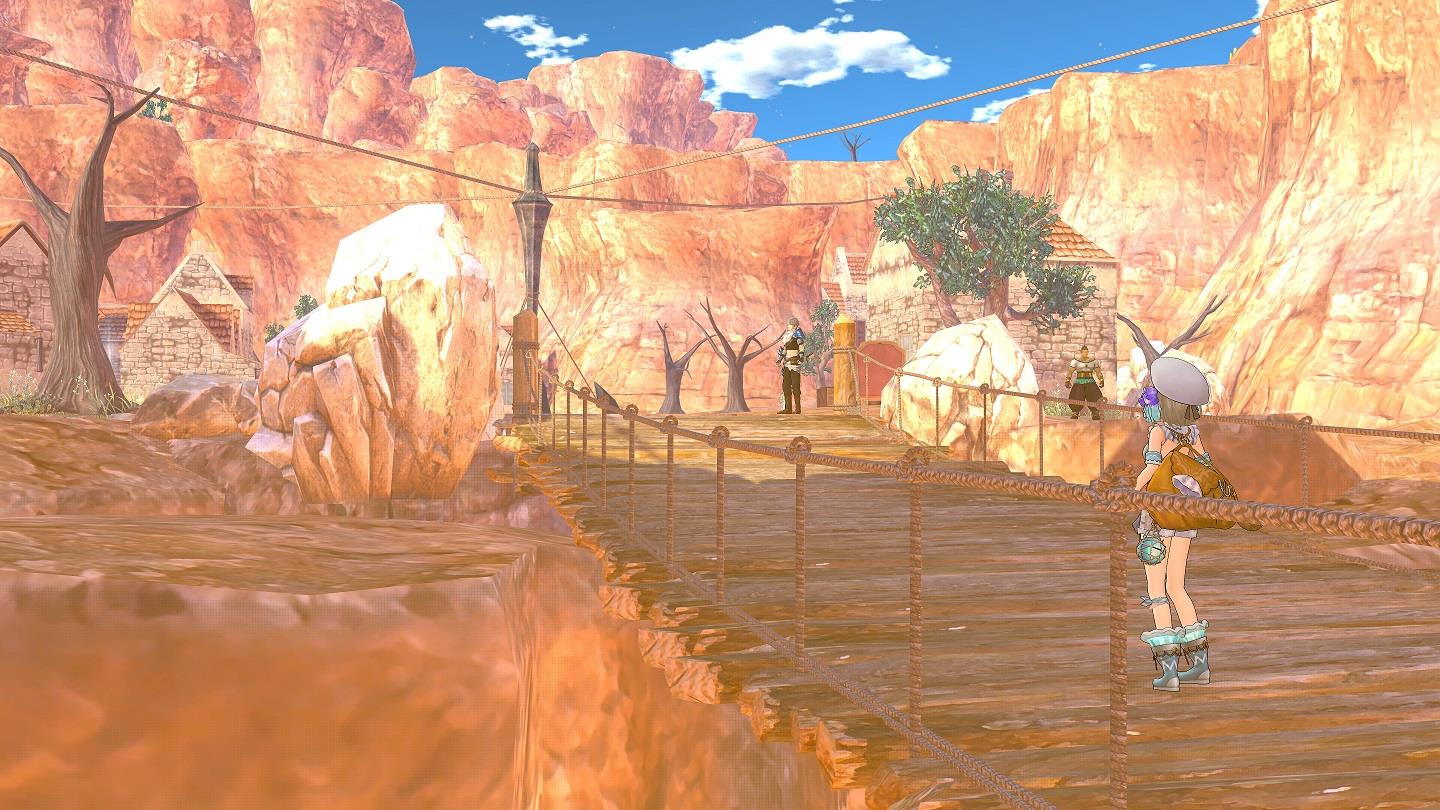
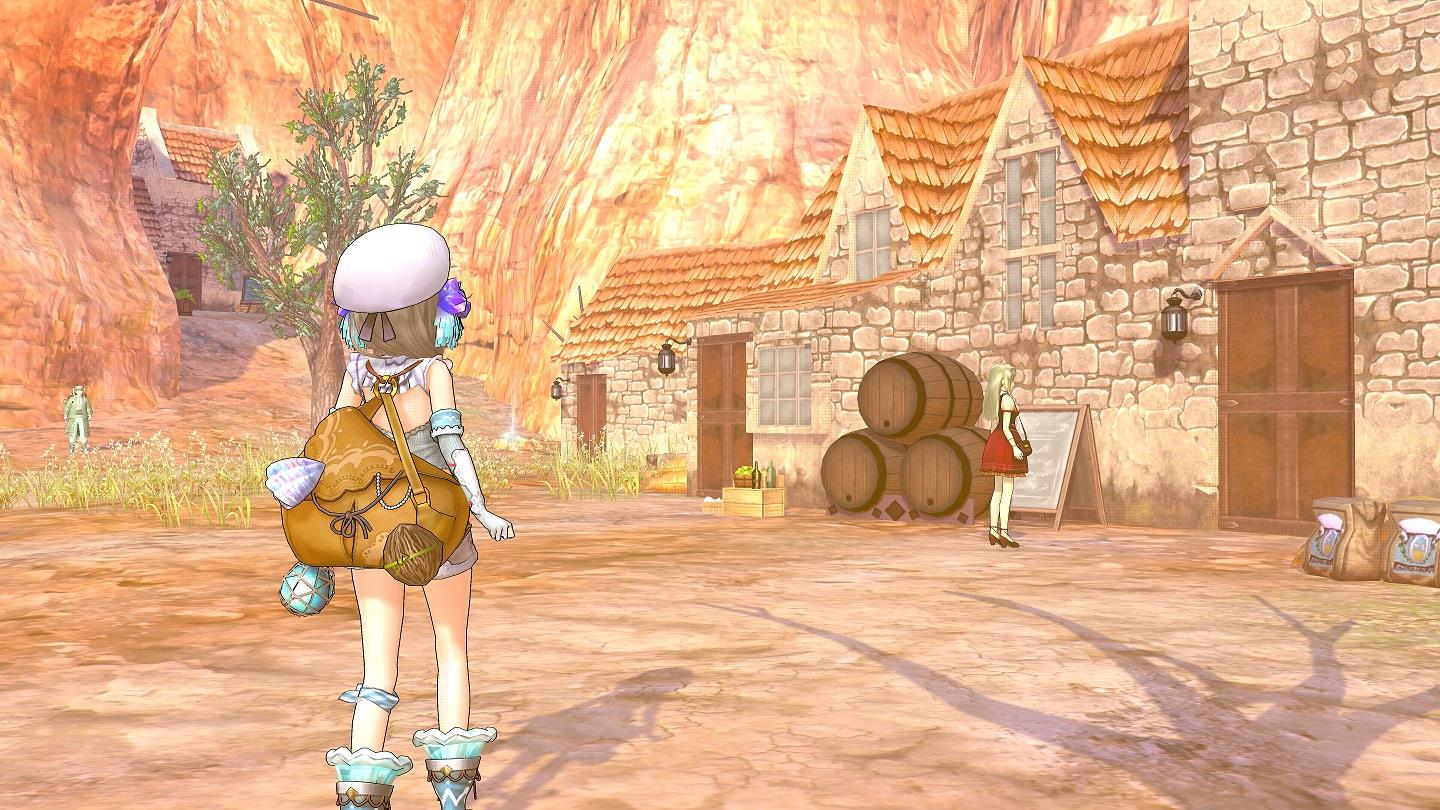
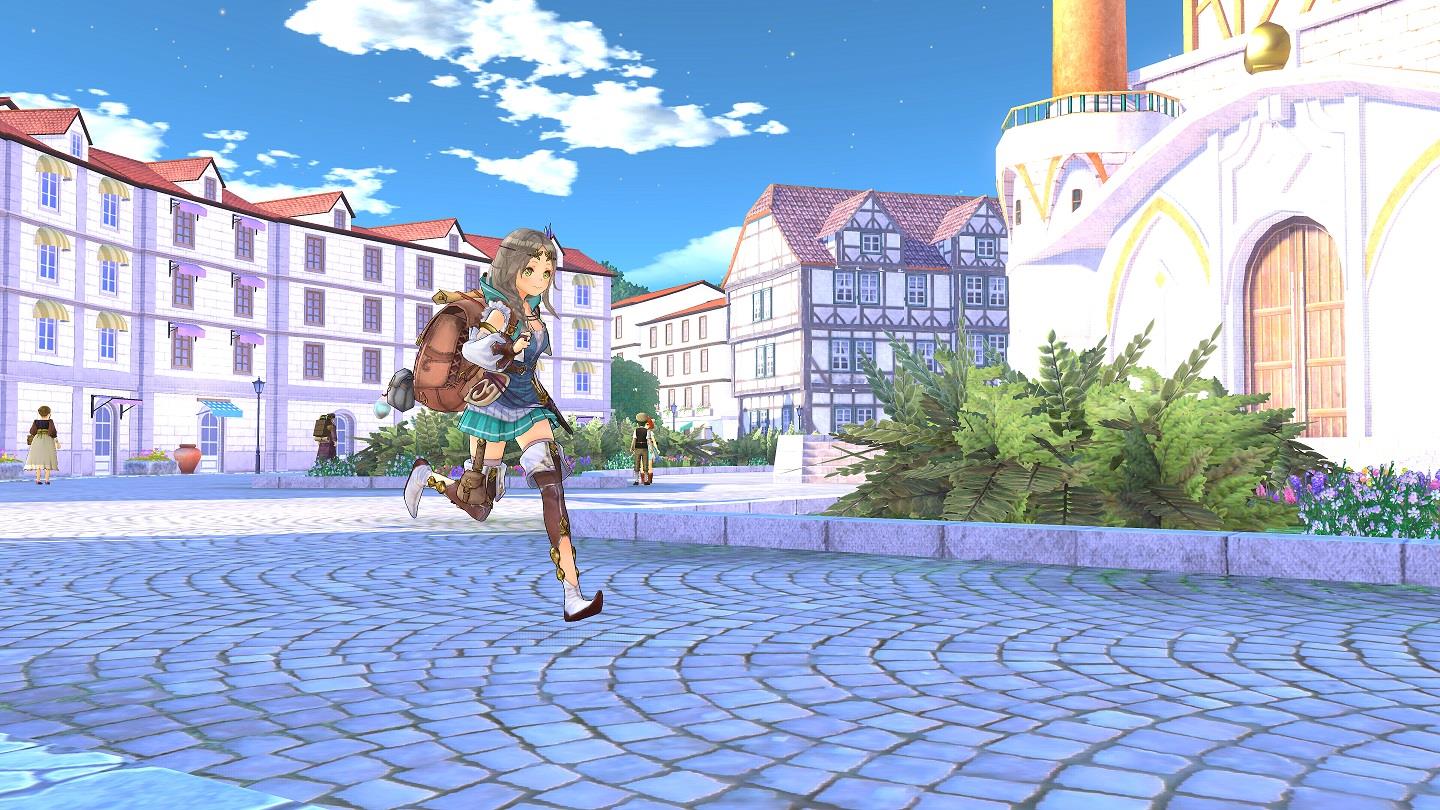
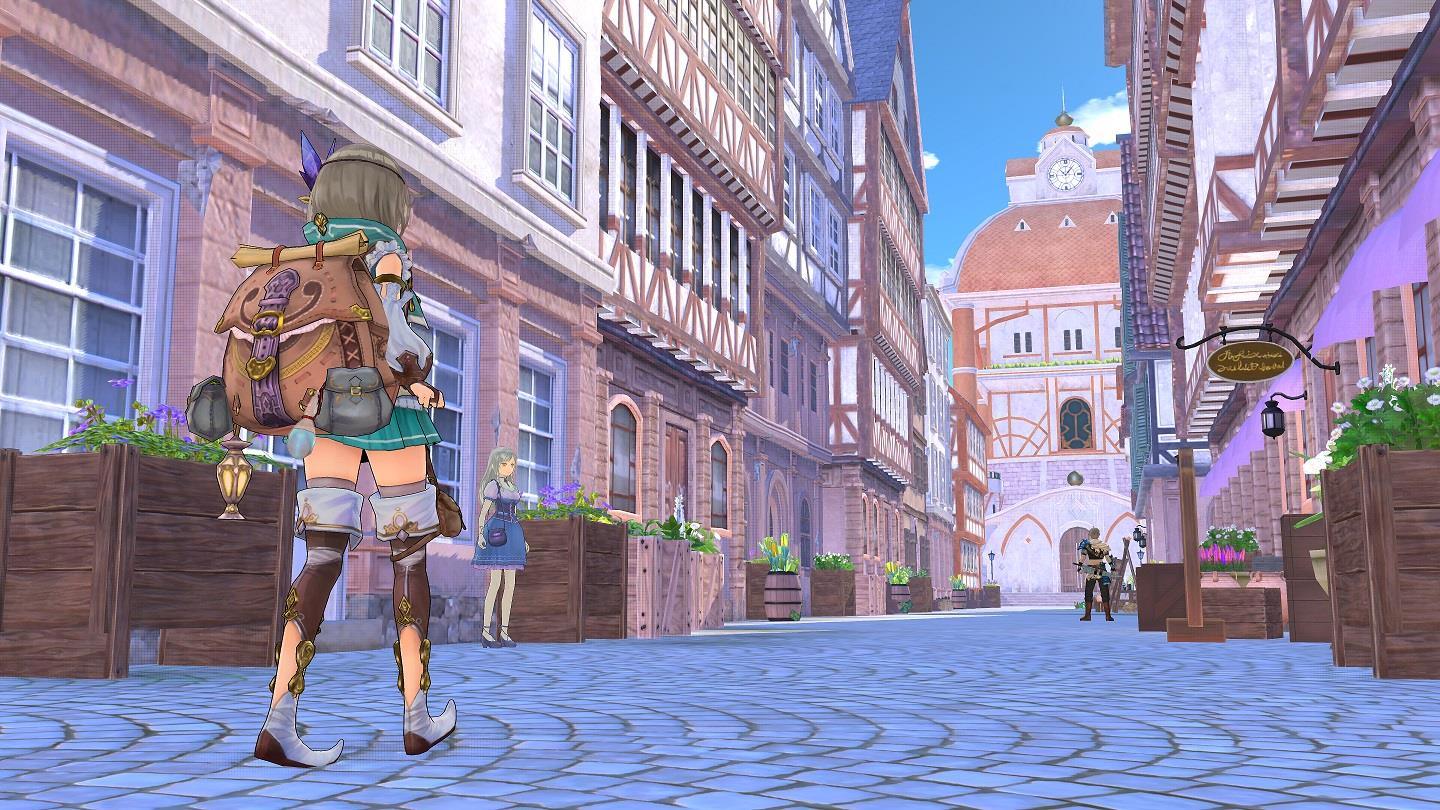
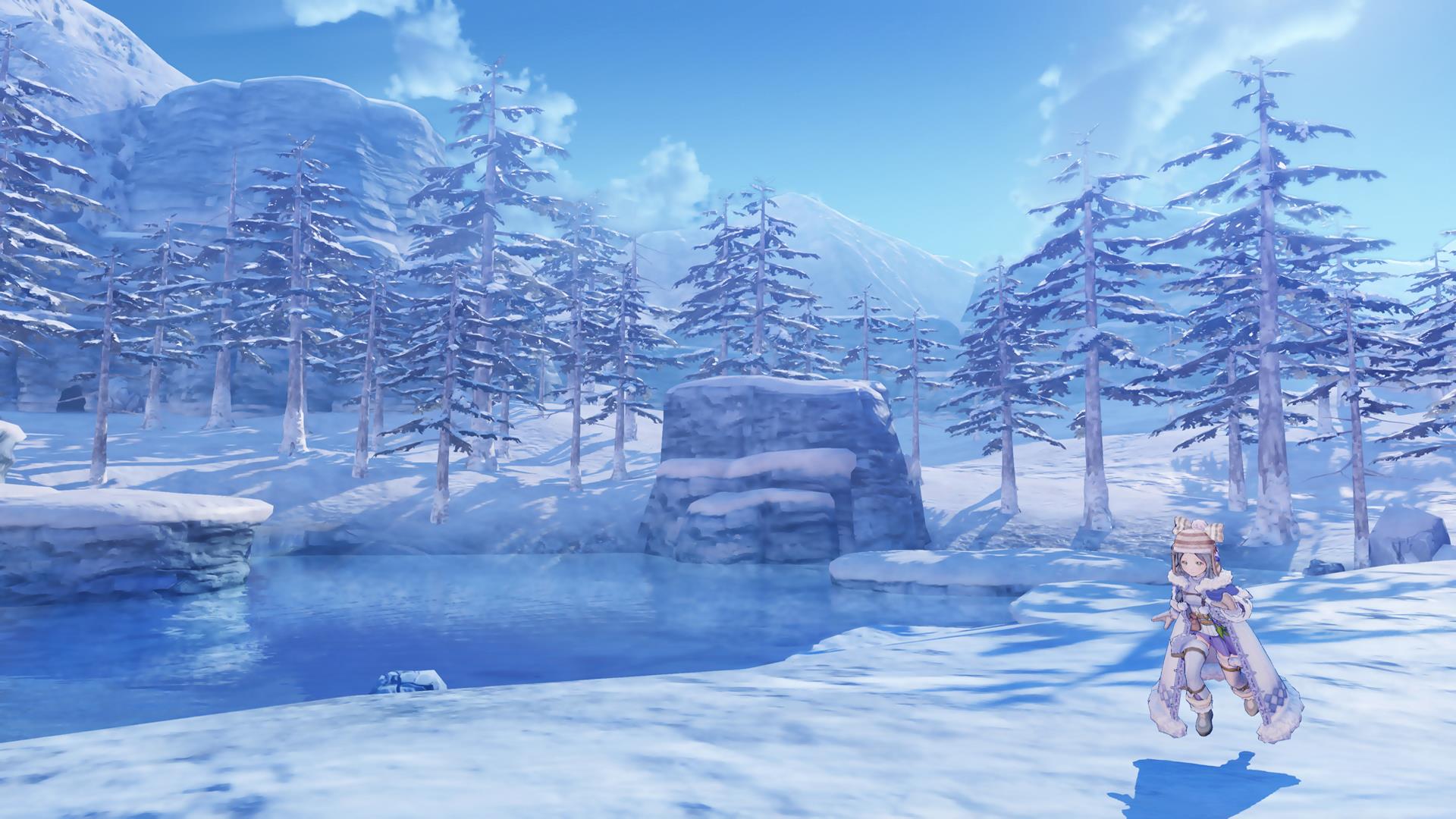
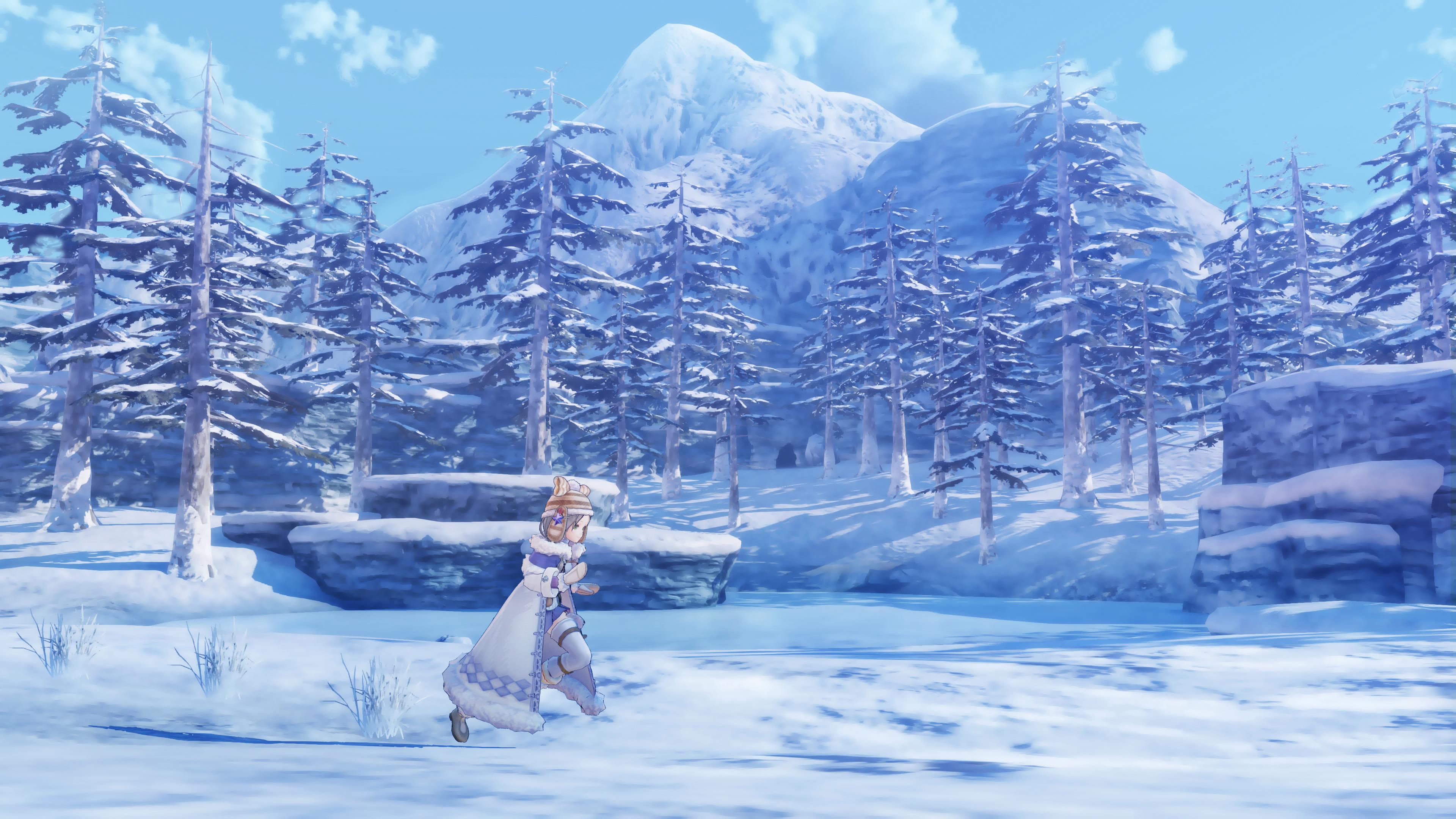
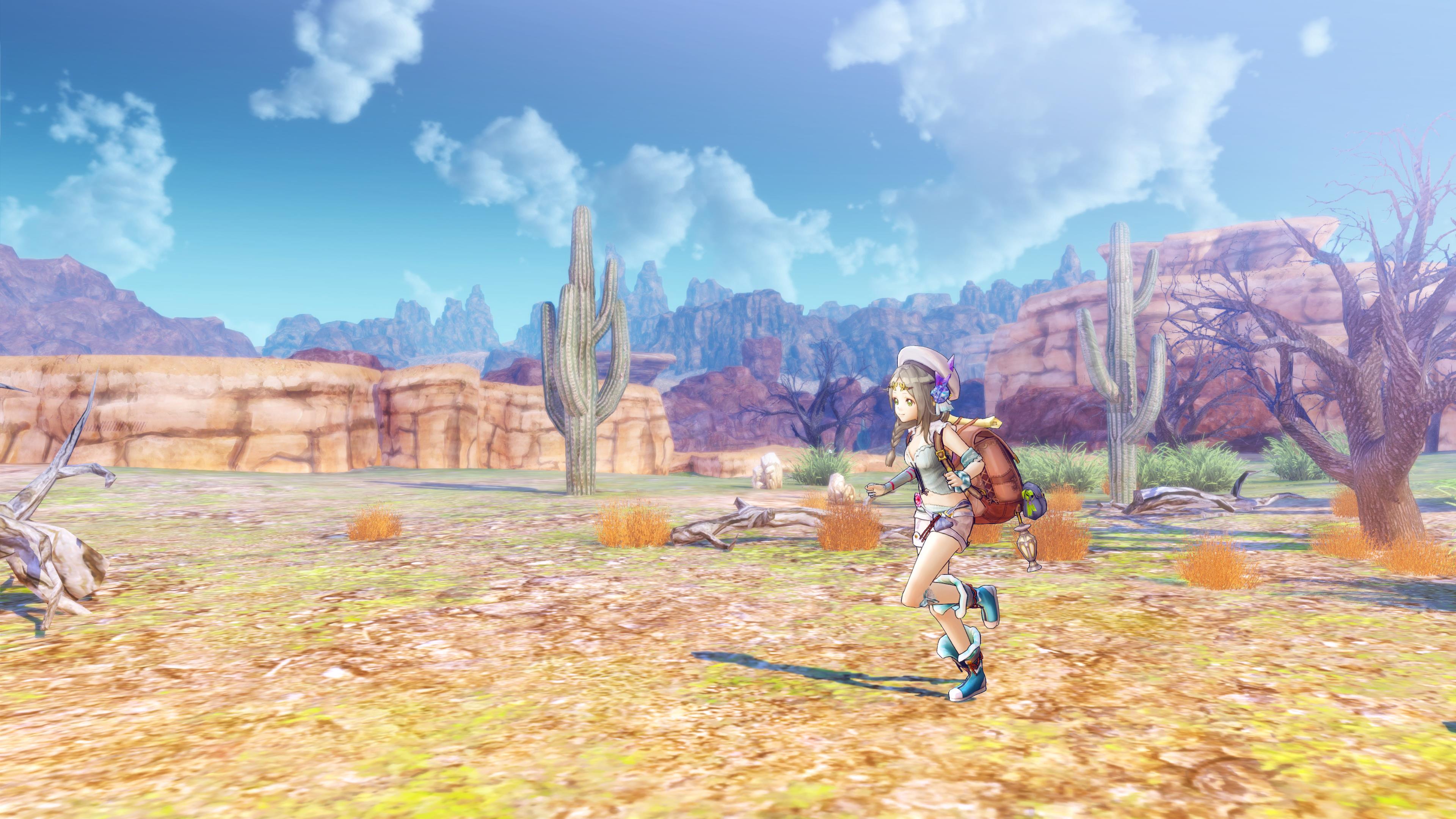
To go along with this news the company also released a batch of new screenshots showing off various elements that will return in Atelier Firis as well as some new features such as how outfits will actually play a bit of a role this time around. You see, in-between settlements there are a plethora of different environments to discover, each with their own particular weather conditions that affect travel. Selecting the appropriate attire for each situation will grant Firis benefits and allow her to easily traverse these terrains.
The Snow Bright costume reduces the consumption of Life Points in icy cold conditions, while the Zealous Explorer gear aids travel through blistering heat. Outfits can have countless other effects such as accelerating movement speed, enhancing synthesis abilities or increasing the likelihood of finding high quality materials.
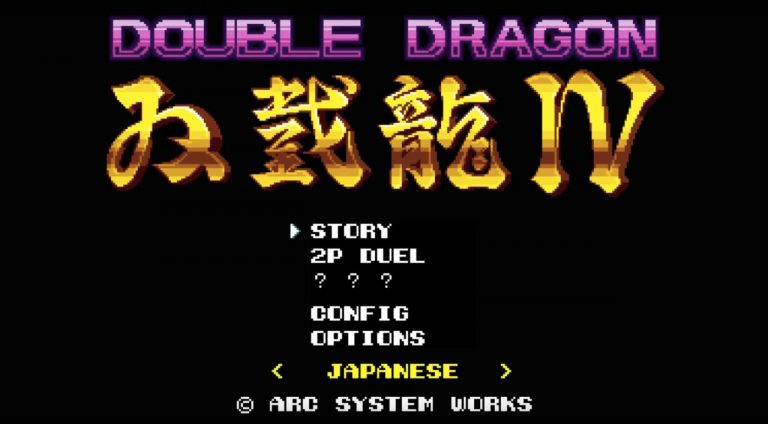
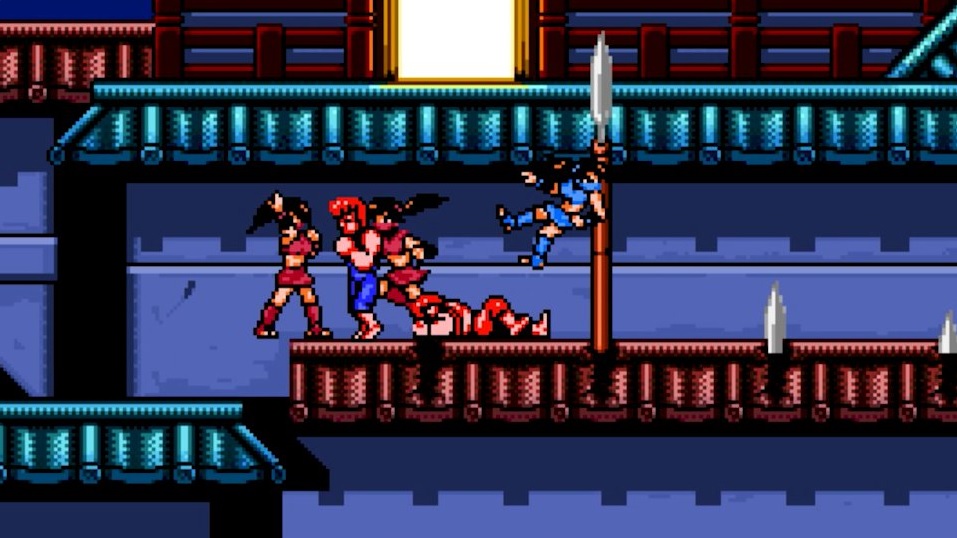
In what may come as a surprising announcement, Arc System Works has revealed that not only is a new Double Dragon game in the works but that it will be released in one month. The company announced that Double Dragon IV will be released digitally on the Japanese PlayStation Store and on Steam on January 30th and 31st respectively.
The PlayStation 4 and PC release has been given English subtitles for now but details about the next leg in Billy and Jimmy Lee are quite scarce. Double Dragon IV will apparently take place immediately after the events of the second game and will be a 2D side-scrolling beat’em up with two player co-op and you can check out the teaser trailer below.
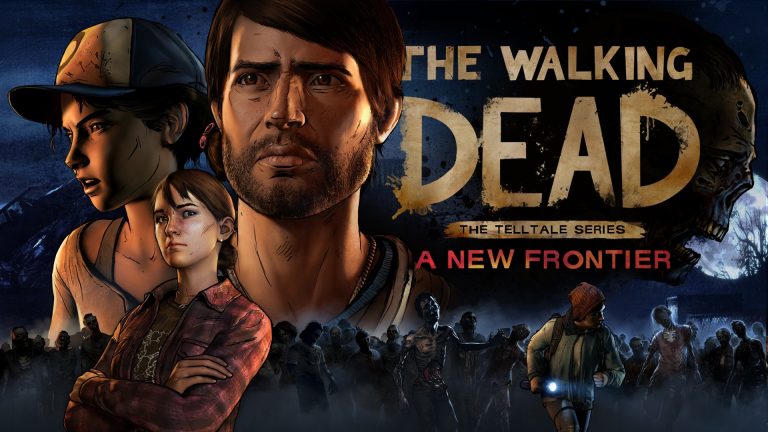
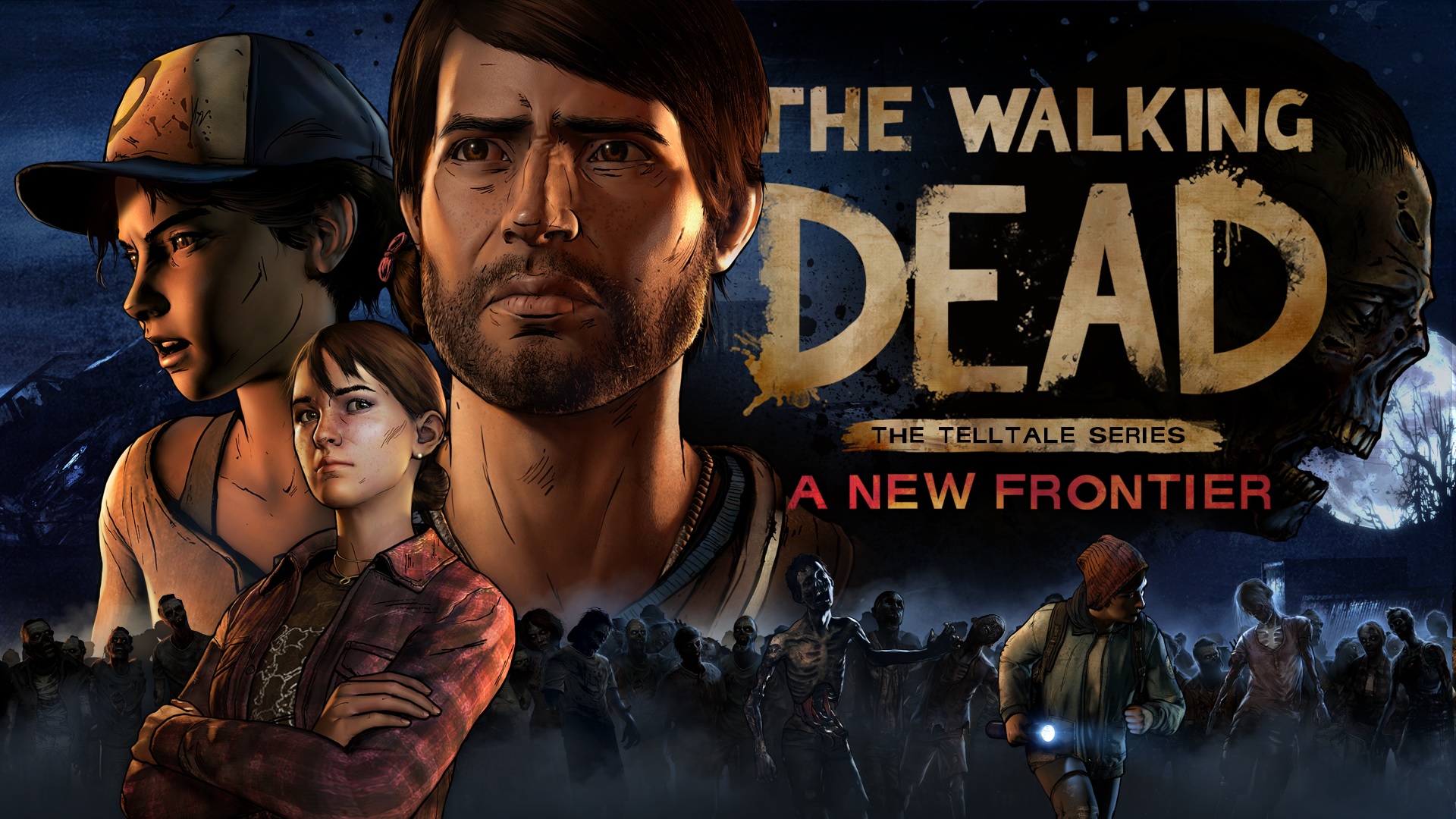
Telltale Games was a well-known developer long before they stepped into the spotlight with their The Walking Dead series, but when the first season was released and fans followed the story of Lee and Clementine they were instantly hooked. Combining the fascination of player choice possibly mattering and a world that everyone was already invested in thanks to the hit television show, the series saw great success and even a second season following Clementine a year later.
Now three years have passed and Telltale Games has returned with a two-part debut to the third season of their story, this time called The Walking Dead: A New Frontier. Does this double entry to kick off the series do a successful job bringing fans back into the world of the undead? Let’s find out.
Story
The Walking Dead: A New Frontier begins as something a bit different as rather than following the story of Clementine directly, players are now primarily shown the story through the eyes of the brand new character, Javier Garcia. During the initial start of the game we see this former professional baseball player who has fallen from grace after gambling issues force his departure from the league return home only to find that his father has already passed away from an illness.
As one would expect, this death comes at the same time the zombie outbreak has just started kicking into gear and the dead father rises once again to the dismay and mauling of some of the family members. With Javier tasked with driving his brother’s second wife, two children, as well as another family member to the hospital the story jumps to a few years later where it is just Javier, his brother’s wife Kate, and her two stepchildren alone in a now renovated van that doubles as a shelter for the wayward family.
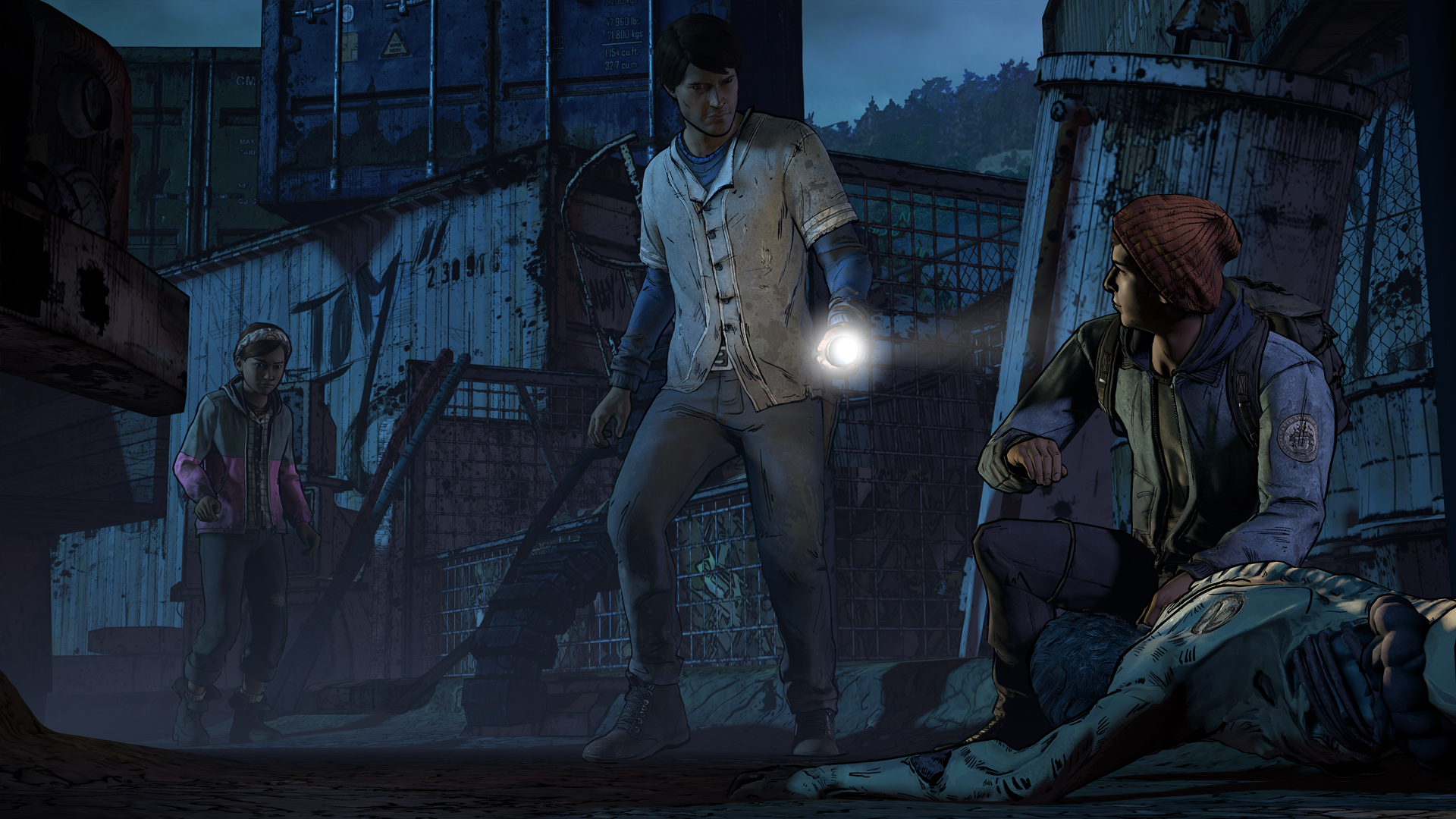
Outside of Javier and his thrown together group players will see that Clementine plays a fairly different role this time around. Since many players likely didn’t pick up the first two seasons again on the latest generation of consoles, Telltale Games offers players a chance to either start the game from scratch with a default Clementine as well as craft a Clementine based on their previous choices through a short questionnaire. This allows players to mold Clementine a bit by selecting various options that Lee would have made in the first season and she would have made in the second. This option also gives players some finality to certain aspects of the second season’s ending as flashbacks are the only time we actually get to play as Clementine so far in these two episodes. These flashbacks show us the results of Clementine’s traveling choice in what ultimately becomes a heart-wrenching event to longtime fans.
After coming into contact with a dangerous group and separating from his family, Javier finds himself saved by Clementine who initially sees him as a threat and then a source of a potential vehicle once he reunites with the rest of his family. As one would expect, things don’t go very smoothly for Clementine and Javier as not only does a shocking loss taking place among the group but we encounter the people who call themselves the New Frontier.
With poignant moments scattered throughout, players must keep on the move as they meet with another group who join them only to find themselves in increasingly dangerous situations that push even the best of the characters with them to their limits. With the two episodes serving as something of a re-introduction for longtime fans and possible starting point for those who have never played before, the two parts of Ties That Bind help bring most of the big players together quite quickly in an effort to help move things along in the future and through flashbacks and current interactions we are given some history with Javier and the rest of the family to help establish him as something more than a fresh face.
Gameplay
Although players are placed in the shoes of a new character this time around, The Walking Dead: A New Frontier plays in a similar fashion as past games in the series. There are moments that the player can explore the environment and examine various objects and talk to the other characters around them, fight against zombies or other people in quick time events, and of course make important seeming dialogue decisions.
Whether choices matter yet has yet to really been shown off as playing through the entry twice saw the same result more or less unfold with the story leaving off at the same cliffhanger. It is worth noting that the rare appearance of a dialogue choice description not matching what ends up actually being said does happen during the beginning of the second episode, turning what players might have ended up thinking would be a simple way to stand up for someone into revealing another character’s unspoken intentions that may end up playing a bigger role in the future.
Visuals & Audio
It is clear that Telltale Games made the right decision to give up supporting the Xbox 360 and PlayStation 3 versions of the game. While there are still entries being developed for smart phones, the company’s ability to focus most of their efforts into the latest generation of consoles is quite evident here. Not only did I experience none of the performance issues that are regularly found in past entries, but both episodes in this release have been given a much better presentation than what was previously on offer.
The art style still mimics the comic book nature that fans are familiar with but with smoother transitions and better action sequences. The character designs are presented in a better manner as well, though I did notice that more than a few zombies appeared to have the same designs repeated throughout both episodes. That being said players will be able to experience some life before the undead apocalypse and catching a glimpse of certain characters and objects before and after the outbreak creates a rather interesting feeling of lost innocence in many of the character’s cases.
The voice work for the returning Clementine is handled incredibly well as she comes across as one would expect, cautious and untrusting of the new group, while the new characters are handled impressively enough with the familiar face from the comics also appearing to look, and sound, like many would guess.
Overall
Telltale Games made the wise decision to kick off the third season of their version of The Walking Dead with a double episode. Not only would players have been left with an unsatisfactory cliffhanger from the first episode, but the one that they are left on after Ties that Bind Part II wraps up is not only shocking but will leave players questioning some of their actions so far. While Javier may not have the same personal connection with fans that Clementine does, their interactions with one another and Clementine’s nature with the rest of the cast allows us to quickly warm up to the new faces. Whether they will manage to stay alive through all of this is yet to be seen but The Walking Dead: A New Frontier safely establishes itself as a quick moving dramatic storyline that may be a bit too familiar at times but will leave fans eager to see what will happen next.
We are nearing the end of 2016, which has seen many fantastic releases from Hanabee Entertainment in Australia and New Zealand. In alphabetical order only, these are the top five best releases from Hanabee this year.
Fate/Kaleid Liner Prisma Illya 2wei!. This is a surprisingly sweet magical girl series, one that comes with one of Sentai Filmworks’ most well-cast and effective English dubs to date. It is also a good example of how well spin-offs of an existing series can turn out. The full review of the first season can be read here.
Lazer Team Director’s Cut. It may feature somewhat poorly rendered CG aliens, but it is a hilarious feature film starring many of Rooster Teeth’s most prominent personalities. The full review of this release can be read here.
Monthly Girls’ Nozaki-kun. There are plenty of comedic anime series out there, perhaps too many. However, while this one has a silly premise, it is regarded by some to be one of the funniest anime series of all time.
Red vs. Blue Season 14. The problem with some anthologies is that there is too much of a disconnect between each story they present. Rooster Teeth, with excellent writing efforts from Miles Luna and many other skilled writers, created a hilarious and engaging series of short stories that are great regardless of whether or not they are strictly canon. The full review of this release can be read here. The SteelBook release of the Chorus Trilogy, made up of seasons 11-13, is also excellent.
RWBY Volumes 1-3 Beacon Collection SteelBook. This is an extremely well animated series featuring an amazing cast of characters, a fantastic story and detailed world-building. The full review of this release can be read here.
Interested in any of these releases? They can be purchased from Hanabee’s online store, which can be found here. All releases of Rooster Teeth titles are region free.
Thank you for a great year of high quality releases, Hanabee!
It is nearly the end of 2016, a year that saw many excellent releases from Madman Entertainment. Although it was difficult narrowing the list down from over 100 animated releases to just five, these are the top five releases from Madman this year. They are presented in alphabetical order.
Adventure Time: Stakes!. Usually known for its hilarious absurdity, this Adventure Time mini-series focuses on Marceline. It is touching and meaningful, and it presents a brilliant insight into Marceline’s past. The full review of this release can be read here.
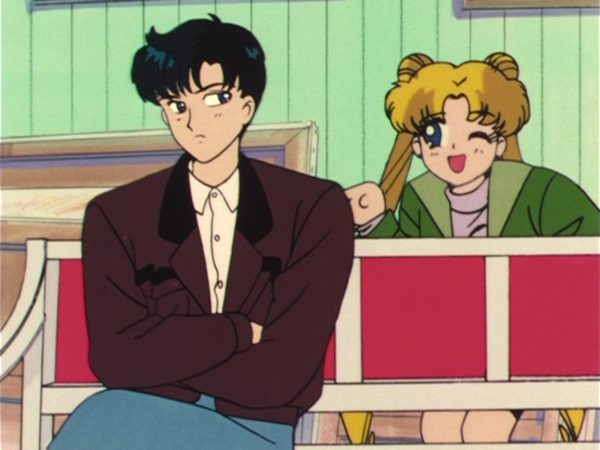
Sailor Moon Part Two. This series is beloved by many anime fans around the world, and for good reason. It presents a story and an assortment of characters with a level of depth rarely seen in modern anime. It is absolutely beautiful, and by far the best magical girl series ever created. The full review of this release can be read here.
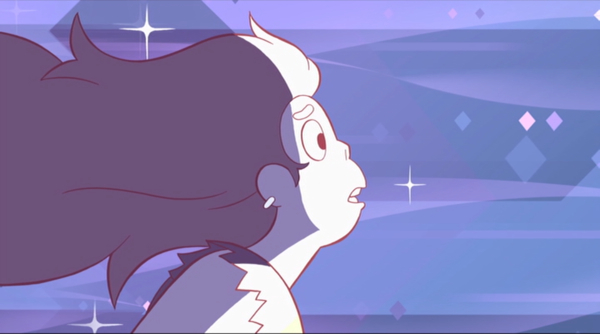
Steven Universe Season One. This series is regarded as a hidden gem among western animated series. The titular protagonist is a young boy who wants to be helpful and participate in missions with the Crystal Gems. He is full of energy, and is surrounded by some of the most wonderful people in the world. To name just one of them, his friend Connie is a beautiful character who is lonely and just wants to have fun. This is a highly engaging series that is consistently a joy to watch. The full review of this release can be read here.
Your Lie in April Part 1. There aren’t too many romantic drama series featuring musicians, and this one excels at its portrayal of youth and the feelings that come with being a musician. This is no ordinary love story. The full review of this release can be read here.
Yurikuma Arashi. Undoubtedly the most obscure series in this list in terms of its status in popular culture, it turns out to be a powerful portrayal of homosexuality and the way it is treated in society. It features an incredible tale of love and loss rich with symbolism and imagery that help make this one of the most outstanding series of all time. The full review of this release can be read here.
All of these releases are available for purchase from Madman’s online store, which can be found here. The next releases of Sailor Moon and Steven Universe are scheduled for the first half of February 2017.
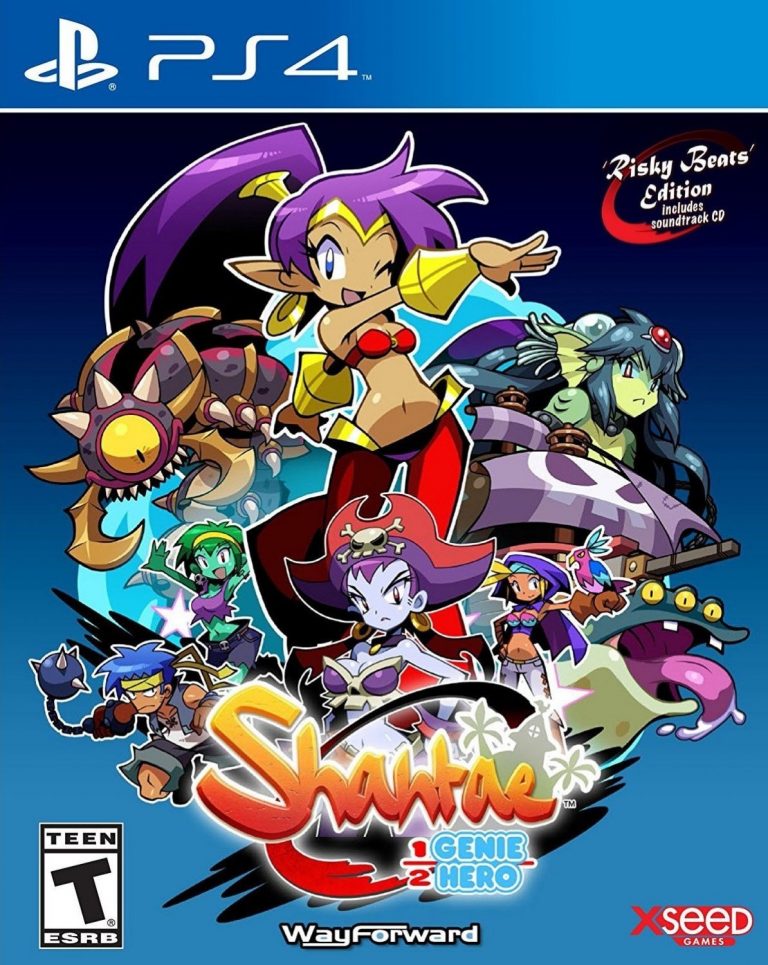
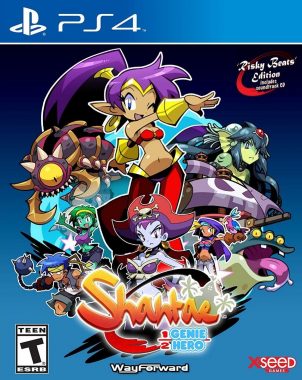
WayForward broke out over ten years ago with the original Shantae for the Game Boy Color. Since then, we have seen magic made with the development team crafting hit after hit, with most being licensed properties. With a successful Kickstarter and a lot of work, our beloved mascot has returned in Shantae: Half-Genie Hero. This entry deviates a bit from the original, but still brings back the fluid platforming and charm that the franchise is known for. The question is, can this version stand with the high quality work WayForward have delivered over the years? Let’s find out.
Story
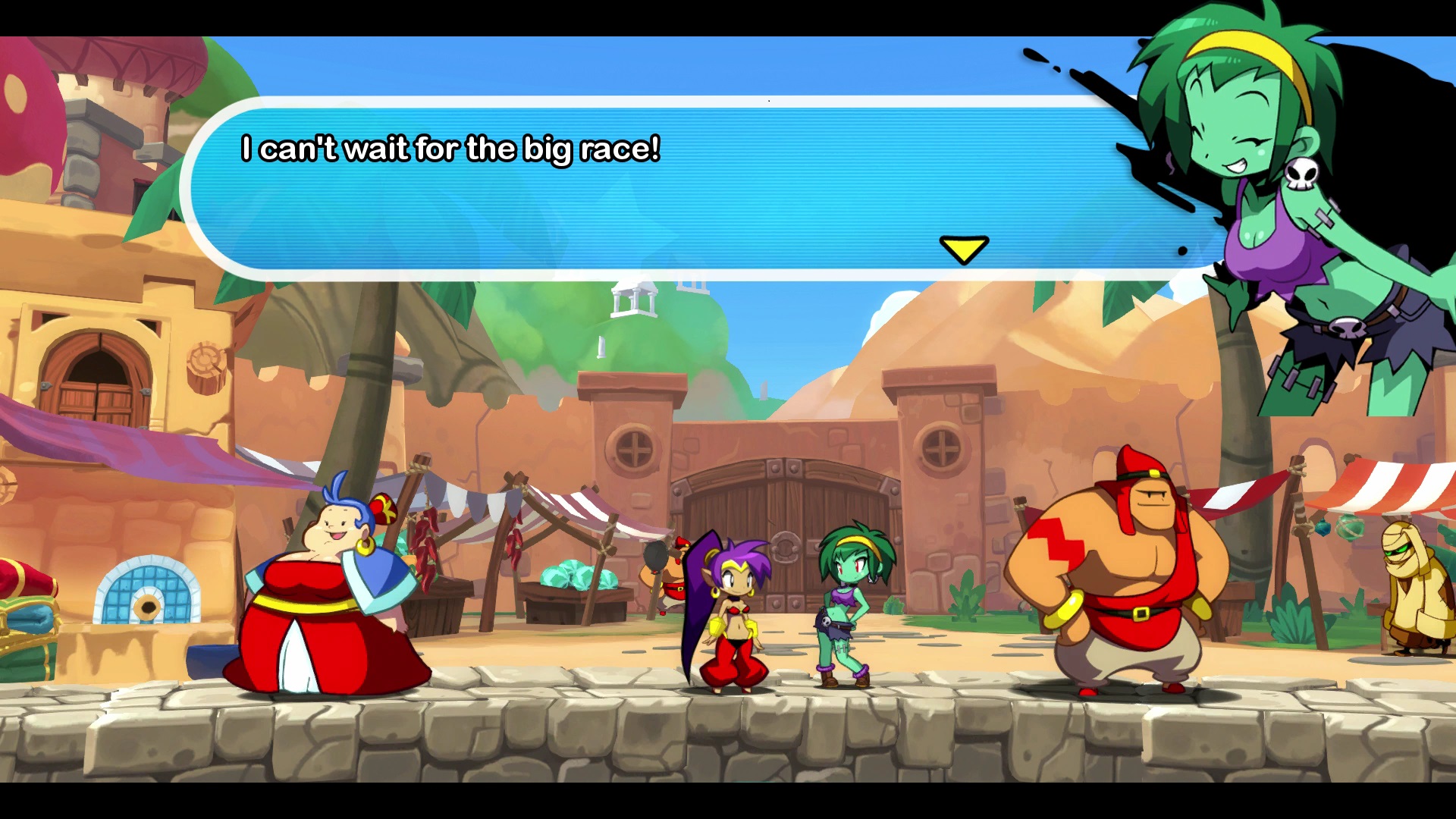
Shantae: Half-Genie Hero takes us back to Scuttle Town, with Risky Boots up to no good (as usual). This time however, a greater threat is preparing to attack, and Shantae must fulfill her obligation and protect all of Sequin Land by recovering blueprints to the Dynamo – a device that can protect all of the townsfolk from potential danger. For spoiler purposes, I won’t elaborate too much more, but the story is quite deep compared to past entries as we get to learn some of our half-genie’s motivations and past like never before. Shantae may be four games old now, but the wit and humor as remained in tact for this adventure, showing our protagonist in a new light while still retaining every aspect that made her so endearing over the years. The rest of the cast such as the mayor, Bolo, Rottytops and so on are also in full form, letting the player dive back into to an excellent new adventure with an old friend.
Gameplay
Most of the games in this series generally have the same feel when it comes to gameplay, and in most ways – this installment feels very familiar. Shantae can still bop enemies with her ponytail, transform into animals, and utilize potions for powers – as the platforming is extremely fluid and fun. Honestly, that should come as no surprise as there is not one of Half-Genie Hero‘s predecessors that have ever slacked. There is one difference that does change a lot however, and that is that this title has chipped away its outer layer of a “Metroidvania” styled game in order to appeal as a pure platformer. Yes, that is right. Instead of exploring one large map in order to get to the next stage, we now have a handy stage select screen where players can fly from world to world as they progress. This may miff a few hardcore fans, but the transition is a smooth one and you still get a large hub city to wander in – you just have a bit more focus for this adventure as a whole.
Another change can be found in the overall difficulty. Shantae has never been a terribly hard game to start with as like Mario, the platforming has always been accessible and simplistic. This title however has a bit more of a trial and error approach to some stages however, meaning if you run into danger without looking or thinking beforehand, you might wind up doing the same area again until you nail the appropriate platform or take out the particular enemy blocking the way. There is no down side to this as the game is fun (yeah, that can be a positive) and I never found myself frustrated even when I died at my own fault as it took less than a minute or two to get back in and give it another go. I personally dislike trial and error, but Shantae’s is light in this outing and causes no foul due to how simple it is to hop right back into the experience.
Shantae brings a ton of upgrades with her in Half-Genie Hero, such as the transformation abilities as well as special potions that allow her to utilize new moves. The transformation aspect includes the likes of the monkey, a mouse, a crab, and even a blobfish, with each treating the player to a new mechanic that will allow further progression once obtained. Because older stages can be revisited at anytime, this means that you can now discover new areas and items once you revisit, and with the stages changing after the first completion (usually in difficulty), players will be happy to know they can turn into a fish and bounce onto the heads of their enemies until their craniums crack. The currency system is about the same as it always has been, with a shop in tow that allows players to buy upgrades and powers for Shantae to utilize, with the ability to add techniques to the animal transformations being an option.
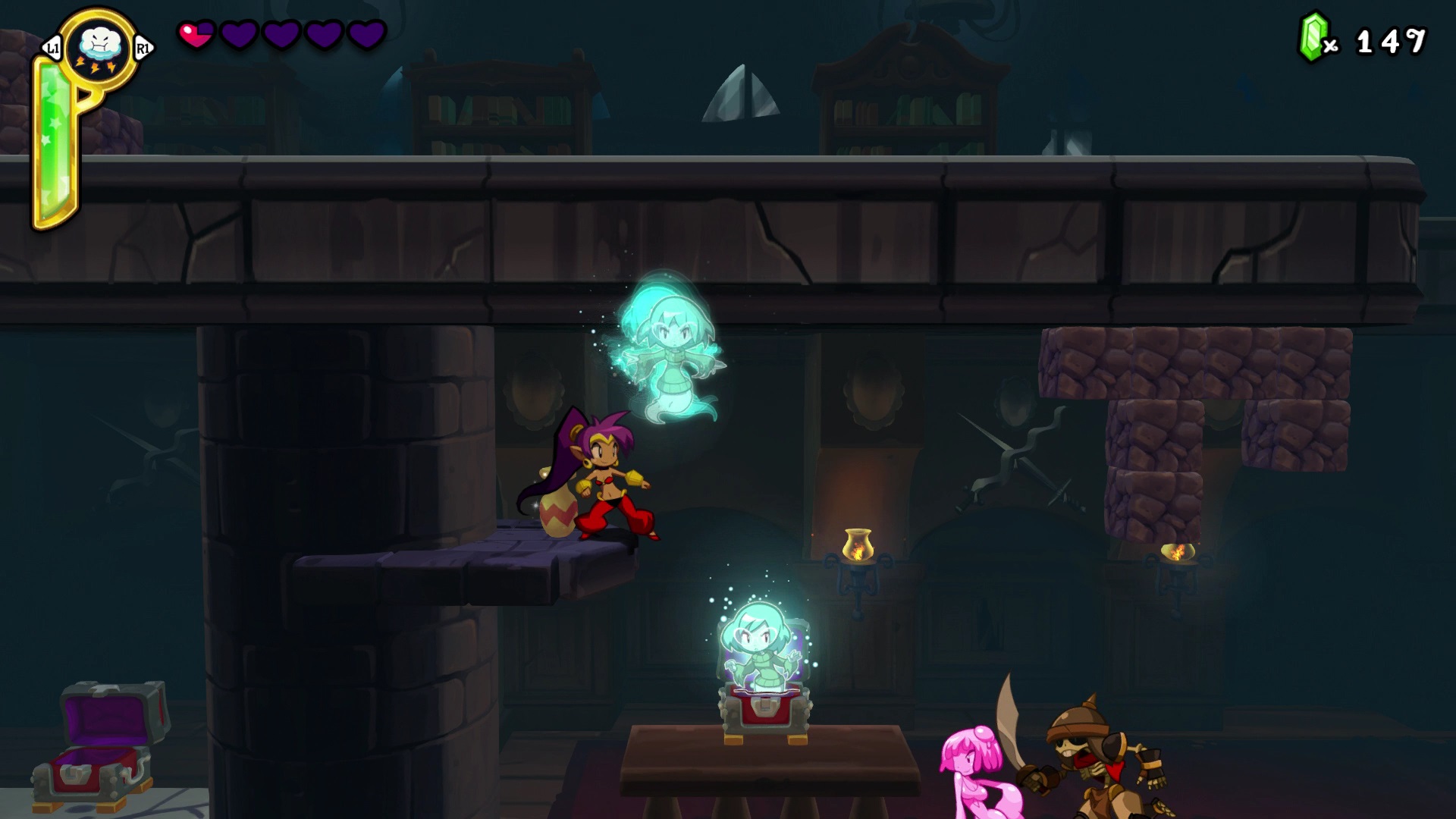
Completionists will get a huge smile on their face when playing Shantae as well, as there is a ton of reason to continuously replay stages aside from the silky smooth gameplay. There are a ton things like souls of pirates to pick up, and this title rewards excellence with more content that can be unlocked for both Shantae and the player. While the game in itself is rather short, this is a title that encourages replay-ability through several means with just enough shake-up to feel new with back-tracking, boss battles, and enjoyable dialogue that spurts from the many residents of this alive little world.
Visuals and Audio
Visually, Shantae: Half-Genie Hero is the most beautiful 2D game on modern platforms. The colors are loud and stunning, with fantastic animation and an upgraded art style that bleeds deep within the detailed worlds within. For a game already founded on exploration, I found this title to be particularly joyous to progress in as everything is just so pleasing to the eye, whether you are in a dark, burning city or a lavish green level. The character designs themselves may look familiar to most WayForward fans as Mighty Switch Force now has a striking resemblance, but if the devs want to trade pixels for that kind of polish and crank it up to ten, I say why not?
The soundtrack is also amazing here. Featuring a blend of audio with plenty of unique tracks, Jake Kauffman has crafted an epic with the music featured here. There is also a small amount of voice acting despite the story being mainly text-driven, and the actors made their characters come alive even more due to some stellar performances that capture the quirk exceptionally well. It is actually a rarity for a game to hit the nail on the head for almost every category when it is crowd-funded, but the splendid audio ties together a fine package of consistency and quality to make this adventure upbeat and warm from beginning to end.
Overall
Shantae: Half-Genie Hero is one of those rare releases that manages to capture what we love about “those games we grew up on” and completely modernize the gameplay with fresh ideas and mechanics alike. Sure, the concept of a half-genie saving the world may not bring in a ton of new players, but those who are looking for a smooth, polished platformer will be ecstatic to load up one of the best examples of the genre we have seen in years. Half-Genie Hero is now the title that can represent the positives of crowd-funding, as this sugar-coated treat is a breath of fresh air to a genre that has been watered down due to cheap cash-ins and overhyped challenge runs. Simply put, Shantae is back and better than ever, proving that hard work can equal great rewards.
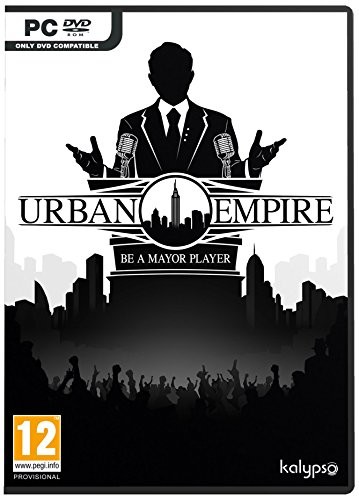
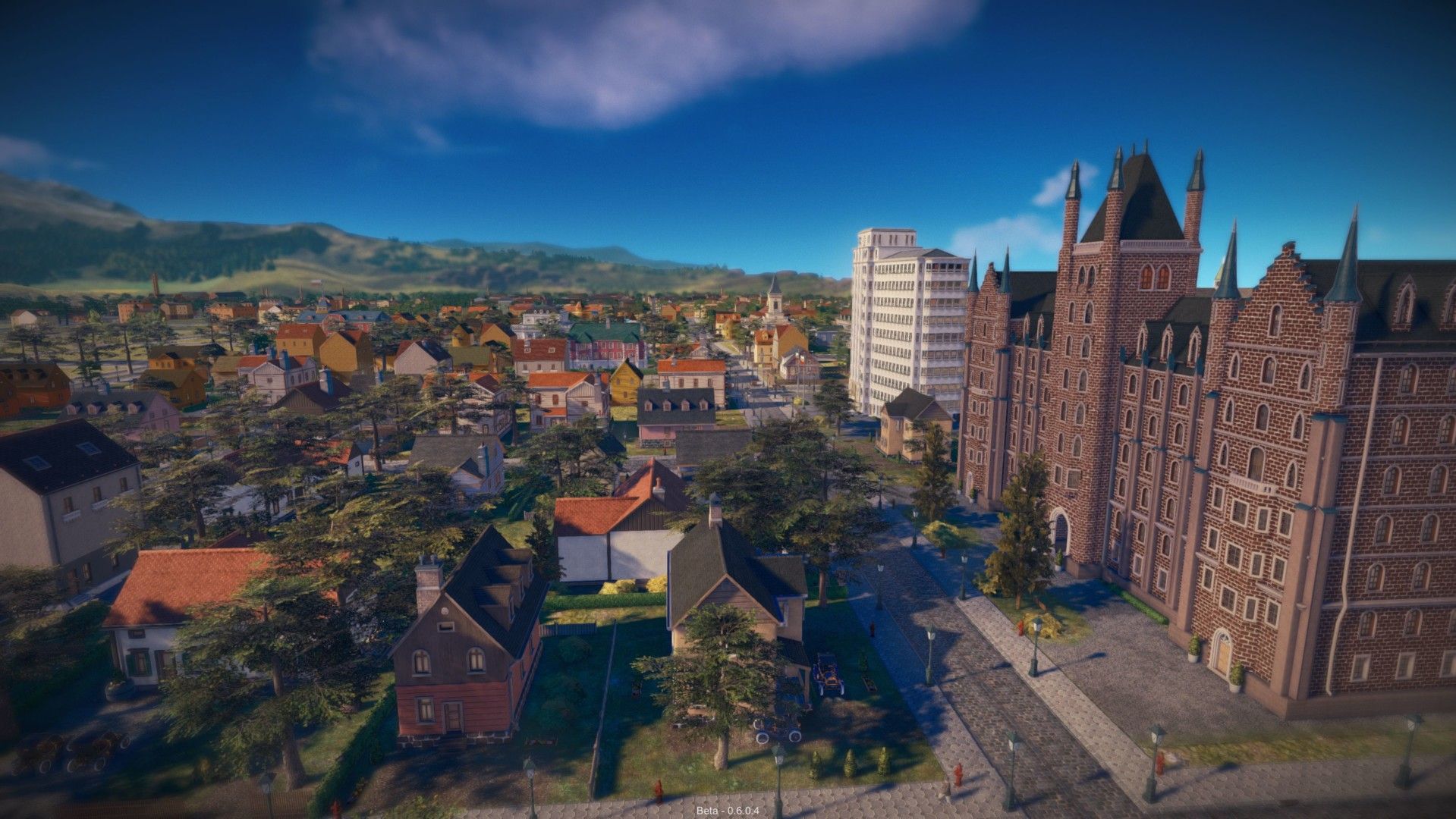
Finnish indie developers Reborn Interactive is putting a new twist on the classic city building genre with their new game Urban Empire. The game makes the players mayor of a city in Swarelia; a fictional area in the Austro-Hungarian Empire. Players will need to maneuver the shark-laden waters of city council to build their city and elevate the city to greatness.
City builders are not exactly known for their storylines beyond the game’s meta, but Urban Empire is surprisingly rich in plot. There are four families chosen by the Emperor of the Austro-Hungarian Empire to lead the brand new city in Swarelia, each one with their own background and political beliefs. As time progresses in game, players will navigate both the political and personal lives of each character, before passing their title on to their chosen heir in the next era. Over time, I found myself becoming a little attached to my chosen ruling family as their drama unfolded. Unlike the campaign that sprawls from the 1820s to present day, the scenarios focus on a single era with its own little back story.
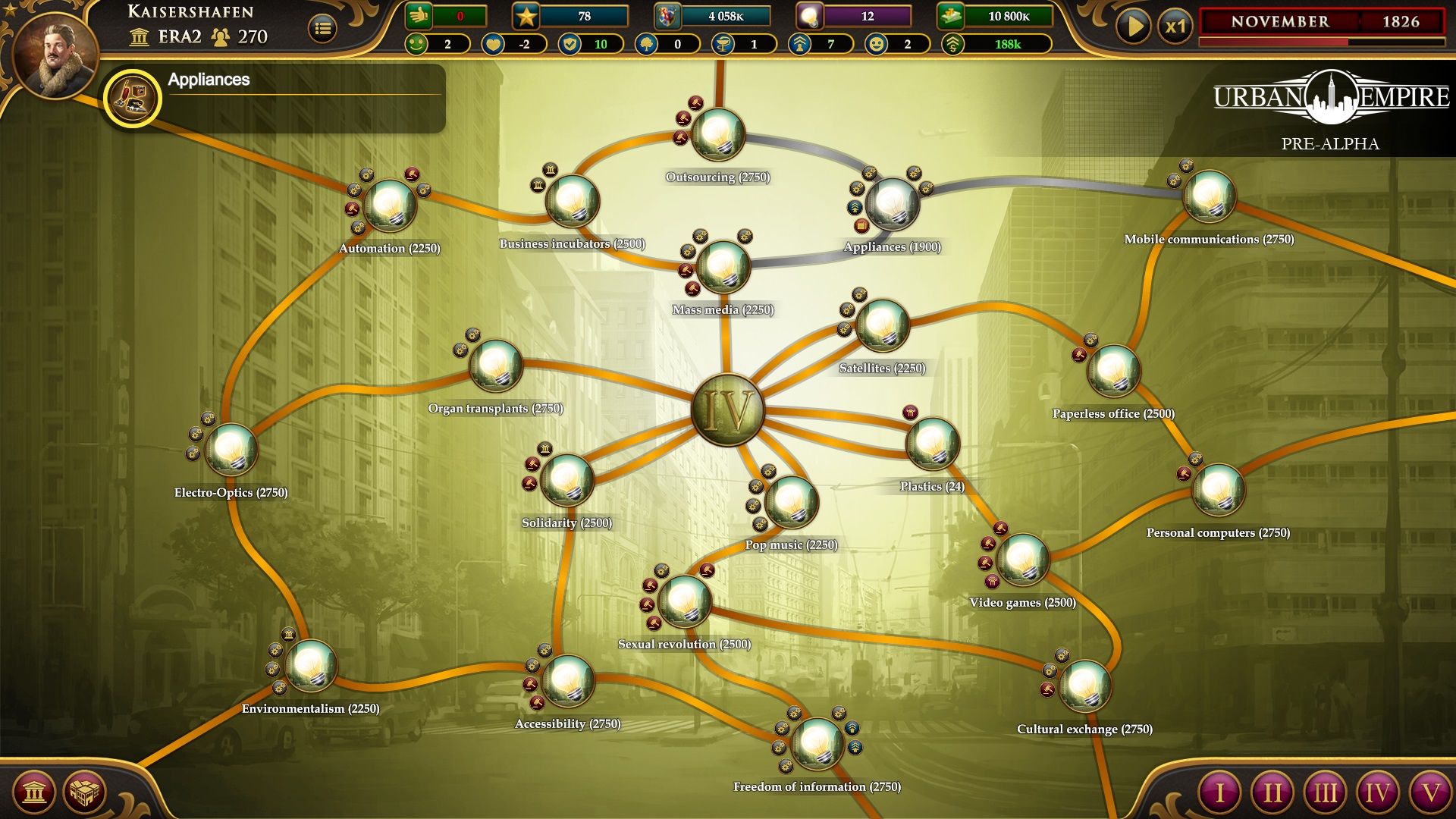
In addition to the ruling family and scenario stories, Urban Empire slips in some excellent writing that would normally go under the radar. Newspapers pop up as time progresses with headlines about the latest political events in game, but also historical headlines. In a nod to Civillization, Urban Empire has selected some great quotes to feature in their technology tree.
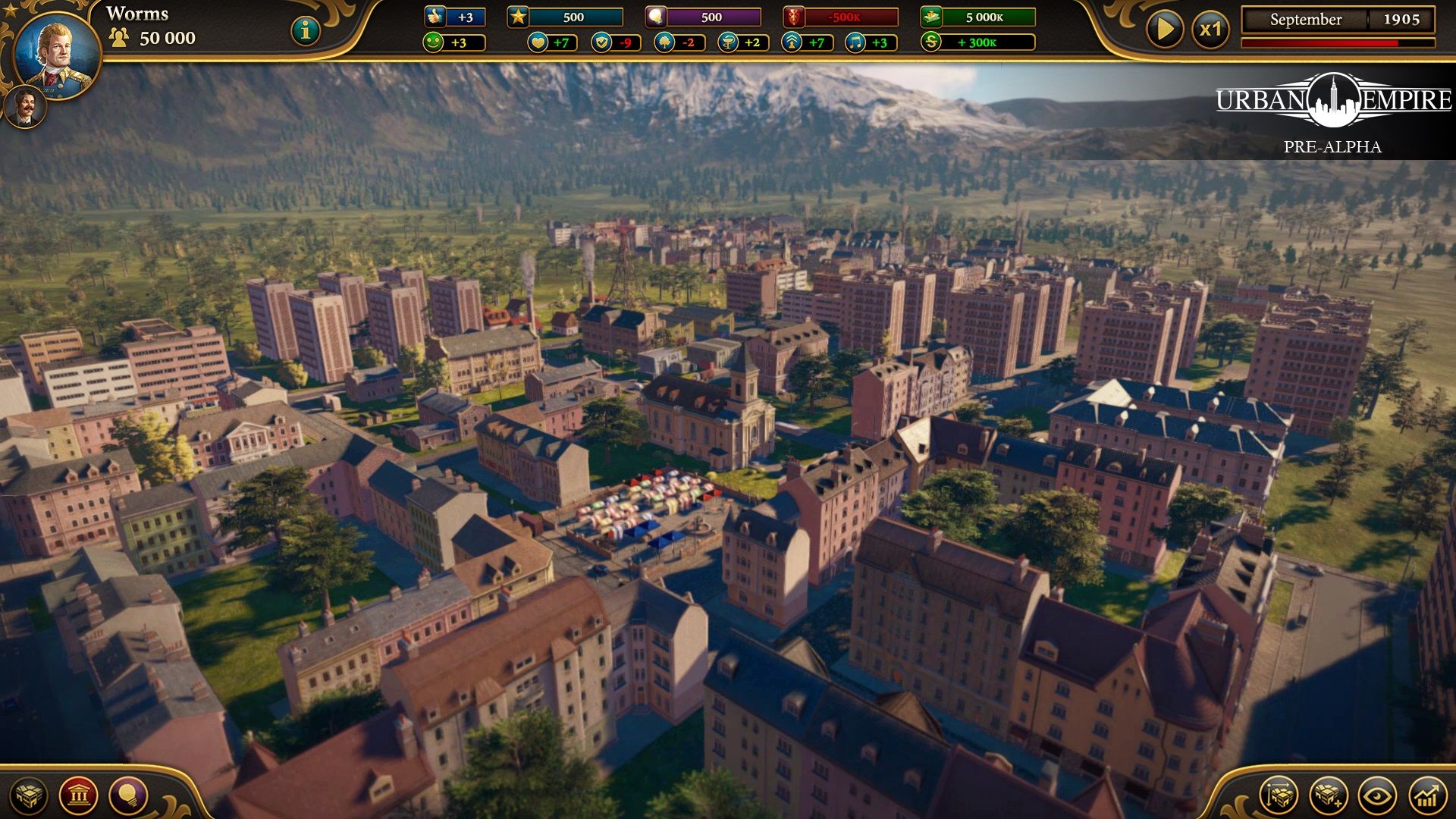
Urban Empire uses a more hands off approach when it comes to city building. The game feels a lot closer to the likes of Sim City than Kalypso’s other city builder Tropico. The basic building block of the city are districts. Each district has its own balance of residential, commercial, and industrial zoning along with any optional infrastructure, institutions, and services. On top of general city expenses, each district has its own set of expenses that are offset from personal taxes, business taxes, and edicts. To get a city running well in Urban Empire, players will need to ensure citizens are happy and healthy by providing enough services, keeping the budget balanced, upgrading infrastructure, and issuing edicts to improve their quality of life.
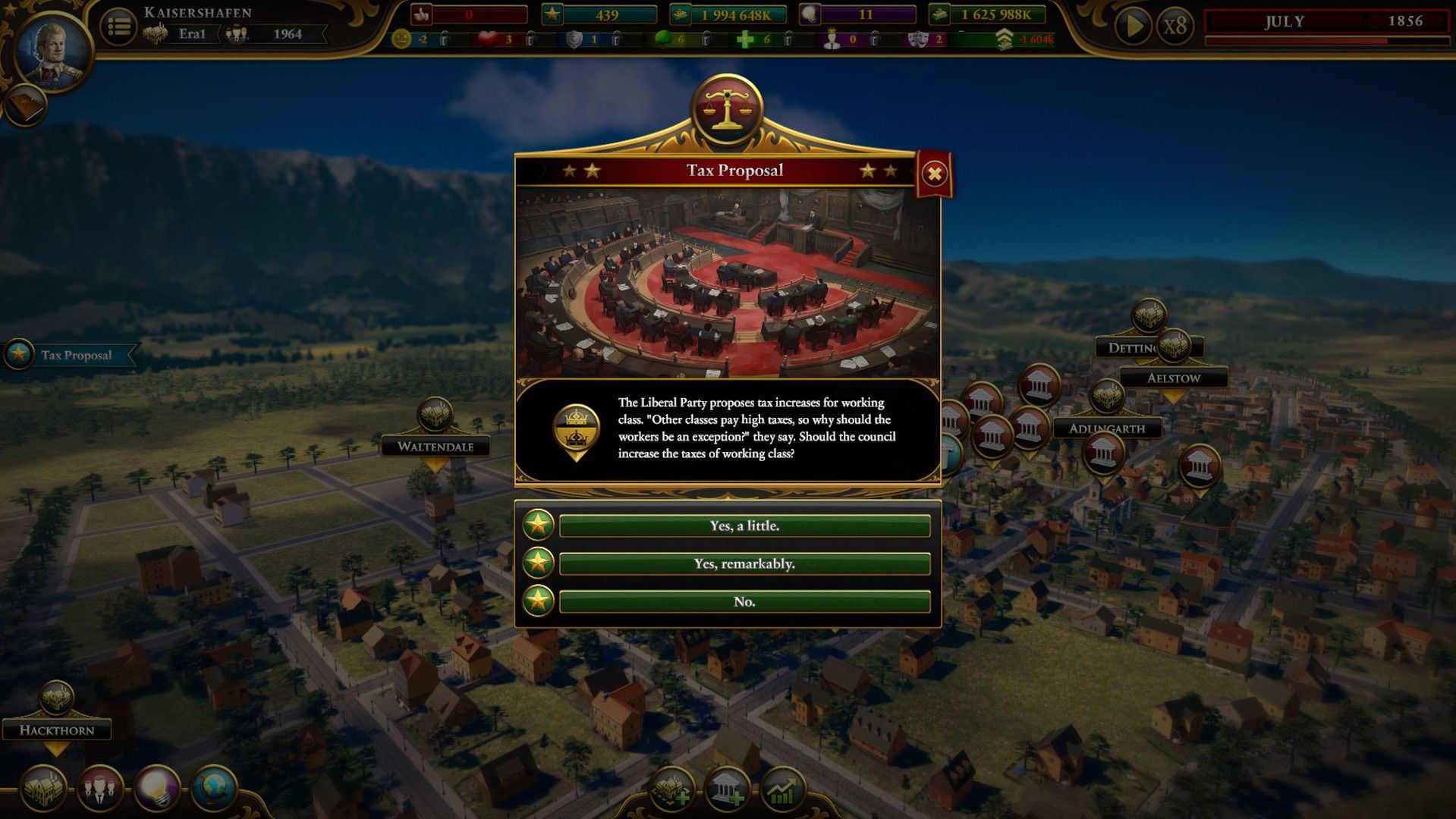
Of course, city building would be a lot easier if the player behaved more like a dictator as in most city builders (or quite literally in Kalypso’s other city building series Tropico). In Urban Empire, players must manage city council and its political machinations just as much as the city itself. The only thing the player seems to be directly in control of is what to do about their own personal affairs and what innovations their city should research. With a few exceptions where players can use their personal wealth to build what they wish, every decision must be put to a vote to the democratically elected city council. Traditionally, politics is seen as a right/left divide, with conservatives on the right and liberals on the left. Urban Empire opts for a more realistic four way system, splitting social and moral values between conservatives and liberals. Economic values is listed as the traditional right/left divide. A party can believe in liberal moral values, but be staunchly conservative when it comes to the economy.
As mayor, players must manage their own approval ratings and prestige with all types of voters and their relationships with the parties in city council. The relationship with the parties on city council will need to be leveraged in a variety of ways to ensure that a proposal you support will pass through city council. Players are able to make appeals to members of city council through pleading, demanding, threatening, or using negative information discovered through spying against political parties to force them to support your views. Of course, a lot of these actions are only helpful in the short term. Dealing with pesky parties takes a little more long term planning, such as issuing edicts that will ensure the growth of certain sectors that normally support friendly parties and working towards limiting the number of hostile party members elected to city council. To make things even more challenging, the political landscape changes along with the eras. Parties and political movements come and go as the historical and technological landscape changes, ensuring that players are constantly jostling around to ensure power in city council.
Urban Empire’s initial learning curve is pretty low, but mastering the game’s intricacies will take some time. The optional tutorial is built right into the game and will take players through the essential steps of building their city and then let them continue on their own. The tutorial style works well for a game like Urban Empire, but I think the level of documentation could be better. There are a lot of helpful tool tips in the game, but I believe a proper encyclopedia or help documentation that can be accessed at any time would be of great benefit.
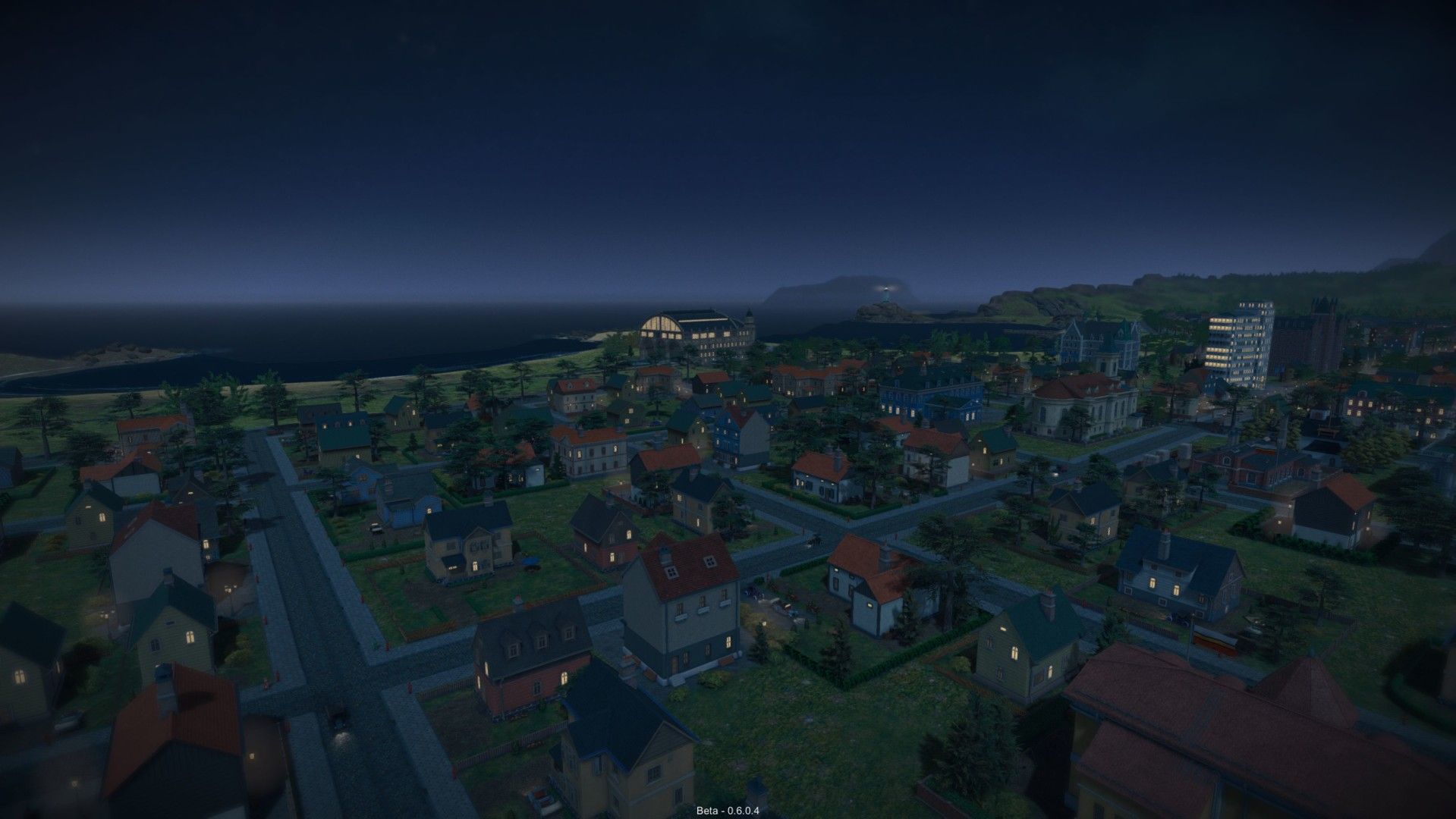
Urban Empire has a solid audio/visual presentation. There is no voice acting, but the sound effects are enjoyable. The soundtrack is excellent, striking the right tone for a city builder: epic in scale without being too energetic. The user interface is pleasant and is easy to navigate. While the graphic quality is not the most bleeding edge quality that will cripple the most powerful of rigs, the game still looks very good.
I think Reborn Interactive has a great concept on their hands. The city building is a touch simple on its own, but the political system gives the game the right amount of complexity. Reborn Interactive seems to be on the right track towards releasing an excellent city sim title.






 Outside of Javier and his thrown together group players will see that Clementine plays a fairly different role this time around. Since many players likely didn’t pick up the first two seasons again on the latest generation of consoles, Telltale Games offers players a chance to either start the game from scratch with a default Clementine as well as craft a Clementine based on their previous choices through a short questionnaire. This allows players to mold Clementine a bit by selecting various options that Lee would have made in the first season and she would have made in the second. This option also gives players some finality to certain aspects of the second season’s ending as flashbacks are the only time we actually get to play as Clementine so far in these two episodes. These flashbacks show us the results of Clementine’s traveling choice in what ultimately becomes a heart-wrenching event to longtime fans.
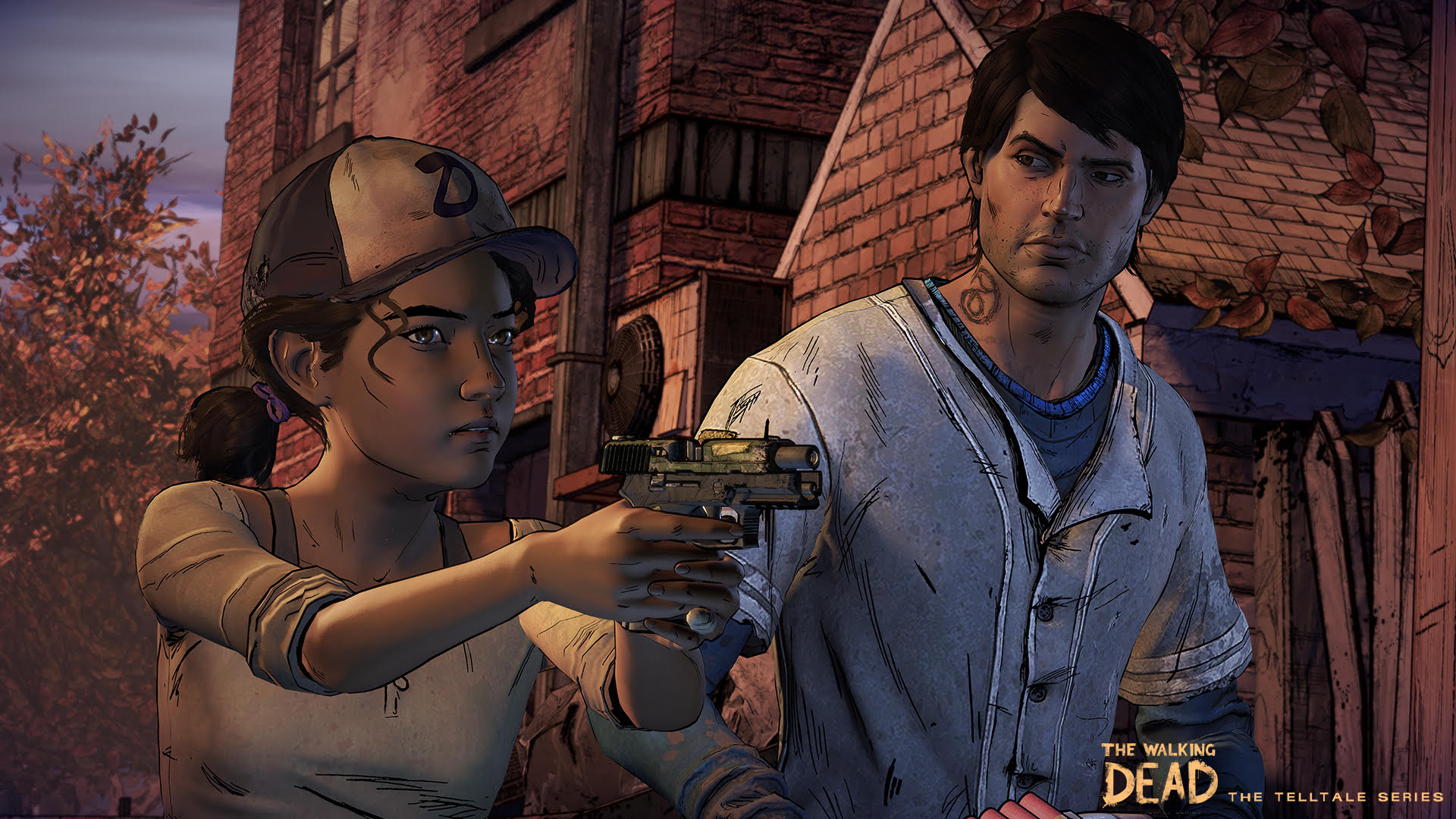 With poignant moments scattered throughout, players must keep on the move as they meet with another group who join them only to find themselves in increasingly dangerous situations that push even the best of the characters with them to their limits. With the two episodes serving as something of a re-introduction for longtime fans and possible starting point for those who have never played before, the two parts of Ties That Bind help bring most of the big players together quite quickly in an effort to help move things along in the future and through flashbacks and current interactions we are given some history with Javier and the rest of the family to help establish him as something more than a fresh face.
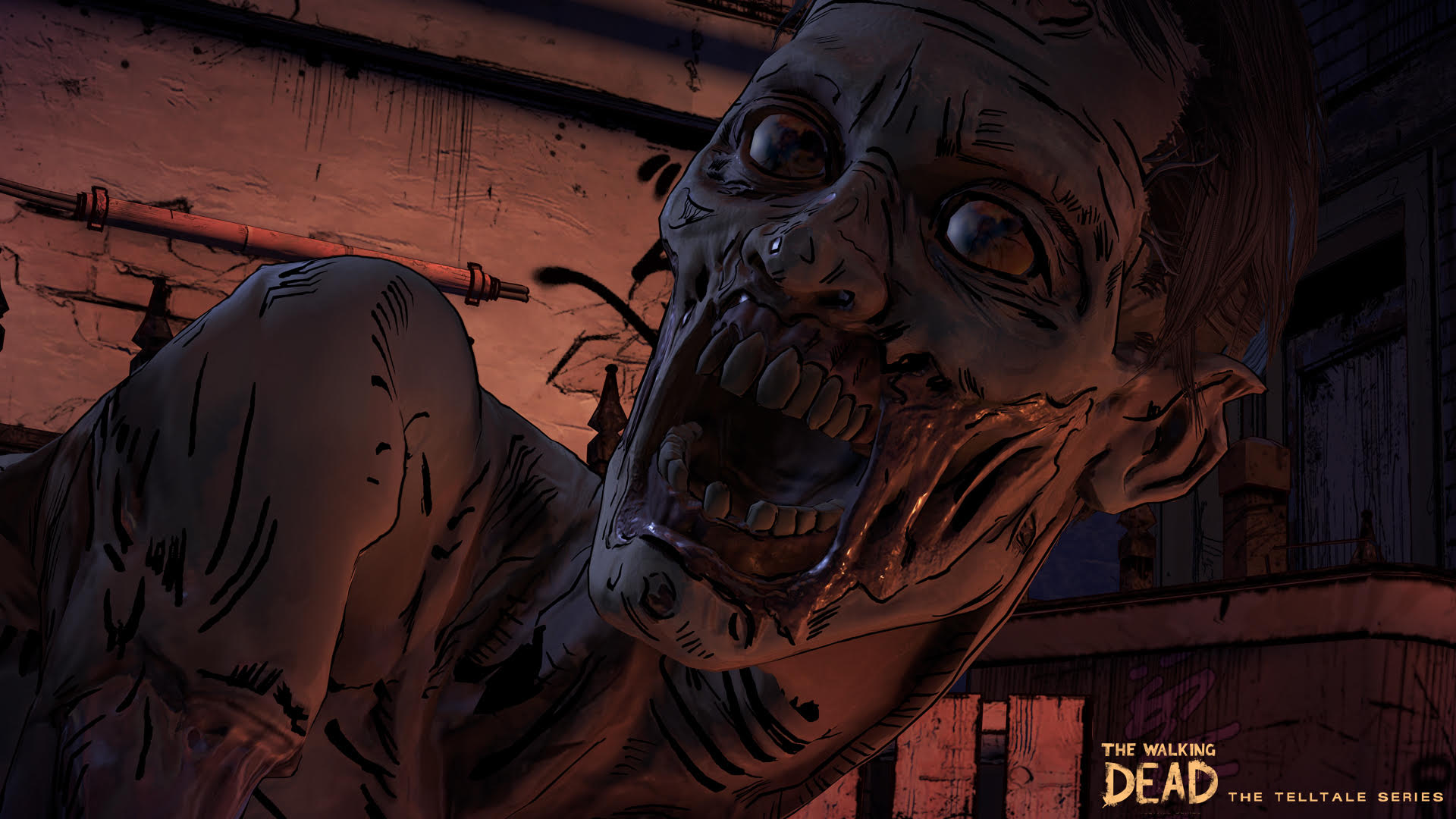 Whether choices matter yet has yet to really been shown off as playing through the entry twice saw the same result more or less unfold with the story leaving off at the same cliffhanger. It is worth noting that the rare appearance of a dialogue choice description not matching what ends up actually being said does happen during the beginning of the second episode, turning what players might have ended up thinking would be a simple way to stand up for someone into revealing another character’s unspoken intentions that may end up playing a bigger role in the future.
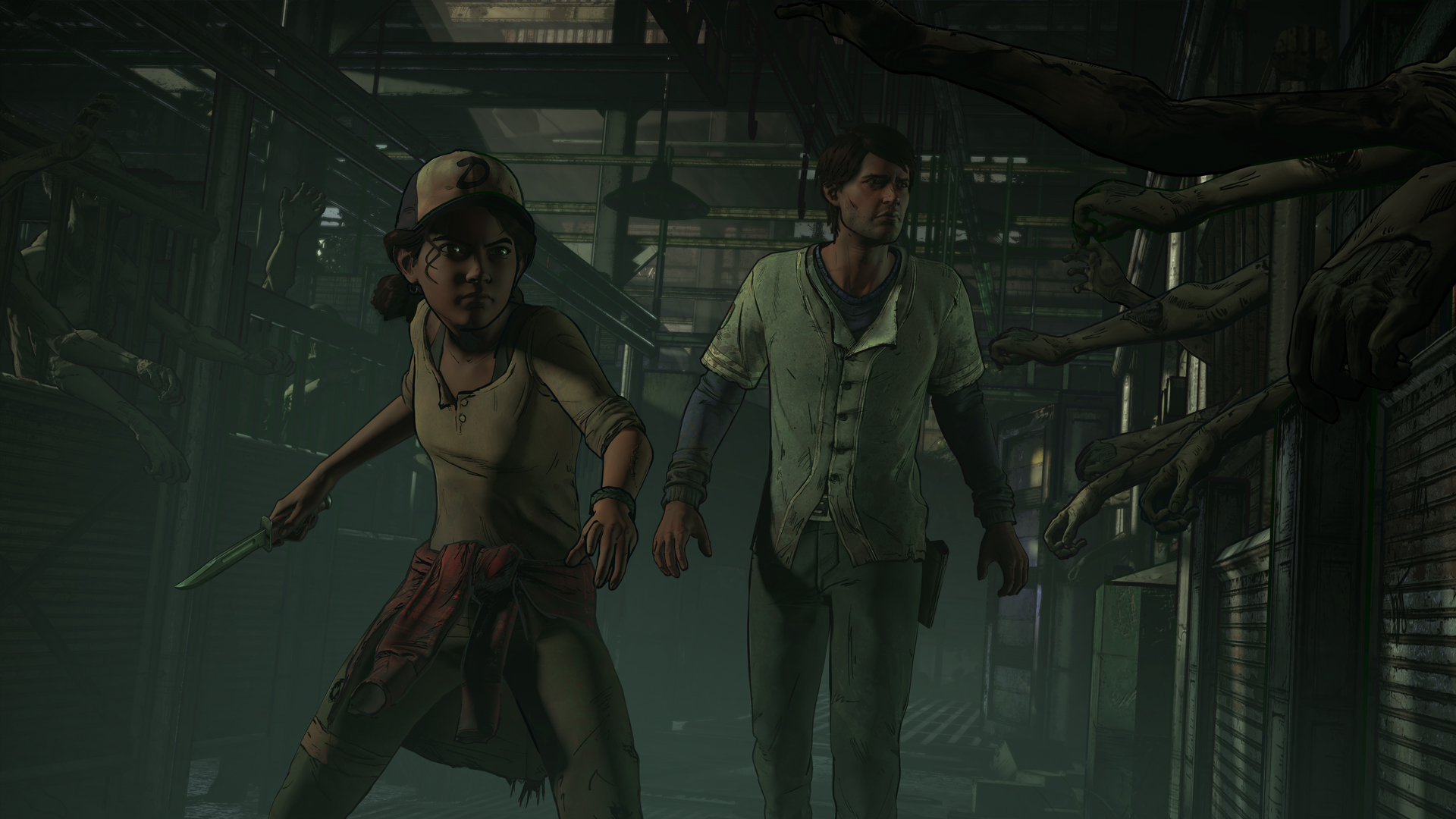 The art style still mimics the comic book nature that fans are familiar with but with smoother transitions and better action sequences. The character designs are presented in a better manner as well, though I did notice that more than a few zombies appeared to have the same designs repeated throughout both episodes. That being said players will be able to experience some life before the undead apocalypse and catching a glimpse of certain characters and objects before and after the outbreak creates a rather interesting feeling of lost innocence in many of the character’s cases.
 Story
Story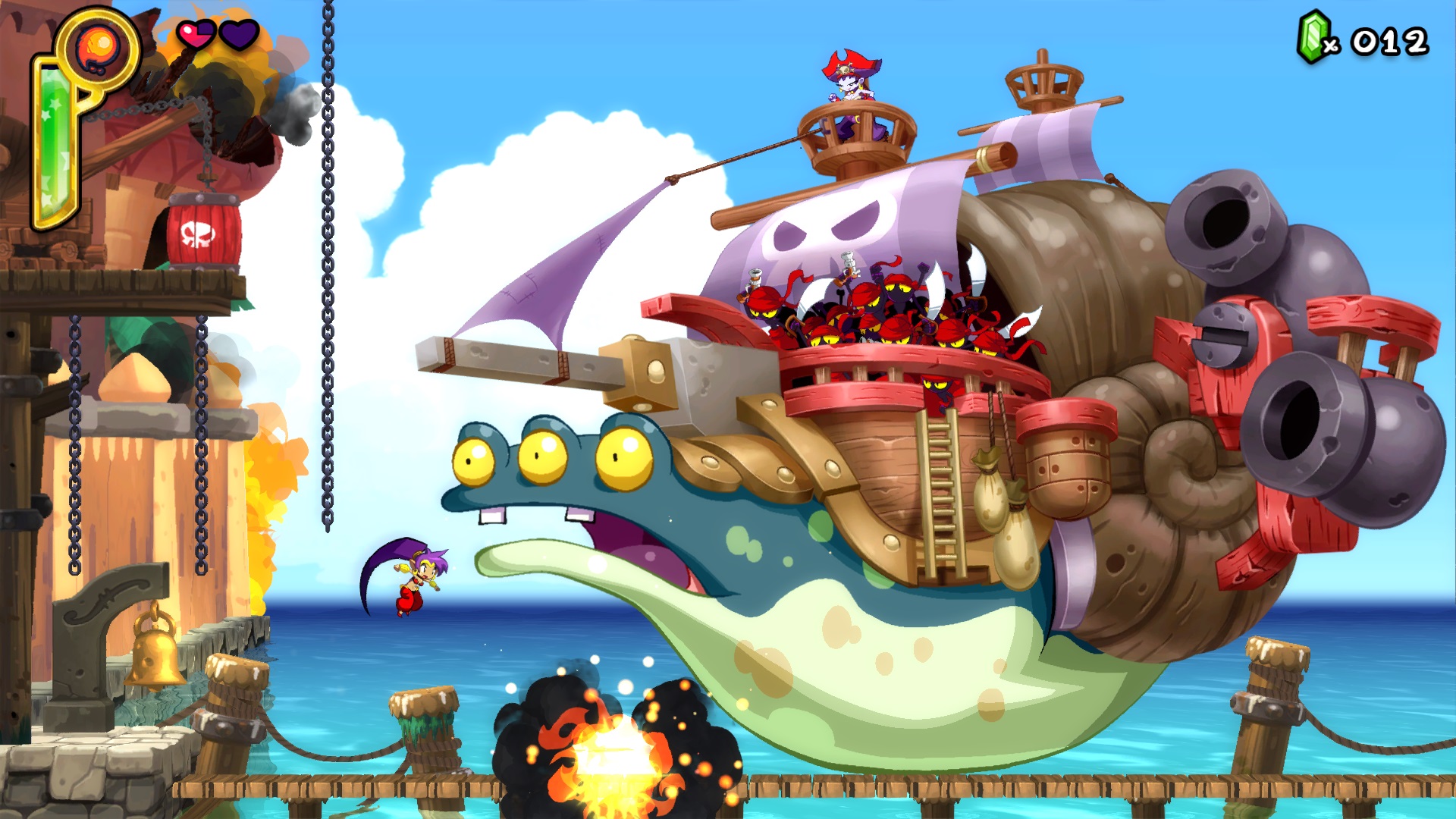 Another change can be found in the overall difficulty. Shantae has never been a terribly hard game to start with as like Mario, the platforming has always been accessible and simplistic. This title however has a bit more of a trial and error approach to some stages however, meaning if you run into danger without looking or thinking beforehand, you might wind up doing the same area again until you nail the appropriate platform or take out the particular enemy blocking the way. There is no down side to this as the game is fun (yeah, that can be a positive) and I never found myself frustrated even when I died at my own fault as it took less than a minute or two to get back in and give it another go. I personally dislike trial and error, but Shantae’s is light in this outing and causes no foul due to how simple it is to hop right back into the experience.
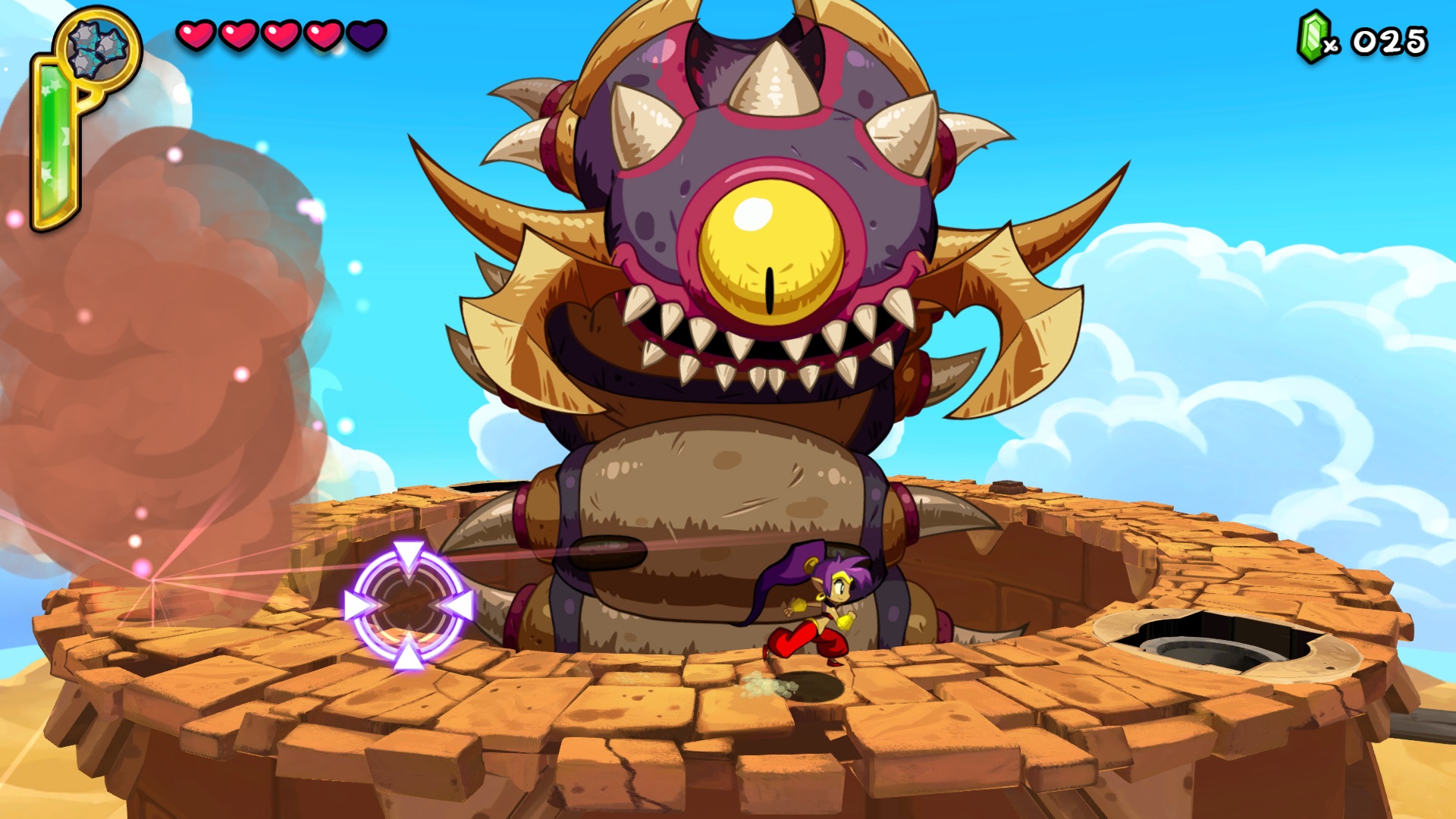 Shantae brings a ton of upgrades with her in Half-Genie Hero, such as the transformation abilities as well as special potions that allow her to utilize new moves. The transformation aspect includes the likes of the monkey, a mouse, a crab, and even a blobfish, with each treating the player to a new mechanic that will allow further progression once obtained. Because older stages can be revisited at anytime, this means that you can now discover new areas and items once you revisit, and with the stages changing after the first completion (usually in difficulty), players will be happy to know they can turn into a fish and bounce onto the heads of their enemies until their craniums crack. The currency system is about the same as it always has been, with a shop in tow that allows players to buy upgrades and powers for Shantae to utilize, with the ability to add techniques to the animal transformations being an option.
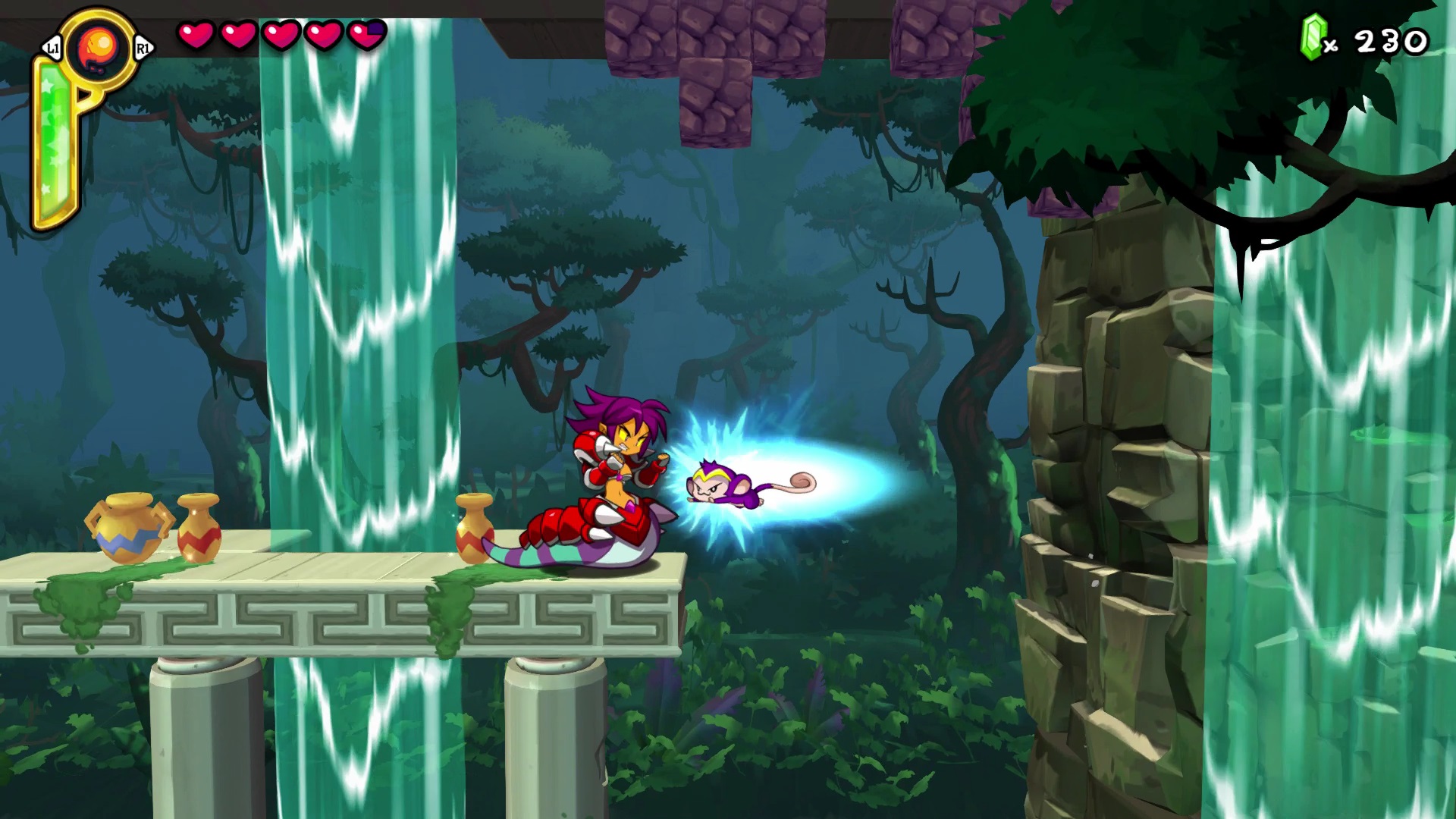 Completionists will get a huge smile on their face when playing Shantae as well, as there is a ton of reason to continuously replay stages aside from the silky smooth gameplay. There are a ton things like souls of pirates to pick up, and this title rewards excellence with more content that can be unlocked for both Shantae and the player. While the game in itself is rather short, this is a title that encourages replay-ability through several means with just enough shake-up to feel new with back-tracking, boss battles, and enjoyable dialogue that spurts from the many residents of this alive little world.
 The soundtrack is also amazing here. Featuring a blend of audio with plenty of unique tracks, Jake Kauffman has crafted an epic with the music featured here. There is also a small amount of voice acting despite the story being mainly text-driven, and the actors made their characters come alive even more due to some stellar performances that capture the quirk exceptionally well. It is actually a rarity for a game to hit the nail on the head for almost every category when it is crowd-funded, but the splendid audio ties together a fine package of consistency and quality to make this adventure upbeat and warm from beginning to end.