Welcome back to CC Unplugged! After a minor delay, we are back and better than ever. This week, Dustin Spencer, Joe Morgan, and Travis Bruno have come together to talk about video games and the fun that is the industry. We speak about Pikmin 3, a bit of Wii U talk, Capcom and their grand announcements, as well as a few topics we can sit in that other branch. Its a fun show, so pull up a seat, go get a refreshment, and enjoy the listening.
So grab a power coin, tell your friends, and prepare to get UNPLUGGED!
Be sure to listen to our past CC Unplugged episodes here.
SPONSOR PLUG
Special Mention to our partners over at Razer, us here at Capsule Computers are geared by gamers, for gamers. Check them out on Twitter and Official Website.
The best of the best this edition goes to GamersGate’s Summer Sale Indie Week. There are a ton of great indie games on sale and highly discounted Deals of the Day sales.
Get Games is running a Get Loaded promotion weekend featuring Train Simulator 2013 and its huge array of DLC. Those wanting to check out the series can pick up the game for $7.00 and the DLCs featuring new trains and famous routes for a steep discount.
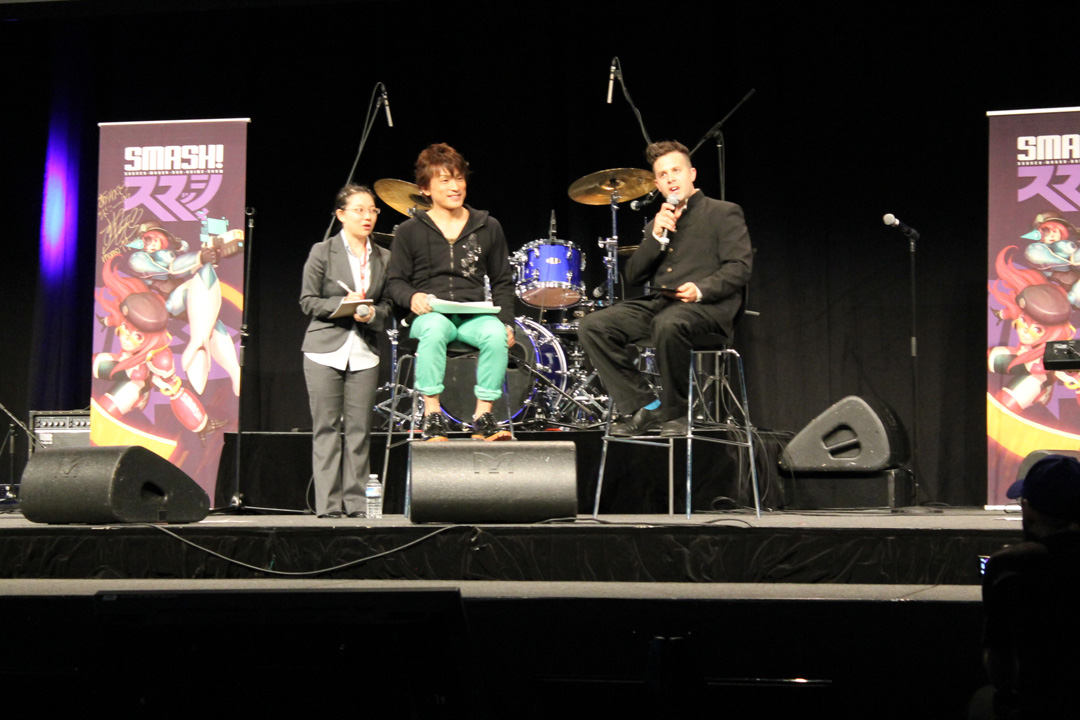
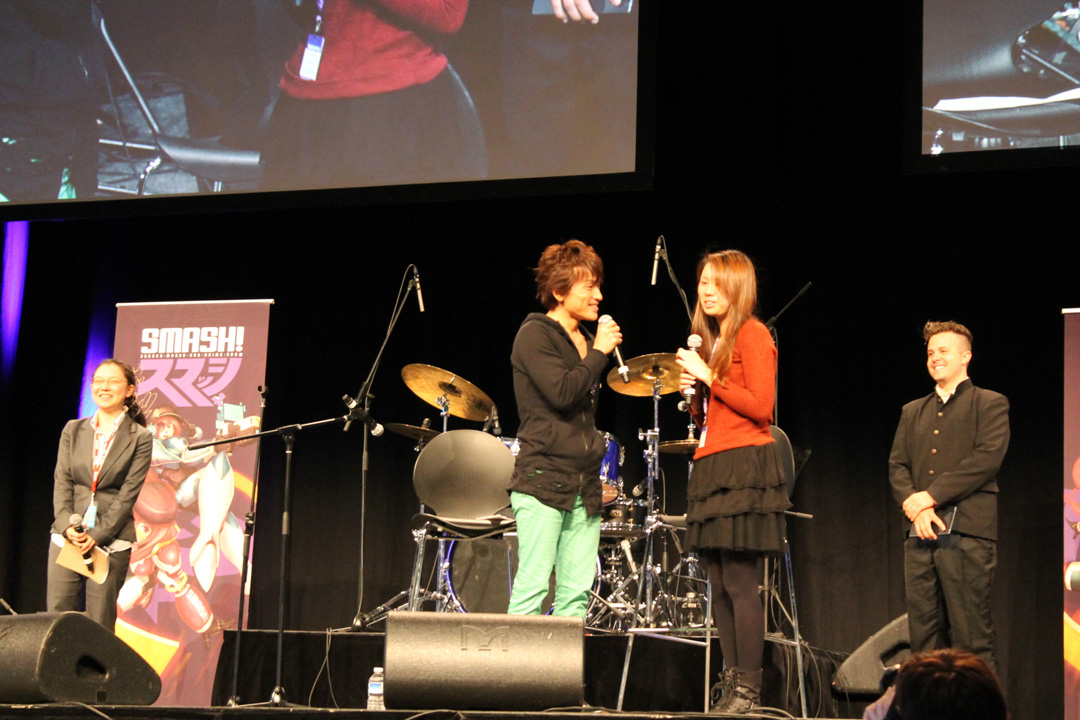
The main stage. SMASH! 2013. Masakazu Morita enters the room. People applauded, girls cheered. Once the sound subsided, it was time for the panel to begin with a Q and A, exploring the life of one of Japan’s most popular voice actors.
Having been involved in the Final Fantasy franchise “since the eighth series”, Morita was asked about his experiences from both his role as a voice actor and his work motion capture. Morita began by explaining how playing Tidus in Final Fantasy X was his first voice acting role, proceeding to then recite his first lines of dialogue. Cue cheering. He then described his time working in motion capture for Final Fantasy Advent Children. He noted that when the film was made computers weren’t as powerful as they are today. As a result of this he had to “work in slow motion” because the machines could handle mapping full speed movement. Morita further explained that his attire for capture was nothing but a pair of skin tight pants, which he noted was “not a very good look.”
Can’t you just hear the applause?
Being known for his voice, Morita was asked if he had ever been recognised after talking to someone. Morita noted that as his voice is slightly different from the characters he portrays, it is not extremely common though it has happened. He also stated that he has never accidentally fallen into character whilst in public, but if a stranger is being rude to him “they get Ichigo Kurosaki.”
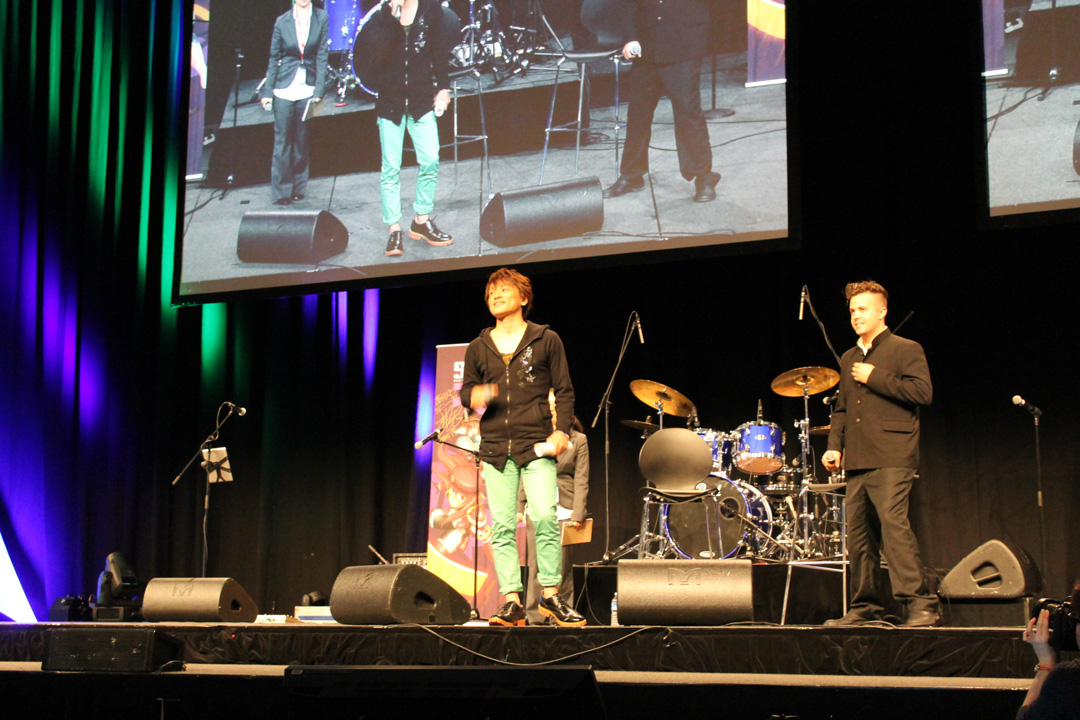
To further demonstrate his…versatility, Morita provided live examples of the way his voice changes when talking to men and women. Very conversational and laid back with members of the same gender, his voice became notably smoother when “chatting” to women, demonstrated with a lucky audience member who was called to stage. An act which resulted in a wave of cheering and laughter. With a bit of jealousy thrown in. Morita also joked that he changes his voice when talking at conventions, with his normal demeanour being “I can’t be bothered.”
With a voice that makes the ladies swoon
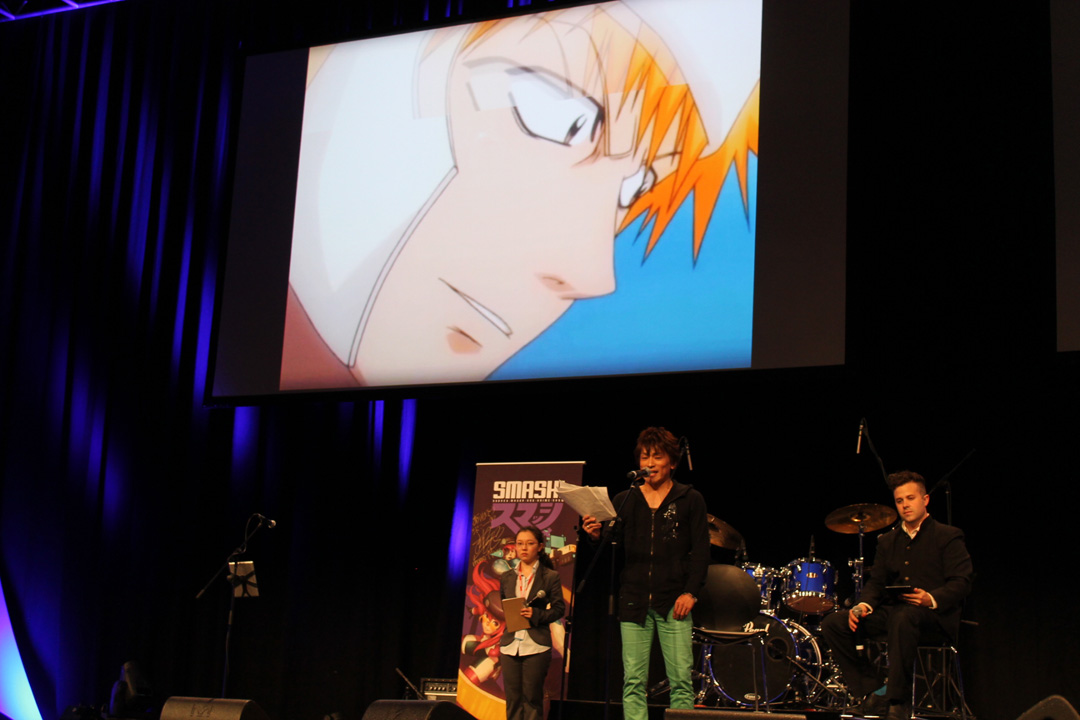
The question and answer segment was followed up by some live dubbing. Much to the joy of the audience. English dubs were played first, followed by the live Morita version. After an initial hiccup that resulted in a unique dual English and Japanese take, Morita began with two scenes from Bleach. Early scenes involving a fight with Ururu and his initial meeting with Rukia. Following Bleach came a scene from Baccano, featuring Clare Stanfield (Morita’s character) expressing his unique and unending devotion to Chane. After many heartfelt awwws from the crowd came a more action packed scenario: Tiger and Bunny. After some punching, kicking, bickering and rescuing (by Tiger and Bunny), the live dubbing was over.
Even Ichigo is starstruck…wait
Morita was then asked about Tiger and Bunny, with its unique blend of eastern and western tropes. Morita explained that event hough it was an anime, it was “designed as a comic book.” It was originally intended to appeal to the older “salary men” of Japan, who would have a closer connection to the more traditional superhero. Before its release, knowledge of Tiger and Bunny’s western inspiration created a large amount of negative publicity. However, once it was released it became a smash hit. Morita joked that Tiger and Bunny “rescuing and cradling in each others arms” must be a very popular point of the show.
With questions answered and some awesome live dubbing performed Morita closed the panel with one of his most asked for and famous quotes. With an army of fans cheering before him, what more needs to be said but…BANKAI!
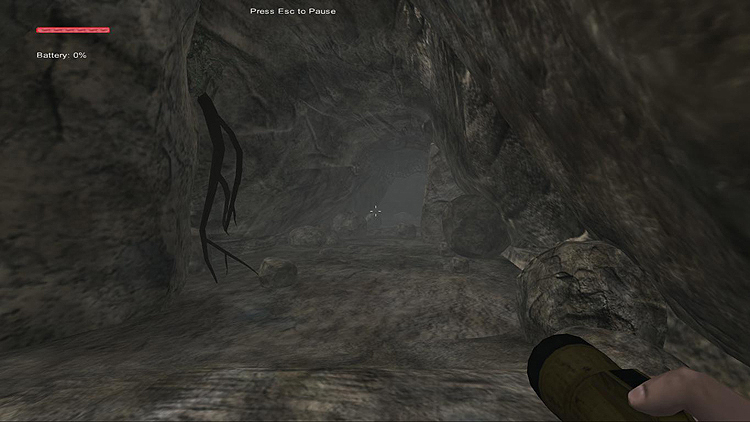
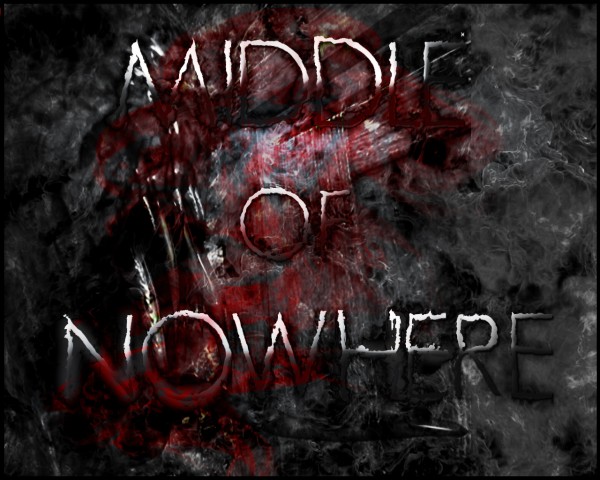
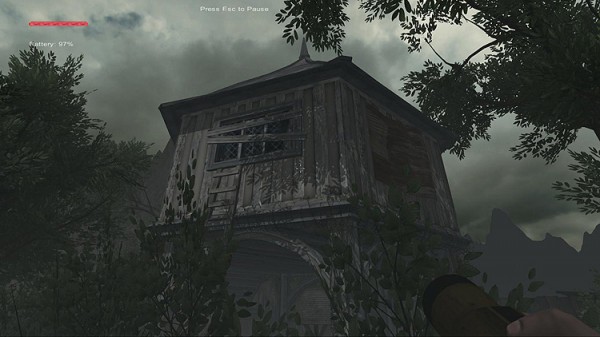
Indie developers VisionArts announced their survival horror game Middle of Nowhere will begin their crowdfunding drive at Kickstarter on August 27th, 2013. The survival horror game takes players back to the days when survival horror actually meant making every single bullet count and the fear of dying was constant. The team are drawing inspiration from games like the original Silent Hill and Resident Evil.
The game stars Isaac, a widower who is left caring for his sick daughter Emily. Emily is unable to sleep properly as she is suffering from a mysterious case of parasomnia. In this state, she has premonitions of Nowhere, a horrific place. Isaac, assuming Emily’s premonitions are a sign of medical issues, is looking for a doctor to cure his daughter. One day, Isaac awakes in Nowhere and Emily is missing, just like her mother Sarah.
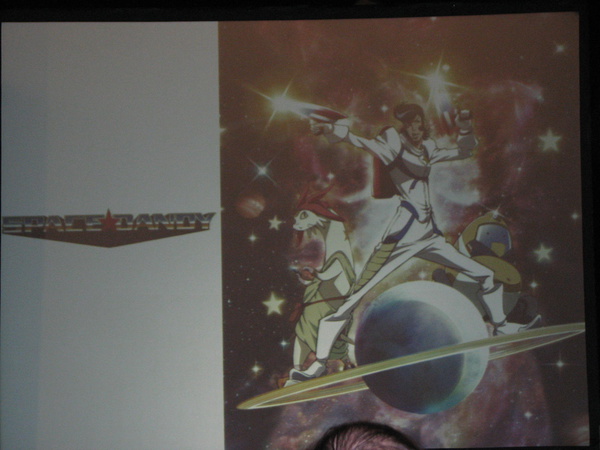
After a long wait and mounting anticipation, anime legend Shinichiro Watanabe unveiled his latest anime project Space Dandy at Otakon this weekend. The series which was previously teased as a space comedy reminiscent of the humour seen in Watanabe’s classic series Cowboy Bebop, was detailed and had some artwork even showcased for those in attendance.
The series will be produced by BONES, with Shinichiro Watanbe helming the project as its general director and Shingo Natsume will work as its director. On top of that Dai Sato, Keiko Nobumoto, and Kimiko Ueno are slated to handle the script writing on the series. Character design will be handled by Yoshiyuki Ito and Spaceship design done by Thomas Romain. The series theme will be performed by Yasuyuki Okamura.
Space Dandy will focus on the comedic adventures of an alien hunter by the name of Dandy in a far off future. Dandy along with his robot partner QT and cat alien named Meow, travel the universe looking for new types of aliens. Watanabe noted in his panel that the character of QT is a robot who believes themselves to be like R2D2 when in fact they are more akin to a Roomba vacuum cleaner.
The series is slated to premiere in January 2014. Stay tuned for further updates on Space Dandy as it comes to light.
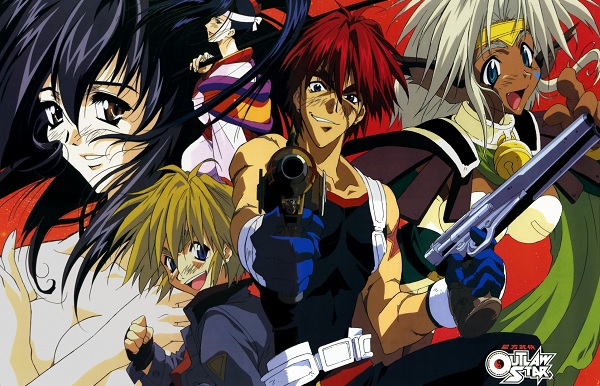
Today during Otakon FUNimation announced that they have acquired numerous anime series that used to be held by Bandai Entertainment before they went under. These series are all currently planned for release sometime in 2014, including a handful of which, such as Cowboy Bebop, which will be released on Blu-ray for the first time ever in North America.
The below licenses have been acquired:
Cowboy Bebop
Outlaw Star
Escaflowne: The Movie
The Vision of Escaflowne
My-HiME
My-Otome
My-Otome 0~S.ifr~
My-Otome Zwei
Also picked up by FUNimation, but announced by Sunrise at Otakon, are a number of series including Code Geass, the Banner of the Stars series and more. The full list of Sunrise titles picked up by FUNi can be found below:
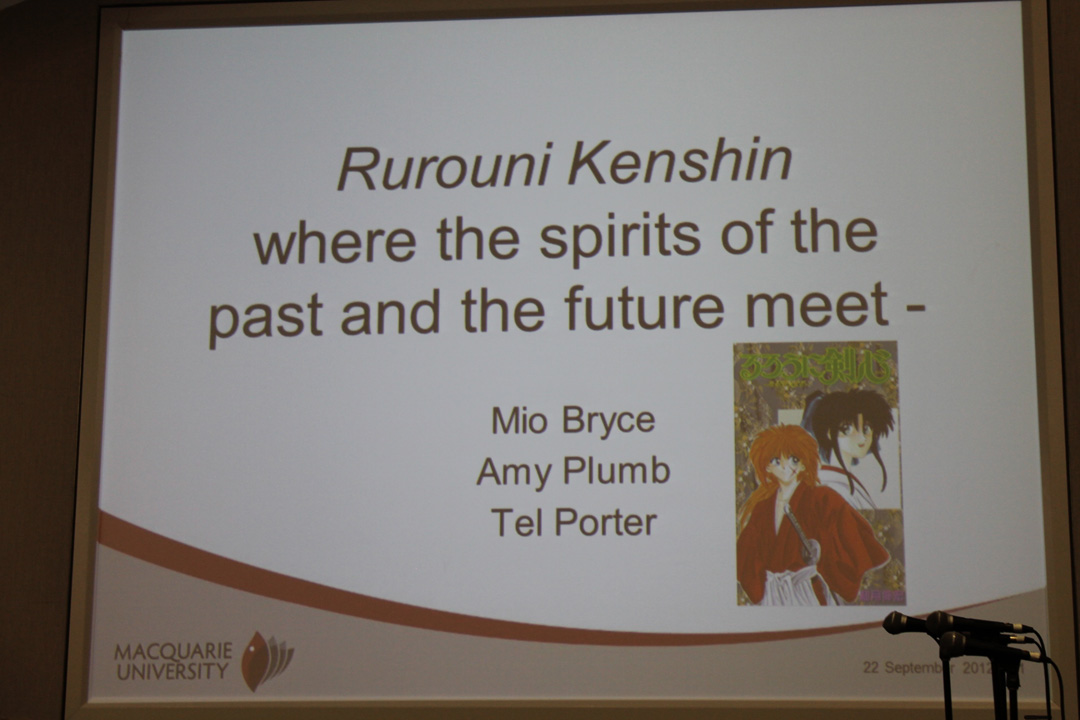
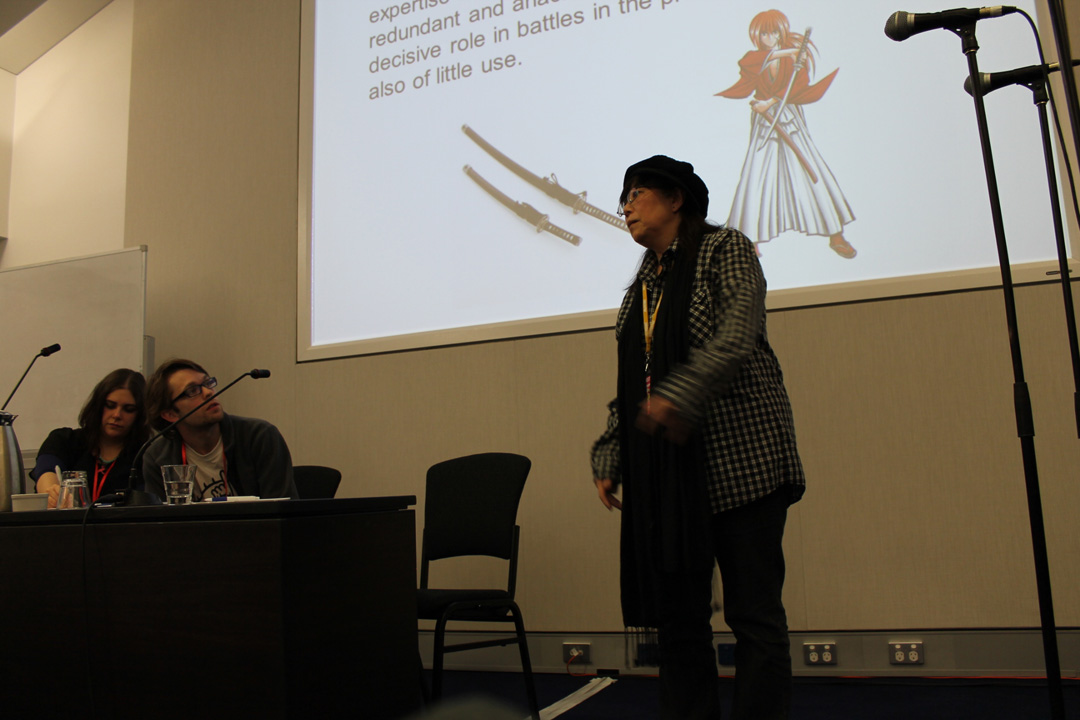
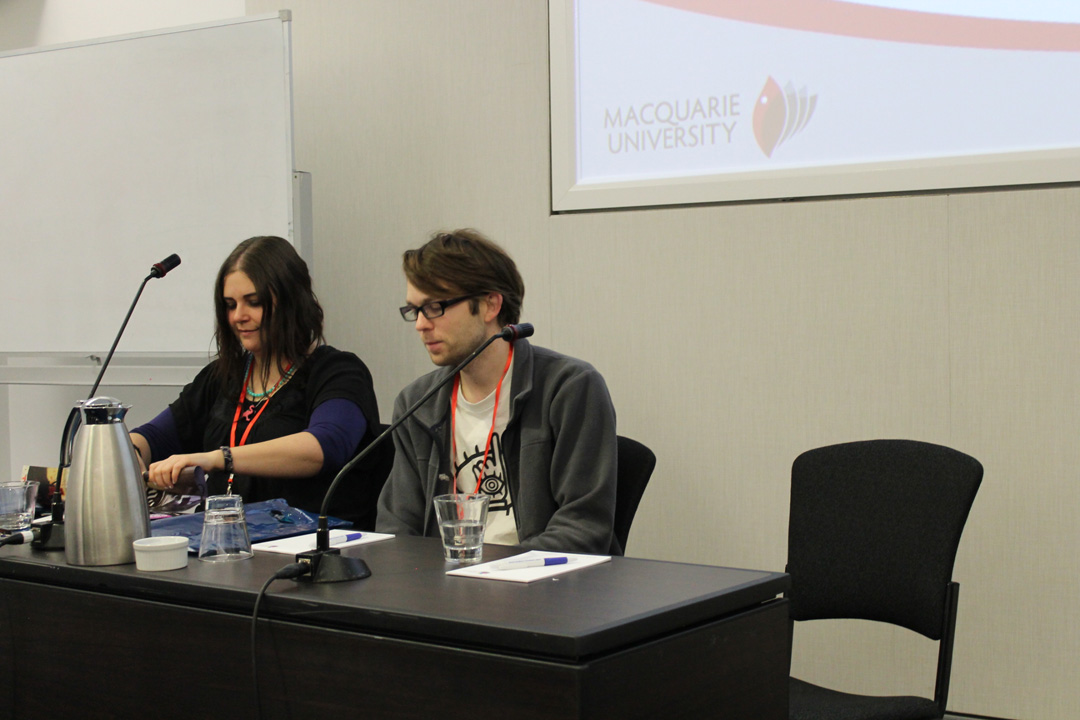
Amongst the many panels of SMASH! 2013 was Rurouni Kenshin: Where the Spirits of the Past and the Future Meet. Headed by Dr Mio Bryce, Head of Japanese Studies at Macquarie University, Amy Plumb and Terence “Tel” Porter, students within the same program, the panel focused on the complex themes of RurouniKenshin: Meiji Swordsman Romantic Story as well as their relevance and impact on current audiences.
One main focus of the panel was the sword itself and how, with the advent of projectile weaponry, it is no longer as viable in combat situations as it once was. However, despite its decline in usage in real life, it remains a staple of Manga, Anime and numerous other stories. So Dr Bryce asked “Why does the sword interest today’s people?” The audience had a few ideas regarding the idea.
Talking about swords…awesome
One notable answer regarded the physical necessity to be close to your opponent when wielding a blade. As opposed to guns, where someone can injure or kill from a distance, attacking with a sword requires the wielder to be very close to their opponent. This lack of separation adds an intensity to the combat, both physically and emotionally. It was also suggested that swords are preferred for characters since they take skill to wield. Anyone can fire a gun, but it takes years of practice to correctly use a sword. Characters who fight well with a blade are immediately conveyed as skilled.
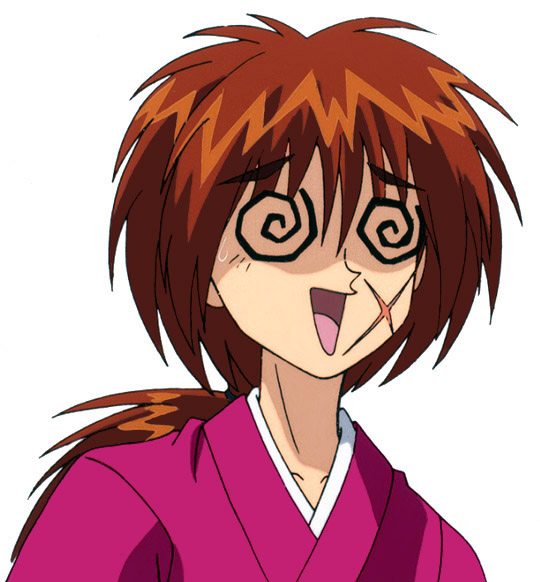
Oro?
Dr Bryce also noted Kenshin’s unique method of swordplay. Set in a time of great change, the wielding of swords was outlawed in Japan. However, Kenshin’s sakabato was allowed due to the blade being reversed. She explained that although Kenshin didn’t want to use his sword to kill, he did in order to “speed up change” and help Japan, becoming Hittokiri Battosai (denoting his skill with drawing his word and killing). However, these actions lead to his desire for redemption, to make amends for the horrors he comitted. Dr Bryce also noted the behaviour of Kenshin as a character. As Rorouni (masterless wanderer), he possesses a lighter air and a friendlier disposition, reacting to certain situations with an animated “Oro?” However, when in battle, Kenshin sometimes becomes Hittokiri Battosai again, ceasing to be “the Kenshin that we all know.” Bryce noted that the struggle within a character between different elements of their personality is a strong theme in anime and a way to represent the changes a person undergoes.
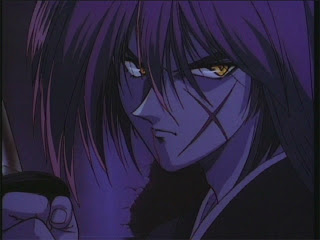
Hittokiri Battosai
Another theme discussed during the panel was history. Tel Porter explained the accuracy of the facts within Rurouni Kenshin and the credence it lends to the story. The inclusion of certain historic events, such as murders of key figures, adds a certain “realism” to the story and connects the fictional world to our own. Though we as an audience know that characters only exist on a “2d plane of existence” inclusion of the real world helps suspend disbelief. As we were not alive hundreds of years ago, it becomes easier to imagine that characters such as Kenshin once did exist.
Further discussion regarding a story’s connection to the world at large involved noting the adaptability of the plot itself. One example of this was The Seven Samurai and its western remake The Magnificent Seven. Both films bear the same story, yet are set in completely different worlds. This is not a one off situation either, numerous samurai films have been reimagined as westerns. The trend continues to this day with a Japanese remake of the western film Unforgiven in the works. The fact that a story can remain relevant, whether it be about samurai of cowboys, expresses how certain key story elements are well received all over the world. Concepts such as vengeance, redemption and conflict were noted to be “common traits” of stories, but ones that are relatable and malleable enough to adapt to changing times.
Students of Manga
In what was really more of a discussion than a panel, everybody got the chance to put their own two cents in, helping everyone come to the consensus: everyone likes series for their own reasons. Whether it be the setting, the history, the characters, combat, any and all of these draw people into a world. Also, swords are really cool.
At Madman’s Panel Room, titles from all three major distributors were screening. Anime fans pooled into the panel room to watch the premiere screenings of the following titles:
SMASH’s anime screenings were definitely a great way to introduce these series to viewers who may not yet be familiar with them. This was undoubtedly the biggest showing that has ever taken place at SMASH. If you are interested in picking up any of these titles you can check out Madman’s official website, Siren Visual’s official website and Hanabee’s official website.
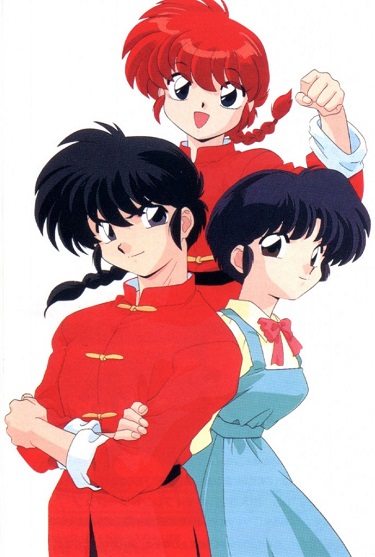
Today during Otakon Viz Media announced that they are planning on releasing Ranma ½ on Blu-ray and DVD. While the company previously released the series on VHS and DVD many years ago, this is the first time that the series will ever be available on Blu-ray in North America.
Besides the physical releases, of which no timetable has been currently set, Ranma ½ will also begin airing both on Neon Alley this Fall as well as streamed on VizAnime.com. It is interesting to note that Rumiko Takahashi‘s series originally ran between 1989 and 1992 in Japan and had 161 episodes and multiple movies aired during that time-frame.
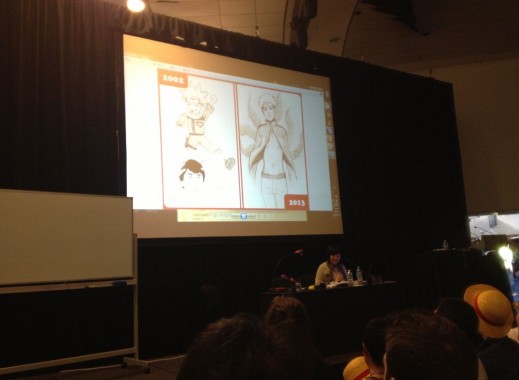
Cecilia Jin is a teacher, a storyboard illustrator, a concept artist and she works a great deal in magazines, not to mention that she’s an all around incredible artist and Anime/Manga-lover so it’s only natural that she had her own, seemingly little, workshop on the Main Stage of the Art Room at SMASH! 2013. Cecilia sat on stage, on her own and, despite a few technical difficulties, rocked a room packed full of eager art-fans with her extensive knowledge and raw talent. What started off as a “small workshop/art panel” grew into it’s own miniature event, as people who were just “passing through” stopped to sit-in on Cecilia’s teachings and it got so crowded that the SMASH crew even had to close the doors until the panel was over.
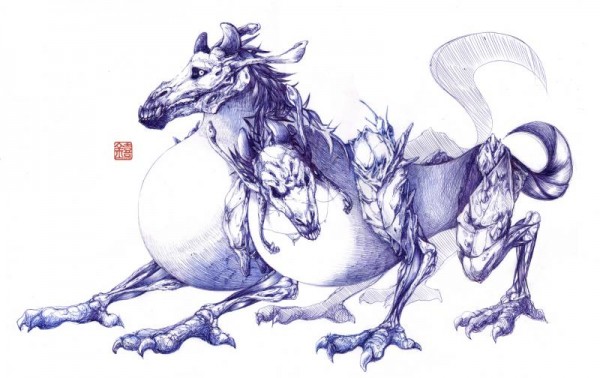
An incredible drawing of a creature done by Cecilia.
Cecilia ran through so many incredible different aspects of art whilst also giving us all small hints and tips on how to make ourselves better artists and on how to further our practice. She showed her own drawings, both from years ago and her most recent ones, and allowed us to see the development of a talent through years of training and practice. She started off her time by telling us to re-think all we know about drawing anime, she told us that before we can learn to draw the distorted cartoons that we see on paper or on the screen we first have to learn the way to draw and bring to life proper anatomy. She introduced us to five different points, five different and effective ways to get a full grasp on drawing proper anatomy: Draw as a whole, understand motion and form, copy the masters, get critigue and to practice and have patience.
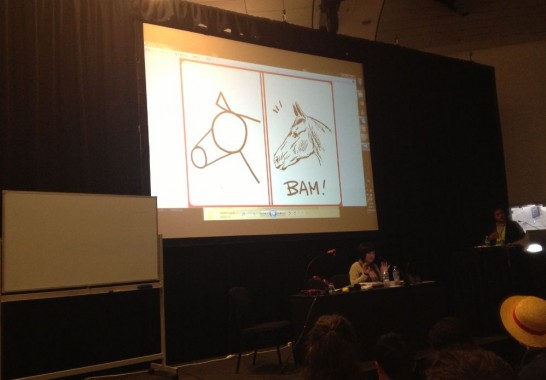
An example of using shapes.
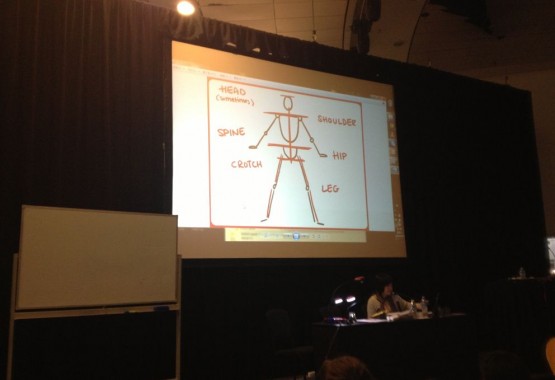
She explained that using shapes as guidelines are great but they should only be used as guidelines and nothing else because the human body does not just look like a circle and an oval stuck together, it’s much more than that, it is more intricate. Starting with what you’re comfortable with is a big “no no” to Cecilia, she told us that we should never start with what we’re good at because once you’ve finished the good parts of your drawing; the rest of it will fail to be as good. She suggested that we learn the way the body flows, the way the muscles sit on the bones and the way the spine is curved. “It’s like taping little beanbags to a stick” is the way she explained how muscles should sit on bones. “Learn from the best!” she said as she continued to explain to us that, while making sure not to fully plagiarize, it is always good to copy the works of your favourite illustrators to see how they create, “you will learn from them”.
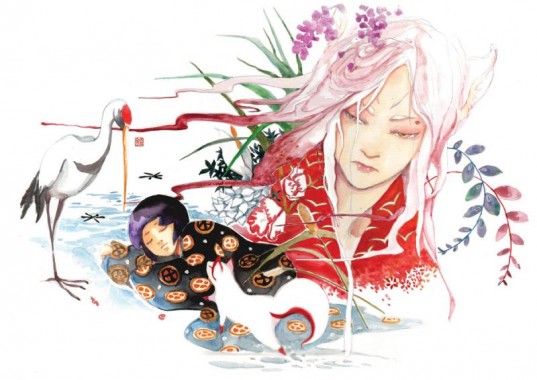
A beautiful coloured work of Cecilia’s.
Being critiqued is the best way to quickly learn what to focus on, she told us to show a friend, to point out what YOU think is wrong and to return to that piece later to fix what you’re not too happy with. “Flip the picture, leave it for three days, view from afar”. At this point in time some of the audience, including me, began reaching into their bags and bringing out their sketchbooks to draw along with what she was saying. We were told to draw with a goal in mind, working on specific things within a drawing is the best way to master those drawings. Cecilia then ended her talk by saying:
“Draw complicated poses and actions! If you can draw a character in an action pose you’ll find that it will be much easier to draw that character standing still.”
Body structure.
To end her panel/workshop she did a bit of free drawing of her own, she called out into the audience for suggestions on what to draw, unfortunately for her what she got was “Unicorn, octopus and wolf” but she was more than happy to draw all three of those things together as one animal which ended this panel in such a fantastic way. You could tell that the audience was impressed and each person definitely took away something from the hour we were all in there.










 Today during Otakon