Warner Bros. Interactive Entertainment today announced that Ryan Neal, 18, from Bury St. Edmunds, won both the UK and European Mortal Kombat Tournaments, bagging himself an Arcade Machine, Championship Belt and trip to Chicago to visit NetherRealm Studios, developer of the game. Congrats Ryan, undoubtedly a deserved winner, fending off competition and securing himself some fantastic prizes in the process.
Taking place at the UK’s largest consumer electronics show, ‘The Gadget Show Live’, the competition was held in front of thousands of gamers at Mortal Kombat’s spectacular ‘Fight Arena’ stage in the Over 18 Gaming Zone. Players entered by participating in qualifying rounds taking place throughout March and April at various gamestation and GAME stores throughout the UK.
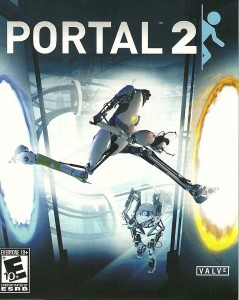
Portal 2 Developer: Valve Publishers: Valve & EA Genre: First-Person Puzzle/Platformer Price: $59.99 (PS3, Xbox 360) $49.99 (PC) Platform: Xbox 360, PS3 (reviewed version), PC Buy Now ($64.90) US Buy Now ($92.00) AU
The original Portal was a masterpiece of game design. Featuring puzzles which ranged from clever to damn-that-was-clever and comedy blacker than any mesa, it offered gamers a short but sweet trip through Aperture Science’s Enrichment Center. On top of all that, it was also initially released alongside Half Life 2 (and its episodic expansions) and Team Fortress 2, making it a part of one of the best deals ever conceived. This gives Portal 2 a lot of high expectations to live up to. Can the formula behind Portal be expanded for something even greater? Can it stand on its own as a full-price retail release? Will it be plagued with sequel-itis? Here’s the rundown.
Story:
Portal 2 actually features two entirely separate campaigns, one for the socially maladjusted single-player type, and one for the overly dependent cooperative types. While these two tales are tangential to some extent, players won’t know how exactly they tie into one another until they’ve completed both.
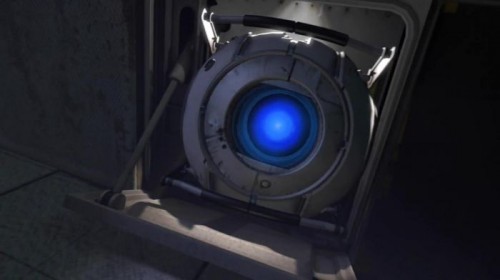
The single-player campaign stars Chell, the protagonist of the first game, who has been in stasis ever since a Party Escort Bot recovered her following the ending of Portal. Upon being awoken, Chell finds herself in what looks like a cheap hotel room as a robotic voice guides her through a standard exam to check for side effects to the hibernation. Shortly after, she is put back to sleep only to be roused once more by the delightfully awkward (and delightfully British) voice of Wheatley. Wheatley is a robotic personality sphere who wants to help Chell escape from the facility. A significant chunk of time has clearly passed since you went to sleep as the cheap motel room has become quite dilapidated and the “relaxation facility” is in a state of meltdown (hence your current escape plan).
Wheatley definitely does not remind me of Guilty Spark. Nope, not a bit.
Unfortunately for Chell, this escape takes her right back to the enrichment center where she needs to recover the Portal gun in order to get out of the Aperture facility. During this trek our duo stumbles upon the deactivated GLaDOS, and through a mix of incompetence and circumstance turn her into a reactivated GLaDOS. From here on out the science-loving, fake-cake-offering dictator of the enrichment center is back in charge, sending Chell through a series of increasingly deadly tests. Meanwhile, Wheatley attempts to find a way to get Chell and himself to safety and shut down the test-obsessed bot once and for all.
While this is as far as I can describe the story of Portal 2 without letting slip some heavy spoilers, I will say that there is much much more to it than this. This sequel is far from just a retelling of the original and will offer players a first-hand look at the history of Aperture Science, its deranged founder, Cave Johnson, and the loveable GLaDOS herself. It will also include potatoes, a bird, deadly deadly neurotoxin, and a bit about the moon. If that sounds like it makes no sense, just play the game. I promise it’s excellent.
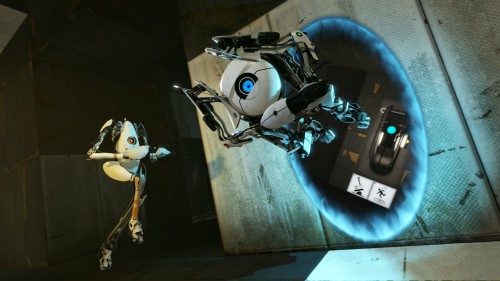
The coop campaign features Atlas and P-body, two cooperative testing units who were designed to run through specially designed enrichment center facilities that no fleshy meatbag could have hoped to solve. GLaDOS guides them through these tests as training for their real mission: to find and rescue a vault full of humans. There isn’t much more to it than that. Atlas and P-body simply go through chamber after chamber solving tests and helping GLaDOS recover “unimportant” blueprints and pass codes that don’t really mean anything. I’m sure it’s all entirely innocent, right?
While it may sound barebones, there is a lot of humor in the coop campaign as GLaDOS praises one partner while reprimanding the other, or offers backhanded compliments and insulting comparisons to the imperfect human test subjects these two were designed to replace. The ending is equally entertaining when players finally reach the conclusion of Atlas and P-body’s journey and are greeted with a credit sequence to rival Still Alive.
P-body (left) and Atlas become the best of buddies throughout their campaign.
Gameplay
In order to describe the gameplay of Portal 2, it is important to talk about what has been added to the original formula. The things that have been carried over from the first game, the portals, momentum flinging, buttons, cubes, turrets, all still function in the same basic way as they did previously. The new elements to the puzzles, however, will drastically change the way players will be thinking with portals from now on.
One addition, which is actually more of a substitution, is the use of lasers in Portal 2. These can be reflected and redirected using mirror cubes in order to activate parts of a puzzle or to burn away certain obstacles. These seem to have replaced the energy balls from the original Portal which would often bounce around a chamber out of control and end up murdering the player thanks to a misplaced cube. These new “thermal discouragement beams” won’t kill a player immediately, but will simply knock them back a little to keep them from passing. The aptly named aerial faith plates will launch players across a room like a catapult, sometimes toward victory, other times toward certain death.
Also added to Portal 2’s arsenal of tests are the hard light surfaces, which can be used as bridges to walk across or shields from turret fire. These are essentially beams of light which the players can traverse when the need arises. The excursion funnel, another new testing apparatus, is a gravity field which will slowly move players (or objects) in whatever direction it is aimed. The combination of these elements offers some really surprising test chambers and allows for segments which can be equally mind-blowing as a player’s first experience with portals.
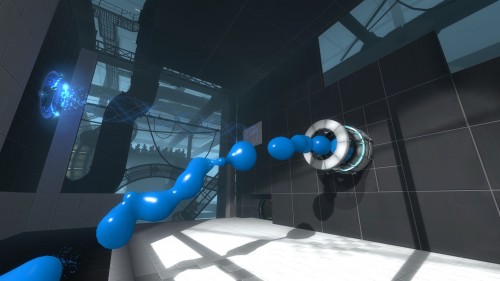
Finally, the last additions to GLaDOS’s toolbox of testing equipment are the gels. Repulsion, propulsion, and conversion gels can all be used in conjunction with one another in order to reach one’s destination. Repulsion gel (blue) acts as a trampoline-like surface which will allow for higher jumps or enable the players to bounce off of walls. Propulsion gel (red) reduces static friction and allows for inhuman running speed. Compared to these two, conversion gel (white) may seem a bit boring at first. It will convert any surface onto which it is painted into a nice blank canvas for portals. While it’s not quite as exciting as running faster than a speeding bullet or leaping tall buildings in a single bound, it proves quite useful when you’re given the ability to paint an entire room with portal-ready surfaces.
Repulsion gel is just one of the new game-altering mechanics in Portal 2.
The difficulty in Portal 2 is curved perfectly, starting out with simple explanatory puzzles which will introduce new elements throughout the game. Towards the end, some of the puzzles are devilishly tricky, and there were several rooms where I was forced to sit and think for a good deal of time. Other times, the answer was all too simple but I was off on the completely wrong track. Much like the incinerator escape segment from Portal 1 where I didn’t know how to open doors so I spent about an hour attempting to portal fling myself hard enough into one to bash it open, when your mind is trying to find a spot for a portal or the right place to put some repulsion gel, often the simplest answer eludes you.
On coop as well, the difficulty will ramp up in each section as you get used to the new tools that are given to you. I personally played through the coop campaign first and while I don’t think it really makes much of a difference, I would probably recommend doing it that way if you can. The reason for this is that during the coop campaign, GLaDOS explains the gels, discouragement beams, hard light surfaces, and excursion funnels as you encounter them, whereas the single player campaign does less hand holding and expects you to figure out each new element. Really the game can be played in either order as the basics of these devices are easy enough to figure out while the advanced techniques are always difficult to master.
The only thing missing from the game is the inclusion of the advanced chambers and challenges from the first game. These challenge rooms would increase the difficulty significantly for each test or task you with completing a chamber using the least portals, footsteps, or time. In Portal 2, you can replay each chapter of the game from the main menu and they still offer the option of adding developer commentary, but there is no hard mode or advanced stages to be seen. The game still maintains a good deal of replayability, and players can challenge themselves or their friends to master each level, but there is no built-in way of tracking such things.
Excursion funnels acts as a force which can move things through portals.
Presentation:
The graphics in Portal 2 are pretty much what you would expect from a AAA title on the current generation consoles. The clean white interiors of the Aperture enrichment center are now stained and aged, with walls falling down and plants growing where the facility has been neglected during your years and years of hibernation. Without GLaDOS to keep things running smoothly, Aperture Science has pretty much gone to hell. You know, more so than previously. The textures and gritty detail is more reminiscent of Half Life 2’s City 17 than the testing facility of Portal.
The animation is excellent in Portal 2, and while Chell is the only human around (and is mostly invisible except for the rare peek you’ll get through your own portals), the robot inhabitants of the enrichment center all move realistically, with tons of moving parts and rotating spheres. The facility itself also features some smooth animation where GLaDOS is literally rebuilding the place before your eyes. Panels will shift around in order to create a ramp or to fix a wall and the robotic arms supporting them will struggle after years of inactivity. Of equal quality although quite opposite are the times when parts of the facility are destroyed, as untended supports fail or machines malfunction. Watching a floor collapse beneath you or a walkway crumble under the weight of a toppled pillar is rather impressive.
The sound team at Valve that was behind Portal 2 really did an excellent job of bringing the facility and its robot workers to life. One small touch which I really appreciated were the unique sounds which would play while you were using some of the test elements. Aerial faith plates, propulsion gel, and repulsion gel each have a sort of subtle theme that plays while the player is interacting with them. This adds to the soundtrack’s ambient score by reflecting your actions through sound. Some puzzles also add layers to the soundtrack as a particular test chamber approaches completion, especially in chambers where there are several devices that need to be activated at once. This gives players and audio cue as to how close they are to finishing a test, and a small aural reward once everything is in place.
Lasers now activate puzzles in the clearly deteriorating Aperture enrichment center
The voice talent of Stephen Merchant as Wheatley (who also co-directed the British version of The Office, talk about talent), the eternally gruff J K Simmons as Aperture’s founder, Cave Johnson (probably best known by gamers as J Jonah Jameson from the recent Spiderman films or by me as Mac MacGuff from Juno), and Ellen McLain as the delightfully deranged GLaDOS (McLain, apart from singing opera, voices Team Fortress 2’s announcer and the combine overwatch in Half Life 2) all provide fantastically comedic performances. The humor in Portal 2, much like in its predecessor, is delivered entirely deadpan and is unapologetically dark. After the fourth time GLaDOS calls you fat it still doesn’t lose any of its charm.
Finally, fans of Still Alive, the closing song from the first game, will be pleased to hear that Johnathan Coulton composed a follow up for the single player credits of Portal 2 which matches both the catchy tune and the wit of Still Alive. The coop campaign also gets its own ending credits, with its own little surprise for players.
Final Thoughts:
Portal 2 is absolutely superb. I had very high expectations for the game because of the success of its predecessor and as the release date approached I was becoming increasingly prepared for disappointment. It was completely surprising, however, that Portal 2 was right on the verge of surpassing the original. The feeling of surprise and wonder that was first offered by flying through Portals may have faded, but an equal feeling of wonder is here in the presence of all of the new additions. Valve has really changed the ways in which you can play the game by adding all of these new modifiers to the basic portal-cube-button formula. The story has its own share of surprises and everything comes together to create one spectacular package of a game. Almost every game marketer uses the word innovative when describing their games today, but few of them deserve the moniker as much as the Portal series. If you had any interest in the first Portal, or if you just enjoy having your puzzler puzzled and your funny bone tickled, you owe it to yourself to play Portal 2.
This Capsule Computers Interactive Software Evaluation Unit gives Portal 2:
Rather than spoil the ending of Portal 2, let’s revisit Still Alive and bask in the auto-tuned voice of Ellen McLain.
Genre: Live Action/Action/Adventure Produced by: Nikkatsu Director: Takashi Miike Starring: Sho Sakurai, Saki Fukuda, Anri Okamoto, Kyoko Fukada, Katsuhisa Namase, Kendo Kobayashi Running time: 107 minutes Language: Japanese with English subtitles Available for purchase at:Madman Online Store ($29.95)
Overview
I’m not a fan of live action films. There, I said it. Something about the tacky outfits, the casting of people who really don’t fit the role of playing someone who is so perfect in drawing, and the special effects which appear as just that – effects – doesn’t appeal to me. Take the failed Dragon Ball movie, the terrible attempts at a Sailor Moon live action, and [insert all the other terrible live action titles here], and there really shouldn’t be any reason for me to pick up another live action film again…except now, there is.
Yatterman may just be able to renew my faith in what I see as a largely unpopular genre in the Western world. The film is very anime-esque, yet even more powerful than that is the fact that it’s possibly the weirdest yet genuinely enjoyable and light-hearted film that I’ve seen in a long time. With plenty of “what the…?” moments, and even more moments of laughter and exclaiming “that’s so awesome!”, Yatterman really did come out as a film that caters to both the kid in the adult and the adult itself.
Plot
The plot originates from its namesake, the animated Yatterman, but Takashi Miike specifically said he was not trying to take the animation and simply throw it on to the big screen. Thankfully, Takashi’s storyline is simple and really allows the audience to focus on what really matters: the cool visuals and the awesome characters.
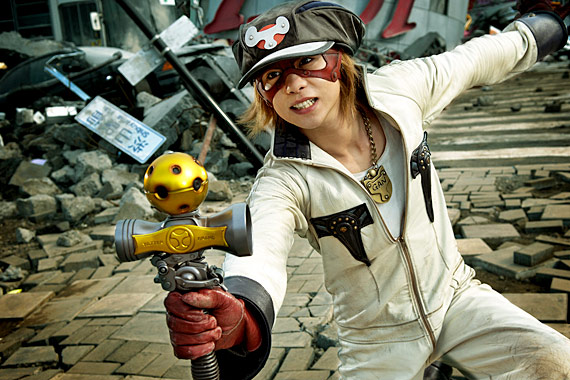
Gan Takada (Yatterman #1, played by Sho Sakurai) and Ai Kaminari (Yatterman #2, played by Saki Fukuda) are a couple who work in a toy factory in Tokyoyo by day. However, at night they transform into superhero duo Yatterman. Accompanied by their mechas Yatterwoof and Toybotty, Yatterman fight crime and stop evil from occurring all over the world. Their thieving enemies, the Dorombo gang who work under the ‘God of thieves’ Skullobey, are currently on the hunt for the four pieces of the Skull Stone which – when united – are said to create a miracle. One day, Yatterman come across a girl, Shoko (Anri Okamoto), whose father has gone missing after searching for the Skull Stone, and together with Shoko they must find a way to stop the Dorombo gang before they find all the pieces and take over the world.
Yes, it sounds like one of those superhero films you loved when you were a child. The storyline is really so simple and easy to follow so there’s nothing really unique about it; at the same time it’s incredibly engaging and hilarious. From the underlying love story Gan and Ai to Shoko’s search for her own courage, there is something for every single viewer of all ages – except kids, because there’s also a ridiculous amount of sexual humour. The best part is that Takashi Miike took the great elements from a 1970s anime and made it current with tons of pop culture references – think Indiana Jones costumes – so the modern audience can enjoy everything Yatterman has to offer without feeling like they’re watching a kid’s show.
Characters
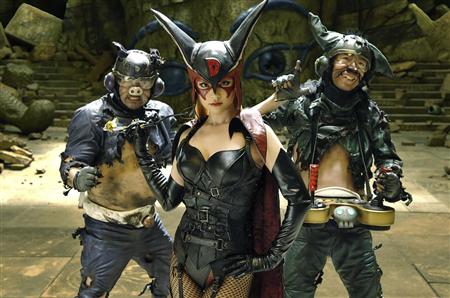
The film’s main characters are Yatterman #1 and #2, Shoko, and the Dorombo gang consisting of Lady Doronjo (Kyoko Fukada), Boyacky (Katsuhisa Namase), and Tonzura (Kendo Kobayashi). Each has their own unique personality traits which adds to the quirkiness of the film, and this is probably one of the few films I’ve seen where I’ve found almost every character funny at some point.
I have to say Boyacky and Tonzura are probably my two favourites from the film. Those two are the classic goofballs in any Asian film, television series, or anime, and they provide plenty of entertainment across the two hours. Boyacky is a little bit more sex obsessed, which makes him perfect for anyone who enjoys a little bit of perverted humour; I also loved watching his good old fashioned attempts at hitting on his love, Lady Doronjo. Tonzura is slightly more random and more of a support character, but he has his funny moments too.
Most of the women in this film were slightly irritating, though. I liked Lady Doronjo, but Shoko and Yatterman #2 are two of the dullest characters I’ve ever come across in any Japanese film. Shoko’s search for courage is touching to some degree, but Okamoto’s acting is overdramatic and quite obviously just acting. Yatterman #2 was also kind of pathetic and needy with Yatterman #1, which is a shame because I like Fukuda as a person. It’s quite a shame because the film had a lot of potential for funny moments with Shoko and Yatterman #2, but Takashi Miike instead kept them flat, needy, and overdramatic which took away slightly from my enjoyment of the film.
Visual and Audio
The DVD’s back cover says Takashi Miike is an “Oriental Tarantino”. I completely disagree: if we’re comparing him to Hollywood directors, this dude is the Asian equivalent of Tim Burton. In fact, if Burton were to make a live action film based on an anime, I think it would probably look just like this.
The set design was – first and foremost – absolutely spectacular. I adored Lady Doronjo’s bathroom, and places like Tokyoyo and Ogypt (yes, that’s supposed to be Egypt. Told you this film is awesome), have their own Yatterman flair: Ogypt had massive sphinxes with anime-style cat faces on them. What was equally as great, however, was the costumes. Lady Doronjo and Yatterman had costumes which made them genuinely look like they’d popped straight out of an anime; even better though was Skullobey’s massive skull head which must have been a pain for the actor to wear.
As stunning as the set design was though, the animation was equally incredible. There was one particular moment where Tonzura went into a ‘daydream’ sequence of him in a cartoon-esque scenario, and his face is superimposed over an anime body. Yatterman truly managed to surprise me with brilliant and innovative graphics which brought the world of anime into the world of reality without managing to look tacky.
The sound effects were also great, but what I really found to be enjoyable was the soundtrack. This film is filled with remakes of the Yatterman theme song, as well as a few musical elements where the Dorombo gang or Yatterman will spontaneously burst into song. Again, it’s reminiscent of those 80s and 90s anime shows, but Takashi Miike modernized the soundtrack to keep it up to date with its new audience.
Extras
When I opened up the “Extras” menu, I instantly was excited: “Making of Yatterman” and “cast and crew interviews” were displayed in front of me and I thought I would be entertained for another hour or so. Ten minutes later, it finished.
The “Making of” is really very misleading, because it only shows a very little snippet from the production aspect of the film, and none from pre-production or post-production. The interviews were great: I liked hearing Takashi Miike speak about the adaptation from anime to film (he provides excellent insight into what he wanted the film to be), and even better to see an interview with Sho Sakurai, the actor who plays Yatterman #1. The only thing is this: when you enjoy DVD extras, it can suck when they end too early and these ones definitely ended far too early.
The theatrical trailer is included in the DVD as well, but this really didn’t stand out to me and after 30 seconds of the trailer I stopped the disc. The trailer isn’t half as spectacular as the film, and I would rather find another minute and a half of the film to watch again rather than view the trailer.
Final Comments
Overall, Yatterman was a highly enjoyable film which was engaging in both its plot and its visual elements. While I probably wouldn’t watch it again, this film did provide me with a great experience and plenty of laughs. It’s a must-see for any fan of the original 1970s Yatterman, or for any fan of live action in general. Oh, and Takashi Miike…please do a collaboration with Tim Burton in some crazy East-vs-West film. We’d all love to see it.
Dream Trigger 3D couldn’t honestly be coming at a better time as the brand new arcade shooter from D3Publisher is looking to end the drought of 3DS titles with some intense action and a top of the line musical score that will surely be a fantastic way to break in that new 3DS. Recently, two new trailers were released, each showing off a different part of the game, proving that this visual experience will be an expansive journey throughout the 50 levels the game boasts.
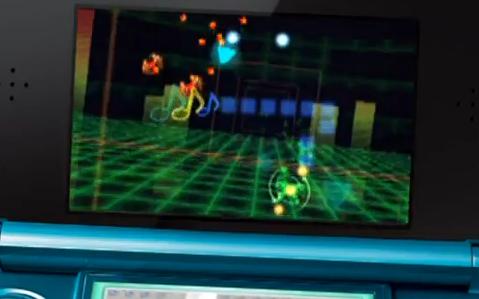
These two clips come under the titles “Colony Hostility” & “Infinite Tranquility”, and both of which do a great job of showing off the actual gameplay. The bottom screen is used as more of a sonar as players shoot their way through levels on the top screen with colors, lights and debris bursting out of the screen. The music also is a big factor in Dream Trigger 3D, as the beats blaring from the speakers are all set to play with the actual visuals, creating a full 3D experience in both forms. Of course the trailers are not in 3D, so just watching these clips won’t give you a true glimpse of the final product, but I can easily see how the 3D will work in Dream Trigger and I am really liking how this title is shaping up.
Dream Trigger 3D launches on May 10th for the Nintendo 3DS and you can check out both trailers below.
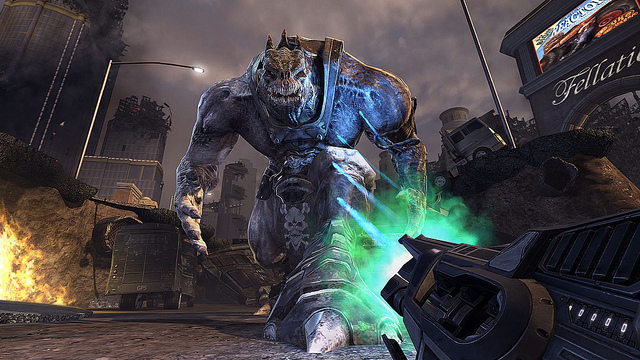
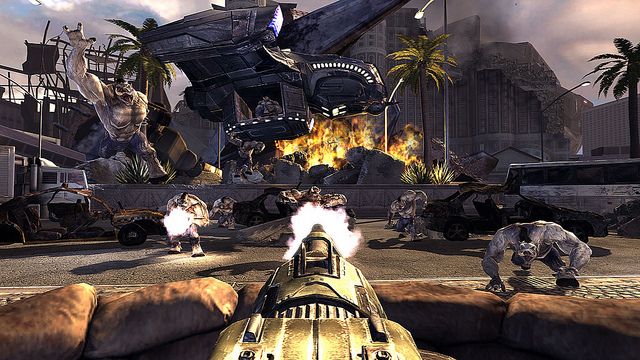
In the words of Randy Pitchford, the CEO, President and Co-founder of Gearbox games, “this is a title people have been waiting over a decade to play, and we all deserve to play this game for ourselves”. This guy knows the Duke well, having started his career with 3D Realms, responsible for all the Duke Nukem titles coming after the original. Not having a title in the franchise since 1997, Duke was dead and buried until Gearbox games decided to resurrect the ass kicking, alien splatting legend.
The game has had involvement from a lot of different studios and individuals and carries a great deal of excitement and nostalgia for all those involved. Pitchford, via the Official Playstation blog, tells how the original design and vision for the game came from 3D Realms studio, and how “with the exception of just one person, every single designer and artist listed in the credits of the 2001 Duke Nukem forever trailer had at some point every joined Gearbox software or are part of the project”. He goes on to give praise for Triptych Studios, which was created by 3D Realm ex-employees, for keeping the Duke Nukem Forever dream alive. Working at Triptych is Duke Nukem co-creator Allen Blum who has never left the heroes side.
Gearbox are working close with Piranha studios, who are going to be responsible for the multiplayer portion of the game as well as preparing it for the PS3 console. He also goes on to thank 2K games for the support they are giving the game as publisher of the title. The one thing that comes through in this article is the sheer passion these guys have for getting this game out to the public. They just want as many people to experience the same feelings they have towards the franchise and to stress the importance of keeping the character alive in the video game market. It’s hard to sum exactly what he was trying to get at, but in his own words, “It’s about being the biggest badass known to mankind and taking down bosses the size of buildings all the while quipping one-liners. It’s about the gratification that comes from overcoming thinking challenges and even solving in-game context appropriate puzzles — actual puzzles, not just blindly running forward like we do with other games that often times can just play themselves. It’s about keeping the experience going for more than five or six hours and creating something that feels EPIC. It’s about exploring, finding all the hidden items and gags, and discovering what you can and can’t do. It’s about kicking ass and taking names. And that’s something we will all get to try for yourself soon enough”.
Duke Nukem Forever ships out to stores on June 14th in North America and June 10th internationally.
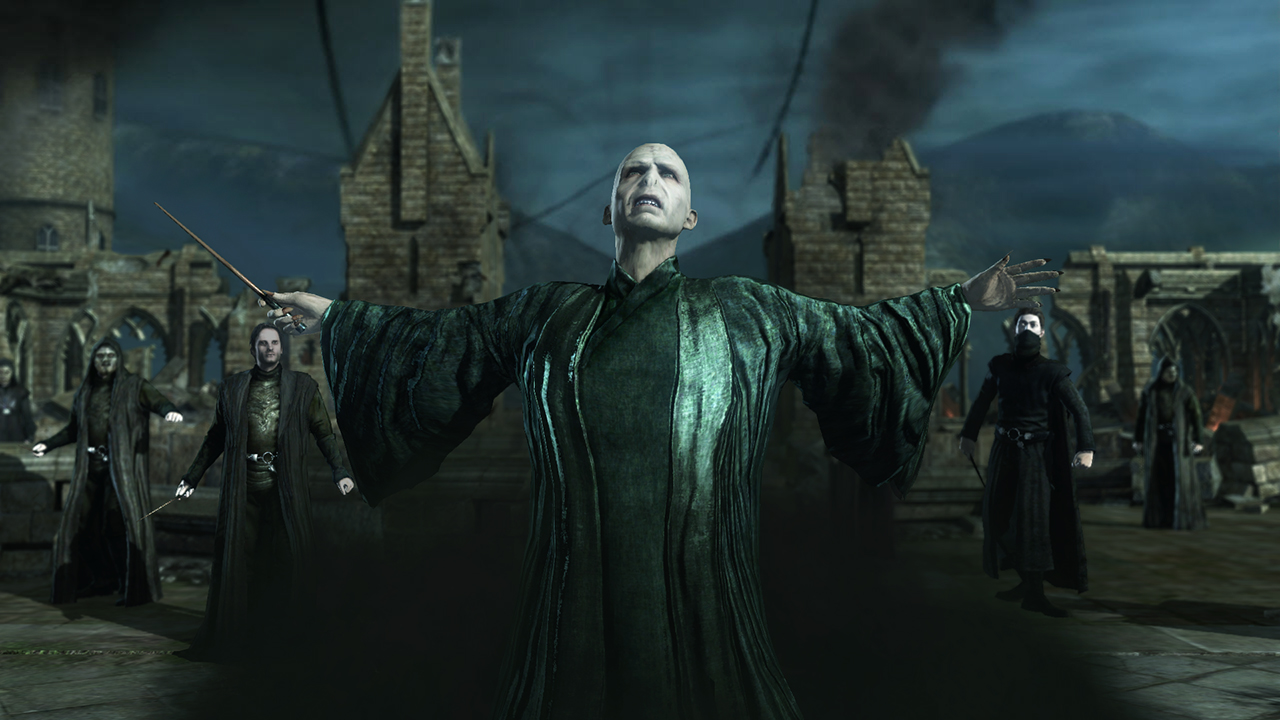
Leading this summer’s huge box office line-up is without a doubt the final film in the Harry Potter franchise, Harry Potter & The Deathly Hallows Part 2. The news that there will be a videogame for the final movie should not shock anyone as every single movie in the franchise has received the videogame treatment and nothing looks to be changing as EA have announced just that bit of news today so you Potterheads can breathe easy as the last film will indeed be gracing consoles.
With the announcement also came with a brand new trailer which is introduced by Hermione Granger actress, Emma Watson. Now the trailer itself shows off very little of the actual gameplay, but I have a little bit of hope that this series will go out with a bang as this is the last of the Harry Potter games (aside from the next lego version anyway…) and also the darkest and most exciting point in the series’ canon. Harry Potter & The Deathly Hallows Part 1 was released last year and wasn’t exactly a very fulfilling title, even with the Kinect support added in, so hopefully this time around more polish and creativity will be used into the actual game as I am quite a follower of the Potter films and we have not truly seen a game come in and capture the same magic that the theatrical releases offer.
With that said, I am sure the hardcore fans will still be elated to know another game is coming soon, I just hope it can live up to how big the last film will be in terms of production value and gameplay. Harry Potter & The Deathly Hallows Part 2 launches in July alongside the official movie release for the Xbox 360, PS3, Nintendo Wii, Nintendo DS, and PC. Check out the announcement trailer for yourself below and stay tuned as once more footage arises from this new title we will be sure to bring it to you.
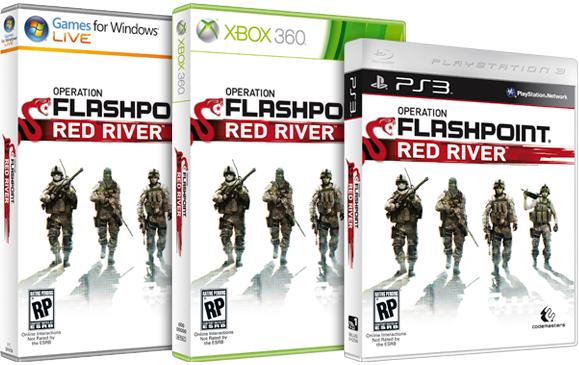
Codemasters’s highly anticipated tactical first person shooter ‘Operation Flashpoint: Red River’ is now available in Australia and Europe for Xbox 360, Playstaion 3 and PC. Operation Flashpoint: Red River puts players into realistic, tactical combat situations. Set in a Tajikistan, players take a role in a US Marine Fireteam – Rifleman, Scout, Auto Rifleman and Grenadier – who all have a unique skill to bring to combat.
Operation Flashpoint: Red River sets it apart for other first person shooters by putting an emphasis on authentic realism and four player campaign co-operative gameplay, where players will have work together as a team to complete their objectives. Codemasters have also released a new launch video focusing on each member’s specialities that makes up the US Fireteam. North American gamers will have to wait a little longer to get their hand on the game, with a June 7 release date.
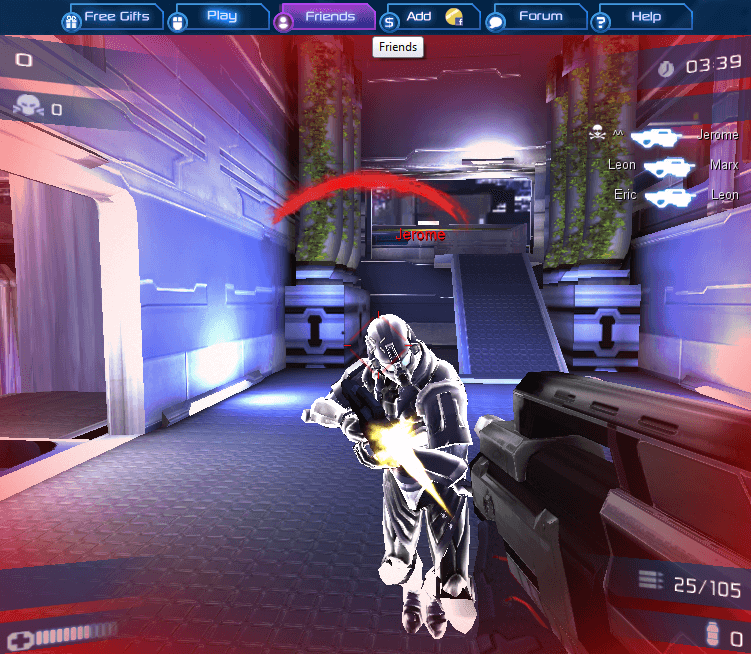
Handheld gaming giants, Gameloft, have brought their first person shooter franchise – ‘NOVA’ – to the Facebook gaming platform.
This version of the game is titled “N.O.V.A: Near Orbit Vanguard Alliance: Elite” and is the first First Person Shooter franchise in the social network. As with any social network based games, players will be required to spend real world money on upgrades for equipment and accessories. The game being on a social network means that there will be large community and plenty of support over the life of the game.
The title plays like a traditional FPS and appears visually to be quite nice. The initial load may be a bit long for some players, as the game adds the resources to your computer, but after that it should run near instantly. Though it should be noted that if you do not purchase the required map to advance, you will have to buy it.
Join in on the fun with Myself and MasterABBOTT at NOVA Facebook.
Yoostar Playground, Yoostar 2’s free facebook game brings the Yoostar community together as players could rate, share, comment on, and “mash-up” performances. However, getting your videos seen was a little bit fiddly. Until now. A new update means players can now post their performances directly to Youtube, and several other changes have been made based on feedback from the fans. Yoostar Playground on Facebook is adding several frequently requested features during the next two weeks:
-Players will be able to post performances on Facebook user walls;
-A new “boost” power up will amplify earned activity points in different scenarios so players can move up the leaderboard faster;
-The Store will alert players to fresh downloadable content as soon as it hits the Xbox Live and PlayStation networks;
-New video tutorials will help players move from beginners to pros on Yoostar 2;
-A news feed delivered directly to Facebook user pages will alert fans to everything from the latest tips and tricks, to who was seen using Yoostar or is making a meteoric rise in the standings
It’s great to see Yoostar Entertainment Group listening to the fans and acting on it, and social network support was always one of the game’s merits as the videos would be meaningless without someone to laugh at them with.
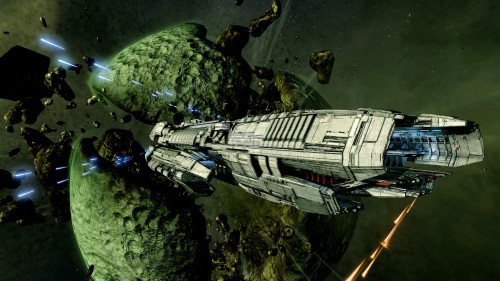
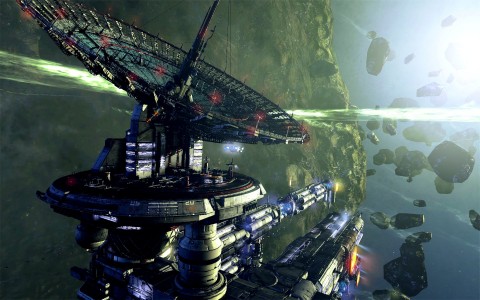
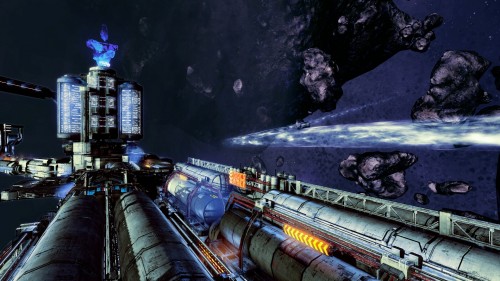
Deep silver, in accordance with developer EGOSOFT have just recently announced the latest game in the X series. For those of you unfamiliar with the X franchise, they are essentially a kind of space simulator. I think that the series tagline sums it up better though, ‘Trade, Build, Fight’. The title is planned for a quarter four release, 2011.
Essentially the game will feature a rich and driven economy, as well as dangerous space pirates and tough as nails dogfights. The game will follow a male protagonist and his female partner as they travel the galaxy in an old ship ‘with a glorious past’. The title also promises top notch graphics (which fans of the series know will be delivered) and tonnes of variation, fitting the playstyle of each player.
The title – X Rebirth – looks to be a hint of some kind of remake or a kind of rebirth for the series. But as the press release states: “The space simulation X Rebirth heralds more than just an additional chapter within the X series, it is a fresh beginning bringing with it a number of gameplay innovations without compromising its successful origins” it looks like it is just a new title in the existing universe, but featuring fresh characters.
I know it’s bad to push bias in a news article, but I’m personally pumped for this game!
20th April 2011 – Hampshire, UK /… Publisher Deep Silver and developer Egosoft today announced the latest game set in the X Universe, set to transport the multi-award-winning series to another dimension with radically new game design and top notch graphics. The space simulation X Rebirth heralds more than just an additional chapter within the X series, it is a fresh beginning bringing with it a number of gameplay innovations without compromising its successful origins.
In the distant future, the X universe faces a period of profound and irrevocable change. While the universe stumbles towards an uncertain future, countless adventures await as new enemies rise in search of power. Enter a young adventurer and his unlikely female ally traveling in an old, battered ship with a glorious past – two people alone against the galaxy, playing a key part in the events to come. The fate of the universe rests in the hands of the player…
X Rebirth represents a spectacular new beginning for the X series, offering loyal fans and newcomers alike a vast, vivid and extremely detailed universe to explore throughout the game. Varied gameplay elements such as action-packed space combat, detailed trading mechanics and high-speed space exploration with fast travel allow players to experience a truly unique space saga that will keep them hooked for dozens of hours. X Rebirth features a whole new user experience – it is easier than ever to start with, and remains as deep as fans expect it.
X Rebirth for PC is expected to be released in the fourth quarter of 2011.



 Wheatley definitely does not remind me of Guilty Spark. Nope, not a bit.
 P-body (left) and Atlas become the best of buddies throughout their campaign.
 Repulsion gel is just one of the new game-altering mechanics in Portal 2.
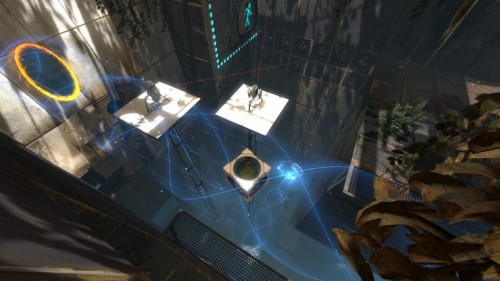 Excursion funnels acts as a force which can move things through portals.
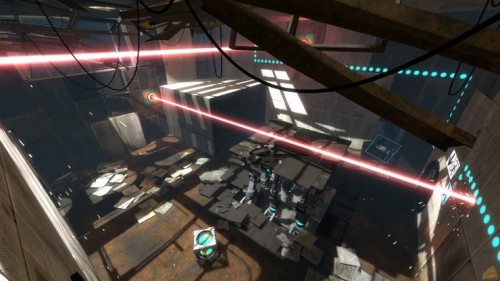 Lasers now activate puzzles in the clearly deteriorating Aperture enrichment center