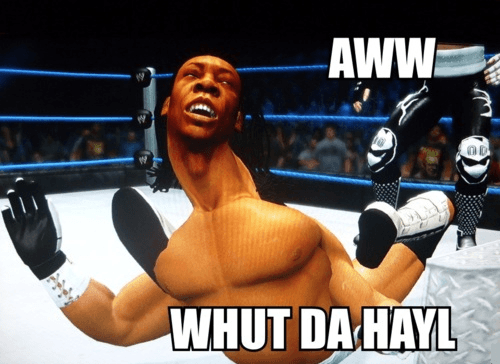
Welcome to this past week in gaming, anime, pop culture and whatever else happened. We travelled to THQ’s Darksiders II event at Sun Studios and got to preview several new titles such a South Park: The Stick of Truth, WWE 13 (is it as glitchy as WWE 12?) and of course Darksiders II. We also headed to EA’s offices in Sydney for some hands on time with Medal of Honor: Warfighter. On the anime front we interviewed Japanese idol’s Sakura Tange and Yuko Miyamura, oh and Hetalia is getting a 5th season. What else happened? Scroll down to find out… or else!
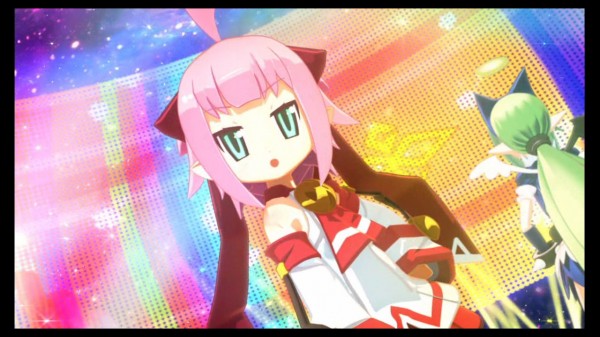
When you get a game like Compile Heart’s Mugen Souls coming to North America, the ESRB has quite a large job on their hands. Surprisingly, NIS America’s upcoming release managed to escape the ESRB with only a T for Teen rating, though this rating came with a rather large explanation.
See what the ESRB had to say about the game below:
In this role-playing game, players control Chou-Chou, an “undisputed god” attempting to forcibly take over her universe. As players explore the solar system, they can engage in turn-based combat with human-like characters and fantasy creatures. Players choose weapon strikes and special attacks from a menu screen (e.g., Rainbow Tower, Two-Part Cut); damage is indicated by slashing sounds, light effects, and a loss of hit points.
A number of cutscenes depict female characters whose bodies are partially obscured by hot-spring mist and soap suds. During one such scene, a nearby male character suffers a nosebleed, resulting in exaggerated blood effects (e.g., “There it goes! The Red Ryuto Geyser!”).
Players can also access gallery images depicting women in revealing outfits that expose large amounts of cleavage/buttocks. The dialogue and on-screen text include several instances of sexual innuendo/references (e.g., “What if he wrote about his weird habits or sexual fantasies or something,” “CC Sadist,” “I’m just a perverted girl who likes verbal abuse. Please scold me,” and “Marina, lemme grab your boobies.”). The words “sh*t,” “a*s,” and “b*tch” also appear in dialogue.
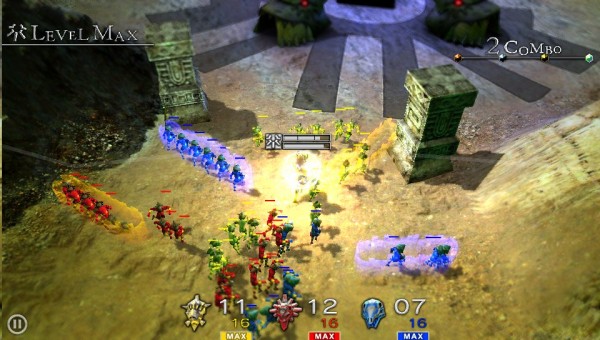
Not much has been said about Acquire’s PlayStation Vita rhythm game, Orgarhythm, since E3 where a few pieces of gameplay footage and screenshots were revealed. Well today Acquire released a new promotional video to help prepare gamers for the title’s release on August 9th to Japan.
It’s worth noting that despite the video being released by the Japanese developer, it is perfectly comprehensible for those eager to learn more about Orgarhythm. Meaning you should probably check it out below because XSEED Games is planning on releasing it at some point in North America, though an exact release date has yet to be announced.
DRM always seems to be an issue for everyone except for the video game publishers levying such punishments on the games purchased by consumers. Today we’ve not only heard about Uplay’s plug-in allowing hackers free reign on your computer, but now people can’t even play the game’s they paid real money for.
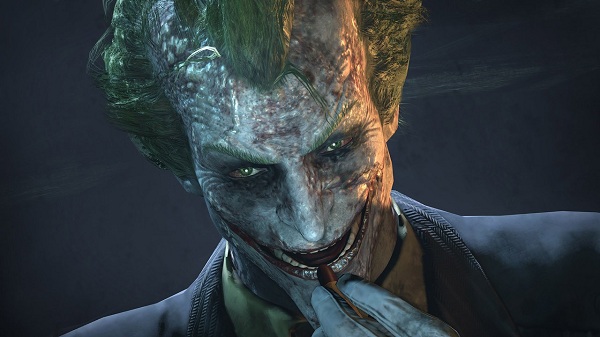
It turns out that anyone who has picked up Batman: Arkham Asylum from Steam’s Summer Sale has actually been unable to play the game because the Steam and SecuROM services will not activate authentication keys. Destructoid reports that Warner Bros. has made a statement to people saying that they are looking into the problem though Valve is keeping tight lipped about the issue. Seems that no matter what a company tries, they are only pushing consumers to easier, less intrusive, more secure ways of playing their games through nefarious means…
When Gamescom kicks off in a few weeks on August 15 in Germany Square Enix is going to be bringing a whole bunch of stuff to show off during the four day event. First they will be showing off, for the first time ever, gameplay from the newly revamped Final Fantasy XIV: A Realm Reborn. There will even be a signing session with Game Producer and Director Naoki Yoshida.
To go along with this first time reveal they are also providing hands-on experiences for Hitman: Absolution, Tomb Raider, Sleeping Dogs and a number of the companies’ upcoming PC releases such as Final Fantasy VII, Quantum Conundrum and Gameglobe.
The mobile line up will include the following games; Final Fantasy Dimensions, KooZac, Motley Blocks, Qwirkle, SolarRola and Mensa Academy. Not a bad looking line up on all platforms.
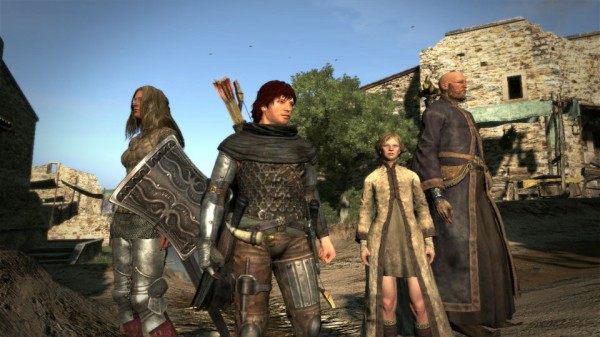
Dragon’s Dogma turned out to be quite a large success for Capcom, and although the title may not have done as well as they wanted overseas, it performed excellently in Capcom’s home country of Japan. As such, not only is Dragon’s Dogma getting a sequel but it is also becoming a series.
In an interview with Famitsu, series creator Hideaki Itsuno revealed that only 60% of his ideas had made it into the original Dragon’s Dogma and the game world itself was only two-thirds of what they originally wanted. As such, Itsuno has stated that due to the success of the first title, Dragon’s Dogma 2 will be able to contain everything he originally wanted and more.
If you happen to play Ubisoft games on your PC then you may have opened up a giant backdoor to your computer that will allow malicious programs to take control of your PC. This isn’t an issue with basic games either, as programmer Tavis Ormandy has stated that Ubisoft’s largest titles all have these issues with the Uplay system.
Uplay itself installs an invisible browser plug-in that websites can exploit, allowing them to gain access to private information on your PC. As such it is recommended now that anyone with a Ubisoft game do their best to find this plugin and delete it. The list of games which will forcibly require Uplay to be installed can be found below and was provided by Rock, Paper, Shotgun. Good thing that Ubisoft cares more about making sure you bought their game legally with DRM via Uplay, this way your information can get hacked freely. I mean… they already have their piece of your money why should they care about the rest?
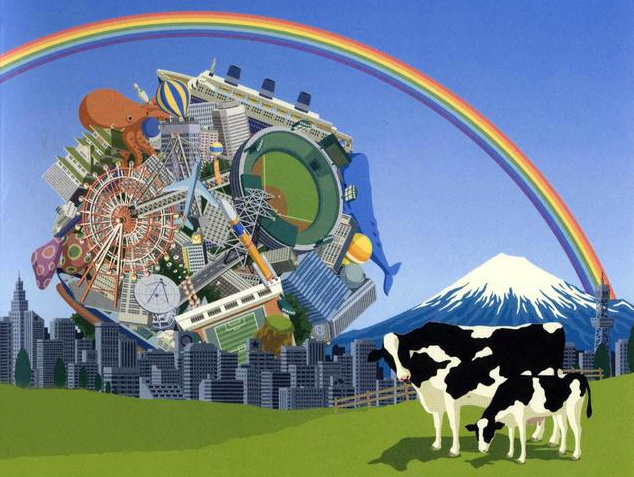
Those that enjoy the old “Are Video Games Art?” debate will be interested to hear that publisher Namco Bandai have released information that one of their games will be placed in a museum for one of it’s exhibits. What game? Katamari Damacy, a game that many would agree that it fits the Art build pretty well. The museum displaying it isn’t a push over either, being the Museum of Modern Art in New York City for their display Century of the Child: Growing by Design, 1900-2000.
Katamari Damacy is a colorful third-person game where players control a prince trying to remake stars, constellations, and the Moon itself. Released back in 2004 for the PS2, Katamari Damacy was a very inventive and different game that struck a cord with kids and adult alike making it a perfect choice for the exhibit.
The Century of the Child: Growing by Design, 1900-2000 exhibit will run at the Museum of Modern Art from now until November 5th. If you know any “video games as art” doubters be sure to bring them by the exhibit and remember not to be too smug, they’re just behind the times.
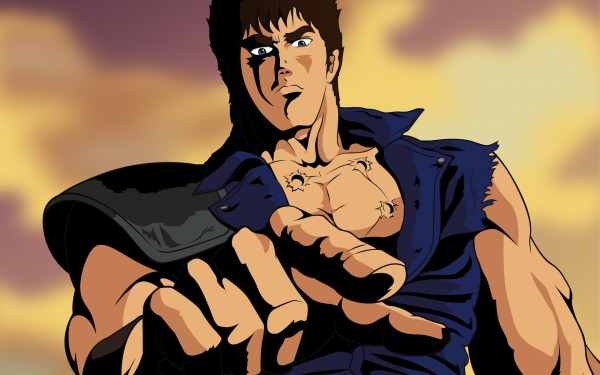
Watching anime with an society of anime enthusiasts leads to two things, people shouting funny things at the screen and realizations based on those things being shouted at the screen. The audience will establish nicknames for characters that will sum up the character pretty well, such as the main character of Darker than Black basically being Chinese Electric Batman and Hokuto no Ken (Fist of the North Star) basically starring Kung Fu Action Jesus. It was then that it occurred to me that there really only three different male leads in a show; Jesus, Batman, and the Dolt.
What entails the Jesus male lead? First off, the title isn’t to aggravate, but most easily get the point across. This male lead is basically there to save the world or a specific group of people, they also tend to have some supernatural or unbelievable power that they wield. As stated before Kenshiro of Hokuto no Ken is pretty much this, though he isn’t the pacifist type, so the preceding “Kung Fu Action” classes him better. Other examples are Adam Blade of Needless, Apollo of Genesis of Aquarion, and Takuto of Stardriver. It’s also pretty common to see these leads will to sacrifice themselves to save everyone, but not all Jesus leads do this nor all characters who do this are Jesus leads.
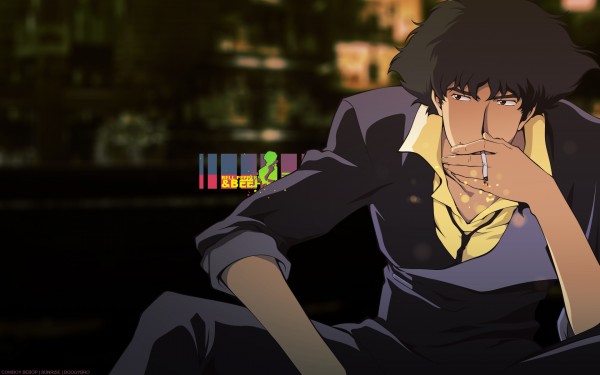
What about that Batman lead? Batmans don’t have over and beyond powers, simply being better trained or practiced. More often than not, Batmans fight for a better cause or have some ideals though not always or right away like Hei from Darker than Black. Batmans are generally more martial arts, but they can be an intellectual better too. Other examples of a Batman lead are Spike Spiegel from Cowboy Bebop, Kino from Kino’s Journey, and Kaito from Phi Brain: Puzzle of God, who listeners of the podcast may have already heard me refer to as Puzzle Batman. Another common theme may be the Batman lead being an orphan, or losing family members at a young age, like say parents being killed by a puzzle (no, seriously).
If you really have to ask about the Dolt, you haven’t been watching enough anime. The Dolt exists for almost no reason other than maybe advancing plot a little or just to have a male lead. You may notice them doing absolutely nothing, making everything completely wrong, or ridiculously solving everything by accident. There are pretty much countless examples of this in anime. The male leads from both Deadman Wonderland and The Future Diary exist as Dolts to further the more bad-ass female leads. This is even almost on a whole different level with Italy from Hetalia. These are more or less are there for the audience to relate to I suppose, as well as comic relief.
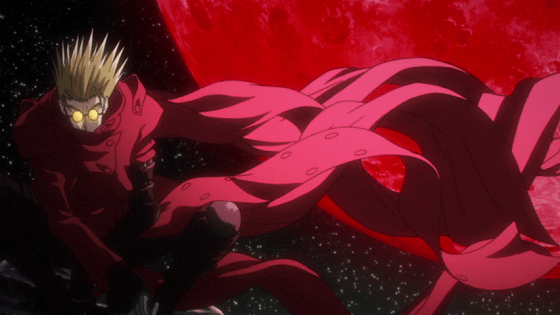
Don’t think that is simply the end of it either. Even though there are only three different male leads in anime, there are some variation with either a male lead having more than one lead type, like Vash the Stampede being Desert Dolt Jesus in Trigun or Lupin being Thief Dolt Batman in any Lupin the 3rd. The male lead can actually transition from one type of lead to another as well, such as Rock going from Business Dolt to Business Pirate Batman in Black Lagoon. See any flaws in my thinking or more examples of the types of male leads in your favorite anime? Post a comment below.
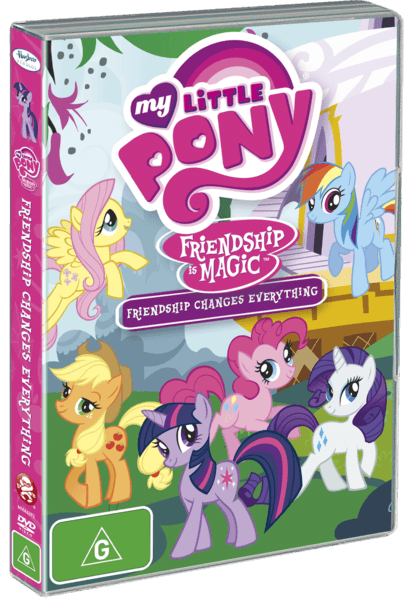
My Little Pony; Friendship is Magic (V1) – Friendship Changes Everything
Studio: Hasbro Studios Publisher: Madman Release Date: June 20th, 2012 Price: $19.95 – Available HERE
OVERVIEW
If the success of the Transformers cartoon series has taught us anything, it’s that a successful TV show can massively change the fate of a toy brand. An idea that begins as a simple marketing gimmick can quickly spread into a cultural phenomenon. When Hasbro first conceived the idea for ‘My Little Pony: Friendship is Magic’, they probably didn’t quite grasp how dramatically the show would change the face of a toy line designed for young girls. It’s no secret that the internet has developed something of an obsession with this particular cartoon series. Now, recently released to DVD, viewers of all ages and genders can take home the very first DVD volume: ‘Friendship Changes Everything’ to see where the series first kicked off.
STORY
For what most would expect to be a relatively simple children’s show, the Friendship is Magic (FiM) series features a setting that is surprisingly well thought out, with many memorable fleshed out characters and plot lines. The story of My Little Pony: Friendship is Magic begins with a studious unicorn named Twilight Sparkle. A devoted student and bookworm, Twilight is shown to be a social recluse, often spending much of her time locked inside Canterlot Castle with few friends to speak of besides her teacher Princess Celestia and her pet dragon Spike.
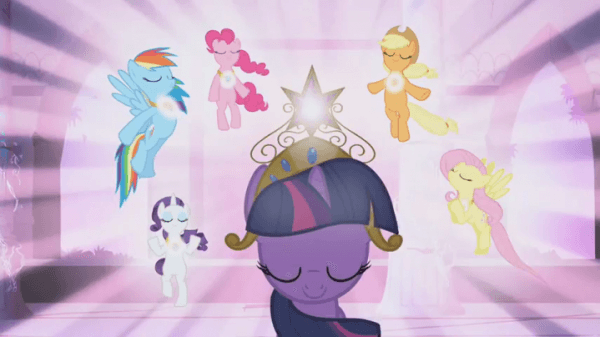
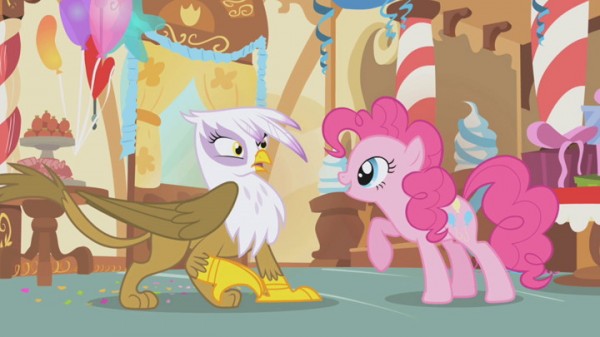
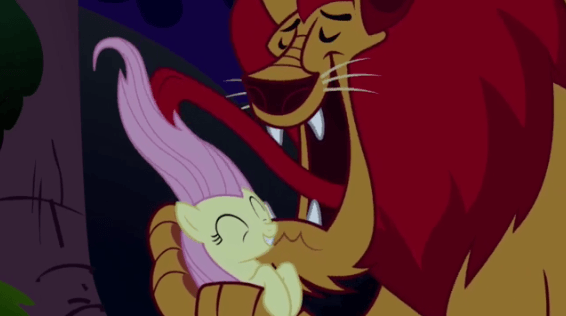
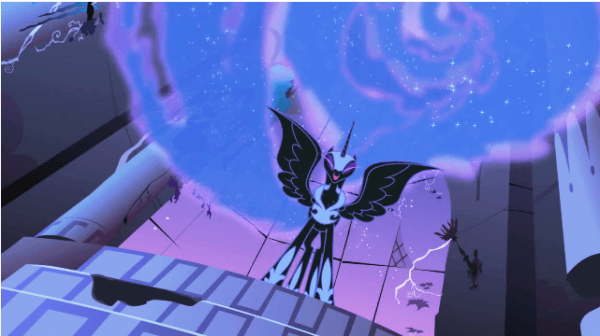
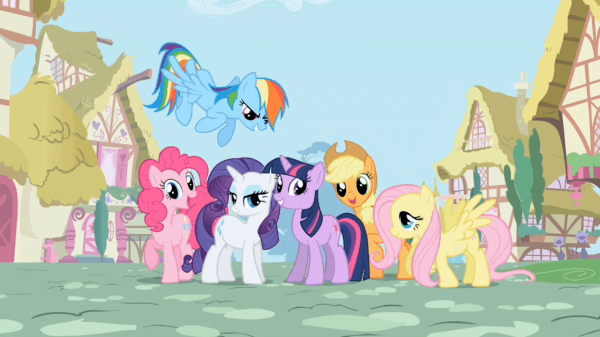
To change the attitude of her student, the Princess sends Twilight and Spike out into the land of Equestria, to stay and make friends in a town called Ponyville. (And this is just the beginning of the horse based puns.) It is here where viewers are introduced to the other five lead characters of the series, each with different jobs, talents and personalities: Apple Jack, a hard working farmer girl with a southern drawl; Rarity, a stylist with a mind for fashion; Pinkie Pie, the upbeat, giggling and often random minded party lover; Fluttershy, a timid soft spoken Pegasus who cares for animals (and my personal favourite); and Rainbow Dash, a fan favourite due to her bravery, speed and self confidence. Our protagonist Twilight eventually makes friends with all five and in doing so, sets up the context for the rest of the series. Throughout the course of this first collection, the girls will uncover a plot to shroud the world in darkness, settle a competitive dispute, learn that some things in life can’t be done alone, and teach a particularly mean spirited Griffon a little humility.
With the exception of the first two episodes, the series features little in the way of a continuative plot, where each episode tells an individual story. Each episode generally focuses on one of the lead six learning some form of life lesson which is reflected and expressed as a letter towards Princess Celestia at the end of each story. Unlike the PSA type messages that were often dropped into the ending of an episode of Superman or Captain Planet, the show creators have done a particularly good job at themeing each of the episodes around particular personal issues that many children will grow up having to deal with. And as for the adults watching the show, it doesn’t hurt to be reminded of these lessons sometimes too.
I think it must be said, that for a show that was supposed to be oriented towards a demographic of young girls, the episode plots are mature and sensible. Viewers will take the show seriously because the show takes their audience seriously, a fact that few shows can honestly claim. The writing staff in particular should be applauded for being able to create dialogue and situations that caters towards all ages and demographics. In doing so, the show never feels like it’s excluding anyone, regardless of age and gender. Even the episodes that involved signing a life lesson, which I would usually abhor, were made interesting and appealing with a little clever writing, and a big dosage of Pinkie Pie’s particular brand of crazy.
VISUALS
One of the shows strongest selling points, besides the writing, is the animation style and visuals. All of the environments and places that are visited in Ponyville and Equestria are very lively and full of colour. Even the darker settings have well drawn and coloured backgrounds and objects. Movement animations are made clear and fluid and the backgrounds surprisingly dynamic when they need to be. Viewers would be able to look for hours and not find an ounce of lazy or poorly drawn animation.
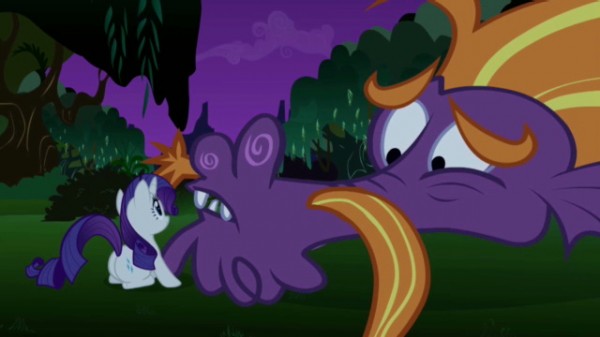
The characters themselves are drawn with remarkable detail. Each character is coloured remarkably simply, usually in a singular colour with darker shaded outlines, with the exception of haircuts and unique cutie marks (the symbols that appear on each ponies back legs). This simple colouring and design scheme makes each of the characters uniquely individual in appearance, without going over the top in terms of design extras. Overall, the visuals are very well developed for this day and age of animation. And despite being drawn for a style of a children’s cartoon, the show’s visual simplicity gives the series an inherent cuteness without being “too cutesy”.
AUDIO
The soundtrack applied to the series is well appropriated, and many of the tracks stand out as quite memorable, depending on the character or situation they’re applied to. For instance, Rainbow Dash’s flight theme is performed in unique a guitar based rock riff. The reimagining of the original ‘My Little Pony’ song for the theme song is unfortunately catchy, and particularly hard to get out the your head. But in all honesty, it’s the only part of the show that does seem a bit “kiddy cutesy”.
On the other hand, the voice acting talent is very well performed. The personalities of each of the lead cast and well and truly captured in their voices. For example, Rarity’s refined vocal style, Fluttershy’s soft stuttering and Apple Jack’s southern accent. Again, although the original purpose of the show was to support the girls toy line, the voice acting portrays the characters as mature and almost adult. As an added bonus, the writing compliments many of the voices very well in creating genuine moments of laugh out loud humour. The fact that the characters use words that seem far more mature for the intended audience age is yet another indication of the show taking its audience seriously.
OVERALL
Those who dismiss MLP: FiM as a “silly kids show for little girls” are most likely judging based on face value alone. As someone who was initially dubious about the series going in to watch, I can say that I was honestly impressed. What may have started out as a mere kids show has certainly earned its notoriety online for being a well animated and well written series. Despite the small misgivings that appear childish on the outside, they’re redeemed by the strengths of a truly unique story and setting, well developed characters and a genuinely unique sense of humour. And although it’s only 5 episodes long, this volume is a must have for any devoted Brony or Pegasister.