Over the weekend Sentai Filmworks announced the English voice cast for Queen’s Blade Rebellion. After being delayed earlier this year, the anime is now set to be released this week on Blu-ray and DVD. The first dubbed episode of the series can be viewed for free here and the main cast list and their voice actors can be found below:
Annalotte
Vibe Jones
Shigi
Rebecca Kim
Huit
Zoe Martin
Vante
Jessica Paquet
Mirim
Brittany Lauda
Luna Luna
Evelyn Lantto
Liliana
Marta Vital
Branwen
DD Montgomery
Ymir
Kate Vincent
Elina
Melissa Hope
Taira
Tony A. Campbell
Dogura
Mike Pollock
Elder
Mike Pollock
Additional voices will be provided by Veronica Meunch, Hilary Thomas, Marc Diraison, Chris Jai Alex, Juicey Flannigan, Lauren Landa, and Siri Svay. The story of Queen’s Blade Rebellion takes place four years after the events from the first Queen’s Blade anime series as Annalotte attempts to build an army to try and dethrone the new queen.
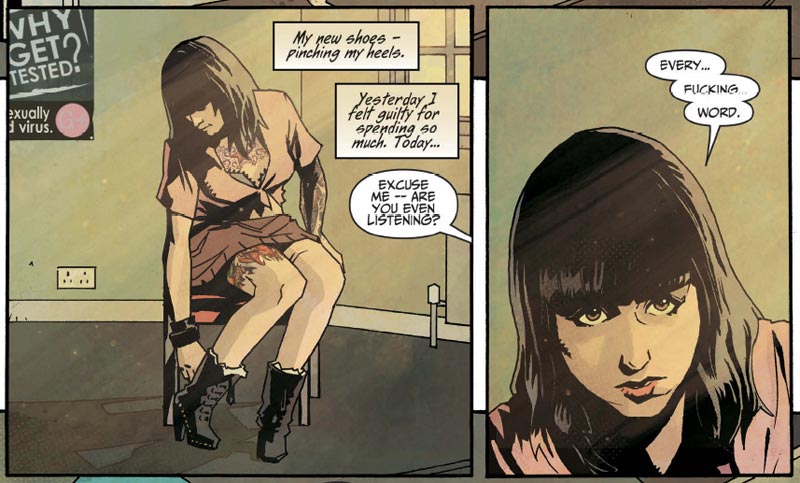
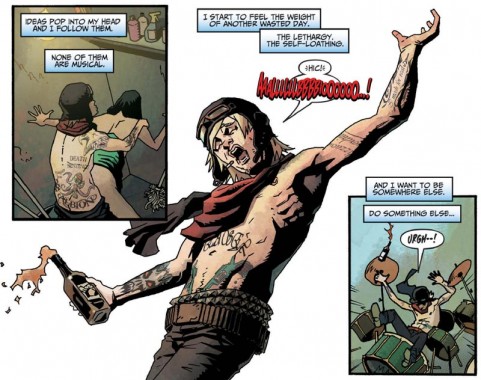
Monty Nero is the co-creator (alongside Mike Dowling) of a brand-new comic book series called “Death Sentence” which follows the shortened lives of three teenagers who are carriers of a strange yet special STD that gives them only six months to live yet also grants them odd powers. Death Sentence is published by Titan Comics and thanks to them we here at Capsule Computers were able to have an interview with Monty Nero himself who writes the series. If you’re a fan of comics I don’t doubt that you would have heard of “Death Sentence” over the past few months and I can be sure that we won’t stop hearing about it for a very long time, in the good way of course. Mr. Nero and I spoke about the comic itself as well as his all around work, read on for the full interview.
CC: Let’s start from the very beginning: Have you always been into comic books both as a fan and as a creator?
Nero: Yeah, from very young. I used to love Asterix as kid, copying the drawings and reading it with my Dad. I was always drawing comics growing up.
CC: How did you initially breakthrough into the comic book industry, what was your big defining moment?
N: As a writer deciding to self publish Death Sentence was the key moment. Everything sprang from there: Mike coming on board, then Titan on the publishing side.
CC: How hard (or easy) is it collaborating with another person? Do you and Mike Dowling constantly clash creatively or are you mostly on the same page when it comes to story structure and design?
N: It’s as easy collaborating with Mike as it gets. We have creative disagreements sometimes but it’s never life or death. As long as you remember the good intentions of the other party you can’t go wrong.
CC: How did you and Mike Dowling first come into contact? What sparked what would be the start of an incredible comic book series?
N: I met him at a comic con, and was fantastically impressed with his work. Then we got chatting and one thing naturally led to another. I was very lucky he chose to draw this instead of something more traditional.
CC: Now I’ve read enough interviews with you to know that the idea of “Death Sentence” spawned from your wife’s pregnancy and how people explained it to you. What I want to ask you is: What were some things that inspired the characters in “Death Sentence”?
N: Good question. Verity is largely me struggling to be an artist. A lot of Weasel is based on the time I spent on the distant fringes of the music business in Camden. And Monty is based on my observations of crazy showbiz behaviour and celebrity culture, which seeps insidiously into all our lives like John Carpenter’s Fog.
CC: Can you take us through a little bit of what your writing/creating process is like? Do you allow your mind to wander until a great idea or piece of dialogue comes along or do you focus until you reach that same outcome?
N: I’m very organic. At the start I just riff round an idea and throw moments together in a very relaxed way. Then I go through it and pick out the golden nuggets. I only work the best ideas up, and if they impress me sufficiently I start to plan out a proper plot. Then it gets very precise, planning scenes out on cards and shuffling them around until the story really motors. Each card has a short description of every scene, and the writing process is simply taking those cards, imagining how it happens, and writing it down. It would drive some people nuts, but it works for me.
CC: In “Death Sentence” is there any particular reason you chose these semi-normal teenagers to be the main characters? Does it have anything to do with the fact that you chose for the disease to be an STD?
N: That was the idea from the start, to write about life as we know it. I wanted something everyone could relate to, albeit in an extraordinary situation. It feels fresh and exciting.
CC: I love the premise of “Death Sentence”, it’s so different and unique and I have t ask you: If you had superpowers and only 6 months to live, what would you be doing?
N: I’d use my super speed to churn out graphic novels of staggering profundity and sophistication, and then get drunk with my wife.
CC: As an aspiring comic book writer myself, what would you have to say to people like me who want to get into the industry?
N: Create your own comics. Don’t copy anyone else. Find the emotional truth within yourself and write about that. Listen and learn from feedback and stay humble.
CC: So what is next for Monty Nero? Have you got any other ideas you plan to put into motion (or have already done so).
N: Doing the covers, and the scripts, and the bonus material for Death Sentence been taking up my time. There’s a 5 part series in the back of every copy of Death Sentence, a Guide to Making Your Own Comics. It’s full of practical advice and its about 3500 words each issue. I’ve got two more of those to write and a couple more special features to make, and then I’m all done. The floppy comics are full of stuff you won’t be able to get anywhere else. And there’s five different covers for issue 1 to choose from too. But yeah, I’m working on a few other projects too. Watch this space!
I would like to give a special thanks to both Monty Nero and Titan Comics for organising and allowing us the time to have this interview. It was a pleasure to be able to speak to Mr. Nero and we’re all very excited to see more of his work in the near future. Thank you!
JRPGs seem to be attracted to the Vita in such a fashion that the Vita has become something of a portable JRPG machine more than anything else. With the release of Hyperdimension Neptunia Re;Birth 1, a remade version of the first game with numerous improvements, imminent in Japan, it has been revealed that Hyperdimension Neptunia Mk2, originally released in the West by NIS America, will also be getting a revamped release.
The revamp will, as one would expect, be called Hyperdimension Neptunia Re;Birth 2 and will be made for the PlayStation Vita. Dengekialso reports that the Noire spin-off game for the Vita is going to be given more details in the November issue of their magazine.
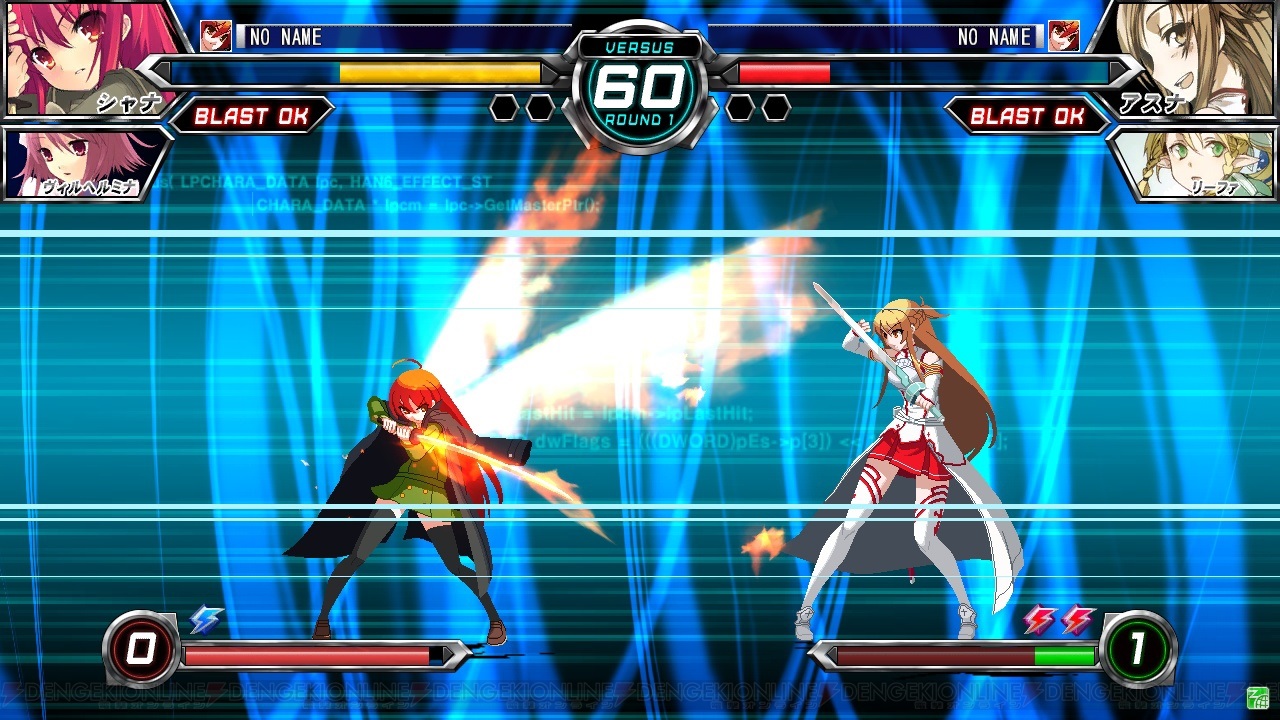
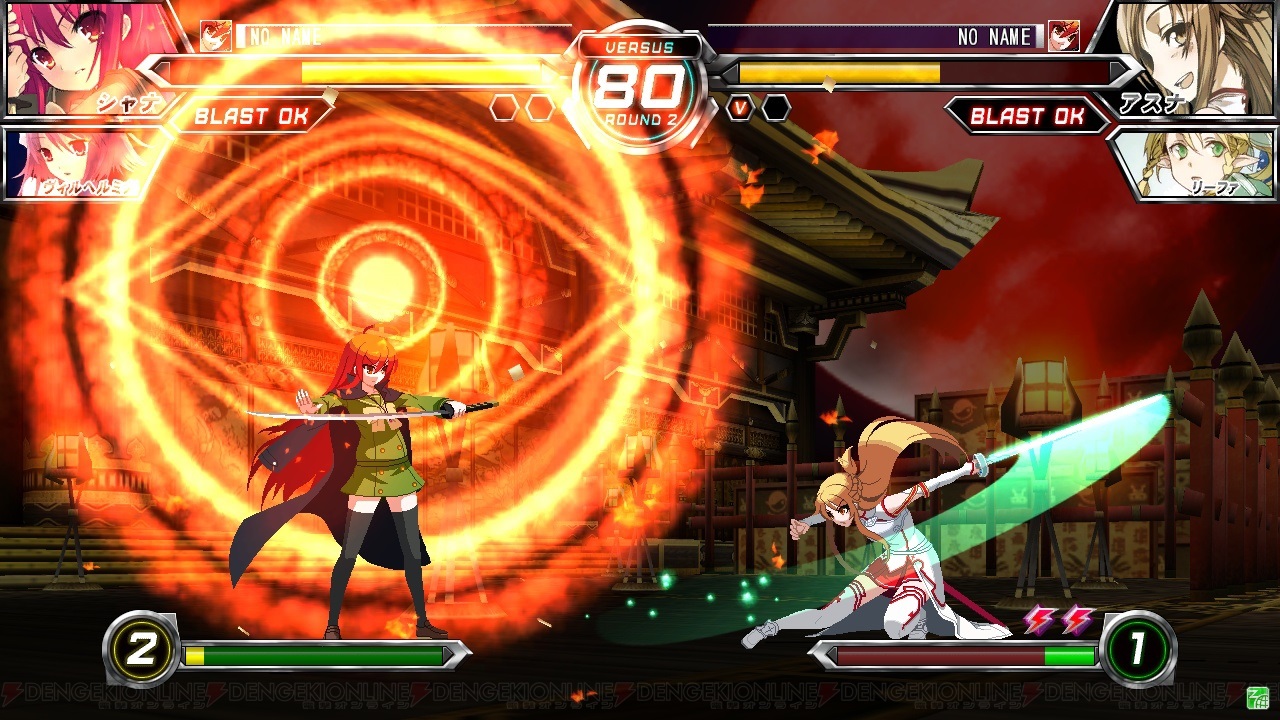
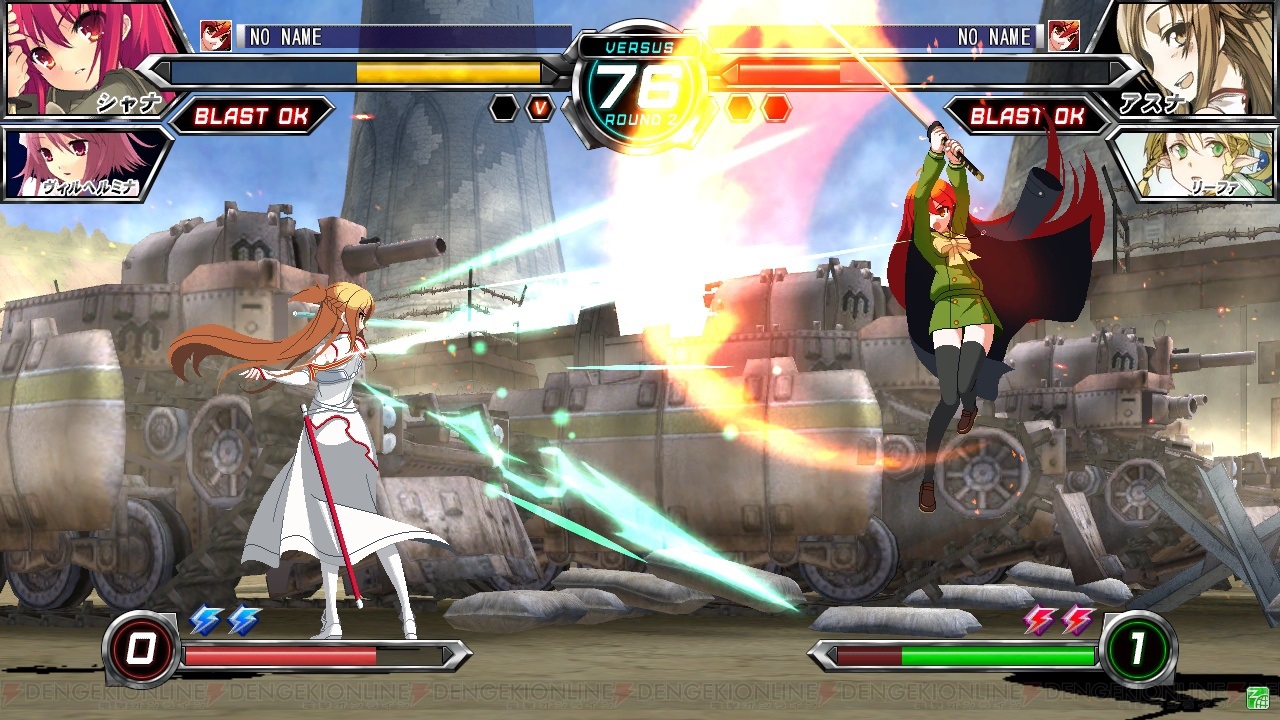
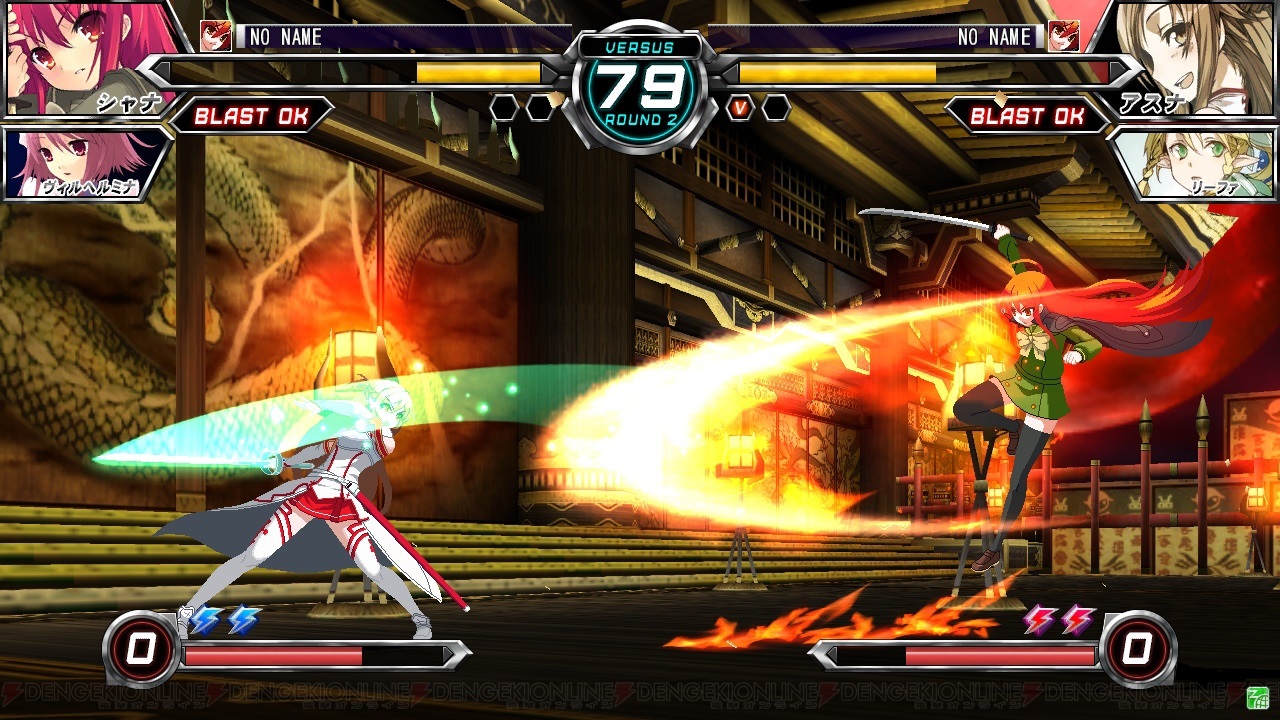
It has been revealed that Sega is going to be working on a new fighting game that many anime fans will likely want to pay close attention to. The game is called Degenki Bunko Fighting Climax and it will feature characters from popular light novels published by Dengeki Bunko and some Sega characters.
The game is something of a 20th anniversary celebration for the publishing company and at the moment only two characters and supports have been announced, with Sword Art Online’s Asuna partnering with Leafa as she faces off against Shakugan no Shana’s Shana who is partnered with Wilhelmina. Currently no platform or release information has been announced but more details are set to be revealed on October 6th. Localization chances would be very slim for a game like this, but with titles like Aquapazza heading West, there is always a chance.
Some of you may remember that a short, less than five minute long, anime was aired earlier this year and it happened to focus on the Puchimas! spin-off manga of the Idolm@ster franchise. Today it has been discovered that a second season has been announcedand it will now be called Puchimas!! -Petit Idolm@ster- with the second ! separating it from the first.
The series followed the random lives of 765Pro’s idols as they find small creatures who are similar to themselves in appearance and temper. The first season was licensed for streaming by FUNimation though the company has done nothing with the series since it ended earlier this year.
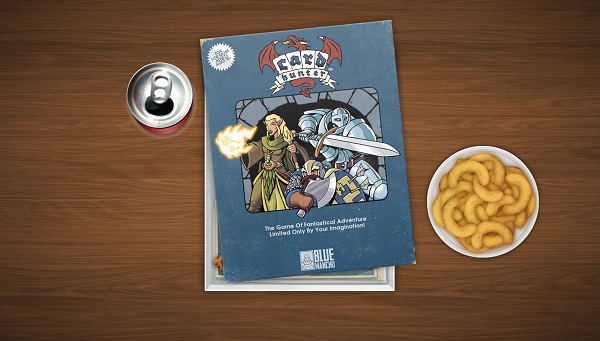
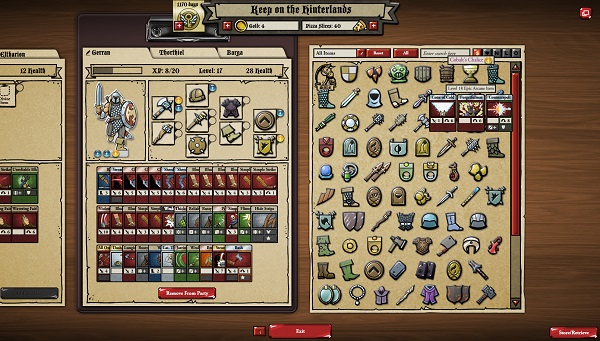
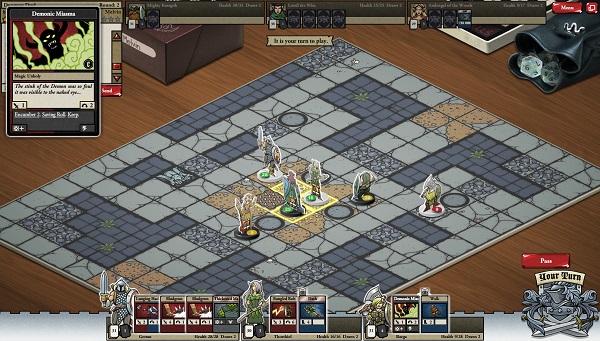
Card Hunter, is a free to play collectible card game meets table-top strategy, playable in your browser. We scored an interview with their creator, Blue Manchu, a group of industry vets trying something new and different. Card Hunter has been met with a large critical acclaim and we at Capsule Computers haven’t been able to stop talking about it; so without further adieu, here’s the interview.
Your team has a lot of experience in the industry; including Richard Garfield, the creator ofMagic: the Gathering. How’d all this talent get together? What was the energy while working on Card Hunter? What led to the development of Card Hunter?
After selling Irrational Games to Take Two, Jon retired. He got bored very quickly and so he decided to work on something he really wanted to make. He was a big Magic: The Gathering fan and he decided to experiment with merging a CCG with a more traditional dungeon crawler, to make something new. We decided to get Richard Garfield involved because there’s a yawning abyss between playing a game and making one. We’d never made a CCG in our lives. So we asked Richard to help us out. Plus, we wanted to work with Richard Garfield.
How long of a process was it to refine the art-style in Card Hunter? Did you always have a certain look in mind?
It took a long time. We went through lots of different iterations. At one stage we experimented with using real lead figures. These things always take a lot of iteration to get right.
How big of a part did mechanics play while designing Card Hunter? Did you always have an idea on how the system would work? Or did you go through a few revisions?
It was the entire focus of development. We went through many different versions before getting it right. The toughest challenge was to create a deep battle system that was accessible and quick. This is a very tough balance to strike.
Why’d you choose to make Card Hunters browser based? How long into the process were you before you decided that? has it worked out how you intended?
We decided to go with a browser because we felt it was the easiest way to get the game to the widest audience. We made this decision early on. It’s been both good and bad. It’s been good in that people use browsers everyday. It’s been tough in that there’s a lot of stigma around browser-based games.
Are you planning on adding more classes? Or are you sticking with the holly trinity; warrior, priest, and wizard?
Yes that’s something we’d love to do. Obviously we want to make sure that what we have is working well before adding any new content.
I’ve noticed a queue forming here and there to get onto the Card Hunter server, were you expecting this large of a turn out? have plans to expand your server?
We were surprised by how popular the game is. We’re working right now on increasing server capacity and adding more servers. It’s a problem, but it’s a good problem.
Micro-transactions are all over Card Hunters; how do you balance the game so that it’s both fair and fun for those who participate in micro-transactions and those who don’t?
By not trying to squeeze money out of people at every turn. Really, the monetization in Card Hunter relies on people giving us money because they love the game and want to support what we’re doing. Most of the game is free. The pay-walls are minimal. And you can’t really buy an advantage over other people in multiplayer. It has to be like this because the basic requirement is a fun and balanced game.
Obviously table-top games of yore have been a large influence on Card Hunter, will we be seeing more of the table-top tropes sneaking in? Any specific table-top and card games you took inspiration from? What are some of your other influences?
Obviously first edition D&D was a huge inspiration for us. But really it draws upon all the first generation of pen and paper RPGs, like Tunnel and Trolls and Runequest.
After developing Card Hunters for so long, do you still play for enjoyment? What are some of your favorite tactics? Any tips you can give us noobs?
Yes, absolutely, which is surprising, given how much we’ve played it at this point. The most important tip is to rebuild your deck for every battle. Unlike a traditional RPG, that has a linear power progression, Card Hunter is about building your deck to face every challenge.
Now that Card Hunter is out, what’s next for Blue Manchu? Anything in the works or are you just planning to support Card Hunter, for now?
We’re really focused on bug fixing and then adding new stuff to Card Hunter. It’s a 24 hour, seven day a week operation at the moment!
What advice would you give to those looking to get into the industry or make games of their own?
My advice would be start making! There are lots of games out there you can mod. And middleware engines like Unity are relatively easy to pick up and start using.
We’d like to give our thanks to Blue Manchu for giving us their time for this interview. What are you waiting for? Now that you’ve got the inside scoop, go check out Card Hunter here.
Australia’s video game rating system is still not up to scratch according to South Australia’s Attorney General John Rau, who is concerned that inappropriate material is still finding its way to children as games that are rated ‘adult only’ overseas are consistently restricted at a lower level in Australia.
According to a recently released ABC report, thirteen games released this year were restricted to adults only in the United States and Europe – all of which received an MA15+ rating in Australia. With largely equivalent markets between Australia and these regions, Rau worries that the existing legislation is not being enforced properly, or is simply not strict enough in itself.
Some of the titles mentioned include Splinter Cell: Blacklist, Saints Row IV, Killer Dead and Company of Heroes 2. Grand Theft Auto V is notably absent, and is rated ‘adults only’ in Europe, the US, and Australia. Although Rau is content with it’s classification many gamers have taken to Twitter to point out that the rating description is an inadequate representation of the content that makes the game R18+.
GTA5 contains dangerous driving, murder, theft, torture, and acts of domestic terrorism.
Rau insists that the Federal Government should review classification guidelines, but Justice Minister Michael Keenan has stated that the national system is working, and that if South Australia wishes to take any action it will have to happen at state level. Rau will raise his concerns at the next attorney general conference, aiming to try and tighten controls on violent video games.
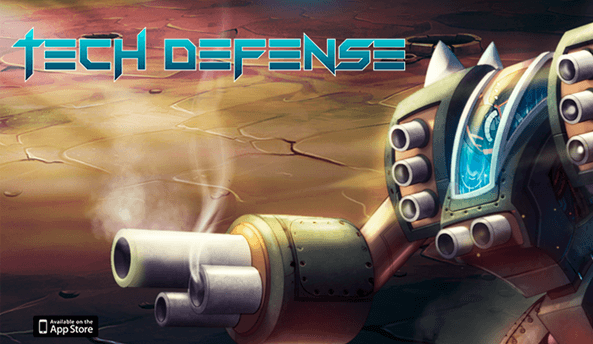
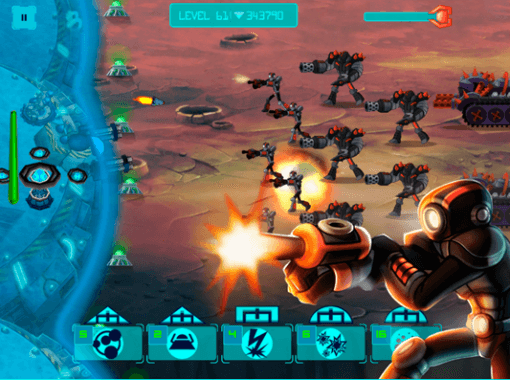
G4M3 Studios presents Australians and New Zealanders at the frontline of Tech Defense; the new strategy and action tower defence game that is now available on iOS devices for free at the App Store. In Tech Defense players must protect themselves and their Earth Mining Colony from the endless wave of android hordes, by upgrading their main weapon and turrets to conquer the various types of cybernetic machines, with different behaviours and tactical formation.
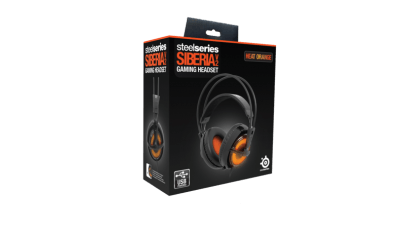
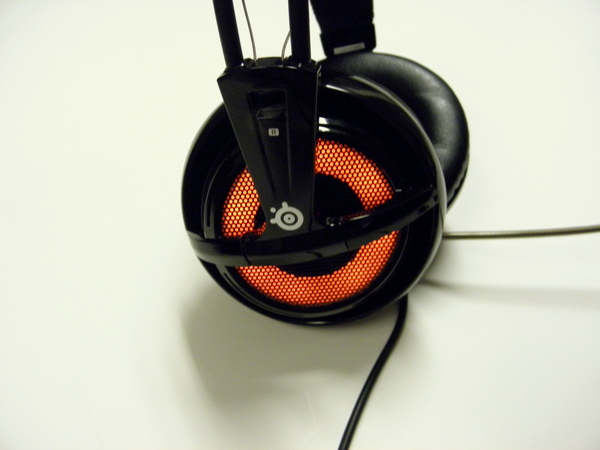
The SteelSeries Siberia v2 Heat Orange Edition is the latest addition to the Siberia line of headphones that started back in the mid-2000s with the well regarded Icemat Siberia. Since then, some small design and hardware improvements have been added. In the v2 Heat Orange Edition, the Siberia now sports an integrated USB sound card, 50mm drivers, a retractable microphone, and a bright orange and black colour scheme.
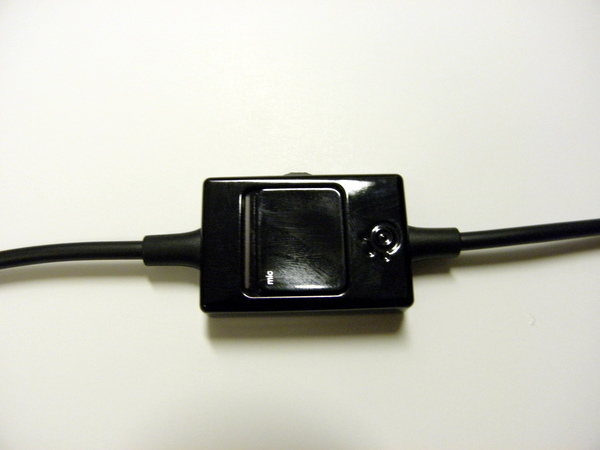
Inside the SteelSeries Siberia v2 box, we find the headset, a USB extension cable, and some paperwork. The headset’s cable is kept short for ease of use for laptop gamers. Approximately two feet down the headset is the mute switch and volume control. Another foot and a half down is the cable is the USB sound card. The USB plug is built into the end of the sound card. Those needing extra length will find a generous USB extension cable roughly six feet in length. Both cables are slightly thicker than the average USB cable but extremely light. The strain reliefs on the ends of the cables are slightly pliable which bodes well for the headset’s long term survival.
The cable length is perfect for laptop users, however, I found the volume and mute switch to hang a little low for my liking. Those on the shorter end of the spectrum may find themselves sitting on the remote. The volume wheel is tightened perfectly so there will be no accidental change of volumes. I liked the fact the wheel is coated with a rubbery material to ensure good grip. The remote has a glossy finish. This can make the mute button a little difficult to manipulate with dry fingers. I found the best way to do it was to lay my thumb flat against the switch and slide the switch. There is a dark brown line to signify the microphone muted that can be difficult to see in low light conditions. I believe a bright orange that matched the headphones would have been a better colour choice.
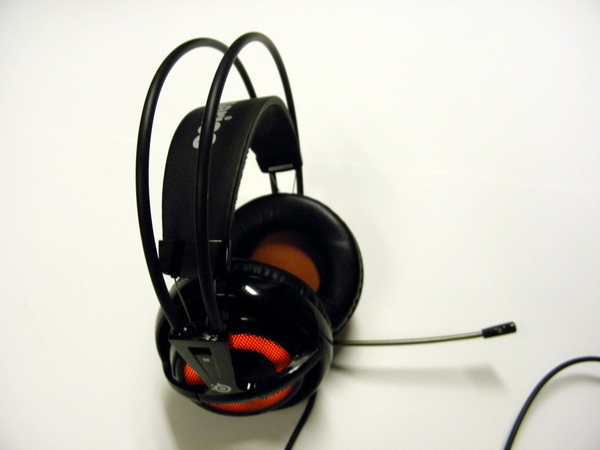
The SteelSeries Siberia v2 headset is extremely light. They are full sized over the ear headphones. The ear cups are generously sized, so most ears will fit inside. The cups are a little shallow, so ears that end to protrude away from the head may bump up against the inside. The material that pads the insides of the ear cup is a dark pumpkin orange. The ear cup padding is made from a very soft foam that is extremely comfortable to wear for long periods of time. The padding is covered in a leather material that can get a little damp during an extremely hot gaming session, but the padding does allow enough airflow within the ear cups to prevent sauna like conditions.
On the outside of the ear cups are a mesh grille that hides the 16 orange LEDs. They are a very intense shade of orange that contrasts nicely against the gloss black plastic. The light distribution is very even which produces a nice orange band in the ear cups.
The Siberia’s suspension system means no fiddling around to size the headphones. They are slid on and immediately adjust themselves to the users size. It is an extremely comfortable system that is often found in higher end headphones from brands like AKG. The self-adjusting headband is attached with four thin metal cables that runs into the ear cups. The headband is able to move back and forth which may be a problem for those who prefer to slide their headphones on horizontally versus putting them on vertically. The horizontal slide is used especially by those with long hair who need to brush back their hair away from their ears before putting on the headphones. Unfortunately, the design means the suspended headband can catch on the forehead. Some adjustment will need to be made to accommodate those with long hair, whether the hair is pulled back in a ponytail or some change in how the headphone is donned.
The sound quality in the Siberia v2 is very good. It is a closed headset which means the ear cups are closed to outside sound. This is excellent for those who play in noisy areas or share their space with others as the sound that leaks out is minimal. The bass is strong without overpowering the headset’s highs and mids. Upon listening to music, I noticed that the extreme highs does suffer from a slight distortion. Most musical genres, games, and movies will not hit those levels, but those who enjoy certain genres of music like classical may find the distortion distracting. The soundstage is pretty large for a closed headset, a type that tends to struggle with extremely small soundstage. With the large soundstage, I could easily pick out distant sounds in Battlefield 3, a boon for competitive FPS gamers.
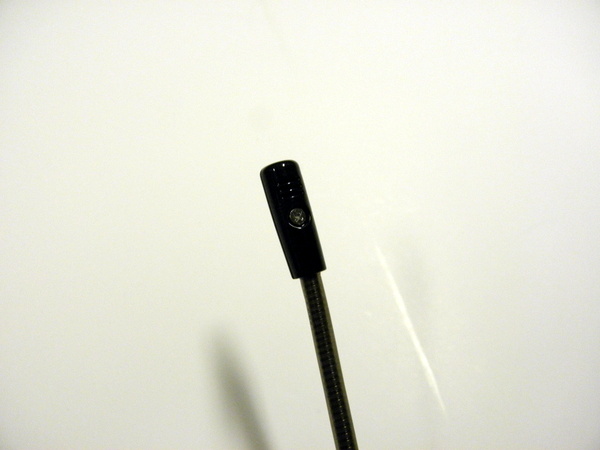
The microphone is a retractable microphone that stows away inside the left ear cup. When stowed, the Siberia v2 could easily be mistaken for a regular pair of headphones. The microphone is attached to a bendable plastic that can be easily shaped for any size and build. There is no foam padding to act as a pop filter, so one should be very careful with the positioning of the microphone to ensure it is away from the nose and mouth. A Darth Vader breath effect is no fun to listen to. The microphone’s audio quality is very good. It picks up voices clearly and sports an active noise cancelling microphone to help deal with noisy environments. My noisy computer fan is often picked up by microphones. The Siberia’s active noise cancellation did an excellent job on recording my voice, not the fan.
The headset works as a plug and play USB device for most Mac and Windows computers. The SteelSeries Siberia v2 can be used without the SteelSeries Engine. However, the Engine allows users to control the LED brightness and the pulsation effects or turn off the LEDs completely. The Engine also allows users to tweak the equalizer settings. The headset defaults to the “Balanced” profile, but there are profiles optimized for precision FPS gaming, voice chat, etc.
Priced at $119.99, the SteelSeries Siberia v2 Heat Orange Edition is priced at the high end for a stereo USB headset. However, it features an excellent design for extended wear and strong audio performance. The Siberia v2 is most definitely worth to extra money for anyone looking for an extremely comfortable set of headphones.
Capsule Computers review guidelines can be found here.
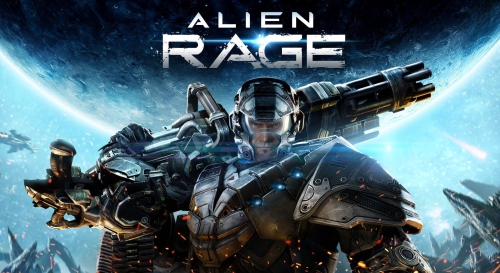
Alien Rage Developer: CI Games Publisher:CI Games Platforms: PC (Reviewed), Xbox 360, PlayStation 3 Release Date: September 24, 2013 Price: $19.99 – Available Here
Overview
CI Games, the creators of the Sniper: Ghost Warrior franchise, are back with a different kind of beast in the cage. Though the Sniper franchise has been lukewarmly received by most, CI Games is looking to bolster their lineup with Alien Rage– their new fast-paced, sci-fi first-person shooter. How does Alien Rage hold up? Should we unleash the beast or send it to anger management classes? Let’s find out.
Some enemies will be on your before you can blink.
Story Alien Rage tells a tale familiar to fans of the first-person shooter genre. Resources have become increasingly scarce on earth and everyone is scrambling to find an alternate energy source. The United Earth company finds an asteroid packed with promethium – a fuel source that could power the entire world. They quickly stake a claim and begin mining, but the Vorus (our resident alien race) soon show up, running humans off the energy rich asteroid. Now it’s your job to go in and destroy it all. Yep, that’s right. If we can’t have it, then nobody can.
Gameplay
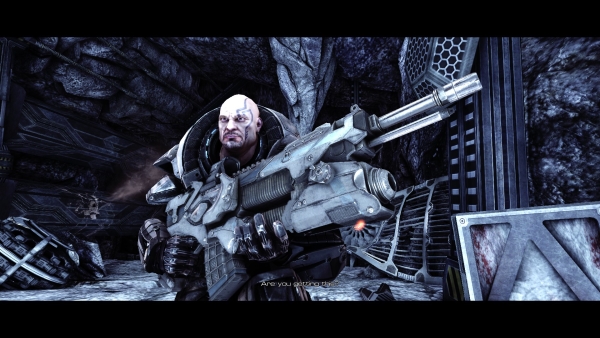
Players take on the role of a space soldier. He’s given a name, but it’s inconsequential. He’s defined completely by heavy armor, big guns, a face tattoo, and the attitude of a toned-down Duke Nukem. He’s there to kill aliens and blow things up, and that’s about it.
Space soldier with an attitude, reporting for duty!
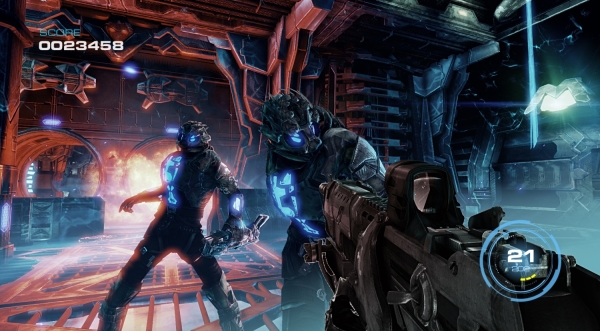
Alien Rage‘s true strengths lie in its combat, which is great since you’ll be spending most of your time in it. You can carry a pistol and two other guns at any given time. Those other guns can range anywhere from SMG and assault rifle to Vorus blasters and rocket launchers. Each gun handles wonderfully, and they’re all equipped with a unique secondary fire that gives you some good options for situational combat.
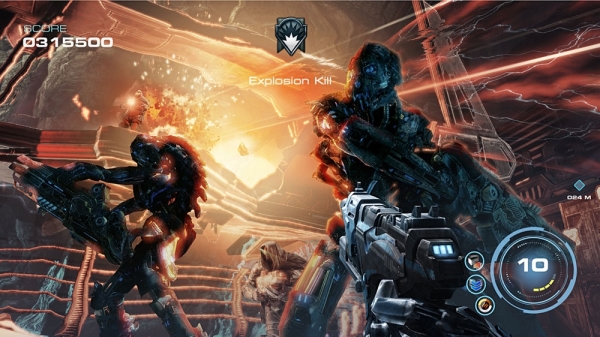
On top of the basic shooting mechanics, Alien Rage has a heavy arcade feel to it similar to arena shooters like the Unreal Tournament series. You’re rewarded for headshots, multikills, melee attcks, environmental kills, and more. There’s even an announcer to shout it to the world. It’s a fun mechanic that adds to your engagement with the combat.
The level design, though modernized, feels as though it were pulled out of a Doom title back in the early 2000’s. Each mission has a set path you will have to work through with very little choice to offer players. Invisible walls block anything off the path to the end. This corridor-focused level design has both pros and cons. It obviously restricts how you can tackle encounters. On the plus side, though, it keeps the pace of combat cranked up. You’ll constantly have to maneuver, dodge, and counter-strike, which plays well to the strengths of the combat.
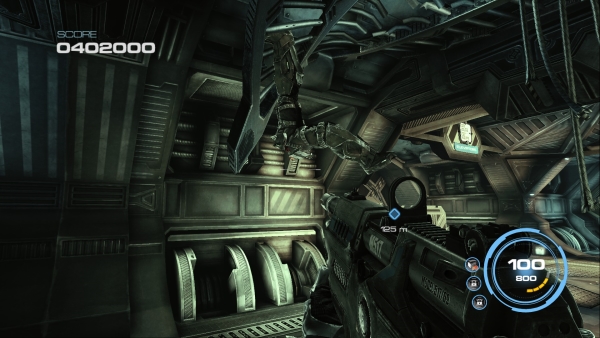
He was hanging around, but had to split.
Hidden throughout each of the 14 stages are six items for you to uncover. You’ll find “bonus” items and audio logs. While the bonus items serve to up your score, the audio logs are genuinely interesting. They give you pieces of the story of a human scientist working in the compound before the Vorus attack. While they’re not required to progress, they’re well told and offer a genuinely interesting tale to an otherwise drab story.
You’ll encounter a variety of Vorus on your mission. Apart from vanilla soldiers, the Vorus employ explosives experts, cloaked units, spider bots, and more. They’ll throw everything they have to stop you. When that fails, you’ll encounter several nasty bosses.
The game’s AI can be both devilish and foolish. More often than not, as soon as you walk through a doorway, you’re greeted with a barrage of enemy fire, even though no one has seen you yet. They’re completely unforgiving, relentlessly mowing you down as swiftly as possible. On the other hand, if you can fool them, an entire room of Vorus will run right at you one by one, leaving you free to dispatch them easily.
Rewards for explosions? Sign me up.
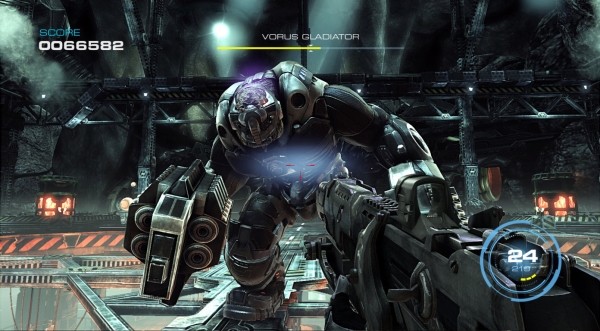
Boss battles are a different beast. They offer a solid mix of intense, high octane combat while you figure out their weakness or pattern. They can be frustrating, but they’re a lot of fun and quite rewarding.
My biggest complaint with Alien Rage has to be the checkpointing system. Checkpoints are often spaced 2-3 encounters apart with no way to save between. This may not seem too bad, but an encounter can often involve 10-15 enemies eager to kill you. Fight through the first encounter or two, and you can still be ambushed before the checkpoint and have to do it all over again. When you couple relentless AI with poor checkpointing (and no save system), it’s a recipe that can only end in frustration for your players.
Visuals & Audio Alien Rage is a beautiful game in motion. Everything looks crisp and fits in line with its unique aesthetic. The lighting in the game offers a pleasant glow amidst the chaos of gunshots and explosions. Enemy design is satisfying, somewhere between Killzone‘s Helghast and Halo‘s Covenant, though more menacing than either. Animation is crisp and fluid, with each round fired relaying a sense of weight and confidence. There is some occasional texture pop-in, but when everything else looks so jaw-dropping, it’s easily forgivable. It’s really fun watching this game in motion, especially when the heat is on.
This big boy looks unhappy.
Sound design feels somewhat hit-or-miss. The sound effects are excellent, with each gunshot and explosion packing weight you can feel. The soundtrack also does a good job keeping your adrenaline going. The weak part, though, is the cheesy dialog between the player and his teammates, cracking off the occasional cheesy one-liner when he’s not the otherwise-silent protagonist.
Overall
Though Alien Rage feels dated when comparing it to modern shooters, it is a terrific experience. It embraces the fact that many of its design choices are meant to play to old-school sensibilities and it’s a better game for it. Though enemy AI can be infuriating and the checkpoints are too far spaced out, the core gameplay feels fantastic. Combine that with incredible visual design and animation, and you’ve got a great old-school shooter for a budget price. Fans of old-school shooters will definitely want to give it a try.
Capsule Computers review guidelines can be found here.