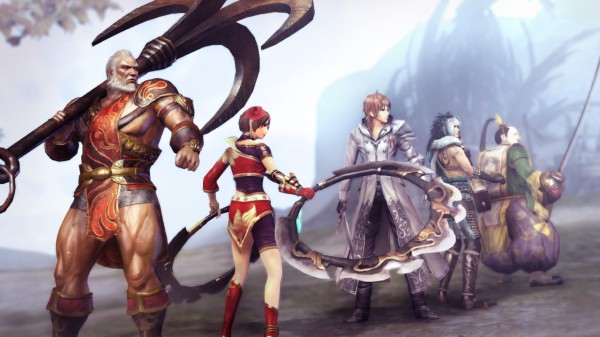
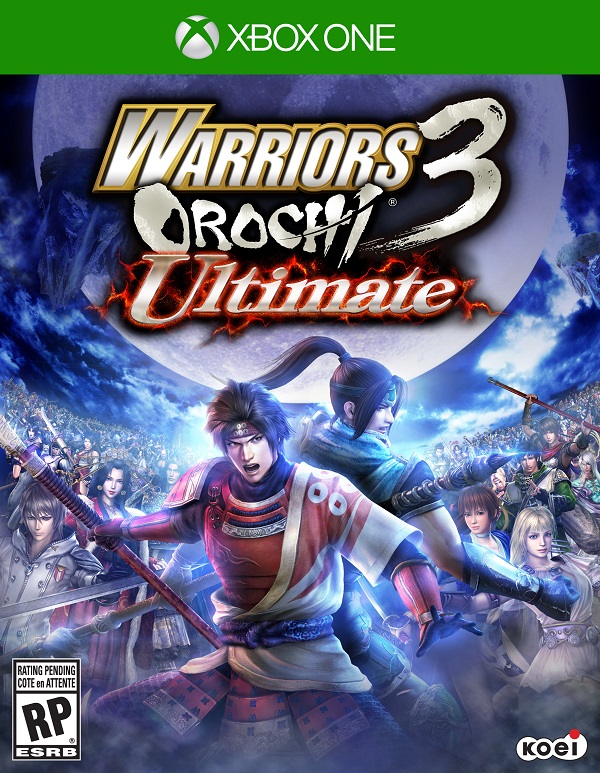
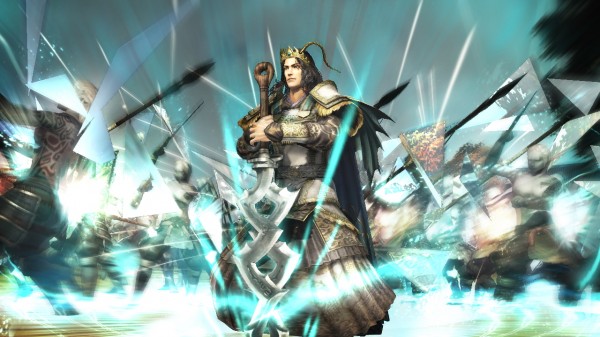
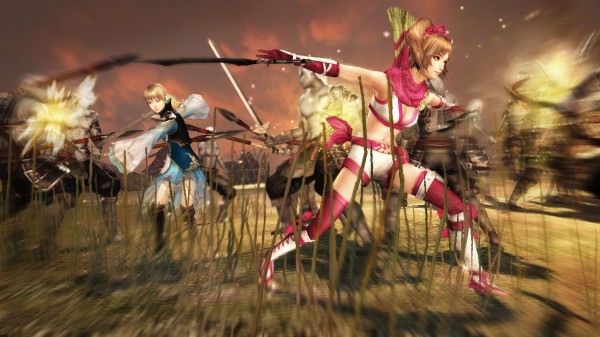
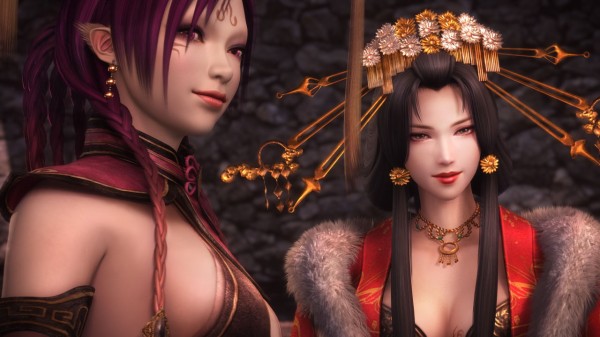
Fans of Omega Force’s Warriors styled games will be happy to hear that Koei Tecmo has just released Warriors Orochi 3 Ultimate in North America for the PlayStation 3, PlayStation Vita, PlayStation 4, and Xbox One. This iteration of the title comes with a new batch of characters and stages added into the game as well as additional story elements.
It is worth noting that the title is only available as a digital download for the PlayStation 3 and PlayStation Vita while retail versions are available for the PlayStation 4 and Xbox One releases. Our review of the Xbox One version of the game can be found here.
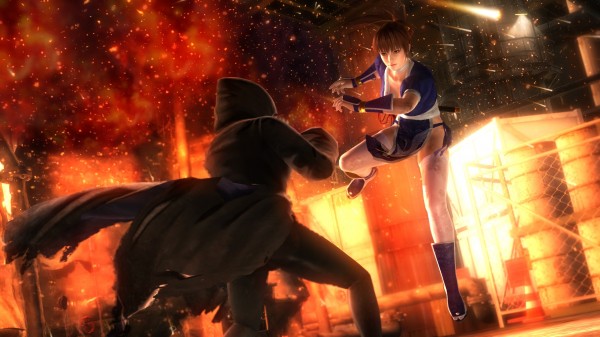
As we already have heard, Koei Tecmo is working on a cross-gen re-release of Dead or Alive 5 called Dead or Alive 5: Last Round and today the company announced that the title would be released in both North America and Europe sometime in Spring 2015.
Along with this announcement, and an English version of the trailer that you can check out below, the company also confirmed that all costume DLC purchased from the PS3/360 versions of Dead or Alive 5 Ultimate will transfer into the new version of the game, even for the Xbox One and PlayStation 4 versions. Dead or Alive 5: Last Round will include Nyotengu, Marie Rose, Phase-4, and over three hundred unlockable costumes.
Overview Although there was a four year gap between Warriors Orochi 2 and Warriors Orochi 3, fans of this series that takes characters from Dynasty Warriors and Samurai Warriors have been treated to a couple of iterations of Orochi 3 already. Now with the move to Xbox One and PlayStation 4, Koei Tecmo has once again released Warriors Orochi 3 in its new Ultimate form. With a number of new additions, does the title warrant a purchase for your Xbox One?
Story Although the warriors of the lands may be at odds with one another, a new force has appeared. An army of demonic soldiers has overrun the land and at their head is a multi-headed beast called the Hydra that is capable of defeating entire armies on its own. Despite the best efforts from the armies of Japan and the Three Kingdoms, almost every general, officer, and commander has been slain in battle.
In a last ditch effort to try and save the world from being taken over by the Hydra and the demon army, Ma Chao, Sima Zhao, and Hanbei Takenaka have gathered what resistance they could and have launched an all or nothing assault on the Hydra. Despite their best efforts, these three are about to be defeated until they are saved by a mystical woman named Kaguya.
Kaguya saves these three and informs them that she has the power to travel through time and has been sent from the mystic world in an effort to put a stop to the Hydra. To do so they must begin traveling into the past and, using their knowledge of the future, alter the course of history by preventing the death of allies and freeing fellow fighters from the demon army’s mind control, even going so far as to alter the past numerous times to change save a seemingly doomed ally.
Warriors Orochi 3 Ultimate’s main storyline isn’t all that different from that of the original game, but considering the original game featured a lengthy story populated by numerous popular characters that isn’t too much of an issue. There are some added stages for new characters as well as entirely new chapters which expand the story past the point where the Hydra is killed as well as a prologue to add a bit of extra context for players, making this already packed storyline even bigger.
Gameplay The bulk of Warriors Orochi 3 Ultimate plays the same as anyone familiar with the series should expect, though a few changes from the standard formula have been made. Rather than simply entering combat as a solo unit, players will enter each stage as a team of three warriors of their choosing who can be swapped between in battle and even in the middle of a combo to provide fluid multi-character combos.
It is interesting to note that while the Musou attacks remain the same, that there is a unique separation between the Dynasty and Samurai Warriors fighters, with Samurai Warriors’ characters’ Musous triggering extended combo attacks and Dynasty Warriors’ fighters’ Musous unleashing flashy attacks that are capable of dealing large amounts of damage. With each character filling up their Musou gauge while fighting, players can vary their fighters to fit their playstyle best and also unleash these techniques when the situation calls for it.
With over a hundred different characters capable of being used in battle, it is easy to fall prey to using only the first few fighters you unlock in the story, especially since the title offers the option to “Promote” fighters that reach level 100 back to level 1 with additional abilities. However thanks to an experience pool that is filled by completing various missions, players can level up and experiment with each fighter to see who fits their playstyle the best, since unlike the most recent Dynasty Warriors games, players cannot change a fighter’s weapon or fighting style.
Despite that limitation, players will have plenty of variety to choose from thanks to the numerous characters as well as the newly added fighting techniques such as Aerial Special Attacks. It also helps that players can always customize their favorite fighters’ weapon with numerous skills to try and make up for any shortcomings they might have by fusing various weapons together.
Outside of Warriors Orochi 3 Ultimate’s story mode a few modes have remained the same, such as free play, but a number of new ones have been added. This includes the brand new Gauntlet Mode which will truly put players to the test. You see, Gauntlet Mode allows players to enter a battle with five warriors at one time but as you enter each stage, the “Miasma” level will rise the longer you remain and the more enemies you defeat.
While players can find rare ingredients and special items in the Gauntlet mode, they will also be put to the test against difficult opponents because the higher the Miasma level, the stronger the enemies. Things can reach a point where even a group of foot soldiers could be deadly to the team, forcing players to try and find the exit point as fast as possible. That being said, part of the difficulty here is the fact that since all of your fighters are moving around on the field at the same time, their AI is terrible, making them nothing more than human shields at times.
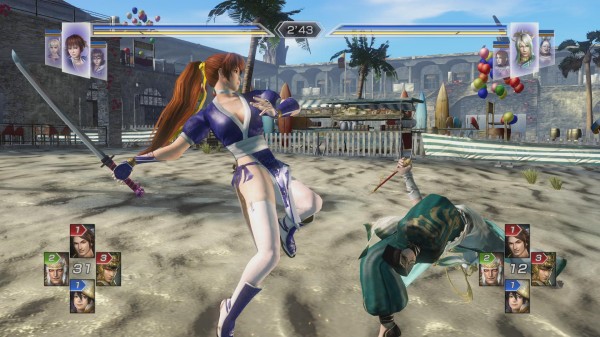
Another new mode comes in the form of Duel Mode. Duels are stylized to be similar to a fighting game where players can bring three fighters to face off against three enemies that can either be other players or the computer. While fighting players can activate Cards that are unlocked by obtaining fighters or completing stages in Duel Mode’s survival option with these cards triggering various status effects and dealing damage. It is worth noting though that the entire combat system from the standard game remains the same in the duel mode so it is entirely possible to have an extremely overpowered set of characters enter the mode.
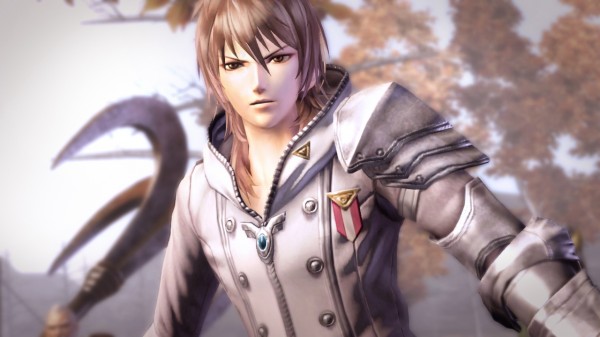
Also included is the Musou Battlefield mode where players can customize an existing stage by swapping out various elements and then upload it online for others to try, or where they can download other players’ maps. Finally there are the new characters that have been added into Warriors Orochi 3 Ultimate, with not only original characters being added into the line-up but those from Soulcalibur and Atelier Arland as well. This new batch of fighters is a nice addition that helps give players more options than ever before and are great entries for fans of those series.
Visuals & Audio
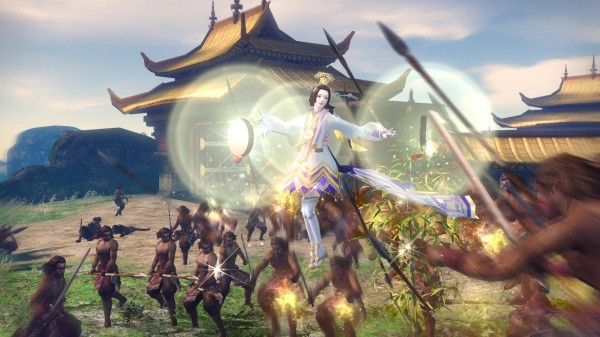
While the jump from last generation to the current generation hasn’t given Warriors Orochi 3 Ultimate an amazing overhaul, the title does benefit in a few important ways. The character models on the fighters and the little in-game events are more detailed and feature better lighting, but the most important aspect is the fact that more enemies can now appear on the screen at any given time. This gives players the feel that they are actually in a sizable battle and reduces the pop-in rate that past games have suffered.
It is worth noting that like its original release, Warriors Orochi 3 Ultimate features only the Japanese voice track but that works in the title’s favor as it fits with the series’ aesthetic. The various pieces of background music take from both Dynasty and Samurai Warriors with little alterations here and there, giving players plenty of satisfying battle music to enjoy.
Overall While many elements of the original remain the same and ally AI can be remarkably dumb at times, Warriors Orochi 3 Ultimate adds enough new content into the already impressive amount of content available in the original to make it worth picking up. Not only do battles feel faster and larger thanks to the jump in generation, but the new set of fighters and additional story elements add plenty to the title, making it a great upgrade, even for those who have already picked up the original.
Capsule Computers review guidelines can be found here.
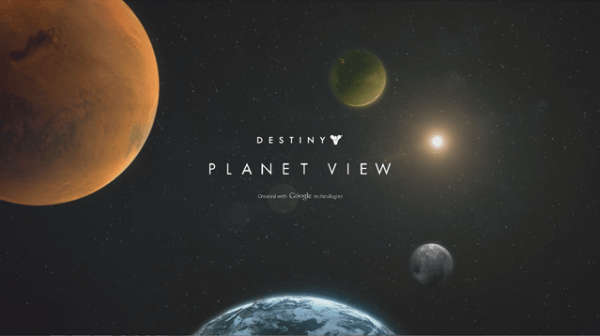
Our Destiny is all but upon us, and for a glimpse into our immediate future, Activision and Bungie teamed up with Google to create ‘Planet View’. Utilising Google Technologies, Planet View allows you to walk the surface of the Moon, Mars and Venus, where you’ll come across gameplay tips, hidden gems of information and bonus in-game incentives.
It may be only a small slice of the vastness that is Destiny‘s explorable universe, but there’s quite a bit of content to walk through here. Anyone who is into the lore or science behind their favourite sci-fi franchises will definitely want to check this out. It also marks the first time a video game world has been mapped using Google Technologies. Check out Destiny Planet View here, and “Become Legend” on September 9.
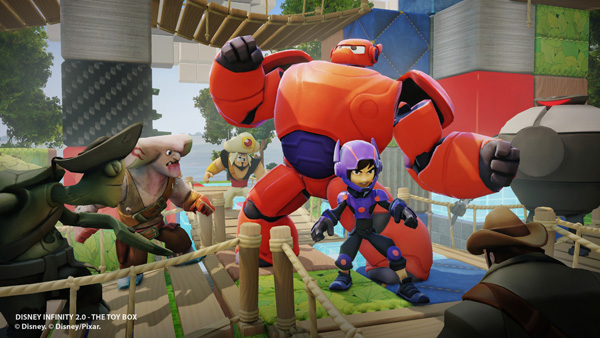
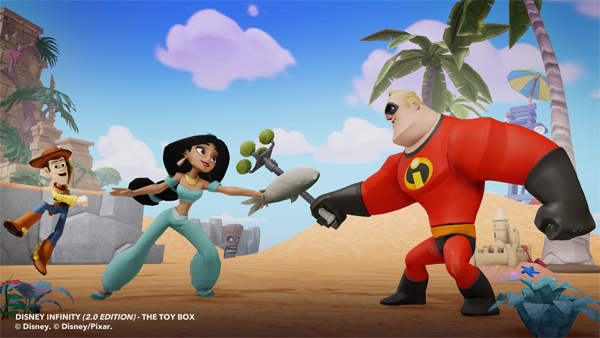
Man, American retailers seem to just not get enough of leaking Disney Infinity 2.0 info. Earlier on in the year a whole bunch of then-unannounced character figures were leaked by Wal-Mart, and now it seems that at least one Toys ‘R Us store has put the entire starter pack on its shelves! Disney Infinity 2.0: Marvel Super Heroes is not slated for launch for another 2 weeks (actually it is another 3 weeks over in the States) so it is enough of a surprise that stock has arrived THIS early, let alone the fact that someone has obviously put it on the shelves.
A small caveat though: Even though they are on the shelves and are priced, many retailers (Toys ‘R Us included) have the game’s street date programmed into the registers, meaning that even if someone were to try and buy it, the cashier would be alerted and the sale wouldn’t go through. Still that makes it even more of a tease for those fans who are dying to slam Iron Man onto their base and fly around the new Toy Box Mode.
Remember that Disney Infinity 2.0 officially releases down under on September 18th, so make sure you stay tuned to Capsule Computers for all the hottest Disney updates as they become available.
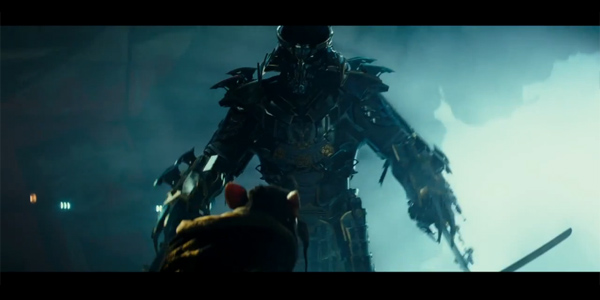
Spring has officially sprung ladies and gentlemen, and right now we are a tad over a week away from the Australian premier of Paramount Picture’s brand new Teenage Mutant Ninja Turtles film and you know since this is an action movie in 2014, it obviously is being shown in 3d.
To really hype up the movie, Paramount have released another of their many featurettes that showcase some of the behind the scenes work that has gone into bringing the turtles to life. Where previous videos showcased the weapons and villains, now we get a look at the technology that went behind the 3d effects that are used in the film.
Check out the video below and remember that Teenage Mutant Ninja Turtles debuts on September 11th, so make sure you check it out and stay tuned to Capsule Computers for all the TMNT news as it becomes available.
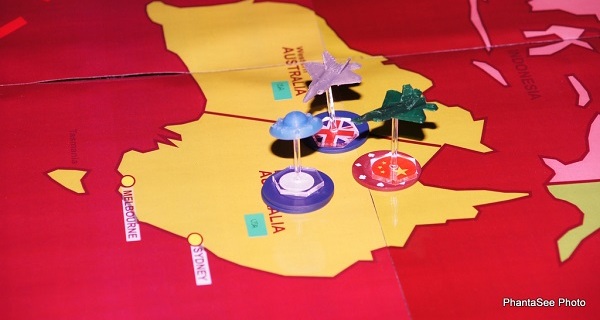
A couple of weeks ago I attended and played in a Sydney game of Watch the Skies. Part boardgame, part live-action roleplay; this ‘megagame’ was organised by Zedtown and developed by some unhinged/genius fellows at Megagame Makers. In this strategy game we would play as a nation of Earth during an alien invasion. The game’s organiser, David Harmon, described it as a cross between “The West Wing and X-files”. A more topical reference for all you young‘uns would be to imagine XCOM as a board game crossed with Risk. Read on to find out just geeky/interesting/awesome the whole event was.
The Setup & Rules
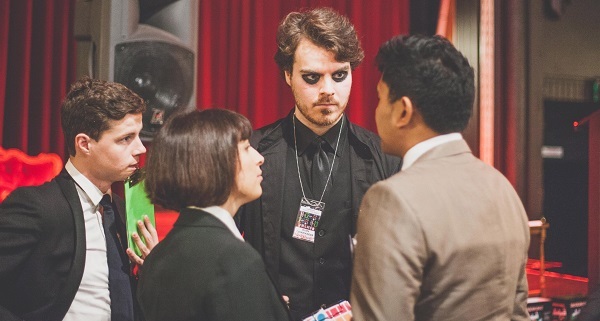
My friends and I had opted to play as France, hence the matching berets, as our original choice of playing Russia was already taken by the time we got our act together (Our dreams of a Neo-USSR were promptly crushed). There are four basic roles in each team with each country having a leader, a general, a diplomat, and a head scientist. Some of the larger powers had a double of one of these roles, but France was not one of them.
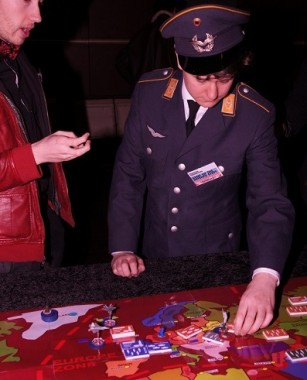
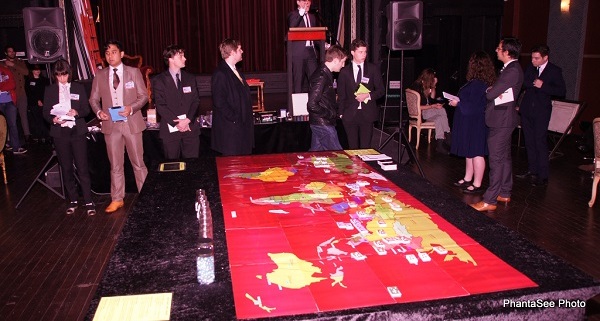
The general’s role was to command our forces in our defence against the alien incursion and be our eyes on the global stage (as he was the only allowed to approach the world map and tell us troop movements, interceptor deployments, etc). This was the most traditionally wargamey role in the game.
The diplomat’s role was to represent the nation at the UN and continue the war by other means on the world stage. The responsibilities they had was to form alliances with NPC nations (which we could then deploy troops and interceptors to) and smooth over the inevitable diplomatic s%*#storm which an alien invasion would cause. The diplomat also had command of the spy unit each nation got at the start of the game (ours was code named ‘Le Chevalier’).
The head scientist’s role was to research any and all alien tech which was recovered by our forces, and buy tech from the grey market if given sufficient resources. They were also able to attend scientific conferences, share theories with other scientists, and win Nobel prizes.
The national leader’s (president, premier, or prime minister depending on the nation) role was to manage us all and coordinate our efforts. They allotted the required resources to whom needed them and managed our public opinion through PR.
The game had two other resources which needed to be kept in check: the global terror track and the individual public opinion rating of each nation. The former would spell our doom if it got too high and the latter determined how much resources we would get each turn as our nation rallied behind our leadership or actively undermined it…
There were also players who were playing the aliens and their goal was unknown to us. They also played in an area which was curtained off so we couldn’t see what they were up to as they planned and plotted amongst themselves…
Finally, there were players who were playing as GNN (The Global News Network). Their role was to report on what the global powers (the players) were doing and depending on what slant they gave the story; they could positively or negatively affect the country they were writing about. After an early mistake in which they reported that France had invaded Kazakhstan, the players collectively stopped paying attention to them…
The rules would all be enforced/made up by ‘controls’ who functioned partly as referees and game masters. They would work out interactions with non-player countries and characters as well as resolving conflicts between players.
Following team discussion, negotiation, and a mini-election; I drew the role of diplomat. Thus, the stage was set with the pieces and players in their places. I now present a cautionary tale for why I should never again get involved in global politics…
The Game
As the foreign minister of France it was my job to ensure that the Republic’s interests were represented on the UN Security Council. With cigarette (musk stick) in hand, I would work to diplomatically ensure that France had its interests looked after. This basically entailed making sure that the France was not shouldering too much of the burden of solving the world’s crises (alien or otherwise). Each turn of the game began with the diplomats all meeting together at the UN and discussing whatever crisis demanded the UN’s attention.
My first taste of this system involved dealing with the aftermath of an Earthquake in Chile. Thousands were homeless, food supplies were disrupted, and there were reports of looters in the region. Most of the delegates had no problem in reaching a consensus in deploying aid and peacekeepers to the region except for the Russian delegate who had reservations which he kept to himself.
Those reservations were quashed however, when the US Secretary of State received intelligence from the American spy network indicating the Russian Federation had invaded the Ukraine. He promptly revealed this information to the Council, to which the Russian delegate of course denied any knowledge but was sufficiently cowed into not vetoing the resolution. We found out after the game that the Russian general had gone rogue in turn one and decided to spontaneously annex the Ukraine (for the lulz), but at the time we assumed that the Russians were making a land grab during the Xenos crisis.
With that, our first crisis was resolved. Hands were shaken, backs were patted and the diplomats returned to the main map room. Our new headache was trying to figure out a way to resolve the mess that was the Ukraine and lessen the insanity that was the Russian team. The Russians refused to answer why they had invaded the Ukraine so suddenly and without reason but after threats of international retaliation they explained that they had deployed troops to combat alien forces in the region.
All this occurred in the space of 30 minutes. Negotiations were fast, agreements were loose, and information was worth its weight in gold.
That was my first taste of how the game worked mechanically and the pace was nothing short of breakneck. Every act was done with a frantic energy behind it as time was of the essence. We had to figure out what the hell the aliens were doing on Earth and how we could keep everything under control.
In the following turns, further crises occurred and were resolved with UN Security Council acting swiftly and decisively to ensure that global stability was maintained. By about turn 4 however, the Russians had decided to pull the pin and publicly acknowledge the existence of intelligent extra-terrestrial life. The general public was finally given the truth about the fact that the Earth was being invaded by aliens. We knew the truth was going to come out eventually so we weren’t completely surprised.
The problem with coming out with the truth was that the governments of the world officially denied the existence of aliens. Admitting the truth would have been a complete 180 on the official story which would hurt our public approval. It was outlined in the game mechanically that on the turn that this finally occurred, every nation would suffer a significant penalty to public opinion and global terror would increase dramatically. To make matters worse, the Russian president specifically named France as being complicit in this conspiracy to keep the truth hidden… as well as coordinating with Japan in some sort of alliance with the visitors. Merde.
With that, things started rolling downhill and once it started getting momentum it just did not stop. Here is a severely condensed version of how things unfolded in our game:
-The aliens made a press announcement and declared themselves to be of two separate clans divided along martial and scientific prowess (the warrior and scientist clans). Their excuse that they are here to exact justice for the ‘Roswell’ incident is swallowed hook, line, and sinker by the world.
-The Japanese formed an alliance with the ‘science’ aliens. They gave them one of the home islands to build their base… as well as plenty of human subjects to perform experiments on.
-America bankrolls and arms anti-Russian partisans in the Ukraine in an attempt to make the annexation as costly as it can be for the Russian forces.
-A French agent (Code name: ‘Le Chevalier’) wipes out most of Egypt’s body politic after we found evidence that they were collaborating with the warrior aliens. The press call this event the ‘Night of Reckoning’ but are unaware of France’s involvement.
-The Russians engage in dangerous game of Nuclear brinkmanship halfway through the game with every other country (including Japan, who doesn’t even have nukes)… Why? For the lulz apparently.
-The head scientists of each nation decided to band together and form their own country named ‘Science Nation’. Their attempts to gain UN recognition are torpedoed by the Russian delegate vetoing the motion. They later built a rocket ship to travel to the alien base on the moon… and were never heard from again.
-American generals develop and deploy a nerve gas against an alien base in South America… when the aliens came to visit the UN, only a stern word from the American president convinces them not to deploy the gas again during the diplomatic talks…
-The Russian general ousts the Russian president from power in a successful coup. The Russian Foreign Minister defects to China in the same turn.
-France’s general goes rogue, sabotages a prisoner transfer by booby-trapping the alien captive and then starts quoting Warhammer 40 000 to the press (“There can be no peace amongst the stars, only an eternity of bloodshed and the laughing of thirsting gods”). A cunning/underhanded French diplomat arranges for Chinese agents to apprehend the mad general and end his Xenocidal madness.
-The final turn of the game saw Russia finally pull through on its nuclear threat and wipe out the UK who, of course, retaliated with their own arsenal. The French threw their own bombs at Brazil since the ‘science’ aliens claimed that the ‘warrior’ aliens were stationing most of their forces there. How laughably naïve we were…
Conclusion
The amazing thing about all this is that all these events occurred naturally with the players interacting mainly with each other. The game’s basic rules were in force with most of us having to spend resources or make a roll here and there but largely we made things up with the blessing of the various relevant controls. This resulted in some unusual scenarios such as the Russian team going from 5 to 3 players as their President and Foreign Minister went in to Exile in other countries/teams. My own unorthodox actions included orchestrating the aforementioned arrest of France’s military commander when he sabotaged my diplomatic actions with the aliens. Truth be told; I was more than a little miffed at his actions but I also believed he had become completely irrational after fighting the alien visitors for 18 months of in-game time. This game has elements which are extremely flexible and responsive (much like a pen and paper RPG), which suck you in to the whole experience and help you create your own player-driven narrative.
In the end, the aliens were proven to be hostile towards humans. Their goal was to ensure galactic stability by ensuring that humans would not become a spacefaring power. Defeat was bitter, especially since I was so easily duped by their lies and my own rationalisations of their irrational behaviour on the world map (claiming that they come in peace while they simultaneously lay waste to the cities of North America really should have tipped me off). I still had a tonne of fun, even though I may have lent a hand to the downfall of humanity, and would highly the game to anyone who enjoys board games or more socially-focused strategy games… which isn’t to say that you can’t play the game like a complete psychopath (vis-a-vis the Russian general in my game). The increasing popularity of the game has also encouraged other groups to organise more sessions of the game in various parts of the world. Harmon has indicated that he plans to run another instance of this game later in the year, so Australian readers near Sydney who are interested in a game should keep their ears to the ground but also make sure to… WATCH THE SKIES (Da dum tsch).
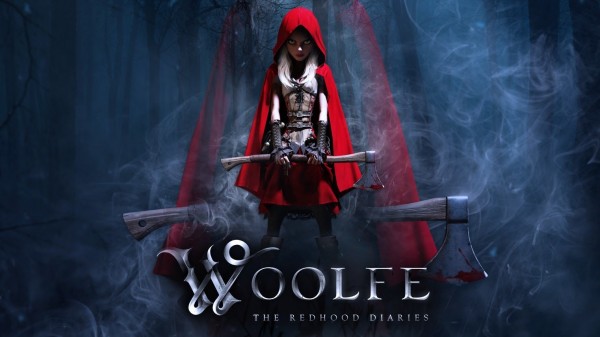
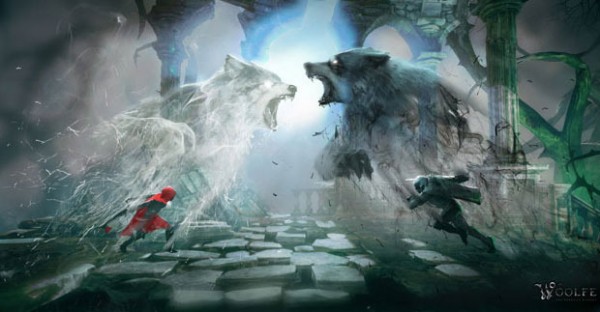
Game developers’s GriN has finally accomplished their Kickstarter crowdfunding target of $50,000. The project they can now can get underway is the amazing title, Woolfe: The Red Hood Diaries. It is a highly cinematic platform game that packed with dramatic action, stunning characters, beautiful art and dark twists.
As a celebration for their reaching the target, GriN is providing a new reward for every single backer of their project, which is a Woolfe: The Red Hood Diaries tabletop fantasy RPG. Fans will be able to download it as a digital PDF so they can continue the adventures of Red Riding Hood offline. GriN will be revealing more details on the tabletop RPG in the coming weeks. Also, there will be extra physical add-ons to an already impressive roster of digital rewards, including a poster pack, an 80-page hardcover art book, a boxed copy of the game, a soundtrack and a deluxe 3D printed boxed copy of the game.
There is still a couple days left on their Kickstarter clock, though 100% of the target is complete. So for you interested readers, head over to GriN’s Kickstarter page and check out it out as there is still time to become a backer. This twisted fable of Little Red Riding Hood’s odyssey, from victim to badass heroine, will be available on PC, PS4, and Xbox One in 2015.
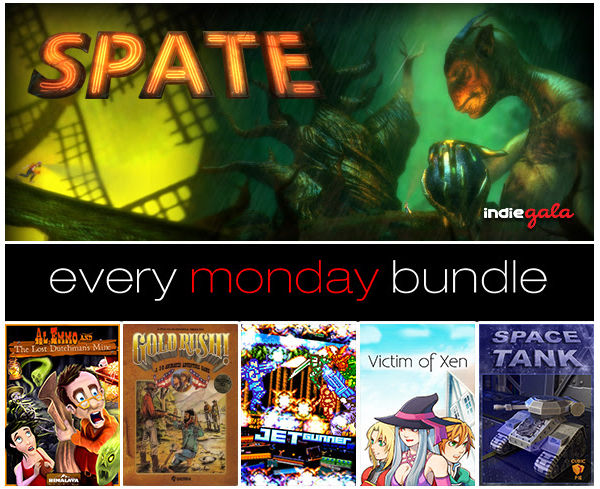
Not everyone can wear #23 like Michael Jordan. For those who can’t, Indie Gala and Capsule Computer’s Every Monday Bundle #23 is just the solution. For a single price, buyers will get six great indie games.
Victim of Xen– An RPG starring Will, a young man who has been turned into a girl. He is on a quest to reverse the spell cast by the royal witch Xen, but soon finds himself in the middle of a war.
Jet Gunner– Inspired by NES run and gunners like Contra, Jet Gunners features six stages, a challenge mode, and plenty of weapons shoot.
Al Emmo and the Lost Dutchman’s Mine– Al Emmo is a loser looking to prove to his parents that he is a real man by heading out to the Wild West to make his mark. His glory might just lay at the bottom of the Lost Dutchman’s Mine in this point and click adventure.
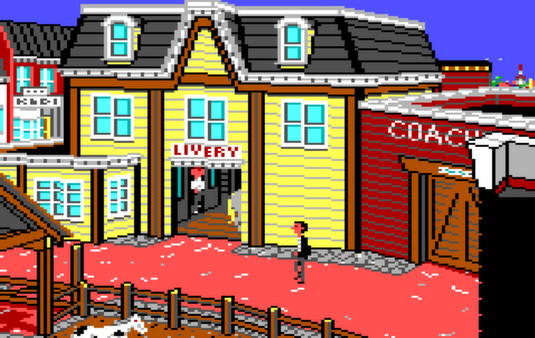
Gold Rush! Classic – This classic adventure is brought to modern PCs from the 1980s. Choose one of three possible routes for Jerrod Wilson as he travels from New York to California in time for the Gold Rush.
Spate– Former Disney artist Eric Provan explores the dark side in this trippy absinthe based platformer. The hero is an alcoholic detective looking to find some missing people in the X Zone while he drowns the pains of his past.
Space Tank– A 3d shoot ’em up set in space featuring 180 levels, 9 weapons, and plenty of enemies to destroy. Be sure to vote for the game on Steam Greenlight.
Grab your copy of the Every Monday Bundle #23 at Indie Gala before the price rises! The price is only $1.89 for the first 24 hours of the sale.
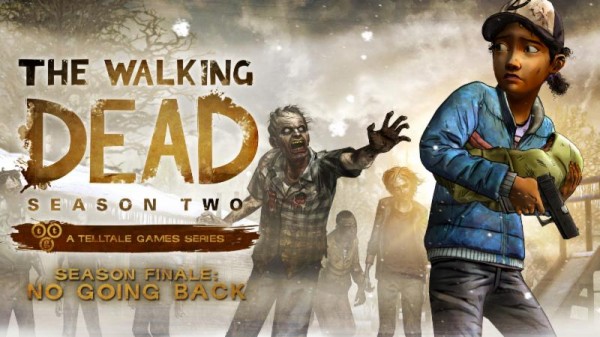
Overview Over the course of The Walking Dead Season Two Telltale Games has managed to tell a story with a very different tone than that of the first season. With the focus shifted from protecting a young girl as Lee, to surviving with a new set of strangers as Clementine, Season Two has managed to pull together an impressive story in its own right. However with No Going Back being the final episode, does the second season feature a fitting finale?
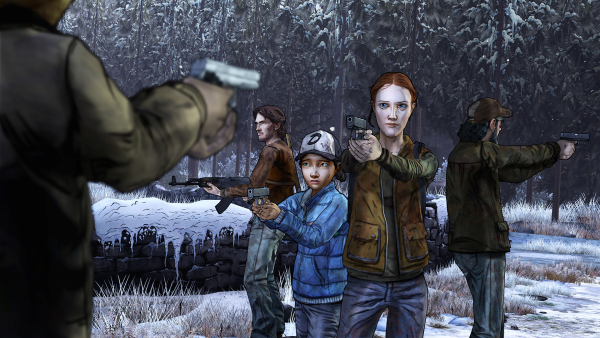
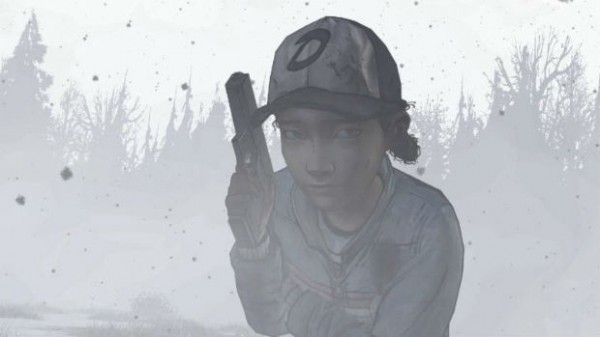
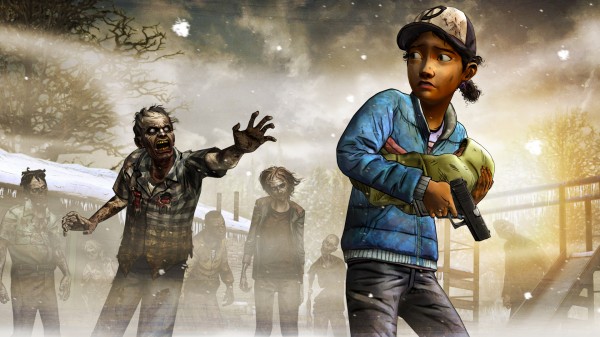
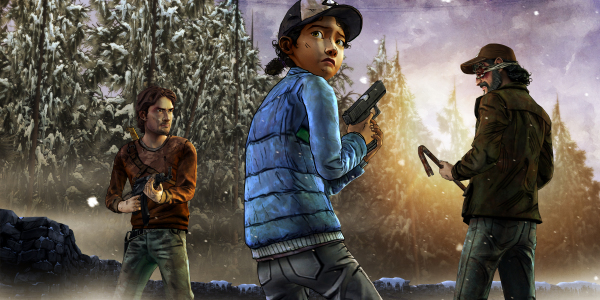
Story As mentioned in previous reviews, the following review will contain some minor spoilers for the events that happened in the most recent episodes, though the actual details of the story will be kept to a minimum. With that said No Going Back picks up immediately after the events of Amid the Ruins, meaning Clementine and her group are in the middle of a shootout.
Screenshot from “Amid the Ruins”
Right off the bat players are immediately forced to make decisions that involve the group’s survival and put Clementine’s safety at risk. However while the episode might start full of danger, it slows down to a crawling pace which feels strange considering the fact that this is the final episode that must wrap things up. While the story takes these slow moments to try and develop the fraying connections holding the group together, players are given very little reason to care about two of the members of the group which makes one certain event feel like a disappointment as well as a poignant betrayal.
Of course the fact that you can feel betrayed by a character does wonders for Telltale’s writing; it also lacks credibility, even if the splintering of the group has been hinted throughout the last few episodes. It is also interesting to note that while this is Clementine’s journey, the main focus has been Kenny’s descent into darkness. Players have watched the downfall of Kenny throughout the season and his interactions with the rest of the group bring things to a head, often making players have to decide between agreeing with Kenny, trying to help the group, or attempt to stay neutral.
Although the story may begin to drag in the middle and lacks a fair amount of the drama found in the first season’s ending, there are still twists to be had and emotions can run raw due to the various events that occur throughout the episode, especially during a certain sequence. At the same time though, many of these emotions come from other characters whereas Clementine simply seems like she is along for the ride as she listens to their problems.
That being said, the weight of these characters’ emotions plays heavily into expanding them in the final episode, allowing players one more look at what they are struggling with. Nowhere do they run higher than at the conclusion where three different endings, and variations of those endings, are presented to the player. In a way that is a far cry from the first season, each of these endings feels satisfying in its own right, even if the meaning behind each ending is quite sad, but it will be very interesting to see exactly where Telltale will go from here.
Gameplay It is interesting to see how Telltale has managed to take a very simplistic set of mechanics and evolve them over time to give certain actions extra meaning. While the core gameplay still remains the same, it is in this episode where the mechanic involving slow actions helps give a scene extra meaning as players tend to someone instead of simply clicking a button and watching events unfold.
As mentioned above, player choice does play a role in how events unfold in the final endings which is an improvement over the first season where the ending was the same, only the journey in the final episode was altered. This gives players a chance to really feel like they are forming Clementine’s personality and resolve as they choose how she will respond and what actions she will take when she is forced to decide.
It is also worth noting that the series’ standard Rewind feature is also a very nice feature considering the game’s multiple ending options. While players may wish to simply stick with the ending that they originally received because they went with their gut feelings, it really helps give players an option to not only alter the way they wish the story to end, but also find out what else might have happened if they chose a different option.
Visuals & Audio With winter closing in and snow blanketing everything, Telltale has chosen a different overall environment for players to navigate through but the standard comic book art style persists throughout No Going Back which continues to work wonders given the art style and the subtle emotions the developers can still draw from the characters.
Screenshot from “Amid the Ruins”
The voice work continues to be as impressive as ever, especially with tensions running as high as they do in this final episode, showing that Telltale has an eye for good voice actors.
Overall
By placing players in control of Clementine Telltale Games gave us a game with a tone far different from that of the first season and they have managed to tell a successful and different story with a satisfying set of endings. By building tension over the past few episodes and having it pay off with No Going Back, players are in for quite an emotional experience. Even though this finale has its high points and low points, it concludes with Telltale being placed in an interesting position as they have hooked an audience that will be waiting to see how and if things will continue in the next season.
Capsule Computers review guidelines can be found here.







 The game had two other resources which needed to be kept in check: the global terror track and the individual public opinion rating of each nation. The former would spell our doom if it got too high and the latter determined how much resources we would get each turn as our nation rallied behind our leadership or actively undermined it…