So with the start of the new year, it’s time for another season the cult classics with our good friends at In the House down at George Street cinemas. We’ve covered their screenings since 2014 (gosh, has it really been that long?) and we’ve consistently had a great time at their screenings. Besides screening some pretty awesome films, they’ve fostered a pretty cool community of film lovers who come to participate in the pre-screening chat with their charming hosts. It’s been a pleasure to see this community grow over the years and we look forward to see how it gets even better… but without further a do, here’s the list of the films they’re screening this season:
2nd February
16th February
2nd March
16th March
30th March
13th April
4th May
18th May
1st June
Good Morning Vietnam (1987)
Raising Arizona (1987)
The Right Stuff (1983)
Tron (1982)
The Neverending Story (1984)
Rosemary’s Baby (1968)
The Shawshank Redemption (1994) The Abyss (1989) Starship Troopers (1997)
Once Upon A Time in America (1984)
Hopefully you can find yourself to a screening for something which interests you. I found that my two favourites last season was the creepy duo of Pan’s Labyrinth and Poltergeist. This season, I personally am looking forward to seeing the Shawshank Redemption later in May (but I’m sure I’ll find some new favourites in this season) so keep your eyes peeled for a certain long-haired film reviewer and give them a friendly wave!
You can find tickets for all their film screenings here and read more about our film opinions here.
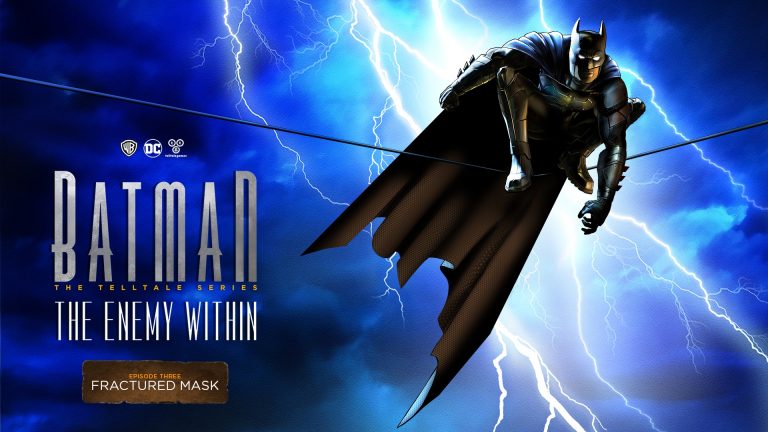
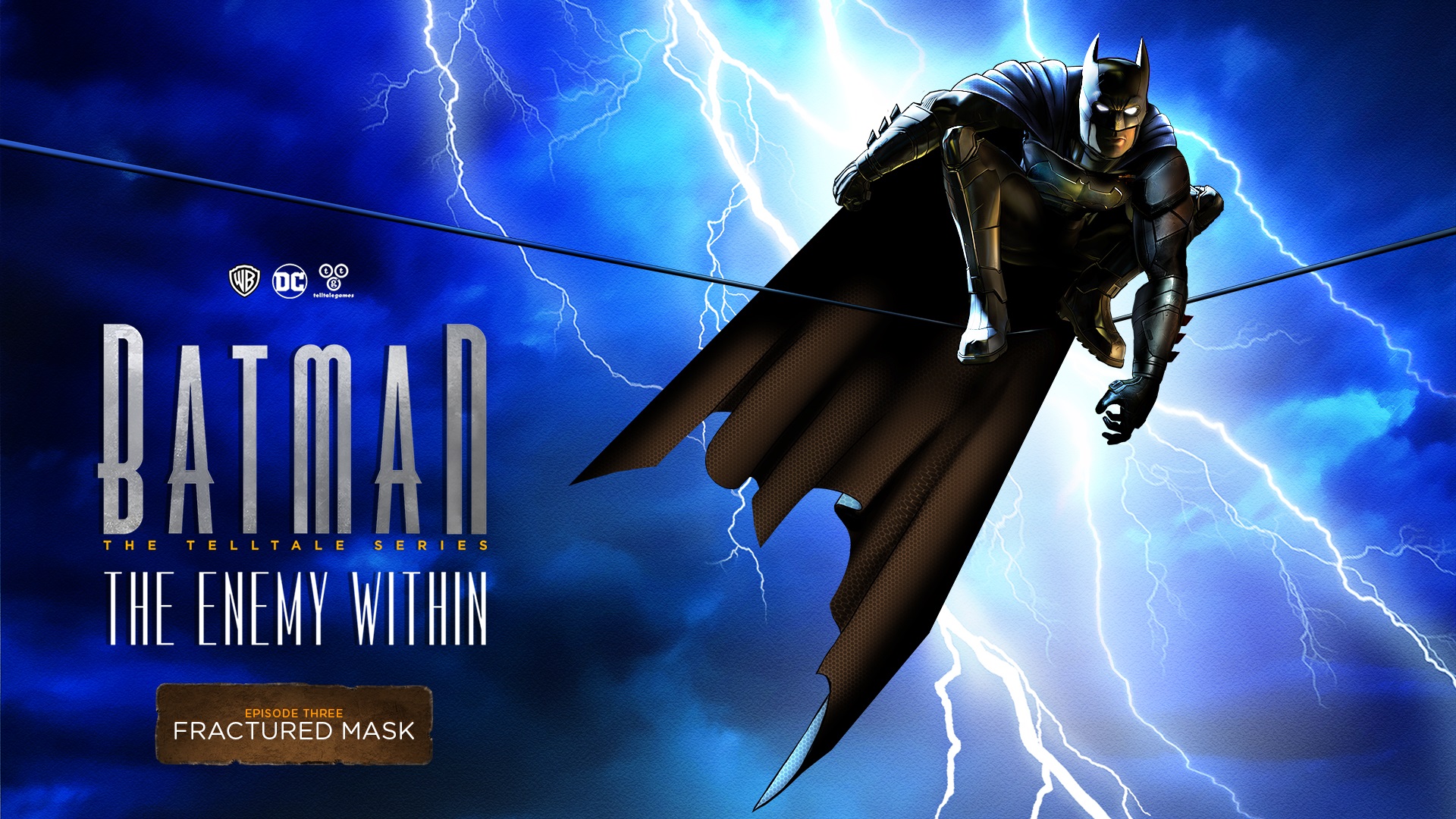
Perhaps one of the biggest strengths that Telltale Games has to work with in Batman: The Enemy Within is the fact that they have created a storyline where Bruce Wayne and Batman have equal impact on the storyline whereas other stories focus primarily on Batman. This is far more evident in this second season and continues to be the case with Batman: The Enemy Within – Fractured Mask as most of what threatens Gotham requires a far different approach than what the Bat often takes.
Story
With this being the third episode of Batman: The Enemy Within those who read beyond this point should expect there to be spoilers regarding certain twists and reveals that have occurred throughout the season thus far. As such if you have yet to play the season yet, be prepared for some major events to be discussed.
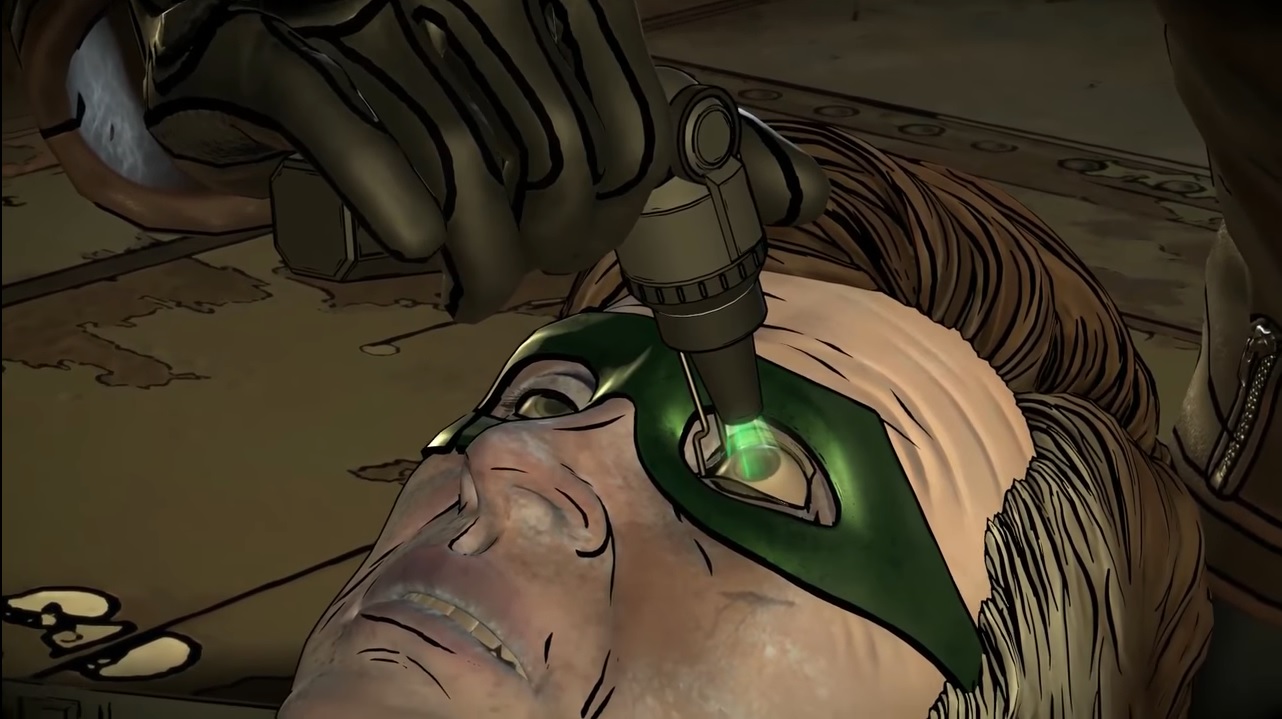
When we last left Bruce he and the Pact had just managed to pull off a heist with the reward surprisingly being the Riddler’s body in a frozen container. To make things even more shocking, Catwoman also dropped in on the group to reveal that she has ties to the Pact as well. This episode begins immediately after both of these reveals with Catwoman revealing that she is helping the Pact develop special goggles that will help the criminal gang continue Riddler’s plan despite his untimely demise.
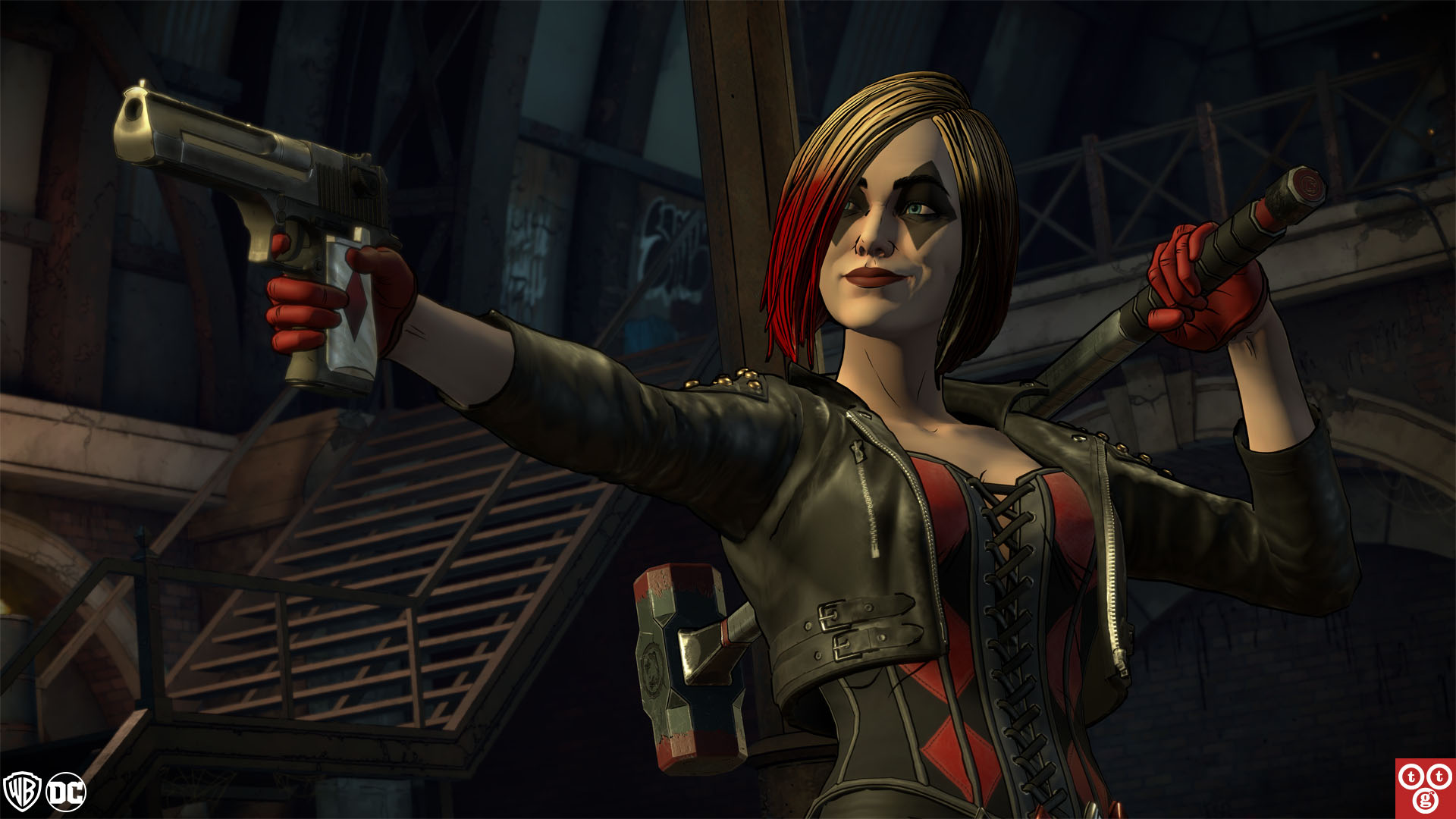
The big problem is that Harley Quinn doesn’t really know what the true goal for Riddler’s plan was and this makes things quite difficult regarding Bruce and the Agency’s plan to stop them. As such it is up to Bruce, John Doe, and Catwoman to work behind Freeze and Bane’s backs to uncover the target of Riddler’s heist. Of course with a mixture of Catwoman and Bruce trying to keep their past and true motives a secret and the tenuous relations tying together a band of villains such as the Pact, nothing is ever easy.
It doesn’t take long in this episode before Bruce and Catwoman can begin catching up with one another ever since she disappeared back near the end of the first season. Players can continue to play the game of “cat and bat” if they so choose as pursuing a relationship with Selena is still entirely viable though she has her own reasons for interacting with these criminals and isn’t going to put her feelings ahead of learning what changed Riddler from the man she knew into the psycho that died on the boat in the first episode.
In fact, much of what makes Fractured Mask interesting isn’t the slow advancement of the plot as we learn the location and objective of the heist but Bruce’s interactions with all of those around him. Not only are we given a brief showing of Detective Bullock for fans of the series, we are also given chances to interact with Tiffany, deal with Gordon as both Batman and Bruce, and continue to try to see just how far John is willing to go for his “best friend” Bruce. In many of these regards we see these relationships developing in a fashion that players finally want to see, with Tiffany being the most obvious but also the most welcoming interaction should players take that route.
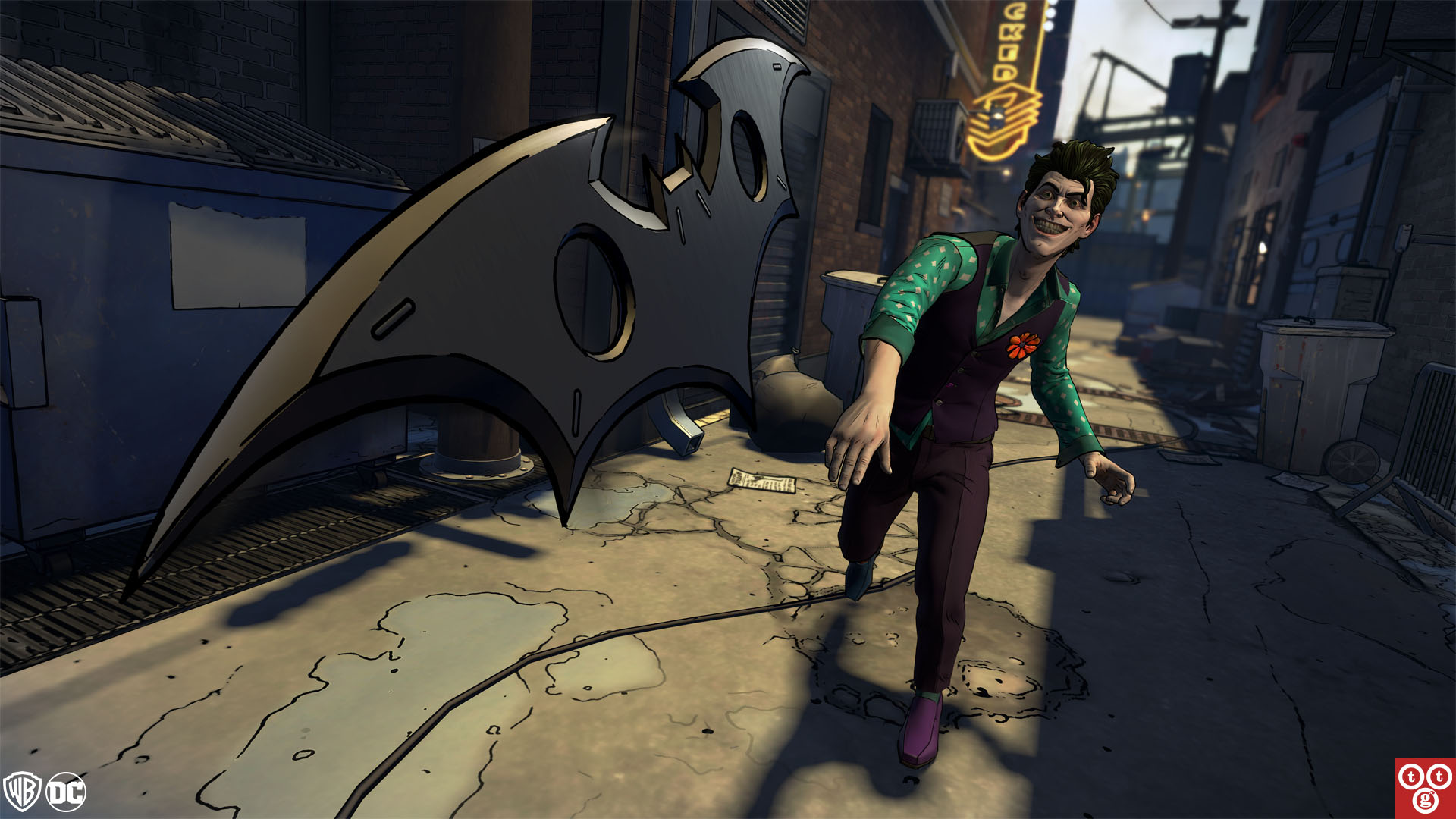
As for Gordon we see his constant struggles against the threats in Gotham weighing on his shoulders with the Agency holding him back at every turn, leading to some frustrating developments regarding his opinions of Bruce. John on the other hand continues to delight as a character so close to the fringe that he remains completely unpredictable. Depending on your choices this episode players can interact with him in a variety of ways that may vary from another’s play through making for a unique enough experience.
Gameplay
With this episode we see actually very little in the way of exploration or choices that allow you to tackle a situation as either Bruce or Batman. Instead we have an episode that features a great mixture of combat and dialogue sequences. It is worth noting that there is a bit of a puzzle included in this episode but it is incredibly simplistic in nature and something of a disappointment since it is the last one left to the world by Riddler.
One thing that also really stands out this episode is how varied certain events can be depending on the choices you make. Whether you choose to trust Catwoman or John and select various other dialogue choices throughout the story can add or remove complete parts of an episode, leaving players a real chance to see just how different things can play out from one another depending on what they chose.
Visuals & Audio
As per usual with Telltale’s take on Batman the action sequences are choreographed to look amazing in motion, this is especially true for the few fights that you may or may not have with Catwoman. On the downside of things we see very little in the way of new areas in this episode meaning that those looking to see new areas of Gotham will be a bit disappointed.
The voice work for the cast of characters remains strong with all of the voice actors handling their roles well enough, though John really continues to stand out as his personality continues to shift ever closer to who fans know he may become.
Overall
Batman: The Enemy Within – Fractured Mask may not advance the core storyline a whole lot and does end rather abruptly but it does focus on one of the most interesting aspects of a Telltale game, the web of relationships that have been built around the main character. In this game, with both Bruce and Batman having different complications as they interact with characters, this element is at its best and exploring these relationships and seeing these characters develop makes for an interesting story no matter how little it is advanced.
When releasing Minecraft: Story Mode’s first season the developers had managed to already wrap up the core storyline and use the final episode to lead into what would eventually be a three episode season of side-stories. With this second season however we have the fifth episode, Above and Beyond, continuing the battle between Jesse and the Admin. Can this final episode wrap things up nicely or does it fall flat after a difficult season?
Story
Considering this is the final episode of Minecraft: Story Mode Season 2 those who wish to continue reading past this point should expect various details and reveals over the course of the season to be discussed so if you have yet to play through the season so far, be wary of various spoilers below, though it is worth noting that major events for this episode will be kept to a minimum.
When we last saw Jesse and the gang they had just managed to escape from the blighted realm that was left behind by Romeo when he went crazy with his new Admin powers. No matter who you managed to bring with you through the portal back to Jesse’s normal world, the group navigates secret tunnels in an effort to return to the newly reformed Beacontown only to witness the drastic changes that it has undergone since the Admin took over while posing as Jesse.
It isn’t long before Jesse manages to come up with a plan that, with the help of his new friends as well as the returning Axel and Olivia, will hopefully allow the group to make use of the information they worked so hard to obtain and remove the Admin’s special powers once and for all. Of course, with everyone except his close friends believing Jesse has turned evil, things aren’t likely to work out as easily as they would hope, especially once the Admin catches wind of their presence.
By bringing the location of the story full circle players are given an immediate look at just how cruel things can be under the rule of the Admin’s thumb when comparing the celebration held at the start focusing freedom and unity that helped create Beacontown and the one held by the Admin that focuses solely on narcissism. Where people once cheered they now cower in fear or put on fake smiles in fear of being punished by “Jesse.”
There are numerous smaller decisions to make throughout this episode though the flow of the story progresses at a predictable pace with very little actually getting in the way of Jesse’s plans. In fact, even when it seems like something may go wrong it is simply forgotten about in an effort to move the plan without a single real hitch until the final confrontation against the Admin.
One thing that the writers of Minecraft: Story Mode Season 2 should be complimented for in this episode is constructing an incredibly satisfying final boss fight. Thanks to the Admin’s abilities players are brought to a number of different locations during the fight while also changing up their strategy every time the Admin assumes a form he previously took to either trick or mock Jesse and the group. It is worth noting that the majority of the choices you make this episode only play a smaller role, players are once again given a heavy decision to make that will change the finale depending on what you select.
On the other hand, the choices that you may have made over the past episodes are left to the wayside as numerous events occur that make past critical decisions meaningless. Through various “deus ex” style developments various companions that have been left behind return just in the nick of time to help out and have their story wrapped up. In the end though players will find that their ending can vary quite a bit from others depending on certain innocuous seeming decisions they may have made in the past, allowing for a unique enough experience that still comes to a satisfying end no matter how things play out.
Gameplay
Since this is the final episode the focus happens to be primarily on talking with characters and taking part in action sequences. There are a few puzzle elements here and there as well as a crafting sequence but for the most part you’ll simply be exploring and fighting in this episode since there are no free building sequences this time around. In fact, the final puzzle players are presented with can be a bit tricky thanks to the numerous ways you might try and solve it at first, so be prepared to try and fail a few times in this sequence.
Visuals & Audio
As previously mentioned, thanks to the game returning to Beacontown for the finale players are able to witness the stark contrast between the ruling styles of Jesse and the Admin as the design of the city and the overall feel of the world is drastically different in this episode and the developers have handled this section well. The aforementioned boss battle is also handled well enough with the designs of the Admin fluctuating perfectly to give players a feeling like they are finally dealing damage to a foe that once seemed insurmountable.
Through this finale players once again see a number of returning characters who have retained the voice actors they’ve been given since the start of the season while the soundtrack features a number of fitting tracks for the sequences that play out this episode.
Overall
While the journey to this ending may have been a rough one, Minecraft: Story Mode Season 2 comes to a satisfying ending with Above and Beyond. The weight of some past decisions are negated through poor plot development while others that may have seemed simple are given more impact than you may have guessed in the past as the story comes to a conclusion that feels like it could be a solid conclusion to Minecraft: Story Mode as a whole.
With many highs and only a few low points throughout the series so far, Minecraft: Story Mode Season 2 has ended up becoming more of a run of the mill storyline after an exciting start. Now with the penultimate episode released and the finale right around the corner, can the story pull itself out of its lackluster rut and develop into something interesting in Minecraft: Story Mode Season 2 – Below the Bedrock?
Story
Since the story for Minecraft: Story Mode Season 2 – Below the Bedrock continues right after the events from Jailhouse Block it is worth finishing the previous episodes before continuing to read this review as various events and twists from previous episodes will be discussed from here on out.
After managing to escape from the Admin’s “Sunshine Institute” where all enemies or people he loses interest in end up being sequestered away, Jesse and the gang, now accompanied by the former friend of the Admin, Xara, and the rest of the group that was once separated from them. Unfortunately for them, the way back home isn’t as simple as simply escaping as they have now stumbled upon a forgotten realm that the Admin once called home before moving on to better things and leaving the world to fall into disarray.
This leads to not only the group facing off against a giant enderman but dealing with inhabitants that haven’t seen a normal world in quite some time. Add to this the fact that Xara has a lot of history in this realm and a significant story to tell and the world beneath the bedrock becomes one filled with danger but also one that may hold the key to putting a stop to the Admin once and for all.
After the previous episode left players feeling like they were simply going through the motions in an effort to pad the runtime of the series, Minecraft: Story Mode Season 2 – Below the Bedrock manages to advance the story just enough to keep players interested in seeing just how things will come to a conclusion while also providing us with plenty of information about the past that is shared between the Admin, Xara, and another one of their friends who has since fallen prey to the Admin’s plots.
Not only does the core storyline gain some satisfying development and forward progression but the characters also see a nice amount of interaction as well. Petra and Radar continue to develop throughout this episode with Petra continuing to struggle with her place in the world and how Jesse will end up fitting into things once the Admin has been defeated and Radar trying to prove that he is capable of handling himself and taking the lead if need be. In fact, even a familiar face makes a reappearance that is handled as something of a short but fun cameo.
There is a satisfying balance between seriousness and light-hearted comedy here in Below the Bedrock though this is primarily due to the fact that the stakes never seem to be too high, even when it appears that a character is in mortal danger since, at worst, all they’ll do is disappear for a short time. One thing that this episode does feature in spades is action as the developers have really dialed that feature up this time as not only do players do battle with a hoard of enemies at one point but they also must face off against a puzzle style boss.
Gameplay
Although the action points are the most exciting elements, the majority of this episode still revolves around Jesse talking with his allies as well as the characters he meets while exploring this abandoned world. The free building segments are doubled up this time around so if you happen to appreciate creating a unique design then you are given twice as many chances to do so this time around, though if you happen to construct absolutely nothing, the game is fine with that as well.
Back to those action scenes though, we have the exciting feeling battle against a large fire spewing opponent that requires the player to not only dodge incoming flames but oversized attacks while trying to lure the creature onto switches that will lead to its defeat. This combination of puzzle and boss fight makes for a satisfying combination in a game like this. As for the other battle against the hoard, players will need to keep Jesse on a swivel to avoid being swarmed by opponents, though this also may lead to a glitch as well. In my time with this battle I saw two instances where, no matter how long the fight lasted, the enemies continued to arrive even when the battlefield had been cleared, leading to a death being the only way to restart.
Visuals & Audio
Since the design this time around happens to be a forgotten world fallen into disarray the developers have managed to craft some interesting looking places for players to travel through, even if everything has a “doomsday red” tint to it. Thankfully the aforementioned action sequences are designed to look impressive though it would be nice to see a bit of extra variation with some enemies outside of just making them extra-large.
The voice work through this episode continues to impress as the actors handle their roles in fitting fashion and the soundtrack is also on par with what players have come to expect from the series.
Overall
After a middling middle episode Minecraft: Story Mode Season 2 manages to pull itself together to deliver a satisfying penultimate episode with Below the Bedrock. With interesting action pieces and solid story development and pacing, this episode feels like something of a return to form for the series. Let’s just hope that this improvement in quality holds together for the finale.
There comes a point in a game’s storyline where the player is hoping to see some real stakes being raised and threat to either their own character or those that they have grown to care about and although that threat became a reality in the previous episode of Minecraft: Story Mode Season 2, an oddly set pace hampered this feeling. So now that Minecraft: Story Mode Season 2 – Jailhouse Block has arrived, does the story begin to raise the stakes even further?
Story
As the story of Minecraft: Story Mode Season 2 – Jailhouse Block continues immediately after the events of Giant Consequences it is highly recommended that readers play the previous episodes in the season before continuing on as various events and twists will be discussed below.
When we last left our heroes Jesse and the rest of the gang were in an incredibly bad way. Not only was it revealed that the Admin had infiltrated their ranks, meaning that Jack’s friend had indeed died, but thanks to Jesse’s actions the group has fallen out of favor with the Admin. Choosing a new “champion” depending on who the player chose to act on their own in the previous episode, Jesse and the rest of the group are sent to a prison where all those who disappoint the admin are sent to suffer.
Designated as the “Sunshine Institute” Jesse soon learns that no matter how skilled you might be in combat, there is only so much you can do when an entire system has been built to keep you in line. Locked away with the rest of his friends, it is up to Jesse’s puzzle solving skills and habit of getting on the nerves of others to find a way out of this predicament, even if it means teaming up with someone known only as “Prisoner X” to do so.
For the most part Minecraft: Story Mode Season 2 wants to try and tell an intriguing storyline and give players insight into what makes the Admin the way he is, but it ends up falling flat in this regard. This is primarily due to the fact that, while varied in the different steps that players have to advance to make their way through the prison and try to escape, the majority of this episode feels like nothing more than padding. The majority of the prisoners that are introduced seem interesting on the surface but are little more than one-off appearances as players quickly are moved from one layer of the prison to another.
In fact one location is kept to such a minimum level of interaction that even if you try to interact with others, you gain absolutely nothing out of it other than a couple of odd bits of dialogue that help add a bit of detail to how cruel this prison can be, but nothing else. Even the choices that players can make throughout the episode are kept almost entirely inconsequential in nature until the end of course, then players are once again given perhaps one of the most difficult decisions they have had to make so far, since it actually has real consequences for the first time this season.
A few things make up for the lackluster nature of this episode, one being aforementioned choice, and another happens to be just how interesting Jesse can be when dealing with authority. Players can choose to try and stay in line while talking with the various authority figures in the prison and dealing with the Admin or you can completely buck authority if you so choose. It also helps that players do end up learning some of the history of the Admin and continue to see him devolve from being an all-powerful being to something more comparable to a petulant child.
Gameplay
A large majority of this episode takes place through dialogue trees where Jesse will talk through problems with other prisoners and his allies but there are also a couple of other little bits added in as well, such as the usual free building segment, and plenty of quick time based combat sequences.
These combat sequences really take things up a notch as not only are these fights quite interesting to watch unfold, they are varied enough to keep things fun. There is even an auto-running combat sequence against a giant boss that really raise the tension of Jesse’s escape efforts.
Visuals & Audio
Unfortunately thanks to the nature of this episode taking part inside of a prison, there is a large lack of interesting structures to witness. There is some variety to see here as players are ushered through the prison layers but for the most part the aesthetics here remain various shades of gray and orange as lava is used quite frequently here. While a fitting design choice for the episode, the lack of color and unique designs are disappointing.
Accompanying this episode are a number of new pieces of background music that sound great for the theme of this episode and work really well for the combat sequences while the voice cast continues to be as impressive as ever when it comes to handling their roles.
Overall
Although there is a huge choice to be made and some of the combat sequences are quite thrilling, Minecraft: Story Mode Season 2 – Jailhouse Block feels like the most padded episode of the entire season. Perhaps thanks to the nature of being the mid-point of the season the developers chose to take things slow and give us only a bit of information to keep things exciting for the last two episodes but in the end this leaves this episode as being one of the worst this season.
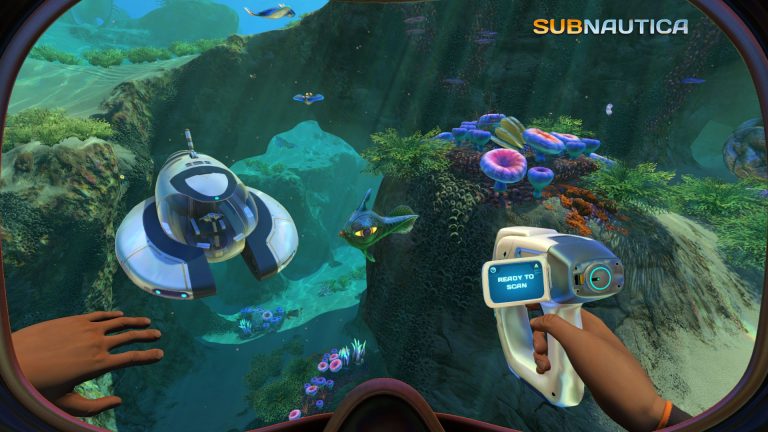
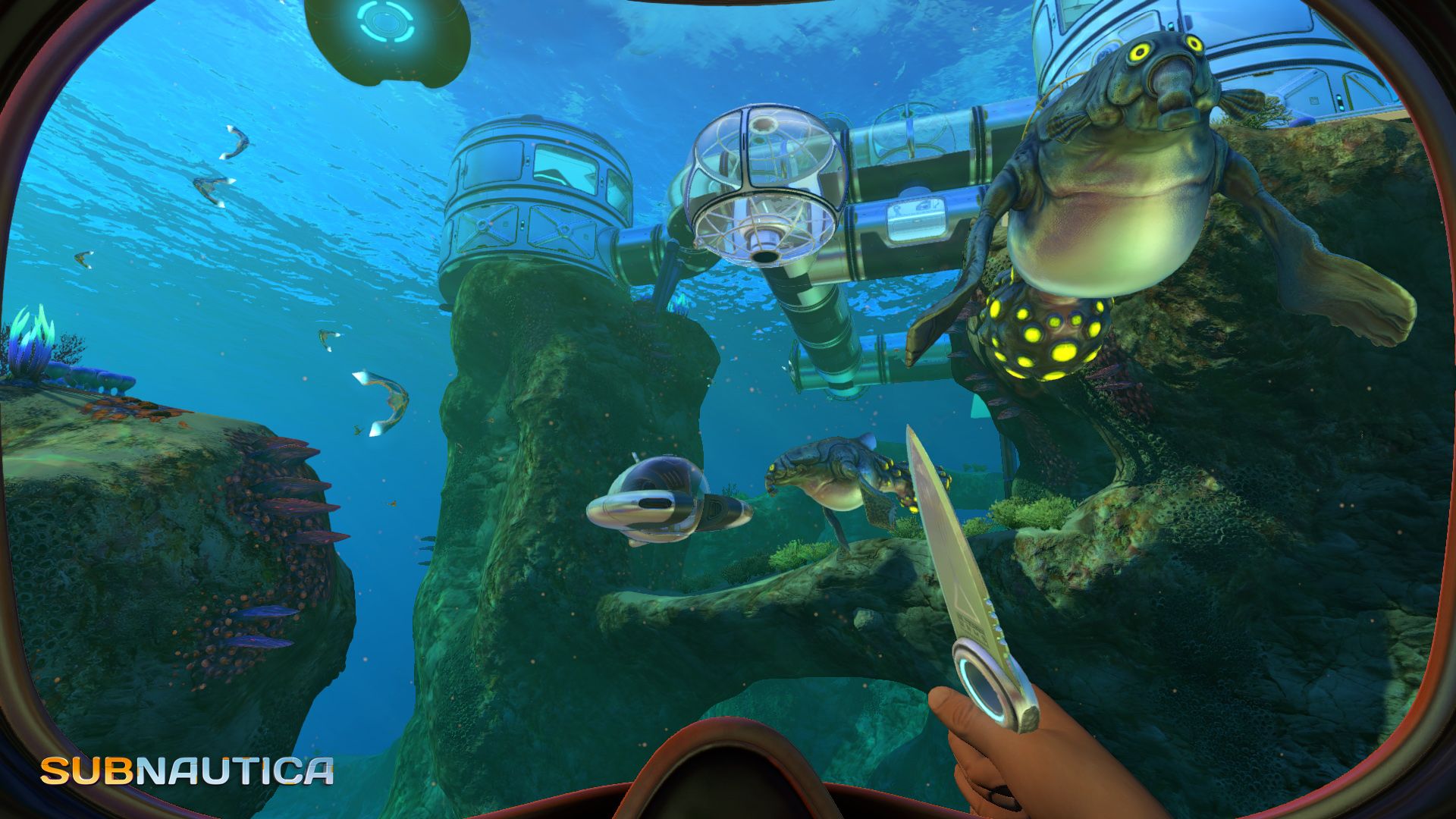
Unknown Worlds brought Subnautica out of Steam Early Access today. The full release addressed more bugs and adds content to cap off the game’s story.
Xbox One players received the same 1.0 update as Steam users, but Unknown Worlds announced they will be keeping Subnautica in Xbox Game Preview for a little longer. Currently, the developers are unhappy with the game’s performance on Xbox One and will be spending the coming weeks optimizing the Xbox One version.
Subnautica is a survival game set underwater on an alien planet covered in oceans. Starting with only a small Life Pod designed for emergencies, players will need scavenge the oceans depths for resources as they contend with standard survival game challenges, like hostile wildlife, and challenges specific to the ocean setting, like depth related pressure and a constant battle for oxygen. Along the way, players will discover the planet’s history and uncover the mystery locked within its ocean.
Subnautica is available now on Steam for $24.99 USD; however, the game is on sale as part of the launch promotion for $22.49 USD until January 30.
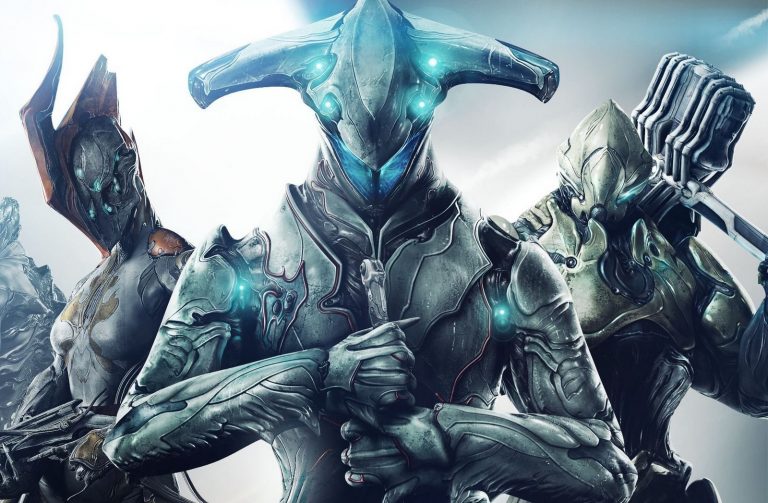
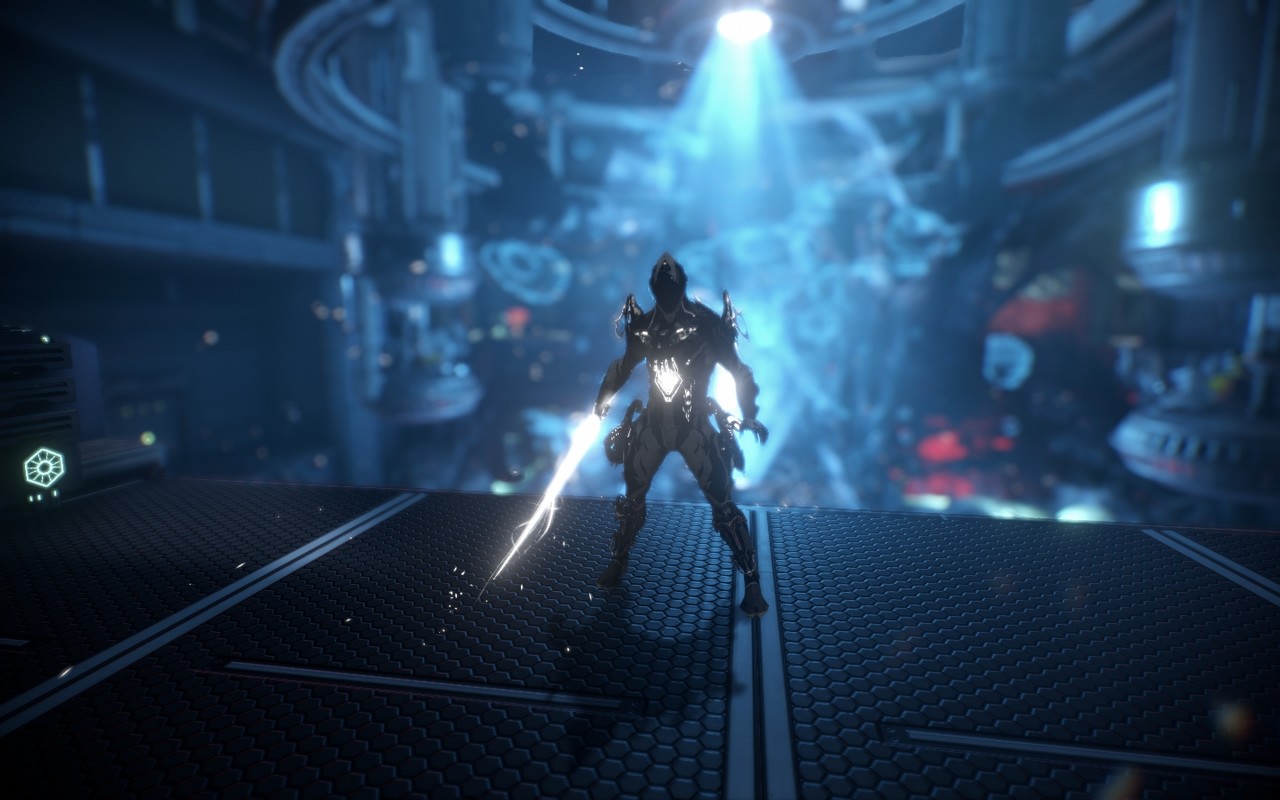
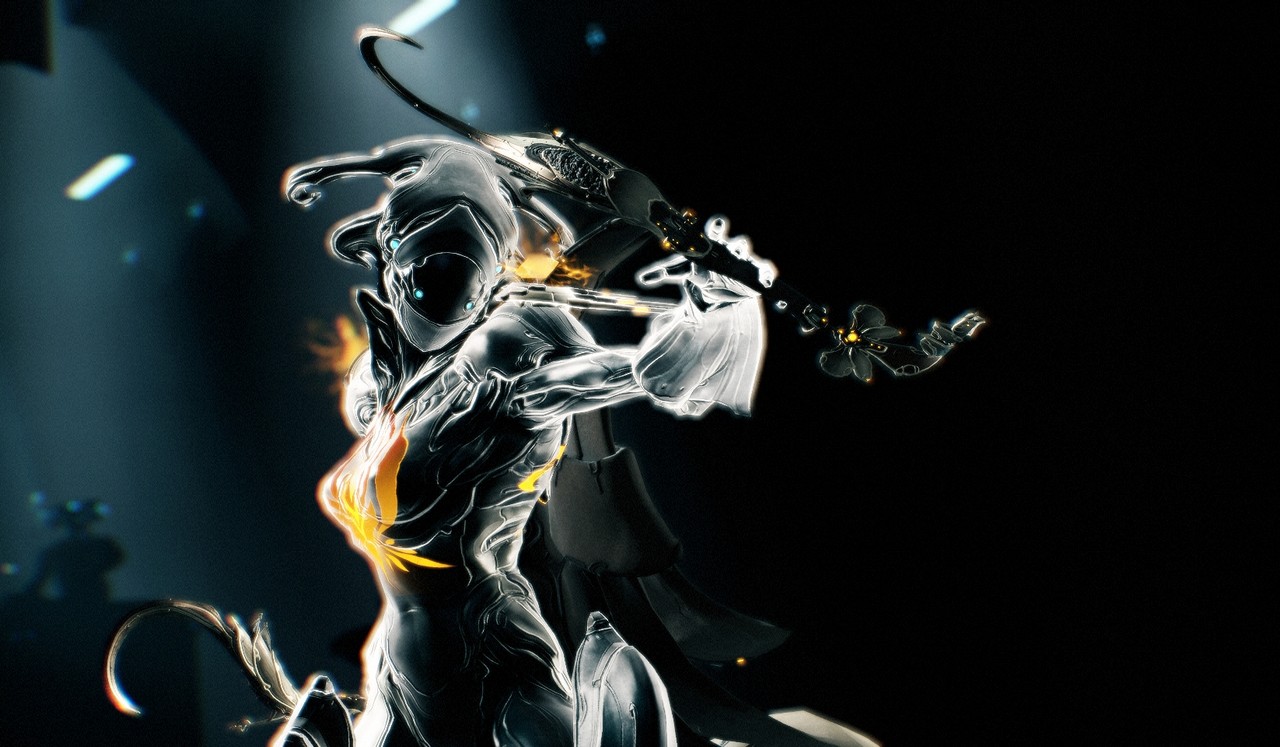
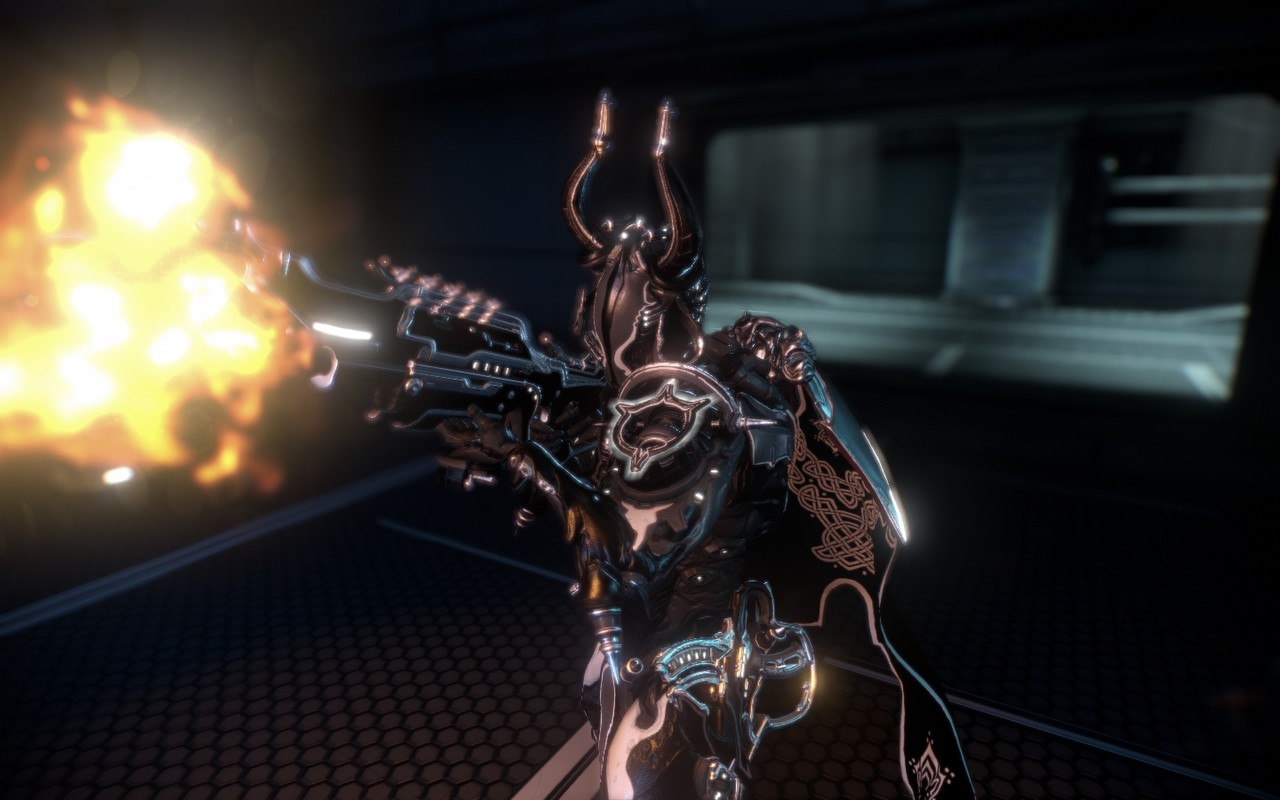
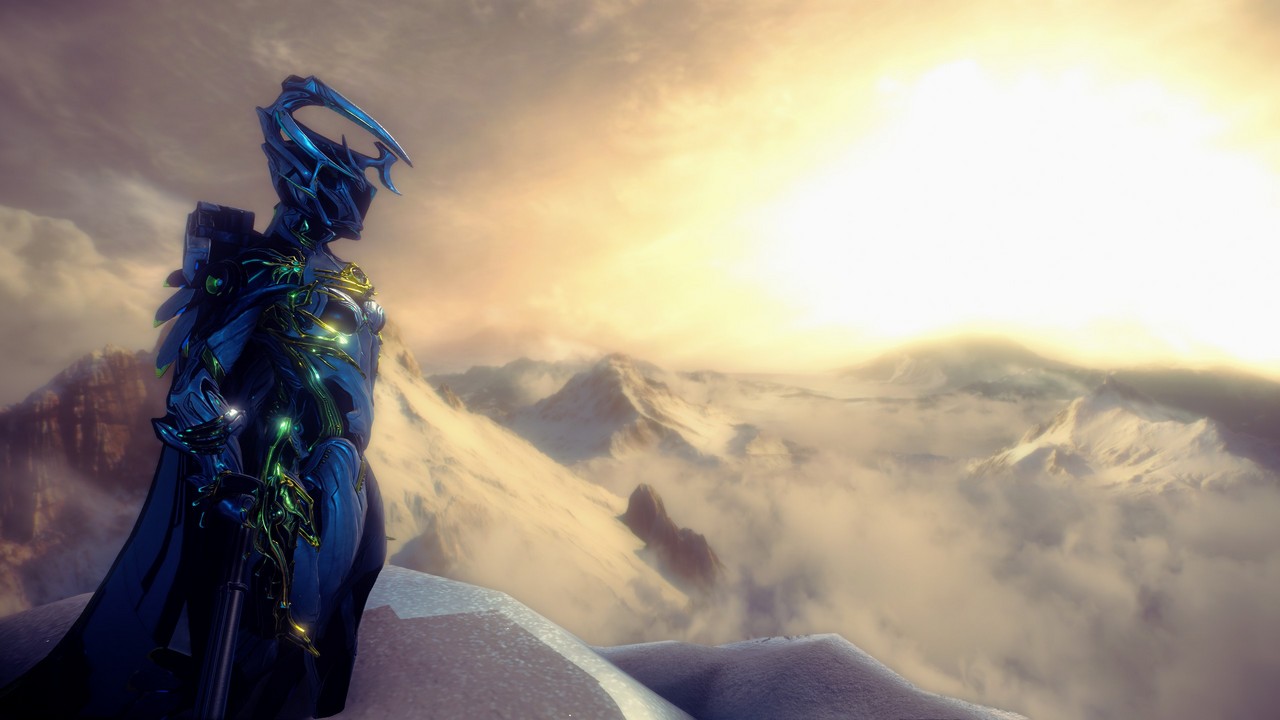
My first trip to Warframe wasn’t exactly one of those love-at-first-sight moments. I downloaded it back in 2013 once I heard game would be updated on Steam with achievements (yes, I’m that cheap). It was an informational mess. The game had something called Void keys, the UI was chaotic and I had no idea what was I supposed to do in missions. So I got a bunch of achievements and called it quits. Then in July last year I found out that Warframe would soon receive free a roam map in Plains of Eidolon update, ability to craft your melee weapons and a bunch of other things. I figured, let’s see what else is new since the last time I played it. Short answer: a whole lot. Long answer: a whoooooooooole lot. But on a serious note, I found a different and vastly improved game. The void keys are gone, the game looks prettier and runs better, the UI is not so confusing anymore and it was easier to get a grasp of what to do now. Everything was more user-friendly. No need to look for answers on Warframe wiki. Overall the game felt less linear since the last time I played it. I had a big choice of story quests to pick from, along with locations and weapons to unlock. First Warframe encounter in 2013 lasted no more than a couple of hours and ever since my redownload of the game in July, I’m well over 800 hours of playtime. I’m also close to owning (read: hoarding) 6000 games on Steam so lack of new games to play is something I’m unfamiliar with. The fact that one f2p game managed to draw me into spending so many hours in a such a short time should give you a hint of how enjoyable, immersive and fun it is. Yet, underneath all that, there is a bigger story here. Something I felt it was deserving of a lengthy article. Despite being a free-to-play game, at no point in my journey was I met with offers of buying an exp booster, a money booster or a loot box that would give me give me a small chance for a legendary, stat-boosting, rainbow-colored mount. In the wake of the recent controversy with loot boxes, microtransactions and devs/publishers trying to milk every nickel and dime from us here is something uplifting to read for a change. This is the story about the good people from Digital Extremes and how they got the free-to-play model right.
Let me Tenno you a story
I’d like to say I hit my pun quota with the line above, but that would be a lie. Either way, a story is needed. I can’t just say that “the game is good” (even though it really is) and leave it at that. We need some background on who, where and how you kill. In Warframe, we play as one of the Tenno, an ancient race of warriors awaken from cryosleep to find themselves in the battle with Grineer, Corpus, and Infested. Grineer is a faction made of the worn-out human clones, great in numbers and controlled by a matriarchal entity known as Twin Queens. On the other hand, Corpus is an advanced mega-corporation driven entirely by profit and greed. Lastly, we have Infested, disfigured and monstrous victims of the Technocyte virus ready to feel the sharpness of our blades. You will encounter some new enemies down the line, either through story quests, doing planet nodes (aka missions) or through the Plains of Eidolon area. Mentioning the rest of the enemies would count as huge story spoilers so I’ll just leave it for you to discover. One thing I have to recommend is to play the Second Dream quest once you get the hang of the game since it has one of the best plot twists I’ve experienced in games lately and turns the whole lore of Warframe upside down.
What’s cooler than being a ninja? A space ninja, of course!
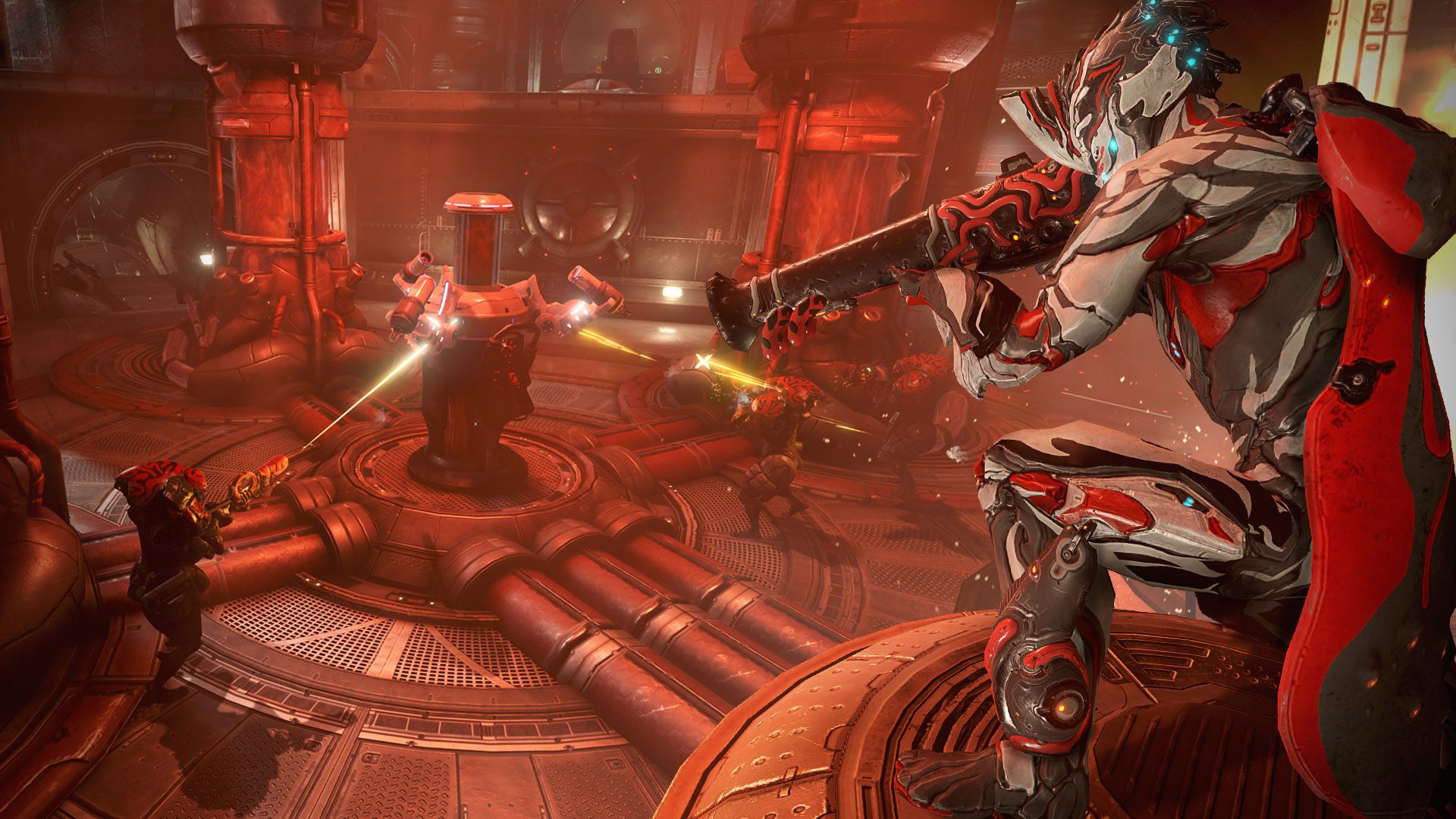
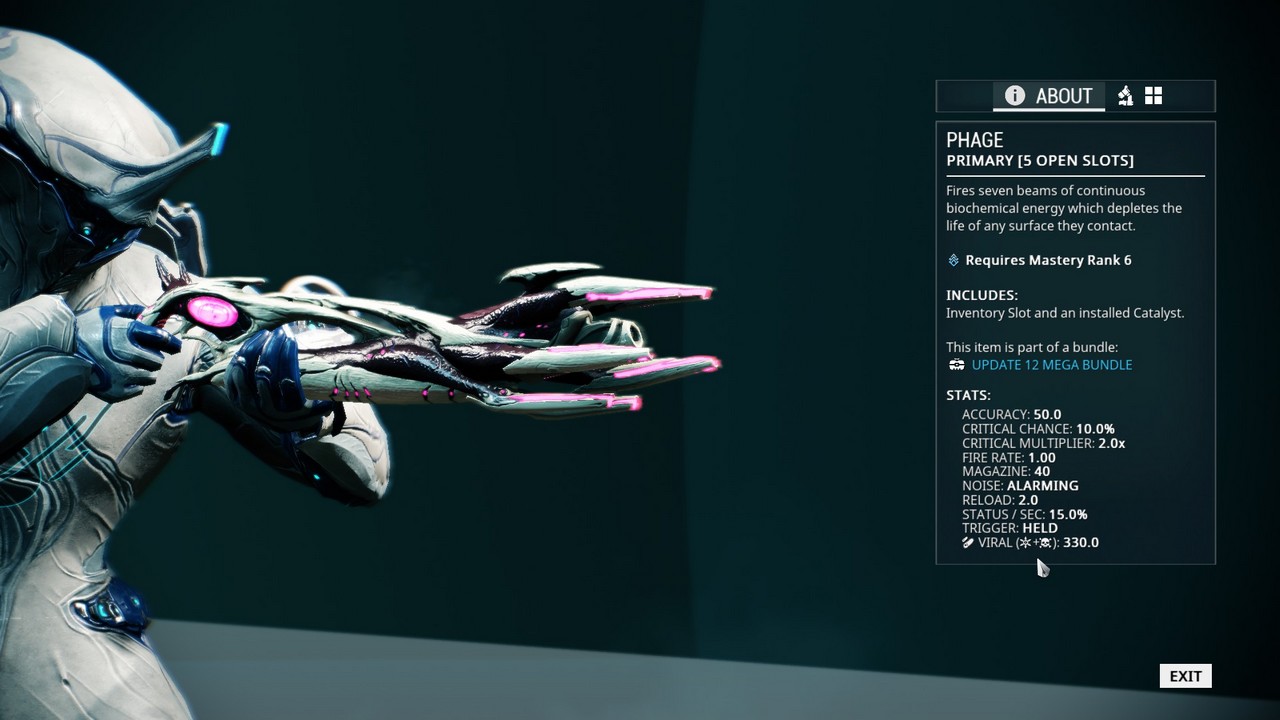
Warframe‘s slogan is “ninjas play free” and it’s not just there to sound cool. One of the best things about mowing down small armies of Grineer, Corpus or Infested enemies is the freedom of movement. Your battle suit, also known as “Warframe“, possesses a good number of offensive and defensive abilities, along with enhanced strength and speed. On top of that, you also have a huge arsenal of primary, secondary and melee weapons to choose from. The end result is you being an unstoppable force of destruction and creating some remarkable moments that would put Michael Bay to shame. There is nothing cooler than launching myself high up, landing a couple of headshots with my Lex Prime before dive bombing into a group of Grineer soldiers. My choice of Warframe is usually Zephyr for her improved mobility but there are dozens of others, spicing up the gameplay in their own way. In other words, it is pretty hard to reach the endgame here considering the available combinations of weapons and Warframes. Also, with this being a free-to-play game, new content is constantly added. After all, it is the lifeline of every MMO and keeps the player base alive.
Shut up and……don’t take my money?
Since we’re this far into the article there is one lingering question in the mind of every reader. What is the catch? It is a free-to-play game, but nowadays that could mean that only registering an account is free and you have to pay for everything else. So do I pay for Warframes? Instant max level scroll? A potion to instakill all enemies on the map? Weapons are free but they charge me for bullets? The truth is, there is a lot of stuff you can buy in Warframe with real money. Warframes, weapons, crafting materials even. But here is the thing – every one of those can be earned or found just by playing the game. They even let you trade in game stuff for platinum with other players and vice versa, which is something not many f2p games allow you. Strange but a clever move that keeps nothing behind a paywall. A healthy trading economy like this is a key to a large player count. As of writing this, Warframe on PC is always seen on the chart of top ten played games on Steam, being a competition to the majority of the paid ones. There is an improved version of certain weapons and Warframes known as “prime” but here is the plot twist – even those can be earned, crafted and traded from other players in the game. And it doesn’t include investing an insane number of hours, grinding away while living on fast food and hoarding pee bottles next to your PC. Make no mistake, the grind is there but Digital Extremes found a way to make it an exciting part of the game and dare I say it- fun? Here is how it works: every Warframe and a weapon can be raised to level 30, after which is seen as “mastered”. You raise mastery through affinity, which is gained via killing enemies and completing objectives (so yeah, another word for exp). Raising mastery to high enough level will eventually give you a chance to undergo a mastery trial for your space ninja. It puts everything you learned to the test and upon completion, it opens up the access to the new locations, quests and weapons. Despite its large arsenal, none of the weapons seem slightly different than the other. Each has a different look, fire rate, recoil, handling and works best on certain enemies.
At this point, the next question would be “well, who pays for anything?” If nothing is behind a paywall and everything can be obtained just by playing, where is the incentive to spend real money here? Well, I can’t speak for the rest of the player base but in my case, that would be….gratitude. If I buy an AAA game and get a good number of hours from it ranging from 15 to 20 and more, it was money well spent. What to say about a game that costs nothing and the gameplay sucks you in for 800 hours and more. The common decency dictates that something should be given back as a way of supporting the developers and showing gratitude. I’m a member of a Warframe clan called Ascending Dragons and for Christmas, we had a Secret Santa event there where we would gift some bought Warframe cosmetics and weapons to each other. Recently Digital Extremes also ran a Tennobaum event where every in-game gift you give to someone else would be towards increasing a donation to the Children’s Health Foundation. Pretty noble cause. So I stalked a region chat there for a couple of days and randomly selected another player to send them something nice.
In my opinion, these are the foundations necessary for a stable economic system in every MMO:
Make sure that everything can also be earned in game, not only bought.
If the grind is there, try to not make it a chore.
Try not to remind players all the time that they can spend real money (for me, it will have the opposite effect and only push me away from playing).
All of these can vary from an MMO to MMO, but in case of Warframe, there is one element that stands out and makes Digital Extremes unique in their approach: a close relationship with its community. Which brings me to the next point.
Every space ninja needs a Space Mom
Above sentence is something that makes zero sense on its own. Yet, in the context of Warframe, it needs no explanation. Space Mom is the “second name” of Rebecca Ford, Live Ops & Community Director of Warframe. Along with Megan Everett and Steve Sinclair, they’re the faces of Warframe during the frequent Prime Time and Dev streams on Twitch. The involvement doesn’t stop there. They’re often seen lurking (and commenting) on Warframe subreddit and it is not uncommon that many propositions from players there soon enough find their way in the game. They’re quick to iron out any new bugs or glitches. A lot of devs often say that their game is driven and shaped by the community but in the case of DE, their actions and involvement speak more than words. It shows that as much of it is their job, a whole lot of it is driven by their passion and love for the game. Nowadays I tune in for their Twitch streams just for the positive energy that can be felt from the studio, as silly as it sounds. And sometimes merely to laugh, as their Prime Time streams derail into complete randomness and occasional false fire alarms. The community involvement can be something that will make or break the game, regardless if it had a well-received launch. Often I’ve been a witness of many games on Steam digging their own grave by going against the players’ wishes, having zero communication or adding stuff later that no one asked for. It all leads to a dying and eventually – nonexistent player base. Involvement of the folks at DE is something that seems like it latched onto the whole Warframe community. On my return there, I had many questions regarding the new stuff they implemented. Every time I asked something in region chat, it felt like people were racing who would message me first with an explanation how something worked and offering me more help. It’s something I haven’t encountered in any MMO so far. The friendliness of the players seems almost surreal compared to the overall theme of the game where you often need to hack n slash through as many enemies as possible.
Extraction is available, if you need it
So here we are. For certain devs and publishers, simply buying a game doesn’t cut it anymore. Some resorted to charging us some more through loot boxes or downloadable content that felt like it was taken out of the game just to be sold separately. It’s like all the worst from mobile and free-to-play games found its way into AAA releases. Last year, gaming press would call out and condone such behavior whenever it was possible. Rightfully so, I’d say. For the most part, 2017 felt like it was all about that. And who knows, maybe it is if we choose to only focus on the negative. I’ll remember it as the year of being reconnected with a game I played years ago. This time finding it in a far better state, and all the addiction & time sink of an average MMO. With an added bonus of welcoming community and fun gameplay mechanics this already feels like a game where I’ll spend 800 more hours. For everyone else, just give it a go. It’s free, fun and without any of the bad elements that one might expect from a free-to-play title. Warframe is not just an example of making a f2p game right, but also a story of hard work, dedication and lot of passion from the developers behind it.
In any case, you’re all welcome to find me there under the nick of xarabas02 and Warframe is available to download from Steam for free here. See you on the Plains, Tenno!
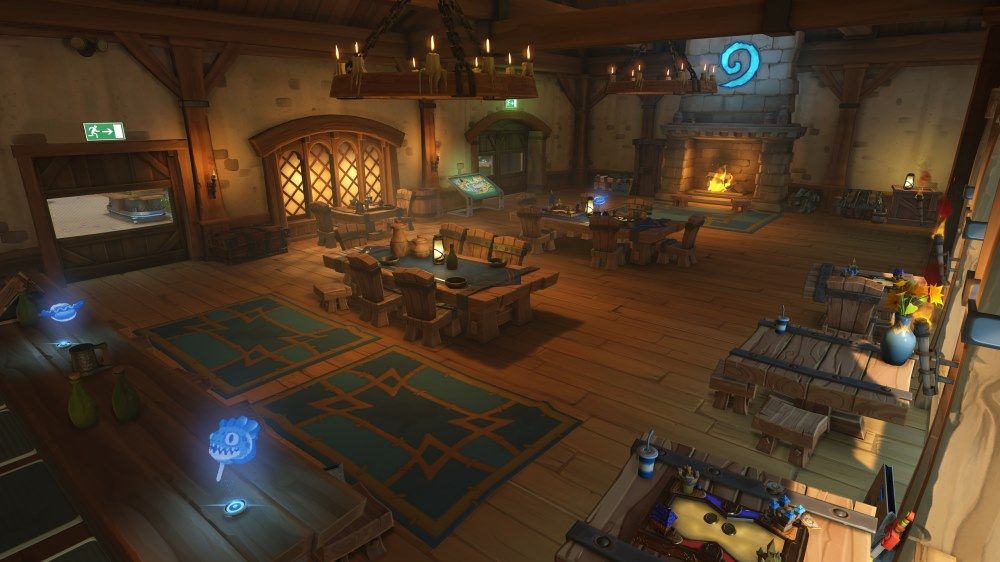
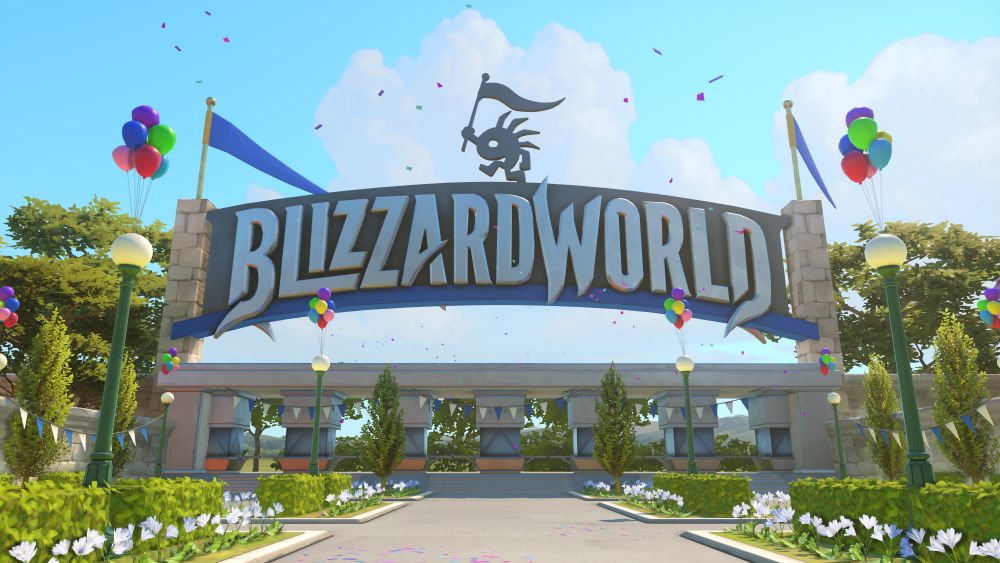
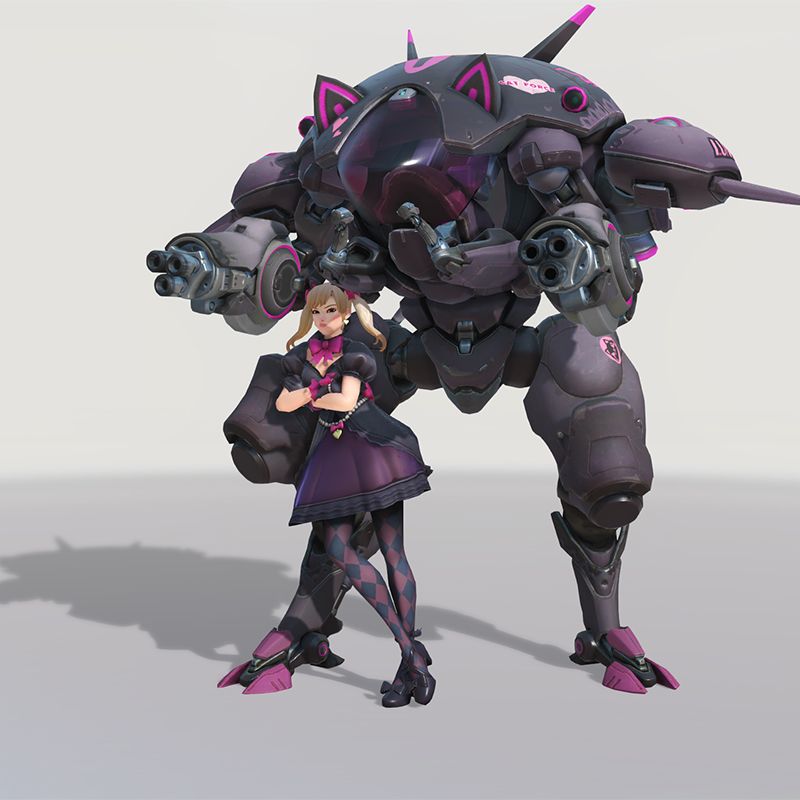
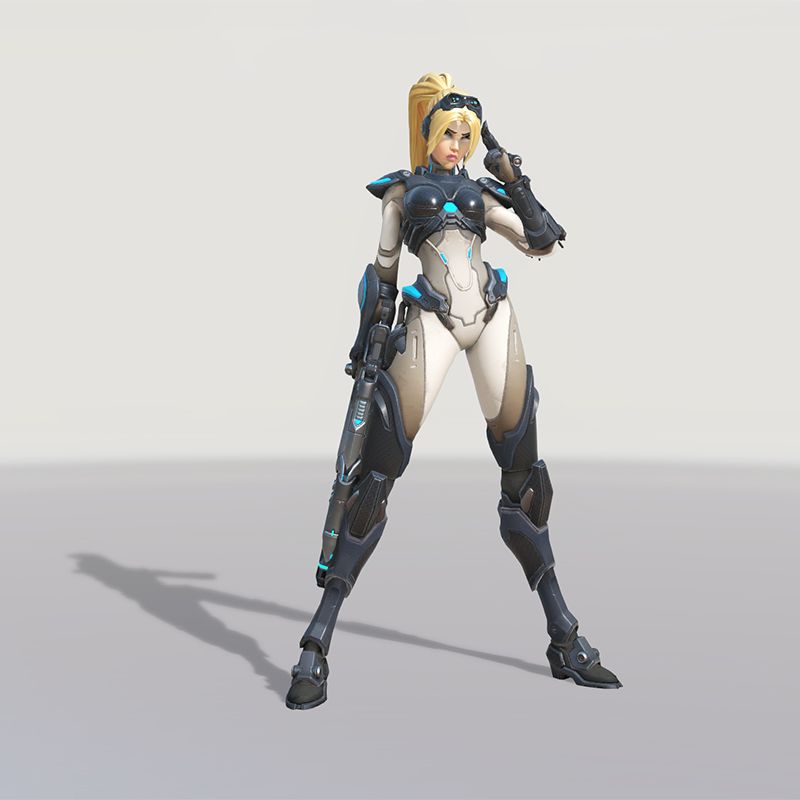
The much talked about update for Overwatchis finally out on PC, PlayStation 4, and Xbox One. Players will now be able to check out the ultimate tribute to Blizzard’s other franchises in the new Blizzard World map. Designed like a theme park, there are sections for Diablo, Starcraft, Warcraft, and Heroes of the Storm. Fans will also be able to catch Easter Eggs for some of Blizzard’s other games like The Lost Vikings.
Like every Overwatchupdate, a ton of cosmetic items are being added to the game. Many of the legendary skins added to the game are inspired by other Blizzard titles, like Zarya’s Diablo 3 Barbarian skin and Widowmaker’s Nova skin from the cancelled StarCraft: Ghost shooter. Blizzard has released a preview video showing off some of the best cosmetic unlocks.
As part of the celebration, Muselk, Oasis, Crayator, and BazzaGazza, some of the top Overwatch personalities, livestreamed gameplay at Luna Park Sydney. The video of the stream can be found on Twitch.
CRYSTAL DYNAMICS EXPANDS STUDIO WITH TOP INDUSTRY TALENT
Veterans from Naughty Dog, Visceral Games, Monolith, Sledgehammer Games, and More Assemble for The Avengers Project Development Team
SYDNEY, 25th January 2018– Crystal Dynamics®, the renowned developer of the critically acclaimed and world-famous TOMB RAIDER® franchise, which has sold over 63 million copies globally, today announced they continue to expand their award-winning studio by adding 15 top industry talent to their development team in January alone. Included in the group are former Naughty Dog Creative Director Shaun Escayg who joins The Avengers Project as Creative Director, and as Director of Production Stephen Barry, a 27 year Veteran from EA/Visceral Games.
Escayg served as the Creative Director and writer of Uncharted: The Lost Legacy and led the cinematics team as the Director of Photography and Animation Supervisor on The Last of Us. In addition, he worked as an animator at Industrial Light & Magic. “I’m thrilled to join Crystal as Creative Director and be aligned with a team as passionate about telling great character based stories as I am.”
Barry held multiple positions at Electronic Arts and was formerly the Director of Product Development at Visceral Games, working on several games over his long career including the critically acclaimed Dead Space franchise. “Crystal’s been around almost as long as I’ve been in the business. The immediate chemistry and camaraderie has been exactly what I’d hoped for.”
“We’re committed to delivering an incredible, completely original Avengers experience to our gamers, and that means we are always looking to add amazing developers to our existing best in class studio talent,” said Scot Amos, Co-Head of Studio at Crystal Dynamics. “As development progresses, our studio continues to grow. The tremendous progress we’ve made on TheAvengers project further drives us toward our goal of crafting something all Marvel fans will be proud of, and will play for years to come. We can’t wait to show you what we mean in the future.”
“We recently hired fifteen world-renowned industry veterans, spanning production leadership, animation, design, art and engineering, who have previously worked on games such as Batman: Arkham Origins, Dead Space, Star Wars: Battlefront and many more.” said Ron Rosenberg, Co-Head of Studio at Crystal Dynamics. “Their AAA experience adds to an already deep roster, making us well-positioned to deliver on the ambitious goals we’ve set for ourselves with TheAvengers project. It’s a stellar addition of many people who fit incredibly well into our wheelhouse of building game experiences we all love.”
Crystal Dynamics has developed and published over 30 award-winning titles during its 25-year adventure. Some of the most beloved franchises include Gex®, Legacy of Kain® and most recently, TOMB RAIDER.
About Crystal Dynamics
Crystal Dynamics celebrated its 25th year of development in 2017! This is the studio behind the critically acclaimed and world-famous TOMB RAIDER franchise, which has sold over 63 million copies worldwide. With over 30 video game titles released and hundreds of awards, the heroine Lara Croft has been a cultural icon for 20 years and has made an indelible mark on virtually every facet of entertainment. The most recent release, Rise of the Tomb Raider, has received over 100 awards and nominations and is one of the highest rated games on next generation systems.
About Square Enix, Inc.
Square Enix, Inc. develops, publishes, distributes and licenses SQUARE ENIX®, EIDOS® and TAITO® branded entertainment content throughout the Americas as part of the Square Enix group of companies. Square Enix, Inc. is affiliated with a global network of leading development studios such as Crystal Dynamics® and Eidos Montréal. The Square Enix group of companies boasts a valuable portfolio of intellectual property including: FINAL FANTASY®, which has sold over 135 million units worldwide; DRAGON QUEST®, which has sold over 75 million units worldwide; TOMB RAIDER®, which has sold over 63 million units worldwide; and the legendary SPACE INVADERS®. Square Enix, Inc. is a U.S.-based, wholly-owned subsidiary of Square Enix Holdings Co., Ltd.
CRYSTAL DYNAMICS, DRAGON QUEST, EIDOS, FINAL FANTASY, GEX, LEGACY OF KAIN, RISE OF THE TOMB RAIDER, SQUARE ENIX, the SQUARE ENIX logo, SPACE INVADERS, TAITO, and TOMB RAIDER are registered trademarks or trademarks of the Square Enix group of companies. All other trademarks are the property of their respective owners.
GOOD SHEPHERD ENTERTAINMENT and ThirtyThree Announce February 8 Release Date for ATOMIK: RunGunJumpGun on Nintendo Switch™
AMSTERDAM – January 24, 2018 – Good Shepherd Entertainment has revealed it will launch indie developer ThirtyThree’s hyperkinetic side-scrolling action platformer ATOMIK: RunGunJumpGun for Nintendo Switch™ on February 8th, 2018. The game will be available to download via the Nintendo eShop for $7.99.
ATOMIK: RunGunJumpGun’s 2D retro automatic runner gameplay revolves around one very big gravity-defying gun with two-button controls: one to fly up and the other to blast forward through obstacles and death traps at breakneck speed. There are over 120 levels of meticulous mayhem to master, with unique challenges that demand quick thinking and reflexes to survive.
Set in a warped space-opera universe, ATOMIK: RunGunJumpGun’s pulp sci-fi storyline is full of bizarre characters and moments. The game bursts off the screen with colorful, neon-infused visuals and a pulse-pounding synth soundtrack. The Switch version will also feature the new Shield Mode which empowers players with an energy shield and decreases the movement speed to help make the intense action more manageable, but no less heart pounding and exciting.
ATOMIK: RunGunJumpGun is rated E (Everyone) by the ESRB. For more information, visit www.RunGunJumpGun.com, or follow Good Shepherd Entertainment and ThirtyThree on Twitter @GoodShepherdEnt and @Team33Games.
About Good Shepherd Entertainment
Good Shepherd Entertainment publishes video games from independent artists worldwide and operates a proprietary investment platform for a growing global network of qualified investors seeking risk-mitigated participation in the $130B video game industry. Originally established in the Netherlands in 2011 as an equity crowdfunding platform under the name Gambitious BV, the Company became a publisher in 2014 with the release of Train Fever, which was the first game ever successfully published with equity crowdfunding. The Company has since funded and released over a dozen original games across eight digital platforms. The founders of Devolver Digital and Croteam, two very successful companies in independent game development and publishing, invested in the Company and joined its management in 2012. The Company rebranded in 2017 as Good Shepherd Entertainment following an investment by Advance/Newhouse, having established a track record of success with both independent developers and investors. www.GoodShepherd.games
About ThirtyThree
ThirtyThree is a tight-knit three-person game studio in Canada. Our first big title, RunGunJumpGun, began as a parting gift to an old workplace we thought would be done in a week. We split art, code and sound three ways.



 When we last left Bruce he and the Pact had just managed to pull off a heist with the reward surprisingly being the Riddler’s body in a frozen container. To make things even more shocking, Catwoman also dropped in on the group to reveal that she has ties to the Pact as well. This episode begins immediately after both of these reveals with Catwoman revealing that she is helping the Pact develop special goggles that will help the criminal gang continue Riddler’s plan despite his untimely demise.
 In fact, much of what makes Fractured Mask interesting isn’t the slow advancement of the plot as we learn the location and objective of the heist but Bruce’s interactions with all of those around him. Not only are we given a brief showing of Detective Bullock for fans of the series, we are also given chances to interact with Tiffany, deal with Gordon as both Batman and Bruce, and continue to try to see just how far John is willing to go for his “best friend” Bruce. In many of these regards we see these relationships developing in a fashion that players finally want to see, with Tiffany being the most obvious but also the most welcoming interaction should players take that route.
 One thing that also really stands out this episode is how varied certain events can be depending on the choices you make. Whether you choose to trust Catwoman or John and select various other dialogue choices throughout the story can add or remove complete parts of an episode, leaving players a real chance to see just how different things can play out from one another depending on what they chose.
 The voice work for the cast of characters remains strong with all of the voice actors handling their roles well enough, though John really continues to stand out as his personality continues to shift ever closer to who fans know he may become.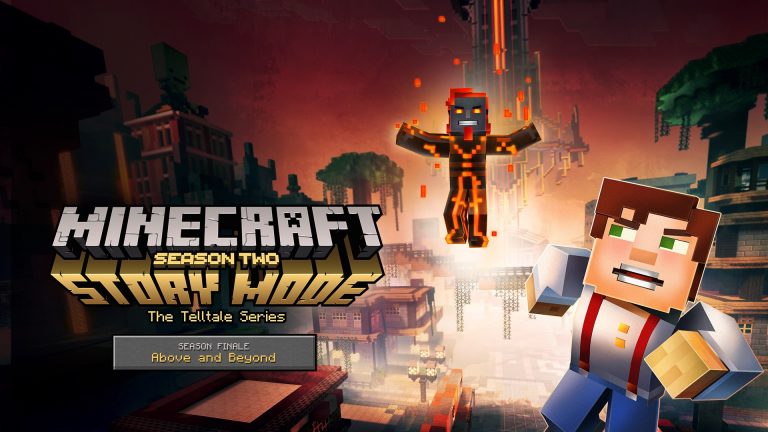
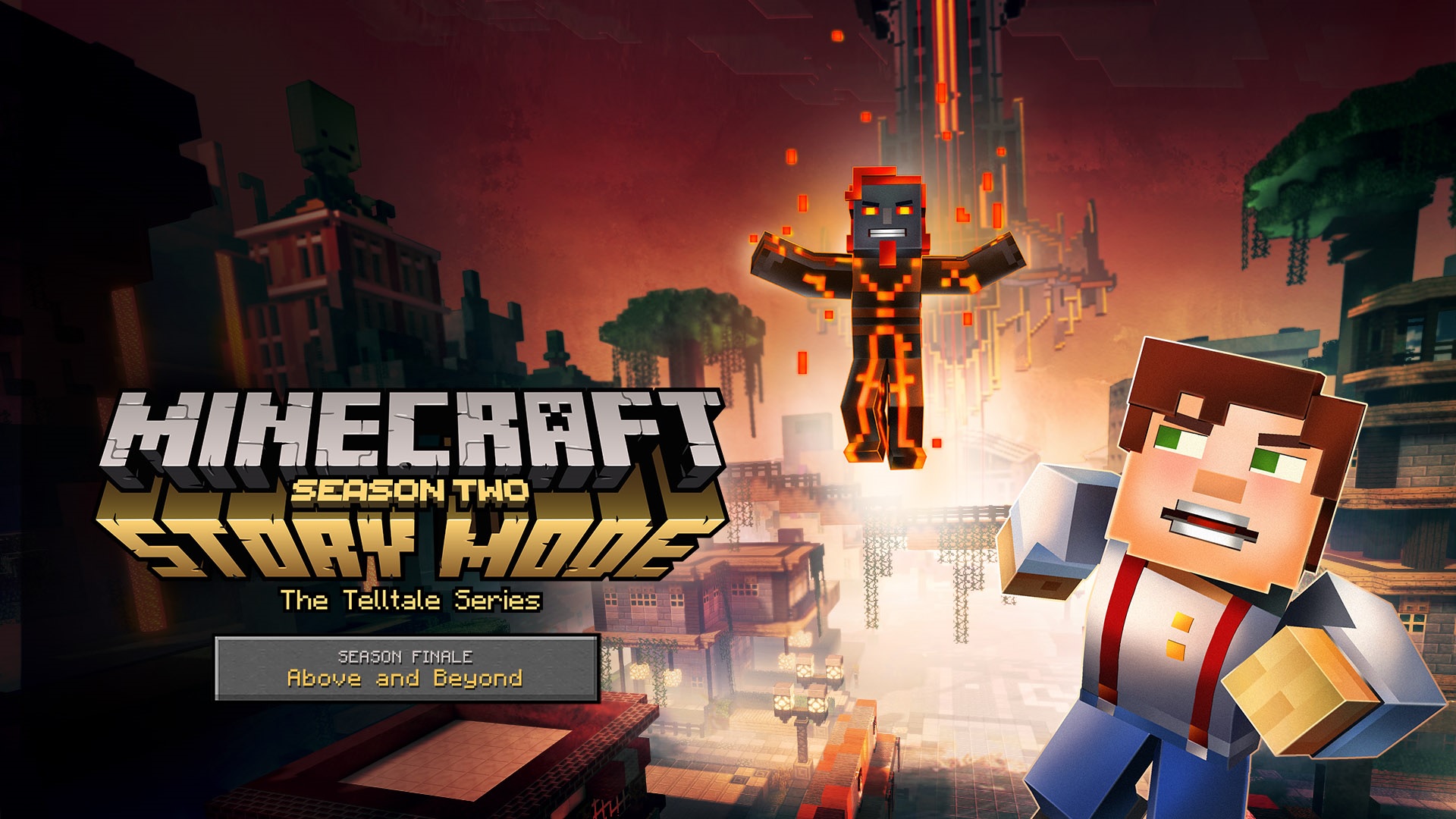
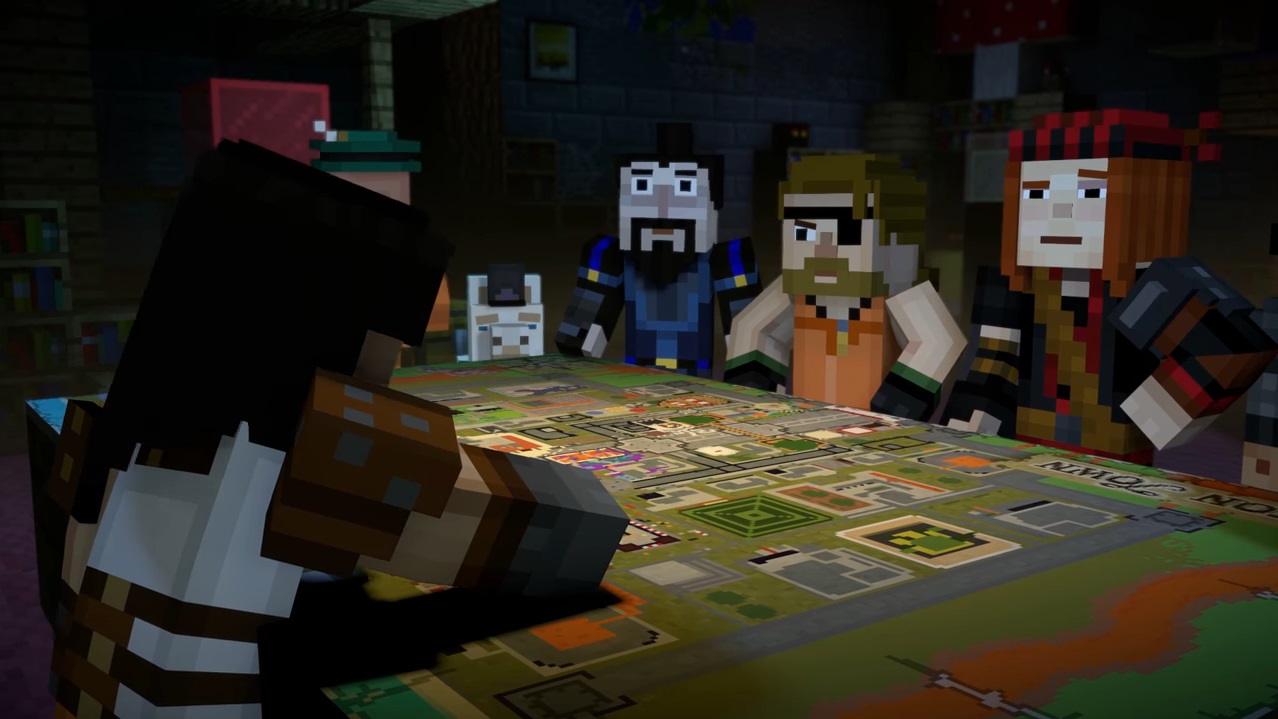 When we last saw Jesse and the gang they had just managed to escape from the blighted realm that was left behind by Romeo when he went crazy with his new Admin powers. No matter who you managed to bring with you through the portal back to Jesse’s normal world, the group navigates secret tunnels in an effort to return to the newly reformed Beacontown only to witness the drastic changes that it has undergone since the Admin took over while posing as Jesse.
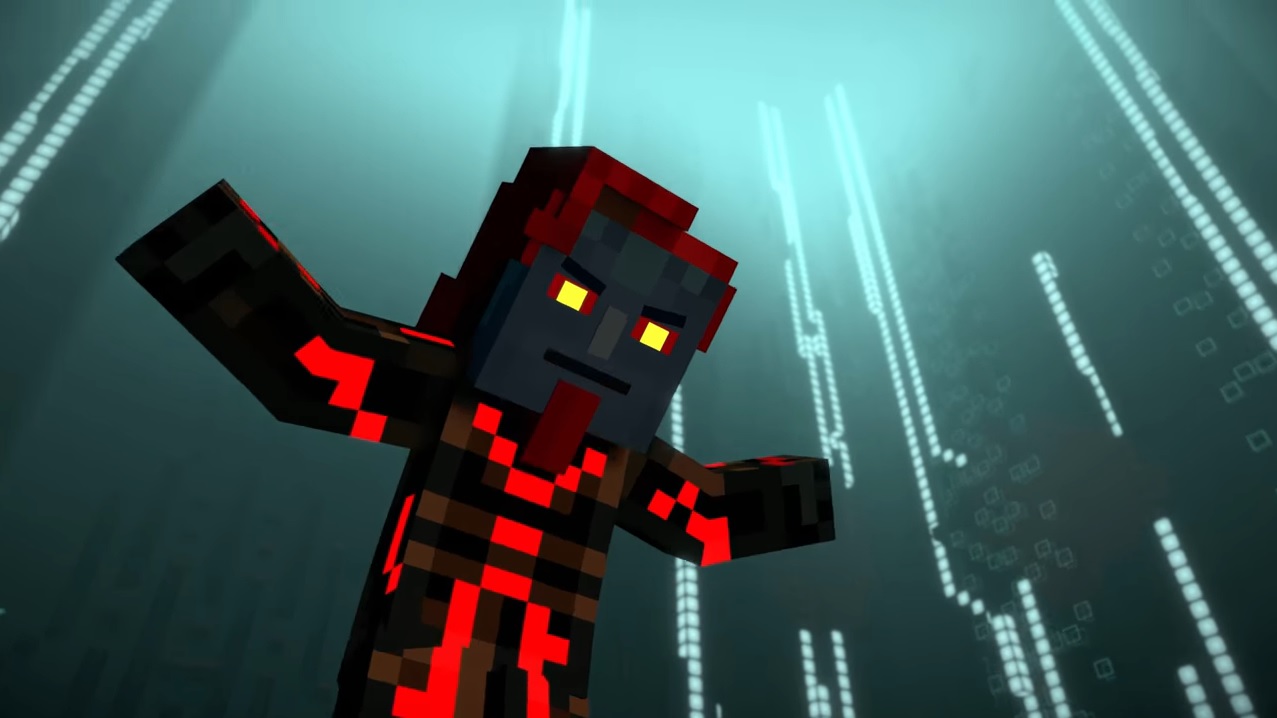 One thing that the writers of Minecraft: Story Mode Season 2 should be complimented for in this episode is constructing an incredibly satisfying final boss fight. Thanks to the Admin’s abilities players are brought to a number of different locations during the fight while also changing up their strategy every time the Admin assumes a form he previously took to either trick or mock Jesse and the group. It is worth noting that the majority of the choices you make this episode only play a smaller role, players are once again given a heavy decision to make that will change the finale depending on what you select.
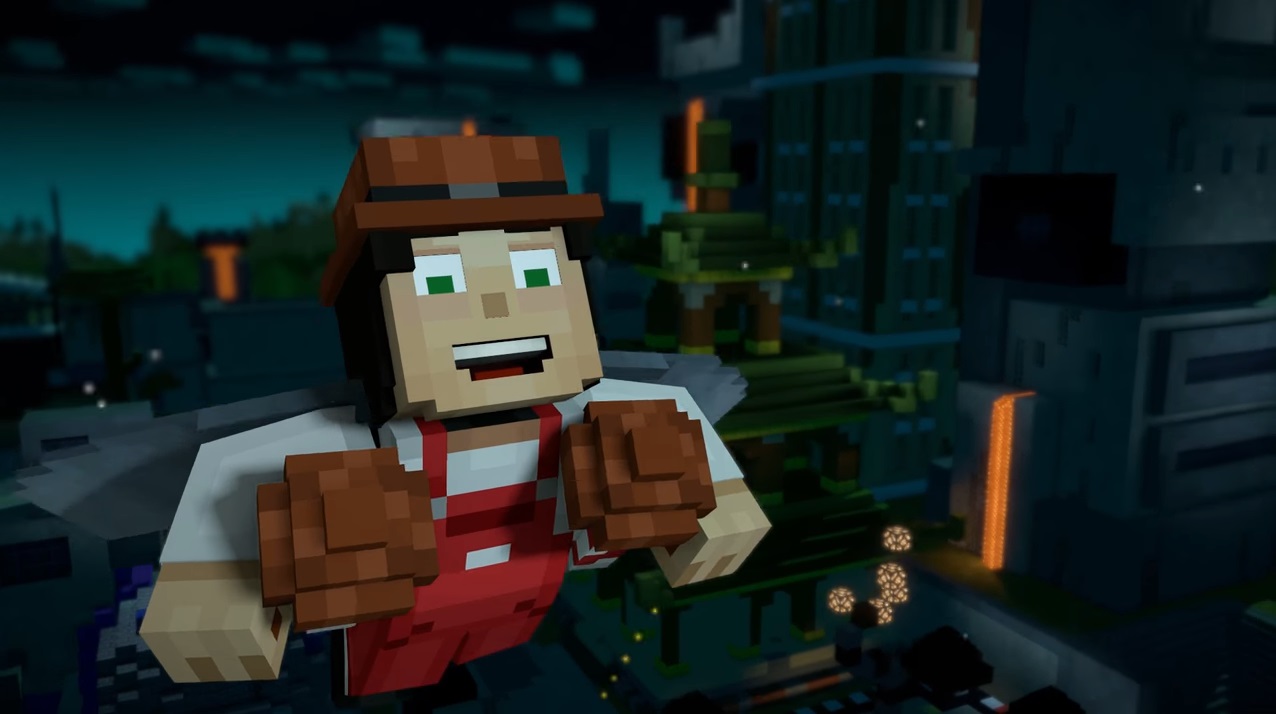 Through this finale players once again see a number of returning characters who have retained the voice actors they’ve been given since the start of the season while the soundtrack features a number of fitting tracks for the sequences that play out this episode.
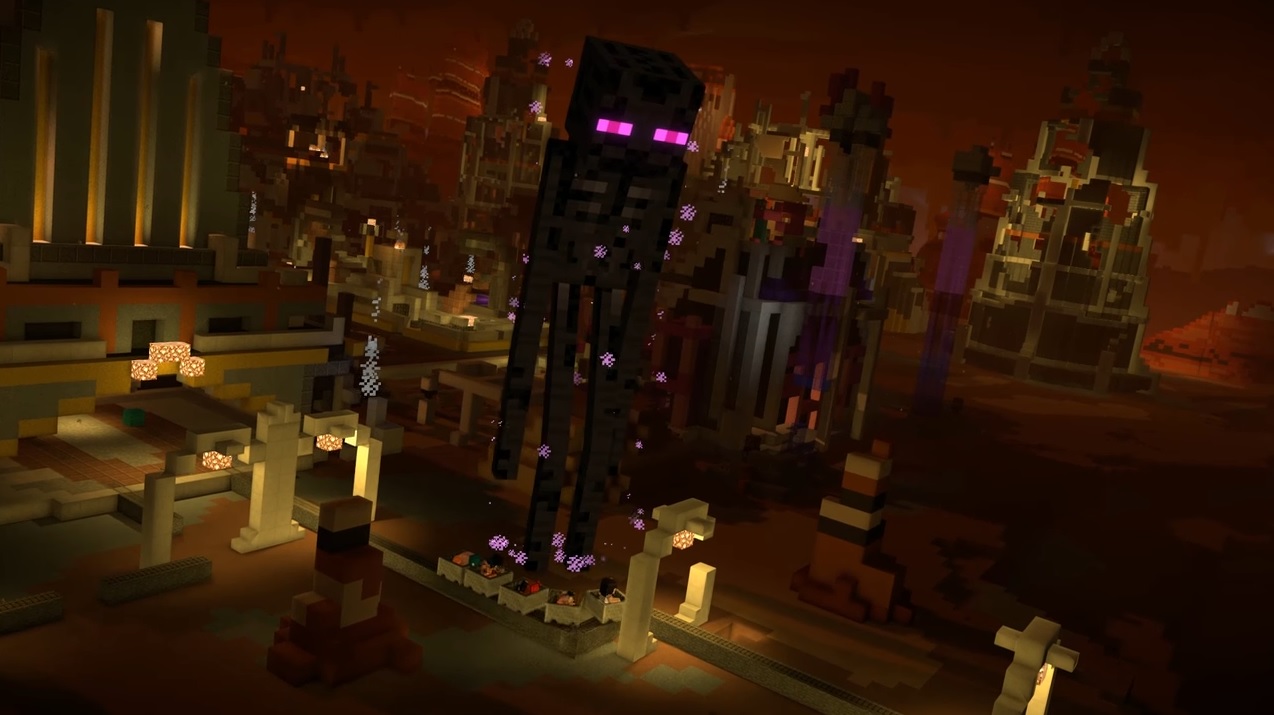 After managing to escape from the Admin’s “Sunshine Institute” where all enemies or people he loses interest in end up being sequestered away, Jesse and the gang, now accompanied by the former friend of the Admin, Xara, and the rest of the group that was once separated from them. Unfortunately for them, the way back home isn’t as simple as simply escaping as they have now stumbled upon a forgotten realm that the Admin once called home before moving on to better things and leaving the world to fall into disarray.
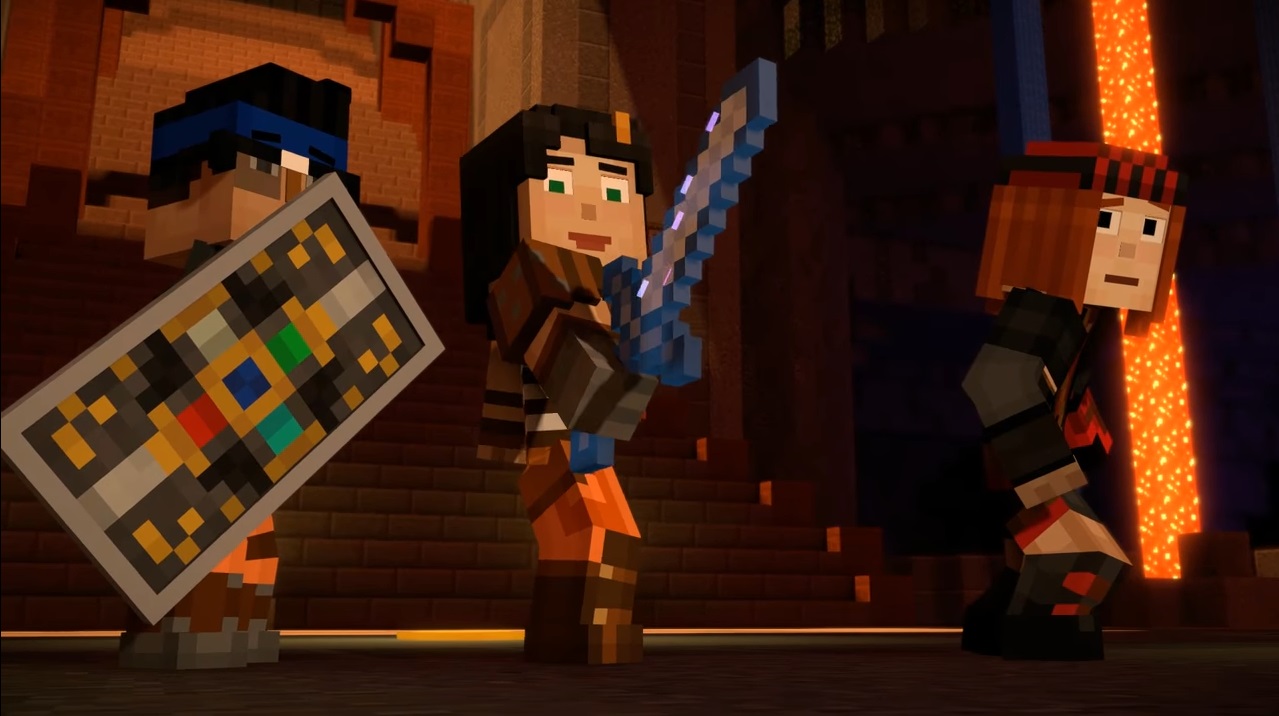 Not only does the core storyline gain some satisfying development and forward progression but the characters also see a nice amount of interaction as well. Petra and Radar continue to develop throughout this episode with Petra continuing to struggle with her place in the world and how Jesse will end up fitting into things once the Admin has been defeated and Radar trying to prove that he is capable of handling himself and taking the lead if need be. In fact, even a familiar face makes a reappearance that is handled as something of a short but fun cameo.
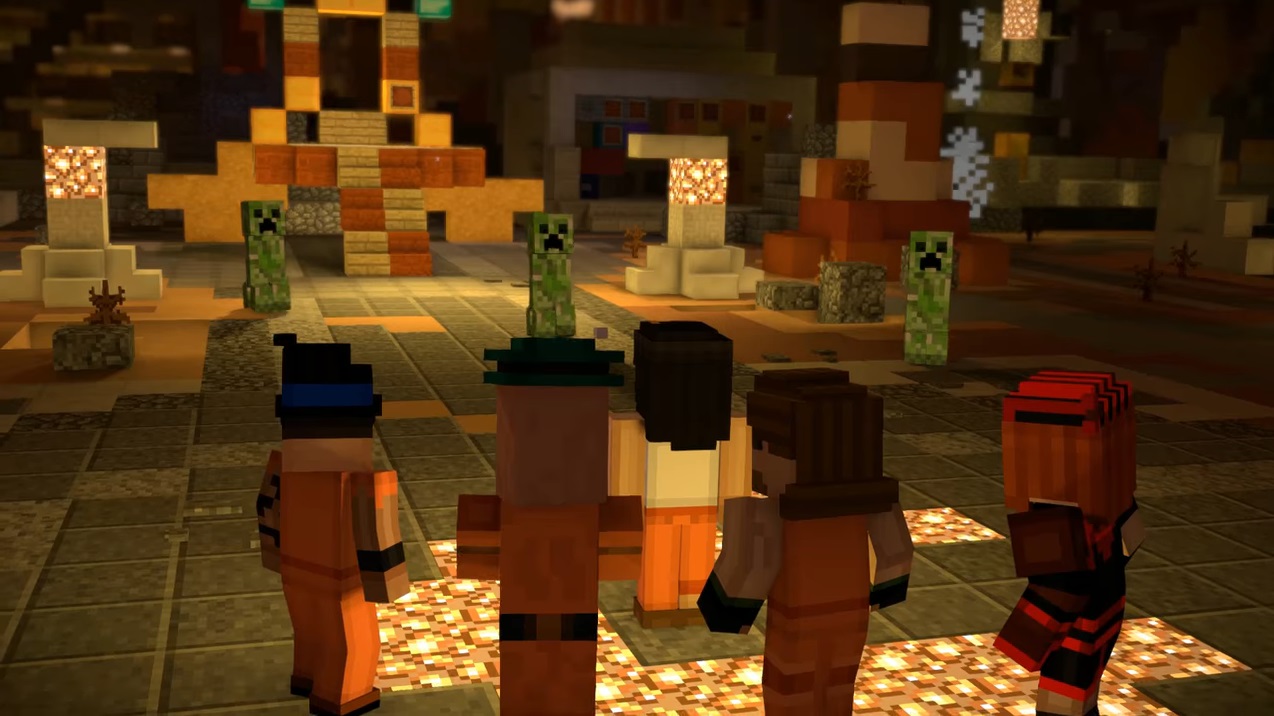 Back to those action scenes though, we have the exciting feeling battle against a large fire spewing opponent that requires the player to not only dodge incoming flames but oversized attacks while trying to lure the creature onto switches that will lead to its defeat. This combination of puzzle and boss fight makes for a satisfying combination in a game like this. As for the other battle against the hoard, players will need to keep Jesse on a swivel to avoid being swarmed by opponents, though this also may lead to a glitch as well. In my time with this battle I saw two instances where, no matter how long the fight lasted, the enemies continued to arrive even when the battlefield had been cleared, leading to a death being the only way to restart.
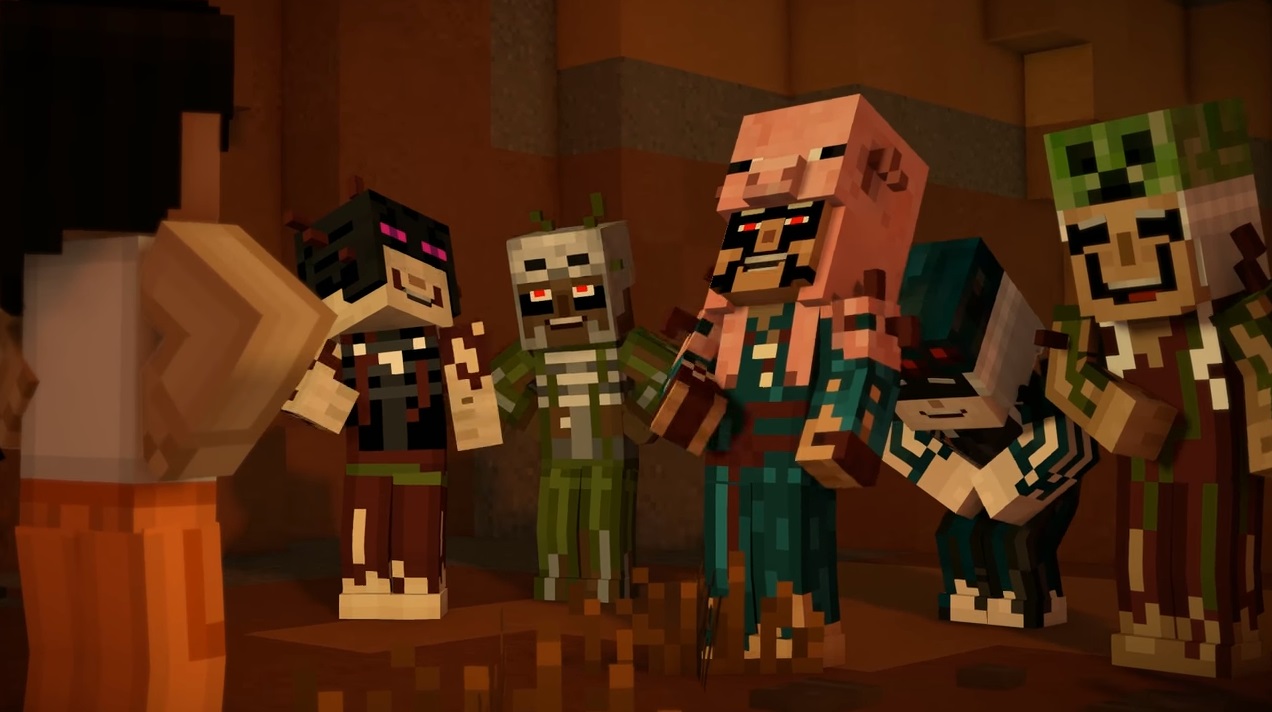 The voice work through this episode continues to impress as the actors handle their roles in fitting fashion and the soundtrack is also on par with what players have come to expect from the series.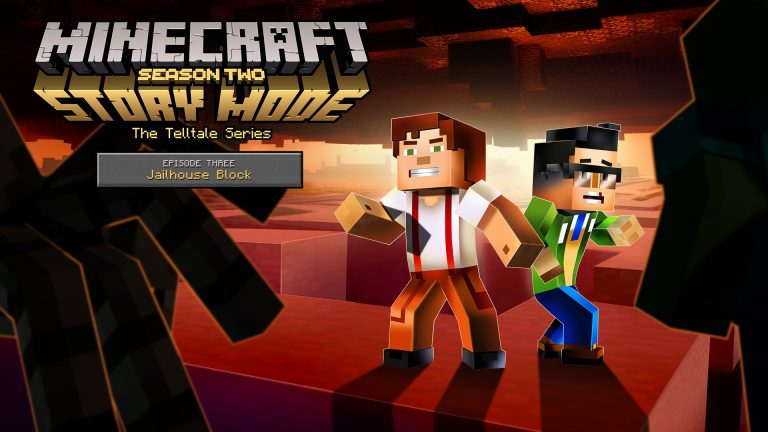
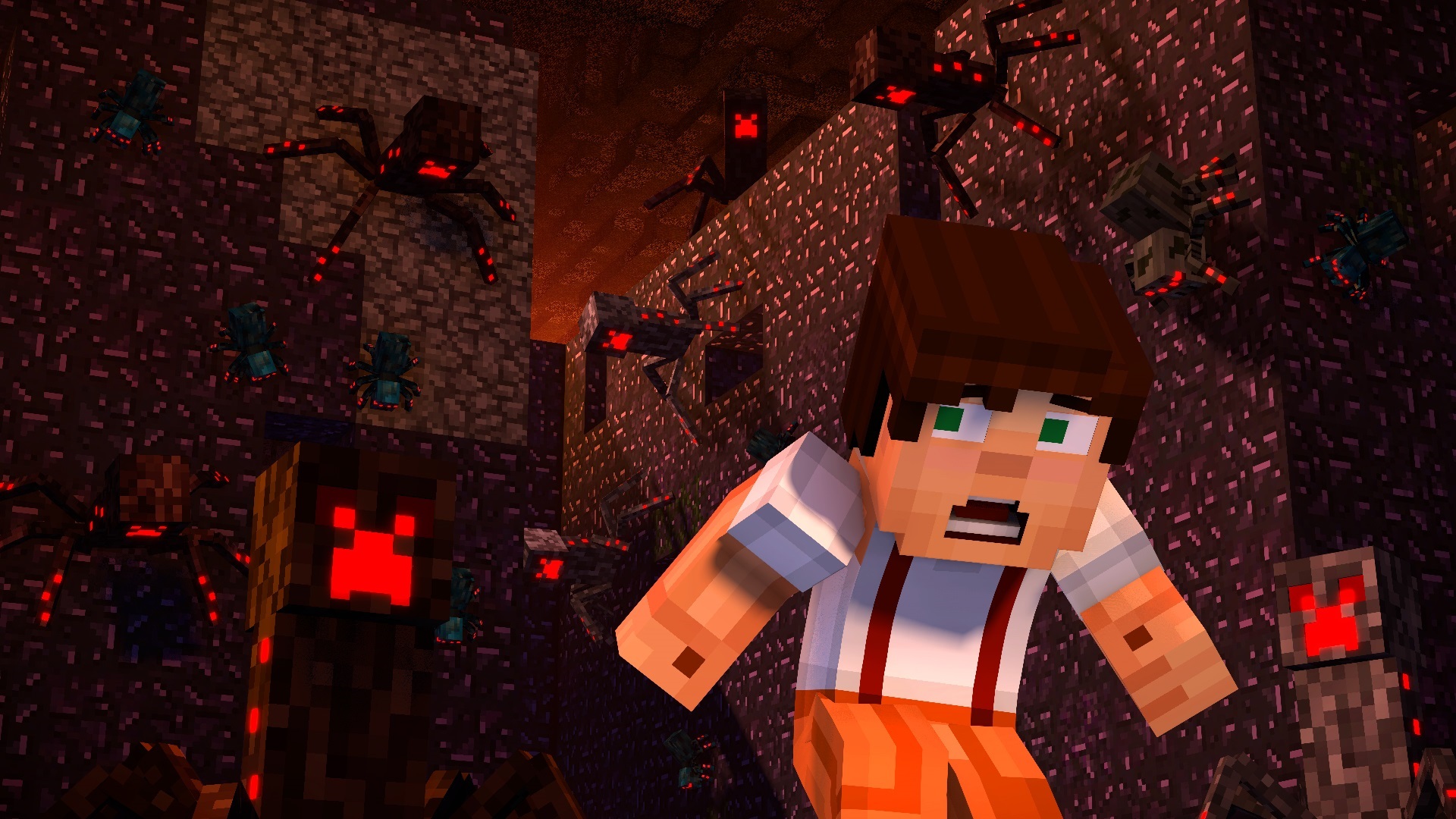 When we last left our heroes Jesse and the rest of the gang were in an incredibly bad way. Not only was it revealed that the Admin had infiltrated their ranks, meaning that Jack’s friend had indeed died, but thanks to Jesse’s actions the group has fallen out of favor with the Admin. Choosing a new “champion” depending on who the player chose to act on their own in the previous episode, Jesse and the rest of the group are sent to a prison where all those who disappoint the admin are sent to suffer.
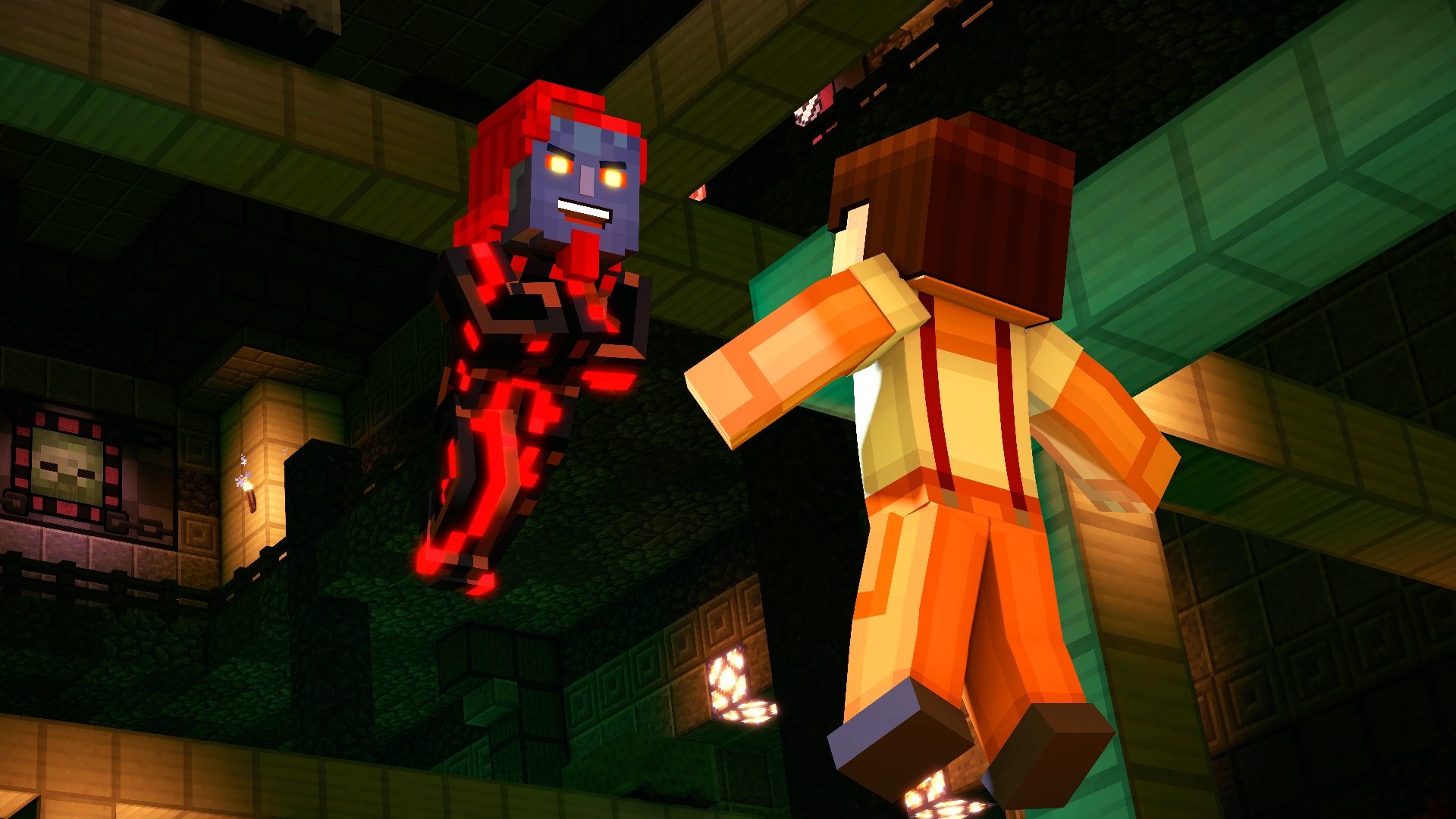 For the most part Minecraft: Story Mode Season 2 wants to try and tell an intriguing storyline and give players insight into what makes the Admin the way he is, but it ends up falling flat in this regard. This is primarily due to the fact that, while varied in the different steps that players have to advance to make their way through the prison and try to escape, the majority of this episode feels like nothing more than padding. The majority of the prisoners that are introduced seem interesting on the surface but are little more than one-off appearances as players quickly are moved from one layer of the prison to another.
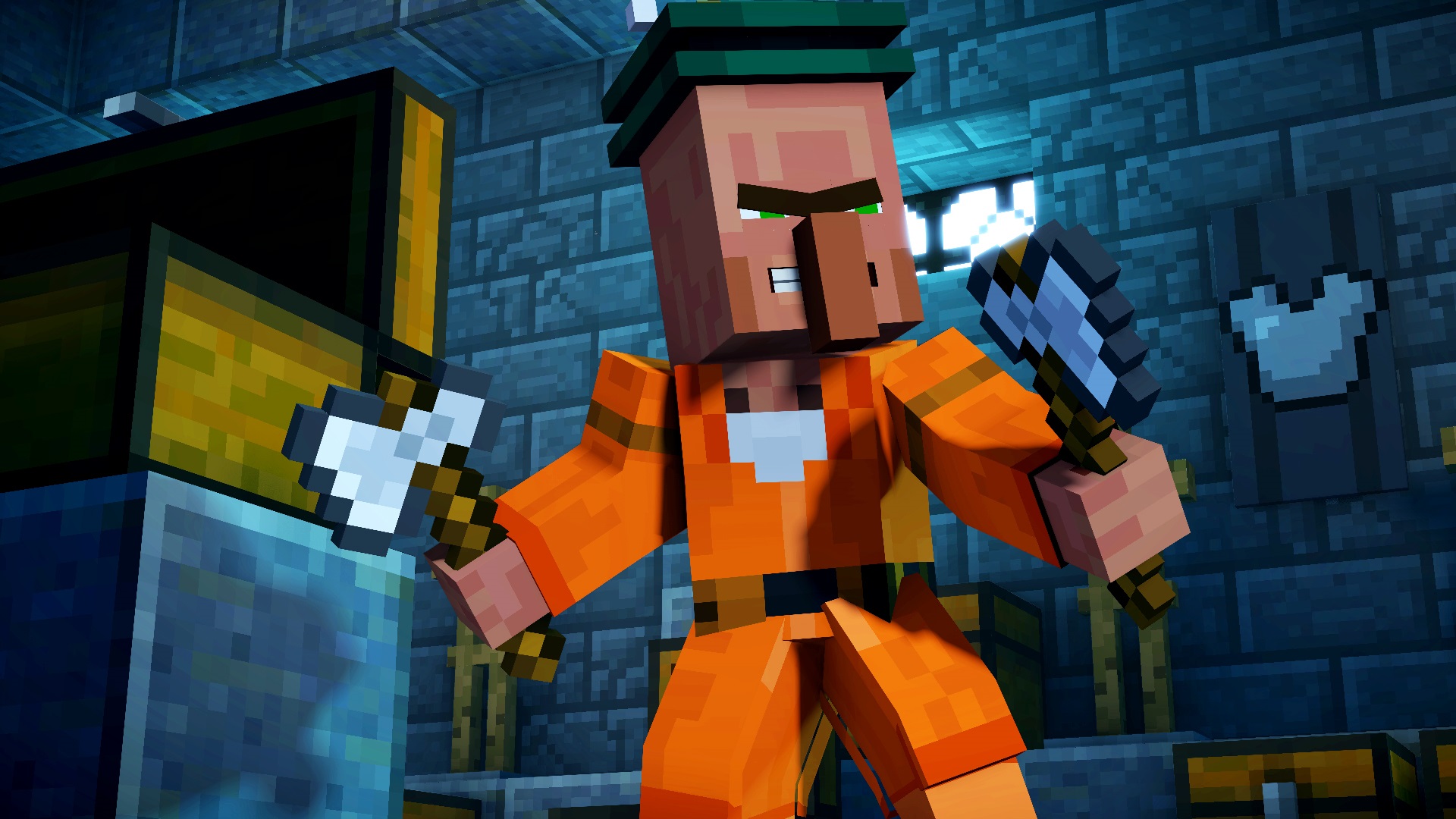 A few things make up for the lackluster nature of this episode, one being aforementioned choice, and another happens to be just how interesting Jesse can be when dealing with authority. Players can choose to try and stay in line while talking with the various authority figures in the prison and dealing with the Admin or you can completely buck authority if you so choose. It also helps that players do end up learning some of the history of the Admin and continue to see him devolve from being an all-powerful being to something more comparable to a petulant child.
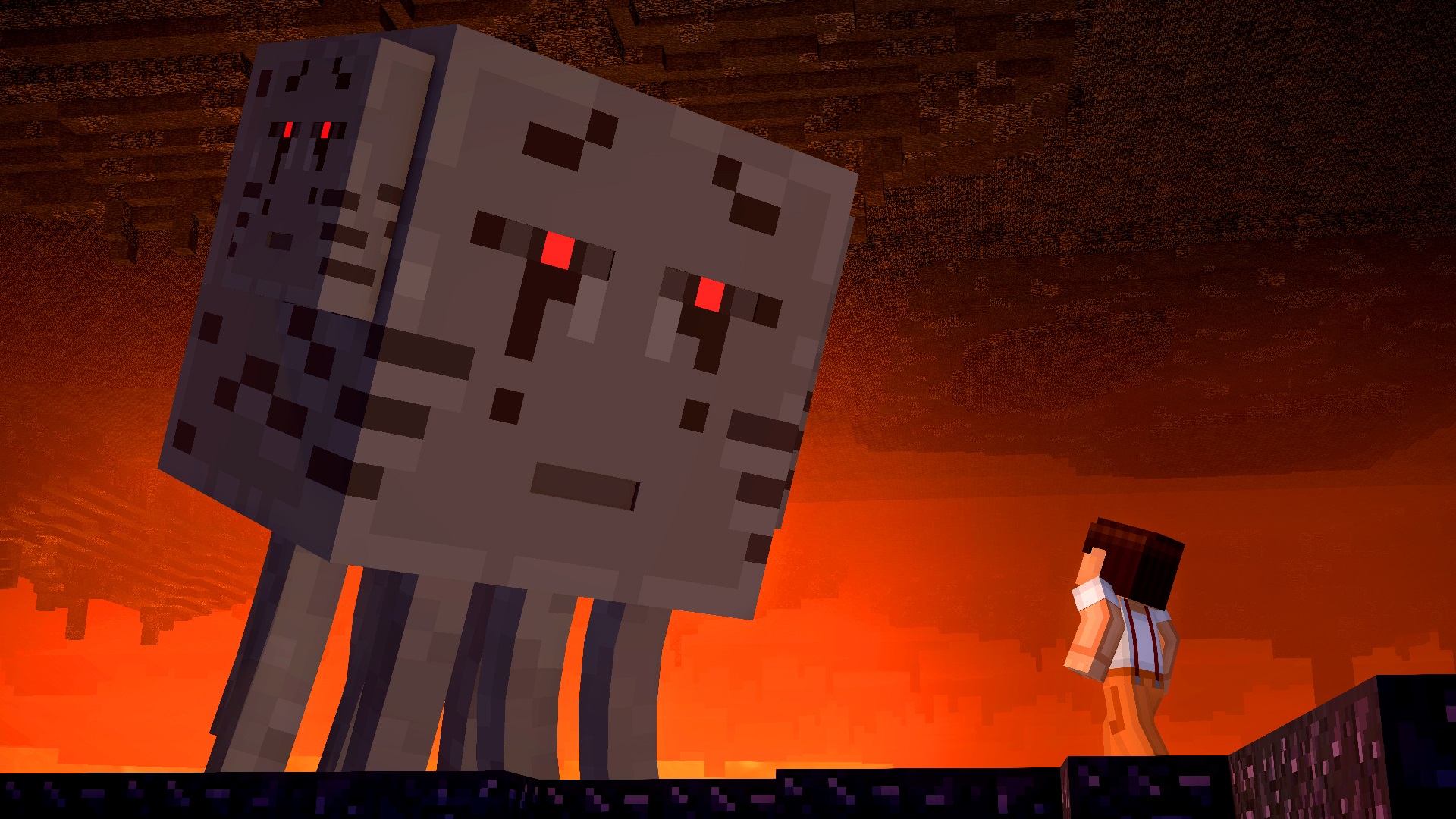 These combat sequences really take things up a notch as not only are these fights quite interesting to watch unfold, they are varied enough to keep things fun. There is even an auto-running combat sequence against a giant boss that really raise the tension of Jesse’s escape efforts.
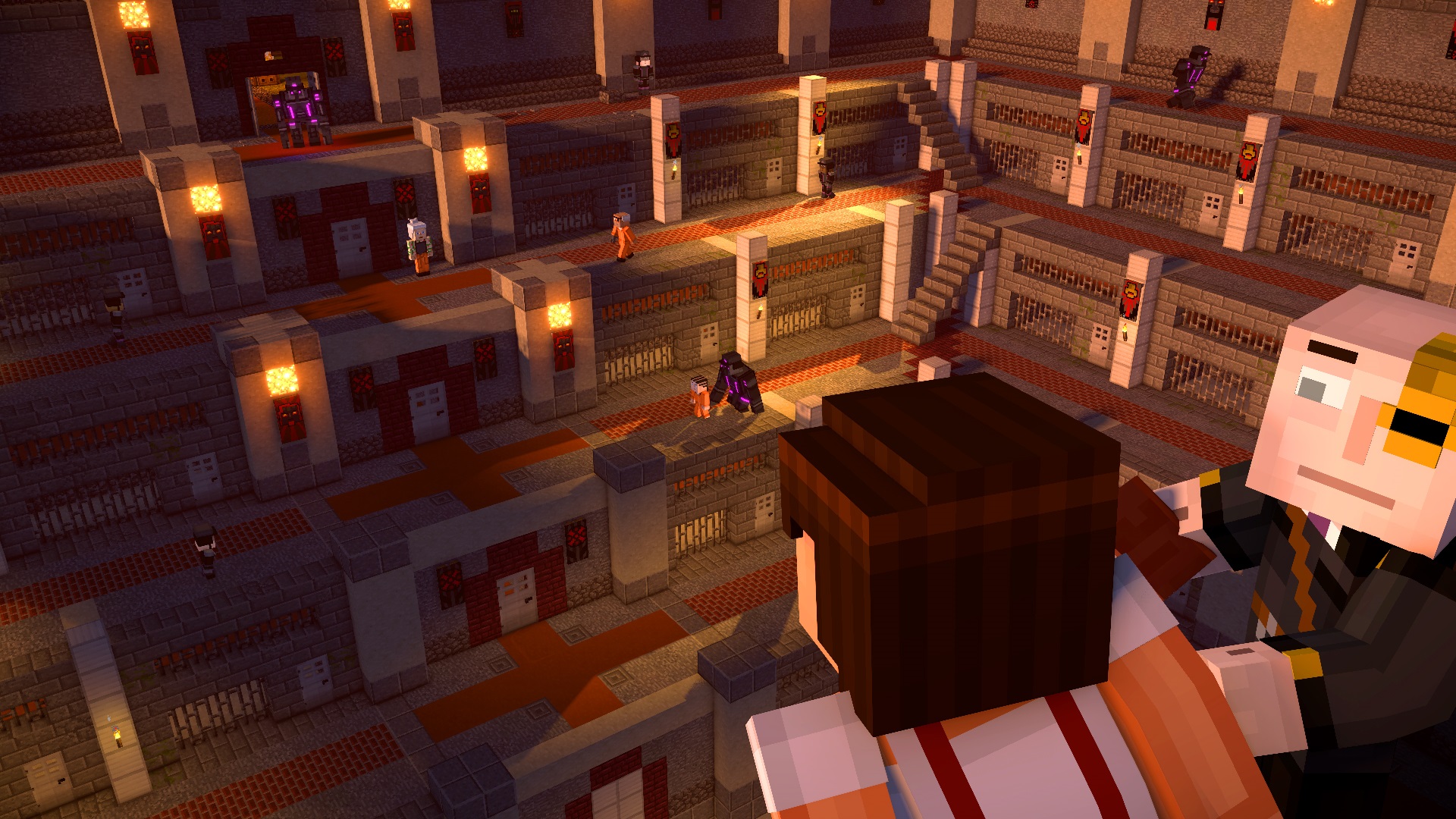 Accompanying this episode are a number of new pieces of background music that sound great for the theme of this episode and work really well for the combat sequences while the voice cast continues to be as impressive as ever when it comes to handling their roles.