Nutty Fluffies Developer: Redlynx Publisher: Ubisoft Platforms: iPad (Reviewed), iPhone, iPod Touch Release Date: November 6th, 2012 Price: $0.99 Get it Here
Overview
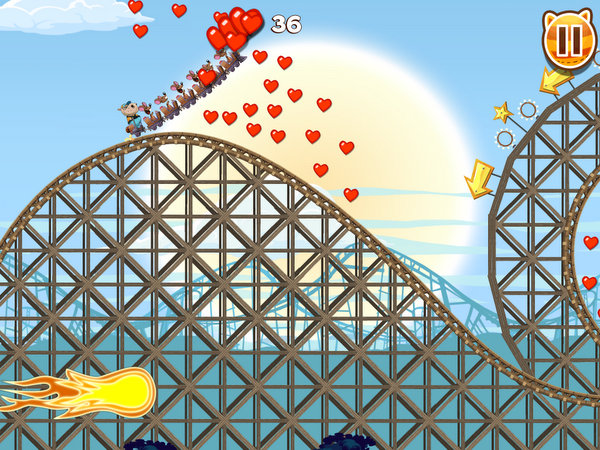
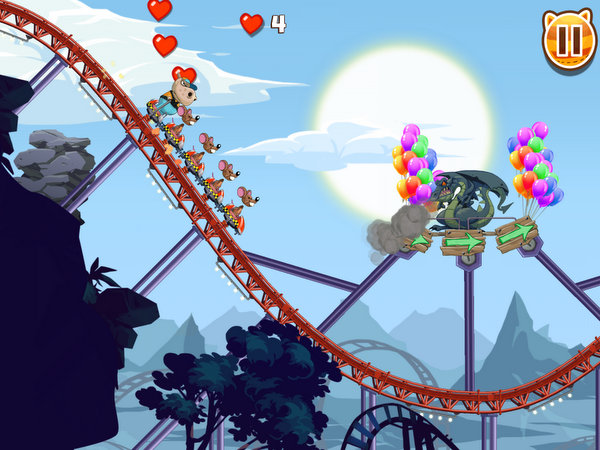
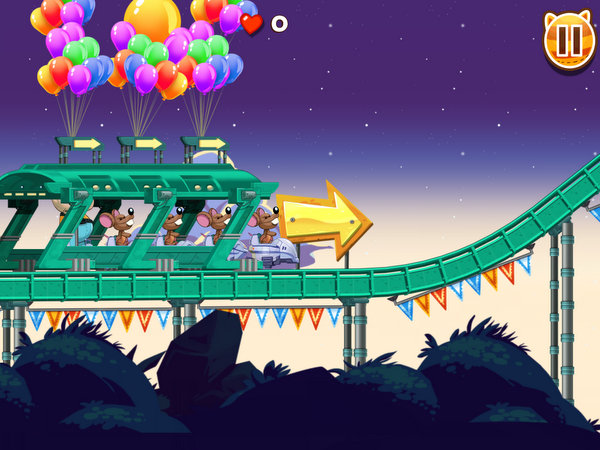
Developed by Redlynx, the studio behind Trials Evolution, DrawRace 2 and MotoHeroz, Nutty Fluffies is a physics based action game featuring a motley crew of adorable stuffed animals riding the roller coasters of an amusement park that has been shuttered for the year. The simple one touch controls make it easy for anyone to pick up and play. The game features some adorable graphics and challenging levels.
Story
Nutty Fluffies does not have a story, it has a premise. A bunch of stuffed animals that are sold at the souvenir stand come to life after the amusement park closes for the season. They start riding the roller coaster to keep themselves occupied while the park is closed. I suppose it is a good enough reason than any to watch small stuffed animals careen down roller coasters.
Gameplay
The game is an extremely simple game to learn, swipe forward to get the engineer to lean forward and speed up the rollercoaster cars, swipe backwards to lean backwards and slow down. Tap the bottom left button to activate the special ability that runs on a short cooldown. The controls are responsive and the physics is extremely consistent.
There are currently four chapters with six to eight coasters each to master. Each of the four chapters has a distinct theme. I am a little disappointed there is only one chapter full of wooden rollercoasters, but unfortunately steel rollercoasters make for a more challenging game with their
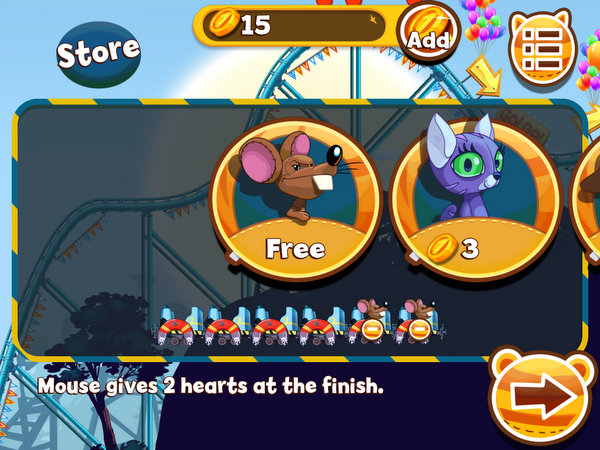
Unlocking the next coaster requires coins so replaying previous levels are encouraged. The first run will have four rollercoaster carts to load up with stuffed animals with an extra cart added for each successful run up to a total of ten carts. There are three power ups that are available depending on the level, jump jets, rocket boosts, and magnets. There are five stuffed animals with a variety of bonuses to choose from. The basic stuffed animal is the mouse which costs nothing to load into the carts but has no special bonuses and provides only two extra hearts for bringing the mouse into the unloading zone. Each of the four stuffed animals that come after the mouse will cost a certain amount of coins to load into the cart but provides a larger completion bonus and special bonuses for things like navigating through loops and jumps. I found using these special animals was a poor idea unless I had completely mastered the track as making a hard landing or crashing out and failing to complete the track wasted my hard earned coins.
I will admit to a morbid satisfaction out of the gameplay. I was one of those obsessed with creating the perfect theme park in Rollercoaster Tycoon. I never spent massive amounts of time fussing over rollercoasters to create the ultimate death machine and I never really understood the appeal. After playing Nutty Fluffies, I have come to realize the game is just plain fun no matter if I guide my fluffies to the unloading zone or crash them in a horrible manner. Maybe the comical blood-free bouncing of stuffed animals in a terrible crash relieves me of the guilt I would feel watching people crash on Rollercoaster Tycoon, but no matter what, Nutty Fluffies is just darn fun.
Visuals
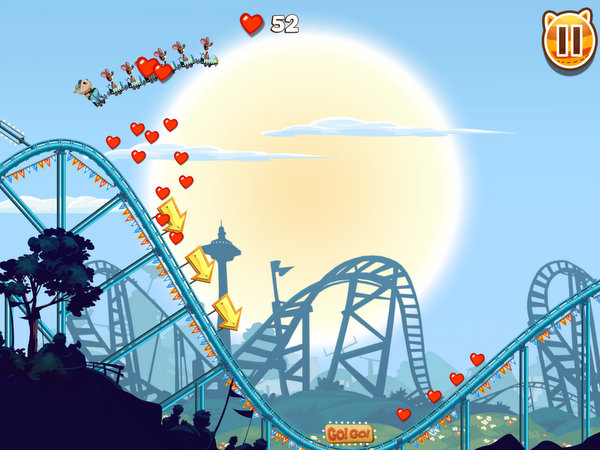
Nutty Fluffies is a colourful cartoony game. It is very child friendly with bright, eye catching colours and big eyed animals. The graphics never skipped a beat or suffered from any slow-downs. The camera zoomed out at the right times to provide a good view of the action. The game translates well to the smaller iPhone screen and is optimized for the iPhone 5 widescreen and the iPad Retina displays.
Audio
The soundtrack and sound effects are spot on, creating a wonderful amusement park atmosphere. There is a wide variety of sound effects to keep things interesting. Nutty Fluffies is definitely a game you can enjoy with the sound on. It isn’t necessary to plug in headphones to enjoy the game, the speakers will suffice.
Overall
It could be extremely easy to write off Nutty Fluffies for its silly and simple idea and presentation. But as they always say, don’t judge a book by its cover. Nutty Fluffies masterfully combines cartoony graphics, simple controls, a brilliant idea, and great sound into one excellent package. For $0.99, there are plenty of levels with tons of replayability built into the game. The nag screens to make an in app purchase of coins is relatively low, only showing up once every several rounds, however I would have preferred no nag screens at all. There are enough levels to take up hours of your time and Redlynx is promising more level packs in future updates. I highly recommend purchasing Nutty Fluffies for a family friendly game everyone can enjoy.
Capsule Computers review guidelines can be found here.
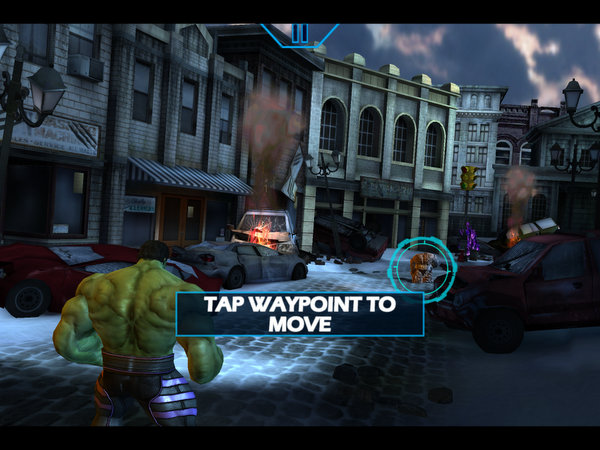
Marvel’s Avengers Initiative for mobile platforms as part of the Marvel XP universe has a new Lite version of the game released on the iOS platform. The Avengers Initiative is an episodic game series for mobile devices and features iconic Marvel characters taking on an invasion of enemies in the Marvel Universe.
What’s interesting about the XP universe is that players are able to connect their gaming experiences between the Facebook version of the game and the Mobile platforms. Players can check out the full version of the game here. For the new lite experience, check out the link here. You can also check out our review for the game here. Note: These are for the iOS versions only.
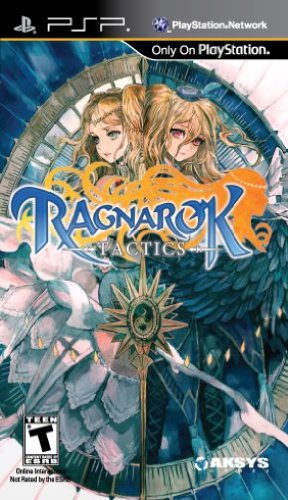
Ragnarok Tactics Developer:AppoloSoft Publisher:Aksys Games Platform: PSP (Available for download on PS Vita) Release Date:November 6, 2012 Price:$29.99 – Available Here
Overview: Many gamers have likely heard of the Ragnarok franchise thanks to the fact that it’s star title, Ragnarok Online, has been a relatively popular and long running MMO for over a decade. Since then a number of spin-off games have been created for various platforms, most recently Ragnarok Odyssey for the Vita. However while Odyssey may have been loosely based on the world of Ragnarok Online, Aksys Games has brought Ragnarok Tactics over on the PSP. Will the deeper ties to the Ragnarok Online game work well for this new SPRG title? Let’s find out.
Story: For those of you who may be concerned that you’re lack of knowledge about the Ragnarok Online storyline will prevent you from enjoying Ragnarok Tactics, you have no reason to worry because while Ragnarok Tactics takes place in the same universe as the MMO, no previous knowledge about the story is necessary, in fact there seemed to be zero mention of what may have occurred in the MMO at any point.
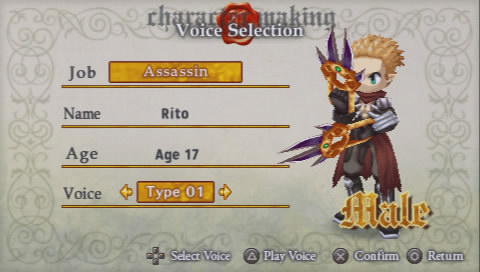
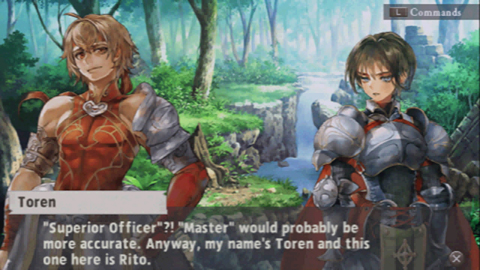
As for Ragnarok Tactics, players can create a character however they wish and then enter into the story mode. The player is a 17 year old member of the Toren Militia, a group of fighters who assist whoever needs help at any given time. The leader of the militia and yourself have been asked to slay some powerful monsters in the area and on the way to slay these creatures, you meet up with a Lord Knight of the Aura Republic and a High Wizard of the Branshaldo Empire. The four of you choose to help one another out in slaying these beasts and eventually part ways once the mission has been accomplished.
However the fragile peace in the nation is shattered when the king of the Brandshaldo Empire passes away, causing the Aura Republic to move on the weakened nation in an attempt to wipe them off the Grantria Peninsula and conquer the land for themselves. Being a member of the militia, the player is given the chance to choose between helping these two nations or simply sticking with the Toren Militia.
Ragnarok Tactics offers a stunning amount of replay value for a SRPG as players are often presented with multiple choices which will change their affiliations with different countries and even earn or lose you allies. There are three clearly defined routes that the player can take but actually five different endings to help spice things up and depending on who you side with, the storyline can differ greatly from what another player may experience.
However if you are concerned that you will be forced to play through the game five times to see all of the different endings then you will be interested to hear that Ragnarok Tactics features a special mechanic known as AIZ. Once you have finished the game once, the AIZ system will allow players to explore a different part of the game’s storyline by allowing them to venture backwards in the story to an already completed chapter and allow them to make different decisions.
One thing that makes AIZ even more interesting is the fact that their player stats, weapons and levels will be transferred as well, which may give you a temporary edge in combat depending on how far you’ve jumped back in the story. In fact, the AIZ system helps provide a more open experience than one would think, thanks to the fact that there are a number of sub-events that can be explored which, while not tied directly to the game’s storyline, are interesting to explore and a nice diversion from the main story paths.
Visuals & Audio: Ragnarok Tactics’ visual aesthetics vary greatly depending what you are looking at within the game. To be a bit more specific, each of the character’s related to the game’s storyline have been given beautifully hand drawn portraits with a variety of different expressions and poses that match the dialogue and the various backgrounds to these story segments and the battlefields have been given an extensive level of detail and are gorgeous.
However the same cannot be said for most of the combat character models. While it is nice that every enemy within the game and the appearance of the various classes within the title match those from Ragnarok Online, the models are often presented in low-quality and have jagged edges which really show the game’s age and PSP limitations.
It is worth noting that Aksys Games has provided a little bit of an English dub which will play during the intro sequence, but for the most part this game has been given zero voice work outside of a little bit of Japanese voice work in combat sequences and skill usage. As far as background music goes, Ragnarok Tactics has suitable enough music which fits the setting well and helps make some of the longer battles less tedious.
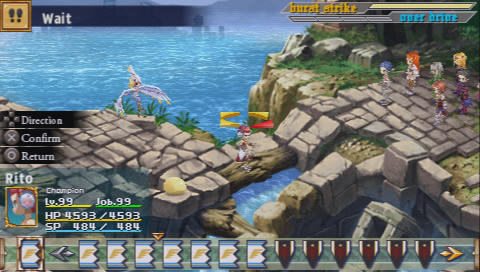
Gameplay: Nearly all of Ragnarok Tactics’ gameplay involves the combat sequences where players will have to face off against a number of enemies on a gridded field and usually have to defeat them all without letting their main character die or any number of storyline specific characters that are described in the Loss conditions. The game is rather standard in most regards as the player will have to wait till a party member’s turn to move them or attack with them, though interestingly enough the player can choose to have an ally attack an enemy, then move away from them after the attack.
That being said, the fights in Ragnarok Tactics can tend to drag on for a long period of time and this is mostly thanks to the fact that the enemy AI always plays on the defensive and reacts to your actions. While this may seem intelligent, it feels cheap at times as the enemies in this game will usually only move once you have moved within range of their attacks, nearly always allowing the enemy to gain a first strike.
This means that players will often need to inch forward along the battlefield to avoid being overtaken by more than one enemy at a time, because thanks to some rather hard hitting foes, being attacked by two enemies at the same time often means a death sentence for that character. However it is worth noting that there is no permanent death in this title, which means you can use some of your side-characters to draw an enemy in and then pile onto said enemy with the rest of your party.
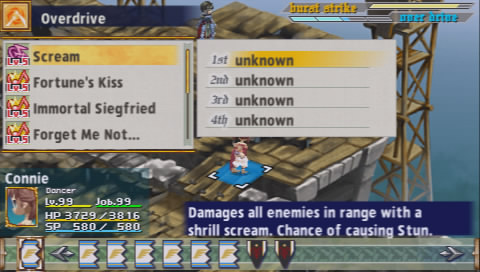
There are a few things that help set Ragnarok Tactics apart from your everyday SRPG and these are the Burst Attack and Overdrive moves. The Burst Attack allows fighters to attack an opponent with other allies in range, allowing up to four of their allies to deal large amounts of damage to one opponent in a single turn. The other is Overdrive which allows one character to use up to four different skills in a row and if you happen to use specific skills in a certain order, you can unleash a devastating super move. These combinations can often be found by talking to townspeople or through experimentation.
Outside of combat there are a number of areas that players can customize their party and herein lie a number of references fans of Ragnarok Online will appreciate. Every class in Ragnarok Tactics (a few are locked during your first playthrough) is named after one in the MMO and features a number of the same skills (a few names have been changed however) that these classes would have in the MMO. Players can also equip a number of different weapons, armor and hats to improve their stats and even equip a number of Cards which will provide other bonuses such as higher stats, more damage with certain elements and more.
To pad out the game’s roster player will be able to hire mercenaries for a onetime fee and select whichever class they require at the time, which certainly helps the game’s difficulty out as a number of ranged classes will benefit when mixed in with pure melee fighters as they counteract the game’s reactionary AI.
That being said, Ragnarok Tactics is a game that feels like it simply assumes the player has a large amount of time on their hands. As mentioned before, the reactionary AI and slow-paced battle with unskippable attack and move sequences mean fights can take upwards of twenty minutes at times and if you happen to lose, you must start all over. It is also worth noting grinding levels can sometimes be a necessity simply to advance in the game as players must fight against opponents that show no mercy and deal large amounts of damage to those who are unprepared.
Overall: Ragnarok Tactics takes a well-known formula and provides a decent SRPG experience with a number of unique features to keep things fresh for fans of the genre and plenty of monsters, classes and skills that should be instantly recognizable for fans of Ragnarok Online. That being said, while the game’s interesting and branching storyline and well-implemented use of the AIZ system may help drive the player forward through the game’s numerous battles, they can become very tedious at times and almost boring with what may be the slowest battle sequences I’ve seen in the genre.
The statement seems obvious at first glance. Of course you don’t need violence to have a successful video game, what is this guy on about? Well the fact is in today’s industry it’s pretty damn hard to go without it.
The current audience for our form of interactive media focus on these video games the most. Games where you play the lone hero or the great commander are standards. Take a look at your local gaming selection and you’ll see this in effect, with a huge number of titles revolving around killing, injuring or maiming the enemy that you’re presented with. These titles exist because the genre is as popular as it has ever been, with developers and publishers flocking to them because that is where all the money goes. Shooting people in the face has become the new icon for a good video game and that is not what the medium is all about.
Most would argue that it is the adrenaline that so draws people to violence. That endorphin rush one experiences when they best a foe in an epic battle to the death. Knowing that you’re better than the other person because you were the one who came out on top. But this adrenaline can be found in other games too. Games where you don’t have to blow someone’s brain half up a wall and don’t merely focus on the blood and gore.
Violence has become the new crutch of lazy ideas. Developers seem to think that by adding in constant slow-mo breaches or obligatory meaningless turret sections they will instantly make the game better. Instead of focusing on bringing the whole package together and tying it all up nicely with great features, why not just add more killing? Because hey, if gamers like a little bit of it, why not add a whole lot and just forget about anything else.
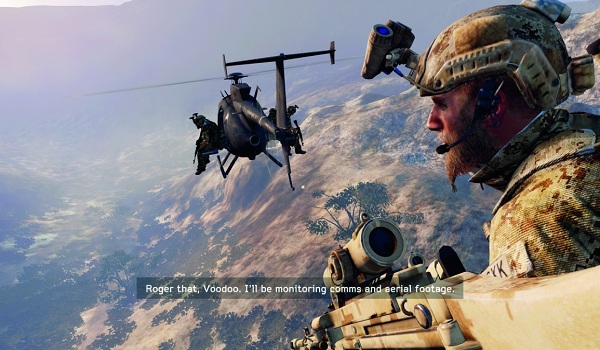
One particular section in Medal of Honor: Warfighter comes to mind when considering such a perspective. You’re placed on a helicopters side-turret and ordered to basically mow down retreating Al-Qaeda soldiers as they run into the hills. As I started to do this I got a pretty uneasy feeling about whether or not this was right and whether I shouldn’t just leave them be. To which my pilot basically responded, “Woo! Yeah! Kill those sons of bitches! Go America!” It was like the game was telling me, you like killing people right? Well here you go! Defenceless enemy terrorists to slaughter! Do you like me yet?
Maybe I’ve been too spoilt by games like Spec Ops: The Line but in the ever evolving industry we have today do these things really seem that acceptable?
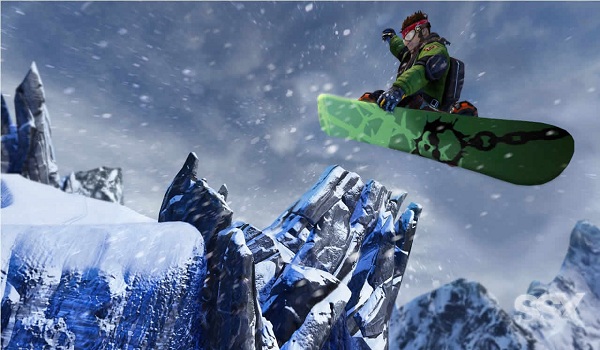
The latest SSX is one game that comes to mind when thinking of a well put-together, appealing and most importantly fun game that doesn’t reward a player for unnecessary violence. An incredibly designed snowboarding game that allows the player to pull off ridiculously impossible gravity-defying tricks in the air, SSX is a success because it brings everything together. It doesn’t just rely on one thing to get players through the entire experience. With an amazing soundtrack, various environments and ever changing gameplay; the title does far more than simply putting you through a shooting gallery. And that adrenaline rush gamers seem to crave these days from exploding cars, buildings falling down and baddies getting what they deserve is in here to. Try boarding downMount Everest at break-neck speeds, dodging trees and rocks in a quick dance of turns and twists or wing-suiting off some of the highest mountains in the world and tell me you don’t feel that rush.
Journey also features little to no violence in the entirety of the game. While there are these flying snakes that can pick you up and drop you again, it is because of the art design and music that this affects us. Not the simple act of the snake. By effectively combining touching musical scores, stunning art design and character development (partly seen in the scarf) this downloadable title demonstrates how a non-violent video game can still fuel player emotions. In contrast to SSX however, Journey plays less with our adrenaline and more with our base emotions, happiness, sadness, anger and regret. Powerful tools in the arsenal of any title and tools which current-gen developers ought to sit up and begin to make more use of.
Violence isn’t bad, it just doesn’t make a game like so many seem to think. Including excess violence is not an excuse for lazy design choices, no matter how many waves of enemies you throw at the player. I thoroughly enjoy violent video games; in fact just like what you’ll see in your local gaming section, the majority of games I own are violent. It’s just that this should not be relied upon to carry your game, nor should it be the game’s sole driving force.
The sad fact of the matter is that the majority of good games are ones in which you kill, steal and generally partake in acts that would be considered questionable in today’s society. Maybe this is because we as people cannot do them in real life. Maybe it is for that kick of adrenaline we gamers love so much. Or maybe it is merely because that is where all the profit can be made and so this is why we see so many “COD Clones”. Regardless, violence in video games existed shortly after its creation and I have no problem with it, no problem at all. Developers and publishers just need to realise however that violence does not automatically equal a good game. At the moment the consensus it that if we add in the ability to shoot someone in the head our game will probably sell well; however just doing this does not add up to the best player experience one can provide.
When we start to realise this, the medium will be able to more easily move forward and we can get back to what makes it so great, namely all the different ideas that make gaming so diverse!
Swipe The Deck Developer: Enders Fund Publisher:Chillingo Platforms: iPhone (Reviewed), iPad, iPod Touch Release Date: November 8, 2012 Price: Free for a limited time – Available Here
Overview
You know that feeling you get when walk into the gambling section of a pub and it smells like dead dreams? Well I do because I don’t gamble on the pokies, I despise them, but each to their own. So that’s one way you could describe the initial impression of Swipe The Deck, it’s a quick turn around sort of game, simple but fun and it will please Poker fans all around. I’m a fan of poker myself, so simply looking through a deck of cards for combinations is pretty neat, but ultimately quite limiting in it’s depth. As a result, you have a game that doesn’t try to do anything special, it throws in multi-player and a few power ups to spice things up. But essentially it’s a straightforward affair, you swipe combinations on a deck of cards, it is what it is.
Visuals and Audio
You can’t really expect much, right? The loading screens pretty cool though, the poker chips bounces across three cards as you wait, nice! I don’t particularly understand the icon of the game or the crazy king, since it doesn’t fit in with the generic theme, but whatever makes it more interesting I suppose. You got the standard colour scheme of poker, some nice bevels on the cards and funky animations across menu transitions. Other than that, it’s essentially a standard gambling game, you could walk into a pub and get the same thing there. But you’re not exactly playing a poker game for graphics, Swipe The Deck does a good job for what it is. Let’s not forget the games sound effects, which unsurprisingly are pretty average. It’s a similar affair, it sounds like a pokie machine room every time you get a combination. There’s an announcer everytime you score a hand, just imagine “PAIR!!”, “FLUSH!” then the sound of a slot machine. Can you see my issue with this? It can become fairly annoying, as such, I turned the sound off after awhile.
Gameplay
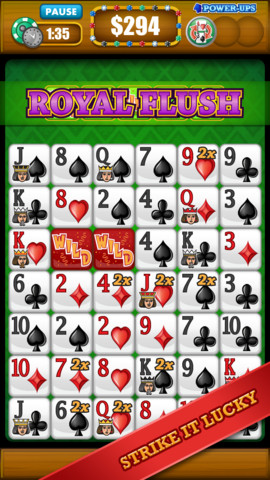
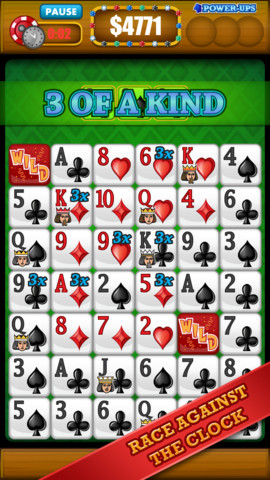
Swipe the deck, it literally explains itself, but I will do it for you dear reader (if there is any). So you swipe on the combination of cards (well it’s more like a drag), like a flush for example, which is five of the same suit for the poker newbs out there. I may have tunnel vision, but alot of the hands I swiped were flushes, I’d say almost half were. You have two minutes to get as many combinations as possible, try to get the highest score, the more difficult the hand the higher the score. Ground breaking stuff right? In all seriousness though, it’s simple time-wasting fun and power ups add a little extra to the mix. Race against the clock! It essentially comes down to being a frantic matching game, so it’s not strategy in the same way poker is, but it does play on your ability to observe quickly.
Power ups are things like adding an extra 15 seconds to the round, resetting the board of cards, revealing 3 high value hands, multipliers and swapping the location of cards. There’s also “wild cards” which are any card according to what it sits beside and also premium power ups, which you unlock in the store. Last time I checked, putting monetization into a game shouldn’t kill the balance or fairness in multiplayer, well this sort of does if you’re willing to pay. I don’t approve, and I don’t think most players would, but they’ve got to make money somehow right? As far as multi-player goes, you’ve got the standard facebook integration and random opponents incase you’re a virtual nigel (no offense)
Overall
Swipe the Deck, or as we’ve joked previously, replace the E in Deck with an I and the game sounds alot more entertaining/amusing. You basically have a game that doesn’t try to do anything special as I’ve mentioned before and you can’t really mess up a card-game. Poker or anything to do with poker is an old past-time and Swipe the deck is one of those games where you think “Why hasn’t someone done this before?”. It also throws in multi-player, but other than that I can’t really justify saying it’s anything great, it has a limited life to it. But if you like a decent spin-off game and enjoy poker, go for it.
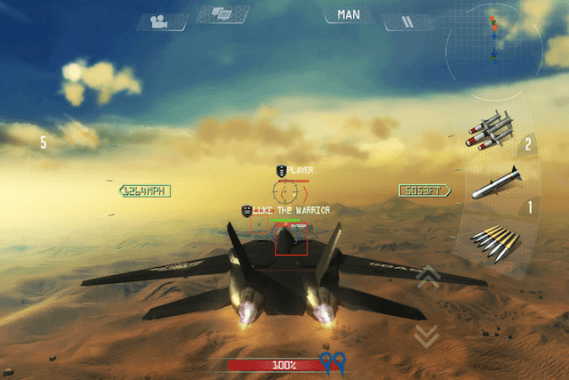
Namco Bandai games have announced that along with developer Revo Solutions they have released a brand new update to their popular Sky Gamblers: Air Supremacy game on the app store for iPhone and iPad.
The new update features a new mode called ‘Party Mode’ which allows for four player splitscreen dogfighting skirmishes over AirPlay through Apple TV. The update also packs a punch of 12 new levels, each level featuring many new surprises to encounter.
Want to get in on the Sky Gamblers action? Well you can check it out for the mere price of $2.99 here on the app store. Let us know what you think in the comments section.
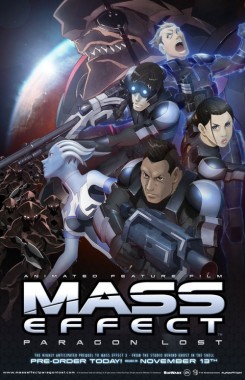
In case you haven’t yet heard, the multi award winning game series Mass Effect is receiving its own anime movie release. If you’re a die hard Mass Effect devotee, then you’d be interested to know that Madman Entertainment has offically licensed it for a physical media release on DVD and Blu-Ray. Already animated, voiced, cut and complete, the release date has been set for January 9th 2012.
Mass Effect: Paragon Lost was one of Madman’s feature preview items on show at this years EB Games Expo, which I myself was fortunate enough to watch in its entirity. For those that missed out, check out the offical trailer below! The movie’s main character is shown to be James Vega, one of Shepard’s allies in Mass Effect 3. The plot takes place during the events of Mass Effect 2 during the time period when Shepard had come down with a bad case of half-deadness. The plot revolves around how Vega came to be regarded as one of the Alliances best and and show some of the tough choices he had to make. As a series that prides itself on the concept of action and consequence, the themeing of the anime is particularly powerful, and makes the whole thing a wild ride up until the end. I won’t ruin anything, but this should be regarded as a MUST have for any self respecting Mass Effect fan.
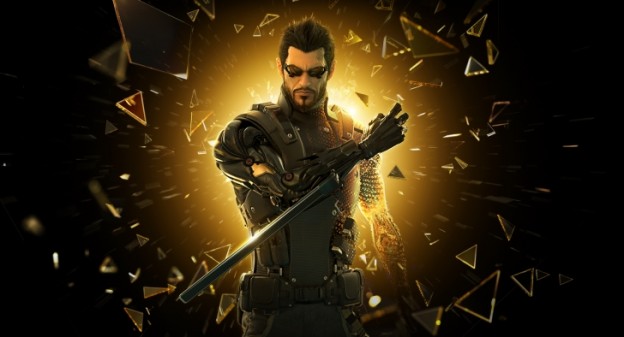
CBS Films announced earlier this week that Scott Derrickson, director of recent horror genre entry Sinister, will be at the helm of the upcoming Deus Ex: Human Revolution film adaptation.
The official synopsis for the film should be a wholly familiar one to us gamers: “Set in the near future, when dramatic advances in science, specifically human augmentation, have triggered a technological renaissance, Deus Ex: Human Revolution follows Adam Jensen, an ex-SWAT security specialist who must embrace mechanical augments in order to unravel a global conspiracy.” Step no. 1. Don’t screw with the main plotline. Check! Phew!… Derrickson will also be writing the script with his Sinister co-scribe C. Robert Cargill.
Derrickson stated, “Deus Ex is a phenomenal cyberpunk game with soul and intelligence… By combining amazing action and tension with big, philosophical ideas, Deus Ex is smart, ballsy, and will make one hell of a movie. Cargill and I can’t wait to bring it to the big screen.” All true, and it seems the two genuinely love the game, especially Cargill. When asked by Movies.com whether or not he has actually played the game, he said,”Several times. I’m in the middle of my third play-through now. I’m trying to beat it without killing anyone but the bosses, which is not easy. There’s something particularly cool about playing video games for “research” and getting to tell your wife you’re “working” while you’ve got an XBox controller in your hand.”
It’s a breath of fresh air to know that the screenwriter actually has first hand knowledge and experience with the source material…it doesn’t happen often enough, and can be blamed (partially) for the bad game-to-film adaptations of the past. Cargill also alludes to the approach the film-makers will be taking, saying “The way we’ve approached it is that we’ve decided not to make a video game movie. We’re making a cyberpunk movie.” Obviously the biggest obstacles moving forward are formed by the inherent difference in story-telling methods and pacing between games and film. Films don’t have 30 hrs to tell a story…something that Cargill acknowledges throughout the interview.
This duo of horror genre experts may not have been the first choice by the fans, but how do you guys feel about the project now? Let us know in the comments below!
Namco Bandai Games Europe S.A.S. has announced the release of Xbox Live Arcade original Lazy Raiders, now for the iOS.
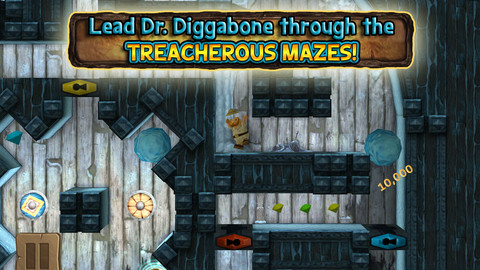
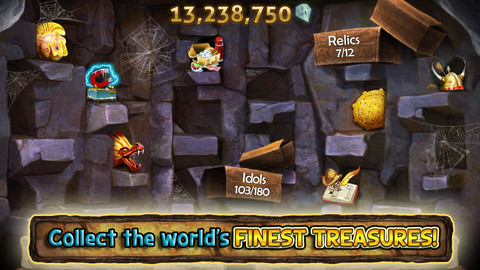
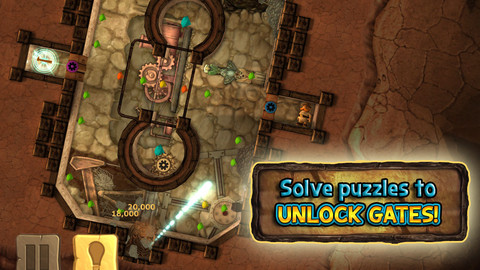
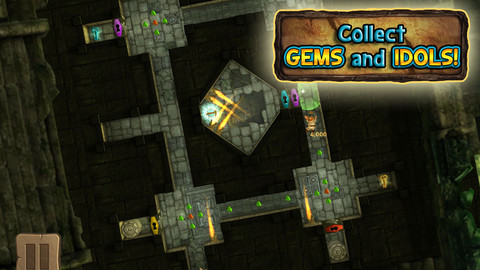
Lazy Raiders for the iOS has players reprise control of Dr. Diggabone as he, lazily, sets out to retrieve 16 Lost Relics that he believes will grant him instant fame and fortune. Dr. Diggabone is so lazy, in fact, that the player must manipulate the world for him to proceed! Tilting, spinning and flipping the game world allows this goof of a treasure hunter to navigate his surroundings, attaining gems, money and idols (180 of them!) as he progresses. The built-in accelerometers of the iPhone, iTouch and iPads are the perfect means for how the game was meant to be played.
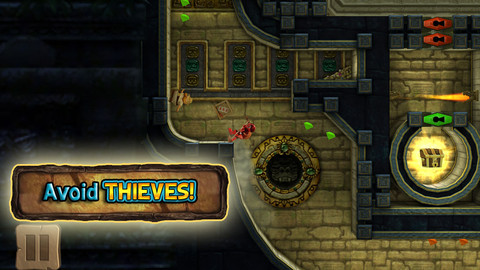
Of course, throughout the 60 levels of gameplay, players will inevitably come across some obstacles. In this case, they come in the form of thieves, minions and boulders (nice Indy reference). Avoiding these impediments is ideal, as Dr. Diggabone is hardly in any shape to combat them. This iOS version features full Facebook integration, so you can boast about your successful treasure hunting acquisitions, made across all three environments: the Seven Cities of Gold, Arctic Caves and Wild West.
With great graphical detail being retained, and the touch screen/accelerometer controls befitting of the original gameplay concept, Lazy Raiders is a steal at only $0.99 on the app store right now. Buy it here.
Frontline Tactics Publisher: Meridian4 Developer: Full Control, WIT Entertainment Platforms: PC (Reviewed), Mac, iOS Release Date: October 26, 2012 (PC/Mac), November 1, 2012 (iOS) Price: Free to Play – Here
Overview
When thinking of strategy games, most tend to think on the lines of Command and Conquer or even the fantasy driven Warcraft/StarCraft series. However, the one major difference in strategy titles is whether or not it is occurring in “real-time”. Unlike the StarCrafts, Frontline Tactics is completely turned based which isn’t necessarily a bad aspect. The title additionally offers many elements from other genres such as a tiered customization system normally seen in role playing games.
Becoming a social game norm, the free-to-play feature has the ability to bring in potential consumers. Like so many others, Frontline Tactics basically presents the base of the game as a demo and allows players to buy into the game’s merchandise to increased the survivability of their characters. Everyone can play the game for free, but should you dish out the extra cash for the extras? Let’s take a look.
Story
An oil-riched nation by the name of Fahrahn is being taken over by a small military sect led by the crazed propagandist Akhali Muhamar. Being a larger supplier of oil to the Western nations, Fahrahn cannot be compromised by any means. Elite soldiers from around the world have been called in to take special care of the matter. Hopefully, it doesn’t turn into a world war.
The basis of the storyline seems feasible but hardly offers the consumer anything new other than a change to the country’s name and military tyrant. Based in the near future – 2025, Frontline Tactics could be the prediction of an ensuing oil crisis since the world powers failed to transition over to renewable/environmental friendly resources. None-the-less, this event is something that has been done already and military action only solves the problem short-term.
Beyond the background of the title, the story becomes lost as each mission becomes repeatable. Soon enough you have saved the village or died trying over 10 times only to purchase better body armor. In this light, the story is not supported and merely becomes a background feature with the theme of “go get ’em tiger”. Don’t you forget your grenades now!
Gameplay
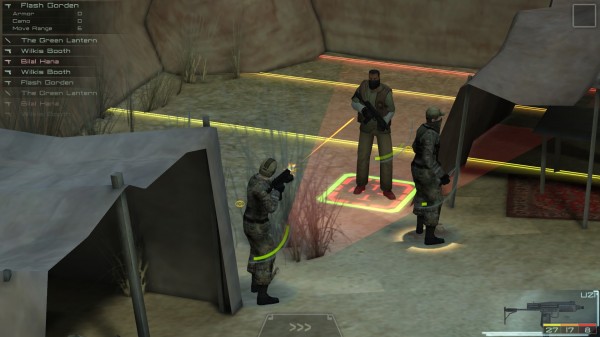
In the beginning, there were two but not Adam and Eve. Frontline Tactics starts you off with a potential squad of two personnel. One squad is supplied with proficiency in small arms, and the other is proficient in sub-machine guns. Upon entering your first mission, you can tell that each squad has an effective gun range: yellow, orange, and red. Depending on the weapon that the squad equipped, the effective range can be short, medium, or long range. For instance the small arms squad will have the most effective short range and decrease in effectiveness as the target moves away. However, long range equipment like sniper rifles depend on long range for the most damage.
Weapons like the sub-machine gun have a ‘cone of fire’ which dictates the spray area of bullets. This comes in handy when placed near three enemy squads in a tight space. Precise movement may be necessary, but mowing down a group of enemies with a sub-machine gun becomes essential early on. Other weapons that provide radial damage are stun and frag grenades. A stun grenade can deter an opponent from their next action while frags deal a heavy dose of damage. Save the grenades for grouped up enemies because it may result in a repeat turn (stun) or instant kills (frag).
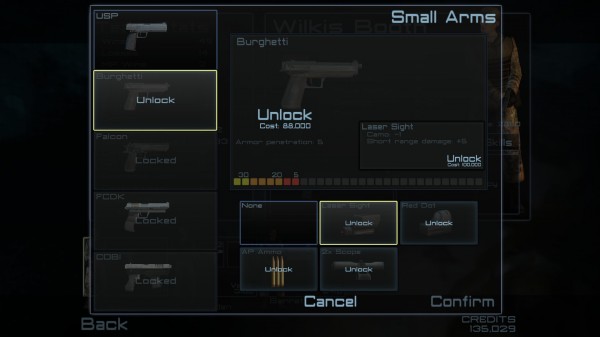
At the main menu there is an option for the Barracks. The Barracks opens up to each of your squads and allows you to customize them in junction with the credits you acquire through missions. For instance, the standard weapon for a small arms squad is the USP. We can unlock the next tiered pistol – Burghetti – for 88,000 credits. But we won’t stop there. By paying an additional 100,000 credits, we can unlock a laser sight which increases short range damage done by 5 but reduces camouflage by 1. Armor is tiered the same way with the higher tiers requiring the purchase of the lesser tiered item first. You can’t just buy medium armor without purchasing light armor first! Wait, that is a little silly.
Up next is the available mission types. The six available types are as follows: Eliminate All, Survival, Area Defend, Area Capture, Area Control, and Area Escape. Not all mission types are available from the start but can be unlocked as missions are completed. Eliminate All is just as it sounds. As you begin your mission in one of the repeatable maps, your objective is to kill or be killed. The developers suggest you gang up on single targets to weed enemies down to zero.
Survival mode can be one of the hardest modes to play through. Depending on how many squads can be launched, you may end up sending your highest armored squad to the wolves. Running around becomes your best option along with the use of camouflage. Surviving 20 rounds can be devastating if reinforcements arrive, but heal up with a medic if you can and get the heck out of enemy crossfire (double damage).
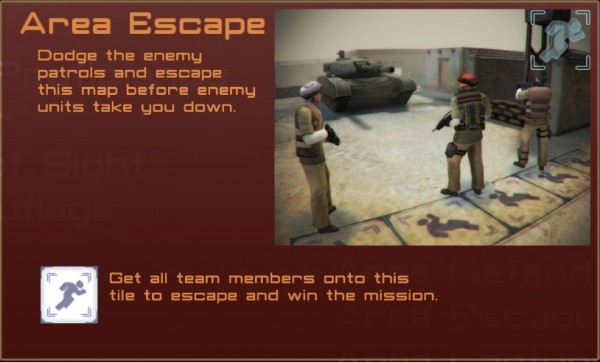
All ‘Area Modes’ act on the same principal. Your squad must be in a certain area to defend, capture, control, or escape. Only by making it to these markers and performing the required feat will your squad become victorious. For example, in Area Escape the player must escort each squad to an escape area marker (looks like a running man). Once each of your squads have made it to a marker, you will receive the end mission scenario. Failing to get all of the squads to an escape marker will end the mission.
Multiplayer should be one of the key selling points to this game. However, all that remains is a lag filled disappointment. When entering a multiplayer game, you can search for a random game as versus or co-op. Players can also create a game, yet the created game is also randomized. This gives players zero control of what map or type of mission they would wish to play. Players that get a game started can expect long waiting times between moves. I was typing in the very, very small text box to another member of the community while playing an online session. We were able to send messages back and forth discussing what our screens were displaying in accordance with the moves we performed. It would seem like minutes passed before I or the community member noticed a difference on our screens. This is one area the game needs serious work.
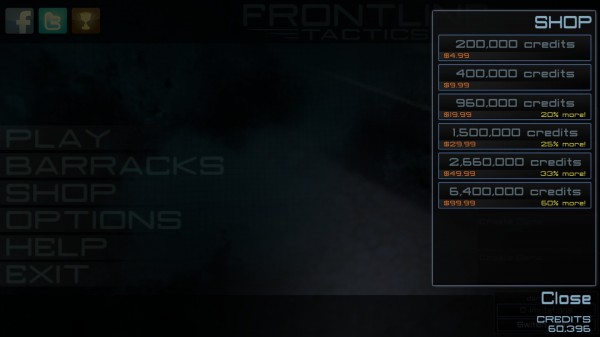
Remember that players can earn credits when completing missions? Well, this free-to-play community offers players the ability to purchase credits to gain an advantage. Like most social games, Frontline Tactics offers a complete listing for credit purchases. I could see this being used to help players potentially complete the game with all of its achievements, but I would certainly not do so to gain an edge over online combatants with the current system in place. To compare the price differential, here is the gap from smallest to largest amounts: 200,000 credits = $4.99; 6,400,000 = $99.99 (60% more). To put this into perspective, it would take 1,400,000 credits to upgrade a squad into heavy armor alone. Imagine doing this to three squads; you just tripled that amount to 4,200,000 credits. If you were to win missions grossing minimum 20,000 credits, it would take you 210 missions to reach 4,200,000 credits. I’d honestly play the 210 missions versus spending $99.99.
Audio/Visuals
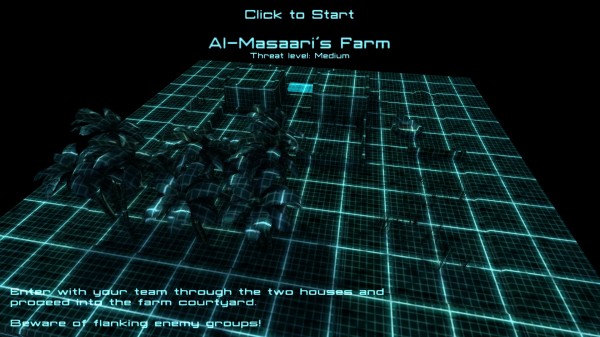
A sleek user interface combined with a straight forward menu system emanates a professional appeal. Frontline Tactics does this well by having easily maneuverable menus and large bold text/icons, so players cannot ignore the click-able items. Additionally, the transitions between menus flow smoothly and offer little distraction. As a sub-menu is selected, the main menu pulls away to the sides of the screen as new icons appear quickly from the center body. By exiting back to the main menu, the center body shrinks until it disappears as the main menu icons return from the sides. I believe the goal was to make the menu system as functional as possible considering the different platforms the game can be played on. Another lasting impression to look for is the computerized grid landscape of the level before entering the mission.
Certain visuals in the game, however, tell a different story. The developers should have taken what they put into the main menu system and incorporated similar aspects to the mission aesthetics. One such problem with the user interface is the text box for players to talk amongst each other. First, the box is too small and does not allow the player to type a lengthy message – only 40 characters. This hardly proves worthwhile when typing out sentences. Second, there isn’t a true defining characteristic to decipher your text apart from another player. The least that could be done is to have a player’s name before the sentence or even a change of text color.
As mentioned in the gameplay portion, several missions become replayable thus limiting the variety of total environments. Grinding through enough ‘unlocks’ warrants more maps to be unlocked, but the repeat commences thereafter as well. A random map generator could be quite useful in this instance to give players something new to always look for.
Main menus are infamous for looped audio intros, and the main menu audio for Frontline Tactics is not any different. In fact, you can distinctly tell when the loop is done and starts over from the beginning. This gives me that aggravating feeling like falling asleep to a movie only to wake up in the middle of the night to the repeated intro. It’s torture! Thankfully, the audio clip is long enough that it shouldn’t have to repeat often.
Sound effects present me with a mixed feeling as a variety would be welcomed, but the overall deliverance is acceptable. The sounds provided from selecting menus and score accumulation accentuates the grid/technology theme. Whereas the sounds coming from some of the equipment – pistol and sniper rifle – sound terribly alike. Character voices are obviously the same along with their appearances. All that seems different is the type of armor/equipment they are currently wearing. And where are the female soldiers?
Overall
What does the game do well? The game start-up offers a promising aesthetic feel as it has successfully ported to several platforms. The menu systems work well in accordance to visual and audio effects proving that user interface does have value to a player. Furthermore, customization within the Barracks can be fun to mess around with to create unique squad builds. In addition, the ability to unlock content by winning every ‘5’ missions sets a viable goal for players to accomplish.
Frontline Tactics does, however, fail to meet player expectations in some key areas. Online multiplayer requires additional support in areas such as: lag, level/threat select, mission select, and community user interface. Additionally, the credit purchase system would hold more merit if the game could provide a fully functional online multiplayer. Justifying the purchase of $20 or more of credits for solo missions and achievements would be like selling peanuts to a peanut factory. The player is going to acquire the credits eventually and would only need to purchase $5 worth to gain an achievement for purchasing from the store. With all that in mind, even the single player portion can become awfully repetitive by playing the same levels over. The redeeming quality is that it is free to play.