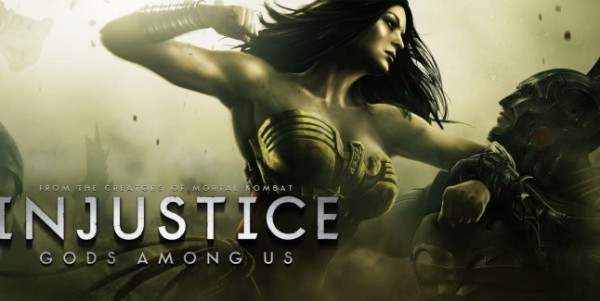
Warner Bros., DC and Netherrealm Studio’s have today released the official launch trailer for their upcoming DC Superhero fighting game, Injustice: Gods Among Us. The fighter is being developed by the team that released the latest Mortal Kombat game and as such, looks like it will be a very tight and fun fighter.
Injustice: Gods Among Us will feature a new and unique storyline featuring many of DC’s most recognisable superheroes. This storyline will place all characters in a world where good and evil doesn’t matter, and in a world where heroes can face-off in the most brutal and engaging battles ever.
Be sure to check out the video embedded below to see the trailer.
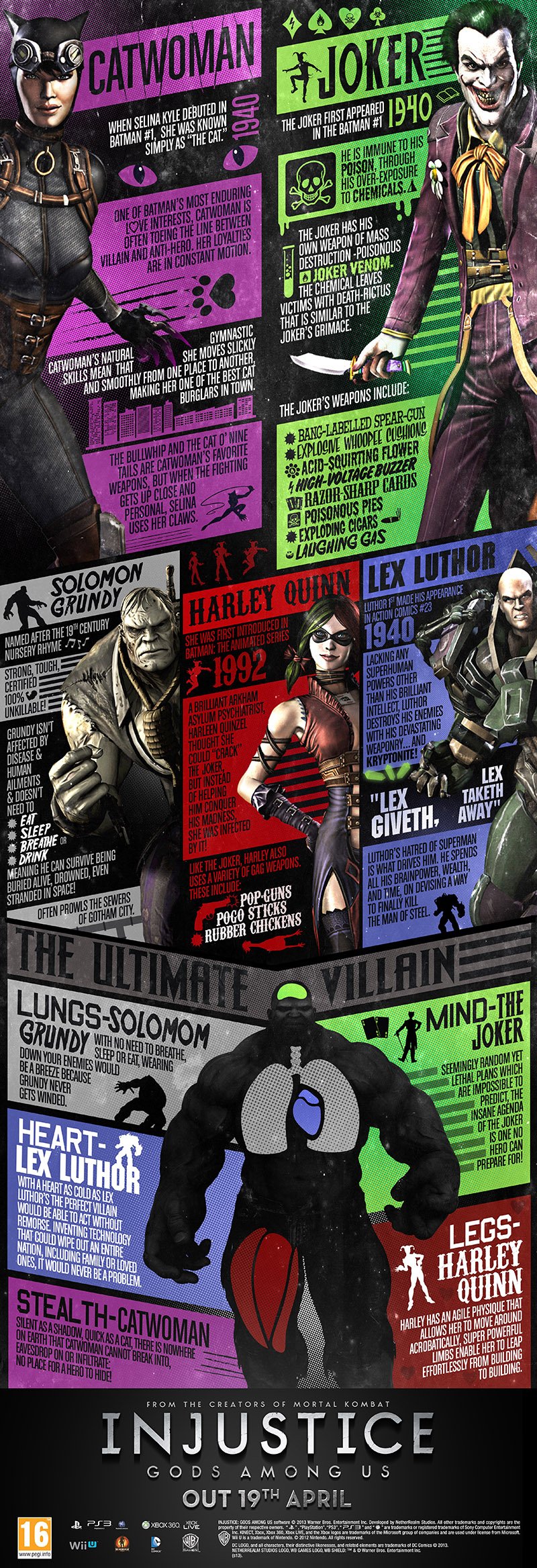
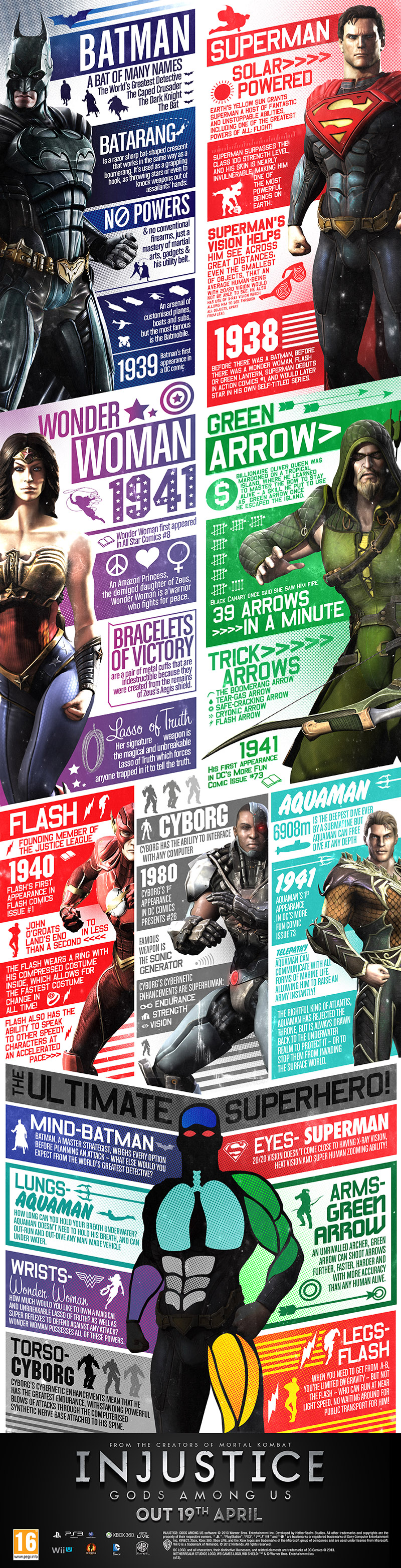
To celebrate the release of Injustice: Gods Among Us on April 17th, (along with the launch trailer just released) Warner Bros Interactive Entertainment have commissioned these cool infographics for both newcomers to DC Comics and die-hard fans alike.
They detail some of the key characters from the universe, and the game. One focuses on the Superheroes and one focuses on the Super-villains, with each offering an insight into each character’s humble beginnings and assembling the best traits of them all to posit the ultimate Superhero and the ultimate Super-villain.
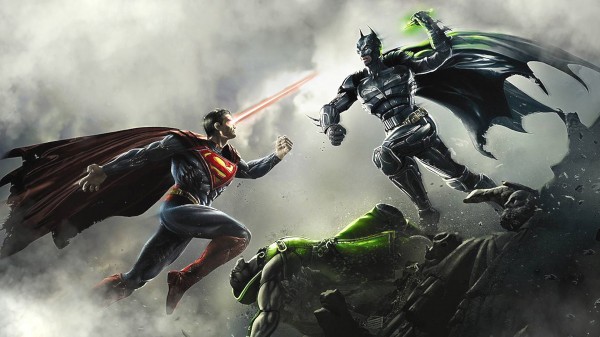
Check the infographics out below. We will have our Injustice: Gods Among Us review up as soon as the clock turns to 12:00am on April 17th. For now, make sure to vote in the Battle Arena to determine the champion between Batman and Superman, and download the free iOS game that enables you to unlock extras across both versions (console and mobile).
Breaking Update: Players will now be able to warp between Bonfires from the beginning of the game. And one can’t help but be happy about no more slogging through already discovered areas.
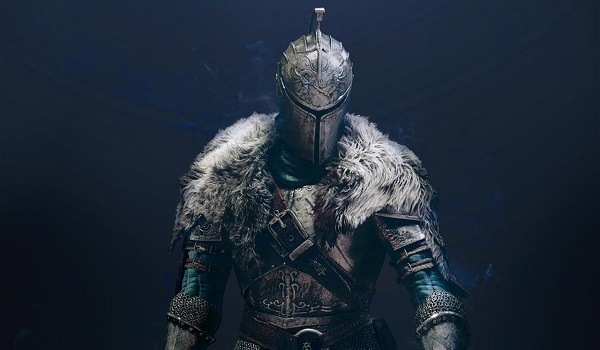
It’s time to sharpen your sword, don your armour and wearily step into battle once more, because Dark Souls II has finally revealed the new horrors that players will have to endure in a dark world. Confirmed as a direct sequel to the original Dark Souls, Dark Souls II will however feature an entirely new world and character, with this Hero cursed and seeking a cure in these new and uncharted lands.
Players will once again be able to experience the soul crushing difficulty of the previous two games with Tomohiro Shibuya and Yui Tanimura taking the helm as new developers; Hidetaka Miyazaki (who directed both Demon’s Souls and Dark Souls) will luckily still be returning in a supervisory role.
Combine the new gameplay features and a brand new awe-inspiring but always deadly world shown off in the trailer below with the incredible news of the return of dedicated servers, and you have a Dark Recipe for success. Coming to the Playstation 3, Xbox 360 and PC sometime in 2014, Dark Souls II looks to continue the running trend of quality From Software has become known for.
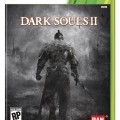
Check out the just revealed cover art for each version down below and make sure to watch the “Despair” trailer for a taste of what is to come.
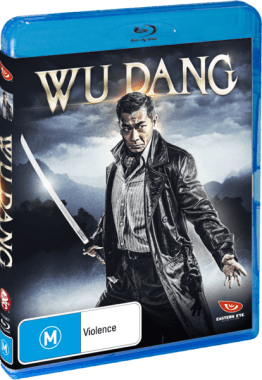
Wu Dang Studio: Mei Ah Entertainment Publisher: Madman Entertainment Format:Blu-Ray (Reviewed) and DVD Release Date: March 13, 2013 Price: $34.95 – Available Here
Overview: Chinese cinema has stood on its own two feet since the late nineties. Film production is at a point where it replicates the nature of the Hollywood studio system at its highest level, so we can expect the same pros and cons we apply to the US. The question here is, does replicating Hollywood blockbusters help or hinder “Wu Dang?” It certainly follows the ‘high concept’ formula of film making, which I’ve always found ironic since the style actually generates low brow films. The cast is pretty big if you’ve seen a bit of Chinese cinema, half the cast should be familiar from the “Ip Man” franchise alone. Xu Jiao of “CJ7” fame is here as well, actually playing a character who shares her gender this time. With the popularity of fantasy-realism across Asia, you can at least expect this film to gross well.
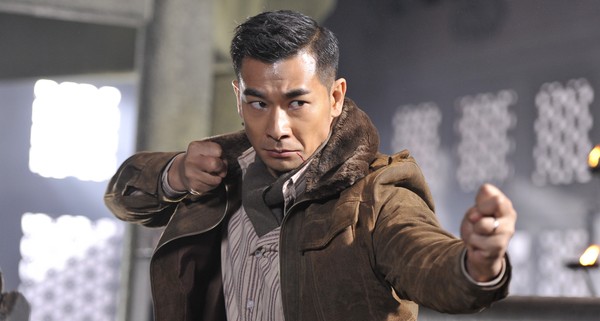
Story: Set in Republican Era China, the time period from 1912 right up to Japanese occupation, the story opens with Professor Tang Yunlong (Vincent Zhao) doing his best Indiana Jones impression. It would have been really cool if the film continued down this path, particularly with the matching time periods and aesthetics in the opening sequence. Alas, it is not to be the case. Tang Yunlong has returned from a self imposed exile to the United States in order to sponsor the 500th anniversary of a martial arts contest held in the Wu Dang mountains. His daughter, Tang Ning (Xu Jiao) is to compete in the contest.
Yunlong uses his sick archaeology skills to decode a map he found with a forged antique sword that was being flogged by Paul Chen (Tam Chun-yin), a trafficker of artefacts. The loot depicted on the map should help Yunlong aid his daughter but when he arrives at Wu Dang, it appears the mysterious Tian Xin (Mini Yang) also has a whiff of the loot. Splitting up the treasure hunting elements of the film is the martial arts contest. Shui Heyi (Louis Fan) has been selected as the representative for the hosts via the age old selection process of waking-the-master-from-hibernation method (Xie, played by Henry Fong). This creates a minor uproar and greatly disturbs Bai Long (Dennis To) due to Shui’s inability to kung-fu. Xie schools Shui Heyi in the art of sleeping kung-fu, a method that speeds up the process of learning kung-fu significantly.
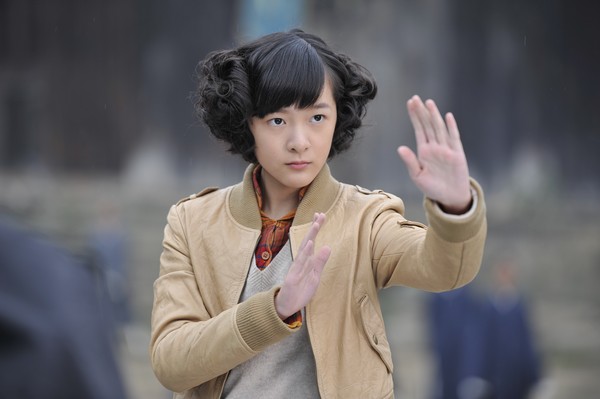
There’s a bit more going on here but not much and I won’t detail it in case you want to watch the film. Director Patrick Leung does what he can with the story here, using the fantasy elements to highlight the emotional cores of his characters. Without this, many of the characters would feel one dimensional so the fantasy element earns its place in the narrative. “Wu Dang” sets itself up as a blockbuster and as such doesn’t have too much room to explore any motives beyond setting up the take away message of the film. That message is something along the lines of ‘families are cool.’ A shame really, as the two best actors for my money are Xu Jiao and Mini Yang. Mini Yang’s character Tian Xin is a great independent female protagonist right up until the end. While you can’t really expect more from a blockbuster, it’s a massive let down watching the final sequence of her character arc.
All the relationships here are a bit screwy on reflection, not just Tian Xin’s. Shui Heyi, for example, has been tending to his mother’s sickness for so long he hasn’t had time to find himself a wife. When Tang Ning – who I should point out could be no older than 14 at a push – literally falls from the sky onto Shui’s bed, his mother immediately recognises this as a sign that they are to be wed. A fair chunk of this film is based around this relationship, which initially Shui recognises as creepy. He gets over it though. It would almost be hard to describe it as a romantic one as there is an innocent charm to it if it weren’t for the mother character constantly going on about their impending marriage, bringing their relationship firmly into weirdo territory.
Overall, there’s little substance to be found in the narrative. Most of the action focuses around chasing down macguffins. Once all of the macguffins are found the rest of the film strings together deus ex machina moments till the production team ran of screen time. This is where following blockbuster formulas forces you to make a boring movie. If the pay off at the end were worthwhile, or at least believable within the universe the film has created, then some of the moments preceding could have been endearing. Without such a pay off everything beforehand is rendered rather trite.
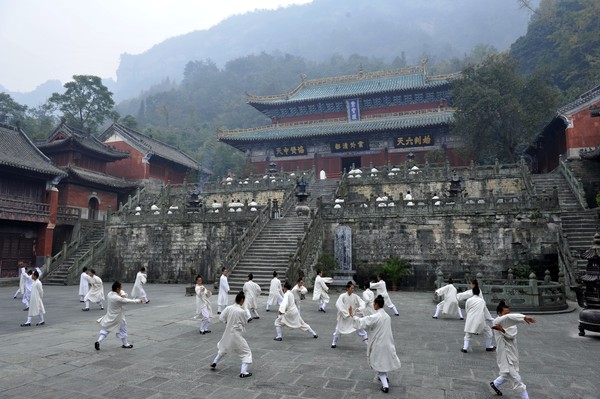
Visuals: “Wu Dang” is beautiful. Every part of it is beautiful. The Wu Dang mountains themselves are a spectacle, almost verging on that magical point where they become their own character. If the narrative has done more to have the characters relate to that space, “Wu Dang” could have been compared to movies like Apocalypse Now and Bladerunner where the locations have such a massive impact on the audience they gain a personality. There are times where you get this sensation yet without the location moving the characters I can’t honestly say they pull it off here.
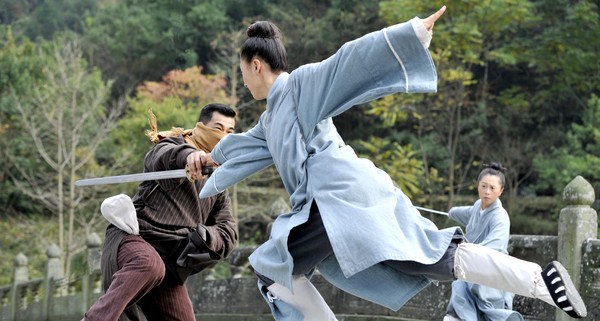
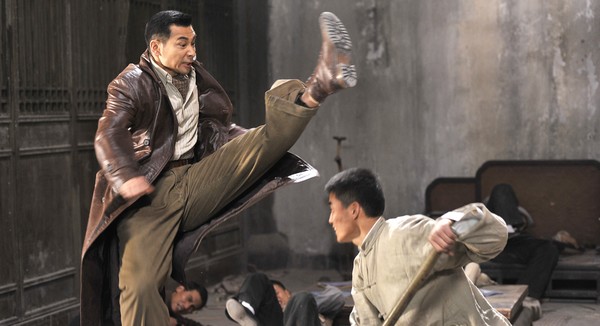
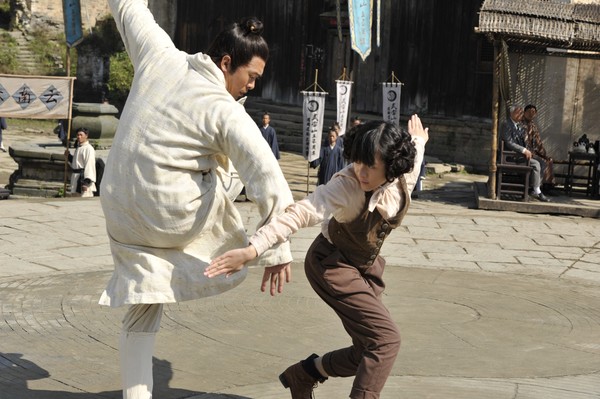
Corey Yuen choreographs the fight scenes with the panache you would expect a veteran of his stature to be able to produce. Corey is renowned for films like “Romeo Must Die” and “The Transporter” in the West but he’s also achieved some great heights at home with “Legend of the Red Dragon,” “Thunderbolt” and “Fong Sai-yuk.” Wire work is used extensively to give everyone super powers, which is actually highlighted really well in a scene with Tang Yunlong and Tain Xin. Yunlong gives Xin some stick, insinuating it’s because she’s a woman. When she spits back an insult at him he takes it back by saying ‘we’re all masters here.’ That feeling of each character being a master of kung-fu is very strong. Even Xu Jiao is portrayed in such a way that despite being a young teen she can obviously kick a grown man’s butt.
Cinematography is the core strength of the film. Each shot plays off the last, even in the sloppier moments. The colour palate has so much diversity within it it would be easy for a less adept director to lose control of it and have a psychadelic looking mess on their hands. Instead the colours are cleanly used to set up so much it feels condescending that we also have to put up with the superfluous exposition. Costuming is used to full effect thankfully. Choosing such an interesting period to work within has given Academy Award winning Emi Wada the perfect opportunity to let loose. Yunlong in particular stands out with a uniquely academic American style punctuated against the monastery. Sure, you’ll probably forget the story when the credits roll, however some of the images will stick with you for some time after you’ve walked away.
Audio: Being a fantasy realism film, playing with sounds is necessary, not only to establish that blend. With fantasy realism sound is integral to define what lines are being crossed and which ones we’re staying firmly on the side of reality for. “Wu Dang” understands this. Weapons all have unique sounds, in particular there is one scene where Yunlong has just stolen an artifact and is being chased by all female guards. Their costumes denote that they’re a team and the sound is allowed to step in to show how deft they are at sword play. An ethereal sound accompanies each swing, syncing with the action within the scene to create one of the films finest action sequences. The soundtrack however, does what it needs to do in order to keep the pace of the film going. To be fair, having a soundtrack that goes almost unnoticed displays that they are working exactly to their intent.
Extras: There are 2 special features on the disc. A 30 minute making of and the trailer. I never understand why the trailers get attached to these sort of things. Obviously it’s because it’s cheap and they can – still I can’t help but feel they’re useless. Unless you go out of your way to watch it first, the trailer is moot. The making of isn’t so much of a documentary about how “Wu Dang” was made, rather it is a long winded circle jerk where the actors tell each other how good they are. None of the production is covered outside of extended wire choreography that sits underneath the actors talking about other actors. What could have been an insightful look at how big budget productions operate in China is used as marketing material. It’s a waste and I can’t suggest looking at it unless these actors are among your favourites. Even then, they don’t come off as sincere.
Overall: “Wu Dang” is a blockbuster, trying to achieve what blockbusters must. It’s palatable for the whole family, reinforcing cultural norms while drawing inspiration from common people’s extraordinary achievements. No one is expecting a piece of high art out of this, at the same time no one was expecting it of Indiana Jones either. When you make a film that uses spectacle as the key selling point, at least try to make the narrative a romp so the audience can get carried away. In “Wu Dang” we see the characters move from set piece to set piece in a logical and boring fashion. The budget hasn’t gone to waste seeing as everything in frame looks so god damn gorgeous. Yet it’s such a shame that with a little tweaking and more devotion to story telling they could have validated their efforts here and made an entertaining film. One that could have stayed on in the imagination slightly longer than the time it will take you to put the disc back in the box and get a drink.
Capsule Computers review guidelines can be found here.
Can’t get enough Tiger & Bunny in your life? Well now you have a chance to read the adventures of the unwilling duo of Barnaby and Kotetsu as Viz Media has recently released the first volume of the Tiger & Bunny manga series in North America.
Earlier this week on April 9th the first volume was released and is available for purchase at an MSRP of $9.99 US. The manga itself contains 168 pages including four pages of full-color character art, though who the art is of was not revealed.
For those unfamiliar with the series, Tiger & Bunny takes place in a world where super-powered humans called NEXT have begun appearing in the world and many of these NEXT have become heroes that prevent crime while also partaking in a special television show called Hero TV where they try to show off for their corporate sponsors. The series originally began as an anime series and we previously reviewed the first set of the Tiger & Bunny anime release which you can read herewhile the second half of the anime series is set to be released sometime in May.
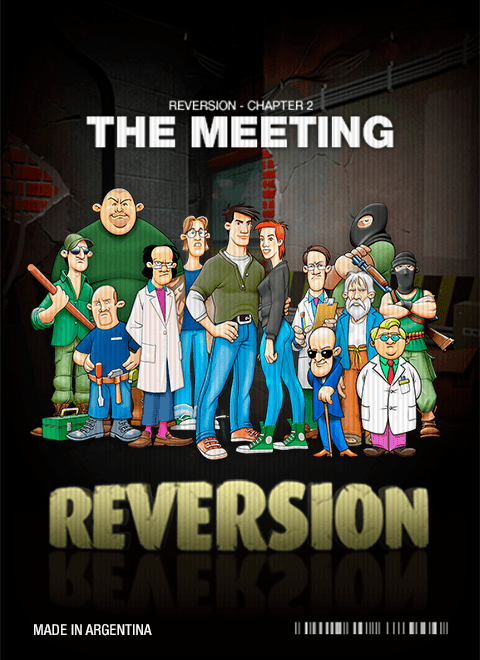
Reversion – The Meeting Developers:3f Interactive Publisher: Desura Platform: PC Release Date: Out Now Price: $5.99 (Buy Here)
Overview
Reversion – The Meeting is the second game in the Reversion series of Adventure games. The title comes from developer 3f Interactive and looks like it was developed in Argentina. As a point and click adventure game, gamers can be expected to do a lot of pointing and clicking in the games environment.
However, is all that pointing and clicking worth your time? Read on to find out.
Story
Reversion – The Meeting takes place immediately after the events of the first Reversion game, I’m assuming. I came to this conclusion after playing the game and taking time to backtrack just a little bit. There is also hints in the dialogue of the game that points out that this is the case.
The story in this game is spaced out nearly almost too much, with players only meeting important characters that advance the plot every so often. Players can sort of tell the background story of the game through paying attention to the world around them, but for the most part the dialogue between characters is all about pointing the player in the direction of the next character that points directions.
While many can consider it a good thing that player learns about the story through the environment, it is still bad form to have the player not learning much as they progress. This is a terrible game in terms of storytelling and I have no idea how this even came to be in existence.
Gameplay
The gameplay in Reversion – The Meeting is much like the gameplay in the first Reversion game, I’m assuming. That gameplay? Horrible. Else, the game would have been noticeable and we would probably be able to buy the first in the series at a store. But, no, we can’t. I don’t even know why the developer would have wanted to continue making this travesty, especially if this is just a continuation of the horribleness of what seems to be the first game. I mean, the quality of a sequel is meant to be better than the first, and if this is the case then the first game must have been much more horrible in comparison.
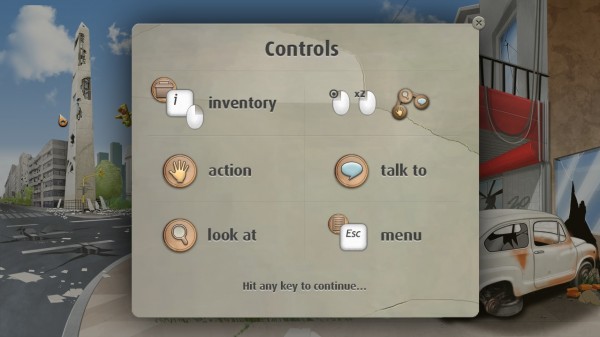
So what makes Reversion – The Meeting’s gameplay so horrible? Well, it’s not so much that it uses traditional adventure game formula’s, that’s fine, it’s more that the game is incredibly poorly executed. You are literally just thrown into a world with very little information to go on and then you are expected to go on and find things out. What makes this worse is that when you apply common sense to situations presented in the gameplay, things just fall apart completely.
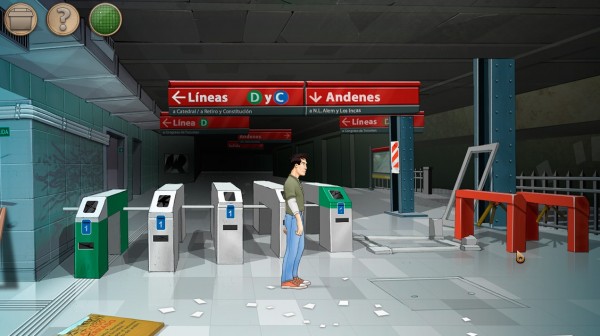
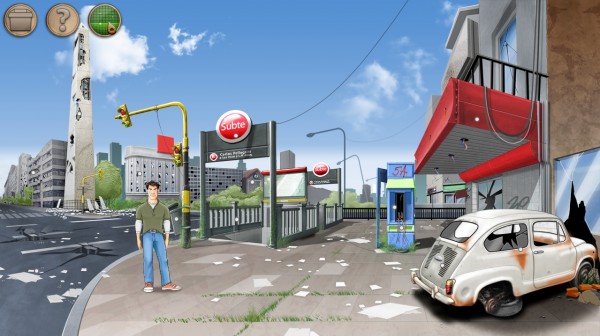
Take a situation very early on in the game. The player has to traverse an underground subway route on foot. Now this would have been fine if common sense applied to the game. But no, it does not. For some unknown reason, other than adding difficulty to the player, the player has to flick these switches in the correct order so that the tracks align so that the player can magically appear at the right station. This is incredibly poor logic because the player character could simply (in a realistic sense) just head in the right direction from the outset and not bother with the levers. Especially when that player character HAS A MAP of the subway.
Much like other, better, adventure games, players are tasked with collecting items that have very little relevance to anything at the time, but could prove to be of use later on in the game. What’s odd about this game is that players start off with a bunch of useless items that have no explanation of what their use is until the correct time plops up in the storyline much later.
Visuals and Audio
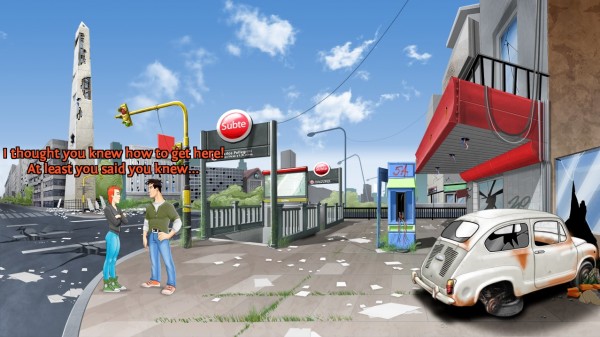
Imagine a game where everything is strangely detailed yet also strangely empty in feeling. This is what it feels like to look at Reversion – The Meeting. There really isn’t much to say about the visuals in this game, they’re just there. Bland, unimaginative and they don’t really give you the sense of a destroyed Mexico like they should. The visuals just didn’t make me care and this is something that a visual based adventure game should be doing.
Once again, this game is just imaginative enough, but this time it’s in the Audio department. The game is fully voiced, but it honestly sounds like all of the voice actors would rather be out getting drunk or picking up chicks or whatever it is that they do when they’re not doing horrible dub tracks. Even more bland than the dub track is the games music. It is just incredibly uninspiring when it is actually playing. As a gamer that falls in love with games through their soundtrack, this game made me want to treat it like I would a dirty, cheating harlot.
Overall
Reversion – The Meeting is a horrible game that should never have happened. If the quality of this game is anything to go by the first game would have been a much worse experience that should have just ended there. But no, the story managed to continue, forcing this travesty on gamers everywhere. Please guys, just stop the series here. Please.
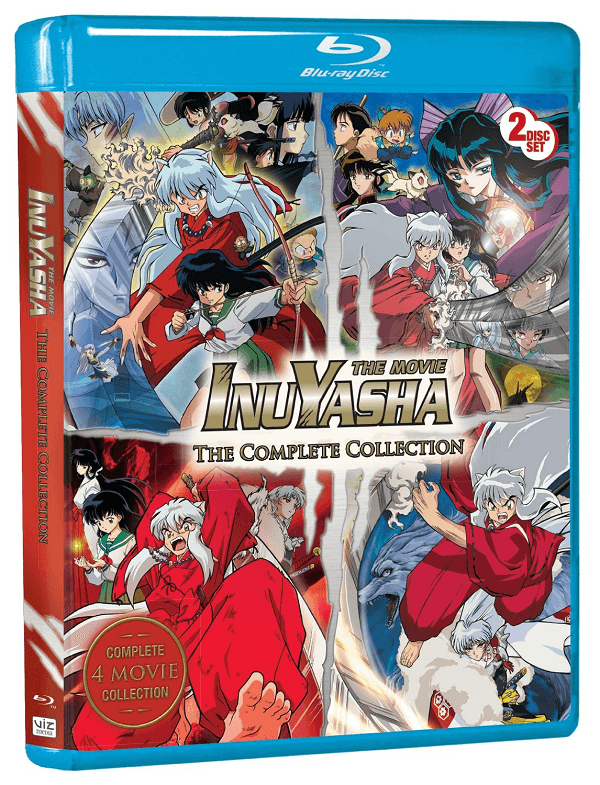
Inuyasha: The Movie the Complete Collection Studio:Sunrise Publisher:Viz Media Format: Blu-ray Release Date:March 26, 2013 Price:$29.99 – Available Here
Overview: The InuYasha anime franchise is one of the most recognizable series overseas thanks to its long track record of being shown on television for many years in North America. However besides the original series which ended back in 2004, a number of movies were spawned and while a few of these were also shown on television for audiences, they were also released many years ago on separate DVDs long before the series itself finally ended in 2010. However now that Viz has brought all four InuYasha movies together in one bundle and is offering each movie in Blu-ray for the first time ever, do these spin-offs warrant a blast from the past?
Story: Long running anime series often see a number of movies created during their run, however one of the most difficult aspects of these movies is trying to appear relevant to the actual storyline of the series while also making it so viewers aren’t forced into seeing every movie to understand the flow of the story. With these InuYasha movies, it seems that a unique balance was found that actually manages to fit each of these movies into a legitimate section of the series without forcing a disconnection of events between the anime and the movie.
This can likely be attributed to the fact that before the plot began to advance rapidly in InuYasha: The Final Act, the original InuYasha series primarily took advantage of the “monster of the week” formula where InuYasha, Kagome and the rest would face off against a different demon who either was trying to obtain the Shikon Jewel shards, slaying humans indiscriminately or had a vendetta against a member of the group. As such, each of the four movies bundled here manage to not only fit into the series well, but they also help provide some extra character expansion for the cast.
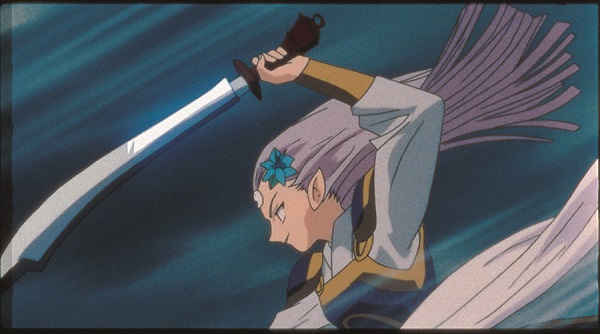
The first movie bundled in this release is “Affection Touching Across Time” and in it the son of a demon that InuYasha’s father tangled with has returned to Japan and he is seeking not only to obtain the same power that his father had, he is also seeking revenge against InuYasha. Menomaru, as he is called, appears with a number of minions and the cast is paired off against these new enemies who wield a few troublesome abilities in what feels like an extended arc from the television series. Being the first movie, the pacing is a bit off thanks to character introductions, but thankfully it still contains a decent level of action with Miroku and Sango each getting some time to shine alongside InuYasha.
For the second movie we have “The Castle Beyond The Looking Glass” which takes an interesting twist right off the bat with InuYasha and the rest actually managing to kill Naraku. However as the group celebrates, they separate now that their main goal has been completed, but Naraku’s incarnations Kagura and Kanna continue to move in the background. When their machinations revive the demon Kaguya, the group is pulled into another set of battles that sees not only the return of their old foe, but further development between InuYasha and Kagome.
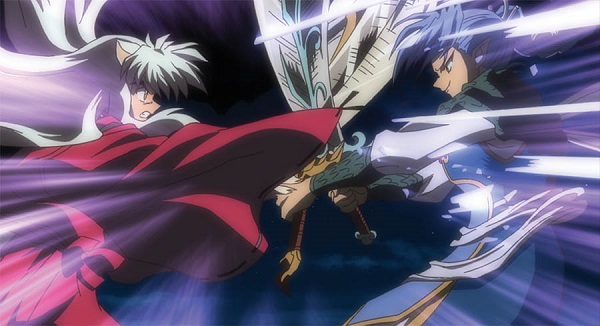
In the third movie we have “Swords of an Honorable Ruler” which actually revolves around InuYasha’s parents a bit and ends up revealing more information about his origins. In the modern day, the seal on a sword kept by Kagome’s family is broken and it turns out that the sword actually is something of InuYasha’s father which was meant to be sealed away for seven hundred years. When InuYasha is possessed by the blade, he travels back to the past in an effort to not only rid himself of the cursed blade but save the innocents of the modern world from its destructive power. By focusing heavily on InuYasha’s family we also see a major confrontation involving Sesshomaru and InuYasha having to deal with his father’s problems once again. Interestingly enough, this movie contains some of the best action to be found in the entire collection as it features a large scale battle as well as the conflict between a possessed InuYasha and Sesshomaru.
Finally closing out the series we have “Fire on the Mystic Island” which feels like the weakest movie of the collection. While it does delve into the aspect of half-demons and their place in the world, it feels out of place, especially when a large number of characters are introduced and then never seen again despite the fact that they are shown with the group for a small period of time after the events on the island.
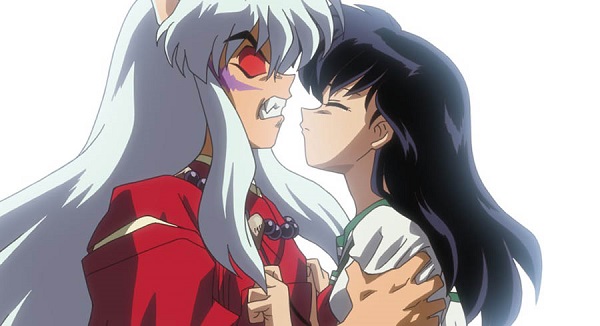
Visuals: It is certainly interesting witnessing the progression of animation quality provided in these four movies. While still decent enough on its own, there are a number of clear animation improvements both in detail and in quality as the movies go on. With the first movie, “Affections Touching Across Time” viewers may find that it appears similar to the TV series while the quality reaches its peak in the third movie “Swords of an Honorable Ruler” on the collection before falling a bit due to some artistic changes in “Fire on Mystic Island.”
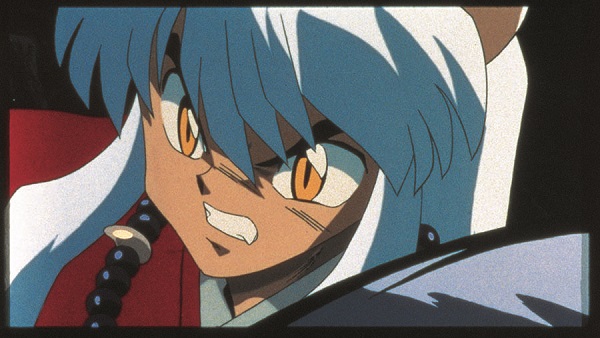
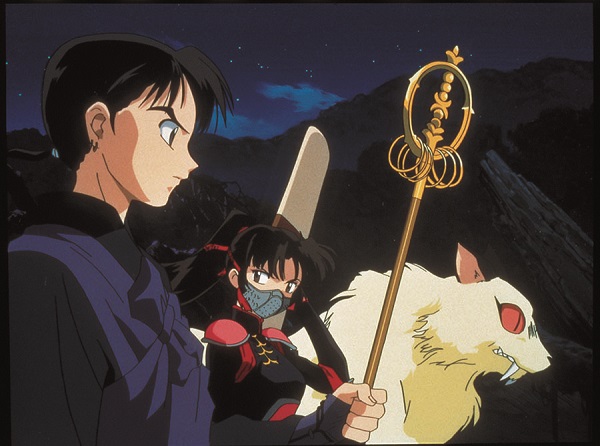
It is worth noting that the screenshots in the review here were provided by Viz Media themselves and actually do not present a clear representation of the visual quality presented in this Blu-ray release. In fact, despite their age the movies have made the transfer to Blu-ray extremely well and are absolutely gorgeous at times with vibrant colors and highly detailed action sequences, all of which are presented quite crisply and are portrayed similar to the image shown above, though the first movie does suffer slightly here due to age.
Audio: With this release of The Complete InuYasha Movie Collection viewers are presented with both the original Japanese voice track as well as the original English dub which was recorded back when the movies first were released by Viz Media back in the early 2000s. As such the entire cast has retained their English voice actors and the quality of the voice work is still rather impressive. As for the new enemies and characters introduced, the voice work is on par with the rest of the series, even if some of the enemies begin to sound very similar to one another.
These movies feature the series’ signature background tracks that fans of the series have come to love. As for the ending theme, each movie features a unique ending track which makes it all the more unfortunate that clean endings were not provided in the bonus features.
Extras: As far as bonus features go, The Complete InuYasha Movie Collection offers very little. There are various bits of production art from each movie, however these are not only minimal, they can only be found via the pop-up menu while a movie is playing. This is due to the fact that while each disc contains two movies, the menu system only allows viewers to select one of the movies on said disc and will automatically begin playing it, which while aesthetically pleasing, is a hassle for those who want to access the features or customize the audio settings.
Overall: In the end, this complete Blu-ray collection featuring all of the InuYasha movie offers the best way to obtain these movies now at their highest possible quality. Each movie in this collection has its strengths, with “Swords of an Honorable Ruler” being the strongest and “Fire on the Mystic Island” feeling the weakest, and while none of them play a major role on the InuYasha series as a whole, they offer a great expansion to the series and a chance to spend more time with a cast of characters fans have spent over a decade with already.
Capsule Computers review guidelines can be found here.
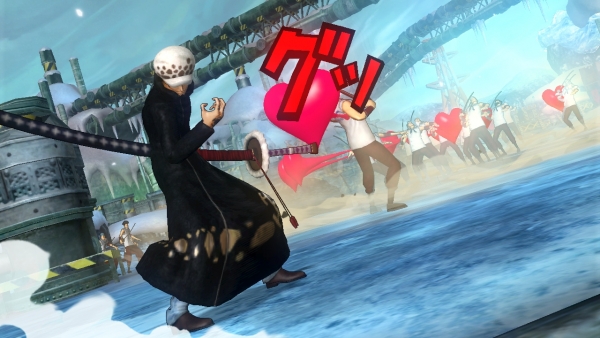
Namco Bandai have just gone into Gear Third and released an epic 4 minute long trailer as well as 10 brand new screenshots for the hotly anticipated upcoming action fighting title One Piece: Pirate Warriors 2.
The brand new trailer highlights the game’s plot which revolves around the Straw Hat Pirates being robbed of their friendship through some kind of dark and nefarious World Government experiment. Not only that but it features a number of playable characters in the game such as Smoker, Trafalgar Law and even Admiral Akainu.
You can check out the new screenshots and trailer for One Piece: Pirate Warriors 2 below. The game is scheduled to hit North America, Europe and Australia at some point in the third quarter of 2013 exclusive to the PlayStation 3.
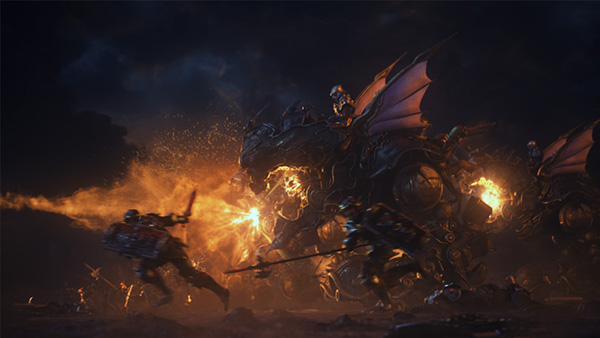
Those familiar with the opening moments of Final Fantasy VI and the bipedal Magitek Armor will feel right at home with the latest video of the upgraded MMO Final Fantasy XIV: A Realm Reborn.
In Final Fantasy VI the walker acts as a weapon with an energy beam cannon, but its use in Final Fantasy XIV other than transport is as yet unknown. Check out the video of players roaming across the snow below.
Following scathing criticism of Final Fantasy XIV after its September 2010 release, Square Enix vowed to revamp the entire game giving birth to A Realm Reborn. This version features a new engine, improved server stability, better gameplay and UI along with a new story to boot.
Final Fantasy XIV: A Realm Reborn is currently in its first round of beta testing, with a release date set for Q2 2013.
A whole set of tracks have been compiled into playlists on Spotify and iTunes from the radio stations of Grand Theft Auto IV, Episodes from Liberty City, San Andreas, Vice City and more.
So far these are all the songs and music currently available on each service, and to relive fond memories those brilliant radio commercials can be heard on The Advertising Council.
Be sure to also check out the latest screens from the upcoming Grand Theft Auto V if you haven’t already done so!
The music of the Grand Theft Auto: San Andreas soundtrack spans the entire FM radio dial of the West Coast during a particularly influential period in American music and culture. From Willie Nelson to Public Enemy, Rick James to Humble Pie, Soundgarden to James Brown, En Vogue to Black Uhuru…
Take it all the way back to the 80s and take the Vice City radio dial with you wherever you go – from the soul stylings of Fever 105 to the chart-toppers of Flash FM to V-Rock’s headbangers and more.
The first entry in the Grand Theft Auto series to mix licensed music tracks with original ones created specifically for the game, Grand Theft Auto III’s soundtrack is the perfect complement to the dark and seedy underworld of Liberty City – rock out to Salvatore Leone’s favorite arias from Double Cleff FM, Toni’s glory daze tunes from Flashback 95.6 and more.
In addition to including popular mainstays like Double Cleff FM, Head Radio and Lips 106, this 1998 incarnation of the Liberty City radio dial also features the world music stylings of Radio Del Mundo as well as DJ Clue’s The Liberty Jam.
The saga of the Vance family’s rise to power in Vice City features over 100 songs from the iconic early 80s, including Flash FM’s pop smashes, V-Rock’s metal anthems and Wave 103’s new wave hits.
While not stations in the traditional sense with hosts and commercials like the above entries in the series, we’d be remiss if we didn’t include the available selections from the instrumentally infused soundtrack for Grand Theft Auto: Chinatown Wars.



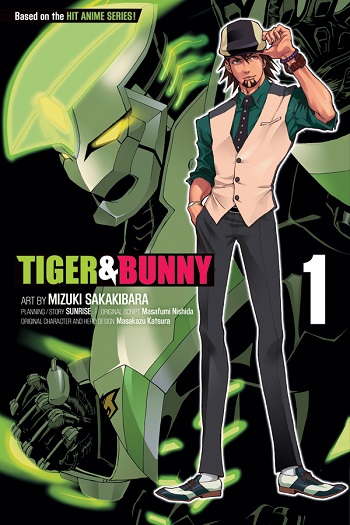 Can’t get enough Tiger & Bunny in your life? Well now you have a chance to read the adventures of the unwilling duo of Barnaby and Kotetsu as Viz Media has recently released the first volume of the Tiger & Bunny manga series in North America.