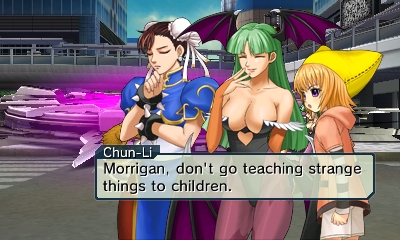
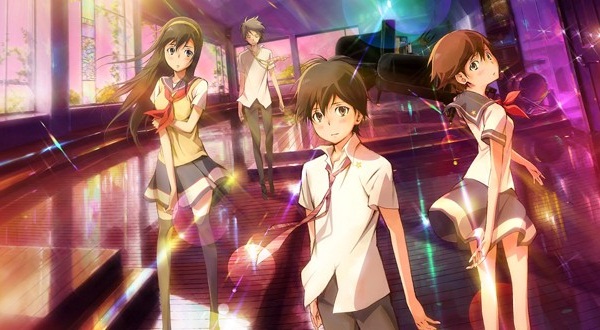
Madman Entertainment have made several title announcements this past weekend at Supanova Perth 2013, one of which will be seeing it’s first ever release outside of Japan. Following their announcement that Makoto Shinkai’s Garden of Words would be the fourth film at REEL Anime this year, they announced the following titles had been acquired:
While little is known on the dates in which these titles will all be released, it was confirmed that Madman’s release of Psychic School Wars is indeed the first time the film will see a release outside of Japan and it will be released on both DVD and Blu-Ray formats.
They have also confirmed that the release of Cardcaptor Sakura: The Movie will include the original Japanese audio. They were unable to comment on whether they would acquire the second Cardcaptor Sakura movie at this time. Stay tuned for more information on these titles as they come to light.
Yesterday (Sunday the 30th of June) TV Tokyo released information about the up and coming Pokemon Anime. The title of the next Season/Series will be “Pokemon XY“, pretty much exactly like the games, and will begin its run on October 17 which about a week after the Pokemon X and Y games are released (October 12).
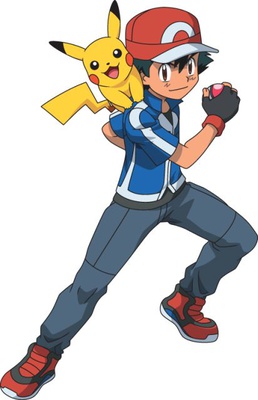
The New Design of Ash!
Ash will return as our leading man alongside Pikachu. The series is said to begin in Lumiose City which happens to be the epicentre of the Kalos Region. All the newest Pokemon will be shown and it’s implied that Ash, like all of the Series’, will be making new friends and have new companions. It’s going to be another huge adventure!
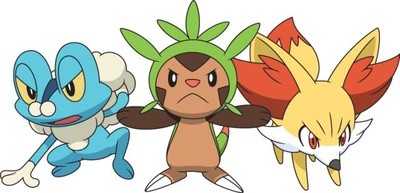
We will be seeing GoGoat, Helioptile and Noivern in an upcoming episode of the latest Pokemon series so we’re getting a fairly early look at some Generation 6 Pokemon in action before the Generation 6 Anime has been released. Some Official Artwork of the newest starters – Froakie, Chespin and Fennekin – have been released alongside the new design of Ash and it’s looking great!
Keep an eye out on the site for any and all information about the new Pokemon Series and the Games as it’s released and don’t forget to head to our comments section below and drop us a line.
Overview
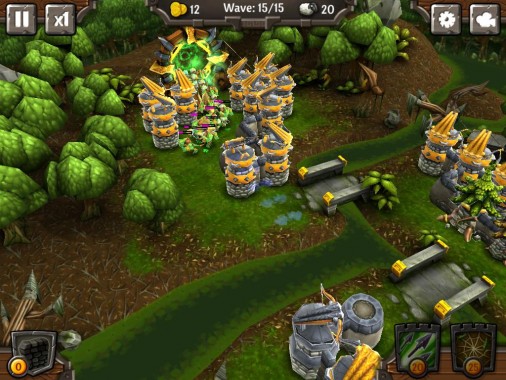
The iOS has always been a platform where polished touch controls are the main factor that either hold a game back from reaching its potential, or provide innovative mechanics that let it excel. Platformers, action titles, and shooters normally fall flat due to the awkward virtual joystick, but if one genre was meant for your handheld device – it is tower defense. Crescent Moon Games have brought us the latest and greatest for the service – dubbed Siegecraft TD, where you as the player have to protect your sheep from hordes of angry lizards. With a bit of comedy and light-hearted effects tossed in, does this defender win, or is it one title on the marketplace that never gains its footing out of the castle?
Gameplay
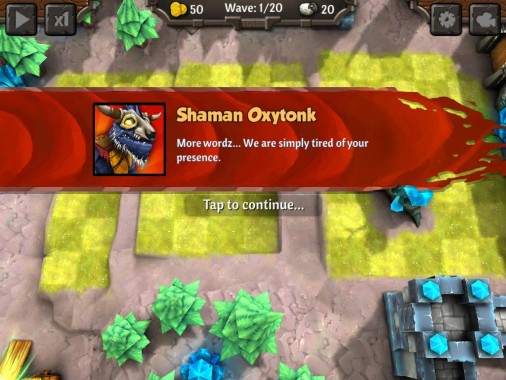
I wouldn’t say Siegecraft TD does not have any type of narrative, as there are some colorful characters that try to put on a bit of a show for the defending objective – but honestly, they don’t quite justify their existence well other than introducing new areas and baddies. At times we will also see a cheesey joke made to pound in some humor for the player, but again – this is all very surface level. Since this is a tower defense title at the core, that is completely forgivable however, as Siegecraft gets it right with the gameplay engine involved.
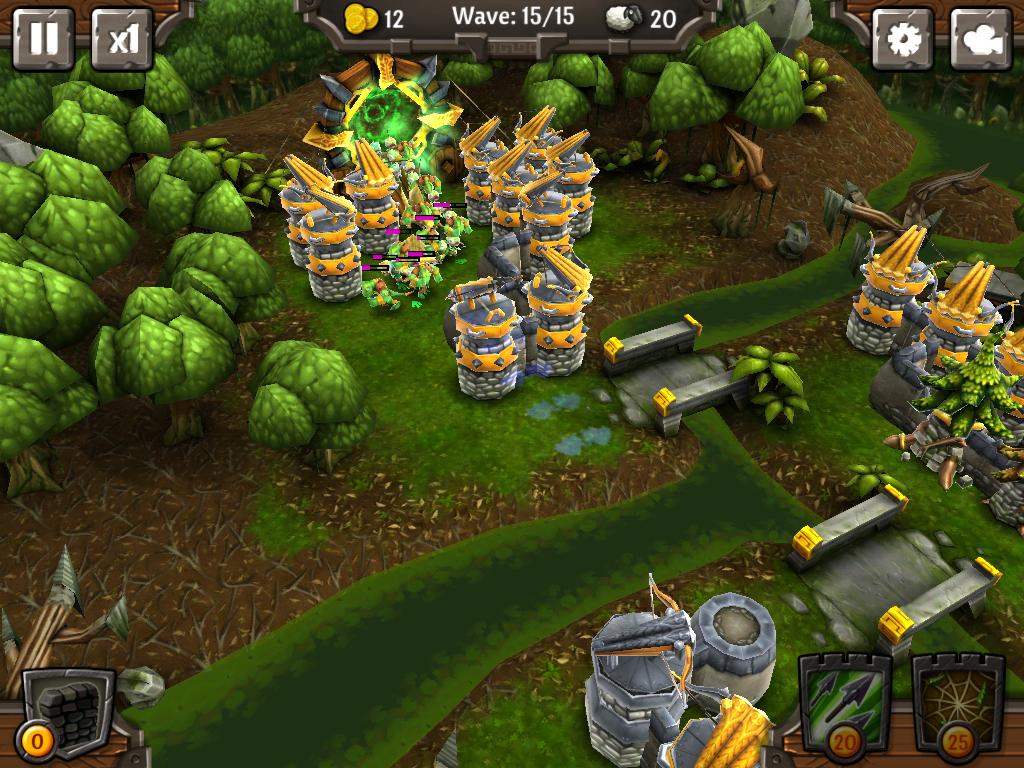
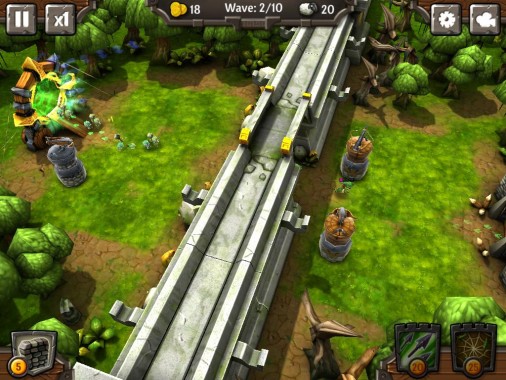
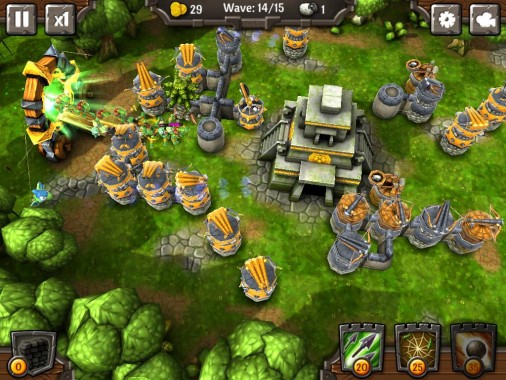
Siegecraft TD plays a bit like veteran tower defense titles out there such as Plants vs Zombies, where the player must defend their castle by placing turrets, walls, and other weaponry on the map to stop waves of enemies before they reach their mark. To do this, the game utilizes the touch control at full, having the player drag and drop their tower of choice to any desired square on the grid – to which we see the totem instantly come to life and start blazing arrows or dumping buckets of lava on unsuspecting lizards. Each area has different terrain that effect where the enemy camps spawn point is, so the player must try to line up all of their own towers strategically in a maze-like format to snipe foes as they come out in lines.
One would probably say “Why can’t I just block the enemies in with walls?”, and you would have a point with that statement, but this title doesn’t take itself too seriously as it is, so throwing logic out the window is the best way to enjoy the product before us. The camera often starts out from a top-down view, and most of the time, that is effective enough to keep an eye on the entire battlefield. When chaos starts erupting however, there will be times when you will need to get a different perspective. Thankfully, an easy to use two-finger pinch mechanic has been added in just for that, allowing players to quickly zoom the camera to get a closer look, as well as spin the camera around to see the action happen.
Its all very run-of-the-mill tower defense during the main campaign consisting of a decent grouping of landscapes to defend, but what makes Siegecraft TD stand out a bit is the leveling system in place. While out on the battlefield, each turret, tower, or device used to slow enemies can be leveled up by utilizing game currency. The player starts out with a small chunk of change to build their first towers, and as each wave of enemies are defeated, more gold is rewarded to keep you busy adding more units. For instance, if you wanted to add a pot of lava to douse enemies as they passed by, that would be 30 gold. To improve the range and power, you can choose to spend your next gross of gold on an upgrade, which costs slightly less than a new unit. Creating a winning layout with the tools provided is what it is all about, and with around 15 different towers in all that come unlocked as you progress, there is plenty within the main campaign to keep the experience fresh for hours.
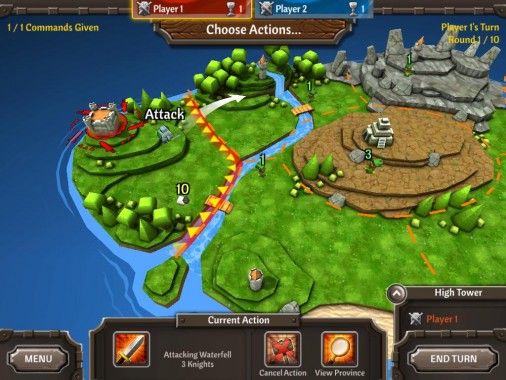
To keep the game going after the Campaign is complete, a multiplayer mode can also be played, and works in a different fashion. This asynchronous mode has up to four players go at it online in a turn based affair, where the player must partake in two different phases of combat. The first phase is defense, which plays just like the main game, where you are simply defending your sheep that are tucked away in the castle. Once a specific number of waves pass, the game will then go to the second phase, where the player assigns knights to fight for enemy territories. Think of it as a strategical battle for supremacy. Sure, its a bit basic, but a welcome addition that adds in a hefty amount of replay value to the main experience.
If I had any gripe with the gameplay of Siegecraft TD, it would be something that should be able to be corrected with a patch. You see, enemies come in waves, and each wave produces a greater number of lizards to take out. Nearly every time I would get past wave 15, the game would crash. There is a checkpoint save between waves to jump right back in on the previous battle, but its rather frustrating to see the game come to an abrupt stop during the most enjoyable and chaotic moments in the game. As I said though, a patch could and probably will be applied down the line.
Visuals and Audio
The visuals in Siegecraft TD are rather pleasing to the eye, with 3D environments filled with bright color and nice textures, allowing each area to appear different from the next. Enemies reminded myself a bit of the Kremlings from Donkey Kong Country, as they appear to be your standard, yet goofy, walking and squawking reptiles. Animations stay stable for the most part, but when large amounts of enemies are on the screen at once, there can be a little bit of slowdown, but not enough to hamper the experience unless a full-on crash occurs.
The audio is a little less desirable. You see, Siegecraft TD tries to be funny, but the humor is very subjective and was not my personal cup of tea. From time to time, an Australian commentator of sorts will shout out different phrases while you are doing well within a game, and this will lead to you hearing classic zingers such as “Gangnam Style!” yelled out that kind of take away from the charm the game had going for it. Enemies are rather sub-par here as well, with generic grunts and horns played as hordes come down to attack. The music I can say is fitting, but its hard to enjoy the sound for what it is due to all of the forced humor that does so little to add charm to an experience that didn’t need commentary.
Overall Siegecraft TD is a well-polished tower defense game that doesn’t beg for micro-transactions and provides some rich and strategic gameplay sessions due to the unique leveling system in play. Its a shame that we didn’t see a bit more depth added to the story, as there is a charming romp waiting to get out here, only held back by with bad attempts at humor and basic character design. With that said, the price is still right for Siegecraft TD, as it delivers a large amount of fun for very little dough, and should only improve as patches are applied to make the main experience more stable. Sure, you won’t find a lot here that differs from the genre, but if you have been craving to save sheep from armies of hungry lizards, you can now get your fix.
Capsule Computers review guidelines can be found here.
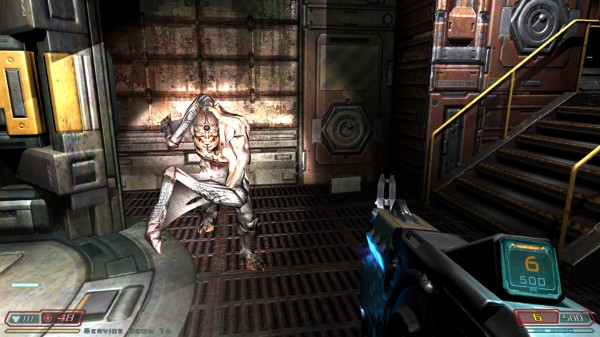
Now then… This week, for the fourth episode of Honesty Box I’ve turned my attention to Doom 3 (BFG Edition); The Id Software and Bethesda classic sequel to the much adored original FPS PC series Doom.
Expect even more of the same in terms of what occurred in last week’s episode but now I’m bleeping out some particular fricative phrases as they’re only going to become more abundant as time goes by. Topics discussed include the lack of newness, Open GL problems and lots of praise is sung in the way of Doom 3 in terms of when it first came out.
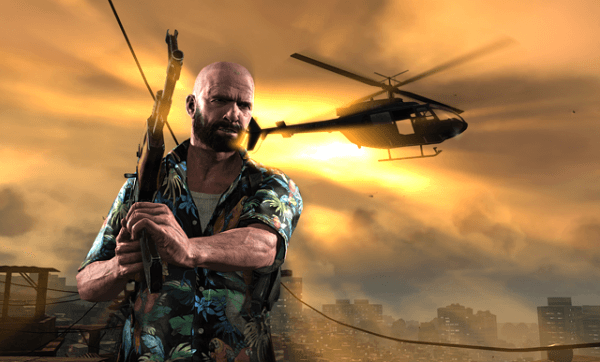
So… This week, for the third episode of Honesty Box I’ve turned my attention to Max Payne 3; Rockstar‘s newest installment in the Max Payne series.
Expect more of the same in terms of what occurred in last week’s episode but with the introduction of even less patience. Topics discussed include the overall lack of characterization, the stifling amount of sheer bravado, and the GTA shooting mechanics that only further remind us that Max can’t drive, swim, or go anywhere within those very linear, funneled levels.
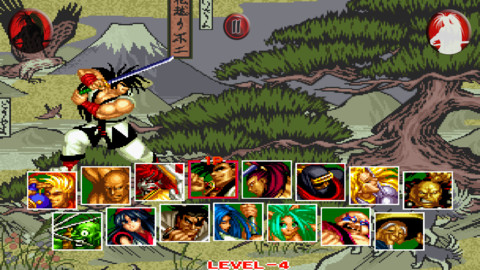
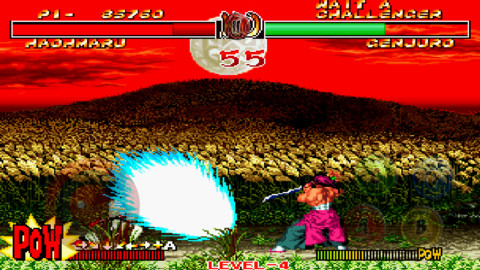
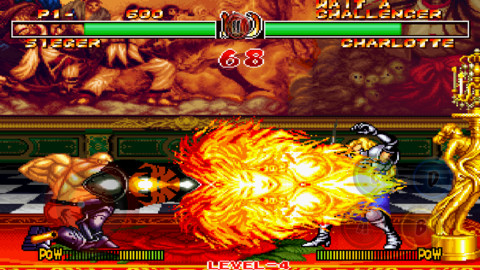
Samurai Shodown II Review Developer: DotEmu Publisher: SNK Playmore Platforms:iPhone (Reviewed), iPad, iPod Touch, Android Release Date: 27/06/2012 Price: $9.49 – Available Here
Overview
Do you miss the good old days back when fighting games would reward you with points or a high score after defeating your opponent? Well if you do you’re in luck because SNK’s beloved Samurai Shodown II is one of those titles, and it’s back now on mobile devices! This title has gotten a lot of love lately with a recent port to XBLA, and now again with a mobile port. SNK did a fantastic job with bringing King of Fighters to mobile in recent years, but can they do so again with Samurai Shodown II? Read on to find out!
Gameplay
The mobile port sees all the original gameplay elements return. For those unaware of the franchise it’s a 2D weapon-based fighter, which paved the way for other titles such as Soul Calibur. The typical stuff is all there from light, medium and heavy attacks as well as a special meter to unleash more devastating attacks along with both the standard arcade mode and a casual mode which allows special moves to be preformed with a click of a button. The twist with Samurai Showdown is that characters can be disarmed and fight with bare fists until they pick up their weapon again. The original 11 character cast return plus with 4 new additions to make a complete roster of 15 and new movement options have also been included such as various rolling mechanics to make gameplay a little more updated. Furthermore multiplayer is also included but unfortunately it’s only available in bluetooth and no online play. Unfortunately all these new inclusions aren’t enough to save the game, as gameplay still does feel a little outdated. For example characters often don’t have the weight as you’d expect and as a result gameplay doesn’t feel as grounded as it should. In Samurai Shodown’s defence, it still plays the same way the original did, but keep in mind the game is almost a decade old and in comparison to other mobile fighters it doesn’t hold up as much. Perhaps gameplay will appeal most to those with arcade nostalgia or hardcore SNK fans.
Visuals & Audio
Audio and Visuals have been ported perfectly, but this comes with both pros and cons. Audio sounds perfect beat for beat and provides a classic retro feel. Graphics on the other hand while ported accurately, can seem blurry and not exactly clear. Furthermore on the iPhone 5 the entire screen is not being taken advantage of with the sides being simply black. Buttons are also not ideal in their placement and while this can be adjusted they aren’t always clearly visible as they should be and can be occasionally frustrating. This doesn’t break the game or make it unplayable but they are very noticeable in presentation. It’s not all bad though as the camera does zoom in and out of the action and coloured flashes make everything seem more intense. Artwork is remarkable with a very Japanese stylistic approach staying true to the samurai theme. It’s truly a work of art which is why it’s a shame to see it not presented perfectly. This isn’t to say it’s not nice to look at, it’s just that it could’ve been better.
Overall
Samurai Shodown II is fun, but it’s far from a perfect port. While additions have been included to improve the game such as new movement options and 4 new characters, graphics don’t hold up as well as you’d like and gameplay does feel a little outdated. Also the lack of online multiplayer is disheartening, but at least it has multiplayer via bluetooth. It’s not all bad though as the action does feel nostalgic and it’s great to see that the developers did put effort into updating the game. However, as a title that’s almost $10 it’s not easy to recommend unless you really are a hardcore fighting fan.
Capsule Computers review guidelines can be found here.
News has just come through that the August issue of Jump Square magazine has confirmed that two sequels to the live-action Rurouni Kenshin film are in the works for release in 2014.
The two follow-up live-action films will adapt the famous Kyoto Arc of Rurouni Kenshin across both films. The Kyoto Arc as fans of the series would know details Himura Kenshin’s struggle with the bandage-clad villain Shishio. The films will particularly focus on the ‘Great Kyoto Fire’ and ‘Legend’s End’ stories.
No official date has been set for the next two films in the Rurouni Kenshin trilogy, but it does appear that both films will be released at some point in 2014. It has been confirmed that Takeru Satou will reprise his role as Kenshin. Stay tuned as more information comes to light on these films.
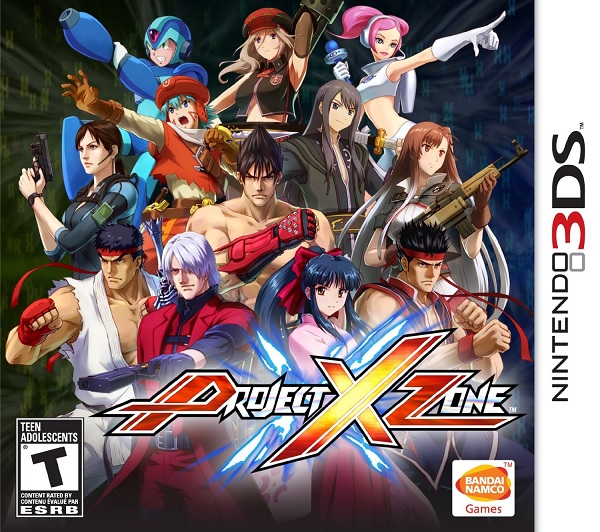
Project x Zone Developers: Banpresto, Monolith Soft Publisher:Namco Bandai Platform: Nintendo 3DS Release Date:June 25, 2013 Price:$39.99 – Available Here
Overview When Project X Zone was announced for release in Japan, many Western gamers were hoping that the title would be released overseas but very few of us thought it would be possible. This is thanks to the fact that it features characters from franchises belonging not only to the publisher Namco Bandai, but also from Sega and Capcom as well.
To make things even more complicated, a number of these characters have never appeared in a Western release before, leaving their Western debuts in question thanks to their licenses being up in the air. However Namco Bandai has managed to overcome all issues in their way and have brought Project X Zone to North America. Is this crossover SPRG worth the faith that fans have put into it?
Story After something of a family heirloom is stolen from a rich girl named Mii Kouryuuji who seems to be a cheerleader that dresses in a skimpy outfit, the worlds begin to shift and collide with one another. The normal human world and the Makai world are clashing together and even portals to the past, future and alternate timelines are appearing all over the place. To make things even worse, the organization behind the theft are now trying to track down Mii for an unknown purpose.
Only by teaming up with her tutor/bodyguard/ninja/detective Kogoro Tenzai and the numerous allies from multiple dimensions and timelines can Mii not only defend herself from the onslaught of enemies seeking to abduct her, but also retrieve the heirloom and put a stop to the group’s plans once and for all.
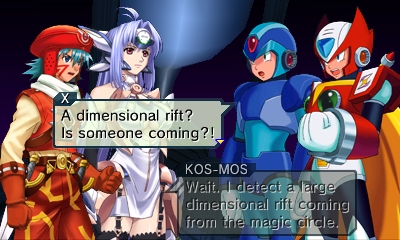
It is pretty clear right away that the storyline for Project X Zone is clearly there to set up the premise of worlds colliding, giving us a game that features more characters than you can shake a stick at. The two main characters, and that term is used roughly here, are given their purpose in the story but for the most part that focus is diluted down to the point that it is simply in the background as we see beloved characters return and fight alongside other beloved characters and even a few new unknown faces appearing as well.
Using the term fan-service wouldn’t be inaccurate here with Project X Zone, as even a number of the in-game dialogue references various events spread throughout the games, though obviously nothing here is canon in any video game story. However hearing Tron Bonne mention her frustration at having her rocket delayed, seeing Frank West taking “erotica” themed photographs of any female character he comes across and listening to the various interactions amongst the cast is beyond delightful and will make any fan of these franchises giddy with joy.
It is worth noting though that with all of the characters that eventually join your group, a few do end up being pushed into the background and thanks to the main storyline being rather standard, the story unfortunately lacks polish. But when Hsien-Ko partners with Frank West, a little cat-like girl named Neneko meets up with Ryu and Ken and more characters make their appearances and interact with one another like the everything simply makes sense, there is little to complain about when there is so much on offer here.
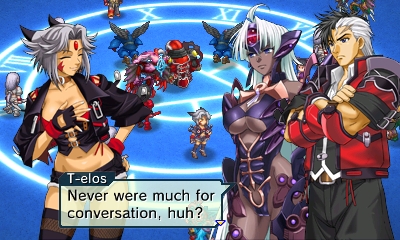
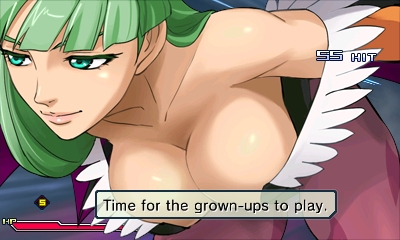
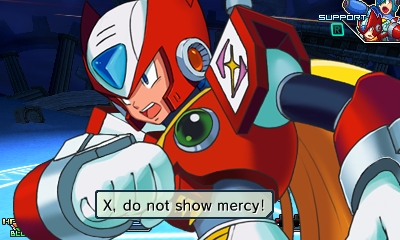
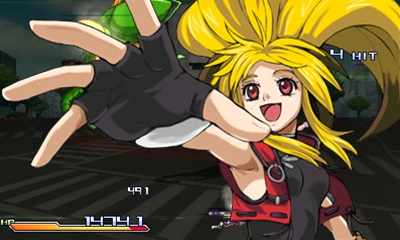
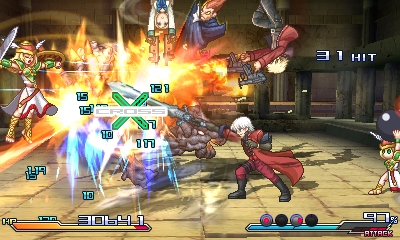
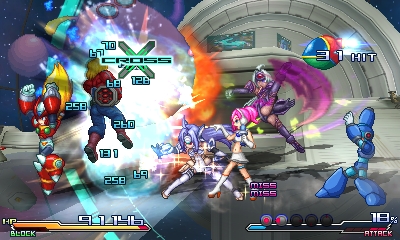
Visuals Project X Zone is a SRPG title game which means that as one would expect, the characters are all given sprite character models inside of combat and on the battle map. These character models are wonderfully handled and look absolutely wonderful in battle. Many memorable moves that these characters have used for years now look wonderful in action on the 3DS, even when we’ve already seen them on consoles, that shows the dedication that went into creating the sprite work for Project X Zone.
Whenever the player triggers a special finishing move, the paired fighters will unleash an impressively animated special attack that culminates in each character having an anime style appearance as they unleash a finishing blow on their opponent. Outside of combat, each character is given a wonderfully handdrawn character portrait with a number of different facial expressions and poses to match the discussion, similar to what is seen in standard JRPG dialogue sequences.
Audio With over eighty different characters that appear throughout the game, and as I mentioned earlier, a number of which haven’t appeared in the West, it should come as no surprise that Project X Zone only features the original Japanese voice track. While a bit annoying for some, the Japanese voice work is admirably done and honestly most gamers who would buy this title would likely be choosing the Japanese voice track anyways. That being said, it is unfortunate that while everything is given English subtitles in event sequences and in special attack animations, the battle dialogue is untranslated leaving players to guess as to what the characters are saying as they execute their basic attacks.
With such a vast library of characters to choose from, it is my pleasure to say that Project X Zone also draws upon those vast characters’ theme songs. The background music will always shift to a theme song related to the character you are currently playing as. If you have a third fighter attached to a group? It could be their song, or one of the main pairings’. For example, pairing Tron Bonne with Frank West and Hsien Ko sees not only the Dead Rising theme play, but also a chance for a Mega Man theme song or Hsien Ko’s own song to play while using that character. These audio tracks only make the fact that all of these characters are gathered together under one title all the more surprising and even more enjoyable.
Gameplay Project X Zone has gathered all of these characters under one title to create a strategy RPG and those who are familiar with them will already know what they are in for. Project X Zone features battle maps that places the players characters on a grid based map where they must attack and defend and complete certain conditions to complete the level. These conditions always end up involving defeating either all enemies or specific enemies but there are loss conditions as well and these can sometimes shift mid-battle.
Project X Zone features your standard, higher speed stat moves first, type move system but an XP, not to be confused with basic EXP, system requires the player to gauge exactly how they want to react to various events that happen to each character.
You see, whenever the player enters combat they are given a set number of attacks that they can unleash on opponents and whenever these attacks land, a certain number of XP is added to a meter with 100 being the basic limit, but 150 being the true limit. These XP points can either be used to unleash a powerful special attack which can elimate smaller enemies in one blow and deal massive damage to bosses, but can also be used for defense as well. Whenever you are attacked by enemies, you can either choose to do nothing and take the full hit, use 20 XP to counter, giving you one or possibly more attacks to strike bake at the enemy but taking full damage, or defend which halves the damage you receive, or use 60 points to block all damage taken.
On the offensive side of things, you may have seen my mention of trio groups and various attacks before and herein lies another interesting mechanic in Project X Zone, timing. The main pair of fighters will always attack together and when timed correctly, you will rarely miss your blows, however when some attacks send enemies launching into the air or ricocheting off of a wall, timing the return blows is crucial to landing full damage on an opponent.
But how about the 150 XP bar I mentioned? That is only obtainable through the use of Cross Attacks that are completed by having either your third fighter jump into battle to perform a pre-set attack sequence or having a pair close to your battle jump in for assistance as well. Anytime one of your attacks lands while a partner’s lands will trigger a Cross Attack which will push the XP bar past the 100 limit, but timing these attacks can be very difficult since it is entirely possible to call in allies only for them to either miss multiple attacks due to poor enemy placement or your fighters to miss due to their interference. That being said, it is also entirely possible to have not only your initial pair, but your third fighter and an adjacent pair dealing damage all at once, creating a whirlwind of havoc that can tear apart almost any singular enemy.
Unfortunately while Project X Zone has a lot going for it in almost every category, there are a few drawbacks as well. The main one being is that even being an SRPG, it is rather easy. Now I’m not saying that it isn’t challenging at times and it can be difficult to win a battle that may push you to your limits, but even then there isn’t too much difficulty once you get the timing of attacks down. While it is worth noting that there is no place to buy items and equipment and they are only obtainable from defeated enemies or battle-map chests, there is little customization or necessity to these things as they are simply adding more to the experience in a very shallow way that only makes things easier as the game goes long.
It is also worth noting that while Project X Zone is certainly a long game and the third fighters, or “solo units” as they are technically called, can be switched between pairs for additional dialogue, there really isn’t much to be had for replay value in Project X Zone. There are a few twists in battle here and there where new enemies appear, but this becomes predictable to the point you can almost call out when new foes will appear and since every battle plays out the same way, the lack of much replay value outside of different combat dialogue between new trios is a shame.
Overall Project X Zone is a game that fans of either Sega, Capcom or Namco Bandai should be cheering for since it has been released in the West and for good reason. While it does have drawbacks, Project X Zone is a game that is nearly impossible to put down at times, not only because some of the fights can take well over an hour, but also thanks to the number of characters from numerous franchises appearing, addictive combat and just pure enjoyment. If anything, being a bit of an easier SRPG may be a good thing for some as it creates a more accessible title that will allow more gamers to enjoy the wonderful title that is Project X Zone.
Capsule Computers review guidelines can be found here.
Overview
Ever since being published in 1974, Dungeons and Dragons has continued to grow in so many forms that the content is still enticing. Dungeons and Dragons does not care whether you are the old-fashioned tabletop player rolling multi-headed dice, avid fantasy reader, or video game addict because characters of all types are welcome. So the question begs how does Neverwinter deal with attributing to each of these important assets? Let’s see how this free to play title pans out.
Story
More-so the fantasy reader and gamer, I found Neverwinter’s story to be very appealing as I have encountered events that occurred prior to the game’s state. Though prior knowledge of The Forgotten Realms is not necessary in order to play the game, it definitely has its perks. Being able to recognize structures or places within Neverwinter as well as an enemy’s techniques can help during the initial encounter. For interests of both new and old D&D players, “Lore” is accessible throughout the story as interactive objects that detail past history of the world or given item. For those that like to forgo the storyline, you are able to skip such sequences and continue on your merry slashing and dashing ways.
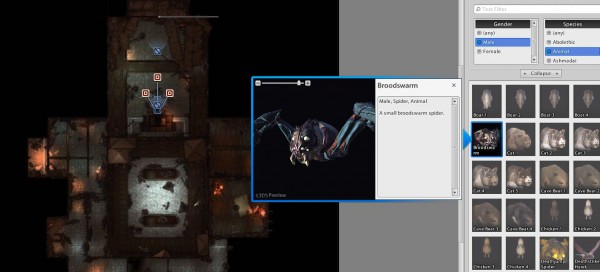
Those more keen to old-fashioned tabletop playing are welcomed with open arms as the title features a dedicated portion entirely for creativity purposes. The “Foundry” a is map/quest creation environment that leaves the map’s imagination and objectives completely up to the player. By handing over the rights to become your own dungeon master through map creation, Cryptic Studios gave the public its own form of continual updates.
And my lovely book worms of The Forgotten Realms will be happy to hear/see environments of great renown such as The Underdark – the home of many denizens of evil – and Guantlgrym – the ancient city of the dwarves. With such places rarely seen and often imagined, it is refreshing to be given a visual perception to compare and contrast with book lore.
Gameplay
*It seems like you can never mention an MMO without conjuring up thoughts of Blizzard’s long-running Warcraft title. It’s true, nearly all MMOs retain some of the design decisions of WoW, but that game itself has even adapted over the years to suit its player base. Neverwinter takes several of the good design choices and uses them as a firm foundation.
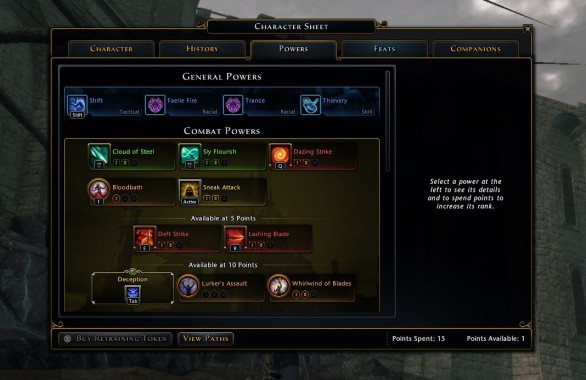
*One of the most notable things to enjoy with Neverwinter (as with most every game) is the combat. Instead of a bar of a dozen or so different skills, though, Neverwinter keeps it far more concise. Once you full unlock all of your slots, you’ll have access to around 7 skills at a time, each with varying frequencies of use. This helps lend more weight to each of the skills you do have. You can thank the game’s adaption of the 4th Edition Dungeons & Dragons rules for this. While many holdouts will complain that the 3.5 rule set is far superior, Neverwinter’s implementation marks it as the right choice.
*Questing has been streamlined in Neverwinter as well. You can utilize a sort of “magic dust trail” that will lead you directly to your next objective. This helps keep you driving through the story material and gaining experience, so you never feel like you’re forced to grind. The addition of the “Foundry,” where players can create their own quests is also a wonderful draw for the would-be dungeon master anxious to try out his next quest on a slew of players. Neverwinter does a fantastic job ensuring the cream rises to the top with this, as well, promoting the best the community has to offer by putting on the front page of the quest seeker.
Beyond quests players can jump into queues for PvP domination matches, skirmishes, or even dungeon parties (no birthday cakes; only treasure!) Skirmishes and dungeons will measure your prowess against AI enemies while PvP matches are against other players. Skirmishes usually consists of a randomly queued group whose common goal is to defeat several waves of environmental enemies. Every wave proves more difficult as harder creatures step into the battleground to test the efficiency of the group – supply yourself with enough health potions if a devoted cleric is not close by. Upon defeating the final wave’s boss, a chest will appear for all of the team to loot individually.
Dungeons take much longer than skirmishes as it can consist several mini boss battles and a final boss at the end. Since there are also more enemies placed in dungeons, the chances of attaining rarer loot is increased. Note that full parties are not required to enter a dungeon; however, I would highly advise tagging along with others if your are at the minimum level requirement.
A commonly confusing aspect about Neverwinter is in regards to its money system. There are three types of normal currency in the game: Zen, Astral Diamonds, Gold/Silver/etc. Zen is the premium type of currency that allows player to buy items with real world cash. Astral Diamonds can be farmed in crude from for daily quests/dungeons and then can later be ‘refined’ to regular form. The only reason that the ‘refining’ method was added is to ensure that people farming the diamonds cannot refine more than 24,000 daily. With the current market standing, about 40,000 diamonds can be traded for 125 Zen. Your gold and silver that you acquire through your journeys will enable normal purchases of profession materials, weapon, armor, and other basic supplies. Anything fancy will likely require diamonds or Zen to complete a transaction.
Visuals
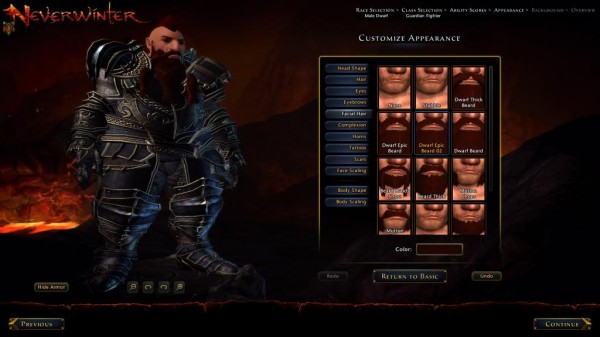
Any good MMO needs to have an appealing draw towards character creation. Neverwinter is successful in this aspect because it offers customization to further individualize a character. Most important is that the creator is able to actively view and update changes throughout the process. Not happy with making the character’s race an elf? Start over by creating a dwarf (the best race of all). Combine race with facial identifiers like tattoos and scars, and you have quite the custom package to choose from.
Aesthetically, the title could be spritz up a bit to compete graphically with other modern online titles. Though the graphics are not as high quality as other MMOs, Neverwinter still yields a plethora of scenery that keeps a player interested. You will be dredging through sewers, volcanoes, vaults, and even a dreadful place known as The Underdark. More enemies and traps lie before you -rest assured!
Audio
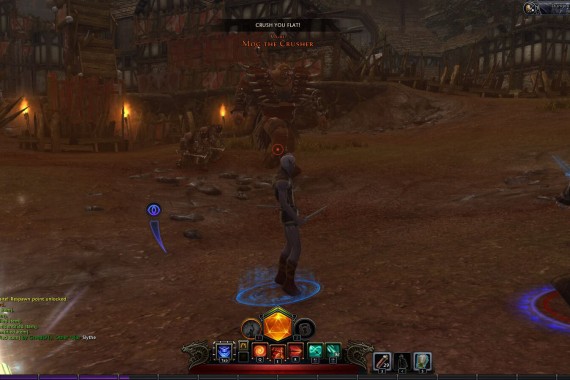
*Neverwinter also has fantastic sound design. The music always seems to match the mood of the situation marvelously. You’ll even find yourself sitting in the hub world just to hum along with the tunes. The voice over work is nothing spectacular, but each quest giver has spoken dialog that will do a solid job drawing you into the world. The sounds effects were also well captured and implemented, evoking the feeling of a crushing blow or the eery atmosphere of a dank dungeon well.
Overall
What are a few things to consider? Competitors may have a more beautiful atmosphere, but in regards to interactive gameplay and custom user-created content Neverwinter has the edge. Also, this title is free to play whereas other MMOs may have you pay $30 – $60 plus a subscription (that slims the selection down quite a bit).
*Overall, Neverwinter is easily worth a try. Though there’s payable content there for the ones that choose it, you can still have an excellent time playing the core of the game. With great quest structure, quick, solid combat, and evocative sound design, anyone interested in the world of Dungeons & Dragons or MMOs would be remiss to pass this one by without giving it a try.
Capsule Computers review guidelines can be found here. * – Contributed by editor Joe Morgan.
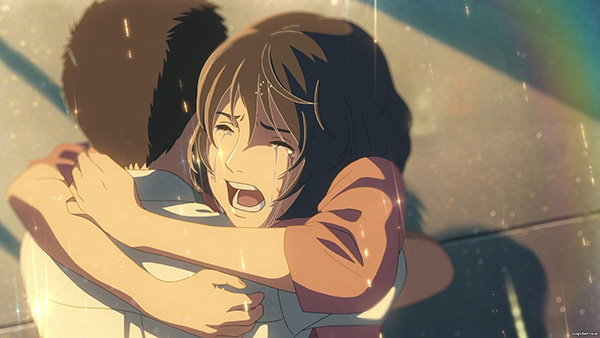
Makoto Shinkai’s latest film, The Garden of Words, has been announced for REEL Anime 2013 by Madman during the Supanova Perth pop culture expo. Shinkai is known for his other anime films such as The Place Promised in Our Early Days, 5cm Per Second and Children Who Chase Lost Voices.
The Garden of Words, known as Kotonoha no Niwa in Japanese, is the filmmaker’s latest project in collaboration with CoMix Wave Films. The title is based on the original meaning of the word “love” in Japanese, “koi”, as “lonely sadness”. Shinkai stated the the film is about longing for someone in solitude.
The animated film had its global debut this year here in Australia during the Gold Coast Film Festival. The Garden of Words is the fourth film announced for REEL Anime 2013, following the announcements of Evangelion 3.0, 009 Re:Cyborg and A Letter to Momo.
In addition, Madman is hosting one-day special screenings for certain titles, with Berserk Movie 2 confirmed so far for next month. REEL Anime will be held in select cinemas across Australia and New Zealand on September this year.







 News has just come through that the August issue of Jump Square magazine has confirmed that two sequels to the live-action