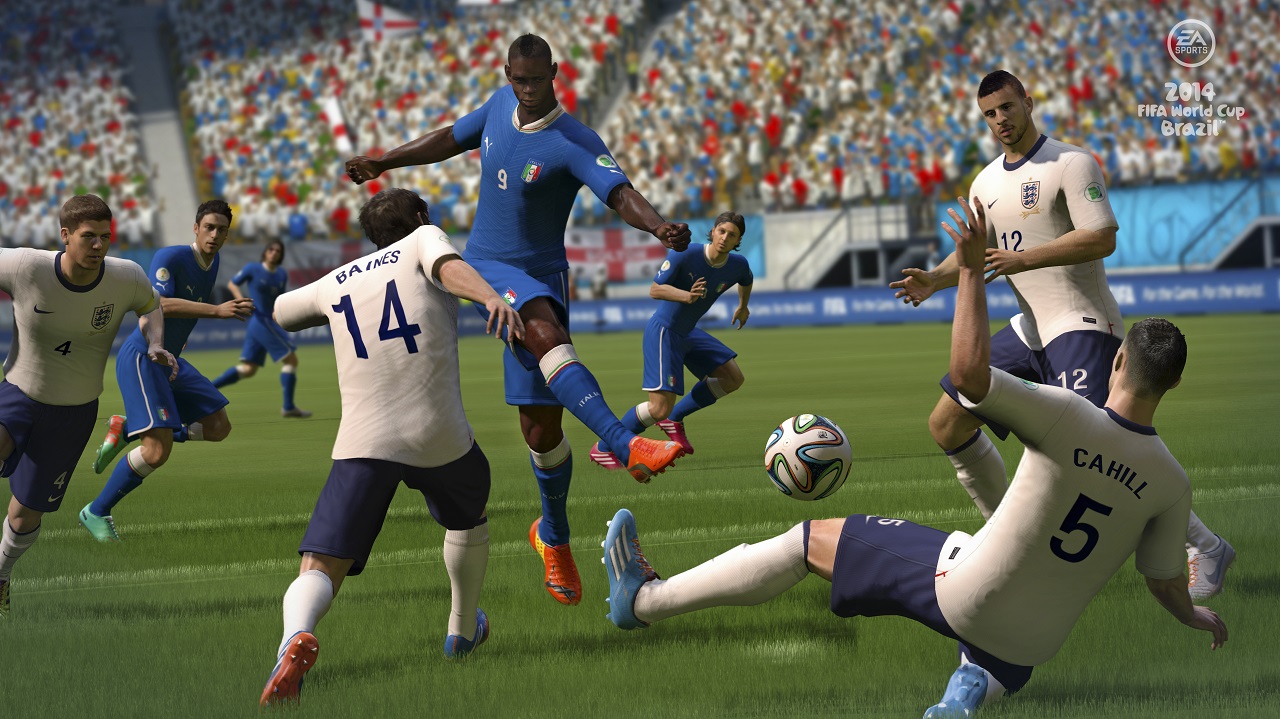
EA Sports have released a gameplay trailer for 2014 FIFA World Cup Brazil, scheduled for release on April 17 in Australia and New Zealand for the Xbox 360 and PlayStation 3. You can check out the footage embedded at the bottom of this article.
You can also view the announcement trailer, as well as get all the details about the game and its features, right here. EA has promised 2014 FIFA World Cup Brazil will be the most feature-rich and polished FIFA World Cup licensed title they’ve developed over at EA Canada to date. Keep it locked on Capsule Computers as we continue to update you on all things FIFA.
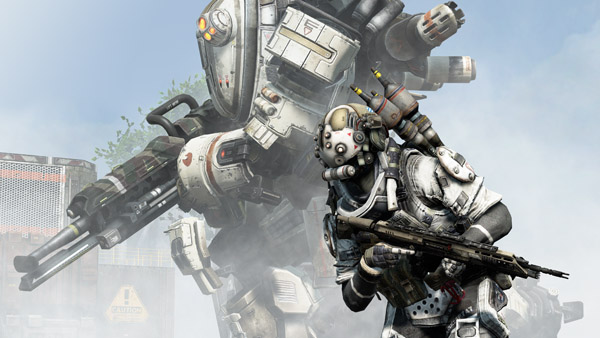
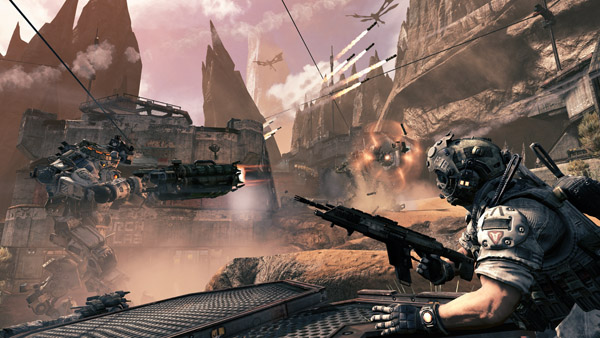
Since it was announced, Titanfall has been met with enthusiasm, eagerness and enough hype to cover 10 games. The problem with games receiving all that hype and attention is that it becomes nearly impossible to reach those lofty expectations and we end up with a disappointment and dreams of what could have been. Titanfall not only matches the expectations of the fans, but exceeds them and cements itself in place as the pinnacle of the FPS genre.
Story
The story takes place in the midst of a planet-spanning war between two competing factions; the corporation-based IMC and the civilian military. The IMC are resource miners who have come to the Frontier for the riches that it holds, while the civilian military of the Frontier are not keen on letting some corporation take their homes so easily.
Titanfall’s campaign is probably the least impressive part of the package. Even after playing the campaign with each faction, I don’t feel any more engrossed in the world than I would have just spending that time playing in the ordinary multiplayer lobbies. The fact that story is told in voice-overs from your superior officer. while the matches themselves are running mean it is hard to concentrate on both the on-screen action and the narration at the same time. Also the fact that there aren’t branching paths or consequences for failing missions mean that the story isn’t all that compelling.
Gameplay
Titanfall’s gameplay is best described as the next generation of FPS gaming. Combining traditional elements from CoD, Battlefield and Halo into one seamless experience has allowed Titanfall to strip off the flaws of its predecessors and step into the light as a well-balanced, extremely fun, and over the top shooter experience.
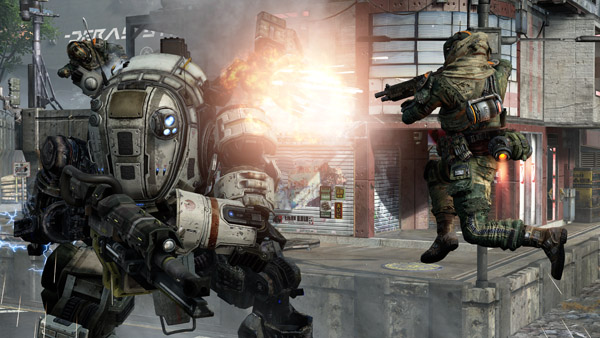
Unlike most FPS games that try to be grounded in some kind of reality (Halo excluded), Titanfall combines double jumping and parkour movements with the traditional run and gun style of CoD to make for an experience like no other. You can run up to a building, double jump and then run along its walls to get to higher ground in the time it takes for a player to reload. Keeping track of your surroundings is imperative as not only does this style of control open up new tactical advantages for players, but it means that you have to be watching your back at all times.
There are fifteen game maps present at launch, and each of them can drastically change how you play. Not only are they large maps horizontally, but the control scheme has necessitated a strong emphasis on verticality in maps. Not Large decrepit mansions, and looming skyscrapers are more than just the backdrop here, instead they are part of your playground. Climbing to the top of a building, just to fire off a couple rounds at some grunts below, then leaping onto the back of an enemy titan is an amazing feeling and one that is definitely unique to Titanfall.
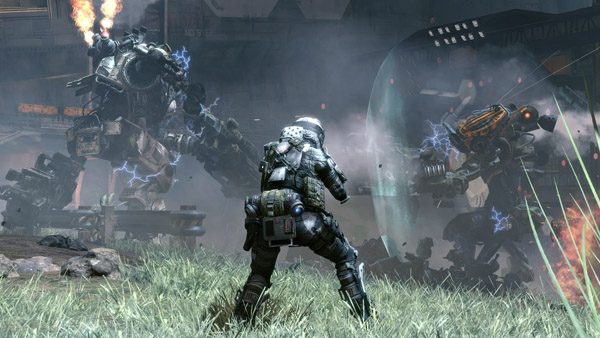
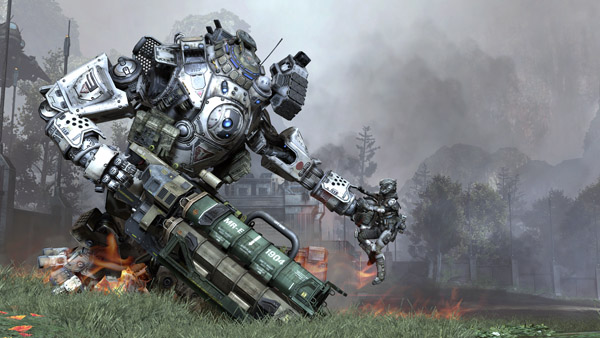
Balance is the name of the game here in Titanfall. At first glance you would think the giant, mechanical behemoths would immediately crush the foot soldiers beneath them. While there is a distinct advantage to riding your Titan, it doesn’t make you indestructible and the fact that every Pilot is armed with an anti-Titan weapon means that instead of being a motorised god, Titans are extra weapons at the players disposal. The balance stretches to other gameplay elements too, including the Smart Pistol.
The Smart Pistol is a gun that without any aiming, will immediately target and lock onto enemies, allowing you to kill multiple squad members with the single pull of a trigger. This gun looks like it would be the be-all and end-all of weapons and break the game, but in actuality the fact that the gun takes considerable time to aim and lock in on enemies drops it down to a useable level alongside the game’s other weapons. Again, it all comes back to “balance,” and that is something that Titanfall has smashed out of the park.
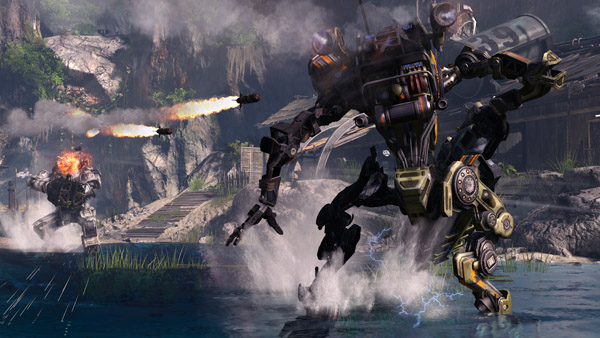
Each of the Titans that players have at their disposal share this same type of gameplay balance. You have your jack of all trades Titan in the Atlas, but on opposite ends of the spectrum you have the slow yet tanky Ogre, and on the other end the light and nimble Stryder. While the Orgre can tank a barrage of hits before going down, its slow movement means that a Stryder can run circles around it. It is a fun kind of rock-paper-scissors scenario, especially once you start equipping your Titan (and Pilot) with the variety of weapons and optional add-ons that you get for leveling up.
Titanfall doesn’t feature any kind of single-player experience; even the game’s relatively short campaign is a multiplayer experience. Playing as two sides of the competing factions in a war make for an interesting take on the campaign experience, but sadly it is a concept that just falls flat. More players are opting to go straight for the more traditional multiplayer modes which means finding players for your campaign can take time, and in some cases have you replaying certain chapters over and over again. Not only that, but it forces players into an online play session even when there is no internet available. It is a minor hassle, but all in all this novel concept doesn’t quite get there. Although it will be interesting to see where developers take the idea in the future.
Disappointingly, Titanfall is let down by the lack of a few key features that in this day and age really should be standard for every multiplayer experience. The first and most prominent of these is the fact that you cannot make a private lobby. It is impossible to gather 12 of your own friends together for intense 6 v 6 combat, instead you are practically forced to challenge random strangers on the internet. For a game, and a console built around their online components, the simple lack of this feature is appalling.
Visuals & Audio
There have been some complaints on the internet about Titanfall running (at launch) at 792p resolution on Xbox One (especially since the PC version can run at full 1080p with the right hardware) but when you actually play the game you really wont notice it. The 792p resolution allows Titanfall to run at a consistent 60fps with no drop down. Running at a smooth 60FPS is an amazing feat on its own, considering the size of the maps, and the amount of chaotic action that can be happening on-screen at any given time. A screen can be filled with up to 12 Titans and still run perfectly fine.
The maps themselves are all different from one another, and they tell a story all on their own. You really feel like this space-war is happening, and the crumbling buildings play a big part in that. It is especially interesting when you move to some of the big-city maps that have been untouched by the war. Titanfall’s world is told through the maps moreso than the voice overs at the beginning and end of each of its campaign missions.
Speaking of voice-overs, they are the dialogue that you will here through the game, and they keep you posted on various important things – namely how long till your Titan is ready for deployment. Outside of campaign mode, the voice overs are infrequent enough to keep the gameplay flowing and not distract the player. You very quickly learn that when you hear that voice coming through your screen, that you are mere moments away from dropping down your sweet mechanical machine and raising some real hell.
Overall
Titanfall has all the makings of a fantastic game. It looks great, it handles like a dream and it brings enough new to a formula that was frankly going stale. It has revolutionised the FPS genre in a way that other games have been too shy to do. Titanfall has its problems, and is missing some key features that are absolute requirements for the genre, but what is here is without a doubt incredible.
Capsule Computers review guidelines can be found here.
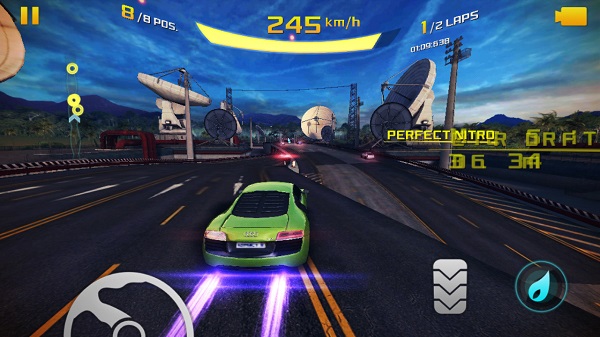
Today, Twitch, the world’s leading video streaming platform, has announced that they will be partnering with Gameloft to provide streaming capabilities in their popular game, Asphalt 8: Airborne for the iOS.
The union between these two companies marks a huge breakthrough in the gaming community, opening up plenty of opportunities for mobile gamers to share their gameplay and allow others to watch. Gameloft was also the creators of Modern Combat 4: Zero Hour. Asphalt 8: Airborne is an award-winning mobile racing game where you’re pitted against AI drivers or drivers from around the world, in an attempt to beat your opponents score through high, aerial stunts. This partnership will primarily focus on iPhone 5S, iPad Air and iPad Mini users.
If you want to check out the stream, here is their Twitch profile. Make sure you check out their Twitch page for some awesome gameplay!
Indie Game Mushroom 11 Will Feature Music from Electronica Supergroup The Future Sound of London
Independent Game Festival nominee on display this week at Game Developers Conference in San Francisco
NEW YORK – March 18, 2014 – Indie developer Untame is announcing that their upcoming puzzle platformer Mushroom 11 will feature an ambient soundtrack by supergroup The Future Sound of London (FSOL), who pioneered electronic dance music in the 1990s.
The licensed music can be heard in-game this Wednesday, March 19 through Friday, March 21 during hands-on demos at the Game Developers’ Conference in San Francisco, where Mushroom 11 is an Independent Game Festival finalist for the prestigious Excellence in Design award. A public demo will follow at PAX East in Boston, April 11-13. A gameplay clip featuring one of the licensed tracks can be viewed here: http://www.youtube.com/watch?v=YwVRvb6ePiw
Mushroom 11 is a game about destruction. In an empty, desolate world, you are an amorphous organism that can only move by destroying its own cells. Removed cells immediately regrow elsewhere on the organism, so you can move, reshape, and even split yourself freely. This cerebral gameplay challenges players’ logic skills as well as their reflexes, set to ten beautiful and electrifying tracks licensed from FSOL.
“As a fan of The Future Sound of London growing up in the 90s, it is an honor for me to announce this cooperation,” says Itay Keren, Mushroom 11‘s designer. “FSOL’s music is a true inspiration for the entirety of my work, including the dark, desolate world of Mushroom 11. I couldn’t be prouder about incorporating their music in my game.”
Mushroom 11 is under development for PC/Mac as well as multiple console and handheld platforms. To learn more about Mushroom 11 and its indie developer, visit http://untame.com.
About Untame
Untame is an independent games studio headed by husband and wife Itay Keren and Julia Keren-Detar, based out of their Park Slope apartment in Brooklyn, NY. Their mission is to make high-quality, deep gaming experiences that are as enjoyable and interesting to play, as they are to make. Their upcoming puzzle platformer Mushroom 11, backed by Indie Fund, has gained great critical reception with multiple awards and nominations including IGF 2014 Excellence in Design finalist, SXSW 2014 Gamers Voice finalist, Best of Indie Press Day 2013, GDC 2013 Experimental Gameplay Showcase, and IndieCade 2012 Official Selection.
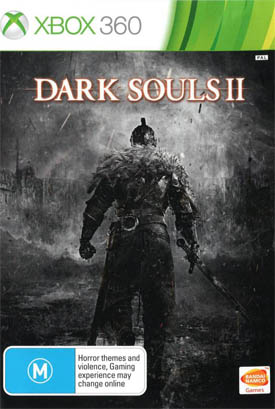
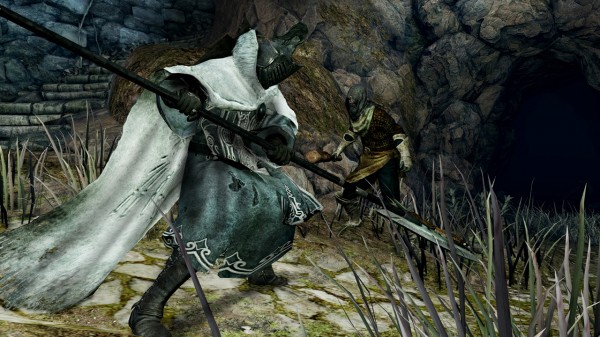
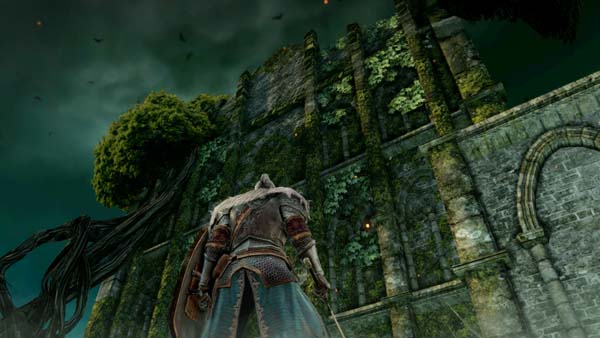
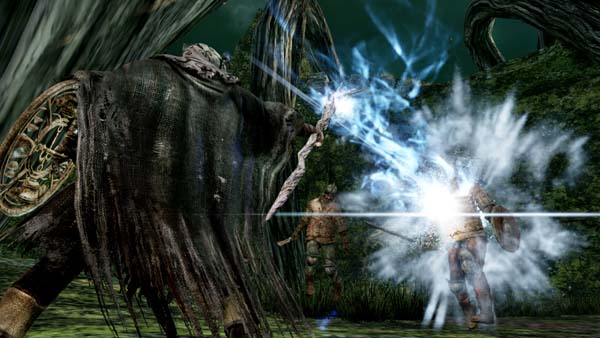
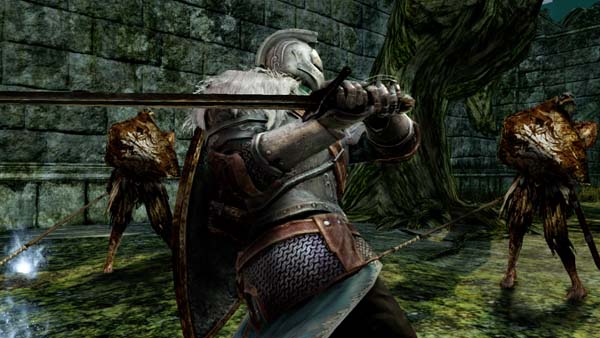
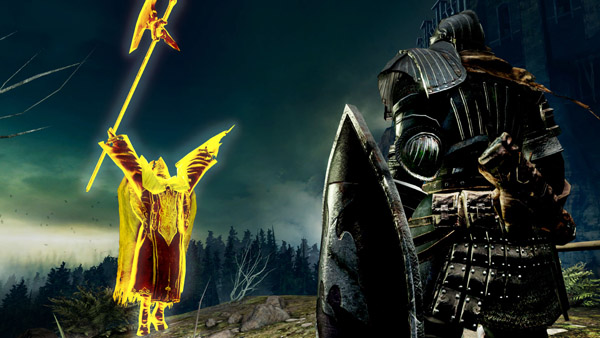
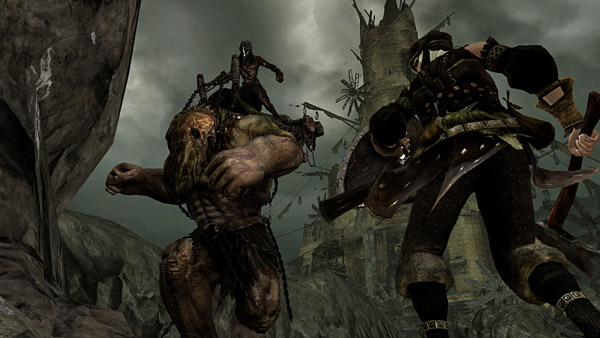
It is time to go beyond death. The latest instalment in the hugely popular, punishing and unique experience that is the Dark Souls franchise has finally made its way to consoles. Dark Souls II brings with it the sense of dread that the series is known for while trying to slightly improve on the formula. Some of these changes make for a better, more refined gameplay experience while others sadly don’t hit their mark quite as much. However, for anyone who is concerned; Dark Souls II is still very much a Souls game, and one that veterans and newcomers to the franchise need to have on their radar.
Story
Dark Souls II is a game that is wrapped in mystery and intrigue. You start off as a cursed human who has died and made his way to this desolate place called Drangleic. From there you set out to hopefully cure yourself of the curse, but after it becomes apparent that it isn’t an option, your goal changes to becoming the next monarch of this wasteland and hopefully do some good.
The thing about Dark Souls II, and Souls games in general is that you are by no means spoon-fed story. You get a brief introductory cut scene and the rest is up to you to piece together. NPCs will offer very little insight into the goings on, only telling you bits and pieces that they know, which considering they are all slowly going mad is not that much. Most of the back-story comes from reading item descriptions. The items and weapons all talk about the gods that have risen and fallen in times past. It is almost like a giant puzzle just to figure out the story of Dark Souls II, and that makes for an amazing game.
Dark Souls II shares some strong connections with its predecessor, but for newer players this wont be a problem. The fact that story is contained almost entirely in riddles and snippets of information means that newer players wont feel like they are out of the loop when it comes to the series’ past.
Gameplay
Dark Souls II comes from a rich line of action RPGs with deep mechanics that are designed to test players in every situation. It is difficult and rewarding experience that is unmatched by almost anything in gaming today. The frustration you will feel after dying to the same enemy in the same fashion time and time again can be almost demoralising, but that euphoric high you get when finally overcoming the obstacle is almost enough to make you want to throw a party over.
The difficulty curve this time around seems a lot more consistent, with no real areas that have a massive difficulty spike (ok well there is one, and it is a pain in the ass.). Everything else progresses pretty well alongside you to the point where you sometimes wont know the game is getting all that more difficult until you go back to those original areas and see how far you really have come. The only time difficulty becomes an issue is when you step foot into an area that you probably shouldn’t have hit just yet. The best part about Dark Souls II is that this can happen almost immediately, as the path that is directly in front of you is a little more difficult than the one hiding behind.
The choice is what gives Dark Souls II its life. You can choose which order to tackle enemies in. You can choose how to gear up your character, and you can choose if they are a nice guy or a colossal dick. Each of these choices is up to the player and while many don’t impact the game on any meaningful way other than the gameplay itself, the freedom to tackle obstacles any way I choose is something that keeps the series alive.
Controls have remained by and large the same this time around, if not a little more refined. Fluid and easy to grasp while still utilising literally every button of the controller means that Dark Souls II is definitely a game that is easy to learn but difficult to master. Players of previous instalments in the series will feel right at home, while the game’s little (optional) tutorial area will give newcomers a crash course in “How To Dark Souls.”
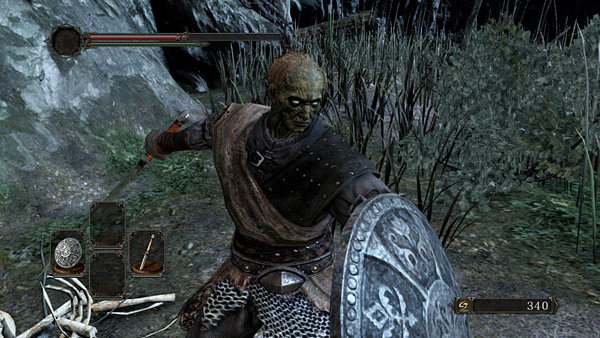
Character development is quite a robust experience this time around, allowing you to deck out your character with a variety of weapons, armor and shields; none being inherently more powerful than the other. By the end of my first playthrough, I had three shields in my inventory for different circumstances as I couldn’t find one that did everything I needed it to do. Players also get two extra weapon slots and two extra ring slots this time around so they can better prepare for more situations. While this is definitely helpful, as I got more and more into my character, I found myself only needing the two that were available in previous games. However, the strategic advantage of having three open slots for each hand is especially handy in PvP situations.
New Game + has always been a key component of the series, with each subsequent play through getting more and more difficult (up until about New Game ++++++++). Now this is still very much true, but New Game + is a vital part of the game. Every time you start a NG+ you will find yourself facing new enemies, discovering new content and unravelling more of Dark Souls II’s deep story. The fact that some bosses only drop their signature stuff after NG++ means that for the perfect build you just have to keep playing. This adds even more longevity to a game that is absolutely brimming with content, even during the first play through. Interestingly enough, some of the bosses act differently during later play throughs, like the infamous Looking Glass Knight who can summon online players instead of generic phantoms. Playing against a boss, and a human controlled character is an absolute nightmare and one that constantly has you on your toes.
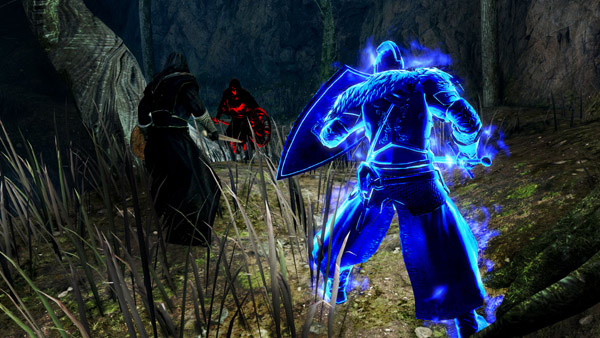
The Dark Souls franchise has always created an amazing and unique online experience for its players, be it the way players can leave signs and warnings for other players (either helpful or harmful, depending on what kind of person you are) or invading other players, Dark Souls II keeps the online tradition alive.
Covenants make a return in Dark Souls II, but this time with a bit of scope and a lot more explanation as to what they are and how they work. Many covenants return from the first game, so if you are looking to “Praise the Sun,” then you can still do so. Some other covenants have you setting up traps for other unlucky players, or returning to the top of a Belfry to battle those who would threaten your bell tower. They really enhance the online play component to much more than just “Oh well, I’m being invaded now. Crap.”
What is more impressive than the actual in-game components though is how the series manages to create an ever-evolving meta game. Due to its nature as a difficult, large game filled with secrets and no easy answers, game forums become flooded with players helping one another, and wiki’s pop up over night. This experience is something that while relatively common in gaming now, is almost an integral part of the Dark Souls II experience.
While Dark Souls II ticks many of the right boxes for its players, that isn’t to say that it gets everything right. Some of the changes made to the formula are sure to irritate and annoy many fans of the series. One of these is the fact that enemies now have a respawn limit. In previous Souls titles, enemies would respawn every time you entered an area or rested at a bonfire. Now after a certain amount of kills, enemies don’t return. This has two massive impacts on the game; firstly you cannot farm souls for quick EXP as easily, and secondly it makes the game a considerable amount easier. One of the tricks of Dark Souls and Demons before it was to find out how to navigate your way through an area to the boss door as quickly and efficiently as possible. Now you can just kill the enemies a few times and turn your path into a straight shot.
FromSoftware have also made some changes to the levelling up system. Namely they have gone back to the original method from Demon Souls, where you would have to travel back to the main hub in order to level up by talking to a specific character. This shows itself to be far more inconvenient than anything else, and even though you immediately have fast travel to and from any bonfire that you have unlocked, having to travel back to Majula every time you want to level up breaks up the gameplay considerably.
Visuals & Audio
Dark Souls II is a visually impressive game. It doesn’t necessarily contain next-gen visuals or anything absolutely mind blowing up close, but where it really makes its mark is how many things there are on screen at a time, and how far away draw distances are. Standing on one end of the map and looking out to a castle in the distance and thinking “That is where I’m headed.” Is a great feeling, and it is even better when you do that and see the glowing green orb that shows the last point you died sitting miles away.
I was a little disappointed with the enemy variety this time around, especially from the bosses. It might just be because I am so used to the franchise, but I didn’t have nearly as many “what the hell is that!?” moments as I did during either Demons or Dark Souls. Many of the bosses were large knights or humanoids that followed largely predictable and readable attack patterns. While there are a few unique challenges, and one surprise from the past that players are sure to go nuts over, most of the bosses just felt like they lacked that Souls vibe.
The original Dark Souls had a particular area; Blighttown that was an absolute nightmare for players due to its consistent and almost violent frame rate drops. The guys over at FromSoftware have learned from their mistakes, and during my 80+ hours with the game, I only noticed something like one single minor lag. The rest of the time, the game played smoothly without any hiccups.
Music has always been a key component of the Souls games, and that is no exception here. The soundtrack is absolutely beautiful, and contains some incredibly harrowing pieces of music. Each boss has their own theme that perfectly sets up who they are and what they are all about. The interesting thing about it though is that you likely wont immediately focus on the music during your first encounters with the bosses. Entering a room seems to switch on a certain “focus-mode,” for players where they are locked into the action in front of them and it blocks everything else out. Regardless, the amazingly composed pieces really do pull these encounters together.
Overall
After a lot of players were concerned about the release of Dark Souls II, I think it is safe to say that many of those worries have been quelled. Sure, there are a few changes to the formula that don’t quite hit the mark as well as it should, and a few repetitive boss fights don’t quite contain the scope of the original game. Regardless, Dark Souls II offers a rich, difficult experience filled with secrets, riddles, puzzles and a wealth of content for players to enjoy, and honestly the game’s few nagging issues don’t detract all that much from the overall experience that the game presents.
Capsule Computers review guidelines can be found here.
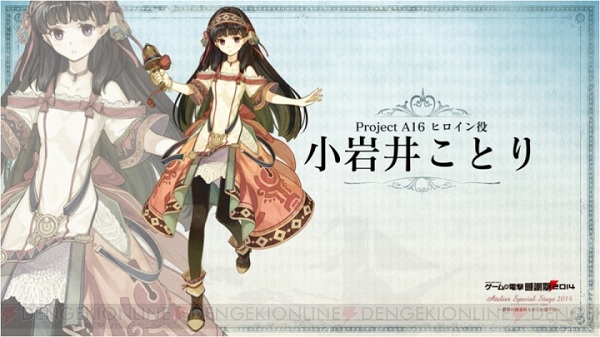
Gust and Tecmo Koei have recently announced that they are working on the next game in the Atelier series. Not only do we have a teaser trailer for the game but Dengeki Online reports that the project is currently being called “Project A16” and it is worth noting that when Escha & Logy was first revealed, it was simply titled Project A15. This title is going to be the third game in the Dusk series though it is unknown if this will be the last in the series.
More details about the game are set to be revealed in the March 26th issue of Dengeki PlayStation magazine but for now we know what the game’s heroine will look like and that she will be voiced by Kotori Koiwai.
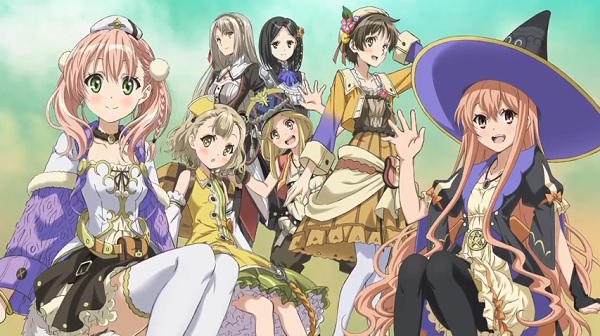
We have previously heard that an anime adaptation was in the works for Tecmo Koei‘s Atelier Escha & Logy: Alchemists of the Dusk Sky but until now we have yet to see what the anime would look like and considering how appealing the art style of the video game is, many people were concerned about the quality.
Well it looks like they can put those concerns to rest for now as the first promo trailer has been revealed by Gust and you can check it out below. The anime is set to debut in April in Japan and as for the game, you can check out our review of the title here.
Iceberg Interactive, the publishers of Vector Thrust, has just announced that their newest title Starpoint Gemini 2 is in its Beta phase and is available on Steam.
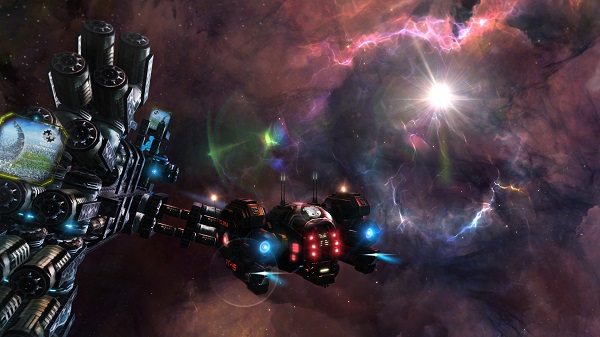
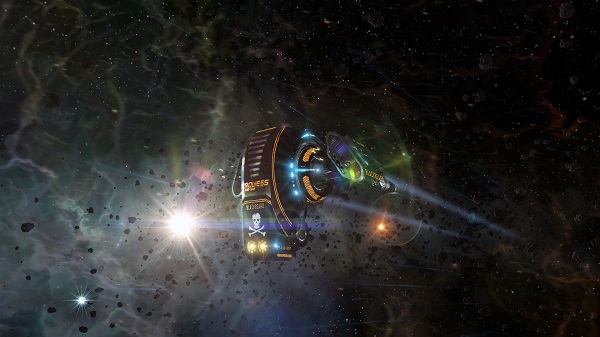
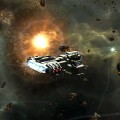
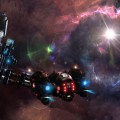
Starpoint Gemini 2 is an open-world 3D space simulation game that provides RPG gameplay with space combat. The developers, Little Green Men Games, has created more features that offers fans the abilities to go through wormholes, players can choose their class at the beginning, the game loads faster with newer models, and the ship and equipment pricing has been balanced.
The title is in open beta right now, and can be found here on Steam for $24.99 through Steam’s Early Access Program. Starpoint Gemini 2 is expected to be fully released this spring of 2014 for the PC.
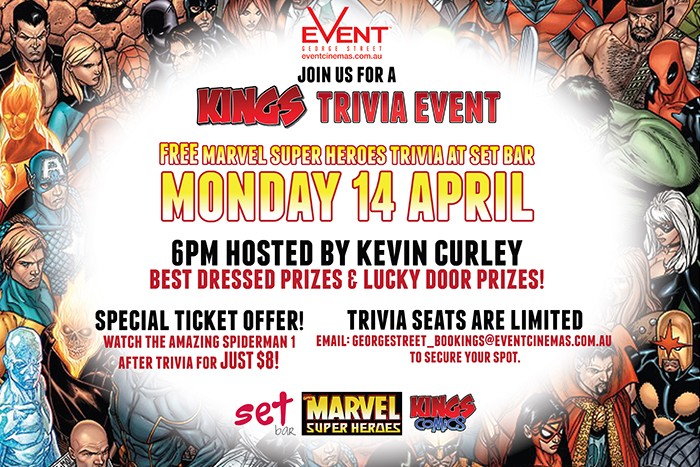
It’s been a little while, but Event Cinemas George St. and Kings Comics will once again be hosting another Trivia Night at the Set Bar, this time focusing on Marvel Super Heroes in celebration of the release of CaptainAmerica: The Winter Soldier and The Amazing Spider-Man 2.
The event will begin at 6pm, for free, on Monday, April 14. If you’d like to attend, please secure your spot by contacting the email address in the promo above. There will be best dressed and lucky door prizes given away, and as a special ticket offer, attendees can watch The Amazing Spider-Man for just $8 directly afterwards. We’ll have some representation at the event ourselves, so come along and test your nerd knowledge against us if you dare (you’d probably beat us)!
This week marks the release of the first of seven Ranma 1/2 Limited Edition Blu-ray Box Sets that will be released in the upcoming months. This week on March 25th the first set of Ranma 1/2 will be released as a Limited Edition Blu-ray set as well as a standard DVD set with both releases featuring the series presented in its original Japanese order. The Blu-ray box set costs $54.97 and comes with three Blu-ray discs containing the first 23 episodes of the seris presented in high definition for the first time ever while the DVD set still features the same episodes but is priced at $44.82 and comes with less on-disc and physical bonuses as well as a lower resolution.
You see, the Limited Edition Blu-ray box set comes with a premium chipboard box that has previously been shown off by Viz through an unboxing and comes with a number of on-disc special features including footage from the packed Ranma 1/2 panel from the 2013 New York Comic Con, a highlight reel from the events at the show, and an exclusive “We Love Ranma” Part 1 – Manga Re-Mastering interview with Viz Media Editor Hope Donovan that details some of the processes that went into the latest manga release.
You can check out a comparison video below showing how the show has been remastered and as for the series itself, viewers will be able to enjoy either the original Japanese voice track or the English dubbed track.



 This week marks the release of the first of seven