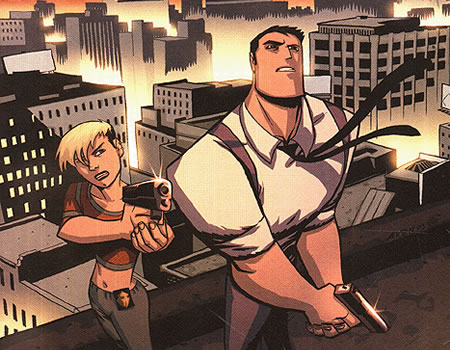
Sony has been teasing us with plans of a PlayStation 4 exclusive TV service. We finally know that we will see a streaming service much like Hulu or Netflix, rather than a live cloud-based service, which what was originally announced. Sony now has their first exclusive title for PlayStation. The new show is called Powers by writer Brian Michael Bendis and artist Michael Avon Oeming. It is an adaption of the graphic novel of the same name, which follows the adventures of two detectives investigating the crime of people with super-abilities known as ‘powers’.
With Sony Pictures TV taking responsibility for producing Powers, this means that the show should be on the radar of all superhero lovers like myself. Sony Pictures TV was behind the masterpieces of Breaking Bad and Hannibal and is planning to give Powers a similar budget. The show should be astounding with its massive budget, strong story and its mix genre of fantasy/sci-fi and classic noir.
Sadly, the show is only confirmed for US PlayStation Network, but it is a sign of the PS4 truly becoming an all-rounded entertainment unit. Details of the show and of the service is still vague, but they have given one guarantee: providing great original shows for PlayStation users.
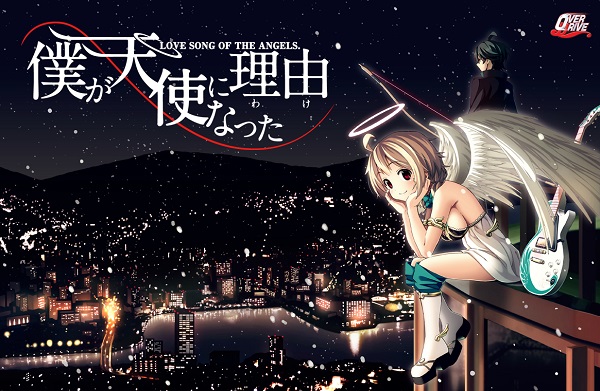
Today MangaGamer has announced that they have picked up OverDrive’s Bokuten – Why I Became an Angel for release on the PC sometime later this year. Bokuten – Why I Became an Angel is a new game from OverDrive that features a brand new art style and tells a story different than what many may be familiar with from the company, but it is worth noting that the game is Adults Only.
To go along with this announcement the company has released the opening video for the game, a few CGs, and a story summary which can be found below:
Inosato City, exotic and surrounded by mountains and the ocean. In this city which is watched over by the church at its summit, a boy and girl met. The boy’s name is Tomoe Kirinokojima, a young man who leads a life of solitude, not believing in love or happiness. The girl’s name is Aine. She is one which sings of love, and was born to bring happiness… an angel.
Tomoe Kirinokojima’s life is one which likely seems completely dull in the eyes of others. He doesn’t make friends, and of course has no girlfriend. He doesn’t even have something you could call a hobby. He sleeps, wakes up, goes to school, comes home, and sleeps again. His days are filled with this ordinary routine over and over again. But nevertheless, that life was not unpleasant in his eyes, because “having nothing” also meant he “couldn’t lose anything.” It is a given that wishing for something will always lead to horrible pain in the end, as he had experienced just how cruel this world can be more than enough.
The angel’s appearance marks the end of his otherwise tranquil life. “Angel.” A being which protects the love of men and women. Those who spin and play the “red threads of fate.”
Tomoe says, “There’s no way love will make anyone happy.” Aine says, “That’s not true! If you love, your heart gets all light and fluffy!” Without compromising his stance, Tomoe winds up helping this girl who is an “acting angel” with her job and gets deeply involved in the loves of others together with Aine…
The assorted sentiments and forms of happiness which comprise the phenomenon called “love” passes before his eyes. It is a journey whereupon they search for the true meaning of the thing called happiness. At the end, he will discover the reason he continued to tread forward.
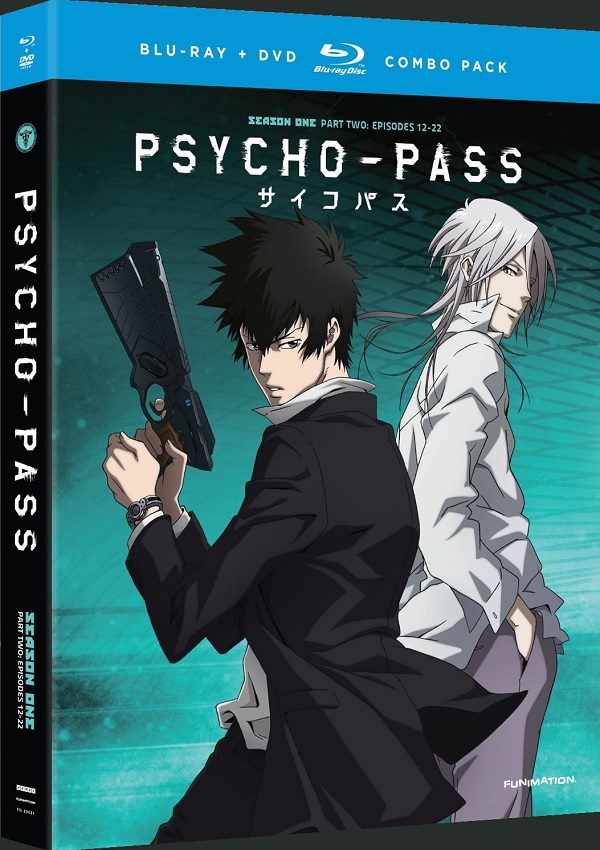
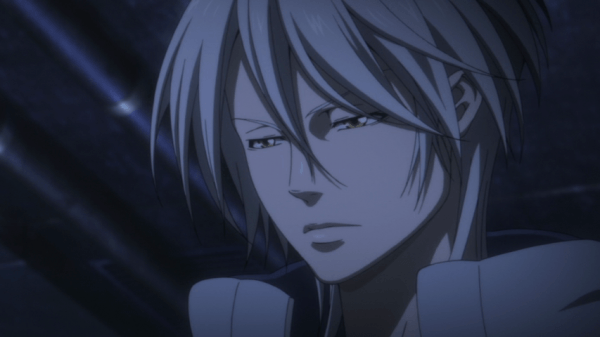
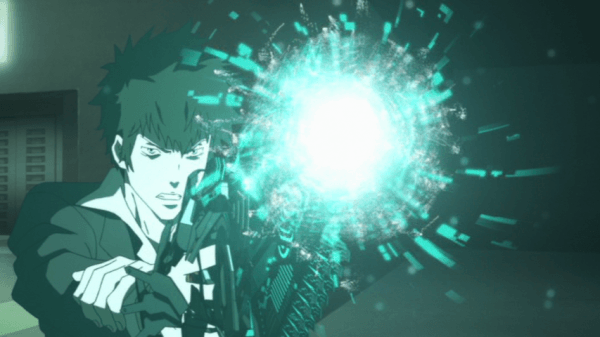
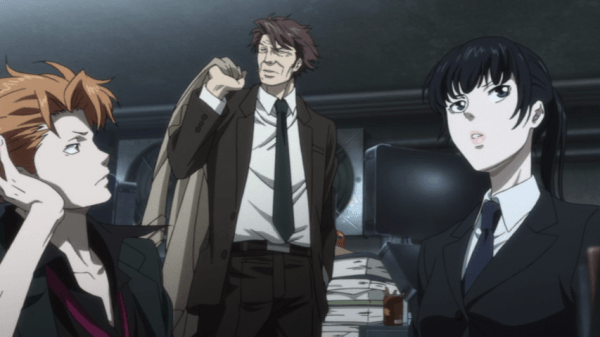
Overview In a city where people have become so reliant on a system that monitors the behaviors of its citizens, most people have no reason to think for themselves and even doing so can put you on the wrong side of the law. As we’ve already seen in Psycho-Pass Part One, the Sibyl System is far from flawless but people rarely question the established system. Now with a clear villain pulling the strings in an already damaged world, does Psycho-Pass Part Two manage to wrap things up successfully?
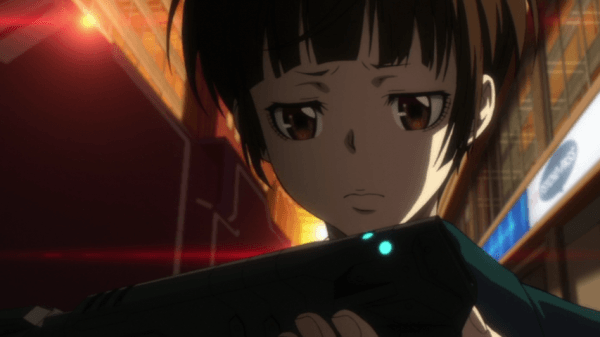
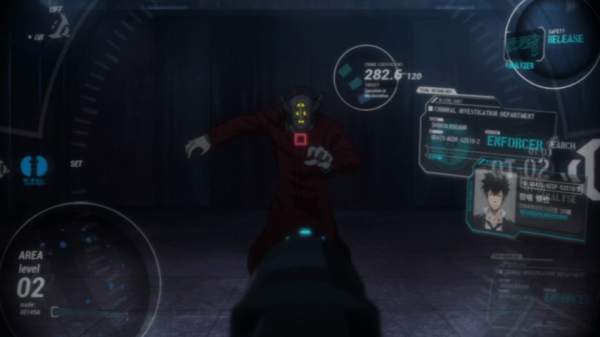
Story It should go without saying that if you are to continue reading this review there will be spoilers relating to the first half of the series as the events must be discussed so fair warning. Anyways, at the end of the first half of Psycho-Pass, viewers learned that a man named Makashima has been orchestrating a number of crimes by providing criminals assistance. When Akane attempts to subdue him using her Dominator, she is unable to do so due to his crime coefficient being too low, resulting in the death of her friend and the apparent failure of the Sibyl System.
Now as Part Two begins, oddly enough the series decides to take a bit of a break at the start by going into the past three years to show how one of the Enforcers in Unit One, Yayoi, came to be with the group after becoming a latent criminal. This helps provide viewers with a bit of backstory on the barely acknowledged character and also provides them with a look at Kogami while he was still an Inspector trying to recruit her and working with his murdered partner.
After that brief trek through memory lane, the story resumes where it left off, with Makashima on the run with Kogami and the rest of the police trying to track him down. Unfortunately their man power is soon focused on a major crime wave as Makashima continues to help criminals cause problems for the city, going so far as to create specific devices that make their users immune to Psycho-Pass checks allowing them to commit unspeakable crimes right in front of cameras and people who have become so complacent in their lives that they can’t even understand what is happening right in front of them.
Things are complicated further as Kogami is told to take time away from the case and the police are charged with simply capturing Makashima and making sure that they do not harm him in any way. You see, Makashima is “criminally asymptomatic” and this plays a major role in why he acts how he does as well as reveal major developments relating to the Sibyl System and the true form of this system. This creates not only a horrible villain that some might actually see as a misguided rebel rather than a cruel mastermind, trying to change the way this unthinking world is by attempting to take down the system.
The conspiracy continues to run out of control with the necessity of the Sibyl System constantly being questioned and viewers can’t help but analyze the way the system works as well, especially once the learn the truth behind it. This places the viewer’s line of thinking right alongside Akane’s as she too learns the truth of the Sibyl System and has to come to grips with her knowledge.
In the end, Psycho-Pass doesn’t really come to a completely satisfying conclusion though it is interesting how the series loops back on itself at the end. While Akane’s questioning of the system remains true in her heart, viewers also will realize the current necessity of such a system and considering a movie and a second season for Psycho-Pass are already being planned, the grim ending where little has truly changed actually seems quite fitting considering the current nature of the series’ world.
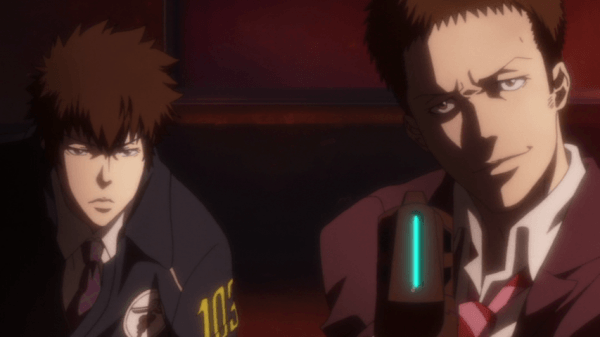
Visuals Like the first half of the series, Psycho-Pass’s second half continues to use a dark tone for most of the scenes viewers are presented. It is also worth noting that the violence factor has been ramped up a notch as there are more shoot outs and murders happening in the second half of the series, especially during the riots.
The character designs remain nice and memorable and there are a number of outstanding looking shots that I chose not to show thanks to the spoiler content, but the series is quite stunning at times. It is also worth noting that the action sequences that occur in the second half are relegated more to hand to hand combat and the fights are nicely choreographed and I did not notice any significant drop in animation quality during these sequences.
Audio As with the first half of the series, the second half of Psycho-Pass is presented with a superb English voice track with all of the voice actors fitting their roles nicely and at times outdoing their Japanese counterparts which makes Psycho-Pass a series that most viewers should choose to listen to in English instead of Japanese.
The background music again remains fairly basic but the trend of playing the ending theme during the last few moments of an episode, or directly over events occurring through the credits, is nice and impactful. The ending theme is “All Alone With You” by Egoist and is absolutely wonderful considering how nicely it fits with the series. As for the opening theme, it has been changed to “Out of Control” by Nothing’s Carved in Stone and damn it sounds terrible, so bad in fact that outside of giving it one brief listen through it should be skipped every time after.
Extras With the release of Psycho-Pass: Part Two we have a number of standard extra features for a FUNimation release which mimic those found in Part One. There is the clean opening and ending theme, trailers for other FUNimation anime, the US trailer for the series, two commentary tracks and the twenty minute long video “Psycho-Pass at Sakura-Con Part 2” which is the second half to Part One’s extra.
As for the commentary tracks, the first is for episode 13 and features Zach Bolton, the series’ director, Jason Douglas the voice of Tomomi, and Josh Grelle the voice of Ginoza. The second commentary is for episode 18 and features the return of Zach Bolton, Linda Leonard, the voice of Kasei, and Stephanie Young, the voice of the Dominator gun that the Enforcers and Liberators use.
Overall Psycho-Pass Part Two doesn’t end conclusively but considering the nature of the world that the characters live in, it does find itself a satisfying conclusion that can be expanded upon in the future. With the Sibyl System constantly making viewers question the motives of specific people and the people within the world so reliant on such a system, Psycho-Pass is a dark and intelligent story that will leave viewers hoping that the second season will be as good as the first.
Capsule Computers review guidelines can be found here.
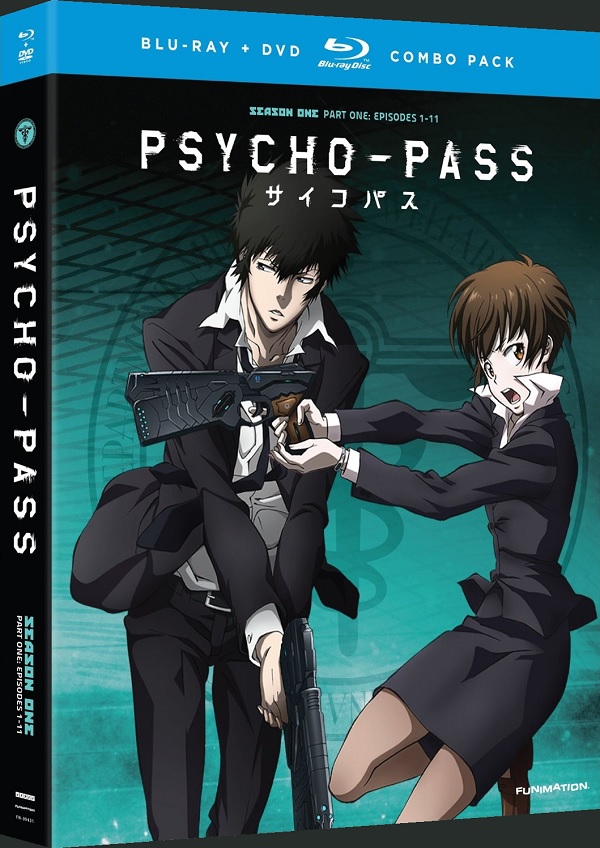
Overview Over the past few years, the right to personal privacy has been called into question many times. With government programs established to monitor communications and keep people on various watch lists, for many it is a small price to pay in order to keep an eye out for criminals or people threatening their way of life. However what happens when things end up going too far? With the release of Psycho-Pass Part One, we enter a world a hundred years in the future and things have certainly changed. The question is, will the story manage to hook viewers into returning for the second half?
Story In the year 2113 technology has advanced to such a state that people can simply change their clothing or the look of their furniture with a few taps of a button and everyone seems to live a happy life on the surface. However there is a reason why everyone seems to be happy and why the police are still required.
An all-powerful and relied upon system, called the Sibyl System, has been established and this system is designed to keep track of a person’s mental state. This is done by performing random scans of individuals, often through remote terminals established throughout the city, where people must complete a Psycho-Pass. This test determines how high of a chance a person has of committing a crime and their resulting “Crime Coefficient” can mean that they might be subjected to simple therapy or locked up as a potential criminal before they have the chance to go off.
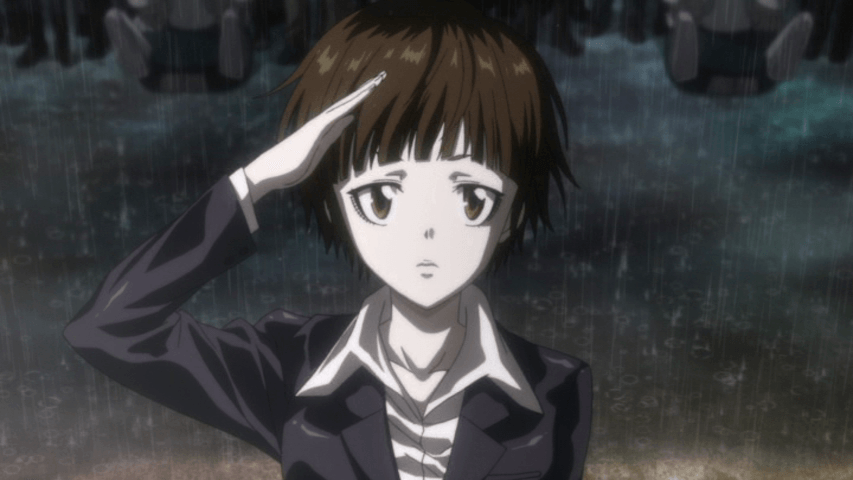
Now, Psycho-Pass Part One follows the story of a new hire on the Public Safety Bureau’s Criminal Investigation Division named Akane Tsunemori. Despite this being her first day on the job, she is immediately thrown into a case involving a man taking a woman hostage. She is partnered with Kogami, a “latent criminal” who is allowed to work on the force to apprehend other criminals as an Enforcer while Kogami is his Inspector.
The main tool of their trade is a “Dominator” weapon which scans a target to determine their mental state and if their Crime Coefficient is high enough, the weapon can be fired to either stun the target or, if the reading is in dangerous levels, fire off a blast that will annihilate the criminal. These weapons cannot be fired if the weapon deems someone to not be a threat and is seen as a go to weapon linked directly to the Sibyl System.
After being thrown into her first case with little experience, Akane chooses to take action against what the Sibyl System suggests, giving viewers the first example of how such a system can be deemed hazardous as it requires no thought on the user’s part. Unfortunately this aspect of questioning the system is left to stew in the viewer’s mind for most of Part One as the majority of the first eleven episodes of the series deal with Akane learning about the job and interacting with her fellow Inspector and the rest of the Enforcers on the team, though few are actually developed in any way, as they solve a number of different cases.
However near the end of Part One connections between the cases that Akane and the rest have been solving, including Kogami’s goal which forced him to fall into being a latent criminal, begin to point to a certain culprit. This leaves viewers with one hell of a halfway point that seems to be leading toward a larger plot that will likely be developed in the second half of the series.
Only in these last few episodes of Part One is the whole aspect of the Sibyl System’s reliability called back into question since the start of the series. You see, since the system depends on scans of a person’s emotional state or thought patterns, quick bursts of stress or fear can lead to dangerous false positives while a person who always believes they are in the right might not even think that they are a criminal in the first place and since everything is dependent on what the system says, the question of how much longer humanity can survive while resorting to such a system and portrays a dark world with sadistic criminals where even the people meant to capture these criminals might be seen as criminals themselves.
Visuals Psycho-Pass Part One is a dark series in more than just theme; it is also a dark series in general. Outside of a few day scenes where Akane is out with her friends, traveling with Kogami, or whenever the focus is within the headquarters, almost every scene in Psycho-Pass is dark looking. The lighting in this series is actually used to great affect by prominently displaying certain scenes in bright light when they are meant to be seen and the dark sinister scenes or a murder dungeon, shown with dark coloration giving viewers a sense of foreboding.
Outside of the scenes themselves, the characters have a fairly realistic looking design with believable appearances that look better than your average anime character, though the quality of some of the scenes can be called into question at times. It is also worth noting that Psycho-Pass is not afraid to show gore and violence as people will explode or be murdered in cold blood in some disturbing scenes.
Audio It is great to say that FUNimation has managed to provide viewers with some great dubwork for Psycho-Pass Part One as all of the English voice actors fit their roles perfectly and actually seem to surpass their Japanese counterparts at times. Considering how things are explained, this is also a major plus as it might be difficult for some to understand a situation simply through subtitles if they were to resort to the Japanese voice track.
As for the background music in Psycho-Pass Part One, it is rather basic at times but it is worth noting that the ending theme often plays for dramatic effect over the last few seconds of an episode which is a nice touch. As for the aforementioned themes, the opening theme is “Abnormalize” by Ling Tosite Sigure, while the ending theme is “Namae no nai Kaibutsu” by Egoist and occasionally different parts of the song will be used for the ending sequence depending on how well they fit into a specific ending scene.
Extras The extra features contained in this basic version of Psycho-Pass Part One contain a number of on-disc bonuses such as clean opening and ending themes, trailers for other FUNimation anime, two commentary tracks, and a video bonus highlighting events taking place at the most recent Sakura-Con that is roughly twenty one minutes in length and features interviews with the a few members of the Japanese production staff.
The first commentary is for episode 5 and features Lydia Mackay, the voice of Shion, Scott Freeman, the voice of Kagari, and Lindsay Seidel, who voices Kunizuka. As for the second commentary, it is for episode 11 and features Kate Oxley, the voice of Akane, Rob McCollum, the voice of Kogami, and finally Alex Organ who voices Makishima.
Overall Psycho-Pass Part One throws viewers into the story right away and explains things as the series progresses which is beneficial to the way the series is set up. Unfortunately, although many of the events tie together, viewers interested in seeing how the Sibyl System is seen as incorrect will be left wanting for much of this first half. That being said, Psycho-Pass Part One does an amazing job setting up a dark world with a truly evil villain pulling the strings and it ends leaving viewers entering Part Twoquestioning the Sibyl System more than they already were.
Capsule Computers review guidelines can be found here.
Eleven Arts and Sentai Filmworks have announced the theatrical release of Katsuhiro Otomo’s anime anthology Short Peace which is to be screened as four short films. Check out the trailer below.
The release will begin on April 18 this year and will be featured in 45 theatres across the United States while Canadian screenings are currently planned in early May.
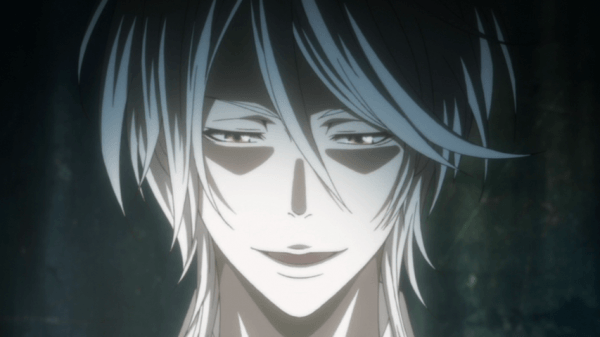
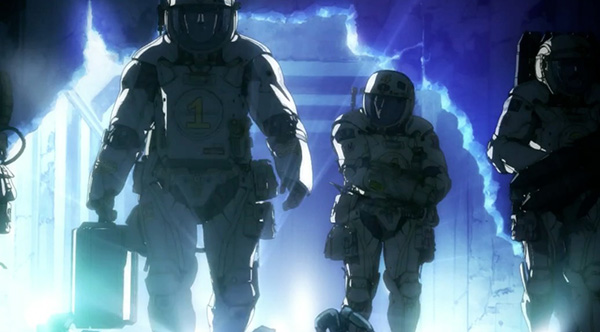
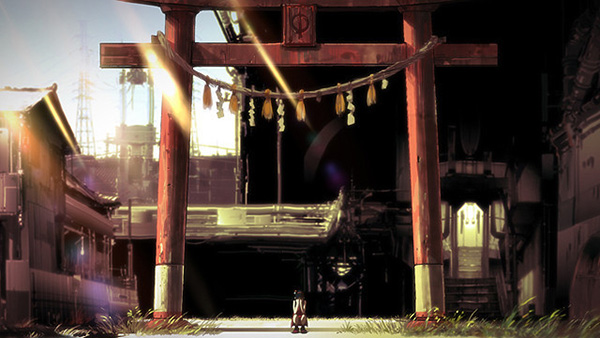
Short Peace seems like an epic conglomerate by the creator of Akira. The anthology begins with Possessions where a lone traveller encounters spirits in an abandoned shrine while in Gambo a white bear defends the royal from the a red demon. The supernatural focus changes to science fiction eith Farewell to Weapons with men battling mecha tank in apocalyptic Tokyo. Finally, Combustible is a tale of love, honour and firefighting in ancient Japan.
The project involves veteran figures such as Evangelion’s Yoshiyuki Sadamoto, Gundam designer Hajime Katoki and Redline’s Hiroaki Ando. For more info on screening details and on the film, visit the official website.
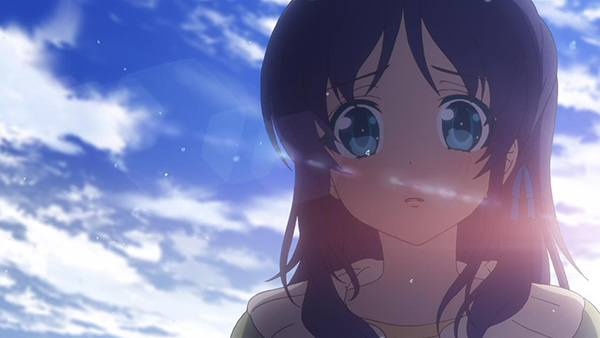
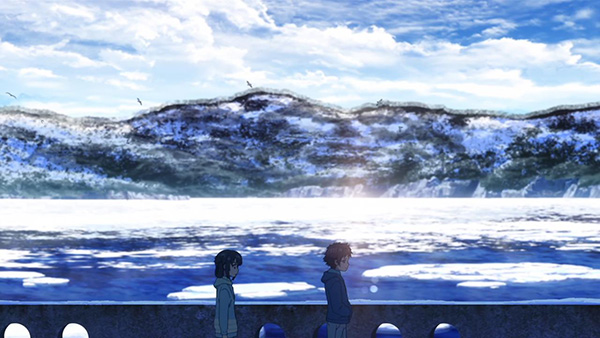
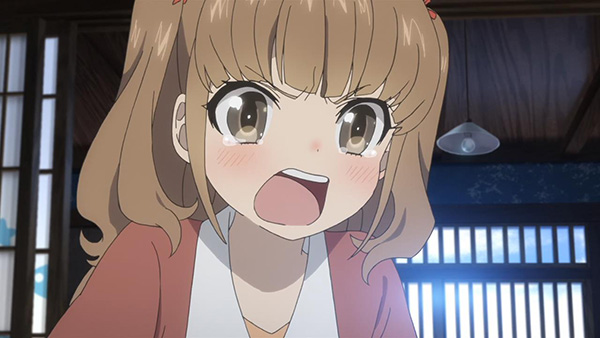
Nagi no Asukara Episode 23 – Who Do These Feelings Belong To?
See the title of this episode? Those feelings belong to us, the viewers, as the show approaches its emotional finale. All those pent-up emotions that our characters have been dragging, tied to a cannon ball, across the seabed for 3 months have finally start to burst out. Only a little, mind you, like a leaking dam. No doubt there’s still plenty more to unravel in the coming episodes.
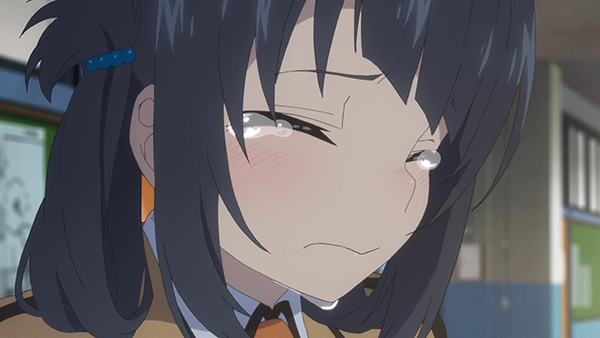
Hikari and Miuna are left with the realisation that Manaka would never love again. Hikari is adamant that Manaka wanted to reveal that she was going to confess to Tsumugu after the Boatdrift Ceremony and he only confides to Miuna about this. She’s not so sure however as she thinks there’s a good possibilty that Manaka would’ve confessed to Hikari instead. Hikari dismisses this as impossible, thinking back to the time when she cried and ran out of the classroom when Hikari himself confessed.
There’s an interesting conversation amongst all the friends when they gather to discuss Manaka’s missing love emotion. They seem divided. Hikari, Miuna and Sayu feel an urgency to help her recover what she lost while Tsumugu, Kaname and Chisaki aren’t so sure, arguing that Manaka is happy without knowing love. Sayu erupts and lambasts Kaname in an awesome display while Hikari leaves feeling disgusted.
What do you guys think? I’ve seen fans comment on this issue and there’s some that think it’s not such a bad thing to have no love as long as you’re ignorant. You could say the same for the mentally disabled who don’t know better. In my opinion it’s still a missing piece from what makes us human and Manaka is being deprived of a choice without knowing. But you’ll see later in the episode that she is still troubled and feels that something is not right. Surely she’s not happy like this?
Character development. This anime has it. We’re not seeing the same people we saw during episode 1 like so many other shows these days. I went from hating Hikari in the beginning to thinking that he’s one of the best male characters. Sure he’s not exactly cluey, but he’s damn mature for his age. He’s written Manaka off as Tsumugu’s, thinking that if he can hook the two up she’ll remember what it’s like to love someone. It’s a selfless act and he’s determined to make Manaka happy even if he loses her to Tsumugu.
Sayu, meanwhile, has decided to confess to Kaname soon despite mouthing off at him. It’s funny how she acts like his wife now thinking it’s OK for someone to yell at him as long as she’s doing the yelling. You can see that everything is in motion for a grand finale involving everyone coming clean with their emotions.
The biggest bombshell this episode was when Hikari confronts Tsumugu to help Manaka fall in love again. Tsumugu refuses as he doesn’t believe she ever really loved him. It’s likely Manaka just admired him. So he admits he liked Chisaki instead to Hikari. The bombshell? Chisaki was right behind him and heard it. Jumping into the sea out of embarassment, Chisaki swims away towards Shishishio and Tsumugu dives in after her despite not being able to breathe underwater.
Somewhat predictably, Tsumugu gains an ena and is able to live underwater now! They should just simulate drowning with everyone and then all of humanity can breathe in water, right? But in all seriousness, this is a pretty powerful moment, more so than when Miuna developed an ena. Why? Because Tsumugu has always loved and respected the ocean to the extent that he became an oceanographer. Now he’s finally able to see the depths for himself.
So Tsumugu meets Chisaki face to face on the sea floor and confesses to her in a romantic, roundabout way. Now does Chisaki feel the same way or does she still harbour a childhood crush for Hikari?
Overview
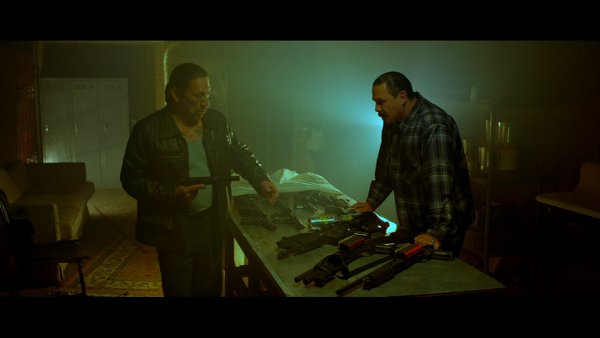
Anyone that knows Danny Trejo by name, is sure to know what the grizzled actor is best known for action. So, an indie action releasing with him in the starring role is no big surprise. The biggest question is just how good of a movie the film will be, when having to face the competition on the market today, and if Danny Trejo is the the best part or just one of the good parts of what the movie can provide. With a name like Bullet, it’s just a matter of seeing how long until they start to fly.
Story
One of the nice parts of Bullet, is that the movie does actually have quite a bit going on in the way of plot. Even if there seems to be a little too much of it to fit well within the confines of a single movie. The world that is built is fairly realistic and does a decent job trying to flesh out a number of characters throughout the story. While a lot of the focus is of course on the title character of Bullet, there is quite a bit spend on the bad guys and a few of the supporting characters.
The movie itself focuses mainly on the efforts of the cartel trying to stay the execution of the boss’s son, who happened to be arrested and convicted thanks to the police work and testimony of Bullet himself. A straight forward set up that is actually able to open a lot of doors for the story to take. Unfortunately, the movie seems to get out of hand with how many of these doors it should be taking, as the villains take plenty of these doors from kidnapping, to framing, while there is also time spend getting to know both Bullet and his family.
In terms of a straight forward action flick, the goal is to get from shoot out A, to car chase B, to shoot out C, which Bullet is for the most part able to deliver on. Though there is sometimes a great deal of time spend between those points and a lot of befuddling logic choices made by the characters in that pushes them forward. Not wanting to go to the police about a kidnap victim for fear of getting them killed is alright, but arbitrarily hand waving that decision away just in time to get all the good guys in a sit down meeting is a bit much in terms of suspension of disbelief.
Besides that however, Bullet does at least try to give some depth to its characters when it would have been far easier to keep all of them 2 dimensional, while this does play a bit long it is nice to even see the attempt. Though these do end up padding the movie out longer, the action scenes have a tendency to do this as well. Several of the fight scenes seem to be almost drawn out a bit too long, with Bullet moving from room to room taking on guys, leading to the question of why it’s taking so long to find the guys in charge or why is should take that long to reach them. Those wanting the action to keep coming however, shouldn’t really find this too big of a problem, but when it’s all said and done Bullet does seem to have too much to say and do both during the action and outside of it.
Visuals
An indie film trying to match the aesthetics of action films isn’t hard to pull off, and although there are a few problem areas that really point to the limited budget, such as effects just being a little bit off like the Mexican Interrogation at the beginning, Bullet is able to hold it’s own quite well. Danny Trejo is definitely prefect for the role here, as he shows off his action chops, but even when it comes to more of the character driven aspects, he handles it great. Any fans that know how an action film should look should not be disappointed and it clearly shines through that the team knew exactly what they were doing and what they were making with this film.
Audio
Being set in L.A. it is no surprise that the characters in the film would be a multicultural cast, but the wide diversity of it is definitely a welcome surprise. More than just Mexican-Americans, but German and French are present adding an interesting layer to how the main character of Bullet sees the rest of the world. All this adds an nice layer of authenticity the location for a place as major as L.A. and it’s numbers of population. Needless to say not many action films would feature such a variety of vulgarity in so many languages when the times get tense.
The music of Bullet, is fairly par for the course, anyone that enjoys action movies will know the standard or generic style of music that backs the action and cuts when going for location to location, but the multiculturalism comes into play in these parts as well. Scenes in different areas will feature music with the flair of that culture, giving a good boost to the different scenes and painting them more realistically as the action takes place. Though this is a bit more fair in-between as compared to the more general action style ambiance that persists throughout.
Extras
There isn’t an excessive amount of special features to check out with the release of Bullet, but there is the US trailer of the movie and trailers of other live action films from FUNimation’s Giant Ape label. There is one other major extra though in the form of the “Making of Bullet”. Featuring interviews with the cast and crew about their experience working on the film gives a nice insight, though one of the best parts is of course Danny Trejo talking about his love of working on smaller indie projects because they are so much faster and so much less time waiting. Those that enjoy the film and want to see a bit more from the cast and crew, should find it an interesting watch.
Overall
As it turns out, Bullet does have a odd way of setting itself up, in terms of reveals and action scenes that are a bit drawn out and heavy handed, but anyone that goes in looking for Danny Trejo will be pleased. Even with the limited budget of an indie film the movie never really has a major misstep, a wide selection of cultural characters and music, plus a nice sense of humor for the fairly cheesy one liners used throughout the film. Those that like action should certainly get some kicks out of this.
Capsule Computers review guidelines can be found here.
The kid-friendly yet deep e-books contain important tales of our link to the natural world, wealth and poverty, hardship and even a father who tries to wed the Sun to his daughter. These traditional Japanese stories are brought to life in the modern age thanks to the art of Taniel whose work was featured in A Witch’s Tale for the Nintendo DS.
The three books, along with the previous volumes, are available now for $2.99 each.
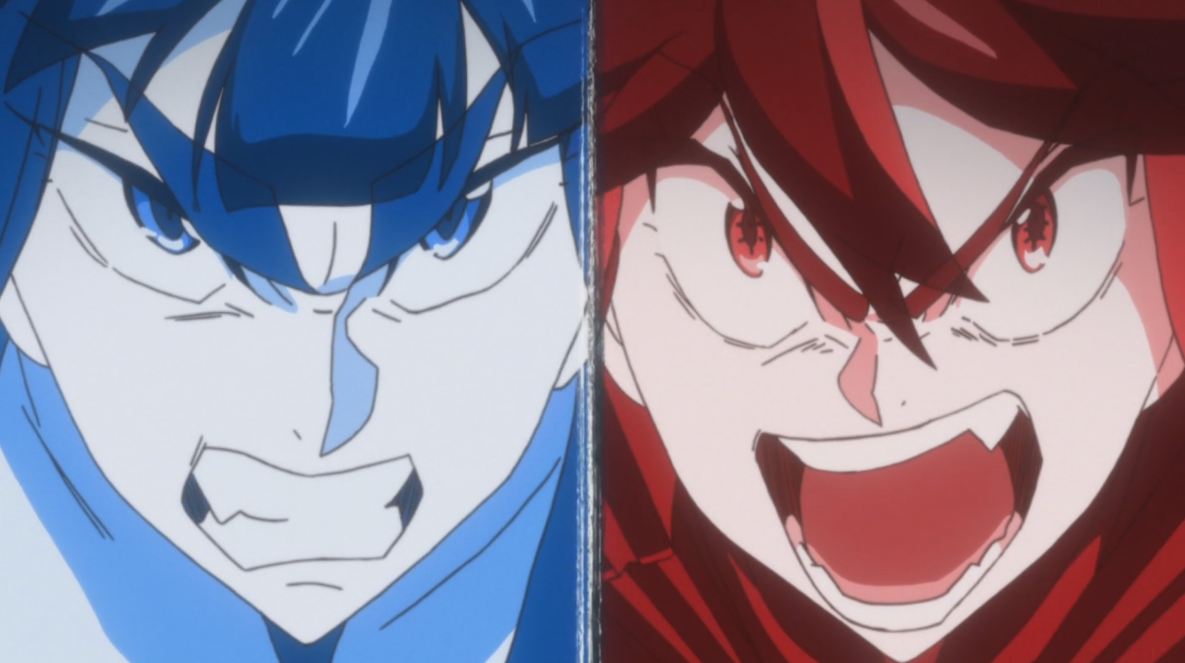
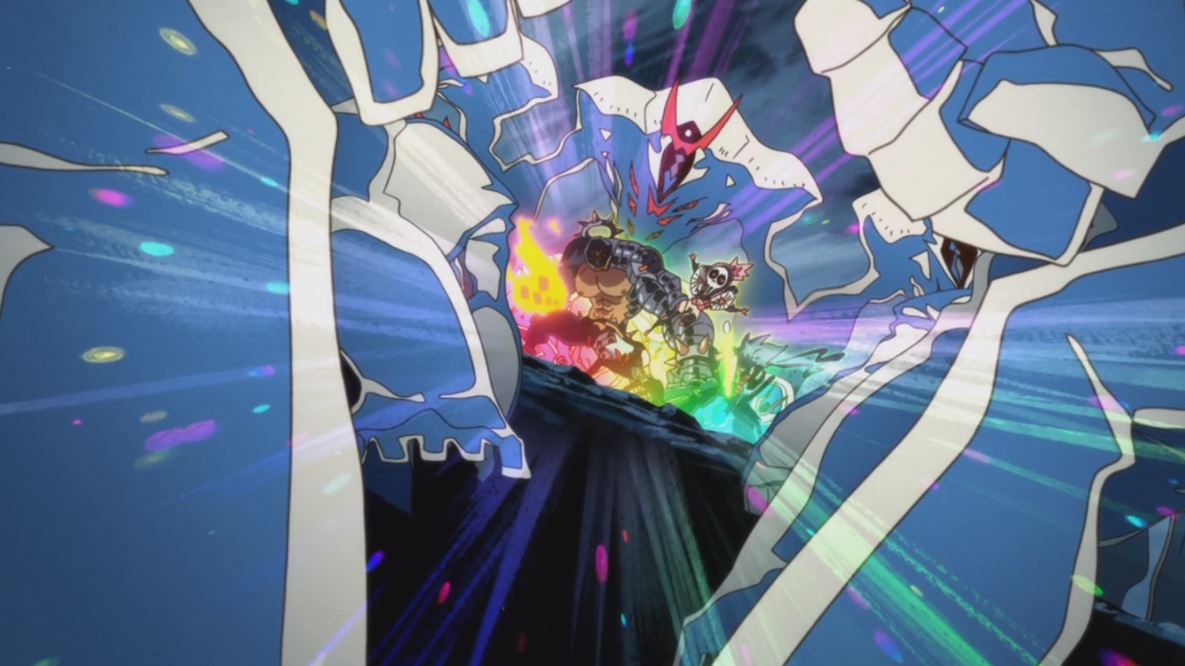
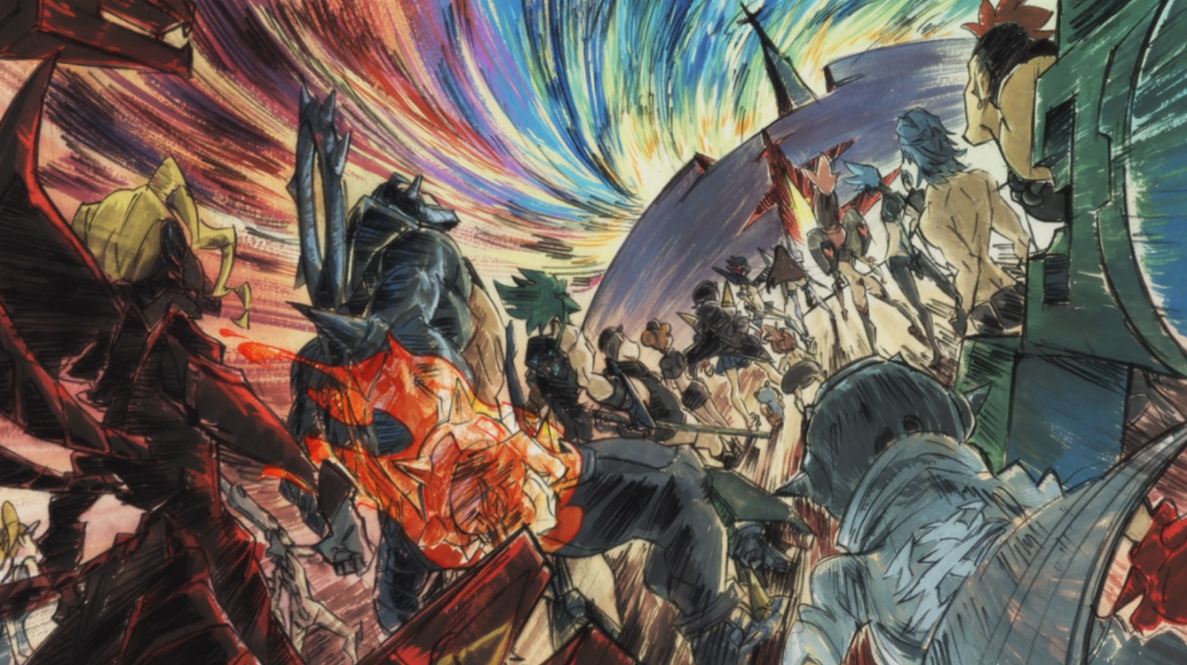
Despite the incalculable power boosts Ryuko and Satsuki have received throughout the series, two people do not make an army. Besides, they’re kind of gunning for the big bad, which leaves legions of COVERS to deal with, including the brand new Colossal COVER introduced last episode. Now if only the Kamui clad sisters had a group of supporters boiling with passion, determination and strength…Oh wait, they totally have that. So with devotion in their minds and love in their hearts, it’s time for everybody to stand up and fight.
So first things first: Mako is awesome! Though if you didn’t know that by now you really haven’t been paying attention to the show. Decked out in her bancho gear once more, this upbeat slacker proceeds to decimate the opposing forces of evil. Wasn’t it cool when Gamagoori used 9 vacuum tubes to save students? Well Mako stepped it up 111 fold. That’s not even me being facetious, she literally wielded 999 of the damn things and took down the giant COVERS soldier in one strike. Ridiculously awesome. I loved the fact that, after all this time, Mako got a chance to shine once more. I know she’s always interrupting episodes to monologue and save the day, but seeing her physically interact with the world was a nice change. Besides, we already knew that she could fight, so I’m glad to see that the series didn’t waste such a valuable combatant. In addition to her reattained power, Mako also got the chance to showcase her unbelievable willpower and strength of character. Though she fought alone, not once did she falter, not once did she stop. Her faith in her friend, or at least the Ryuko she envisions in her head, drove her to stand again and again in the face of adversity. So don’t anybody say that she’s only the plucky comedic relief. You got that? Also how cool is her Goku Uniform? Very…the answer is very.
The Elite Four fight together once more!
But don’t think for a second that Mako is the only one who got the chance to gear up one last time. Showing just why he’s in the series, Iori sewed like a beast and produced more Goku Uniforms than you could ever need for a climactic battle against an extra terrestrial foe whose sole purpose is to consume the entirety of the human race and utilise them as a fuel source for the continuation of their species…whew. As if you ever doubted they would return, the Elite Four is back in black and sporting a serious power boost. Though once the greatest opponents of the series, the Four had kind of taken a back seat to the unfolding Kiryuin family fiasco, so it was nice to see them return in all their glory. Combining the powers of Life Fibres with the “practicality” of Senketsu’s contact reducing design, these new uniforms serve as a visual representation of all that has been learned throughout the series. A fact also expressed by their climactic rebrandings: Blade Regalia: Secret Unsealed, Symphony Regalia: Finale, Probe Regalia: Truth Unveiled, Shackle Regalia: Persona Unleashed.
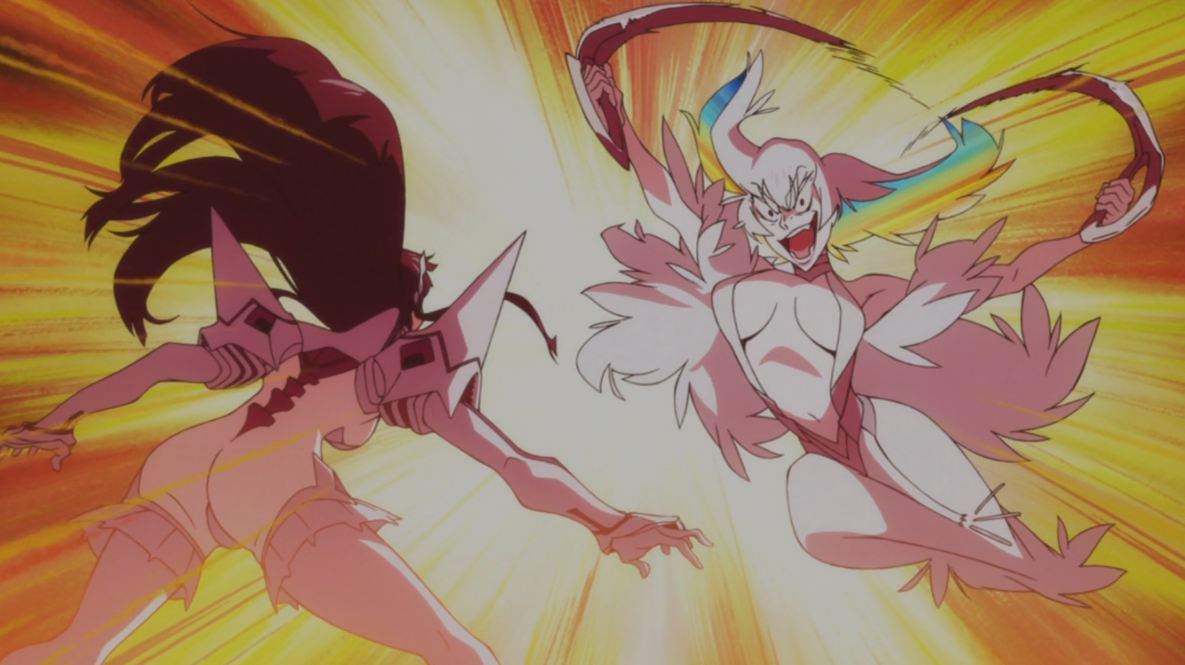
The crucial fight against the mother of all evil also serves to show us all just how much Ryuko and Satsuki have improved. Thought it mightn’t have seemed that way when Ryuko was bisected, it was an inherently brilliant, and unbelievably risky, plan. A plan that was only able to be instigated due to Inumuta’s discovery that slicing Fibre from two sides hinders regeneration. See, that’s why this series is awesome. No matter the situation, it isn’t only the protagonist who gets a chance to shine. Good job Inumuta. I was also surprised that there was no kind of discretion shot used when Ryuko was sliced apart. I know the series isn’t afraid to show blood, but damn. Don’t get me wrong, I’m not complaining in the slightest, it’s just not every day that you see the hero so brutally taken down. Even if it was a hoax. Brilliantly executed if I might add, showcasing the bond forming between the Kiryuin sisters as well as Ryuko’s classic anime defying practicality. Rather than the classic “Defeat guard (Ragyo) then true boss (Original Life Fibre)” strategy, Ryuko just went “Screw it” and lunged for the Fibre. Not only did it unnerve their opponent, and infuriate her, it gave NudistBeach a chance to help save the world. Even naked, humanity still has a fighting chance.
Unconditional motherly hatred
The tempestuous Kiryuin reunion also served to show just how well Satsuki understands the world and her place within it. Though we’ve always seen her speak of the planet in derogatory terms, this was the first time she ever turned that viewpoint on herself. Fully aware that she is weaker than her sister she refuses to give up, asserting her strength as a human. It’s this display of pure determination that made her trademark step all the sweeter this time around. Rather than a display of dominance, it was one of defiance. One that resonated with her beloved Elite Four, leading to a combat reunion of unbridled awesomeness, one that paralleled the combat return of Mako. If ever there was a rag tag group you could bet the world one, these would be the guys, “Cause not making any sense is kinda our thing.” Couldn’t have said it better myself Ryuko.
I also want to acknowledge a very brief moment in the episode that supports the Mako x Gamagoori relationship. When it appeared that Ryuko was defeated, Mako clung to Gamagoori’s leg as she screamed to the sky. Also before leaving to support Satsuki, Gamagoori took the time to put Mako’s fallen hat back on her head. Only a brief moment, but one that speak volumes for the budding relationship between the two. Now I’m not one for ridiculous shipping scenarios, but the series has kinda hinted towards this for a while. What a power couple they’d make.
After an expressly long period where all she did was monologue and essentially molest her daughters, Ragyo finally takes to the battlefield. Well, she’s kinda forced onto it but whatever. Expectedly, she is no pushover and puts both Ryuko and Satsuki through their paces. However, rather than fighting them unarmed, she draws two blades from the bowels of the Original Life Fibre to help her out. Which, by the way, possesses a sentience that drives it to consume humans. Terrifying. Now, I don’t want to give Ragyo’s ideas any creedence, but these new blades do kind of support her “Everything was born of Life Fibre” theory. On account of the Scissor Blades being based off of these newly introduced Needle Blades. That being said, it’s kind of refreshing (in a twisted way) to see a villain who isn’t full of hot air when they speak. A majority of what she has said so far has indeed been true, mainly the whole “Life Fibre forged evolution” thing. That one was kind of a big deal. Though ultimately she will be wrong where it really counts. She will not win. At least, we all hope she won’t win. Wouldn’t it be surprising if she did? Also unequivocally depressing…I hope she doesn’t win.
To a better tomorrow!
We’re almost the folks, one more episode before we reached the end and, with what’s been revealed so far, it’s going to be one hell of an end. Though the Original Life Fibre has been destroyed, the Ultimate Kamui remains. Donned by Ragyo herself, this unholy unison of Life Fibre domination and human subservience stand as the final obstacle to freedom. As our heroes are joined by an army of old faces, it’s time for humanity to make one final push for victory and bring down the one who would force us to die. Let the finale begin!
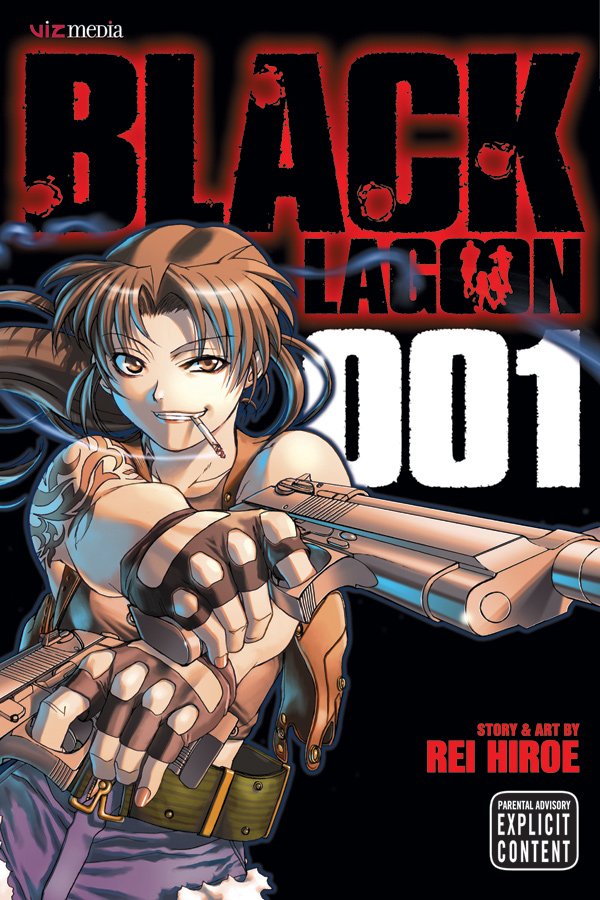
As you may have heard, this weekend Black Lagoon will be debuting on television in North America during Cartoon Network’s Toonami block. Well while FUNimation may own the rights to the anime, Viz Media has been handling the manga for quite some time and to commemorate this television debut Viz has announced that they are going to be holding a limited time sale for both digital and physical copies of the Black Lagoon manga.
For a limited time, ending on April 2nd, Black Lagoon Volume 1 through Volume 9 will be $2 off on digital platforms, meaning they will cost $6.99 a piece and can be downloaded either through the company’s website or the multiple e-reader devices that Viz supports. As for the physical copies of the book, they are all available for order at 40% off their standard price of $12.99, lowering the price of each volume to $7.79, and can be ordered through Barnes and Noble’s website.