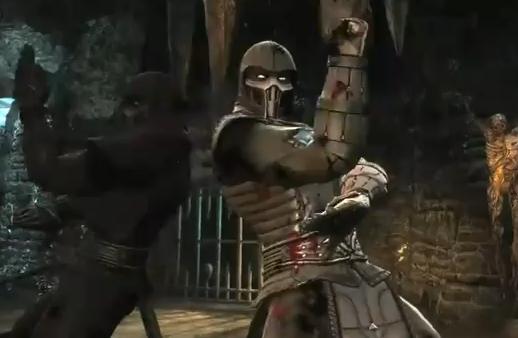
We still have about six weeks to go until the release of Mortal Kombat, but eager fans now have a trailer showing off the mysterious and popular Lin Kuei, Noob Saibot. Now if you have played Mortal Kombat Deception, you were probably aware that it was revealed that Saibot was actually the original Sub-Zero which was thought to be dead after the events of the first title in the series, later becoming a wraith and the character he is today. When it comes to having a rich backstory in the series, Noob Saibot stands above just about all others due to how complex he has been built up since debuting in MK II as simply a “new warrior”.
As for the trailer itself, it appears Noob has all his classic moves, all fully re-animated into the game’s brutal style, cracking ribs and teleport-slamming opponents into the dirt. I am thrilled to see that Saibot made the cut myself, now I am curious how his storyline will evolve once more in the series. For now though you can check out the trailer below for yourself to see the shadow assassin in action.
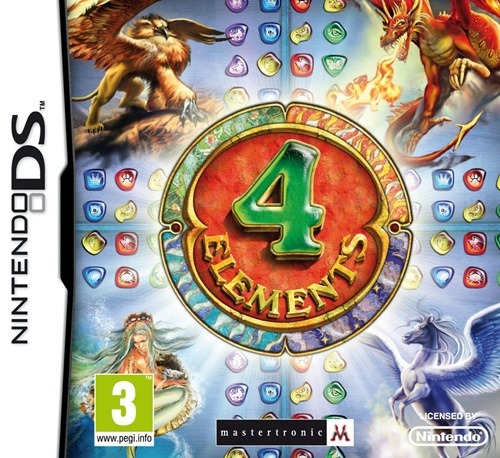
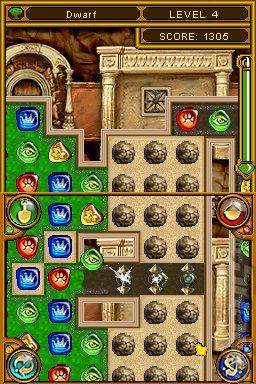
4 Elements Developer: Playrix Entertainment Publisher: Mastertronic Platform: Nintendo DS Genre: Puzzle Released: February 4th
As puzzle games go, 4 Elements offers a rather more rich, diverse story when put into perspective in a comparison with a traditional puzzler. Where most casual puzzlers are content to provide little more plot than combining a series of coloured tiles in order to make an already chirpy character smile, 4 Elements tells the story of a magical fairytale realm left in turmoil as a result of the four elements, Earth, Fire, Water and Wind. What was once a blooming kingdom now lies shrouded in a dark cloud, bitten by a cold freeze and with trees and other life perishing. It has now fallen upon you to complete these puzzles to recover the pages of the magic elemental books and meet with the wise old mage to restore the mystical land.
While the storyline doesn’t play a huge part in the game (with casual puzzling making up the majority of the title) the setting presents an interesting change from your average casual title. All manner of mythical creatures such as dragons, phoenix and elves make appearances, with this fantasy influence impacting the art-style and in-game soundtrack accordingly.
It seems 4 is the magic number in 4 Elements; there are four different ancient books of magic, each of which are split into four pages which are then broken up into four levels to be completed in order to restore the page; each match-3 game board is filled with pieces of four different colours, combos of which filling up the gauges of four different power-ups; and finally, the game will take you around four hours to fully complete. When you do the maths, four elemental books, each broken up into four pages which are then divided into four sections makes a total of 64 levels. This may sound like a lot, but when you take into account that each level takes approximately 5 minutes (with early levels taking less time and harder ones towards the end of the game taking slightly longer) it’s suddenly much less vast.
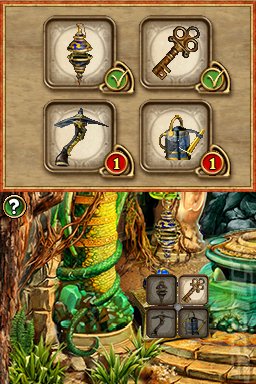
However, 4 Elements is actually a puzzler in every sense of the word because as well as these 64 match-3 levels, it combines other aspects of the puzzling genre through hidden object searches at the start of every book, and spot the difference games concluding each page. The spot the difference games in particular are well suited to the DS due to the dual screens displaying each image separately – ideal for spotting the differences. The hidden object sections also work well by making use of the touch screen interface, even if the grainy visuals of the DS do make it harder to locate the items.
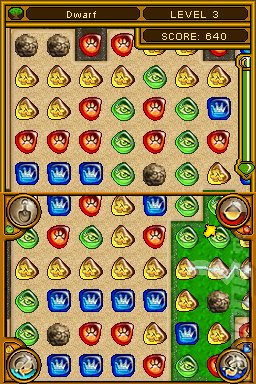
Fortunately, both of these bonus puzzle aspects of the game are short, so if you don’t like them then it’s not a problem. Primarily, 4 Elements is a match-3 puzzler in which you must carve out a path for liquid to flow from point A to B. Using combos of at least 3, you must form lines of the same colour, with chains of 5 pieces and upwards causing explosions to clear more of the game board. There is also a time limit for each challenge represented by a vial of green slowly draining away, although this only comes into play towards the end of the game on the more demanding puzzles. It is basically as simple as it sounds: easier puzzles towards the beginning make the game accessible for people of all ages/skill-levels, and a progressive difficulty curve ensures more accomplished gamers won’t get bored.
There’s also a number of in-game obstacles that must be overcome while playing, further upping the difficulty in the later levels. These can range from boulders blocking the way which need to be dealt with, barriers needing destruction from arrows positioned around the level, or even just a more complex level structure helps to increase the level of difficulty, all of which are challenging additions by the developer which help to create a more gripping experience. They also allow for a more tactical approach on what would have otherwise been quite simple and straight-forward.
4 Elements is essentially a toned down version of a popular PC game of the same name, and for the most part, it has made the transition well. Although grainy graphics of the handheld are a step backwards from the home computer original, the DS’s features like the touch screen and dual screens work so well with the game that it’s hard to picture the game without the use of the DS. The fairytale setting is an interesting deviation from the puzzle game template, which despite not having a huge impact, provides a welcome change nonetheless. There’s something for everyone with match-3 missions of varying difficulty, as well as extra tidbits of hidden object hunting and spot the difference thrown in. Unfortunately, it’s a bit too short and once completed, it tenders little/no replay value. Plus, in essence it is just a port of a PC game selling for a fraction of the price of this latest DS release.
Pros
Solid mix of puzzling
Simple to play, making great use of the DS’s features
Fairytale storyline provides an interesting change of scene
Bite-sized levels make it ideal to play on the move
Cons
A tad short
Grainy graphics at times
Technically just a port of an aged PC title which can be picked up a lot cheaper nowadays
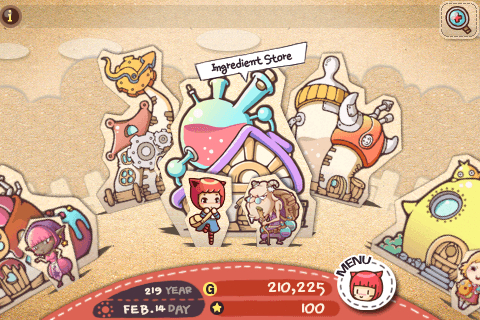
After hearing the title ‘Chocolate Tycoon’ one might expect to find another storefront based simulation, where the basic structure of the game consists of purchasing furniture, waiting for meals to cook and accumulating money. If one were to expect this from Chocolate Tycoon, they may be surprised by how much more the game has to offer. Com2uS’ newly released game, Chocolate Tycoon, is a time-management game driven by a solid narrative. The game combines the goals associated with simulation games and blends in elements of role-playing by creating a fantasy theme and story line, the selling of chocolate to the villagers of the Kingdom Choco, and becoming the best ‘chocolatier’ in the Kingdom.
Gameplay
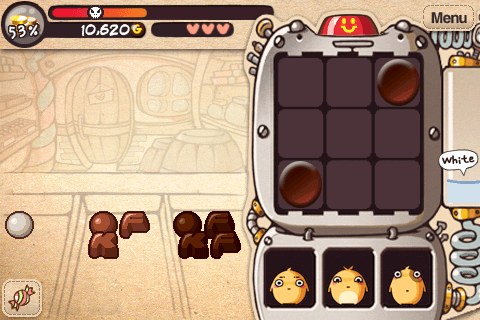
At its most basic level, Chocolate Tycoon is a simulation of a chocolate store. Much like other tycoon titled games (Ice Tycoon, Fruit Juice Tycoon), this portion of the game involves the buying of ingredients and other elements in order to make chocolates, which is exactly what you would expect from a game of this title. However, the ‘store’ isn’t an actual shop, but rather another game in itself based on reflexes and timing. Chocolate ingredients appear to the left side of the screen for you to collect. Below this are small chicken type animals called ‘chokis’. The Choki’s are fed ingredients and produce chocolate in white, milk or dark flavours. The customers are then fed different types and numbers of chocolates according to their preferred tastes. While this whole process can be a bit repetitive, as the days pass you gain more customers who are pickier with what chocolate they are served and the difficulty gradually increases with each new customer. When the timer runs out the shop is closed and the day has ended, you can either choose to take part in wholesome night time activities such as investing and breeding Choki or reopen the store and start a new day. As the challenge increases, making and selling chocolates becomes a pretty entertaining little mini-game within Chocolate Tycoon.
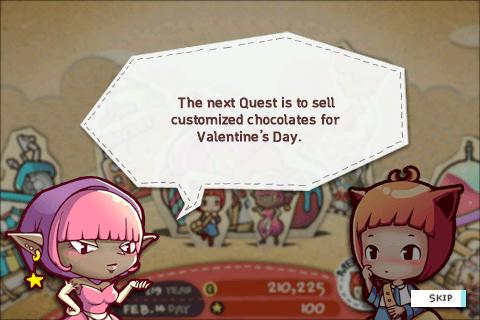
Alongside all of this there is a bit of a role-playing element to the game, where your ‘mentor’ or other characters in the game will assign quests for you to complete with rewards that help improve the quality of your chocolate and business. This portion of the game really helps push forward the over all narrative of Chocolate Tycoon – the quest to become the best chocolatier in all of the Kingdom Choco. The quests are not too difficult, usually the characters just ask you to visit another shop or location and do small favours for people. Nonetheless, these missions really add a fun element to the whole game, especially when delivered by terrifically designed characters with sharp personalities.
As the game processes you are able to learn new chocolate designs that earn more money than the basics you start off with. While you can collect designs through presents that are given with successful chocolate selling during the game or by buying them from the store, learning them is a different story. There are two options for learning a new design, either by paying using a currency of stars to the design workshop (the fast way), or by taking part in a mini-game where you need to trace the outline of the design (the fun way). So far I have always opted to take the fun way, and it has proven to be pretty entertaining each time. However, when doubling up on designs the process of tracing the same design can be a little tedious. Thankfully, you can alter the chocolate designs after learning, adding in different ingredients such as nuts and syrups. The user-design aspect of the game is set up similar to the old Microsoft paint program, starting with chosen design as a template, with additions automatically inserted with a press of the icon. Because of the pixel-design interface it is also really easy to draw your own designs on top of the chocolates you are going to sell – which is a neat little addition to the game!
Graphics and Audio
One of the first things I noticed when playing chocolate tycoon were the amazing graphics. From the title screen to the intricate diorama-esque construction of the game world, Chocolate Tycoon is graphically sound in every way. I really love the overall design of the world. The buildings are constructed in a pseudo-medieval fashion, which really adds to the role-playing aspect of the game. Not to mention the bizarre characters you interactive with and sell chocolates too. Each character is uniquely designed, matching their occupation and personality in a comical fashion.
The main conversations between characters sound like a fast-passed telephone conversation, which I find to be a funny little addition, especially for some of the characters that are a little rude throughout the whole game. There are few interesting little sound effects throughout the game that give it a nice cartoon-like quality, a good example of which are the reactions to selling chocolate like ‘cooool’ and ‘I’ll be back!’ Overall the graphics and audio pair together well to make it seem like a little interactive cartoon.
Conclusion
Chocolate Tycoon completely beat my expectations of a chocolate selling game. The means of producing chocolate and maintaining the store are unique and engaging. Where other reflex games for the iDevice lack in a strong narrative, Chocolate Tycoon picks up the slack in this department and really brings the storyline home with their graphic and audio design. While the conversations and world exploration come across as a bit of an interactive cartoon, the inclusion of quests adds some much needed goals and structure to the game, pushing past the typical simulation goal of making a profitable business.
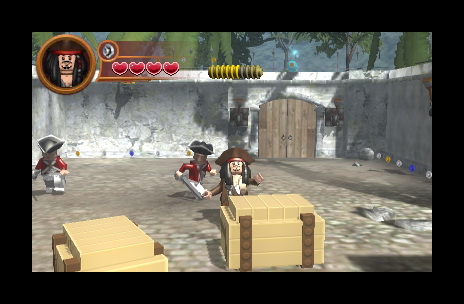
It has been confirmed that there will be a 3DS version of LEGO Pirates of the Caribbean which will release alongside the other versions of the title in May, the release month of the latest film, Pirates of the Caribbean: On Stranger Tides.
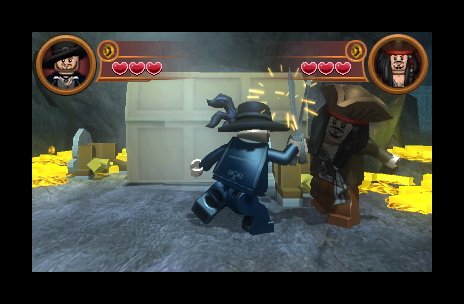
Developed by TT Games, the 3DS iteration will include a Pirate Duel mode exclusive to the platform. This feature incorporates the StreetPass system of the 3DS to automatically detect and battle other players within communication range. This will earn Play Coins and earn experience points that can be used to unlock more content.
You can also expect 3D effects exclusive to the platform – imagine collected studs flying towards you and break-able objects shattering with real depth. It is looking impressive, with the top half acting as the game-screen, and the bottom providing the menu interface/HUD.
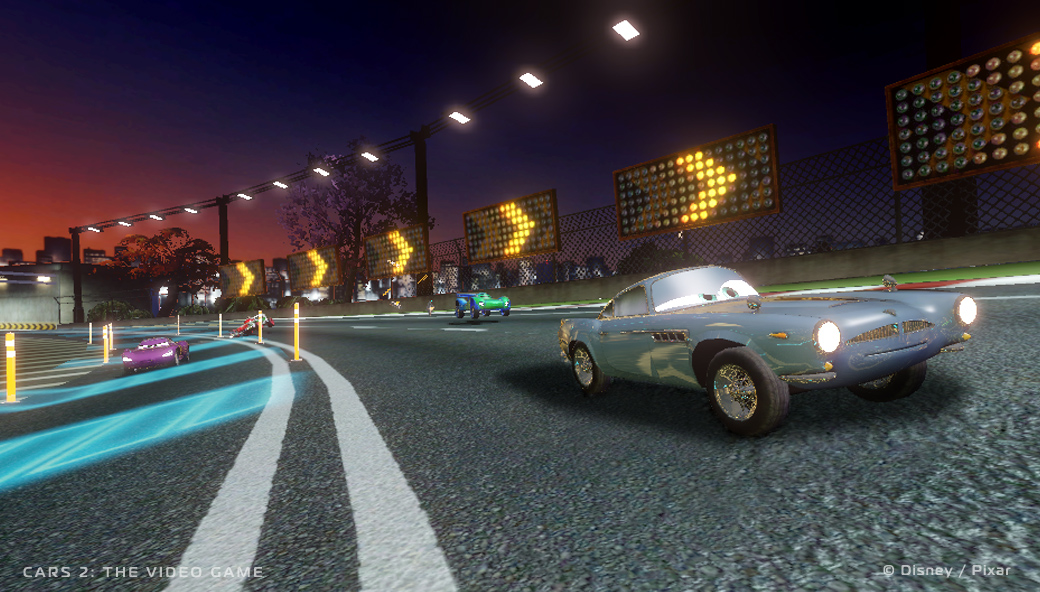
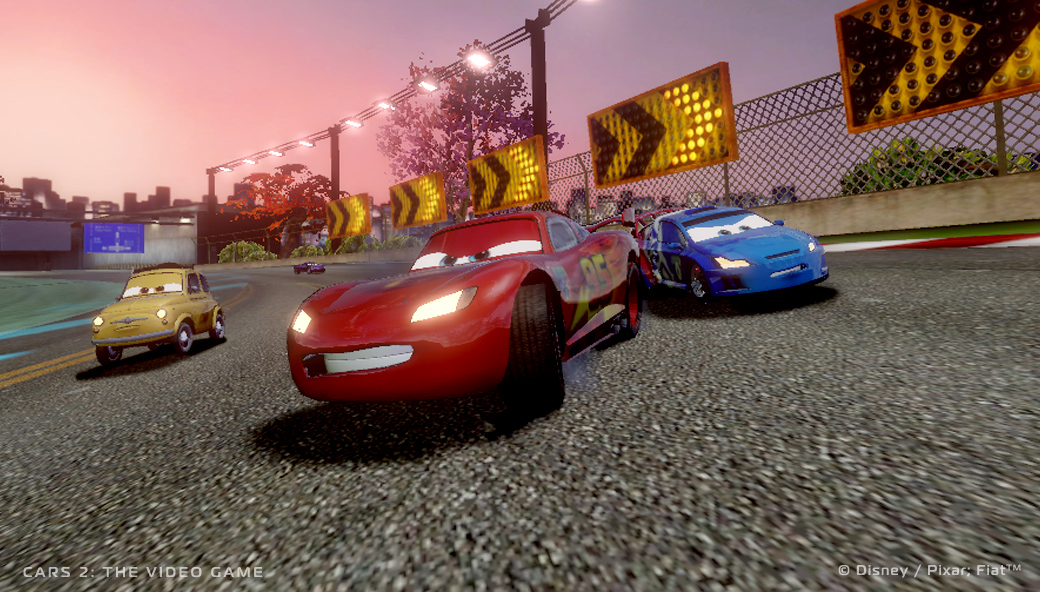
Unveiled at the American International Toy Fair in New York City, the videogame tie-in for the anticipated animated sequel to Cars has been officially announced by Disney Interactive Studios.
The original Cars film also got a videogame tie-in, so it won’t be the first time characters like Lighning McQueen and Mater have hit our home consoles, only this time there’s a number of new playable characters introduced due to the game following the storyline of the movie. Cars 2: The Video Game will also introduce players to the new addition of CHROME (Command Headquarters for Recon Operations and Motorized Espionage), a training center where the cars learn to become world class spies.
It’s all a bit cryptic at the moment and I suppose we will only truly know what it is about when the movie and game are released to get an idea of the storyline. It only implies that it has some adventuring and stealth missions as well as the expected racing elements. It is being developed by Avalanche Software who made the very decent Toy Story 3 game released late last year, so it could be good.
Cars 2: The Video Game is slated for a Winter release this year to coincide with the film, arriving on Xbox 360, PlayStation 3, Wii, DS and PC/Mac.
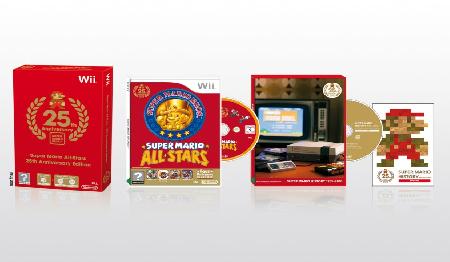
Last week, we brought you news that retailers have began listing what was thought to be a reprint of the very limited Super Mario All Stars Collection for the Nintendo Wii. Nintendo have now announced that it will be getting a re-release, but Nintendo have made it very clear that this will be just as limited as this last batch of copies will in fact be the final shipment for the game.
The collection, which features a direct port of Super Mario All Stars as well as a soundtrack & Super Mario History booklet will be released at $29.99 on March 13th. Since this “final shipment” is limited, those who missed out of the first batch should definitely go ahead and pre-order early, as once these are gone that is pretty much it. There isn’t much word out on how large this last shipment may be, but I would expect it to be in the single digits like last time for stores selling retail copies.
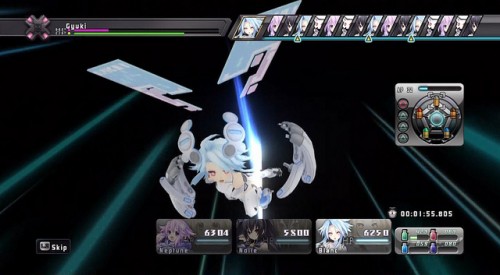
NIS America’s latest JRPG has finally hit store shelves and will be available to purchase either today or within the next few days depending on how fast your store’s shelf stockers work. Either way don’t worry if you go into the shop and only see a Premium Edition sitting on the shelf, because that is the only way you can pick up the game. The Premium Edition for Hyperdimension Neptunia comes with a special game box as well as a hardcover art book that contains various character info as well as concept art.
Of course it isn’t all about the packaging, instead you will want to be jumping right into the game which takes each of the modern consoles from this generation and places them in female form as they do battle against their enemies created by Arfoire. But don’t take my word for it, watch the trailer below for everything you need to know!
Recently, many classic game franchises have been revived, after long periods out of the limelight. I don’t need to remind you of a certain Duke, who’s lack of releases in the last decade has become an industry joke. In addition, two Nintendo favourites, Donkey Kong and Kirby, have starred in new platforming games, after years of only being used to flesh out the rosters of Smash Bros and Mario Kart. And the 3DS is reviving long-dormant franchises like Star Fox and Kid Icarus. All this has started me thinking. There are games out there that I miss, and I would gladly trade the new Guitar Hero or Call of Duty for a new installment in one of these franchises.
These are just five franchises that I think need a revival. Use the comments section to discuss other series you would like to see make a comeback.
Legacy:
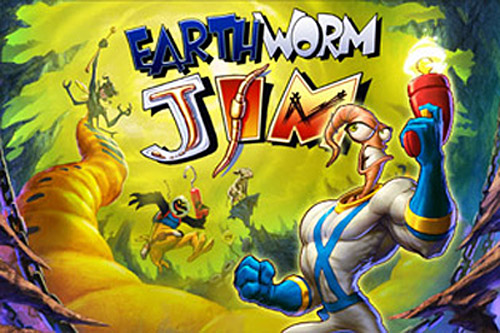
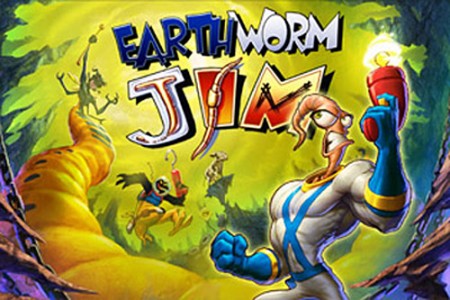
Earthworm Jim – Sega Genesis/Super Nintendo/PC, 1994
Earthworm Jim 2 – Sega Genesis/Super Nintendo/PC, 1995
Earthworm Jim 3D – Nintendo 64, 1999
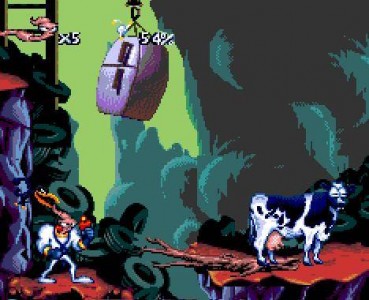
Appearing on the Sega Genesis and the Super Nintendo in 1994, Earthworm Jim followed the well-worn path of the sidescrolling platformer. The gameplay itself wasn’t particularly innovative, but what set it apart from the pack was the game’s sense of humour. Jim was just a simple worm, with aspirations no higher than a life of eating dirt. All that changed when some kind of power suit fell out of the sky, giving him the incredible powers of bipedal movement and opposable digits. He immediately embarks on a quest to save Princess What’s-Her-Name from the evil Psy-Crow and Queen Slug-For-A-Butt.
Gameplay consisted of standard platforming and shooting, mixed with snot slinging, cow launching, puppy bouncing, and one-sided boss fights against a helpless goldfish.
It was possibly the first game that took a satirical look at the established conventions of video games. The standard video game hero needs to start as a nobody, gain powers and often must rescue a damsel in distress. So why not play as a literal worm, who gains the powers of walking and picking stuff up (extraordinary for a worm), and rescue the beautiful princess…. Um, What’s-Her-Name. It also challenged gameplay conventions, such as the boss fight. Bob the Goldfish would appear occasionally, “FIGHT!!!” would flash up – and Jim plucks Bob out of his bowl, swallows him whole, and continues. Boss Battle over.
Earthworm Jim had two sidescrolling platform games in the SNES era, and a more free-roaming platformer on the Nintendo 64. Unfortunately, the series didn’t translate to 3D very well, and Earthworm Jim 64 effectively killed the franchise. In 2008 there were rumours of an Earthworm Jim 4, but these were later declared untrue.
The original Earthworm Jim was recently ported to the iPhone, and an HD remake is also available on Xbox Live Arcade and the Playstation Network. I would definitely recommend it if you are looking for a nostalgia rush, or missed the original. Hopefully, if the remakes sell well, Jim may poke his head out of the dirt once again.
Legacy:
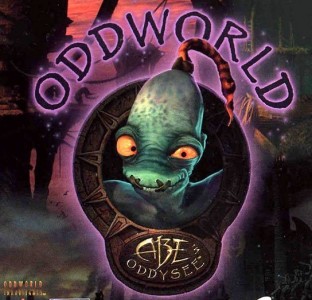
Abe’s Oddysee – Playstation/PC, 1997
Abe’s Exoddus – Playstation/PC, 1998
Munch’s Oddysee – Xbox, 2001
Stranger’s Wrath – Xbox, 2005
In the instruction booklet for Abe’s Oddysee, the first Oddworld game, a small paragraph outlined the studio’s plans for the franchise: There was to be an Oddworld quintology, and we were told that characters we would meet early on who seemed incidental could turn out to have an important role in the grand scheme of things. Four Oddworld games have been released, but the odd thing (sorry) about it is that only two of them are actually part of this supposed quintology. Officially, Abe’s Oddysee and Munch’s Oddysee are all that count; Abe’s Oddysee and Exoddus are intended to be a single chapter in the story, and Stranger’s Wrath is more like a diversion. So, where are the other three games we were promised? Unfortunately, Oddworld Inhabitants, the company behind the series, has abandoned its namesake and gone into film production. Unless they’re making an Oddworld film – an exciting possibility – they really should return to their original unfinished symphony.
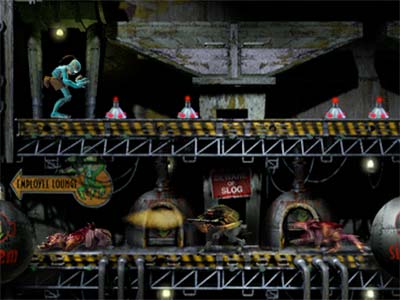
The strength of the series was undoubtedly in their character design, with Mudokons, Scrabs and Sligs ranking among the most unique video game characters created. Every character in the franchise is quirky, funny in their own way, and just plain… odd.
With the exception of Stranger’s Wrath, the games play as platformers, with strong puzzle elements thrown in. What makes them unique (well, apart from the characters, setting, etc) is the player’s vulnerability. It’s an established video game convention to give the player some power, and increase that power over the course of the game. Abe and Munch have very little defensive or offensive capabilities, and must rely on sneaking, hiding, and running to rescue captive Mudokons. When that isn’t enough, Abe can possess unprotected enemies, but doing so leaves his own body a sitting duck.
The much-touted Gamespeak gave Abe the power of speech. It may not seem like much in the current era, but at the time it was yet another distinctive tick on the Oddworld box. In the first game, it amounted to nothing much more than a few key phrases to get the captives to follow you to safety. Abe’s Exoddus expanded on the idea, by introducing moods to the mudokons you were rescuing, forcing Abe to speak to them differently. The simple “Hi”, “Follow Me” formula doesn’t work on an angry or depressed mudokon; first you would have to apologise, or cheer him up. Of course, you could always drive a depressed mudokon to suicide, or pit two angry mudokons against each other in a fight to the death, but who would do such a thing?… not me… ahem…
The promised five-game run of the Oddworld saga, snatched away from loyal gamer’s hands, will remain a holy grail throughout our gaming lives, as we play through Halo 14 or Call of Duty 19: Modern Warfare 6, out of habit more than any real enjoyment.
Thankfully, all four Oddworld games are readily available on Steam, individually or all together in the OddBoxx set. It has been recently confirmed that there’s an HD remake of Abe’s Oddysee in the works for the Playstation Network, and the rumour mill also has it the developers are working on a new entry in the series. Here’s hoping!
Legacy:
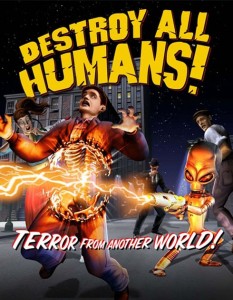
Destroy All Humans! – Playstation 2, 2005
Destroy All Humans 2 – Playstation 2, 2006
Big Willy Unleashed – Wii, 2008
Path of the Furon – Playstation 3/Xbox 360, 2009
Aliens have made first contact with mankind! Unfortunately, their intentions are not peaceful.
This describes the premise of thousands of movies, books, games, comics, and TV series. But the difference here is that the invading aliens are the protagonists. Honestly, who doesn’t want to give humanity their comeuppance and well, destroy all humans?
The furons are an alien race who has lost the ability to reproduce naturally. They have resorted to cloning to ensure the continuity of their species, but with each batch of clones the gene pool becomes a little less pure. If they keep it up, the species will begin to devolve, and so they must return to the planet they sowed with furon DNA: Earth. Humans are the carriers, and guess what? It’s harvest time!
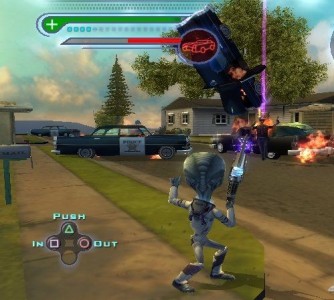
The player takes control of Cryptosporidium 137 (or just Crypto), who lands in a small farming community in rural America in the ‘50s and attempts to make contact.
The story is quite good as it progresses through the first two games, but where the game shines is in its dialogue. The banter between Crypto and his overseer Pox is well written, sharp, usually hilarious, and sometimes disrespectful of the fourth wall. The scenarios themselves are clever variations on typical game missions. And of course, rampaging through cities on foot anal-probing humans or destroying buildings with your flying saucer never gets old.
The second game is every bit as awesome as the first, as Crypto makes his way around the rest of the world after conquering America. Unfortunately, the third and fourth games are pretty awful. Incidentally, this coincides with when Brisbane’s Pandemic Studios stopped working on the series. The later games lack the polish and fun factor of their Pandemic-helmed predecessors, and the fourth, Path of the Furon, was rushed to release. As a result, it’s a buggy mess of misfiring trigger boxes, out of sync dialogue, and spastic physics. Interestingly, the only thing that remained true to the series was the humour: the dialogue and story remain as entertaining as ever, if you can tolerate bland environments and unpredictable physics.
It seems two terrible titles are enough to destroy all future prospects of a once-fantastic franchise. Hopefully, this isn’t the final curtain on Crypto and Pox. Preserving the writing style and voice actors, while introducing a more dynamic destruction system, like those in Just Cause 2 or Red Faction: Guerrilla, could save this series from the autopsy table in Area 51.
Legacy:
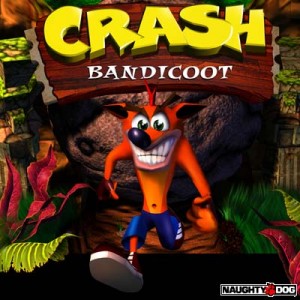
Crash Bandicoot – Playstation, 1996
Cortex Strikes Back – Playstation, 1997
Crash Bandicoot: Warped – Playstation, 1998
Crash of the Titans – Wii/Xbox 360, 2007
Crash: Mind Over Mutant – Wii/Xbox 360, 2008
Plus numerous racing/party games
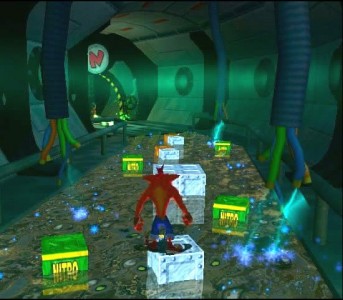
Crash Bandicoot first presented his strange depiction of Australian wildlife to an already clueless American audience in 1996. The first three games, released onto the Playstation, played as classic platformers. In a way, they were what Mario might have become had he stuck to the linear path from his 2D days. But while Mario was busy pioneering open-environment platformers, Crash stepped in to show us that linear platforming could still be fun in a 3D space. The games’ levels would transition seamlessly between running along the z-axis with the camera behind the character, to the classic sidescrolling view, and back. Some levels had you running towards the camera, with a boulder or giant polar bear in pursuit.
The gameplay relied on finding the flow of the level, that intuition that tells you exactly when to jump and duck, and it became almost zen to run through the game. That sweet sensation of flow is something that is all but lost in open-world platformers; wrestling with a disobedient camera can shatter that in a second. They also become more about finding the path – there’s no question about which way to go in a linear platformer, so the challenge arises from overcoming obstacles in that path.
This is not to mention the series’ bizarre characters and environments, which definitely add to the charm. Yes, you play as a mutant bandicoot. Yes, you were created by a middle-aged, childish, tantrum-throwing, mad scientist. And yes, you face off against a beefcake tiger, a guy with a rocket lodged in his skull, and a half-dingo, half-crocodile creature who acts like an offensive Australian stereotype.
The series eventually changed its focus, which is what a good franchise must do if it is to survive long-term. The Wrath of Cortex, on the Xbox and Playstation 2 was the last traditional Crash platformer. Twinsanity shook things up a little, by allowing players a little more freedom to wander off the track, and included some very interesting levels, like playing as Crash and Cortex involved in a brawl, rolling down a hill. Since then, the characters have been in a slew of party and kart-racing games, and Crash’s only exploits on the current gen consoles are those terrible mutant games, which have turned him into a fairly dull beat-em-up game.
So yes, I know. Crash Bandicoot is still around now. But not in the form I crave. I want another classic platformer, the likes of the original trilogy on the Playstation. Those games are available for download on the Playstation Network.
Legacy:
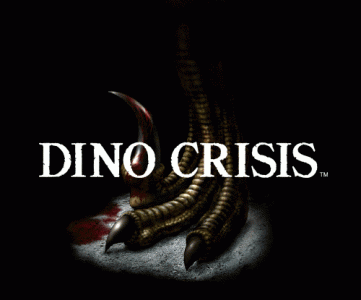
Dino Crisis – Playstation, 1999
Dino Crisis 2 – Playstation, 2000
Dino Crisis 3 – Xbox, 2003
This is one you probably wouldn’t expect to see on a list like this. But yes, I loved the first two games in this series, and I want another one.
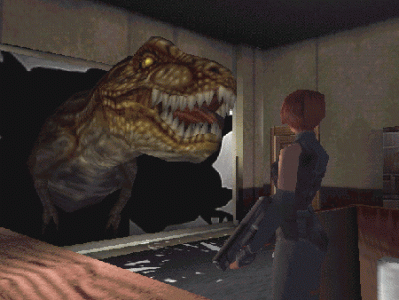
As a fan of Resident Evil (or at least what it started as, before becoming a standard action/shooter series), I got into Dino Crisis straight away. It played just like the survival horror of wandering that mansion, freaking out about a single zombie in a corridor. But with dinosaurs! No more shambling, easy-to-avoid corpses, these things stalked you from room to room and slaughtered you!
I know it’s a bit slow for some people, but I love wandering around a building, looking for keys and corresponding doors, and fending off the occasional attack. Resident Evil evolved, trading survival horror for the more action-based gameplay of RE4 and 5. But Dino Crisis had survival horror. It had creepy environments, and plenty of tense downtime. And dinosaurs are a more active threat than zombies, as they chase you down, pick you up in their mouths, throw you around like a ragdoll. There’s no running circles around them.
In many games, the enemies deal damage by performing their “attack” animation next to the player character, while they perform a “hit” animation in response. There is little actual contact or believability in that. Enemies in Dino Crisis interacted with the player, and it was that dynamic interactivity that I loved. Particularly in the second game, the dinos would grab you and shake you around a bit, throw you everywhere, or pin you down. It made you feel vulnerable, made you dread each encounter, and that is crucial in a survival horror game.
Unfortunately, the third game, released for Xbox in 2003, pretty much killed the franchise. Somehow transporting the dinosaur-fighting to a space station, the game became an unpolished third-person shooter. According to the developers, there have been talks of rebooting the series, keeping to the Resident Evil-esque gameplay that made the first two so popular, but it looks as though this franchise has gone the way of the dinosaurs.
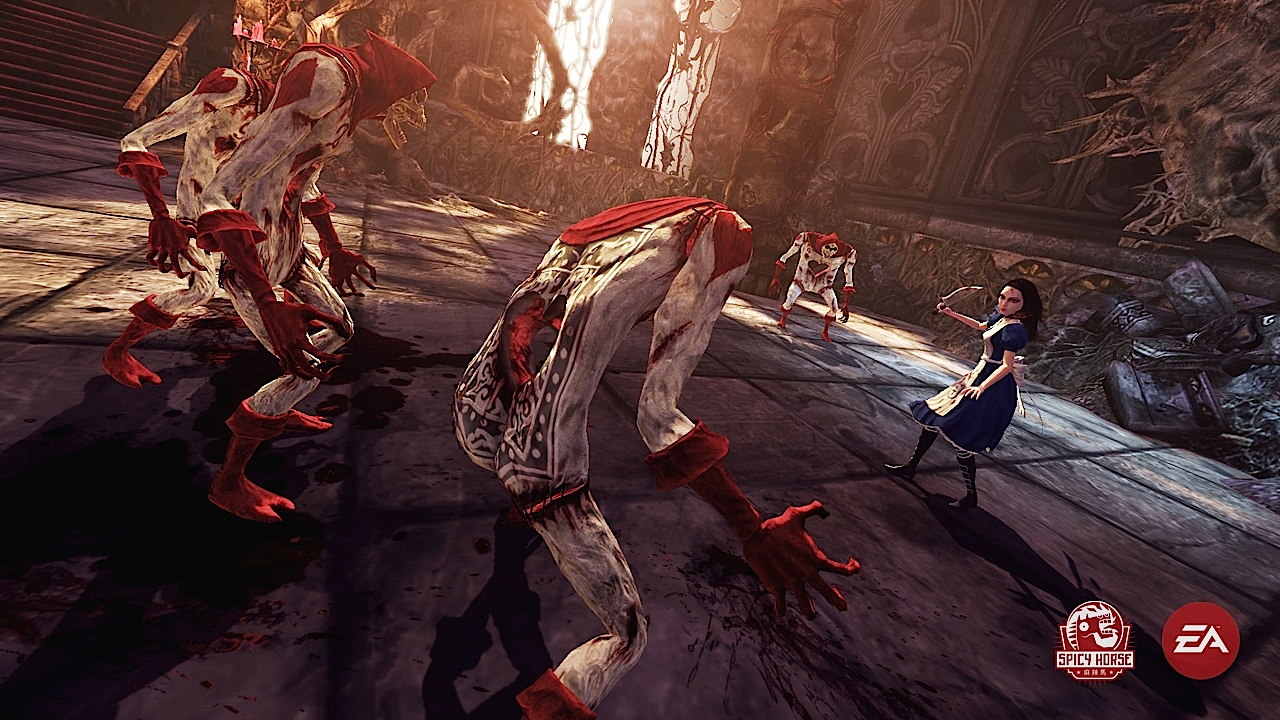
Do you like Alice in wonderland? How would you enjoy a darker take on the tale? American McGee’s “Alice: Madness Returns” is a dark twist on the world created by Lewis Carroll’s Alice in Wonderland books. The tale follows Alice trying to deal with the death of her family in a fire having just recently escaped from Rutledge Asylum, but she finds herself going down the rabbit hole once again but this time to a twisted version of wonderland.
Alice will find herself surrounded in what McGee relates to a murder mystery, as she tries to piece together her past “using Wonderland as a sort of conduit into her mind”, while at the same time dealing with the psychological damage created by the death of her family.
Check out the new teaser below, which shows Alice meeting the caterpillar and the Mad Hatter.
Alice: Madness Returns is set for a release later this year.
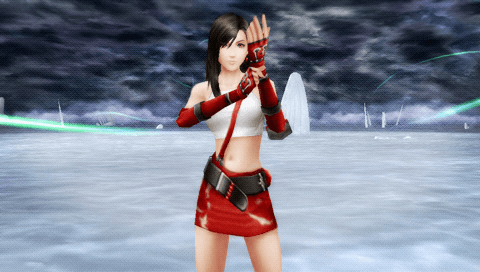
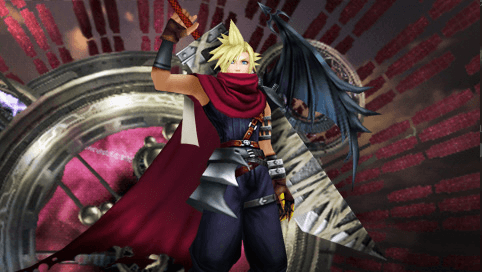
Dissidia 012[duodecim]: Final Fantasy has a release date now and of course fans of Final Fantasy and the previous game are already sitting with bated breath for the best pre-order deal so they can reserve themselves a copy and get the best goodies with the game when they pick it up on March 22nd.
Unfortunately so far there has only been two pre-order bonuses that have been announced so far. If you decide to pre-order from Amazon.com you will get a redemption code that will allow you to download Yoshitaka Amano designed Tifa Enforcer Costume as you can see above. If you don’t want a alternately colored Tifa costume you can also pre-order from Gamestop and get Cloud’s outfit from Kingdom Heart that you can see below.