Mama had herself a busy year last year while taking up crafting and babysitting, but it looks like she is set to return to her cooking roots this fall. As how leaks typically happen these days, a listing on Gamestop.com has revealed Cooking Mama 4 for the Nintendo 3DS.
Each Cooking Mama title usually adds in some kind of new gameplay ingredient to the series, so it will be very interesting when Majesco eventually fill us in on with some news on what to expect with this new title. I personally can easily see the series move to 3D as well as take advantage of the handheld’s new features. For now though all we can do is wait and stay tuned as that date could very just well be a placeholder, but for you 3DS owners who want the cooking guru now, you are in luck as Mama has posted her Mii for all of you to download on the official Facebook Page. Just scan the code below into your 3DS and enjoy, and while your at it don’t forget to “Like” the page to keep up to date on all of Mama’s news and happenings.
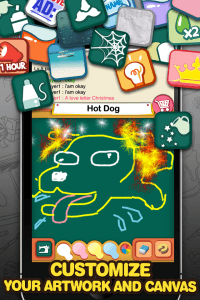
Ever wanted to play a pictionary-type game on your mobile device but you’re sick of playing against artificially intelligent players? Well now you can verse anyone you want thanks to Gamevil’s new game Chalk n’ Talk.
Developed by AP Games and Gamevil, Chalk n’ Talk is a real-time online social drawing and word-guessing game that brings players together from anywhere in the world, as long as they have an iOS device and the game of course. Players sketch and guess while trying to beat the clock in order to earn points. These points can then be spent on customising the game with brushes and canvases, which can also be sent as gifts to friends.
For those of you who possess above average artistic abilities and are particularly proud of your drawings, or even if you can’t draw at all and still feel a sense of pride, no need to discriminate we’re all just here to have fun, can submit their images to the world gallery to be rated.
Players can also connect to Gamevil Live from the game to expand their network of friends. Automated matchmaking means that there is always a possibility for new challengers, or if you are more set in your circle of friends you can always open a private chat room.
Chalk n’ Talk is currently out now on the App store and is compatible with iPhone, iPod touch and iPad. Click here to download it
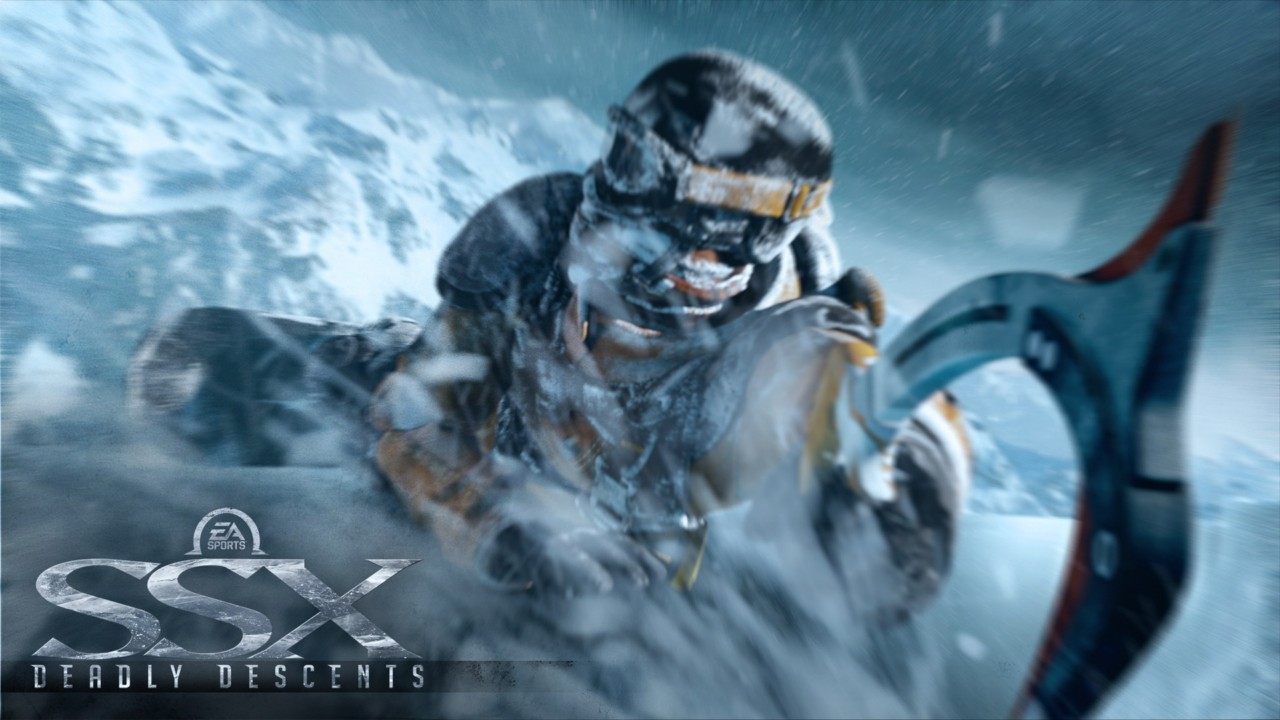
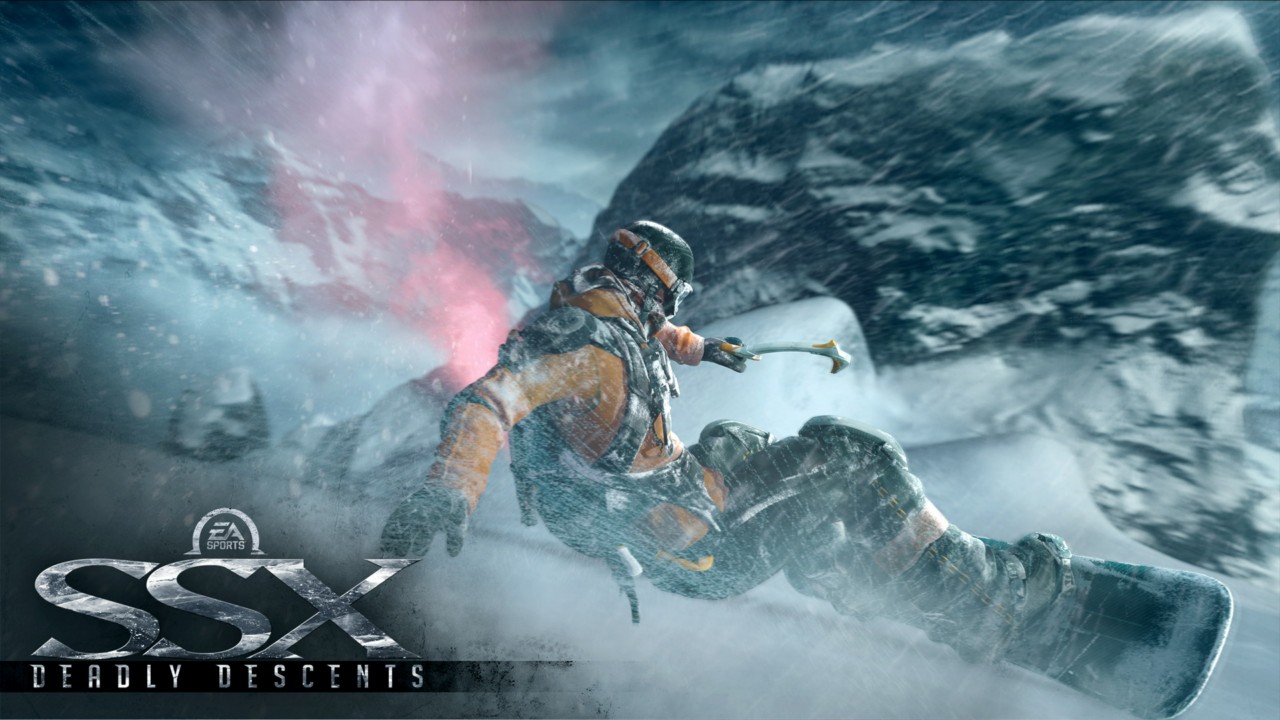
Lots of dev diaries flow through the doors of Capsule Computers. Most go through the same old stuff, detailing everything that goes into the game and how motion capture works. But, EA Vancouver has released a dev video that shows off the new hotness in the game. They go through step by step of all that the team wants to accomplish in the game. A second and third video is also promised. If your a fan of SSX, take a look at these trailers and have your faith restored. Keep it locked to learn more about the game, as you can be sure that we will cover it. 😉
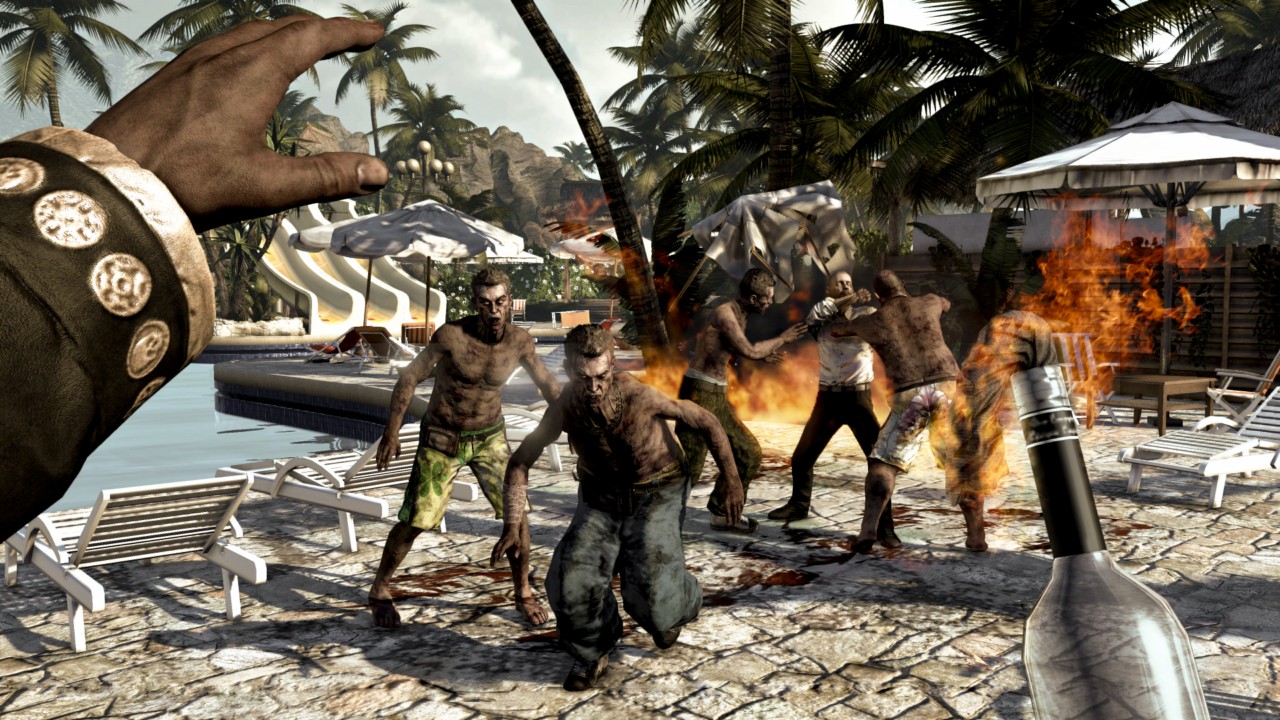
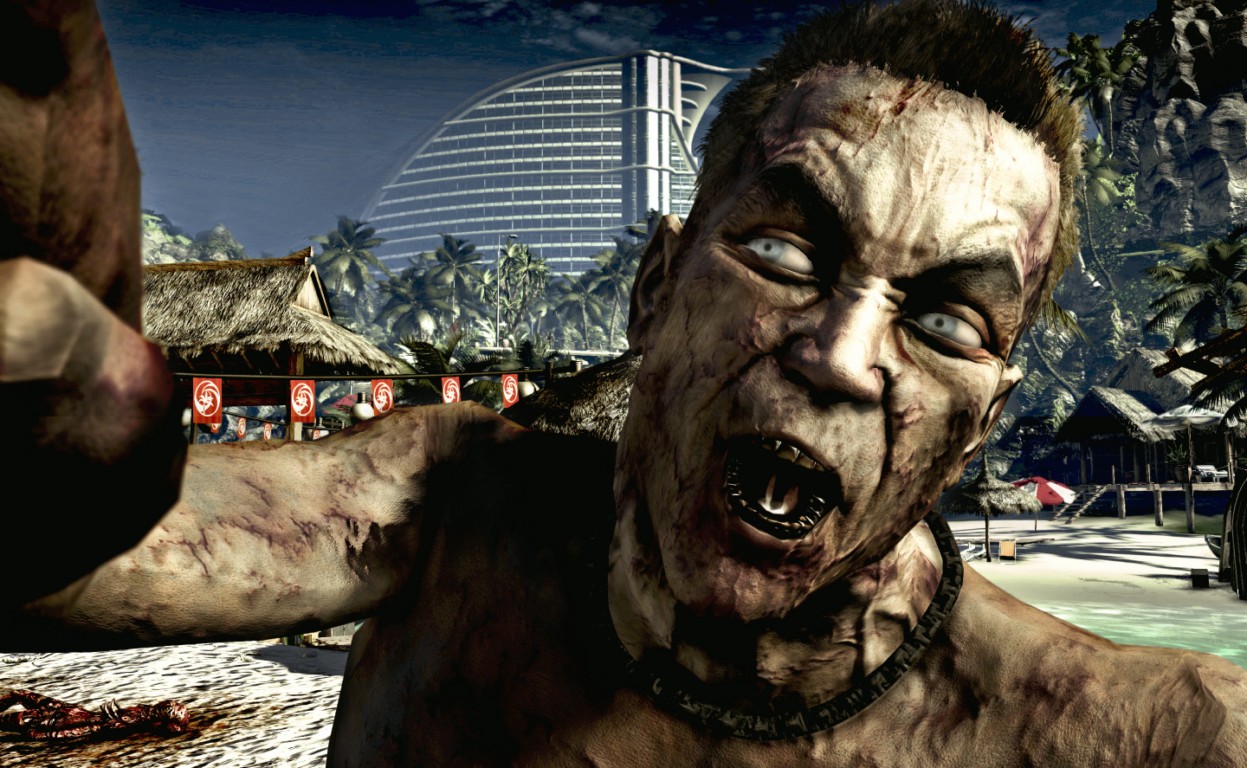
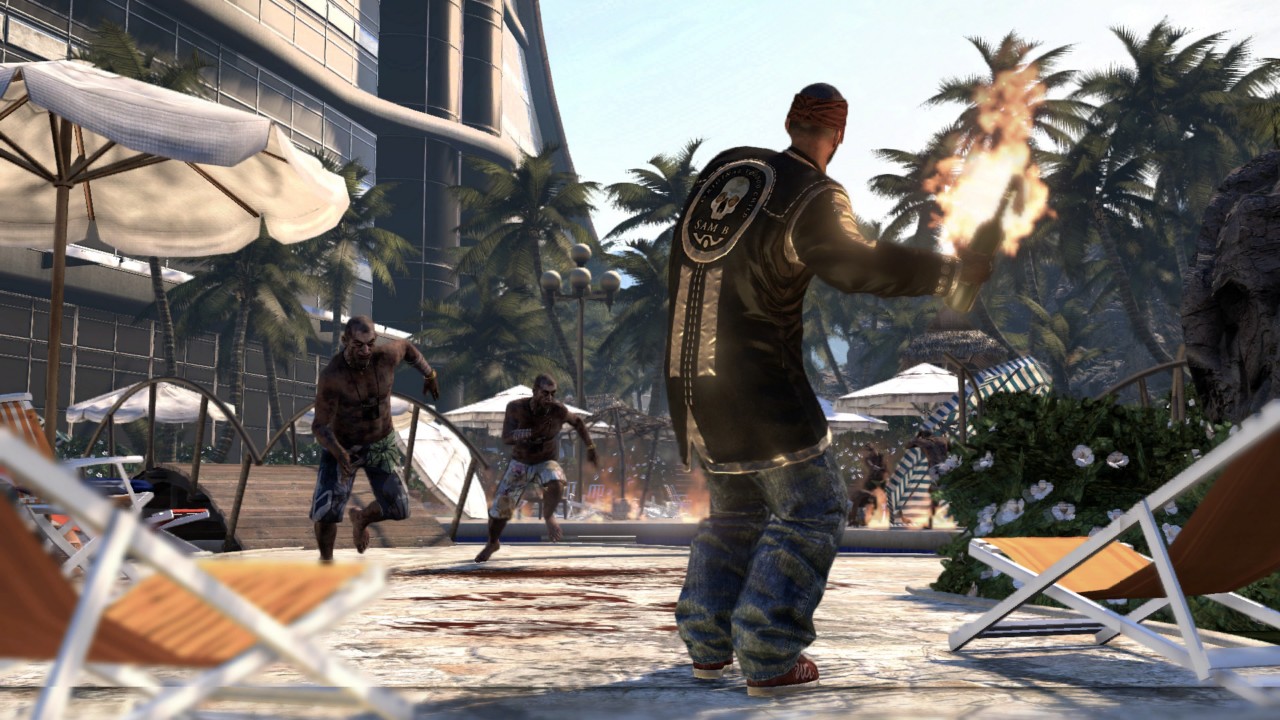
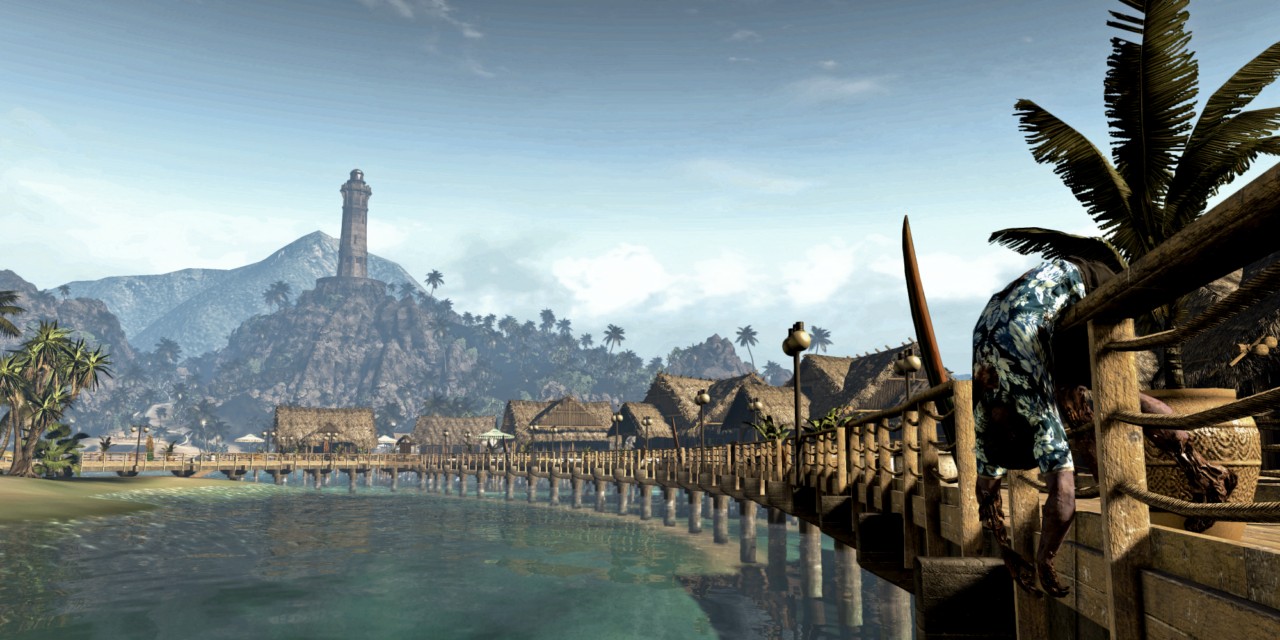
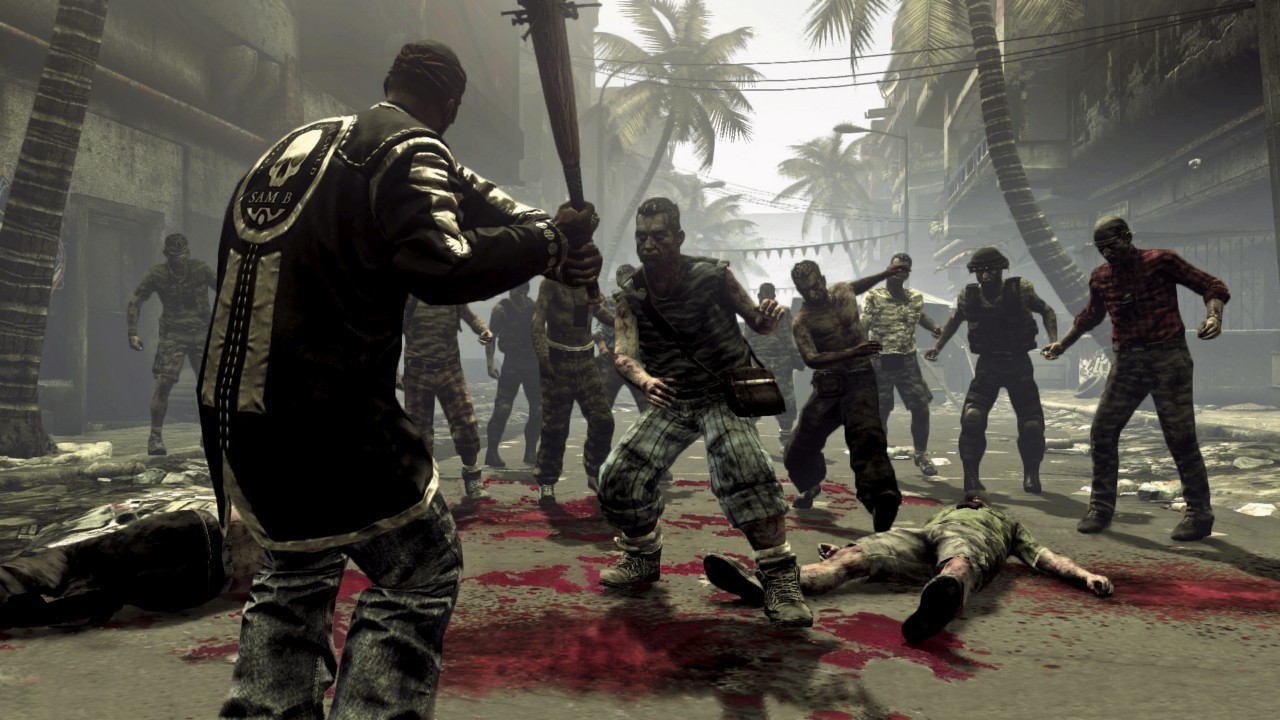
Dead Island looks to be a gritty zombie slaying game, and Deep Silver has now released some new info on a character called Sam B. His background, as described by Deep Silver, is below:
“A one-hit-wonder rap star of fading fame, Sam B was booked by the Royal Palms Resort Hotel to perform his well known song “Who do You Voodoo?” at a high profile hotel party. He gladly took the chance to play this gig.
Once strong, self-confident and proud, Sam B has had a troubled past and a history of drug and alcohol abuse, as his private life became caught in a haze of fake friends and bad advisors.
Trying to pick up the pieces and earn some extra cash, he suddenly finds himself surrounded by a whole lot of different problems…”
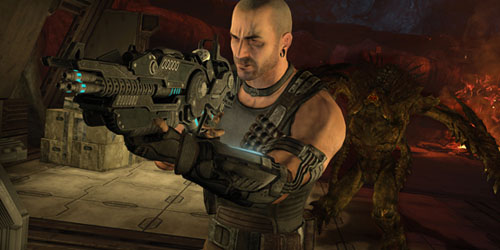
It just doesn’t seem possible to have a video game in the shooter genre that does not have an attractive male lead and a smokin’ hot female companion. Volition has embraced this concept and provided a trailer detailing the new character in the Red Faction franchise, Miss Kara. Check out the trailer below to get a handle on her traits. THQ has also kindly provided some interesting biographies for the other characters in the game. They are included below.
“The Story So Far…
For a time, Mars was free. Following the liberation of the planet from the EDF by Alec Mason, the Martian colonists for the first time controlled their own destiny on the Red Planet. Though not without adversity, the colonies prospered. For the first time on Mars, there was peace…
50 years later, a new enemy not only threatens the colonists’ freedom, but their very existence. Adam Hale, long an enemy of the Mason family, has destroyed the Terraformer, the only thing keeping the surface of the planet habitable, forcing the citizens of Mars underground.
Now, citizens from each faction of Mars will join together to fight this new threat. Kara, a Marauder smuggler, Winters, a hard-nosed Red Faction sergeant, and Darius, the grandson of Alec, come together to free Mars once more in Red Faction: Armageddon, set to release on 2nd June in Australia and New Zealand.
DARIUS
For better or worse, the Masons are the “first family of Mars”—Washington, Jefferson, and Adams all rolled into one, along with the fighting spirit of the Minutemen. Darius is the scion of this legacy, though he never asked for the responsibility or wanted it. He just wanted to be left alone to live his own life, not the one Mars had seemingly demanded of him. He might have succeeded in avoiding the “Mason destiny” if not for Adam Hale and his apocalyptic cult. While doing his tour of duty for the colony, Darius was unable to stop Hale from destroying the Terraformer. The Martian atmosphere quickly deteriorated to the point where only the caverns and deep places of Mars were habitable. While the Colonists didn’t necessarily blame Darius for the disaster, his guilt ate at him, and he was never as comfortable with them as he once was. Darius’s guilt prompted him to spend longer amounts of time alone, seeking out missions that would take him away from settlement life. He learned how to survive by eking out a living from Salvage, how to blend into a crowd, and how to fight. The one thing he couldn’t do was forget or forgive what had been done to him.
KARA
Born a Marauder, Kara is a hard-nosed smuggler who knows both the streets and the world of science. Kara ran away from the regimented hierarchy of the Marauders at an early age. Smuggling goods around Mars and from Earth just seemed a natural course of action, both as an act of defiance and as an easy way to make cash. It was while operating in the underground of Mars that she met Darius. Aside from their place of birth, Kara and Darius couldn’t be more different. Darius was a hard worker who took people at face value; Kara was a sly, sarcastic rebel who trusted few. Darius wanted to live his life and avoid authority; Kara was always looking to pick a fight. They do have one thing in common: they wanted to stay hidden, and through that, a natural friendship was born.
FRANK WINTERS
A sergeant in the Red Faction military, Winters got where he is by being the toughest son of a bitch on the planet. Winters prefers to be in the field with his men, not sitting back in a bunker. He has earned an almost mystical quality among his soldiers… stories of Winters charging headfirst into battle and emerging unscathed are common. Winters is physically imposing and carries himself with a “no-nonsense” attitude. Winters is all business, and if you jeopardize his mission in any fashion there will be hell to pay.
ADAM HALE
Adam Hale’s father was an EDF captain killed by Alec Mason during the Revolution of 2125. Hale was raised by EDF survivors abandoned on Mars. In 2150, Hale’s White Faction launched a new war against the Colonists. Red Faction forces led by Alec Mason and his son Jake defeated Hale. Hale vanished after the Battle of Bakhuysen Trench. Years later, he returned as the messiah to a band of violent Marauder separatists. Hale’s Cultists claim he joins the mystical Martian past to a glorious future. Others see a madman who would destroy the planet to rule it.”
Honey and Clover Collection 1 Tag Line: Love, Life, Education!? Produced by: J.C. Staff Run time: 325 minutes in 12 Episodes and Bonus Features Language: English, Japanese Genre: Slice of Life, Comedy, Drama Available for purchase at:Madman Online Store ($59.95), Amazon US ($42.49), Amazon UK (£23.97)
Overview:
Most anime are based off of some form of previous media from Japan when they are created. Now the benefit of creating an anime that was based off of a popular manga or light novel offers a number of advantages. Occasionally the anime will be created shortly into the other media’s life which means that there are often a lot of filler episodes which detract from the end product. Sometimes this is not the case and Honey and Clover is an example of that.
Now Honey and Clover was created as a manga originally by Chika Umino back in 2000. An anime was then produced by J.C. Staff in 2005, a full five years into the publication of the monthly manga. Now Madman Entertainment has brought the series to Australia. With its slice of life basis with a mix of drama, romance and comedy placed into the kiln does Honey and Clover offer fans of those genres a true piece of art?
Story:
The story centers around five different characters who happen to all be attending an art college in Tokyo. Three of these characters are Yūta Takemoto, Takumi Mayama and Shinobu Morita. All three of these men live in the same apartment complex as one another. Despite the quirks of Shinobu they manage to make it through as well as college students living on their own can imagine.
Now one day they are introduced to a young girl named Hagumi Hanamoto who is related to their art professor Shūji Hanamoto. Hagumi is a first year student but happens to also be an artistic genius. Things would normally carry on as though nothing ever happened, except both Yūta and Shinobu fall in love with Hagumi at first sight. Despite these two being “friends” a love triangle has formed between the two.
While Takumi may not have fallen in love with Hagumi, he has problems of his own. Ayumi Yamada, a woman also attending the art school in the field of pottery, happens to love Takumi even though Takumi does not reciprocate her feelings; instead he is in love with his boss Rika Harada, forming yet another love triangle. The story then follows these five characters as they try to sort out their feelings and make their way through their college lives and graduate.
Now it is worth taking note that this is only the first collection of 12 episodes from the original 24 episode series, meaning that the storyline doesn’t truly wrap up at the end of the last episode, instead carrying into Collection 2 which will be released by Madmen at a later date. Moving on from that the first twelve episodes help lay the ground work of the rest of the series by introducing the characters and situations to the viewer and providing enough time for viewers to understand each character.
There are a number of times that viewers will truly feel for the characters in the series thanks to the great writing that is employed in Honey and Clover. The writing goes into great detail about how each character manages situations in their lives, from their art to how they deal with love and friendship. To add more fuel to the emotional fire the topic of unrequited love and the impact this can have on the person not having their feelings returned by the one that they love.
Being a comedy series there is always the problem of balancing how much comedy can be thrown into an episode without it feeling like it is hindering the development of the story as a whole. Honey and Clover manages to balance these relatively well as the series moves on but the first few episodes of the series may leave viewers questioning if they wish to continue watching the series due slow plot development. These episodes construct the base that the rest of the series stands upon but they are unfortunately rather sluggish to get going despite having comedic elements mixed in.
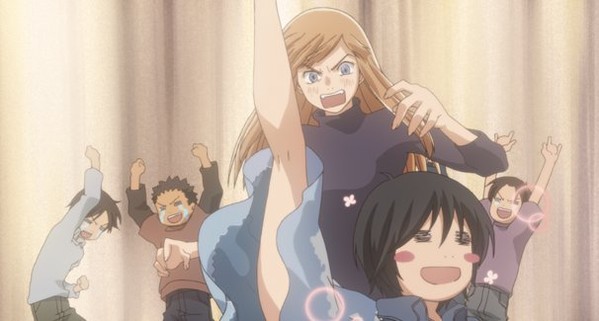
The comedy that is employed by Honey and Clover manages to present an enjoyable viewing experience with plenty of moments that I found myself laughing too. These comedic moments often come from the absurdity of a situation and the interactions between the characters. Whether it is Ayumi’s axe kick being unleashed or Shinobu’s schemes that place the rest of the characters in funny situations the series does produce enough laughs to be enjoyable.
Artwork:
The visual style used by J.C. Staff is something that isn’t often seen any more in most mainstream anime. The anime style uses softer color choices and attempts to stay true to the original artwork that one may find in the actual manga series when it was being published. The overall look makes the series look like it is older than it actually is but creates a nice atmosphere for the themes that are focused on during the story. The artwork that the characters design is impressive to say the least and helps hammer home the fact that they are all following various degrees in an Art School.
Now the character designs can be hit and miss. Each character doesn’t really have a whole lot of features that set them apart from each other besides overall appearance and outfit due to the simplicity of the coloring. The animation is a bit dry and considering the anime is based around the feelings of the main characters there are many times that the scene will shift into an obvious “emotional moment” that is highlighted by a shift in background for no reason than to simply punctuate the moment. Plus the series has a tendency to use chibification often, usually implemented into the comedic moments of the story which can sometimes help provide a laugh on their own but can also be tiresome when overused.
Now although I just mentioned that the characters don’t have a whole lot to set them apart visually, one character does have stand out most obviously and this is Hagumi. Now Hagumi is supposed to be an 18 year old girl, but she is also extremely tiny in appearance. She is more than just tiny however she is basically a loli character that easily passes as a child under the age of ten years old. When this factor is tied in to the fact that Shinobu and Yūta both develop feelings for her, it does raise a creepy flag.
Audio:
Honey and Clover sports a musical soundtrack with most songs being simple low-key affairs that focus on accentuating the dramatic moments happening on screen at the moment. The ending sequence, “Waltz” that often plays a few seconds before the ending animation begins is unimpressive and can be easily forgotten. While the opening song “Dramatic” is a little bit better, it is still the most memorable opening sequence you will come across.
The reason for this is that the entire opening features a green background with a plate in the middle of said background. The plate will then have different pieces of food placed on it through stop motion. Each piece of food depicts something other than what it actually is, such as a hot dog man or dancing spaghetti and is quite impressive to see. Also better watch out for shrimp.
Honey and Clover comes with both the original Japanese dub and the new English dub so it is up to you on which you choose to listen to. As for the English voice actors they do a great job voicing the characters and Hagumi was especially a highlight to listen to as her voice matched her small stature perfectly.
Characters:
As in any slice of life anime, the quality of the show resides in how strong the characters turn out to be and how well they interact with one another. Honey and Clover has an extremely strong cast of characters that meld well with one another and not a single one of them seems out of place in this stellar cast.
Yūta Takemoto who can be seen as the main character of the story is perhaps one of the best examples of a student in college who has to struggle through life. He has multiple insecurities as one would expect from a student who is far away from home and is trying to find out who he really wants to be, especially when you add in the fact that he has fallen in love for perhaps the first time with Hagumi. He is a very subtle character who likes to keep his emotions mostly to himself which can cause the viewer to grow frustrated with his actions as he doesn’t usually act on his feelings. The viewer is given a taste of his inner turmoil and inability to express his feelings for the girl who is more important to him than anyone else in his world.
Hagumi Hanamoto is a small girl who is a very artistic girl but her artistic side has a downside to it. Thanks to often being wrapped up in her work she is very shy and has trouble socializing with those around her. This lack of interaction makes it difficult for her to make any friends as they often only see her as an artist with sculptures around the world in art museums. Her childlike stature makes her the object of Shinobu’s get rich schemes. Hagumi can be hard to relate too and her small stature can leave the audience questioning what her age really is, considering the anime itself seems to forget her age at times as well.
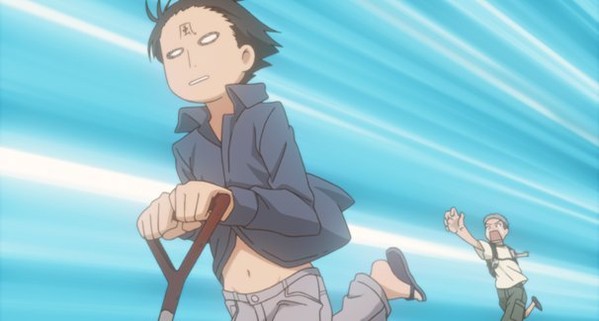
Perhaps one of the most comedic men in the series is Shinobu. He often disappears from the apartment building for many days at a time and doesn’t attend school only to return with a wad of cash. He is extremely eccentric and easy going in life but exhibits amazing artistic talents at the strangest of times, while also being completely spontaneous. Shinobu often thinks up get rich quick schemes, and takes advantage of Hagumi’s small size to create artwork for himself. Despite his immature personality Shinobu is affected by Hagumi greatly and has difficulties actually understanding his own feelings which are different from Yūta who simply can’t express himself.
Wrapping up the rest of the cast we have Takumi Mayama who appears to be the most mature of the group of friends. He is the most reliable and understanding of them all and can be seen as an older brother to Shinobu and Yūta. There is a strange side of him however that causes him to fall in love with his boss, despite his unwilling nature to express how he feels about her. Takumi is the object of Yamada Ayumi’s affection however, leading to the second love triangle. Yamada is the character of much heartache in the series as she expresses herself much more openly than the rest of the cast. Yamada is also called Iron Man by her classmates due to her daily training when she was younger and often expresses herself with violence.
Bonus Content:
Honey and Clover Collection 1 doesn’t come with just the twelve episodes but also a handful of extras. Before I mentioned that the opening sequence was probably the most unique thing you will ever see and this is true. So much so that they provided an extra feature that shows how the foods were created and how they created the opening as a whole. Also on each disc is a Cultural Reference guide which explains various Japanese terms which may not be understandable for first time anime viewers.
Besides a clean version of the opening and ending sequence a bonus episode was included in the two disc collection. Titled Chapter L it follows the characters’ dealings and remembrance of a character named Lohmeyer which is entirely separate from the storyline but is a nice little bonus feature.
Overall:
Many anime titles struggle with the concept of love and how it develops. Most of these titles simply focus on one on one relationships or a harem type with every girl throwing herself at a central main character. Honey and Clover places itself leaps and bounds above the rest of these anime and creates not only an enjoyable piece of romantic comedy but plenty of drama at the same time. With a unique art style not often seen today, Honey and Clover is certainly worth a watch and I will be greatly anticipating the second Collection of episodes.
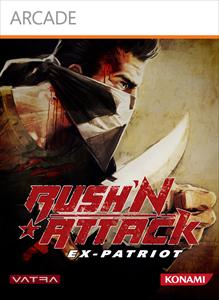
Game: Rush ‘N Attack: Ex-Patriot Publisher/Developer: Konami/ Vatra Games Price: $10.00 Genre: Stealth Action – HD reboot Consoles: PSN and XBLA Try the game here.
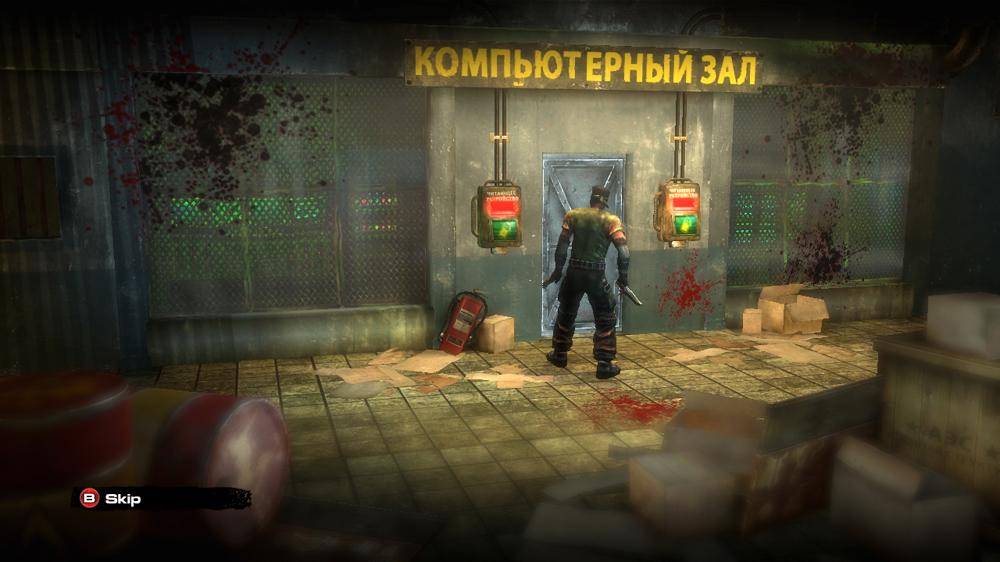
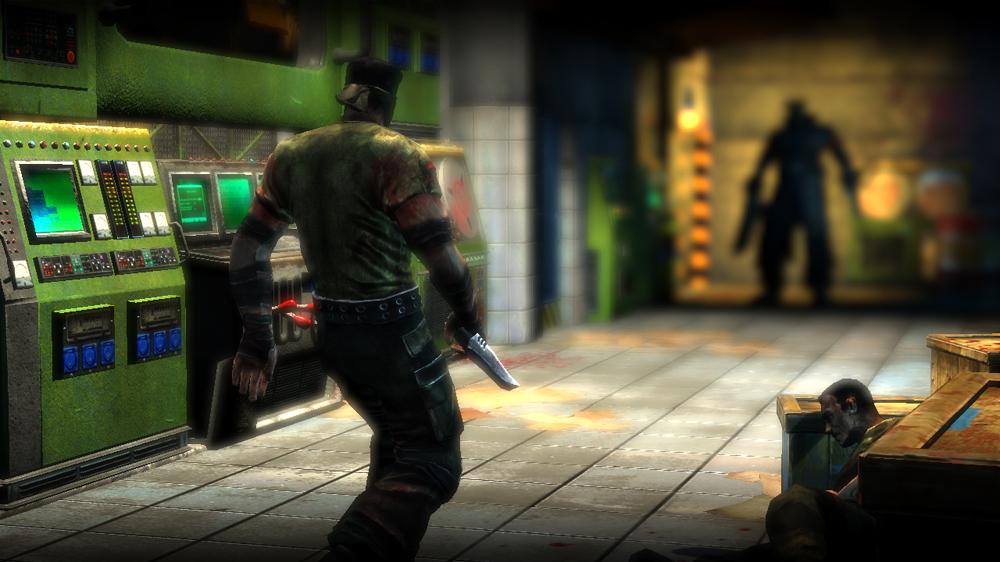
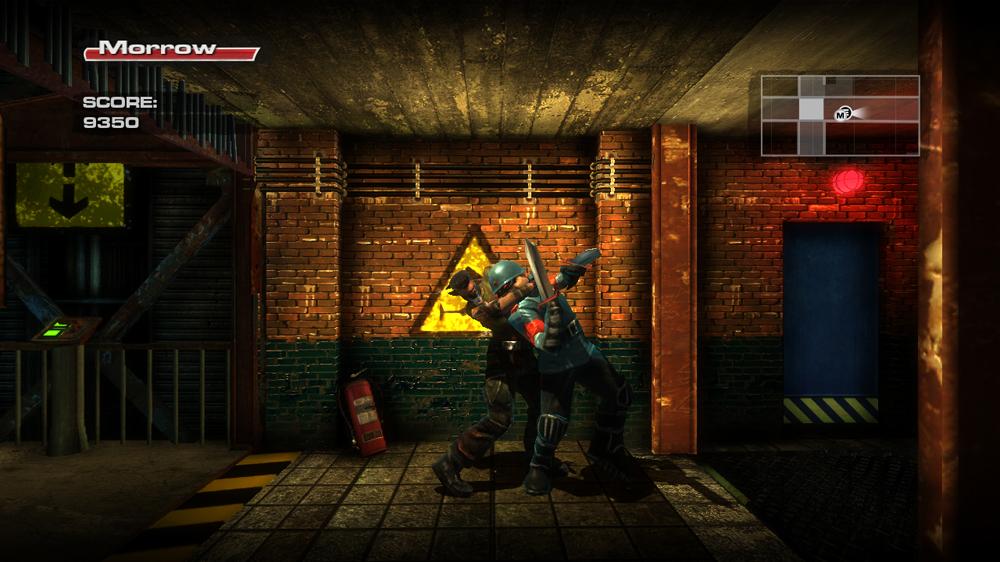
Rush ‘N Attack: Ex-Patriot is a 2D side scrolling stealth combat game, focusing on knife play, cold war plot lines and general “spy stuff.” For most of the game, the only weapon the player fights with is a HUGE knife. When unlocked, many various combos can also be used. For example, pressing down on the “L” stick and then hitting “X” “Y” will allow the character to grab an enemies head, do a flip over said bad guy, and then stun him, allowing you to make that glorious finishing move, blood spurts included. Oh, and that is all done in slow motion too. Yup, pretty cool.
However, it is worth noting that there are not that many combos available to use. Only about 15-20 could be unlocked, and they were fairly simple to pull off. And the finishing move was always the same: a standard knife to the chest, also in slow mo. Due to some not so smooth animations, the character felt super clumsy in regular combat as well. When more than one enemy is attacking, it is nearly impossible to pull off a combo, and the limited strong & light standard attacks did little.
Nevertheless, Rush ‘N Attack is not a hack and slash type of game, although that is what it will feel like most of the time. No, this game would actually like you to focus on stealth as your main asset. Darkened closets and ceiling openings are available to sneak past cameras, surprise guards and wreak havoc. Rushing in ‘n attacking is not really a viable option, as the main character will more than likely end up laying down ‘n dying when this type of gameplay style is used.
Initially, for about the first hour of the game, I struggled at trying to sneakily take down enemies without being seen and having to knife fight multiple dudes carrying machine guns. It soon all began to click though. Take a guy down, rush past the next few, hide in a closet, pull a hapless Russian inside and carve him up, and then it was onto the next bunch. Once I was able to pick up some artillery, with very limited ammo, it got even better, even if the weapons were VERY ho hum. Lame assault rifles, standard rocket launchers and boring grenades more or less were the only option besides knives. A glitch in the game that caused the character to only pick up a fallen gun about 50% of the time was also a a source of minor irritation.
In many ways, I felt that the game was a precursor to a modern game that we would play now. In this console generation, silky smooth animations, near limitless combinations of combos, large weapon variety, and easier character handling have made a welcome splash. If you wanna see where it all started though, just take a look at this game. Its not that its bad, because it isn’t. Its that it feels old, which can be good or bad depending on you viewpoint. The only really frustration part was how clumsy the platforming and main character were.
As far gameplay goes, Rush ‘N Attack: Ex Patriot is sorta solid. But the foundation on which it rests, the story, is atrocious. If it were a house, it would be condemned and killed with a wrecking ball, after which it would be burned to appease the story gods. Galaxy ripping plot holes tear the story to pieces. The game starts out with the narrator telling of how he was sent to Russia to spy on what the communists were doing: in this case the Russians are excavating a special rock that can make super soldiers out of ordinary soldiers. Part of the SpecOps team was captured, and he and a few others made it out alive. 20 years later though, his special crack team of agents (you) is assigned to rescue the left behind men. Ok, so far so good, although 20 years seems like a preeeetttty long time.
All of sudden, it is revealed that YOU were captured too. So much for being a crack team, eh? Next, a prisoner, with a large knife no less, breaks you out of your cell, saying that your team is on its way to be scientifically tested on by a mad scientist. OOOOH, MAD SCIENTIST YOU SAY! CRAZY!
Now, your mission is to rescue the squad and find out if the narrator’s 60-something friend is still alive.
And that is about where I stopped caring. Rocks that make super soldiers and mad scientists? Yea, that hasn’t been done to pieces. Also, why would a prisoner have a HUMONGO knife, that he then just gives to you?! This same prisoner also reveals that he has the same training as you do. Therefore, why in the name of all that is good and holy did he wait for you?! He couldn’t break out, rescue the CIA ninjas and escape himself?! Obviously, either the training method sucks, or the plot is awful. I’ll leave that up you to choose.
The other parts of the game, audio and graphics, also feel outdated. Rough edges make for unappealing eye candy, and the background is not all that exciting either. The soundtrack is there all right, but it doesn’t make the action more gung ho. The sound effects are generally a redeeming feature to the rest of the audio though. Whenever the main character slides into the shadow or does a combo, there is some cool “whoosh” effects and the rockets and other items also have good audio behind them.
Concluding thoughts
My favorite line in the game came at the beginning, when the narrator, talking about your squad, said, “You are one group of badass ninjas.” I though to myself, “This game will be awesome!” Promptly thereafter, I was captured, and all hell broke loose. It was then I realized that this game is good, but not badass.
In summary, Rush ‘N Attack: Ex Patriot is fun in one area: the game play. Even then though, there are some terribly boggy sections that siphon the fun out. The rest of the package falls flat on its face too.
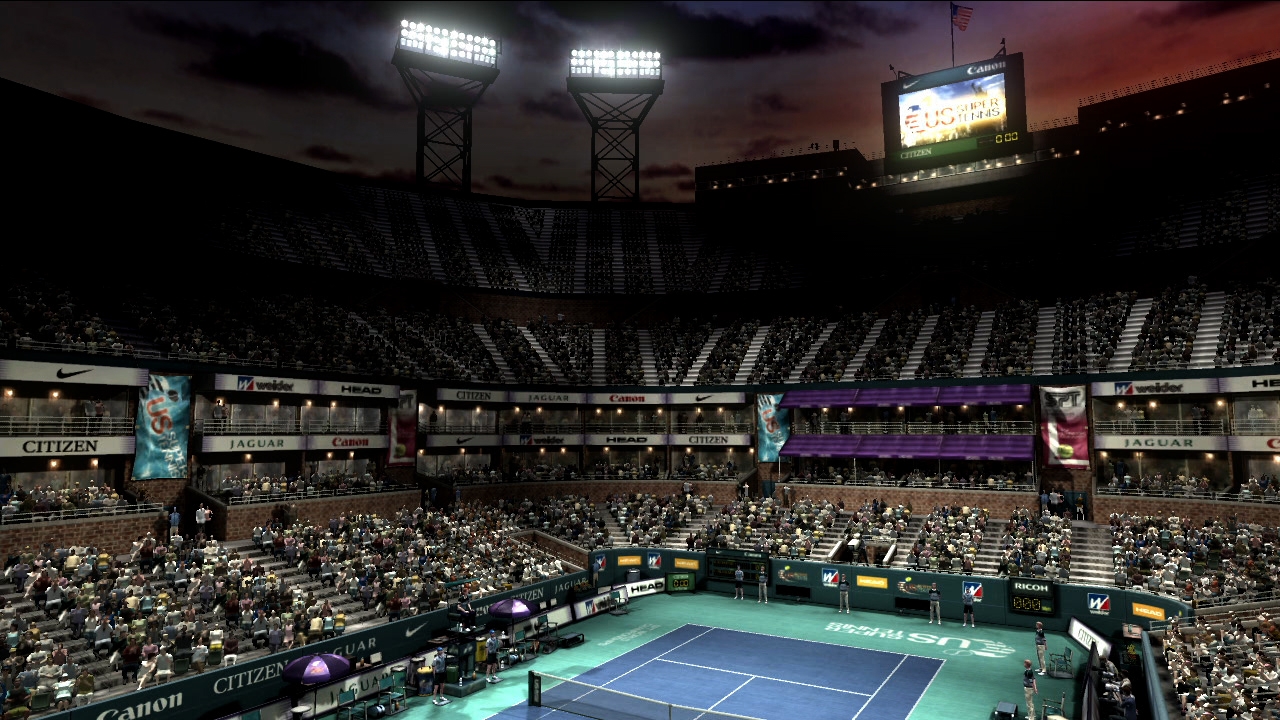
Featuring a huge line up of 19 of the world’s top players combined with some exciting up and comers, Sega’s Virtua Tennis 4 is about to be served up upon the gaming community and from a first glance looks like it will certainly give the Top Spin franchise a run for its money. Whether you are using your Kinect, Move or standard Wii controller, players will experience new motion technology designed to produce more interactive gameplay. The traditional calendar style layout found in almost every tennis game has been replaced with quirky, fun board game layout.
While the basic retail disc will be the same for the 3 consoles, David Kempshall the Brand Manager for Virtua Tennis 4 has announced exclusive download content for the PS3 in the form of classic legends Boris Becker, Pat Rafter (for all you Aussies out there), and Stefan Edberg, as well as 2 bonus party type games. PS3 owners can further rub it in the noses of their Xbox360 nemesis with Mie Kumagai, Executive producer of Sega having announced 2 exclusive demos coming soon to PSN. Lets hope Microsoft can secure something for their users but hey its only the download content, the game is the same on all platforms.
Taking on much feedback from players of the franchise, who complained that the single player mode was repetitive after the first season and lacked imagination, Sega have revamped the World tour, shortening it but broadening its scope to encompass Australia, France, USA and the UK. The World tour career mode has also taken on a RPG element, as players have to perform off and on the court, winning matches as well as signing autographs and attending press interviews to build their characters profile. This results in unique character growth where no 2 players have taken the same path to get to the top and ads replay value to the single player mode. All characters designed and used within the demo mode can be brought across into a retial copy of the game.
Online play looks to be more evenly matched as Sega have implemented the Virtua Fighter 5 matchmaking system making it more attractive to all gamers rather than just the pros. Another cool little feature is the Match momentum gauge (also in offline play), which can be built up to allow players to play shots they normally wouldn’t be able to. Chock full of mini-games and a focus on multi-player modes will make this a great addition to any sports fans game library.
Virtua Tennis 4 demos are available on PSN from April 13th
Virtua Tennis 4 will be available on Wii, PS3 and Xbox360 on 29th April
Game Name: Rayman 3D Platform(s): Nintendo 3DS Publisher(s):Ubisoft Developer(s):Ubisoft Genre(s): Platformer Release Date: March 25, 2011 (EU) March 27, 2011 (US) March 31, 2011 (AU) Price: $39.99 BUY NOW!
Just a little bit over 12 years ago, Rayman 2: The Great Escape took the world by storm when it was released on the Dreamcast, Playstation & Nintendo 64. The game helped cement Rayman’s legacy in the video game world and went on to see many ports over the years. This classic has now been fully ported yet again and renamed Rayman 3D for the Nintendo 3DS, launching right along with the console. After all the ports and years passed, I still had not tried Rayman 2 yet, so just about every bit of this game was new to myself but being a platformer fan, I knew I had to finally give this classic a full run-through. How exactly does Rayman fare in his first 3D outing? Here is my review for Rayman 3D.
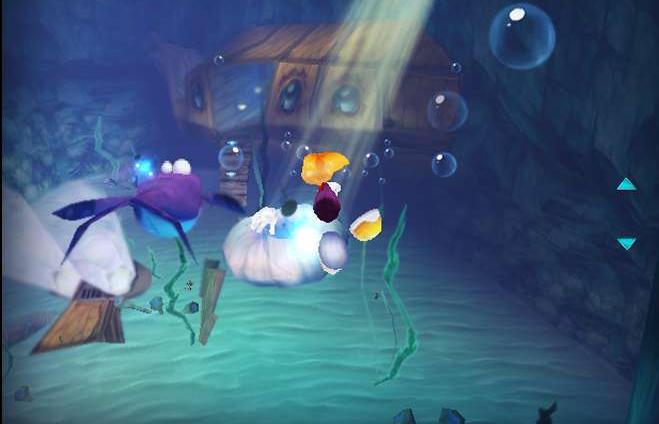
Please note that all screenshots are in 2D
Story
Rayman 3D puts players in control of Rayman, who now must trek through “The Glade of Dreams” and put a stop to a group of robot pirates along with their leader, Razorbeard, who have invaded the land and captured many of his friends. Rayman also is set with the task to collect four masks to awaken the much powerful Polokus who is the key to restoring order in the world.
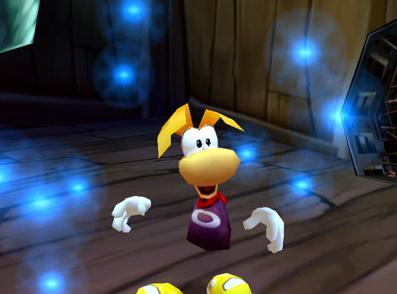
The whole plot is rather simple and easy to follow most of the time as there are many cutscenes throughout the game. In this journey you will encounter many different enemies as well as allies along the way and each are usually filled with the game’s quirky style and humor. Instead of standard voicework, Rayman and all of the other characters speak in a jibberish language, but it is hard not to enjoy the way this story is told as all the characters are charming and keep the game as bright and enjoyable as players explore the colorful world.
Gameplay
Rayman is a full 3D platformer, much like many of the older titles in the genre that we seen so prominently on the Nintendo 64 many years ago. Of course this title comes from that era and yes, it also still feels like it was ripped right off the system and thrown onto the 3DS. For my own personal preference though, this isn’t a bad thing as I still am a huge fan of the late 90’s/early 2000’s platformers and Rayman 3D did a great job of offering a hefty piece of nostalgia with the way the game not only looks, but also with how controls and plays out.
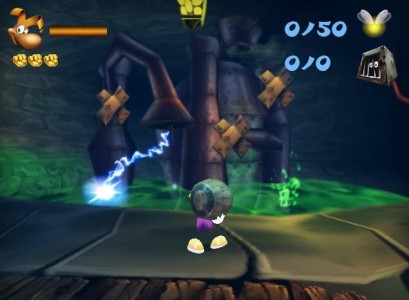
The control scheme in Rayman 3D works wonders for this port with the key ingredient of it’s success being the system’s circle pad. Rayman of course is able to run and jump, as with any platformer, but the hero also has quite a few other techniques up his sleeve. Rayman is able to shoot a projectile out of his fist to attack enemies. This attack is done quick and rolls out smoothly, but the lack of any actual sound effect kind of left more to be desired with this action overall. You can use this technique not only to actually shoot enemies, but also to trigger switches and perform techiques such as swinging which are learned later on in the game. Rayman also can float across gaps with his hair, much like we have seen characters like Dixie Kong or Tails perform, except he thankfully never grows tired and can use this technique until he hits the ground.
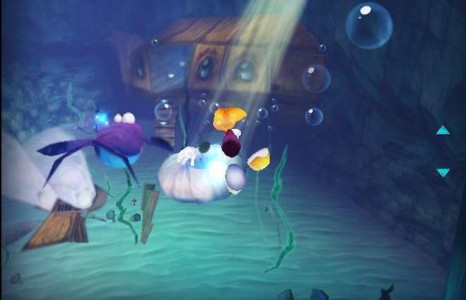
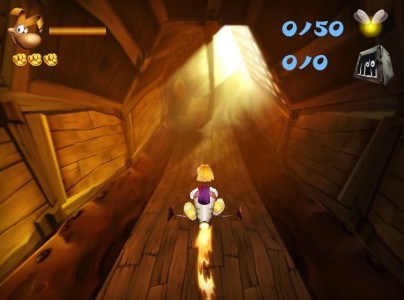
The world in the game is actually quite large and the developers did an excellent job at making sure that each level felt different from the next. The main objective for each level is to take out enemies, collect a set number of Golden Lums (which resemble a firefly), free both lums and allies from cages, and make it to the warp pad at the end. Outside of the occasional boss battle, this formula is used throughout the game but there is plenty of variety mixed in to each area outside of standard platforming. For instance, there are a few paths where Rayman must slide down a slippery path dodging obstacles, shooting enemies, and collecting lums along the way. There are also bits of swimming, puzzle solving, and even moments where you can ride on enemies that all switch up the gameplay and keep things feeling fresh. The best thing about all of these techniques is that they control quite well and all are actually enjoyable to perform. I did however have a bit of trouble actually trying to swim, but that was mainly due to the camera rather than the actual swimming in general.
The camera isn’t really much of a problem as it seemed to behave most of the time automatically, but this flaw actually boils down to adjusting the angle itself. To perform this small task, you must press the D-pad and completely take your finger off the circle pad to do so every single time you need to get a better look at whatever area you may be in, you will have to come to a complete stop and use the other control pad to move the camera. This isn’t a huge annoyance as you can also “auto adjust” the camera with the shoulder buttons to look straight ahead, but many areas require getting a full scope so this alone may frustrate some players out there and cause a few unnecessary deaths from time to time.
When you collect all of the Golden Lums in a level, you are awarded a bonus level to compete on. These are not too complex and more like mini-games such as racing, but they do allow for a nice break between levels. If you miss your chance at collecting everything in a level, the game also lets you revisit any level at any time which should be fantastic news for the completionists who are sure to want to hit that 100% mark at the end of the game. Seeing as you learn new abilities as you go, you can also revisit any level you have completed and take full advantage of your new-found power. At times, this is even required but in all honesty I didn’t mind as this form of backtracking actually lengthened the overall game. I would have loved to have seen some sort of multi-player, streetpass, or even a leaderboard of some sort added, but this is simply a straight port through and through and aside from the 3D, it does feel a little disappointing that it didn’t utilize the system a just a little more to bring it to the present day.
3D Effect/Visuals
Rayman 3D is the first ever full 3D platformer on a handheld, and for the most part I was quite impressed by the way the game utilized the 3D function. The textures of the environments have that painted on look that we seen years ago in just about every game, but when you put the 3D on, these actually seemed to “pop” and added a much larger sense of depth to the stage. This works particularity wellwith the top-down angles where Rayman is hovering as it is much easier to tell how far that floating lum is or if you will make it to the nearest platform. The 3D also makes small animations such as mosquitoes, fish, and butterflies all seem to fly right out of the screen. Rayman 3D is already a very visual game as the environments are filled with color, but the 3D definitely enhances the whole experience and should not be ignored. As great as the 3D was during gameplay, I actually wanted to turn it off during the cutscenes. Sometimes when a scene is playing, “ghosting” can take effect where you see two of one character or the subtitles simply become a bit blurred and hard to read. As I mentioned though, this problem was only noticed during the cutscenes and never once showed during any gameplay whatsoever.
Audio
The music in this title is fantastic all the way through and the 3DS’ sound does wonders to really add a huge amount of atmosphere to each environment. As I mentioned, the “jibberish” also adds a ton of personality to each character as well, making it easy to read emotions and the humor within the dialogue. The sound effects though are just not up to par with the rest of the experience, sadly. Rayman’s main attack in my opinion could have at least had a popping noise or just some added in “plop”, but instead there just isn’t anything and it is sometimes hard to even tell if your attack has connected due to the sound alone. Even when I would shatter a wall or flip a switch, there was just no true indication as the sound effect was either barely there or just not present whatsoever.
Overall
Rayman 3D is by no means a perfect game and does show it’s age in a few areas, but this title is still a fantastic platformer which controls well and stays enjoyable up until the very last boss. I never felt like I was doing the same thing twice during my experience due to the constant introduction of new elements of gameplay and because of that, it was easy to progress quickly and even easier to actually want go back in and try to aim for perfection with the many collectibles scattered throughout the stages. Rayman comes with some flaws in this journey, but he does show the world just how capable the 3DS truly is at running a platformer and has quickly became my favorite out of all the 3DS launch titles in the process. Whether you want to revisit this classic with it’s new 3D shine or just want to experience this quirky title’s interesting characters and fast-paced gameplay for the first time, Rayman 3D stands as one of the stronger contenders in the 3DS’ launch line-up and is a must have for anyone who wants something sweet and fulfilling for that nostalgic sweet-tooth.
Fate of the World
Developer: Red Redemption
Publisher: Red Redemption
Genre: Strategy / Educational
Price: $9.99 / £9.99 / €9.99
Platform: PC
Release Date: Available now at www.fateoftheworld.net or on Steam!
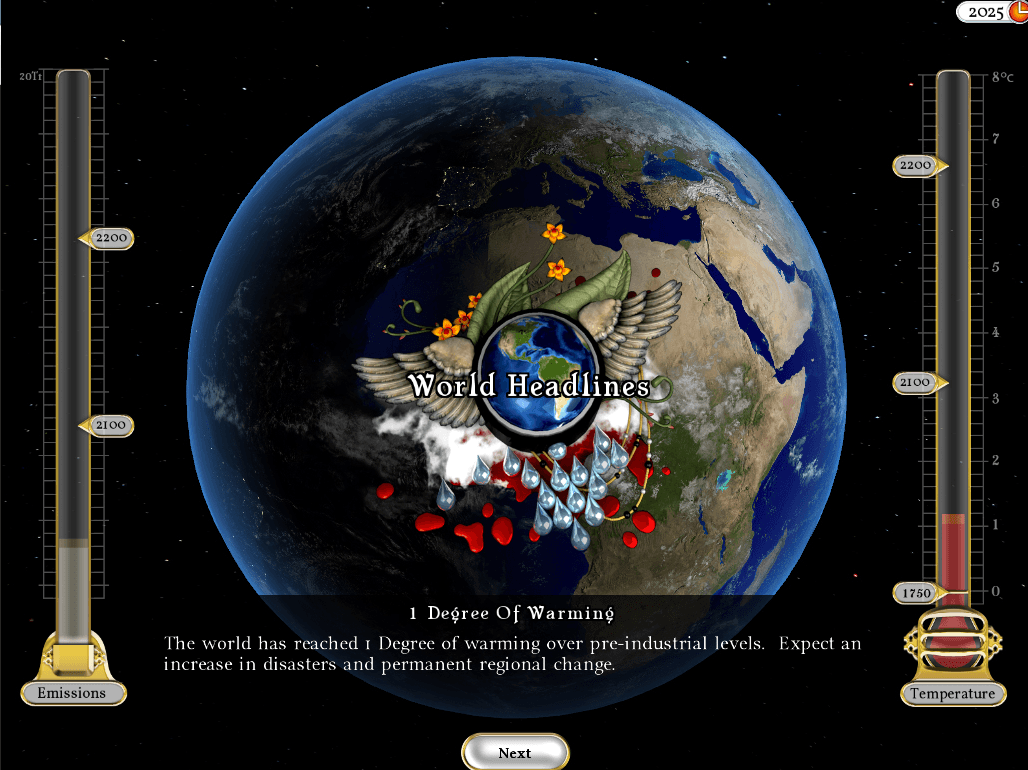
Fate of the World is a strategy game developed by Red Redemption, the developer of the similarly themed Climate Challenge. The game puts you in charge of an international organization in charge of managing political and environmental issues throughout the world in the hopes of curbing global climate change while maintaining political and social stability. If that sounds like a lot to handle, then you’re correctly imagining the scale of your mission.
Story:
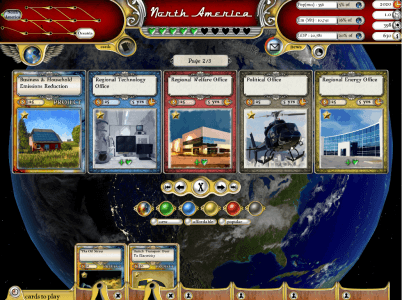
As the president of the Global Environmental Organization, you will be in charge of 12 different regions throughout the world: North America, Latin America, Northern Africa, Southern Africa, Europe, Russia, Oceania, Middle East, India, China, South Asia, and Japan. In each of these regions, you will need to put in place programs in technology, politics, energy, environmental protection, and society, along with special GEO projects.
Gameplay:
Technological development will allow for increased gathering of natural resources, cleaner sources of energy, and more advanced industries for the region. Political programs will allow the GEO to maintain order and lawfulness in the region, and includes increased security and the ability to declare martial law when necessary. Environmental protection policies will further the goals of slowing global climate change and stopping deforestation, as well as protecting biodiversity. The societal section will help increase the quality of life for the citizens of each region by offering medical programs, increased educational opportunities, and development of commerce and industry to lower unemployment rates. The energy programs will allow you to focus a region’s effort in a particular type of resource, such as oil or renewable options like solar and wind.
The GEO projects are all long running efforts by the organization to further its agenda of preventing climate change. Some of these policies can include either committing a region to either nuclear or renewable sources of energy to reduce carbon emissions, to reforest natural areas, to initiate cap and trade programs for emissions, or to advocate vegetarian habits, which will decrease dependence on livestock agriculture.
Each of these programs will improve certain aspects of a region, but like in real life policy making there is only so much funding to go around. Sometimes you will find that in order to keep a region from militarizing you will need to neglect environmental concerns in order to increase security and law enforcement. Other times, medicine and education may suffer because climate change is progressing at unsafe levels. On top of juggling different programs in each region, you will also need to work to keep each region satisfied. Spending too much in Northern Africa will leave less funds for South Asia and so on. If a region goes neglected for too long, they will eventually kick the GEO out of the area entirely, usually leading you towards a scenario failure.
The game is very complex, and it will most likely take some time to learn the ins and outs of gameplay and the nuances of each strategic option. Players who are unfamiliar with strategy games, or who struggle to multitask well may have difficulty adapting to the steep learning curve of Fate of the World. While the opening scenario asks the player to improve the quality of life in Northern and Southern Africa, the second scenario puts you in charge of all 12 regions and gives you the simultaneous tasks of preventing a certain amount of global temperature increase while also keeping a certain number of countries satisfied. If the global temperature rises by more than 3 degrees or if you’re banned from too many regions, the mission is over. Since missions will take more than an hour to complete, Fate of the World requires a hefty time commitment from players.
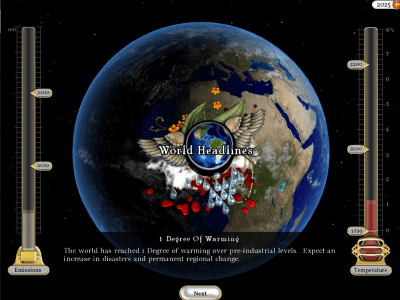
The message in Fate of the World is an important one, as global climate change and other environmental issues are just as threatening to our way of life as civil unrest or economic downturn. The science also seems to be pretty accurate for a video game. Environmental issues in Fate of the World vary between biodiversity loss, carbon emissions, deforestation, and water management, each having its own set of consequences. The game will even alert you as species begin to go extinct if you neglect investing in wildlife conservation, as I discovered when I was told that I had accidentally let the black rhino fall by the wayside.
Technological advancements also seem to have been researched exhaustively, with innumerable options between which one can choose. Nuclear, coal, gas, renewable, and oil energy each have their own tech advancements which will lead a particular region towards either an environmentally friendly wind and solar empire or a polluted, carbon-belching wasteland. Choices don’t have to be that drastic of course, as players will usually need to make compromises on the spectrum in order to survive through the decades. While renewable energy is cleaner, it is slower to develop and can leave regions in crisis if oil and other fossil fuels are neglected.
Final Thoughts
While I found Fate of the World to be an extremely challenging and mentally taxing game, strategy enthusiasts will probably appreciate the wealth of options available to them and the depth of the consequences. There are four scenarios within Fate of the World, each with its own set of objectives and requirements. While most missions task the player with protecting the Earth’s fragile equilibrium, there is also the Dr. Apocalypse scenario where the player is told to make everything as chaotic as possible. There will also be a new scenario released shortly which will apparently bridge the difficulty gap between the first and second missions.
Players who prefer getting into the action will probably become easily bored by Fate of the World, but strategy enthusiasts who appreciate some mental stimulation will find more than enough to satisfy them. As an educational tool, Fate of the World would also be invaluable to schools and other environmental education programs thanks to its integration of real issues and ideas with addictive strategy gameplay. Even gamers who have little knowledge or interest in environmental concerns should find something enjoyable in Fate of the World.
For its challenging take on strategic simulation and its environmentally responsible message, Fate of the World gets: