
Home Blog Page 5914

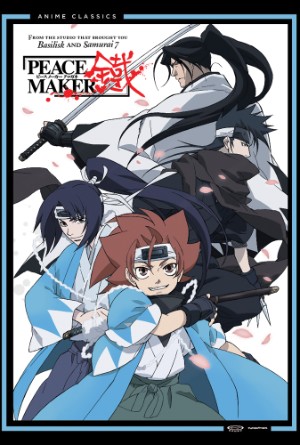
Peacemaker Complete Series Review


Peacemaker Complete Series
Studio: Gonzo
Publisher: MADMAN / FUNimation
Release Date: September 6, 2011
Price: $59.95 (Available Here)

Overview:
Have you ever thought of becoming a samurai? While most of us may wish we could simply because of how cool we think they are, but real samurai had much deeper reasons for picking up their swords. Such is the story of Peacemaker, an anime which was originally released in Japan back in 2003 under the name Peacemaker Kurogane. The series itself was based off of a manga which was created by Nanae Chrono.

Now while Peacemaker may have been released back in North America in 2004, FUNimation has recently released the entire series bundled in one package under their Anime Classics label. Does Peacemaker’s tale of swords and a young boys journey to find his true purpose tell a memorable story so many years later?

Story:
The story for Peacemaker takes place just before the Meiji Restoration in Japanese history. Viewers follow the story of a young boy named Ichimura Tetsunosuke who wishes to join the Shinsengumi, a force of samurai that act as the special police force of the area and are the first responders to anyone causing trouble. Now while some members of the Shinsengumi do this to uphold justice, Testu has another force driving him.

This fifteen year old boy watched his parents murdered by a Choshu Clan rebel two years before and his house burnt to the ground. In an effort to become strong and obtain his revenge against the Choshu, Tetsu wishes to join the Shinsengumi. The reasoning for this is that the Shinesengumi are constantly in conflict with the Choshu Clan, meaning if Tetsu is able to join the ranks of the Shinsengumi he may one day be able to take his revenge. Which is why when his peaceful older brother named Tatsunosuke joins the Shinsengumi as a bookkeeper Testu feels that this is finally his chance. That is of course until his small stature and course attitude get him quickly turned away.
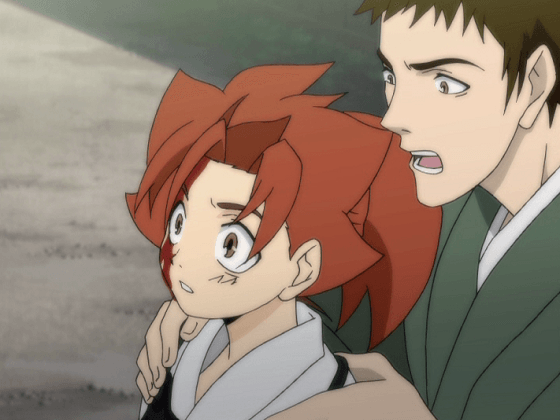
Thaty is until he meets the first unit captain of the Shinsengumi, master swordsman Okita Soji who gives him a chance to prove his skills and join the group. After being eventually allowed into the group Tetsu learns that rather than being placed on the front lines against the Choshu, he is to be a page for Hijikata Toshizo, second vice-commander of the Shinsengumi. This frustrates Testu at first but he falls into place doing menial chores for Toshizo.

The series progresses from then on as Testu begins to train as a Shinsengumi and one day obtain a rank that will allow him to become a full-fledged member and find his revenge. Along the way Testu grows closer to the various members of the Shinsengumi and eventually develops friendships with a few of them. But the biggest question remains, when Testu finally does become a sword wielding member of the Shinsengumi will his blade turn towards vengeance or keeping the peace?

Peacemaker’s story has plenty of potential and is overall a relatively enjoyable show but there are a few problems which hold it back from being great. There are plenty of characters that can be talked about and most of them have some of their back stories revealed, but in the end the stories are usually always depressing in one form or the other and the many of the characters will simply seem like emotionally distraught people carrying swords around.

While the character’s emotional issues can be a problem, Peacemaker is still an interesting tale set in one of the most violent times in Japan’s history. Many of the members of the Shinsengumi are based off of real members in history and even Testu was based off a real swordsman during that time period. Watching the young Tetsu struggle to find his true purpose and grow close to the various members among the Shinsengumi is the highlight of the series. His moments of character development are relatively slow but are meaningful when they come about.
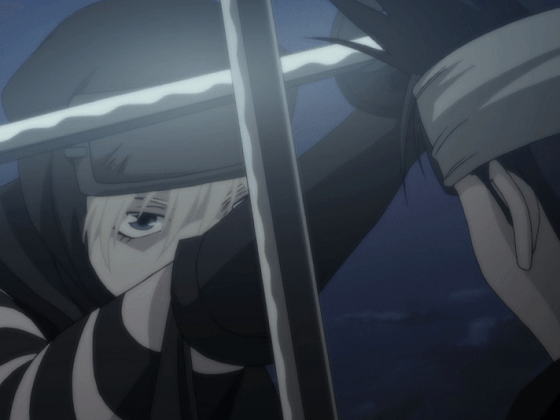
From the description above it may seem like Peacemaker is a story of dark pasts and deep wounded emotions but there is still a small vein of comedy thrown in. While most episodes are focused around serious developments, there are also pure comedy episodes thrown in on purpose, usually involving Tetsu of course. Watching the historical members of the Shinsengumi in comedic situations only makes things more amusing, especially when you remember that this was once one of the most feared forces in all of Japan.

Graphics:
The studio behind the animation for Peace Maker is Gonzo which should tell you roughly the level of quality that you will be in for. The studio’s reputation for making samurai anime precedes itself, with Peacemaker actually being made a few years before their other samurai shows Samurai 7 and Afro Samurai. The action is always very well drawn and viewers will be astonished by the choreographed swordplay at times.

Honestly the action sequences with heavy combat between various sword fighters are some of the best experiences you can have with Peacemaker. The animation is very fluid and I couldn’t determine any significant non-intentional drops in quality which is always a plus for a series with heavy action such as Peacemaker contains at times.

Audio:
Peacemaker may be one of the few anime where an English viewer may prefer listening to the Japanese dub and reading subtitles than listening to the English voice work. The Japanese voice cast does a great job portraying their characters and many of their personalities fit perfectly. Especially if you happen to recognize some of the voices.
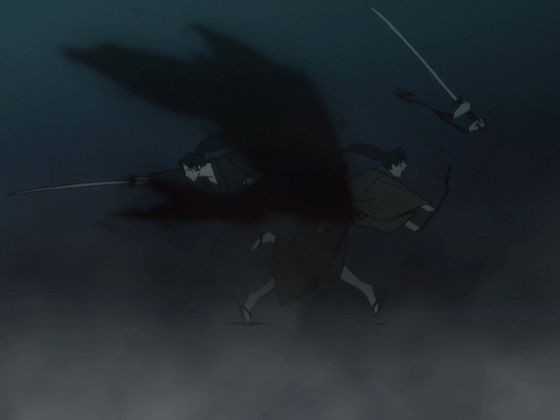
On the other hand the English voice cast just didn’t seem to come together well. Many of the characters receive rather strange accents which are noticeably fake and unfitting for the series. There are also a number of southern accents thrown in which just doesn’t fit the show and ends up being distracting in the end. Still, if you have to watch the show in English the dubbing could always be worse.

The series’ sound effects are well done and the sword clashes sound as one would expect, while the background music is usually extremely fitting and perfect for the mood. The opening song “You Gonna Feel” by Hav is more of a rock song with a couple English phrases thrown in that most viewers likely won’t remember nor wish to listen to every episode and only seems to match the opening animation half of the time. The song’s only saving grace is the fact that the rock sounds appropriate for a show involving decent amounts of combat such as Peacemaker. The ending song “Hey Jimmy!” also by Hav also contains some English lyrics mixed in with the Japanese but feels more than a little out of place, though the ending animation is all black and white animation which makes the ending sequence as a whole feel rather weak in general.

Characters:
There are many historical and famous members of the Shinsengumi which are alive and well for Peacemaker and most of them are relatively historically accurate. This includes their personalities that were written down in history books and things similar. The historical accuracy will be a major plus for anyone who has knowledge of Japanese history. Plus each of the side characters is very unique and their personalities are another highlight which will make watching most episodes interesting.
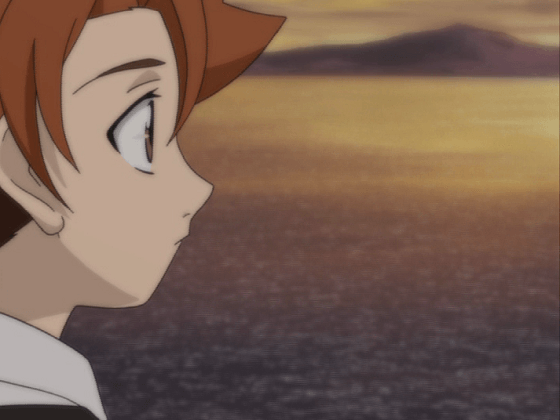
On the other hand we have the main character Testu who is a rather big disappointment at times in the series. Sure he may be portrayed as a brash teenager who has to grow up quickly and seeks out revenge, but his shortcomings (pun not intended) are quite abundant. His attitude may play well for the comedy aspects of the show but he is extremely loud mouthed at times, and a puddle of tears the next when he falls short of his goals.

Extras:
As far as bonus features go, there are your standard clean opening and ending animations as well as trailers for FUNimation past and upcoming releases. But there are also a number of other bonuses as well; these include some character spots, sketches and Japanese TV commercials. A few of the character spots are subbed which is a plus, but the commercials are rather lackluster.

Those bonuses are all on the last disc, the other three discs each contain one episode summary from the voice actors from the show. Now don’t let your ears deceive you, a number of the actors mention the show being an ADV release and that is because FUNimation acquired the license after ADV was shut down a few years back. The commentary is actually very funny and may have you laughing more than the original episode itself, making them great bonus features.

Overall:
Peacemaker is a very enjoyable series for the most part. It is a bit of an older series but that doesn’t mean that it is a bad thing. The series has wonderfully animated battles and overall has a great aesthetic to itself, although the English voice cast is something that most people may want to avoid due to the oddity of their fake accents.

Still the historical nature of the period the anime takes place and the relatively historically accurate Shinsengumi makes this a series that is great for people who are fans of samurai and battles with swords. There is just enough character development and humor to keep the show interesting for those who care more about that than sword play, but still the series takes a long time to evolve past that. Regardless Peacemaker is an interesting take on the Shinsengumi and on a teenage boy attempting to avenge his lost parents.

I give Peacemaker: Complete Series
7-5-capsules-out-of-10

Visceral Studios Melbourne shut down

There were rumors circulating around the internet last week that the Melbourne branch of Visceral Games was going to be shut down on September 19th. It appears that those rumors were true because the International Game Developer’s Association just confirmed on their twitter account that the studio has indeed been shut down. This is a damaging blow to the already struggling Australian videogame industry as studio closures continue to plague the continent.

The studio employed 21 developers and apparently had spent the last three years working on a large title for the Xbox 360 and PlayStation 3. Unfortunately that game may never see store shelves as the project was not finished by the time of the studios closure. Though that doesn’t mean that the now out of work developers won’t talk about what they were working on in the future.

Skyrim given M rating by the ESRB

Let’s face it, there are still a little under two months until Bethesda’s Elder Scrolls V: Skyrim is released to stores. That may not seem like a long time to most people, but from everything we have seen so far Skyrim looks to be one of the most engaging experiences you can have with an open world adventure title.

Of course there is one group of people who have to see a game before it is released, and those people are the ones working at the ESRB (Entertainment Software Ratings Board) where they have to rate every game before it is released. Well today they released their rating for Skyrim and boy is it a large one. Some highlights are drinking contests which include slurred speech, all the whores you desire and plenty of enhanced combat. In the end Skyrim has been rated Mature, but check out the full ESRB rating summary below.

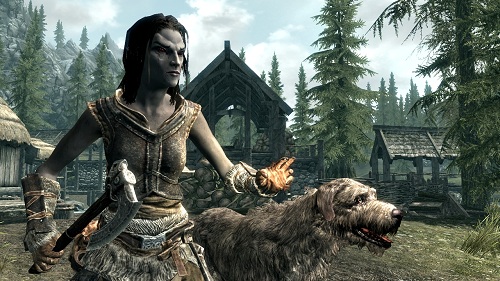
This is a fantasy role-playing game in which players assume the role of Dovakin, a prophesied figure with the power to combat dragons in the fictional world of Skyrim. As players traverse through mountainous open-world environments, they complete missions and quests that impact the eventual fate of their character. Players use swords, bows and arrows, axes, and magic attacks (e.g., fireballs, ice shards) to kill various enemies (e.g., wolves, dragons, human bandits and soldiers). As players engage in melee-style combat, some sequences are highlighted by slow-motion effects, particularly for decapitations. Large blood-splatter effects also occur during combat, and some environments are stained with blood or body parts (e.g., heads impaled on spikes). Some sequences allow players to injure/kill nonadversary characters, including prisoners chained to a wall; they scream in pain amid splashes of blood or fire.

As the game progresses, the dialogue and on-screen text contains references to sexual material (e.g., “. . . all the whores your heart, or any other organ, desires,” “She . . . raped the men as cruelly as Bal had ravished her,” and “Remember when you thought [he] was . . . intent on making you . . . into his personal sex slave?”). Alcohol such as wine, mead, and ale can be purchased and consumed by players’ character throughout the game; and in one sequence, players can engage in a drinking contest with another character, which eventually results in slurred speech (e.g., “One more. No problemsh . . . Thash grape!”).

‘Talk Like A Pirate Day’ marked with Disney Universe Pirates of the Caribbean reveal


Land ho! Turn her port to starboard, I see something. Arrgh, it’s a new trailer for the Pirates of the Caribbean part of Disney Universe. Aye, and just in time for ‘Talk Like A Pirate Day’.

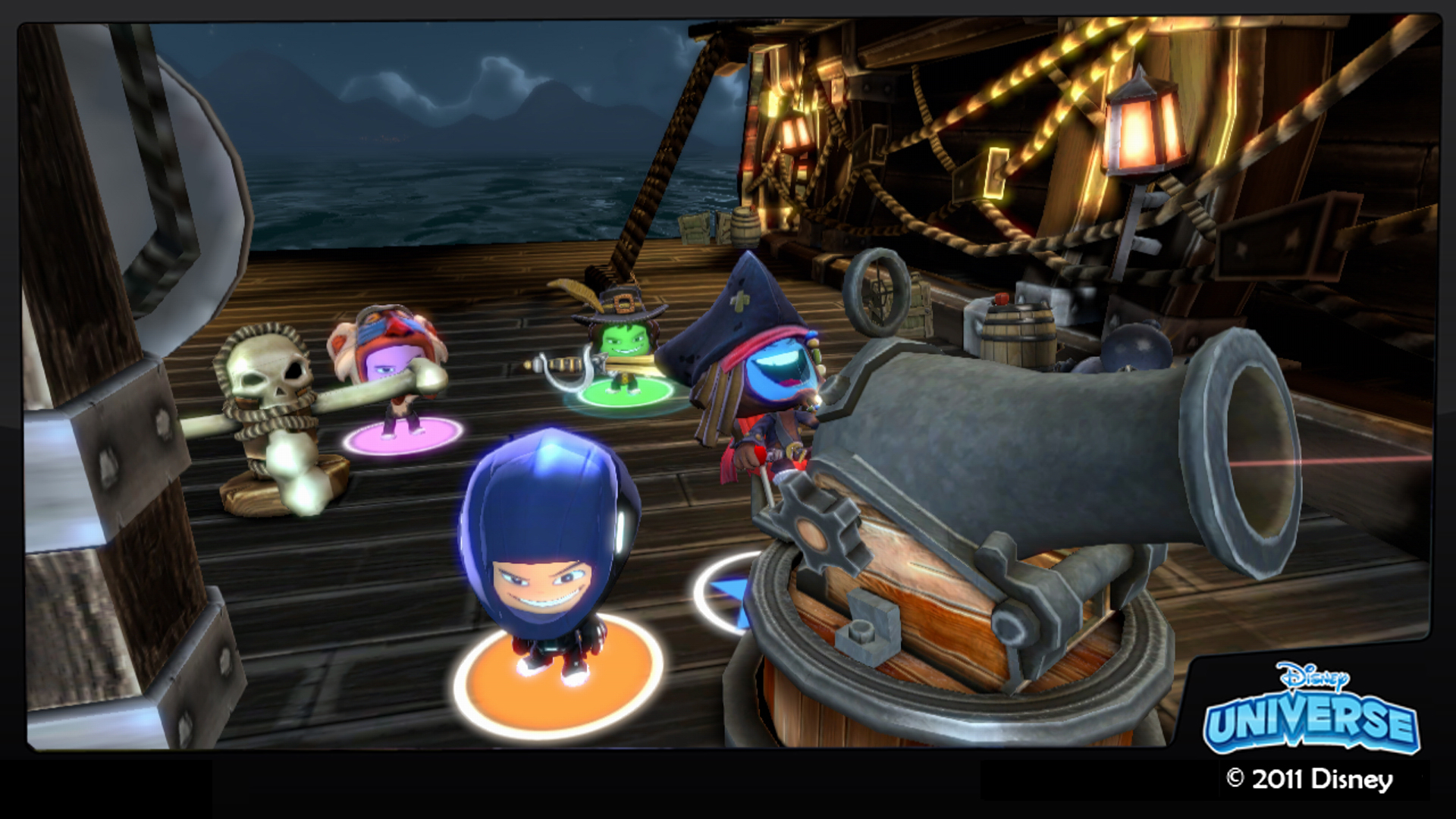
Disney have shared news of a Pirates of the Caribbean section on their upcoming game Disney Universe, which brings together the characters and worlds from Disney’s Walt Disney Animation Studios, Pixar Animation Studios and Walt Disney Pictures. This includes a trailer which can be seen below, which shows some of the Pirates of the Caribbean costumes and environments that will be on offer.

Players can suit up as film characters such as Captain Jack Sparrow, Angelica, Mr. Gibbs, Captain Barbossa and Blackbeard as they navigate their way over the Thames River and through the city streets of London. The new world also includes cannons to fend off the pirate ships, water bombs to prevent London from burning and rubber duck vehicles that players can utilise to engage in a final battle in an attempt to gain access to the Fountain of Youth.

Disney Universe will be available 28th October 2011 for the Xbox 360 , PlayStation3, Nintendo Wii and Windows PC.

Dragon Quest Monsters: Joker 2 – Review

Game Name: Dragon Quest Monsters: Joker 2
Platform(s): Nintendo DS
Publisher(s): Nintendo,
Developer(s): Tose
Genre(s): Role-Playing
Release Date: September 19, 2011 (US), October 7, 2011 (EU)
Price: $29.99
BUY NOW!

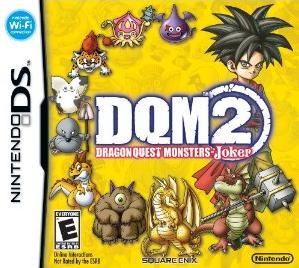
In the past five years or so, the Dragon Quest franchise as a whole has made quite a resurgence on the Nintendo DS. With last year’s release of Sentinels of the Starry Skies and 2011’s remake of Realms of Revelation, there is no doubt that this established RPG powerhouse has kept the DS off life support, and now Nintendo are looking to further the trend with the release of Dragon Quest Monsters: Joker 2.

If you are unfamiliar, the Dragon Quest Monsters series has been around for about 12 years now and works a bit like Pokemon. Players are sent throughout various locations, where they can “scout” (instead of capture) monsters and then train, breed and battle to build an ultimate team all while progressing through a small plotline. Joker 2 fits like a glove into the series as most of the same elements apply, but now with over 300 monsters to scout and synthesize and a ton of extra features packed in that are sure to make fans water at the mouth. So how well does this follow-up hold that legendary Dragon Quest logo? Here is my review for Dragon Quest Monsters: Joker 2.

Story
In Dragon Quest Monsters: Joker 2, players take the role of a young hero who has big dreams to become a master monster scout. His ambitions are so big in fact that stows away on an airship that is headed to the world’s biggest competition for the sport. Things quickly turn chaotic for this mischievous hero though as the ship crashes onto a mysterious island and nearly every passenger is now missing. Given this situation, it is now your job to take control and become a one-man search party while coming face to face with the many ferocious beasts that roam the landscapes of the island.

As far as a RPG’s story goes, Joker 2 is rather light on characters and the usual bubbly atmosphere that we have seen so prominently displayed in the main Dragon Quest line of titles. That isn’t a bad thing at all though, as this adventure still has several captivating quests that all are full of twists and turns around every corner. Now since you are on an island with just a handful of passengers, there isn’t a whole lot of character interaction, which is kind of a given. Thankfully, the small cast within make the most out of the situation as each run-in is memorable due to each NPC boasting larger-than-life personalities that make rescues and standard progression that much more rewarding.

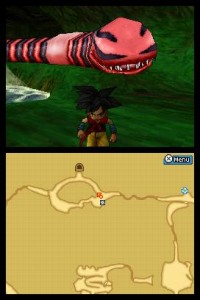
The true stars of this title are not humans though, as this island is filled to the brim with monsters. Some of these creatures are as simple as a Slime, while other breeds consist of giant beasts that are truly intimidating based on their large stature alone. That is yet another beauty of this game though, as everything on the island is completely unknown and it is your job to uncover all of the secrets of this large and mysterious setting through exploration. This is yet another specialty of the series though and most fans will instantly cling to the age-old formula found within this installment as while things may feel more secluded, the “if it ain’t broke” approach utilized goes miles to make this feel like a proper Dragon Quest title.

Gameplay
Dragon Quest Monsters: Joker 2 features a varied amount of gameplay, with players needing to focus on several different elements at once to progress through. First and foremost, this title is all about recruiting a team of monsters to battle the many opponents on the island. If you have ever played the first Joker game, things work about the same as far as traveling goes as your character must complete a main objective before moving on to the next area. Moving your character is as simple as using the D-Pad and due to each monster being visible, players will never have to worry about random encounters as most of the world’s inhabitants can be easily avoided by simply walking around them.

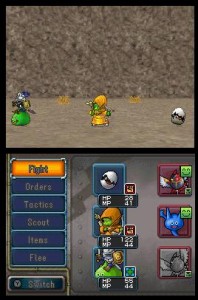
At the start of the game, one randomly selected monster will be assigned to your team and you will then be fully ready begin scouting and battling monsters. Scouting is done by engaging any foe to battle, selecting the appropriate action, and then having your squad storm the potential party member with a show of power (which is basically just attacking without doing damage). Once this goes into effect, a small meter will appear that displays the chance of success. The more powerful your overall team is, the better the success rate. Luck plays a huge role in this technique as well, as I have actually had successful captures with just a 9% chance of victory. Most players will soon learn that failing in this method is a common occurrence early on and if a scout is botched, the monster can easily take offense and gain an attack boost. If this happens, you will have no other choice but to either flee or defeat the enemy and try again at a later time. It can be a bit disheartening to fail with scouting, but I can easily say that each time I acquired a party member, it was an exciting moment that made all the grinding and stat-raising pay off ten fold.

The 300+ monsters in the game are broken down into eight separate groups known as “families”. These consist of slimes, undeads, dragons, demons, and so on and separate each monster into their own specific category for synthesizing (we will get to that in a moment). Every creature also possess their own unique skill set as well, with each set consisting of several abilities that can be earned by leveling up. Some of these abilities can be used in battle, while others supply boosts to HP, defense, or attack stats. While most battles are not mandatory, grinding is very prominent within and you will quickly learn that defeating nearly every foe that comes in your path is the best way to create a well rounded squad. Thankfully, I never found grinding in Joker 2 to be too overbearing or monotonous due to the large variety of monsters within as well as the in-depth customization that works wonders into keeping everything feeling fresh. While much of the roster is made up out of palette swaps, these advanced skill upgrading mechanics make each feel monster feel distinct and useful in their own unique way.

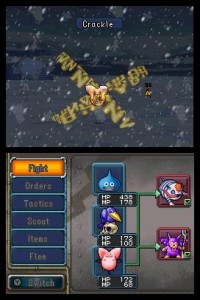
Battles themselves are pretty much the same turn-based fare we have seen in the past incarnations of the DQM series. Players can either assign specific orders and select a specific enemy to attack, or they can simply pre-set a party member’s tactics where healing, magic, offensive, or defensive maneuvers are automatically used. Each player has six slots available to place their current and substitute squad in as well, so if all three active party members faint, their backup will act as a full replacement. If a monster is in trouble or needs an item to enhance the odds of victory, the player can step in and use that item without taking away a turn from your team in battle. Monsters can also equip weaponry, which can increase attack points based on the item given.

While some items can be found scattered about the varied landscapes, a lot of goods can be easily purchased with the currency collected from battles. This is all done at the crashed airship at the start of the game. Along with a bank, players can utilize a vending machine in this home base to spend gold for swords, pitchforks, and several other weapons. Thanks to an easy to use “Zoom” function, anytime more herbs or better upgrades are needed, you can quickly warp back to this destination and refill on supplies. As you progress further, this shop of sorts can be upgraded with machine parts, which in turn delivers new goods that can better protect your current party.

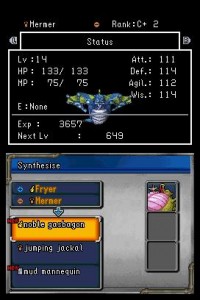
The biggest element of Dragon Quest Monsters: Joker 2 is without a doubt synthesizing monsters. After a member of your team reaches level 10, they automatically qualify to be mixed with another to create a much more powerful creature. Back at the airship, the lovable Dr. Lump is the guru on this, and any two monsters that meet the requirements can be combined at anytime the player desires. This feature not only opens up more breeds, but also enables players to continue evolving monsters until they are at the peak of their potential. These ultimate creations are so large that they take up 3 party slots at once, which is as rewarding and awesome as it sounds. There is a bit of a downside to all of this though as each new monster starts off at level 1. To assist in the grinding (and to make you feel like all your time with the previous incarnation didn’t just go to waste), parents can pass on traits and abilities to their spawn, which broadens the customization of each player’s recruits even more.

Sure there are a good number of quests to partake in, but scouts looking for that extra competition will be delighted to know that this island features it’s own Monster Scout Challenge, hosted by Don Mole. These challenges have the player take part in battles in waves of three with no scouting or switching permitted and can even progress the story once a round is completed. After each set, it’s always a good idea to go back and grind a bit more as well as these battles continue on by rank, with more powerful foes waiting right around the corner.

As you can probably tell by now, there is a lot of content and choice within this title. Even though there is a lot to take in though, I never felt too overwhelmed as every feature compliments the next and blends into the quest driven gameplay with nearly perfect results. The menu system and map (which is readily available on the bottom screen) also keeps everything well organized and even a rookie to the series will feel right at home in a short time.

Online
Much like it’s predecessor, Dragon Quest Monsters: Joker 2 also has quite a few online features. Taking a page from Dragon Quest IX’s book, players can put their game in tag-mode and “tag” other owners of the game, enabling for the scouting of their prized monsters. Nintendo are set to enlist scouts to join up in weekly Wi-Fi tournaments as well, which will let players from all over the world test their squad’s battling capabilities. If you own either Dragon Quest IX or VI, you can also “tag” those titles as well and enlist and battle monsters from both games. I used this function quite a bit as not only can you take on or scout those primed opponents from the past, but you can also re-battle each and use the function as a tool for grinding.

Graphics/Audio
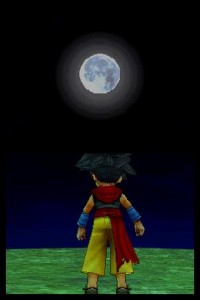
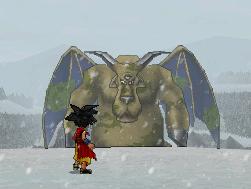
It may be pretty late in the DS’ lifespan, but Joker 2 pushes the handheld to it’s limit with the large and detailed environments. Monsters also look fantastic as each are fully animated and can come off as either cute or menacing based on the design given. Fans of the series will also be pleased that the same art-style has been fully applied here with our spiny-haired protagonist and slimes fitting right in with the visual aesthetic that the Dragon Quest series is known for. Little features like weather changes and animated backdrops also go a long way to deliver some atmosphere to the island and make exploring even more enjoyable.

As far as music goes, this title treads closely to the same soundtrack stylings we have seen in just about every game from the franchise in the past. When a large beast is near, the music will also change quickly to make the monster feel intimating, and I can easily say that if anything will put you on the “edge” in this title, it is having that beat strike up when you least expect it. My only complaint with the music however is that there just isn’t enough variation. Sure, everything sounds great, but it would have been even better to see new music provided for each environment you visit.

Overall
When it comes to delivering an in-depth RPG experience, the Dragon Quest franchise has never failed to deliver in the past. Dragon Quest Monsters: Joker 2 lives up to this trend by smoothly blending several mechanics together to make one of meatiest experiences this year. Much like the Pokemon games, this title gives an unprecedented amount of customization and choice to make each player’s personal squad different from the next while giving a campy and fun little plot to partake in along the way. Now if you are not a fan of grinding, then this game really isn’t for you. If you enjoy the rewards after labor though or are just a huge Dragon Quest fan like myself, Joker 2 is an absolute must for any DS collection and just feels like a fresh breath of air for the aging handheld.

I Give Dragon Quest Monsters: Joker 2:
9-0-capsules-out-of-10

Matt Hampson to launch SpecialEffect’s world record attempt at Eurogamer Expo 2011

0


Matt Hampson, Patron of the SpecialEffect charity, is to attend this year’s Eurogamer Expo to launch two Guinness World Records Gamer’s Edition attempts. The charity is using the event to create records for the fastest time lap time in a racing game using only eye-movement sensing controllers and the greatest number of people competing in a videogames tournament using only eye control technology.

Matt is a beneficiary of the kind of accessible technology being showcased at the EuroGamer Expo and is championing SpecialEffect’s work in enabling those with disabilities to access technology and enjoy games. Matt himself is paralysed from the neck down, following a serious spinal injury the England U21 Rugby Player received while training. Undaunted, Matt set up the Matt Hampson Foundation to offer hope, support and inspiration to young people with similar injuries, sharing his experiences and raising vital funds. SpecialEffect is a charity set up to adapt video game technology so that those with disabilities can enjoy them. Together with Matt, they have worked to optimise the leisure benefits of all kinds of accessible technology including the eye-control system that will be used to enter the Guinness World Records Gamer’s Edition.

Visitors to the EuroGamer Expo will need to register at the SpecialEffect stand and then set their time around the track using just their eye movement. The participant with the fastest lap time over the duration of the Expo will be crowned the new Guinness World Record holder and considered for inclusion in the next Guinness World Records Gamer’s Edition.

The record attempts will showcase the advances SpecialEffect have made in designing and adapting technology to enable those with a disability or severe illness or injury to be able to play videogames, whether for therapy, rehabilitation or fun.

“I am delighted to be attending the EuroGamer Expo, not only to launch this record breaking attempt, but to show off the fantastic opportunities afforded by SpecialEffect and the team,” commented Hampson. “We want to use technology and game therapy to improve people’s quality of life, and SpecialEffect opens games to a wide audience of people who previously would not be able to take part. Games as therapy and entertainment are a force for good, we also extend our thanks to Guinness World Records for helping us to arrange the record attempts and the Eurogamer Expo – and hope that visitors to the Expo will join us in setting these all new Guinness World Records.”

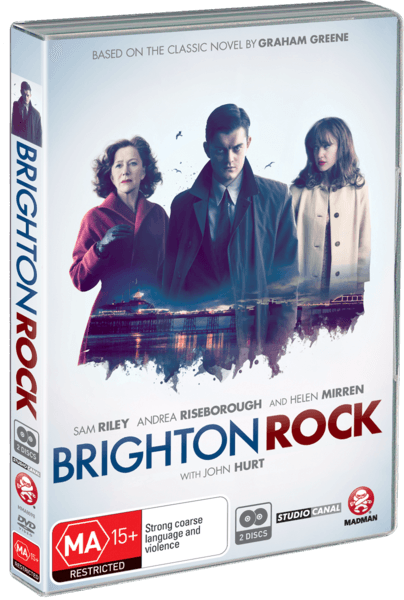
Brighton Rock DVD Review

Genre: Crime/Thriller/Noir
Director: Rowan Joffe
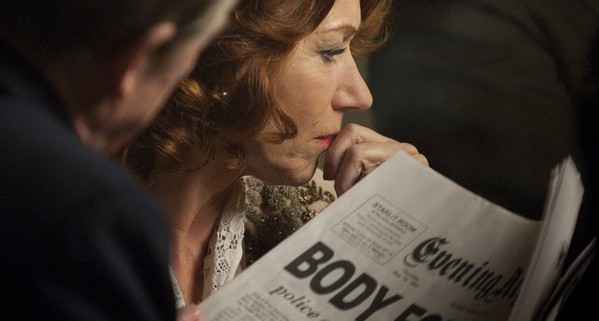
Starring: Sam Riley, Andrea Riseborough, Helen Mirren
Running Time: 111 minutes
Available for purchase at: Madman Entertainment ($34.95)

Overview

Too often, film adaptations or remakes are compared to their original inspiration instead of judged as a standalone work. The film must always be better than or worse than the original, but no matter what happens it is always defined by what came before.

Such is the case with Rowan Joffe’s Brighton Rock, a film that must live up to a 1938 Graham Greene novel and a 1947 John Boulting film of the same name. Most critics have stated the 2010 film as a remake falls short of the original; I haven’t seen the original nor have I read the novel, but I most definitely must say that overall, Brighton Rock was a disappointment.

Plot

The narrative tells of a thug named Pinkie Brown, who is a member of the Spicer’s gang. When the rival mob in Brighton, run by Colleoni, kills Brown’s boss, he seeks revenge in the form of killing a member of Colleoni’s gang. However, a young waitress named Rose witnesses the murder, and Pinkie must seduce her in order to keep her quiet. Rose’s boss becomes increasingly suspicious of their relationship, and soon it becomes difficult to tell whether Pinkie is falling for Rose or if she is just a part of his plan.

As far as narratives go, Brighton Rock is one part crime-thriller and one part film/neo-noir (depending on how technical you want to get). The film begins wonderfully, and ends with a twist that, really, isn’t a twist because any half-intelligent member of the audience would see it coming. However, this ‘twist’ is what ends up breaking the film and sending it on a downward spiral, just like its protagonist.

Watching the film, it’s hard to believe Joffe had two previous storylines to work with because the film seemed to disintegrate from the halfway mark. With the story already mostly formulated from the novel and 1947 film, all Joffe had to do was work through the plot and make it a believable yet tragic tale. What resulted instead was an increasingly ridiculous and unbelievable attempt at communicating the story about a gangster and his lover – even the script itself was unengaging and felt forced at times.

Characters

The main character in the film is Pinkie – an antihero, if I had to box him into a category. Pinkie is cold and calculating, but (unlike most other antiheroes) there is so little of his personality or actions that are actually relatable. In the beginning of the film, Pinkie’s motives behind his actions were clear and understandable; as the film progressed, he became more distant from the audience. His character could have used far more character development – the film failed to really delve into his life, though and thus left us with a very two-dimensional gangster. You have to wonder why he’s even the protagonist when there’s no sense of his progression throughout the entire film.

Even if the character development was poor, Pinkie’s character could have still been redeemed if Sam Riley had a real connection with his character. Suffice to say, he didn’t. It felt as though Riley was just playing the character of Pinkie Brown, rather than connecting with his motivations and understanding what makes his character tick.

However, Pinkie is a right treat compared to Rose, the waitress he pursues. Carey Mulligan was originally offered the role of Rose, but when she turned it down it was offered to Andrea Riseborough. Rose is a shy, blithering girl who falls in love with Pinkie and must fight against what her boss and friends tell her about him. While she starts out very sweet and innocent, the only way to describe her as the film progresses is “more and more irritating”…seriously. Rose falls in love with Pinkie after a few days (more out of desperation and the fact that a man is paying attention to her than genuine ‘love’, in my opinion) and then becomes a pathetic puppy that follows him around for the rest of the film.

Riseborough’s performance was more disconnected than Riley’s, and it definitely felt as though her casting in this role was all wrong. There were sparks of brilliance in her execution (which cannot be revealed because they would most definitely be spoilers), but for the most part her portrayal of Rose was awkward and inconsistent. Also, it didn’t help that Riley and Riseborough seemed to have no chemistry at all between them.

The true shining star of the film however, is Helen Mirren’s character, Ida. Ida is a wonderful mother figure to Rose, while still maintaining sexy streak – basically, she’s just Helen Mirren thrown into a gangster flick. Perhaps its Mirren’s experience, or the fact that her character was probably the most sane (and least frustrating) out of the three main characters, but Ida made the film’s narrative weaknesses slightly more bearable.

Visual/Audio

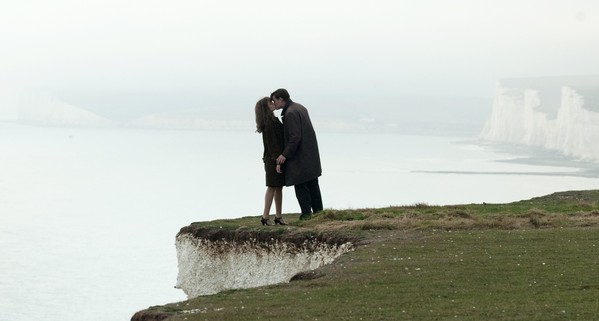
Despite the film’s shortcomings, what makes Brighton Rock beautiful is the visual elements and the soundtrack. From start to finish, the film’s cinematography captured me. The intense contrast in the lighting, the extreme long shots of the scenery, and the general tone of the visuals really captured the mood in a nutshell. The locations were also brilliantly selected: no matter if it’s a lighthouse on top of a hill or the boardwalk, everything is a delight to look at. The costuming was also beautifully executed, with Rose and Ida’s clothing being an aesthetically pleasing representation of the setting of the film.

Soundtrack-wise, the selections were often unique and definitely captivating. During chase scenes, the music that would belt out would not be fast-paced rock music; rather, Joffe selected a soundtrack with saxophones and drums to add to the film’s jazzy noir atmosphere.

DVD Extras

The DVD comes with so many extra goodies, they had to house it in a separate disc (yes, Brighton Rock is a two-disc purchase!). With audio commentary from the director and the editor, Joe Walker, a “making of” segment, extended interviews with Joffe, Riley, and Riseborough, deleted scenes, and even more, there sure is plenty to come back for after the credits have rolled.

Final Comments

Brighton Rock is a shaky film that has more cons than pros. It’s definitely worth watching if you’re in for a visual treat, but as the narrative gets shakier and Pinkie and Rose both become irritating, the cinematography can only do so much. The only other reason I could possibly suggest to watch it (besides for comparison to the original) is for Helen Mirren – I know she’s popular with the gents, and two hours of Mirren is worth it no matter how mediocre the film is.

6-5-capsules-out-of-10

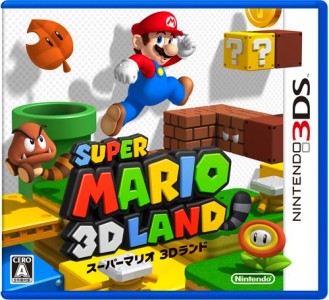
Preview: Super Mario 3D Land

Gamers are a passionate bunch, and will dispute everything. But if anyone ever tries to tell you that Super Mario 64 wasn’t a revolutionary game, I want you to Goomba-stomp them for me. Then run away with your hands over your ears.

Having played, finished and loved every single Mario platformer Nintendo has produced, I was stoked for the opportunity to get my hands on the newest adventure, which we all knew was gonna be awesome anyway. Despite the super clunky title, Super Mario 3D Land is likely to be responsible for shifting ludicrous numbers of 3DS systems leading up to Christmas.

If you’ve played a Mario game before – and I refuse to accept that anyone hasn’t – you already know the basics. But there’s more to it than what you expect.

As I started off by saying, Mario 64 was a revolution at the time; the switch to open-world 3D environments was unprecedented, and it sparked a new direction for the platform genre. But that was just one direction it could have taken. Around the same time, Crash Bandicoot emerged on the Playstation, rejecting the open world design in favour of linear levels that flow like a traditional platformer, while allowing for 3D movement.

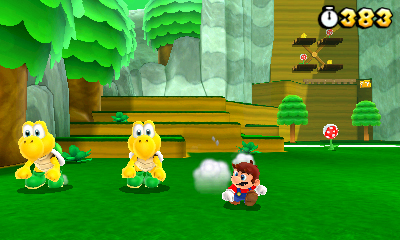
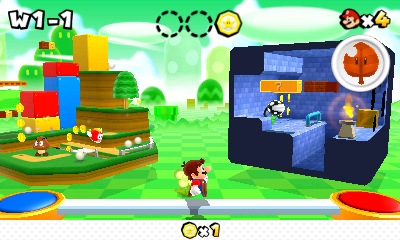
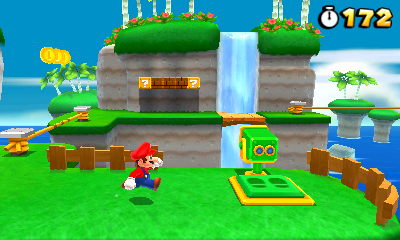
Super Mario 3D Land follows Crash’s style, so in a way it feels to me like an alternate-reality Mario 64. While the 3D games were fantastic, I always found it hard to get into the flow in an open 3D environment. 3D Land reduces the freedom of exploration to create more structured, flowing gameplay. It mostly consists of 2D levels, sidescrolling left to right, with verticality as per usual, but now it allows movement towards and away from the screen. It’s a little hard to explain the significance, but it drastically changes the flow of play: levels usually follow a linear 2D path, allowing a small amount of 3D movement away from that axis. From time to time it will open up into a small open area, before narrowing back onto a single path or two. In this way it can retain the flow of a 2D platformer but allow multiple pathways, hidden areas and items to be accessible through the background/foreground.

This of course makes it perfect for Mario’s transition into the much-hyped third dimension; with gameplay literally going in and coming out of the screen, it looks and plays brilliantly in 3D. Bullet Bills fly towards the screen, there’s a new type of piranha plant that spits ink all over your view for a short time, and as Nintendo likes to spruik about, it actually is much easier to judge distance in 3D. I was sceptical about the idea, but my cynicism quickly melted away on having tried it. I hate dying in games because I overshoot an enemy or underestimate a gap. That frustration is all but gone, as your distance judgements feel strangely instinctive.

Another common gripe people have with 3D platformers is controlling the camera. Somehow, the industry has still not quite perfected the method of presenting game worlds in third person. There is no bigger frustration than dying because the camera suddenly swings in the opposite direction, or obscures the other side of the gap. Mario Galaxy tried to remedy this by wrenching the camera from the player’s control at crucial moments, pulling back to give the optimal view of the area and allowing players to focus on the actual task.

Super Mario 3D Land does this the whole time. Players are unburdened by camera controls; rather, your vantage point sits constantly at a perfect isometric angle, like someone’s pulled it up a bit from its usual perch in a 2D platformer. If Mario does happen to wander behind some scenery, as he’ll often be enticed to do for hidden items and areas, his silhouette will be visible through it, showing where he is and what he’s doing. Think Super Mario Sunshine, without the pointless iris-in effect. We’ll have to trust the designers to not put anything too dangerous back there.

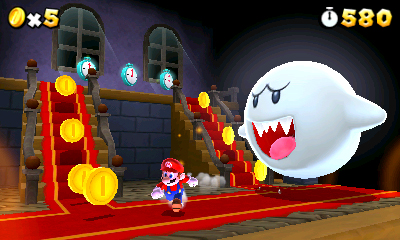
Elements of most Mario platformers are apparent, but its strongest influence is Super Mario Bros. 3, arguably the pinnacle of the 2D Mario games. Each level is timed, and ends with a flagpole, complete with a set of stairs or a platform nearby to allow Mario to gain some extra points by aiming for the top. The last level of each world takes place on flying airships, and culminate in a boss battle with one of Bowser’s kids. And of course, Tanooki Mario returns.

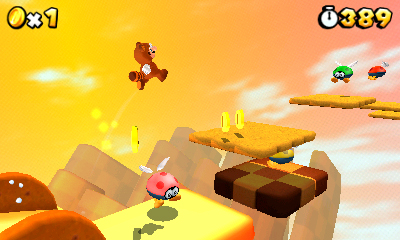
Tanooki Mario, the raccoon suit you for some reason collect from a leaf, was iconic to SMB3, but hasn’t been seen since. Its reappearance was one of the first things the world learned about 3D Land, when it was revealed in the logo. Its use in the new game amounts to pretty much what it did in SMB3 – use it to whap your enemies or coin boxes, or flutter it during a fall to slow your descent. In practise, it unfortunately now has little effect on your falling speed, reducing its usefulness somewhat.

Its most useful power in its last appearance was flight. Get a decent run up, and you could effectively fly over the entire level. How this would work in a 3D environment has apparently stumped even the developers. It was announced recently that all Tanooki Flights have been grounded in Super Mario 3D Land, although it shouldn’t be unreasonable to expect that it still provides a longer or higher jump, with enough speed built up.

I was excited about this game by default, and my time with it has increased that excitement tenfold. Screw the third instalments of Battlefield, Killzone and Modern Warfare – this is my most anticipated title for the remainder of 2011. Nintendo never fail to creatively utilise their own hardware (eventually), and Super Mario 3D Land is probably the strongest reason yet to buy a 3DS.

Renegade Ops Review

Renegade Ops
Developer: Avalanche
Publisher: SEGA
Platform: PSN, XBLA (reviewed)
Release Date:  
Price: $14.99 (USD) , 1200 Microsoft Points (buy here)
Genre: Action, Shooter

Introduction

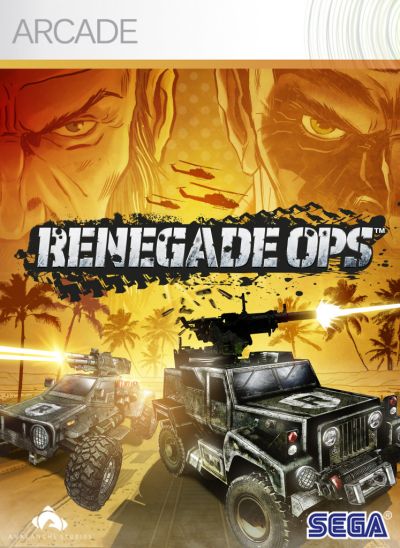
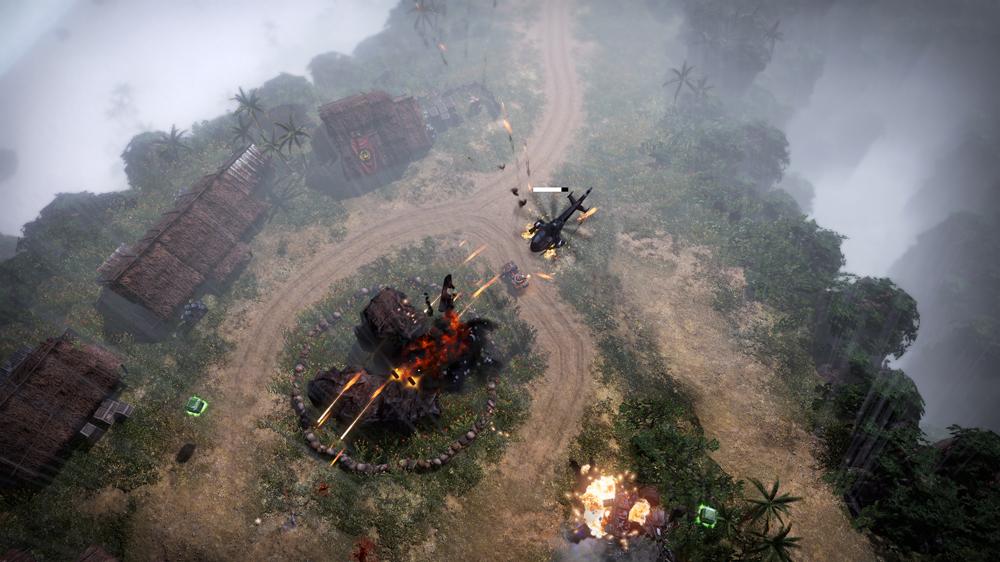
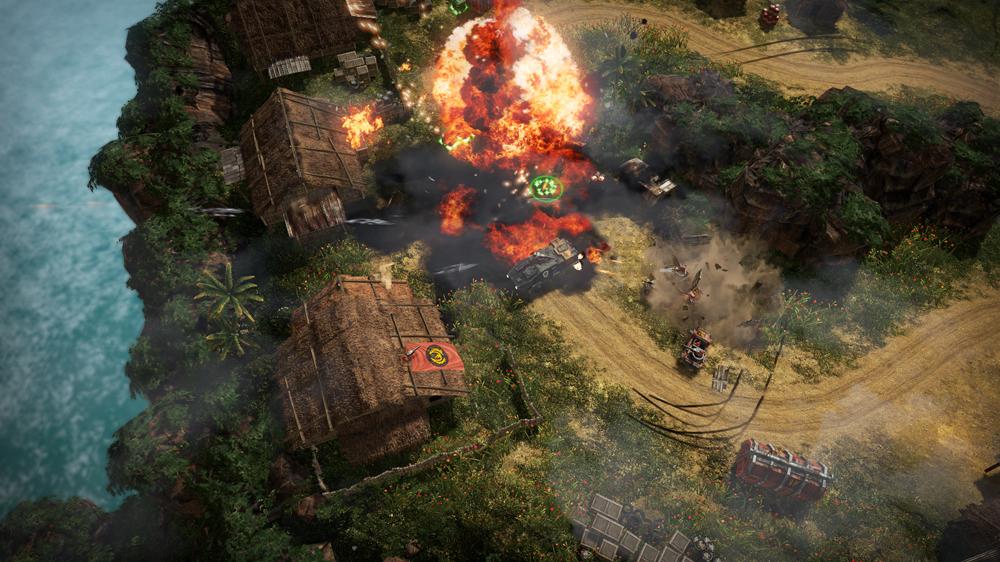
Renegade Ops is a top down twin stick shooter with combat that is entirely vehicle based. It was developed by Avalanche, the studio behind the Just Cause series, and boy can you tell. Renegade Ops even uses the same game engine as it’s big brother, and combines well paced chaotic action with amazing visuals to pump out a great little XBLA experience.

Story

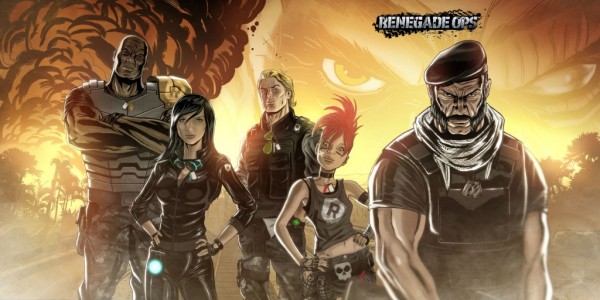
A missile launching psycho going by the name of Inferno is causing serious problems in the world. As politicians sit around debating how best to talk him down, one man takes a stand, throwing down his military responsibilities and going straight for the jugular. General Bryant forms the Renegades, and sets off to bring down Inferno in his own explosive style.

Players jump in as one of the four members of the team and battle through Inferno infested jungles, towns and temples in pursuit of the man himself. The Renegades are soon joined by Natasha, an ex Inferno ally set on bringing down her old boss…

Sure, the story is all cartoon stuff but that’s all Renegade Ops needs, and it pulls it off well. Cutscenes are handled via the usual comic book style panels, and come complete with some over the top voice acting and pantomime dialogue. The banter between Inferno and Bryant does fall a bit flat sometimes and could have been abused for some more laughs, but the story is strong enough to give all the action a purpose.

Gameplay

Players have a choice of four different characters, each with their own special ability and vehicle style. The abilities are nicely balanced between the defensive (armor plating, EMP) and the offensive ( heavy gun, airstrike), and can be upgraded as the game goes on. Every level gives you the chance to switch character so there is plenty of opportunity to find your niche without having to replay the early stages.

In game controls are a simple combination of left stick to drive and right stick to aim and shoot. The driving is easy to handle without being boring, and when the combat kicks in you have to be able to combine it well with your shooting – there’s no way to survive standing still! Special abilities and secondary weapons are unleashed with the shoulder buttons and there’s a turbo button too – although a bit more speed would have been welcome here.

Players are directed through the levels by primary and secondary mission pointers, which along with the timed nature of the primary objectives maintain a good pace to the gameplay. Primary objectives are mission essentials like destroying missile silos and taking out tanks, whilst secondary objectives tend to be fetch and carry tasks that gain achievements upon full completion.

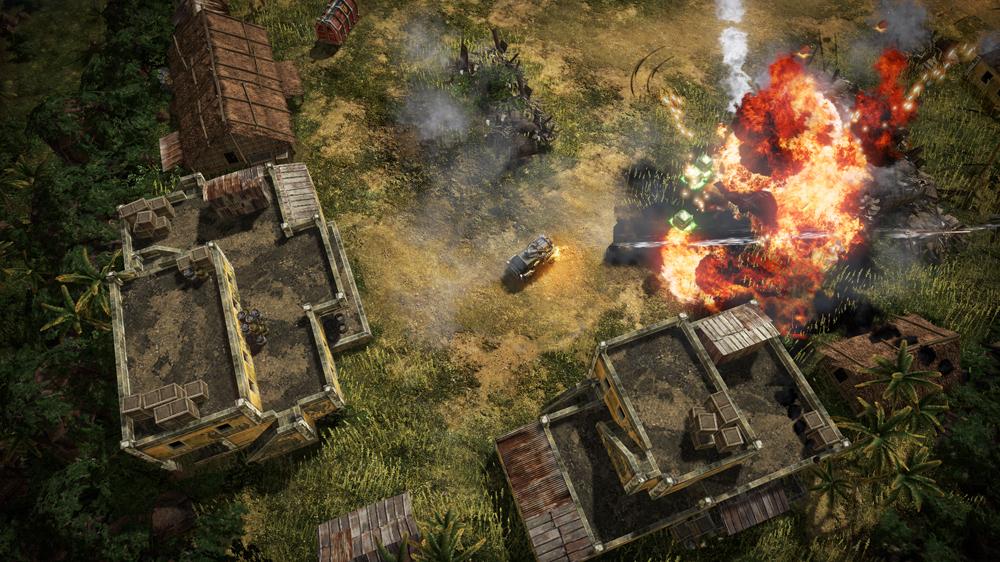
The firefights happily make up most of the gameplay, and are big, noisy affairs that see you doughnutting around like a madman with all guns blazing. Demolishing enemy vehicles gives you health, weapon upgrades and secondary gun ammo, so when the going gets tough it’s essential to keep blasting away to survive. Secondary weapon ammo can be a bit hard to come by, a shame given that the rail gun, flamethrower and rocket launcher all add a fun kick to the combat.

The environments are all destructible too, a great addition that sees you ploughing through buildings mid fight, bringing them crashing down in clouds of dust and rubble. Level settings are nicely varied and see you cruising through lush jungle and grimy mines and speeding around ancient pyramids in the dark. There are always several paths to take and the size of the areas is impressive, but I did find myself occasionally getting stuck in trees or corners – very frustrating when the enemy’s about.

Enemies range from foot soldiers to warships, and a few battles give you the chance to pilot a helicopter instead of your usual vehicle. These sections strip you of your special ability (in my case the armor plating) and put a lot more emphasis on your piloting skills. As well as being a lot of fun (and a bit more of a challenge) they add a taste of much needed variety to the missions, the run and gun structure of which never really changes. Boss fights do crop up, but for the most part are a repeat of the same enemy over and over again (Inferno’s dead! Oh no he isn’t! Oh yes he is!).

Playing solo is enjoyable, but multiplayer is where this game takes off. Co-op is available for two players locally and up to four online, with each player able to act independently -so there’s no need to keep to a magic distance for fear of suddenly being teleported away. Two or more players equals to a hell of a lot of chaos, and the leader boards provide a bit of incentive to keep playing Renegade Ops after finishing the campaign.

Presentation

Renegade Ops is probably the best looking XBLA game I’ve played. There’s no cartoon  cop out here, everything is realistically styled – water shimmers in the sunlight, your vehicle kicks up a dust trail as you barrel along jungle paths . The environments are incredibly detailed and everything from bunkers to electricity pylons can be destroyed. It’s all very reminiscent of Just Cause, and of course that’s nothing but a good thing.

Considering the massive amount of chaos that can be on show the frame rate copes extremely well. The screen can be totally engulfed by explosions, gunfire, a dozen different vehicles, flamethrowers and collapsing buildings and yet the action doesn’t miss a beat -it’s very impressive!

The sound effects add a proper sense of impact to all the destruction – and the explosions in particular are fantastic. The music never really registers in game but it doesn’t have to, there is already plenty going on to keep your ears occupied! Sadly I do have to mention the horrible jarring noise that can strike when things get busy on screen, but that’s the only thing that mars an otherwise fantastic set up.

Closing Comments

Renegade Ops is an excellent game, but is brought down by a lack of mission variation and lacklustre boss fights. It’s also pretty short considering the asking price, but the chaotic fun of the combat and the nigh on perfect presentation definitely make it a worthwhile play. For twin stick shooter fans it’s a must, and is at its best with as many players as you can manage and broken up into small but satisfying chunks.

Renegade Ops scores high:

8-0-capsules-out-of-10

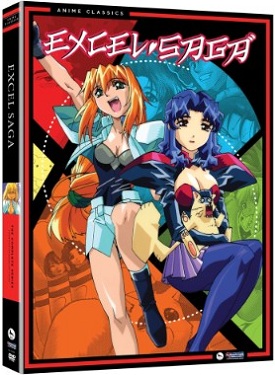
Excel Saga: Complete Series Review

Excel Saga: Complete Series
Studio: J.C. Staff
Publisher & Localization: FUNimation
Release Date: May 17, 2011
Price: $49.98 – Purchase Here!

Overview:
There are many ways that an anime can be considered a comedy. It could be a show that features occasional jokes or strange situations, or one that makes snide comments about modern life or any number of things. Another way it to be absolutely wacky and random in such a way that even veteran anime viewers will be unsure of what is going to happen next.

One such show is Excel Saga, released back during 1999 in Japan the show deviates and follows a completely different storyline than the one originally set in the manga of the same name. With zany and completely off the wall humor, Excel Saga was a show that many who watched it could not easily forget. Now that FUNimation has rereleased the entire twenty six episode package under their Anime Classics label, how does this crazy show stand?

Story:
The story of Excel saga is something extremely strange to describe. The main storyline that the show seems to follow is about a teenage girl named Excel who may be classified as clinically insane if a doctor ever was able to keep her still long enough to analyze her mental condition. Excel is a devout follower of a man named Il Palazzo who is the evil mastermind behind his own little organization known as ACROSS which is trying to take over the world. It just happens however that they have absolutely no idea what the world they are doing and the crazy tasks that Il Palazzo set Excel and her eventual partner Hyatt on usually end up making absolutely no sense.

If that wasn’t enough, there is also a side storyline about a construction worker named Pedro who is an extremely hard worker who loves his wife and child. However due to many strange circumstances the man gets taken on an odd journey away from his family. This is only the tip of the iceberg however as various other characters and references are thrown in completely at random, with only occasional intersections of storyline. Because of this there are numerous storyline arcs that run at one time which can make it extremely easy to get lost, but that may also be because of the amount of laughing that the viewer will be doing.

Nearly every episode of Excel Saga is a spoof of some kind or complete and utter randomness. The show can switch gears from an action styled show to a romance, to horror to flat out comedy with every episode that passes. Most of these are pure spoofs of the genres they involve, including an episode titled “Increase Ratings Week” which involves the female characters wearing swimsuits. The amount of tongue-in-cheek humor delivered towards the anime industry as a whole is certainly a highlight for experienced viewers. There is heavy adult humor as well with plenty of vulgarity and many weird references that while some people may still not end up getting, will be enjoyable in their own right simply because the viewer will be left to interpret what the hell they just saw.

Besides being completely random, there is indeed excellent humor involved thanks to the characters themselves, the slapstick based skits and the convoluted plot that usually makes no sense. There are many moments where a character will be killed only to be back in one minute like nothing ever happened.

The only problem is that Excel Saga may be extremely difficult to get into at the start. The craziness of the show is something that takes a bit of time to get used to which can be a problem at times. Plus this isn’t a show that would be good for new anime fans as the humor often references specific anime tropes and could leave them in the dark at times.

Artwork:
Excel Saga is quite an odd show to say the least, and of course the artwork has to be right up there with it. However with all the zaniness occurring at a time, the artwork does a remarkable job of being extremely high class at times and then being rather low class in quality. The low end usually comes when the characters receive some form of deformation to help heighten the hilarity of a gag or when they go nuts.

Still, the show is made from 1999 so don’t expect anything remarkable as far as the drawings are concerned. There are plenty of styles to be seen here however, usually changing every time the theme of an episode changes. The artwork is always consistent in quality without any errors or significant drop in overall quality without reason which is a major plus to the series and I couldn’t find any noticeable shortcomings.

Audio:
Considering how random at times the storyline can be, there are a lot of characters that have to be voiced and acted out in Excel Saga. Excel Saga contains both the original Japanese voice cast as well as an English voice cast. The English dub does a great job keeping up with the crazy actions that take place all of the time which makes me wonder how the recording studio sounded at times. Still, the Japanese voice actors actually do a perfect job with their characters which heightens the overall experience, which means that some may prefer the original Japanese dub with English subs instead.

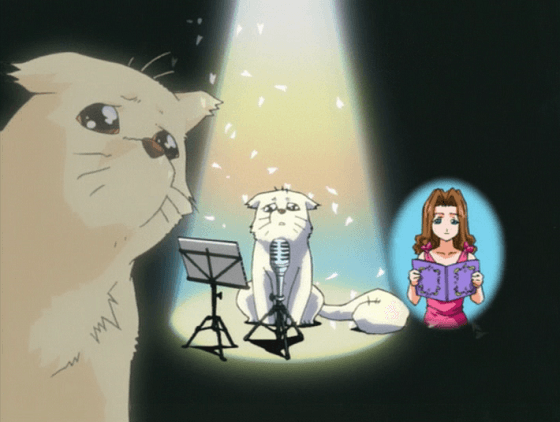
There are a few strange songs as well which match the lunacy of the show. The opening song is sung rather poorly but this is meant to be the case and is set to very strange visuals. Dancing and singing in the middle of a man’s bathhouse anyone? The ending song is extremely interesting however as it is barked out by Excel’s dog Menchi which is called “The Bolero of Sorrow.” The song is very interesting and is a delight to hear mostly due to there being practically nothing ever like it.

Characters:
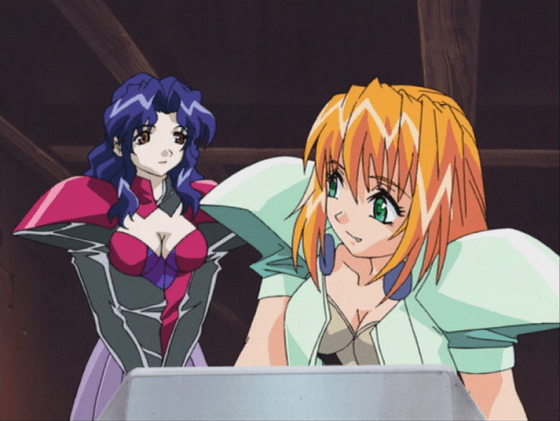
There are a plethora of characters in Excel Saga and most of them have very strange quirks about themselves but the main highlights are the two female leads Excel and Hyatt. As I mentioned before, Excel is a crazy character that is extremely hyper and off the wall. I’ve seen many characters who have acted insane before, but none can surpass Excel.

Hyatt on the other hand is a more soft spoken character and can be seen as a beauty by some. That is of course until she just bursts into spouts of blood and falls over dead or passed out. Hyatt is one of the characters that is extremely difficult to understand and her frailty is the centerpiece to her character. Besides the two female leads, a rather unusual dog stands out as well.

Named Menchi by Excel, he is kept as their pet dog. However they have another name for him as well, Emergency Food Rations. The dog is mostly kept because they will eat him if they ever grow hungry enough to do so. It would be impossible to count the amount of jokes that are made and alluded to the eating of poor Menchi. Even Menchi himself knows this as the aforementioned song is all about how he would like to be cooked and eaten. Which would be such a shame as his side antics in the background are usually a great highlight to any scene he is in, as well as his constant attempts at escaping from Excel which could try to turn him into diner at any time.

Extras:
There is a rather surprisingly large amount of extras to be found on this release of Excel Saga, including your standard clean opening and ending songs as well as trailers for other FUNimation releases. But the other bonuses are quite abundant, even though they may not be the most exciting at times.

There are Japanese television spots and trailers as well as soundtrack spots that were used for promotional material in Japan as well as a ton of tiny extras involving the show Puni Puni Poemy which was actually a spin-off of Excel Saga that was developed at a later date. The extras include a preview for the show, an interview with Yumiko Kobayashi and much more. The extras are good for a quick look but even though there are a lot, most will are barely worth a second viewing.

Overall:
Excel Saga is a very enjoyable show that, despite its rather convoluted and off the wall storyline is extremely hilarious and can be very fun for those who have seen plenty of anime. New anime viewers should probably steer clear simply due to the randomness that can be off putting to those who aren’t familiar with many types of anime. On the other hand, there are so many references to other anime and their themes that viewers will constantly be seeing something new and laughing at the on-screen antics. Excel Saga is a show that follows almost no guidelines except its own and would be hard to pass up.

I give Excel Saga: The Complete Series
8-0-capsules-out-of-10