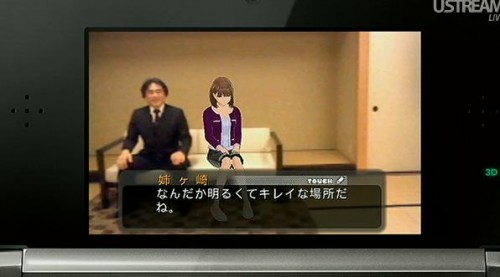
Ah, yes. Those first date jitters. Everybody gets them, and as you see in the screenshot above, Iwata has them too. Why is Iwata on a couch with a cartoon female you ask? New LovePlus releases in Japan on February 14th, and the President of Nintendo caught up with the developers of the upcoming title during the Nintendo Direct feed.
New LovePlus utilizes the 3DS’ AR tech and cameras, letting players take photos of themselves and then watch as their virtual partners show them affection in the real world. As usual, there isn’t much of a chance we will see this released in the west, but it’s still yet another indication on the possibilities of the 3DS. Those who have a Japanese unit though can grab their own digital dame this Valentines day.
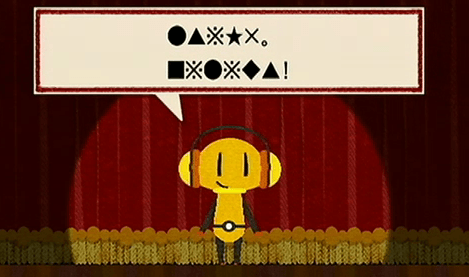
A new title for the Nintendo Wii was announced earlier at the Nintendo Direct conference. That title is the ‘unique’ Kiki Trick, a sound-based trivia game.
The game comes from WarioWare and Metroid creator Yoshio Sakamoto. The game focuses on utilising the sound effects to challenge players with trivia, such as figuring out popular phrases from gargled sentences to matching a sound effect to the correct video.
The title is set for a release on the 19th of January, 2012. At the conference the game was on show with Nintendo’s President Satoru Iwata playing the game, at which he seemed delighted. Stay tuned for more details on this quirky Wii game.
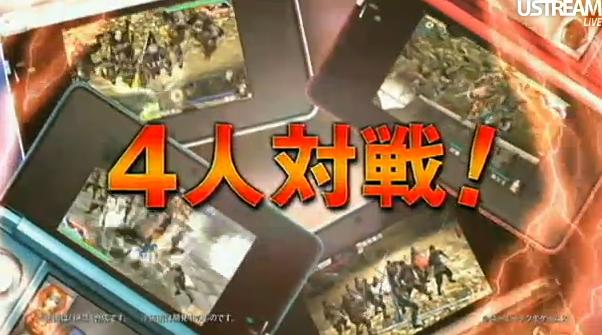
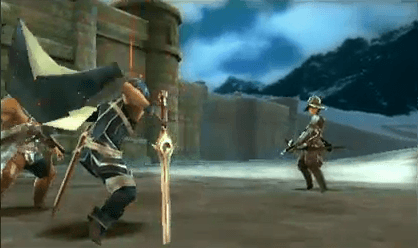
Dynasty Warriors fans finally have a date for the upcoming Dynasty Warriors Vs. on the 3DS. During the Nintendo Direct event, it was announced that the new spin on the multi-player hack and slash will be out in Japan on March 15th.
A very brief clip was also shown, displaying some footage of the gameplay we can expect. Other than the date and the small clip, players can also look forward to going online with Vs. with four player compatibility as that feature was also announced. Nintendo fans in general might also want to give this one another look as well, as Nintendo character costumes will also be included. We still don’t have a window on when we will see Dynasty Warriors Vs. will see the west, but one would expect Tecmo-Koei to elaborate in the near future.
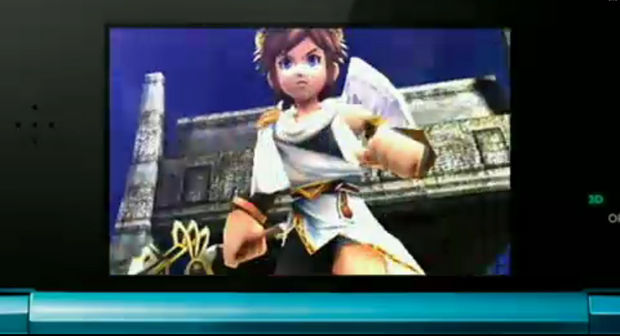
It has been confirmed at the Nintendo Direct conference that the hotly anticipated Kid Icarus: Uprising will officially feature online multiplayer. Coupled with that confirmation was greater details of the online multiplayer feature.
It has been confirmed that the title will feature character and weaponry customization as well as a community function not unlike that seen in Mario Kart 7. Also announced is Battle Royale and Team Match battle modes.
The title is slated for a release on the 22nd of March, 2012 throughout Japan. It is to be presumed that a Western release is not too far off, given Nintendo’s habit of releasing 1st party titles generally at the same time, world-wide. Stay tuned as more news on Kid Icarus: Uprising becomes apparent.
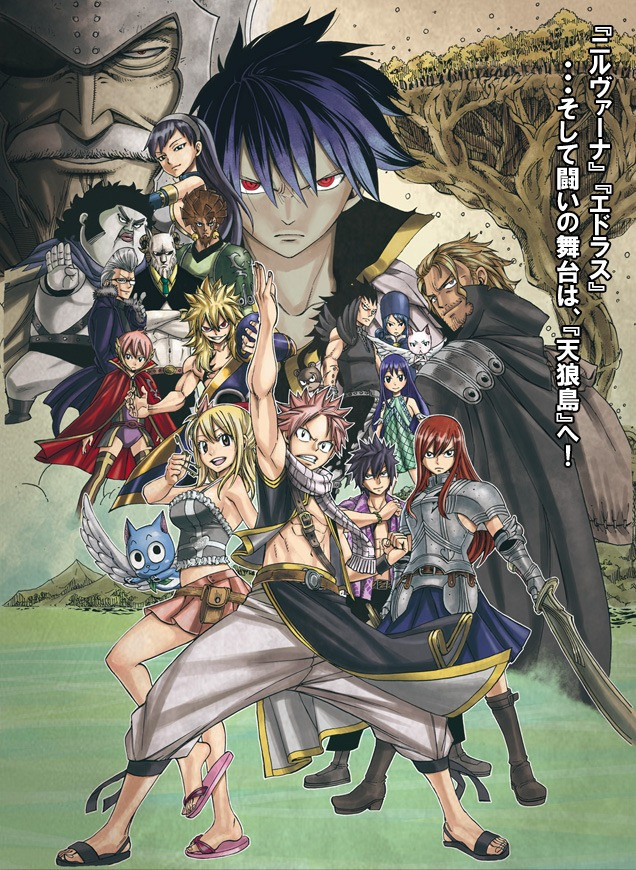
Fairy Tail: Zeref Awakens, is the third Playstation Portable game based upon the popular Fairy Tail manga and anime series. It has been confirmed today in G-Magazine that the forthcoming title will feature new characters exclusive to the title designed by none other than series creator Hiro Mashima.
The game is set to feature the Nirvana, Edolas and Tenrou Island story arcs, with a cast of 35 playable characters. The title is currently slated for a vague release of sometime in ‘2012’.
Little else has been revealed about the game besides a nice piece of artwork from Mashima himself, which can be seen to the right, which features characters to be featured in the game. Stay tuned for more news on Fairy Tail: Zeref Awakens as it comes to light.
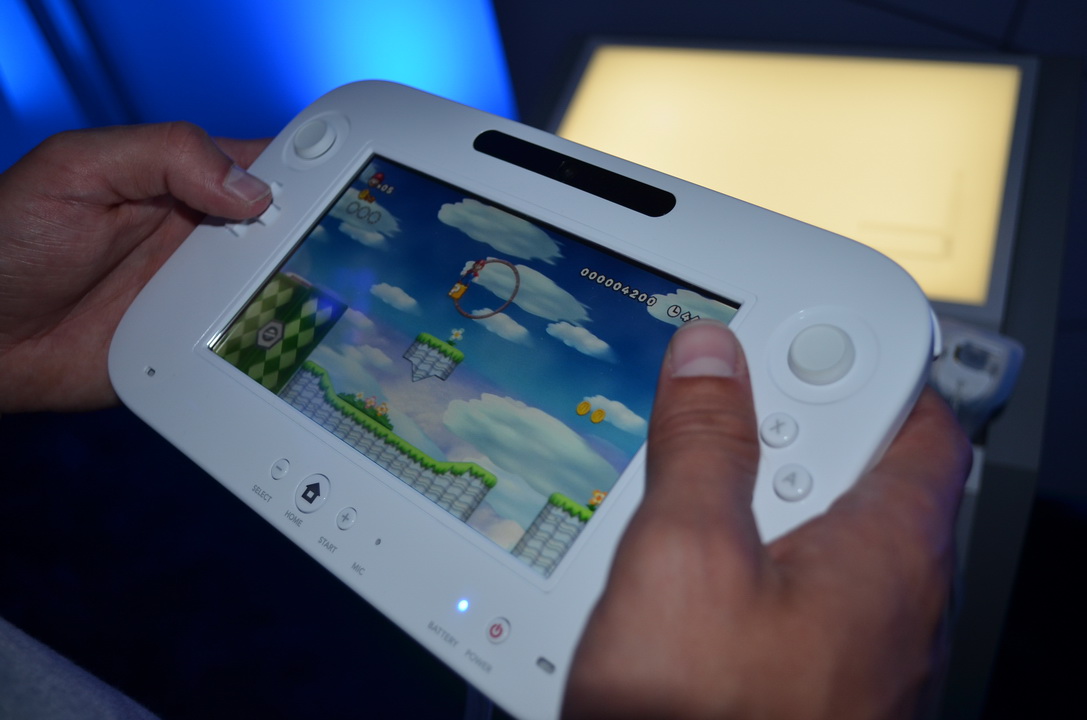
The ever allusive Wii U will be making an appearance next month at CES 2012, but it appears that the release window for the console has just been narrowed down ever so slightly. Nintendo is currently aiming to release their new home console sometime between June of 2012 and the end of 2012. This makes a decent amount of sense, as one would expect Nintendo to officially set a release date for the Wii U at E3 2012.
The old release window for the Wii U was sometime between April 2012 and December 2012, so although it may be further away, at least it has been narrowed down slightly. Still, Nintendo really does need to try and make the Wii U more public than they currently have, as most modern consumers have likely forgotten about its existence since its reveal six months ago.
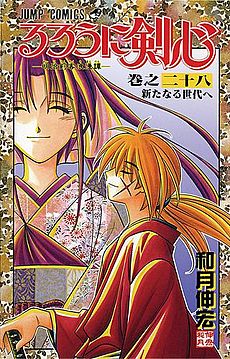
Following the plethora of Rurouni Kenshin news as of late, is the absolutely unexpected announcement of the revival of the manga series 12 years on from it’s conclusion.
Who would have guessed that next year, Nobuhiro Watsuki would choose to continue the Rurouni Kenshin manga? Regardless, it is officially happening as Shueisha have announced earlier today that the manga will return in May 2012, this time serialized in Jump SQ magazine.
Watsuki will be putting his current series Embalming – The Another Tale of Frankenstein on hiatus whilst the Rurouni Kenshin series will return for a ‘brief run’. What constitutes ‘brief’ could really be anything. So stay tuned as more details arise regarding the return of the Rurouni Kenshin manga.
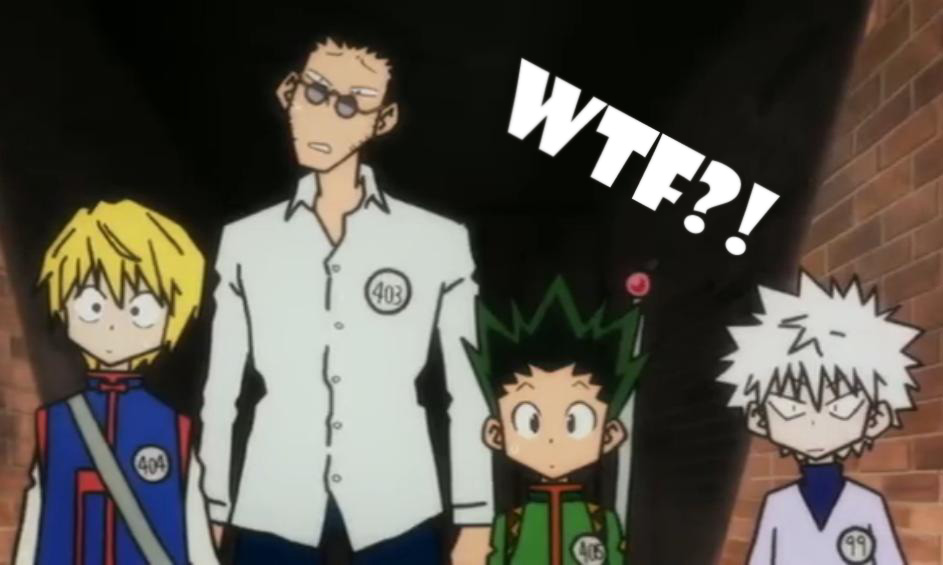
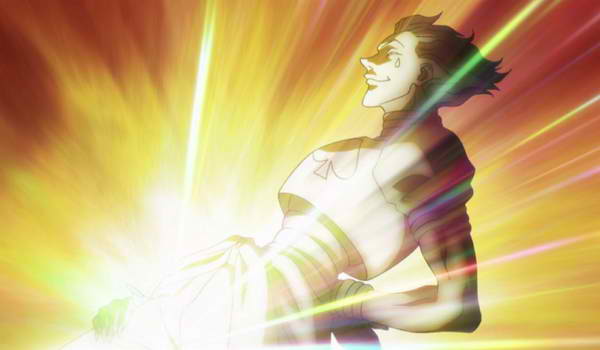
Letter from Gon, episode 13 of the Hunter X Hunter 2011 series, ended up being a recap episode told by way of Mito-san reading a letter from an excited Gon who managed to pass the third phase of the hunter exam. In all honesty, when I read the comments below the video that it was a recap episode, I was tempted to skip it.
I wanted to take stock of the reboot of the (in)famous Hunter X Hunter series in its entirety however, so I sat through it. The basic formula of any recap episode in any anime series is reiterative – you know how it goes. As the episode ran through highlights of previous ones, I was reminded of all the little (and not so little) things that make the 2011 HxH series different from its predecessor. So as the 13th episode took measure of the past 12, in this article I’ll prematurely compare the Hunter X Hunter 2011 series to the popular and formidable original series before it.
Madhouse, the studio behind the 2011 reboot, promised an adaptation that more closely follows events in the manga. Even the opening voice-over and animation was based on the introduction for the entire manga series on the first chapter. This promise is offset, however, by what elements of the manga the first series faithfully followed. Madhouse is juggling fan expectations while doing a balancing act on a tight rope of originality and uniqueness. So far, the studio has done a satisfactory job with its own highs and lows.
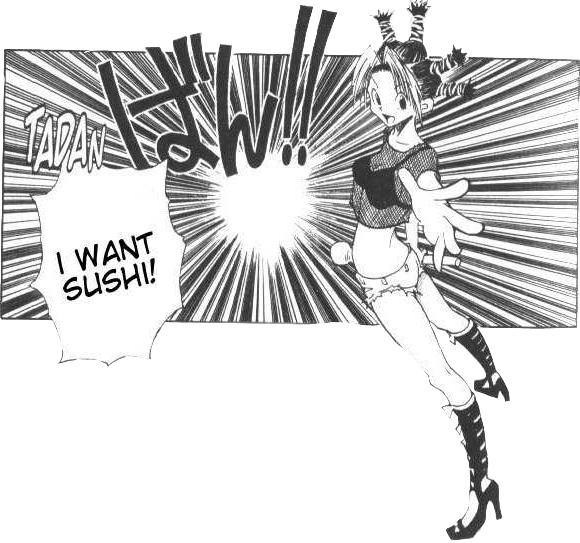
The pacing for the 2011 remake is much faster than the original series, and while fans might be missing the scene where Gonta the bearfox got captured and the stranded battleship part of the hunter exam (yes, they seem to be going ahead with the number-hunting phase before the tournament style final exam), it might work out for the better. But as I mentioned earlier, the juggling and balancing act is not without consequence. Madhouse seems to have encountered some hitches with this, like for instance, when they decided not to introduce Kaito in the first episode and during the gourmet phase of the exam where Menchi went haywire – the sushi part was left out entirely despite being in the manga.
Luckily, while it does take away from the experience of watching the anime adaptation, it is perhaps justified by the fact that such omitted scenes bear little significance for viewers who had not watched the first series. Leaving out Kaito might have been unwise, however, especially since he plays a vital role in future arcs.
Many fans have voiced out concerns over the speedy pace of the new series, especially when it reaches the arcs after Greed Island. Personally, I think the hasty pace will settle down during or after the Greed Island arc, much like how Fullmetal Alchemist Brotherhood slowed down when Greed first appeared.
Aside from the pacing and the scenes that had to be inevitably changed, there is little else to tell about the reboot, what with it being in its infancy. But alas, the devil is in the details and all these seemingly nominal facets that would otherwise go unnoticed. So here are a few small things that I like and don’t like about the 2011 remake of the Hunter X Hunter series.
What I Liked
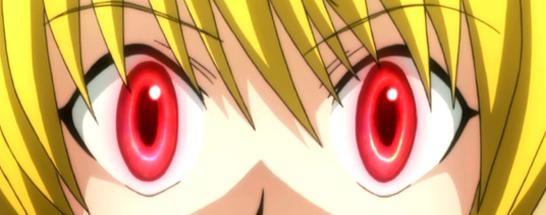
The Kuruta eyes – said to be one of the most beautiful items in the world, I was rather disappointed when in the first series Kurapica’s eyes simply turned a shade of red. I could hardly call it beautiful. The 2011 series gives the Kuruta’s red eyes a much needed makeover, making Kurapica’s eyes stunning when flaring red.
The Magician – the Hisoka of the 2011 series takes a turn for the masculine, with a deep voice and battle-testy nature. The first Hisoka’s voice was a notch higher, and twisted into manic tones when the magician himself was ravenous with bloodlust bordering on carnal depravity. While the first Hisoka was unique, if I have to take sides, I’d choose the 2011 Hisoka.
The Sailor – In the 2011 remake, when Gon and Leorio first met Kurapica and the latter two fought for the silliest of reasons, a particular sailor was tossed overboard and the three had to team up to keep him from being lost to sea. Of course, the first series also featured such events, but what makes the 2011 series different form the first is that it established the identity and character of the sailor, albeit briefly, along with his interactions with Gon. When Gon risked his life to save him, and he became the proverbial “better man” (or in this case, sailor) because of it, the brief build up for a nonessential character lent itself to the development of Gon’s personality – that particular trait he has that changes people’s decisions, perspectives, and even lives.
The Chairman – Chairman Netero and his interactions with Killua and Gon are, for me, better in the 2011 remake than in the original series. The simplistic way Gon forced Netero to use both hands during their ball-stealing game was more to my taste as well, compared to the original series where he had to fake falling off the blimp.
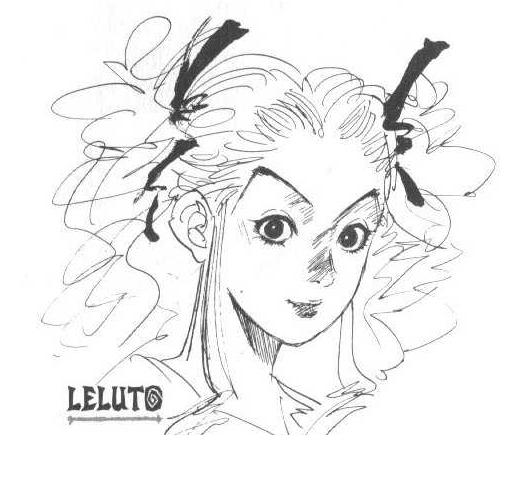
The Psychology – During the fight between Leluto / Leroute and Leorio, I also liked the straightforward psychology used in the second series compared to what happened during the first series. In the first series, Leluto started off by confusing Leorio and then taking advantage of his guilt over the death of his childhood friend to win in their game of janken. In the second series, the psyche out was more realistic, with Leroute using simple psychological tactics in gambling and then suddenly starting off a janken round in the height of Leorio’s confusion. Personally, I would think rambling about someone’s past for the first time would not immediately make them border on psychological self-destruction, and though Leroute was touted as a psychiatrist who drove her patients to suicide in the first series, the way by which she made Leorio crack felt rushed and unrealistic. It certainly was overkill if she only wanted to win at janken.
The 70 hour stay – for no reason other than the novel value of witnessing what the quintet did when they were trapped for 70 hours in a small room in the Trick Tower, I liked the episode of the 2011 series that took the time to explore the scenario. This was pretty much absent in the first series.
What I Did Not Like
The (Missing) Catalyst – Kaito’s introduction to the story line has been confirmed to happen after the hunter exam – quite different from what actually happened in the manga as well as the first series. Sure he’ll be there all the same, but not introducing him the way the manga did has possible serious repercussions. Kaito was the catalyst that sent Gon on his way to seek his father. He told Gon that Ging, whom Gon thought to be dead, was alive and a legendary hunter at that. This initial contact between Kaito and Gon and the latter’s appreciation for their serendipitous encounter are important contributing facets that led to Gon being endeared or even indebted to Kaito, so much so that when Kaito died in the Chimera Ant arc by Pitou’s hands and Gon found that there was nothing he could do, Gon all but exchanged his life just to kick Pitou’s ass. Of course there are many other chapters where the two interact, but personally for me just those chapters are insufficient to develop the sort of heartfelt gratitude Gon would feel towards Kaito for his role in Gon’s most important decision in life.
The (Lack of) Violence – Some have argued that because of the current time slot of the 2011 series – Sunday mornings – kids could easily watch it and thus the violence and gore level have been kept minimal. For instance, when Hisoka cut off the arms of one examinee who bumped into him during the first phase of the exam, instead of a gushing stream of blood, said examinee’s arms turned into a flowery show of pink butterflies. Hisoka might be an eccentric magician, but would he use his Nen and spend his aura on something like that when he can achieve the same effect if he had simply sheared the dude’s arms off with a Nen-imbued playing card? Another scene worth noting is Killua’s heart-ripping KO of Jones, the Matador. I prefer the first series where he ripped it out and held the beating thing out in the open so Jones could see when he crushed it in his hand. Though the second series did attempt to redeem itself for not showing the heart itself (nor Killua crushing it) by Killua’s mocking gesture of returning the heart to the outstretched hand of a dead Jones.
The Soundtrack – The first series’ “Ohayou” is much better than the current series’ “Departure,” which sounds like a cross between techno, pop, and rock with a dash of what sounds like empty cans being dragged across concrete. The ending theme was a good attempt, though it fell short of Death Note’s “What’s Up People.”
The Recap episode – Almost all anime adaptations have them, but still, I could do without one. Especially not 13 episodes into a series that has an original adaptation.
The Wait – the 2011 reboot will take the series beyond Greed Island and into the epic showdowns versus the Chimera Ants and the intriguing family politics and savage ways of the Zordick family. I just hate this waiting that I can do nothing about.
Hunter X Hunter 2011 has a long way to go, and I, along with multitudes more, are eagerly waiting just how far it can go.
Views expressed in this article are those of it’s writer, not of Capsule Computers.
Fire Emblem was revealed for the Nintendo 3DS during the 3DS conference many weeks ago, but since then the company has been very tight lipped about when fans could expect to see the title or even see more about it. Well, Nikkei has some news for the title, but it may not be very welcoming news to most. Nikkei reports that Nintendo will begin launching their paid downloadable content system on the Nintendo 3DS in March of 2012. They also report that the first title to see the paid DLC system will be Fire Emblem 3DS.
The system will allow players to either use their credit cards or prepaid cards to make DLC purchases and fans can expect further downloadable content support from third party developers in the months after March. While it is disappointing to hear that DLC is going to soon be a potential focus for Nintendo 3DS developers, it is good to hear even a little bit more about Fire Emblem on the 3DS.
With the arrival of the new year coming soon, that means that the Winter anime season is about to begin. We’ve already covered what shows will be airing next season, but at that time no North American company had laid any claim to a series… until now. Viz Media has revealed today through a subbed trailer, which can be seen below, that they will be simulcasting (airing online the same time as Japan) the mecha anime Rinne no Lagrange.
The title for the series has been changed slightly for the simulcast and is now being called LAGRANGE -The Flower of Rin-ne. The series is being produced by Production IG and has already been given a second set of 12 episodes set to air in the Summer 2012 season. When the simulcast begins it should be available at Viz’s Anime website where other series, such as Tiger & Bunny can be found.