
Home Blog Page 4913

Frozen Synapse Review

Frozen Synapse
Developer: Mode 7 Games
Publisher: Mode 7 Games
Platforms: PC (reviewed)
Release Date: May 26, 2011
Price: $24.99 (available here)

Overview

Frozen Synapse was developed and published by Mode 7 Games and is a recent attempt at breaking into the market of simultaneous turn-based strategy games (of which there actually is one) and coming out hopefully on top. But is this just another popular misstep for the turn-based strategy genre or does it actually contain some deep and compelling play that is sure to keep you entertained? Read on to find out.

Story

In Frozen Synapse you play as a faceless commander known only as Tactics, assisting a rebel group in their efforts to topple a controlling government for the greater good. You control your units within a program known as the “Shape Network”, which is a kind of crossover between the Matrix and Tron. This Network shows map layouts in blue and enemy positions in red, providing an effective contrast between the two. The system you are in control of actually takes control of real people who are linked to the Shape Network, meaning that at times you may encounter smarter or dumber soldiers depending on how well their connection is to it. A very interesting concept that blends itself in well with the cyber-punk dystopian world.

Visuals and Audio

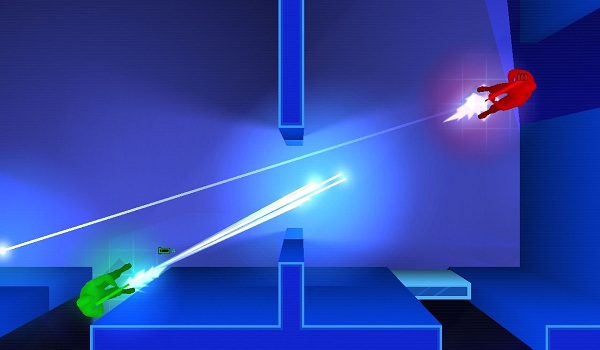
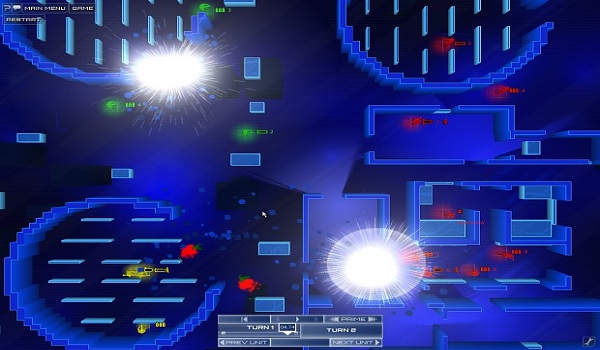
Frozen Synapse really does a great job with its audio and visual design. The game features smooth, flowing colours that really highlight the entire feel and the belief that you are operating within the “Shape Network”. Enemies, allies and your very own squad are easily distinguishable from one another, as well as from the terrain itself, meaning you’ll never get a shotgun in the back that you weren’t expecting. The music itself contains great techno tracks by weary_testsubject, with lots of highs and lows blended with a steady beat that continues throughout. The music seems to play by itself however, with seemingly little guidance or noticeable difference between levels. This ultimately means that you could be in a fairly intense mission with a low and peaceful track playing in the background, the downside of using such a randomising system.
Gameplay

You control your units in a top-down view of the battlefield, with all units of both sides revealed to each player. Taking control of one unit or soldier at a time, players can task their men with general movement, aiming, crouching and of course fighting. The game is paused whilst this is occurring and once you are sufficiently happy with your orders then you may submit them to the “Shape Network”. Once this is done, you will be able to see them play out in real-time, as well as the enemies commands as well. You see, Frozen Synapse is a simultaneous turn-based strategy game, which means that both sides plan their moves at the same time, meaning you kind of have to prepare for what you think the opposition will do, rather than react to what they just did. This concept took me a bit of time to get used to as I would prepare all my men to enter and clear a room, submit my turn, only to realise that the AI had ordered his men to leave through a back door and come around the side to flank me.

Everything in the game costs time to do, of which you have a total of 5 seconds. Movement and aiming are the biggest tie-sinks in the entire experience, as actual shooting and combat encounters are resolved in seconds.

This is where we see the game’s fairly high difficulty curve come into play. While there is a tutorial present (which the game definitely needs), Frozen Synapse contains a lot of concepts and tactics that the player has to get their head around to effectively deal with the combat situations they face. For example, when ordering a single unit to say move across a room, you have to double click where you want him to go (stacking these orders if you want him to walk around something a certain way), make sure he is aiming in the direction you want him to move and be sure that no enemy line of sights are possible or risk death. The aiming is particularly frustrating when you want to move more than one unit.

When sending a solider anywhere certain points appear on his path if he has to alter direction in any way, these points have no effect on gameplay other than to show his view will change. You see, when issuing orders you must always take view in to consideration. If he is looking one direction and you want him to move a different one then he will sidestep the entire way, drastically decreasing his movement speed, thus you always want him to look the correct way which speeds him up (unless enemies are nearby that he needs to look at). However, at each of these points where he changes direction, you have to physically change his view back, meaning a lot more work and time-consumption just to get the soldier from point A to B efficiently. The entire concept is just busywork for the player and I can’t see why the developers couldn’t have put some sort of automatic process in place where unless you physically tell them not to, the unit follows the path you set out exactly, changing his view to suit at each point. This would save heaps of time and create a much smoother player experience.
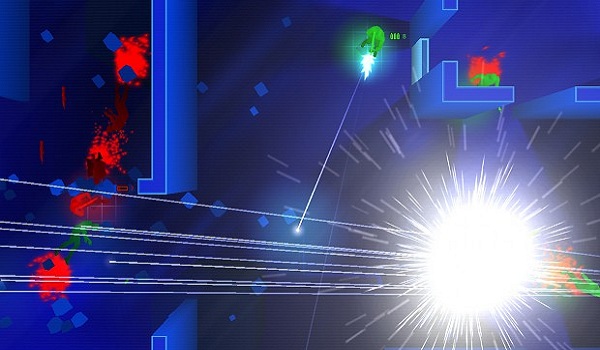
There is also a wait function which is meant to be used just before you exit cover. Your unit will wait two seconds (you can set this time but that is the lowest that it works) for the enemy to glance away and then you will be able to move to the next one. Works well in the tutorial but in the full game? Not so much. I attempted this numerous times when up against a sniper (who you practice on) and found that even after he looked away, he would still glance back before I could get to cover and well… yeah, there goes my rifleman’s brains.

A nice variety of missions fills Frozen Synapse, including things like squad elimination, hostage rescue and of course escort missions! Sigh, the escort missions. While games have been using them for a long, long time here they are especially painful. The reason being that even if you get right to the end of the level with your VIP intact, one lone shot-gunner can end all that in seconds and cast you back to the very beginning of the stage. This issue is not an altogether new one in games, but is still a frustrating nitpick of an otherwise mostly fun game.

There are times in which the game will glitch as well, though that could be expected with such a small studio. For instance when ordering one of my men to run down a corridor he got stuck on a wall and shot by the enemy, meaning you need to stay well clear of walls as your team AI is completely dependent on your input, that is to say non-existent. This makes perfect sense in a turn-based strategy game but I just wish that my rifleman would actually become aware of the fact that he was constantly walking into a wall and perhaps go around it. Also, the enemy team seems capable of some crazy feats that I could only hope for. At one time I had two men guarding a room only to allow an enemy rifleman straight past their line of sight and into the room. He then shot one of my units and ran back out to safety all in the span of 5 seconds with my own rifleman simply watching the events unfold.
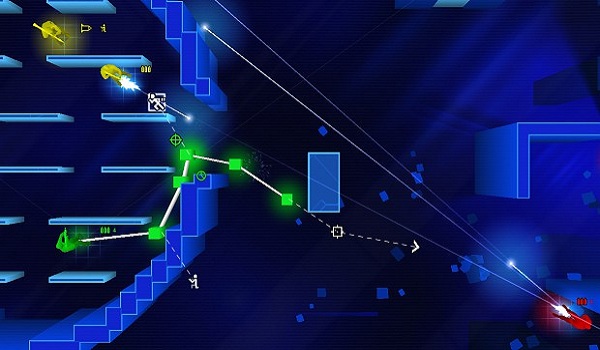
It’s not all darkness and disappointment for Frozen Synapse however, the game is genuinely enjoyable and can get incredibly tense in some places. When your down to your last man and you manage to take out a squad of enemy soldiers through effective use of tactics and bravery, many hurrahs are heard around the computer. Or when your carefully laid out plans to first take out a covering sniper and then wreak havoc among the remaining enemy soldiers is actually pulled off you feel a huge sense of achievement and victory.

Multiplayer shows great potential as well, with some games lasting minutes while others continue for days or even weeks. Players can take their turns whenever they wish and check back on the results next time they come online. While the current popular tactic for the game is to gather a group of rocket-wielding troops and simply fire where you think the enemy will move to, I see some great possibilities for really full-on tactical gameplay, with some real potential for very hairy hostage situations.

On top of this, each day a featured multiplayer game is available to watch, meaning you can see how the rest of the community is playing out their own strategies, while taking tips to improve from some of the games’ best.

The fact that all maps in the game are randomly generated ever single time you restart a level or play a next one, means the tactis are always changing up and that can be nothing but a good thing. If you like a map and want to play it again, the game remembers many of the last seeds that you played on, allowing you to rectify previous mistakes or try to win yet again for more glory.
Overall

I’ll admit it. It took me quite a while to get over the high entry point needed for Frozen Synapse and actually get deep within the game itself. But when I got to that point I started to figure out what made the game so enjoyable to so many. The heavy emphasis on tactics, the engaging music and the joy of seeing your plan pull off without a hitch are what really set the game apart. No other game handles simultaneous turn-based play so well and Frozen Synapse is definitely worth a look at if you can get through the fog of difficulty that permeates its first few levels. While suffering from some issues with a lacklustre story, general gameplay issues and really needing some patched in auto view, the game is at its core just fun to play. Frozen Synapse is a success at what it sets out to achieve and I think that’s what people will ultimately take away from it.
7-5-capsules-out-of-10

Primordia Review


Primordia
Developer: Wadjet Eye Games, Wormwood Studios
Publisher: Wadjet Eye Games
Platform : PC
Release Date: 5 December 2012
Price: $9.99 (available here)

Overview

Games like Telltale’s The Walking Dead have proved that point and click adventure games can still hold their own in today’s market. Whilst TellTale are one of the more well known developers repopularising the genre, there are still plenty of independent devs out there making games where story and character take precedence over gameplay mechanics and graphical posturing.

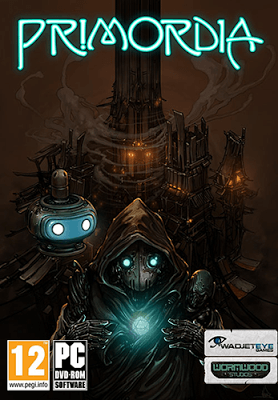
Wadjet Eye Games is one such developer. They have released a steady stream of point and clicks including neo noir Gemini Rue, The Blackwell Deception and Resonance – all of which  have been well received. Their latest project, a joint venture with Wormwood Studios, is Primordia. This science fiction tale follows the adventure of Horatio Nullbuilt, a robot living in a post apocalyptic wasteland with his floating droid companion Crispin.

Gameplay

The mechanics found in Primorida echo those of other Wadjet Eye games and point and clicks in general. Players click on screen to move the character, use one mouse button to look at an object, the other to act on it. There’s a drop down menu that appears from the top of the screen for  access to the inventory, map and data, and also keyboard shortcuts to hop into these functions as well. Selecting items could be a lot smoother, but the main gripe with these additional feature is the small size of them – why does Horatio’s data pad have a screen that can only accommodate a few characters per line?

Although the map and data pad features aren’t perfect they are extremely valuable during the course of the game. The map provides a time saving fast travel system, and Horatio’s data pad automatically records snippets of data that are essential to progressing through the plot. Along with Horatio’s companion Crispin the data pad is essentially part of a hint system that you can take advantage of as you choose.

Crispin’s contribution is handled rather well. As well as his scripted dialogue players can click on him for assistance when stumped. Sometimes he’s helpful, sometimes he’s just winds you up. The amount of dialogue lines that the little guy can churn out over the course of the game is impressive, and the banter between him and Horatio is funny and charming. Autosaves are fairly generous, and there’s room for multiple save files which you can rename yourself.

The puzzles throughout the game are neither particularly memorable nor particularly difficult. Some may provoke a bit of head scratching but genre fans are unlikely to find anything novel or memorable. The first half of the game has a lot of object hunting, which opens up upon entering Metropol and encountering other robots to hang puzzles from. There are a few words puzzles thrown in for variety, and the game is pleasingly self aware that it relies on a particular object to solve one too many problems – “Can’t we just use the plasma torch?”

Story

Horatio and Crispin live in the wreck of a spaceship in the middle of a barren desert, spending their days building things from spare parts and junk whilst surviving off of the ships power core. The drama kicks off quickly when a sinister robot appears and attacks Horatio, making off with the power core.

After establishing an emergency power source Horatio and Crispin must chase down the core, an adventure which takes them to a handful of strange locations before settling in the city of Metropol. As always with adventure games it is largely up to the charm of the  characters and the strength of the world they inhabit to make the slower pace of the action less obvious. In Primordia’s case both boxes are ticked, with the setting and mythology being particularly strong.

In Primordia humans are long gone from the world, relegated to a creator myth that forms the basis of Humanism, a belief system of which Horatio is a follower. The world is clearly in a post-apocalyptic state after some unknown disaster, and Horatio himself has a mysterious past which is gradually uncovered throughout the story. Whilst current events initially seem disconnected from the past , everything begins to mesh together as more about the world is discovered, and if you pay it enough attention Primordia will surprise you with the depth of its world.

There is a lot to be read into but only if you desire to do so. No agenda is pushed, with potential messages sitting quietly in the background waiting to be uncovered by a curious player. The story touches on individual freedoms in the face of progress, the survival of the many over the lives of a few – even religion gets a look in here, with Horatio facing a world where his beliefs are looked on as foolish, and even something to be persecuted. Primordia excels in creating it’s own history and mythology, and gamers with a love for story and sinking into fictional worlds will lap up all the little details on offer.

A sense of humour runs alongside the more serious and grim elements of the game, with pop culture references and self aware humor lighting up some of the dialogue. The banter between Horatio and Crispin manages to remain entertaining throughout the entire game –indeed Crispin has an excellent supply of put downs to manage players who get too hint happy. That said the little guy can often offer hints to puzzles already solved, which does break the immersion when it happens.

There’s a strong collection of supporting characters at play too, with the artwork, sound design and voice work coming together to create some memorable creatures and moments. Many of them are more than a little sinister or insane, adding to the notion that the world Horatio occupies is falling apart at the seams. Things trip along at a good pace; new questions arise as old ones are answered, and a trickle of new characters also helps keep interest high.

Unfortunately the conclusion of Horatio’s tale doesn’t live up to the rest of the story. Despite some technical issues that cropped up during the final moments of the game (which I am now assured have been remedied) it just felt that every action I had taken had made no difference at all and that things hadn’t been resolved in the slightest. The drive that Horatio has at the beginning simply disappears in the latter half of the game, and the villain of the piece really didn’t inspire enough emotion to care about. Looking at it from a more objective perspective the final outcome perhaps feels right in tone, and if Primorida were a straight up science fiction short story rather than a game it might have proven quite satisfying. Opinions will no doubt differ from player to player, but I have to admit that I felt disappointed by the finale.

Running alongside that was a nagging feeling that I had missed something. Why was that object in my inventory never used? Did I miss something along the way that would have made that small area have a purpose? Whilst these small elements added to the feeling that things were left unresolved, the fact that they still play on my mind is a credit to the strength of the world.

Audio & Visual

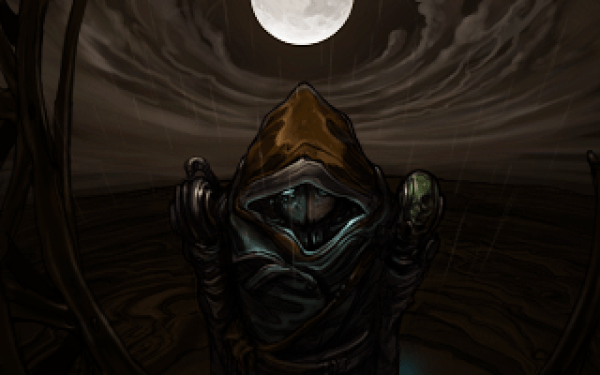
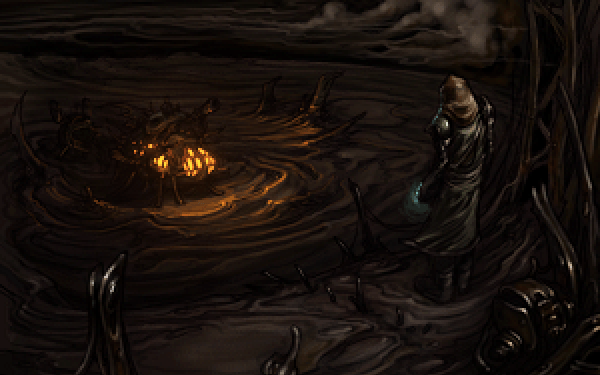
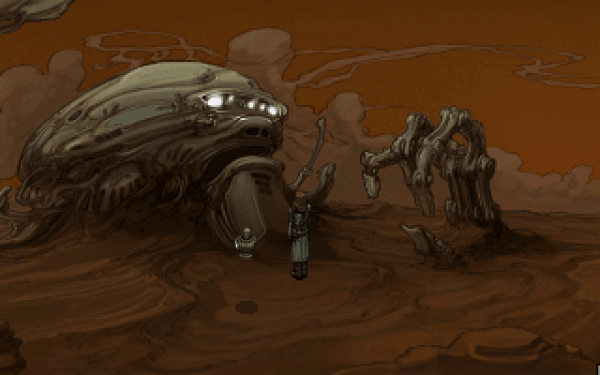
Primordia carries Wadjet Eye’s signature adventure game style – a low res, pixel art . It has it’s own brand of unique charm, and the landscapes and characters in this particular adventure boast some excellent design work, some of my favourite from any of their games. The colour palette can feel more than a little drab at times (read: BROWN), and accentuates the fact that the game could be a lot prettier in a higher resolution. I couldn’t help but wish to see some of the character designs and artwork in a better light, given room to breathe with smoother animations and a clearer style. Hunting down some concept art only exacerbates the fact that some of the quality of the art is lost in so rigidly sticking to a low res pixel art set up.

Nonetheless there is still something admirable about the style of Primordia, and it’s certainly one to stand out from the crowd. The voice acting is largely quality throughout, even if long term fans of Wadjet Eye might stumble a little upon Crispin’s voice actor being the same as Joey from the Blackwell series, especially given that they are both comic relief characters.

Overall

Not the strongest of Wadjet Eye’s releases, Primordia is nonetheless a pleasant enough adventure to spend an afternoon on. The atmosphere is strong , the mythology intriguing and the characters entertaining – fans of Wadjet Eye’s previous works will certainly enjoy the characters and storytelling. Sadly there are no stand out moments from the puzzles and the finale leaves a lot to be desired, placing Primordia below some of the more well formed stories out there in adventure land.

7-0-capsules-out-of-10

Hunter x Hunter enters Greed Island arc

This week marked the conclusion of arguably one of the greatest shonen anime story arcs of all time in Hunter x Hunter’s York New City Arc. With one arc ending another always begins and NTV have already begun the big sell for the Greed Island arc, the infamous story arc Togashi’s manga that popularized the ‘inside a video-game’ type storylines in anime and manga.

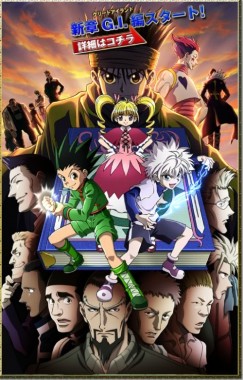
NTV have updated their Hunter x Hunter website with a number of new promotional features for Greed Island, including the poster which can be seen to the right. The poster features a variety of the new characters that will be a part of the Greed Island arc.

Greed Island focuses on Gon and Killua as they venture into the titular Greed Island video-game in search of information that could help Gon in his greatest hunt of all, finding his father the legendary hunter Ging Freecss.

The Greed Island arc begins next week with episode 59. Be sure to let us know what you think in the comments section below.

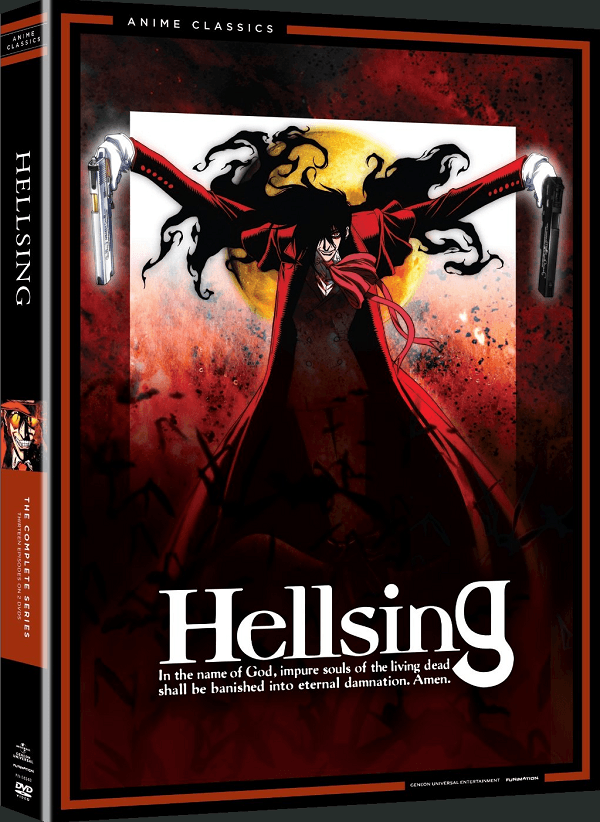
Hellsing Complete Series Anime Classics Review


Hellsing
Studio: Gonzo
Publisher: FUNimation
Release Date: November 13th, 2012
Format: DVD
Price: $34.98 – Available Here

Overview: 
Hellsing has gotten a similar treatment to Fullmetal Alchemist in that the original anime release of both occurred during the run of the manga and therefore differed from the manga itself.  They both also saw a second series, each with an additional word title, Ultimate and Brotherhood respectively, that followed the plot of the manga more closely.  Because of this, both original series live in a kind of limbo parallel to the manga and redone anime.  In light of this, the re-release of Hellsing as an anime classic a little more than a decade after its original gives the opportunity to look back at the original attempt and how it stacks up today.

Story: 
Hellsing is not necessarily a “who” in this story, but a “what”.  An organization dedicated to killing all undead, such as vampires and ghouls, to protect the United Kingdom and the Queen that was founded by the Hellsing family that still heads it.  So, while there is a person named Hellsing, they are by no means the main character though by any means a minor one either.  Looking for an actual main character for this series comes down to two, both incidentally being of the living dead the Hellsing Organization is so adamant about killing, though working for them.

Alucard, or Arucard as his is called in the Japanese and listed in the credits, is one of the most powerful vampires in existence to the point of being a completely unfair opponent compared to those he has to fight.  As awesome and bad ass as he is that doesn’t leave much in terms of stakes early on, but luckily that is where the other main character comes in.  Seras Victoria is a newly turned vampire floundering in what to do with her new unlife, hesitant to take lives and refusing to drink blood makes her a more easily relatable as a character.  Considerably weaker, she is also more likely to garner the viewers concern than a certain seemingly invincible character.  While the story isn’t directly focused on just these two characters, they are pretty much the only two always doing something.  Others stand around giving orders early on, but eventually get to prove why they’re in charge.

The story itself doesn’t quite focus on vampires as contemporary understand sees them, instead the Hellsing Organization is contending with technology induced vampires that they refer to as Freaks to differentiate them from the likes of real vampires, like Alucard and Seras.  One of the problems of the series though is that for a 13 episode series it has a real problem with resolution.  Early on they are simply reacting to these Freaks popping up, but the plot of finding out who is making them and why, never gets any closure to the point that those unfamiliar with the series may even take Hellsing Ultimate to be a sequel series only to find a different version of the story.  While the story that is present is good, that failing is a little disheartening as 13 episodes building up to ambiguity on such big questions.

Visuals: 
Being made back in 2001, it is expected that the quality may not be up to what it is today, but finding it fullscreen came as a very big surprise when so used to almost everything being widescreen now.  The look of the show is still good, if a little flat though it does fit the overall style presented.  For the most part the use of color is very skewed to the more black and red, which makes the offset of the bright blue of specific characters’ eyes and other colors a great contrast when they come up, though with the level of blood and gore lots of red is expected.  The previews for the coming episode breaks the mold a bit though and features a more comical artistic approach that adds a bit more fun into the series so focused on fighting the undead.

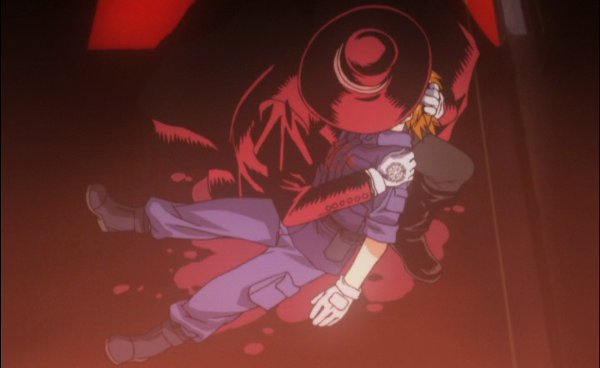
Characters are designed well for the series, with a good variety of outfits for the main characters instead of being stuck in the same outfit throughout the series.  Alucard’s style is pretty hard to match by any of the other characters though, with his red duster or many of the other outfits he ends up in.  The greatest diversity in look comes from Seras though, while mainly in her uniform she does go back to civilian garb pretty often and each time it is different and interesting, though she does tend to wear a lot of mini-skirts.

Audio: 
The music of Hellsing is not what one might expect from just looking at the series or hearing what it is about as the series does actually use a decent amount of more rock and jazzy music as well as the strings and tones related to the more suspenseful and horror like parts of the show.  The opening theme “Cool – The World without Logos” by Yasushi Ishii serves as a good song to fit the stylistic cool that fits Alucard throughout the series, as he doesn’t really sweat anything instead doing things for the enjoyment of it.  The closing theme “Shine” by Mr. Big was actually a number one hit at the time in Japan and fits more as a good theme for Seras as relating more to her new life as a vampire and wanting to do well.  The voice acting maintains the level expected of an anime, even one from a decade ago.  The English dub goes the small extra bit to give the characters a British accent for most of the characters, but the Japanese voice actors though do tend to give a bit of a better performance.

Extras: 
The extras a somewhat limited, but at least offer more than trailers and textless opening and closings.  Other extras include a Staff Interview about the original making of the series by Gonzo, giving insight into everything from character designs, to the music, to digital photography at an pretty early stage of development.  Also included are the original commercials, though some are actually for the original soundtrack and not the anime itself and watching them back to back makes one a little sick of the work Pioneer.  An interesting aspect of the textless opening and closings for the series was the fact that there are 3 versions of the closing that can be viewed, though the only difference comes down to just the final few seconds of each.  Finishing up the extras are some trailers in the form of two trailers for Hellsing and a selection of FUNimation releases.

Overall:
While probably seen as a great series in its first run, Hellsing does suffer a few problems in the form of dangling plot and lackluster visuals by today’s standards.  For the most part the content that is present is a good watch, this is probably best left for fans of the series that didn’t pick it up before.  New viewers may find themselves let down by the lack of finality and either passing up Hellsing Ultimate or looking to it for answers, neither of which being satisfying for those posed in Hellsing.  I give Hellsing Complete Series Anime Classics

7-0-capsules-out-of-10

Attack on Titan anime trailer

Fans of Attack on Titan have gotten good news after good news this week.
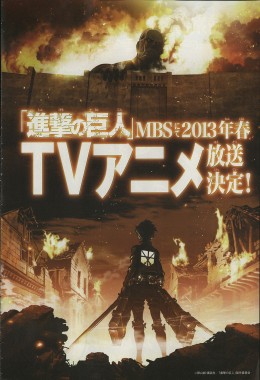
First of all the long awaited anime adaptation of the popular manga series was announced and now the official trailer for the anime has been released and it looks absolutely glorious.

The trailer which can be seen below features a variety of scenes from the series but most predominantly featured is the original titan invasion and Eren Jaeger’s battles with them, which looks beautifully animated I must say.

The Attack on Titan anime is set for release in Spring 2013. Yuuki Kaji has been tapped to play lead role of Eren Jaegar.

Be sure to check out the trailer below and let us know your thoughts on the Attack of Titan anime series in the comments section.

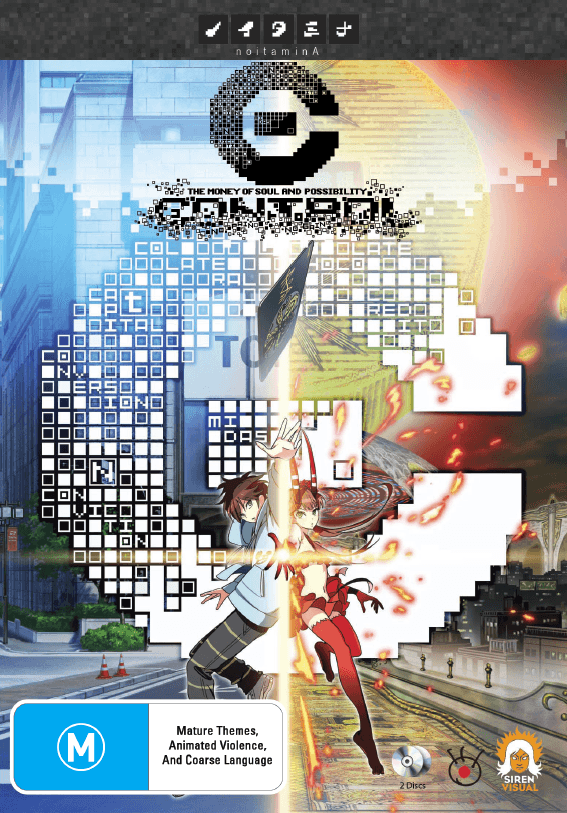
C For Control Review


C For Control

Studio: Tatsunoko Production
Publisher: Siren Visual
Format: DVD
Release Date: Out Now
Price: $49.95 (Buy Here)

Overview

C For Control, as Siren Visual call it, is an anime series based around the concept of money and what it means to have it. While beginning to write this review, I have to admit that I had a hard time working out what this series is actually called. The spine of the DVD case reads like this: “The money of control and Possibility CONTROL” and the Wikipedia entry on the series reads as this: “[C]: The Money of Soul and Possibility Control”. So I settled on what it says on the Siren Website for the titling.

Story

The story of C For Control focuses around the Financial District, a realm linked to reality that is run by the Midas Bank. What makes the Financial District interesting is that it serves as a way for selected individuals to make large amounts of money quickly through Deals. Now, what makes Deals interesting, is that they aren’t your standard business deals. They are, rather, more closely resembling battles to the death… only without the death.

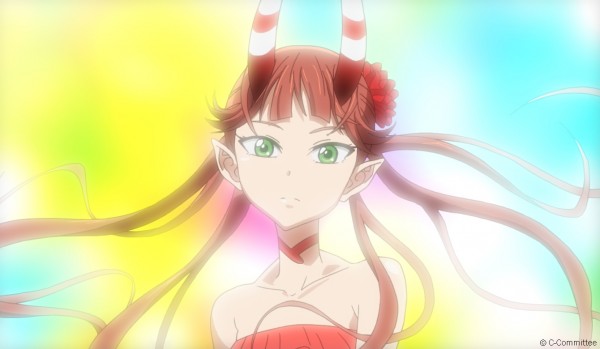
The main character, Kimimaru, is brought to the Financial District by a representative of the Midas Bank and is suddenly found to be in possession of a large amount of wealth. However, to gain access to this wealth he must first offer up his future as collateral for gaining the money from the bank. In the Financial District, he is not alone. There are many other Entrepreneurs like him with access to the bank.

Initially, this series looks like your traditional battle monster Anime series with money as a central theme. However, to my surprise, battles in this series were used sparingly and the series focused largely on the overall plot. I actually liked the way the plot progressed in this series, and with the exception of one major hiccup (there’s a sudden jump from one plot to the next around halfway), it was told pretty well. I liked the way that there was a smaller plot-line that got the main character to investigate further into the Financial District, I liked how there was a plot about the effects of Midas money on the real world economy and I liked the personal character plots that were told throughout the story.

Ultimately though, the story was really about the philosophy behind living. You can live to make lots of money, thus ensuring you can always live. Or you can live, but you will always ensure that you will be almost out of money. It’s these kinds of comparisons that make the story both personable and great. Of course the best medium would be to find a way to make lots of money without making your life about working, but for most of us, that is highly unattainable.

This is the motivation behind most of the supporting cast in the Financial District, they need that little bit of extra cash to ensure their futures are as bright as possible. But what’s it mean when you bank against that future and you lose all of your money? Should your future then be taken away from you? Can the bank then take anything you’ve earned with its money in regards to a metaphysical future? Apparently yes. You see this happen in the series as well with characters going missing, areas becoming disheveled and not only has the country gone into depression, so has life itself.

Overall the story in C For Control is layered pretty well. Not only does it have story branches personal to the characters in the main cast, but it also has an overall storyline that raises many philosophical questions. As an aside, you also learn a little about money and economics.

Visuals

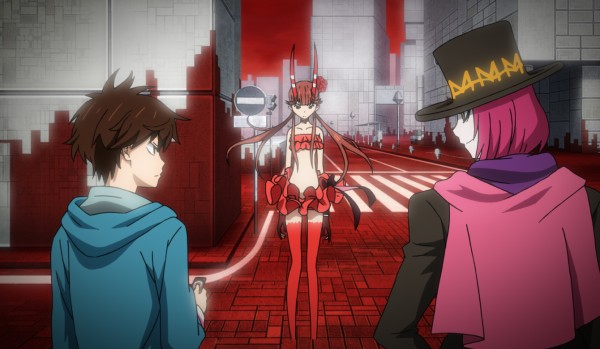
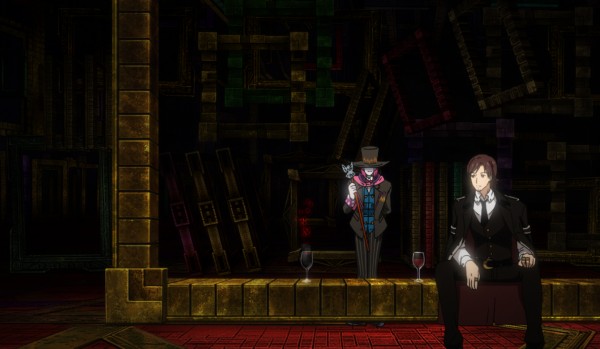
Visually speaking C For Control has a pretty decent looking art design, especially when it comes to the Entrepreneurs battle partners and some of the character designs, however it does have moments where things look a little off. Most predominantly of these moments are anytime the bank dude with the pink hair appears.

I’m not entirely sure what it is with the guy that looks a little bit like Michael Sheen (much like his performance in Tron: Legacy) with pink hair, but in most instances he looks like he was CGI’d over the top of the show post-production. This is because he appears to be moving at a much more fluid rate than the cast, as well as having a shadow that appears to be of an entirely different type in comparison to the rest of the cast. This stylistic choice has been an odd one, as it makes the character seem out of sync with the rest of the series, bringing the overall quality down instead of up.

The Financial District itself offered a nice visual opposite to the real world in that it was much more bland, but still much more interesting. Many of the characters refer to it as a reflection of our own world, but I don’t quite see it. If anything it’s bringing attention to the bareness of reality by having itself be visually bland.

Overall, the visuals in C For Control were quite enjoyable, however, there was the small issue of a major character looking completely out of place. CGI and Anime do not mix, they never have outside of minor effects, and they never will.

Audio

There is a lot of overuse in some tracks found in this series. I’m not going to withhold that fact. The battle theme is the one that stands out the most with this. Not only does it pop up for combat, but it also pops up in any moment that is even remotely confrontational. However, this is also a really great track that not only fits these scenes, but also stands up really well on its own. However, if you don’t like the particular piece, then you will be really annoyed each time you hear it. Which will be frequently.

Honestly speaking, the English dub on this show works fine. I don’t want any of this subs vs. dubs nonsense here. If you want to listen to the Japanese track, it is there for you to do so. It’s not a bad sounding track and neither is the English.

Extras

C For Control has a few extras, such as Audio commentaries, Clean opening and ending animations, trailers and the like. The commentaries are definitely worth a listen and if you liked the opening and ending videos, then you should definitely check them out clean.

Overall

Overall, C For Control was an amazingly enjoyable experience. It was an experience I went in not expecting to have (who wants to learn about economics) and only really expected there to be a slight plotline that was used in order to excuse awesome monster battles. Instead we had an awesome story that had monster battles in it. This, I believe, is what made this series most memorable.

8-5-capsules-out-of-10

Dark Souls II Announced

Today, Namco Bandai have revealed the sequel to the hit Dark Souls is being released. The title named Dark Souls 2 is being developed by FromSoftware and is being published by Namco Bandai Games. The game is coming to the PC, Xbox 360 and Playstation 3 devices.

What’s most interesting about this sequel is there will be server based multiplayer for players looking to work together in completing the challenges laid out within the game. As for the excruciating challenge to players from a gameplay perspective, Dark Souls II looks to continue that tradition.

Here are some quotes from the developers –

Dark Souls II retains the core essence of Dark Souls while evolving to present new twists and challenges that are sure to please longtime fans and attract new comers to the series,” says Carlson Choi, Vice President of Marketing at NAMCO BANDAI Games America Inc. “FromSoftware is going to take a very dark path with Dark Souls II; players will need to look deep within themselves to see if they have the intestinal fortitude to embark on this journey.”

“This new chapter in the Dark Souls saga presents opportunities for us to drive innovation in gameplay design, develop an entirely new story, and expand the scope of the world in which the player interacts with the game. We have taken these necessary steps with Dark Souls II in order to evolve the overall experience of the Dark Souls series,” says Tomohiro Shibuya, FromSoftware Director on Dark Souls II. “The entire development team is striving to make Dark Souls II an experience that is fresh while not forsaking its roots in presenting players with challenging gameplay. Our goal is to surprise and delight our fans with new experiences and plot twists while enticing new players to join our dark journey.”

Be sure to check out the age-gated website here for more info.

More Metal Gear Rising: Revengeance screenshots and trailers released

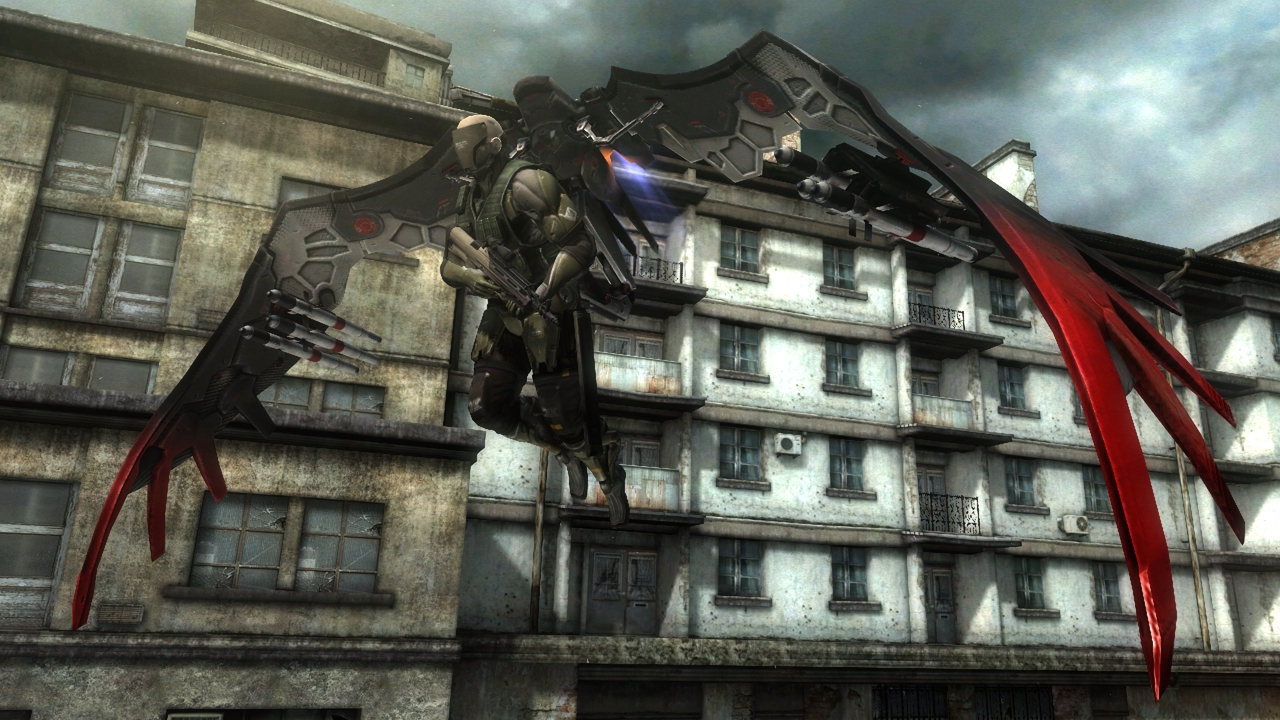
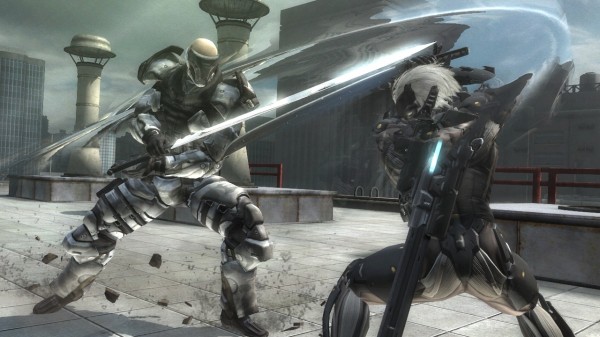
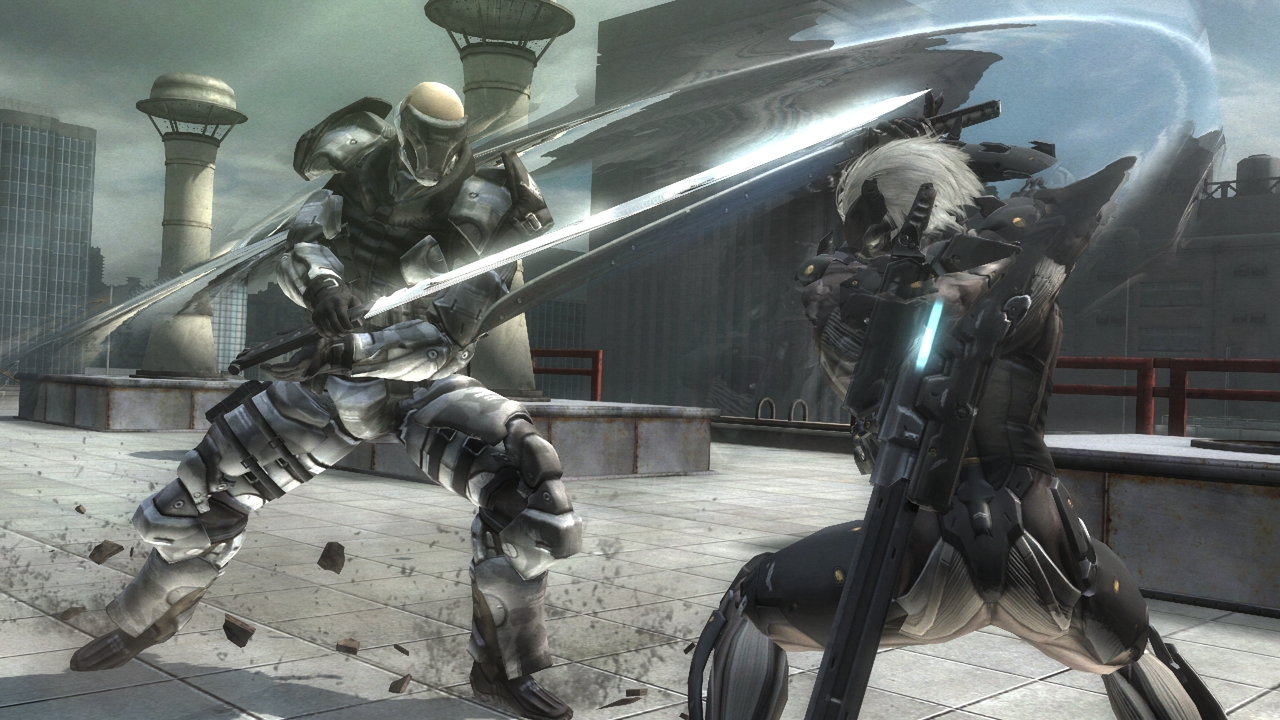
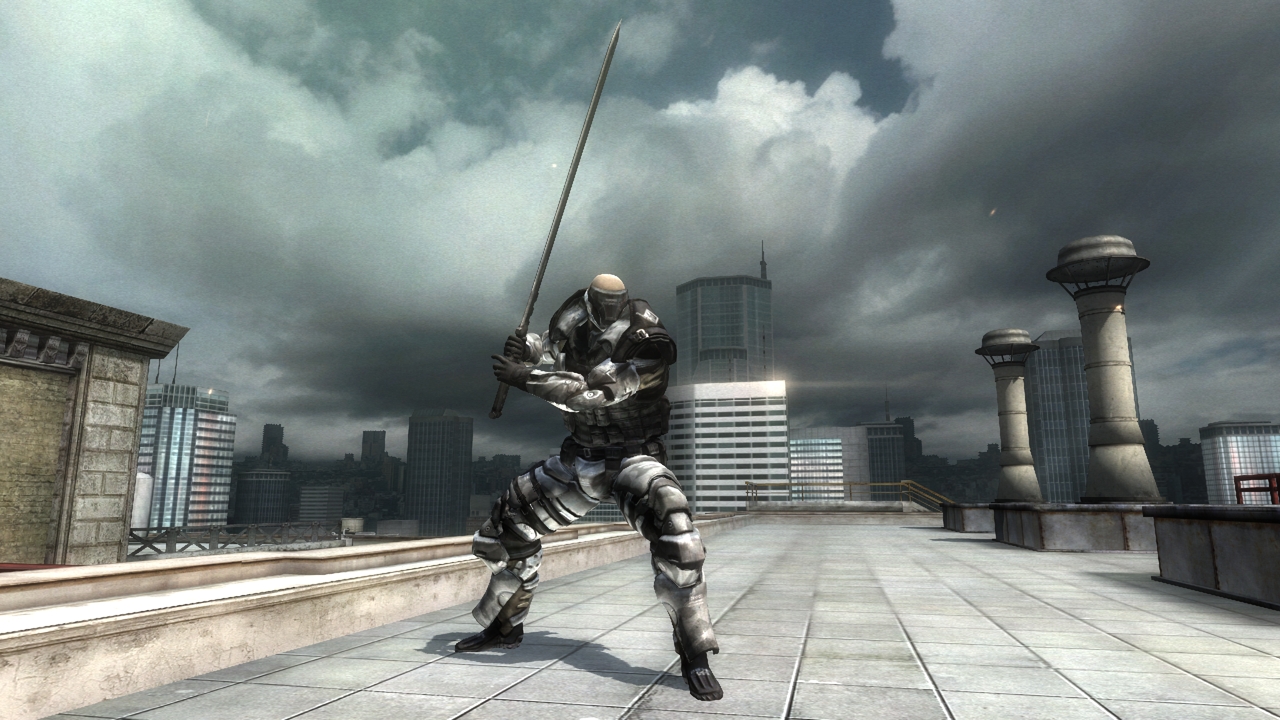
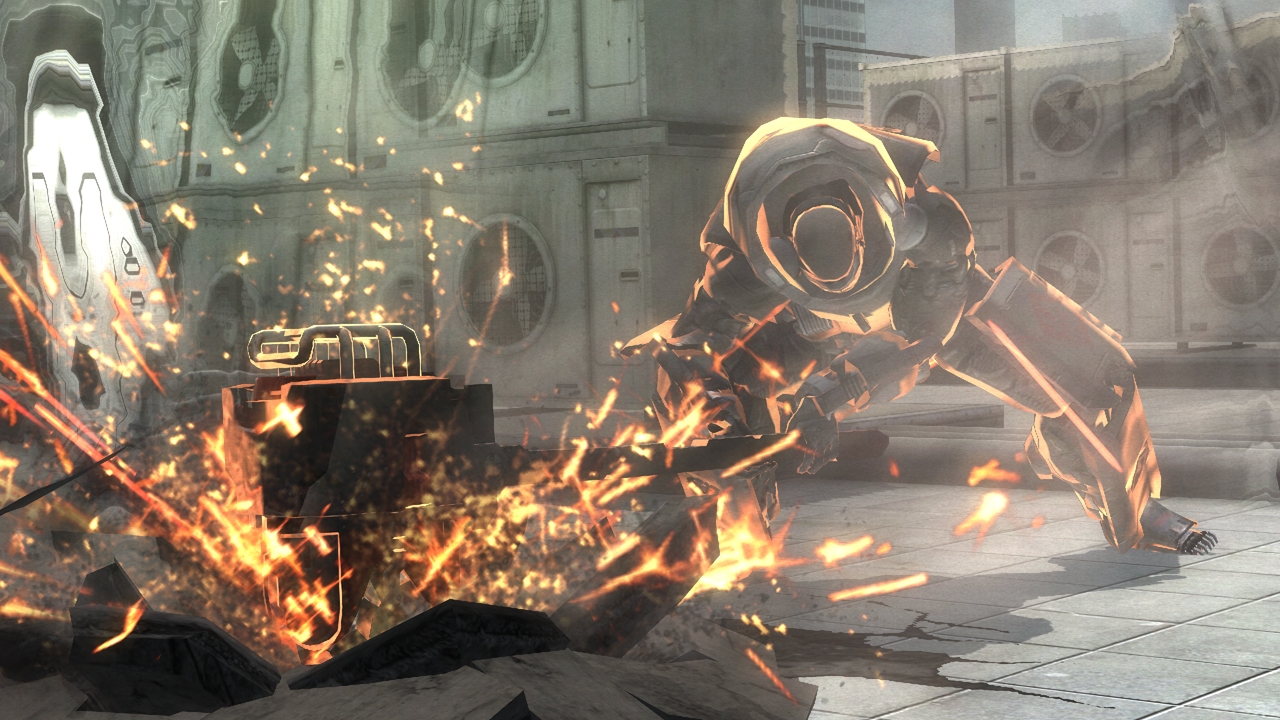
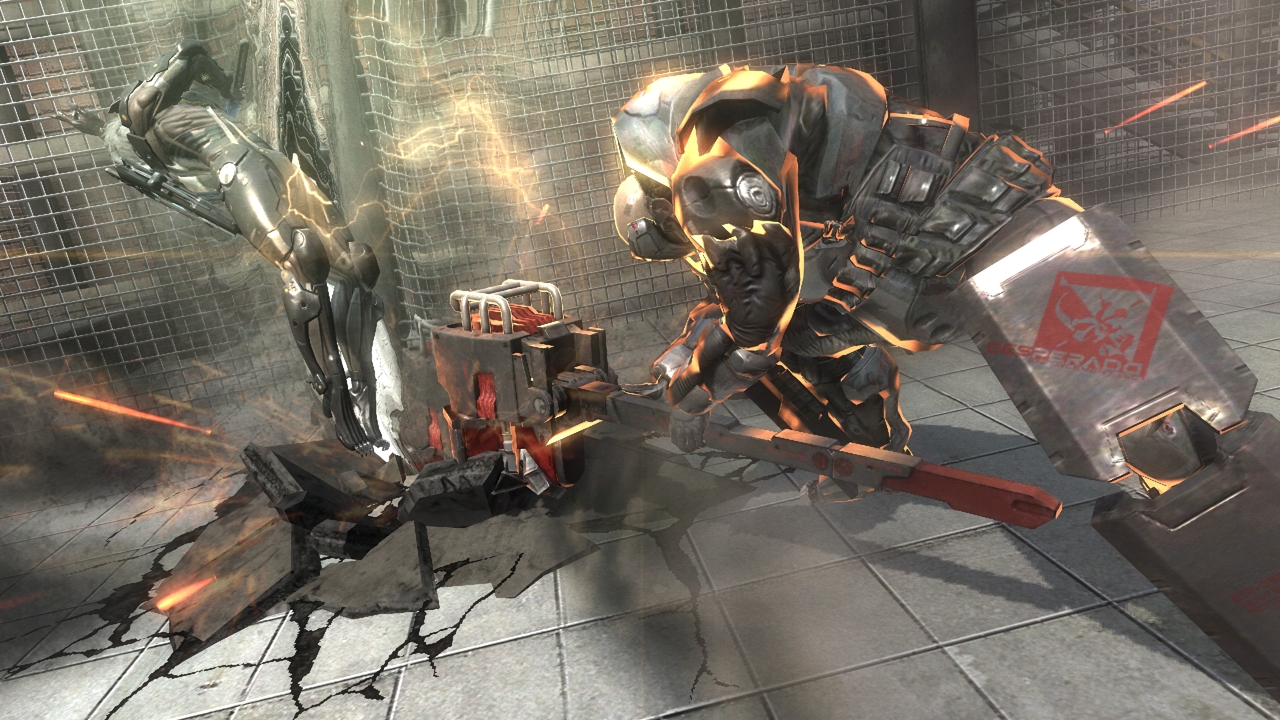
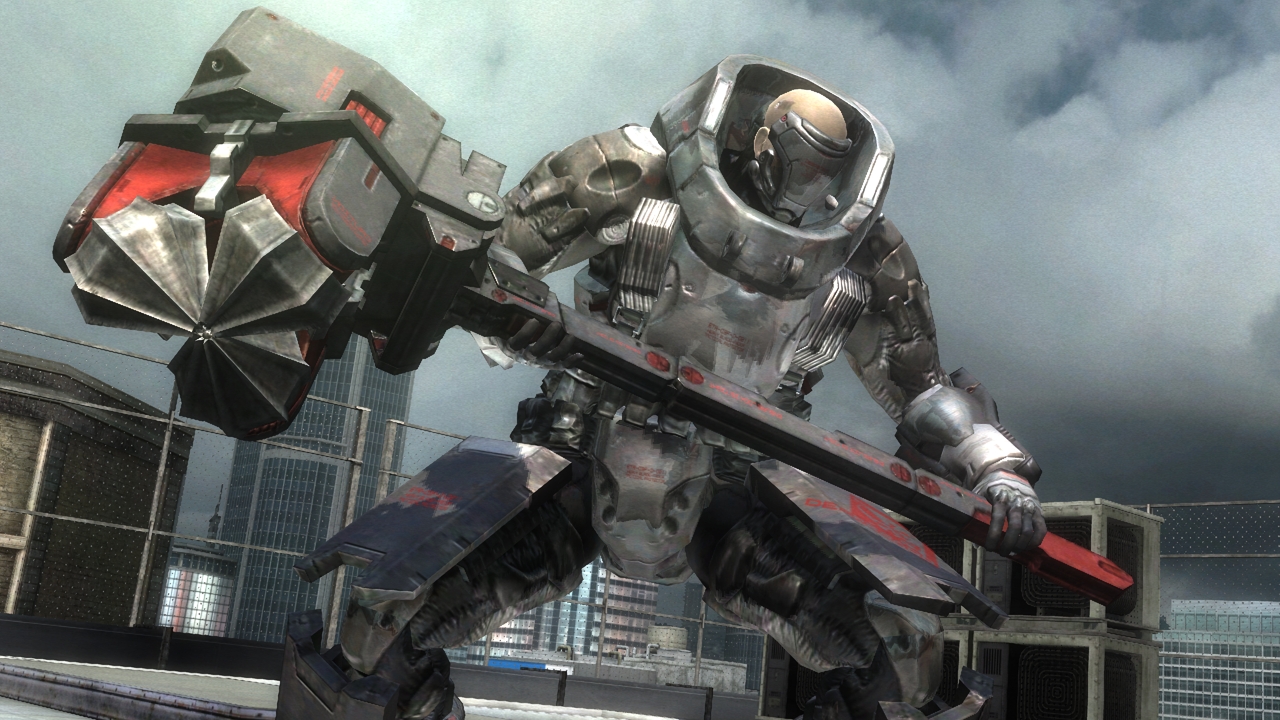
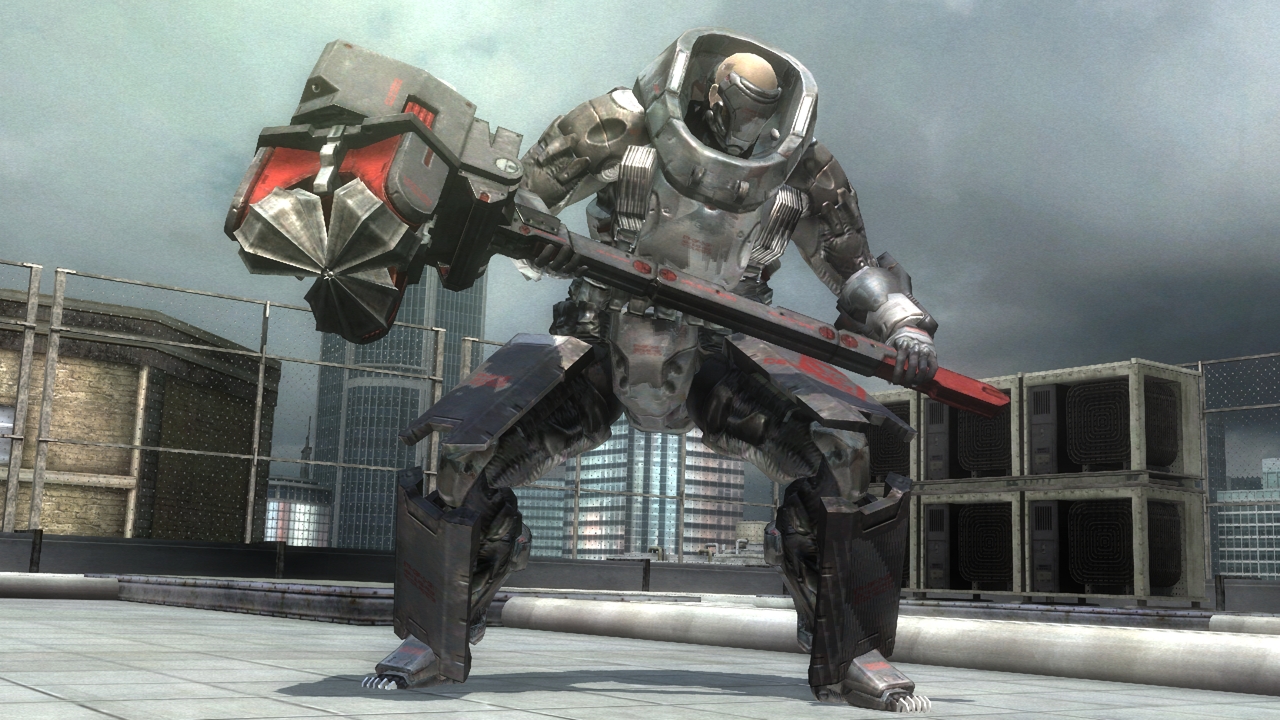
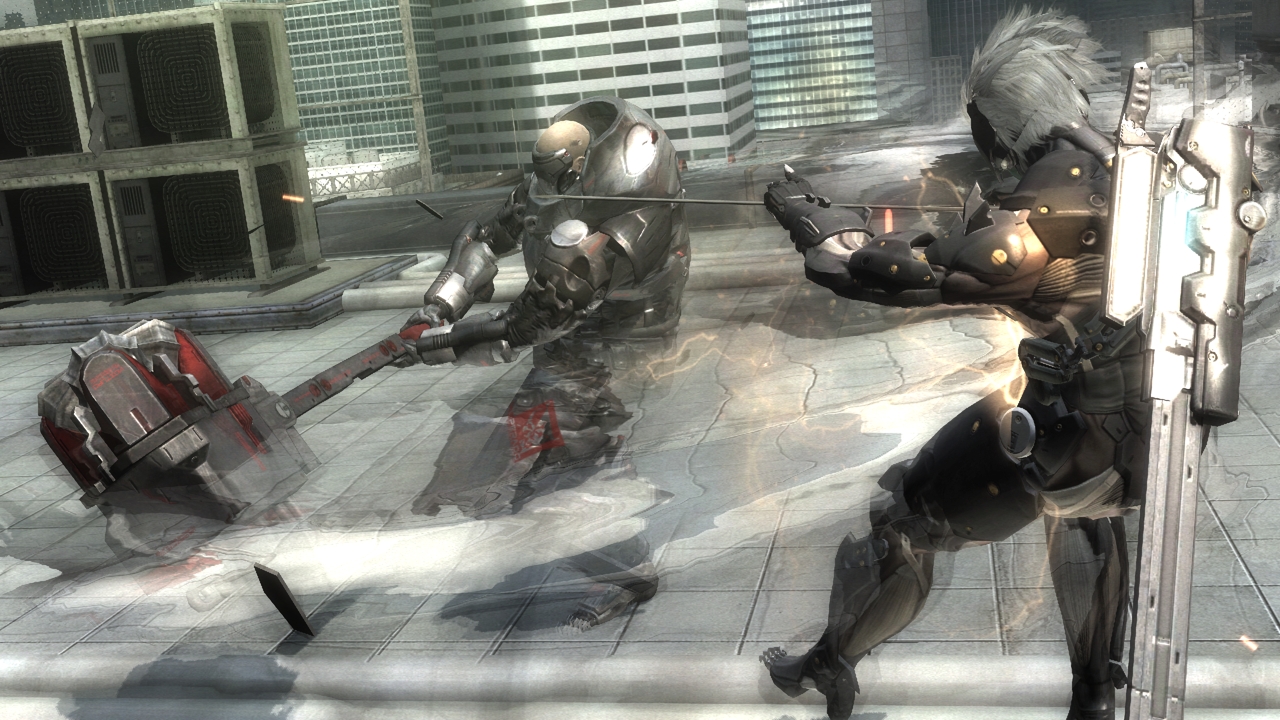
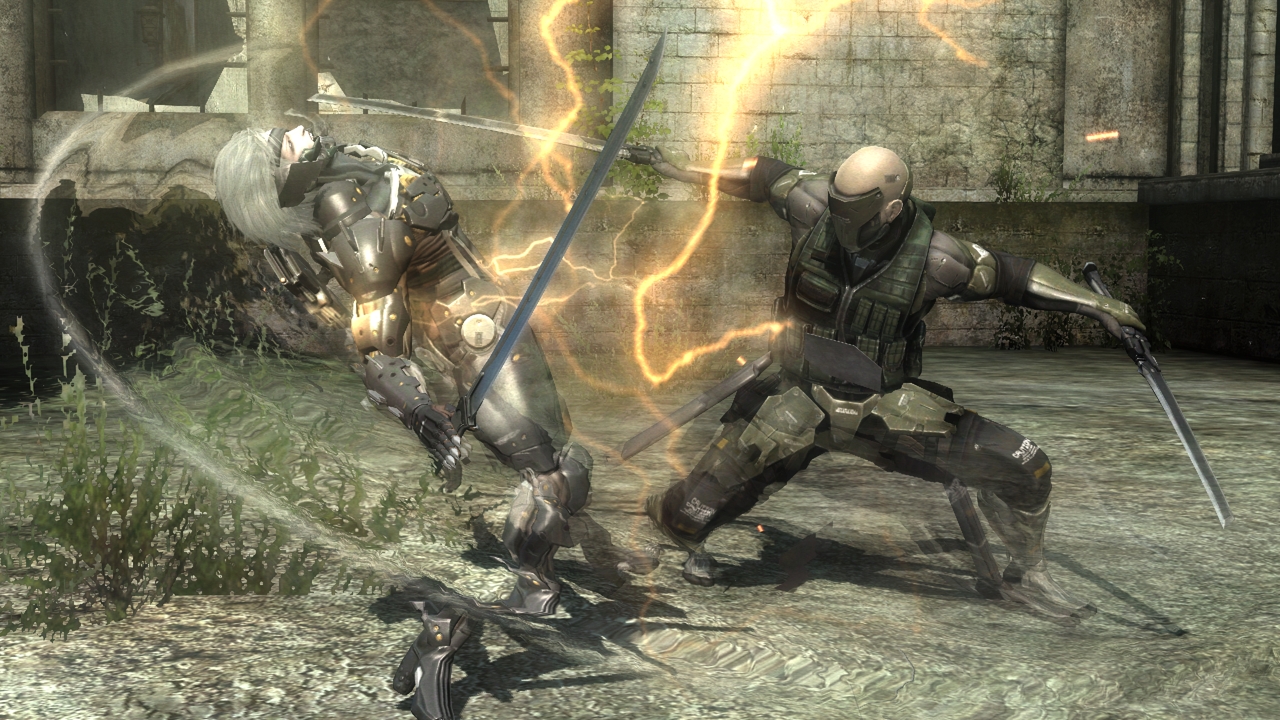
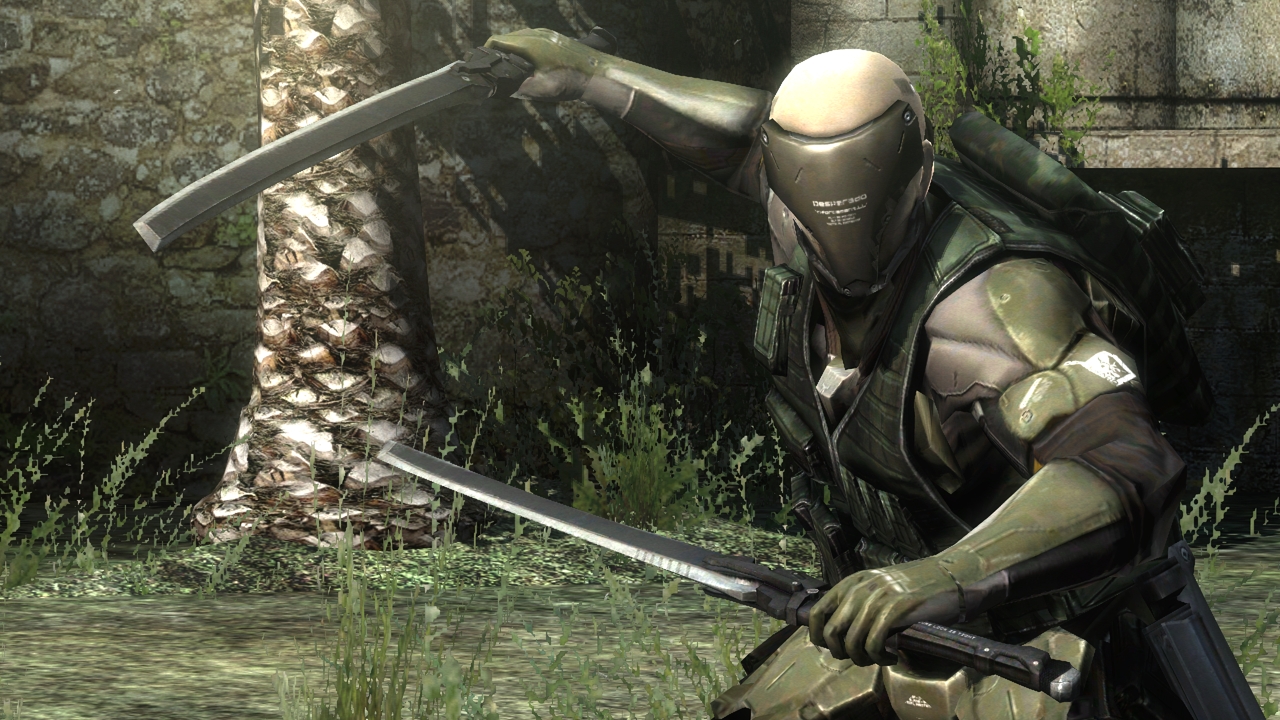
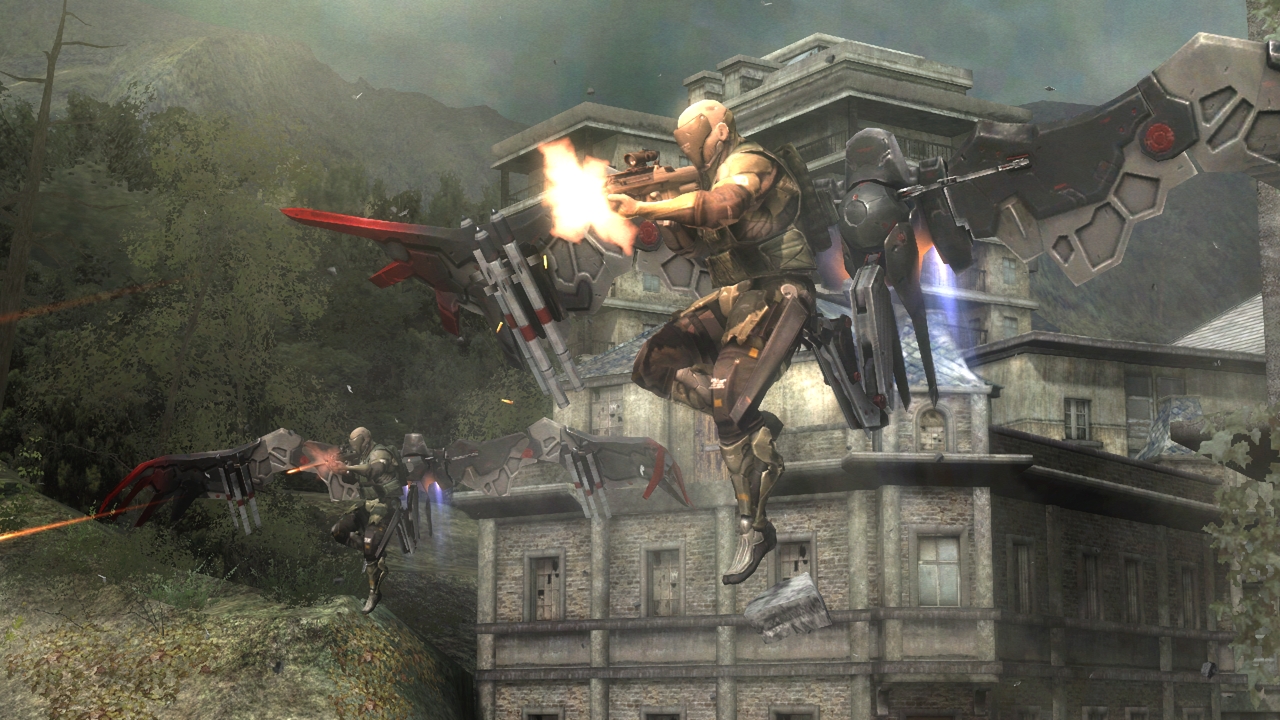
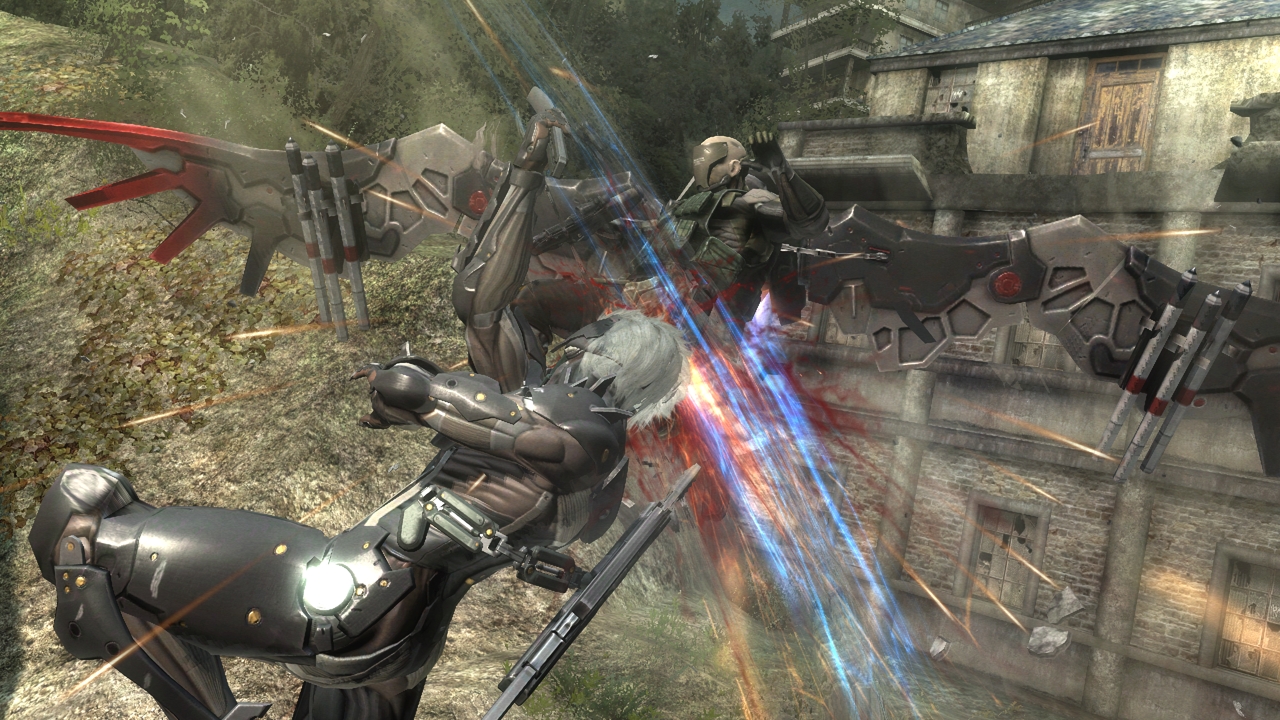
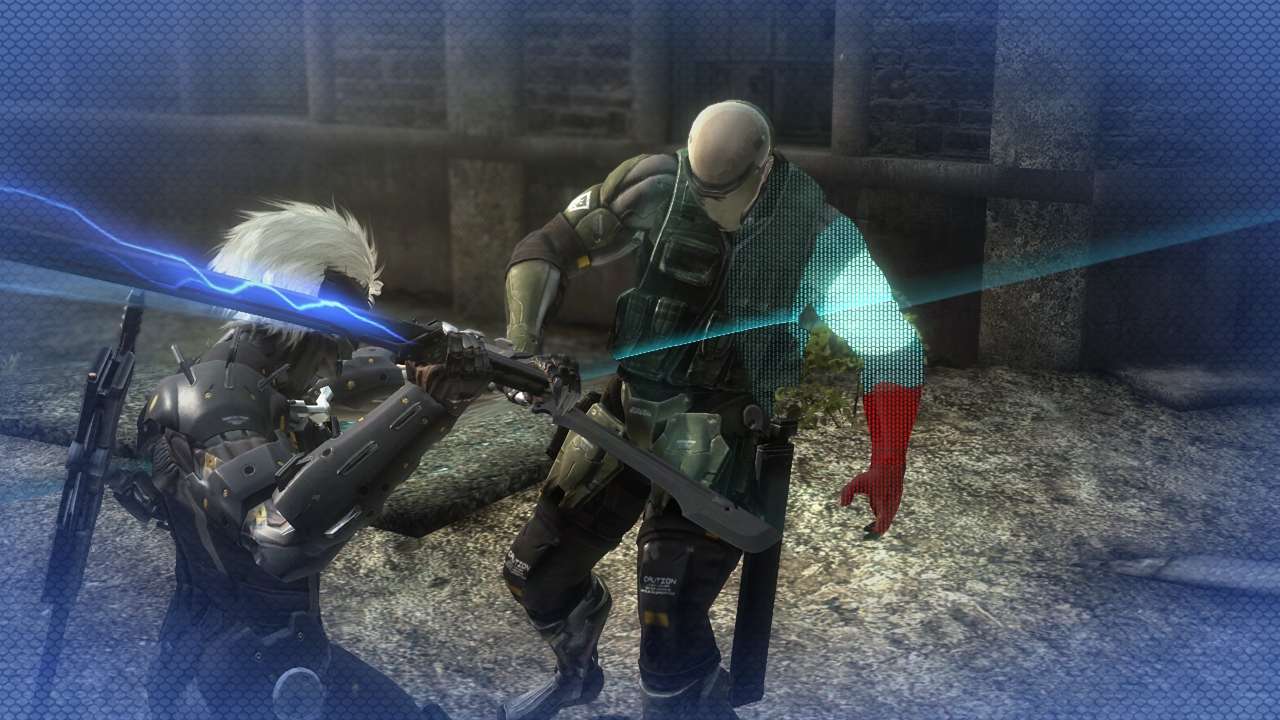
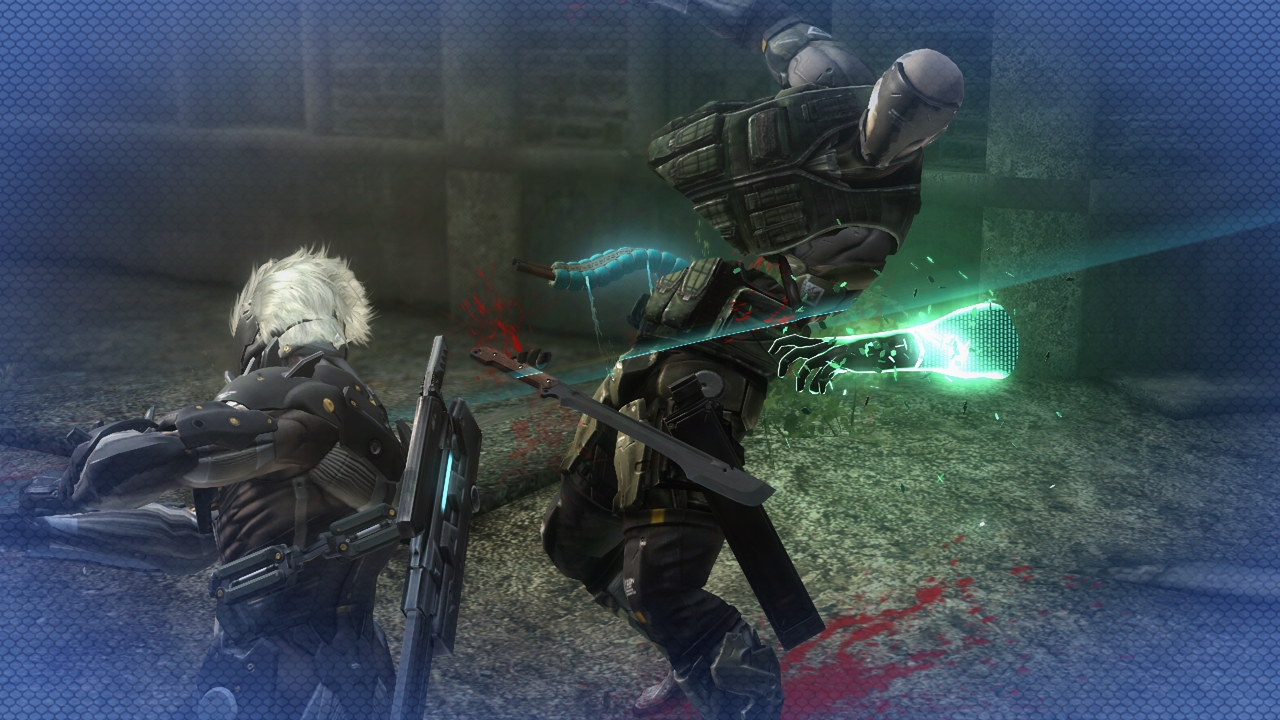
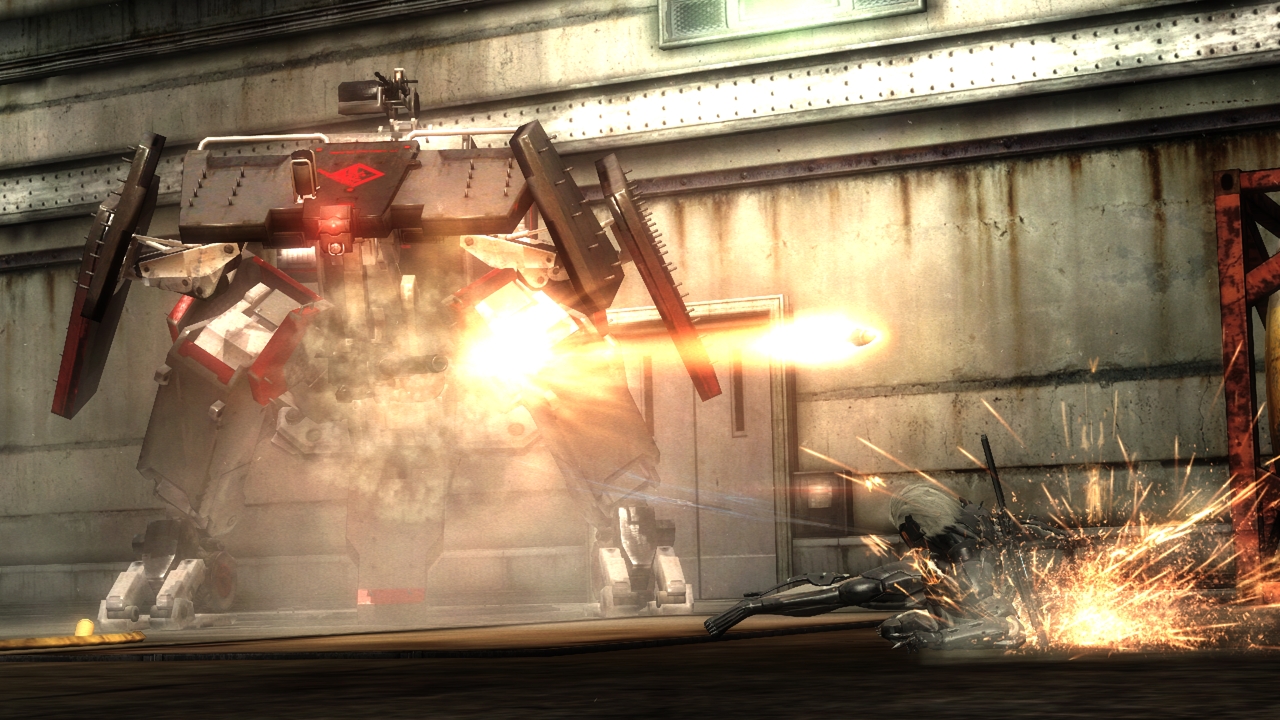
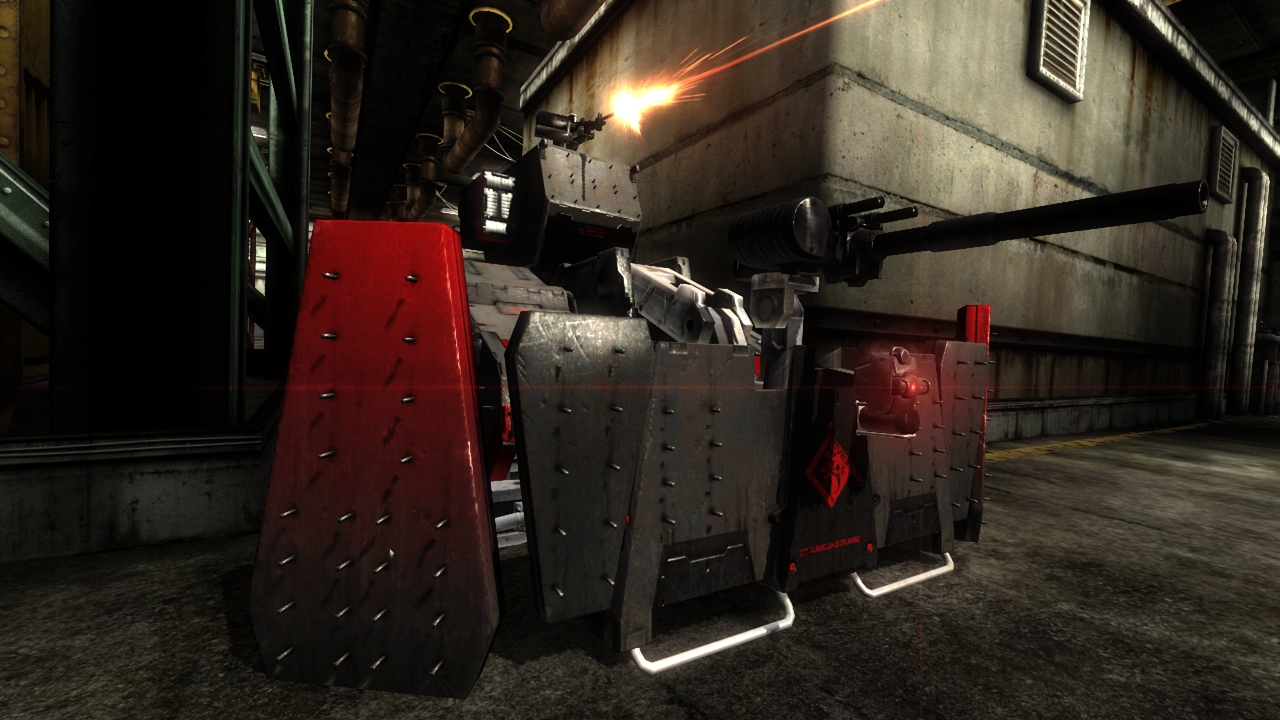
Today Konami provided a nice little media dump in the form of new gameplay video and screenshots for their upcoming title, Metal Gear Rising: Revengeance. The videos can be seen below and are certainly worth checking out thanks to the killer sword action that Platinum Games has devised for the title as well as some customization options players have for Raiden and the screenshots are also found below and cover the same type of enemies shown in the videos.

As for the enemies in the videos, they are named Ray and Mafutisu and they will be encountered once the game is released Xbox 360 and PlayStation 3 on February 19th in North America and February 22nd in Europe.

Castlevania Lords of Shadow – Mirror of Fate release date announced

Castlevania will be seeing another title added to its repertoire says Konami Digital Entertainment. Titled as Castlevania: Lords of Shadow – Mirror of Fate (long title), the game is to be released exclusively for the Nintendo 3DS on March 5th, 2013 in North America.

What can we anticipate to see in this upcoming title? Well, as the title implies the story will begin 25 years after the events of Castlevania: Lords of Shadow. Mirror of Fate will exclusively look at the mysterious background of Trevor Belmont, the son of Dracul. With the return of Dracula, Trevor departs from his son – Simon – on a quest to enact vengeance on his mother’s murderer, his father. But before he departs from his son, Trevor hands him a pendant containing a part of the Mirror of Fate.

Be sure to stay updated on the latest “Lords of Shadow” news by checking out Castlevania’s Official Lords of Shadow Facebook page.

First Mars: War Logs Trailer Promised Dubstep Free

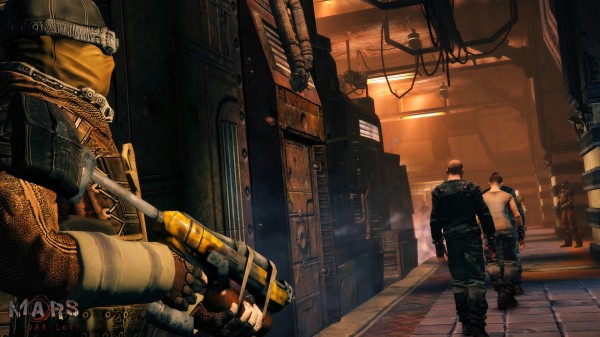
Focus Home Interactive and Spiders Studio must be very unimpressed with the state of game trailers today as when releasing the first non-teaser trailer for their upcoming Mars: War Logs, they make it a point of mentioning that it is in fact 100% Dubstep free.  Instead opting for the much slower “Feel the Sunshine” that sets the mood on the mostly red dust planet.

The trailer doesn’t offer too much, but it does show off a little bit of some of what the game will hopefully offer in terms of combat.  Showing a little physical, gun, and cyberpunk-style Technomancer ability as lead Roy Temperance faces off against some seemingly low level guards.  While pretty sparse it will be interesting to see how all those combat elements come into play when out and about in the full RPG world of Mars.

Mars: War Logs will let players fill the role of Roy on the water devoid planet to side with the renegades his been labeled as in Spring 2013 on Xbox 360, PlayStation 3, or PC.  Players can check out the first trailer embedded below.