The latest issue of Weekly Shonen Magazine has announced that Yuji Terajima’s popular baseball manga Ace of Diamond will be getting an anime adaptation. Furthermore it has been revealed that the anime will be produced by two anime studio powerhouses, the legendary Madhouse and Production I.G.
This anime will be Madhouse and Production I.G’s first collaborative effort. Madhouse has previously collaborated with a number of companies such as Studio Ghibli and Square Enix for anime productions.
Ace of Diamond has been serialized since 2006 and has recently released its 35th volume. The series follows Eijun Sawamura, a talented pitcher who joins an elite school with hopes of helping his team reach the fabled Koshien championships. The Ace of Diamond anime is slated to launch in Fall 2013.
Overview
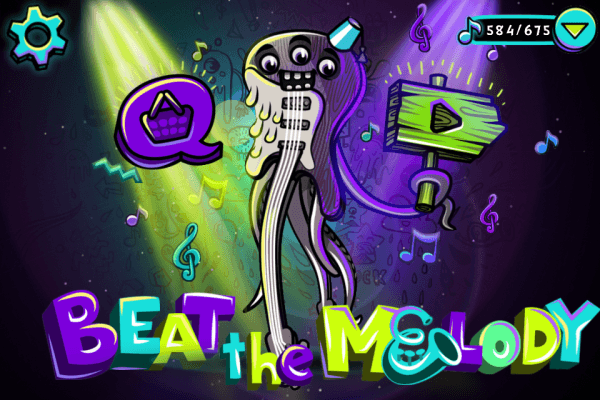
When you get a game that has billed itself as a tool to help folks improve their musical skills, you know you’ve got an odd walrus to deal with. It’s supposed to be both educational and fun, and games have traditionally tread that ground too far in one direction for the whole statement to be true. With that said, what is Beat the Melody? Can it live up to the ideals of being both fun and educational or does it trip and fall off that fine line? Let’s find out.
Gameplay To classify Beat the Melody as a rhythm game would be a bit of a misnomer. It contains music, but you don’t even have to be able to tap your feet to a beat to play the game.
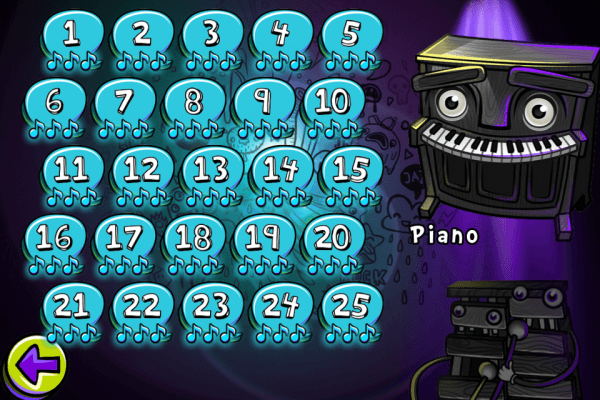
The premise of Beat the Melody is simple. There are several song groupings. Within each grouping, there are twenty-five stages. Each stage consists of the game playing a tune anywhere from four notes on up (“Flight of the Bumblebee” can have over 130 notes on later stages). Players will then try to reproduce the notes by tapping on the screen.
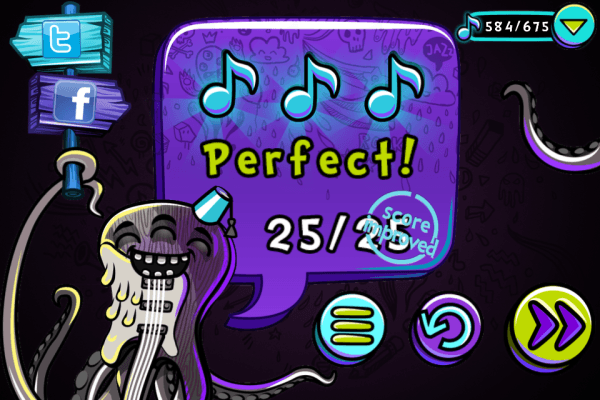
The controls are easy to pick up. When trying to recreate the song you just heard, you’ll tap somewhere on the screen to produce the first note. From that point on, you simply tap higher (to the right), lower (to the left), or the same spot (same note). The idea is quite simple and well implemented, but it presents a problem or two. What happens if you start too high or low on the screen? You’ll ultimately end up having to take a ding on your score and re-center yourself. This can be doubly frustrating since “completing” everything requires 3-star ratings on each stage (much like Cut the Ropeor Angry Birds), and that requires hitting every single note for a tune.
The game is, in its release state, riddled with bugs. In a few hours of gameplay, I witnessed more than half a dozen complete app crashes. The game also warps itself terribly if you try to turn your device vertically. On top of that, seven of the eight instruments they use as a selling point for the title are only available via DLC. For a game that’s already $2.99 USD on release, this feels unacceptable.
Visuals One of the key game features the literature for Beat the Melody touts is the ability to “play even without looking at the screen.” Taking a quick glance at this game, it’s easy to see why they would hope to sell people on shutting their eyes while they play it.
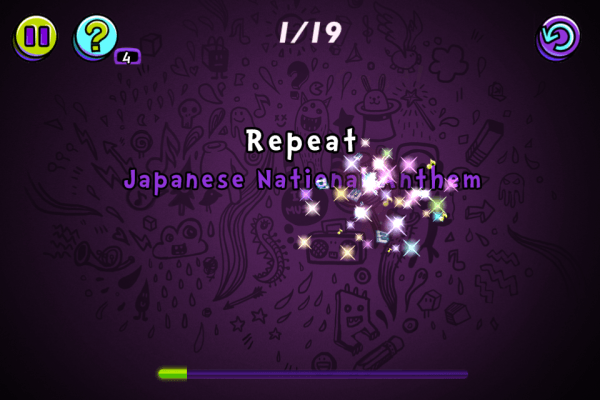
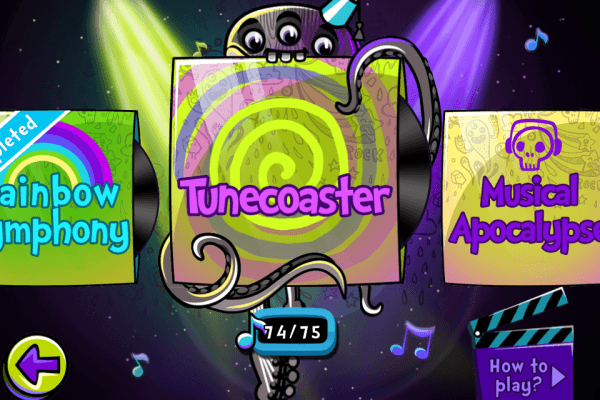
The game uses only a handful of colors in its palette. A few different mascots can be seen throughout the game, but the most prevalent is an awkward looking three-eyed guitar-octopus chimera. Actually playing the game is also woefully plain. The user interface is made up of a wallpaper, progress meter, and not much else. It would have been nice to have some warm, inviting colors or something that indicated you were on a moving musical scale.
Audio
For a game with a core focus on music, it’s surprising that the audio portion of the game can feel so flat. The game presents itself with a roster of over 200 songs, but that’s not completely accurate. Several of the songs are reused from one song grouping to another, often with nothing more than a couple of additional notes.
Given that the game was done in conjunction with the Academy of Music in Wroclaw and that you’ll initially have to play everything on piano, it should come as no surprise that the vast majority of the songs are either from classical music or tunes we would consider to be classics. There is nothing modern or hip here. There isn’t even anything from the last few decades that you’ll recognize here.
The game’s literature also touts the ability to play its tunes from eight different instruments. The problem is that 7 of them will actually cost you money the moment you want to play them. To their credit, though, app updates are already being released to add a little additional content, so hopefully this will continue for the foreseeable future.
Overall Beat the Melody is a game with more ambition than it really had to back it up. Inadequate visuals and a drab game mechanic hurt what could have been a solid title. The music library is decent and growing, but it would be nice to have some more modern tunes (and access to other instruments without monetary disruption). The game is also plagued by technical hiccups and odd design choices. Even with all of that said, though, there is a certain satisfaction to perfectly recalling all of Beethoven’s “Ode To Joy.” The game tends to swing more to the “fun” end of the pendulum, but too much keeps it from ever reaching its goal.
Capsule Computers review guidelines can be found here.
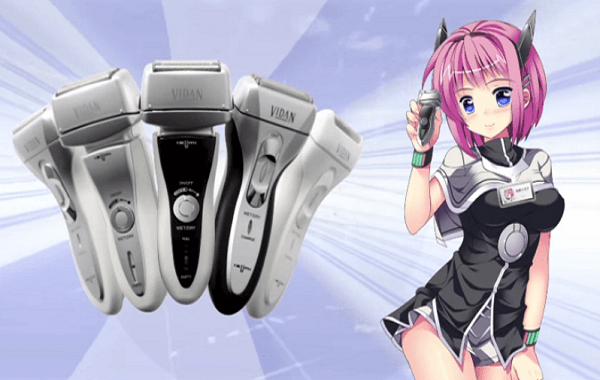
Ever wondered how you could incorporate anime into facial hair removal? Evangelion teamed up with Schick to create Eva themed razor stands, but now there is a new character promoting shaving in Akihabara.
Electronic product company Izumi has created the anime mascot Izumi Matsumoto to help promote their latest range of electronic waterproof shavers. According to her profile she is 19 years old and is 156cm tall, her favorite food is strawberries and has the special skill of decomposition. She has been given the tile of official spokesperson for the razors.
Each razor has Matsumoto’s face on the front of the handle and includes a free carry pouch with her winking. To help further the promotion of the razors, Matsumoto has her own twitter page with 275 followers (at this point in time) and three YouTube videos have been released on a new account which was created by the Izumi Company.
Currently the promotion is in its 3rd stage with a press released being issued today from the official website, which can be found by clicking here. A fourth stage is said to be coming soon.
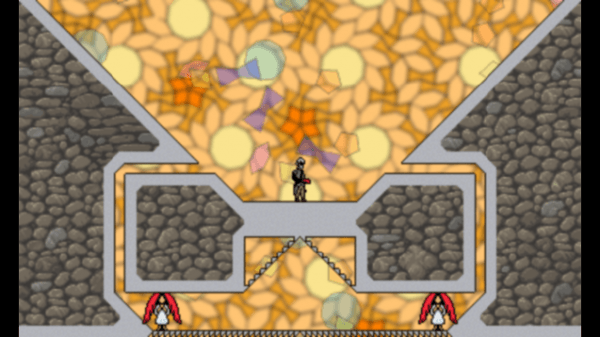
Hamish Todd is fusing mathematics with video games in his new artistic puzzle shooter Music of the Spheres. The protagonist is an old man who has died and gone to heaven. He is now challenged to complete a series of puzzles. The game’s art features girih tiles, a mathematical based form of Islamic art dating back to the Medieval Ages. Players will need to shoot bouncing bullets that will play a note when impacting a solid surface like a wall and hit a a moving target. The result is a relaxing experienced heavily inspired by Portal.
Music of the Spheres runs on Windows PCs and is available for sale on Desura. Todd is also running a Greenlightcampaign in a bid to get the game onto Steam.
Bad Bots Developer: Digital Tribe Games/Point Five Projects Publisher:IndiePub Platforms:PC (Reviewed), Mac Release Date: May 17th 2013 Price: £9.99 (Available here)
Overview
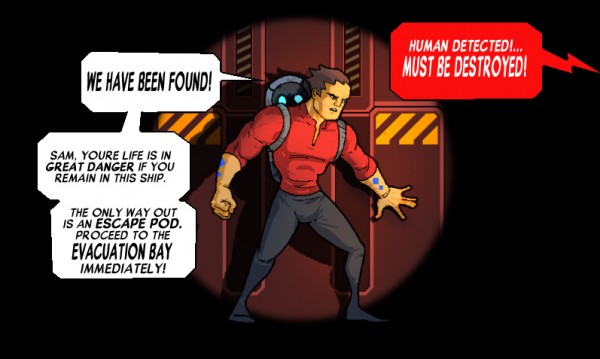
Bad Bots is a side scrolling platform shooter set aboard the “Titan Hauler” – A space faring cargo ship on its way to Earth from some exotic, undefined interstellar location. You play as Sam McRae, a grease mechanic who wakes from cryosleep to find the vessel under attack from a seemingly endless torrent of killer robots. Not only this, but the ship also happens to be inconveniently plummeting straight in the direction of Earth. Sam must fight his way through the ship’s structure to try and save our beloved planet and rid the vessel of its unsavory boarding party. It’s essentially Captain Keen on steroids.
Story
Although a storyline is present it’s clear that this is not exactly a ‘narrative-driven’ title. Indeed, side scrollers in general aren’t exactly known as facilitators of deep storytelling, and this case is no exception. Most of the plot is communicated through a series of XIII style comic strip cut scenes that work much like a PowerPoint presentation. Don’t get me wrong, I quite liked the comic-strip visual style, but the need to click every time I wanted to read the next speech bubble wore thin after a few seconds. I caved in the end and skipped the opening cut scene entirely. It seems therefore as though the Bad Bots story acts as a purely functional device, a means of letting the player know roughly where they are, what needs shooting and which direction to move in (although in the first level that isn’t exactly clear.)
Gameplay
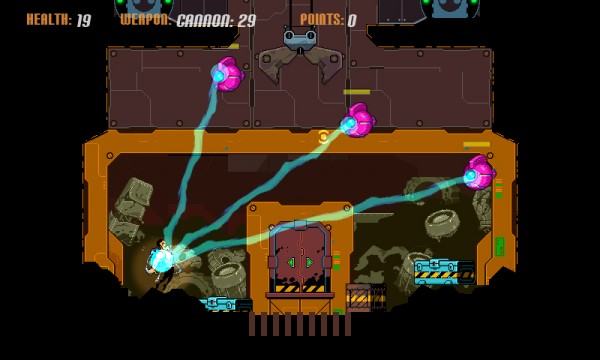
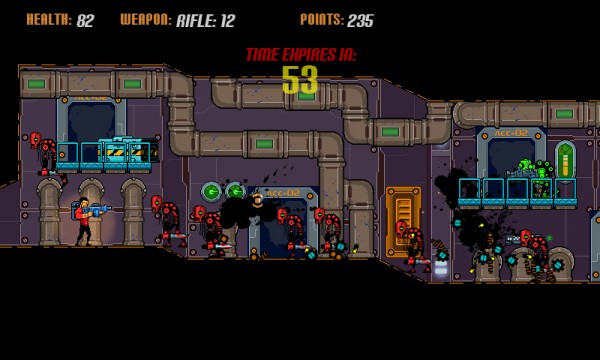
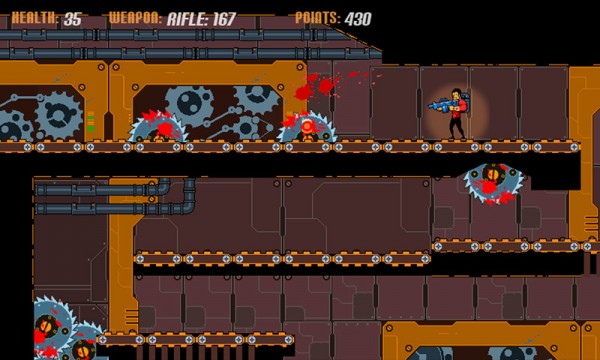
Now, this is where the game hits the mark. Although a side scroller, the inclusion of a very modern control setup removes the feeling of claustrophobia often afforded by the genre. It’s not simply a straight run and gun deal (like say, Metal Slug) – Instead, there are switches, elevators, ventilation shafts, obstacles and traps to avoid, the list goes on. In terms of weapons, Sam has access to several weapon classes and powerups throughout the game, although he may only carry two at any given time. One of the most interesting features (for me personally) was the melee weapon that is first acquired in the game. A mighty axe, used to smash in vents, open crates and leave many, many robots ‘cleft in twain’ about Sam’s feet. The controls are intuitive and in keeping with most FPS keyboard control schemes and feel intuitive right off the bat.
In terms of replay value, the game comprises of a single player campaign and a challenge mode. A simple survival mini game with three levels of difficulty. Of course, I went straight for the hardest difficulty, and then things swiftly went downhill. The only thing that prevents the challenge mode and indeed, aspects of the single player from being any fun is the presence of one class of enemy, a red robot that carries a knife and runs about 18x faster than your character. Also, when attacked by more than one of these particular NPCs, you immediately lose the ability to move, shoot and jump. Add to that their immense spawn speed and you’ve got yourself the perfect recipe for sheer, unbridled rage.
I should also mention the achievements system which is well presented and linked to the Steam achievements system, and you can also view them through the Bad Bots main menu.
I will say however that the presence of save stations in the single player mode works to counter these frustrations somewhat and also helps to remove the arcade-ish feel communicated by the 90s pastiche artwork.
Visuals & Audio
Speaking of the visuals, which emulate the graphical style of Windows 95 titles like ‘Wolf 3D’ and ‘Captain Keen’ – I must admit to developing an attachment to Bad Bots on the sole basis that it caused me to ‘nostalgia hard’ for the first few hours of play. Huge praise should go to the animators and artists who put together the stills used in the cut scenes, as they really do add to the presentation of the story in a medium that doesn’t really allow it.
In terms of audio, I have to admit to being a little disappointed. The sound quality is in keeping with the visual style but there appears to be only three to four sound effects present in the whole game. There’s the open door sound, which also doubles as the elevator sound, the save station sound, and anything else remotely mechanical, sound… Then you have all of three different types of ‘blip’ to represent your gunfire. I was hoping for some repetitive arcade-esque MIDI music to pulse away in the background, but instead there is none, nothing at all. This is especially noticeable when you have no idea where you’re supposed to go next, and so you wander around for twenty minutes in silence going back through rooms you’ve already visited. With only the ‘door sound’ punctuating all of your frustrated efforts.
Overall
Generally, Bad Bots is a well put together and highly enjoyable retro styled indie title brought to us by a small development team. They have successfully married the chaotic visual and combat elements of the side scroller shooter against proven modern control schemes to create a deeper experience. The result is a strange “I’ve been here before” sensation coupled with several genuinely surprising “oh, nice.” moments. I would definitely recommend giving this game a chance. But I will say this, don’t expect to get lots of replay value out of the challenge mode, as it’s no Nazi Zombies.
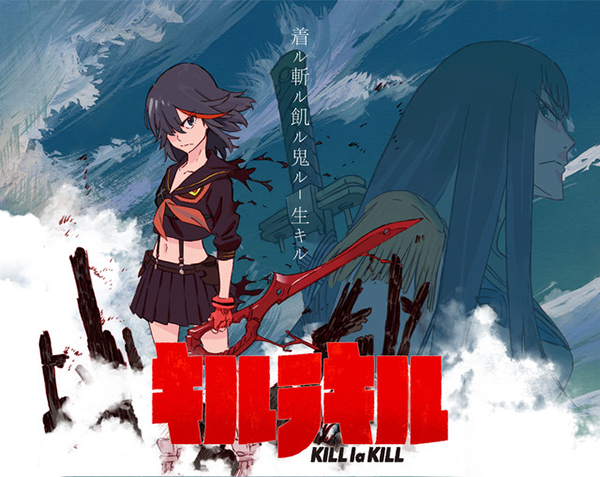
Studio Trigger’s upcoming anime series, Kill La Kill, from the mind of Hiroyuki Imaishi the creator of Gurren Lagann, now has had its first official commercial released online today.
The commercial showcases several of the designs for the series including characters and locations. It does not however feature any actual animation, but that is sure to come in future promo videos for Kill La Kill.
Kill La Kill is Studio Trigger’s first TV anime series and focuses on the out of this world battles between school girls Ryuuko and Satsuki over dominance of their school. You can check out the commercial below.
The latest issue of CoroCoro magazine, which is due for release on May 19, has revealed four new Pokemon as well as a bunch of details for the upcoming Pokemon X and Y games.
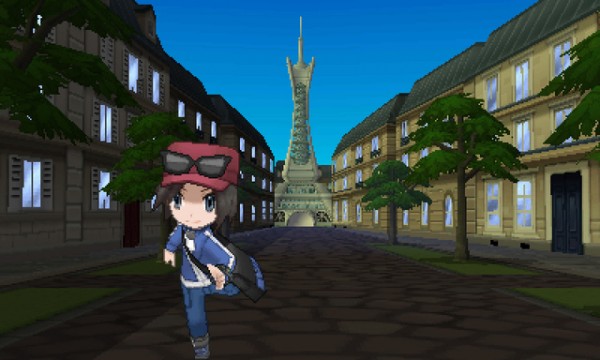
We now have confirmation of the name of the region that Pokemon X and Y will be set within. The region will be named Karos in the Japanese release. Miare City is the central city in the Karos region and features a structure similar to the Eiffel Tower (pictured above).
The game is also the first in the Pokemon series to feature multi-racial protagonists. What this means is that you can customize your character to be either: light skinned with light hair, light skinned with dark hair or dark skinned with dark hair. The scan below features both protagonists in their multiple forms.
It don’t matter if you’re black or white! (Click to enlarge)
Several new Pokemon were also revealed for Pokemon X and Y. The four new Pokemon revealed are each a different type, one flying, one fighting, one electric and one grass. Here is what we know about them thus far:
Yancham – Fighting-type Pokemon that looks like a baby Panda.
Yayakoma – Normal/flying-type Pokemon that is based upon a Ryukyu Robin.
Elicitel – Electric/normal-type Pokemon that is Lizard-like in appearance.
Gogoat: – Grass-type Pokemon that resembles a Mountain Goat.
You can see each Pokemon in the scan below:
All four newly revealed Pokemon. (Click to enlarge)A close-up of Yakakoma and Elicitel (Click to enlarge)
Not only did the magazine reveal new Pokemon and details of the region but also some new features coming to Pokemon X and Y. One of the new features is the ‘Ride’ ability that some Pokemon have which allows the player to mount the Pokemon and ride them similar to a bicycle in previous games. Not only that but the Pokedex in these games resembles an iPad. You can see these new features, including a player riding upon the back of Gogoat, in the scan below.
Both Male and Female protagonists of Pokemon X and Y. (Click to enlarge)
Pokemon X and Y are slated to release world-wide October 2013 for the Nintendo 3DS console. Stay tuned for more information on the Pokemon X and Y games as it surfaces.
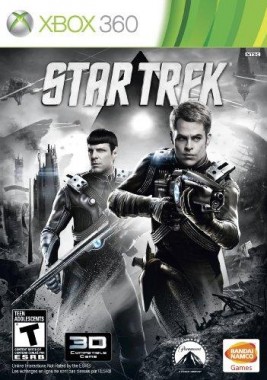
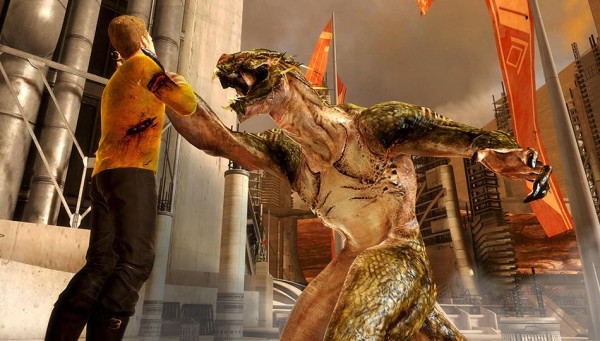
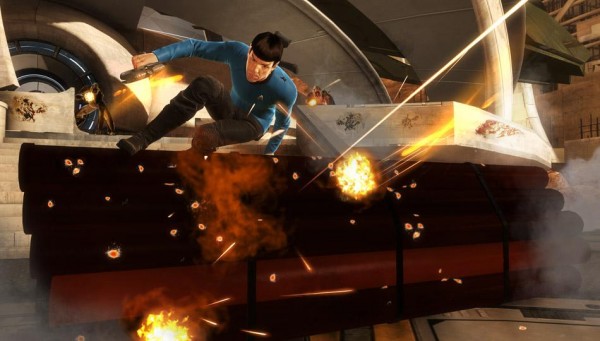
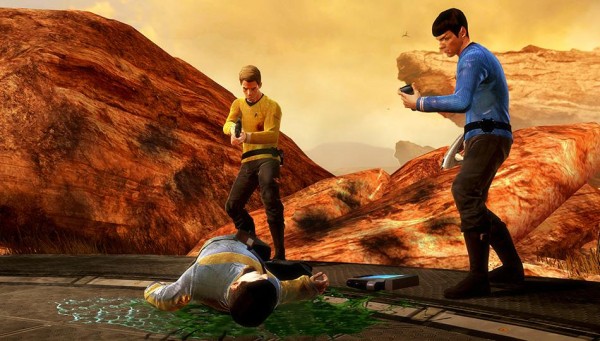
Star Trek Developer: Digital Extremes Publisher:Namco Bandai Platform: Xbox 360, Playstation 3, PC Release Date: April 23, 2013 Price: $59.99 – BUY NOW!
Overview
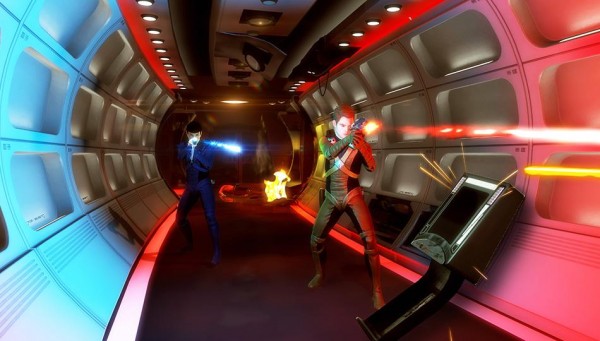
Resident Evil 5 was and still remains to be one my favorite games of all time. Sure, it has its critics, but the co-op experience in my opinion has been unmatched, and even with a computer player controlling Sheva, I still had a fantastic time. Why am I comparing that game to something like Star Trek? Well, Star Trek has been promoted as a co-op driven adventure in space, where players take control of Kirk and Spock with a brand new storyline in tow. Maybe it was my own expectations here, but I kind of thought of this release as Resident Evil 5 in space. Digital Extremes have been known for putting out some decent romps on consoles before, and there was a lot of reason to be hyped for this game – licensed or not. Does this game live long and prosper, or should it be fed to the Gorn? Let’s find out.
Story
Star Trek comes with a brand new narrative, taking place right after the first flick of J.J. Abrams’ stylized reboot – and just before Star Trek Into darkness takes place. Yeah, it’s one of those in the middle type stories, but that isn’t always a bad thing. This time, Kirk, Spock, and the rest are tasked with a new evil known as the Gorn. Yes, that Gorn from the original that had zippers on the back of their costumes. Are the zippers back? Well – no, but this terrible threat doesn’t really come with an engrossing tale, so all of the new work Digital Extremes put into this plot feels a bit wasted due to the lack of true substance.
Let me explain that point. This title doesn’t really work in chapters, as it’s usually just one mission after the next, with kidnappings, chases, and everything in-between taking place as you make your way throughout the game. The plot itself is genuinely interesting, and there are a lot of nods to the television series to take in, but as a whole – the pacing never truly lets the player feel attached to this vivid universe. Remember in Mass Effect how the world expanded after every mission, and every character had their own purpose? Well, Star Trek is the opposite. Every time something interesting happens, the player must get through tedious levels in order to see the plot unfold, and the results of doing so usually lead to a drab result due to padding and filler used to simply make the game longer. Sure, there are genuinely exciting moments here, but they are so few and far between that it makes the game’s tale feel boring for a hefty chunk of the experience.
I shouldn’t have to feel like I want to finish a level just because there is something better around the corner, and when I do make that turn, why is it that I then have to perform more tedious chores to see the end result just extended upon? This plot is very unbalanced, and rewards the player little for their efforts – instead using filler gimmickry to keep the player invested. Star Trek may be based off a movie that is based off a television show, but you cannot create a game with that type of foundation that is only around ten to fifteen hours to start with. What you are left with is a sweet piece of chocolate with a hollow center, only satisfying players at the beginning and the end of their journey – with a big center of nothingness in-between.
Gameplay
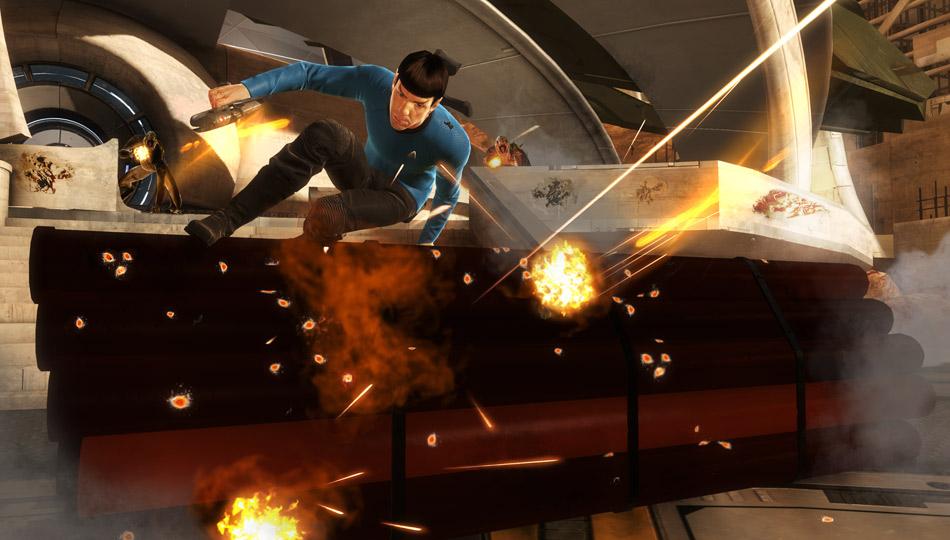
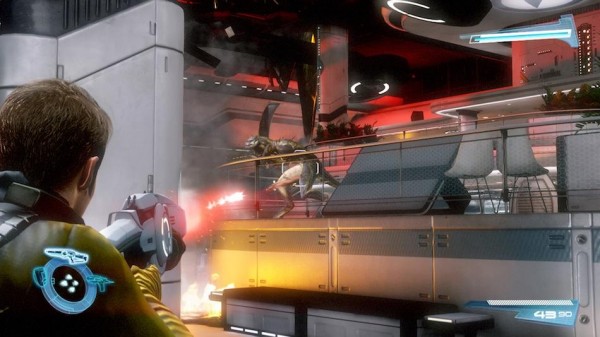
I wish I could say the gameplay makes a lackluster story worthwhile here, I honestly do. Sadly, that is not the case. In many ways, Star Trek plays like a good percentage of the modern third-person shooter fare on the market, and mostly – this works just fine. Players have a small little inventory of weaponry, and players can pick up the enemies’ own stash once defeated to slightly broaden things out a bit. Shooting is fairly basic and does it’s job, but never brings us anything new to the table. Every stage just usually consists of walking, a bit of stealth, shooting the enemies, and a mediocre boss battle that ends an area on a sour note. Sure, killing enemies like the Gorn is an easy task, but it comes with little reward other than a weapon that shoots with a different color or a level upgrade that adds very little to the experience.
Other than the whole third person-shooting aspects, Star Trek also tries to take it’s gameplay stylings from successful franchises like Uncharted, Dead Space, and Mass Effect. Sounds like the recipe for success, right? Well, it could have been with more time, but these mechanics feel way to rushed to actually be enjoyed. Some sections of the game require Kirk or Spock to jump on a ledge and hop to the next, hoping to add in some action. Most of the time however, Kirk is sluggish while on the ledges, and will over-hop his boundaries entirely, falling to his death after a jump goes terribly wrong. Puzzles are also a thing, but are poorly implemented. Imagine if Mass Effect’s connect the fuse puzzles were at every single door, but were almost the same exact puzzle every time. That is what you get with Star Trek. Move the analog, pick a signal – repeat. Enemies also pop up randomly while you are doing these, and it can be a pain to have a foe behind your back, shooting one pellet at a time as you try to do a tiresome door puzzle.
With all of those features aside, the promising co-op aspects could have saved Star Trek from going into a black hole. Sadly, and yet again, we are let down by a massive disaster in this area of the game. You see, just like Resident Evil 5, you always have a co-op partner. It is your choice to choose Kirk or Spock to play as, but each differ little from each other so the choice comes with no value whatsoever. Making matters worse is that those who go in solo will have to deal with one of the worst AIs of this generation. In my game, Spock was my partner. As an example of his standard stupidity, there was one stage where we had to open a door together. It should have been an easy task, as you know – it’s just a door. So there I sat, “Waiting for Partner” at the door. Five minutes pass, and still no Spock. I finally decided to go look for him, retracing my steps through the ship. I found him running in place, as if he were on a treadmill. I thought walking up to him would bring him out of this glitched state, but as I walked up to him, my body went right through his model, as if he were a ghost. He then snapped out of it for a second, only to spiral off the map, never to be seen again. At this point the only option was to reload my last save point.
That sounds terrible, and yes, it was a bad experience. This kind of thing happens in almost every stage however, and while I did find it funny – I think most would rather have a competent AI to complete the game with. In a boss battle, Spock runs right toward the enemy fire, leaving Kirk to wake him up. The problem with this is that you actually have to perform a button-holding mini-game in order to revive a partner. This as you would guess ends up being one of the main reasons for cheap deaths during the course of the game. Now, there were moments where Spock did his job well, and if an actual person takes the role – it does improve, but there is little emphasis on teamwork aside from one or two missions, and most of the time, your partner feels like a burden rather than a well balanced sidekick.
Visuals and Audio
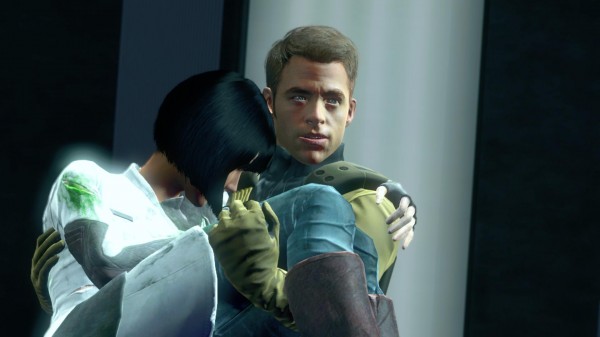
The graphics in Star Trek are…well, they are there. The models do in fact represent Chris Pine, Zachary Quinto, and the rest of the cast somewhat well, but they look a bit rubbery and fake compared to the actual counterparts. Remember how Leatherface looked in The Texas Chainsaw Massacre after he removed the face of some teenager and wore it as his own? That is pretty much how these faces look. The environments switch it up from inside spaceships to outside in brightly lit canyons, but feel as if they came from an early 2006 title, rather than something from 2013. Animations don’t do a lot to make things look better either, as Kirk runs as if he rode on a horse for the last two years without jumping off, and glitching textures and models are all too common during nearly every encounter.
Ready for the best part of the game? Oddly enough, that would be found in the audio. The soundtrack is nothing too special but still fits, taking it’s tunes from the first Star Trek film to capture the many settings. The voice acting however is superb, with most of the main cast lending their voices for this extra story arc. Chris Pine, Quinto, and Urban do a spectacular job of getting their characters to come alive, and that makes these cutscenes both believable and watchable. The sound effects don’t do a lot to make combat gratifying, but that is a small gripe compared to the absolute mess that this game is as it stands.
Overall
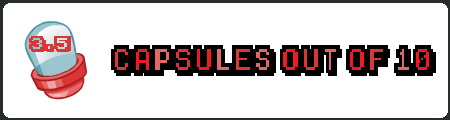
Star Trek could have, would have, should have, but didn’t. This is another case of a rushed licensed title that is full of potential, but fails to pull itself together in order to provide enjoyable entertainment. What is odd is that this title didn’t have to be released before the next film, as it’s doing an entirely different plot and could have been bug-tested for months more before release. Instead, we get a product that misses its mark entirely. Star Trek is a game that you will find in the bargain bin in a year’s time, and maybe then – patches will be made to make the game more playable. Right now, this is one out of this world adventure that even fans should snub their noses at.
Capsule Computers review guidelines can be found here.
Sydney’s Manga and Anime Show, more commonly known as SMASH!, now has tickets on sale for this year’s event. This year’s SMASH! convention is slated to take place on August 10th, 2013 running from 9.30am to 5.30pm.
Tickets can be purchased from the official SMASH! website here. Advanced tickets will cost $29 dollars, whereas it will cost $35 dollars at the door on the day.
SMASH! have already announced two major guest acts for the event. Haruko Mamoi of Steins;Gate fame and Masakazu Morita the legendary voice of Ichigo Kurosaki the sword-swinging hero of Bleach, have both been confirmed to appear.
Be sure to purchase your tickets now for SMASH! to lock yourself in for this exciting anime and manga convention. Stay tuned for more information on SMASH! 2013 as it comes to light.
Inu x Boku Secret Service Studio:David Production Publisher:Sentai Filmworks Format:DVD, Blu-Ray (Reviewed) Release Date: April 9, 2013 Price:$69.98 – Available Here
Overview: No matter the form of entertainment, keeping the audience engaged with the experience should always be top priority. Whether this is done through great storytelling, interesting characters, intense combat or any combination of things, great pieces of entertainment always try to keep the audience pleased. In the slice-of-life anime genre, this can be a difficult task which requires either great characters, a nice amount of comedy and something special to make it stand out from the series on the market. Now that Sentai Filmworks has brought Inu x Boku Secret Service to North American shores, does it manage to offer an experience charming enough to be worthwhile?
Story: Ririchiyo Shirakiin has had a rather difficult life despite the fact that she has only just entered high school. Thanks to a number of issues in her past, she has become so socially inept that any time she speaks with a stranger, she tells them off and looks down upon those around her. This causes nearly everyone around her to avoid her because her outward personality is that of a cold-hearted rich girl who cares little for those around her and simply sees everyone as worms.
However inside of this young girl lays an innocent heart which feels horrible every time that she acts this way. Now that she has grown old enough to enter high school, she has managed to move away from her family into a special boarding facility called Ayakashi Kan where only the rich and privileged are able to stay.
While obviously a place for the rich, Ayakashi Kan is segregated from the rest of the populace for another reason as well, and that reason is right within the building’s name. Everyone who is a resident of the building has some supernatural blood running through their veins which allows them to transform into yōkai of legends and wield supernatural abilities.
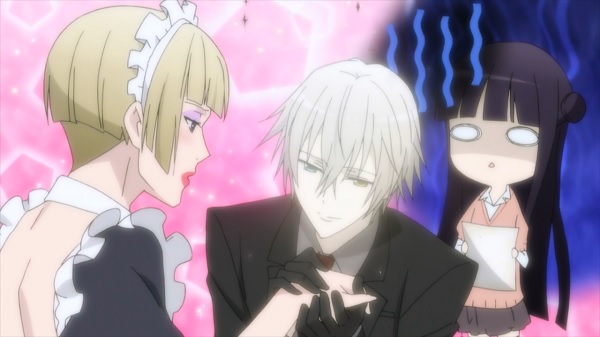
Everyone who stays within the walls of this facility is given a supernaturally gifted bodyguard to protect them and once Ririchiyo settles in, she is introduced to a bodyguard so devoted that he would rather kill himself than not work for her. This man is named Soushi and his devoted and caring nature catches the cold but vulnerable Ririchiyo off guard. Being her servant in almost every meaning of the word, can Ririchiyo grow out of her shell with Soushi by her side and a building full of those friendly to her?
As you may surmise, Inu x Boku Secret Service closely follows Ririchiyo and her bodyguard/butler Soushi’s relationship with one another as they live their daily lives and interact with other residents of Ayakashi Kan. However despite having a rather interesting cast of characters, Inu x Boku spends almost the entirety of the series introducing the cast and providing slow paced fluff episodes which ultimately means that outside of minor character developments, the series crawls forwards at a snail’s pace.
The poor pacing of Inu x Boku SS may be forgiven thanks to the fact that the series sports quite a wide-range of side-characters, however thanks to the fact that, at most, each side character is given two episodes of spotlight time viewers are left with a cast of half-developed characters that come off as one-dimensional. These one-dimensional traits are often used for most of the series’ comedic moments and they do work well enough in this regard, but unfortunately the mild comedy presented here isn’t enough to support the main focus of the series.
This focus of course is on Ririchiyo’s growing feelings towards Soushi and his growth as a character as well, but because of the long drawn out process of the series which only picks up pace for the final two episodes. While these final two episodes do have a nice emotional pay off for Ririchiyo and Soushi, viewers will likely struggle to even make it up to this point without losing interest in this poorly paced series.
Visuals: Despite featuring supernatural elements, Inu x Boku Secret Service’s animation style is quite soothing at times thanks to a soft color palette that features a wide-range of coloration and a decent amount of detail. Each of the characters is nicely animated and all of them feature unique designs, especially whenever they enter their yōkai forms. The high quality character designs work wonders for the series’ slow episodes as it helps make their interactions with one another all the better including numerous shifts into chibi style either for comedic effect or during a humorous moment.
As for the rest of the series, most of the environments tend to be rather repetitive though still nicely detailed and whenever something action related does actually occur, the animation quality doesn’t suffer the slightest. It is interesting to note that Inu x Boku Secret Service attempts to cater to both female and male viewers with numerous bouts of male and female fan service, though neither are very obtrusive to the overall experience.
Audio: Sentai Filmworks chose to provide Inu x Boku Secret Service with a full English dub though the original Japanese voice track is available for those who wish to choose that option. As for the English casting, the voice work is a rather mixed bag. Ririchiyo is likely a difficult character to voice given her snobby outward personality and kind-hearted inner self, and unfortunately Hilary Haag’s voice work for the character does take some getting used to. While she does fit into the character’s personality as the series goes on, she seems like a poor fit for the character initially. As for the rest of the cast, they are handled well enough, with Chris Patton’s Soushi handled nicely.
As far as background music goes, the series has a number of standard background tracks for a series such as this which ultimately means that they are quite forgetful. The opening theme is “Nirvana” by Mucc and it is fitting enough, but not very memorable but surprisingly enough, there are six different ending animations and a different song for each animation. These songs are mostly sung by the original Japanese voice actors and are a nice addition to episodes themed to specific characters.
Extras: While the bonus features included in Inu x Boku Secret Service are nothing special, it is worth noting that Sentai Filmworks did go the extra mile in one regard, albeit a bit strangely. This release sees the inclusion your standard clean opening and ending theme, but considering there are numerous ending themes, each ending theme is presented here cleanly, though they are simply provided as a ten minute video rather than selectable by the viewer.
Outside of this, the OVA produced in Japan a few months after the series stopped airing is also included in this release, though it is simply considered a thirteenth episode rather than an OVA. This OVA is a nice after touch to the last two episodes of the series and lets viewers end on a comedic note after the emotional finale.
Overall: Inu x Boku Secret Service has an interesting enough premise to lure viewers in, however with such a slow pace and lackluster side-characters, many of these viewers will likely give up on the series long before the best episodes of the series air. While they may happen far too late to save the series from being nearly entirely filler episodes, great animation and a decent level of comedy help make up for the series’ pacing issues, making for an enjoyable experience that may be a bit tiresome at times, but ultimately ends up being a slightly above average slice-of-life romcom.
Capsule Computers review guidelines can be found here.


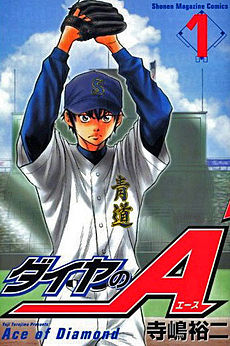 The latest issue of Weekly Shonen Magazine has announced that Yuji Terajima’s popular baseball manga Ace of Diamond will be getting an anime adaptation. Furthermore it has been revealed that the anime will be produced by two anime studio powerhouses, the legendary Madhouse and Production I.G.