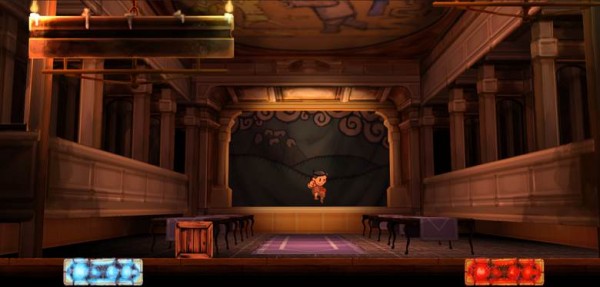
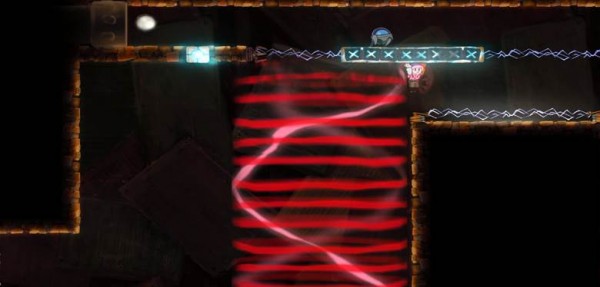
Today, Norway (Bergen) based Indie developer Rain AS announced Teslagrad, a new story-driven PCaction/puzzle sidescroller with several twists. Currently in the alpha stage of development, Teslagrad is now awaiting community approval and is scheduled for release on Steam by autumn of this year.
The game offers a new take on the action/puzzle genre by focusing the puzzle element around physics, electromagnetism and non-linear level design. Boasting over 100 stunning hand drawn environments set in ”a steampunk-inspired vision of old Europe”, a mesmerising soundtrack and immersive, entirely visual storytelling, Teslagrad certainly sounds like a project to follow.
Rain AS take pride in producing small, high quality titles presented with style, care and the player experience in mind. For more information on this or other Rain AS titles, be sure to follow them on Facebook and Twitter.
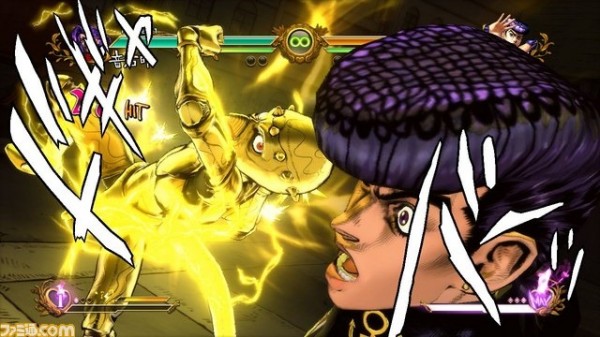
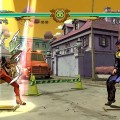
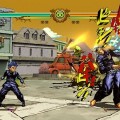
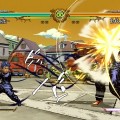
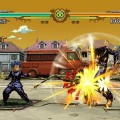
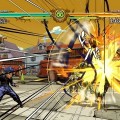
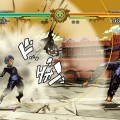
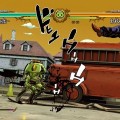
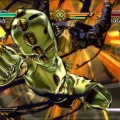
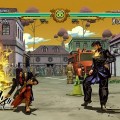
The new screenshots feature several characters and locations from the fourth part of the JoJo’s Bizarre Adventure series, Diamond is not Crash. Featured characters include recently revealed Koichi Hirose and Akira Otoishi, with their respective stands Echoes and Red Hot Chili Peppers.
You can check out the new screenshots featuring Diamond is Not Crash focus location Morioh Town and its various stand-user inhabitants below.
JoJo’s Bizarre Adventure: All-Star Battle is slated to hit Japanese stores on August 29th exclusively for the PlayStation 3. Stay tuned for more on this upcoming title.
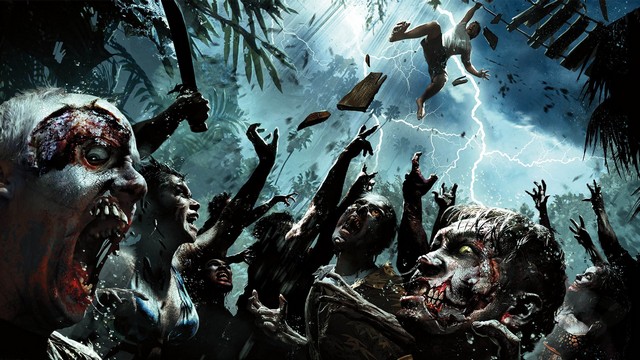
According to the UK charts, Deep Silver’sDead Island: Riptide is still at the top of the list for the third week since the games release in late April.
Records from Chart-Track show that the only other title to claim No 1. for three consecutive weeks was Bioshock Infinite earlier this year, now positioned as No.6.
Following Dead Island: Riptide this week at No. 2 isCall of Duty: Black Ops II, replacing last weeks Injustice: Gods Among Us, now No.4. Unsurprisingly Tomb Raider remains at No. 3 for the second week on the UK charts and FIFA 13 hasshifted one place down to No 5.
Check out our review for Dead Island: Riptide here. Who thinks that Dead Island: Riptide will carry on as No. 1 next week? Let us know in the comments section below.
As series director Jacob Hickey so declaratively says ‘The story of mining is the story of Australia.’ While it may be commercially convenient for him to hold this view, this perspective is very clear from watching Dirty Business. The geographical scale of mining is complimented by the temporal scale covered throughout each of the three episodes. Australians should definitely watch this show, considering the impact this industry has on our lives, our politics and our rights. For non-Australians this insight will introduce you to our society on a meta-functional level. Considering the intersects mining apparently has with the rest of our social organisation you’ll also receive glimpses into our culture, various local communities and a perspective on history that shines light on the source of our wealth as well as the social injustices that such wealth usually attracts.
Story
Dirty Business has 3 separate sections: Money, Power and Land. Each of these is given its own episode, cherry picking moments of history relevant to the core theme. These hand picked moments are always chronologically ordered, which makes following the trajectory this documentary is proposing simple. While they try for balance, every time something positive about the companies is mentioned it’s either tainted by the true nature of their motives or happens as a result of companies trying to screw over a minority. The end result is a series that is quite critical of the industry while retaining an awareness of the significance of mining to our economy and international standing. Really, you can’t blame them. As the evidence piles up before you, particularly around the political machinations these companies exploited, there seems to be little else to conclude.
The Rinehart empire gets considerable coverage as does the emergence of BHP. The shift from miners digging to depths of 5 metres to mega-corporations coming in and creating mine shafts is depicted as a dramatic pivot. As a result the histories of unionism and workers’ rights are revealed, creating a story of emancipation over a prolonged period of time. Intertwined histories of racism, Chinese immigration and the White Australia policy graphically demonstrate Australia’s racially charged past. When those issues are then combined with workers’ rights, a complex interweaving of multiple narratives we may have all heard before convey a new perspective on our history. One that is darker and fuller than what we may have heard before.
Indigenous affairs feature prominently throughout the series, continuing to uncover more of the dark history of Australian colonisation. Toward the end, Dirty Business tries to paint the industry as the new saviour through employment. Having so thoroughly established the human rights abuses conducted at the behest of both the companies and the workers you cant help get the feeling that some savvy marketer had come up with a PR solution that also gave them access to minerals as opposed to having an interest in the rights of the first Australians. A lot is exposed here that should make you feel ashamed, whether directed at the treatment of Chinese and Indigenous people, the exploitation of workers rights or complete lack of concern about the impact of commercial mining. There is a crushingly ironic revelation when it is uncovered that the bombing of Darwin in WWII was committed with materials mined in Australia.
The contemporary political landscape is explored as well. From Communist workers’ groups in the 60s to the impact of Rudd’s leadership spill, a comprehensive lens is cast over the present. Analysis of how mining companies destabilised the government through tens of millions of dollars of propaganda is well executed, if not frightening in understanding the impact of special interests. Unfortunately we don’t see too much from the government’s side. Blanks of information like this are missing from time to time in this documentary. While documentary makers have this prerogative, such an exclusion feels like a meaty chunk of the pie is missing.
Visuals & Audio
Dirty Business is the perfect example of how to handle the visual style of a documentary. There are no harsh cuts that impact the flow of information or needless pieces of visual exposition. Graphics are used expertly, underlining chucks of historical information with highly stylised appropriations of works from the era they’re discussing. In the colonial sequences this means hand painted stills are converted to 3D and layers, an effect that looks extremely professional. Contemporary sequences use a lot of news footage intercut with mining sites and seats of power. Having ditched a helicopter for a fixed wing plane, the crew capture vast amounts of the Australian landscape in one shot. Often the entire frame will be filled with a mine, leaving almost no sense of depth until you see a truck smaller than a Matchbox car crawl up a massive hill. If you have any idea of the size of Australian landscapes then you’ll enjoy the composition of these shots simply because of their intricate detail.
There’s little to say here about the audio other than it works. Another professional job, which in documentary means you really shouldn’t be noticing too much. Every now and again there’s a well placed orchestral swell that defines the height of the audio techniques used. Interviewees were selected not only on their knowledge of the topic but for their ability to comprehend the narrative the series heads were trying to convey. As a casting technique it’s extremely effective. Each person giving forth an opinion here is invested in the conversation, from journalists to political figures. Having an understanding of the director’s thematic trajectory also means that each quote that is taken fits neatly into the sequences they’re placed in.
Extras
Despite there being 11 special features, we can break them down into two different categories: the making of and extended interviews. A making of can either be a giant cheese fest or a worthwhile inspection of how the piece was created. In this instance the making of is exceptional. Even though the content itself is fantastically articulated within the documentary, this insight demonstrates how difficult such a show can be to produce. Having watched so many last minute filler packages jammed onto DVDs, here’s a production that knows what it wants to achieve with the medium. The same can be said for the show as a whole. The extended interviews on the other hand are a little less contextual. If you want to learn more you’ll love these interviews but you can see why they weren’t included in the series. Excluding them from the documentary at large was a good choice by the editors.
Overall
Dirty Business: How Mining Made Australia is a documentary that knows what it wants to achieve, sets out to do it and then gets it done. Documentary fans will appreciate this even if they’re not exactly excited by the topic simply because of the artful execution on display here. Not to infer that the content isn’t any good. Defining the parameters of the mining debate with information many people wouldn’t have been aware of is exactly what Australia needs right now. Considering the CSG debate in the United States, oil stripping in Canada and resource projects the world over I believe that there’s something relevant for everyone no matter where you’re from. History buffs will particularly enjoy how the colonial era is rendered, spots and all. This DVD will ensure you win any debate when somebody tries to bring up mining, no matter your perspective. If you’re looking for a pro-mining line you may have to dig a little deeper into this than others. Maybe it’s bias or maybe the situation is just that bad.
Capsule Computers review guidelines can be found here.
Doctor Who fans around the world will want to be extra careful this next week as it appears that there has been a massive leak in the USA where customers that had pre-ordered the Season 7 Part 2 DVD’s have had their shipment shipped early. As any fan will be able to tell you, this is the release for the season that is still currently airing.
What makes this run of Doctor Who so memorable is that there is a massive story arc relating to one of the characters, Clara. It is strongly advised that fans of the series that do not have access to these DVD’s avoid the internet until after the episodes airs. It is also recommended that those with the DVD’s avoid uploading the episode to the internet.
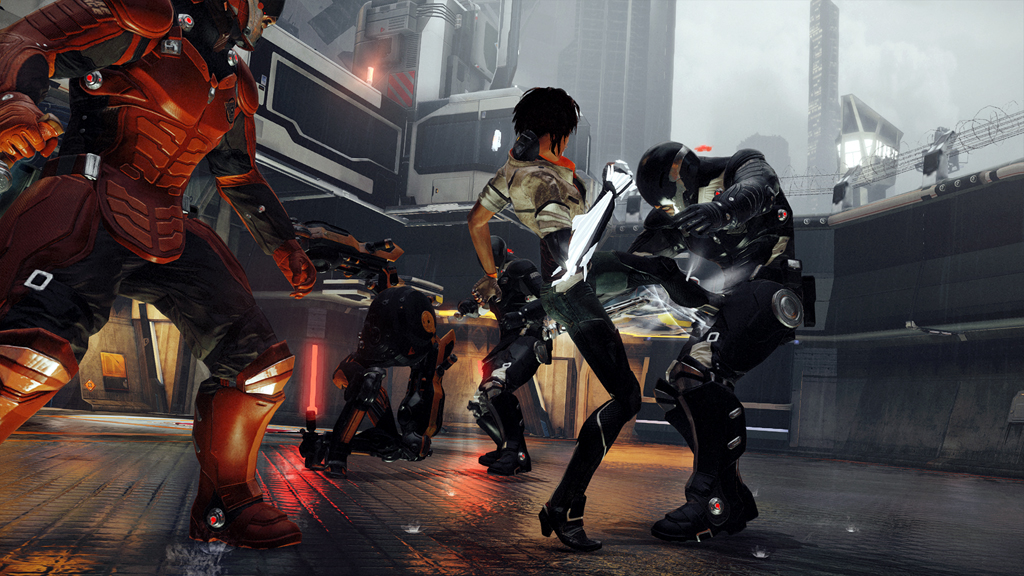
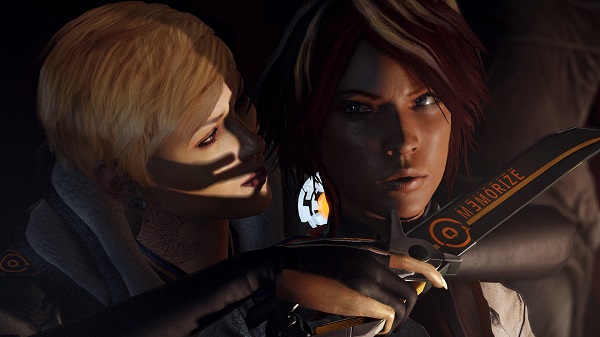
“Remember to Live, Live to Remember” – the company slogan for Memorize; a corporation wearing the innocent façade of a service provider, the inventors of the Sensen brain implants that allow citizens of 2084’s Neo-Paris to store and even share their memories. Under that guise is the reality; Memorize want control, and by having access to all of your memories, they have it. I would never give that sort of power to anyone, but I did give my time – a substantial 4 hours of it – to Remember Me(Xbox 360 version), just a few days ago. I played approximately 40-50% of the game – 4 Chapters – so I’ve got a lot to tell you, without important spoilers of course. However, I will be touching upon certain events for context.
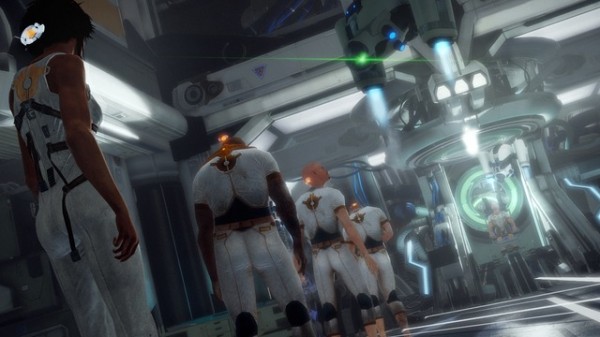
Nilin was a memory hunter; the best around. That was until Memorize wiped her own memory. The game begins with the player taking control of Nilin within the Bastille compound where Memorize do their dirty work. She is being processed for residual memory clearing as she showed minor resistance to the initial procedure. As you plod along, following the path made by a flying bot, you get a glimpse into the facility and what exactly goes on away from the public eye. It’s practically torture. Thankfully, an unfamiliar man named Edge comes through on Nilin’s Sensen implant, hacks into their security to cause a distraction, opens a gate and directs Nilin to an escape route, by way of…a coffin?!
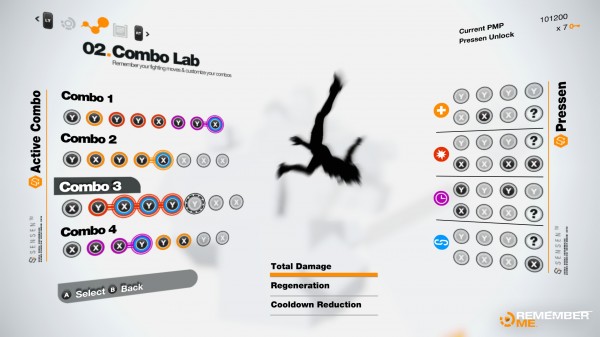
Dumped into the slums of Neo-Paris, the coffins house the deformed results of Memorize’s “experiments”, some of which still live, but have become referred to as the grotesque Leapers – the most common enemy in the game. Nilin learns about them the hard way, stepping out of her temporary tomb and straight into combat. At this, the earliest stage of the game, only one combo is available to the player. The fight is a very basic introduction to the Combo Lab, which is how you customise your combos by assigning Pressens – inputs that adopt different characteristics unlocked over time. At first, Power Pressens – hits that do extra damage and can break certain blocks – are all you have to assign.
The input chain is pre-determined – in this case it’s a 3-hit combo (‘X’, ‘X’, ‘X’) – with the first Pressen taking on no special properties, but the above screenshot (although from much earlier in the game’s development) shows the potential progression of the system to the point where even the input chain may be customisable and certainly extend into the maximum 8-hit length for each of the four combos you progressively gain access to. In this play-through, I unlocked all four combos (3, 5, 6 and 7 hits) and Pressen types. Aside from the Power Pressen, you’ve also got the Regen Pressen (regenerate health upon landing), the Cooldown Pressen (shortens cooldown meter on special moves) and the Chain Pressen (takes on the properties of the last Pressen in the order and doubles its effect).
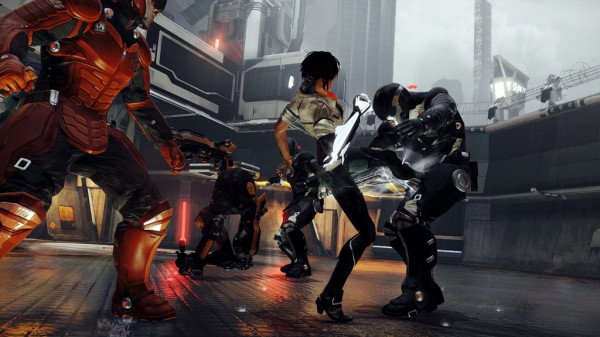
The longer a combo, the stronger and more effective it is…provided you can land them, of course. There is an XP system in place called the PMP – Procedural Master Points. Upon surpassing your current PMP threshold, you will acquire a Pressen Unlock – basically a key to unlocking one of a select group of Pressens. Pressen types, however, become available to you at set points in the story. If I had to compare the combat system to another game’s, it would be Arkham Asylum‘s; the execution is deliberately paced with each successive button press needing to be made at the point of impact of the last attack. A red exclamation point also displays over an enemy whose attack is imminent, which you can dodge/jump over by pressing ‘A’, allowing you to continue your combo without breaking the chain, which would otherwise happen.
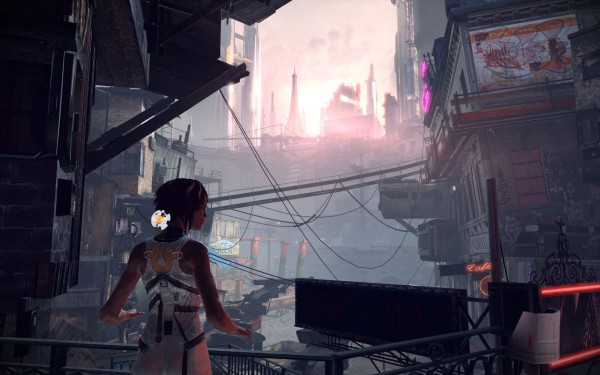
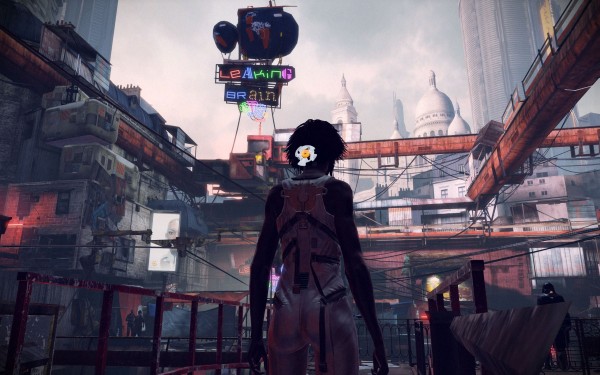
Once we make our way out of the dirty, grimy underground, we receive that obligatory establishing shot of the city with a view into the distant skyscrapers, although it’s not as wondrous or classically beautiful as one might expect Paris to be. And Nilin’s not out of the slums just yet either. She’s been tasked with reaching the Leaking Brain – a run-down bar owned by Headache Tommy, supposedly a friend of the Errorists. Think of the Errorists as freedom fighters and Edge as their secretive leader, hiding out where Memorize can’t find him. The path to the Leaking Brain is not a cakewalk…Nilin encounters the Sabre Force for the first time – a private police force that is financed and works for Memorize.
The introduction of variations in enemy types is well paced for the most part, although they come on heavy in the later chapters. The general Sabre Force soldiers are just a simple as the Leapers, except they require more hits to take down. Leapers can also leap (go figure!) off of walls to strike from above, whereas these guys don’t have any particular special ability. Hitting them with power combos is highly effective and will result in opportunities for Overloads. An Overload is essentially a finisher that nets you extra PMP, executed by pressing ‘B’ when prompted. They involve Nilin doing just what the name suggests to the enemy’s Sensen implant, the visual being reminiscent of a gunshot to the head at close range; somehow quite impactful without any of the blood or gore.
This trek to the Leaking Brain isn’t just fraught with physical, combative obstacles, but traversal and environmental ones as well. Climbing upwards is as easy as pressing ‘A’, with climbable/grippable surfaces being indicated by an orange arrow. What I loved was the fact that specific parts of what make Neo-Paris unique as a landscape and location become part of the hurdles in getting from point A to point B. The prime example of this are the shutter-ads. Needing to shimmy across these billboard-like ads should be easy enough, but they flip panel by panel, showing another advertisement but also knocking Nilin off the top rim. There are also timed, electrified climbing hazards and even a little puzzle encountered a little later where you must organise and match up a climbing path of fluorescent tubes from a control panel.
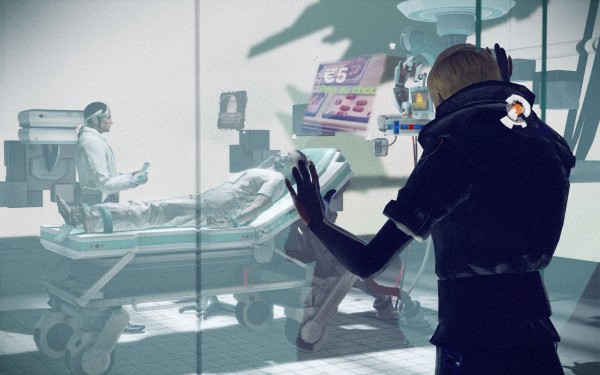
Arriving at the bar, Headache Tommy gives a welcome greeting to Nilin, although Nilin has no recollection of the towering man. But not everyone is happy to see her; as Nilin sheds her prisoner garb and gets suited up, she is pounced upon by an assassin named Olga Sedova (seen above). In a ditch effort for survival, Nilin enters the assailant’s memories through her Sensen implant in order to remix one in particular: her motivation for carrying out this contract. It becomes clear that she is desperate to earn the bounty on Nilin’s head in order to pay for her dying husband’s (quite expensive) further treatment. While in ‘Memory Remix mode’, the player’s objective is to force David to kill the doctor from his earlier session.
It’s a very interesting concept; one that plays out in-game like a video tape playback that can be rewound or fast forwarded (by rotating the left analog stick in the appropriate direction). The difference here is that there are variables, or glitches, that can be altered – untying David’s wrist straps, loosening his oxygen mask and a few others. Your goal is to find and enact the right combination of occurrences in order to achieve your given objective. It’s a trial and error system, and along the way to the ultimate goal, you may cause some alternative events to occur (such as killing Olga instead!), but if it’s not the intended result, you will have to rewind and try again. After you are successful, Olga’s mind has been changed and she joins your cause.
Before I go any further, I ask you, what would an action-adventure game be without collectibles?! There are a few things to collect in your travels. Mnesist Memories are the equivalent of data-pad entries that give back-story into the world, its inhabitants and past events that shaped it. Errorist clues have also been left behind – digital images that point you towards pick-ups in the immediate area. Pick-ups included SAT Patches (collect 5 to receive an extra bar of health) and Focus Boosts (same deal, except it will add a bar to your Focus Meter). 90% of the time these can be found just by exploring naturally and without even looking at the clues. Finally, there are Scaramechs – weird, rotating, robo-scarab things…I don’t even know how to describe them. You will be tipped off to their presence by a distinct, fuzzy, radar blip-like sound and must dispatch of them with a few blasts from your Spammer, which is a long range weapon you acquire further down the road.
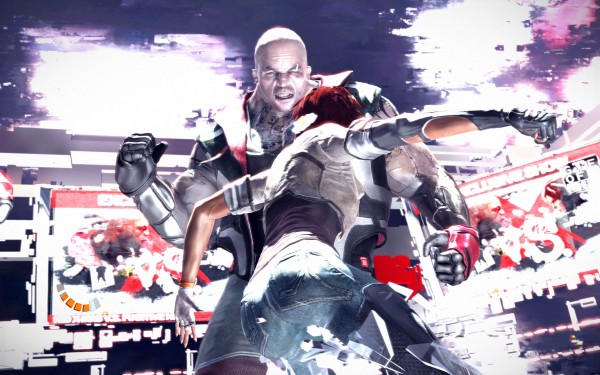
I want to touch upon a cool boss battle with one Kid X-mas (certainly a memorable name), as seen in the screen above. He has a televised show where he battles opponents one-on-one in a closed off arena, and Nilin is a surprise participant. I have previously brushed over your special moves – the S-Pressens – but one specifically becomes pivotal here. Sensen Fury is the first S-Pressen you acquire. It is a faster, automatically chained flurry that requires the player to simply mash either attack button while active. It breaks guards, does heightened damage and enables high combo streaks. It is the key to defeating Kid X-Mas, whose guard can be momentarily broken, but is deadly at both close and long range.
S-Pressens can be executed by holding ‘LT’ and selecting the move from the wheel with the left analog stick. Each S-Pressen uses up one focus bar and has their own cool-down meter. This is where strategy comes into play. Up until now, the depth of the combo lab has gone largely unnoticed and unexplored. But, with normal attacks not hurting Kid X-Mas, it’s wise to put together a combo that gives you back some health (as odds are he will hit you) while your cool-down meter for Sensen Fury reduces. He strikes in the middle of your combos, so you must constantly time dodges and jumps. He also attempts to keep you at a distance, shooting at you with his earlier-mentioned Spammer – which you take from his defeated person.
The Spammer can be used as a puzzle device (shooting floodlight controls to see phasing Leapers), to knock down jumpy Leapers off of walls or in mid-air, and can later be upgraded to shoot Junk Bolts – more highly powered shots that can break structural weaknesses in environments, break Sabre Force riot shields and significantly cripple robot enemies, such as the flying Nephilim. As for the other S-Pressen abilities there are 4 more, yet only three were attainable in this initial half of the game. They are the Sensen D.O.S (a radial blast that stuns all enemies in the vicinity), the Logic Bomb (an explosive planted on a chosen enemy that destroys riot shields, but can also be of detriment to Nilin if she is caught within its radius) and the Sensen R.I.P. (a mind control blast that turns chosen mechanical enemies into allies, before they snap out of it and self-destruct).
This is where I must cease as spoilers would ensue. Hopefully you got the general overview of the gameplay and what Remember Meis about. Personally, I came away from this preview wanting the game even more, which is the best thing both Capcom and I as a consumer could have hoped for. Remember Me is fresh and exciting. It may be a little rough around the edges at the moment (stuttering in the final cut-scene and audio bugs), but those issues will get ironed out, I’m sure. The landscape is gorgeous in that dystopian, sci-fi way and any qualms I had with the animations since its reveal amount to zilch after playing it and getting hands-on. There’s a great sense of progression, not only with Nilin and her abilities, but the enemy types and the combo lab is deep and never before seen. I can’t wait until June 6th to play the second half.
This week’s issue of Weekly Shonen Sunday has dropped a pretty significant announcement for fans of the Magi anime series. The anime series’ sequel has been listed as ‘opening’ in Fall 2013. This particular phrasing has lead many to believe that the sequel will not be a 2nd season of anime, but instead a theatrical follow-up.
A film is often referred to as ‘opening’ at the box-office, whereas a televised series is often referred to as either ‘airing’ or ‘debuting’. It is worth noting however that the exact details of this sequel are not yet known and while the use of the term ‘opening’ does add weight to the speculation that the sequel will be a movie, it is just as possible that it could be a 2nd TV season.
As of now all that is known about the sequel to Magi is that it will ‘open’ in Fall 2013. Stay tuned for further updates on this developing story.
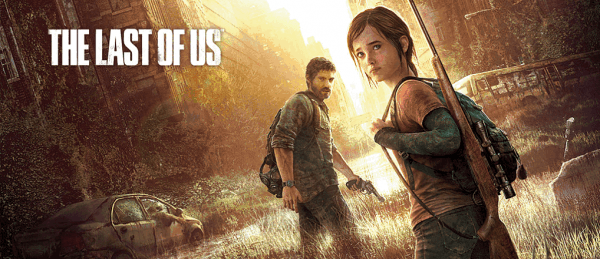
At THE MAKING OF…a blockbuster gamepanel discussion at Vivid Ideas 2013, it has been announced that Naughty Dog‘s game designer Ricky Cambier will be joined by Senior Editor of IGN Australia, Cam Shea, and Patrick Lagana, SCE Australia’s Head of Marketing Communications.
The one hour discussion on The Last of Us – tickets for which are on sale right now – will be held on June 4th from 9pm at the Museum of Contemporary Art Australia. The panel will delve into the process of bringing a best-selling game such as The Last of Us to the Australian market. Ricky Cambier said;
From the genesis of an initial story, through the development process, to the marketing campaign and the overall critical reception, this is set to be an insightful, explorative discussion, looking at the journey to market for a blockbuster title like The Last of Us. I am excited to see how the panel discussion will unfold as each panellist brings a unique perspective of the entire process to the conversation.
Stephanie Bendixsen – Hex from ABC’s television show Good Game – will introduce and co-host the panel discussion with the Festival Director of Vivid Ideas, Jess Scully, as well as lead the Q&A proceedings. If you are at all interested in the title or the industry in general, you should definitely purchase your tickets now from the link above.
Sony have shared their upcoming release schedule for Australia on their current gaming platforms. The main highlight is of course the highly anticipated The Last of Us, on track for June 14 and Beyond: Two Souls sometime in October this year.
Check out a bunch of other noteworthy titles coming soon for each platform below.
PlayStation®3 (PS3™)
The Last of Us™ – 14 June 2013
BEYOND: Two Souls™ – October 2013
Puppeteer – 11 September 2013
Invizimals™: The Lost Kingdom – 2013
Wonderbook™
Wonderbook™: Diggs Nightcrawler – 14 June 2013
Wonderbook™: BBC Walking With Dinosaurs – 2013
PlayStation®Vita (PS Vita)
Soul Sacrifice – Out Now
The Jak and Daxter™ Trilogy – June 2013
Disney Epic Mickey 2 – June 2013
Killzone™: Mercenary – September 2013
Ratchet & Clank™: QForce – May 2013
Tearaway – 23 October 2013
Invizimals™: The Alliance – 2013
Will you be picking any of these up in the coming months? Or is the first-party lineup looking scarce? Let us know!
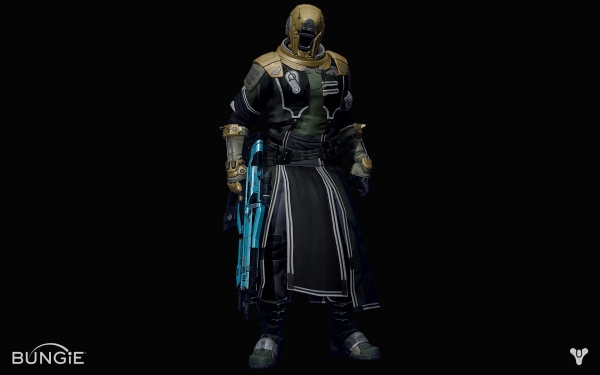
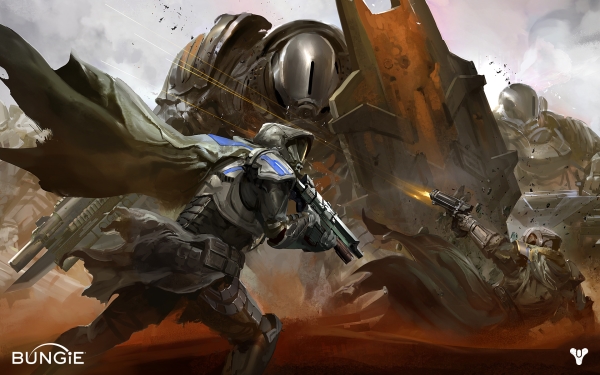
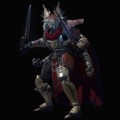
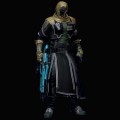
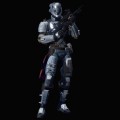
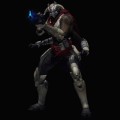
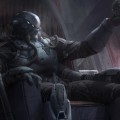
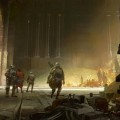
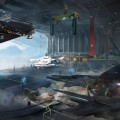
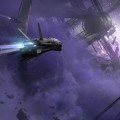
Destiny, the ambitious upcoming game from Bungie, the original minds behind the Halo franchise, has had a new round of images released for your viewing pleasure.
Here you’ll notice we’re even being treated to a few shots of character models. From the large, sweeping landscapes featuring frozen cities, astral wreckage, and what appear to be large manufacturing plants to the starports and windswept desert combat scene, it appears the next big title from Bungie is shaping up quite nicely for fans of the science fiction shooter genre!
Be sure to check all of the new shots out in the gallery below!