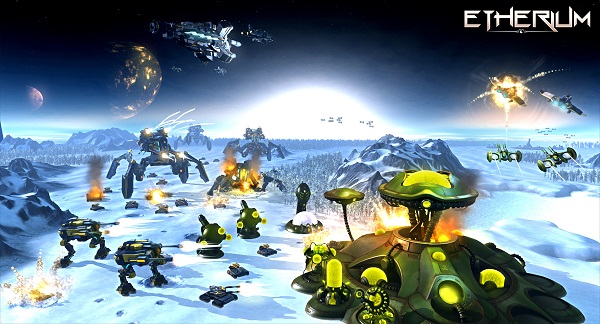
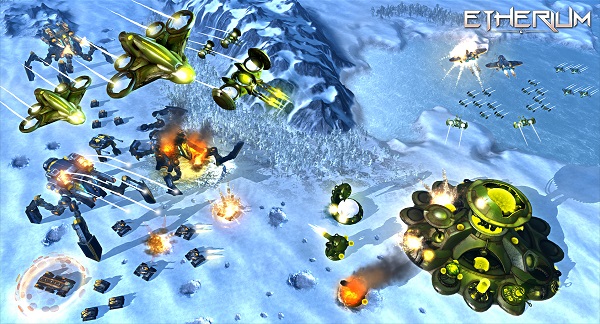
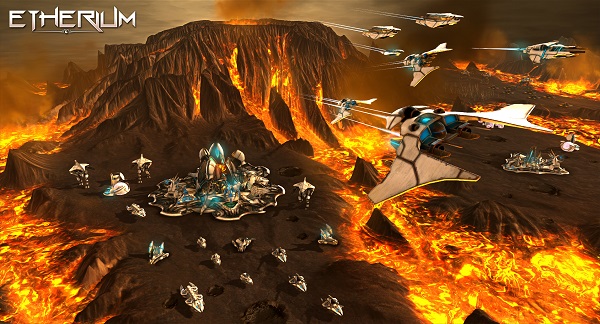
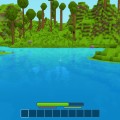
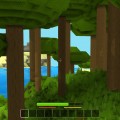
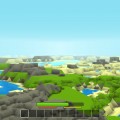
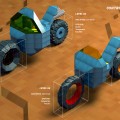
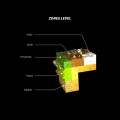
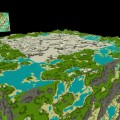
Focus Home Interactive and Tindalos Interactive, the studio that created Stellar Impact, has just released another series of screenshot of their upcoming title Etherium.
The futuristic real-time strategy game will feature three unique factions: the Consortium, the Council, and the Clones. Each are unique in their own way and will complement certain styles of gameplay. The new screenshots available will highlight some of the maps and game environments that players can expect from this title. Environmental hazards are a real thing in this game which can affect your buildings as the weather changes.
The solo campaign in this game is non-linear, meaning that you get to decide what decisions you make and what paths you take when progressing. There are 7 different planets with different environments, which means that you’ll have to tailor your strategy to fit with each of those environments.
For more information on this PC game, check out their sitehere.
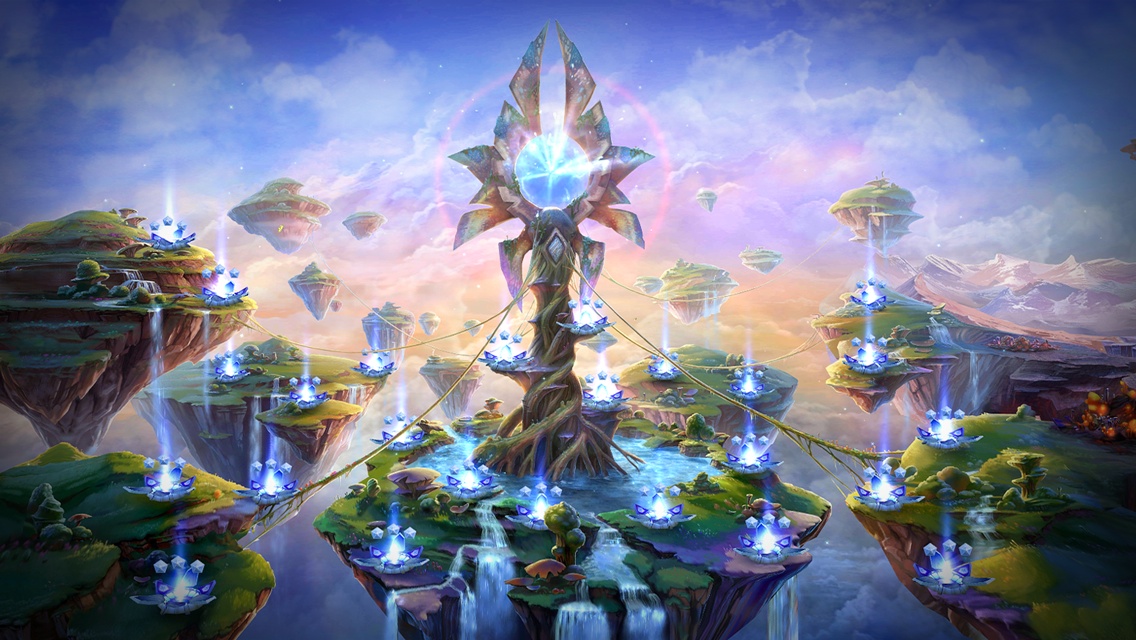
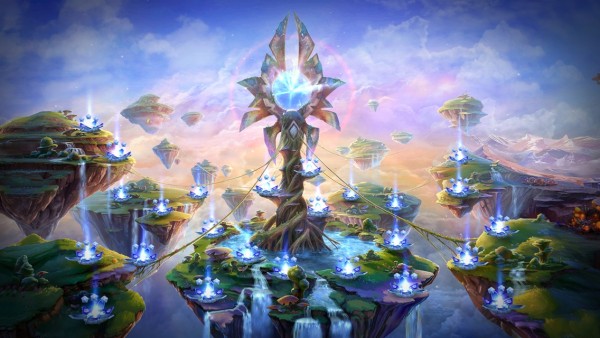
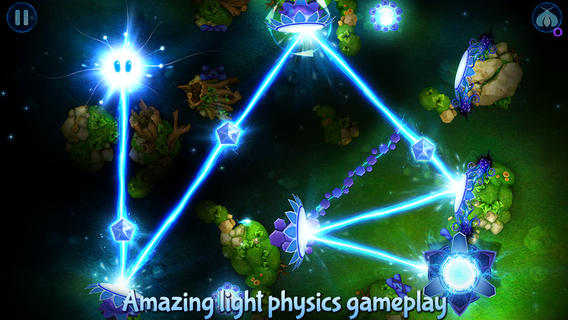
“The bigger the darkness, the easier it is to spot your little light.” (Brother Andrew, “God’s Smuggler”). “God Of Light” is a puzzle game developed by the awesome little team over at “Eon Games” and published by “Playmous” that has players set off on an adventure to light up a once beautiful world that has been thrown into darkness by an unknown force obviously set on the destruction of a gentle peace. It is a game that boasts quirky puzzle-solving and brilliantly vibrant visuals, the likes of which any avid iOS gamer will love…or so they say.
Gameplay
As far as puzzle games go, I really wouldn’t consider “God Of Light” to be anywhere near your average puzzle title. It has all the fundamental aspects of a good puzzler; challenge, quirkiness and a cute character to play as, but what “God Of Light” does is it twists and tweaks what is good about your typical puzzle game and makes it into something of its very own. I’m not saying it revolutionises the genre in any way but it definitely does something that I personally have never seen before and it does it well.
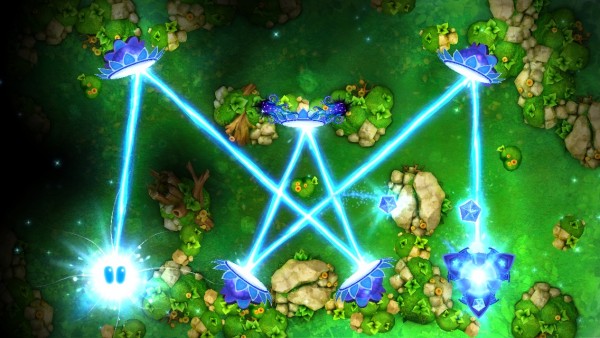
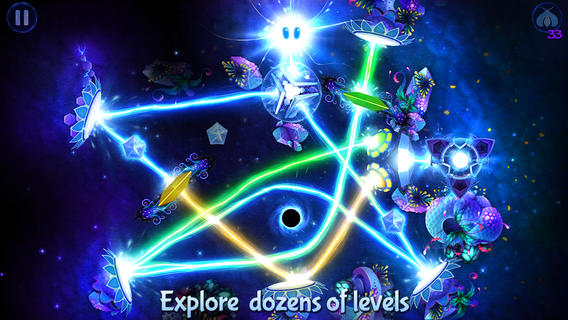
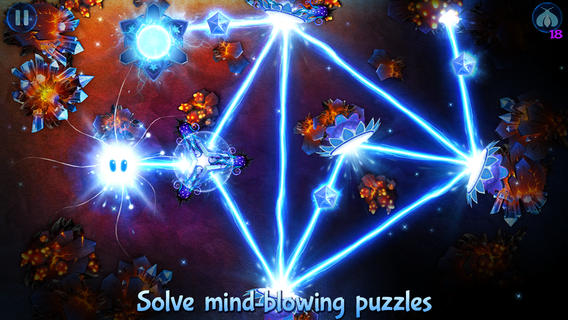
You play as “Shiny”, a ball of light and what seems like the only hope left at lighting up this darkened world. As “Shiny” you use an array of mirrored surfaces to reflect and guide your beams of light around obstacles and to a structure called the “Source Of Light” which permanently lights up and brings back some form of light to the desolate world. Each level contains three crystals that can be lit up while trying to make your beam reach the “Source Of Life”, collecting all three crystals will simply award you a perfect level completion and, even though I’ve played through the game, I saw no reward for collecting each and every crystal.
There is also a hint system within the game that comes in the form of fireflies. Alongside the three crystals, some levels will contain a firefly that you can light up. Doing so will allow you to use the dragonfly to give yourself a hint as to where you should line up the beams of light to complete the level perfectly. My favourite mobile titles are ones that are easy to pick up, easy to play and easy to put down when necessary yet deliver a level of thought-inducing gameplay to get one thinking just enough to get the brain juices truly flowing but not enough to spark frustration.
A great deal of GOOD games do this but some do miss their mark by quite a lot…luckily “God Of Light” does this very well! I think it is a perfectly balanced game that doesn’t demand too much from its player but also doesn’t treat its player like a brainless potato. The unfortunate thing is that they really give you no incentive for collecting each of the crystals within a level. I do it because I’m competitive in nature and I’d rather not let a game get one over me so I collect each and every one of them but I can’t see why others would do the same.
Visuals
“God Of Light” has an absolutely brilliant visual style, especially for a puzzle game. Using a theme revolving around darkness and light, you have to be able to make things visually murky and mystical yet also quite vibrant and beautiful, a few mixes that aren’t often portrayed within one title but when they are…they’re done damn well. Case in point; “God Of Light”.
When starting out on a level the entire stage is covered in a deep, purple mist which scatters and reveals an essence of beauty below it, this is a fantastic example of what “God Of Light” does well; it throws you into a stage covered by shadow but, by the end of it, you’re floating in a vibrant world that almost gets flooded by lights. It looks absolutely brilliant and I can’t imagine any way in which it could be done better. I don’t even really think my descriptive skills are at high enough of a level to truly explain to you readers the subtle but also obvious transition between the darkness and the light throughout the game. Clearly these folks know what they’re doing because they’re doing it damn well.
Audio
This game is like a peanut butter and jam sandwich when it comes to how the audio and the visuals complement each other; neither is as good without the other, they just work together so well! While both of these aspects work great autonomously, they’re simply fantastic when working simultaneously. I believe it is simply because of immersion; the visuals literally give you a view of the world in which the game takes place in but without being able to experience the same world auditorally the feeling just isn’t the same.
The music is also very hard to pin down as a genre or type, the best way I can describe it is that it uses a whole lot of light-hearted and fantasy-type tones to exactly portray that sense of whimsicality in which the visual style does its best to do. The music within was done by an electronic act by the name of “UNKLE”. It seems as though, even though I’ve never heard of them, they’re quite a “big deal” when it comes to music making. Regardless of whether or not I’m aware of these electronic artists, they created the soundtrack to “God Of Light” to which I’m not a big fan, I know hold “UNKLE” in quite a high regard and it was simply due to my enjoyment of “God Of Light”.
Overall
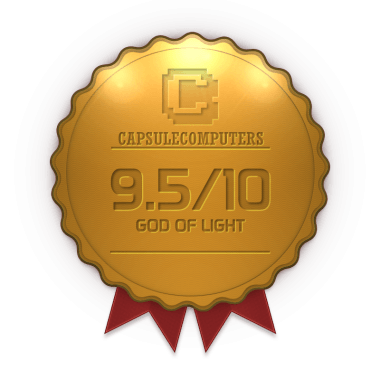
I’ll keep this short and sweet: “God Of Light” is a fantastic game that ditches in-app purchases and replaces them with a one-off price of $1.99. In-app purchases is a style of payment most puzzle game developers employ as a money making system but “God Of Light” doesn’t do this, “Eon Games” and “Playmous” simply want their brilliant game to be a form of enjoyment to players rather than a hassle and that’s something to be admired. Fantastic visuals, brilliant audio and a gameplay style that will keep you hooked to your mobile devices for ages. There really is nothing else you could possibly want from a game of its kind. It truly is a great source of light in a dense darkness.
Capsule Computers review guidelines can be found here.
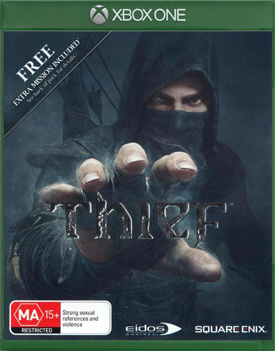
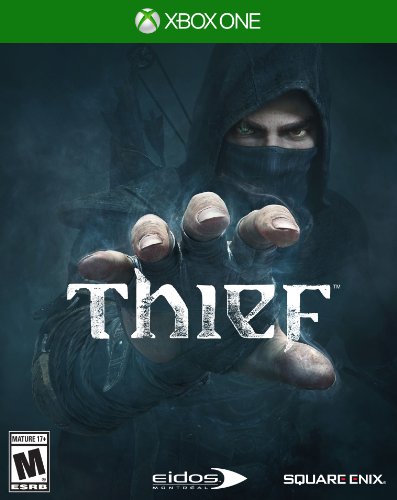
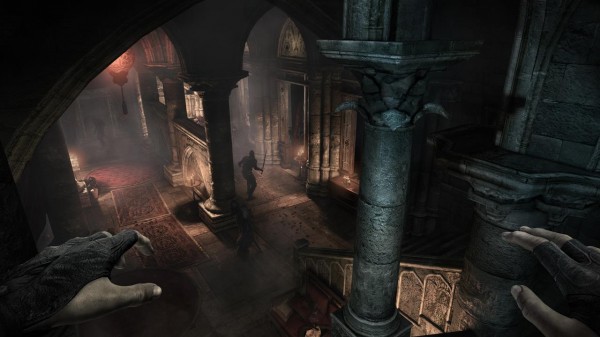
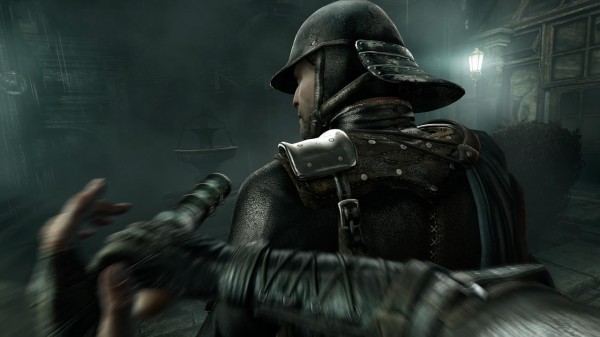
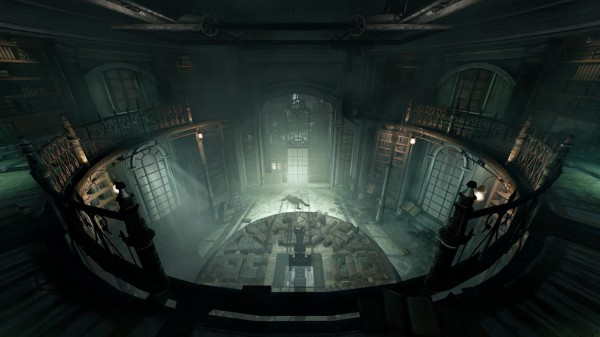
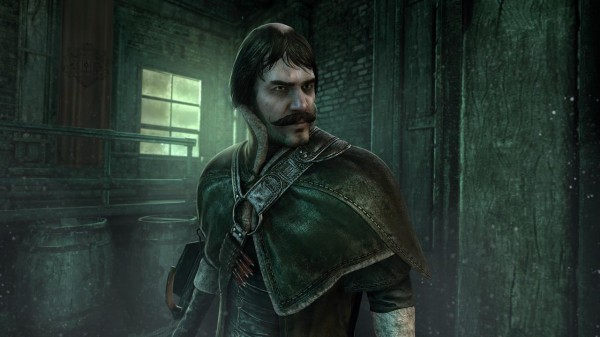
Many years ago the Thief franchise really kickstarted the whole stealth action genre. Now we have the latest iteration – a reboot of the franchise that tries to combine what was so loved about the originals with modern gameplay mechanics. The result is a game that is filled with good ideas but who’s overall execution just feels lacking. The highlight of the game are its impressive visuals, but the inconsequential system of choice means that the gameplay is just simple puzzle solving in a pretty setting.
Story
Set hundreds of years after the events of the original Thief series, players will take on the role of Garret; a master thief who has returned to his home town after a significant amount of time abroad. As soon as he is back he is dragged into a mission with an ally (but seemingly not a friend). After berating her for what seems like an eternity, the two stumble across a mystical cult performing a magical chant. After watching his ally fall to her death, and almost collapsing himself, Garret wakes up a year later to find his home in The City completely different to how he remembered it.
The once bustling city is now rife with a strange new plague which causes civil and social unrest. While the elite still live in luxury, the common-folk are all struggling to survive the poverty and disease ridden city. Garret’s plan is simple; use the unrest to his advantage and steal as much as he can from the wealthy and privileged.
Garret comes off as self-righteous, condemning those around him for not living up to his lofty ideals (this coming from someone who steals from everybody he sees for a living). From the moment he is introduced through to the end of the game, he never comes across as an endearing character. The story itself is cumbersome and it isn’t hard to imagine the game being more beneficial without it – In fact, the game’s challenges which are unlocked after you beat each level feel like the more fun alternative.
Gameplay
Like its predecessors, Thief’s gameplay is largely stealth based, but players are given a lot of choice in how they will handle each situation. They can either attempt to sneak by completely unseen – living up to Garret’s “master thief” moniker. Or they can go in arrows-a-blazing and take out every guard, soldier and target that they can get their hands on. Each level also gives you a variety of different pathways to take so that you really do feel like you have a lot of control over the situation. The problem is that there seems to never be any tangible reason to take one option over another aside from your own sense of difficulty. There are no benefits or bonuses bestowed for taking a more stealth-inspired route than to simply knock out everybody you see. It would have been good to have a bit more consequence to make the choices in each scenario feel more powerful.
Garret has a wealth of weapons at his disposal – from water-arrows that will put out fires, through to grappling arrows to help him climb to otherwise unreachable areas. It gives a lot of variability to gameplay when you can pick one of a dozen different ways to challenge a room. “Will I take out that enemy with my broadhead arrow, or just sneak past him in case I need it for the next room?” Is a very real question that players will ask themselves. Alongside his utility belt of weapons and gadgets, Garret also has a mystical “focus vision.” At the press of a button, All important things in the room will be highlighted in a vibrant blue, making them impossible to miss. It becomes way too easy to rely on this ability and it can considerably cheapen the experience, limiting the challenge.
As you increase your skills as a thief and unlock more weapons you will get more and more unrestricted access to the game’s hub map; The City. As you travel through The City you will get a sense of freedom and openness… Until you hit one of the many, many loading screens. You only get small sections of the map to play through at any time before you are hit with a loading screen that can take upwards of 10 seconds to load the next area. Not only that but you will often have to stop and break your way into the game’s many houses by holding X, then pressing it rapidly to open a window or a steel grate. This slows down the game and can break you from the rich environment around you.
A lot of the game revolves around Garret swiping anything that isn’t nailed down. I personally found this to be a real detraction from the game. It is hard to picture Garret as this master thief when he is just stealing every knife, fork and ashtray that he can find. It breaks the illusion and makes him seem like nothing more than a common cat burglar, or dare I say it – a magpie.
Visuals & Audio
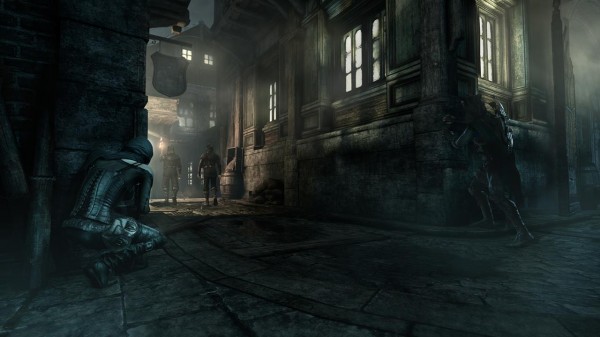
Visually, Thief is a magnificent game to look at. The City is dark, decrepit and looks like a typical victorian-inspired city. Each single part of each structure looks real and tangible and like you could walk through it yourself. Although gameplay-wise it is an absolute clustered mess, it still looks fantastic. The characters that sparsely fill the streets all look unique and amazing and bring a lot to the overall presentation of the game.
If there is one thing that needs to be said about Thief it is that the way that have implemented hand and foot movements of the protagonist is incredible. Never before have I played a game where the hand movements were so lifelike and realistic. It actually feels like you are a person reaching out to grab an object when it is being swiped and it is very natural.
One problem with the visuals is that they can, and frequently do completely glitch out. The game’s cinematics and animated cut scenes are the worst for this. During my play through, Garret’s character model was on more than one occasion out of focus, and on top of objects and back drops that he should have been behind. This not only breaks the immersion, but absolutely ruins any flow that the game has built up until that point.
The audio is no where up to scratch with the visuals. The character performances especially are flat, lifeless and just hard to be interested in. They make an already lacklustre story into a cumbersome bore. Worst of all is the fact that the voices rarely sync up with the visuals, giving a slightly delayed lip-sync like quality to the game.
Then there is the guards themselves, who frequently spout the sane nonsensical dialogue. It is very haphazardous and sometimes it will sound like two guards are talking to one another even though there is only one left in the room. One massive problem with the game’s audio is that it doesn’t matter where a sound is coming from or how far away the source, it all sounds the same. It can be really hard to plan a stealth-based attack accordingly when you have no idea where a sound is.
Overall
Thief tries to do everything that Dishonored did a few years back, but sadly doesn’t reach that game’s level of polish of complexity. The illusion of choice is very much present but unlike many other games, there are no consequences to making certain decisions. This gives Thief a very shallow feel, and combined with flat, lifeless characters and a cumbersome story, this results in a game that has a lot of good ideas but lacks the correct execution.
Capsule Computers review guidelines can be found here.
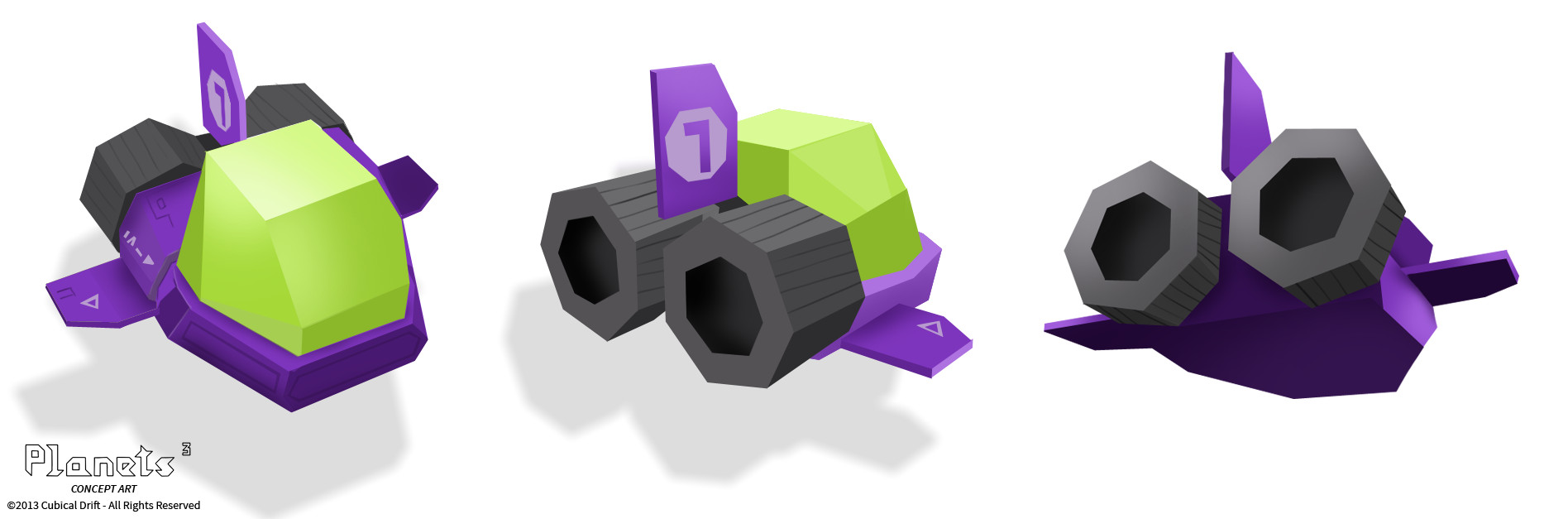
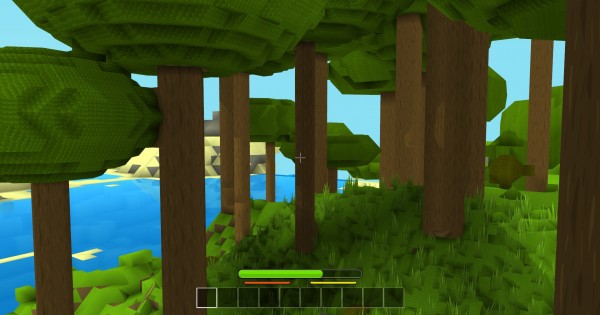
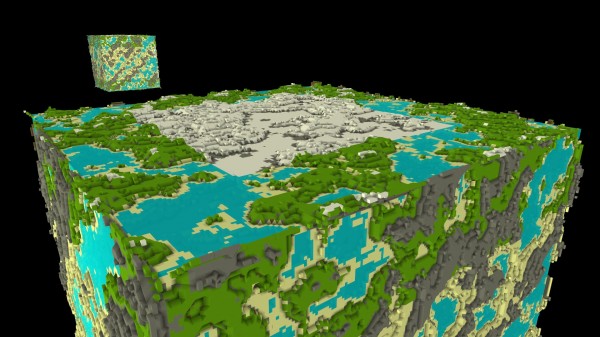
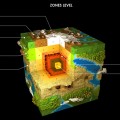
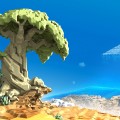
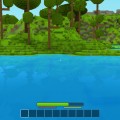
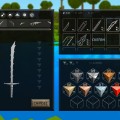
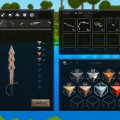
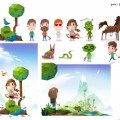
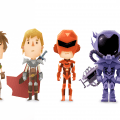
Cubical Drift is turning to Kickstarter to raise $250,000 to complete their voxel-based RPG/adventure game Planets3: Race to Space. In Planets3, players will need to craft buildings, weapons, vehicles, and more using a system that will give players a large degree of freedom. These tools will allow players to explore new hostile terrains that hold new and greater opportunities. The world is inhabited by Job Masters who will assist players in their journey by teaching and providing physical assistance in a variety of tasks like construction and recipe research.
The team is seeking money to fund the development. A large majority of the funds will go towards R&D and artwork for the game. Cubical Drift has completed 10% of the development and are looking to release the alpha in Fall of 2014 with the full release a year later. If the team is able to raise at least a million in funding, they will be able to also complete the second, more ambitious portion of the game which includes entire universes for Fall 2017. Help fund development at the game’s official Kickstarter.
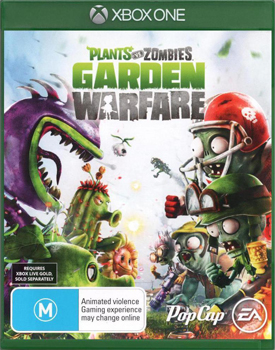
The Plants vs Zombies franchise has been dominating the markets for years. With its incredible tower-defense gameplay and colourful art style it has been impossible for players everywhere to resist. Now, in a massive deviation from the norm, the Plants and their Zombie foes have come back with a vengeance – in a third person, squad-based shooter. Now the Plants are mobile and are taking the fight to the Zombies. With a brilliantly coloured backdrop, Garden Warfare makes the shooter genre fun, friendly and approachable for players of all ages.
Gameplay
Garden Warfare is a pretty big deviation from what we have come to expect from the Plants vs Zombies franchise. Instead of a colourful and creative tower defense game, we have a colourful and creative squad based shooter. The game itself plays rather similarly to Team Fortress 2, where each player picks a particular class of plant or zombie and uses that class’ unique skills and weapons to their advantage.
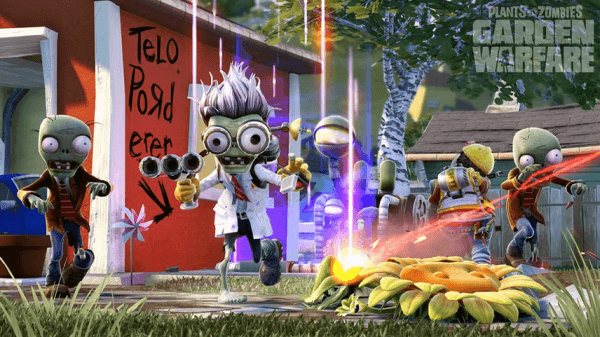
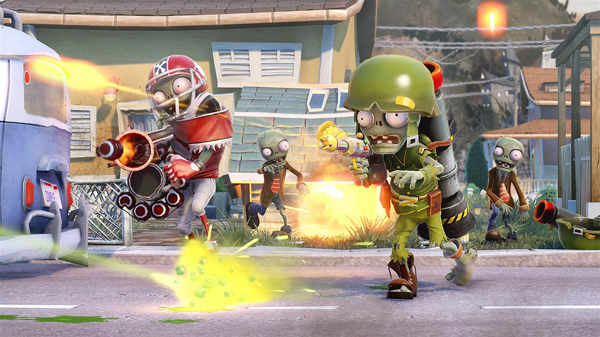
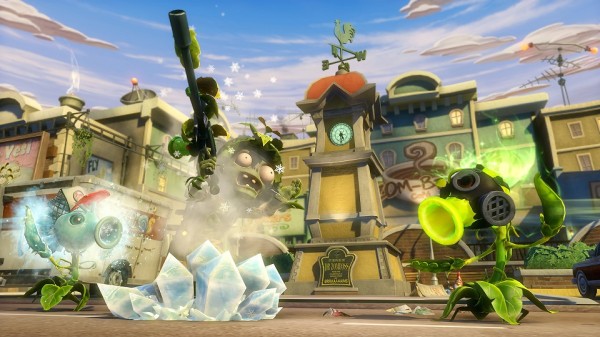
Each side has four different character classes, and each play wildly differently to one another. Plants get their infamous frontline soldier Pea Shooter, the healing Sun Flower, melee-based Chomper, and the sniper-class Cactus. Zombies get a completely different set of classes; their frontline Soldier Zombie is equipped with a machine gun, the Sngineer can build teleporters and turrets, the Scientist can teleport and wield his dolphin shotgun with great skill, and the All-Star Athlete can charge down even the tightest pack of Plants.
The fact that both teams have largely incompatible teams means that each side plays totally different to the other. The plants seem to have the slightly more powerful units, especially the Cactus who can put up walls and mines before sniping enemy zombies from quite a considerable distance. The lack of balance between the teams and classes is somewhat disappointing, but the fact that you don’t choose if you are on the Plants or the Zombies team and instead have to rotate helps to round this out.
The gameplay itself is pretty standard fare for a shooter and contains a Team Deathmatch style game where the opposing teams are each trying to get to 50 kills. You can resurrect your fallen teammates which takes a kill off of the opposing team’s score. These matches tend to go by relatively quickly, especially once players have started unlocking upgrades for their weapons and characters.
Alongside Team Deathmatch is Gardens and Graveyards mode. Here, the Zombies are tasked with claiming certain plots of land in a Domination-style scenario. They have four minutes to successfully take the Plant’s base. If they fail the game is over and the Plants win, but if they succeed then the Plants retreat a short distance and have to cover a new base. Each map has 6 defendable locations and once the Zombies have taken them all, there is a unique challenge that has to be fullfiled before they claim their ultimate victory. These can range from getting 5 zombies successfully into a garden mansion, or by blowing up strategically placed pillars around a building. This is definitely the most fun of the competitive game-modes, and requires a lot of team work and strategy to pull off.
Garden Warfare isn’t all competitive however, and there is one game mode that is all about cooperative gameplay. Garden Ops is a Horde Mode inspired gameplay that pits you and three other team mates against increasing waves of AI-controlled zombie forces. The aim is to stop the Zombies from getting to your garden and devouring it. This mode more closely resembles the tower defense origins of the franchise, and also allows you to plant some of the series’ most famous plants around the map to stop the zombies’ progress.
The plants that can be placed around the map are limited uses. You will start the game with a handful, but once they are gone they are gone forever. The way to get more is by opening Booster Packs in the game’s Sticker Shop. Booster Packs each provide a random assortment of items, either consumable (like plants for Garden Ops), or weapon upgrades and character customisation options.
The multitude of customisation options mean that you can tailor your Plants and Zombies to your liking. Each of the game’s four classes has six different alternate characters that look and act slightly different. For example, the Pea Shooter has the Frozen Pea Shooter and the Chomper has the Hot Rod Chomper. These let you change up your gameplay style and find the character that suits you.
There are no micro-transactions in the game as it currently stands, but EA have said they will likely add them in later. At the moment you earn coins by playing matches which can then be used to buy the booster packs from the Sticker Shop. While you can earn coins pretty consistently (especially in Gardens and Graveyards), this may change when the ability to purchase coins with real-world money becomes available. However, I am not one to speculate and at the moment you wont find yourself struggling to get coins to open new packs.
Visuals & Audio
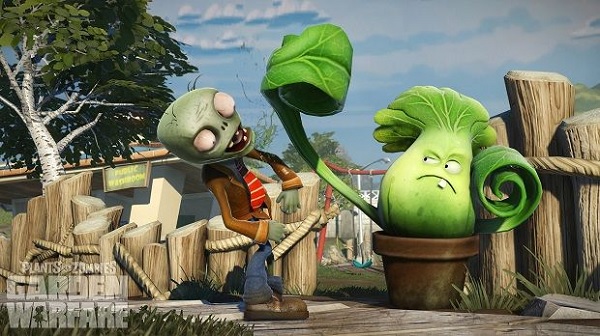
Garden Warfare is an absolutely beautiful game that manages to not only capture the look and spirit of the game, but also feel like something new. The plants and their zombie foes have all made the jump from 2d to 3d really well, and the new models have captured their look and feel while taking advantage of the Xbox One’s impressive hardware. The fact that you can customise your characters mean there is a great deal of visual difference even between two Pea Pods. So with the game’s 8 different classes, and six variations on this plus all of the customisation options there is a good chance that you will never see the same character twice in a row.
The game’s maps are all wild, varied and a whole lot of fun to play in. Whether it is the pirate cove or the suburban streets, everything is brightly coloured and incredibly detailed. Each of the maps are surprisingly big, and although you will spend a lot of your time battling over the middle, there are enough secret passageways and vantage points for you to twist into in order to surprise your enemies.
The audio feels right at home and straight from the Plants vs Zombies universe. The background music is the same as you would hear from the classic tower defense games, and makes you feel right at home. Of course the tracks have been cleaned up for a higher quality of sound, and it really shows. The sound effects are also taken straight from Garden Warfare’s predecessors, leading to an incredibly authentic sounding Plants vs Zombies game.
Overall
Despite the massive deviation from the formula, Plants vs Zombies: Garden Warfare has done an amazing job of staying true to the source material and providing a shooter experience that is approachable, and enjoyable for people of all ages. The plethora of game modes make it so that you will always find your niche. The requirement of being an online-only game can cause some problems, especially during server issues, but all in all it is a great shooter and a great entry into the PvZ franchise.
Capsule Computers review guidelines can be found here.
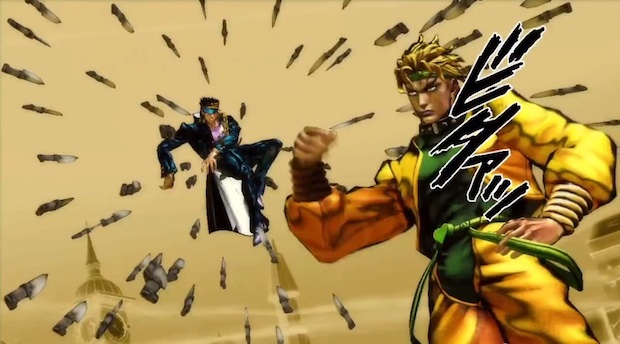
Heads up, JJBA fans living in North America! It seems as though Namco Bandai games have some news for you regarding the localisation of the action/brawler title “JoJo’s Bizarre Adventure: All-Star Battle” and it comes in the form of a release date. Now is the time to start getting out and dusting off your old, useless calenders because this one’s a “biggie”.
After last weeks reveal of the games release date for Europeans and Australians, Namco Bandai has decided to finally follow up with the announcement of a North American release date: The 29th of April, which is great seeing as it is barely a week after it gets its release here in Australia! North American players can expect everything that the European/Australian players will be getting with their copy of the game, this includes the “Part IV: Diamond Is Unbreakable” DLC characters you get as a pre-order bonus (Yoshikage Kira and Shigekiyo Yangu).
There you have it! Even though Japan got its release of the game a few months ago (and we were all pretty jealous), we’re getting it now and that is all that matters! The game is set to release on the PlayStation 3 so make sure you hold onto your consoles for just a little bit longer before upgrading. Get ready to go head to head with “ZA WARUDO!” with “JoJo’s Bizarre Adventure: All-Star Battle”.
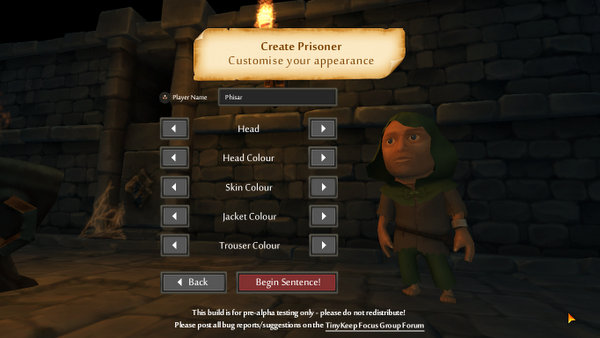
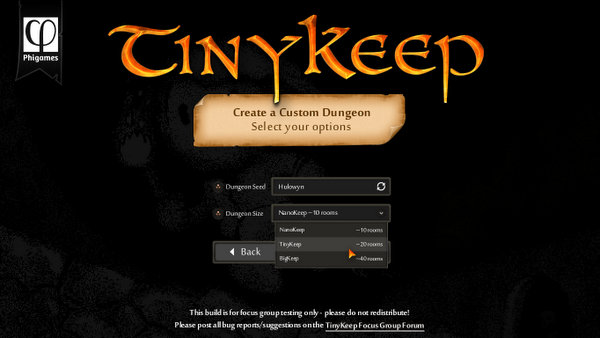
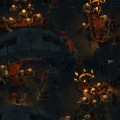
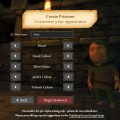
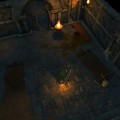
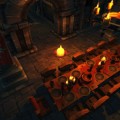
Digital Tribe Games and Phigames announced their new game TinyKeep will be released on PC in September 2014. PhiGames was able to fund the development of TinyKeep with the help of Kickstarter.
Players will break free from a procedurally generated dungeon all while fighting against an intelligent AI looking to send the player back to their cell. The AI has been programmed to behave like unique creatures, each with their own behaviour, motivations, and needs. Players will need to improve their character’s stats and arm them with the best weapons as they take on harder and harder dungeons.
TinyKeep will be available for Windows PCs in September 2014. Mac and Linux support will be released soon after release. Learn more about TinyKeep at the official website.
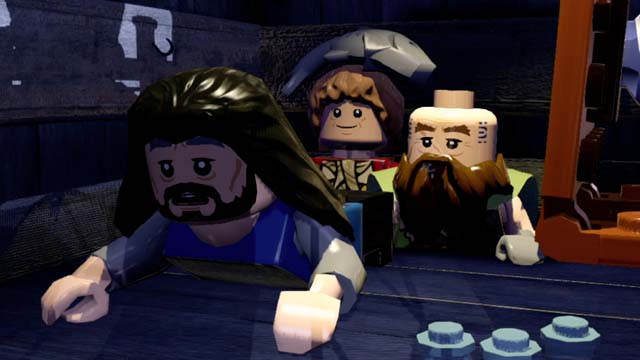
Warner Bros has released another trailer for the latest instalment in the TT Games‘ LEGO franchise: The Hobbit. This time around, the focus lies on the new buddy-up system set to bring the characters closer together.
As the trailer so humorously notes, players will rely on teamwork to progress through levels. These buddy skills will range from forming a totem to climb high ledges, creating handy bridges out of ladders or even picking up your buddy and using them to slay your foes.
LEGO The Hobbit is set for a Spring release on PS3, PS4, PS Vita, Xbox 360, Xbox One, Wii U, 3DS and PC. So there’s no shortage of opportunities for you to trek through Middle Earth. Check out the trailer below and enjoy the misadventures of Oakenshield’s 13. It’s going to be a wild ride.
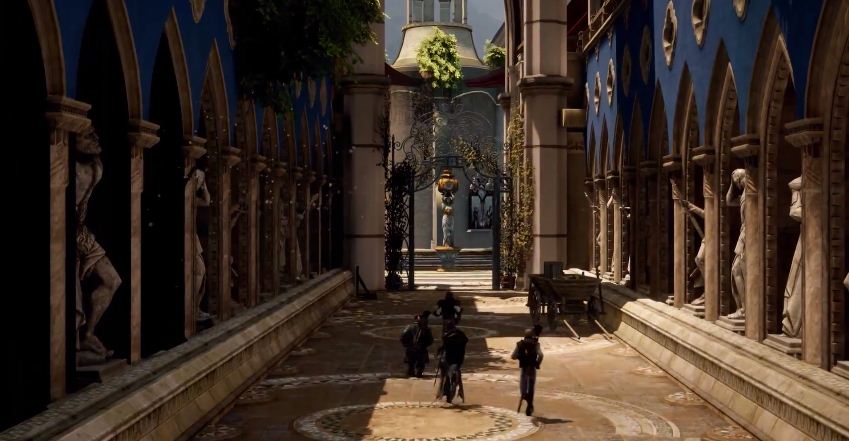
Video game developer “BioWare“, alongside their publishing partners over at “Electronic Arts“, have just released a brand-new trailer for their upcoming action role-playing title; “Dragon Age Inquisition“. The trailer is labelled “Discover The Dragon Age” and basically takes audiences on a short sight-seeing adventure through some of the many terrains you’ll be trekking through whilst playing the game. Set to be released on the PlayStation 3, PlayStation 4, Xbox 360, Xbox One and the PC – this game serves as a continuation of the older game titles “Dragon Age: Origins” and “Dragon Age II” also developed by BioWare.
Audiences could already tell from past footage of the new game that it is looking to be an incredible title both gameplay-wise and visually but this trailer really does show audiences just how truly beautiful the world of “Dragon Age Inquisition” will be. Head down to our featured video section below where you’ll be able to watch the new “Discover The Dragon Age” trailer in full. “Dragon Age Inquisition” doesn’t have a specific release date as of yet and has just been noted as having a release sometime in Q3 of this year so, until then, just enjoy all the footage of the game that you possibly can.
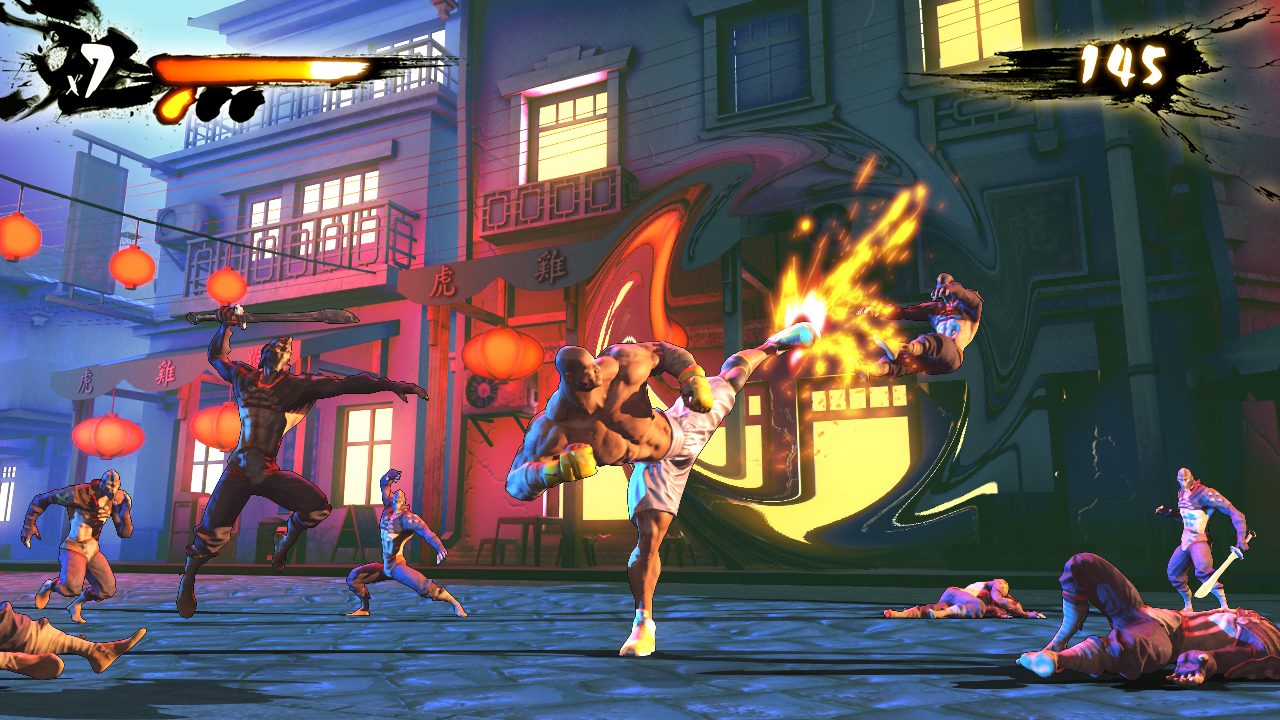
If anyone has ever seen a worst games ever list, then you may have seen the title Shaq Fu before. The game originally launched for the Super Nintendo and Sega Mega Drive in 1994 and geatured NBA Superstar, Shaquille O’Neal practicing Kung Fu in a Street Fighter esque fighting game. while the graphics were good for the time, the gameplay was very lacking and players often resorted to spamming their one useful attack.
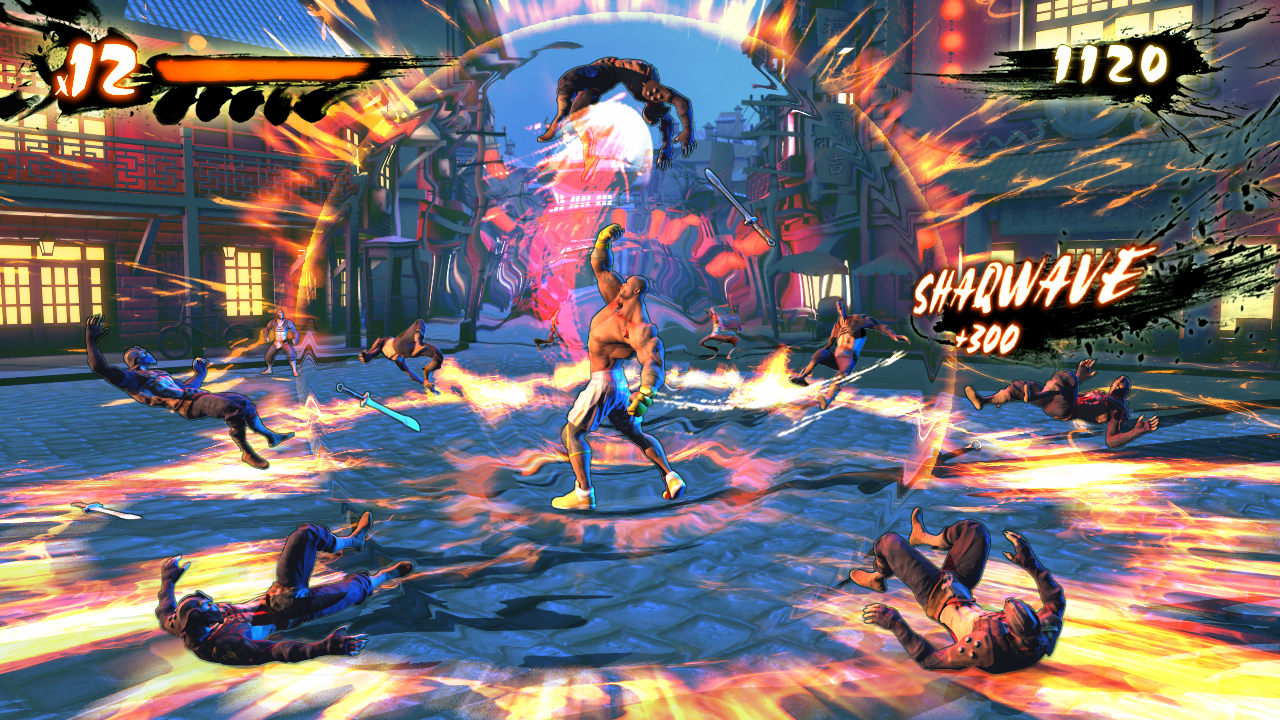
Well now Shaq Attack is back! And he has used that 20 year hiatus to triple his body mass to unleash more fury on his enemies. Shaq Fu: A Legend Reborn is being crowdfunded through indiegogo, with Shaq himself spearheading the funding pleas (Shouldn’t he have enough money to fund this himself ?). The developers of the game this time around are Big Deez Productions and are promising this time “They won’t FU it up!”, showing they are probably aware of what the people thought of the first game. They are promising the only two similarities between the two games will be the name and the starring character. The game is taking inspiration from Streets of Rage, Street Fighter and Devil May Cry and mixing it all together for a beat-em-up sidescrolling fighter.
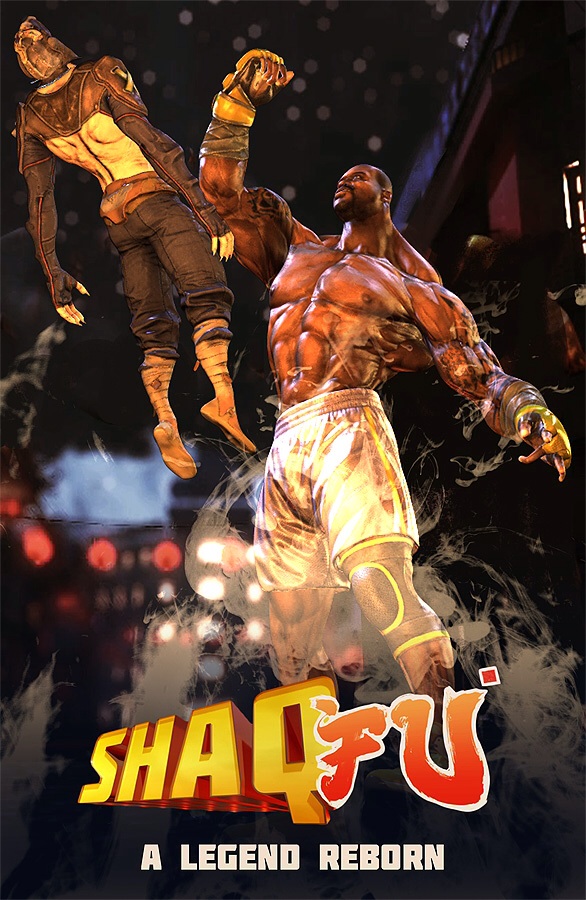
For more information on the game and to help support it, head on over to theindiegogopage. There are some pretty sweet backer perks, with one even allowing you to go to Shaq’s house for lunch and some ball! Check out the awesome poster and trailer below for your first look at the game which seems to be nailing that old school vibe. The game will be coming to PC and many other consoles if it reaches its stretch goals.