A new visual novel is on the way to both MangaGamer on Steam and it just so happens to be called Highschool Romance. Though the title features no adult content, it does offer a bit of a twist since the story of the visual novel follows a young man named Shoji who must now cross dress as a girl after he is accidentally enrolled in an all girls high school.
Developed by AJTilley, Highschool Romance will offer multiple endings and when it is released for PC, Mac, and Linux on November 18th it will be priced at $9.95, though those who want to pre-order the visual novel can do so through MangaGamer (where a free Steam code will also be provided) for $7.96.
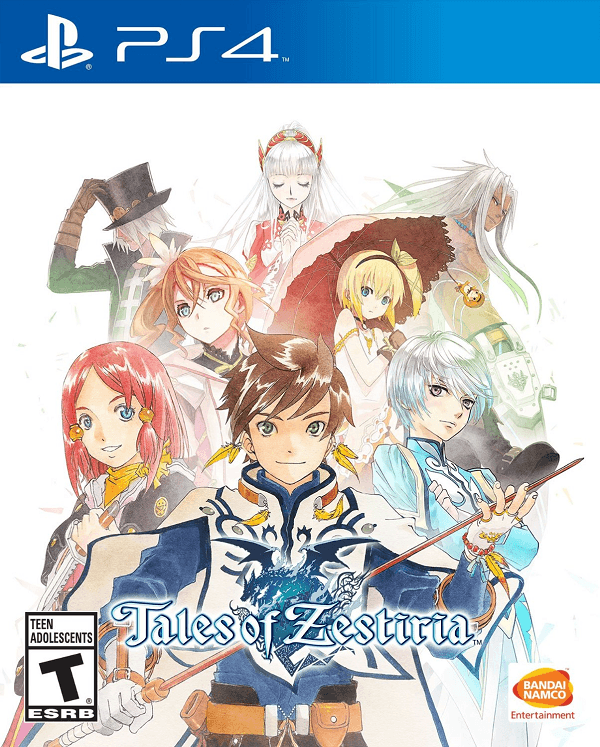
Overview There are a number of series that fans of certain genre know will generally deliver a satisfying experience every time and for JRPG fans the Tales series is a near annual reminder of what the genre they have fallen in love with. With many prominent series making the jump to the latest console generation it is now time for the Tales series to do so as well, and with Tales of Zestiria Rnow available in the West, both for the PlayStation 4 as well as those lingering on the PlayStation 3, how does the fifteenth entry in the series make its mark?
Story Tales of Zestiria takes place in a world where two kingdoms are constantly at war between one another, with the Hyland Kingdom battling the Rolance Empire while various guilds profit on the side due to the struggles of the world. Living in such turbulent times has caused a strange force to be generated in the world and this force has the power to transform everything, including the living and the dead, into monsters called Hellion.
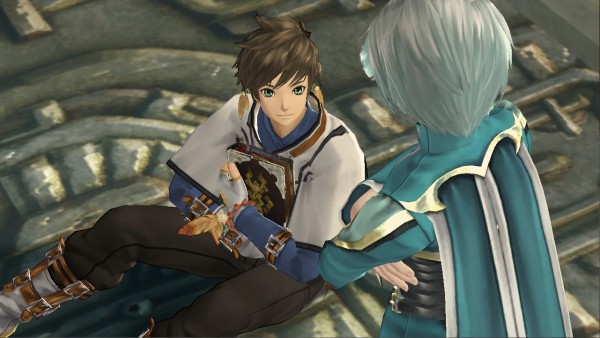
In this world however there are also two types of beings, humanity as well as the Seraphim, magical beings that can only be seen by humans that have a strong level of resonance. One such human happens to be named Sorey who has lived with the seraphim all his life, even being childhood friends with a water seraphim named Mikleo. Despite living in isolation, Sorey and his friend manage to stumble upon a woman in trouble only for this woman to lead them down a path that will place Sorey in the shoes of a Shepherd, a man capable of fighting alongside the Seraphim and using their abilities to prevent the end of the world by cleansing it of the malevolent force bringing ruin to the land.
This is a return to form for the Tales series as it ventures back to its roots of being a strictly fantasy title in Tales of Zestiria as it moves away from certain elements previously found in Xillia. Players will find that Sorey’s journey has another staple from the series intact, and that is the incredibly slow beginning period. While necessary, the first six hours of the title feel like a chore but once you manage to get past that point things open up nicely with a number of reveals that give the simple seeming story more depth than it initially lets on.
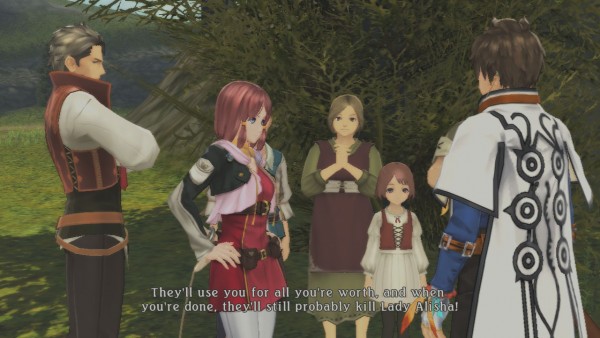
As for the characters, most of the cast is quite enjoyable and their interactions in the field, during battle victory scenes, and of course during the Skits help create a colorful cast with plenty of humor and personality. It is worth noting however that due to relatively sketchy storyline reasons, players shouldn’t grow too close to one of the first few characters in the game as she is given the boot and replaced by a separate character.
While I found her replacement to have an interesting personality, though she does seem to contradict herself at various times, that manages to mesh well with the rest of the group after a short time, it is easy to understand that few may take issue with the replacement of a character that we’ve grown to enjoy with a sudden newcomer.
Gameplay
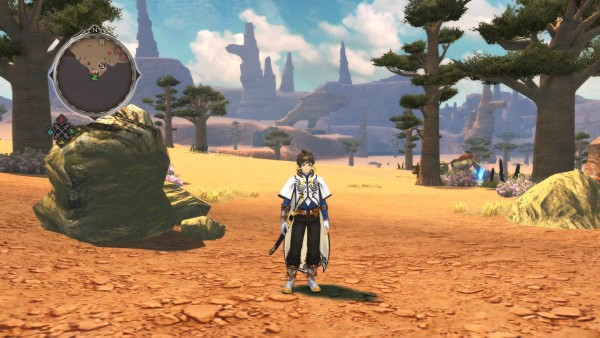
The release of Tales of Zestiria is the first one in quite some time that gives the player such an immersive feeling of having an open environment to explore. Almost every environment that players can venture through is given a massive field with plenty of unique objects to examine and items to collect and of course plenty of enemies to fight. Even little side-quests can be hidden in these environments that, when completed, provide players special skills that can be equipped onto their characters.
By providing so much to do in the field players will find themselves really wondering why the series hasn’t managed to try this before as it is hard to imagine going back to the old style, especially since the dungeons make use of this same style. I say this because the dungeons in the game still feature very formulaic mechanics that are the exact opposite of open feeling, by forcing players onto strict bland corridors and implementing various simplistic puzzles in an effort to pad things out.
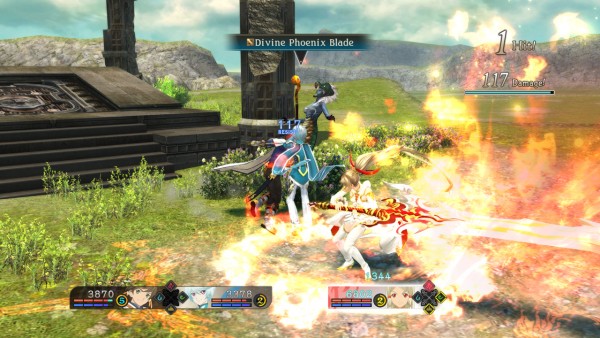
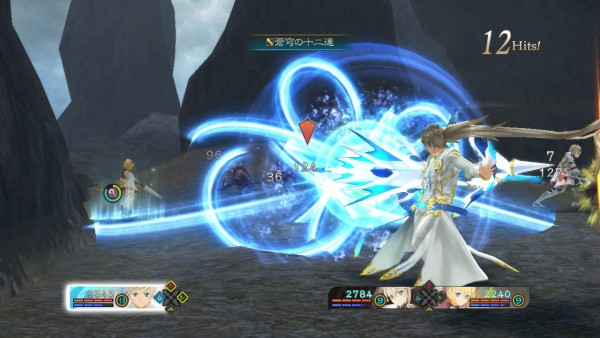
Of course while exploring players will find numerous enemies to fight and while Tales of Zestiria still makes use of the LMBS (Linear Motion Battle System) that the series is known for, it has been changed up a bit. Rather than being transported onto a separate field, enemies encountered, with advantages being given to the player if they strike first, in the field are sealed into that environment with the player’s party deploying as the enemies usually grow in number as well.
It is worth noting that thanks to the storyline’s nature of featuring Seraphim and Shepherds, two humans and two Seraphim are allowed in battle at one time with each Seraphim being paired with a human. This does make party creation more restrictive than some fans of the series would like but it is also entirely possible to switch between Seraphim on the fly. To top that off, players can also make use of special transformations with their currently assigned Seraphim by triggering Armitization.
Armitization allows a human to temporarily fuse with their Seraphim and gain a massive boost to their stats, a changed appearance, and unlock some new skills. This type of action can really turn a battle in the player’s favor but the developers did make it a bit more balance since it reduces the number of fighters on the field down a bit which can be a big negative at times, especially if the Armitized character is defeated.
Other than that though players will find plenty of Artes at their disposal as well as numerous elements to customize their characters to prepare them for battle, in fact the customization may be a bit daunting at first but everything is introduced in a way that is easy enough to learn as players grow accustomed to fusing equipment together to create powerful armor and of course taking advantage of various passive skills and cooking in-between battles to provide special boosts. This creates plenty of ways to customize and deck out your party and possibly change up your strategy on the fly in a manner that will please many fans of the series.
Visuals & Audio Now although Tales of Zestiria has been released on the PlayStation 4, it is readily apparent that this was not what Bandai Namco had been intending on. I say this because despite its transition onto the latest console generation Tales of Zestiria suffers heavily from both terrible pop-in rates when it comes to objects in the environment, but also some rather noticeable drops in frame rate come into play far too often to be ignored.
Thankfully the character designs are still as lovingly detailed as fans will remember as each of the characters are excellently handled here. The same can be said about the environments players will be exploring as there is quite a bit of detail put into most of these landscapes, though some repetition does factor in here.
The music for the series remains as impressive as ever with a number of outstanding orchestral tracks that appear from time to time as well as plenty of enjoyable common themes that are used throughout the game. As for the voice acting, the actors handle their character’s personalities well enough with the title supporting a fully voiced dub.
Overall Tales of Zestiria returns the series back to its somewhat simpler roots by basing its story around a boy from the forest who is tasked with saving the world but throws in plenty of details and enjoyable characters to keep things fresh after the initial slog through the beginning. Sure the title may not have seen a proper transition onto the PlayStation 4 here, but the revamped combat system and the new way that world exploration is handled breathe some fresh air into a series that continues to remain dependable. Capsule Computers review guidelines can be found here.
Did you know #86 is Maxwell Smart’s agent number from the old Get Smart TV show? This week’s Indie GalaEvery Monday Bundle won’t teach you how to be a super agent, but there are two brawlers that will make you feel utterly badass. This week bundle packs six indie games for $1.99.
One Finger Death Punch – A fighting game that uses a 1:1 response system that rewards skilled players for not button mashing.
Double Dragon: Neon – The classic beat ’em up has been rebooted for a whole new generation of gamers.
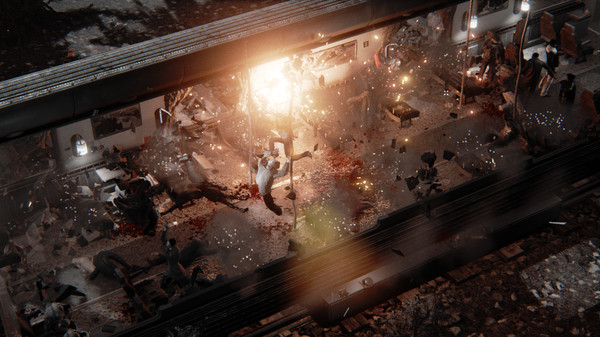
Hatred – A violent twin stick shooter starring an angry antagonist on a shooting spree.
Loot Hunter – A RPG on the high seas full of pirates.
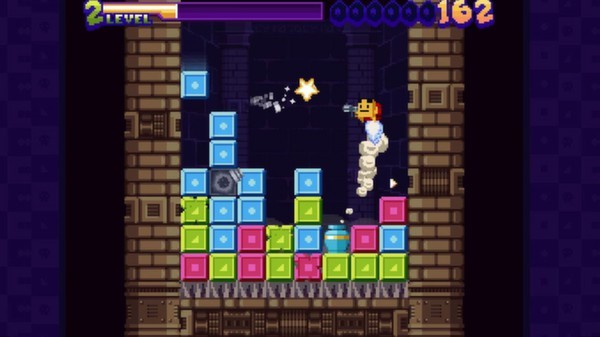
Pizza Express – A fast paced restaurant sim that will have players attempting to survive against the withering competition against the local bistro.
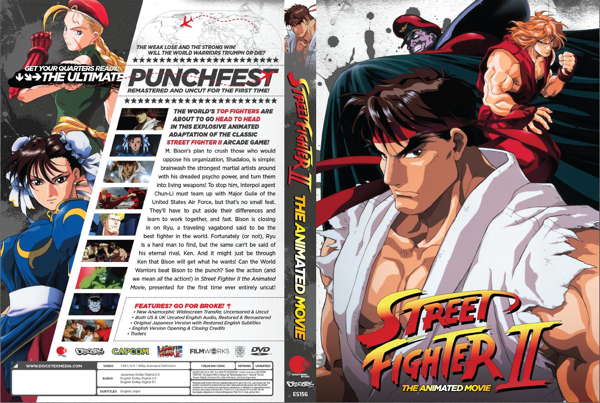
Discotek Media has just revealed the final cover and disc art for their DVD release of Street Fighter II: The Animated Movie. The full image detailing the artwork for the release is featured below. They are still working on the artwork for their Blu-ray release of the film. Discotek announced that they licensed the film in February. They have not yet set a date for either of the releases.
It has been confirmed that the DVD will feature the film uncut and uncensored with the UK and US English dubs. The remastered dubs have been synced with the uncut anamorphic widescreen transfer. The subtitles to accompany the Japanese audio have been reworked and include options to view them with either the U.S. or the original Japanese character names. The opening and ending credits of the English version will be included.
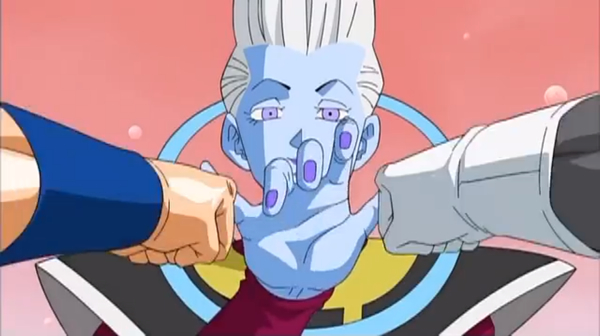
Toonami Asia announced last week that they have acquired the television broadcast rights to the 52 episode anime series Dragon Ball Super. They will be airing an English -dubbed version of it in the middle of next year in Southeast Asia and in India. This will be the English-language world premiere of the series.
The announcement does not make it clear exactly which company is producing this English dub. The ambiguity of this led some people to believe that FUNimation Entertainment, the North American company that holds the home video rights to distribute the Dragon Ball series, will be producing this dub. However, a representative of FUNimation confirmed that the company has nothing to do with this dub. The representative did not say whether or not FUNimation currently has any plans to dub the series itself.
At an event at Kinokuniya in New York City on Sunday, Kodansha Comics announced that they have licensed Hiro Mashima’s mangaFairy Tail Zero. This single-volume story is a prequel to Mashima’s long-running Fairy Tail series. This manga depicts the origins of the Fairy Tail guild. Kodansha describes the story as follows:
Many years ago, Mavis Vermilion was a servant on Sirius Island, mistreated by a guild master and his daughter, Zera. But Mavis stayed positive, because her mother once told her that fairies never visit people who cry about their problems. When the guild came under attack, Mavis pulled Zera from the wreckage into the forest. Seven years went by, and the powerful wizards Warrod Sequen, Precht, and Yuri Dreyer arrived on the island, seeking a powerful jade gemstone. This journey would change the course of magical history…
Mashima began the prequel in July 2014 in the first issue of the Monthly Fairy Tail magazine and finished it just four months ago. A precise release date has not yet been decided upon, but it has been given a release window of summer 2016. Kodansha Comics is also publishing the main Fairy Tail manga series in North America.
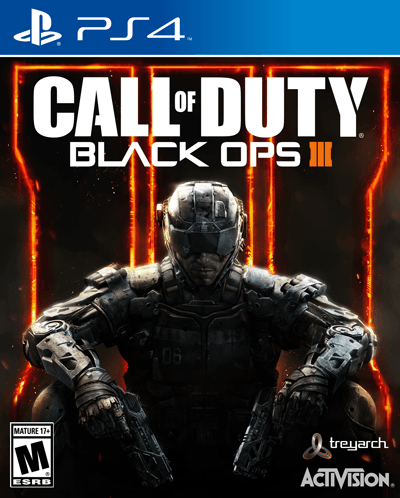
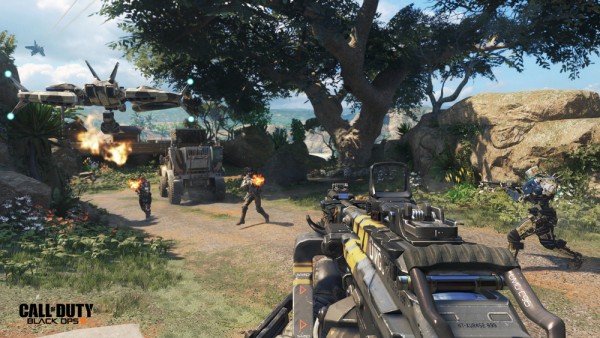
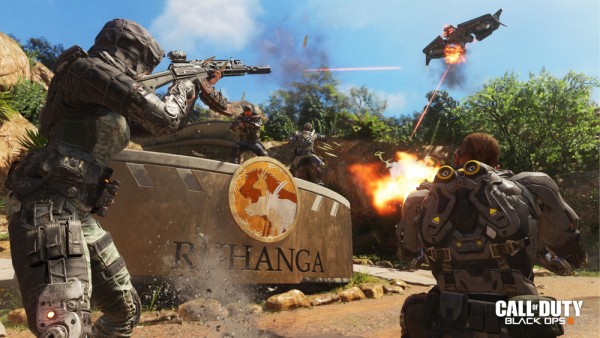
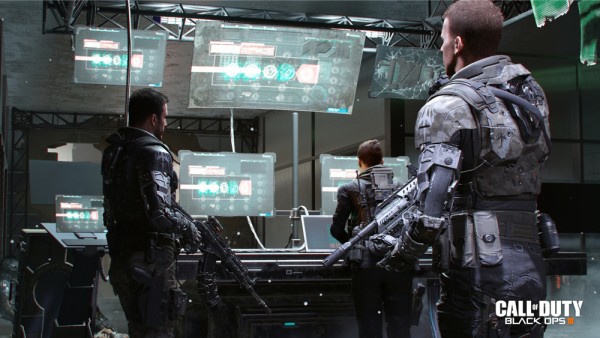
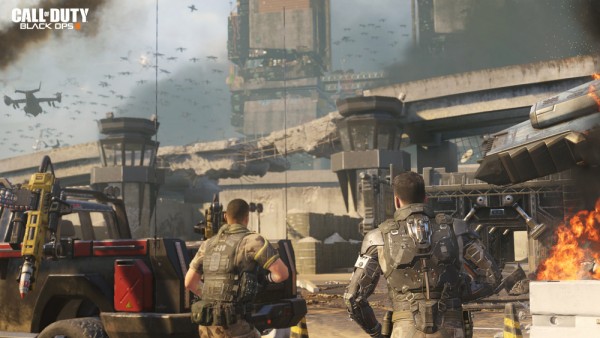
Sledgehammer Games. Infinity Ward. Treyarch. Each of these three publishers have a now three year development cycle to work with on the yearly Call of Duty franchise, with each also having their own base of fans. While Infinity Ward dropped the ball a bit with Ghosts, Sledgehammer introduced a lot of new mechanics along with a gripping narrative full of celeb fanfare to re-capture the imaginations of many longtime fans. Treyarch is the cool guy of the bunch though, and is ready to bring their own slice of the pie to consoles with Call of Duty: Black Ops III. How does this entry fare with its longer development cycle? Let’s find out.
Story
Well, I wanted to come in here and say that if you liked the first two Black Ops title’s story, you would be pleased with the telling presented here – but I’m still unsure after going through the campaign what to think. I still have memories going through the story modes for the original Black Ops, Modern Warfare 2 and 3, and even Ghosts – and coming out with a decent one way or the other type opinion. I hated Ghosts, but loved the audacity Modern Warefare 2 had to challenge the consumer’s perception of actual war. This title doesn’t try to prove anything, and instead delivers one of the most sub-par stories in the franchise’s history.
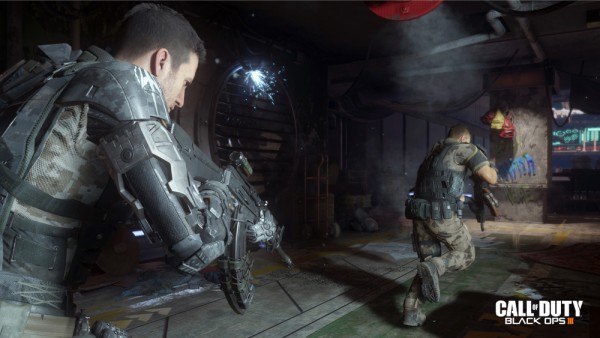
I will sum it up for you. You start out as a character who is 100% human in a world that is inhabited by other humans and beings who have had modifications to grant them special abilities in combat. You then see a grizzly scene and well – your character becomes one of them to stay alive. It is the future, and I am down for some cybernetics, but I almost want to say that this plot got its wires crossed a bit too much and came off as a game in a complete identity crisis, trying to decide if it wanted to be edgy, boring, or a rip-off of where Hollywood was 20 years ago when we went through the whole robot phase in cinema. I felt as if this campaign was a remake of a movie that Will Smith directed – as its so forced. Sure, there are some likable characters. That said, how can I connect with these faces if all the campaign boils down to is a way to set up the theme for multiplayer and the abilities within. Its a paper thin tale that has no merit. Yeah, it will fit in nicely with your powers, but don’t expect to be gripped by this blockbuster that could have been of a mode here.
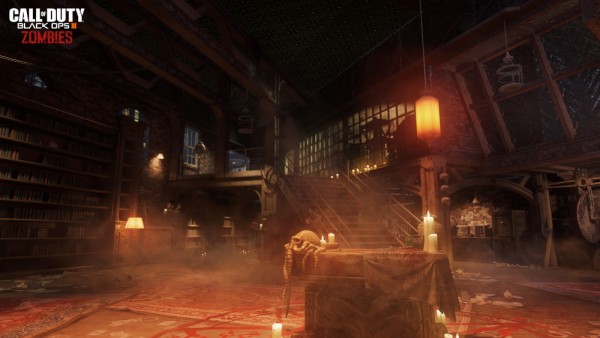
What is weird is that there are other narratives in the game that actually do come off as highly interesting, found in the game’s Zombies mode – Shadows of Evil. This story features four characters who are a mix of murderers, liars, and other lovely folk who must come together in a 1940’s noir styled environment to survive hordes of zombies. There is also talk from a guide of a curse, which blends into gameplay and assists the players as they shoot their way through wave after wave of undead foes. The story isn’t deep by any means, but its fun and has a few random twists that make it feel like a gritty B movie from start to finish.
Gameplay
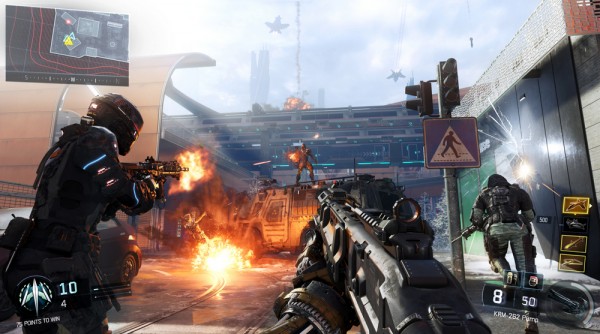
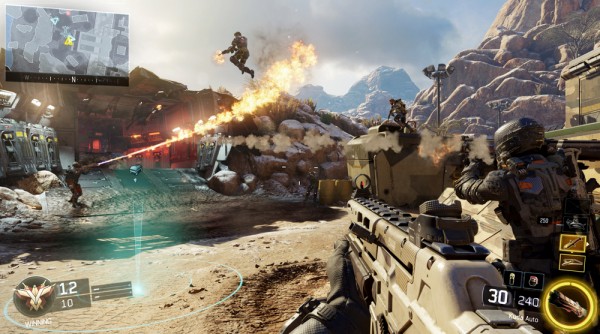
At the core, Call of Duty fans know what they’re getting. Black Ops III performs very well as a first-person shooter and when it comes to the gameplay that fans expect, you will not be let down by the performance whatsoever. To go to the goods however, you would do best to go straight to the online multiplayer, where players go head to head in the new maps. I know speaking of Halo Reach here is kind of inappropriate as these two titles are vastly different from each other, but the new specialist system within multiplayer kind of feels like it is trying to do what Bungie did for Halo with this title. Starting out, each player has the choice of a power weapon or a special ability to which they can use to get an advantage against the opposing team. Battery is a great example of this as this character has the ability to fight off gunfire with Kinetic Armor and still manages to destory foes quickly with a large grenade launcher. You still have to charge up an ability to use it, but that short wait time is worth it for the awesome results.
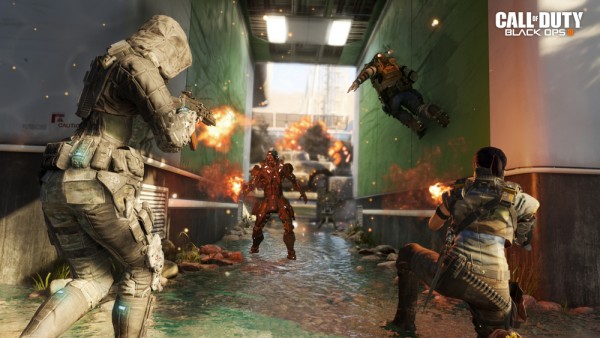
The other specialists on the list bring balance, featuring an engineer that can teleport across time, a nice bow for the Outrider, and so on. These abilities blend so well with the new mechanics and maps – making everything fit like a well designed puzzle. I had a blast with multiplayer as more specialist abilities continue to unlock as you play, and while those wanting a pure COD game may object to these additions, I am on the other side that says this franchise needs this breath of fresh air. The only reason I disliked the campaign was because it felt like a tutorial for multiplayer. That alone robs the single player from that irreplaceable narrative that drops their jaw and makes them respect the team so much who crafted this game – so they then have to play more – and then turn to multiplayer. While Black Ops III totally abandoned that draw, it makes up for it with a multiplayer that is an absolute joy to play. It is also needed to speak about what that loyalist will get as this still very much feels like the Call of Duty you know and love despite the icing – as powers only last so long and the deep customization with ten slots is sure to keep you busy with your unlocks and perks. Same COD, different flavor – so to speak.
Zombies mode features multiplayer as well, but you can play alone. Now I love the setting, the whole mysterious aura of the cast and story, and so on, but playing this solo is extremely difficult. This is pretty much a wave by wave fare as it stands with a ton of opposition and a goofy yet fun story and the ability to morph into a…thing (you kind of have to play it to understand just what this beast is), but it still is a good time – just with a steep learning curve for those going in alone. What makes the mode is how addictive it ends up being. There is always another path to take, another weapon to use so you might survive for just a little longer. Its rare when a first person shooter can create an experience that keeps you going on the same little path for hours at a time, but the Zombies mode here is a slam dunk.
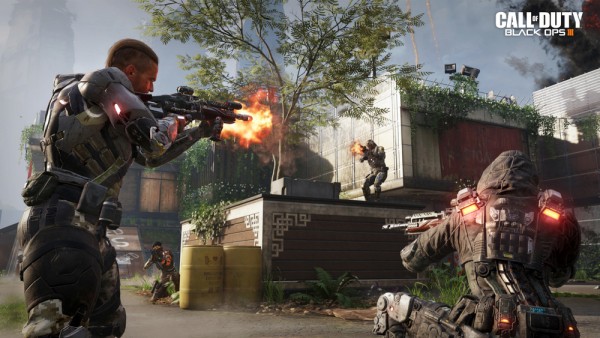
The maps in Black Ops III are fantastic with a great mix of platforms and structures that can be played from several different perspectives. This means that while some could wall run and tag another with a blade, others could use that same spot for a different use based on their equipment or ability. This allows for limitless variation on the battlefield and also means that no match ever has the same result of the one prior. Campaign has some nice little locales as well that are linear yet easy enough to get used to, and those who enjoy their time in the mode will be happy to know that they can go back as a prize for beating the game in “Nightmares”, which remixes the entire plot with zombies and somehow is more enjoyable overall. I hate most zombie anything as the subject gets boring after so long, but considering the pacing and fresh take on a rough story – well, lets just say its worth it to finish the campaign – no matter how slow it may seem.
Visuals
This is gaming’s equivalent to a summer blockbuster. Do we really expect Call of Duty to look bad? Not one bit. Black Ops III looks phenomenal and may be one of the best looking entries in the entire franchise as it runs at 60 frames per second and has some of the most detailed maps we have seen to date, capturing that shiny-steel perception of the future, with soldiers that look equally as impressive running about through the landscape. Sure, we have seen female models used in big budget games before, but for the designs to look as lifelike as they do – I must give it to Treyarch for finally offering up a well made version of the other side of the coin. That being said, when you design your character in the start of the campaign, that is the same face with a different hairstyle for each model. I guess this is just a nitpick compared to the rest of the quality that went into the main product, but it is something I made special note of while going through campaign as it did seem a bit rushed.
Audio
The voice acting is wonderful within Call of Duty: Black Ops III as of course Activision and Treyarch ensured they hired fine talent who all sound very believable in their roles. We have Jeff Goldblum, Heather Graham, Katie Sackhoff, and many more other talents lending their cords to the game, and most – if not all of the celebs taking part do a great job of bringing the characters to life. Black Ops III also features the usual sound effects from the weaponry and other bits that do a lot to make the battles come alive – bringing a heavy dose of atmosphere to an already stellar presentation.
PC Report By Jamie Laike Tsui
Call of Duty’s PC version has been a bit of an afterthought for the last several years. Many veteran PC gamers still reminisce about Call of Duty 4: Modern Warfare PC release, and it has been seven long years since any of us has seen “dedicated servers” and “Call of Duty” uttered in the same breath. Treyarch seems committed to turning the ship around and improving the quality of Call of Duty: Black Ops III’s PC release. The early announcement that the PC version would support split screen multiplayer was a good start. The announcement that mod tools and dedicated server support for unranked and modded games launch for Black Ops III in 2016 quickly propelled the game onto the top of Steam’s sales charts in the matter of days. So is Black Ops III’s PC release really the Call of Duty game PC gamers have been waiting for all these years?
The minimum requirement hasn’t changed since last year’s Call of Duty: Advanced Warfare release and neither has the engine’s preference for lots of RAM and VRAM. The game more than happily gobbles down available RAM, especially during loading. It is rare for me to see a game that so happily takes up almost 13 GB out of my 20 GB of RAM like Black Ops III does while loading levels. Those with video cards armed with more VRAM than me have been reporting that the game is just as greedy for available VRAM at higher graphic and resolution settings. 2GB of VRAM from older generation video cards, like the Nvidia GTX 670 in my rig, are definitely starting to show their age. Call of Duty: Black Ops III didn’t look the prettiest, but my GTX 670 paired with a i7-4790k could at least push out 60 FPS for the most part on low to medium settings at 1920×1080.
Treyarch has done a great job with Black Ops III’s graphic options. The settings screen is torn out of the wish list of every PC gamer out there. It is easy to navigate and plenty of PC specific options are available. A generous field of view slider goes up to 120. The game’s render resolution can be set independently of the game’s actual resolution, which will let lower end systems at least run the game at an acceptable frame rate average frame rate of 60 FPS. The often ignored split screen mode is available in Black Ops III. Even better is the option for vertical or horizontal split screen that allows for multi-monitor co-op with each player utilizing one screen each when combined with Nvidia Surround or AMD Eyefinity set ups. The only downside is the fact menus on these mutli-monitor set ups are stretched across all monitors.
Call of Duty: Black Ops III’s PC release needs some patching and optimization. The frame rate isn’t consistent, tanking horribly at times. The game seems to be struggling with input lag, especially when the frame rate drops below 60 FPS. Stability is still a work in progress, with several crashes throughout. There are also some bugs that need stomping. Black Ops III is not playing well with Windows’ audio settings. On one of our test rigs, the game would forcibly set the microphone volume to 100% and refuse to return the volume to a normal level until the game alt-tabbed out. On another rig, Black Ops III’s audio was barely audible because the game would play all sounds at the voice chat’s default 50% volume, even though the game’s volume was set to 100%. The game has Steam Family Sharing enabled which is a great feature for PC gamers, but right now there is a persistent bug that leaves the game unplayable online for the family accounts.
I believe the PC version would have benefited greatly from being held back a month or two to give Treyarch the time to properly focus on it. While I understand the demand to release a PC port at the same time as its console brethren, no one benefits from a poorly optimized and buggy PC release. To be fair, Black Ops III isn’t the worst example of a mutli-platform PC release, but it isn’t exactly the shining example of a PC version done right either. Treyarch has shown they are serious about making a proper version of Call of Duty for the PC, but they still have some ways to go before they reach that goal. If Treyarch can properly patch and optimize Black Ops III in the coming weeks and months, they may well be on their way to returning the series back to its former PC glory. But that is a future filled with possibility, what is important is right now. If you are willing to roll your sleeves up and do some leg work, Black Ops III can be very playable. However, most PC gamers will probably want to give Black Ops III at least a few more weeks of patching before deciding if they should buy the game.
Overall
Call of Duty: Black Ops III is a great entry in a franchise that gets a lot of flak for being the same thing every year despite its changes. It is obvious that the franchise wants to change as even with the high quality of the gameplay, you can still see a game battling itself for a new identity as it tries to put on every mask to make the player happy. This wouldn’t work for most titles, but oddly – I found as an overall product (not speaking about the campaign), there is some sort of bizarre, second rate charm with Treyarch’s latest, as it still is very Call of Duty, but a Call of Duty that has covered itself in glue and is just rolling around in everything it can find that is relevant in 2015, hoping the good parts stick. It is a more honest experience, and one I had a blast playing as even though there are a lot of crazy risks taken – the payoff is definitely that much greater as a result. Good show, Mr. Duty. Good Show. Capsule Computers review guidelines can be found here.
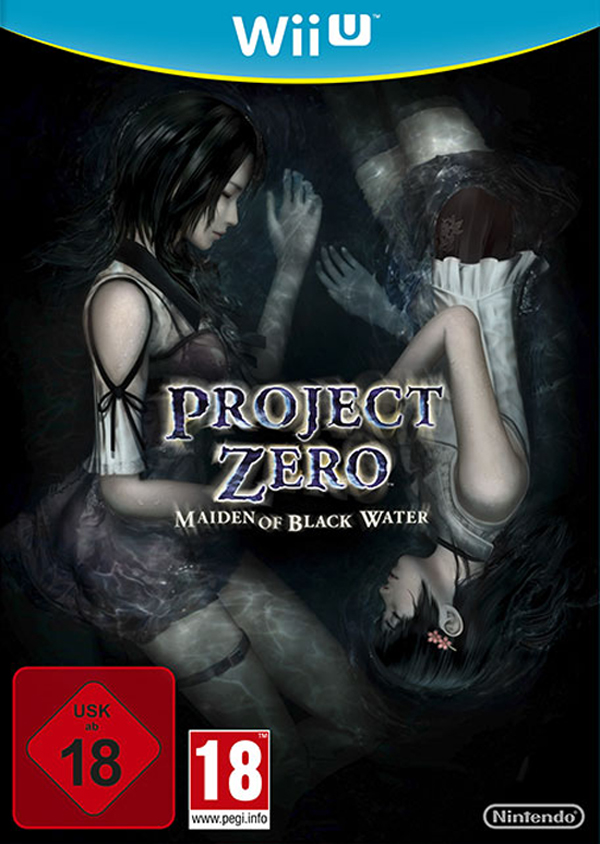
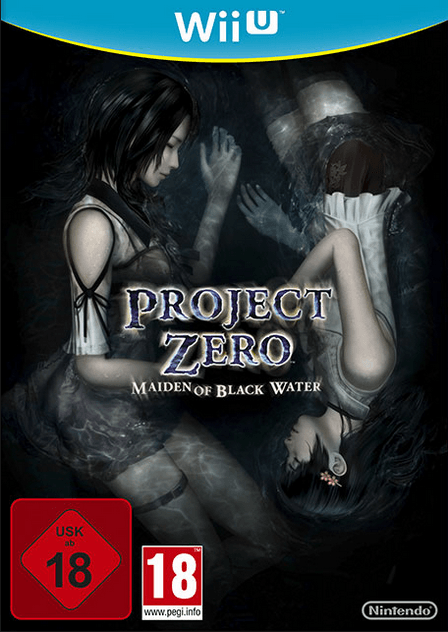
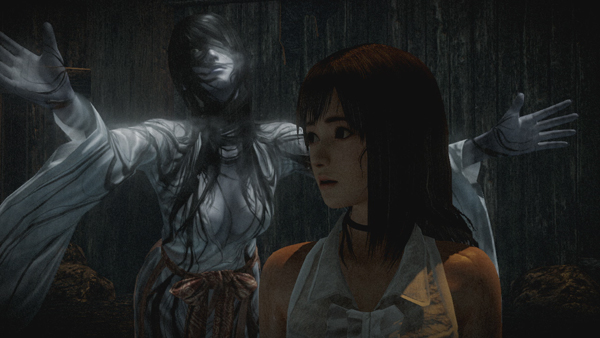
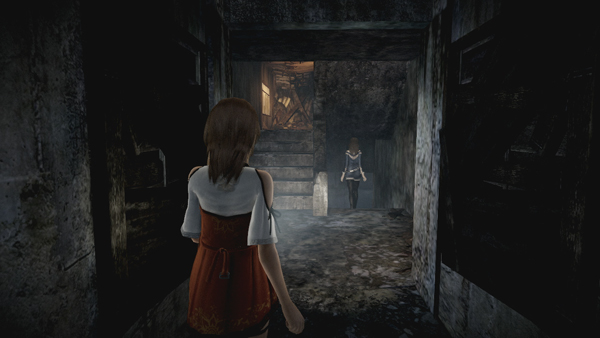
Project Zero: Maiden of Black Water is one of those games that shouldn’t really exist. The game is the fifth installment in a previous Japanese-exclusive franchise, whose games were mostly on PlayStation consoles. Then here we have this game, one that was ported to English and made exclusively for the Wii U. Maiden of Black Water puts players in the role of three protagonists, each of which has to combat the spirits that haunt them. While it is definitely an interesting game with some really nice combat, repetitive later chapters and clunky controls make it a little hard to really get into.
Story
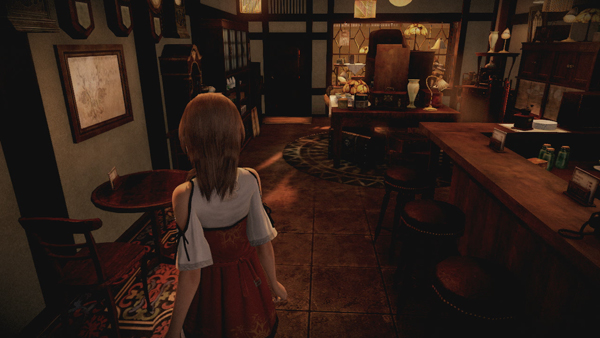
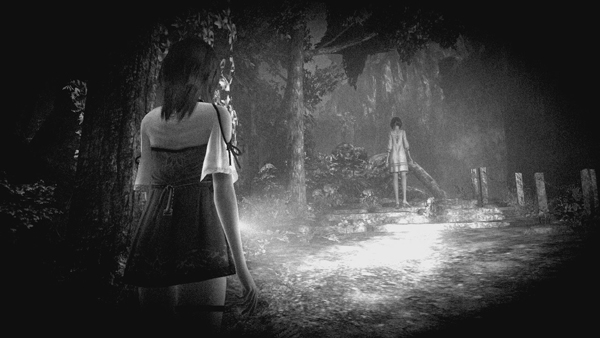
Set in the frightening Hikami Mountain – a place that is a notorious place for people to go and commit suicide (similar to the real-life Aokigahara Forest). The spirits of the forest have turned dark and twisted and the game’s three protagonists (Yuuri, Ren and Miu) are forced to confront them over the course of the game while they try and discover what is going on at Hikami Mountain.
The game follows its three main protagonists, switching between the three when the need arrises. Each of the characters has different skills and abilities as well as their own unique story to tell. The intertwining story allows players to see the events happen from the points of view of all three, while simultaneously building towards a grand conclusion.
It seems that telling horror games in an episodic nature seems to be all the rage this year and while it can be very hit and miss way of presentation, I definitely feel that it plays well here and gives the whole game this sense of urgency and keeps the plot moving at a steady pace, which in turn keeps the tensions high – exactly what you want when playing a horror game.
Gameplay
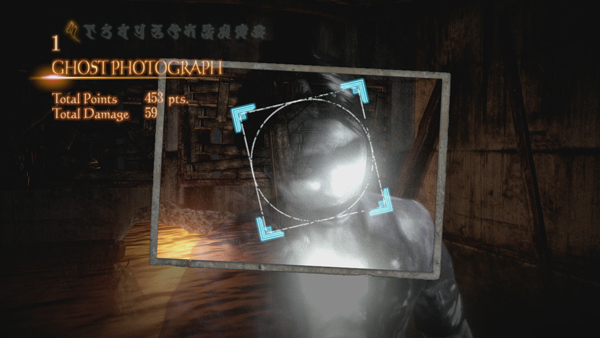
Project Zero has some of the most engaging and unique combat that I have seen in a horror game. In lieu of the traditional guns, melee weapons etc you instead have a special camera that can take photos of the spirits that haunt the mountain. Spirits have multiple “weak points,” and the more you have in the shot when you take it, the more damage you deal to the spirits. It can be extremely challenging to line up the perfect shot in order to deal the most damage and with the Wii U Gamepad integration, this becomes an incredibly engaging experience.
The Wii U Gamepad is used as your camera. Your only weapon against the hordes of spirits that come against you. When you enter a confrontation with an enemy, you move your Gamepad around and use its screen as your viewfinder. The clever mechanic really helps you to get sucked into the moment and feel like you are truly in the moment. This is also helped by the fact that the game switches from a third-person to first-person view during these moments.
For those of you out there who grew up with old-school survival horror games like Silent Hill and Resident Evil, then you will be familiar with the fact that those games had less than stellar control schemes and that the limitations of these helped to build the tension because you were nigh-helpless and anything that attacked you was a very real, usually unavoidable threat. Project Zero tries to replicate this with its own awkward and clunky control scheme. This serves as a bit of a double-edged sword with the control limits making you feel stuck in a sea of ghosts that can just blissfully glide through the air. The downside is that with enemies that are so fast, so agile and able to appear at any place at any time, the controls often get in the way of the gameplay.
It is a very weird feeling to be playing a game and have elements of its gameplay work so well thematically but fall so flat mechanically. Ideally you would want to strike a balance between the two and while I’m not personally sure how you would do that, I can say that such balance definitely wasn’t struck here.
You want to know what one of the biggest killers of fear, tension and mood are? Repetitiveness. If something becomes repetitive and predictable then the mood can quickly shift from exciting and blood chilling into boredom and tedium. Well sadly, towards the latter sections of Project Zero; the story, enemies and scares all suffer from exactly this. Some of the ghosts in the early sections of the game can be downright horrifying, but when you see them time and time again, all of their power immediately dissipates and I more than a few times found myself whispering “again…really?” to myself.
Visuals & Audio
While the Wii U isn’t as powerful a console as its other contemporaries, Project Zero manages to really do a lot with the hardware. For the most part, the game looks great. Environments are well drawn, characters look smooth and their bodily animations are fluid, and the ghosts look like something straight out of a horror movie (surprise, surprise). While the ghosts don’t always have a unique look or feel, the way the light shines through them is done is a really clever use of lighting and I can honestly say that I was a huge fan every time I saw one.
Audio is exactly what you would expect from a game like this; the background noise is soft, haunting, and really helps ramp up the mood. The soft rustling of the wind through the trees can be just as haunting as any of the ghosts. Who, by the way can be outright terrifying when you don’t suspect them.
Character voice acting is a little stilted and bland, with some characters seeming more totally disinterested than scared or intrigued. It is a bit of a disconnect that honestly took me out of the moment a few times.
Overall
Horror games are an interesting genre. It is so easy to screw it up and either make the game too action-oriented or by failing to create the right tone or feel. Project Zero: Maiden of Dark Water manages to avoid all of these pitfalls of modern horror gaming and provide an experience that is scary, engaging and unique… at least in the beginning. As you progress through the game, the repetitive nature of the game and its enemies, as well as the way the game controls takes this unique experience and waters it down to something a lot bleaker than I would have hoped for.
Capsule Computers review guidelines can be found here.
This week’s Xbox Newsbeat focuses on the two big releases of the week: the New Xbox One Experience and Rise of the Tomb Raider.
Your New Xbox One Experience Begins Today
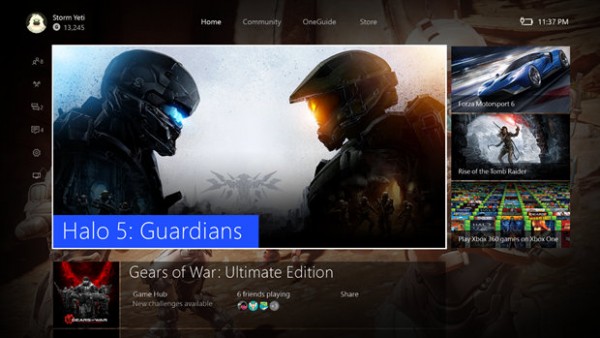
The new Windows 10 oriented Xbox One Experience launches today. It is probably bringing the biggest shake up to the Xbox Experience since the launch of the original Xbox. The full change log is as follows:
Xbox One Backward Compatibility. You’ll be able to play over a hundred Xbox 360 games on Xbox One starting today, with hundreds more to come. Xbox 360 game play on your Xbox One includes the added benefits of Xbox One features such as screenshots, in-home streaming, and Game DVR. You can even enjoy multiplayer with friends playing Backward Compatible titles on Xbox 360. To start playing your Xbox 360 games on Xbox One after 12pm PST today, refresh your Game Collection to see your pre-purchased, digital Xbox 360 titles from the Backward Compatible title list in your ready to install queue or simply insert the disc for a supported Xbox 360 title and download the game to start playing it on Xbox One. In addition, for a limited time, all Xbox One owners can play backward compatible games on Xbox One with the multiplayer benefits normally available only with an Xbox Live Gold subscription. Take a look at the list of backward compatible games available now, and get started playing today.
A new Xbox One Home makes it faster and easier to get to the things you love. We redesigned Home to provide fast access to the games and apps that you’ve recently used. The new Home also enables you to get to social activities quicker:
Share your achievements and game clips with the Xbox Live community.
See whether your friends are playing the same games.
Access Game Hubs to get breaking news and updates from game developers and the Xbox Live community.
A new guide lets you rapidly access top tasks with just one button press. You can bring up the guide from Home by tapping left with the D-pad or left thumbstick. Or, while playing a game, you can double tap the Xbox button on your controller to instantly overlay the guide – without interrupting your gameplay. You can access your Profile, Friends, and Settings; quickly start a Party; view your Messages and Notifications; and Snap an application all from the new guide, saving you valuable time weaving in and out of apps.
A new Community section makes Xbox One more social. This section is designed to help you keep up with what other gamers are doing on Xbox Live as well as jump directly into the conversation yourself. Check out what your friends are up to and keep track of the games you follow in the redesigned Activity Feed. The new Trending section lets you view the most popular posts from other players on Xbox Live.
The revamped OneGuide is your single destination for TV, movies and video. Find the most exciting new movies, TV shows and videos from across apps on Xbox One. App channels help you discover what’s new in your favourite apps, making it easier to find entertainment content. TV listings are viewable instantly in OneGuide – including listings from over-the-air channels and, coming soon, Sling TV. Picture-in-picture allows you to keep browsing for other things to watch without missing what’s happening on live TV.
A new Store makes it easier to find the content you want. The new and improved Store includes four easy to explore areas – Games, Movies & TV, Apps, and Music – plus a new vertical gallery view to reveal more listings at a glance. You can browse through intuitive categories like Staff Picks, New Releases, Top played, Top rated, Coming Soon and Recommendations to uncover new games, apps, and entertainment for your Xbox One.
We have made a tremendous number of other improvements. Here are some to check out:
Xbox One Avatars. We know that our fans love Avatars on Xbox 360 and so we’ve brought them to Xbox One but with some critical, visual fidelity upgrades including anti-aliasing, lighting, and shading improvements. The end result is a modern take on a longstanding favourite.
Game Hubs. We redesigned Game Hubs from the ground up to bring everything you want to know about a game into one place. Follow your favourite games to keep up to date on the latest news and social media. The new Game Hubs are always literally at your fingertips: with one button press, access the Game Hub for each game in your recently played games list.
Remap buttons on any controller. The new Xbox Accessories app lets you reassign buttons on any Xbox One Wireless Controller. You can now customize your button mapping, invert thumbsticks, swap triggers, and more to create the best personalized experience
New ways to navigate and interact with Xbox One, including:
o Narrator: screen reader that reads aloud in-focus text on the screen
o Magnifier: allows you to zoom in and out and pan, providing an enlarged view of elements on your screen
o High contrast: adjusts colour and transparency settings
Introducing Your First 104 Xbox One Backward Compatible Games
The much requested feature is finally leaving beta testing. Xbox One Backward Compatibility is the crown jewel in the New Xbox One Experience and seeks to eventually make every single Xbox 360 game run on Xbox One. Microsoft is starting small by releasing an initial batch of 104 games. Titles range from indie Xbox Arcade titles to triple A games like Halo Reach. The full list can be found at the new Xbox One Backward Compatibility page.
Microsoft is kicking off the new feature with a bang by bundling many new Xbox One games with Xbox 360 titles. New releases like Gears of War: Ultimate Edition, Fallout 4, Tom Clancy’s Rainbow Six Siege, and Just Cause 3 will all come with free Xbox 360 digital downloads.
Rise of the Tomb Raider Offers More Ways to Play
Rise of the Tomb Raider is this week’s big release in a very busy pre-holiday season. The game is an Xbox One timed exclusive, with other platforms not seeing a release until 2016. Our very own Travis Bruno is a huge fan of the game, giving the game 9.5 Capsules out of 10 in his review. A new Xbox Newsire blog post covers the three new gameplay elements that help draw the game’s focus away from gunplay: stealth, crafting, and, of course, tomb raiding.
Cosplayer Scales World’s Highest Bungee Jump for Rise of The Tomb Raider Launch
While it’s not a Guiness World Record breaking event like like Halo 5: Guardian’s launch celebrations, Rise of the Tomb Raider was kicked off by veteran cosplayer Jenn Croft leaping off the world’s highest commercial bungee jump off the Macau Tower. Croft was dressed up in a Rise of the Tomb Raider Lara Croft costume that she made herself for the event, which was live streamed across Asia.
“Lara Croft is one of the most popular video game characters among female cosplayers, as well as the general cosplay community. She is a great inspiration for people to step out of their comfort zone, take a risk and achieve their goals. This jump is dedicated to all the passionate Lara Croft and Tomb Raider fans from Asia, as well as the rest of the world. I hope everyone will have as much fun playing Rise of the Tomb Raider as I did flying in mid-air,” said Jenn Croft.
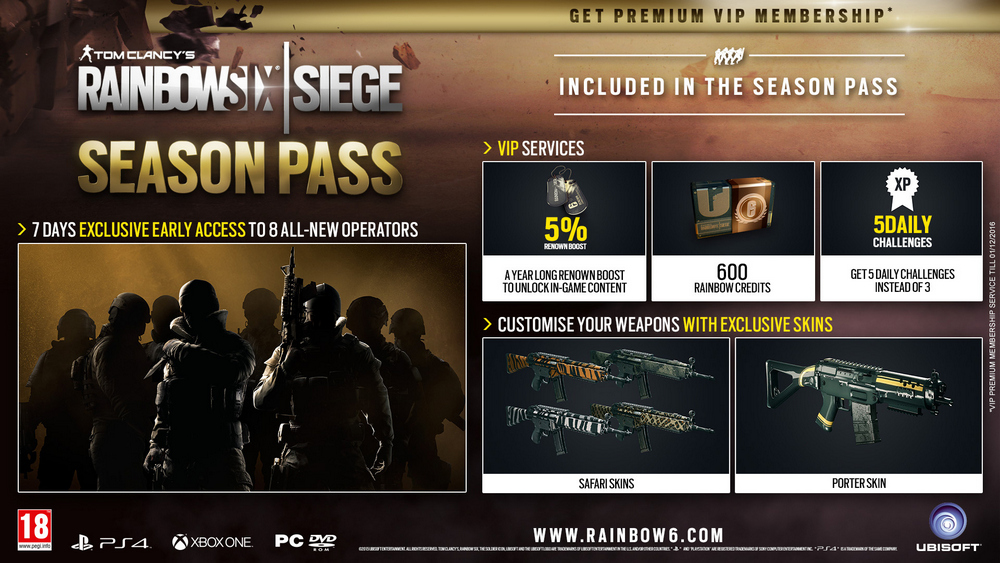
Buyers will get access to all eight of the new operators, seven days before the operators are available to the general public. Owners will also get access to an exclusive Porter weapon skin and the Safari Bundle of five weapon skins. The Season Pass will also give accounts a permanent 5% Renown booster, two extra Renown challenges, and 600 R6 Credits to let players purchase content right off the bat.
Tom Clancy’s Rainbow Six Siege’s Season Pass will cost $29.99 USD and also comes bundled with the Gold Edition of the game. The game launches on PlayStation 4, Xbox One, and Windows on December 1st, 2015.