

DRAGON QUEST BUILDERS arrives in Europe this October
Exclusive Day One Edition digital content and box art revealed
LONDON (20th July 2016) – Square Enix Ltd., today revealed details of the “Day-One Edition” of its all-new block-building adventure, DRAGON QUEST BUILDERS™ – arriving in Europe and PAL territories on 14th October.
Players who pre-order the game ahead of launch will receive a selection of exclusive in-game item recipes that allow for the creation of materials for use in the game’s Terra Incognita (Free Build) mode, including;
- Springtide Sprinkles Recipe – Transform trees into festive Cherry Blossom Trees and soil into comfortable Straw Floor Blocks
- Slimy Blocks Recipe – Craft delightful blocks adorned with cute blue Slimes
- Gold Blocks Recipe – Show off your opulent side with blocks made of pure gold
In DRAGON QUEST BUILDERS, players will use their creativity to build a variety of unique tools from the materials they gather, and rebuild towns and cities to restore life to the shattered world of Alefgard– a human realm destroyed and plunged into darkness by the menacing ruler of the monsters, the Dragonlord. Explore with the freedom of sandbox gameplay, combined with an immersive and charming DRAGON QUEST® story – battling with iconic DRAGON QUEST monsters and interacting with gorgeously designed 3D characters along the way. With an intuitive control system, DRAGON QUEST BUILDERSwill have you building the towers and castles of your dreams in no time!
DRAGON QUEST BUILDERS will arrive in Europe and PAL territories in 14th October 2016 for the PlayStation®4 Computer Entertainment System and PlayStation Vita (digital only). For more information visit: www.dragonquest-game.com
Related Links:
Official Homepage: www.dragonquest-game.com
Facebook: http://www.facebook.com/DragonQuest
Twitter: @DragonQuest
About DRAGON QUEST BUILDERS
Generations ago, the realm of Alefgard was plunged into darkness when the hero fated to slay the terrible and treacherous Dragonlord, the ruler of all monsters, was instead tricked into joining him. Through this vile villain’s magical machinations, mankind was scattered to the winds and robbed of the power to build. With even the idea of creativity relegated to mere legend, the people of Alefgard wander the ruins of their former home, scrounging and scavenging in the dust to survive.
But now, a legendary figure arises – a hero chosen by the Goddess herself – who sets out to return the power of creation to the people of Alefgard. Only when the wonder of imagination has been returned to the land will mankind be able to overthrow the evil Dragonlord once and for all!
About Square Enix Ltd.
Square Enix Ltd. develops, publishes, distributes and licenses SQUARE ENIX®, EIDOS® and TAITO® branded entertainment content in Europe and other PAL territories as part of the Square Enix group of companies. Square Enix Ltd. also has a global network of leading development studios such as IO Interactive™, Crystal Dynamics®, and Eidos Montréal. The Square Enix group of companies boasts a valuable portfolio of intellectual property including: FINAL FANTASY®, which has sold over 115 million units worldwide; DRAGON QUEST, which has sold over 68 million units worldwide; TOMB RAIDER®, which has sold over 45 million units worldwide; and the legendary SPACE INVADERS®. Square Enix Ltd. is a London-based, wholly-owned subsidiary of Square Enix Holdings Co., Ltd.
More information on Square Enix Ltd. can be found at http://eu.square-enix.com/en





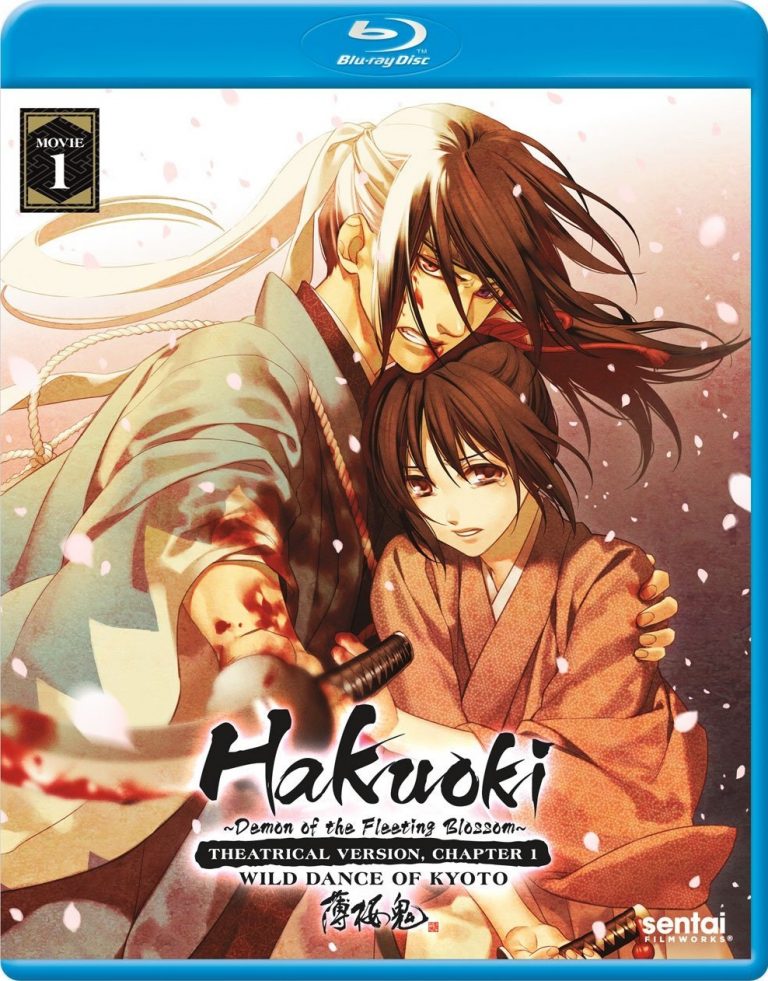
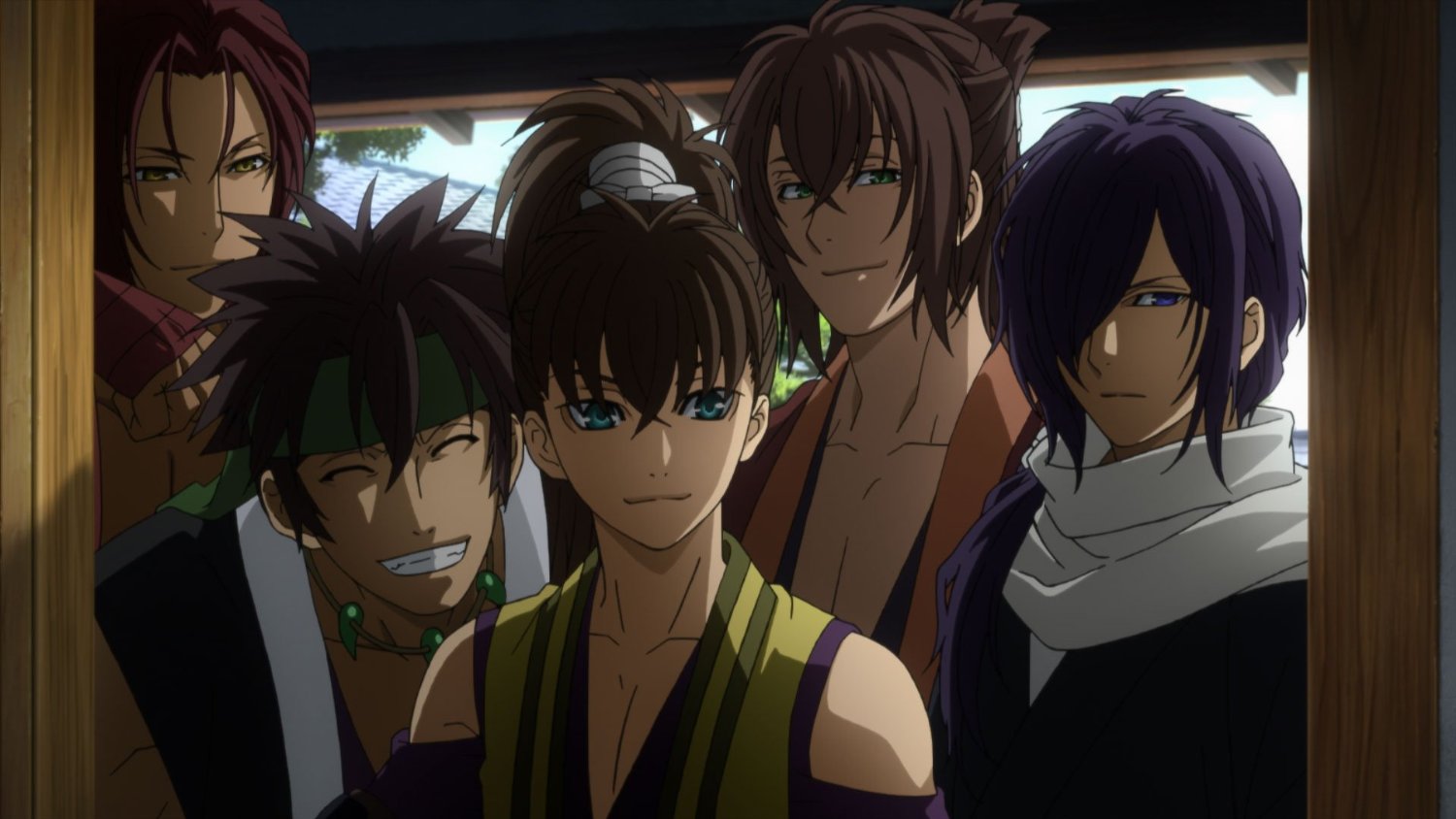
 While the Shinsengumi members initially want to kill Chizuru for what she witnessed, they are quick to let her join the group after learning that she is searching for her missing father who the Shinsengumi also happen to be searching for. After being informed that Chizuru will need to remain disguised as a male and will be given no preferential treatment as a member of the Shinsengumi, she is almost immediately given special treatment and becomes a trusted member of the group.
 Things have been reworked in a manner to try and smooth the pacing out but anyone familiar with the Hakuoki series will immediately recognize that Hakuoki: Demon of the Fleeting Blossom – Wild Dance of Kyoto is basically a retelling of the first season of the anime with extra bits of fluff cut away in order to advance the story as much as possible in this first hour and a half long movie. This means that a lot of the events that take place over the course of the film and the various revelations about the world and Chizuru’s history are quickly tossed at the viewer with very little introduction.
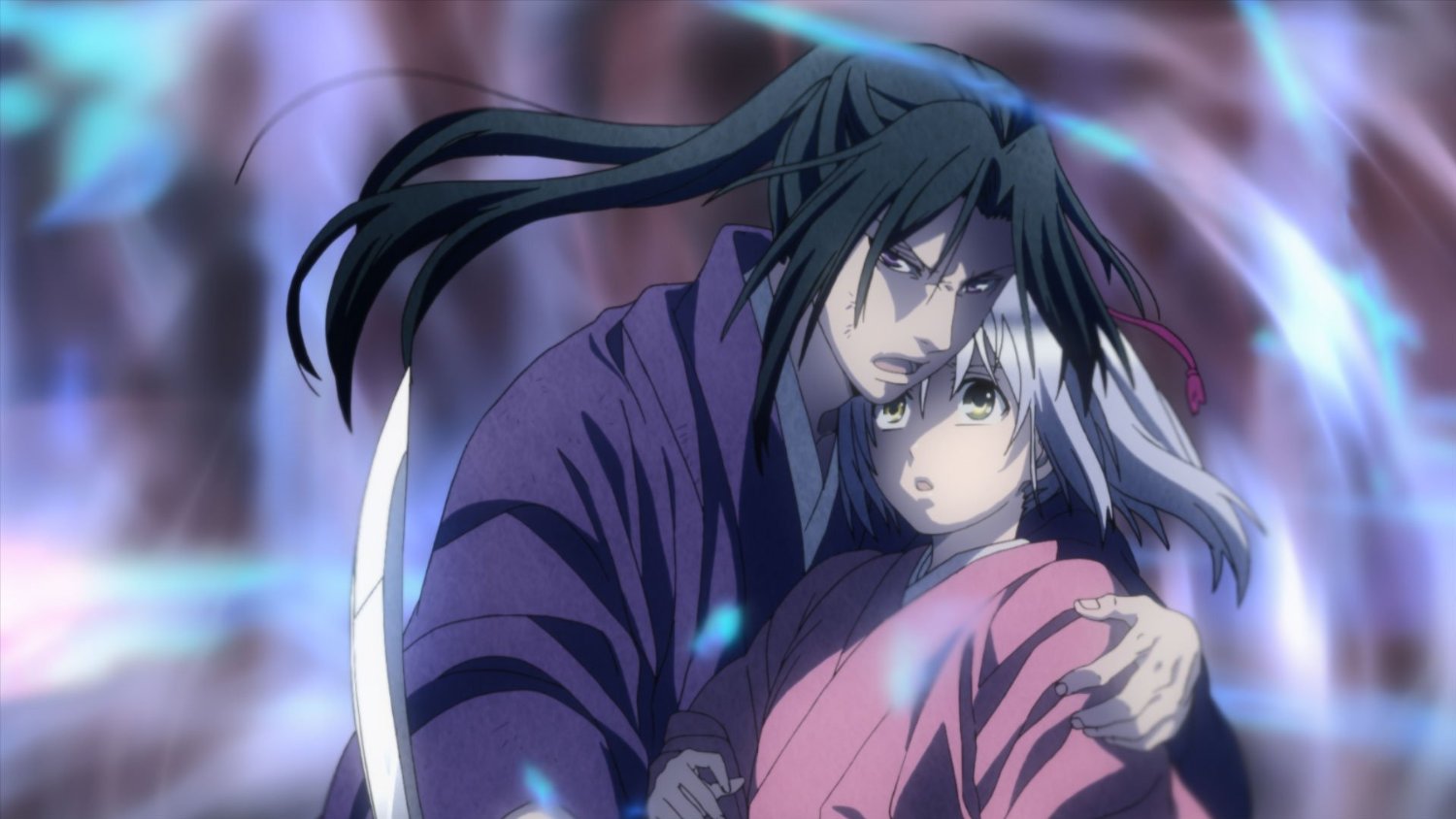 Though thanks to the fact that this is only the first of two movies, viewers will need to be prepared for a cliffhanger of an ending that leaves not only the fate of Chizuru but many others hanging by a thread as well as a number of other story elements that are left at face value only to hopefully be explored in the second film. This means that while those who are familiar with the series may be able to keep track of everything and already know what to expect and can enjoy this film for what it is, a new tale of a familiar story, newcomers will be caught off guard and left wondering what will happen next thanks to confusing pacing.
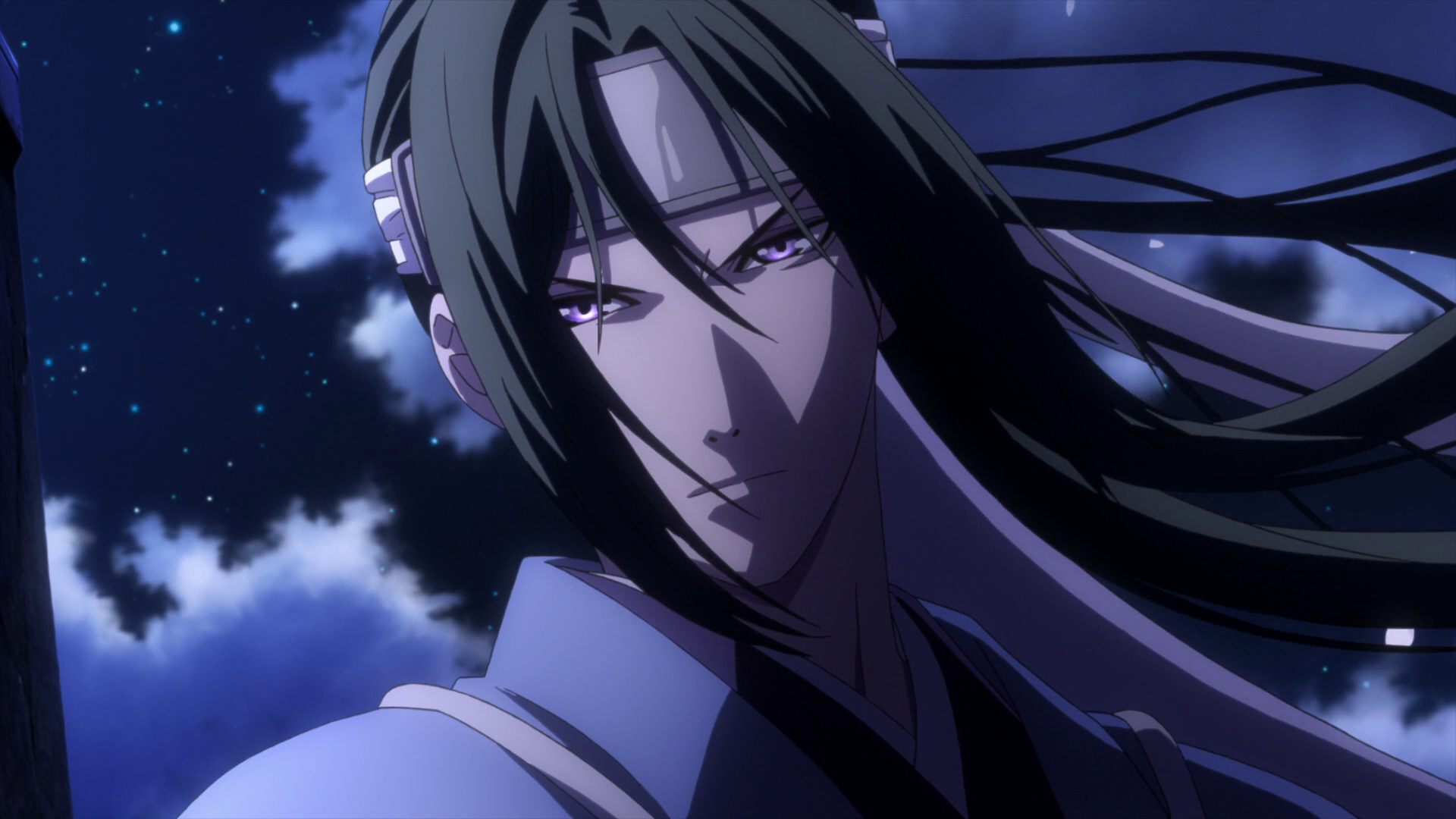
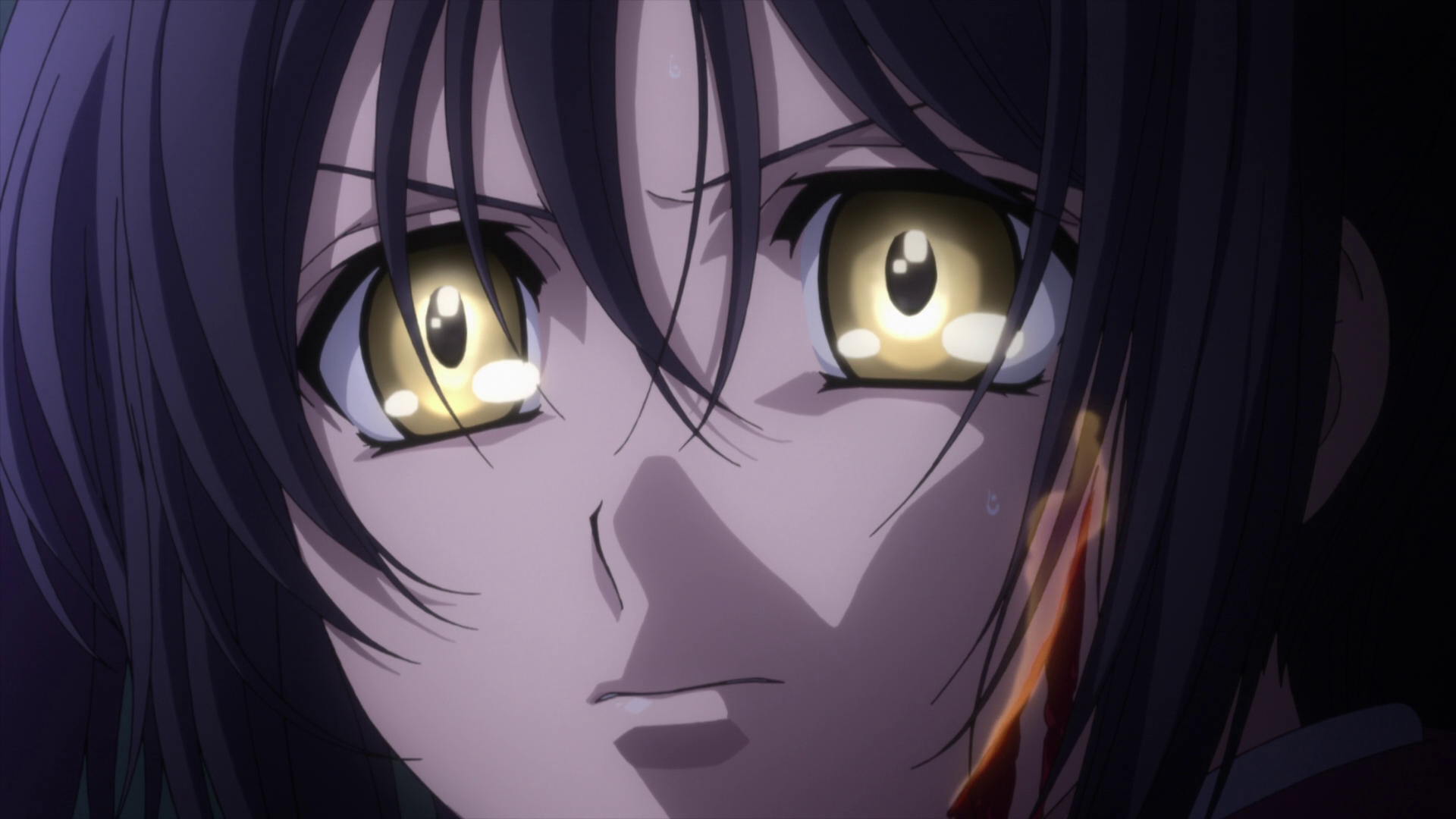
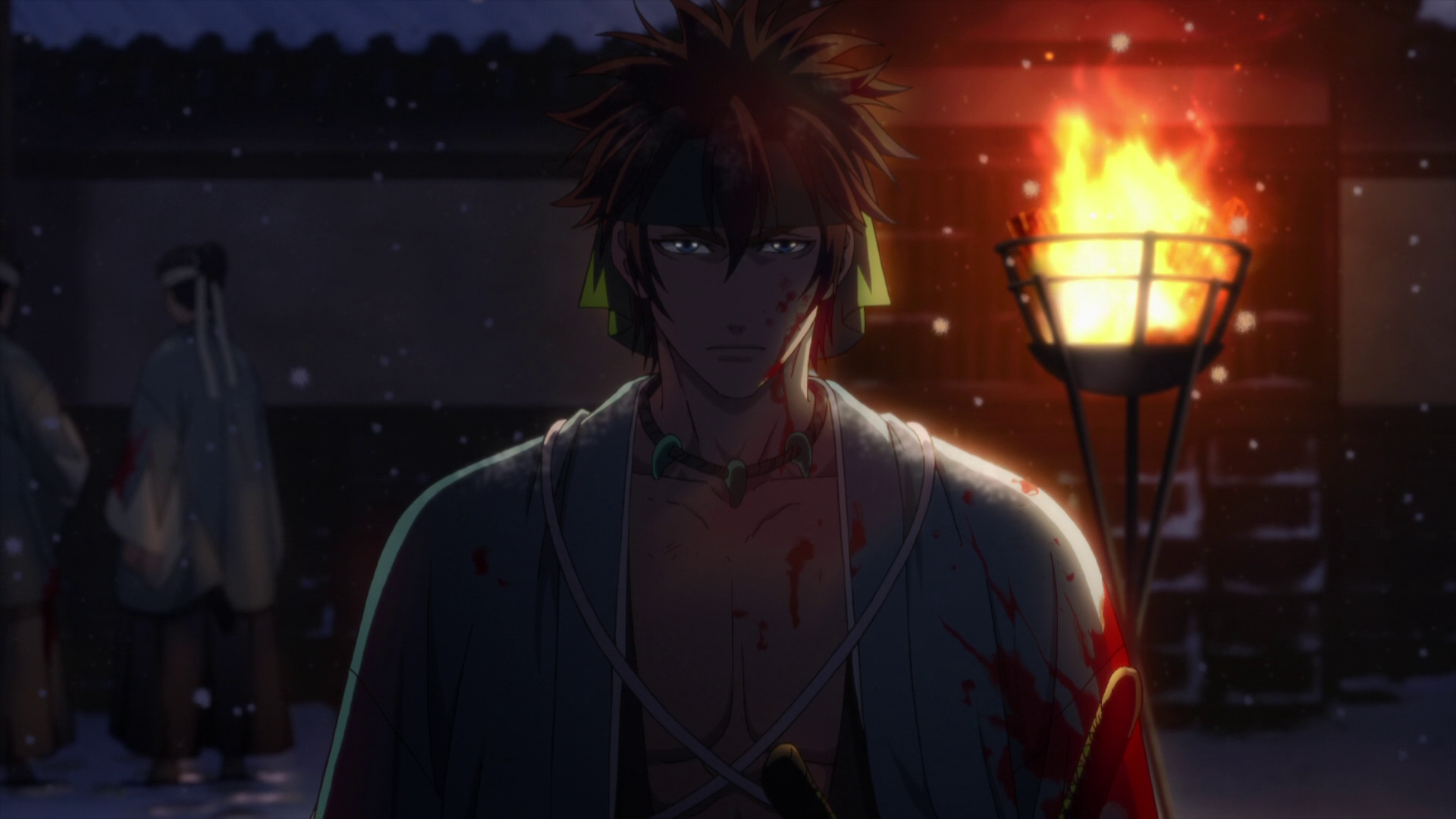 The animation quality is also fairly impressive throughout the film and although the fight sequences are usually finished quickly they are smoothly handled and the level of detail on the character designs manages to hold up through even the faster scenes.
 The soundtrack for the film is a bit standard for an otome film which is rather disappointing for the most part as the only time the movie dips into period style music comes during the aforementioned fight sequences.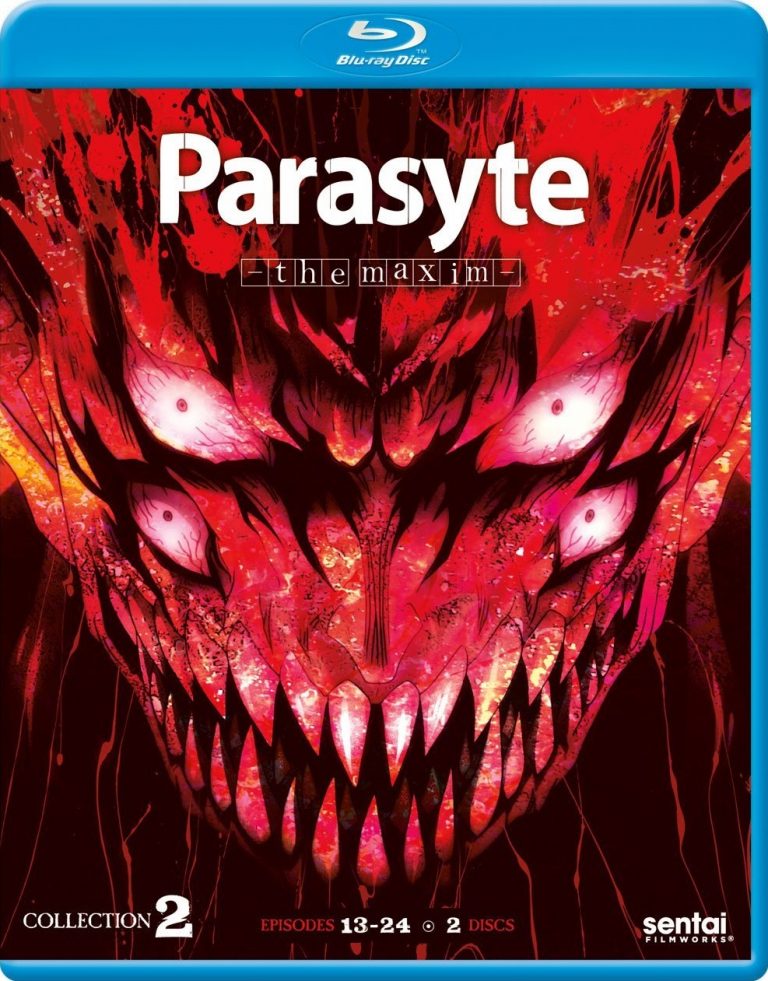
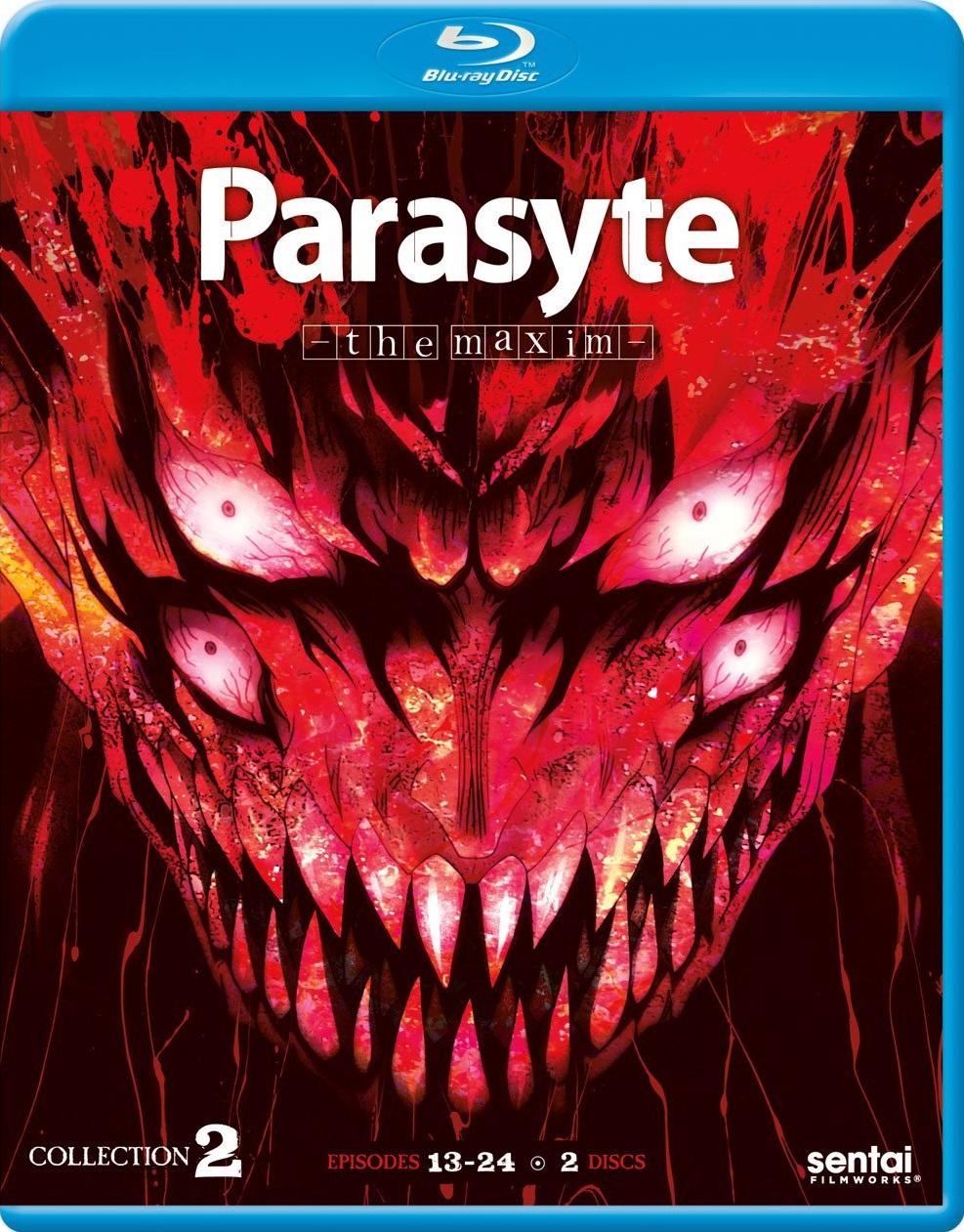
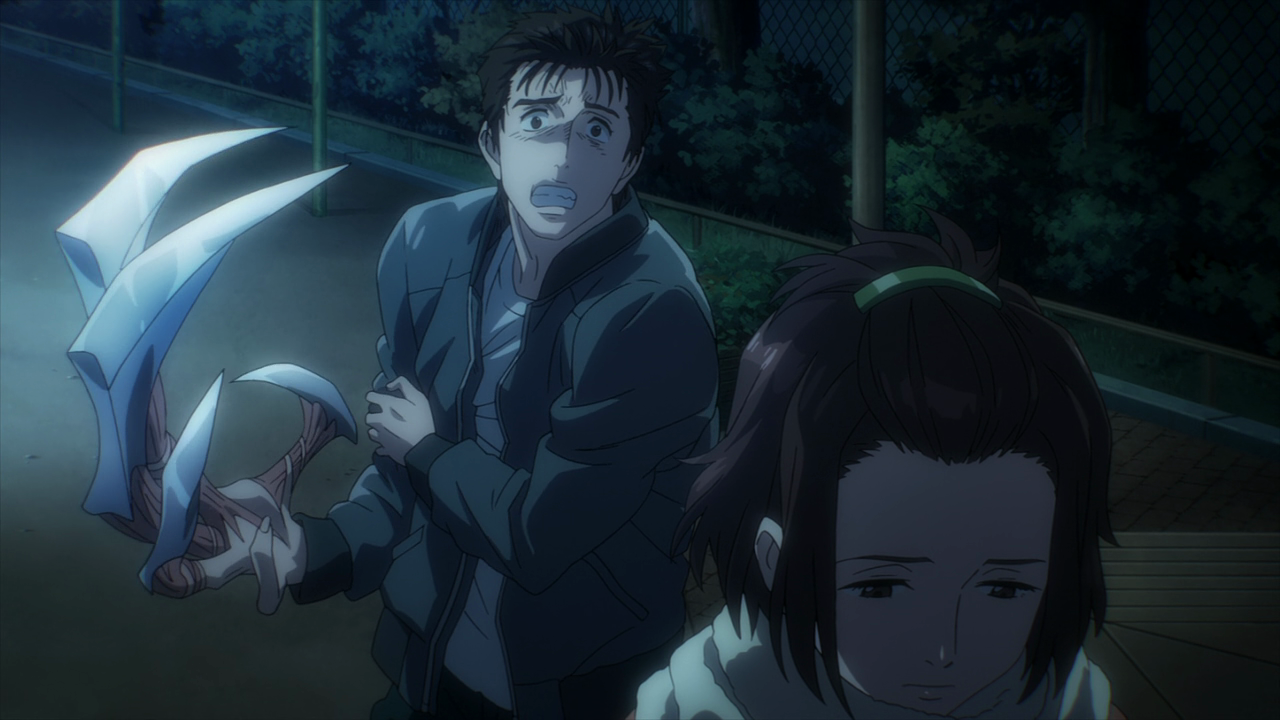 The thirteenth episode picks up shortly after the death of Kana and how her death is affecting, or shall we say not affecting, Shinichi in any normal manner as he continues to struggle with losing elements of his human nature. This changes quickly however as Shinichi learns that someone has begun investigating him at the behest of Reiko and rather than simply try and continue hide the fact that he is indeed infected with the parasite Migi, he begins to work with the investigator to try and uncover more about the activities of the rest of the parasites in the city.
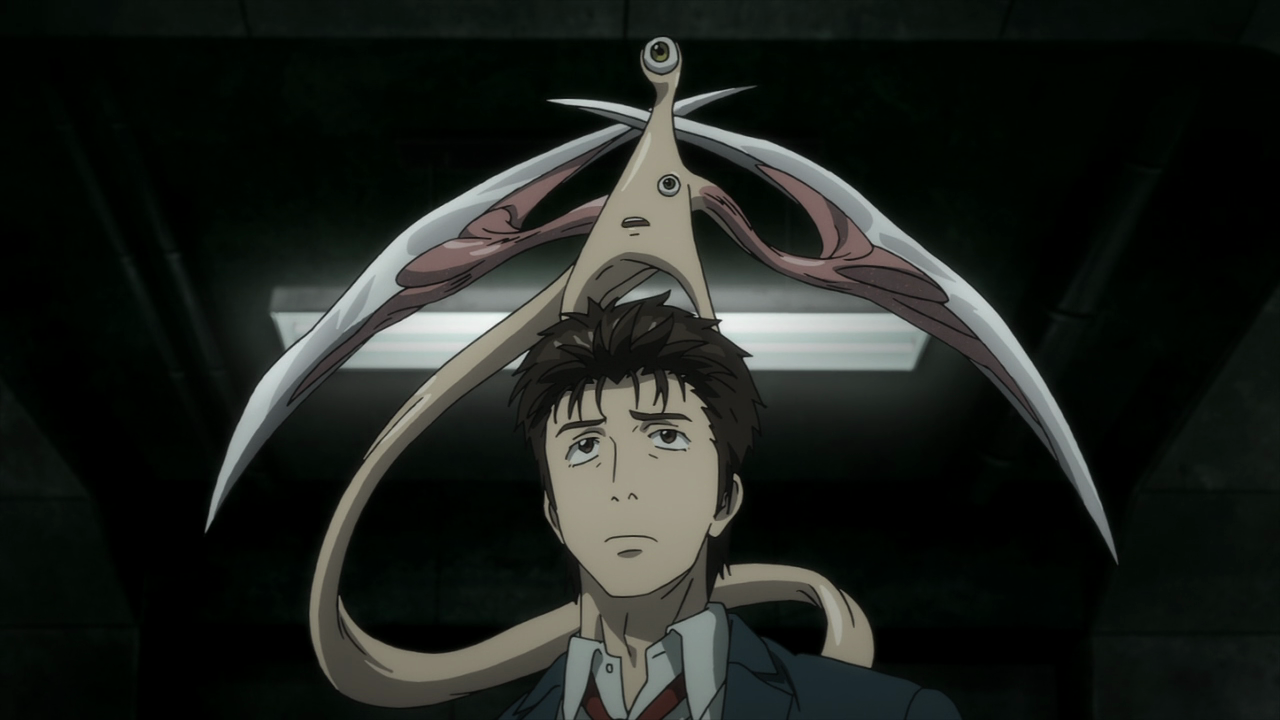 Previously the actions of the other parasites in the area were kept largely unknown but this second half of the season provides quite a bit of insight into Reiko Tamura. While Reiko may have been a character that was initially portrayed as a cunning enemy, this intelligence begins to evolve throughout these episodes as we see Reiko slowly begin to feel things that no parasite has seemingly ever felt before. Watching Reiko bond, in her own rather cold looking way, with her child and then eventually make the ultimate sacrifice in an effort to keep the child safe makes for one of the most striking moments in the series thanks to well-handled writing and the immediate impact upon the rest of the story.
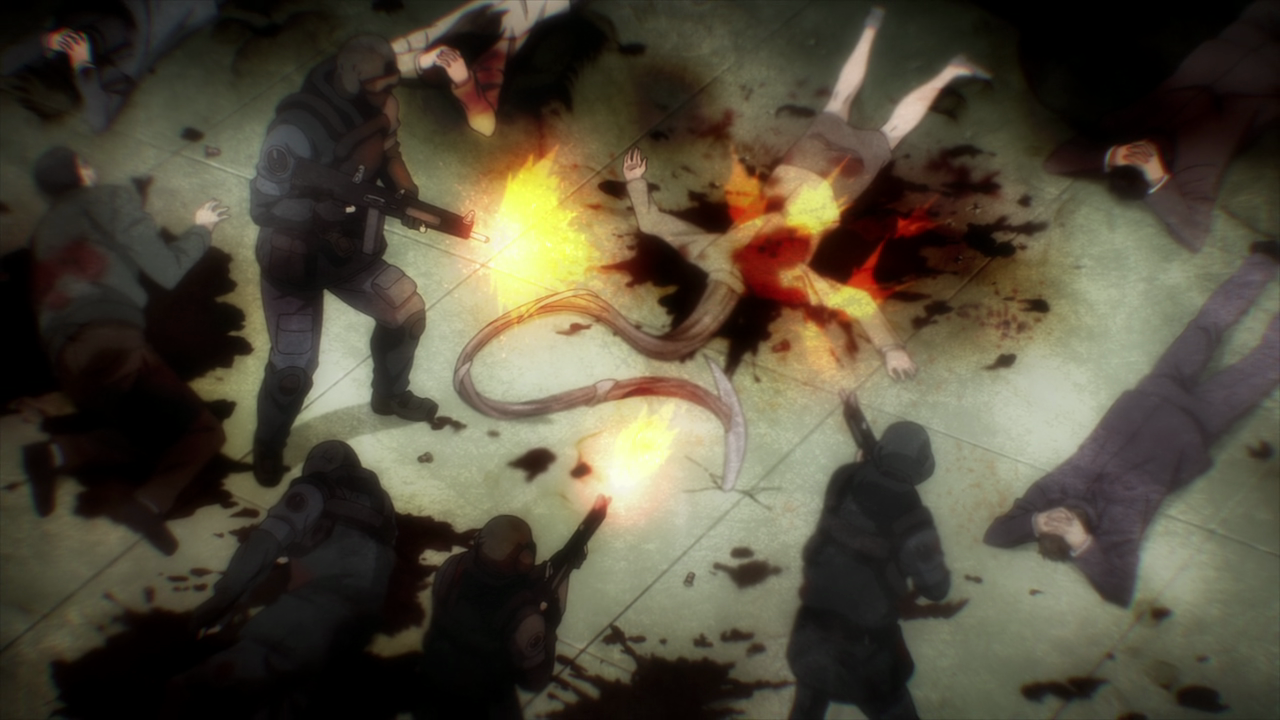 As the series moves towards its final arc humanity has begun to move forward with a plan to root out an infestation of parasites that was revealed through Reiko’s last words. While proven to be extremely effective for the most part, the actions taken by the police during this section begin to mirror just how callous humanity can be when it is their lives being threatened, going so far as to even kill other humans as long as it means they can stay safe. This nature borders that of the parasite’s desire to survive and their cold calculating methods and this point is driven even harder once Shinichi and Migi are forced to face off against nearly impossible odds in order to survive.
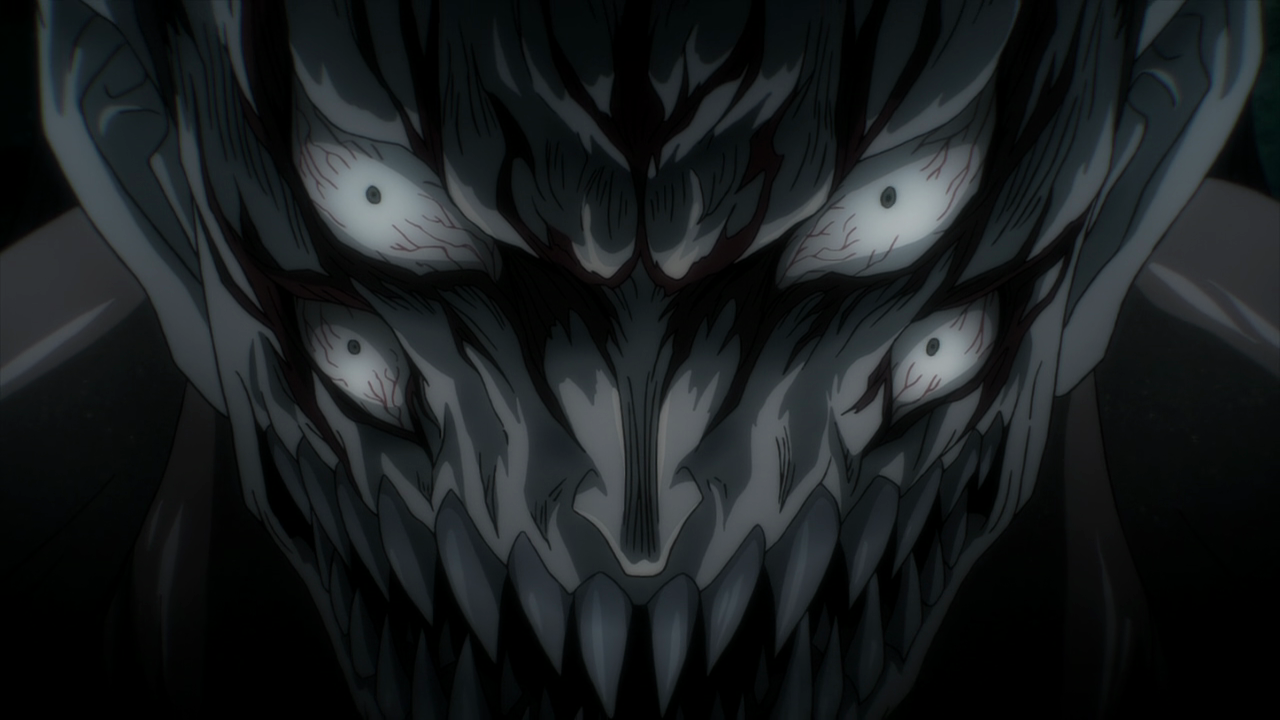 The gruesome nature of the series does simmer down a little bit as well as very few feedings are openly presented like they were originally so this means that while there is still plenty of blood, don’t expect to see too much real horror this time around.
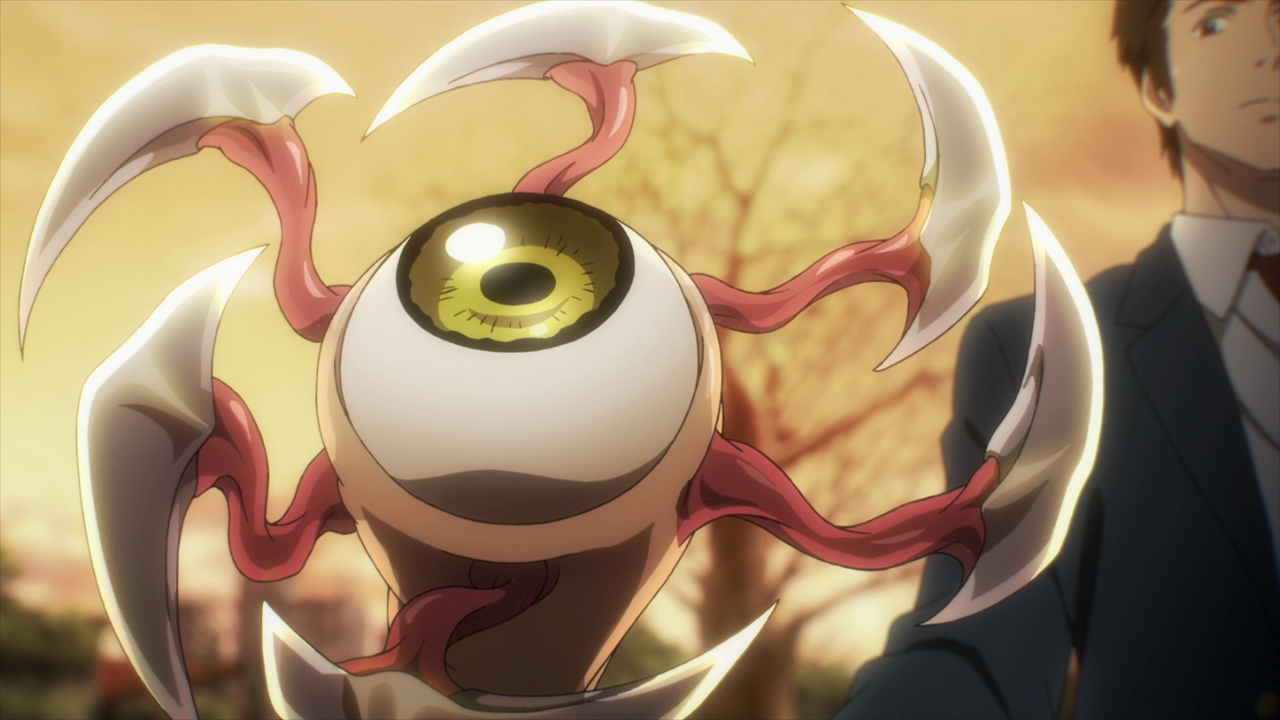 The soundtrack for the series is fairly standard this time around as most of the background music takes on a bit of a simpler vibe during battle sequences though the tracks chosen still work rather well. It is worth noting that the opening and ending themes for this half of the series remain unchanged and while the opening still works well, the ending theme isn’t used nearly as effectively as it was during the first twelve episodes.