

Home Blog Page 2757

Game Jamming: the Sweet and the Sour

About a month ago, I went on down to North Sydney Institute (NSI) to attend their Global Game Jam event (organised with help from the International Game Developers Association). I went undercover to bring you the skinny on what it’s like to experience one of these marathon development events. Although I wasn’t able to participate in the jam as much as I would have liked, I think I got enough of an impression to give you a fairly good idea. If nothing else, I participated vicariously in the highs and lows what it’s like to hot house a game within 48 hours and isn’t the real treasure the friends we make along the way?… What’s that? I’m actually meant to be writing my thoughts and impressions to give others the vicarious experience? Well, then read on and I will hopefully give you something to ruminate on.

Firstly, for those uninitiated, a game jam is essentially a gathering of game developers who get together to make games in a short space of time. Traditionally, they are split up into groups and race to design and build their game completely from scratch. Every design element, every line of code, and every mechanic in all of the games I would see in my time at the event were developed and implemented within the 48 hours that the game jam lasted. Looking from the outside in, it looks to be a taxing and arduous experience. The jammers race against the clock to conceive and develop a game in what is essentially the equivalent of a video game development fun run. The ‘fun run’ comparison may be a strange one at first, but from what I see both leave people with a strange sense of euphoria and generally smelling a bit off. I arrived on scene somewhere around the 24 hour mark where concepts were being fleshed out, code stress tested, and people didn’t smell too bad.
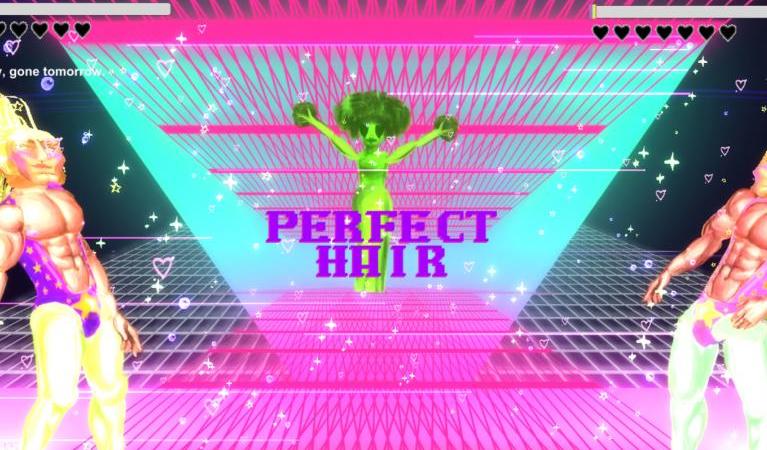
After meeting with the organisers, I was given free rein to wander the jam as I saw fit. As I was going around and talking to each of the teams, I offered my services as a writer. But as to be expected, partially because writing is a highly specialised role, partially because I was late, the jammers had limited use for me when I finally showed up. One of the projects to take up my services was a game where the players were engaged in a “hair flick” battle in order to earn the attention of a much desired ‘senpai’. My task was simple: come up with hair-related fighting game smack talk/puns. I took to the task as best I could whilst still flitting around the rest of the jam. I returned a number of hours later with a humble offering of fairly terrible puns which, to their credit, the dev team added to their game. They even acknowledged me in the credits of their game as a contributor (albeit with a misspelled version of my name). Alas, proper accreditation is only bestowed on the worthy… or at least people who were present during the entire jam.

As I sauntered my way amongst the franticly racing game devs, I noticed something which surprised me. Whilst there was the usual presence of cis white dudes were certainly to be found in abundance, they could not completely whitewash the presence of some genuine diversity amongst the jammers. On my adventures through the jam I met the following (individually awesome) awesome individuals: I met a dev who hailed from Iran who was taking a break from developing another game which was heavily inspired by Persian mythology, a very shy and mild mannered older gentleman (who looked to be in his 50s) working with younger colleagues on 3D models, a somewhat sanguine trans woman coder who was working on implementing code to lead AI sailors to their deaths by following player-activated siren songs, and a happy-go-lucky cis woman artist working on the art for a game about Viking’s riding out Ragnarok (Norse mythology’s end of the world). Geek spaces are notorious for not always being spaces where diverse identities are present, or, at worst, even welcome. To give you some perspective on the wider picture; the 2015 IGDA Developer Satisfaction Survey found that the predominant respondents to their industry surveys were male (75%), white/Caucasian/European (76%), and fairly young (51% in the 25-34 age range).
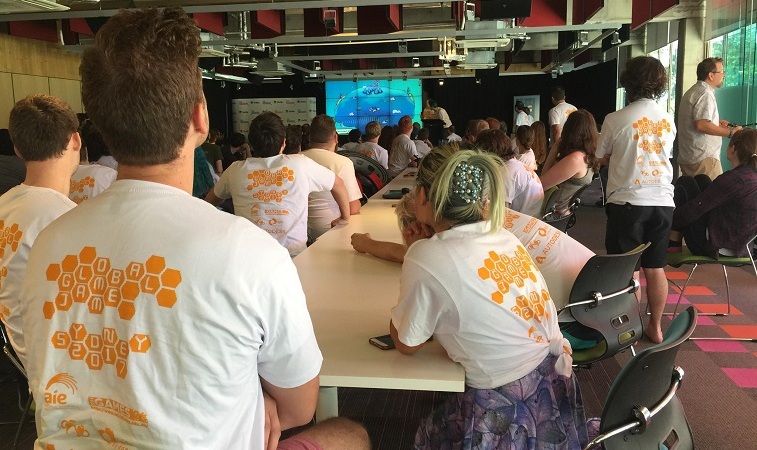
It is no small secret that geek and gaming communities by and large have a propensity towards being populated by individuals who generally fit into these particular demographics. There have been any number of articles, papers, books, blogs, videos, etc discussing why this is the case and what can be done to make geek spaces more diverse. I have nothing more which I can add to that particular discussion which hasn’t already been said more eloquently by people far smarter than I. I only put forward my humble and rambling observation which is this: although the voices of white and cis men were certainly ones which could be heard throughout the jam, I could not help but notice the distinct presence of diversity in the chorus line. It is my small hope that highlighting their presence encourages others with their own diverse experiences to come in and add their own voice to the gaming scene in Sydney.

I asked the organiser and head teacher for game design at NSI, Seinwai Chew, what her secret was to developing a diverse space. She informed me that, besides ensuring a basic level of civility was enforced, she works to foster the creativity and passion for games in all who participate in the jam. I’m not always certain that passion alone is enough to overcome every obstacle when it comes to building diverse geek communities, but it appears to have worked quite well at NSI… at least certainly in terms of this game jam.
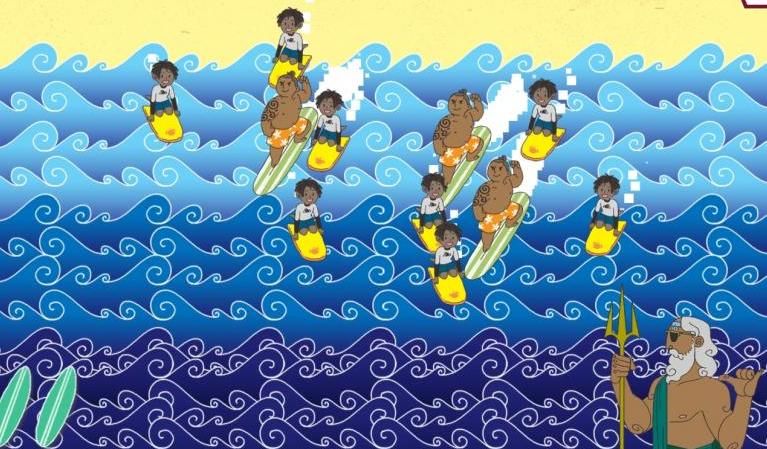
Another team who caught my eye were a very friendly couple who were working together on a bright and colourful mobile game. You would play as Poseidon, god of the sea, sending waves to push mortals back to shore and away from your watery realm as well as waves which were far too “radical” to be surfed by any mere mortal. It was an eclectic mix of 90s surfer culture and ancient Greek mythology with a strong sense of humour thrown in for good measure. My lasting contribution to their project was to change the word Poseidon to Broseidon in the title… which they appeared to be ecstatic with. Although I promised that I would return with more terrible amalgamations of Greek mythology and surfer culture (mainly more puns involving the word “bro”), I was dragged away by the rest of the jam and unable to contribute further. As befits surfers/Greek gods of the sea, however, they were totally cool about it.

Another pleasant surprise for me: the fact that pretty much every interaction I had with all of these people were consistently pleasant throughout the jam. I’ve interacted with many geeks/nerds and creatives facing down the barrels of looming deadlines, but these gentlefolk were consistently more positive than even the most professional team I’ve met in my short life. I’m not sure what exactly was different in the game jam environment, but they were all extremely polite and (almost) without fail, eager to speak with me about the projects they were working on. Eager to discuss their games despite being in various states of stressed, tired, and anxious. They made me feel welcome at a time when I’m certain I was being a very obnoxious outsider who came in to ask probing questions.

During my aforementioned discussion with Chew, she mentioned that one of her primary motivations for hosting and running the game jam was to help her students practice social interaction and teamwork. A game jam may not be everyone’s cup of tea, but I can certainly imagine it being quite enticing to a socially awkward game dev who’s better at expressing themselves through code/art/story than through conventional social interaction. After my conversation with Chew, and hearing her passion for the welfare and success of her students, I realised that hosting an entire game jam to help teach them this crucial skill set would just be an entirely reasonable extension of her holistic philosophy on teaching. Judging by my interactions with the participants at this jam, I couldn’t really think of a better place to learn.
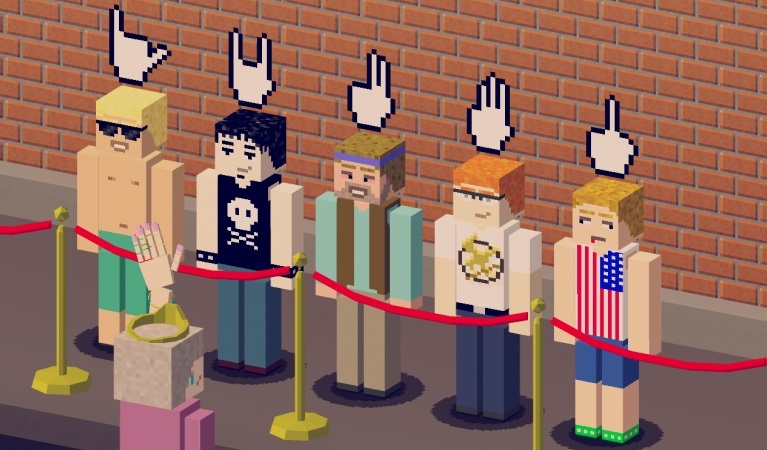
Don’t let me paint too rosy a picture of game jams for you though. Not every jam experience turns out entirely awesome. I met a game dev who was working solo on his own project, a Queen of England simulator, where you attempt to please each of your subjects with a unique wave as you drive past them. The developer chose to work by themselves for this jam, due to some negative experiences he’d had with previous events he attended. In one particular anecdote, an artist on his team spent an evening drawing medieval themed artwork for what was ostensibly a sci-fi game. The artist apparently gave some flimsy excuse involving the game’s conceit of time travel but nonetheless had effectively produced work which the team could not use. After that experience, I couldn’t say I blamed him for wanting to go solo.

Another blessing (or bane) for game jams is that pretty much anyone can sign up and join a team. This can result in interesting situations such as the team which hosted a tattoo artist who came to draw for the project. The team he was working with made good use of his skills and incorporated his style into the fabric of their project. Although this mix bag of personas can be a boon, it could also be a liability, as a team can find themselves saddled with someone who is constrained in their ability to contribute by either their temperament, communication style, or skill level. This, I imagine, would be an extremely frustrating experience in the high pressure environment of a jam. Short deadlines and sleep times generally contribute to short tempers, but by and large, the jammers were pretty happy to accommodate the strengths and weaknesses of their teammates.
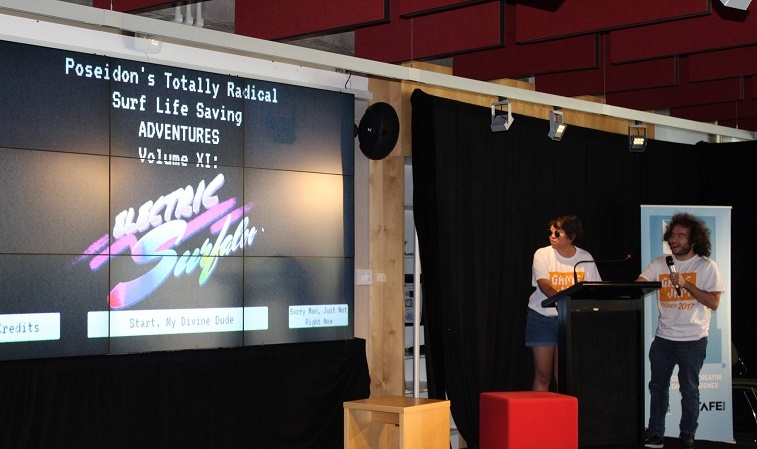
The final day had all of the teams debut their games, demonstrating their finished products to the jam itself. It was an intriguing experience for me to see the finished product of a number games I had witnessed being worked on in their quasi-final/finished state. Pretty much everyone I spoke to was exhausted from the ordeal, but ultimately satisfied with their part in it. Bleary-eyed and not so bushy tailed, they said their goodbyes and went home. Their games can all be found on the Global Game Jam website and are generally in a state where they can be played (although bugs are to be expected).

Overall, I very much enjoyed my time at the NSI game jam and I give thanks to the organisers (including the Sydney chapter of the International Game Developers Association) for putting it together. I’d also like to thank the devs who spoke with me throughout their ordeal and answered my numerous and, no doubt, impertinent questions. It was a pleasant experience and I’d definitely recommend it for anyone who might be interested. My experience of the jam may not be as holistic and thorough as I was originally planning, but I hope I have been able to convey to you some facet of what the game jam experience is like.
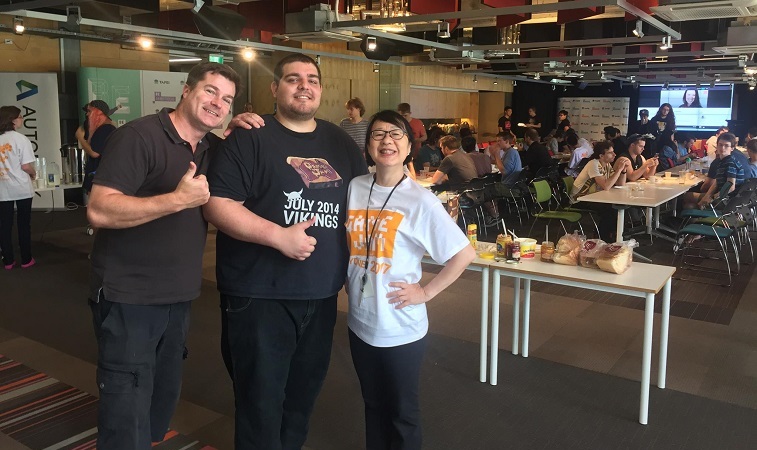
DISCLAIMER NOTE: Above are some of my humble observations of the event from an outsider’s perspective and any opinions expressed within are purely my own. I am not affiliated with NSI or IGDA and I paid for my ticket in full out of my own pocket.

If you’d like to read more of our thoughts on previous Global Game Jams, you can check out our write up of the 2012 event here. If you want to check out more games from the Global Game Jam, you can try them out yourself here. 

You can check out the International Game Developers Association here.

Photos courtesy of the North Sydney Institute.
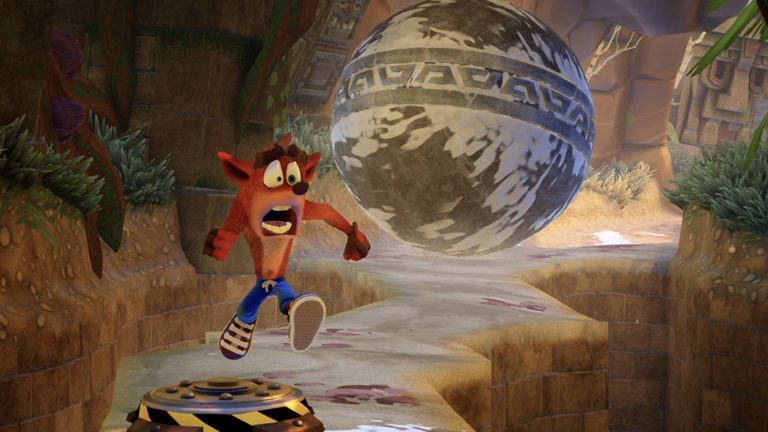
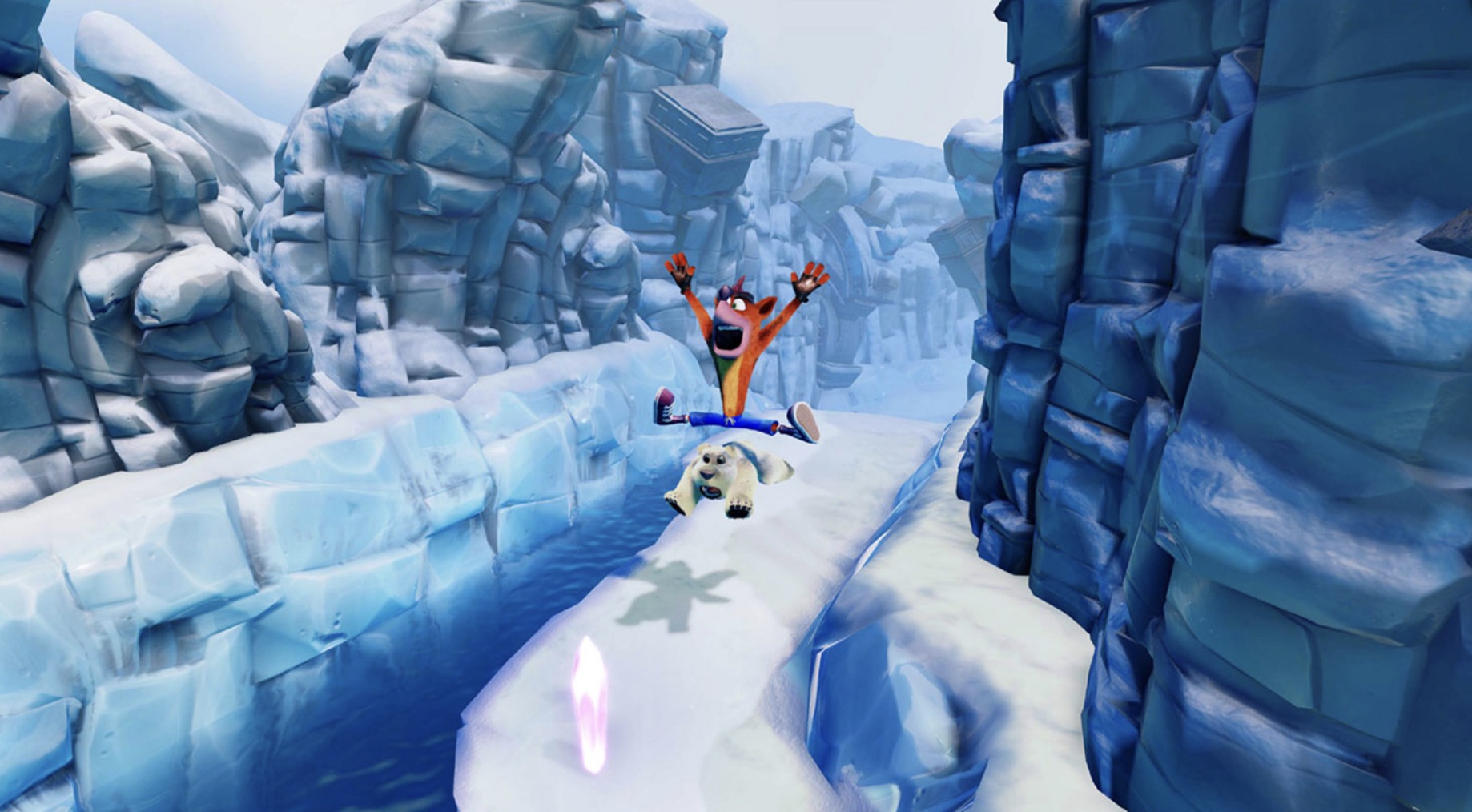
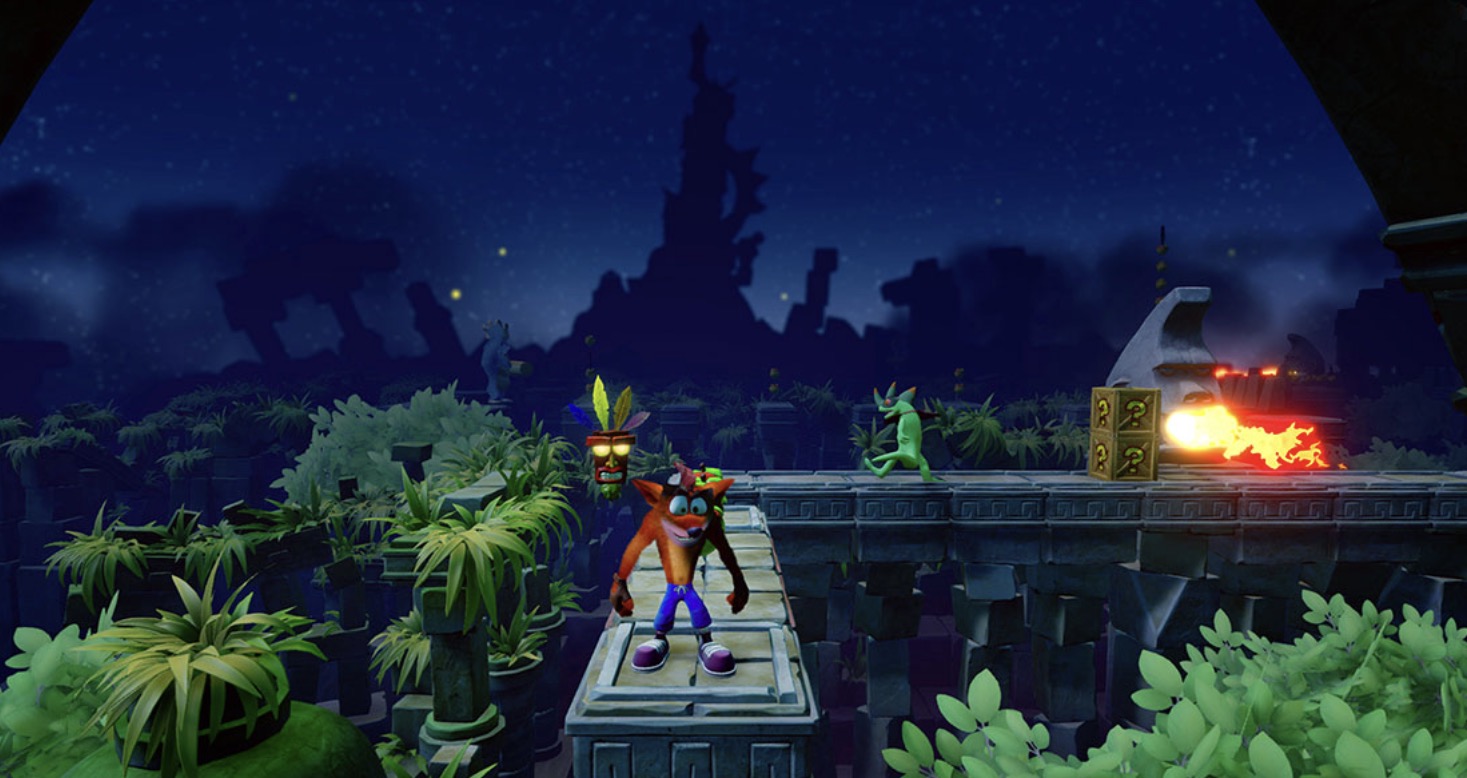
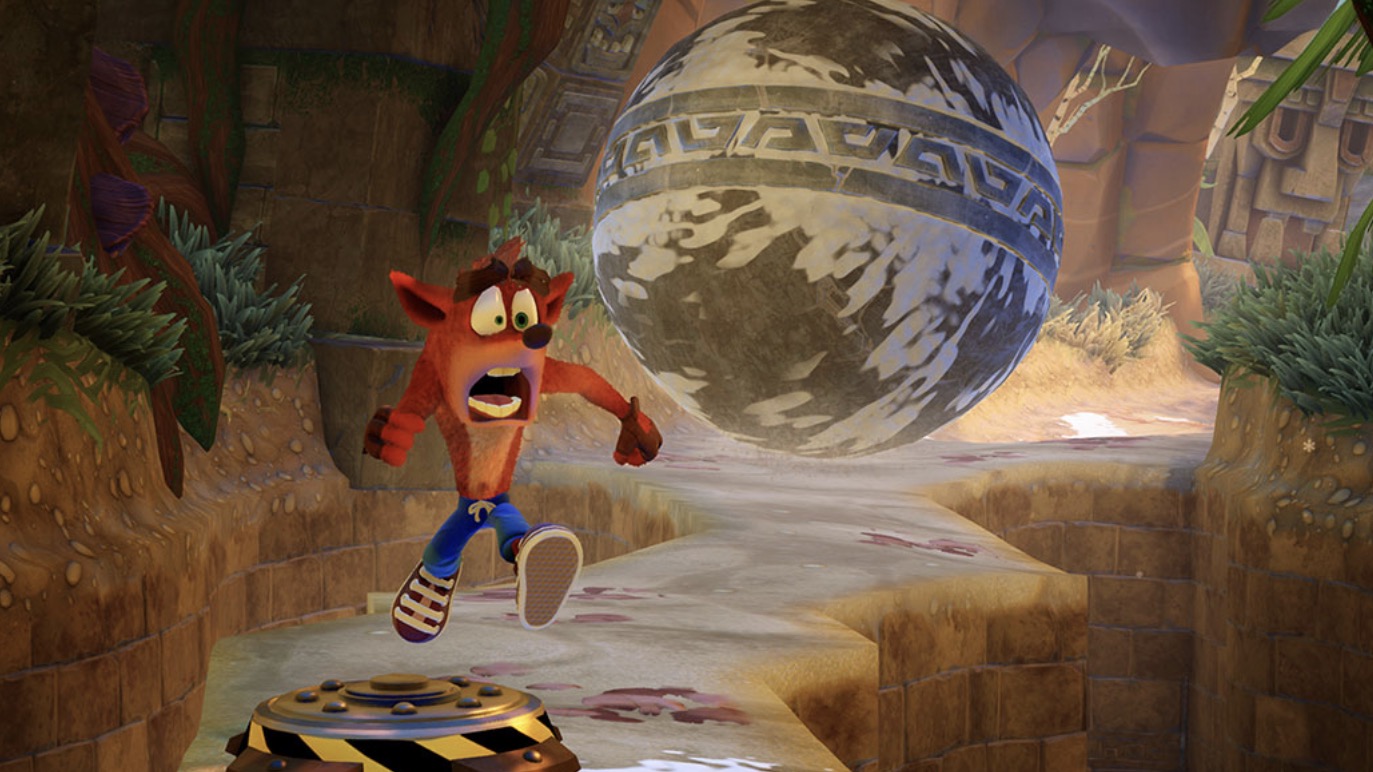
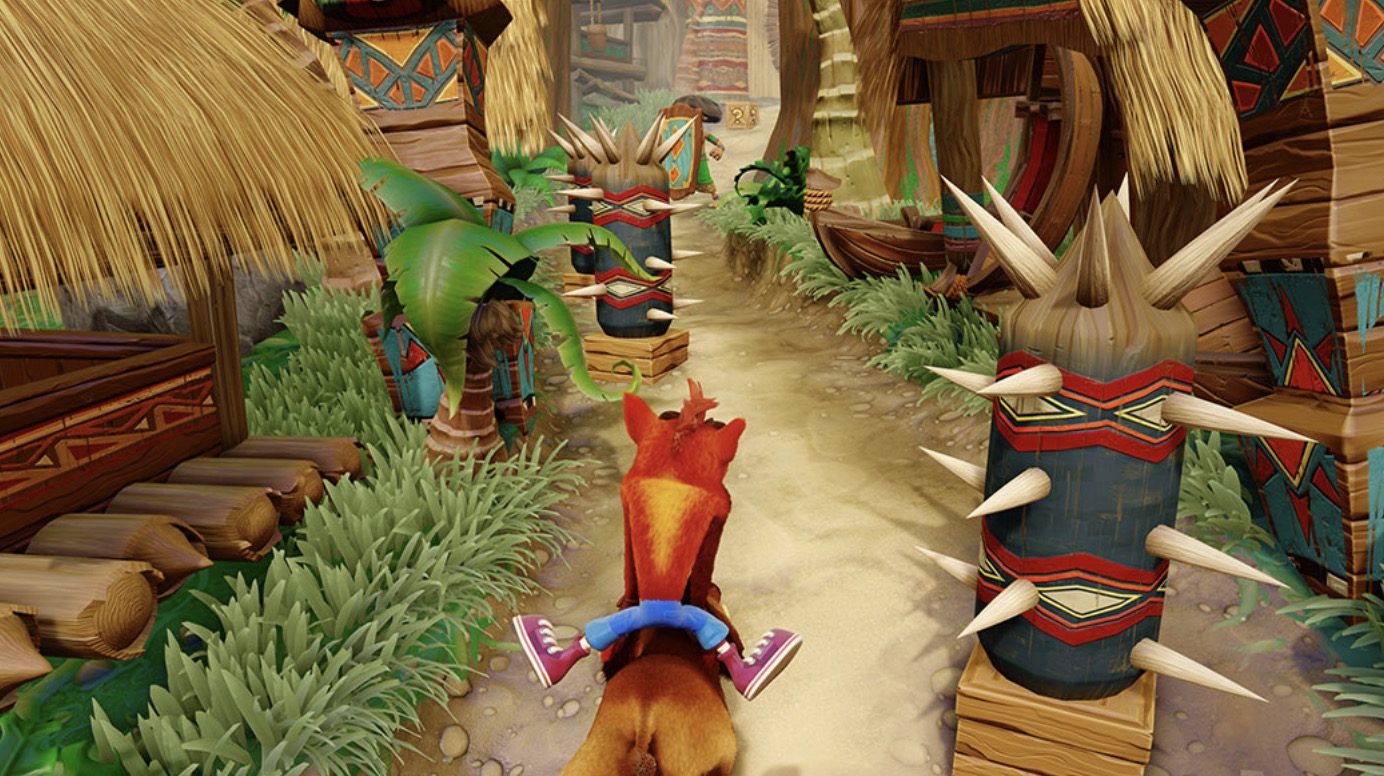
First Crash Bandicoot 2 Remake Screenshots Surface

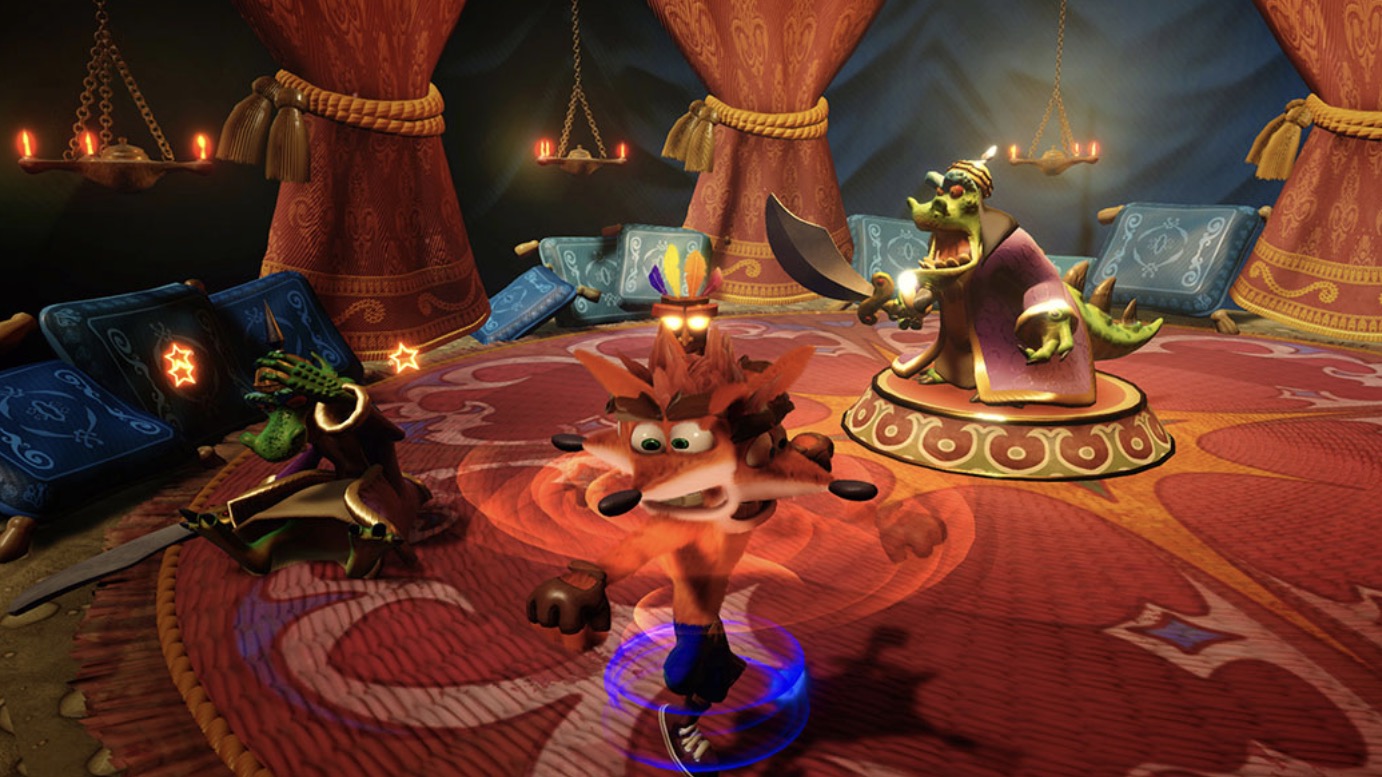
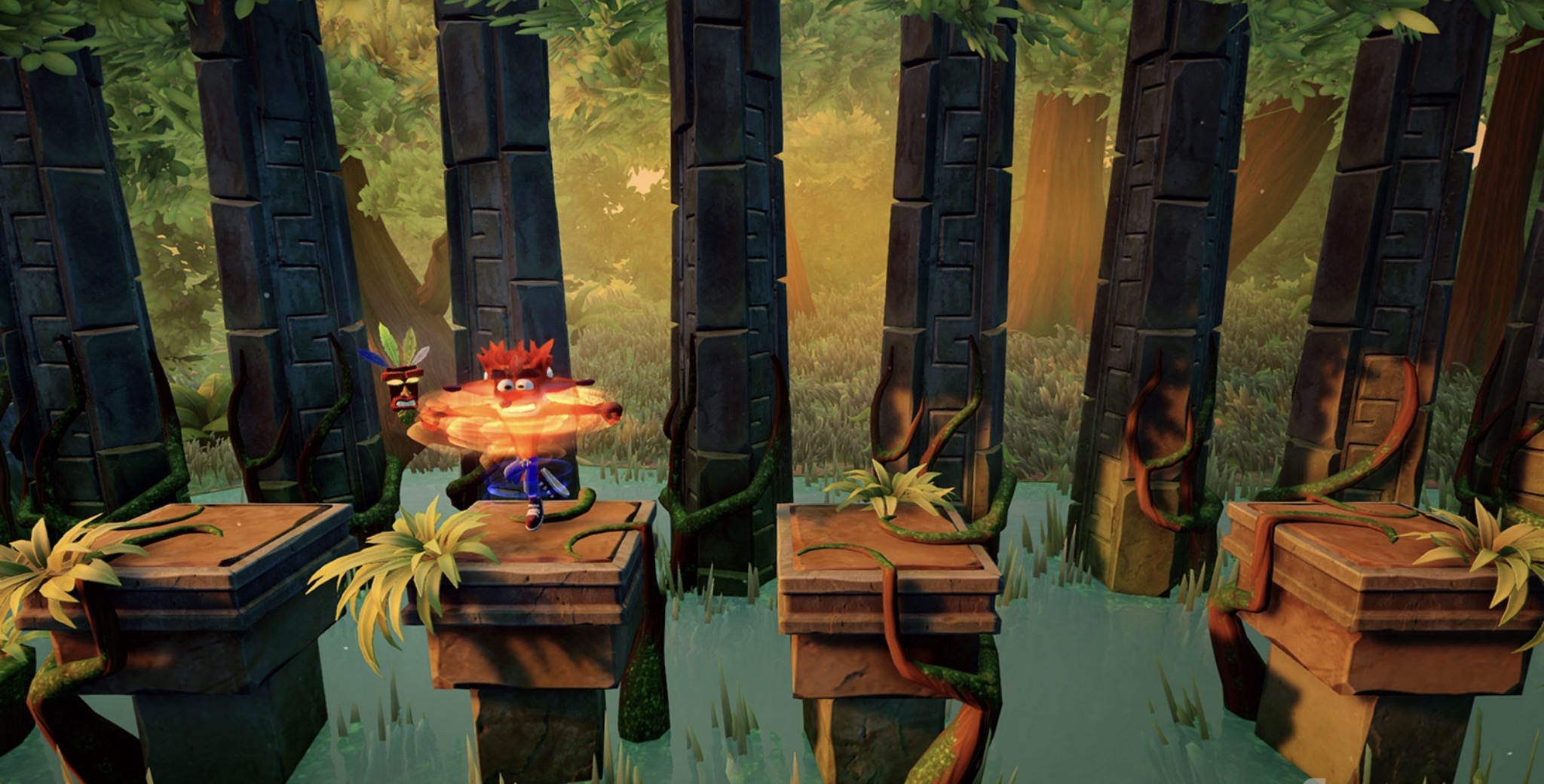
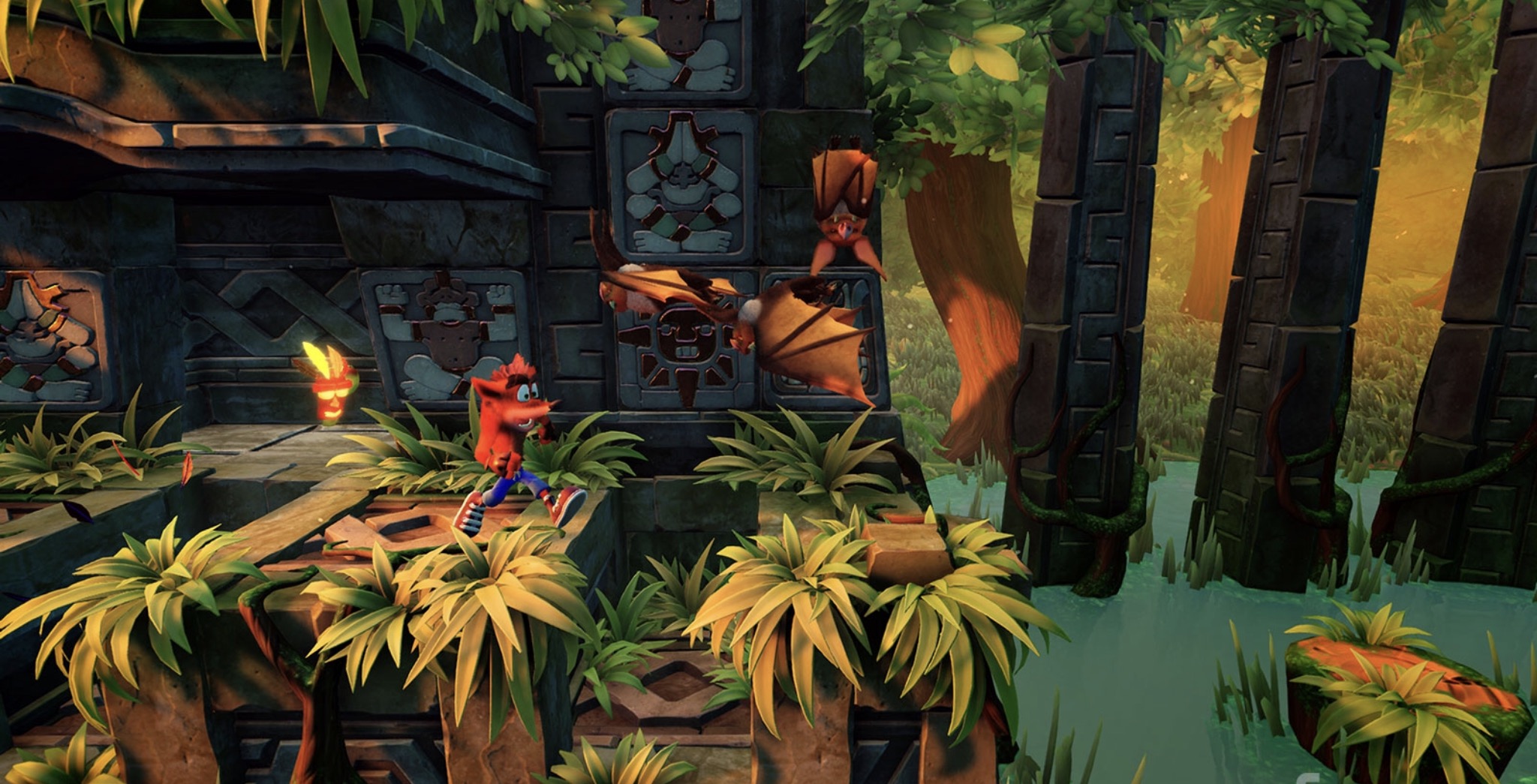
When the Crash Bandicoot N.Sane Trilogy was further detailed late last year developers Vicarious Visions only focused on showing their vision of the original Crash Bandicoot. Now new screenshots have surfaced showcasing the first look at various levels from Crash Bandicoot 2: Cortex Strikes Back as well as a few more from the original Crash Bandicoot.

Crash Bandicoot N.Sane Trilogy is rumoured to release sometime in June and will feature all three of the original Crash Bandicoot games that released on the PS1 nearly 20 years ago. The Trilogy will feature a number of enhanced features including a unified checkpoint system, time trials across all three games, an automatic save system and redone audio. The ‘Remaster Plus’ will take full advantage of the PS4 Pro, enabling 4K visuals if you have a 4K TV. Despite this, the developers have chosen to keep the game running at 30FPS which really makes little difference for a platformer such as this and at least will keep the game feeling similar to its original inspiration.

It was recently confirmed the original voice actress for Coco Bandicoot would be making her return to voice the character in the new trilogy, hinting to new, or at the least,re-recorded dialogue. Here’s hoping we get some screenshots of Crash Bandicoot 3 next as I’m really keen to see how good the China levels will look remade. Honestly I still have issues with Crash’s new model, mostly just the face as it looks a little too goofy in my opinion. Check out all the other screenshots for yourself below.

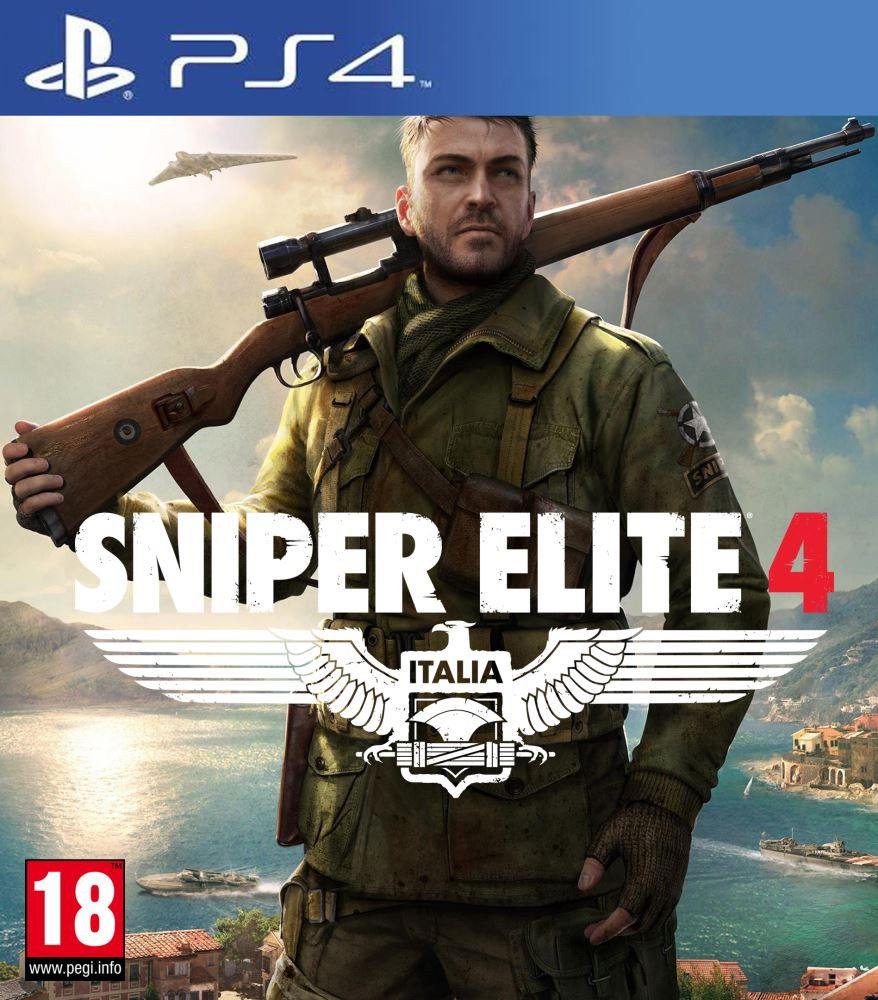
Sniper Elite 4 Review

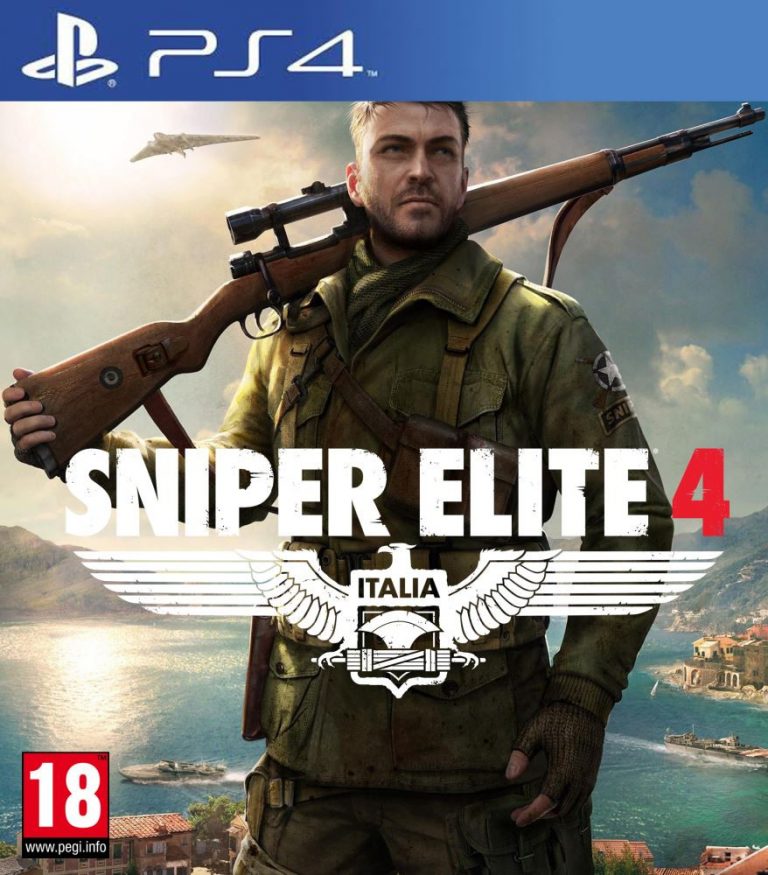
Sniper Elite 4

Developer: Rebellion
Publisher: Rebellion
Platform: PlayStation 4, Xbox One, Windows (Reviewed)
Release Date: 14 February 2017
Price: $59.99 USD – Available Here / $99.95 AUD – Available Here

Video Review

Overview

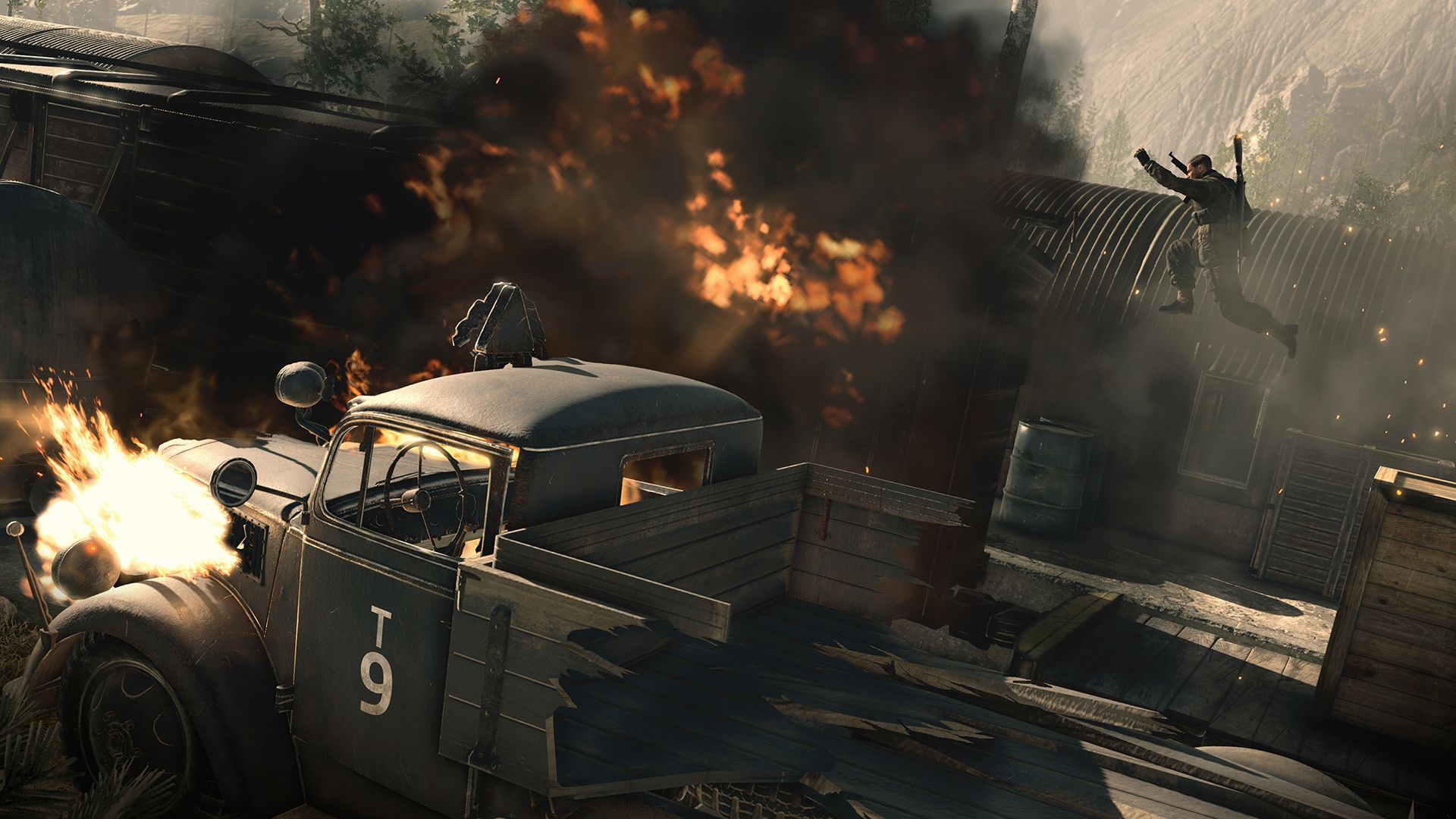
OSS agent Karl Fairburne and his trusty sniper rifle are returning once more in Sniper Elite 4. The new game builds upon the open world setting of Sniper Elite 3, introducing better environmental interaction, larger maps, and new toys for Fairburne to harass Nazis. Fairburne’s latest adventures takes him to Italy where the Italian partisans are putting up a fierce resistance against the Italian fascists and the Nazis.

Story

Sniper Elite 4 follows Fairburne’s mission in Italy where he has been sent to neutralize the Nazi’s latest weapon, a radio-controlled missile that has the potential of turning the war into the Axis’ favour. The story is driven by short cutscenes between missions and pre-mission areas where Karl can chat with the game’s supporting characters. Given the lengthy nature of Sniper Elite 4’s missions, the game is a touch light on story. The overall writing is decent, with excellent amount of attention paid to the enemy soldiers the player will spend quite some time staring at. The soldiers chat with each other, make up stories, and talk about home, creating a very believable atmosphere.

Gameplay

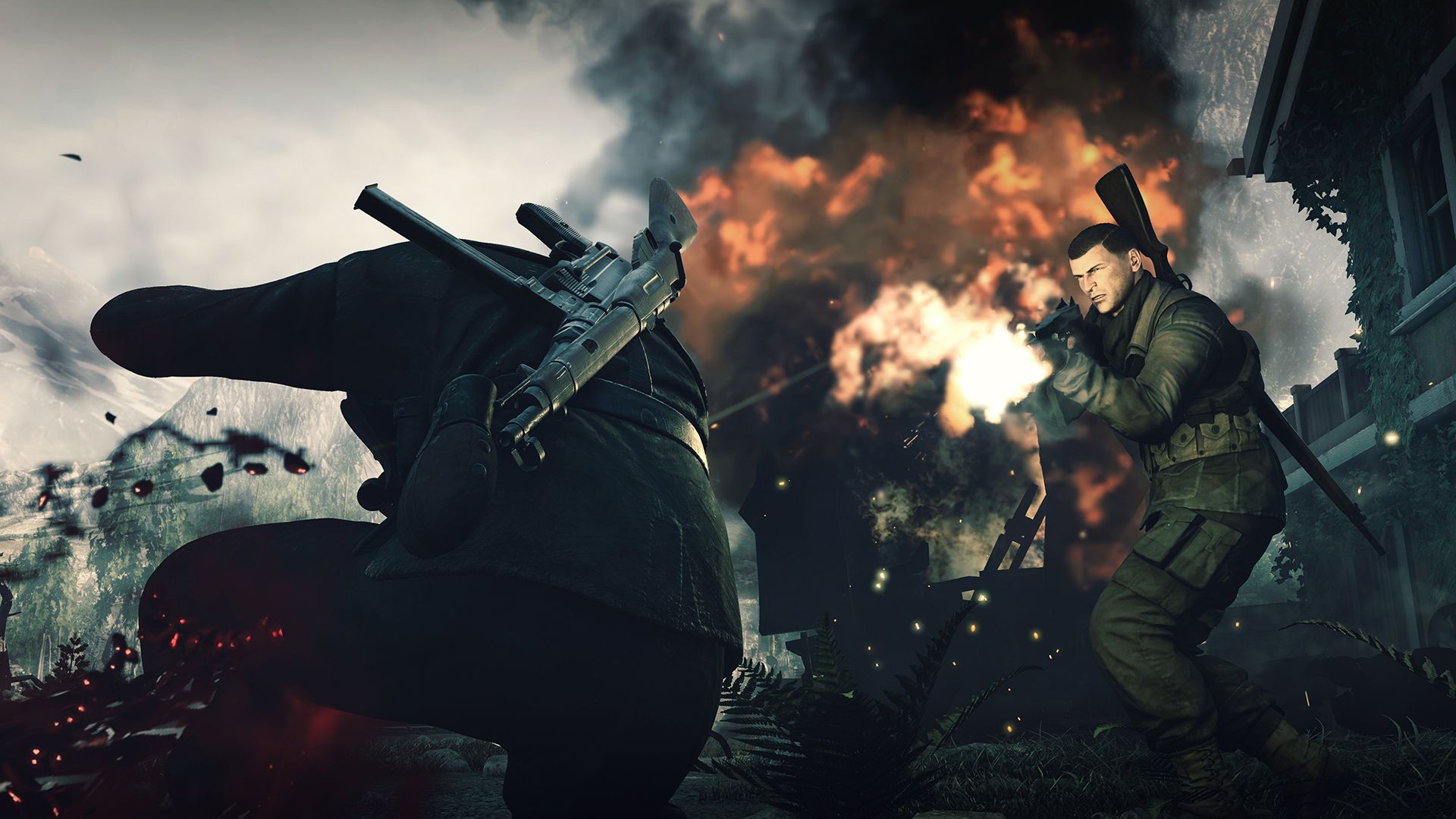
As its name suggests, Sniper Elite 4 involves a lot of sniping, but it is a stealth game first and foremost. Fairburne is only a single man against legions of Axis troops, and he is very much human. Fairburne’s health pool will only regenerate to the closest segment, so players must rely on a limited number of first aid kits and bandages to top up. Bullets do quite a bit of damage, especially at higher difficulty levels, forcing players to strike from a distance, from the shadows, or anywhere else that will give Fairburne the upper hand.

Players are given a sniper rifle, a shotgun/submachine gun, a pistol, and a large variety of gadgets to wreak havoc. New to the series is the dual-use function of almost all items in the game. Many weapons have special ammunition that allow the weapon to be suppressed. In previous titles, players were forced to only shoot when sound cover was available if they wished to remain undetected. The addition of a limited number of suppressed shots creates a lot of flexibility for players to create their own sniper nests or stay undetected using their pistol without being forced to use the single shot Weldrod pistol all the time. Gadgets have also received the dual-use treatment. For example, grenades can double as sticky bombs and anti-vehicle minds can be used on enemy soldiers in a pinch. The extra set of options is a great way to give players more options without doubling the number of items players need to keep in their inventory. More importantly, players can now opt to lure enemies away from them with a rock or towards them with a whistle. Having fine grained control on where the enemy will investigate is likely one of the most helpful tools added in Sniper Elite 4.

Obviously, Sniper Elite 4 packs some serious attention to creating a realistic sniping experience. The game’s difficulty scaling introduces new layers of complexity as the difficulty rises. The lowest difficulty ignores bullet ballistics completely, letting players focus on their aim and their stealth techniques. The regular difficulty begins to introduce a few ballistic effects such as gravity. The Sniper Elite difficulty introduces realistic ballistics, making players account for wind, gravity, travel time, and scope drift. The final difficulty level keeps the realistic ballistics, but strips players of the shot prediction ability when the scope is steadied with empty lung. Rebellion has also thrown in a custom difficulty setting for players to fine tune the difficulty level, including opting for some incredibly fiendish challenges.

The realistic ballistic setting is very challenging, but incredibly satisfying when a difficult shot is made without any aim assist. I have a greater appreciation for how helpful the modern scopes are in games like ArmA 3. While Sniper Elite 4’s scope reticles are not historically accurate, the markings on many of the scopes are not as useful as modern mil-dots or the in-game ability to zero the scope in 100 meter increments. There is still a good bit of guessing on where to position the scope to account for wind and gravity. For those uninterested in the challenge of grappling with the realistic ballistic settings unaided, it Is possible to snipe your way through the entire game while aided by the aim assist when emptying the lungs. The aim assist works well for the most part, but I did run into a few occasions where the aim assist seemed to “catch” on some invisible obstruction.

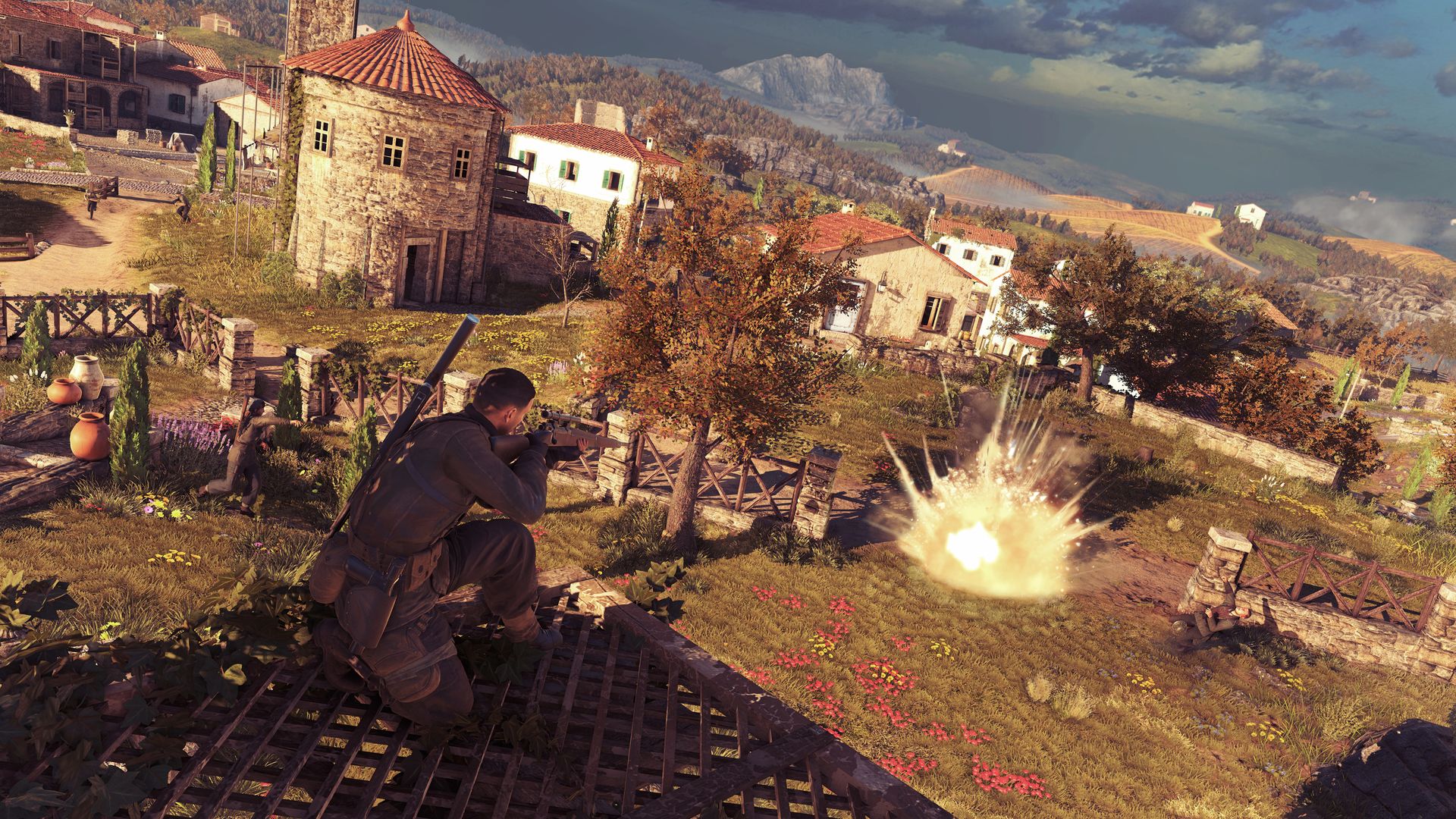
The level design in Sniper Elite 4 is an improvement over Sniper Elite 3. The levels are much larger with greater variation in elevation. The addition of more areas where Fairburne can climb makes levels feel more open and interesting. The levels are laid out well for a stealth game, providing players with lots of corners, bushes, and dark areas to hide. The missions are an excellent mix of tight areas that rely on sound cover to stay undetected to large open areas that will tickle even the most dedicated video game sniper.
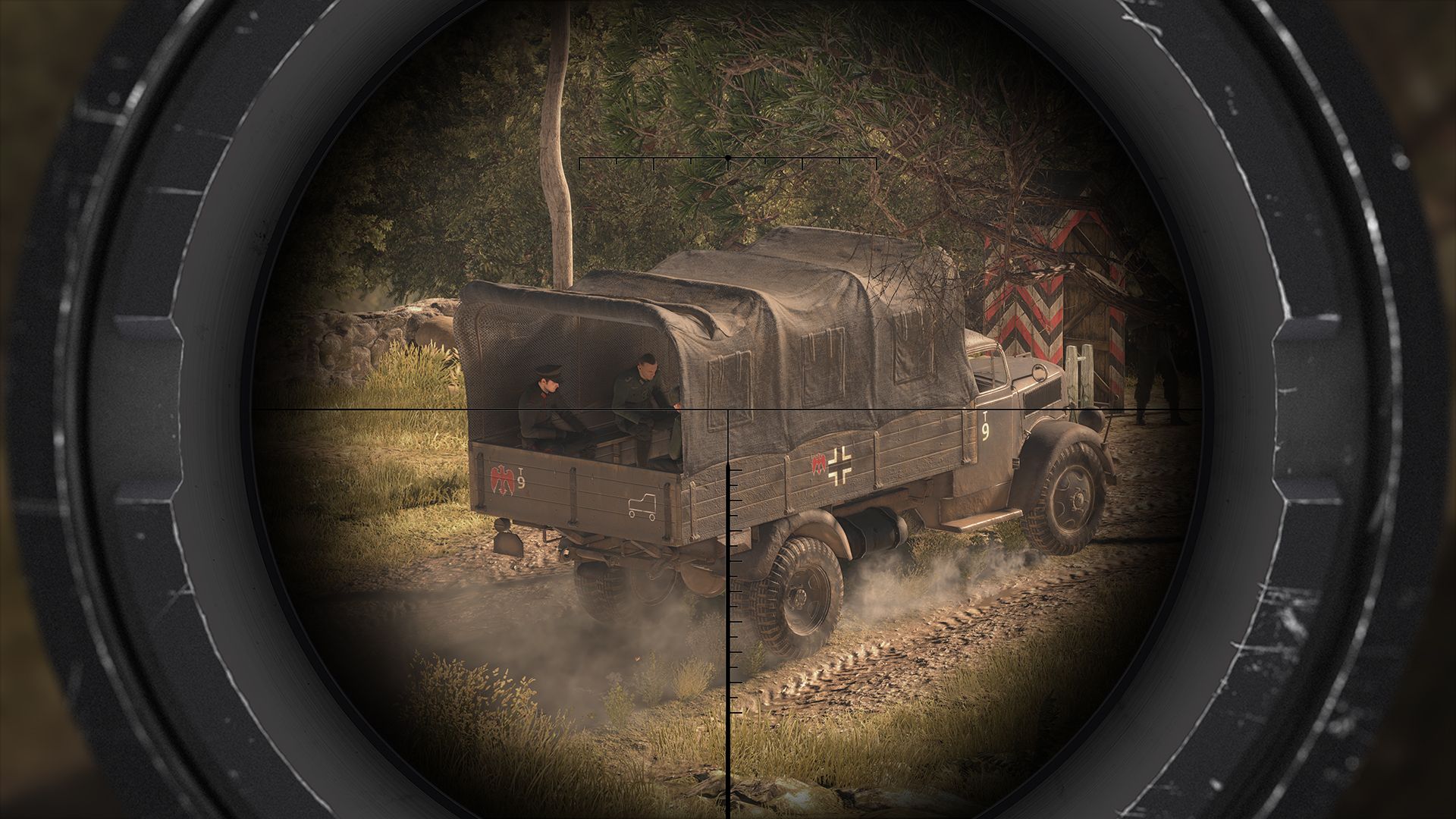
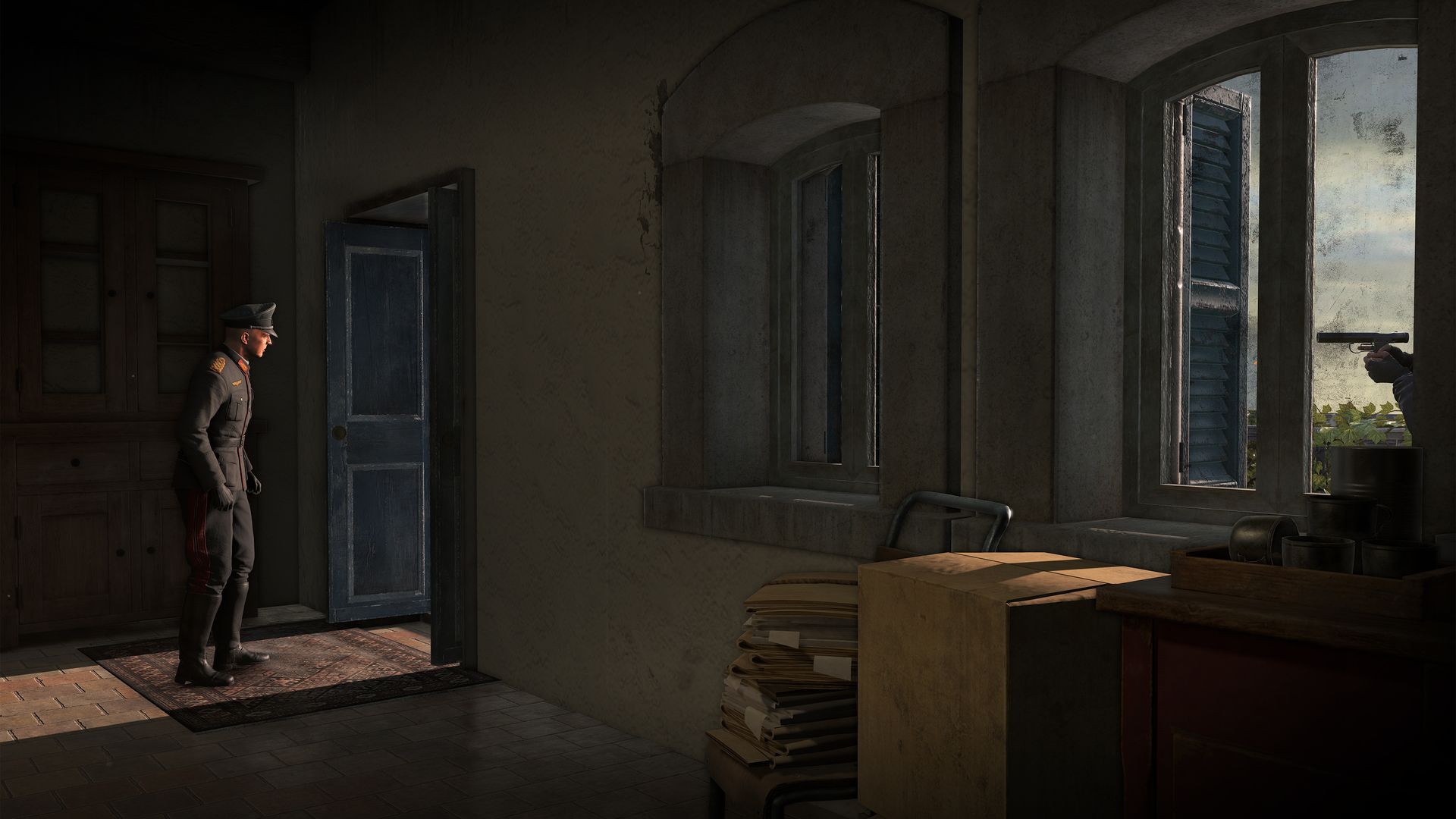

Multiplayer is likely the biggest weakness of Sniper Elite 4. The cooperative modes are enjoyable as a game like Sniper Elite 4 works well for both campaign and survival co-op modes. Unfortunately the competitive multiplayer feels like a tacked on afterthought that was designed to satisfy the unnecessary expectation that every AAA shooter comes with competitive multiplayer. Since Sniper Elite 4 revolves around sniping, matches tend to quickly devolve into dull camp fests. The shorter-range gameplay is simply not strong enough to keep matches moving. I feel like the resources dedicated to Sniper Elite 4’s competitive multiplayer could have been better allocated elsewhere.

Visuals

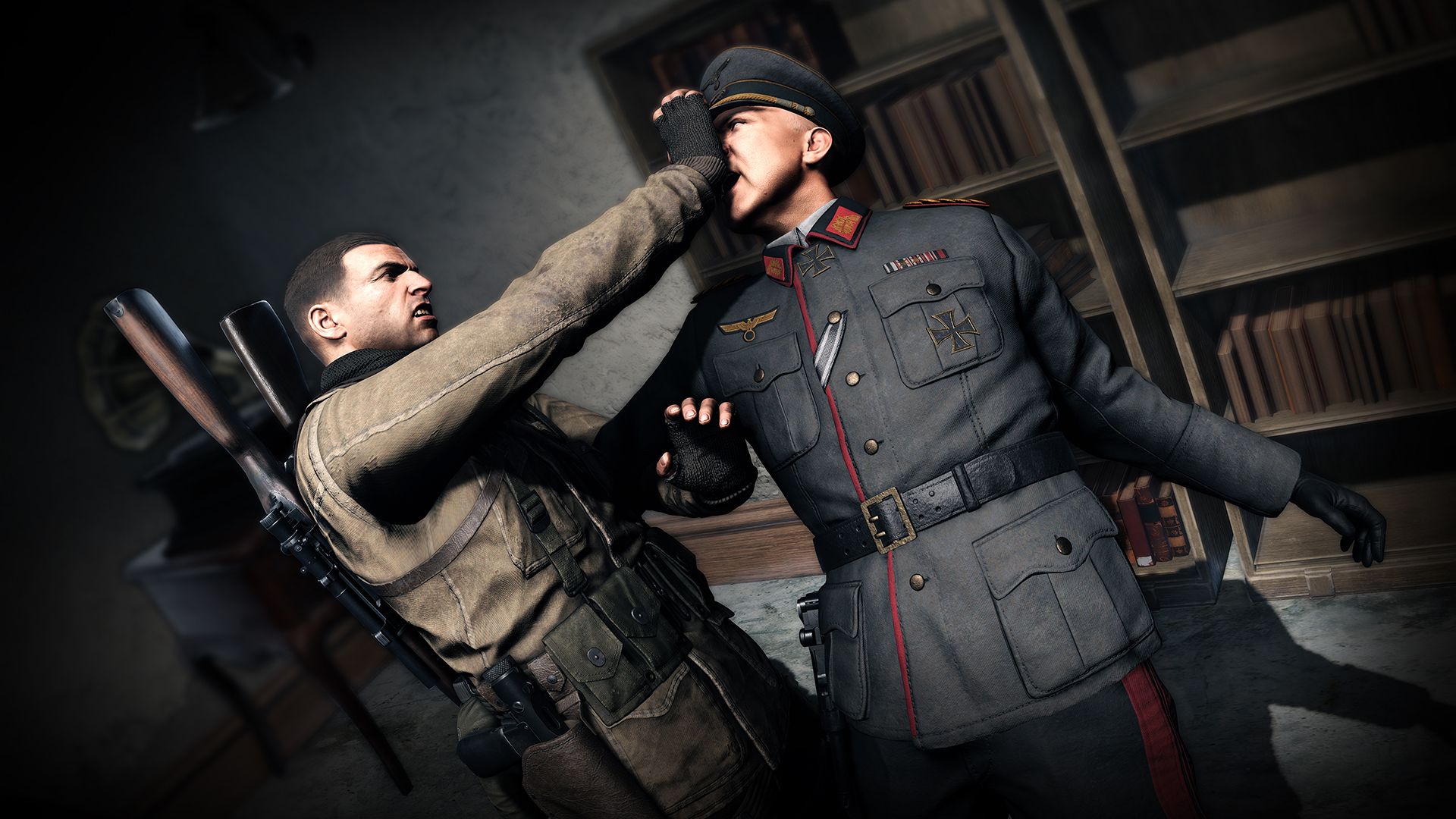
Sniper Elite 4 looks great. The art direction is bright and vibrant, emphasizing the game’s Italian backdrop. I really like the almost sketchbook like style the cinematics use, as it gives the game a unique flair that differentiates it from the standard, gritty World War II video game cinematic. The animations are excellent, and Sniper Elite’s signature kill cams return so players can see in gory detail the destruction they’ve caused. I like that Rebellion gives players control over how often the kill cam shows up, as I personally find the default option to trigger way too often.

Audio

Sniper Elite 4 delivers an excellent audio experience. The sound effects are excellent. Gun shots have a great punch to them and echo nicely through open areas. The soundtrack is enjoyable and serves as an excellent backdrop to the game. The voice acting is decent, though there are a few minor parts that clearly do not have the same calibre of actors as the main characters.

Overall

Sniper Elite 4 is not for everyone. As its name implies, the game is designed for a niche of gamers, and the does little to change its target audience. Players who find the idea of methodically working through large levels, sniping enemies and shying away from combat monotonous are going to have a tough time with Sniper Elite 4. On the other hand, the game is an iterative upgrade that makes some small, but solid improvements on an established formula. While the competitive multiplayer is a completely forgettable experience, Sniper Elite 4 delivers a compelling niche title in a crowded shooter market.

Capsule Computers review guidelines can be found here.

NINTENDO PREPARES DOWNLOADABLE CONTENT FOR THE LEGEND OF ZELDA: BREATH OF THE WILD

NINTENDO PREPARES DOWNLOADABLE CONTENT FOR THE LEGEND OF ZELDA: BREATH OF THE WILD

New adventures built on the game’s huge world coming later in 2017
15th February, 2017The Legend of Zelda: Breath of the Wild for the Nintendo Switch and Wii U consoles is one of the largest, most engaging video games Nintendo has ever created. While the main game offers players an engrossing quest that will keep them entertained for hours, as well as the freedom to explore the vast Hyrule at their own pace, the game world provides a rich canvas that offers the opportunity for additional adventures. As a result, the first-ever downloadable content for the main-line Legend of Zelda series is in development.
Starting when the game launches on 3rd March, players will be able to purchase an Expansion Pass for AU$30.00/NZ$33.00, granting access to two new sets of downloadable content for the game when they become available later this year. Immediately upon pre-purchase or purchase of the Expansion Pass, three new treasure chests will appear in the game’s Great Plateau area. One of these treasure chests will contain a shirt with a Nintendo Switch logo which Link can wear during his adventure, exclusive to the Expansion Pass. The other two will deliver useful items. The first content pack is scheduled to launch this winter and will include the addition of a Cave of Trials challenge, a new hard mode and a new feature for the in-game map. The second content pack will launch in Holiday 2017, and adds new challenges that will let players enjoy a new dungeon and a new original story. The Expansion Pass will be available for both the Nintendo Switch and Wii U versions of the game and are identical. Content packs cannot be purchased individually.
“The world of Hyrule, which we created for The Legend of Zelda: Breath of the Wild is so large and vibrant that we wanted to offer more for players to experience within it,” said Nintendo developer Eiji Aonuma, the long-time producer of the series. “With this new Expansion Pass, we hope that fans will play, explore and enjoy the game even more.

The Legend of Zelda: Breath of the Wild launches for the Nintendo Switch and Wii U consoles on March 3rd in stores and on Nintendo eShop.

Additional Links:

Nintendo Australia website: http://www.nintendo.com.au
Nintendo Australia Twitter: https://twitter.com/NintendoAUNZ
Nintendo Australia Facebook: https://www.facebook.com/NintendoAUNZ
Nintendo AU on YouTube: http://www.youtube.com/nintendoau

‘Free!’ Season One to Be Re-released in the U.S., Now With an English Dub

FUNimation Entertainment announced via social media a few hours ago that Free! Iwatobi Swim Club is being re-released in North America. They are producing an English dub for the first season and have partnered with Crunchyroll to release it on DVD and Blu-ray in July this year.

FUNimation stated that they will be releasing more titles as a result of this partnership in the future. Crunchyroll announced last July that they were planning to dub several of their anime titles, such as Free! and Gintama, into English and then release them on DVD and Blu-ray. They previously partnered with Discotek Media to bring several recent anime titles to home video in North America. Discotek Media released the first season of Free! on DVD in 2015.

This Tuesday from Sentai Filmworks: ‘Busou Shinki’ and ‘Comet Lucifer’

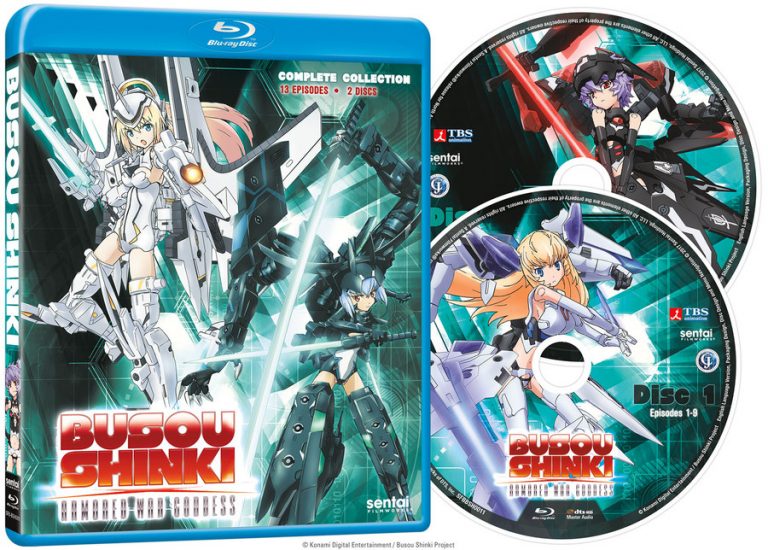
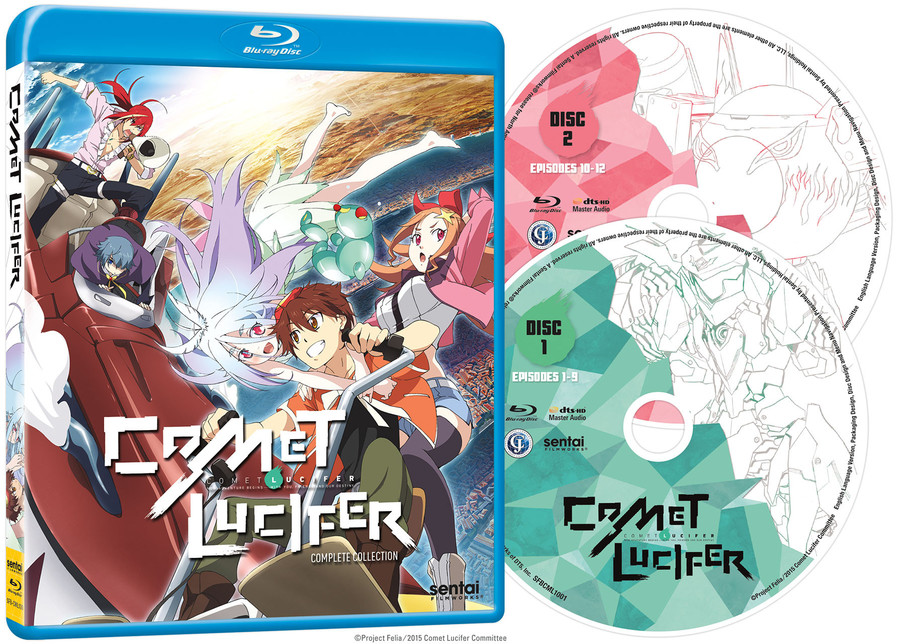
This Tuesday, the 14th of February, 2017, saw Sentai Filmworks release two anime titles on home video in North America. Busou Shinki and Comet Lucifer are now available on DVD and Blu-ray.

The release of Busou Shinki contains all 13 episodes with Japanese audio and English subtitles. The Japanese promotional videos and the textless opening and ending animation sequences are include as on-disc extras. This adaptation was previously released on DVD in North America on June 17, 2014.

The release of Comet Lucifer presents all 12 episodes with Japanese audio and English subtitles. The on-disc extras include: the textless opening and ending animation sequences, “Garden Indigo’s Train Shorts” and a music videos.

Madman Reveals Official ‘Love Live! Sunshine’ Goods for the Upcoming Live Event

Madman Entertainment revealed their range of exclusive Love Live! Sunshine!! merchandise on Monday, which will be available at the Aqours First Love Live! concert that is scheduled to take place in a little over a week from now. The live event is being held at the Event Cinemas in George Street in Sydney. The merchandise will be on sale before the concert commences on both the 25th and 26th of February, 2017.

Each fan will have the opportunity to purchase no more than one of each of the following items by cash or card.

  • Penlight – $75
  • T-Shirt (Free Size – L) – $75
  • Hoodie (Free Size – L) – $130
  • Rubber Keyring Set – Azalea – $40
  • Rubber Keyring Set – CyaRoN – $40
  • Rubber Keyring Set – Guilty Kiss – $40
  • Keying with Ribbon (9 designs) – $40
  • Tote Bag – $25
  • Muffler Towel – $40
  • Official Poster (B2) – $20
  • Concert Program – $60

There will also be a dozen other official Love Live! Sunshine!! products available for purchase at the event. Fans can buy as many of the following items that they want.

  • Can Badge Type A (Random) – $10
  • Can Badge Type B (Random) – $10
  • Character Flag – $15
  • Logo T-Shirt – $50 (S / Free Size)
  • Koi ni Naritai Aquarium – $50 (S / Free Size)
  • “School Idols Make You Smile” Shirt – $50 (S, M, L and XL)
  • “Tokyo Idol World” T-Shirt – $50 (S, M, L and XL)
  • Mogu Mogu Acrylic Keyring – $10
  • Muffler Towel – $30
  • Heat Sensitive Mug – $45
  • Messenger Bag – $60
  • Madfest Lighstick – $35

Tickets for the live event can be purchased here.

Avex Pictures Bans Overseas Sales of Its Home Video and CD Products

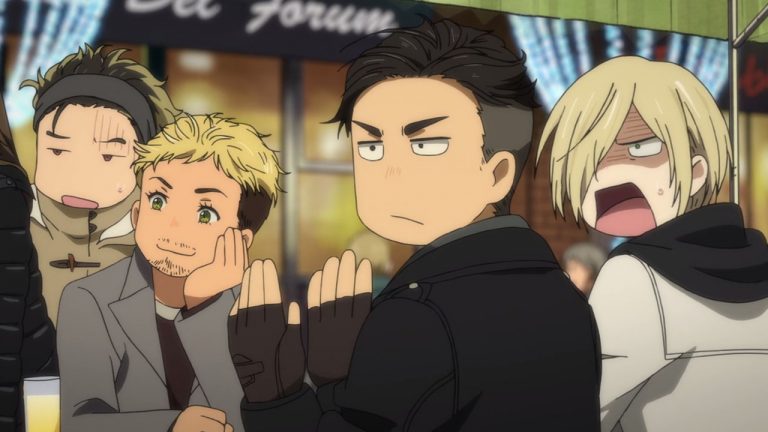
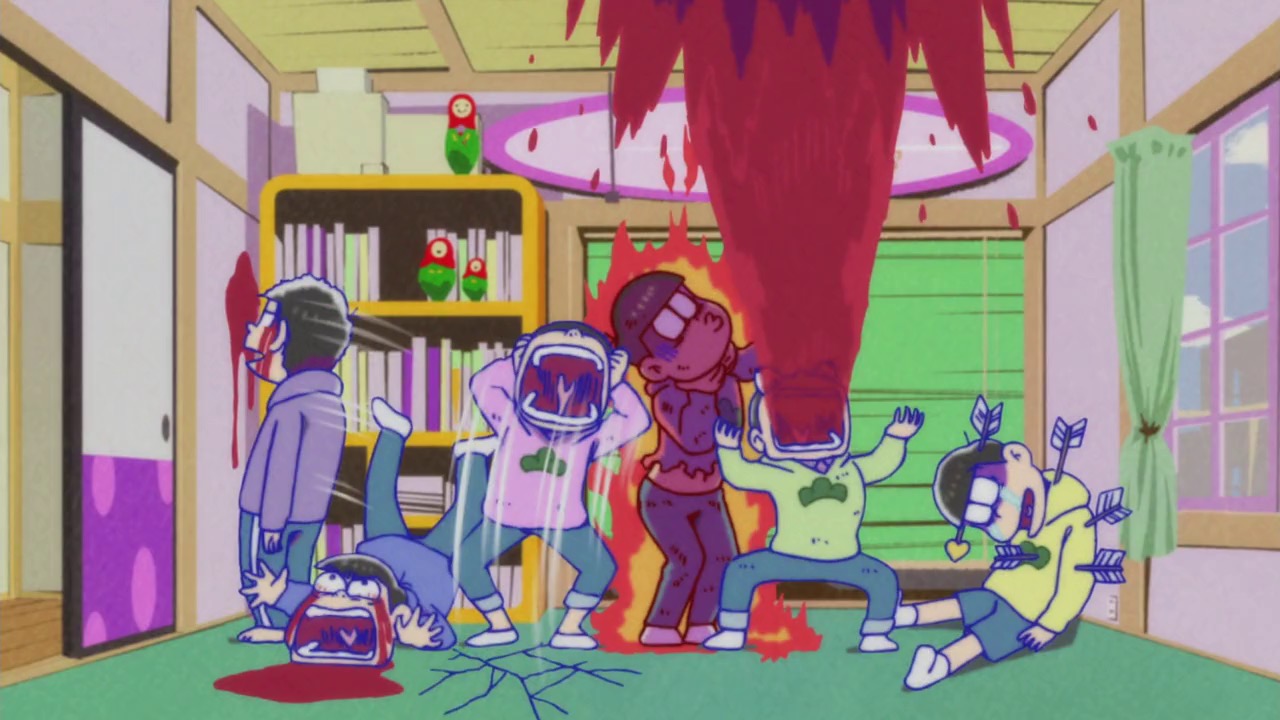
Online retailer CD Japan announced yesterday that Avex Pictures has banned the majority of all exports of their CD, DVD and Blu-ray titles. This ban affects all online retailers in Japan. Avex Pictures publishes the popular anime series Yuri!!! on Ice and Osomatsu-san (Mr. Osomatsu), among other things. This ban does not affect figurine sales or other character goods. CD Japan’s statement does not contain any explanation regarding the reason behind Avex Pictures’ export ban.

The ban begins at 6:00pm Japan Time (UTC+9) tonight (15/02/2017). All orders and pre-orders made before this time will ship as per normal. The recent anime adaptation of Mr. Osomatsu was released on DVD with English subtitles in Australia by Madman Entertainment last December.

FUNimation to Release ‘The Seven Deadly Sins’ Anime on Home Video

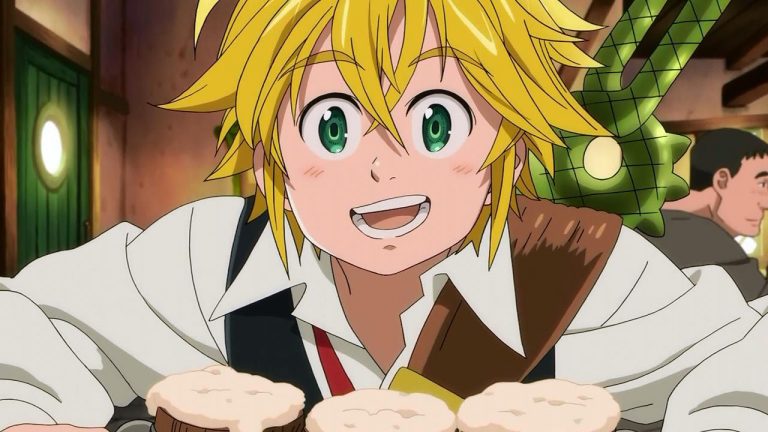
FUNimation Entertainment announced just a few hours ago that they have acquired the rights to distribute the first season of The Seven Deadly Sins on home video in the U.S.A. and Canada. They will release it sometime this year.

There are 24 volumes of the ongoing manga version, which is written by Nakaba Suzuki. The 25th volume of the manga is scheduled for release in Japan in just over a month. Kodansha Comics USA is translating the manga into English and publishing it in North America. The anime adaptation premiered on Japanese television in October 2014 and ran for 24 episodes. In Japan, an OVA episode was bundled with the releases of the 15th and 16th volumes of the manga. A second season of four original episodes premiered in Japan last year.

Reaction Round Up: PewDiePie Dropped by Disney’s Maker Studios and YouTube

YouTube’s biggest star PewDiePie has been dropped by Maker Studios, Disney’s online network, and from YouTube’s premiere advertising program. Rolfe Winkler, Jack Nicas, and Ben Fritz of the Wall Street Journal conducted an investigation of PewDiePie’s videos since August 2016 and found nine videos containing Nazi imagery, anti-Semetic jokes, and images of Hitler. When asked for comment by the Wall Street Journal, Disney opted to drop PewDiePie from Maker Studios and said “Although [PewDiePie] has created a following by being provocative and irreverent, he clearly went too far in this case and the resulting videos are inappropriate.” YouTube followed suit by pulling ads from the nine videos, cancelling the second season of Scare PewDiePie, and dropping him from YouTube’s premiere advertising program.

PewDiePie responded by taking down some of the videos and posting a statement on Tumblr. He argues that he was not supporting anti-Semtism but rather trying to point out the extremes people are willing to go to make money on the freelancer service Fiverr. The video in question showed two Indian men holding a sign reading “Death to All Jews” after being paid five dollars by PewDiePie. To finish his Tumblr announcement, PewDiePie stated that he understood that the jokes were offensive and that he did not support hate-based groups in any way.

The reaction to the situation is nearly impossible to categorize into neat little boxes as the response from the public have covered the entire spectrum. There have been some common themes appearing in response to the news. We have compiled four of them below:

Disney and YouTube are Private Companies and Can Do as They Please

At the end of the day, Disney and YouTube are private companies and can do whatever they please as long as they keep their shareholders happy and do not break the law. Twitch recently found themselves in a similar bind when the developer of Yandere Simulator made a very public demand to know why his game was banned from the streaming service without explanation for over a year. Twitch had every right as a private company to ban any content they found objectionable from their service without providing a reason. The right to free speech does not mean a private company must provide a platform for that right.

Considering Disney needs to maintain a child-friendly reputation, it is little surprise why the company would rather error on the side of caution by dropping PewDiePie and his 50 million plus subscribers. It is likely a drop in the bucket compared to the money kid-friendly franchises like Frozen and Cars bring in for Disney. YouTube, and by extension Google, is in a slightly more interesting position as they are not under the same level of pressure to maintain a squeaky clean PG-13 reputation. This may have resulted in YouTube’s slightly more restrained response to the situation which involved dropping PewDiePie from YouTube Red and the premiere advertising program, and removing the advertising from the videos in question. YouTube could have easily shut down PewDiePie’s channel or remove advertising from all his videos as punishment. Of course, YouTube also has a financial incentive to keep PewDiePie around as much as possible, considering he is the only channel on YouTube to have netted the Ruby Play Button with over 50 million subscribers.

PewDiePie is a Comedian Making a Joke, Context is Important

Some, including PewDiePie himself, have argued that context matters. In this case, the offensive content in question was made in jest. PewDiePie is not the first comedian to made incredibly off-coloured jokes that has caused someone serious offence and will not be the last either. Comedians like Jimmy Carr and shows like South Park have built their careers on making incredibly offensive jokes.

Much like King Lear’s court jester who used jokes to force people to confront the truth, comedy has been a way for people to grapple or confront taboo or difficult subjects. Olga Khazan wrote in The Atlantic that one of the best issues of The Onion was the one about 9/11, released two weeks after the attacks. Although PewDiePie said in his Tumblr statement that he is not trying to make a political statement, he may have inadvertently done so anyways in the tradition of the court jester considering the current political climate. Like it or not, people are discussing when do jokes cross the line into anti-Semitism because of the controversy.

Jokes can be Offensive, but There are Limits

Of course, as Joel Warner and Peter McGraw observe in the book The Humor Code, good jokes cannot be too light or too offensive. Much like the tale of Goldilocks, the best jokes are just right. For some, PewDiePie’s actions have pushed too far. The Wall Street Journal article noted that the neo-Nazi website Daily Stormer praised PewDiePie’s videos for helping bring neo-Nazi views to the mainstream. Psychology Today pointed to studies which show that people who held sexist views tended to find sexist jokes funny, meaning the content of jokes do matter.

Further complicating the matter is PewDiePie’s video where he paid the two Indian men to hold the “Death to all Jews” sign for five dollars on Fiverr. The two men released a statement that said they did not understand the severity of the message. Thus, the ethical implications of paying people money to hold a banner with an offensive slogan they do not understand for someone else’s entertainment must be considered.

Things are Being Blown Way out of Proportion

Some have argued that in the greater scheme of things, the controversy being stirred up over nine of PewDiePie’s videos out of the thousands he has made is just a tempest in a tea cup. If it wasn’t for the Wall Street Journals investigation, things may have mirrored the events when PewDiePie landed himself in trouble over rape jokes. He publicly apologized, pledged to stop making them in future videos, and the controversy died a quiet death in comparison to the current situation. Now that the news has made headlines in mainstream media, Disney and YouTube’s hands have been forced. PewDiePie and the public will be working through the consequences for weeks to come.