

Death Road to Canada
Developer: Rocketcat Games
Publisher: Ukiyo Publishing
Platforms: PC, Xbox One (Reviewed), Switch, PlayStation 4
Release Date: Available Now
Price: $14.99 – Available Here
Overview
Survival games have been quite popular in recent years, especially ones that happen to involve surviving against hordes of undead. What helps set some of these games apart are little quirks that give players something new and fresh and with Death Road to Canada, we have a fun little game that you can sink hours into all while feeling like you’re beating your head against a wall.
Gameplay
There is little set-up to Death Road to Canada outside of a tutorial mode. A zombie apocalypse has ravaged the land and what few survivors still roam the United States have set their sights on Canada, a land said to be free of the undead. With players choosing to either set out on their own or with an AI partner (local co-op controllable) they must survive for fifteen days on a road fraught with danger as the undead are ever-persistent.
 With the roads are rough on any vehicle still capable of running, bandits preying on anyone not prepared to defend themselves, supplies runs always leaving you at the risk of death, and numerous other disasters awaiting you, Death Road to Canada can be a punishing game and one that you will definitely need some practice and a healthy dose of luck to get through alive.
Some of this can be mitigated a bit with the healthy options available through the character editor. Players can create up to eighty different custom characters that can be designed any way you want with a decent amount of options for both male and female characters and each character can be assigned one perk and one trait that can either help or hinder the party as a whole. These traits can help with melee combat, make them better at repairing or healing, and more and can allow you to at least plan ahead a bit if you choose to take these custom characters out on the road rather than run with randoms.
 The actual game modes are all the same more or less, one is a standard mode, another focuses heavily on using characters you’ve created as survivors you’ll come across, and another focuses more on giving players special rare characters that are references to other games or pop culture icons with advancing difficulties being unlocked once you manage to complete a route.
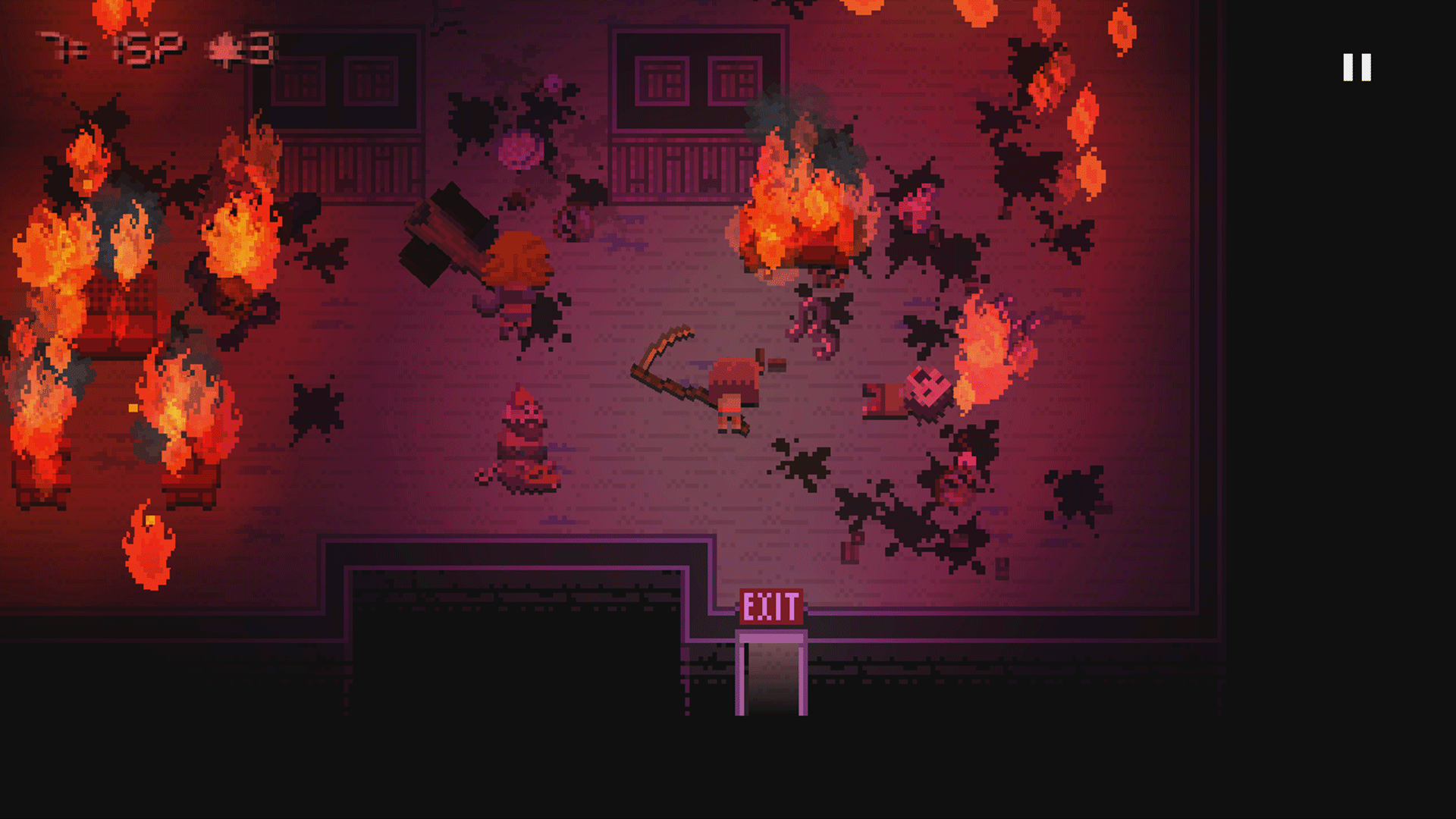
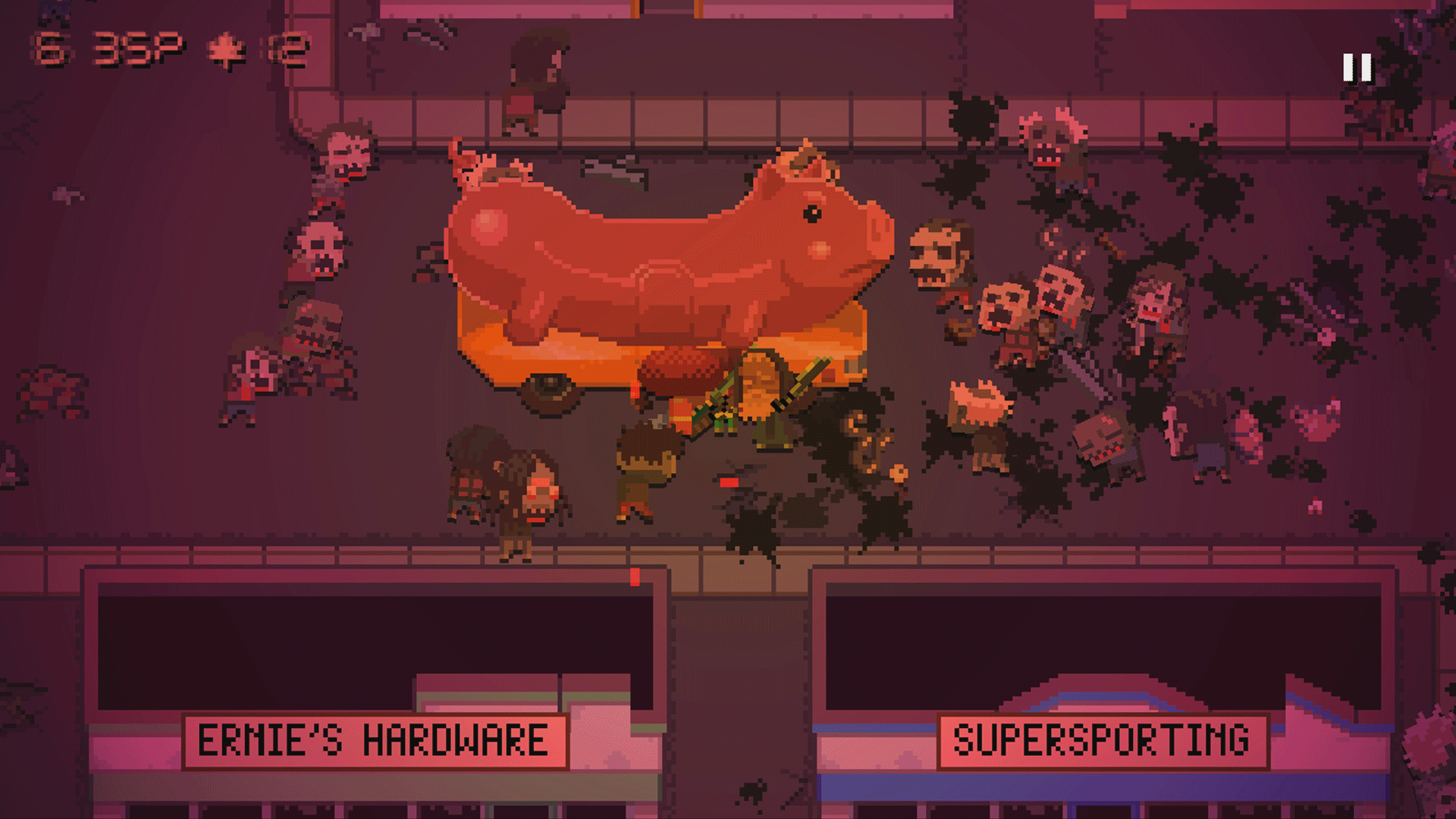
Once you manage to set out on the road to Canada you’ll find that the game is basically split into two parts, one that is a text based road trip that features multiple choices as your vehicle drives down the road automatically while the other half is scavenging for supplies in the various buildings you come across, fighting swarms of zombies that stall your progress for a period of time, or running through a sewer/factory to escape an undead pursuit.
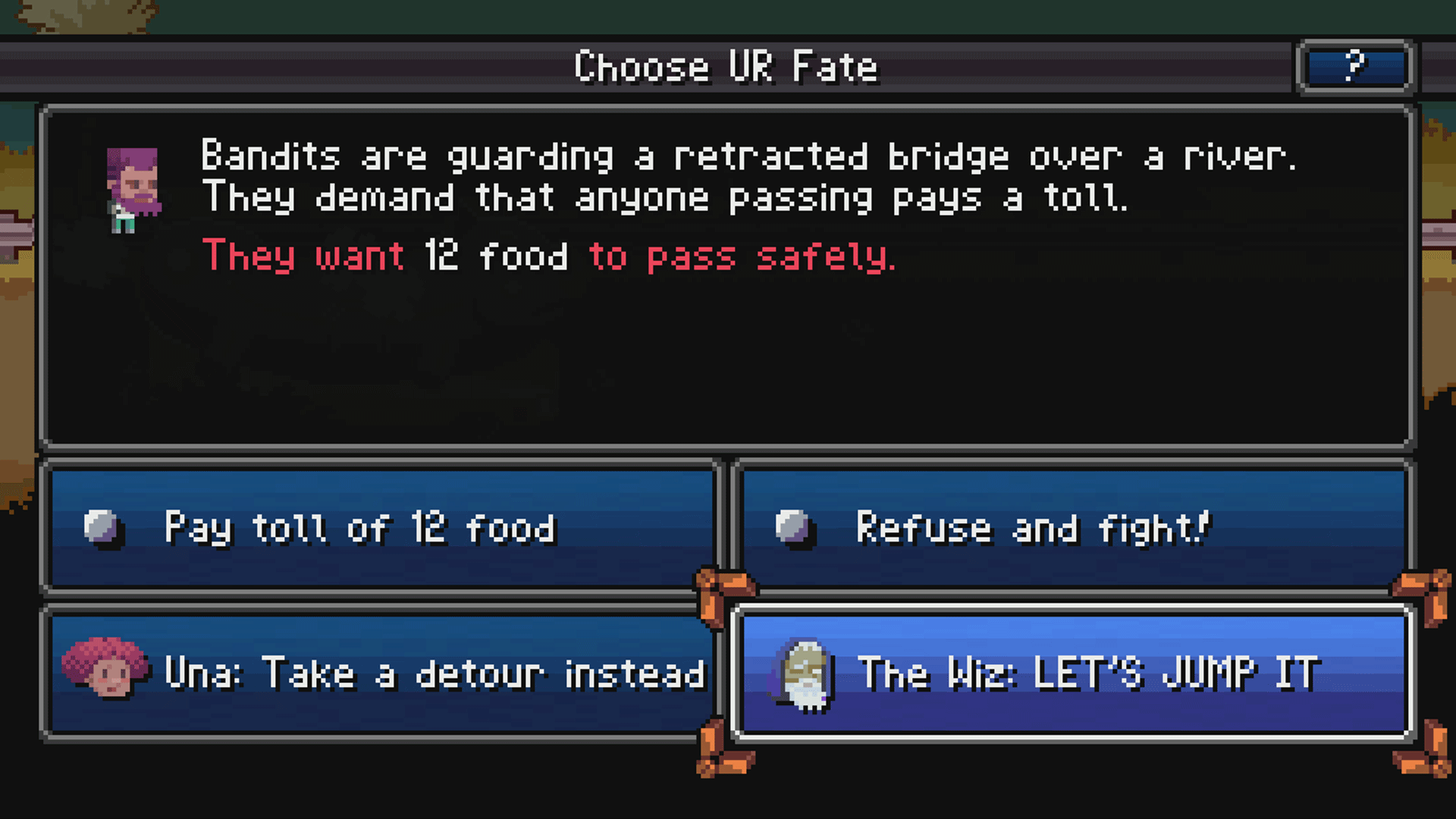
 The road trip part of the journey is where you’ll find all sorts of randomized events occurring as you travel to Canada. Your group will have short, often humorous, conversations while driving and can encounter all kinds of events on the road that can impact their morale. There is a massive amount of events that can happen and often choices that you can make that will affect your crew in various ways. Sleeping in a seemingly safe area may provide everyone rest but can leave you open to danger, attempting to escape bandits can cause members to get hurt or get away scot-free depending on your party’s stats and who you choose to handle certain situations.
Since players don’t automatically know the stats of their group at the beginning of a journey it will often come down to chance and discovering their abilities through trial and error, often error in the case of the game’s systems though. This especially comes into play with how your resources are handled. Vehicles require fuel and maintenance to stay running, medical supplies are necessary to heal wounds, and some characters eat far more than others. Running low on fuel or having a car break down means your group will be hoofing it, often running into extreme danger on the way, while low food will reduce morale, and even being tired can make combat a bigger trial.
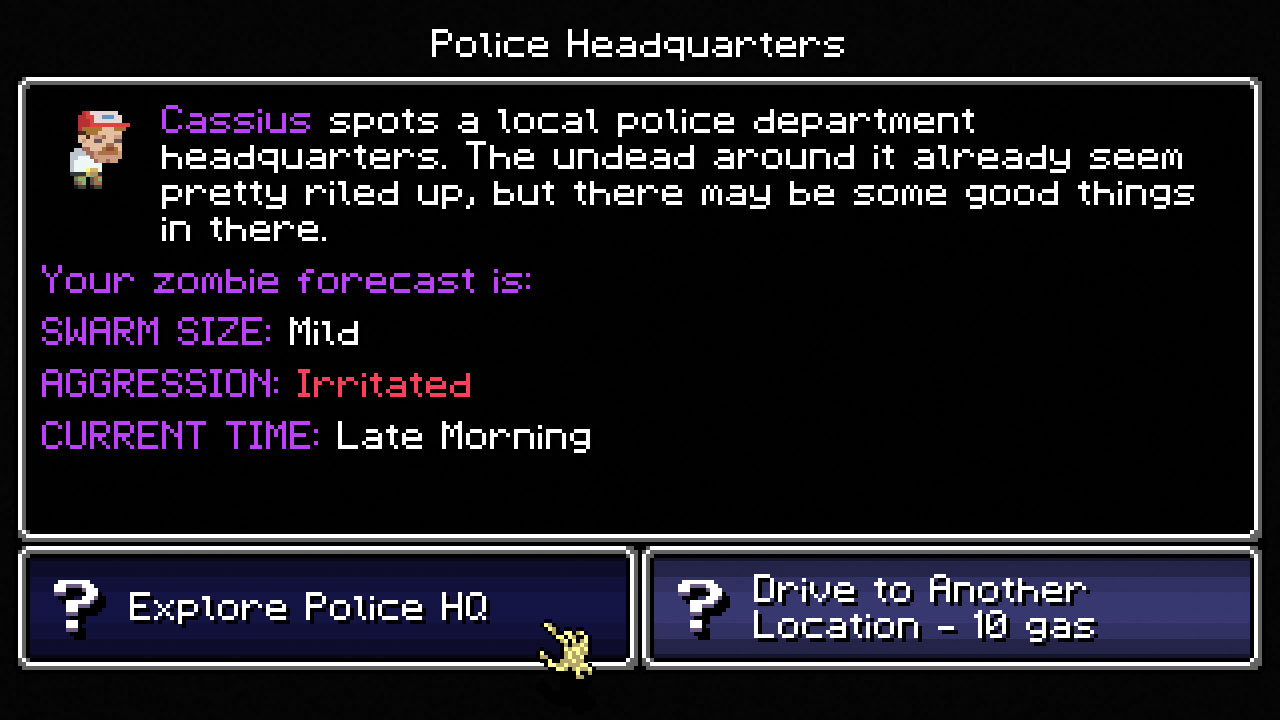 That is why players will “always be looting” as the game says when you can select from a variety of locations to search in the game’s other half. This places players in a variety of locations where they will leave the relative safety of the car and brave the undead to search through abandoned stores, houses, and other buildings to try and see what they can scavenge.
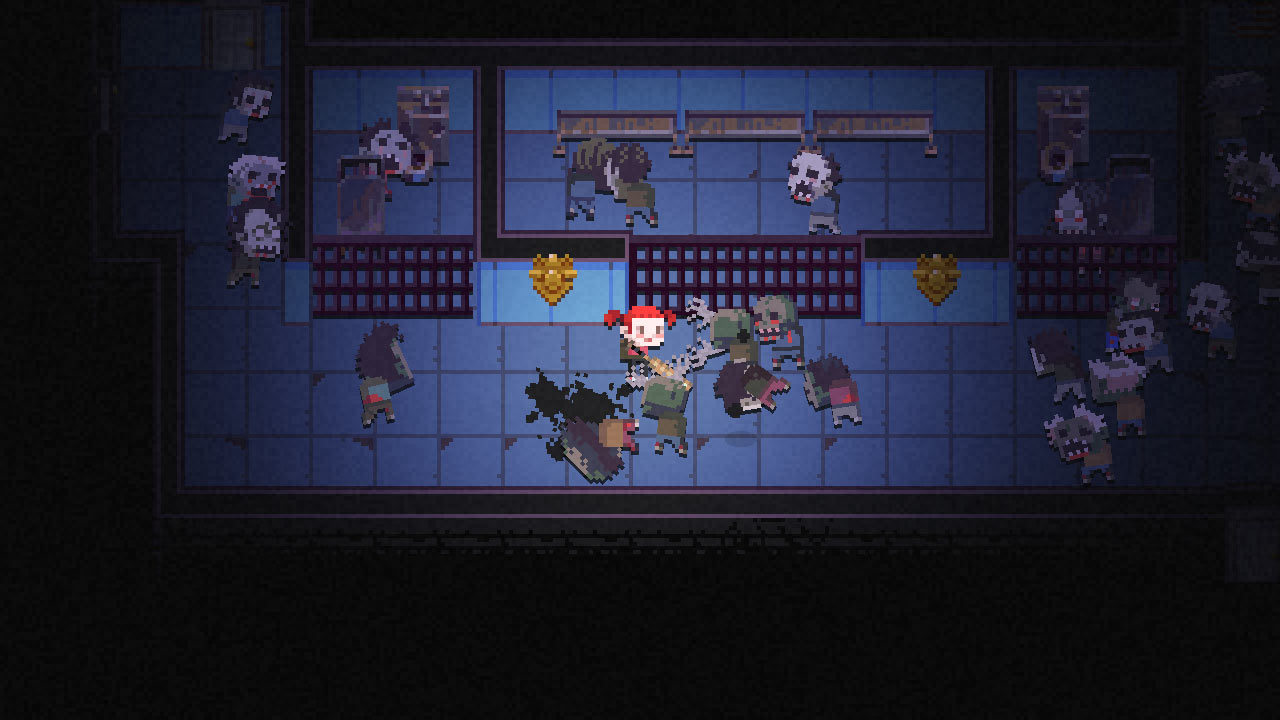
Combat in Death Road to Canada is a straightforward affair with melee weapons having a certain strength and durability level. Most melee weapons will break after a decent number of swings while dealing decent damage to zombies but there are also heavier weapons that deal extra damage at the cost of taking more energy to swing. Long winded fights can wear down a character’s endurance making them sweat and swing their weapon slower. There is a wide variety of weapons to find including some rare gear and while some characters can only carry one or two at a time, most can carry three and store others in the trunk of their vehicle. Firearms are also more than capable of taking care of the undead but they require the use of specific ammo, an occasionally scarce resource.
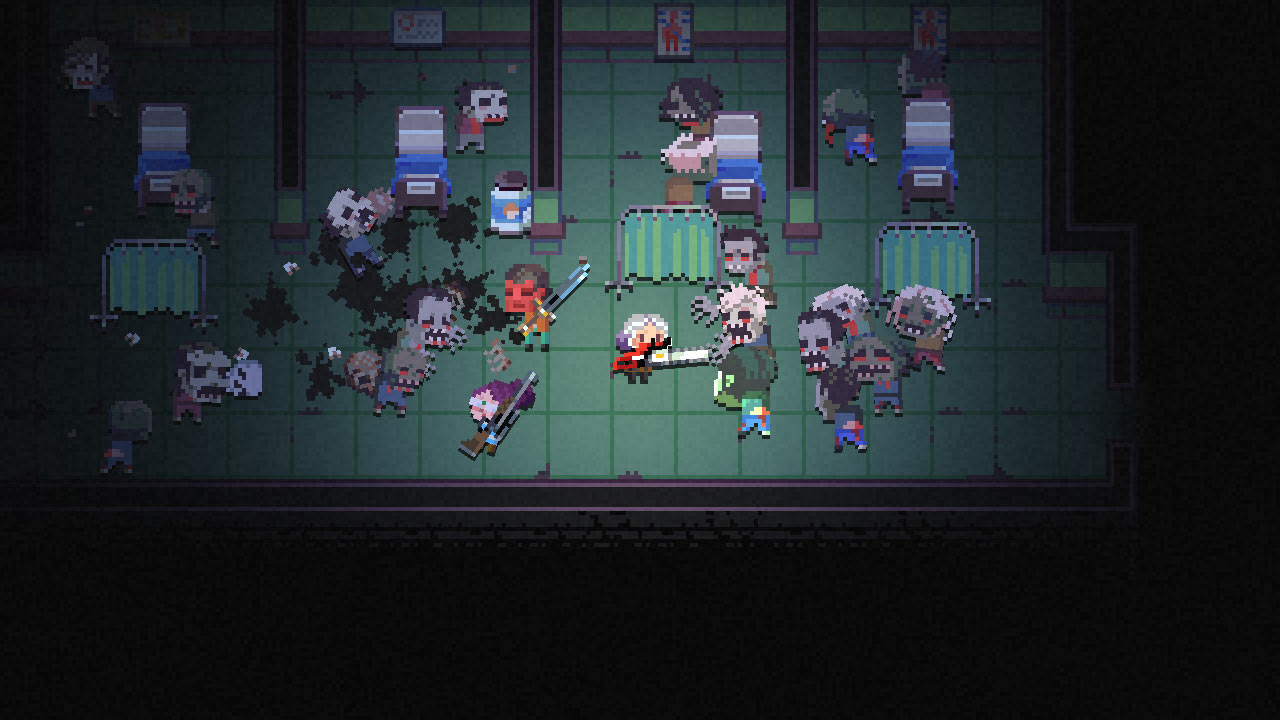 Like any good survival game, your characters can only take a few hits before dying and while it is possible to heal up between scavenging sessions with medical supplies, it is highly likely that if you get swarmed you will end up losing someone. In fact, as you get further along it is entirely possible that an inescapable timed swarm battle may see your group of four survivors dwindle down to a solo survivor. The interesting thing is, as long as you have at least one human (as dogs and even pigs can be recruited as survivors) survivor you can continue your journey to Canada. Even if it means having no one left from the original group in your survivor pool.
As you play the game you will occasionally obtain “Zombo Points” that are obtained after swarms and occasionally found as floating skulls in random locations. These points can be used to unlock permanent upgrades to some character traits and perks, unlock new points, and other upgrades to events you may encounter in your journey.
It is unfortunate that with so much emphasis being placed on playing through the game as many times as possible, hoping to do a little better each time, that there is a real lack of variety when it comes to locations to explore. While every encounter is randomly generated and there are a massive number of events to run into, the majority of the areas you end up exploring are as generic as they come and often quite repetitive in nature and even layout. What makes things worse sometimes is that the game’s randomly generated events can occasionally wipe out an entire group’s supplies or health with little actual player input, making what should be seen as a challenge more like an unfair loss.
 Also it is worth noting that while co-op is available in the game, it is not available for use online. While this is nice for drop-in and drop-out couch co-op it is disappointing that the option for online play isn’t available in some form. Your co-op partner is also limited when it comes to interacting with NPCs found during your journey, making them little more than a helping hand when it comes to taking on the zombies.
Visuals & Audio
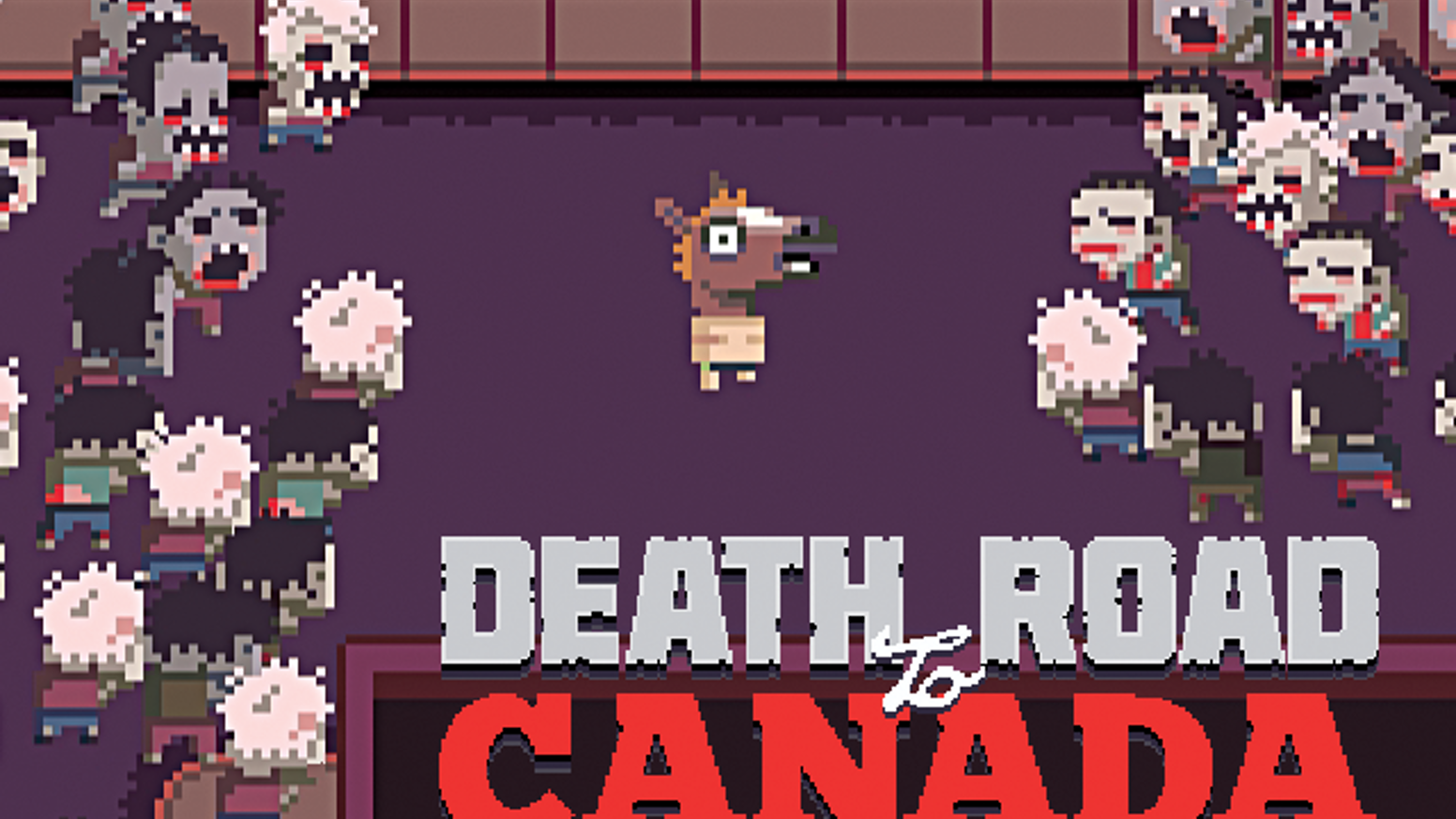
With Death Road to Canada being designed with a pixel art style there is a decent amount of charm to be found here. This is mostly thanks to the wide array of guest characters the company has been able to implement into the game.
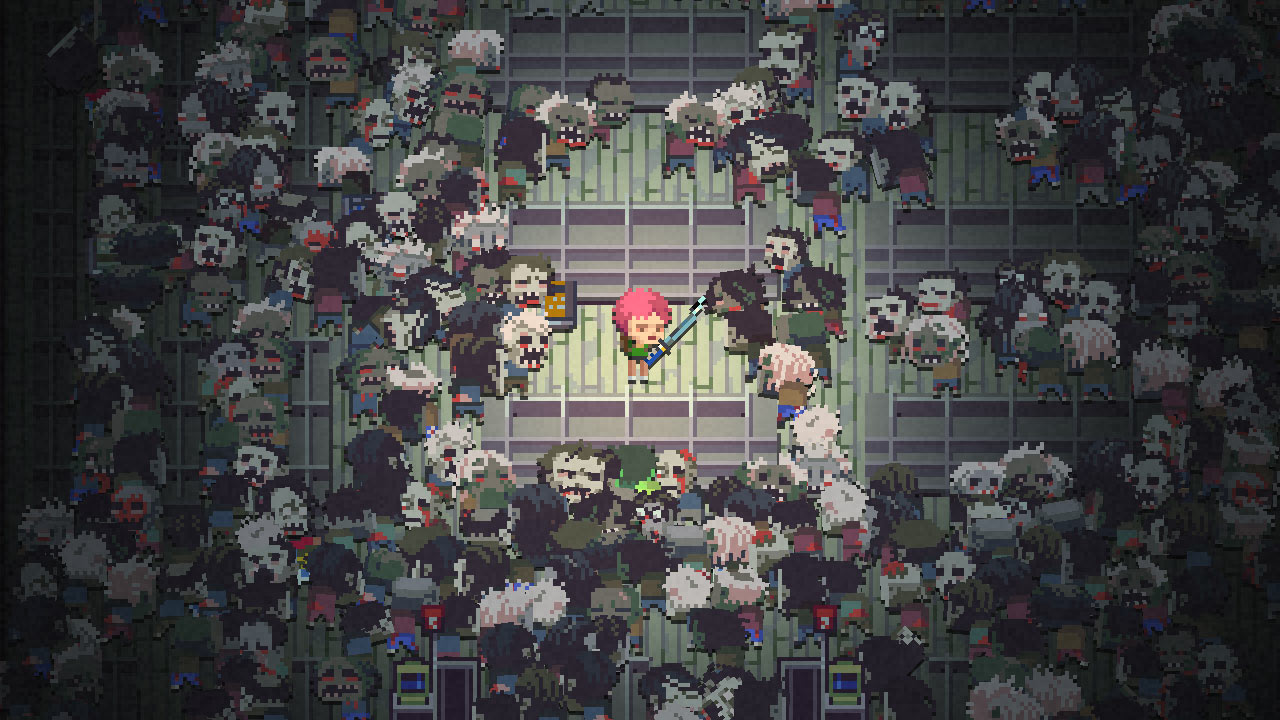 Unfortunately the actual variety of the locations quickly becomes monotonous while the zombies themselves all begin to blend together with similar appearances becoming problematic. The soundtrack is fairly standard for a retro pixel style game such as this and doesn’t really lend itself to being memorable in any way.
Overall
Death Road to Canada feels does offer a unique blend of text based adventure and zombie survival wrapped up into a permadeath game that you can easily sink hours into trying to get a little farther each time. The problem is that the game often feels like luck plays a major role in actually surviving in the game and while there is a nice bit of humor mixed in with fun guest characters, the focus on trying numerous times while exploring repetitive feeling environments and facing same-faced zombie hoards can begin to drag after some time.