BANDAI
NAMCO ENTERTAINMENT AMERICA TO PRESENT THE MOST DRAMATIC AND EPIC TELLING OF
THE DRAGON BALL Z STORY
Players to
Experience a Legendary Journey in New Action Role-Playing-Game Through the Eyes
of the Most Famous and Powerful Saiyan
SANTA CLARA, Calif., (January 28, 2019) – Leading
anime video game developer and publisher BANDAI NAMCO Entertainment America
Inc. today announced DRAGON BALL GAME – PROJECT Z (working title)for the Americas on the PlayStation®4 computer entertainment system,
Xbox One, and PCs via STEAM®. This new Action RPG (role-playing-game) is slated
for a 2019 launch and will take players on the most dramatic and epic telling
of the DRAGON BALL Z story, experienced through the eyes of Kakarot, the
Saiyan better known as Goku.
Currently in development at Tokyo, Japan based video game
developer, CyberConnect2; the game will tell the legendary story of DRAGON
BALL Z, taking players on an unforgettable adventure to experience
over-the-top battles and challenging quests, create life-long friendships, and
crusade to protect Earth from fearsome villains.
“Combining the fabled story of DRAGON BALL Z with a proven
video game development studio is a surefire way to create an awesome DRAGON
BALL adventure,” said Eric Hartness, Vice President of Marketing at BANDAI
NAMCO Entertainment America Inc. “We can’t wait to unveil the official name for
the game and share more gameplay details with players!”
DRAGON BALL GAME – PROJECT Z (working
title) is scheduled to launch in theAmericas in 2019 for the
PlayStation 4 system, Xbox One, and PCs via STEAM. For more information
regarding DRAGON BALL GAME – PROJECT Z (working title)or
other products from BANDAI NAMCO Entertainment America Inc., please visit: https://www.bandainamcoent.com, or follow
us on Facebook at https://www.facebook.com/BandaiNamcoUS, or join
the conversation on Twitter at: https://www.twitter.com/BandaiNamcoUS.
###
About
BANDAI NAMCO Entertainment America Inc.
BANDAI
NAMCO Entertainment America Inc., part of BANDAI NAMCO Holdings Inc., is a
leading global publisher and developer of interactive entertainment for all
major video game consoles, iOS, Android, and online platforms. The company is
known for creating and publishing many of the industry’s top video game
franchises including PAC-MAN®, GALAGA®, TEKKEN®, SOULCALIBUR®, and ACE COMBAT®.
BANDAI NAMCO Entertainment America Inc. is the premier publisher in the Western
hemisphere for anime based video games including NARUTO SHIPPUDEN™, DRAGON BALL
Z®, and ONE PIECE®. More information about the company and its products can be
found at http://www.bandainamcoent.com or www.facebook.com/BandaiNamcoUS
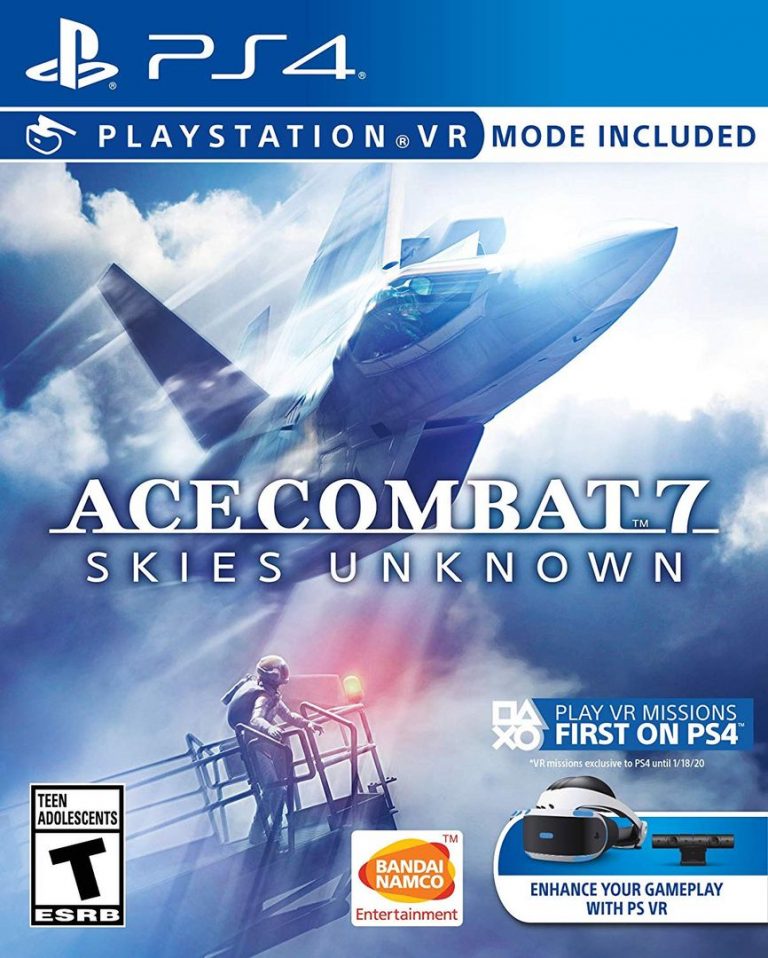
Ace Combat fans rejoice. Ace Combat 7: Skies Unknownis reaching a bunch of firsts for the franchise. It is the first to be developed from the ground up for the latest generation of consoles, the first to launch on PC, and the first to offer support for VR devices, albeit as a timed exclusive for PlayStation VR.
Story
Ace combat 7: Skies
Unknown’s story is a mess. It feels like two completely different writers
were used. While the world feels relevant to today’s political and technological
environment, there are a few gaping plot holes and chunks of unexplained story
that come of out nowhere. The cutscene content feels disjointed from what the
player is experiencing, serving as world building than actual context for the
player’s actions. The writing in the cutscenes are generally very good, especially
compared to the rest of the game. The writing for the missions is bad. The chatter
between pilots is absolutely grating. Instead of getting a lovable band of
rogues, the prisoners and their captors are one-dimensional stereotypes with
the depth of a puddle. Things improve a bit in the second half of the game when
players work with more professional pilots. The briefings and debriefings in
the second half of the game are generally decent, but the early debriefings are
a mess, often feeling like an incoherent set of lines tossed into a cup, shaken
thoroughly, and emptied in a word processor. The resulting trainwreck makes me
suspect the whole prisoner plotline was tacked in last minute.
Gameplay
Unfortunately, we weren’t able to test the multiplayer or VR
aspects of the game as it was not available on PC during our review period. We did,
however, have plenty of time to dig into the singleplayer portions of the game.
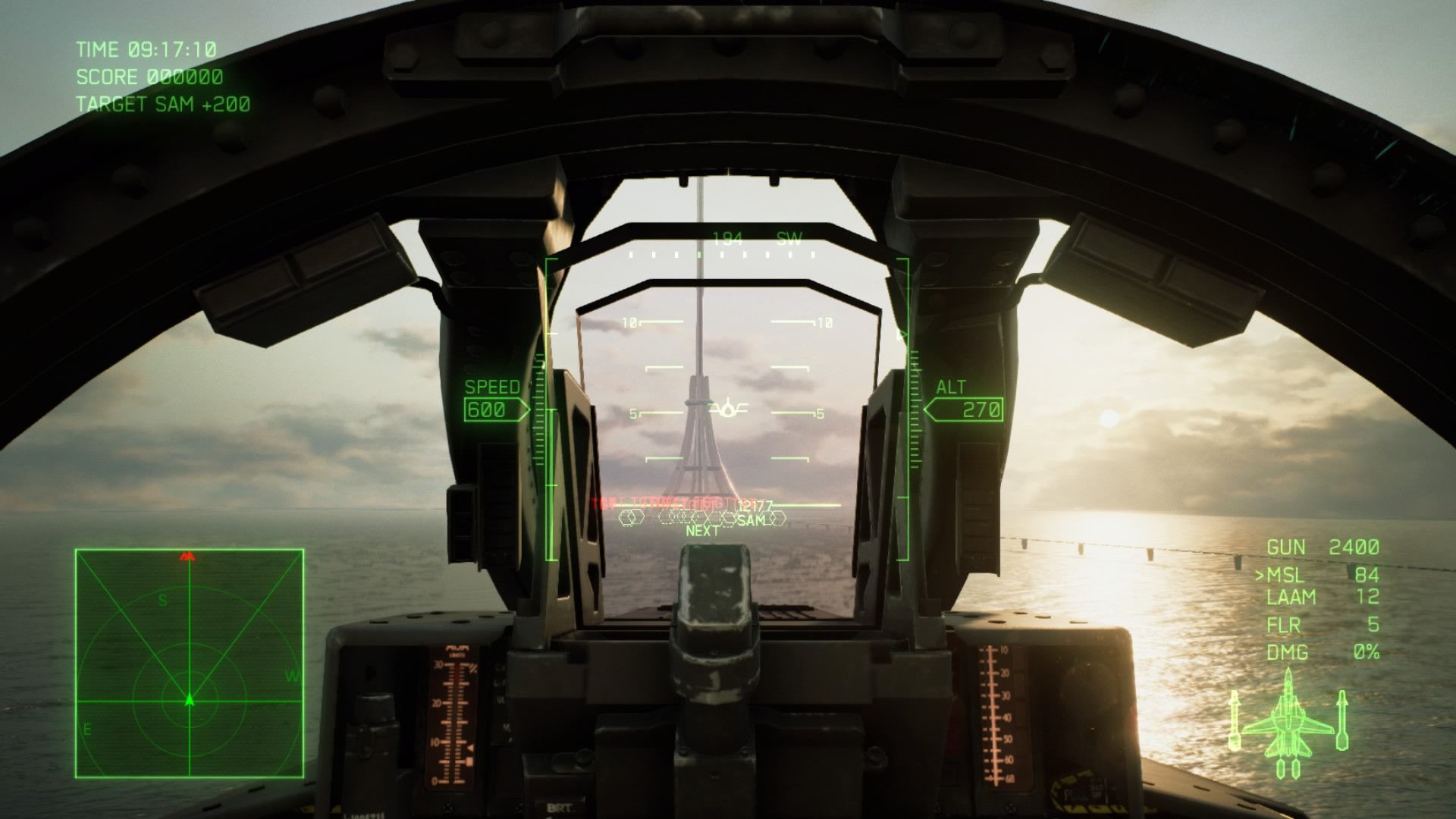
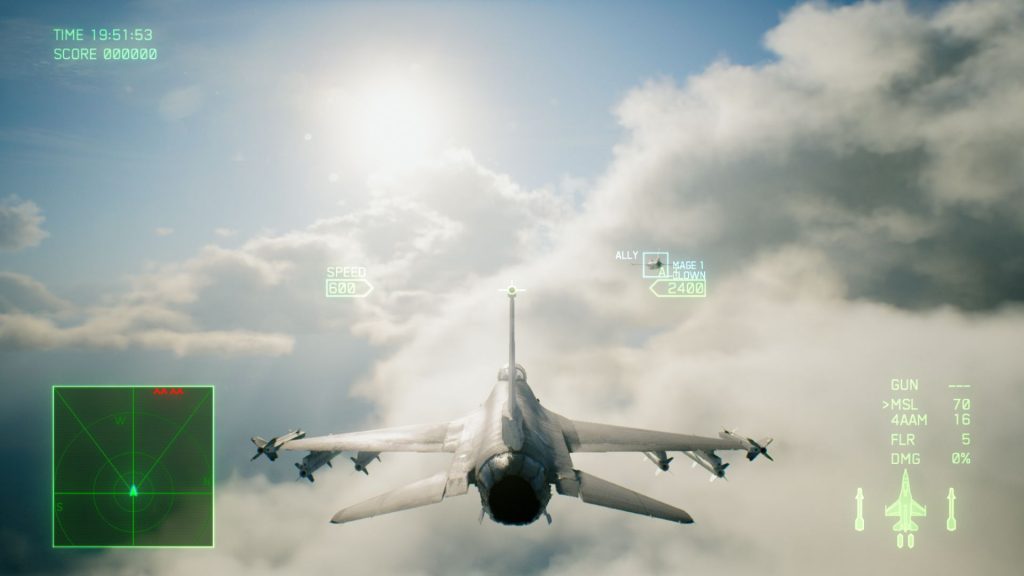
Ace Combat 7: Skies Unknown
continues to offer an excellent arcade flight sim experience. The controls feel
extremely tight. Newbies to the franchise can use the simplified controls to
ease their way into the game, then switch to the traditional expert level
controls. While playing the game with mouse and keyboard is possible, Ace Combat 7: Skies Unknown is way more
enjoyable with a controller or a full flight stick set up.
The controls give players lots of options for dog fights,
including the newly introduced post-stall maneuvers. I only wish the game
offered a better tutorial that introduces new players to the more advanced maneuvers
and tactics. Many of these are hinted to in the tooltips during load screens,
but new players will have to take to the internet to learn on their own as the in-game
tutorial is limited to the extremely basic this is how you fly and this is how
you shoot type instructions.
ACE COMBAT™ 7: SKIES UNKNOWN_20180719174922
The Aircraft Tree offers new aircraft and upgrades for use
in both campaign and multiplayer modes. Each aircraft can hold up to eight
upgrade parts. Parts can upgrade either body, armaments, or miscellaneous equipment.
Each upgrade part is worth a certain number of points, and each plane has a cap
for each of the three types of upgrades. Each aircraft has three special
weapons to choose from based on the plane’s role. There is a good mix of European,
Russian, and American crafts from the back half of the Cold War, with a few
older planes tossed in for good measure.
Players will use the MRP currency to unlock planes and parts
in the tree. MRP is earned from playing campaign mission or multiplayer matches.
There is no way to unlock the entire Aircraft Tree from one run of the
campaign, so players will have to either repeat singleplayer missions or play
online matches to grind out MRP.
The mission design is generally very good with a few frustrating
missions thrown in. The levels are an excellent mix of open skies and tight
areas that require players to practically maneuver around in a phone booth. There’s
also a good balance between dog fighting missions and bombing runs that will
give plenty of opportunity for players to use more specialized aircraft. There
are some frustrating missions that will make players want to yank out their
hair at times. These missions require players to attack ground-based targets in
a certain order to successfully complete the mission within the time limit. I
found those missions to be really frustrating until I could figure out the right
strategy to tackle the mission. The dog fighting missions is where Ace Combat 7 is at its best though. The
action is intense, especially against rival aces where it feels like any error
could be deadly.
Visuals
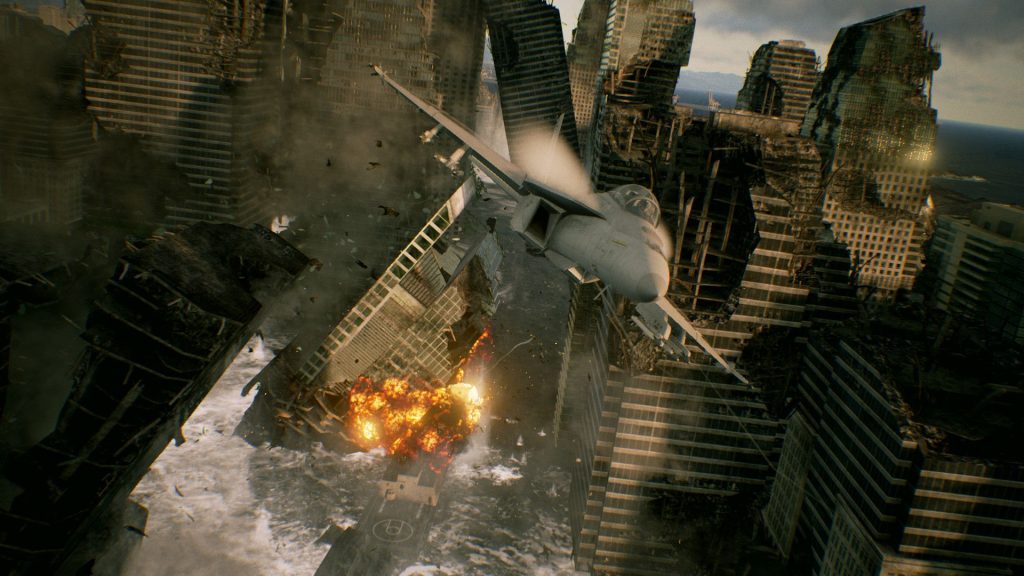
Ace Combat 7: Skies Unknown
is a gorgeous game. The cutscenes have a unique art style that mixes traditional
CGI with some visual elements taken from photographs and videos. The in-game
art style shoots for a realistic look that serves the game well. The skies look
excellent. The weather effects are fantastic. The icing effect that occurs when
players spend too much time in the clouds is really well done. The ground looks
good, though the natural elements look a bit better than the human-made ones.
Audio
Ace Combat 7: Skies
Unknown’s audio is very good. The sound effects are excellent, creating an
immersive experience. The music is a wonderfully eclectic mix of rock, jazz,
electronic music, and traditional orchestral video game scores. The soundtrack
is modern and hits the right emotional notes at the right time. It’s a shame
the soundtrack has yet to be released on its own, because it’s set a high bar
for the rest of 2019. The voice acting is the weakest part of Ace Combat 7’s audio experience. The
cutscenes offer the best voice acting in the game. The in-game, briefing, and
debriefing voice acting falls flat in comparison. There are a few weak voice
actors, but there are also some decent ones who are simply hamstrung by a
terrible script. Some of the lines are just so bad that I don’t think it’s
humanly possible to make it sound natural.
Overall
Ace Combat 7: Skies Unknown delivers an excellent arcade
fighter experience. The controls are solid, and the action is intense. The
audio/visual presentation is very good. However, the game has its warts. There
are a few missions that are incredibly frustrating. The story is a disjointed mess,
and some of the lines are so bad I don’t think any actor could make them sound
good. Even with its flaws, it’s still worth it to experience Ace Combat 7: Skies Unknown.
Capsule Computers review guidelines can be found here.
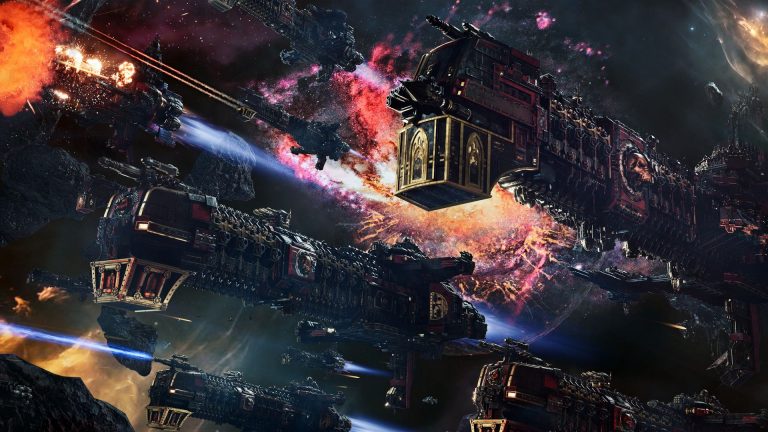
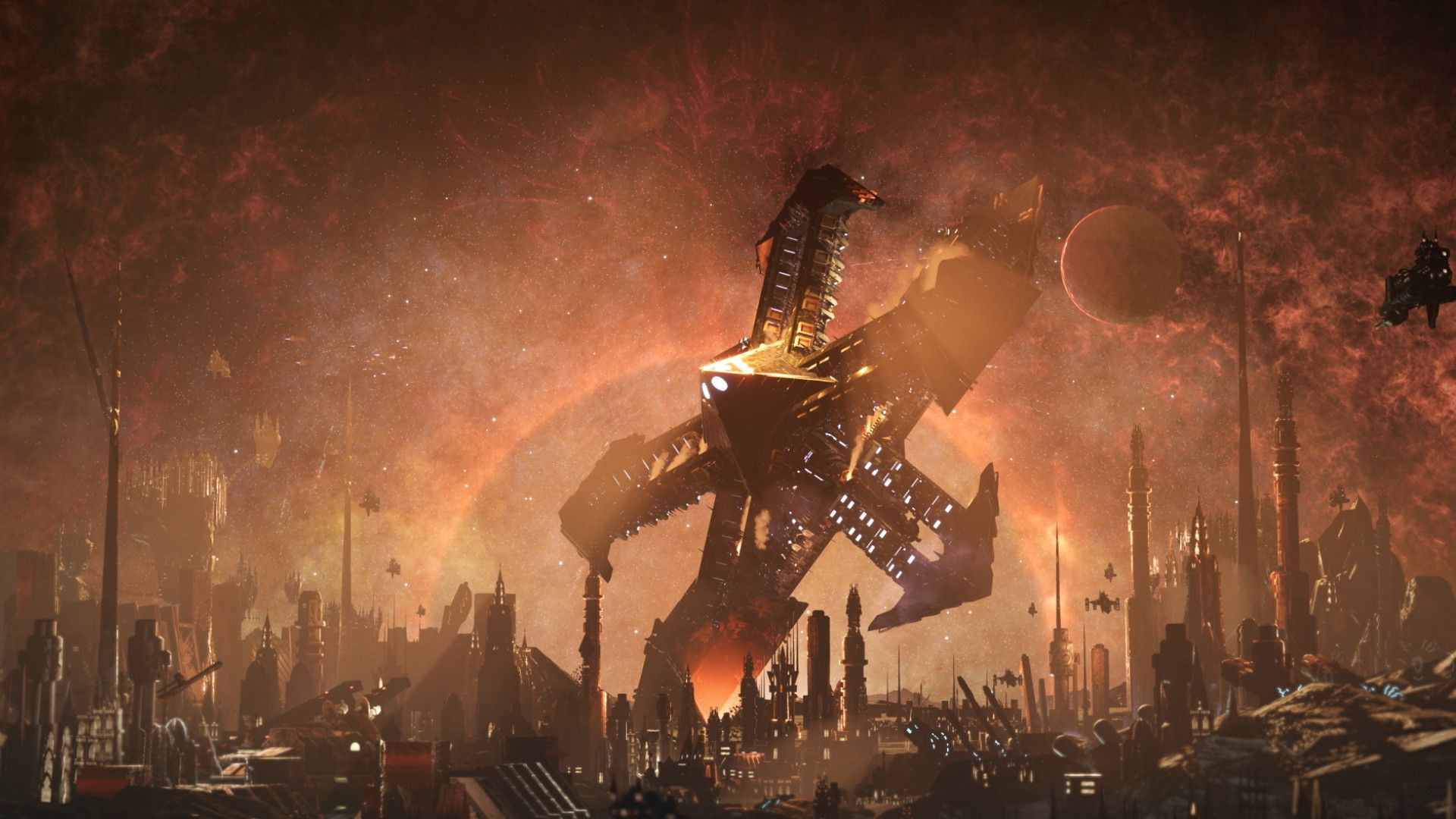
Battlefleet Gothic: Armada 2 is based on the popular Warhammer 40,000 tabletop game. The sequel offers 3 massive new campaigns, all 12 factions from the tabletop game, and support for larger fleets. It’s the first video game in the new Warhammer 40,000 Gathering Storm setting.
The three campaigns are for the Tyranids, Necrons, and Imperium. The three campaigns will offer over a hundred hours of content. A fourth campaign is currently in development.
To celebrate the launch, a new trailer with plenty of large fleet on fleet combat.
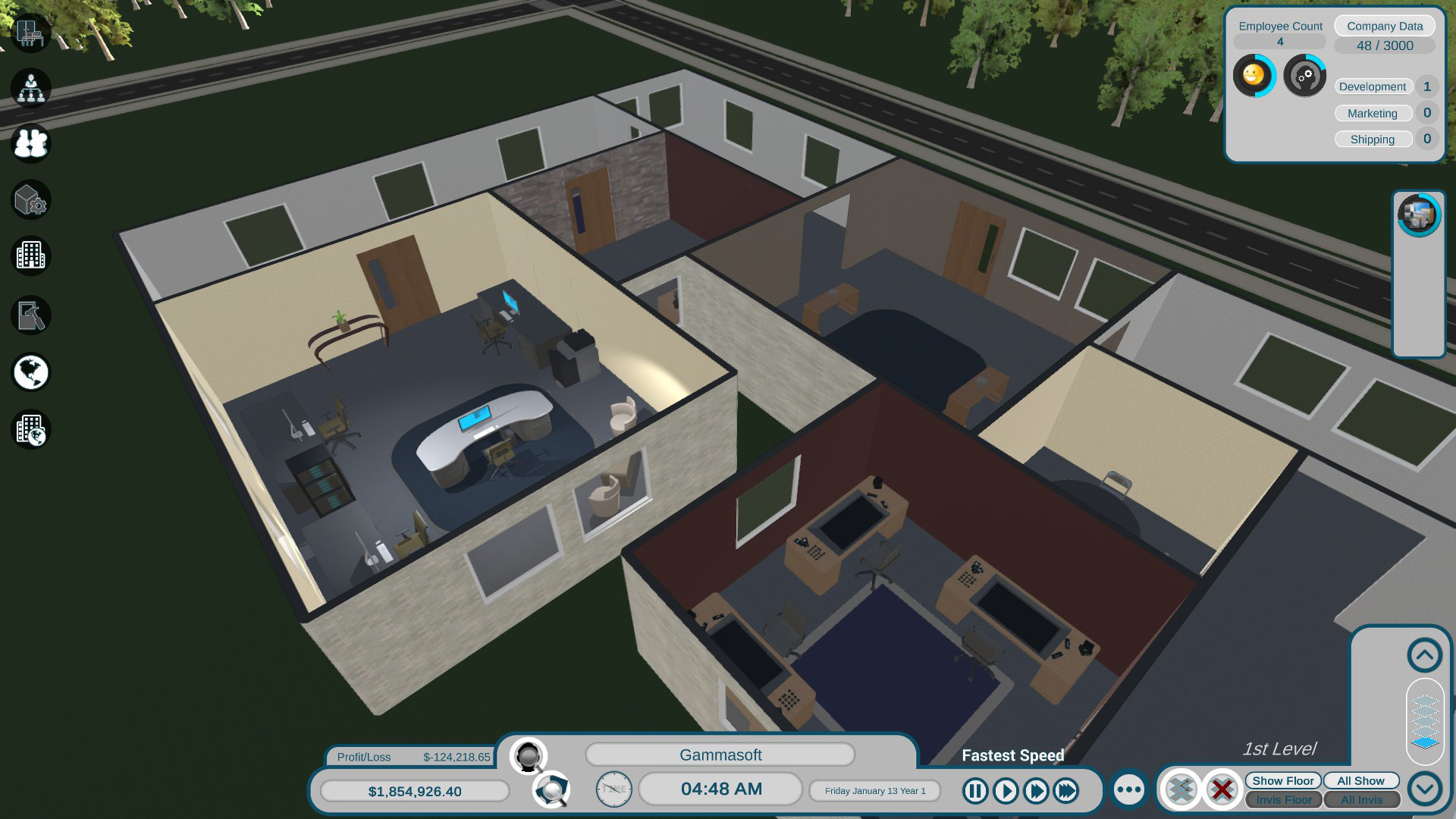
I love simulation/tycoon games. I always have. Ever since I got my first taste of them with Roller Coaster Tycoon 3, I’ve been addicted. My tastes have always been varied with games like Locomotion, Theme Hospital, Farming Simulator, The Movies and a lot more.
So when I saw WEB Gaming Entertainment’s Tech Executive Tycoon for the first time on Indiegogo back in 2014, I pledged $15. From the creator’s videos and plans, it looked like the perfect game for me, mixing in elements what I loved about games like Software Inc., Game Dev Tycoon, Gamebiz and Capitalism.
So after waiting for close to five years, has the game delivered?
No… Well, not yet anyway.
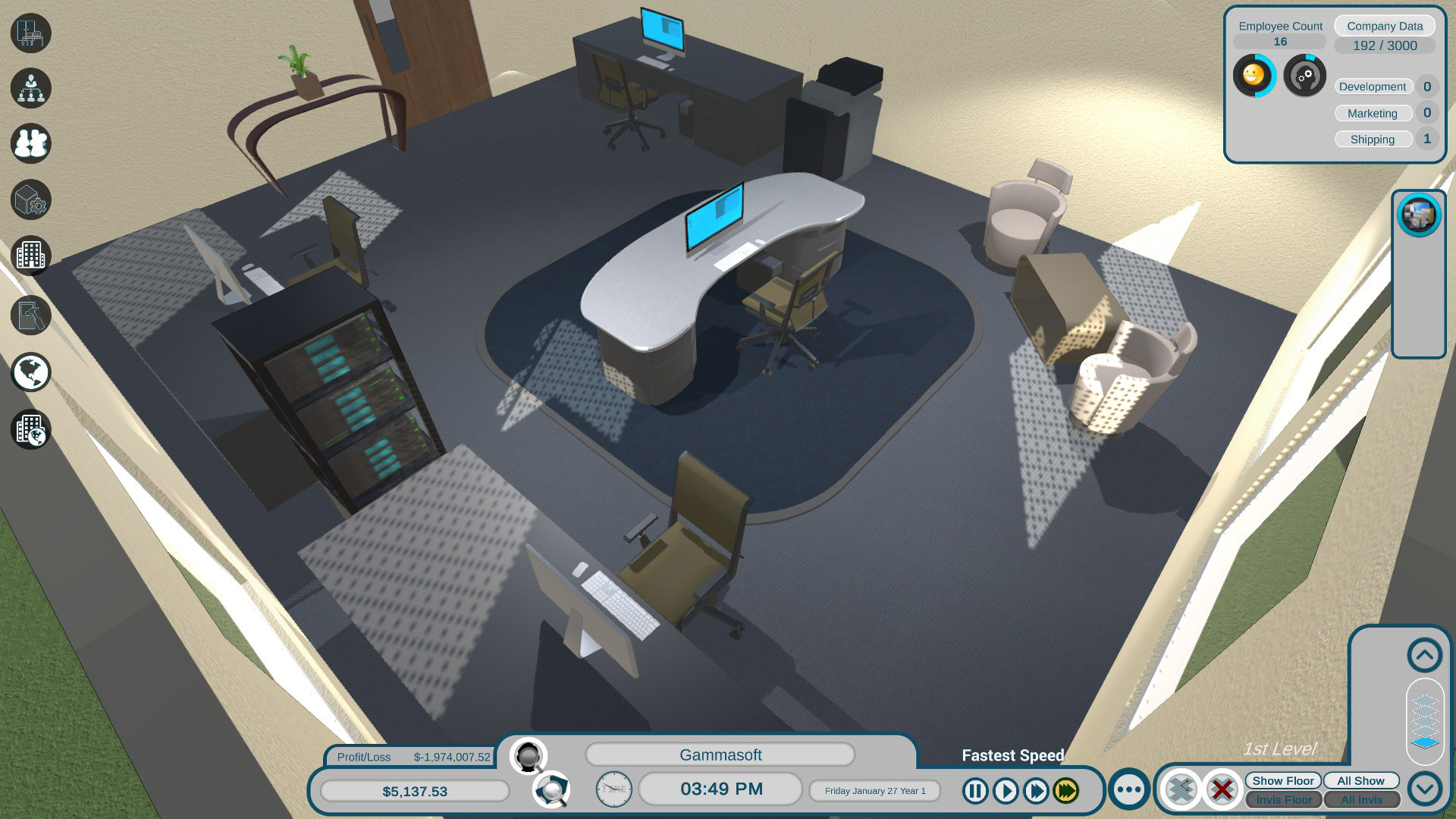
To be fair to the game it’s improved since its release to Early Access in late December. The furniture placement feels more fluid and that was a noticeable difference immediately when picking the game back up. But sadly, placing furniture is the only task in this game that doesn’t overly confuse the player, making this game more fun as an Office Decorator Simulator.
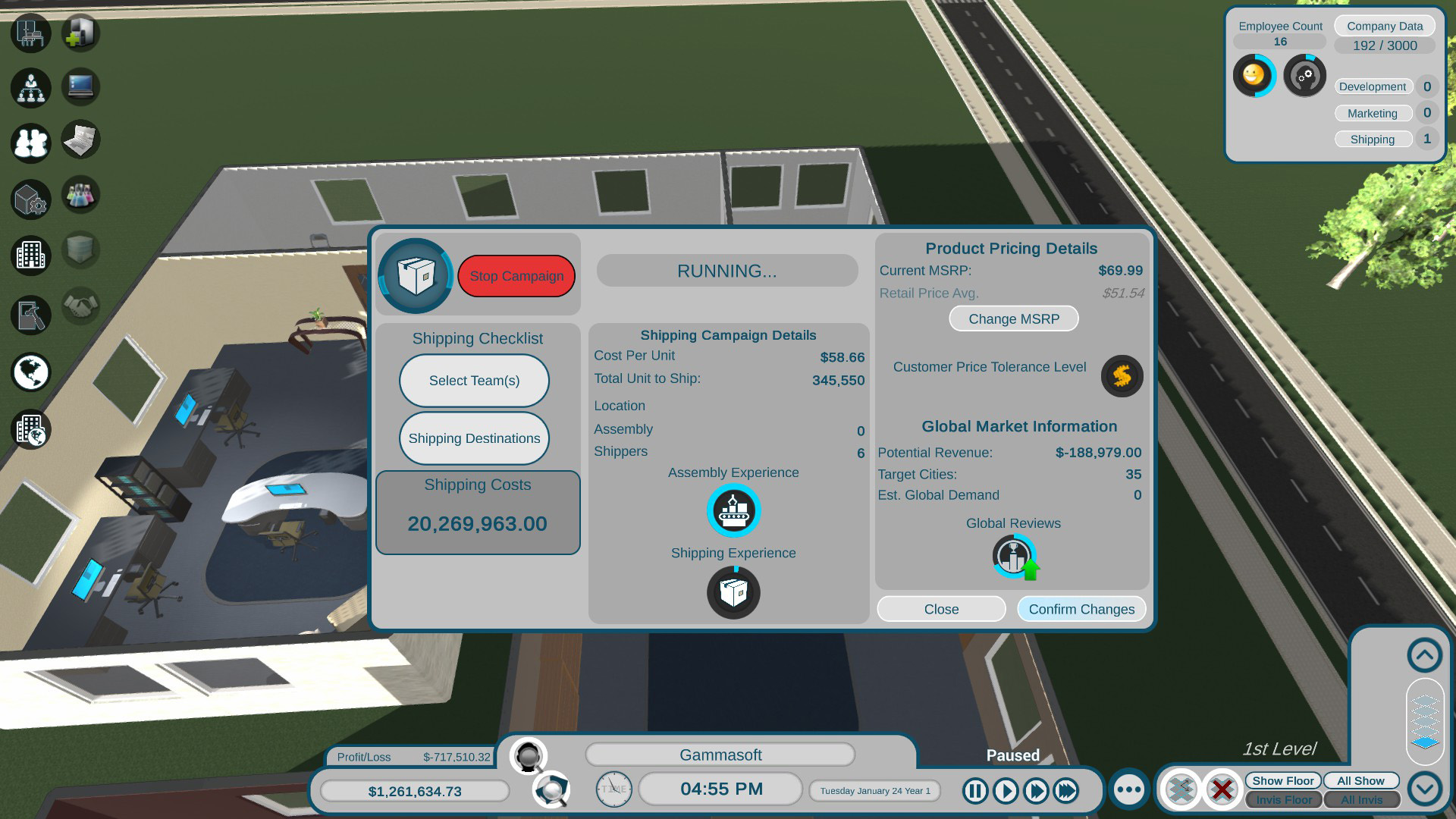
But to actually make a product in this game, the game is unnecessarily difficult. I spent the best part of an hour just trying to figure out how to form teams, how to get them to work on a product and then once all that is figured out, I shipped the products out only for my product to not seem to sell any copies, additionally I’m not sure the advertising segments of the game are functional yet or if its a bug.
I think game design has failed when a player can’t tell if something in a game is a bug or a feature. One of the strangest things I encountered while playing this game was that my employees weren’t anywhere to be seen, yet still working on projects. They could be seen when I played the game in late December, so where are they now? I could understand this if there was some ‘working from home’ element to the game, but it’s probably a bug.
To give the game credit, its at least pleasing to the eyes graphically, which shouldn’t be surprising given the game is running on Unity, although the UI needs a major overhaul in terms of usability and aesthetics and the game could greatly benefit from more than one looped music track, preferably something that’s not obviously stock music.
Game creators and the gaming community as a whole have typically used the mantra of Early Access or beta to avoid criticism about games in this state. (Not that I’m accusing the developer of this game of doing so) Regardless, this game has been in development for close to five years and to release in this state where the game seemingly can’t even be played properly, and charge full price, is beyond belief. For the same price as this game (US$19.99/A$28.95) you could buy Airport CEO, or Production Line: Car Factory Simulator, or Black Mesa, or any other early access game that released into Early Access in a majority completed state.
Despite these negatives, surprisingly, I can see a kernel of a good game here somewhere, and it’s just waiting its turn to pop. The foundations for a solid tycoon game are clear in the plans for the game, as detailed on their website. I would advise the average gamer to hold onto their money for a year or two and wait until the game matures, especially since the developer is clearly working hard to complete this game. Let’s just hope that the game doesn’t end up abandoned like many Early Access games.
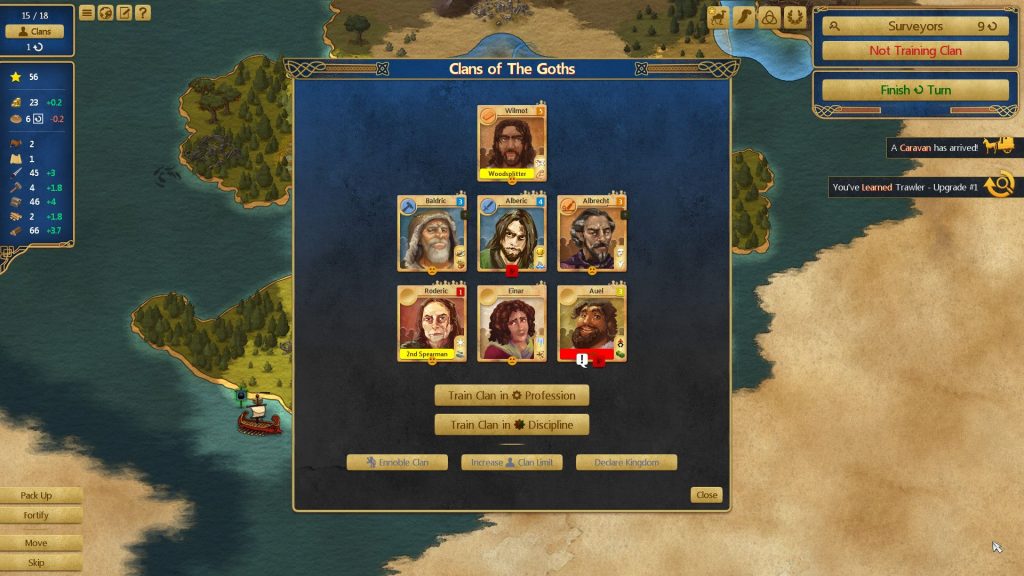
Jon Shafer and Conifer Games’ 7 year odyssey is finally coming to an end with the release of their 4X strategy gameJon Shafer’s At the Gates. The game is out now on Steam. The normal price is $29.99 USD or $42.95 AUD, but the game is discounted by 10% until January 30th.
Jon Shafer’s At the Gates combines rogue-like and survival mechanics with the classic 4X strategy gameplay. Seasons change as the game progresses, changing the environment and opening up new paths. Winters will punish players as food resources dwindle.
Jon Shafer’s At the Gates was originally funded on Kickstarter in 2013. Shafer wrote an extensive article on his blog about the challenges he experienced with adult ADHD and the 7 years of development. It’s an honest and fantastic read that anyone interested in game development or mental health should read.
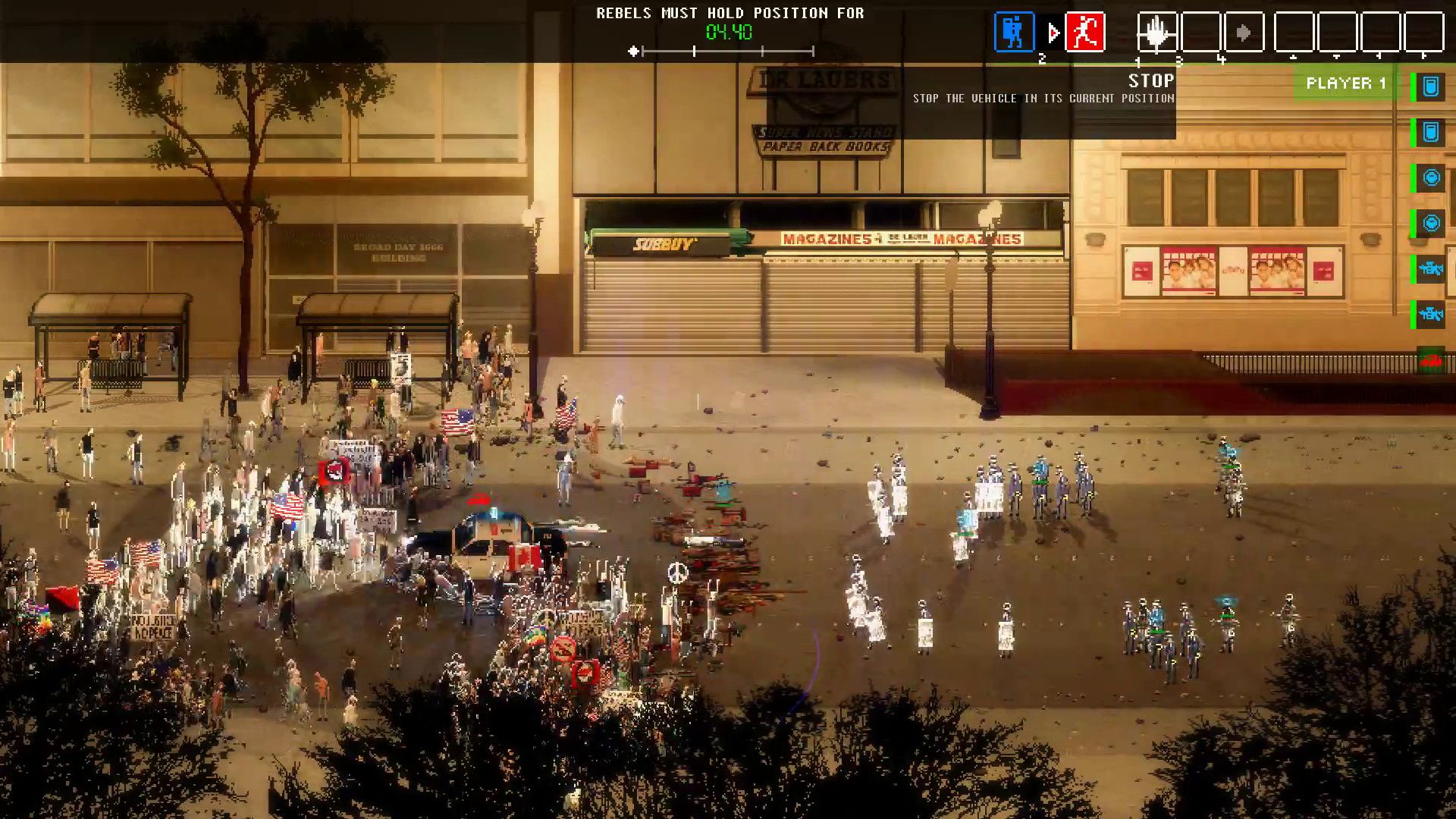
It’s been a long road, but IV Productions and Leonard Menchiari’s riot simulator is about to be released. Riot: Civil Unrest was among the early titles to be approved through the now defunct Steam Greenlight program and has been in Steam Early Access since December 2017.
The game will launch in full during the first week of February. The full title will launch on PC and North American PlayStation 4 on February 5. Xbox One and the remaining PlayStation 4s will get the game on February 6th. Nintendo Switch owners will have to wait until February 7th to get started.
Riot: Civil Unrest simulates some of the biggest protests that have rocked the world in the last few decades. The game offers 30 scenarios where players will be able to control either the protesters or law enforcement. The game also offers a scenarios editor for players to create their very own riot.
Developer: QC Games Publisher: QC Games Platform: PC Release Date: 17 January 2019 Price: $24.99 USD/$35.95 AUD – Available Here (Free to Play coming soon)
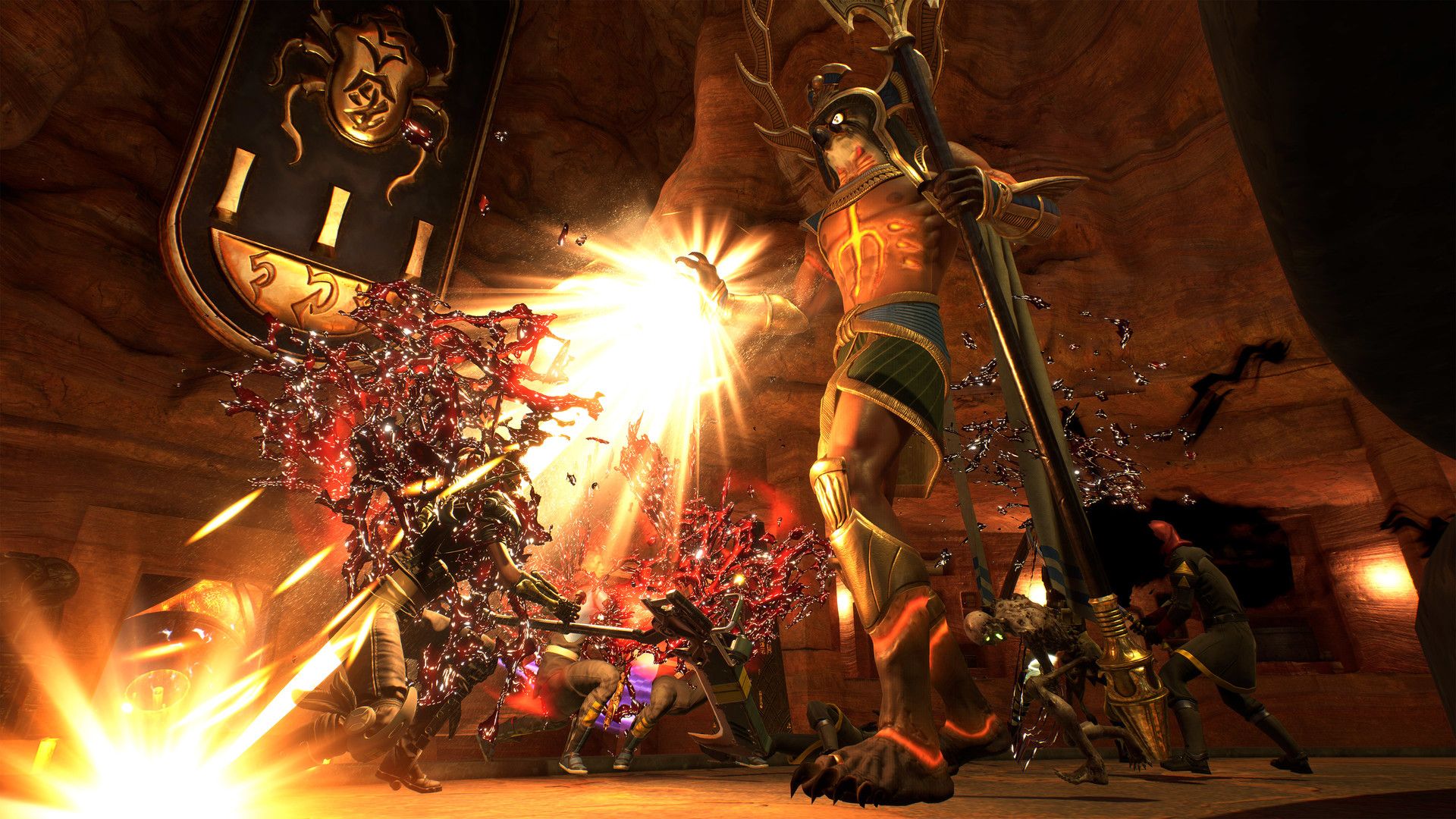
QC Games is an Austin, Texas based developer looking to create a game mixing some of their favourite genres. Breachis an action RPG that sends four players into a dungeon to battle mythical creatures. Challenging the team is the Veil Demon, an AI or player-controlled enemy who will harass, ambush, and generally do their best to kill off the intruders.
Breach has just
launched on Steam Early Access in a format that will be familiar to MOBA
players. The game currently has three maps, 18 character classes, and six Veil
Demon classes. Players will be able to choose from a small selection of free
classes that will rotate on a weekly basis or purchase classes using in-game or
premium currency. Each class comes with a signature ability exclusive to that
class and the option of swapping out their four default abilities for other
abilities from the same school of magic. The classes are also organized in the
classic RPG layout of tank, DPS, support, and specialist. Each class levels
independently and can be equipped with a variety of gems and items.
The Veil Demon has five abilities like normal player
characters and can also control AI creatures to give them a stat boost. The Veil
Demon will also be able to unleash the creature’s special abilities, making a
controlled enemy a formidable opponent. When not controlling units, Veil Demons
can spawn in a variety of traps and elite units to slow and harass the enemy
team.
Each map takes about 15 minutes to complete. They are
essentially a short series of rooms with PVE objectives that will be familiar
to competitive gamers, such as capture the flag, domination, and team
deathmatch. Players must beat each room within the time limit to gain the bulk
of the experience points. The Veil Demon must either slow the players down to gain
the bulk of the experience points or knock out all the players for a victory. Each
time either side gains a level within the dungeon, they can choose one of three
bonuses based on their equipped items. Bonuses vary from universal buffs like
extra potions to ability-specific modifiers. The in-level experience resets at
the end of the map and are separate from the points gained from finishing a level.
Each map is capped off with an MMORPG style boss battle. These fights require a
little more coordination from players and often involve multiple stages. The boss
fights are easily the best part of the game as the fight requires plenty of
dodging and use special mechanics unique to that fight.
The audio/visual experience is decent so far. The writing
can be a little cheesy at times, but the voice acting is generally excellent. Individual
characters could use a little more variety in their lines, as some important
call outs only have one or two lines. The art style is a bit on the generic
side. The characters feel like they could be slipped into many other video
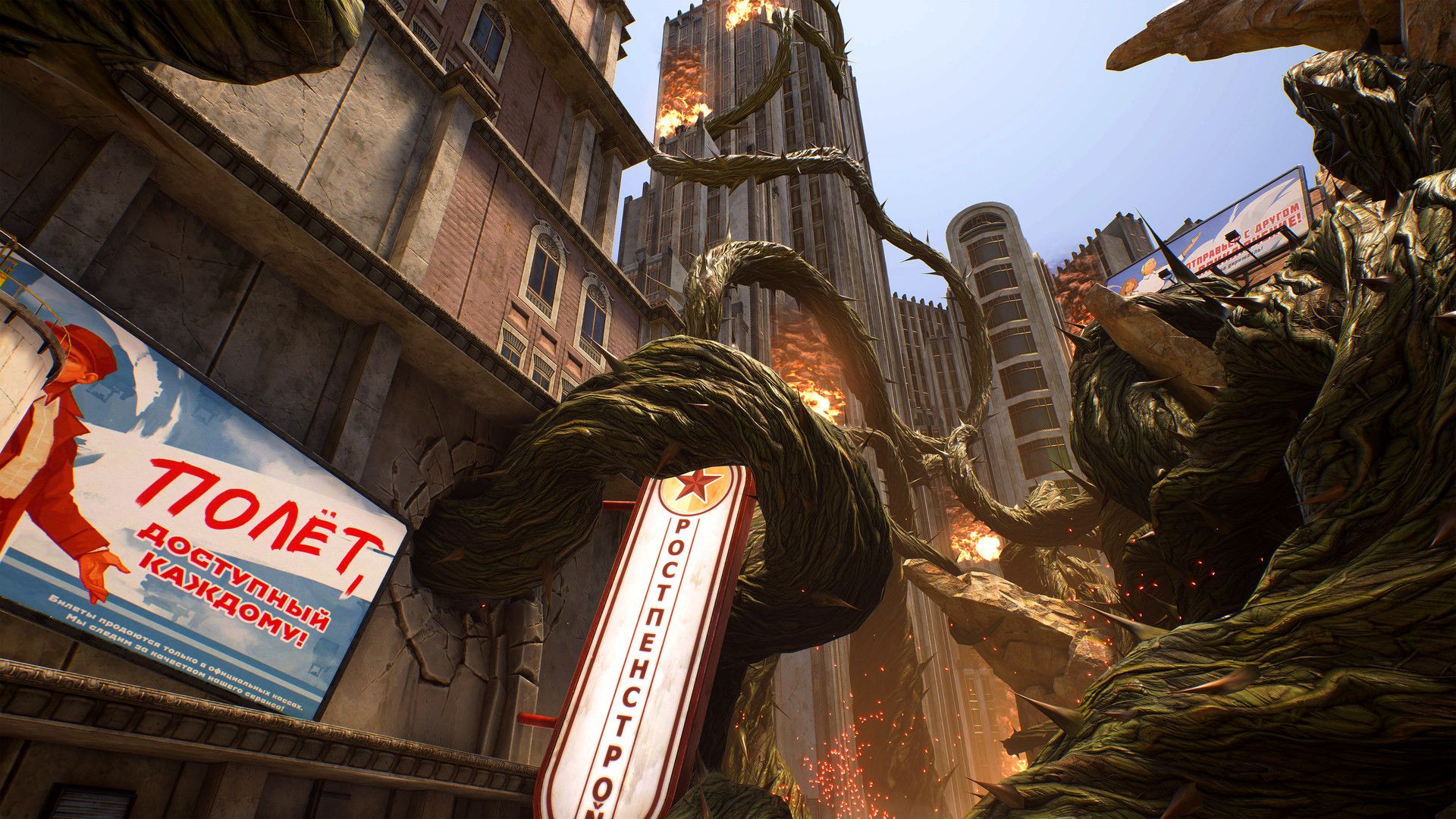
games without sticking out. On the other hand, the levels tend to be more
interesting, often mixing in familiar locations with the mythical to create
attractive locales.
So far, I am pleased with Breach’s gameplay. QC Games have picked out a lot of excellent features
from MOBAs, action games, RPGs, and co-op shooters and put them together in an
entertaining fashion. Breach’s loot
grind mechanics and generous spread of classes offers gamers plenty of reasons
to keep coming back to the game. The optional PVP aspect adds a nice bit of
complexity and challenge, as a human player’s creativity can bring some great
surprises.
The game’s difficulty is reasonably well balanced so far. Although
Breach uses the standard third person
shooter perspective, basic attacks tend to home onto targets. However, the majority
of a character’s effectiveness is in their skills. The easy classes are
generally forgiving, letting players button spam their way through to victory. More
difficult classes emphasize combo attacks and plenty of skill shots, offering a
high risk/high reward type challenge.
Of course, Breach is
far from ready for prime time. The game lacks a lot of content right now. With
only three maps, things are quite repetitive. 18 character classes and 6 Veil
Demon classes offers enough variety that increasing the number of maps should
be the highest priority. I’d love to see five or six maps in total before any
more classes are released.
The AI is definitely a work in progress. While QC Games
wants to give solo players a chance to enjoy the game alone, the AI is very
basic at this point. The developers have acknowledged improving the AI is on
their top of the priority list right now, so hopefully the situation improves
in the coming weeks.
Breach showed some
flashes of greatness during my time with the game, but it’s also very clear the
game still needs a bit of work before it’s ready to leave Steam Early Access. The
developers have done a great job picking and choosing elements from a variety
of multiplayer genres and melding them into a cohesive gameplay experience. Considering
gamers will have to fork over a minimum of over $24.99 USD/$35.95 AUD to get
into the Steam Early Access, only the most die-hard evangelists should be
buying into Breach right now as the
game is seriously lacking in content and the AI needs improvement. However, if
QC Games can get that content mill going full steam, start polishing off Breach
and hit the right balance for monetization practices, they will have a solid action
RPG on their hands.
After the untimely closure of Telltale Games the apparent death of The Walking Dead: The Final Season halfway through its story left many fans disappointed but thanks to Skybound Games the game has received its own little revival. Now with that bit of irony out of the way, Clementine’s story about surviving in a world filled with the undead and those who would threaten her and AJ continues in The Walking Dead: The Final Season -Broken Toys. The question is, with only one more episode left to follow this one, has this resurrection actually been worth it?
Story
As always when it comes to episodic games, it is recommended that readers should have at least played the previous episodes up to this point or beware spoilers of major events and decisions that players experienced in the past.
The Walking Dead: The Final Season – Broken Toys takes place almost immediately after the events that saw Lilly and her group of raiders attack the boarding school and successfully kidnap three of the children while also killing another. As the rest of the kids mourn the death of their friend, Clementine and AJ quickly take to interrogating the captured and heavily injured Abel. Clementine’s interrogation of Abel actually ends up serving two purposes as not only does it end up allowing players to learn more information that will help them potentially save their friends from Lilly’s group but also sets up the pace and feel for the episode as a whole.
Players will need to work on keeping the balance between being a brutal threat and showing some compassion when possible as Abel, at least as a prisoner, is a bit unique thanks to his situation and the whole concept that even the roughest of raiders still have something they fear, and that is becoming a walker and what it actually means to become one of the undead. This concept is explored numerous times throughout this episode which, as with the interrogation, tries to find a balance. This balance happens to be between developing characters and actually moving the story forward but unfortunately this balance swings too far in one direction and ends up making players feel like they are simply treading water for most of the episode until things take a sudden rush at the end.
This isn’t necessarily a bad thing as players are able to hear some interesting stories about either Violet or Louis depending on who they saved but also learn much more about James, who was introduced last episode as an ex-member of the Whisperers. In fact James ends up serving as a big part of this episode as we see his ideology regarding the Walkers and his unique stance on them appears numerous times, bringing questions to both Clementine and AJ about the nature of the undead. Alongside this longtime fans will also be able to enjoy a couple of callbacks to old seasons as well as an extremely heartwarming sequence featuring Clementine and a face that we haven’t seen in a long time in what easily is one of the best parts of the episode.
What is a bad thing about this approach is the way that the events of the episode are actually paced out. Players will swap from preparing to face off against an enemy that is well-armed and well-positioned to randomly having a little party for themselves. While this does try to show that these children still are trying to enjoy themselves in a world with little joy left in it, the pacing suffers heavily because of it. This leads to the actual climax of the episode and action sequences being poorly handled and rushed despite having a few shocking moments in it. Though considering how resourceful Clementine can appear to be at times, her inability to actually grab weapons such as dropped guns or crossbows still continues to be an issue.
That being said, with the amount of variation in choices that have led up to this episode being quite evident throughout and leaving players with one hell of a choice with potentially wildly different ending situations, Broken Toys does leave Clementine in AJ in a precarious position that will finally come to a conclusion in two months.
Gameplay
There are a few sequences that see Clementine using her knife and bow to take down zombies though it is worth noting that there actually is a bit of a twist this time around if players feel like taking the challenge to place James who would rather not see any Walkers hurt. In fact, dealing with zombies this episode takes on a different feeling thanks to the aforementioned interactions with James, making for some interesting stealth-like sequence. Other than that players will have the standard decision making and a few collectibles to gather should they feel like tracking them down.
Visuals & Audio
The transition from Telltale to Skybound hasn’t seen much of an improvement of the game’s graphical engine. In fact this episode has the most I’ve seen so far this season as character models randomly lost texture and blood splatters from zombies or fights randomly clipped sidewise and floated in the air. Character models and the sequence of walking with the zombies are impressive while the action once again falls flat and feels rather toned down in nature compared to what we’ve seen in the past.
The voice work for the characters this episode is rather exceptional as we see not only heartfelt moments for Clementine but also those for some side characters as well.
Overall
Broken Toys seems to struggle a bit with the fact that it is the penultimate episode of Clementine’s story as it tries to pass itself off as more of a middle-ground episode that would have been better placed as a third in a series of five with its focus on bringing us building up certain characters while having issues with its action sequences and pacing as a result. That being said, once the pace ramps up at the end and we see numerous backstabs and choices taking place, The Walking Dead: The Final Season finds itself in prime position for its finale in March.
Capsule Computers review guidelines can be found here.
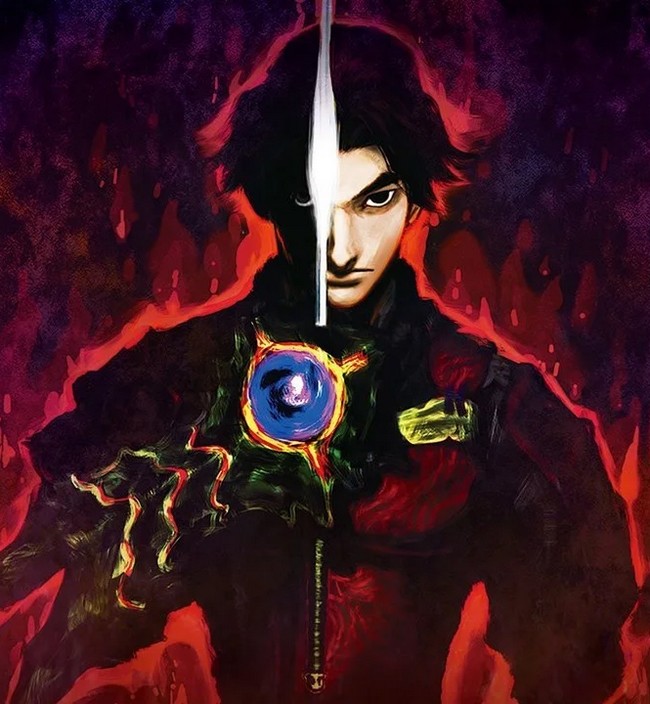
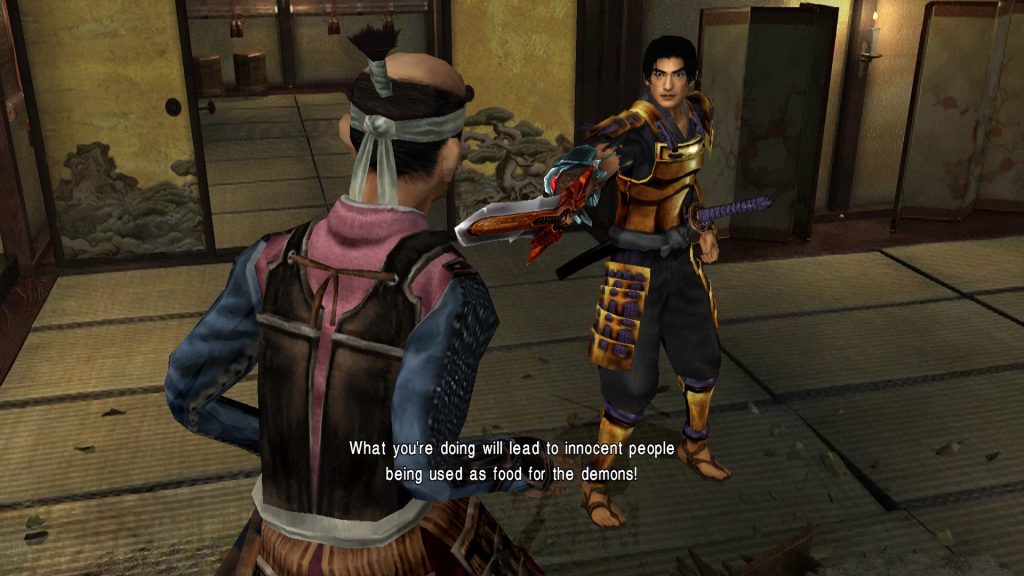
The year is still fresh and CAPCOM is already trying to make a good impression. Resident Evil 2 remake is just around the corner and now we have Onimusha: Warlords as a nice little surprise. Can’t say it’s my first encounter with it, though. Played it way back on PS2 (and the sequels that followed) so this is a good way to refresh my memory of it and see if there’s anything new in this PC release.
Story
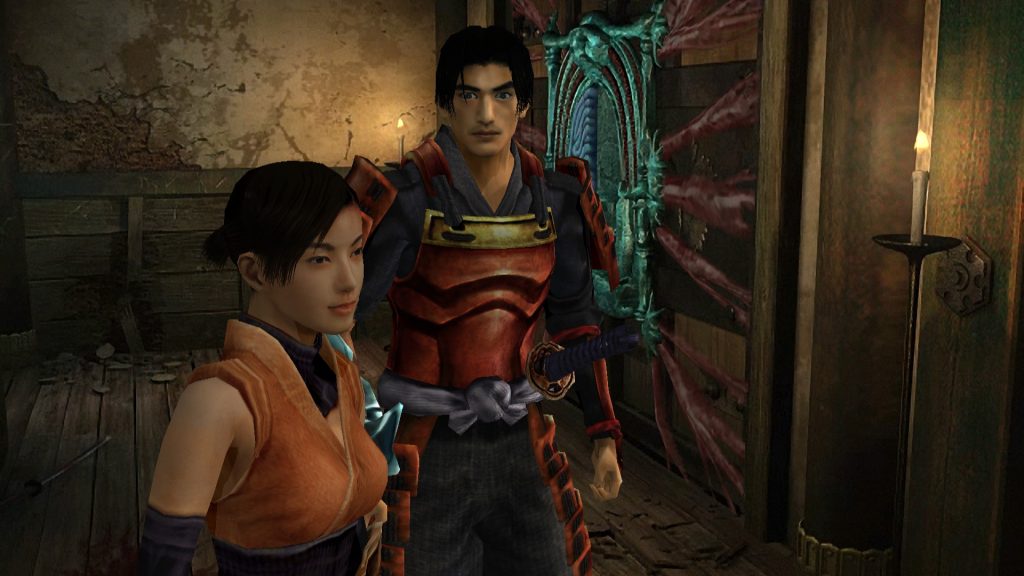
The story steals a bit from the history of feudal Japan and adds a touch of mysticism and horror to it. During The Battle of Okehazama, feudal lord Nobunaga Oda defeats Imagawa Yoshimoto’s men but is fatally wounded and presumed dead. Then the credits roll and that’s where the story ends. No, not really. The narrative then takes us a year later, where our protagonist Samanosuke Akechi, receives a letter from his cousin Princess Yuki telling him that monsters have started attacking her servants. After that, things don’t go well for our Samanosuke. He is promptly cornered and defeated by sword-wielding demons and to make everything worse, soon enough we find out that “dead” Nobunaga Oda has been resurrected by a demonic scientist Guildenstern in order to serve them. But this also isn’t a place where our story ends! Samanosuke is visited by twelve oni spirits who bestow him with the power to defeat demons a bit easier, absorb their souls and (hopefully) vanquish the ancient evil for good.
Gameplay
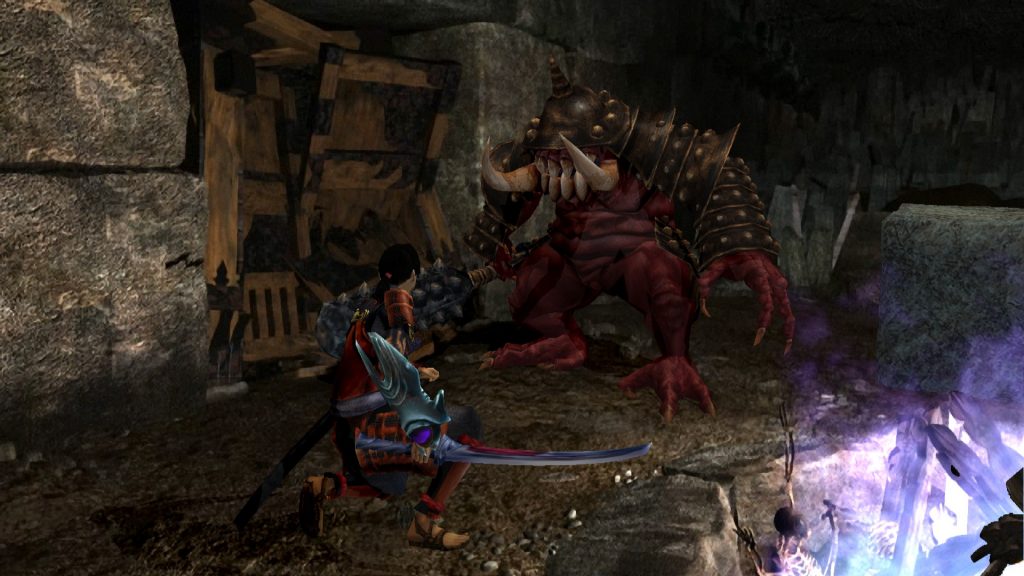
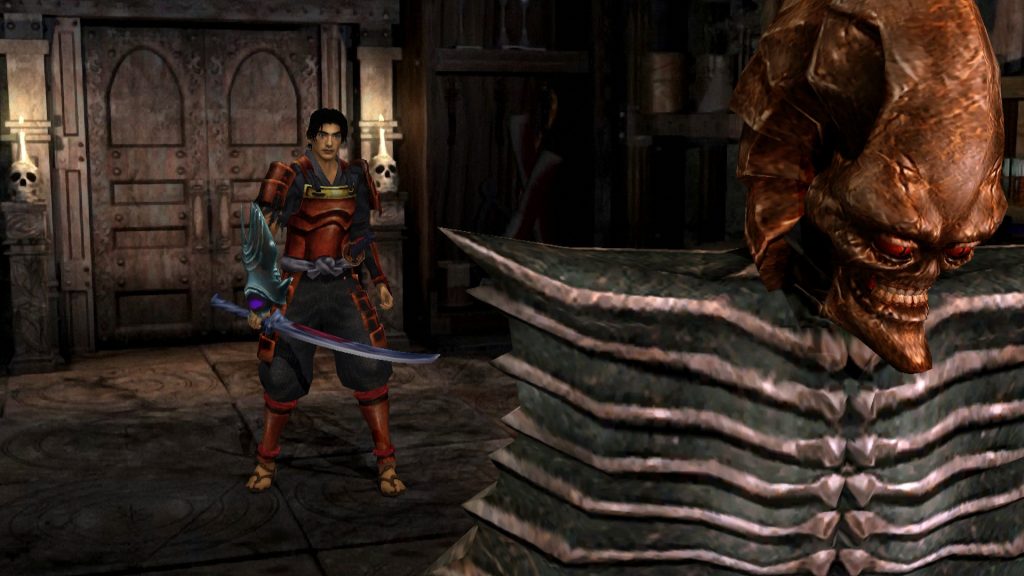
I like to describe Onimusha series like Resident Evil with a fresh coat of paint. Some of the familiar things are here as well, such as tank controls, strict inventory management and puzzle solving. Then there is some new stuff as well, just enough for Onimusha: Warlords to builds its own identity. By defeating various demons, we get to absorb their red souls which are then used to enhance our swords. We start off with a (mostly useless) katana before we find more bladed weapons with lightning, fire and wind elemental properties. Each of these three elemental swords has magic attacks that are unblockable and can usually take down any demon in one attack, excluding bosses. Snooping around the levels is highly encouraged and rewarding since you can find hidden power and magic jewels (permanently enhancing your vitality and magic attacks), books telling you more about the lore of the game and various puzzle hints. Needless to say, while all of that is happening, demons won’t just stand around and wait for you to kill them & absorb their souls. They’re aggressive, have no issues with ganging up on you and some can even use magic attacks later on. The road to liberating feudal Japan is anything but easy. And lastly, there is also a neat mechanic called Issen that can be performed with ap roper timing just as the enemy is about to hit you. Issen then results in a one hit kill and will reward you with extra souls.
Visuals
As much as I’m happy to finally get to play Onimusha: Warlords on PC, I’m also disappointed at the minimum effort that was put into this release. Not many graphical options to tinker with. The game supports 16:9 widescreen but it is nothing but a zoomed in the picture so to see everything properly you kinda have to play the game in 4:3 screen. Good one, CAPCOM. Other than that blatant lie, you do get support for higher resolution and a grand choice between windowed, borderless full screen and fullscreen setting. That’s pretty much it. Not many advancements on visuals so the game does look like a PS2 game for proper retro immersion. Nah, just kidding, it’s obvious laziness.
Audio
Nothing in the audio department was improved but at least it wasn’t made worse. That’s a good thing, r-right? I’m just grasping at straws here. In all seriousness, audio is on point. The background music is memorable just like noises that various demons make. Pretty soon you will remember which ungodly roar or hiss belongs to who. That way you can figure what kind of demons are in the area even if they’re off-screen.
Overall
The good news is that Onimusha: Warlords still holds the test of time. It is as engaging and fun to play as it was 18 years ago. We now have improved joypad controls (replacing the old school tank movements) but this is where all the good things end. It’s hard to escape the feeling of playing an old looking PS2 game on a modern PC. At least the compelling story, engaging gameplay and friendly RPG mechanics outweigh the bad so this one gets a more than a passable grade. I hope it sells well so I can soon see Onimusha 2 appearing on Steam (which is one of my favorite PS2 games ever). In any case, I’m keeping a close eye on you, CAPCOM. Do better next time. I know you can.
Capsule Computers review guidelines can be found here.
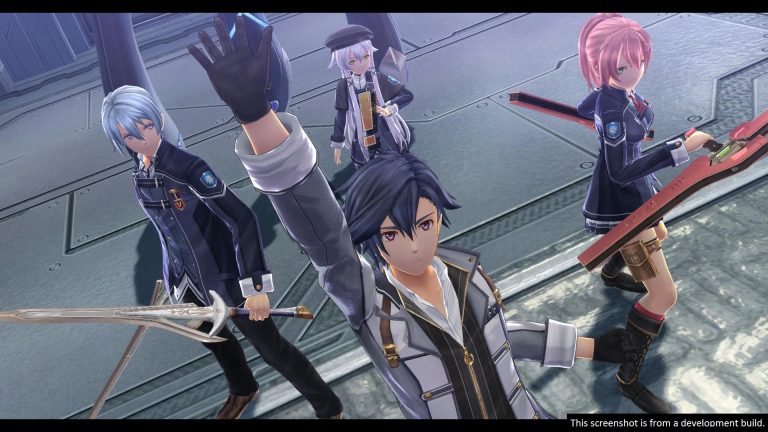
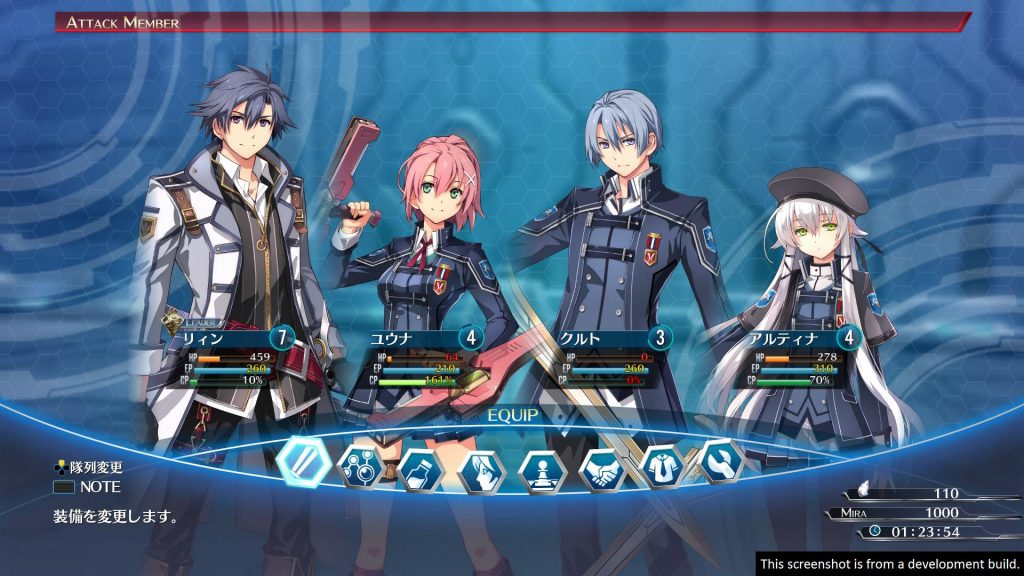
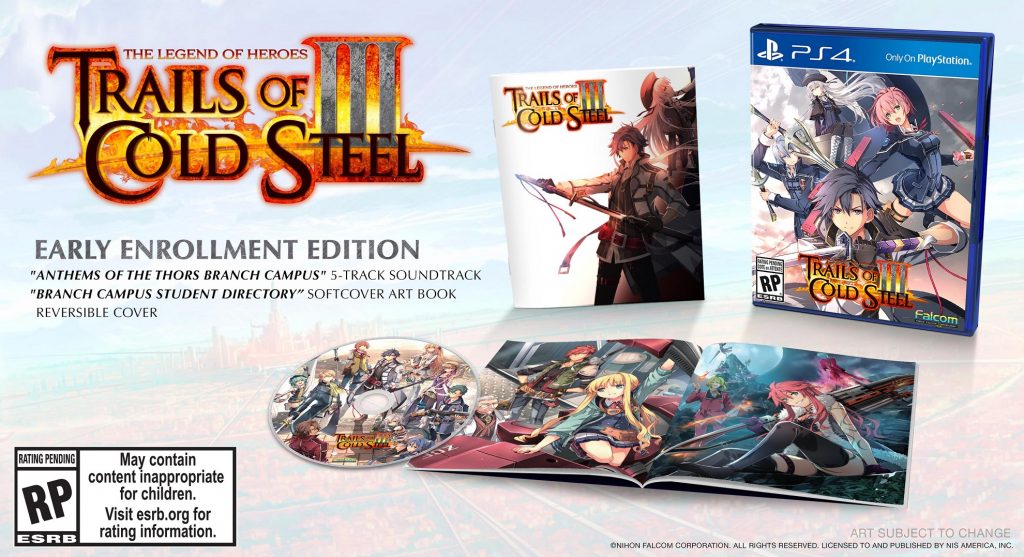
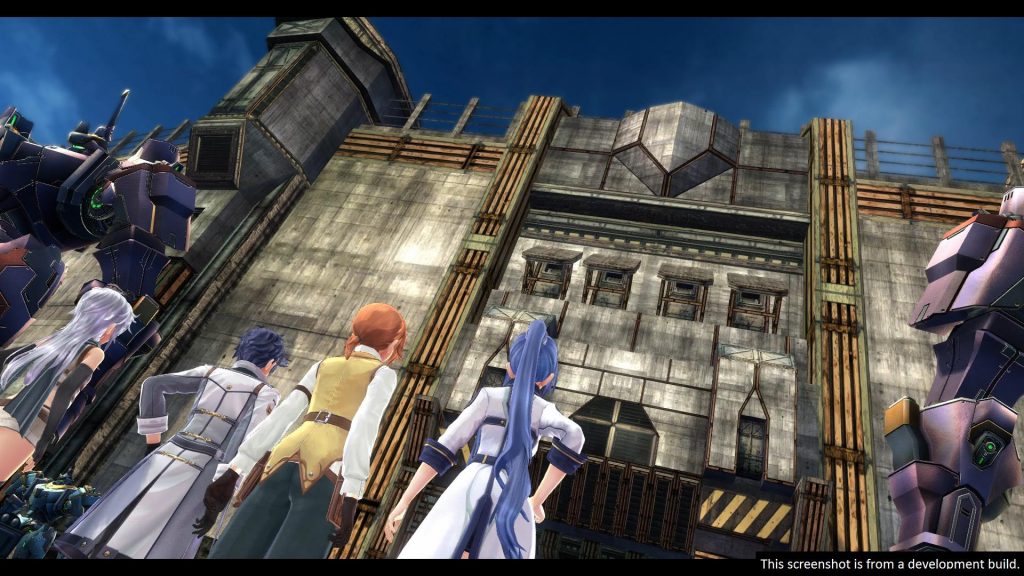
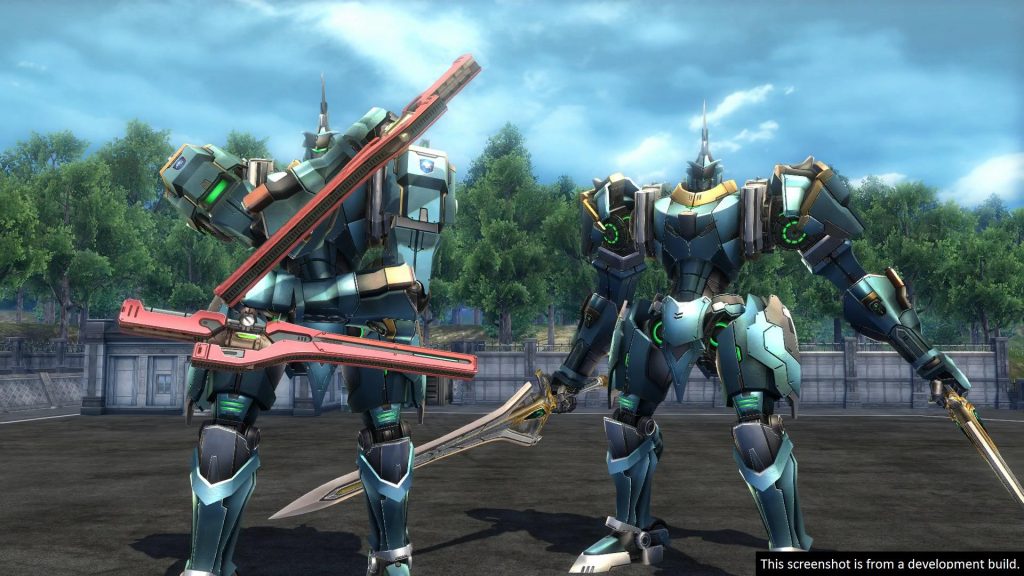
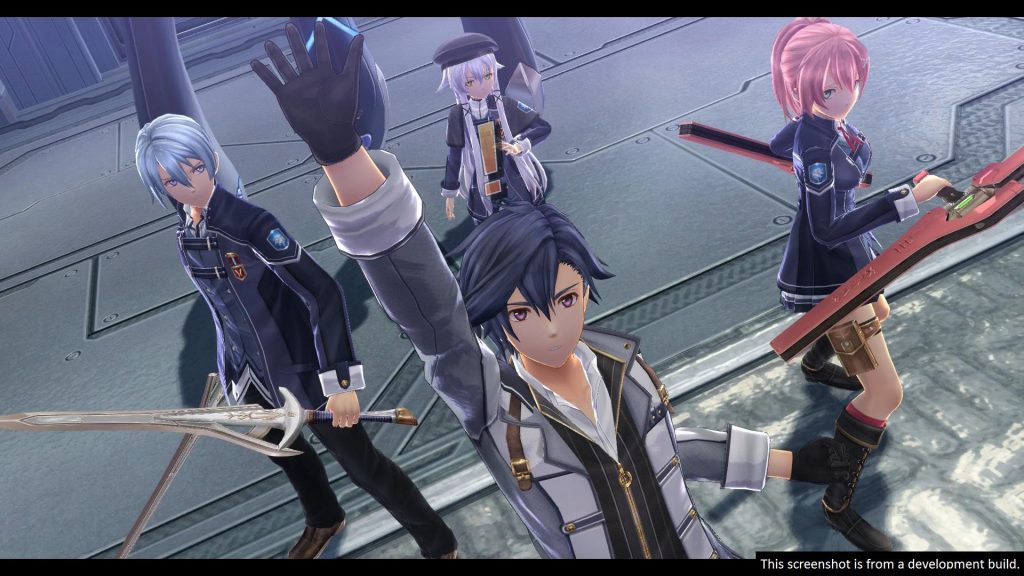
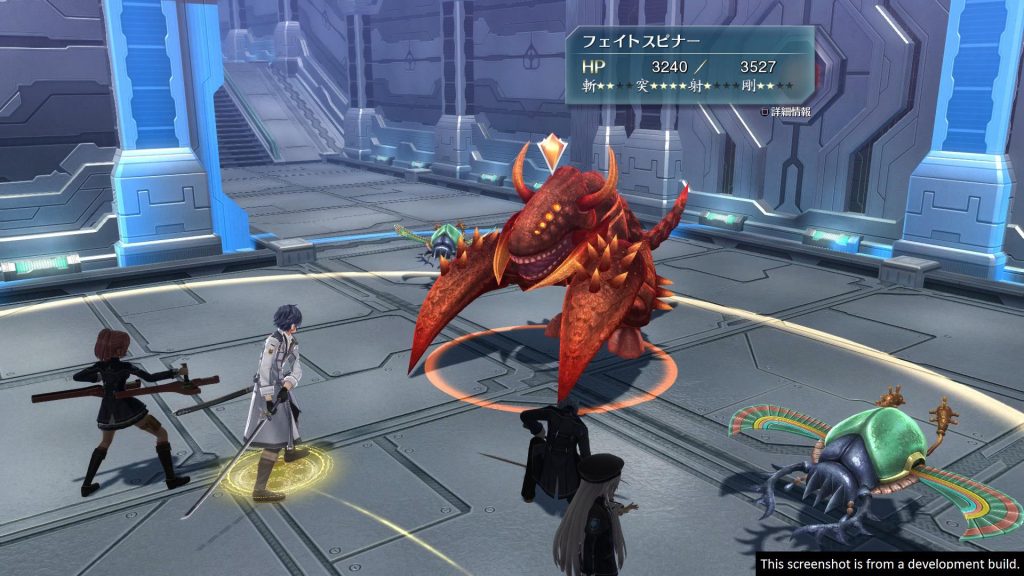
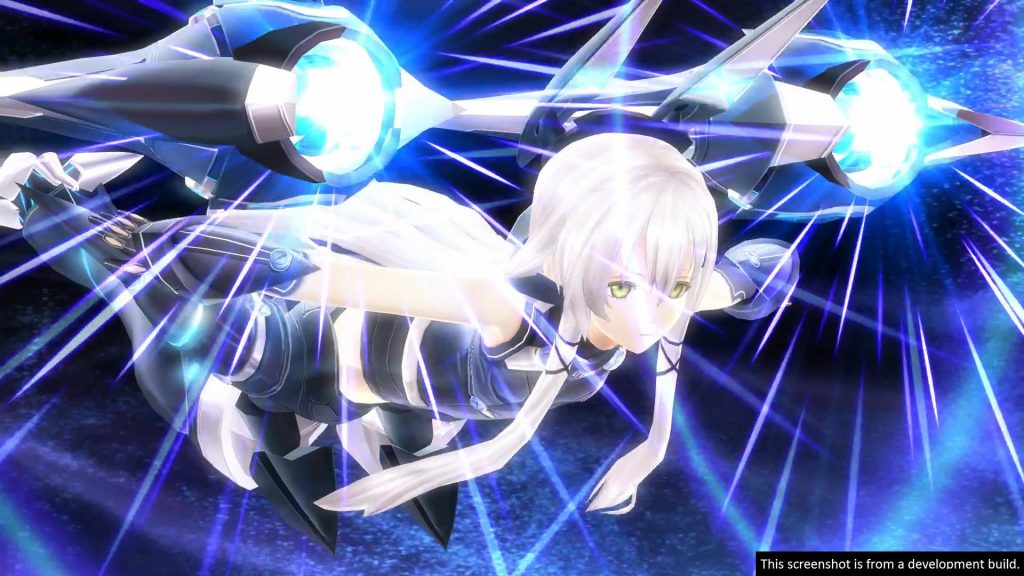
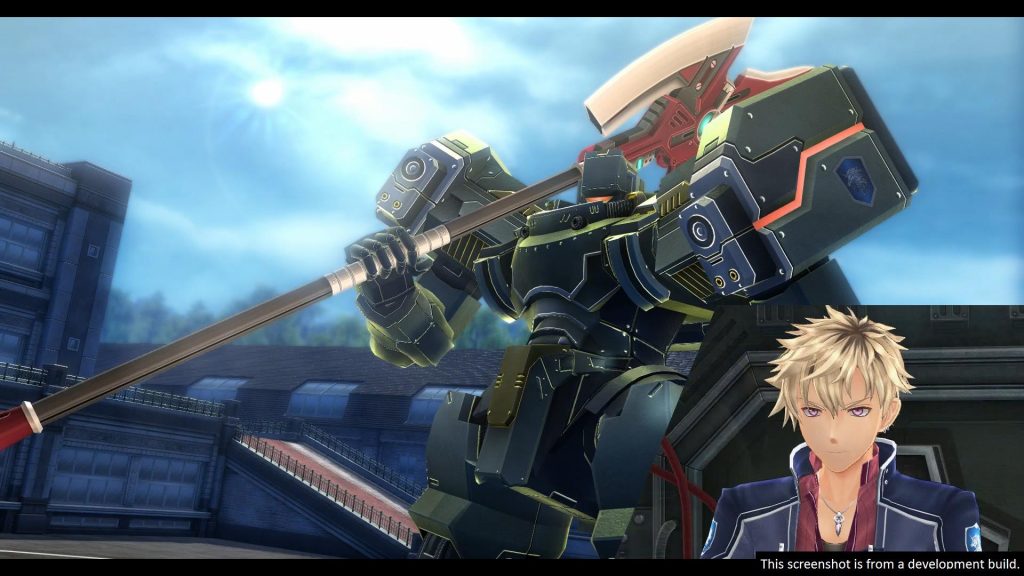
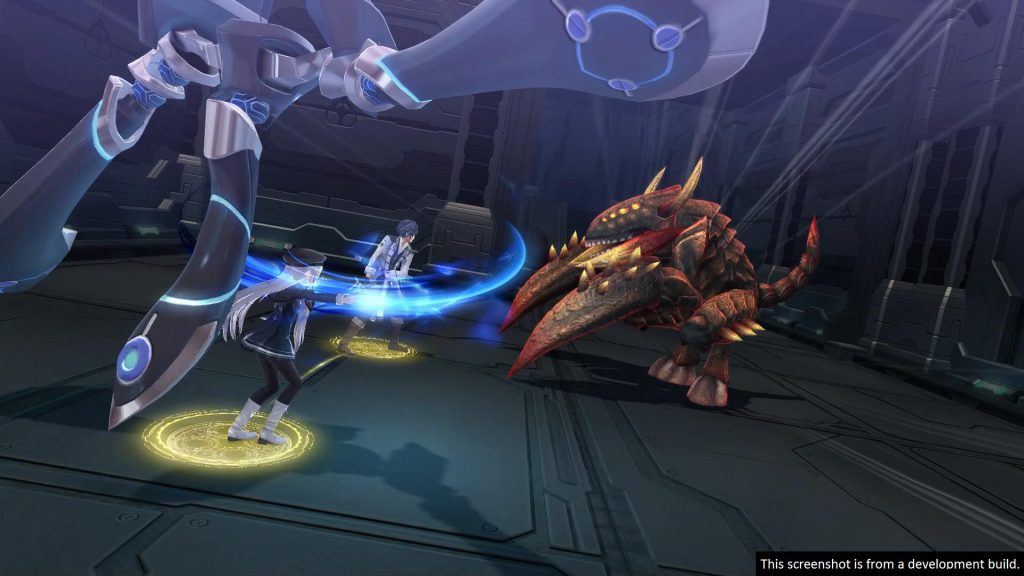
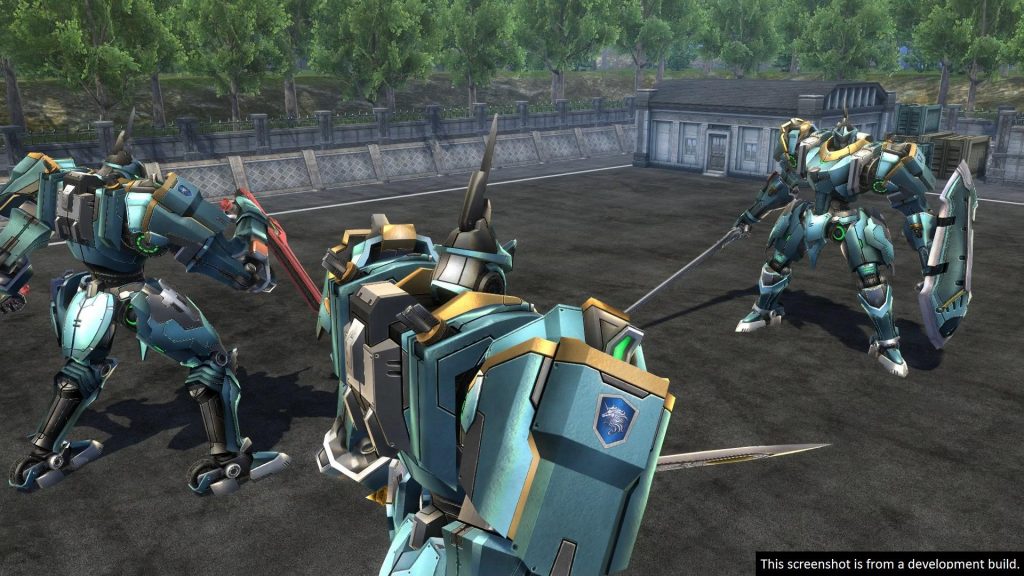
In news that may be surprising to some but not so surprising for those following Falcom’s latest moves, NIS America has announced that they will be localizing The Legend of Heroes: Trails of Cold Steel III for release on the PlayStation 4 in the West. The game will be arriving sometime this fall and will feature both English and Japanese audio as well as subtitles for English and French audiences. It is worth noting that previous entries in the series were localized by XSEED Games.
The Legend of Heroes: Trails of Cold Steel III takes place nearly a year and a half after the Erebonian civil war, and much has changed since then. From the shifting stances of countries to the internal politics of the Empire, and even the life of Rean Schwarzer, the shadows of the past have given way to the embers of a new chapter. Now graduated from Thors Military Academy, Rean has become an instructor at the Thors Branch Campus, a newly-opened academy that quickly finds itself thrust onto the national stage. It is here that he takes the lead of a brand new Class VII, and must guide a new generation of heroes into an unknown future. Though all is calm now, the nefarious Ouroboros organization continues to weave a dark plot that could engulf the entire continent in war…or perhaps something even more sinister.






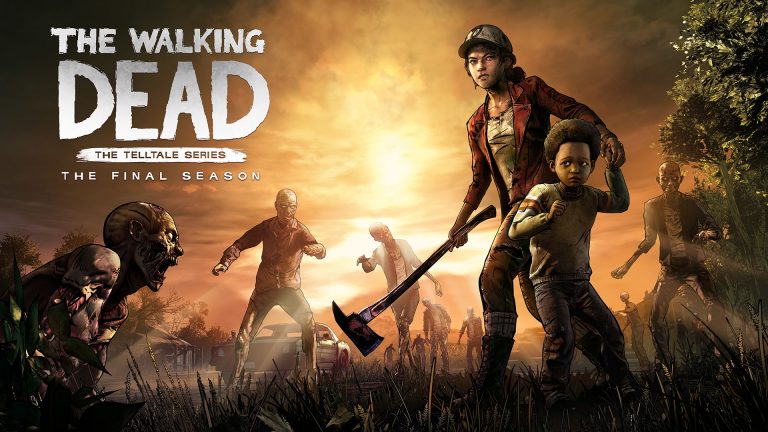
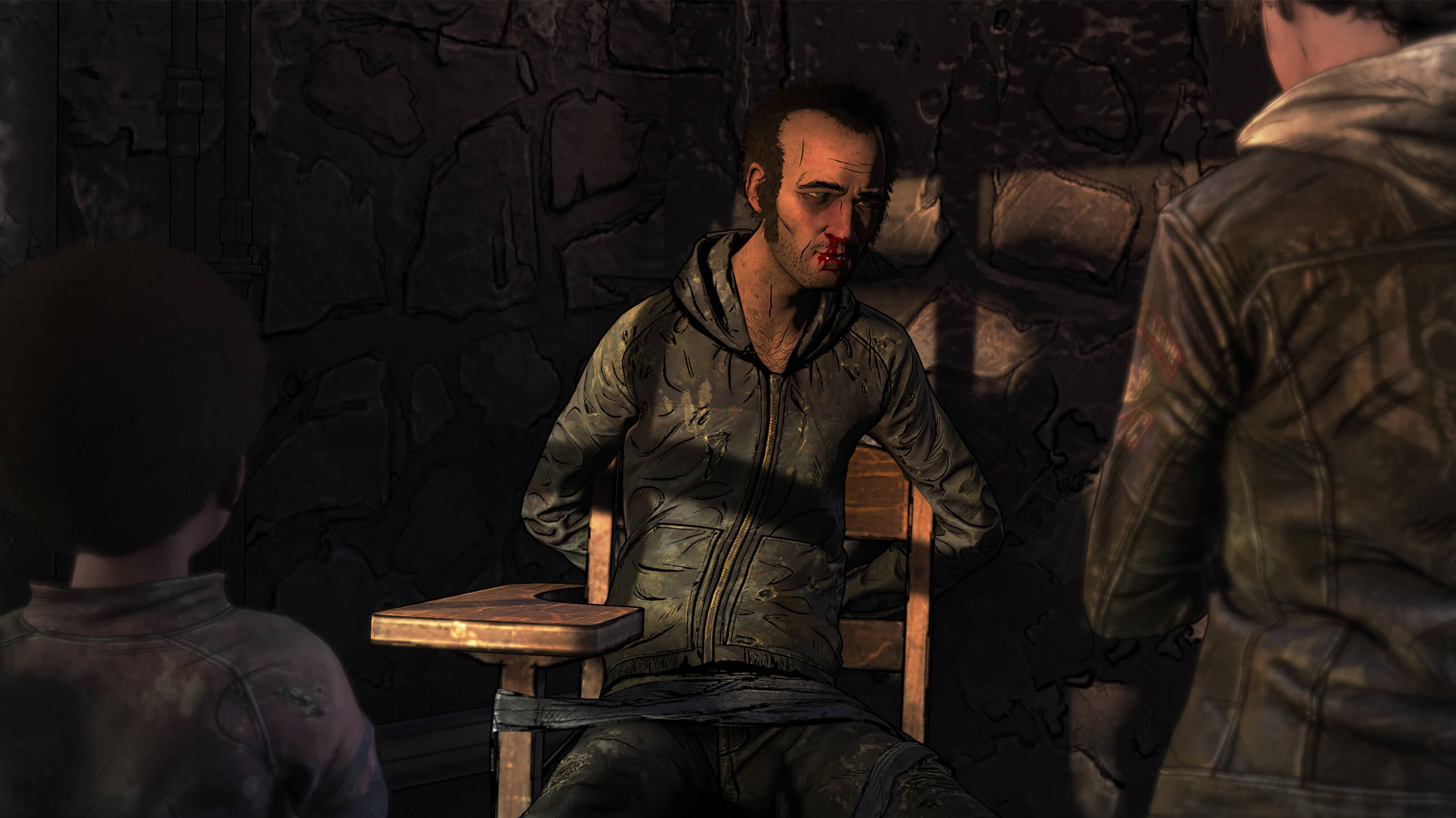 The Walking Dead: The Final Season – Broken Toys takes place almost immediately after the events that saw Lilly and her group of raiders attack the boarding school and successfully kidnap three of the children while also killing another. As the rest of the kids mourn the death of their friend, Clementine and AJ quickly take to interrogating the captured and heavily injured Abel. Clementine’s interrogation of Abel actually ends up serving two purposes as not only does it end up allowing players to learn more information that will help them potentially save their friends from Lilly’s group but also sets up the pace and feel for the episode as a whole.
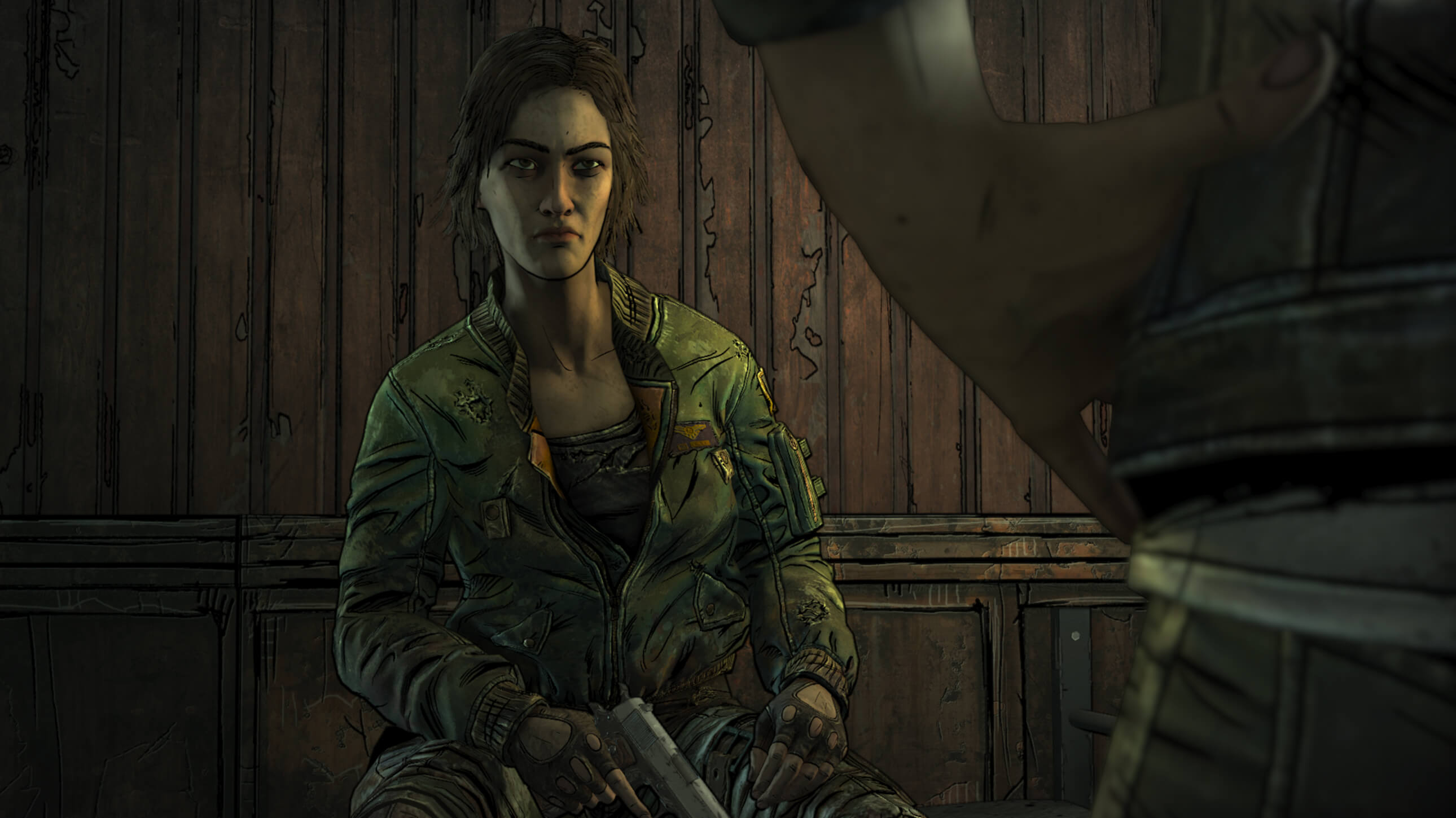 This isn’t necessarily a bad thing as players are able to hear some interesting stories about either Violet or Louis depending on who they saved but also learn much more about James, who was introduced last episode as an ex-member of the Whisperers. In fact James ends up serving as a big part of this episode as we see his ideology regarding the Walkers and his unique stance on them appears numerous times, bringing questions to both Clementine and AJ about the nature of the undead. Alongside this longtime fans will also be able to enjoy a couple of callbacks to old seasons as well as an extremely heartwarming sequence featuring Clementine and a face that we haven’t seen in a long time in what easily is one of the best parts of the episode.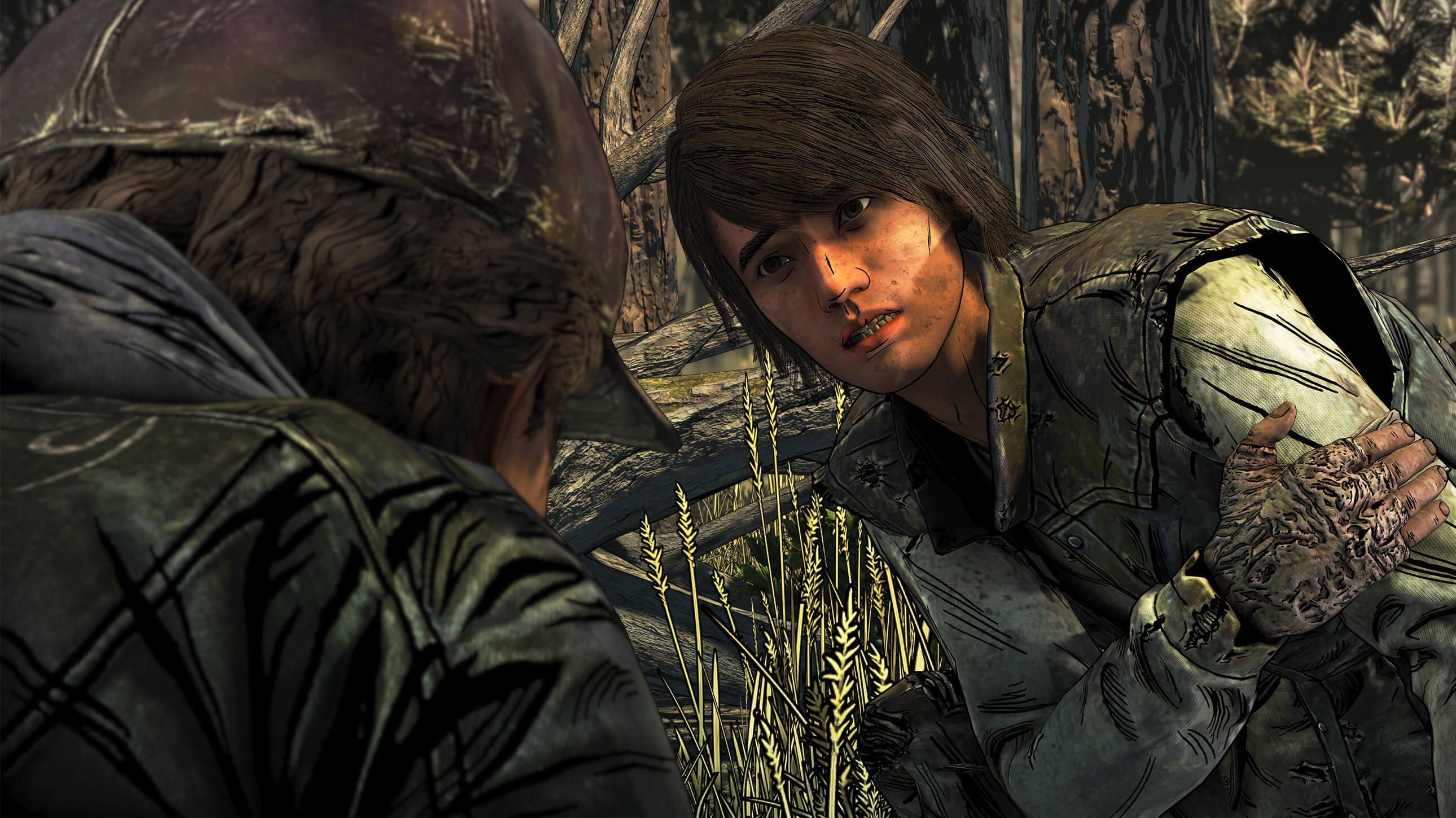
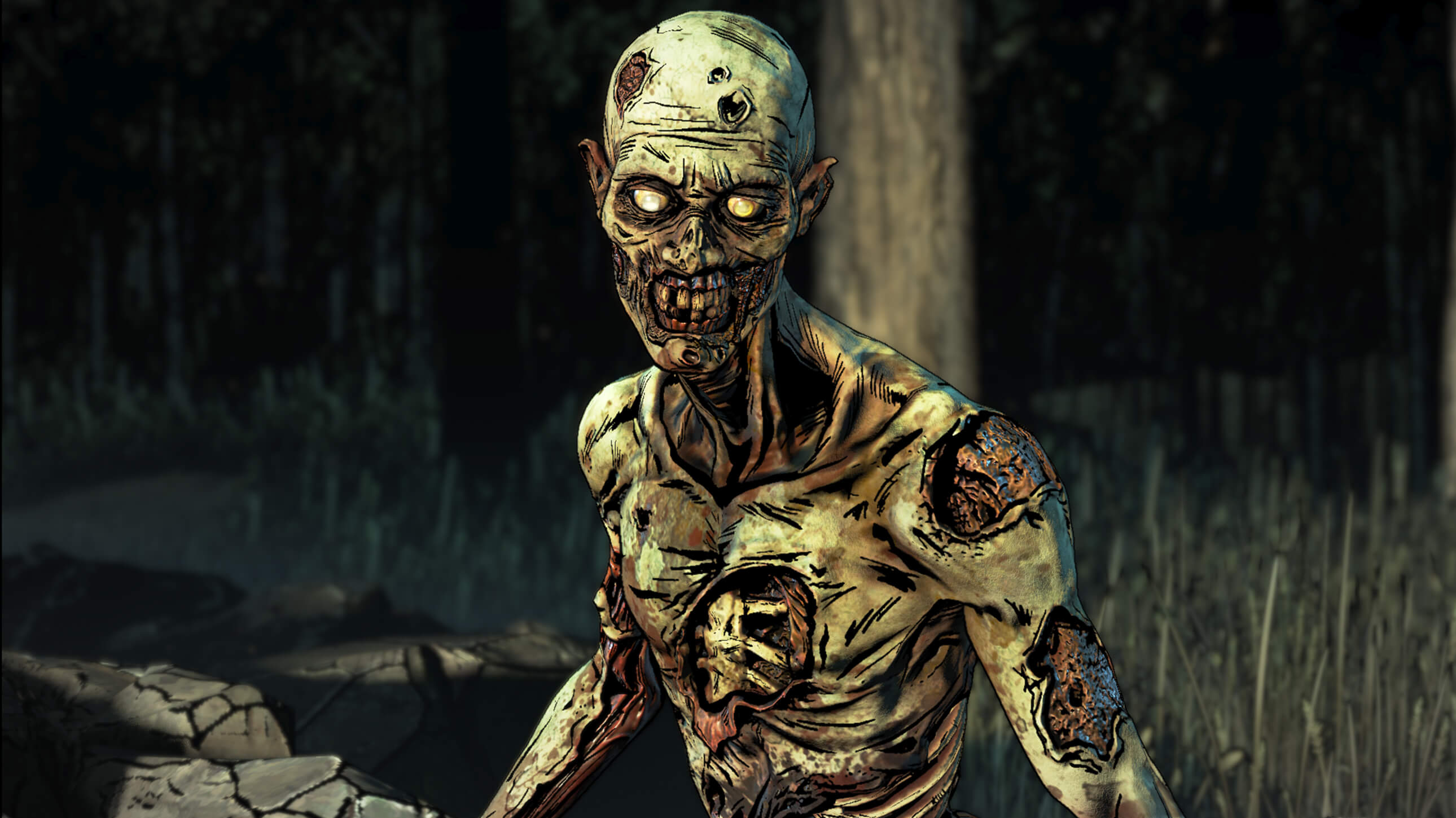 The voice work for the characters this episode is rather exceptional as we see not only heartfelt moments for Clementine but also those for some side characters as well.