Over the past few days this weekend Natsume has been teasing their Twitter followers with quite a few hints, saying that they would be revealing a brand new title for North America to their Twitter followers first. So far six hints have been released and can be seen below.
Hint 1: The announcement contains a “celebration”
Hint 2: The announcement will relate to a series…
Hint 3: The announcement will relate to a series…in which there are at least 3 previous entries…
Hint 4: The announcement will relate to a series…in which there are at least 3 previous entries…that Natsume published in North America
Hint 5: C____m_______ __ K___
Hint 6: C_s__m_z____n i_ Ki__
Ironically, another hint which hasn’t been revealed is the fact that, unless Natsume in North America is announcing a brand new game in one of their franchises before it is revealed in Japan, there are actually only two titles coming out that Natsume could be bringing over to English audiences. That is Harvest Moon: Land of Beginning and Rune Factory 4, both of which are part of series which have been published multiple times.
Some people are currently guessing that the last hint states, Customization is King. This also points fingers directly at these two games as the most recent Harvest Moon title has the most customization ever found in a Harvest Moon game and Rune Factory 4 allows players to customize their land as well. It appears we will have to wait for the moment for more clues however, and expect some announcement within the next few days.
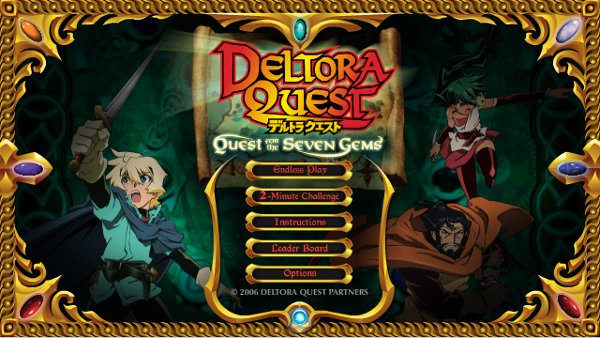
Deltora Quest: Quest for the Seven Gems Developer: Cartoon Network Publisher: Cartoon Network Price: FREE – Play Game Online Here
Overview:
Deltora Quest is an anime based off of a book series, that tells the story of Lief, Barda, and Jasmine, three individuals out to retrieve seven gems and return them to the Belt of Deltora to save it from evil. A fairly exciting premise for a series, though apparently at the mere mention of gems it seems that the online flash game Quest for the Seven Gems could only go in the most obvious direction and make a match-three game. Well, seeing as it was a show only shown on the Australian and New Zealand Cartoon Networks, it makes it a little easier to understand going in such a direction.
Story:
As mentioned before, Deltora Quest revolves around finding seven gems and returning them to the Belt of Deltora from whence they had previously been. Ultimately, reassembling the belt will put an end to the terror that The Shadow Lord has wrought upon the land after having the belt destroyed. Interestingly enough, the name Deltora is derived from the gems in the belt itself, i.e. Diamond, Emerald, Lapis Lazuli, Topaz, Opal, Ruby, and Amethyst. Unfortunately, as cool as that sounds the game doesn’t actually talk about any of the story itself, being a simple match-three puzzle game, midst an internet filled with the things, so what Quest for the Seven Gems does different, isn’t story related.
Gameplay:
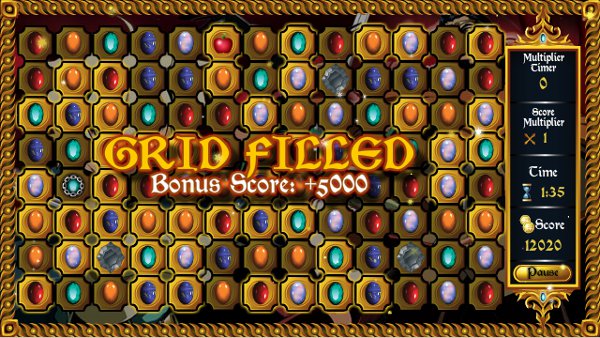
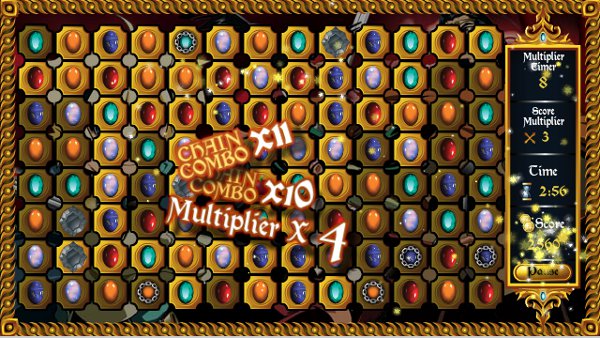
What this game does differently is that it provides a much wider field of play than a lot of the other match-three games, remain consistent in terms of colors, adding a wild token midst the gems, and have matching tiles slowly brighten the board. What do these mean for gameplay itself? Well first, it is really nice having a fairly wide play area, being able to look in a fairly removed location to look for more matches does ease the strain of re-looking over the sames areas over and over, so players can generally keep the matches going at a better rate.
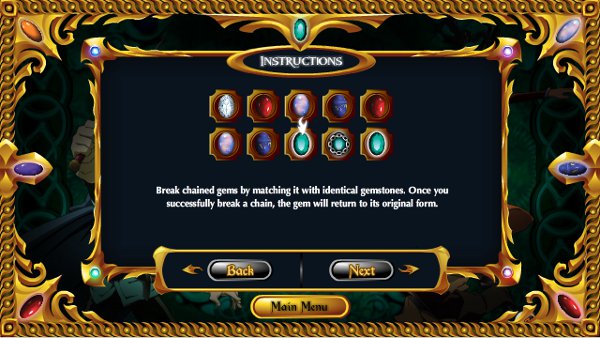
Throughout the entire game as well, there are only seven colors, plus the Shadowlord tiles that don’t move. This will probably make it a little harder to get used to the game at first, as similar games start out at fewer colors to start with, but once a player has it down there isn’t any additional learning curve. Also, when gems become “chained”, i.e. having a chain placed around them, it doesn’t mess up gameplay by requiring players to work around them, instead they must simply be matched twice.
The wild token is represented with an apple and it is one of the means to better combat the difficulty of starting out with seven different colors to match. It is far different than the other gems, so it is much easier to distinguish quickly when trying to scan through the wide range of the play area. This is a simple addition, but can generally help a lot in chaining matches together and keeping players from becoming completely stuck.
Lastly, when making matches it will slowly turn the board to gold at every point a match takes place. This actually means different things for the two different game modes. “Endless Play” continues as long as the player has time for the current round, and they pass each round by turning every tile gold. So, it is required to get all the tiles golden in order to keep playing. In “2-Minute Challenge”, players only have the single round with 2 minutes to play, but turning all the tiles gold will afford them bonus points. This seems to be a better means of conveying an overall goal than just requiring an almost arbitrary number of points to progress and makes it easy for players to tell what they have left to do.
Audio and Visuals:
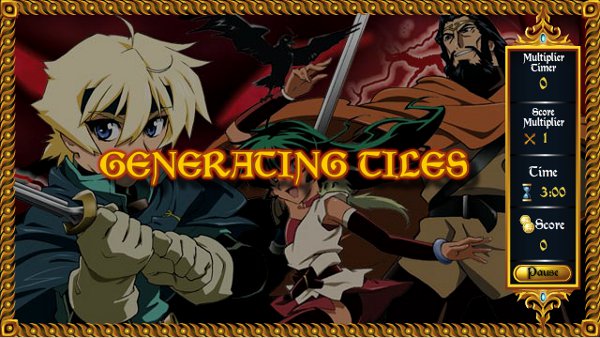
As this is a puzzle game, both of the audio and visuals are incredibly limited in scope. Besides all the game pieces and borders, the only other art is the background. But since the background actually features the main characters from the show, it is probably the closest thing to story in the entire game. The gems themselves look good, well they don’t match exactly how one would expect to see them in real life, but they are designed to look different enough both in terms of color and pattern as to not be a problem for players.
Audio is limited entirely to music, matching sounds, and multipliers. Matching and multipliers are pretty straight forward, simply acting as dings to indicate them happening, but admittedly if there is a longer line of them chained together it does sound pretty satisfying to hear. The music actually has a decent range from the menu, to starting a game, to the different modes. The menu and “Endless Play” are set up with strings that actually flow pretty peacefully, while starting either mode preps the player by having a heavy drum based sound to it, but the “2-Minute Challenge” features a organ or piano melody to fill it time. It’s actually kind of nice to see that much variety in the music.
Overall:
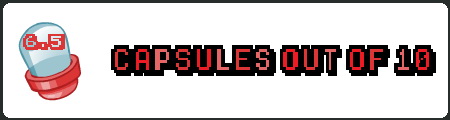
Ultimately, Quest for the Seven Gems is a match-three game, but it is good to see that a decent effort was put into the actual game. It features a fair amount of reasonable additions to the bare minimum format of that game and actually has some semblance of musical range. Players looking for an old favorite, might be interested in checking out this take, but fans of the series probably wouldn’t be getting that much out of it. I give Quest for the Seven Gems
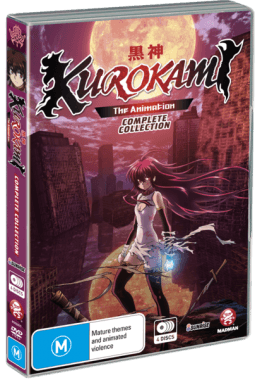
Kurokami Collection Studio: Sunrise Publisher:Madman Entertainment Format:DVD Release Date: April 18, 2012 Price: $59.95 – Available Here
Overview:
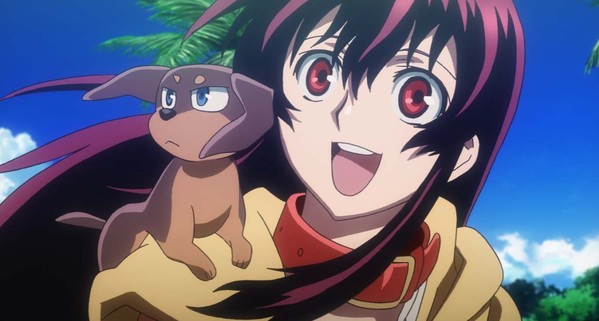
‘Do you like this?’ It’s a a question Kurokami poses it’s viewers with several times, never truly finding an answer. It flips and flops about like a fish desperately searching for water, never truly finding that safe place. Instead it haphazardly meanders from one extreme to another incapable of finding that middle ground that it so desperately needed. All that is left in the end is one question: ‘Did you like this?’
Story: Kurokami is a very odd series for a number of reasons, the first of which is that it’s an adaptation in name only. The series ‘adapts’ the manga of the same name but as little as possible. The only similarities between both material is the title and characters, this is a completely different story that Sunrise seem to have concocted themselves and it feels really half-baked at the end of the day.
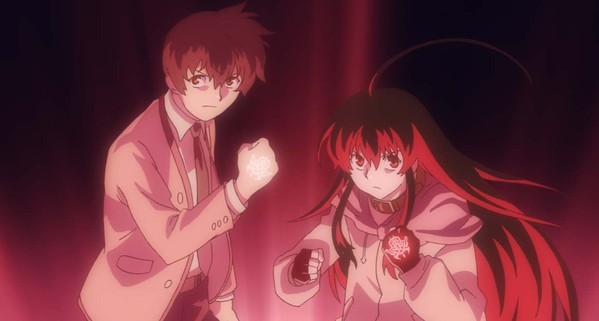
The plot revolves heavily around dopplegangers and a group known as the Tera Guardians who are tasked with keeping balance in the world. Each person has a doppleganger and there is energy known as Terra that is split between these identical individuals. It is all pretty straightforward, except it’s not. Things are explained quite poorly in the first half of the series and character development for some of the leads are almost non-existent (Kuro is a major offender).
The pacing is all over the place and the series never really establishes which route it wants to follow. It appears to head in one direction but just as quickly turns tail and tries another one. It’s disappointing the say the least.
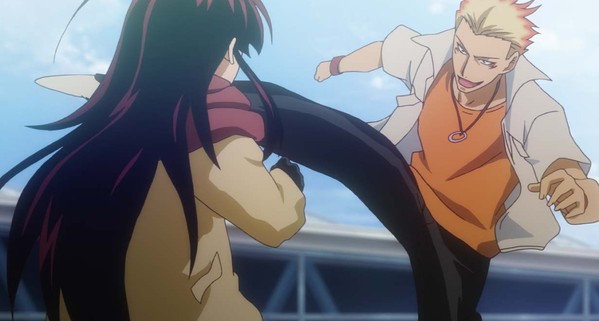
But hey, it’s not all bad. The second half of the series is generally solid, never great, but good. The action sequences are very creative and tell a story in and of themselves, but the problem that plagues the series from start to finish is that it just doesn’t know what it wants to be or what story it wants to tell. One is left to wonder whether it would have been a better idea to follow the source material more accurately, because Sunrise really did not know what they wanted to do with this show. One minute it’s ultra-violent, next minute it’s a generic shonen and then it’s a freaking romantic comedy series all of the sudden. The problem here is that it for one reason or another Kurokami can not tie all of these genres together, leaving behind some pretty radical mood shifts and inconsistencies galore.
It’s that lack of direction that really hampers down the entire experience of Kurokami, which isn’t too bad an action anime at it’s foundations. It just lacks substance and any real measure of depth. The characters are forgettable, the plot is slapdash at best, but the action is exciting enough that it makes for okay fluff to waste some time with. It’s really just all filler, no killer. That is Kurokami.
Visuals and Audio:
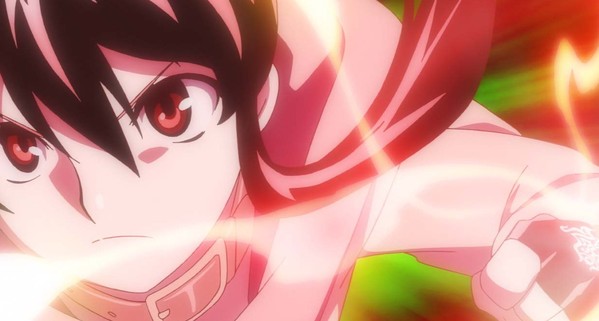
Probably the best thing Kurokami has going for it is it’s excellent aesthetics, both visually and aurally. The animation is absolutely jaw-dropping in some of the fight sequences and the music that backs it is just as captivating. It’s clear that a great deal of effort was placed into the series visuals and soundtrack, definitely more so than the show’s writing.
The series is rather dark aesthetically, with hues of red and black predominant throughout. The ambiance is likewise dark, but with a bit of excitement thrown in. I particularly enjoyed the opening theme song ‘Sympathizer’ which is just a total balls to the wall smash mouth rock song that does a great job in building excitement for the proceeding, even if they do not always live up to that hype.
The voice work was fairly decent, but ultimately forgettable. There was no real memorable performances and everyone seems to be just going through the motions here, which does throw yet another wet blanket onto everything. But what can you do when the writing is so poor?
Extras:
Madman’s release of Kurokami does pack a fairly interesting punch in terms of bonus content. It features previously unaired episodes as well as your standard textless opening and ending songs. The unaired episodes appear to be episode 23, 24 and one that Madman lists as 12.5, all of which are really non-essential viewing but still worth a look if you found the series enticing enough. Episode 23 is however a recap episode, which you may prefer to avoid watching. Episode 24 is a side story revolving around the characters Excel and Steiner and 12.5 taking place between 12 and 13. So it’s not all bad. This isn’t the best special features Madman have had on disc,with many releases having much more content for the same price. It’s good enough though for a series like Kurokami.
Overall:
When it comes down to it, Kurokami is like a lost child desperately searching for where it belongs, hoping that someone will find them and take them home. The only problem is, no one came to take Kurokami home, instead it was left to wander the streets of plotting, heading up one road only to get scared and try another.
Sadly the series never amounts to much more than a pretty looking punch fest, even though it had all the potential in the world. It is always a sad case when potential goes to waste, perhaps sadder when the potential was as great as Kurokami’s was. But there is no use crying over spilt milk, Kurokami is a disappointment and that’s all it will ever be. The question still echoes; ‘Did you like this?’ No, Kurokami. No, I did not.
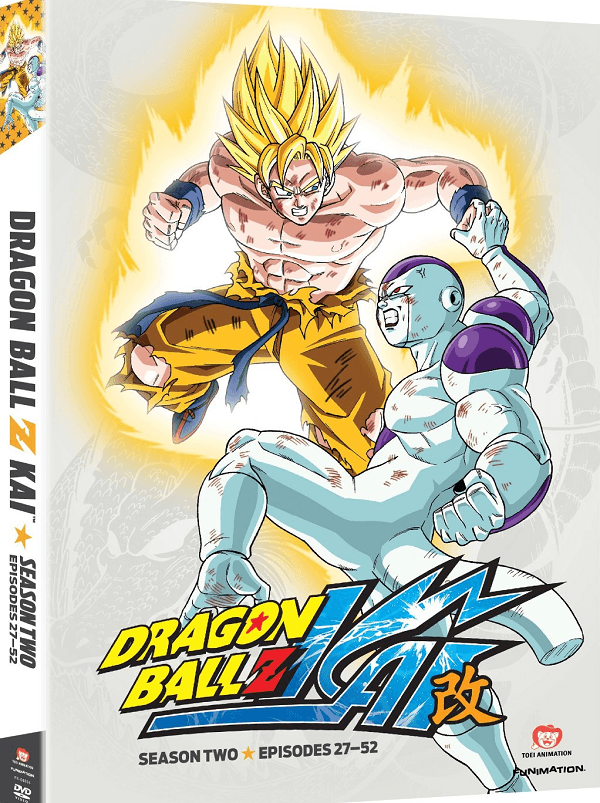
Dragon Ball Z Kai Season Two Studio: Toei Animation Publisher: FUNimation Release Date: May 22, 2012 Price: $49.98 – Available Here
Overview: Despite airing on American television over fifteen years ago Dragon Ball Z will likely always remain fresh in the minds of anime fans not only because it may have been the series which introduced them to the anime market but also because the series has often been re-released by FUNimation. With this release however FUNimation brings us Dragon Ball Z Kai Season Two which contains yet another twenty six episodes of the newly revamped series. For those curious about Season One you can find our review of it here. Does the newly revamped and filler free Dragon Ball Z Kai continue to impress with its second season?
Story: The second season of Dragon Ball Z Kai picks up exactly where the first season left off in the middle of the Namek saga. In an effort to revive all of the friends who were killed when the Saiyans came to Earth, Bulma, Krillin and Gohan have traveled to Picollo’s homework of Namek. However upon arriving the three find out that not only has Vegeta recovered and come to claim the dragon balls for himself, but a powerful force capable of destroying entire civilizations with just a wave of his hand has invaded the planet and begun systematically killing everyone who stands in his way.
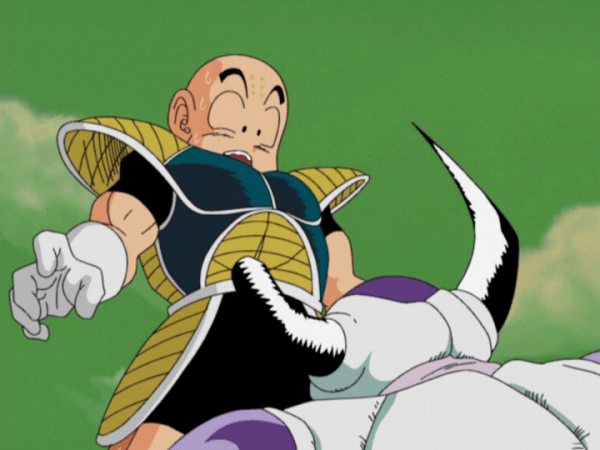
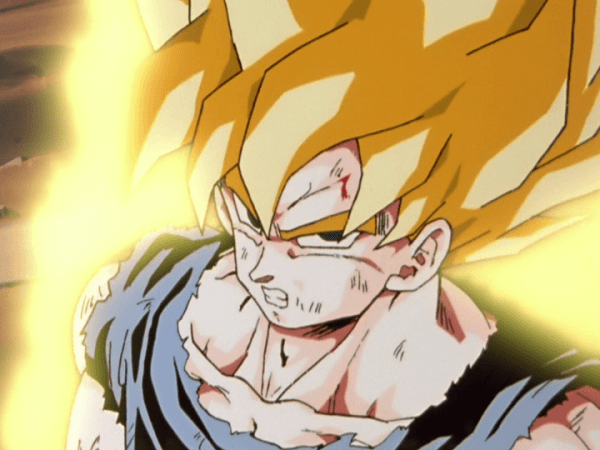
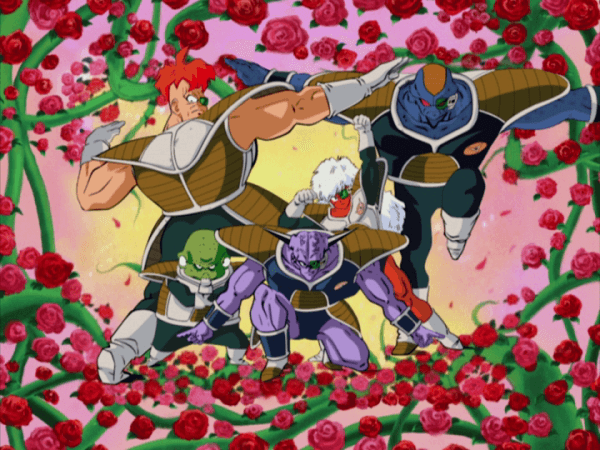
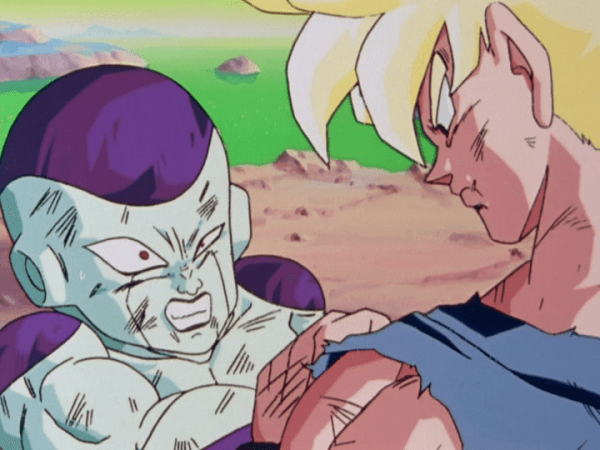
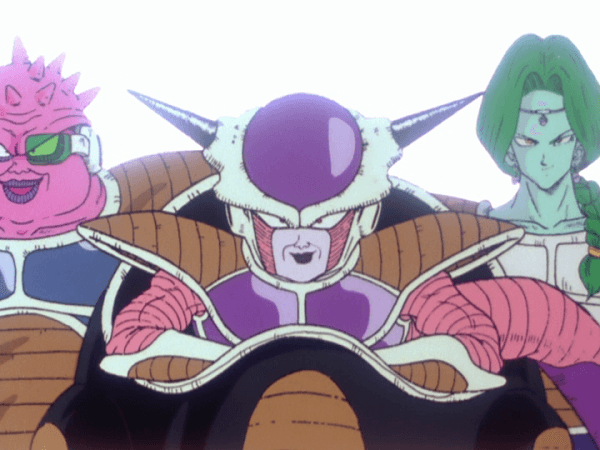
With such an insurmountable power laying waste to everything in sight and Goku yet to arrive, Gohan and Krillin have chosen to team up to try and survive against Frieza’s minions. However does their combined force have any chance against the sinister Ginyu Force? To top it off even after Goku arrives, the powerful Frieza makes his move on the surviving fighters. With his allies dying left and right, Goku’s anger swells and he becomes a being out of legend… a Super Saiyan! Can this huge boost in power give Goku the strength he needs to save what is left of his friends and destroy Frieza once and for all?
As with season one, this second season of Dragon Ball Z Kai covers another twenty six episodes of the series, effectively combining FUNimation’s previous Part 3 and Part 4 releases of the series. Ironically it is still visible on each disc’s main menu screen that these DVD’s have not been tailored for the Season Two collection as they display Part 3 disc 1 etc. As it stands however Kai still presents the most action packed and filler free presentation of Dragon Ball Z you could possibly ask for.
Season Two covers the entire Ginyu Force Saga and strangely enough ends right before the final episode of the battle against Frieza. Obviously this little cliffhanger choice may be a great way to convince buyers to purchase the next collection to see Frieza finally defeated, but it is disappointing nonetheless. Unlike the first season, not as many episodes of filler have been removed, but then again most of the Namek saga consisted of fast paced action.
As it stands there still are a number of sections removed and certain battle scenes which are cut down. This is a bit disappointing as some of the battle sections that were removed were quite memorable and their shortened length ends up impacting the enjoy ability of these fights. For what it is worth, Dragon Ball Z Kai still offers intense battle sections and dramatic moments, especially when beloved characters are killed in combat and the removal of plenty of irrelevant scenes puts fans exactly where they want to be, at the height of the action.
Visuals: As before a large number of scenes in Dragon Ball Z Kai have been redrawn or created from scratch in an effort to fix past errors and clean up the visuals of the relatively old series. It is quite noticeable however whenever the old visuals are swapped with new touched up scenes as most of the newer scenes have fewer detail lines and appear smoother than older scenes.
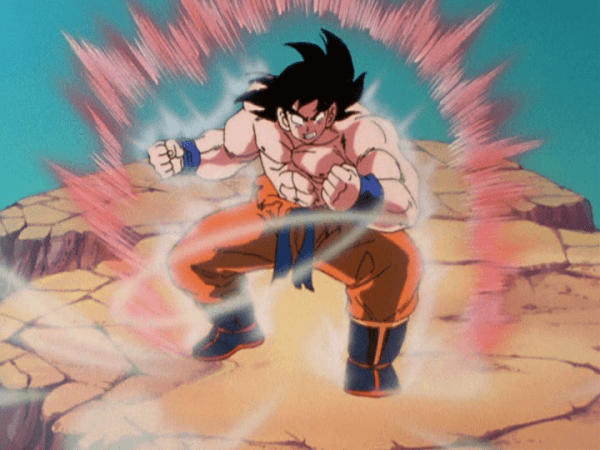
It is worth noting that Dragon Ball Z still offers plenty of action and the animation quality of the fights has only improved with these touched up scenes. As before the release is entirely uncensored so blood is visible whenever one of the fighters is seriously hurt. Powerful abilities are still as impressive as ever and the struggle between two fighters as their special abilities clash is as memorable as ever, especially Goku’s first transformation into his Super Saiyan form.
Audio: FUNimation’s release of Dragon Ball Z Kai Season Two contains both the Japanese voice track as well as the English dub. It is worth noting that, considering a lot of the cast has been readjusted and the scenes have switched around, the entire series has been given a brand new English dub. Most of the main cast, such as Vegeta, Goku and Krillin have retained their classic voice actors and most of the new cast has performed their job admirably, such as Colleen Clinkenbeard’s Gohan voice.
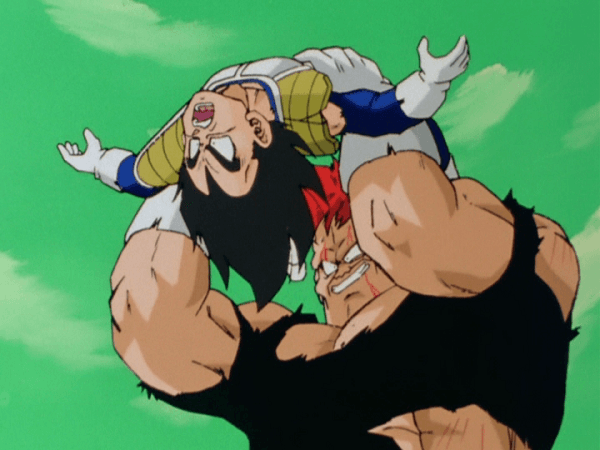
However nearly the entire cast of the Ginyu force has been replaced except for Recoome. Unfortunately the voice actors don’t seem to deliver the same feeling that the original voice actors did when they worked as a team, but at least the voice actor for Jeice still worked on providing an Australian-like accent for the character. As with season one, this second season features the fully English songs “Dragon Soul” and “Yeah! Break! Care! Break!” as the opening and ending songs, though the singer for these songs is consistent throughout season two.
Extras: For the most part, Dragon Ball Z Kai Season Two contains relatively few bonus features. There are trailers for past and upcoming FUNimation releases as well as a clean version of the opening and ending songs which are shown twice, despite the fact that each song is the exact same. However there is one extra inclusion in this release and that is an interview with the English cast.
The interview with the cast is an actual visual interview and lasts for seven and a half minutes. A number of the English cast, both returning and new, gives their opinions on Dragon Ball Z Kai and a bit of the show’s background, as well as their opinions of the characters they play. This is a nice little inclusion and offers something actually worth watching in the extras.
Overall: Dragon Ball Z Kai Season Two successfully continues the great re-emergence of Dragon Ball Z in the anime scene. Although nearly everyone has seen Dragon Ball Z in some form since it was created twenty years ago, Kai offers the most streamlined and action packed form of the series you could possibly ask for.
Season Two’s offering is as memorable as we may remember, however a number of the new English voice actors don’t deliver the same emotion as the old cast. Plus Season Two leaves viewers with only one episode left in the fight between Goku and Frieza, which is disappointing to say the least. As it stands however Season Two still presents Dragon Ball Z in its best light ever and old fans and newcomers alike will enjoy the high-risk battles between the Z Warriors and Frieza’s forces.
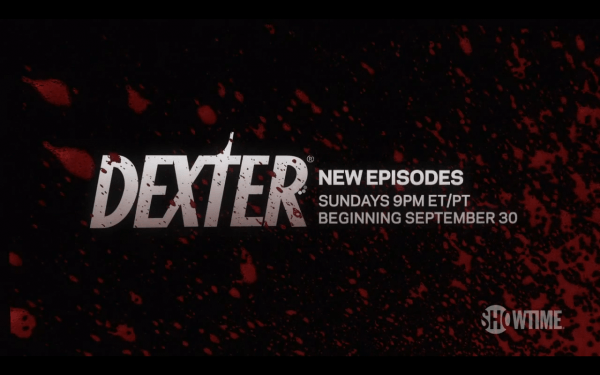
Get your blood slides ready, cause Dexter is back for Season 7! With this exciting new teaser, Showtime has told fans to brace themselves with an interesting quote from Dexter “Maybe everything is exactly how it should be”, followed by some dubstep (or “Dextep” as one Youtube commenter likes to call it) which seems to be the cool thing with trailers these days. Unfortunately the teaser only goes for 15 seconds, but it’s just enough to keep you on your toes.
Very little is known at the moment either than the fact Season 7 will premier on Showtime, September 30th, 9PM ET/PT. You can see it for yourself by checking out the interesting teaser below.
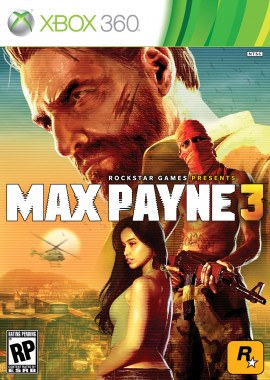
Max Payne 3 Developer: Rockstar Games Publisher: Rockstar Games Platforms: Xbox 360 (reviewed), Playstation 3, PC Release Date: 18 May, 2012 Price: $59.99 – Available Here
Overview
Max Payne has been a franchise that started in 2001, 11 years ago. The franchise also inspired a movie (which, no surprise, didn’t receive good reviews), proving just how popular the character is. With the last installment released nine years ago, there is no question that this is long awaited. There was also a changing of hands of the developers, from Remedy Entertainment to Rockstar Games. So, what do these changes and this long pause between installments mean for the game? Will it adapt and be worthy of the title of Max Payne, or is it just another revival that falls short?
Gameplay
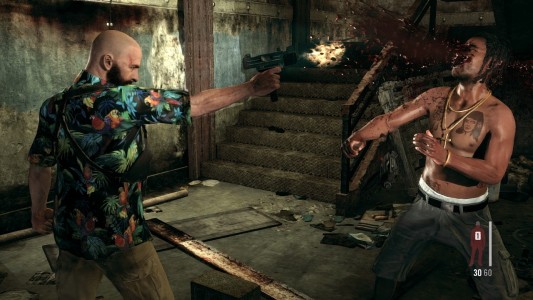
The big thing that comes to mind when you say Max Payne is Bullet Time. That is what really set it apart from other third person shooters, and it is most certainly present in Max Payne 3. In fact, it is entirely necessary, since Max has a habit of getting in extremely sticky situations against many armed and angry men. Activating Bullet Time allows you to slow down time, enough to see the bullets flying through the air at you, and take down some of the thugs.
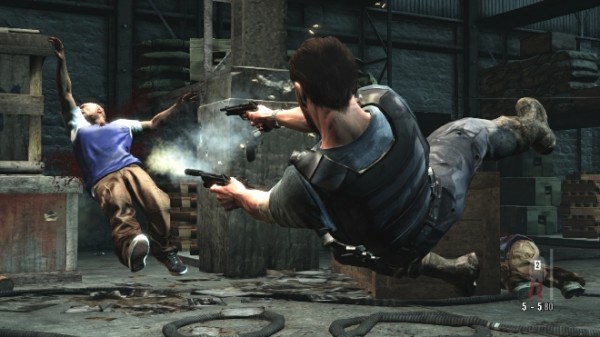
Shoot-dodge is another useful tactic that will send Max sailing through the air and allow him to swivel all around him to take down the bad guys until he eventually falls to the ground. Utilising these aspects into your automatic combat may take a little adjusting, but are definitely things that are invaluable to you during the bigger firefights.
Both shoot-dodge and Bullet Time are revived aspects from the previous games, and they work really well in this game as well. In fact, as mentioned previously, they’re necessary. Plus, Max falling realistically at the end of shoot-dodge is something that is pretty impressive, and speaks highly of just how much effort has been put into making it as realistic a game as possible.
Another great slow motion mode is Last Man Standing, which allows the player to take ‘revenge’. If they are killed with one painkiller left, then if they can identify and kill the person who delivered the killing shot, they use a painkiller automatically to recover energy and come back from the brink. This is really handy in the larger of fire fights, perhaps when you’re a little preoccupied with the guys bearing down on you and forget that your health is not in great condition. Plus, there’s an awesome sequence to go with it.
The storyline really rules the day for Max Payne, even if a lot of the time the immediate scenes involve you shooting at people because they’re shooting at you. Since there are no load screens, with the game loading during cut scenes, it means that you will have to sit through a lot of cut scenes. Personally I loved it, because I love when a game actually has a good story line instead of the usual go through, shoot people, don’t ask questions. However, if you’re the type who just wants to shoot at things, then you might find it annoying that you can’t skip cut scenes while the level is still loading. And those loads take a while, which is no surprise since the levels are so detailed and the loads are happening in the background of a cut scene.
The amount of detail that has gone into the game is astonishing. Just from the simple physics of each character, including the random thugs you’re shooting. They fall according to where you hit them, and if you enter slow motion due to it being the last enemy in the group, you see the bullet enter him and the exact reaction to that area being hit.
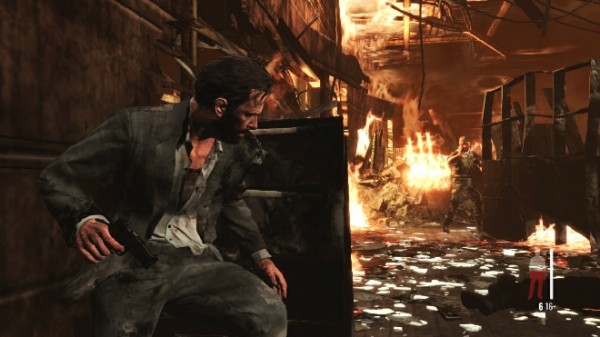
The world around you is realistically destructible. Even the places you can take cover behind. The cover mechanic has been lifted from GTA and Red Dead and allows you to snap to cover and shoot from it, which is something most people are used to doing. However, in one particular scene in an office, the flimsy cubicle walls only provided cover for a short amount of time before they were blown to pieces and Max was vulnerable once again.
I’d also recommend exploring the areas thoroughly, since you can pick up parts of ‘Golden Guns’, and once you’ve completed a Golden Gun then the gun you’ve equipped changes to gold, increases the weapon’s damage by 10% and has an increased ammo capacity for each clip. Plus you also get an achievement for collecting all of them.
Achievements are handed out pretty regularly in the game, from shooting people in the arms (Arms Dealer, because if there’s one thing Max Payne is good at, it’s puns), shooting from cover, or just plain shooting. There are plenty of achievements, including level-specific ones, so for you achievement hungry people out there, go nuts.
There are some truly, truly hectic levels. At several points I felt like my mind had been blown by the awesomeness, and the craziness of what we were doing. There really is nothing like tearing through Brazil, or New York, with a couple of guns, dangling from various forms of transport, and taking down hundreds of guys. The game is as fun as it is difficult.
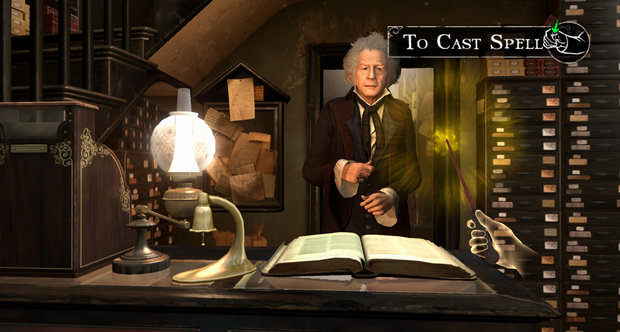
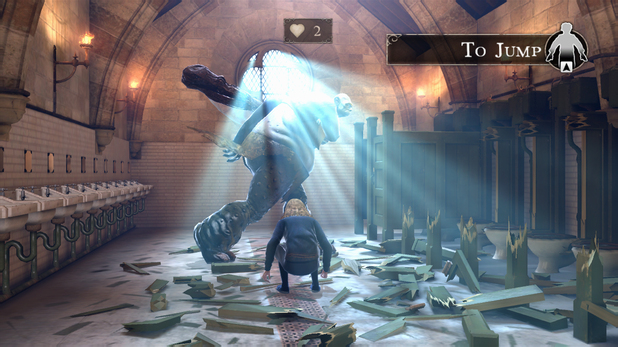
A brand new Harry Potter game specifically designed for Xbox 360 Kinect, ‘Harry Potter for Kinect‘ has been announced by Warner Bros. Interactive Entertainment. Harry Potter video games on the Xbox 360 has previously dabbled in Kincet with the inclusion of some Kinect interactivity in Harry Potter and the Deathly Hollows Part 1.
This new Harry Potter Kinect game, developed by Eurocom, will fully feature and take advantage of Kinect’s hands free and voice recognition capabilities. Based off all eight Harry Potter films, Harry Potter for Kinect follows the journey of Harry, Ron and Hermione as they attend Hogwarts School of Witchcraft and Wizardry and the growing threat of He Who Must Not Be Named .
Harry Potter for Kinect is set to be released exclusively for Xbox 360 later this year in Fall 2012.
Air Mail Developer: N-fusion interactive Publisher: Chillingo Platforms: iPhone (Reviewed), iPad (Reviewed), iPod Touch Release Date: May 24, 2012 Price: $4.99 USD/AUD – Available Here
Overview
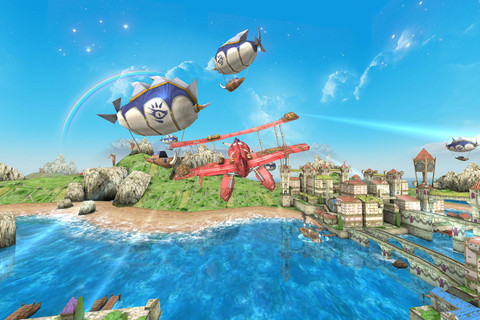
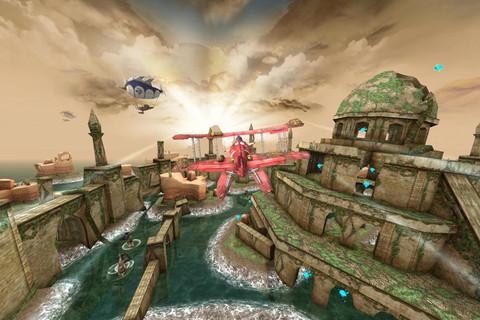
Chillingo are on fire lately, infact all the games I’ve reviewed in the past few months have been from these guys, so maybe that’s a little bias. But when you look at their track record in general, they just keep publishing nicely packaged mobile games with a lot of bang for buck. Air mail, developed by little known N-fusion interactive is no different and continues the tradition, with solid gameplay and great graphics for the platform, you’ll be hard pressed to find a much better flying game on iOS.
Visuals and Audio
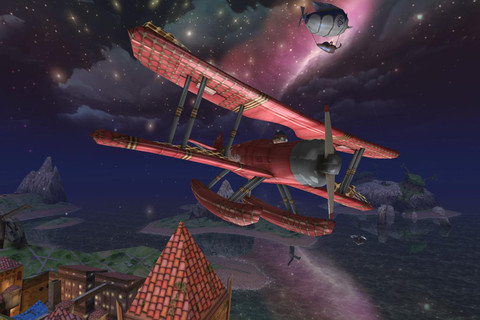
Air mail is an awesome looking game for what it is, no doubt about that, you only have to have a quick look at the game to see what I mean. Inspired by the aeroplanes of old, it successfully combines colorful characters and detailed environments with iconic early 20th century technology. Some of the voice acting, cut-scenes and interface design aren’t as elegant and the frame rate will drop on the iPhone, but these are minor quarrels for what is an otherwise beautiful flying game. Immediately on your first flight, you’ll notice the size and scope of the environment around you and forget for a minute that you’re on a iPhone, I’d say it’s up there with the quality of Infinity blade. Add to that the colourful, playful nature of the animation and vibrant textures, you’ve got one nice looking game.
Sound design isn’t as impressive compared to the graphical feats Air Mail pulls off, for the most part it’s fairly spot on with the theme of the game, however there are annoying traits here and there. For example the Japanese sensei can be a little annoying and sounds pretty much like a stereotype, but that might be the intention here. Nevertheless, it’s all around solid experience for the eyes and ears. I’d definitely recommend having a try on the iPad for the full experience, you’ll get sucked in.
Gameplay
Air mail is difficult initially to pick up, technically there’s three different control schemes, virtual joystick style, tilting and an “advanced” control scheme that lets you do things like barrel rolls. So you’ve got choice, which is nice Personally, I thought the tilting to steer was terrible, so I opted for using my thumbs on the joysticks. Once you’ve got the hang of the controls, it’s a joy to play, the right sense of speed is present and the joysticks work surprisingly well for ducking and weaving. Unlike like similar virtual joystick games, which don’t work well at all for this scheme, Air Mail has the balance right (I’m looking at you, Max Payne). As you can imagine by the games title, there a missions based around dropping off and picking up parcels, but the game quickly moves away from that when the story and combat kicks in. In addition to this main story mode, Air Mail offers a few fun distractions, but right now sadly no multiplayer.
The highlight would be the exploration mode, which is pretty self explanatory, allowing you to fly around and search for bonus collectables. You can also replay each story mission for a five-star rating, which will please perfectionists, other than the no multi-player Air mail has quite abit to offer. The story I haven’t really detailed, but that’s because to me it was abit of an after-thought and not something I was interested in, however it didn’t seem terribly bad. You play as Scoop, who sneaks into a small aircraft hanger, and just happens to end up becoming the greatest pilot of his age. See what I mean? It does have some charm but in the end, I don’t think people will buy the game for the story, and that’s perfectly okay with me.
Overall
Air mail is everything you want in a arcade style flight sim, top-notch graphics, tight controls and value for money. While the interface, questionable cutscenes (in a strange window) and some annoying voice acting bring it down a little, you’re basically playing one of the best Flight sims in mobile gaming.
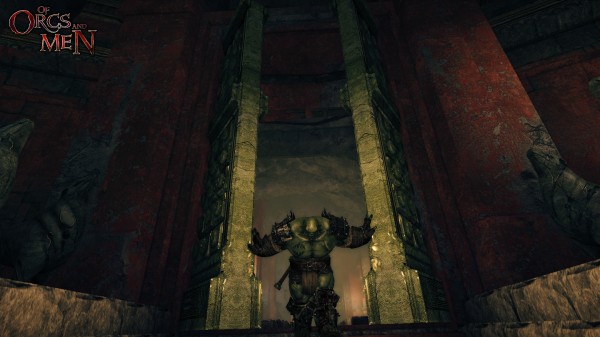
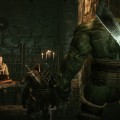
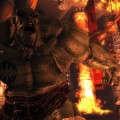
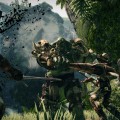
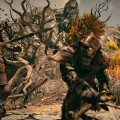
Focus Home Interactive, with Cyanide Studio and Spiders Studio are sill working towards the Of Orcs and Men release this year, but have put up some new screenshots to more easily bridge the gap of the wait. The screens this time focus entirely on an orc and a goblin as they apparently go inside to talk to someone, get upset about something, then go out to kill some people over it.
Overall, the screenshots, which can be checked out in the gallery below, look just as good as the last few sets and hopefully soon we’ll be able to find out just what these two seem to be getting upset about. Of Orcs and Men is an RPG set to be released for PC, Playstation 3, and Xbox 360 at some point this year where players will get to experience life as an orc tribe’s warchief, as he goes to war with the humans.
Dragon Ball Z Kai Season One Studio: Toei Animation Publisher: FUNimation Release Date: May 22, 2012 Price: $49.98 – Available Here
Overview: Perhaps no franchise in the anime world has ever reached the same height of popularity that the Dragon Ball series holds. Over the past twenty years the series has become well known all around the world. The series is so well known that even those who don’t know what anime is have likely watched parts of Dragon Ball Z.
However, despite its popularity, the original Dragon Ball Z had quite a lot of padding and filler mixed in with the action. To rectify that issue Toei Animation brought Dragon Ball Z Kai. Now FUNimation has brought over the first twenty six episodes in the Season One collection of Dragon Ball Z Kai. Is Dragon Ball Z more legendary than ever with all previous filler removed?
Story: While nearly everyone knows the story of Dragon Ball Z by now, there still are plenty of people who may be experiencing DBZ for the first time. As such Dragon Ball Z Kai may be the best way to introduce the series to new comers and Dragon Ball Z Kai Season One kicks the series off many years after the end of Dragon Ball.
The Z Fighters have all grown a bit older and Goku has even had a child of his own named Gohan. However just as Goku meets up with Krillin, Master Roshi and Bulma for the first time in many years, a new threat has come to Earth… a threat more powerful than anything Goku has ever seen before. To deal with this threat Goku must team up with his archenemy Picollo. However this new enemy is nothing compared to the enemies that the Z Fighters will be facing off against from now on. Can Goku and his friends save the Earth and defeat every enemy that stands in-front of them?
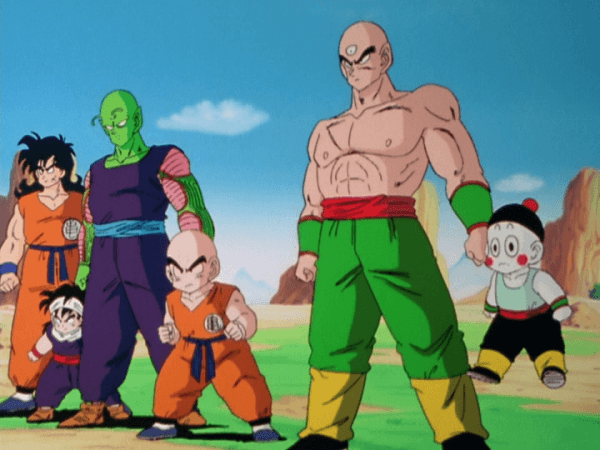
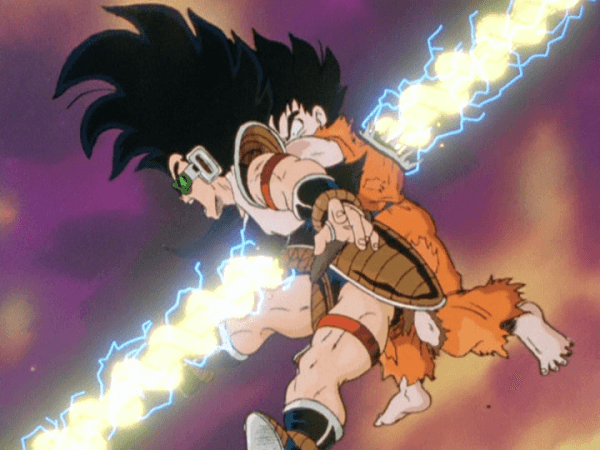
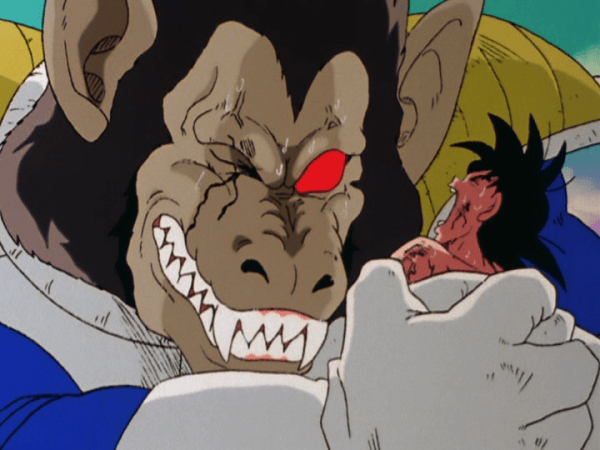
Now Dragon Ball Z Kai Season One covers the first twenty six episodes of the Kai series and in it we are presented the entire beginning story arc with Raditz, as well as the entire showdown against the invading Saiyan Warriors, Vegeta and Nappa. In fact, season one even brings viewers into the beginning of the Namek saga. As such it contains a decent amount of training sections with Goku and King Kai as well as Gohan with Picollo. However it does present an opportunity for practically every Z Fighter in the series to show off their abilities and enter the fray.
There are a number of pieces of filler cut out along the way, the most standout examples of removed filler includes segments of Gohan’s training, Goku’s mishaps on Snake Way and the various things that happen to Gohan, Krillin and Bulma on the way to Namek.
As it stands the removal of these extended segments present everything that fans of the series love and keep the action moving at a rather brisk pace. The beauty of Dragon Ball Z Kai is that without all the filler to slow things down, the DBZ story can keep up its action paced pace with no pit stops. This is what Dragon Ball Z was meant to be, an action packed series with practically zero downtime.
Visuals: Besides leaving a massive amount of filler on the cutting room floor, Dragon Ball Z Kai has also seen an improvement in most of its artwork. The original series was created back in 1989 but at its time it was an amazing sight to behold. In fact the series itself is still quite amazing to watch and a large number of scenes have been redrawn or reanimated in an effort to fix any previous issues with the series.
For example the original Dragon Ball Z suffered an inconsistency with Vegeta’s original hair color appearing brown and his armor being different color. In Kai this issue is fixed and he retains the same black hairstyle throughout the show. It is also worth noting that this release of DBZ: Kai is entirely uncut which means that there will be a bit of blood here and there. Now there still is a rather noticeable switch between re-drawn scenes and older scenes that can be a bit jarring at times, but DBZ’s fast-paced fighting scenes and explosions have never looked better.
Audio: The original dub of Dragon Ball Z occurred back in 1996 and it is quite surprising to see that after sixteen years many members of the cast have returned to reprise the same roles they played over a decade and a half ago. There are a number of voice actors who have changed however, such as Gohan’s new voice actress as Colleen Clinkenbeard instead of Stephanie Nadolny. Colleen does an admirable job sounding the same as fans will remember, though a few side-characters such as Bulma’s Father, Gregory and Korin sound remarkably different.
Interestingly enough, a number of special abilities have had their names left untranslated, such as Krillin’s Destructo Disc being called Kienzan instead. The show itself features the English translated songs “Dragon Soul” and “Yeah! Break! Care! Break!” as the opening and ending songs. The opening song’s singer changes at the halfway point of Season One, though the lyrics stay the exact same.
Extras: Interesting enough, when the viewer reaches disk three of this collection, the menu screen displays Part 2 Disc 1, meaning that in the end this Dragon Ball Z Kai Season One is the combination of both Part 1 and Part 2 of Dragon Ball Z Kai. Interesting enough, Disc 2 of this collection contains simply a clean opening and ending song, however Disc 4 contains a clean version of both opening songs contained in this package as well as the television broadcast version as well as the ending song’s clean textless version.
In the end it still is slightly disappointing that besides some additional trailers for past and upcoming FUNimation releases, there are no other extras included in this package, with all three textless opening songs only varying slightly depending on the person singing it and two versions of the same textless closing song, being the only offering. This is disappointing as it would have been interesting to see additional extras in the form of a commentary or two at the very least.
Overall: Ultimately Dragon Ball Z Kai Season One presents the beginning of the Dragon Ball Z series at its best. With nearly the entire main cast of characters able to show off their abilities throughout these first twenty six episodes viewers will be treated to the entire beginning of the series all the way up to the middle of the Namek saga. With barely any filler to speak of, a few reanimated segments and plenty of fast-paced action Dragon Ball Z Kai Season One’s release presents a prime opportunity to introduce newcomers to the series while giving old fans more of what they love.