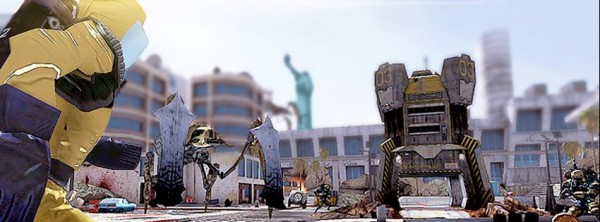
You command the dropship ‘Salvation”, tasked with rescuing Earth’s inhabitants and helping with the EDSF defense effort. This is the brand new iOS game from Blowfish, published by Crescent Moon – Razor Salvation. The game is the first installment in a series of games that take the player through the story of the Xenos and why they have invaded planet earth.
The game features dynamic cover-based AI, with enemies that exhibit different strategies, dynamic objects that can be blasted around each level, which enemies can still duck and cover behind. Classic FPS weapons like grenade and rocket launchers, as well as awesome specials like the Redeemer are available for players to blast away at the Xenos. Razor Salvation also has stunning retina display, with console grade graphics. Not only this, but players can create their own factions with friends and fight together to be the top performing faction – even helping your world region to the top of the ranks. The game also has unique leaderboard titles to show off your skills. For more information, head to the official Razor Salvation Facebook page. Watch the trailer below to get a glimpse at the upcoming title, soon to be released for iOS.
Dragon Evolution Developer: Nob Studio Publisher: Nob Studio Platform: iPhone(Reviewed)/iPad Release: 24/5/12 Price: $0.99 – Available Here – Demo Lite Version here
Overview
Known perhaps best for their flash development, Nob Studios have attempted to evolve with their latest title, Dragon Evolution. The title is a unique take the casual game formula of side-scrolling run-and-attack games, moving past what seems to be simplistic controls, to create a distinctive and enjoyable title for both the iPhone and iPad.
Story
There isn’t a whole lot of story to Dragon Evolution. Evil tribes, for some reason, have stolen eggs from a dragon. The dragon has nine years to attempt to retrieve them back. The story gets played out in a little more detailed, but not often, with eggs being used as traps or being boiled by some rather gruesome looking bad guys. This doesn’t really add any motivation to the game, the dragon moves of its own accord. However, it is interesting to gain little bits of extra insight into the story, and the read them in whatever way you see fight.
Gameplay
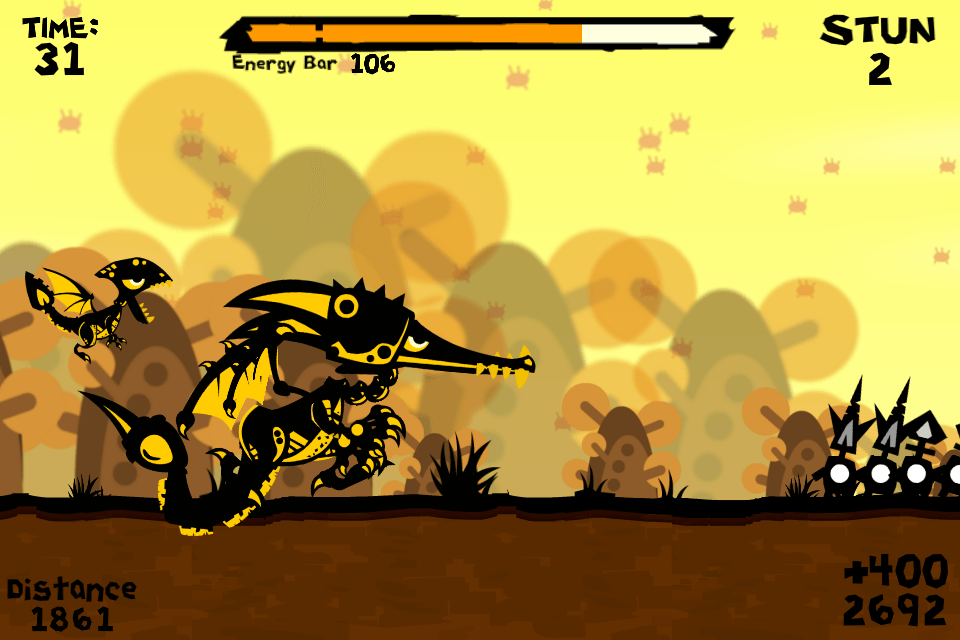
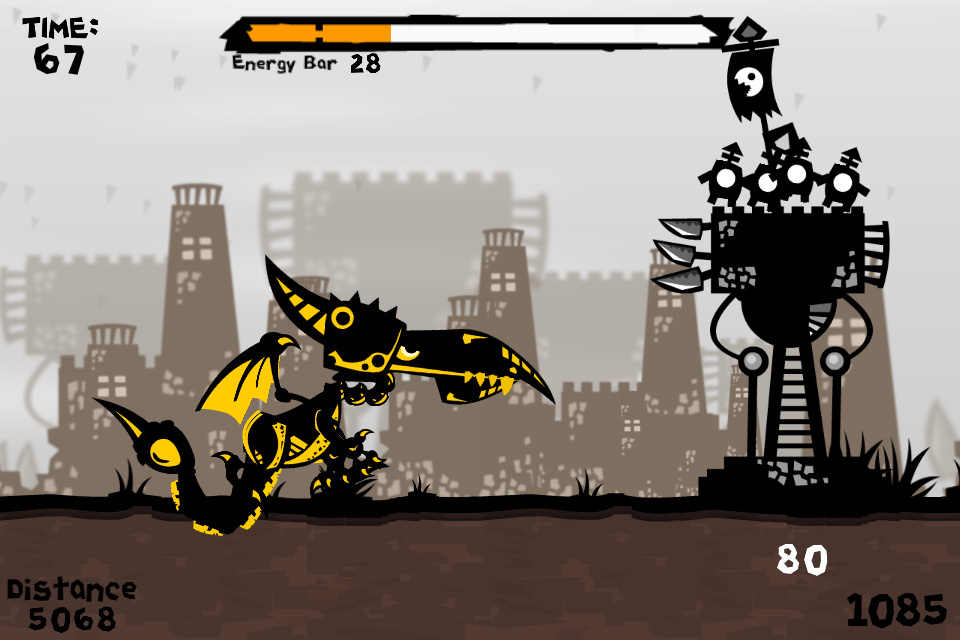
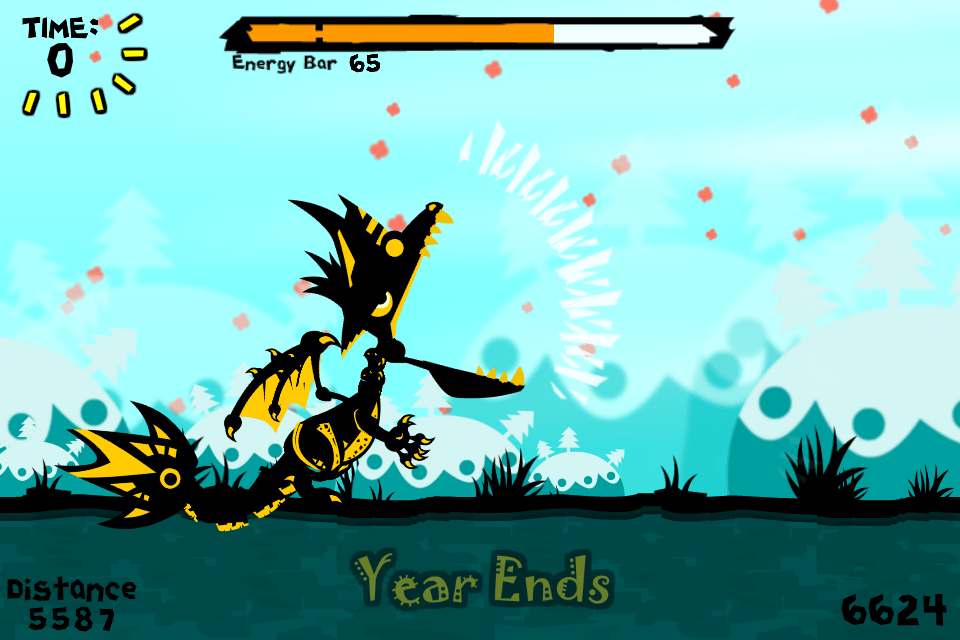
Dragon Evolution has a simplistic gameplay that clearly borrows from Nob Studios experience with flash development. The actual control of attacks is simple to pick up, tapping on the right will cause a special attack, tapping on the left will cause a strong physical attack, and tapping (and holding) both sides at once will bring the dragon up into the air. The rest of the game in automatic, and has a lot to do with the evolutionary choices the player makes. The dragon will run its course on its own, and bite any tribal enemies that get in its way. Attacks against the dragon will deplete its energy, as will the use of any special abilities. The overall goal of the game is slight ambiguous. Being an arcade game, it all comes down to the final score, but the means in which the score is generated can be a little confusing. Regardless, it is still fun to watch your creation running across 9 unique worlds, laying waste to all in their path.
Although the control input may be simple to learn, there is a skill to the RPG style elements of the game. Dragon Evolution takes place across nine in-game years, with each year beginning when the timer runs out. Timers can be extended by making it through one world, but this becomes harder and harder the future into the game you progress. Each year takes you back to an evolution menu, where you can select abilities that will dictate the dragon’s strengths, weakness, skills, special abilities and appearance. This is a rather fun feature that really makes the game unique. The only downside is that once you complete your nine years, and the dragon is fully formed, you can’t export or share your creation with others.
Visuals and Audio
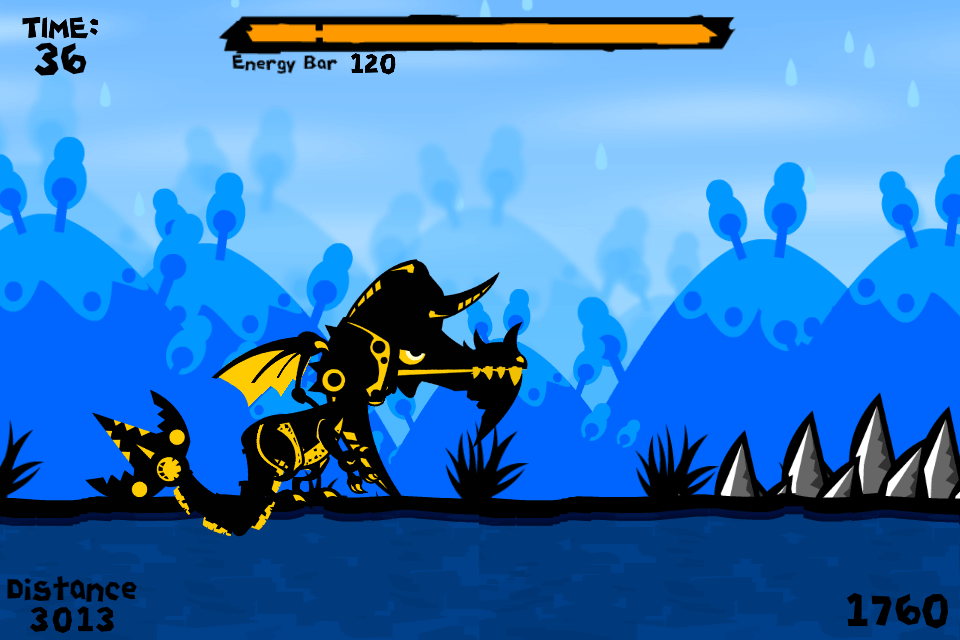
The unique worlds are particularly fun. Each has their own theme, with enemies to suit the conditions of the world. Multiple types of enemies, with distinctive designs only add more to the games overall detail. The colours and level designs are all crafted with that charming hand drawn ‘flash’ game design look, which is very enjoyable. The silhouette style characters, both enemies and your dragon, really pop against the vivid colours of the games multiple thematic worlds. The audio at times can feel misplaced, with sound effects often being too comical for the theme of the game. It does add to the overall fun, but can take away from the theme of the game at times.
Overall
Dragon Evolution is a fun casual game. The simple mechanics, which at times can be very similar to Jetpack Joyride, make it an easy to pick-up-and-play game. The integration of RPG elements makes the game stand out amongst the dozens and dozens of casual games. This coupled with the way the dragon changes based on the fusing of different evolutionary elements, means that every time you play Dragon Evolution, it is a new and visually impressive take on an all too familiar genre. Although this review is for the iPhone version, the control system would be great for the iPad, not to mention the benefits the large screen would have for the charming, hand drawn graphics Dragon Evolution has to offer.
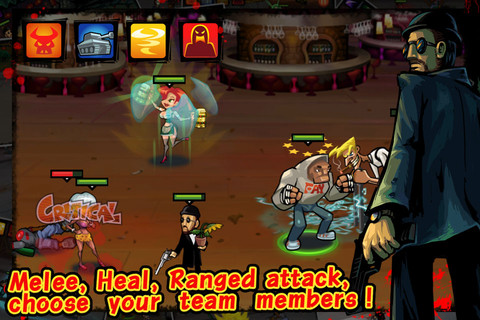
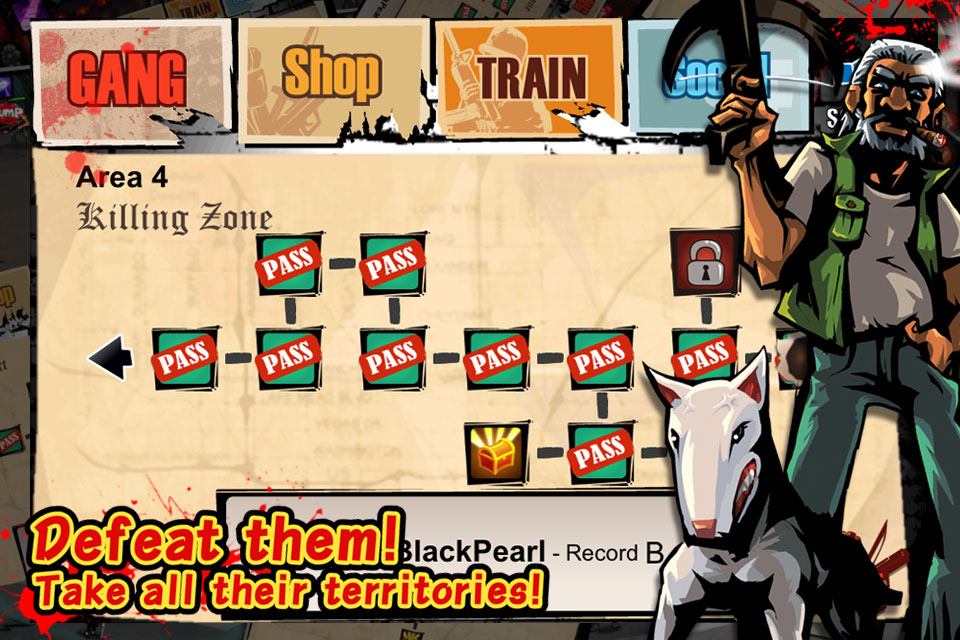
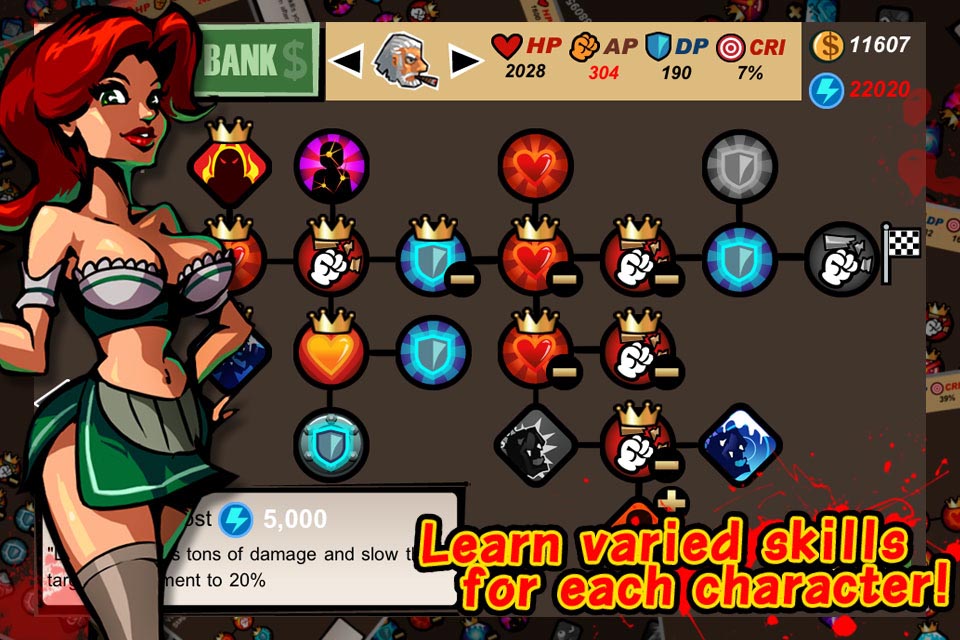
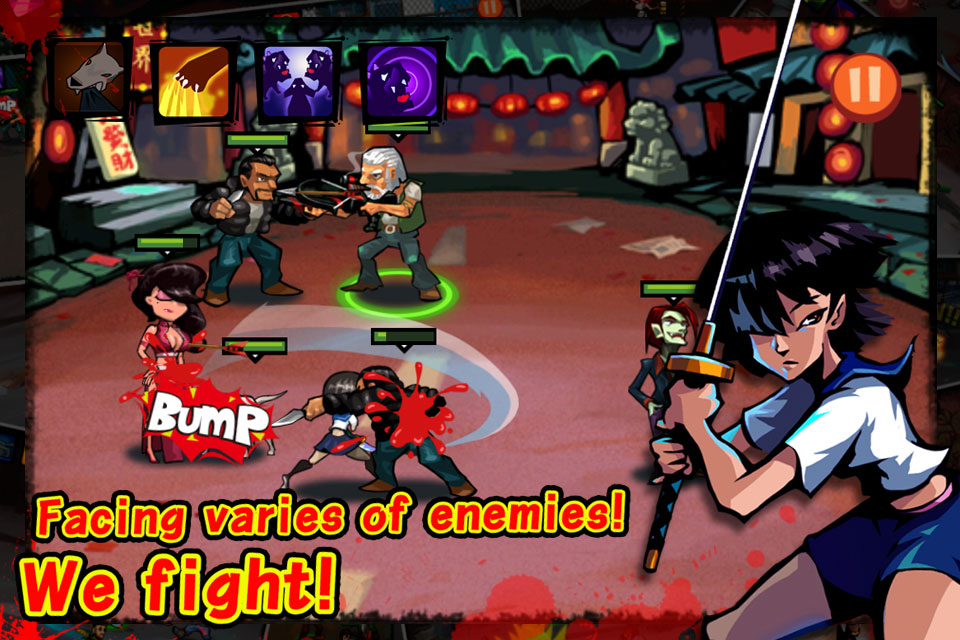
Black Pearl Game’s action RPG Brutal Street is free for a limited time. A bloody gang war has started and it is up to the player to lead their gang to victory. There are six different classes to choose from with thousands of gear and skills to upgrade your gangster with. There are 40 different locations over four blocks to brawl in, an extensive character growth system, and epic boss battles carrying powerful loot.
Brutal Street is available for both the iPad, the iPhone, and the iPod Touch and sports a classy anime visual style. No word on exactly how long Brutal Street will be free for, so be sure to download it here.
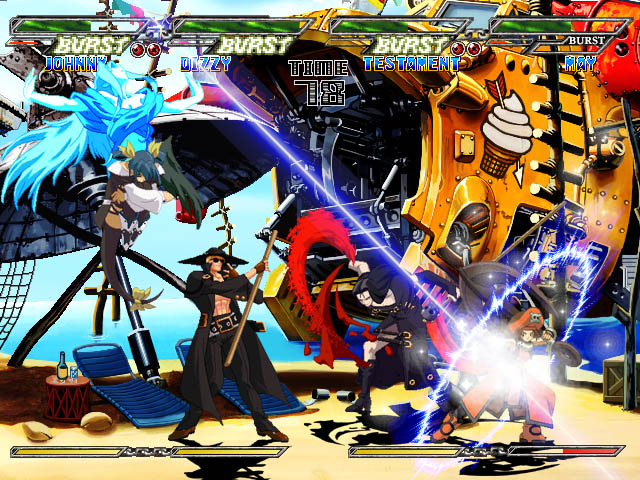
Following the announcement and screenshots, we now have a full gameplay trailer for the the upcoming HD port of Guilty Gear XX Accent Core Plus. The HD port carries a slightly different name now, as it is now called Guilty Gear XX Accent Core Plus R (Phew!).
The gameplay trailer shown here basically demonstrates almost all the playable characters. The music playing in the background is a classic Guilty Gear track called ‘Still in the Dark’. The game still very much looks like the original, obviously optimised for modern resolutions.
The game is set for a location test in Japanese arcades sometime in June 2012, there is still no word on the release date for the digital download version that is set to hit the Xbox Live Arcade and PlayStation Network sometime in 2012. In the meantime, you can enjoy the trailer below.
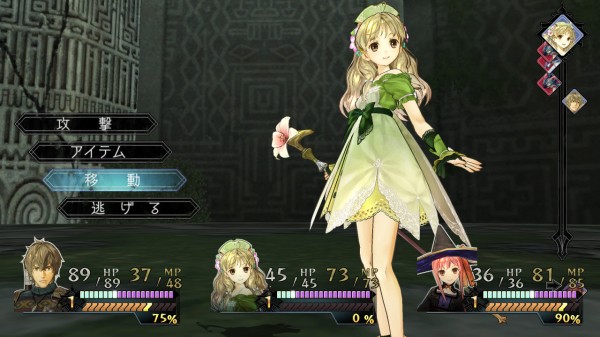
With Atelier Meruru bringing a close to the Arland series, Gust has been hard at work making sure that their next Atelier series is better than ever. As such they have revamped the battle system for Atelier Ayesha by factoring in distance, traveling around the battle field and area of effect for explosions and alchemy.
Today Gust released the below trailer which contains footage of two separate battles which demonstrate attacks from behind, which will likely cause more damage, as well as the classic feature of allowing allies to either assist with combo attacks or defend from enemy attacks. Atelier Ayesha currently hasn’t been announced for a North America release, though perhaps with E3 next week way may hear something from NIS America…
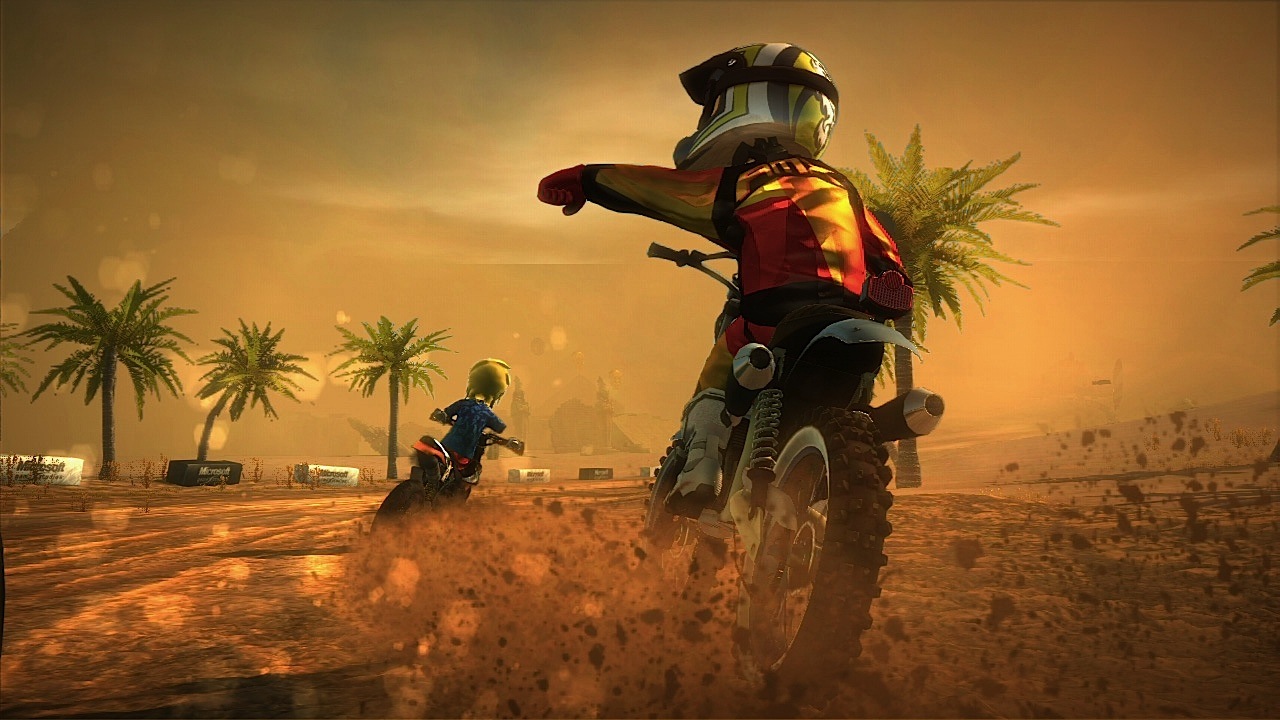
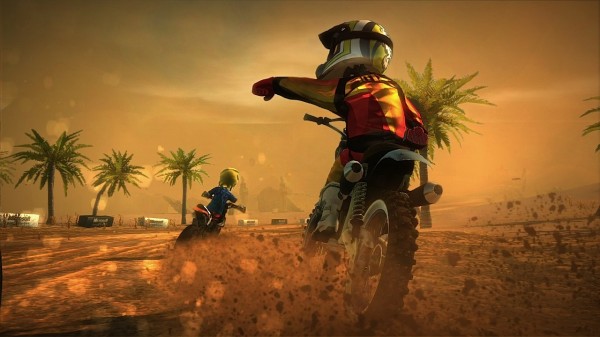
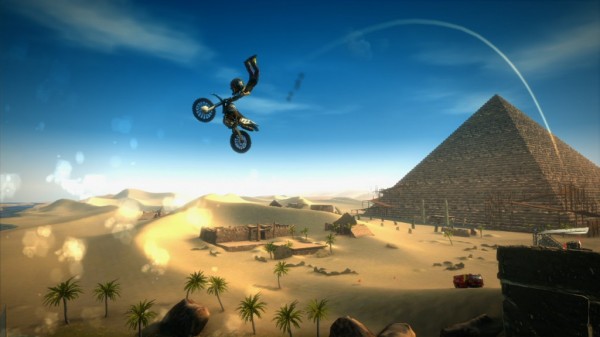
With E3 only a week away, it makes sense that a few things may sneak out of various studios. As such it may come as no surprise that Microsoft’s very own PlayXBLA has placed two “Secret Squirrel screenshots” on their website. It seems that this squirrel just loves those E3 secrets and had to bring these two motorbike racing screenshots to the public.
Currently no name was released for the title though it seems that we will find out a lot more about the game next week when Microsoft hold’s their pre-E3 conference. Until then, enjoy these two little images of Avatar looking figures racing on dirt bikes.
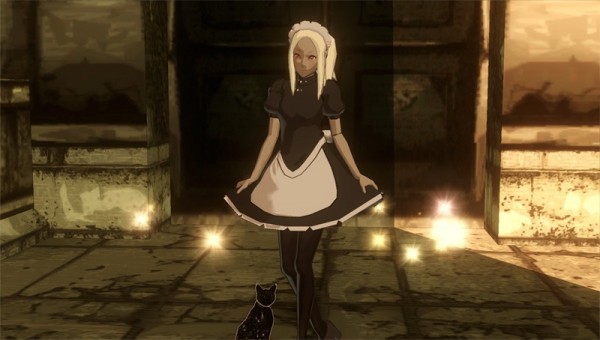
Those who don’t have a chance to go to their local video game retailer, or simply don’t want to stand in the corner of a store playing a demo version of the Vita will soon be able to play the Gravity Rush demo for the first time on their own PlayStation Vita.
The demo is set to be released tomorrow on the PlayStation Network while European gamers will need to wait until the 30th to download the game. Those who pre-order the game before its release on June 12th from GameStop or Amazon will receive the military outfit for Kat. Too bad it wasn’t the maid outfit seen above huh?
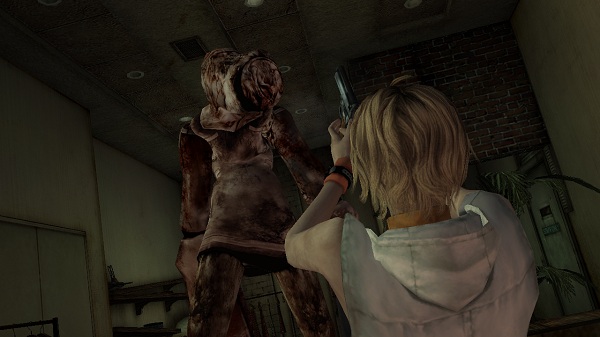
Over the past few years HD Collections of classic franchises have become quite common. Just a few months ago Konami released their own HD Collection featuring two games from the beloved Silent Hill franchise. However upon review, many people, including myself, found that the HD upgrade actually made the game worse in a number of areas.
The reason for this was never made quite clear, however it seems that Silent Hill: HD Collection was actually created with incomplete source code. During a large feature piece about HD re-makes, 1UP spoke with Tomm Hulett, head man behind the Silent Hill: HD Collection creation and in this piece he stated the following:
“We got all the source code that Konami had on file — which it turns out wasn’t the final release version of the games! D’oh! So during debug we didn’t just have to deal with the expected ‘porting’ bugs, but also had to squash some bugs that the original team obviously removed prior to release, but we’d never seen before. A lot of assets such as textures and sound had to be taken out of the compiled game, and that brings with it a host of unique issues, especially taken on top of the tricky coding workarounds at play in the original games. We certainly had our hands full. I think at one point Silent Hill 3 protagonist Heather was blue.”
This issue may explain a number of problems that gamers had with the title, such as buggy gameplay, audio problems and sub-par texture and graphic enhancements. However all is not lost as Tomm also said that after the company released their initial patch he “played through Silent Hill HD Collection armed with righteous indignation and Internet complaint threads. I made a list of every issue I could find. Hijinx is hard at work addressing as many of those issues as is feasible given our resources.” So perhaps there will be some new patches in the future that will iron out fan complaints.
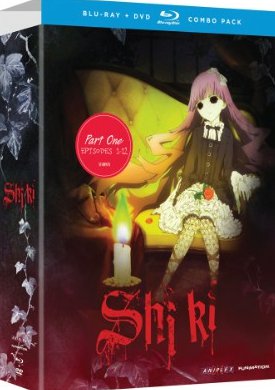
Shiki Part 1 Studio: Daume Publisher: FUNimation Format: Blu-Ray/DVD Combo Pack Release Date: May 29th, 2012 Price: $69.98 – Available Here
Overview:
In Pop Culture, there are two current major trends in terms of monsters, zombies and vampires. Where zombies are more over done but are generally better respected, while vampires are fewer in terms of products but some of those few have made them lose the street credibility. Shiki is an anime that focuses on the later; however, it takes the vampire lore back to before it was the butt of numerous jokes.
Is that enough though to warrant a viewing? Not really, just because its vampires don’t sparkle doesn’t mean that it makes a worthwhile watch. So, that brings it down to the almighty story and characters. How are those? Well, keep reading to find out.
Story: Shiki begins by establishing the key set piece, the “decent”-sized small town of Sotoba. Sotoba is a very isolated town, described by one of the characters as being surrounded by death, in reference to the momi fir tree forest that surrounds it whose wood is used to make coffins and grave markers. The town has a sizable population and the unique thing about the show is that, it makes a point to try and show a pretty good number of these residents. Now, that can become pretty confusing, so it’s a good thing that regularly characters will be accompanied by their name and relationship to others. This is a pretty awesome concept and really establishes the small-town vibe of the show and makes the story more personal.
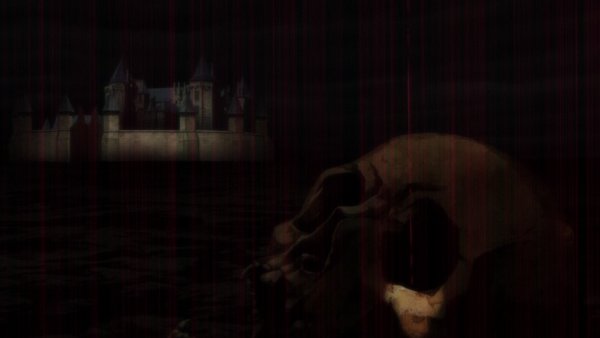
But, with any small town the series of events is ultimately kicked off by a new family moving into the town. This time the family is actually moving into a big house on the hill, which they had especially built for them, so obviously the best choice is a European Style half-manor/half-castle overlooking a rural Japanese community. After they move in though, people start dying in ways the local doctor can’t fully understand, so that he begins to worry it may be an epidemic. While this may seem a little cliche, what’s great what direction the show takes once a solid number of residents have turned.
The direction? The show becomes less about the humans simply trying to survive and more about both sides dealing with each other. As such, there is several different storylines working at once, so the date is often being shown at the top, so that viewers can keep track of when everything is actually happening. Both sides have those that simply care about the survival of their own, and both have those that question having to kill the other. This is a complex look at the morality of different people and a good look into what people are willing to do to survive. Leading up to the end of Part 1, where the main character is struggling with allowing his best friend to drain him or to stopping his fallen best friend once and for all.
Visuals:
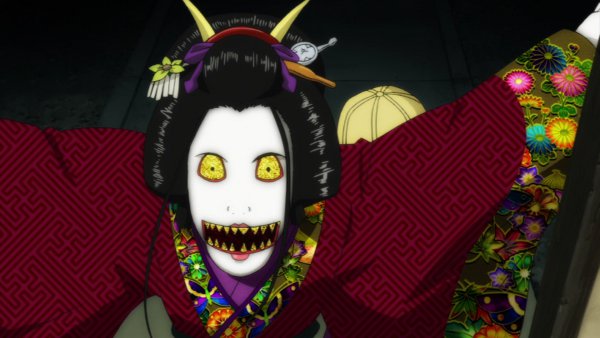
The art work is the show is incredibly top notch. The backgrounds of the series all feature amazing detail to the point where the characters on top of in these places don’t really seem to match, much like the overarching theme in the show of characters not fitting into the small-town setting. The characters themselves are also very well designed, even having some pretty unique looking hair amongst the cast, from Kaori’s star-tipped pigtails to Papa Kirishiki’s mustache like hair. Almost every character has hair unique enough to tell them apart from that alone.
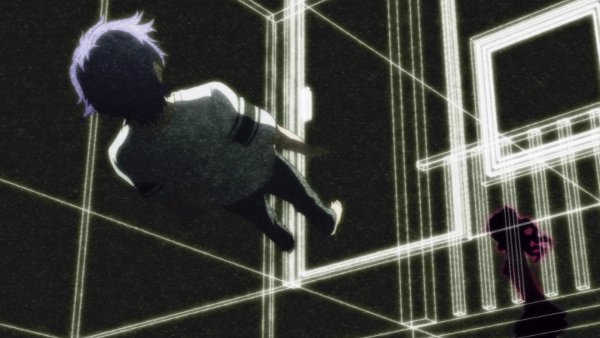
One awesome feature of the visuals is when characters are listening or imagining to what is going on on the other side of a wall or door. Instead of simply cutting to show what the character thinks is there or what is actually there, the show has great x-ray style effects that add to the suspense of seeing exactly what the character is picturing.
Audio:
The music for Shiki is an interesting range that fits the suspense of every situation. Early on there is a scene where the main character Natsuno is feeling watched, which is accompanied by a unique vocal chorus, which is almost entirely grunts that make the scene even more unsettling. The opening theme, “Kuchizuke” by Buck-Tick, starts out as appropriate to the subject matter of vampires and pulling their victims to be with them to steal their life away, but as the show changes direction it also works as the new turned vampires wanting to reconnect with their family by changing them too. The ending theme, “Walk no Yakusoku” by Nangi, is more of a reflection of how paths can lead away from loved ones on the road of life, which also echoes the vampires that try to change their families too.
The voice acting on both tracks actually works very well, the English voice acting on Natsuno seemed sketchy at first because it was a little dry, but as the show goes on becomes apparent that’s just his character and he gets better throughout. So, viewers can really watch either one without worry, making it a good title to share with friends who abhor having to read a show. Besides the initial Natsuno voice-acting, the only thing viewers might have a problem with is the super whiny Masao, but at least it is refreshing that the whiniest character in the show is a guy that’s predisposed to thinking people don’t like him.
Extras:
The extras on this set are somewhat limited, but that is somewhat expected with Part 2 releasing at the same time. There are only 2 commentaries, for the first and last episodes of the set, but they are the standard actors talking about the different aspects of the show. Also included, are the 4 Preview Featurettes that preceded the actual release, as well as trailers for other of FUNimation’s recent releases. Lastly, there are the credit-free openings and closings, so that viewers can see detail put into the art of them.
Overall:
This is a fantastic start to a series that some might discount for being about vampires or horror in general, but they would be drastically mistaken as the series has some pretty thought provoking depth. The character designs are some of the most unique I’ve seen in a while and the voice work does a great job with matching quality. This is a series that I can’t wait to see the rest of because I give it
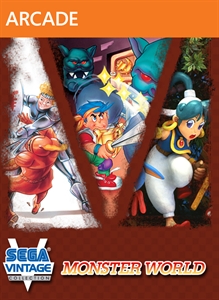
Sega Vintage Collection: Monster World Publisher: Sega Developer: M2 Platforms:Xbox 360 (Reviewed), PlayStation 3 Release Date: 23/05/2012 Price:800 Microsoft Points
Overview:
Monster World, Wonder Boy, Wonder Kid…Adventure Island? This is a franchise with a very confusing history as it never really could settle on a concrete name, the series also jumped between numerous genres, starting out as a pure platformer, then turning into this 2D Zelda-style adventure, a Metroid style adventure, and even a scrolling 2D shooter (STG) at one point! This franchise has quite the interesting history to say the least.
The series has developed quite the cult following over the years, and many consider it to be overlooked when compared to other franchises from the same era. On that note, these games have not seen too many ports or re-releases over the years, but this year is different.
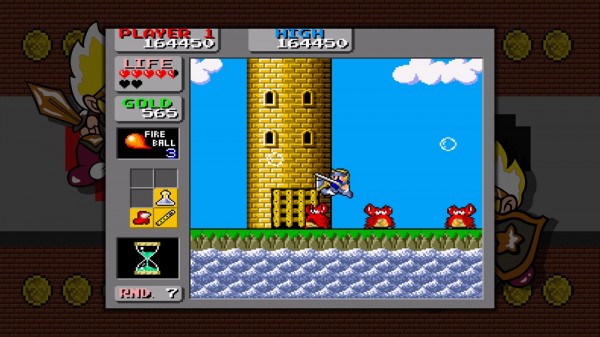
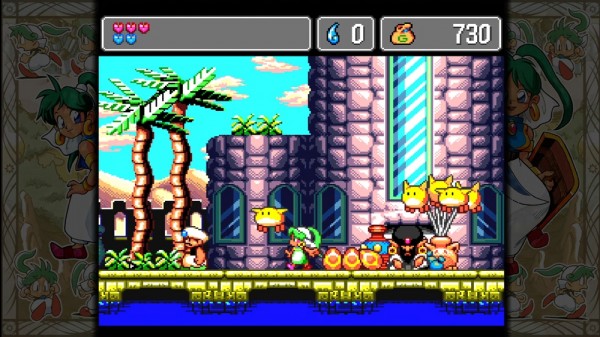
Monster World IV received its very first English localisation earlier this year on the Wii’s Virtual Console, and now that title, along with two others, have been packed together as a collection, available for purchase on Xbox Live Arcade and PlayStation Network as a digital download, titled Sega Vintage Collection: Monster World. This collection features Wonder Boy in Monster Land, Wonder Boy in Monster World, and Monster World IV.
Story:
The games featured in this collection are meant to be adventure titles in much similar vein to Zelda, but they are actually pretty light on the storytelling, with the exception of Monster World IV. Wonder Boy in Monster Land is essentially a very fast paced adventure paltformer, and while it has towns and shops, the actual premise is a very basic ‘hero takes on evil monsters’, which is fair considering that it was a coin-up arcade title. Wonder Boy in Monster World is actually fairly similar to Wonder Boy in Monster Land, as a young hero named Shion suddenly decides to leave home and battle the monsters invading the land, meeting new characters along the way. Monster World IV still has the ‘hero saves the world from evil’ premise like the other games in the collection, but it certainly does a better job in telling a better story with a rich inspiring world, likeable characters, cut-scenes, and a main character who actually has a proper background.
The world portrayed in each of these games is quite vibrant and colourful, Wonder Boy in Monster Land and Wonder Boy in Monster World have very similar looking in-game worlds, based on medieval Europe fantasy with dragons, knights, and the like. Monster World IV on the other hand is quite the departure, featuring a Middle Eastern inspired setting with temples, deserts, Arabian characters, and also draws upon Arabian fantasy themes. It’s pretty fun setting that offers a nice change from what the series is normally known for, and it also does a much better job at presenting the world and its characters. Not to mention Monster World IV features the series’ only female protagonist, Asha.
Overall, these games have a very basic story-line . The games are heavily gameplay driven, but the plot-elements still help add some substance to the adventure design of these titles, in a very simplistic yet effective manner.
Visuals and Audio:
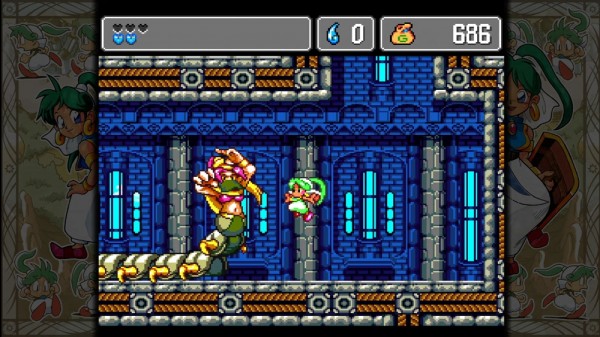
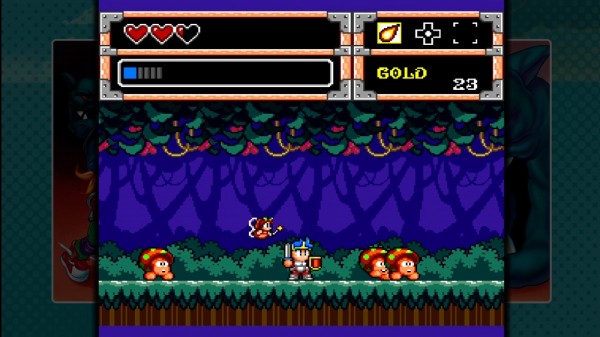
The games in this package have aged reasonably well, considering the eras that they belong to. Wonder Boy in Monster World is obviously the most retro looking game in the collection, but it’s still a vibrant looking game with really good use of colours, the game here is actually the superior arcade original instead of the famous Sega Master System port. Wonder Boy in Monster World is a vast improvement, as being a Mega Drive title it has some appealing 16-bit graphics. It’s a really vibrant game with some nice use of colours and has some solid character sprites, but the animations are quite simple and the graphical details are a bit bland. Monster World IV is obviously the best looking of the lot, a game that was released towards the end of the Mega Drive’s life, this game has aged well visually as it features some really fluid animation, highly detailed 16-bit graphics, great use of colours, and some cool character sprites and effects. Monster World IV is easily among the best looking Mega Drive video games ever made, and still looks quite appealing.
Musically these games are quite brilliant, featuring very upbeat and uplifting tunes with a very strong RPG vibe to the overall musical style. All the games have a memorable soundtrack, each offering something a little different. Monster World IV offers a much different style of music compared to the other games in the collection.
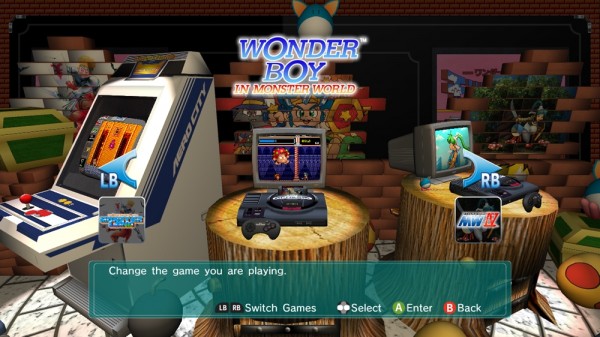
What’s great about this collection is the way it’s presented, offering a virtual arcade and Sega Mega Drive (Genesis) set ups for each of the games. The games have been ported really well and you can play around with a variety of graphical filters and resolutions, all producing some nice results. There is also a musical jukebox for each game that lets you enjoy each game’s OST.
Gameplay:
The games featured in this collection are all adventure platformers and are actually pretty similar in style. These are pretty action heavy games, where you battle a lot of monsters, engage in some classic and challenging platforming sections, solve puzzles, and face some mean bosses. At the same time you also get to explore towns and even interact with NPCs.
Wonder Boy in Monster Land is a challenging arcade title but at the same time quite addictive. You can learn spells and acquire new equipment and items from shops, however you’re meant to be constantly on the move as there’s a constant time limit. This is one fast paced adventure platformer that gets difficult right from the get go. You need to power through each of the areas as quickly as possible and fight each area’s boss. These bosses put up a pretty tough fight and can wipe you out in seconds. The core gameplay mechanics might feel a little stiff and archaic compared to modern 2D platformers, but it’s still a playbale and enjoyable title that will make you come back for more. It’s a rewarding experience as you find yourself improving with each play-through. Thankfully this port allows you to play around with the number of lives and continues that you can use.
Wonder Boy in Monster World is actually pretty similar to Monster Land, but is much slower paced with greater focus on the adventure aspect. There are towns with NPCs, and you can even save your game at the inn. It’s a lot more puzzle driven, and the game design may be a bit confusing for modern gamers as its one of those cases where you need to talk to NPCs multiple times at different instances in order to trigger events. It’s fun for what it is, but the gameplay does not feel as relevant or accessible today, not to mention the mechanics feel rather stiff and sluggish.
Monster World IV is the real cream of the crop, and the main reason why you want to get this collection. The gameplay is just amazing, and is easily the best playing game in this collection. The controls are tight and responsive, and the general feel of the game is smooth and fluid. Asha has a wide range of attacks and is a lot of fun to control as she moves really fast and is a pretty agile overall. Along the way she meets an interesting creature that serves as her companion, helping her out during the course of actual gameplay with its abilities, and this allows for some pretty intuitive platforming and puzzle solving moments. It’s a pretty challenging game with some cool levels, fun boss battles, and just really entertaining action and platforming.
The games featured here are really fun to play, and while Monster World IV is easily the crown jewel of the collection, it’s still worth having a go at the other games. Also worth mentioning is that the collection features all localisations/versions of each of the titles, for example, you can play the Japanese, European, and North American version of Wonder Boy in Monster World.
Overall:
Sega Vintage Collection: Monster World offers a rare opportunity to experience one of the most overlooked and obscure retro franchises on high definition consoles. These are really well produced ports with enough new graphical knobs and filters to make them look pristine on modern resolutions. If anything, this collection is definitely worth getting just for the fully translated Monster World IV, which was a Japanese exclusive for well over a decade. The collection is far from being a novelty experience that you will get bored of in 10 minutes, as these are serious adventure games that will provide you with plenty of action packed platforming thrills. While Wonder Boy in Monster Land and Wonder Boy in Monster World may not have aged too well in terms of game design and mechanics, Monster World IV however is still an enjoyable and refreshing 2D adventure game that feels relevant while still offering some old school challenge.


 hat can be blasted around each level, which enemies can still duck and cover behind. Classic FPS weapons like grenade and rocket launchers, as well as awesome specials like the Redeemer are available for players to blast away at the Xenos. Razor Salvation also has stunning retina display, with console grade graphics. Not only this, but players can create their own factions with friends and fight together to be the top performing faction – even helping your world region to the top of the ranks. The game also has unique leaderboard titles to show off your skills. For more information, head to the official Razor Salvation Facebook page. Watch the trailer below to get a glimpse at the upcoming title, soon to be released for iOS.