
Home Blog Page 4944

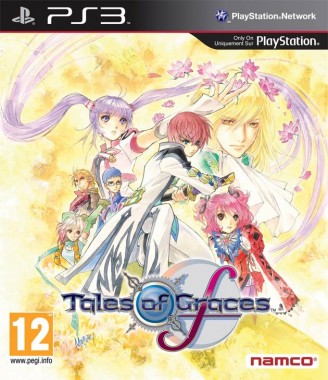
Tales of Graces f Review


Tales of Graces f

Developer: Namco Tales Studio
Publisher: Namco Bandai Games
Platform: Playstation 3
Release Date: 31st August, 2012
Price: $57.60 – Available Here 

Overview:
The Tales series is a long and enduring one. It has over the course of more than 15 years, the Tales franchise has went through many stages of evolution but it has never forgotten what made it Tales. So here we are now with Tales of Graces f, a Playstation 3 port of the Wii Tales of Graces game, the next evolution of Tales. The question is though, is it a mistake or does it evolve gracefully?
Story:
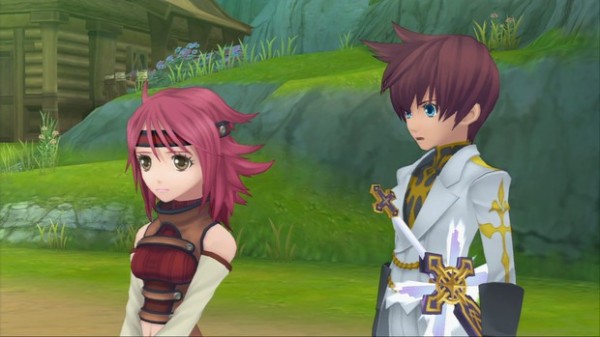
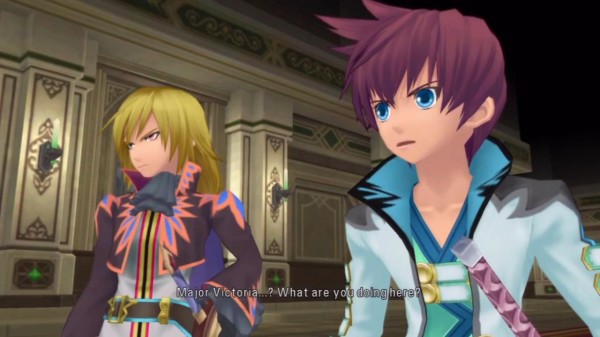
As has come to be known as a staple of the series, the game features a fantasy setting with a very anime-esque plot that plays out over the course of many many hours. Tales of Graces f follows Asbel Lhant a noble’s son as he forges a friendship with a prince and a mysterious girl, one that they swear shall last forever. But of course being that this is an RPG game things get in the way of that.

Without going into too much detail I must say that Tales of Graces f features one of the series’ finest story-telling efforts, with a lot of unexpected twists and turns along the way. The world of Graces is vast and well concieved much like it’s characters that inhabit it. I found the character of Asbel to be the most well defined and easily relatable. He has a very likable personality and it is easy to want him to succeed. Much like other entries in the Tales series there is a of course many emotional moments to be seen and some are truly powerful moments at that. Without a doubt this is one of the most interesting stories the series has pulled off in years.
Gameplay:
Tales of Graces f does feature a decidedly different gameplay style to previous Tales games, most specifically with it’s combat system. Previously Tales games implemented a much more chaotic combat system, comparatively Tales of Graces f features much more refined and simplified combat mechanics.

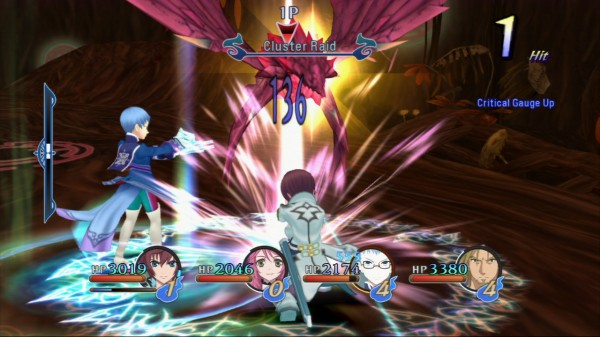
In combat players are locked in a line with enemies with the ability to switch to another enemy at the tap of a button. You move backwards and forwards and also dodge side-ways. It’s simple and while a little restricting compared to previous Tales games, it gives a feel much similar to Tales of Phantasia but in a 3-dimensional plane.

Interestingly enough the new combat system which arguably is just a variation of previous systems, does allow for some interesting strategy with the ability to set party actions prior to battles. They are of course controlled in combat by AI but the player themselves can determine how they will fight, defensively, offensively, be the teams healer etc. It works great and adds a greater level of depth to how your team plays without having the worry about controlling them in combat.

Of course like other RPG games, Tales of Graces f features a leveling system and there is a bit of a necessity for grinding at times usually in order to take on strong opponents and bosses that are almost impossible unless you are a certain level. Thankfully though the leveling is done in a way that is far from obtrusive and works incredibly well in providing the player with a simple and effective way to track their party’s progress without becoming a game about numbers like a lot of RPGs tend to do.

Characters can earn Titles and level that by 5 variations throughout the story as they progress and on top of that upgrade their attributes and gain new skills.

All in all there is a distinctive old-school RPG vibe to Tales of Graces f in terms of gameplay, it hearkens back the feeling of classic RPGs such as Guardian’s Crusade and of course the timeless Tales of Phantasia, the game that began it all for Tales. Despite that though there is enough freshness that it stands well in the modern gaming environment.
Visuals and Audio:
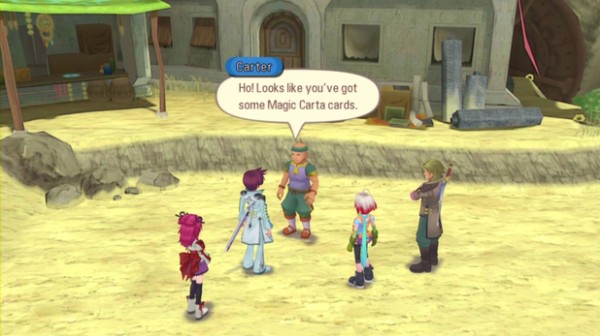
Aesthetically Tales of Graces f continues on with the anime-esque art style that the series has become known for. Much like previous iterations of the franchise it is brightly coloured and looks simply gorgeous because of it. The vibrant and lively landscapes are incredibly memorable and make for a world worth exploring. Character designs are also well done with a vast array of unique looking characters within the game of all shapes, sizes and styles.

The game’s soundtrack is pretty much your standard fantasy RPG score but it does the job effectively enough although it doesn’t make any major strides to do anything new or innovative. The game’s theme song is quite good though and rather noteworthy. I found myself looking it up afterwards just to listen to it again. It’s a shame that the rest of the game’s soundtrack is rather bog-standard. In terms of voice acting however the English voice actors and actresses have done an excellent job at portraying these characters and making for memorable performances. Asbel in particular was performed phenomenally by Bryce Papenbrooke in his adult form, a tour de force of voice acting to say the very least.
Overall:
Tales of Graces f is another solid entry into the long list of game’s in the Tales series. It may not do a whole lot different to it’s predecessors but it doesn’t need to. The formula is solid and the story takes the foreground in RPGs such as this and I must say this is one of the best stories Namco have told with Tales in years even rivaling the legendary Tales of Symphonia.

There is enough on offer here to please any Tales fan as well as those new to the series. In fact it makes for an excellent entry point for those unfamiliar with the series. Asbel is an admirable hero and the story of Graces will surely engage even the most wayward RPG fans. Tales of Graces f is a classy game that lives up to it’s title, this is a game made of pure grace.
9-0-capsules-out-of-10

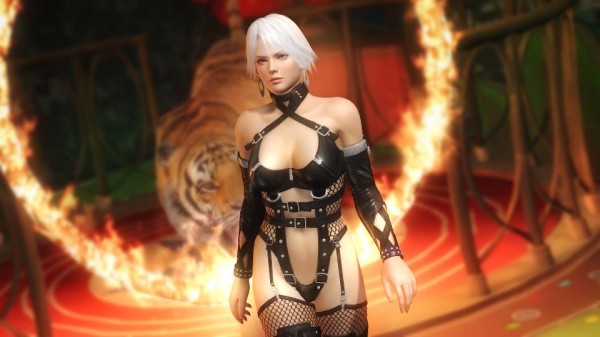
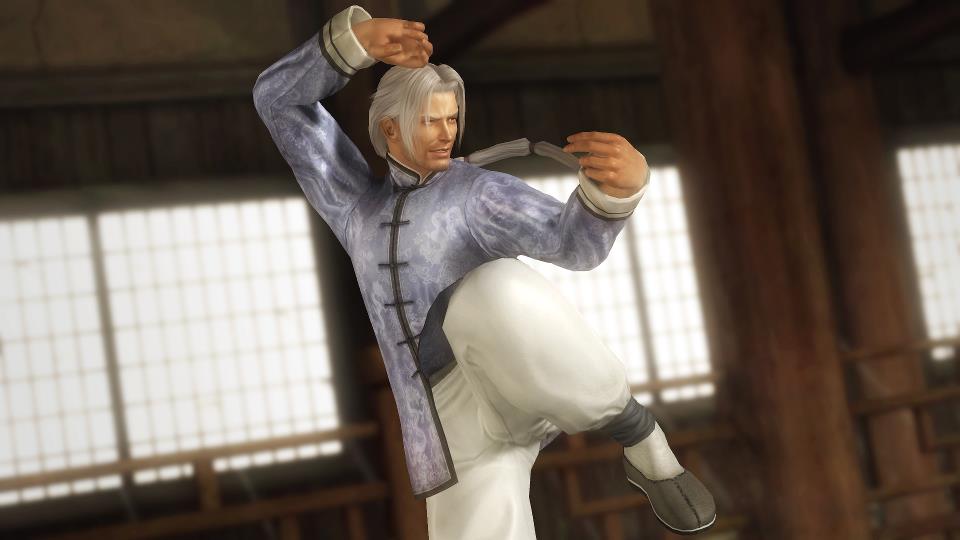
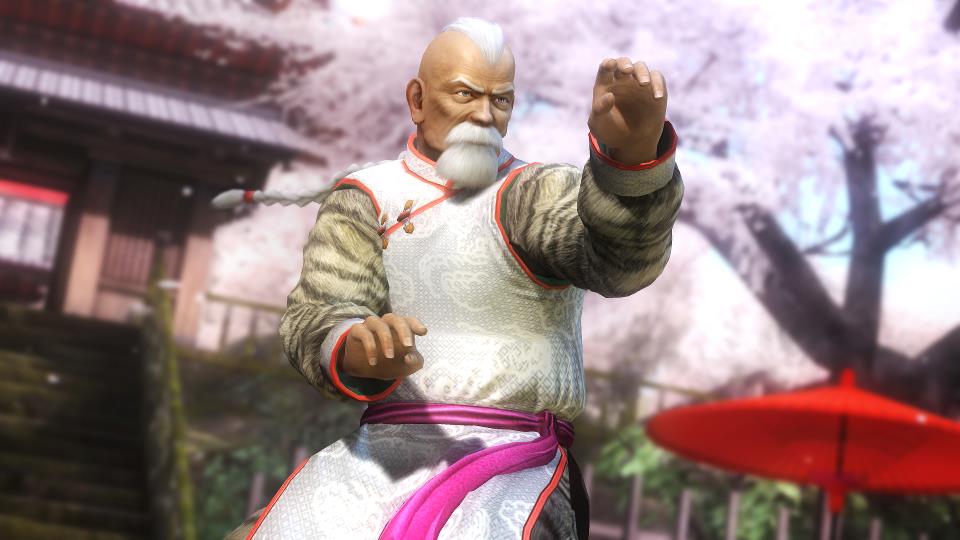
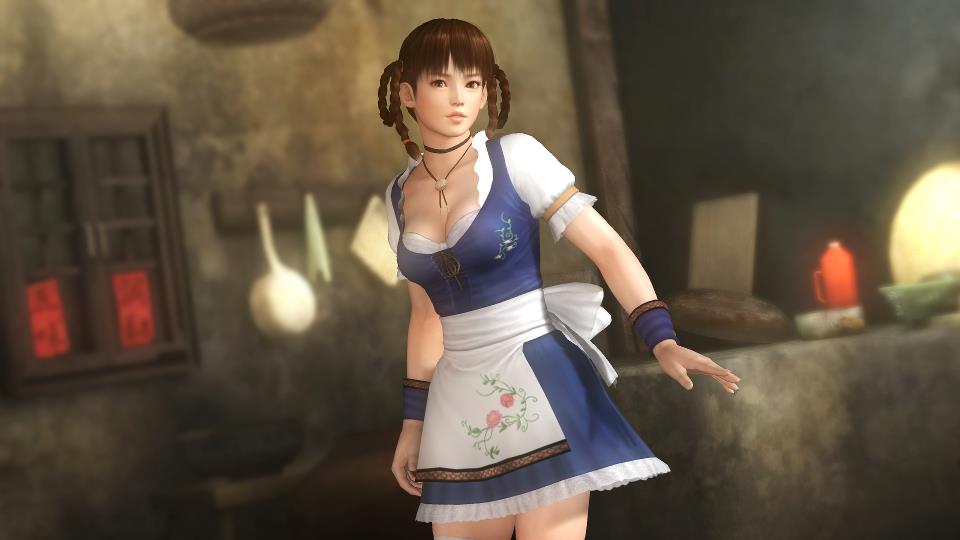
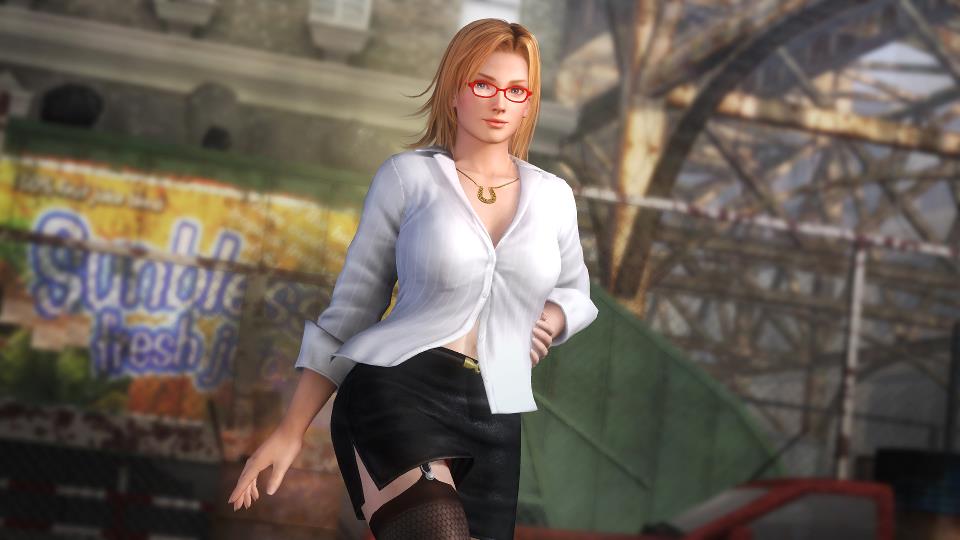
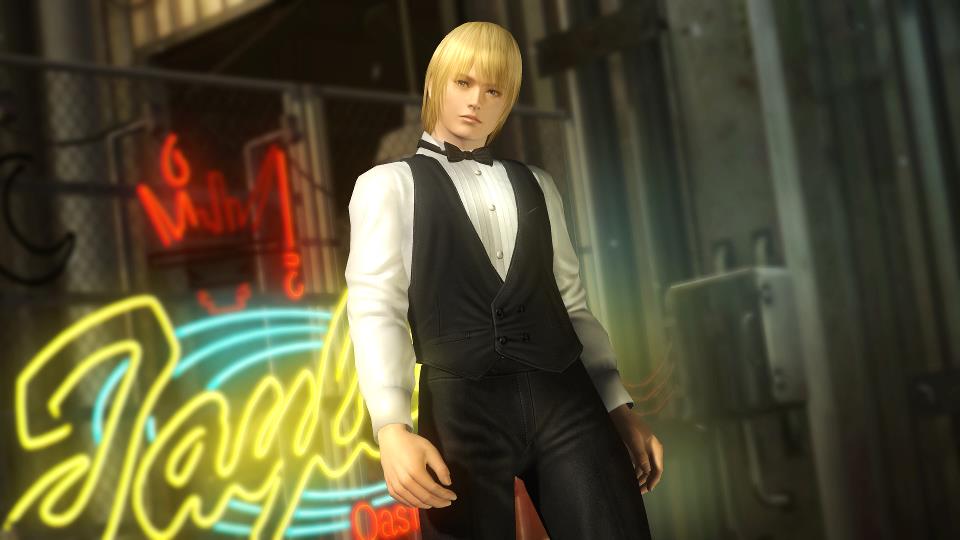
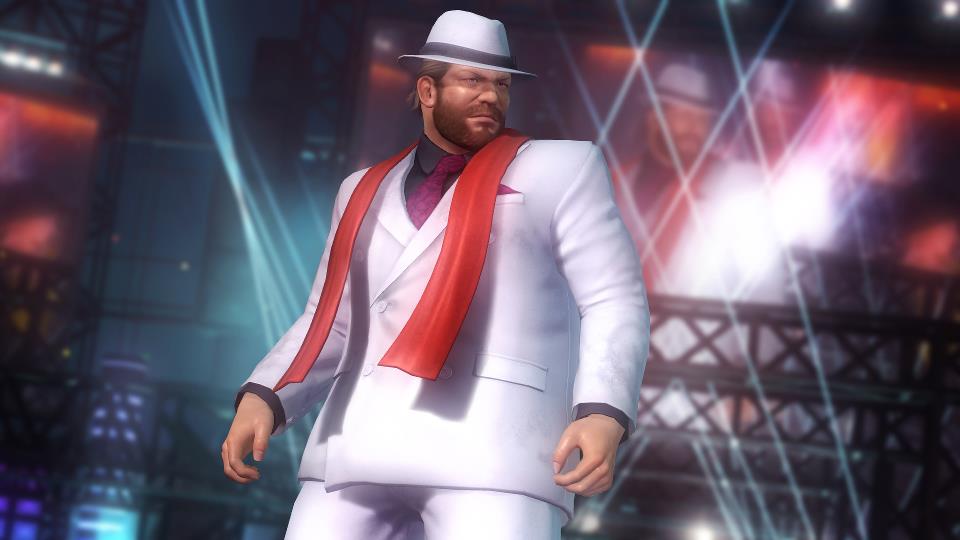
Next wave of costume DLC released for Dead or Alive 5

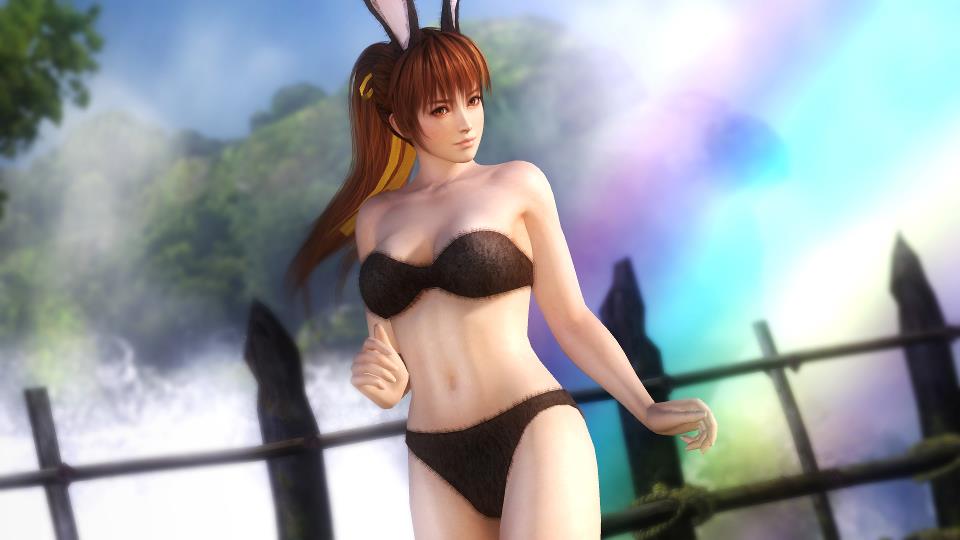
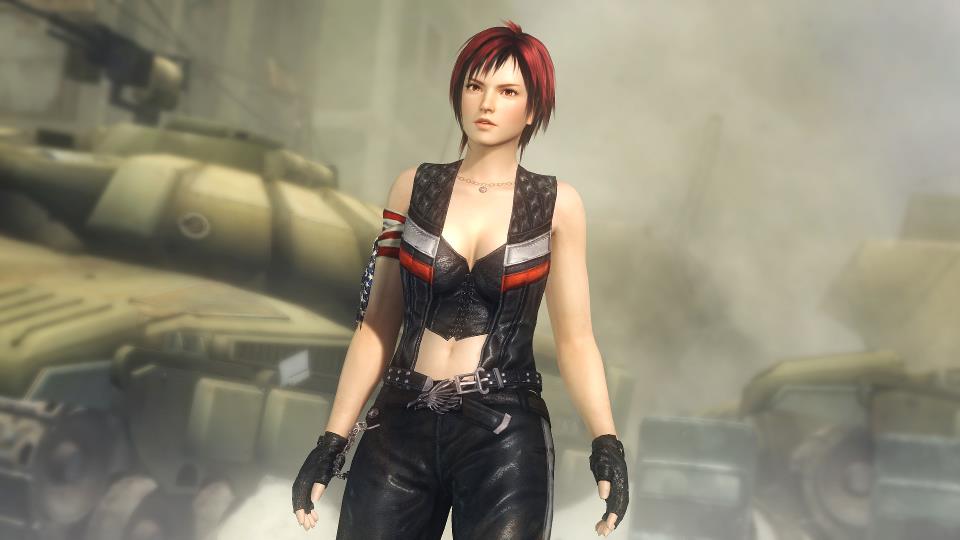
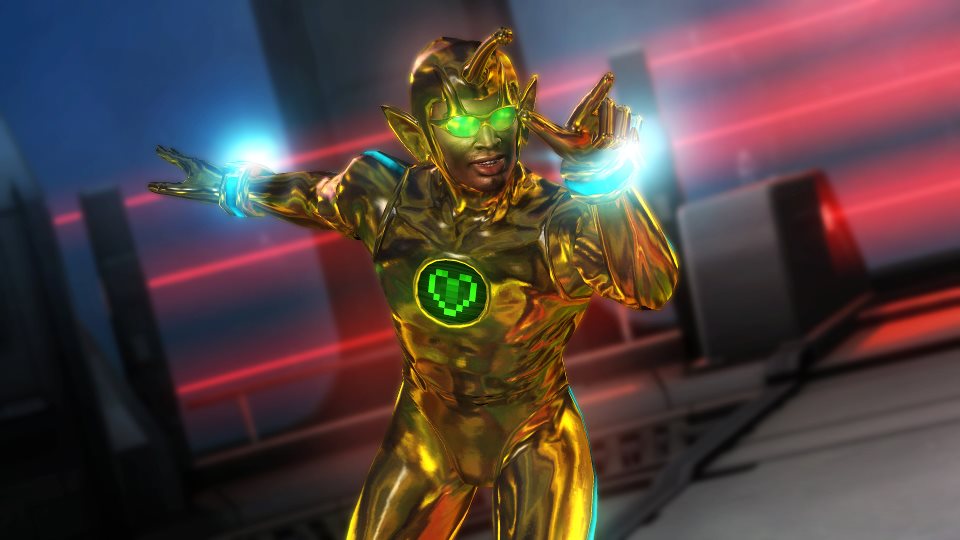
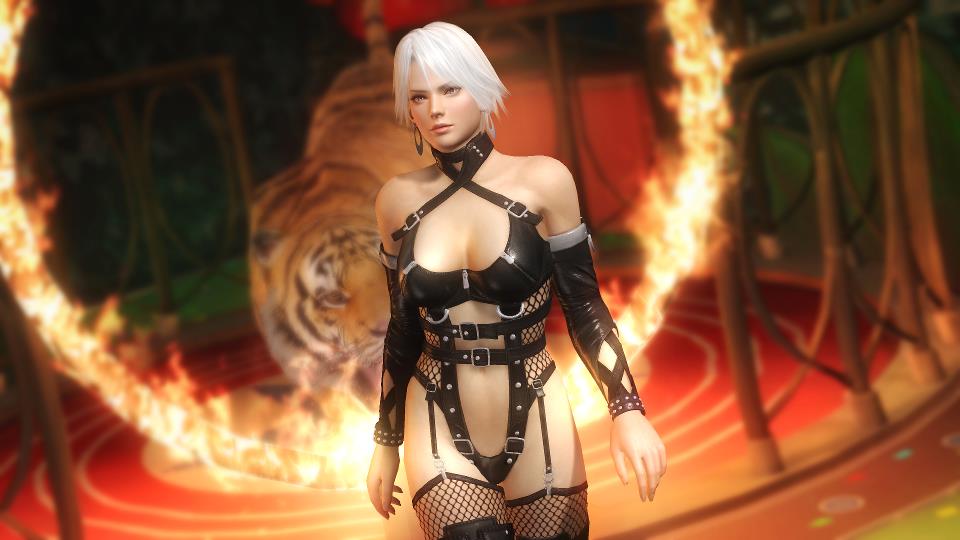
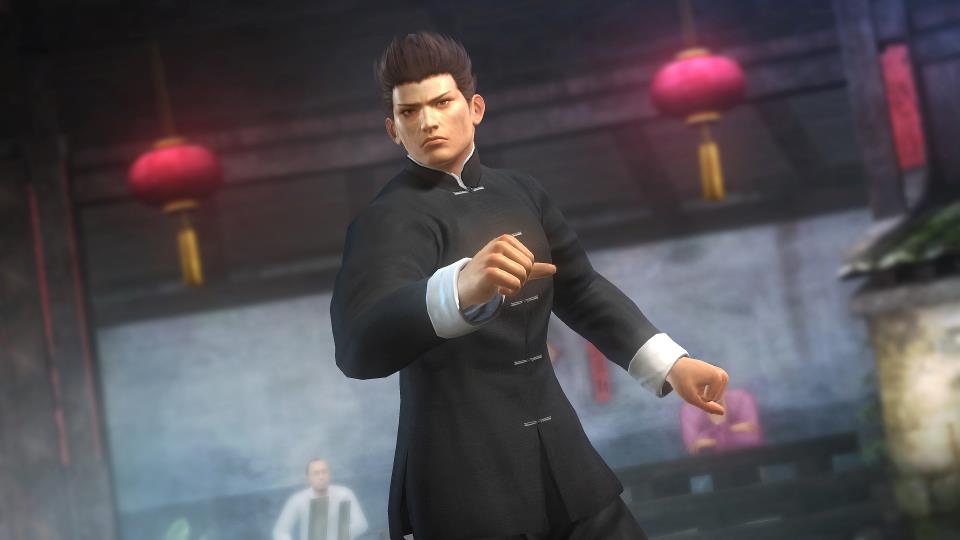
Today Tecmo Koei revealed another set of costume DLC for Dead or Alive 5. In fact, this is the fifth round of costumes they have released so far which means if you’ve purchased every pack so far, you have upwards of ten to fifteen costumes for some of the female characters.

This set contains the China Pack, Formal Wear Pack and Special Set 3 and each one costs 400 MSP or $5 each or if you buy them in a bundle they will only cost 1040 MPS or $12.99. The costumes can be seen below and we see some rather standard outfits alongside some very sultry outfits for Kasumi and Mila and a some risque leather for Christie.

Skullcandy PLYR2 Wireless Gaming Headset Released

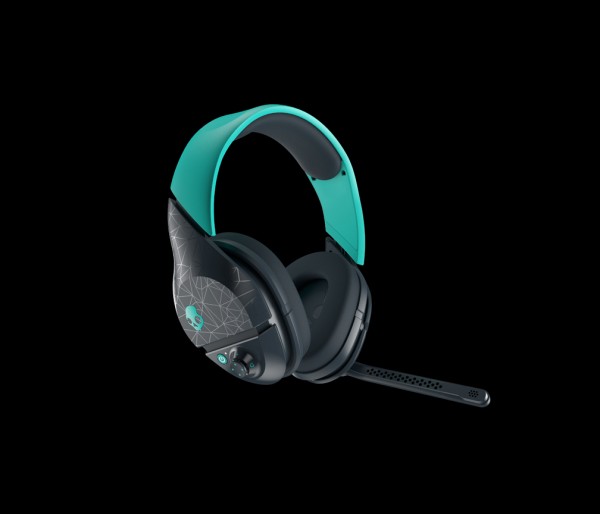
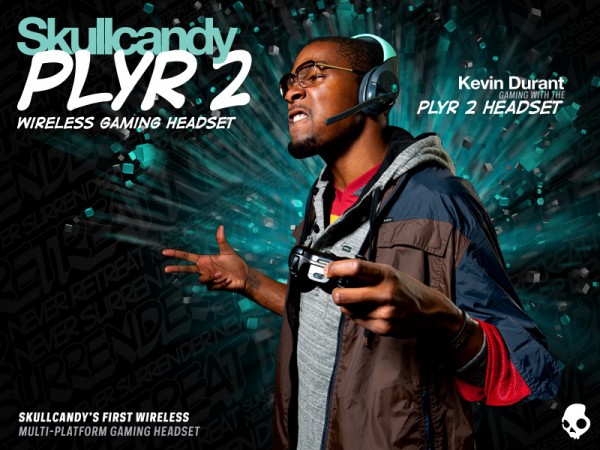
Skullcandy followed up the release of the SLYR wired headset with the release of the PLYR2 Wireless Gaming Headset today. PLYR2 is Skullcandy’s first wireless headset and is compatible with Xbox 360, Playstation 3, PC, Mac, and most mobile platforms. The audio is delivered through 2.4Ghz wireless technology and features Skullcandy’s proprietary Supreme Sound technology for precise highs and thundering bass. The wireless transmitter features an equalizer programmed with three sound settings called Bass Mode, Supreme Mode, and Precision mode. The headset also has an adjustable boom mic that automatically mutes itself when flipped up.

PLYR2 is available in black, white, or teal for $129.99 USD here. Additionally Gamestop, Target, and Best Buy will be carrying PLYR2 in stores in the USA.

Wii mini confirmed for $99

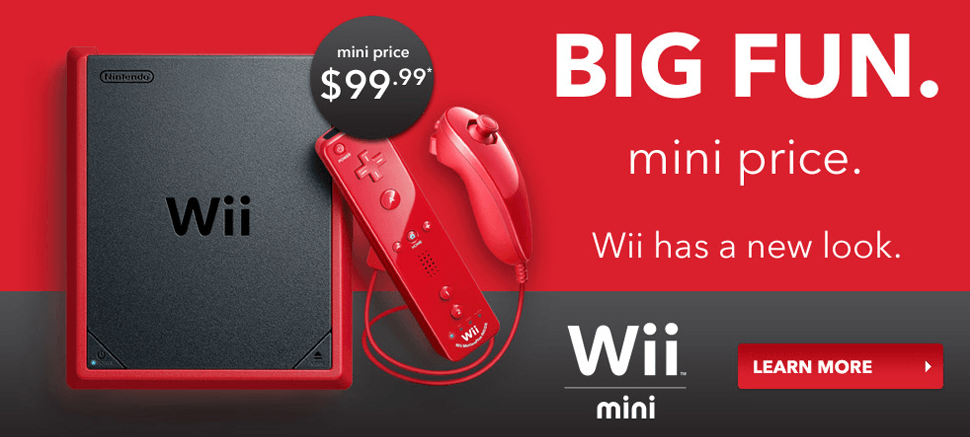
Nintendo has confirmed the release of a Wii mini console for December 7th as a Canada exclusive.

The mini console comes in a red and black theme this time around, coupled with red nunchunks.  It also has a top loading disc drive this time around and is designed to lay flat.

Unfortunately, there will be no internet connectivity for the Wii mini and additionally, no Gamecube compatibility. It definitely is intended to be a ‘bare minimum’ variation to the traditional Wii so no doubt the targeted audience may not be too perturbed by the lack of these features.

The Wii mini release comes at an interesting time, with the Wii U and original Wii both selling well through the week of Black Friday. Will the release of a Wii mini be successful, or even infringe on some Wii U sales? Even more worrying, will the release of another branded ‘Wii’ product cause more confusion between the Wii and Wii U?

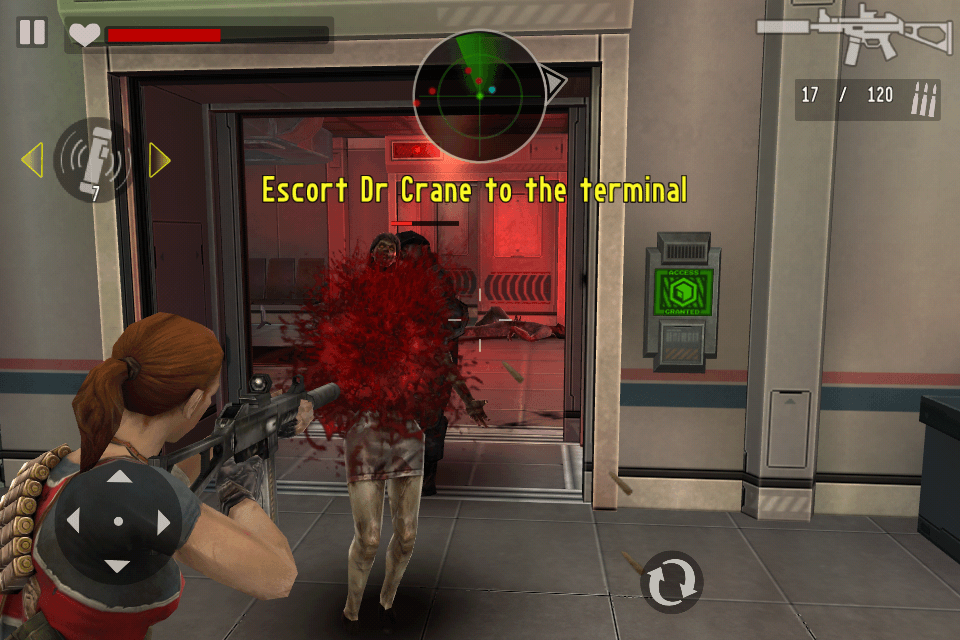
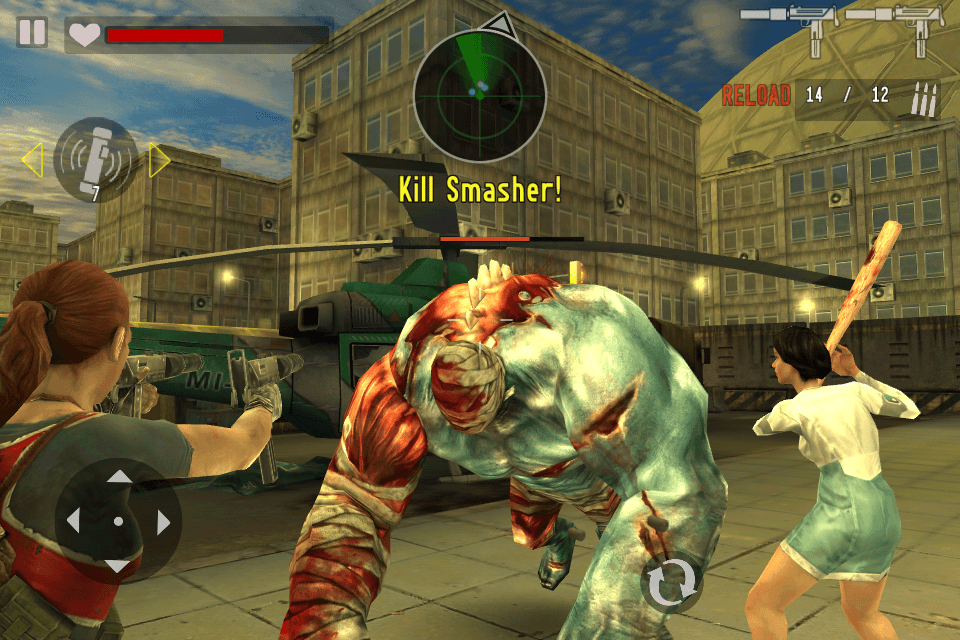
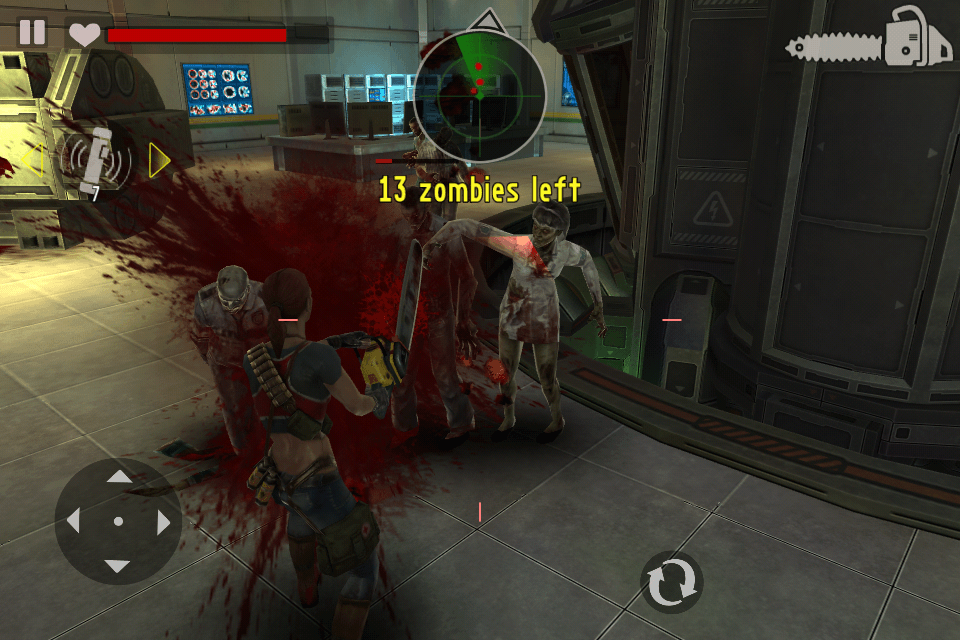
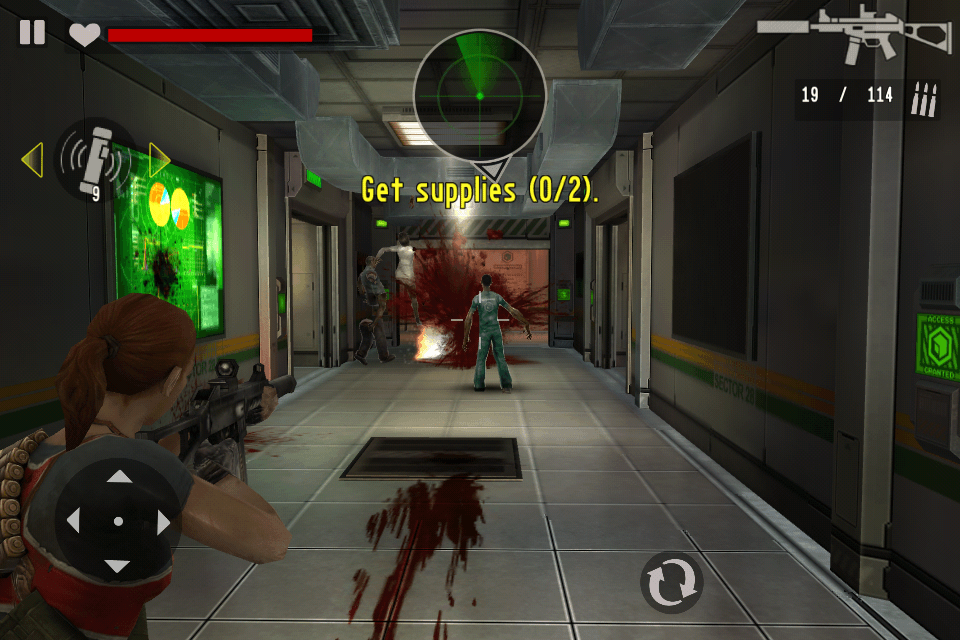
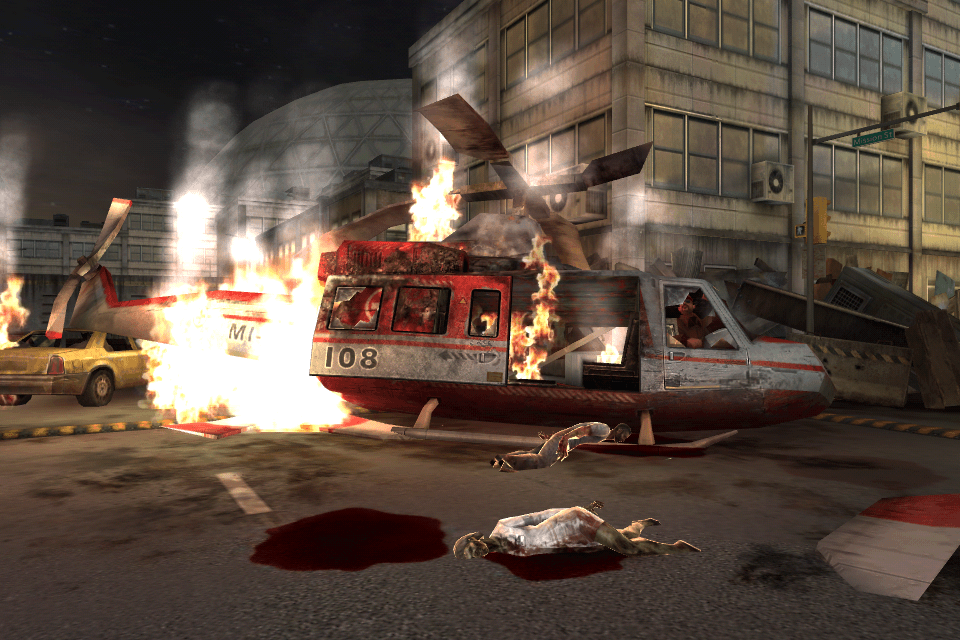
Contract Killer Zombies 2 Coming This Week

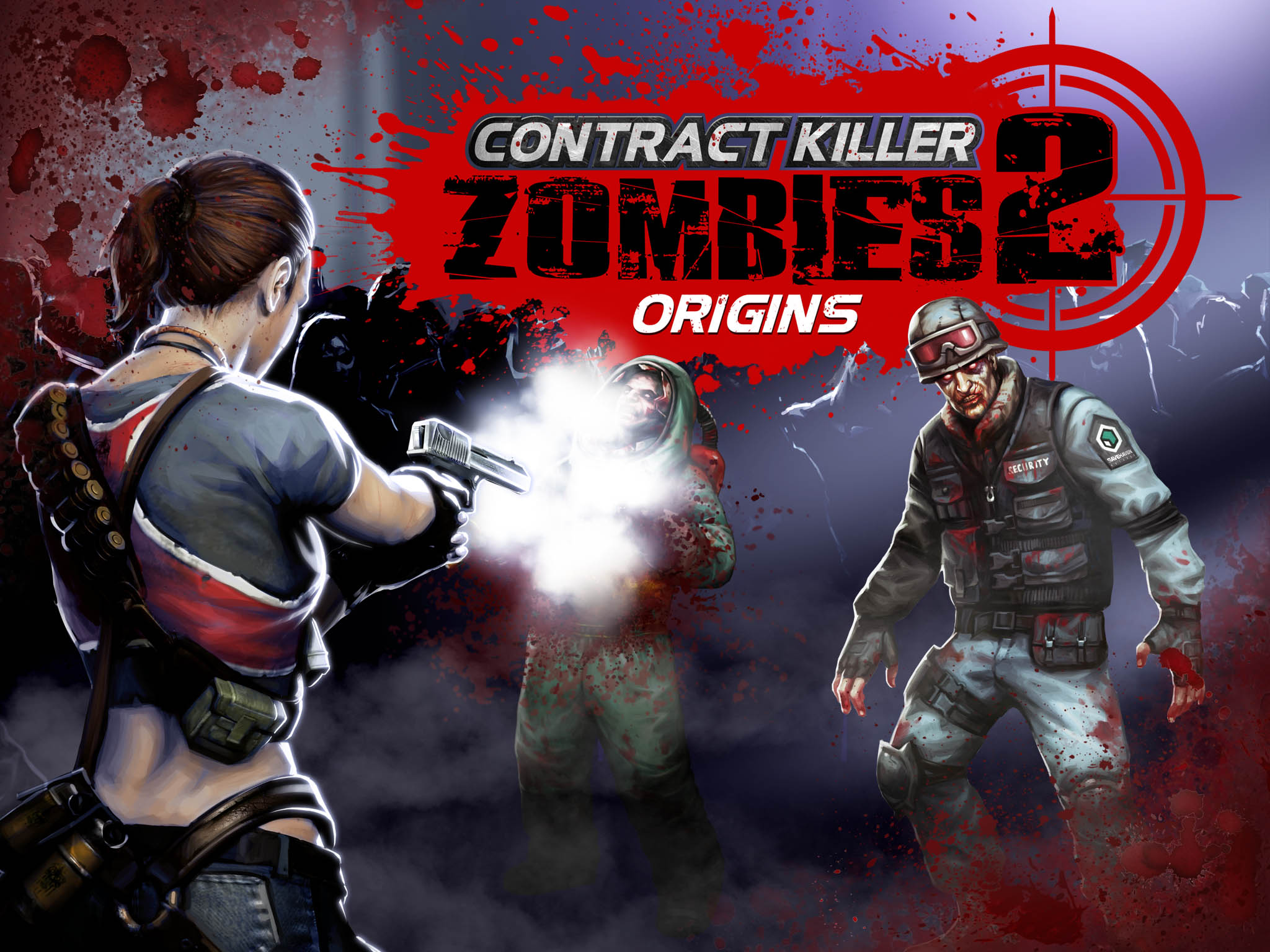
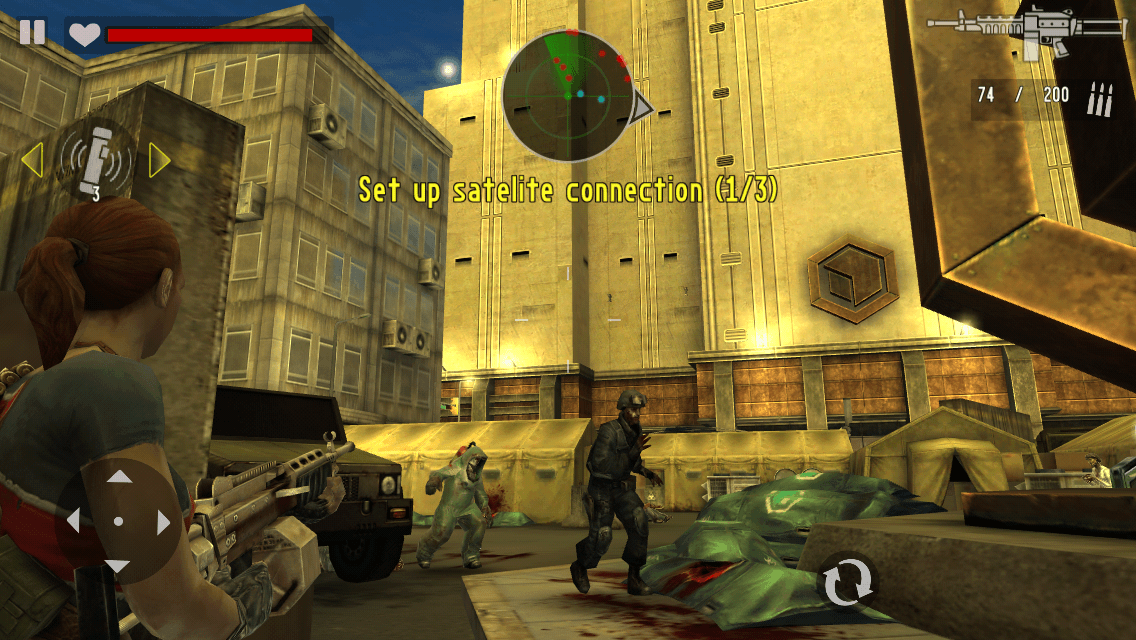
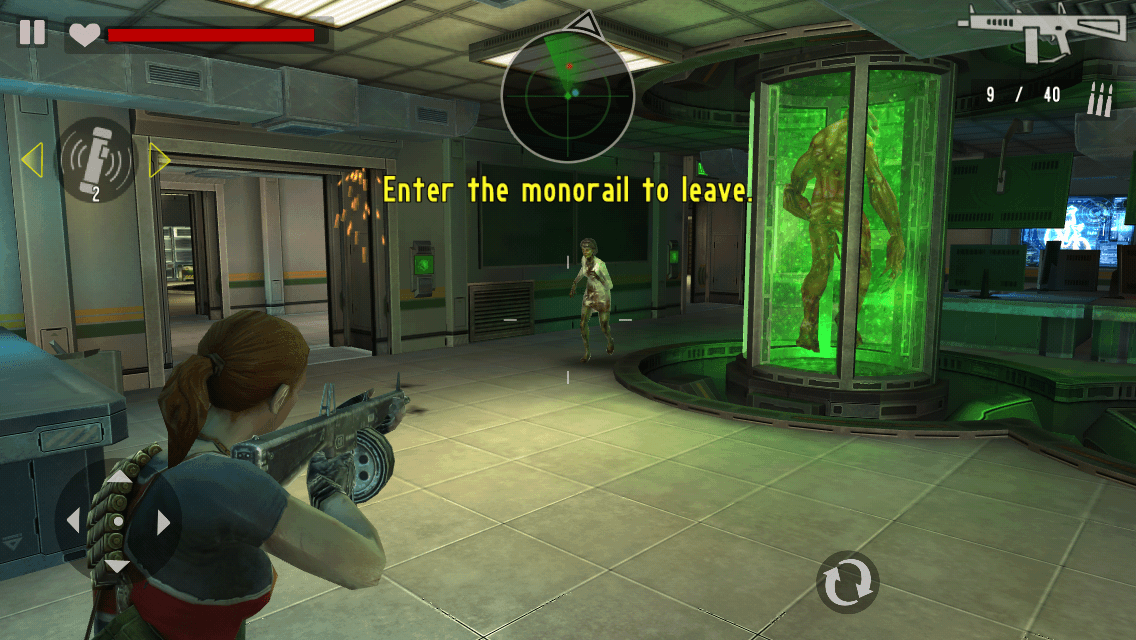
Glu Games have announced Contract Killer Zombies 2; the sequel to their original 1st-Person zombie shooter game. And this time, things are much different.

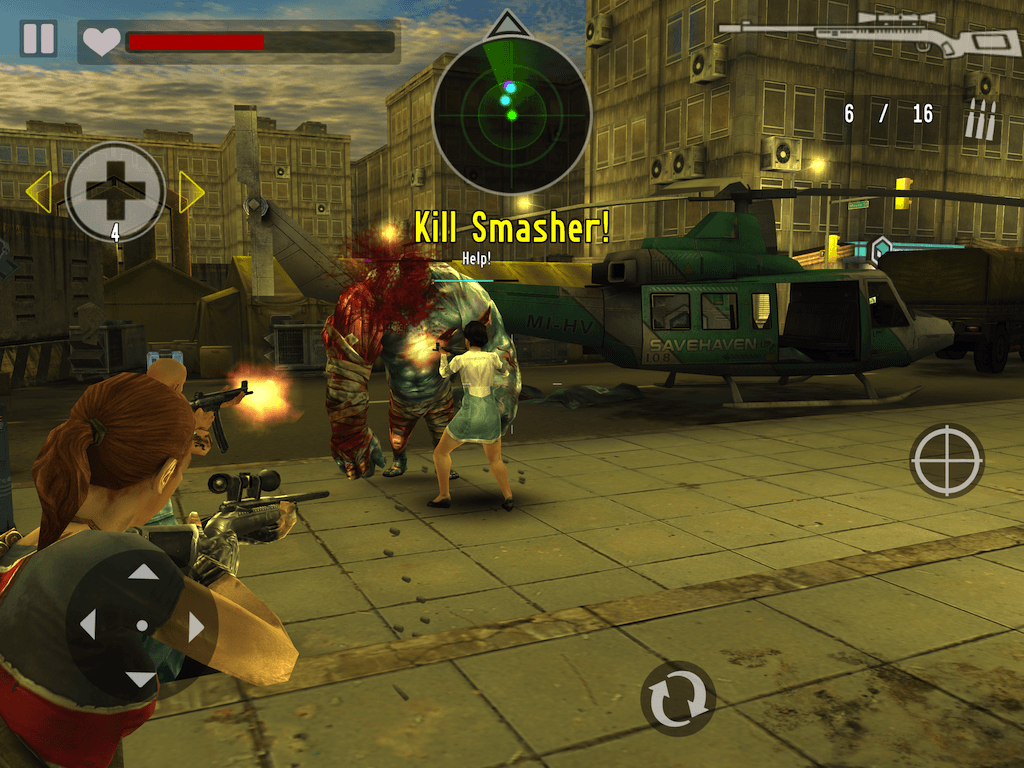
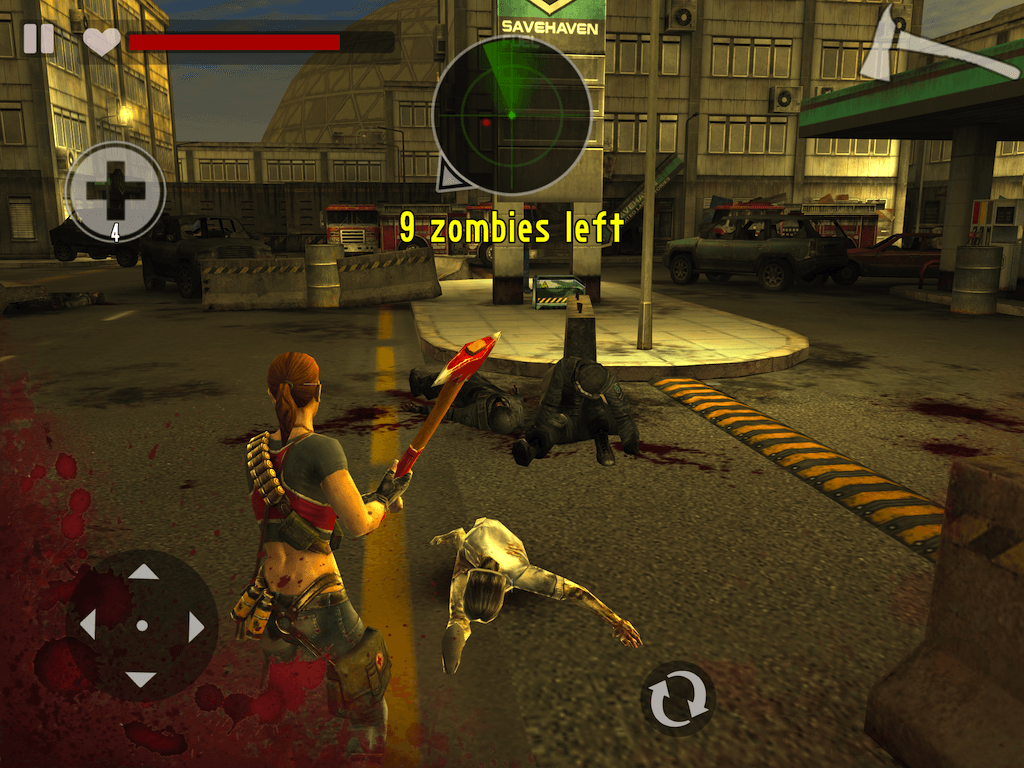
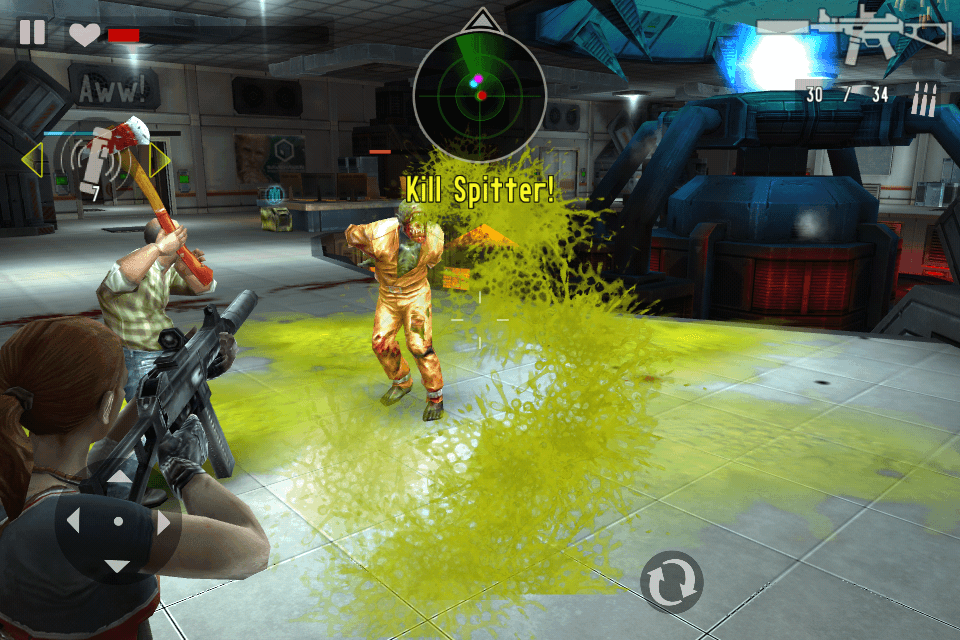
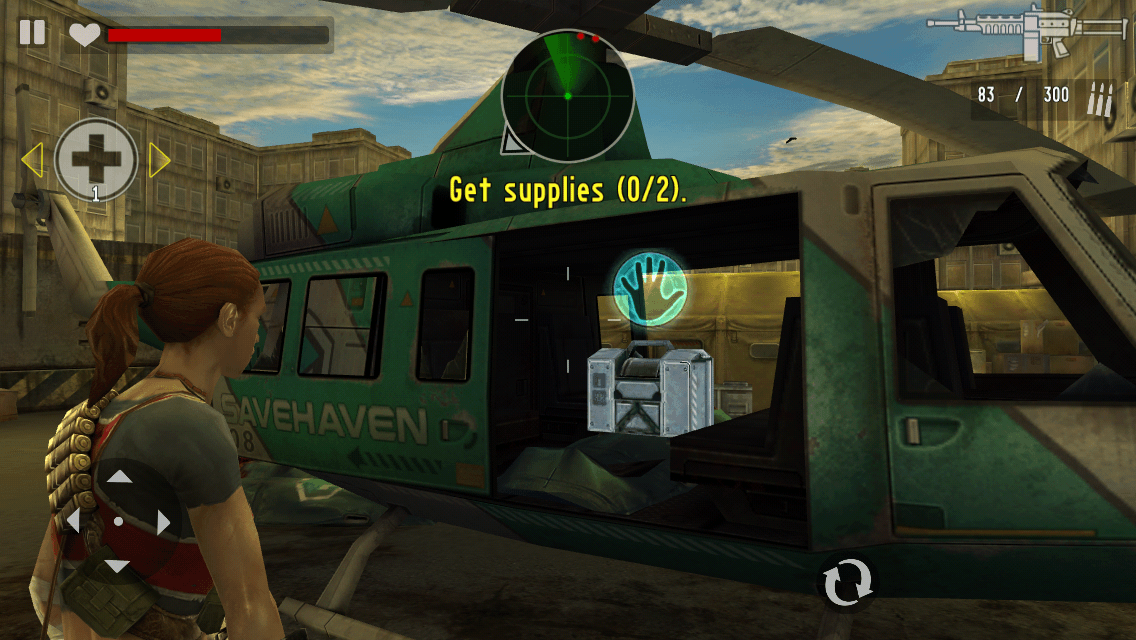
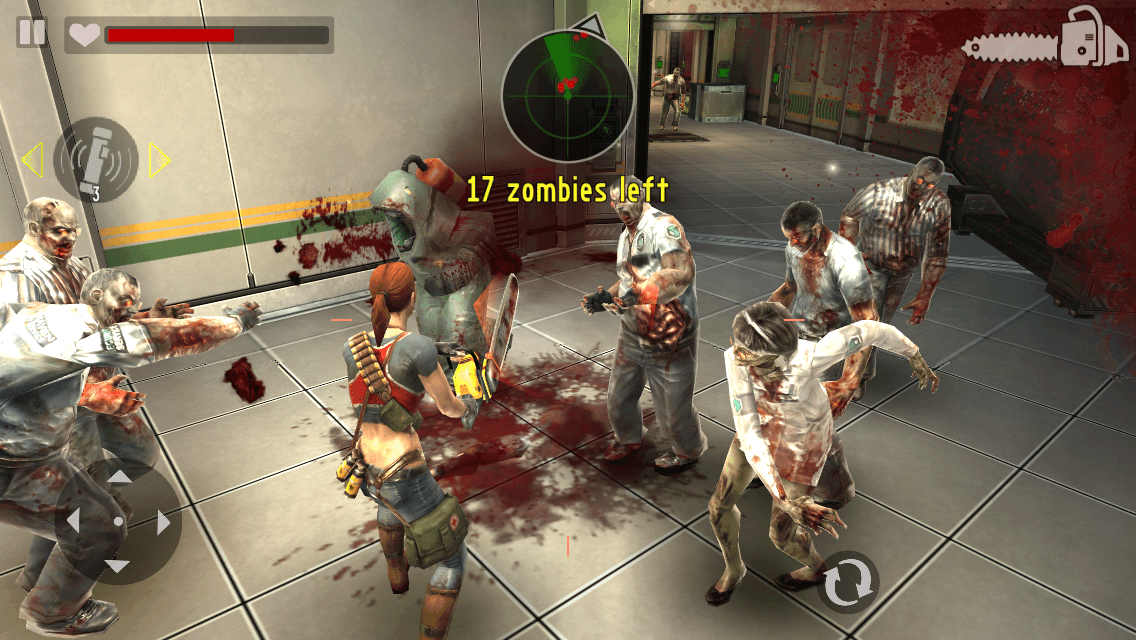
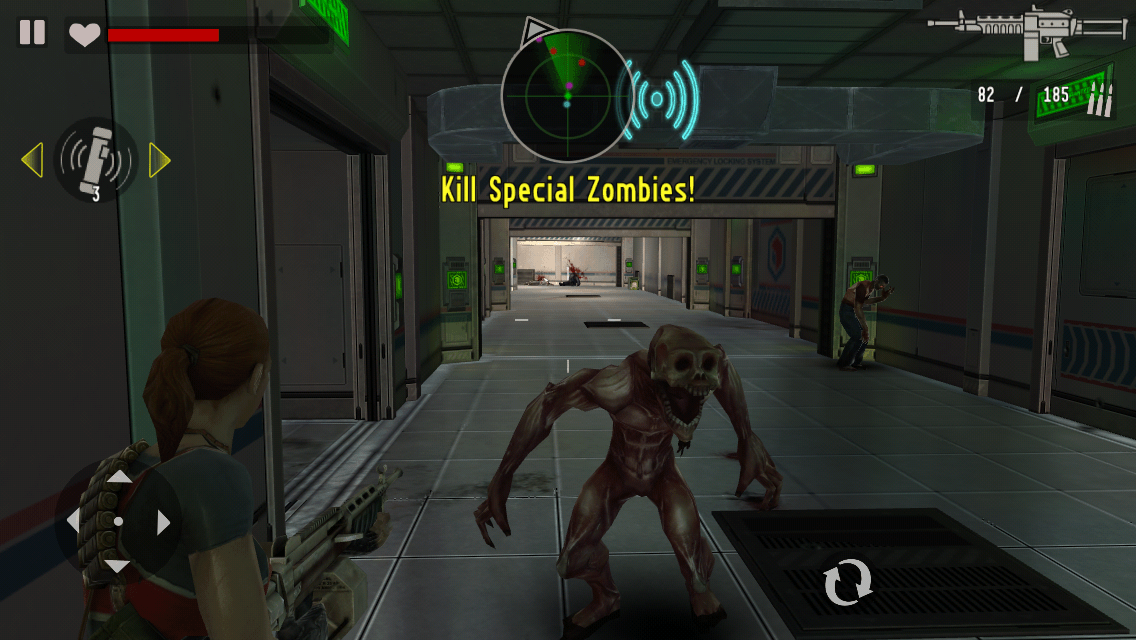
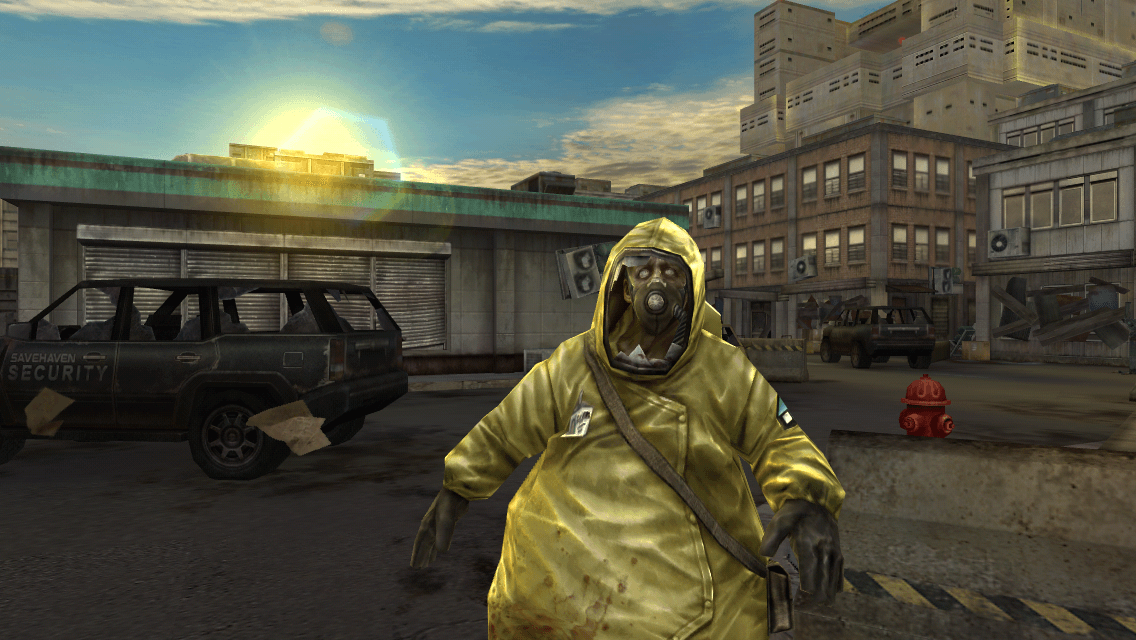
Contract Killer Zombies 2 is a 3rd-Person free-roaming action shooter that has the player embody Evelyn, who was the sidekick to the hero Shooter in the first game. Evelyn will encounter a variety of mission types during her time at the Safehaven Research Lab, and will be equipped with multiple weapons (including a melee weapon) from the very start.

The following is an official list of features in Contract Killer Zombies 2:

  • Free-Roaming Third-Person Action: Fight through numerous locations in and around the Safehaven Research Lab.
  • New Survival Mode: Compete for the highest score by protecting a civilian from waves of zombies.
  • Multiple Mission Types: Save civilians, find provisions and clear escape routes to open new locations.
  • Heavy Artillery: Collect shotguns, machine guns, sniper rifles, grenades, axes, chainsaws, health packs and more.
  • Rankings: Track progress with Game Center Achievements and Leaderboards.
We’ve got first first screens and other imagery in the gallery directly below, as well as the first gameplay trailer underneath that. At first glance, there seems to be a great Left 4 Dead influence – on the enemy types at the very least. Check it out!

Bodacious Space Pirates Coming January 13

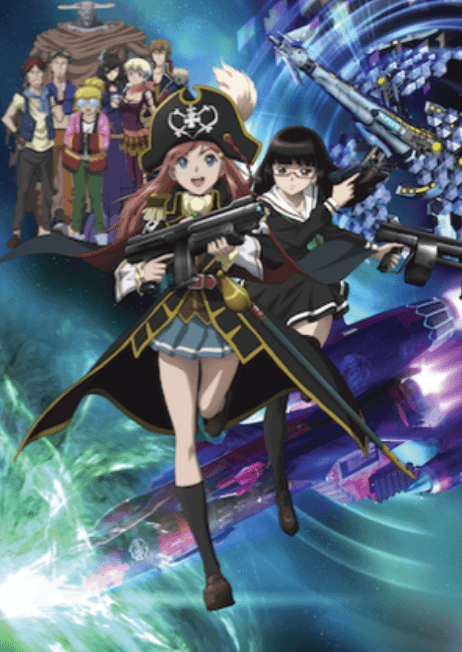
From the Director of everybodies first hentai movie, Ninja Scroll, comes Bodacious Space Pirates. This title has been licensed by Hanabee for release in Australia and features a young girl that inherits a pirate ship and must balance her life as a space pirate with that of her normal life.

Set to be released in January 2013, this title will see both a DVD and Blu Ray disc release. It will also feature both an English and Japanese dub. Be sure to check out stores for this adaptation of a light novel around the time of release.

The Walking Dead: No Time Left Review


The Walking Dead: No Time Left
Developer: Telltale Games
Publisher: Telltale Games
Platforms: Mac, PC, iOS, PSN, XBLA (Reviewed)
Release: November 21, 2012
Price: 400 MSP ($5) – Available Here

Overview:
Whenever someone mentions zombies in games there will usually be a group of people who start to sigh and will immediately start to place that game into a certain category. However over the last few months we’ve seen just how different a zombie adventure can be when it is crafted masterfully over time. Telltale Games has managed to create a compelling and emotional experience as fans waited anxiously for the next episode in their Walking Dead series of games. Now that the company has brought this first adventure to a close, is it something we will be talking about for a long time to come?

Story:
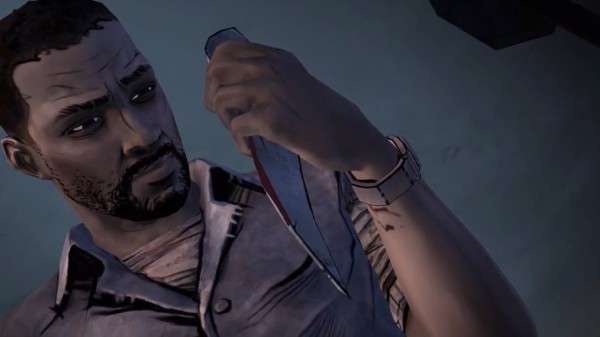
It is worth noting that if you haven’t played through episodes one through four at this point, that there will be spoilers as they are simply unavoidable and if you haven’t done so yet, then you better set aside some time as the emotional build-up you will experience throughout those four episodes all culminates in this finale episode with Lee Everett’s story coming to an emotional finale.

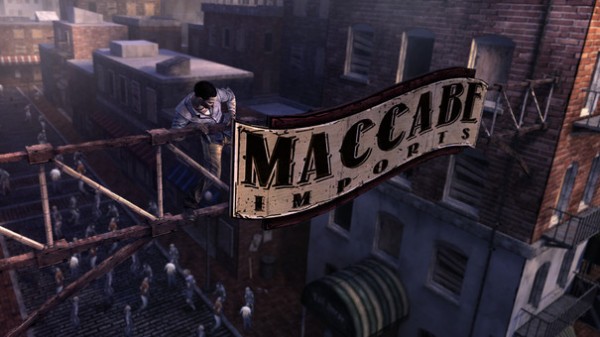
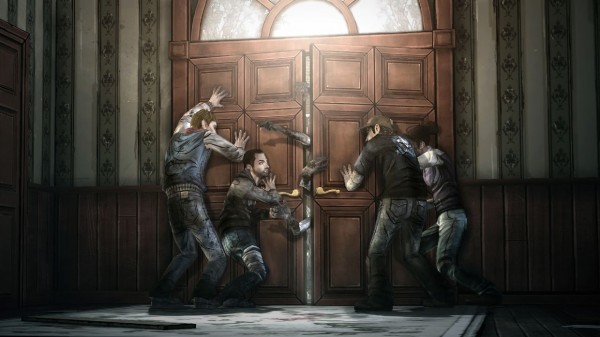
Unlike previous episodes, Episode 5: No Time Left picks up during the final moments of Episode 4: Around Every Corner as players are given a small recap of the fact that Clementine has been taken by some unknown perpetrator, Lee has been bitten by a zombie and a massive horde of undead has begun walking the streets of Savannah. From this point players are given only one goal… find Clementine at all costs and damn the consequences.

After their decisions in Episode four, players can come across a number of different scenarios right from the get-go as Lee may be able to seek help from the entire group or he could be all alone at the start, but players will never feel like they may have made a wrong decision somewhere in the past. In fact, Telltale manages to bring everything to a head here in the final episode and we see Lee become a man with only one goal in mind and those around him can rally around his cause and do their best to assist him any way possible.

While Lee and Clementine’s plight may be the focus here and the story barrels forward at a fever pace there are a few segments where the game’s pacing slows down and players are given a few simple puzzles to solve and chances to converse with the group that may still be with them. Players will have chances to talk about things which occurred many episodes ago and depending on your decisions the dialogue and choices will change as well. The personal interactions with the group help drive the events this group has went through and some may even redeem themselves in some form.

Player choice is even now still instilled in this episode and the choices are as brutal as ever before with a number of terrifying decisions scattered throughout the episode. With Lee racing against the clock he has become more straight forward than in the past and there is always a sense of urgency to every decision that has to be made as this surrogate father searches for a young girl, whom many may see as an adopted daughter by this point in the story, in the hands of a stranger in the middle of the zombie apocalypse. Ultimately many of your choices don’t make a massive impact on how the story itself will play out, but with the end drawing close and the sacrifices that the group must make things begin to tumble out of control in heart-rending ways.

Visuals & Audio:
As one would expect, Episode 5 features the same aesthetic style as the rest of the episodes but ultimately No Time Left appears to be the most visually impressive out of the five episodes in this first season of the game and never is this clearer with Lee’s character design. As the story barrels on, not only does the player’s situation make them feel desperate, Lee’s appearance begs for the player to hurry as fast as they can because he literally has no time left. Each segment of the game sees Lee’s facial structure and appearance grow worse as the infection spreads and Clem is still so far away…

As far as the game’s voice work, there is still the same amazing voice cast returning to voice characters that they’ve had a lot of time to work with and many of the most emotional scenes are driven home thanks to how much emotion these voice actors/actresses put into their rolls. The same can be said to the game’s background music which is used sparingly but to great effect during actions sequences and dramatic moments.

Gameplay:
Telltale has managed to find a nice balance between action and dialogue sequences in this episode and every time the player manages to encounter a puzzle it is still rather easy to solve though with the clock ticking a difficult puzzle would be the last thing players should be worrying about.

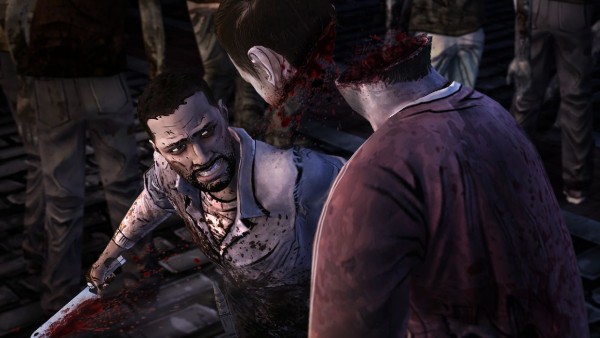
As for the game’s action sequences there are a number of very brutal scenes that, when combined with the art style and sound track, create perhaps the best action scenes all season. Zombies come back in a major way and they are more deadly than ever before as the limited ammo supply quickly becomes an issue and hand to hand combat becomes the last thing between life and death.

It is worth noting that during one section later in the game Lee became stuck interacting with an object and the only way to fix the issue was to back out of the game and re-start from my last checkpoint, though only a few minutes were lost. Outside of that it actually seems like Telltale has managed to create a nearly bug free experience with No Time Left.

Overall:
When the screen fades to black and the credits begin to roll the only thing I could do was sit there and silently watch with bated breath for the epilogue to begin and even afterwards I struggled with my emotions as this season came to an end. Few games can create emotional impact of this scale and Telltale has managed to do just that. It is hard to say goodbye to a series which made me care so much about a group of characters and their plight but this is the emotional ending that the game and the fans deserve. Everything we have done was for Clementine and in the end, there is only hope.

10-0-capsules-out-of-10

Tank! Tank! Tank! Review

Tank! Tank! Tank!
Developer: Namco Banda
Publisher: Namco Banda
Platform: Nintendo Wii U
Release Date: November 18, 2012
Price: $49.99 – BUY NOW

Overview
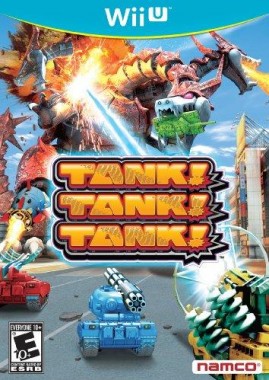
Tank! Tank! Tank! may have the oddest name out of all of all of the Wii U’s launch titles, but it actually comes from a franchise of sorts with a long, illustrious history, dating back to the 1974 cabinet simply labeled “Tank”. In 1995, Namco brought about Tokyo Wars (acting as a spiritual successor), which changed the gameplay up entirely, letting players take to the streets and blast all enemy vehicles in set number of time. Yeah, the premise was simple, but the game continued it’s legacy nearly 15 years later in arcades, with Tank! Tank! Tank! blowing a hole into the dying genre with new, unique features and a more over-the-top style. The Wii U is certainly a capable system to handle an arcade inspired title, but is Tank! Tank! Tank! right for the Wii U?

Story
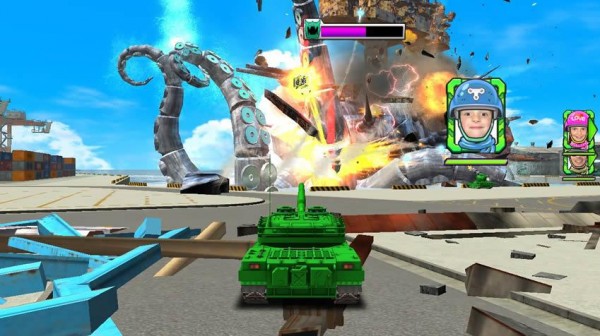
Tank! Tank! Tank! came with some awesome advertisements while being promoted, promising nothing but explosions and mass chaos with a lot of camp packed in. The good news is that it delivers fully in those aspects. The bad news is…well, that’s about all it does. There is a small plot intertwined within the main campaign, but it’s nothing memorable or special and feels tacked in just to give a bit of incentive for progression.

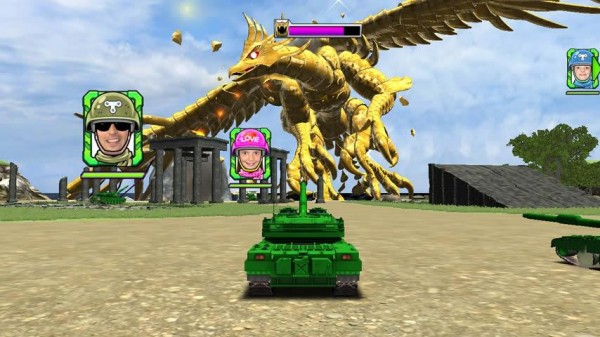
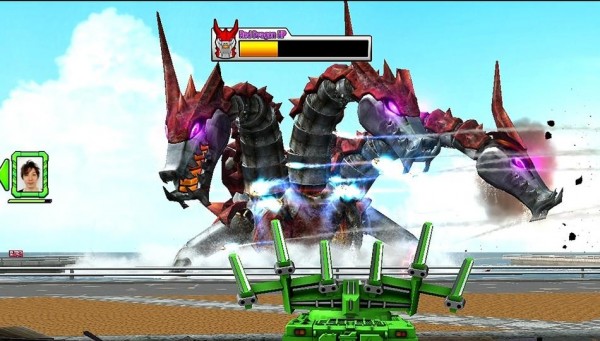
Sure, fighting these robot monstrosities is an amazing concept, but you can only have so many laughs at mecha T-Rexes and Apes before the appeal wears off – leaving the player waiting for that much needed substance. Tank! Tank! Tank! may sell itself as an over-the-top parody, but it lacks the soul to properly pull of all of it’s jest, feeling more like a budget title than the arcade tribute it could have been.

Gameplay
The gameplay in Tank! Tank! Tank! is about what you would expect, with one player taking control of a tank and then going to work against enemies in a decently sized arena. I want to say that there is more aside from movement and shooting with the controls – but this is one simple title that thrives on it’s arcade charms, keeping the experience highly accessible and easy enough to enjoy for any player who picks up a controller to join in.

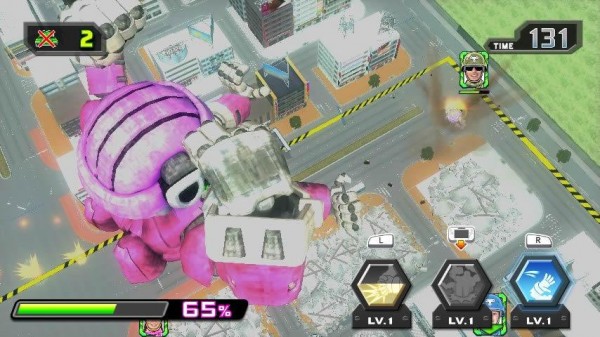
As for the controls, there really isn’t a lot to say. For most modes of the game, the player will be rolling around in their tank using the Gamepad, and shooting with any of the main face buttons. Since the standard shot offers unlimited rounds, the player will need to upgrade by rolling over weapon drops as they patrol the area. These weapons include the likes of machine guns, missiles, and large blasts, offering a little variety in an otherwise repetitive experience. The touchscreen offers little more than an extra display for single player, which is a bit of a loss – but nothing too major due to simplicity of the gameplay mechanics. For multiplayer, other Tank pilots can utilize the Pro controller or the Wiimotes for control, and considering there is no difference between any of these three methods – no participant should feel a loss as every control scheme feels relatively the same. Yes, this is a fluid game and is easy to learn, but the fact that there is so little needed from the player kills a lot of potential challenge and makes the entire game a button mashing romp, where the only strategy required is to shoot, shoot, shoot.

Campaign mode is the main single player draw, offering up missions to take down all enemies on the screen that are usually followed by one big boss shortly afterwards. As stages are cleared, medals are rewarded to the player which unlock new tanks. Once missions are completed using the separate vehicles, more medals are earned and the player can continue on their way. It sounds solid enough, but even a layout as simple as this comes off as a complete chore. Due to the way medals are unlocked, you will be playing through many of the same stages more than once to get enough to progress forward. After a new stage is unlocked, tougher enemies arise to attempt to kill off the tedious journey and reward the player for their success. Sadly, the latter portions of the game feel unfinished, featuring mere color swaps for robots and the same blasting gameplay that most will already be tired of. I know, arcade games are repetitive, that is just in their nature. To attempt to pad the length of the game with such minor changes is borderline insulting however, and makes the single player experience a lot duller than it should be.

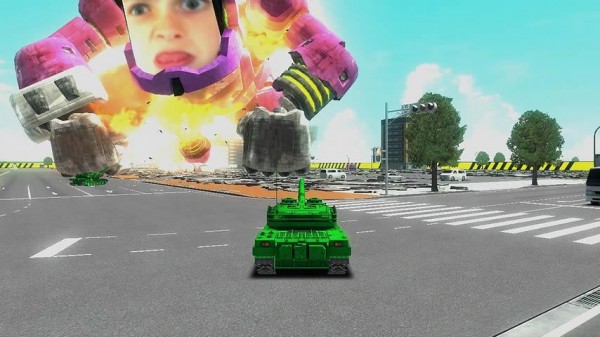
Multiplayer is a lot more fun, even with the same mechanics in tow. A full co-op mode is featured among 3 other modes, allowing for players to team up or go head to head in a light amount frantic – yet enjoyable battles. None of the multiplayer options tread too far way from the core game, but the one that dares to take us away from the boom of our tanks is the highlight of the entire experience due to it’s chaotic and over-the-top antics. My Kong allows the player with the Gamepad to take on the role as a giant robotic ape as three other players attempt to destroy the beast with the power-ups provided. This Kong has some massive abilities that are drenched in goofy humor, and when you are with a decent group of friends, there is a lot of challenge and entertainment to be had in this offbeat mode alone. Is it worth the entire price of admission or make up for the small amount of content? Not really. It does however deliver enough laughs and action to warrant a playthrough though, while standing miles above everything else that is offered in the main game.

Visuals and Audio
Tank! Tank! Tank! may be a bit lacking, but it’s still a beautiful game to look at. This insane world is one that is bursting with color and style, letting the player feel like they are in a recreation of a Dr. Seuss book directed by Michael Bay. Players are also able to customize their pilot with their own picture and frame, adding a bit more character to the overall experience, and seeing the default AI’s photos can be an entertaining sight in it’s own right due to the down right absurd photos used (ever get blasted by a kitten?).

The soundtrack is decent enough, driving the blast-based combat with tunes to get players rolling on the battlefield while a crazy commentator calls the action. The dialogue itself is a bit much at times but mostly humorous – only coming off as a tad annoying when the same lines are used too many times during a match. Of course the tanks sound decent as well, and luckily, no one should feel as their shots are ineffective as the sound clips used are sure to grant some instant gratification as you see that one particular enemy explode.

Overall
Tank! Tank! Tank! is a great multiplayer game with a so-so campaign that pads itself in length to appear like a bigger product overall. The problem is, padding is something we see in budget titles and Tank! Tank! Tank! tries to carry itself as anything but. Sure, you will get some laughs and the charm is there from time to time, but after that novelty wears off – you are left with what feels like a game that should have been released on the eShop at a much lower price. I know this “franchise” of sorts isn’t exactly legendary, but Tank! Tank! Tank! feels as if it deserved more and settled for less. If you are needing something to entertain friends, this title will do it’s job as it’s an ok party game that anyone can pick up and play. Unfortunately, there still isn’t enough content or substance within Tank! Tank! Tank! to grab it before a much needed price drop takes place.
6--capsules-out-of-10

Frozen Hearth Review


Frozen Hearth
Publisher: Immanitas Entertainment
Developer: Epiphany Games
Platforms: PC
Release Date: November 26, 2012
Price: $29.99 – Here

Overview
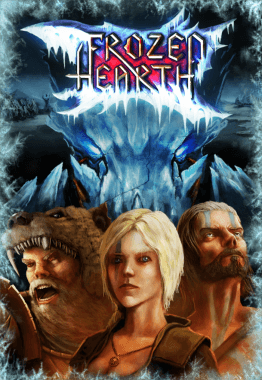
Real time strategy games can stand out by addressing specific interests like space, fantasy, and especially believable military. Frozen Hearth falls into the fantasy realm where magics and mystical evils are considered normal. With three years in the making, how will this indie RTS measure up against the leading competitors in its genre?

Story
The world of Ámorrá has seen many of battles between warring tribes, but a new threat lingers near slowly plaguing the Danaan from every corner of the world. Draining the life essence from its foes and leaving only a cold frozen landscape behind is the beings known as The Shangur. No doubt this is the reason behind the coming of the Avatars who are considered legends in Danaan history. These special Danaans possess mystical strength that make them natural leaders and skills that rival gods’. In these dark times, warring tribes led by Avatars finally come together to save whats left of their people and race towards the Danaan capitol. Days become numbered as the ice creeps steadily across Ámorrá, and only the combined strength of the world’s Avatars can be enough to defeat this supernatural foe.

The Shangur pose a terrifying threat to the people of Ámorrá – killing innocents and covering the land with a thick layer of ice. Posing this major threat in the face of players makes them automatically involved in the story and grinds their gears to progress forward through unfolding events.
Gameplay
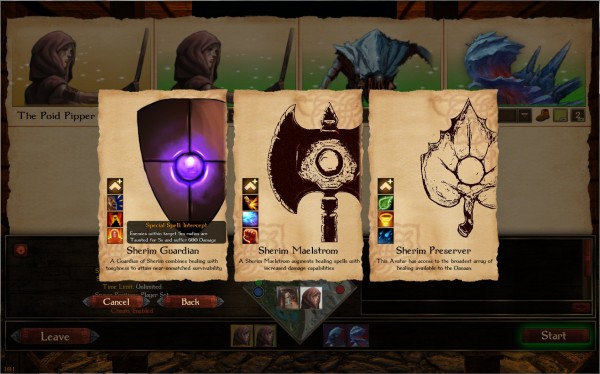
With the story incorporated into the campaign, you would expect that since there are three separate Danaan tribes you would play through three different storylines. Nope, I am afraid you will be disappointed to find out that only the Avatar appearance and abilities change. While the lack of an expansive storyline yields distaste, the differences in Avatars is worth investigating. In fact, choosing your Avatar is an enjoyable experience by not only selecting a tribe but by also defining your expertise. The available tribes are as follows: Anija (defense and boost), Kryetar (storm based magic), Sherim (innate healers). After choosing your Danaan tribe you can select your battle tactics such as the following types: Guardian (defense abilities), Maelstrom (focused damage and attack rate), and Preserver (bonus healing). So choosing the Anija clan along with Guardian expertise will result with a highly defensible character.
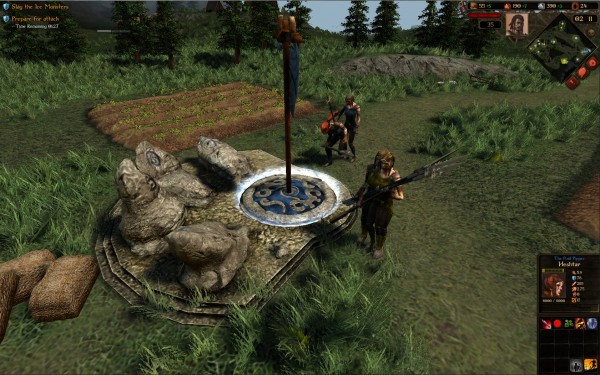
Most of the RTS titles that I have come to enjoy enable a special unit to create structures to aid in a player’s progression. However, this is not the case in Frozen Hearth as there is a single barracks placed for all units to spawn from. And around the barracks are six potential add-ons that can be accessed for new buildings which contain upgrades and abilities for specific combat units. Being there are more than six possible buildings, players will have to define their tactics wisely to upgrade corresponding units and structures. While the barracks provide an easy access tool by clustering all buildings together, enemy forces will have a more direct target rather than attacking multiple bases.

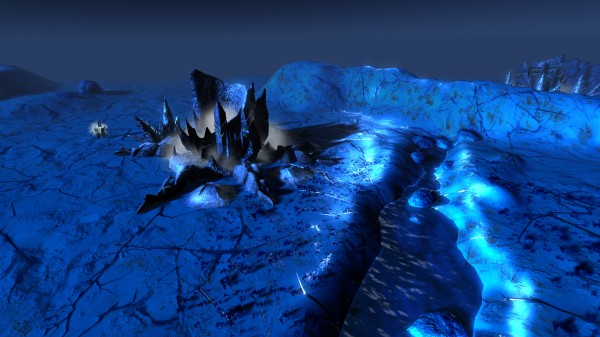
This leads us into the important aspect of finding available resources for training new warriors and purchasing upgrades/equipment. Resource nodes can be located across a map with discernible stone markings similar to a shrine. By capturing these nodes, your barracks will receive extra funds in replenishing resources. The negative aspect about this is the interaction is lost as far as doing the dirty work to get resources. For instance, StarCraft requires the harvesting unit to collect the resource and then transfer the material back to the back. Frozen Hearth only requires units to capture the resource node, and that’s pretty much it. If there were absolutely zero trees on a given landscape, you could still collect infinite wood from the resource node. Perhaps the intention is to focus on the building of armies rather than the art of mining for gold (Warcraft) or skill to mine ore from fields (Command and Conquer). Needless to say, Frozen Hearth definitely distances itself from other titles by removing these harvesters and builders.

Have you ever felt the need to save mid-game because you needed to go somewhere or knew a major battle was coming? Consider those days over because there is no chance you will be able to save at any point of the campaign. Playing on normal difficulty will damage your pride a bit as some missions can become overwhelming. In a specific mission where you trying to enlist the help of a powerful Menhyrim – magic wielder, you are given your Avatar as well as another experienced warrior with a Heal spell. Continual assaults will wear down both characters, and timing the Heal spell will be the matter of life and death. After completing the first task of the mission, the Shangur decided to be relentless and became the death of me. This happened at least five times when I was ten minutes into the mission. Regardless, a save game state would have been lovely after the first two unsuccessful tries.

Since there is not a save game option, what about allowing players to change the difficulty of the campaign to reduce the hardship of grudging through missions? Even here the developers did not allow an option for this change. Even though it may be a small addition, these aspects show consideration to the player and make the title more enjoyable.

Audio/Visuals
During the campaign, you will encounter cut-scenes that will have your character speaking with advisers and troubled persons in Ámorrá. As a personal preference I would have added voice acting for these scenes instead of providing text driven conversations. I felt as though I lost a connection from the story shifting from speaking to non-speaking scenes.

Tuning up the visuals to high quality will reduce rendering speeds greatly. There must be plenty going on in the background to make my computer lag as I pan across the environment, and I hardly have issues running Skyrim and other graphic dependent games. I am positive that there is an optimization issue that can be addressed, but very low graphics proved less of hassle. The difference between graphic settings is noticeable, yet the very low setting is amicable without taking too much away from the original graphic’s integrity.

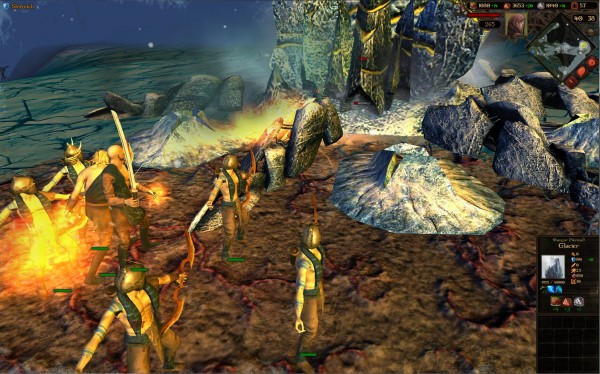
Using the middle mouse button allows a player to zoom in and out of the battlefield. This neat function can provide a close up view of the damage being dealt and special effects of magical abilities. Shifting between angles can make a battle more interesting especially with fireballs wisping by allied heads!

Overall
Epiphany Games has engulfed its energies into this title for three years. That amount of dedication provided the indie developer to do something that many cannot say they accomplished – created a game. The next step for this indie developer is to refine and learn from the community how to invent more creative aspects as well as copy the knowingly fun attributes other successful games possess. Sometimes a project needs an outside body to look at the product to provide unbiased constructive discussions. After three years of working on a game, creativity turns into deadlines with deadlines cutting out the most important attribute of a working game. Even unintentionally, fun can be lost by missing the small cues that not only aid the player in the game but also allow the player to have peace of mind.

Frozen Hearth is a title that yearns to be great. It already has most of the working mechanics to make it worthwhile, so some missing aspects like changing difficulty can be overlooked. I will admit that I am intrigued by the story and the development of the Avatar, but the current graphic rendering and lack of game saving steals Frozen Hearth’s glory. I have no doubt that if some of these considerations were focused on in an upcoming patch that we would clearly see a new RTS title.

5-5-capsules-out-of-10

Lost Girl Season 2 Review

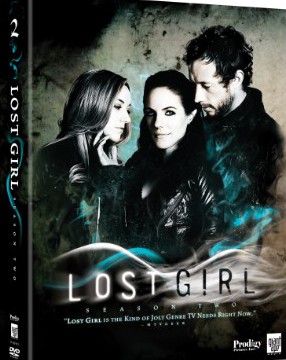
Lost Girl Season 2
Studios: Prodigy Pictures and Shaw Media
Publisher: FUNimation
Release Date: November 13th, 2012
Format: DVD
Price: $64.98 – Available Here

Overview: 
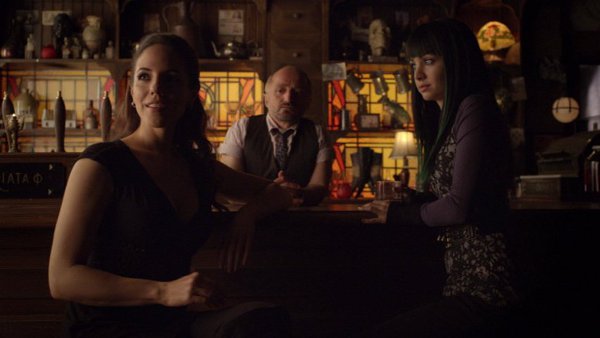
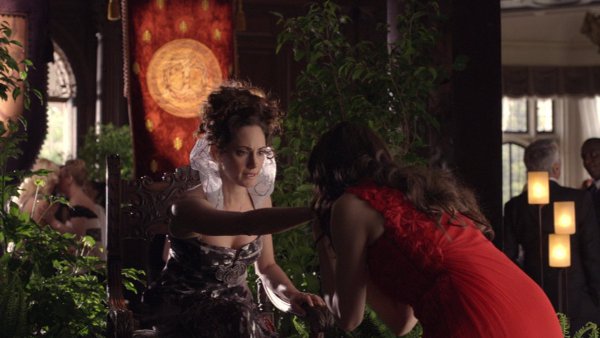
With a company as known for anime and Japanese movies as FUNimation it is interesting to see them releasing a live action series coming from any country except for Japan.  But, perhaps FUNimation is trying to move in some more directions or maybe this Lost Girl series is something they didn’t want to pass up?  The second season of the Canadian supernatural series, that has been coming to the SyFy (Sci Fi) channel in a number of countries is a curious release by FUNimation.  The first season was well put together for a premier, so will season 2 keep it up or let it down?

Story: 
As this is the Second Season there are obviously spoilers galore, so those unknown to the series may be better off reading up on Season 1 HERE, instead of jumping into Season 2.  When the series left Bo, her mother had just tried to give her own little spin to ending the division between the Light and Dark Fae.  Which, being a psycho succubus, meant killing a whole lot of Light Fae Elders to  restart the war, but that was just one part as Trick used his old Blood King powers to save Bo knowing it would come at a future cost.

Where Season 1 was just a small taste of what the universe Lost Girl holds is like, Season 2 plunges in to show it off even deeper and broader.  One could look at the first season as being a kind of case of the week kind of show with a little overarching plot stemming through the episodes.  This is not the case with Season 2 however, with almost twice as many episodes there is not only more plot to be found, but even more to learn about all the favorite characters.

Needless to say the events at the end of Season 1 play a mighty big part of the plot, the vast majority of it comes in the form of dealing with the consequences of Trick using his powers, while because of Bo’s mother they also have to deal with a new boss for the Light Fae. With a lot more episodes in this season there turns out to be less filler and more plot, which is really great to see in a show as well written as this.  Characters are explored in more detail than before as well as adding in even more characters to get to know.  Though adding in as many as they do seems a little too much, becoming a slight negative, but luckily the show finds its way to balance it out again.

There is also a lot more backstory for multiple characters as well as the Fae itself, from Trick to his days as the Blood King, to a few different views into Kenzi’s childhood, to what brought Lauren to the Ash.  Even more interesting are the glimpses that we get to see of the war that happened between the Light and the Dark, so much more information that was simply mentioned in the first season.  They manage to not only build up more of the world of Lost Girl without accidentally stepping on their own toes and ruining it with retcons.

Visuals: 
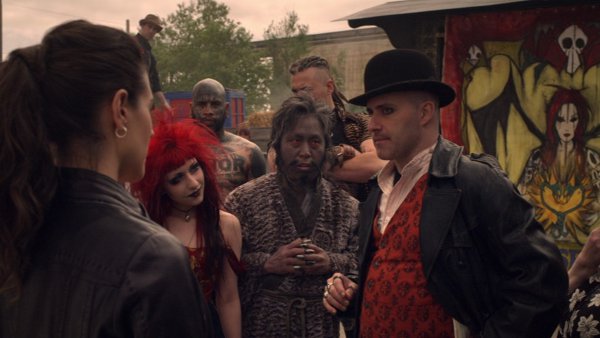
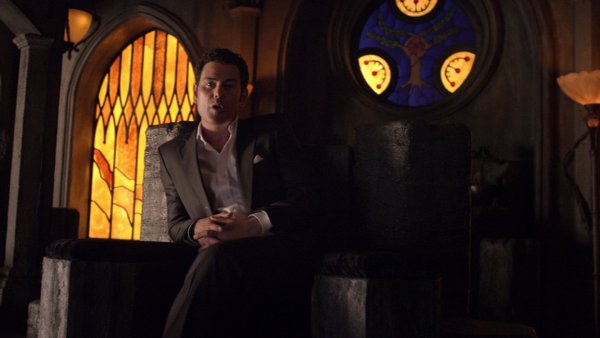
Just being in its second season could be seen as a good thing in terms of visuals as the majority of everything has already been decided from character design to special effects, though with so many episodes some might worry that a budget divided amongst so many.  But, Lost Girl handles itself quite well not only does it keep up the quality of the first season, but for the most part the average seems better across the episodes.  While the vast majority of style for the characters seems to be pretty Gothic, it varies enough to keep it interesting.  The creature effects also seem to look better across the board and with the variety it doesn’t come from just reusing a lot of the same.

Audio: 
With each season actors are expected to get more used to the characters that they play and so far the main cast seem to have a great handle on exactly who each of them is.  While there is less bad deliveries, there is still a lot of the same cheesy and racy dialogue.  In a show based around a succubus, the show doesn’t seem to try and avoid innuendo at all instead going straight for it.  On one hand it certainly fits, though sometimes the situation to use specific lines will occasionally seem forced.  These being few and far between however, makes for a pretty nice job.

The music also continues to keep up the standards, which is good with the number of just mood music.  While shows in the same genre go for recognizable songs, it’s great the show focusing on original music instead.  While none of the pieces really stands out as one that will find viewers committing to memory, they do an excellent job fitting whatever the current situation the characters are facing.

Extras: 
The extras for this season are still on the slight side there actually being fewer than last time, with the only ones being behind the scenes videos, interviews, and a blooper reel.  Though this is more due to the interviews being condensed into single videos per actor instead of by question, so there is an increase in quality.  The majority of the extras though are the behind the scenes, which cover almost every aspect of the show from stunts, to makeup, to props.  The most interesting one is about the props as there is actually a lot more work into it than one would expect.  Even better since weapons are just a specific type of prop, there is a good amount of detail put into that, which is great to see with all the different kinds of weapons they use on the show.  For the most part the behind the scenes give a much better understanding of all the other people making the show besides just the actors.  Bloopers are more about the personality of the actors as they goof around, flub lines, and accidentally hit each other.  Though as fun as these are to see, most of them are good for a smile and small laugh, but not much more than that.

Overall:
In the end, Lost Girl Season 2 adds even more to the story and takes it in some really good directions as the characters all start to find out where they all belong in their own world.  With more focus on the main plot and far less just world building episodes, the amount of episodes really adds a lot to those that enjoyed Season 1.  Visually continuing to excel at handling exactly what the show needs and solid sound to accompany, the only pratfall is the extras, but with as much content as the season proper gives I give Lost Girl Season 2

8-5-capsules-out-of-10