‘Double Trouble’, the 2012 starring vehicle for none other than Jackie Chan’s son, Jaycee Chan, will be released here in Australia and New Zealand on March 13th on DVD and Video On-Demand.
Jaycee plays the role of a Taiwanese security guard named Jay, who gives chase after some thieves whom he failed to prevent from stealing a 400 year old painting. With the thieves being hit-girls in stilettos, Ocean, a Beijing security guard on holidays, misinterprets Jay’s pursuit and interferes.
The two security guards then find themselves buddying up to track down these cat burglars. And so a trademark Chan family buddy cop story has been set-up. David Hsun-Wei Chang, who also directed ‘Let the Bullets Fly!’, has attempted to pay homage to older action films whilst working on developing an understanding for these characters’ camaraderie in this somewhat outlandish situation.
The DVD will have both Mandarin/English audio tracks and subtitles and will retail for $32.95, courtesy of Vendetta Films. Intrigued to see this legendary lineage continue? Then maybe you should check out Double Trouble.
Tin Man Can Review Developer: Red Candy Games Publisher: Chillingo Ltd. Platforms:iPhone (Reviewed), iPad Release Date: 17/10/2013 Price:$0.99 – Available Here
Overview:
Tin Man Can is a level-based runner with platform elements, starring a tin can man named Tic. Does that make sense? Not really. But does it matter? No really. Tin Man Can is all about the gameplay, blending platform elements into the increasingly popular runner genre. Filled with charm and polish, Tin Can Man is a solid title definitely worth checking out for endless runner and 2D platform fans.
Gameplay:
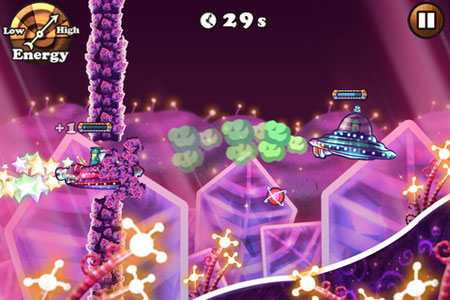
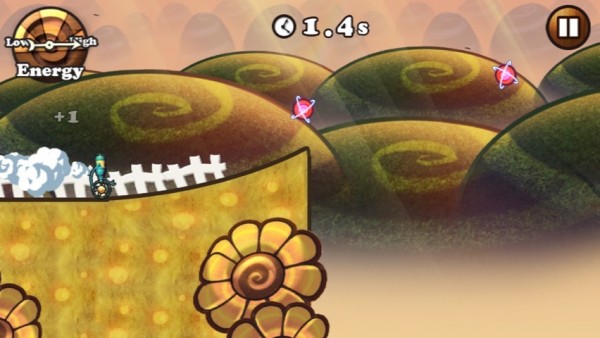
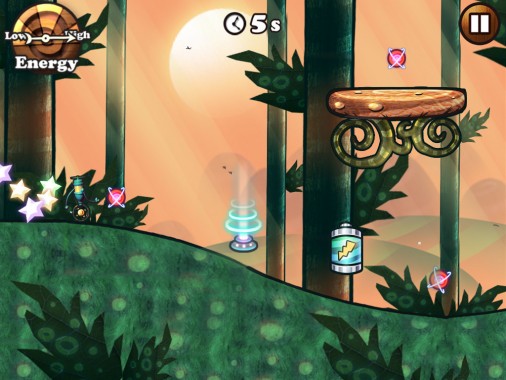
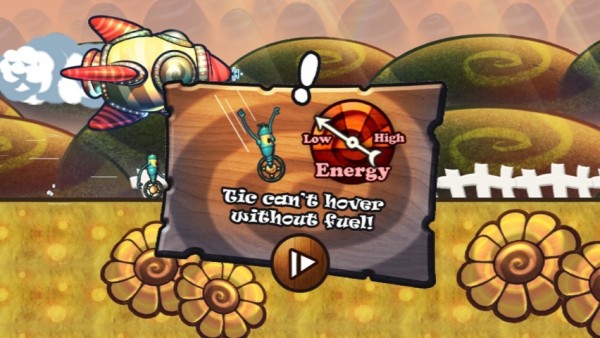
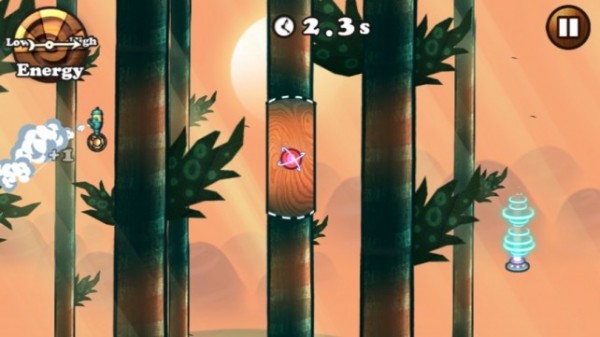
Players control Tic by touching the screen to hover as he automatically runs (well, he wheels himself along really) in order to avoid obstacles. Just think Jetpack Joyride and you’re pretty much there control-wise. When it comes to level design however, things get interesting. While Tin Can Man at first glance may seem like just another 2D runner that wishes it was Tiny Wings, Red Candy Games have taken this familiar concept and thrown it into the 2D platfomer genre, breaking gameplay up into 60 different levels across 4 dimensions/stages/worlds, you get the idea. To hover player must also collect energy or travel along the ground, so players must also think hard about when to hover. Each dimension is differently themed, and various levels introduce new power-ups and obstacles that will force players to change their approach to each level. From spaceships, springs, smog clouds, to the ability to turn into a ghost, level design is packed with creativity.
This may scare off some casual gamers as it can be a bit of a challenge, but true retro platform gamers should appreciate this a lot. While levels are both fast and fun, they also require the player to think so gamers aren’t just mindlessly tapping at the screen. So while it may control similarly to a game like Jetpack Joyride, it actually has more of a Sonic the Hedgehog feel to it. Red Candy Games have taken an idea that could’ve been easily made into a cheesy casual with little depth, but instead fleshed it out into a very creative and entertaining title, and for that they should be commended.
Of course all the typical mobile device features are there – leaderboards, upgrades & customization, Facebook & Twitter integration, you can buy currency with your money from the real world, etc. The most interesting part though is the inclusion of an online multiplayer where gamers can race against friends or strangers online. That is, of coarse if you could ever actually find someone to play with you. Finding an opponent is literally next to impossible, but hopefully we can see this improved with future updates.
Audio & Visuals:
Another bright aspect of Tin Man Can is it’s beautiful polish and presentation. Colors are vibrant and designs are as adorable as they are quirky. Everything is done with a simple, yet effective approach that is very welcoming and likeable with a childish steampunk vibe. Audio compliments the graphics, with the same quirky and likeable tone. Music and sound effects contain typical science fiction-related sounds, and music is always at an upbeat tempo to keep the cute, positive tone seen through the game. Tin Can Man is very well polished and presented beautifully.
Overall:
Tin Can Man feels very familiar, yet equally fresh at the same time. It may not reinvent the wheel of video gaming as we know it, but the unique blend of runner and platformer genres mash together beautifully. With creative level design, great polish and addictive gameplay, Tin Can Man is a very entertaining title. While it’s lifespan may be a little short and multiplayer at this point isn’t exactly much, all flaws in this title are greatly outweighed by the positives. If you’re into endless runners or 2D platformers, Tin Can Man is definitely a must-have in your mobile library.
Capsule Computers review guidelines can be found here.
Today we’ve got what is likely to be the last batch of promotional clips for ‘The Guilt Trip’ before it’s Australia-wide release on January 24th. You can read our review here.
The first clip, “Middlesex”, shows Joyce Brewster (Barbara Streisand) looking for her “book on tape”, the topic of which is hermaphrodites…yeah, it’s that kind of road trip.
“Middlesex”
The second clip, “Dinner With Friends”, shows Andy Brewster (Seth Rogen) sitting through a dinner from hell with all of his Mother’s friends. Talk about a generational gap!
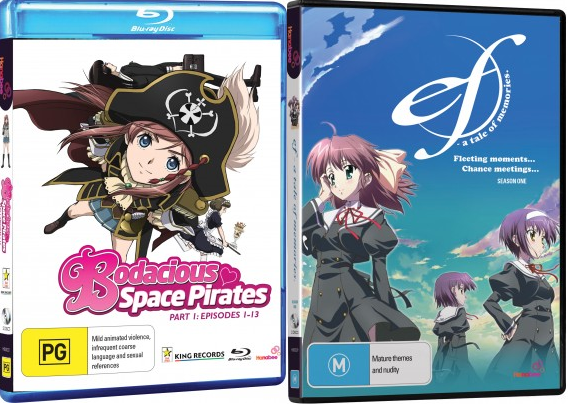
We have two DVD copies and one Blu Ray Copy of Bodacious Space Pirates, as well as one copy of ef~ A Tale of Memories to give away on courtesy of Hanabee. To win simply leave a comment below answering the following question and we’ll pick a few lucky winners at random:
If you were a Space Pirate and the one you loved was being poached by someone else, what would you do?
We’ll pick the lucky winners on the 29th of January, so you have a week to enter. Be sure you leave a valid email when you post your comment so we can email you if you win. If contacting you via Facebook is appropriate, log in with your Facebook account and note that it’d be your preferred method of contact. Also make sure to list which prize you would prefer, we can’t guarantee that you’ll receive that prize (especially if everyone all wants the same thing), but it will significantly increase your chances of getting it.
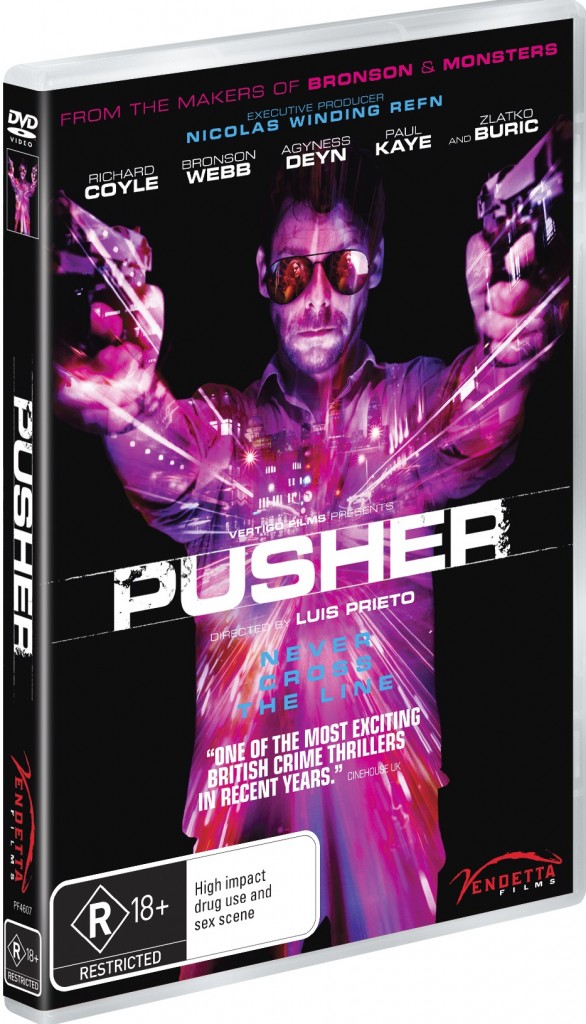
Gritty British crime movie, Pusher, is coming to DVD in March here in Australia. The exact date for this is March 13 and will include both DVD and Blu Ray releases for the film.
The movie follows the Drug Dealer Frank who borrows money from his drug supplier Milo. This is to fund a scheme that he believes will make rich incredibly quick. However, this scheme quickly falls apart leaving Frank broke. He is willing to screw over as many people as possible to pay back his debt.
The film releases on March 13 and will retail for $32.95 for the DVD and $37.95 for the Blu Ray disc.
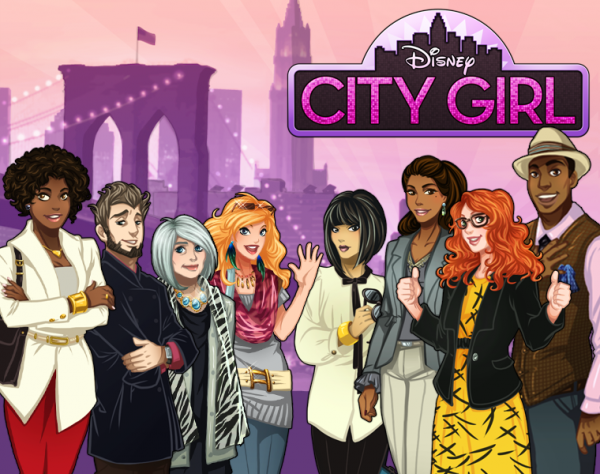
Disney City Girl is Disney Social Games’ new foray into Facebook games aimed at girls. They will have a chance to move their virtual avatars into New York City and start climbing the corporate ladder in a variety of jobs such as fashion designer and chef while they create chic outfits and design their apartments. Daily Look fashion competitions happy daily where users can vote on their favourite looks and earn points. The game features high quality 3d graphics for a realistic look.
Check out screenshots and the official trailer of Disney City Girl below. Play at Facebook hereor at Playdom here.
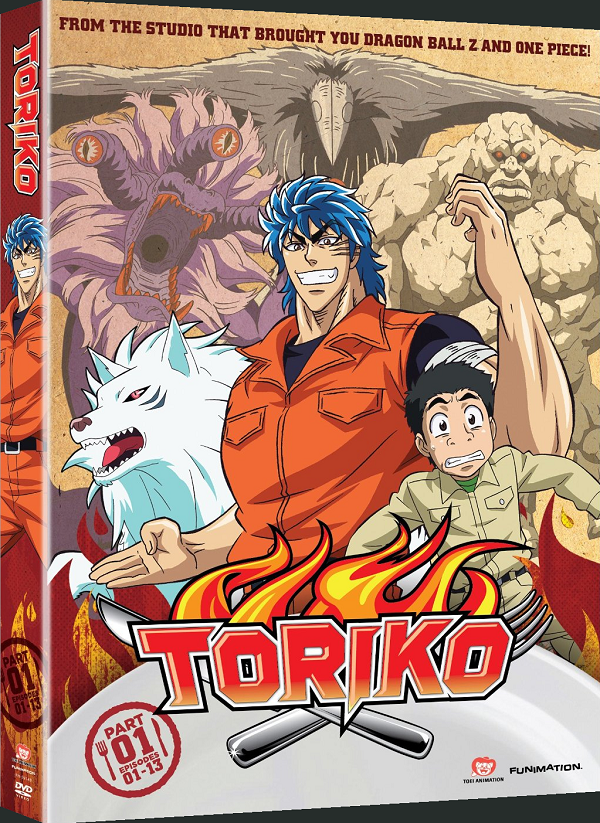
Toriko: Part 1 Studio: Toei Animation Publisher:FUNimation Format:DVD Release Date:January 22, 2013 Price: $39.98 – Available Here
Overview: The anime world is full of famous names that have worked on iconic series and sometimes it just so happens that every so often, a whole studio is recognized for greatness thanks to the series that they have produced in the past. As such when it was revealed that Toei would be handling the anime adaptation of Toriko, a rather unique take on the action and shōnen genre, many people were very excited to see how the popular manga would look in animated form. Thanks to this and the record of shōnen series in the West, FUNimation has brought Toriko over to the West. Now… will Toriko: Part 1 leave viewers drooling for more?
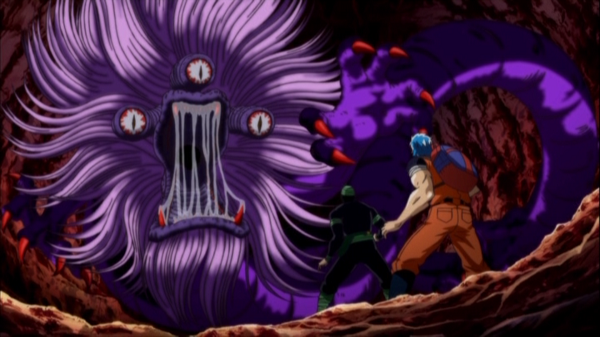
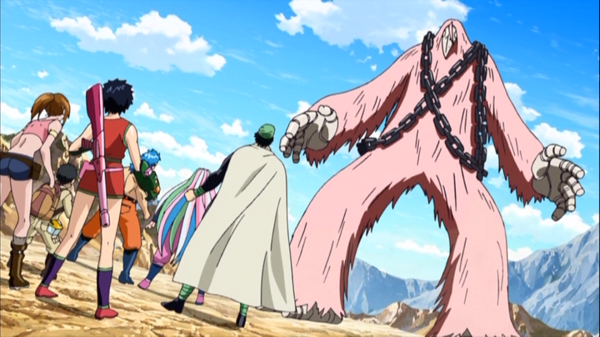
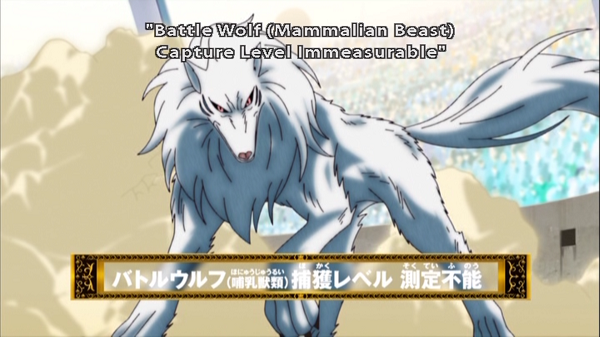
Story: The world of Toriko is something many of us have only dreamt of. In this world, the only conflict that ever seems to arise is over food, but not due to starvation. No these confrontations revolve around hunters taking down humongous exotic animals for the meat in their bodies. You see… Toriko takes place during the Gourmet Age where the entire world is full of wonders such as cheeseburger flowers, mystical fruits that contain seven wondrous flavors and some of the most dangerous creatures you will ever lay eyes on.
In the Gourmet Age, only the strongest and hungriest of fighters can obtain the rarest ingredients around and these people are known as Gourmet Hunters. Among these Gourmet Hunters there are four hunters known as “Heavenly Kings.” These hunters are known throughout the world for discovering the most ingredients and taking down the toughest creatures, as such when someone wants to obtain a rare ingredient, these hunters take to the scene, not because of the task at hand, but to fill their bellies full of succulent meats and track down the best tasting food in the world so they can complete their life-long journey… create a rare full-course meal consisting of the best food the world has to offer.
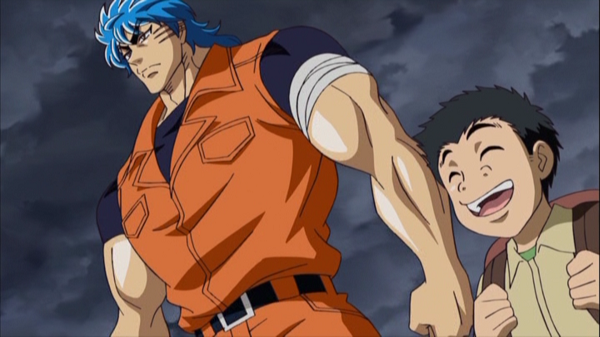
In a world full of hunters, rare ingredients and monstrous creatures, there are still those who have to properly prepare and cook these ingredients into delectable morsels. One such starting chef named Komatsu is tasked with tracking down a rare ingredient and ultimately seeks out the man who has discovered the most ingredients in the world, the Heavenly King Toriko, to help him out.
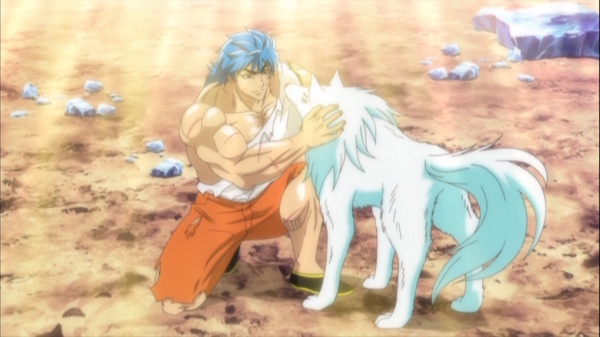
After working so well together, Toriko becomes quick friends with Komatsu and much of Part 1 follows the journeys of Toriko and Komatsu as they venture through a strange land and take down a beast desired for its rare meat. As such, the better part of Part 1 is something of a creature-of-the-week series with hints at a plot moving behind the scenes.
A little more than halfway through part one however, viewers are treated to some further plot development as the illustrious world of Toriko isn’t just sweets and monsters to defeat, there are also organizations attempting to gather rare ingredients for nefarious means. At the same time this organization, known as the Gourmet Corps, lead Toriko and his friends into the first actual story arc of the series so far, which ultimately is left to continue in part two.
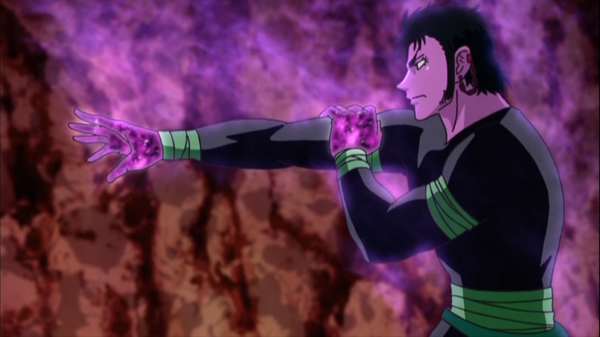
Considering the fact that nearly every shōnen series mostly focuses on combat that takes place between two human or human-like fighters, it is rather interesting to see how Toriko and the rest of the fighting characters in the series take on many of the beasts that they face down. It is also worth noting that while there is zero character development within this first part, the show is not without dramatic moments and explanation of each character’s ideals.
As for the characters themselves, Toriko: Part 1 introduces a large number of the re-occurring cast throughout these first thirteen episodes and although none of them receive anything in the way of character development throughout this first release, viewers will find that the characters presented in Toriko are rather unique both personality wise and diversity. While there are certainly standard overpowering characters, Toriko keeps things fresh by also featuring plenty of weaker characters that continue to travel alongside Toriko and the rest despite the danger so that they can reach their final goal.
Ultimately, Part 1 of Toriko does a decent job laying the groundwork for the cast’s abilities and challenging them, however the actual plot begins to develop far too late into this first release and barely any character development occurs. Plus, because the series focuses on revealing already obtained powers or ridiculous overpowering of characters, nearly every fight lacks the tension and drama of a close-fought victory.
Visuals: One of the first things that will strike viewers is how bright and colorful everything in the world of Toriko looks. Every piece of food or rare ingredient is given a unique design and often looks quite delicious, especially when the designs are worked into the environment. The same can be said for some of the monsters the gang comes across, as many of them appear similar to animals similar to those found in the normal world, but with monstrous additions or size added to their already intimidating frame.
As for the character design, the Legendary Kings, such as Toriko and those revealed later in the release all are well designed for the most part. However it is clear throughout Part 1 that Toei took many short cuts with the series’ animation, especially when it comes to trying to keep the character design quality consistent. Quite often character designs will suffer significant drops in quality for any mid-range or group shots. It is also worth noting that the aforementioned monster designs begin to undergo whatwe call in videogames, palette swaping, which is basically taking a monster design, changing the color and releasing it as a new creature.
Audio: As standard with a FUNimation release, Toriko: Part 1 features both the original Japanese voice track as well as the newly recorded English dub. The English voice cast this time around actually consists of a few newer voice actors, but a large number of lead roles are filled with veteran voice actors. Toriko and Komatsu are voiced by veterans Ian Sinclair and Josh Grelle respectively and these two have some of the best chemistry together that you can ask for in a series such as this. Their voice work, and most of the voice work overall, is over-the-top at times but this actually manages to fit the fact that nearly everything in the series is over-the-top in one way or another, what with super-muscled fighters taking on gigantic creatures in an effort to obtain the rarest ingredients in the world.
Unfortunately Toriko’s background music can be simply seen as forgetful. In fact, while viewers may remember that there was music playing through certain fights, the background music falls into you’re standard generic shōnen type of songs. As for the title’s opening theme in this first half, we have “Gatsu Gatsu!” by Akira Kushida which opens things in a rather bad-ass way that highlights that the show you’re about to watch is about food and kicking monster butt. As for the ending theme, we have “Satisfaction” by F.T. Island which feels like a rather sub-par closing song for a series as over-the-top as Toriko is.
Extra: With the release of Toriko: Part 1, we have find a rather standard offering of bonus features which feature a clean version of both the opening and ending song, trailers for other FUNimation releases as well as the US trailer for the anime. Finally there are two episode commentaries provided with this release, one for episode one and the second for episode nine.
Episode one’s commentary features Ian Sinclair who voices Toriko and Josh Grelle who is the voice of Komatsu. Within this commentary we learn why these two voice actors have such great chemistry together and also about their food habits as they both reveal that they are actually foodies that have created their own personal full course menu of real life food. It is worth noting that the commentary does not follow the episode at all, but the chemistry and hilarity of these two put together makes up for that fact.
Ian Sinclair returns again for the episode nine commentary and this time he is joined by Leah Clark who voices Rin and the newcomer Aaron Roberts who voices Sunny. Aaron is one of the new voice actors mentioned earlier in the review and his portrayal of Sunny’s unique personality fits the character model and personality well. The commentary focuses more on the episode on the other, but the three continue to talk about food and how they enjoy certain types of food. The group also reveals how they managed to sound like they were eating during parts where their characters’ mouths were full.
Overall: Toriko: Part 1’s main course is the fact that these over-the-top Gourmets are taking down even crazier looking creatures simply to eat them. Unfortunately this main course is hindered by some rather sub-par animation and a storyline that feels like an unsatisfying appetizer that only becomes truly flavorful when you’ve already consumed half of it. Still, as an shōnen anime, Toriko is bursting with potential for greatness. Whether it will find that greatness has yet to be seen, but for now Toriko: Part 1 may not be worth including in your full-course anime meal.
Capsule Computers review guidelines can be found here.
Little Big Planet 2 Cross Controller Pack Developer: Sumo Digital Publisher: Sony Platform : PlayStation Vita and PlayStation 3 Release Date: 19 December 2013 Price: $4.99
Overview
Sony leaps on to the dual screen bandwagon with the Little Big Planet 2 Cross Controller Pack. The DLC allows fans of Craftworld and Sackboy to use their PlayStation Vita as a controller for Little Big Planet 2, bringing with that basic functionality a bunch of new levels and creator tools. Obviously a Vita and a copy of Little Big Planet 2 are needed for the DLC to function.
With the recently released Wii U and Microsoft’s Smartglass, two screen gaming is the new motion control, so how does Sony’s effort fare?
Gameplay
As neat as the concept of Vita control may be the same certainly can’t be said for getting everything to work first time around. After downloading onto each system there will no doubt be some copious updating to slog through especially, if like me, you haven’t played the now 2 year old LBP2 for a while. Nineteen updates later and things are finally ready to roll, or are they?
Eventually you can select Cross controller from your LBP2 pod, and find it under ‘Remote Play’ on the Vita. Ready to play yet? ANOTHER download strikes, but thankfully it is the last. Forewarned is forearmed – setting this up may take a while!
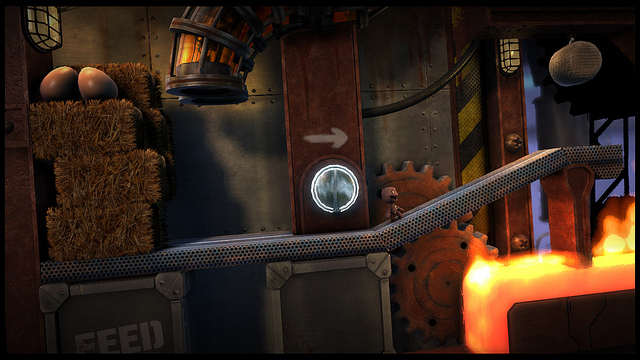
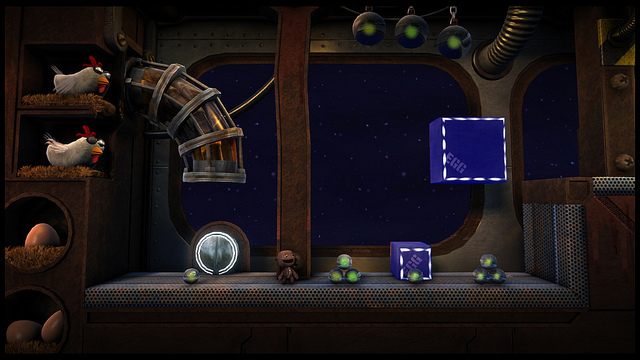
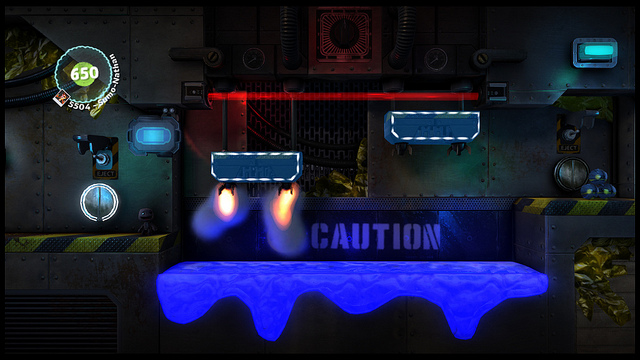
Six new levels by Sumo Digital ping into life complete in the usual Little Big Planet style. The plot sees a space faring Sackboy crash into a prison, accidentally setting off the escape plan of a bunch of space pirates. The pirates (who are very Metal Gear Solid in appearance for some reason) need Sackboy’s help to escape the evil Governor and steal a treasure map before heading off.
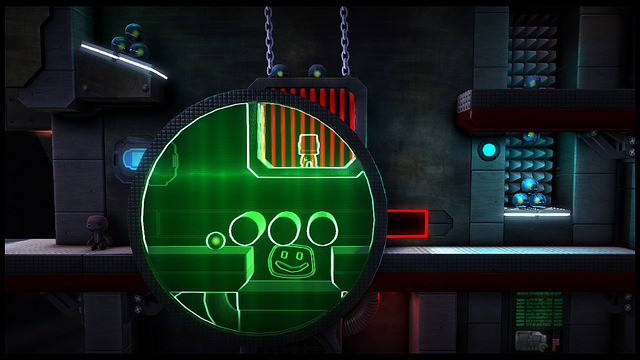
A voice from the Vita tells you that a blue flashing icon on screen signals that the Vita will be of some help in your quest. Using the touch screen reveals hidden dangers in the levels, with an appropriate level of beeping to alert you to the need for the second screen. On the Vita is a very Tronesque presentation of the level with the dangers highlighted in red. Dragging your finger on the screen of the Vita moves a scope on the TV, revealing the hazards so that Sackboy or the pirates can negotiate past them.
This works impressively well, with no lag at all between the two systems. The Vita segments are for the most part simple enough that they can be done without looking at the handheld, and if you’ve got flexible enough fingers you can even try and control Sackboy simultaneously. I had a few occasions where the connection stopped for no apparent reason and lost me all level progress, and you certainly have to be careful when pausing to prevent the Vita from sleeping and severing the connection that way.
The levels are in the usual Little Big Planet Style, bringing along a heavy sci fi theme. The controls are as tight as ever and the challenge level is actually fairly high. There are even moments when the entirety of the action is transferred to the Vita screen, the first of which sees Sackboy traversing the outside of the prison ship in order to clear a route on the inside. Moments like this are a lot more worthy in multiplayer, where teamwork becomes a crucial part of the game and also allows for a lot more of the usual hijinks the series play style is somewhat synonymous with.
Fans of the series who have delved into the creation side of the game will be happy to know that the DLC also provides new content for their exploits. As ever some of the more complex gameplay mechanics (like getting Sackboy to hop between the PlayStation 3 and the Vita) take a lot of time and practice to pull off. The community for Little Big Planet has already produced some dazzling user generated content so no doubt these new tools will quickly give rise to even more mini masterpieces of level design.
As a whole the package is an extremely impressive demonstration of what the PlayStation 3 and PlayStation Vita are capable of when they work together. Sony prove that they are more than ready to take the leap into the dual screen era, and hopefully more robust uses of the technique are set to follow. Of course this is all dependent on the Vita’s success, as any emphasis on cross controlling in a new game is likely to set teeth on edge for those who haven’t forked out for the handheld.
Audio & Visual
Stylistically the DLC pack is what players have come to expect from Little Big Planet – a quirky cartoon style covering some strong level design and a good dose of imagination. Even the few tutorials that are included to explain the new creation features are given the usual voice over by Stephen Fry, a clear indication that even the smallest DLC pack still gets the level of polish that has come to be expected from the series.
Overall
Apart from a few reliability problems and the initial investment of time to get the thing up and running, the Cross Control Pack is a praiseworthy piece of DLC. It is reasonably priced, brings with it an entirely new gameplay mechanic and six new levels to test it out in. As ever creators will get the most out of the new tools on offer, but fans of the platforming can still get their mits on new costumes and collectibles.
We’ll pick the lucky winners on the 8th of February, so you have a roughly 3 weeks to enter. Please note that the film will be screening inselect Hoyts cinemas and as such, you should consider whether your local cinema will screen it before entering as we will not be able to cover travel expenses for winners. Also make sure you leave a valid email when you post your comment so we can email you if you win.
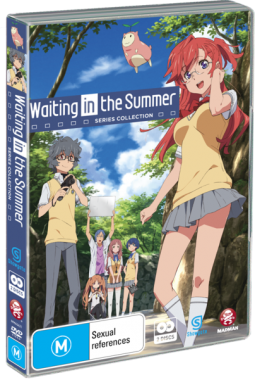
Waiting in the Summer Studio: J.C. Staff Publisher: Madman Entertainment Format: DVD (Subtitles Only) Release Date: January 9, 2013 Price: $59.95 – Available Here
Overview: Waiting in the Summer otherwise known by its Japanese title of Ano Natsu de Matteru is an exquisite look at teenage life and all the feelings and experiences that accompany it. What is it about our teen years that cause them to stay with us, even while childhood and adulthood can become a blur? Why do we look back on that time with nostalgic eyes, whether the memories are good or bad? Perhaps it’s because there is no other time in life when a revolution takes place inside you, a time in which you change so dramatically both physically and mentally. We all spent youthful summers under a blistering sun, that revolution we all know, its universal. We’ve all been waiting in the summer, for something unforgettable.
Story: This is anime that isn’t so much about something as it is about a feeling. That time of youth that almost everyone watching this series should be able to relate to, whether they have experienced it or are experiencing it right now. At its core Waiting in the Summer is a coming of age story, but it is all the layers on top of it that make this series special.
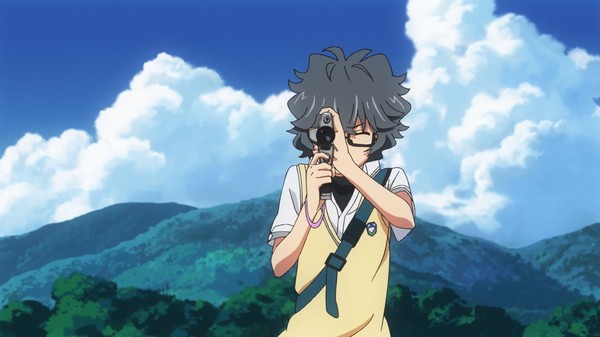
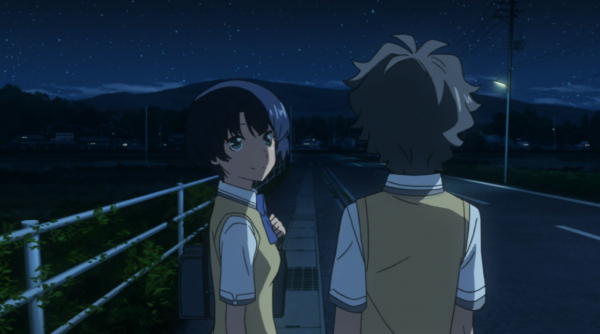
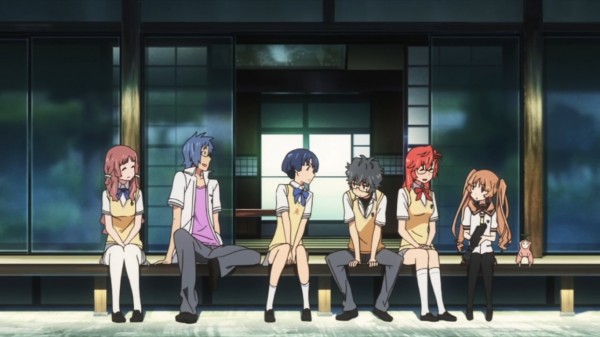
Waiting in the Summer follows budding film maker Kaito Kirishima and a group of his friends as they spend the summer trying to make a movie. A lot of the series focuses on their film making efforts but it is the complex string of relationships between these characters that is the real focal point. The cast is well realised and each character has a certain relationship with one another, each different and completely unique to their connections with the others. This tangled web of characters and their feelings is plucked at like a harp over the course of 11 episodes often to great emotional effect.
Whether it is love, friendship, family or the more bizarre of circumstances, the interactions and connections forged between this cast is as strong as they get and it is delightful to see that proverbial harp being played as these characters go back and forth with their lives playing out on and off camera.
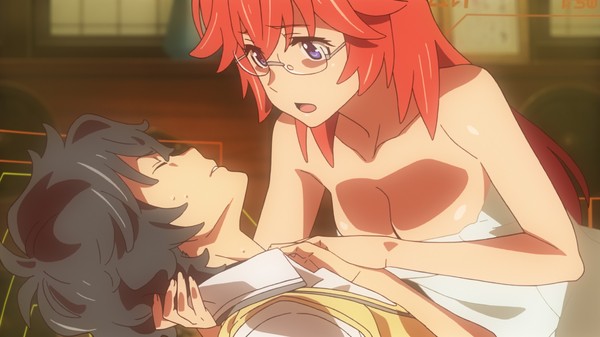
Despite the fact that most of its runtime is firmly grounded in reality, there are some extraordinary aspects that while feeling somewhat out of place do completely fit with the tone and message of the story. The majority of this extraordinary comes from an extra-terrestrial girl by the name of Ichika, someone whom Kirishima relates to on a level that perhaps he doesn’t even understand. She is an alien and in many ways he feels like one. He is an outsider, has never met anyone like himself, existing on the fringes, at least in his own head. This bond they form ultimately leads to an incredible finale that you’d never see coming.
Waiting in the Summer ultimately is a journey down memory lane, one of nostalgic delight. It is evident that director Tatsuyuki Nagai wants to capture those moments, those feelings. Loneliness, big dreams, discovering the opposite sex, maturing, forming friendships, loss, first love, unrequited love and all that lies in between, these are the experiences that Waiting in the Summer looks back on through that affectionate lens. It’s a time many wish they could return to and for 11 episodes Waiting in the Summer lets you, even if its fleeting, you’ll feel it.
Visuals and Audio: J.C Staff have produced some beautiful visuals in the past but it is hard to go passed their effort here in Waiting for the Summer. Whether it is the beautiful Japanese country landscapes or the gorgeous character designs, there is so much aesthetic brilliance in this series that it cannot be denied that J.C Staff have truly created something breath-taking, artistic even. It’s easy to get lost in the jaw-dropping scenery of this series, with a great amount of detail and affection put into creating this world, which in and of itself is simply astonishing.
Not only is Waiting in the Summer amazing visually it features an excellent soundtrack composed with great care, showing a significant level of attention that clearly went into its composition. On top of that the opening and ending theme songs are both quality tracks that set the tone perfectly.
Extras: Undoubtedly it is great to see this release fast-tracked for Australian shores and Madman have done an admirable job with it by bringing it out roughly a year after it aired in Japan. While there isn’t a great deal of bonus content on this release instead opting for their usual textless opening and ending themes alongside some trailers, the content itself is good enough to warrant a release despite the lack of extras. It is worth noting however that this collection does not feature an English dub which could be a deal breaker for some, but believe me when I say that this series is worth the price of admission even without one. Regardless the quality of the Japanese voice cast and their performance is phenomenal in its own right.
Overall: It isn’t very often that a series such as Waiting in the Summer comes along. It’s a poignant reminder of youth that intimately follows the relationships and feelings of a group of teens over the course of one unforgettable summer. Stories like this will always connect with people, because it captures a time, a place and a spirit that everyone can relate to in one way or another. We all feel that revolution of youth at one point in our lives and that is what makes series like Waiting in the Summer so successful, because they touch viewers on a personal level and evoke a nostalgia that few other things can. Waiting in the Summer is a brilliant anime from start to finish and much like that titular summer and perhaps even the many summers that you have experienced, it is unforgettable.
Capsule Computers review guidelines can be found here.