Ever since Bravely Default: Flying Fairy was released in Japan last year, Nintendo 3DS owners have despaired over the fact that Square Enix has made no mention of bringing the game over to Western audiences. Well… it seems that may change sometime in the future… possibly.
The producer of the game, Tomoya Asano mentioned Western fans of the game over Twitteryesterday giving them some words of encouragement. To be a bit more specific he stated: “There is very much comment from overseas one! I do my best to have all of you play!”
This is far from any sort of confirmation and this wouldn’t be the first game that Square Enix hasn’t brought overseas for seemingly no reason.
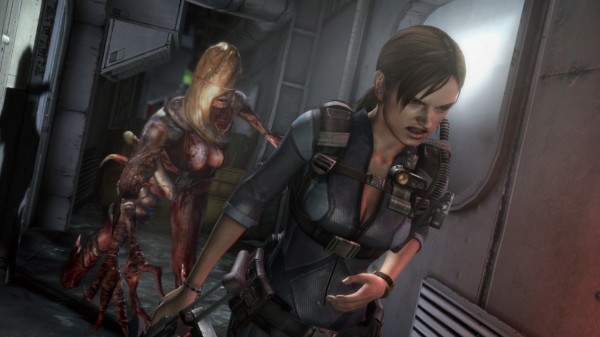
If you’re curious about how the high-definition version of Resident Evil: Revelations will look then you should probably take a look at the video below. Courtesy of a German site called Areavision, 31 minutes of gameplay footage has made it’s way online.
The footage is apparently from the Xbox 360 version of the game and goes through Chapter 4 of the game. Currently Resident Evil: Revelations HD is set to be released on the Xbox 360, PlayStation 3, and Wii U on May 21st. Besides visual improvements, this version of the game will also feature some newly upgraded levels and upgraded enemy AI.
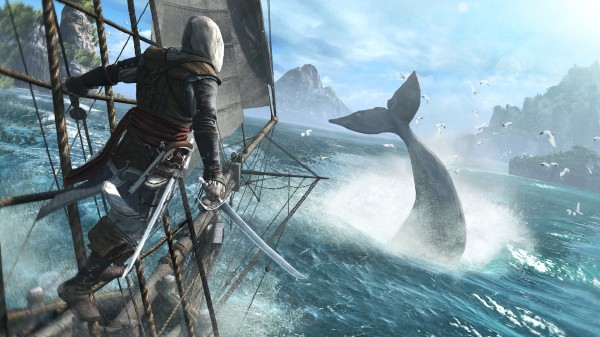
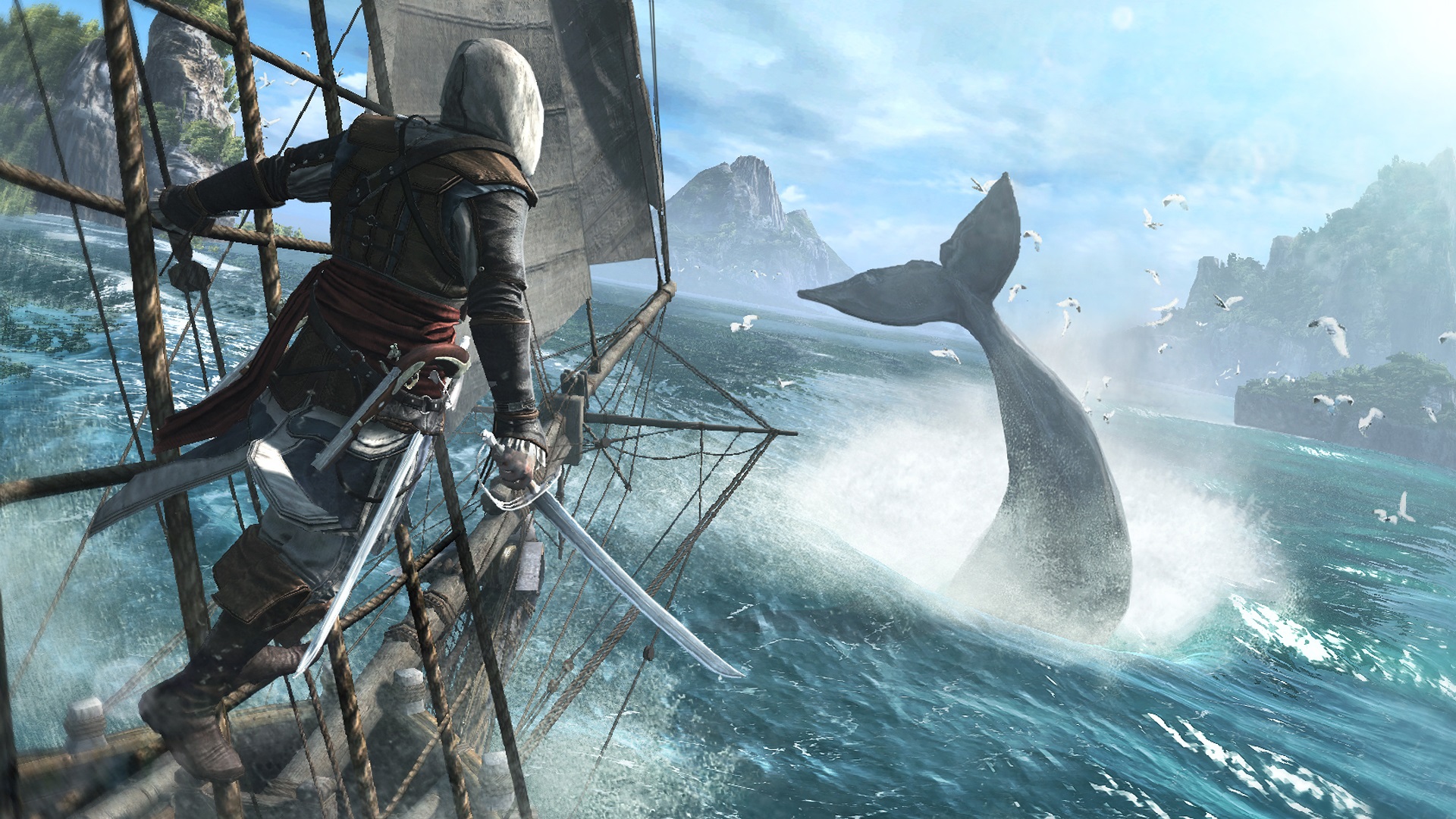
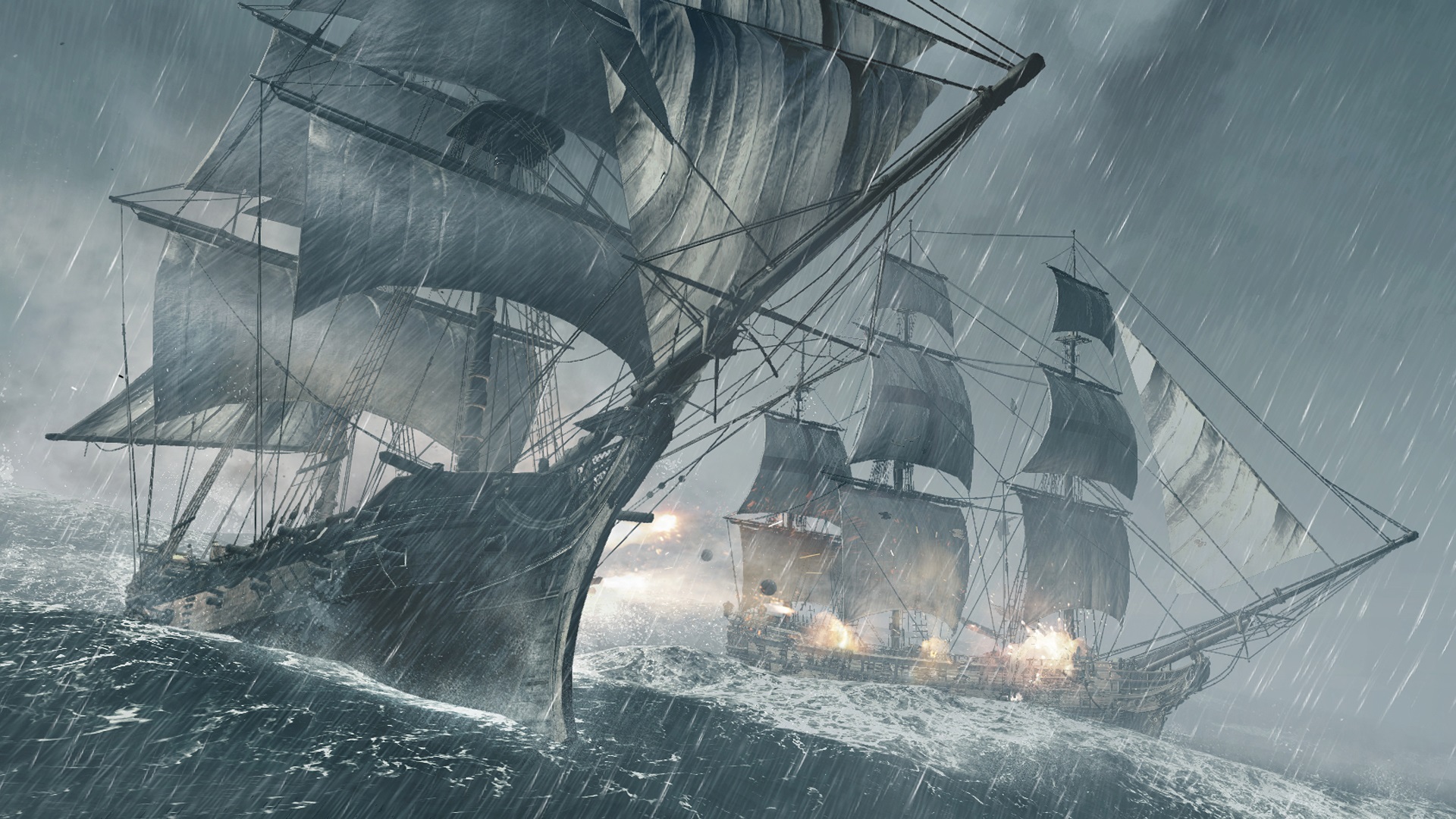
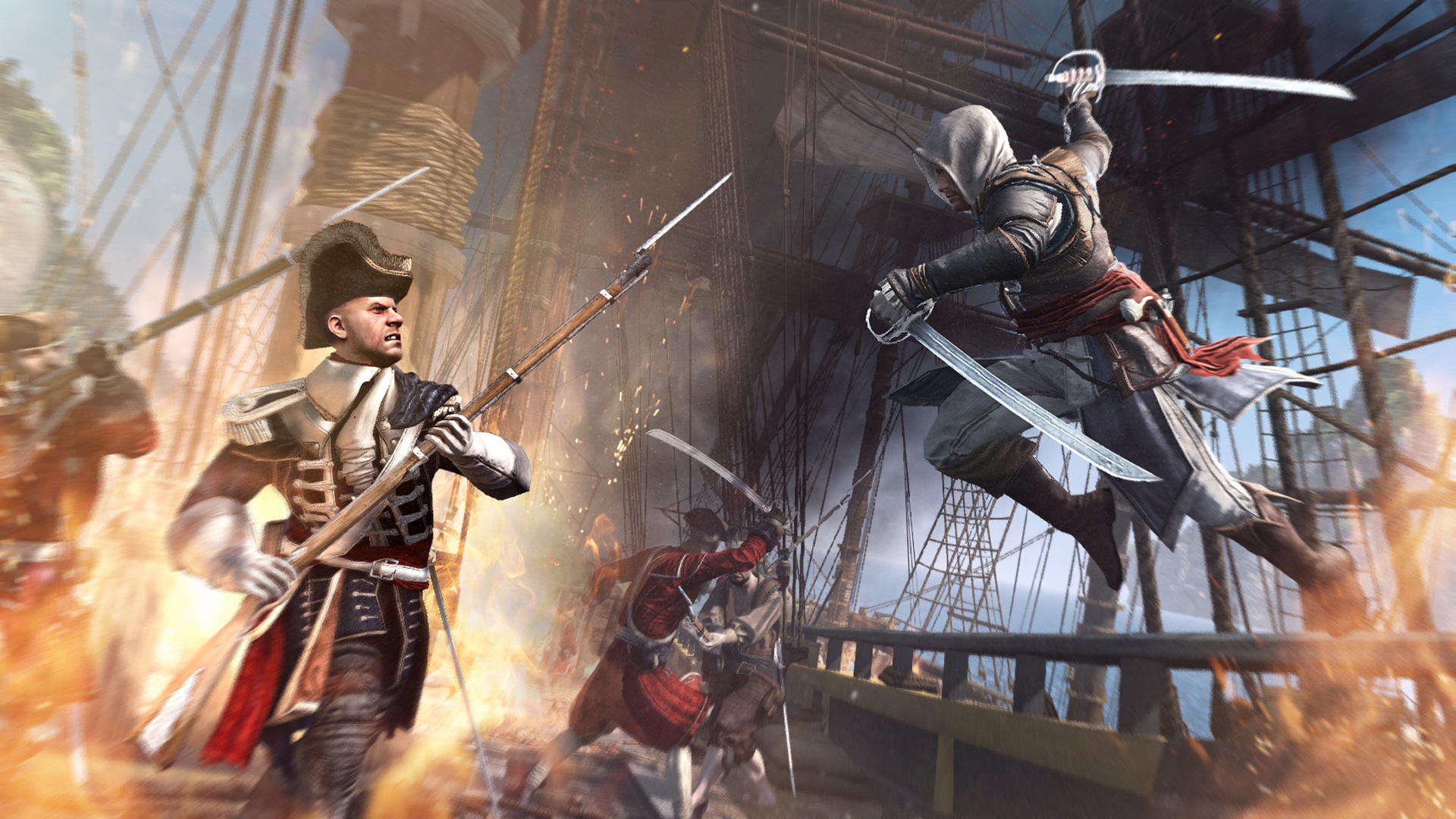
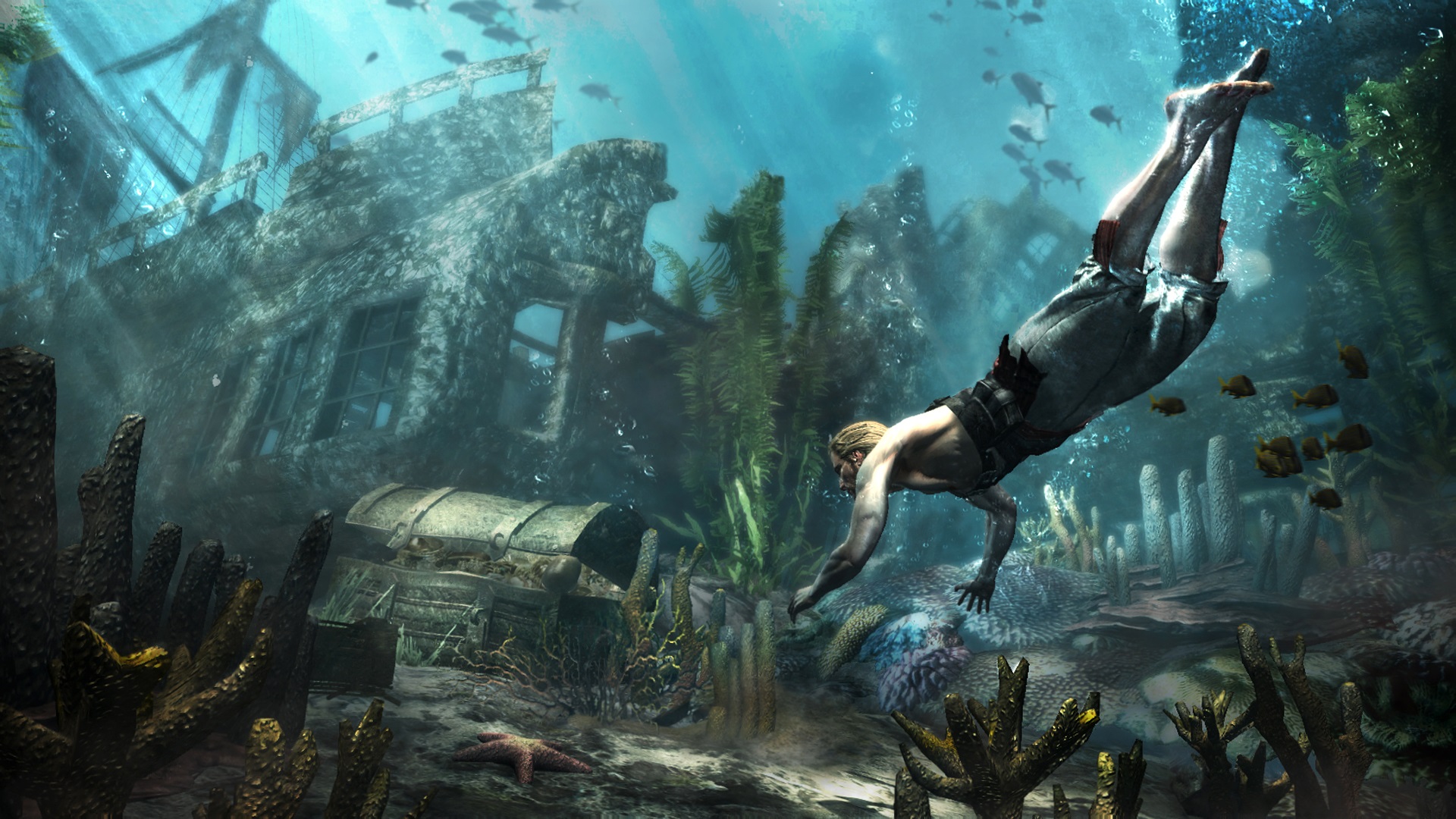
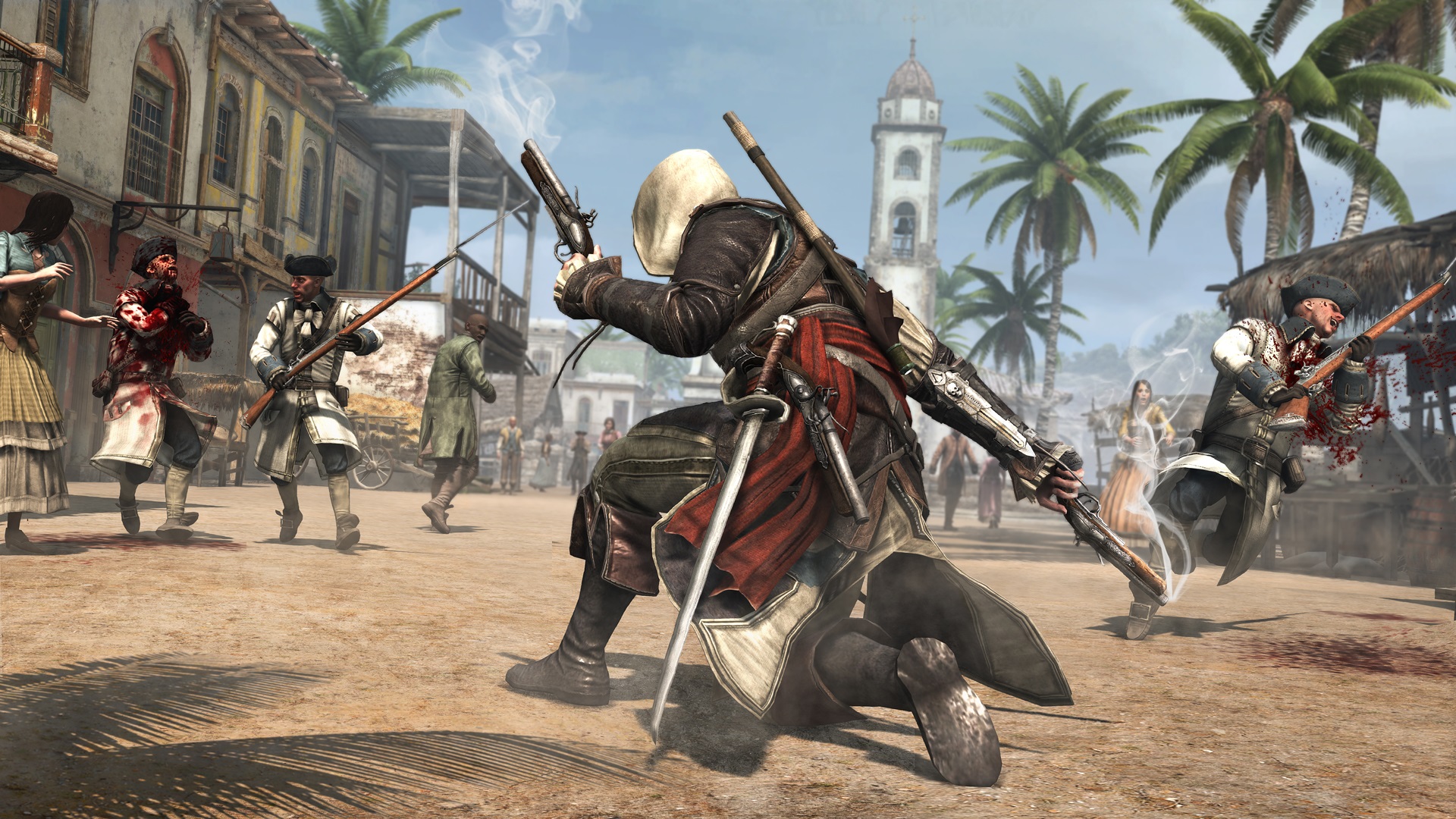
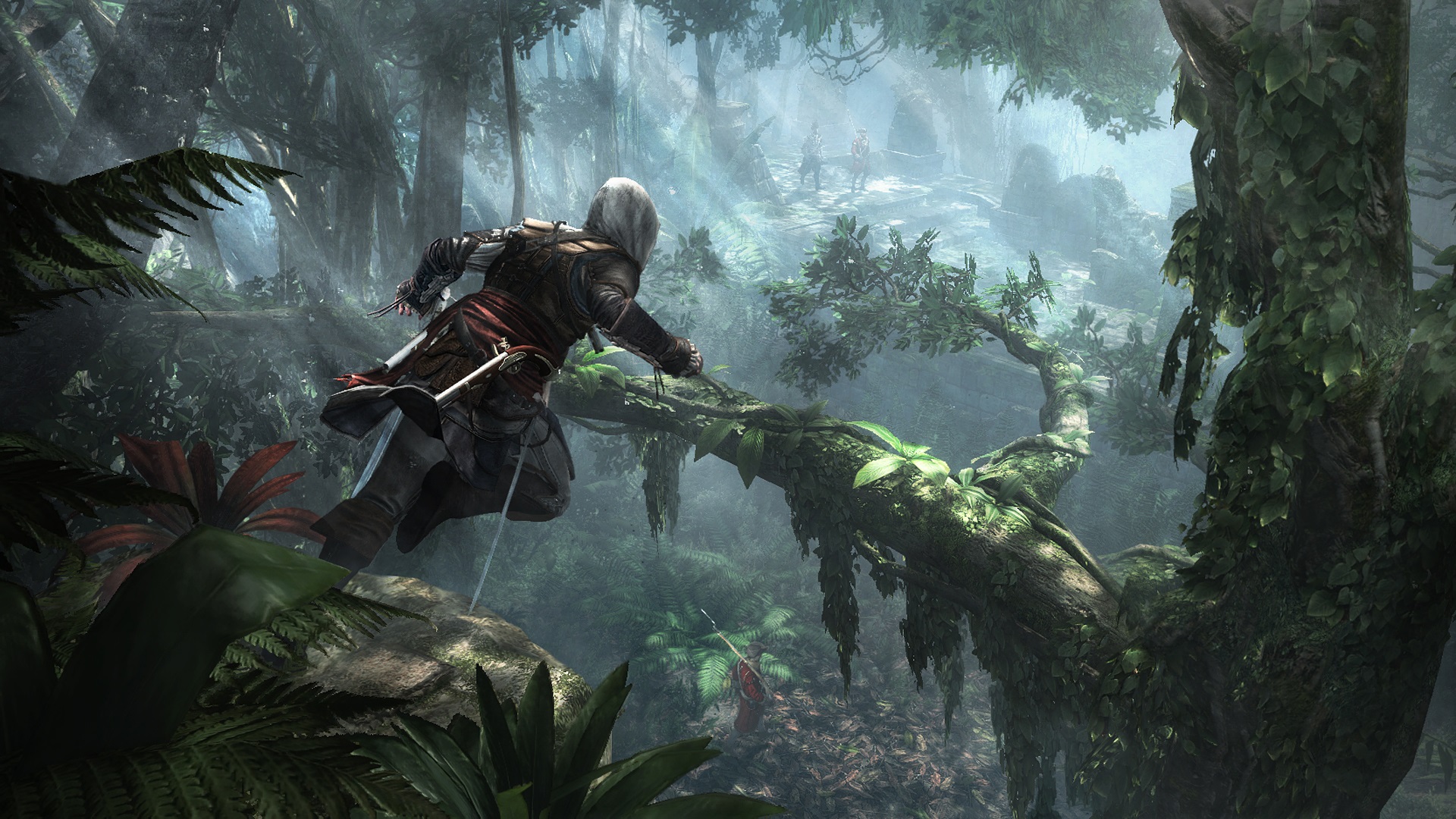
It didn’t take long for Ubisoft to clarify the whole next-gen console bit of information provided with their Assassin’s Creed IV: Black Flag reveal. The company has since confirmed that the next-generation they are talking about is at the very least, PlayStation 4.
Outside of that, the game has also been revealed for the current-gen Xbox 360 and PlayStation 3 as well as the next-genish Wii U. It is currently unknown exactly when Assassin’s Creed IV: Black Flag will be released on the PlayStation 4, since October may be before Sony’s PS4 launch, but the rest of the ACIV versions will hit store shelves on October 29th in North America and October 31st in PAL regions.
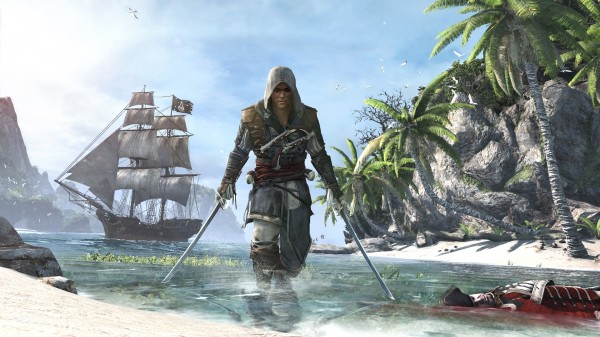
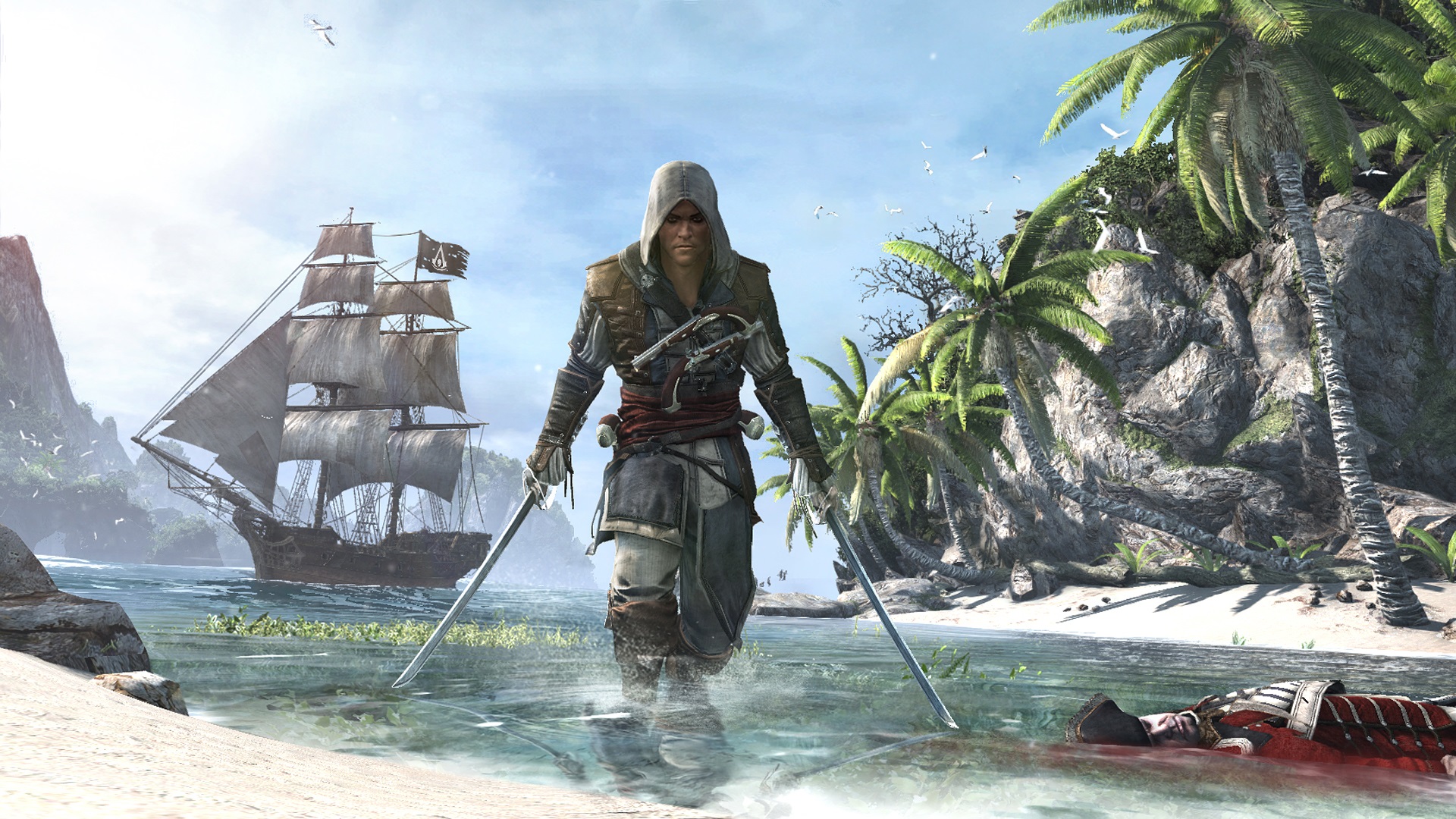
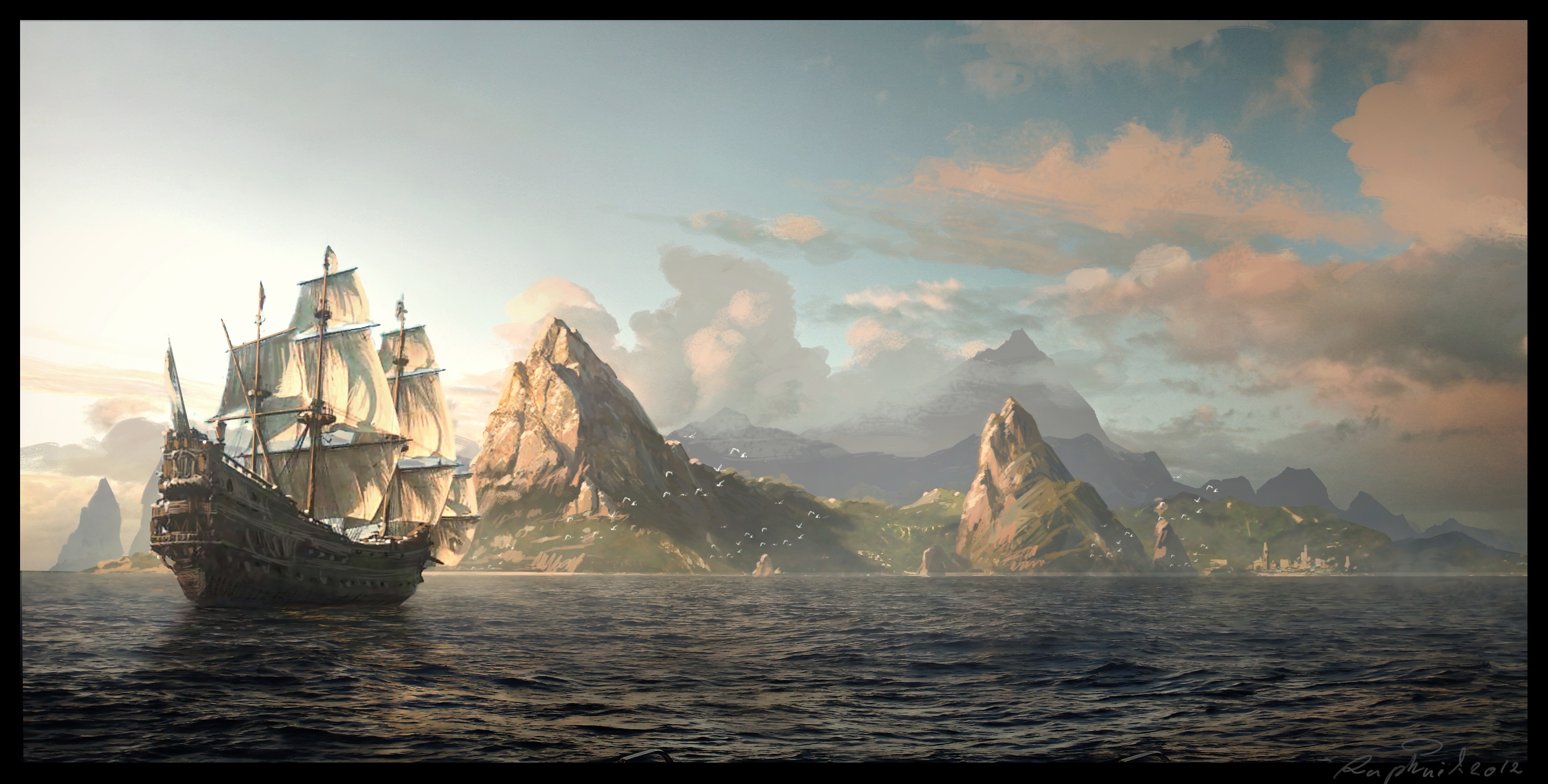
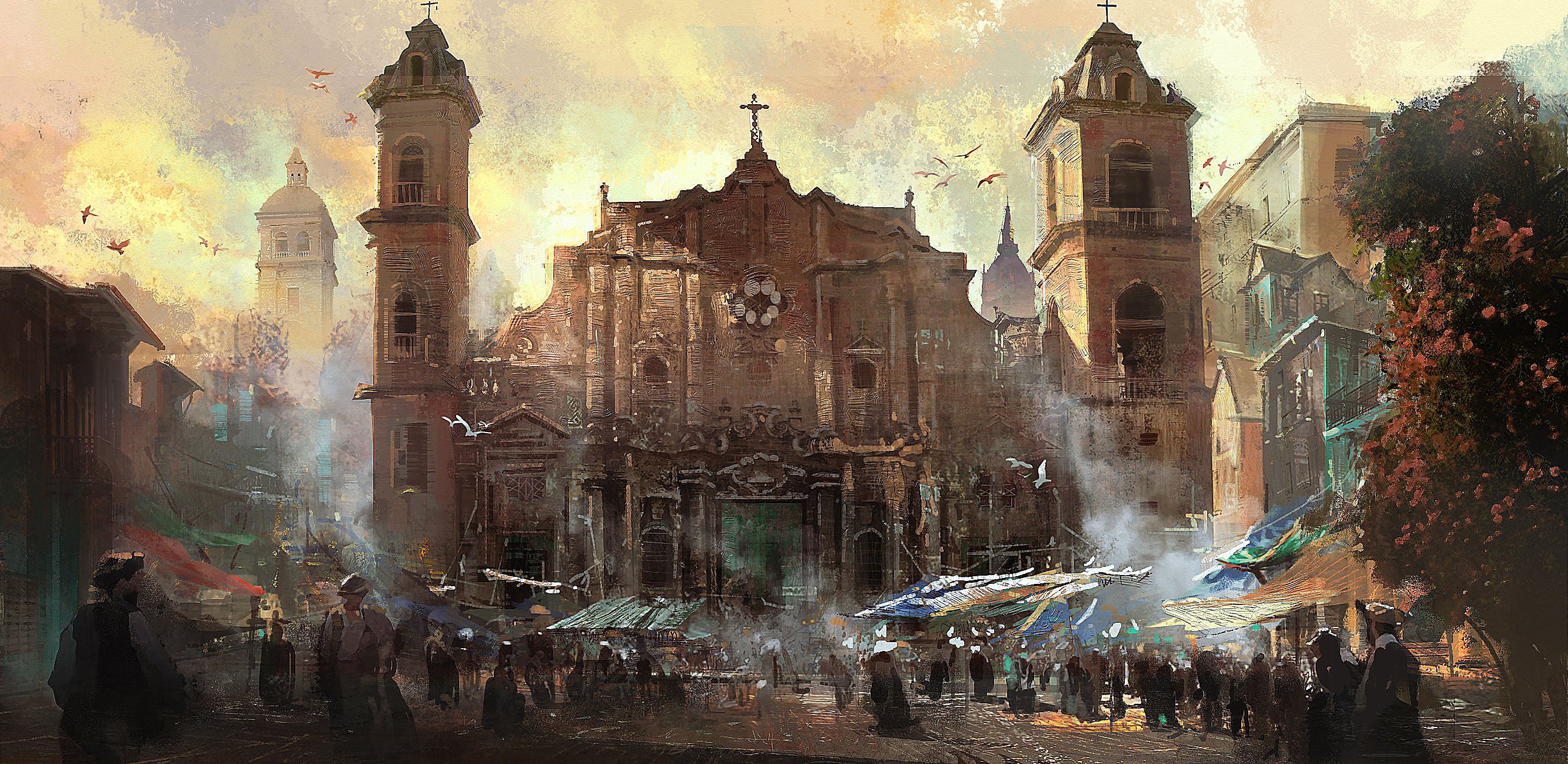
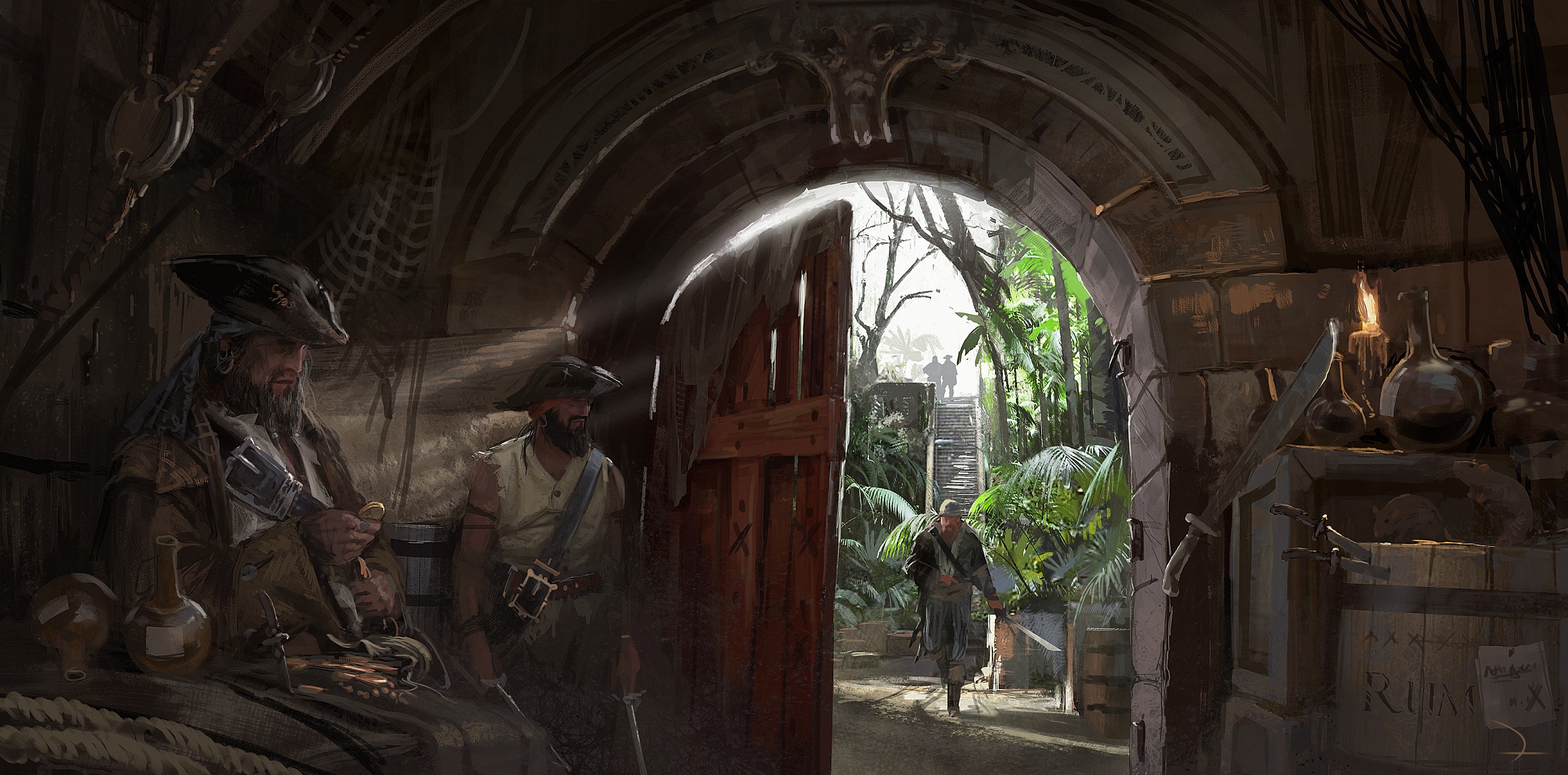
Ubisoft has finally stopped trying to plug the leaks in their Assassin’s Creed IV ship and have officially announced that Assassin’s Creed IV: Black Flag will be the next game in the series. The company revealed that the game’s new hero is as rumored, Edward Kenway and that it will be a pirate based entry in the series.
To go along with the game’s announcement, the company released not only a debut trailer but a character introduction trailer, both of which can be seen below. Also confirmed is the game’s release date of North America on October 29 and Europe on October 31 for the PS3, Xbox 360, Wii U, PC and unconfirmed next-gen consoles.
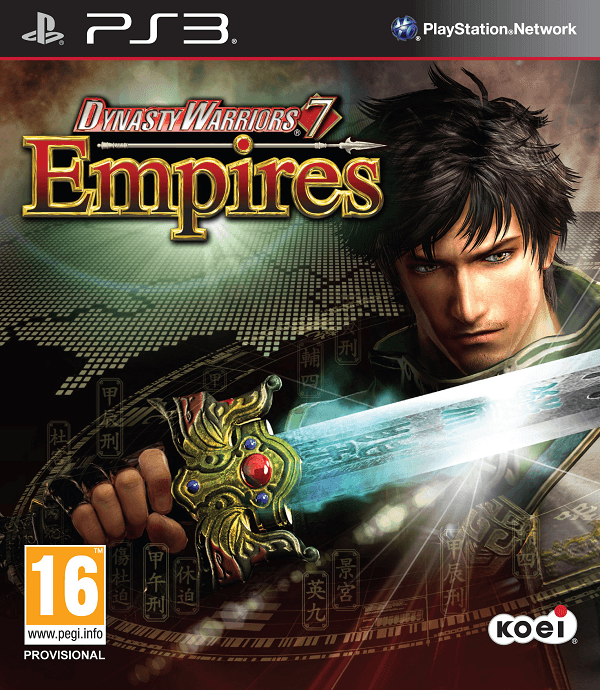
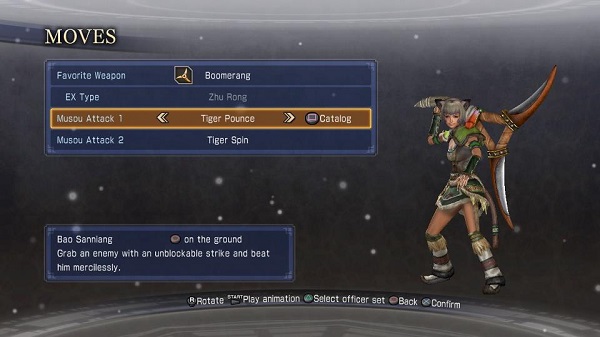
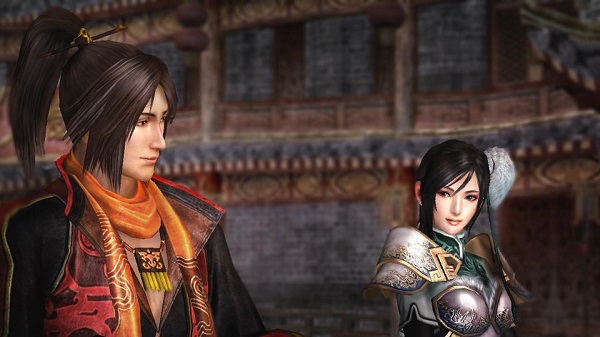
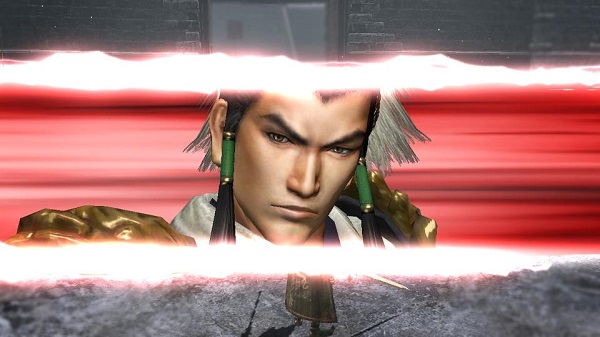
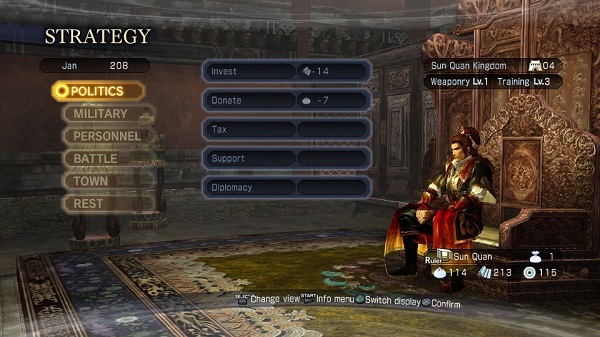
Overview: Is this only Dynasty Warriors 7: Empires at this point? It certainly feels like it should be Dynasty Warriors 15 at this point. But in all seriousness, the long running Dynasty Warriors series has had so many spin-offs over the years that it is hard to narrow down which spin-off fans should even be waiting for. Do they jump in at the initial numbered release, aim for the expansion or double down and pick up everything related to the series? The latest Dynasty Warriors title to be released in the West is the PlayStation 3 exclusive Dynasty Warriors 7: Empires. Does this new title in the Dynasty Warriors saga deserve a purchase? Let’s find out.
Story: Unlike past Dynasty Warriors titles, the story for Dynasty Warriors 7: Empires is more of a vague framing for the player’s own journey. Rather than following a specific nation or warriors’ journey throughout the famous battles in the Romance of the Three Kingdoms saga, players simply choose a famous scenario to base the empire mode on.
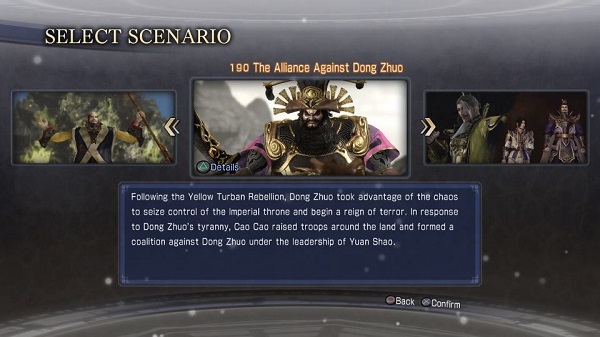
These scenarios, such as the Yellow Turban Rebellion and more instead frame what is ultimately the player’s own journey. When selecting a scenario, players can choose to play as any warrior they feel like, including rulers such as Cao Cao and Liu Bei, strategests like Zhuge Liang, and even famous warriors such as Lu Bu. Of course you can even take your own custom character to battle as well.
What starts from there ultimately depends on you’re selected character. Custom characters start as vagabond warriors while Liu Bei may be running a number of territories already. Depending on your actions, various story events can take place, such as the burning of Cao Cao’s ships in the Battle of Chibi, the united battle against Dong Zhuo and more, however players can choose to take part in these famous events or simply let them pass by if they wish.
Ultimately, the story for every mode results in the same sort of ending goal, but it’s been said that the journey is what counts, not the destination and with the various roles and amount of characters to choose from and interact with in DW7: Empires, players can experience different outcomes each time, whether they choose to take fate into their own hands or simply rule under someone else. That being said, it also means that those looking for some sort of structured storytelling will find that DW7: Empires is sorely lacking in that regard.
Visuals: As far as the graphics for Dynasty Warriors 7: Empires are concerned, there seems to have been a little bit of improvement over the original DW7 title. The title plays very smoothly for the most part, though soldiers appearing out of nowhere is a common issue. It is also worth noting that twice the game froze up and had to be restarted which can be quite killer thanks to the fact that the title does not autosave.
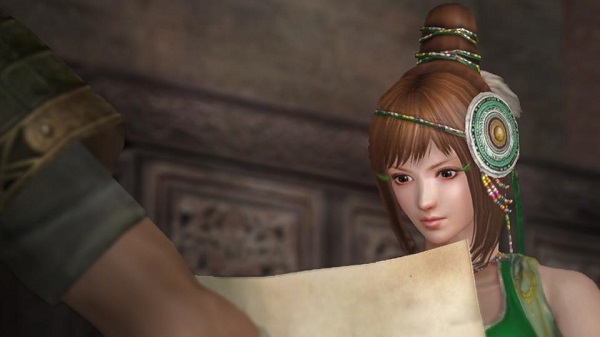
Anyways, the various battle fields of the Dynasty Warriors series have never looked better and everyone’s favorite characters have returned looking pretty much the same as they have before with no major graphical improvements. It is interesting to note however that the “Edit Mode” which allows the player to customize their character is quite extensive. The character creation boasts numerous hair styles and colors, various facial and body adjustments and accessories and tons of clothing that is instantly available and plenty to be unlocked through play. As such players should be able to create nearly any character they feel like given how much depth the studio has added to the game’s edit mode.
Audio: Unlike Dynasty Warriors 7, DW7: Empires does not feature an English dub at all and instead gamers are left with only the original Japanese voice work. This isn’t much of an issue overall though thanks not only to the fact that the original Japanese cast has provided an excellent dub of the game, but also that the company has provided a decent translation for most of the in-game dialogue. It is worth noting though that some phrases, such as those uttered when giving officer’s orders on the battlefield, have gone un-subtitled. Along those lines it also seems that some translations were dumbed down for the sake of quick-reading on the battlefield compared to the spoken Japanese lines.
As far as battlefield music goes, there is an extremely large selection of music for players to choose from. Before any battle players have the option of selecting a specific track and many favorites from past games have made it into DW7: Empires which means that players have quite a selection to choose to listen to as they destroy enemy armies.
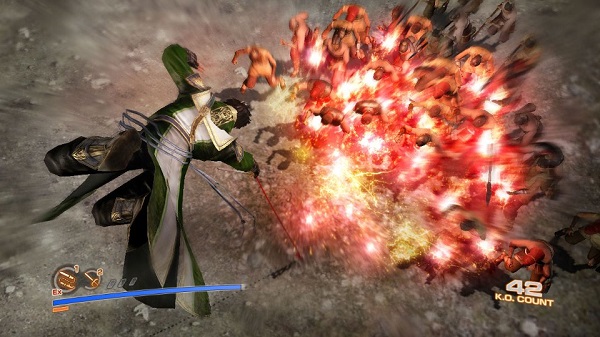
Gameplay: At it’s very core, DW7: Empires’ gameplay hasn’t changed too much from mash square and triangle to kill thousands of faceless soldiers and the occasional famous officer or ruler. However Empires gives players more than just a battlefield to fight upon, it provides a decent offering of strategy, planning and macromanagement as well.
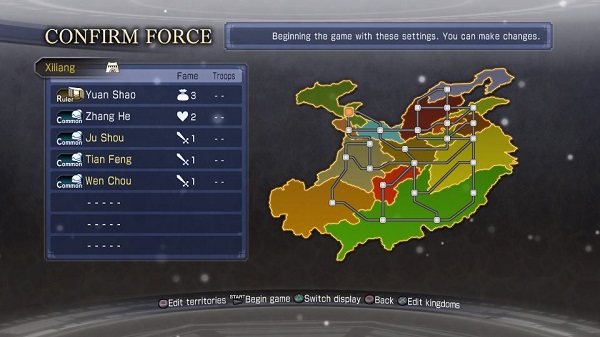
Now once the player has chosen their character or created one in the aforementioned extensive create a warrior mode, players choose a scenario to start out with. These scenarios, again as mentioned earlier, simply provide frame-work as to how the various territories of China are broken up and who is ruling at the start. The final goal of each of these scenarios lies in uniting all of China under one nation that is either ruled by the player or by the lord they choose to serve.
There are a number of ways that players can choose to make their way in the world of DW7: Empires, they can start as a free officer who can freely operate how they wish, joining battles to gain money and fame which can allow them to join as an officer to an already established nation or raise a banner of their own, or simply start as a ruler/officer/strategist in a nation that is already well on its way to conquering China.
These various choices also give varying levels of freedom. Solitary soldiers can look for other warrior’s to befriend and form a ragtag team of warriors that cannot own land without establishing a banner of their own but can enter skirmishes and sign up with another empire while officers also cannot instigate battles freely and have to take orders outside of battle to complete various tasks while strategists and rulers can invade nations freely and make use of political maneuverings to make battles easier or obtain allies.
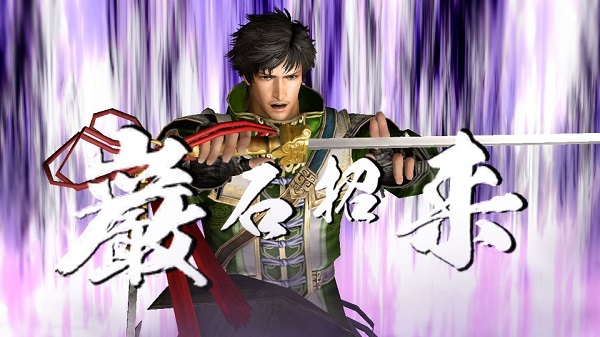
One thing that is interesting, and directly affects the strategies, or strategems as they are called in-game, is a personality system that gains points depending on your actions. Support shady businessmen, accept bribes and execute prisoners for evil experience, while slaying tigers threatening a village can earn bravery points. The higher your level in various categories results in different strategems being unlocked for use in and outside of combat. It is also interesting to note that players can go directly against history here and create a kind and compassionate Lu Bu or a dastardly Liu Bei if they so choose.
These numerous choices give players countless options as to how they want their warrior’s story to be told and the freedom to do as you wish, whether it lead you to victory or destruction, gives the player free reign. However there are always limitations and most of these limitations come to the three resources required for various strategic actions in the game: gold, info and food.
Playing as a solitary warrior requires little of these things, however managing a nation requires access to these resources for most strategies, such as allying with other nations, training your troops or building your forces back up. It is worth noting though, that unless the player is jumping into DW7: Empires on its hardest difficulty, most battles and even the nation management is rather easy to dominate once the player gets past the initial hump in acquiring basic equipment. It is interesting to note that players do have to manage their troop count however, as repeated battles can make it so even a well-supplied army will end up fighting with only two thousand men against an army of ten thousand, making for a battle that usually swings immediately in the opposing force’s favor.
When the player enters combat however, things remain pretty much the same as always with a few adjustments here and there. Since strategems can be used in combat, the player, allied officers and enemy officers can activate various strategies to affect combat, such as laying ambushes, gaining temporary stat boosts or even summoning elite units to the field of battle, meaning that players often have to keep an eye on the field of battle to monitor how the tide is shifting depending on these maneuvers.
Also changed is the fact that the player must plan their base capturing in a way that allows the “supply line” as it is called, to connect each allied base to the main camp. Otherwise players may find themselves invading the enemy’s main camp only to find that the enemy has severed their supply line and made it so the enemy general won’t appear until the tides shift in your favor once more.
Outside of that however, much of the game still results in mashing square to slay enemies and thanks to some poor balancing of weaponry, it is usually up to the player to purposely limit their abilities by selecting a weapon with a poor combo-tree to make combat difficult. This is due to the fact that the Musou Gauge fills rather rapidly and while enemy officers can unleash powerful attacks as well, players often have the upper hand even on higher difficulties.
It is worth noting that the game does offer a limited multiplayer option where two players can enter battle either in couch co-op or even invite online players to join the fight. Also available is the option to have other players’ created characters join your world as well as free officers which is a neat addition, though those looking for authentic experiences can choose to disallow such appearances if they wish.
Overall: Dynasty Warriors 7: Empires offers a focused experience that allows players to be the ruler of their own destiny. Because of this, the possibilities are seemingly endless despite the limited framework the scenarios provide. The newly introduced strategems add just enough spice to the hum-drum battles to keep things fresh but it is worth noting that visually the title has improved little and experiences numerous pop-in issues with troops.
Also, with only one new character added and a couple of weapon types, there is little expansion to the Dynasty Warriors franchise in DW7: Empires. However there is much more to this game than simply slaughtering faceless soldiers by the thousands and because of that, fans of the series shouldn’t hesitate and newcomers may find Empires a decent enough starting point to create a story of their own.
Capsule Computers review guidelines can be found here.
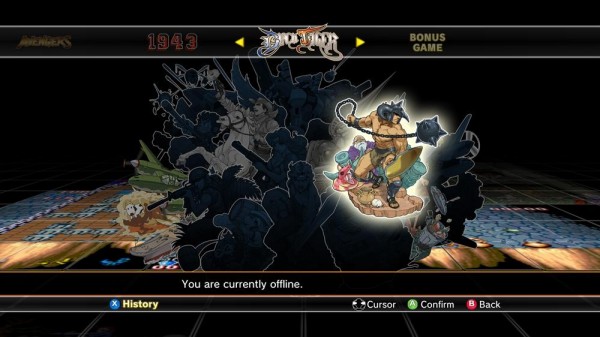
Capcom Arcade Cabinet 1987 Game Pack #1 Developer: Capcom Publisher: Capcom Platform: Xbox Live Arcade (Reviewed), Playstation Network Release Date: February 20, 2013 Price: 400 Microsoft Points ($4.99 PSN)
Overview
If you say the word Capcom, you are more than likely going to get one of two reactions. The first will be from the latter half of the fanbase who remain bitter due to the DLC controversy and cancellation of two Mega Man games. The second however is where I stand, as a kid from the 90’s who grew up pouring quarters in machines. Whether it is Street Fighter, Ghosts and Goblins, or any other classic, Capcom made a name for themselves with their famed arcade machines and over the years, they have let us know it with countless compilations. Capcom Arcade Cabinet is the latest, featuring a hefty number of retro favorites that are to be dripped out as this year moves along. The first pack is none features Black Tiger, 1943, and Avengers. Does this compilation set itself apart, or is just another release that is sure to provoke anger from a once loyal fanbase?
Gameplay
Even though this is a review of the three titles that come in the first pack for Arcade Cabinet, that is not going to be the focus. We know these games are good as they have stood the test of time, again and again, inspiring tournaments and retro themed gatherings that bring gamers together all over the world. Sure, we’ll touch on gameplay in a moment in terms of controls, but the main reason to buy this pack and Capcom Arcade Cabinet can be found in the bonuses that come attached.
Each game comes fully featured with a ton of extras players can access right off the bat. A good portion of the time, I hear a lot of gamers complain that arcade games are too difficult – which is mainly because they were designed around quarter intake. Luckily, Capcom have thought of those poor modern souls and have allotted the player with an unlimited amount of continues, along with a casual mode that makes any trek through a game a breeze. Also included is a score attack mode for competitive players that include leaderboards, as well as a training session that allows players to go back and familiarize themselves with the dangers each stage possesses. Now, considering we have seen a lot of these features included in Sega’s Vintage Collection, it may not sound too exciting to get a few extra modes with an arcade game. With that said, I can easily state that these modes do matter, as in addition to the arcade perfect ports – players who grew up playing these titles in the past will have a lot more than nostalgia to go back to this time around.
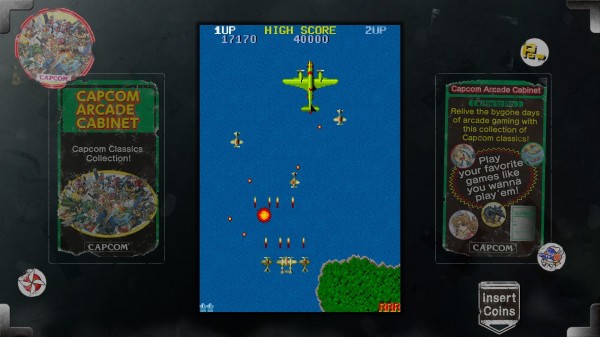
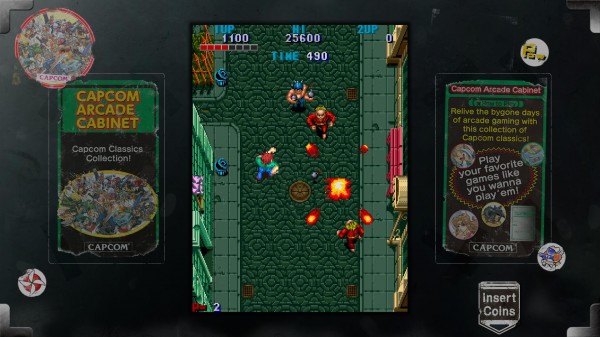
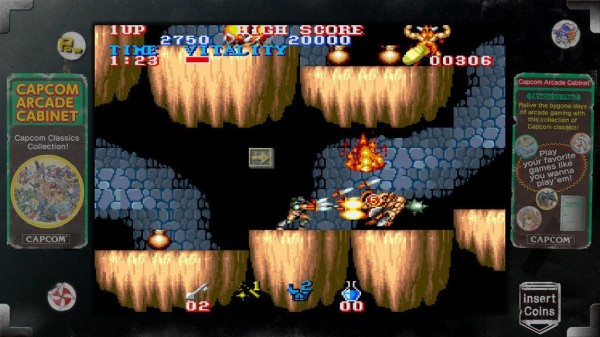
When it comes to controls – as mentioned, these three titles do indeed live up to their arcade counterparts. 1943 has the player take control of a P-38 Lightning during World War II. Like any shooter, the controls are simplified to dodging enemy fire and moving up and down with the control stick, while firing one of two attacks with the face buttons. Avengers is a bit slower, even for it’s genre. This top-down beat-em up is all about punching and kicking baddies in-between boss fights, and while it was my least favorite of the three in this pack, I must say I still found a lot to respect in the tight controls. Finally, Black Tiger is about as deep as you can get when it comes to arcade favorites, featuring a Ghosts ‘n Goblins styled layout (it was the spiritual successor after all), along with a early equipment upgrading system that allows the player to get stronger as the progress and collect loot. Sure, it’s fun to play these three on their own, but with the bonuses attached and new achievements, I found myself spending hours going through each title.
Depending how the player scores, pictures and concept art can be awarded in each game’s gallery. That in itself is quite a treat, but also up for grabs is themed wallpapers that ditch the arcade styled backdrop in favor of scenery more relevant to your current title. Sure, it isn’t too much of an unlockable, but for three titles that have disappeared from the gaming scene for years – I’ll take it. Those looking for even more reason to play will be happy to know that all titles involved will also feature a multiplayer mode – for both local and couch co-op.
Visuals and Audio
As far as graphics and even animation goes, most going in to this arcade cabinet are going to know what to expect. Pixelated greatness of the past can be found all over this collection – during the games themselves as well as the menus and extra features. Sure, each show their age to a degree, with the most prominent example being Avengers’ frequent moments of slowdown, but I kind of appreciate all of that as back then we didn’t worry about visuals, it was all about tackling that high score. I will say though that seeing the half peeled stickers, posted all over the front of the arcade machines in this game is one small touch that goes a long way to take us back.
As far as audio goes, things have remained the same. That of course is a good thing, as who doesn’t love hearing the scratchy screams of an antagonist or the “pew pew boom” as they blow up an enemies ship? Yes, Capcom have improved these three titles for current hardware, but have done so in a way to keep each sounding true to their namesake – meaning all of those 8-bit tunes from the days of slurpees and cheap pizza are available to fill your ears with nostalgic bliss.
Overall
For every arcade or “retro” compilation that comes out, there are a handful of modern gamers that get infected with the same feelings we did years ago while we dumped quarters into old machines. Sega have perfected the art of ports this generation with their digital offerings, while other misses like “Game Room” have left us rather sad about the missed potential of an otherwise great idea. Capcom has something here with the Arcade Cabinet line however, as the extra features and love packed in alone makes for one entertaining and nostalgic joyride filled with promise as the other add-ons near in release. If you are a 80’s or 90’s kid – or just someone with a love of the classics, Capcom Arcade Cabinet is one of the finest offerings you can find on the digital scene and yet another reason to remember why Capcom’s legacy is worth fighting for.
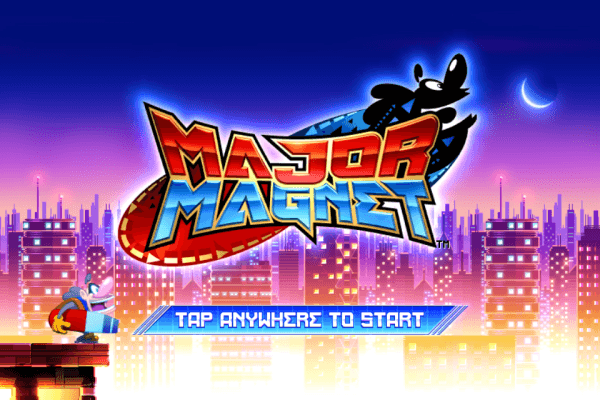
Major Magnet Developer: PagodaWest Publisher: Iddiction Platforms: iOS (reviewed) Release Date: February 28, 2013 Price: $0.99 – Available Here
Overview
The iOS game scene contains a vast variety of titles ranging from the simple, mundane fare that sneaks by every day to the exquisite, rare gem of a game that should pop up on everyone’s radar. PagodaWest’s Major Magnet makes some bold claims with their tagline: “Faster than SONIC. Braver than MARIO. And just a wee bit clumsy – Meet MAJOR MAGNET the world’s most unlikely hero!” Is Major Magnet indeed a name worthy to fit alongside the likes of Sonic and Mario, or should he be destroyed in the hottest fires of the nearest industrial furnace? Let’s find out.
Story
Marv, the game’s protagonist, starts the game by losing his cape, which allowed him the ability to fly. Grabbing the only thing on-hand, a giant magnet, he begins a quest to get his cape back, and unknowingly foil the evil Colonel Lastin in the process.
Gameplay Major Magnet has, indeed, made bold claims by invoking the names of two of video games’ greatest platforming heroes, Sonic and Mario. While the Major himself may not be quite as fast as Sonic, there are some striking similarities between the two, and Major Magnet is much better off for it.
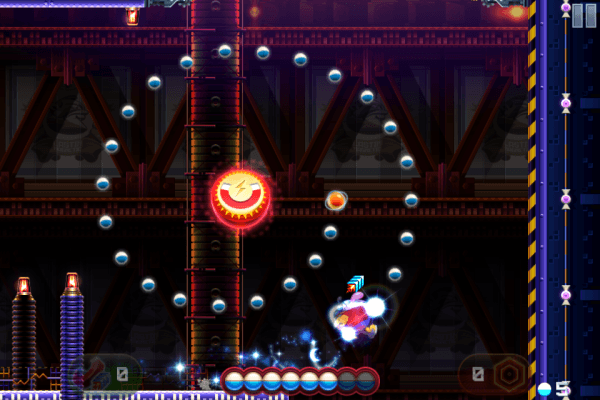
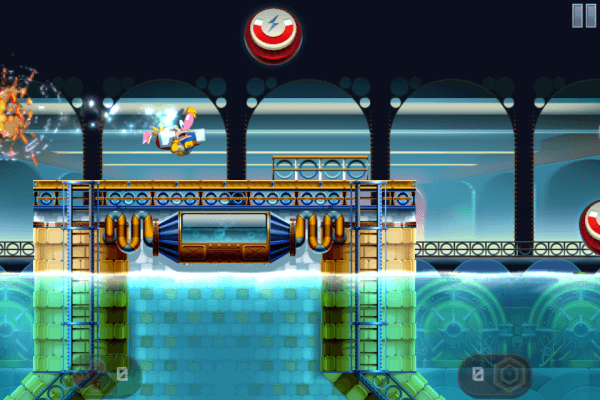
The basic mechanics behind Major Magnet are simple. Marv has a giant magnet strapped around his waist. Players will use their fingers to activate and deactivate large magnets placed strategically in the world. This will pull you to them and begin a locked-in orbit around the magnet. From there, you can deactivate the magnet and let physics take over. As you hurl through the air, you can activate another magnet or swipe your finger to rocket Marv in the direction of your swipe. The mechanics work surprisingly well and make maneuvering through each level a fast, fluid, fun adventure.
It’s easy to see that so much was done correctly with Major Magnet, but the level design is arguably one of the strongest reasons to pick up this game. Much like the Sonic games of the Sega Genesis era, Major Magnet‘s stages are constructed to allow the Major to streamline into a flow and just blast his way through the levels. While Sonic excels with conveying pure speed, Major Magnet comes deliciously close to bottling that same lightning, and they do it without ever placing an enemy on the screen.
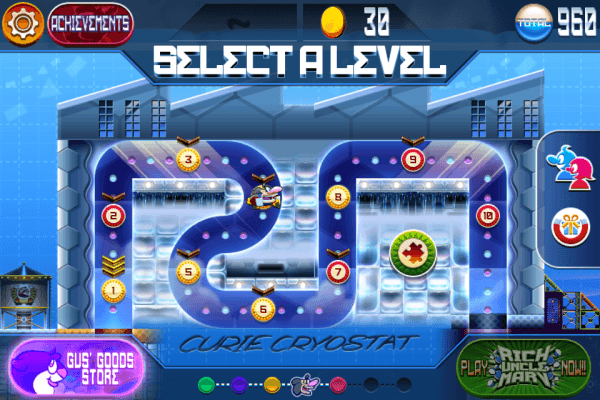
Major Magnet is separated into six distinct worlds, each comprised of 10 stages. With each stage, you will hover through, collecting magnorbs, Major Magnet‘s in-game currency, and building up a score multiplier in the process. At the end of each stage, you’ll be awarded an overall score based on your speed, multiplier, and magnorbs collected. While this is a great feature if you have other friends playing through the game with you, by yourself there is no incentive for achieving higher scores except personal pride and an in-game achievement or two.
One of the weakest aspects of Major Magnet is the inclusion of a real-money exchange for in-game items that can give you an edge against friends. While there are a couple of cosmetic items (colored dust trials for Marv), several of the items are performance enhancing in nature (shields, extra boosts, etc.). These can be bought with in-game magnorbs, but you will likely burn through them far faster than you can acquire the magnorbs to replace them unless you pay the real-world money for some extra in-game cash. This feels petty as they’re asking players to both pay for their game and then pay as much or more for items that could give them an edge against friends. Unfortunately, this is a trend that has sort of set up shop in the iOS world.
Major Magnet also has a few in-game collectible items. On each stage will be a pastry item known as a “bake.” While these may seem like a fun diversion for a little extra effort at first, you’ll find that they’re required later in the game as a way of blocking players from progressing to later worlds without a set number of them. It feels like an unnecessary way to artificially lengthen the game. It would’ve been much cooler if they had offered an alternate costume or some other sort of pat on the back for collecting them all.
Visuals Major Magnet‘s visual style is fantastic. The character designs feel like something from Boogerman or a lighthearted Saturday morning cartoon. Marv’s animations flow beautifully. You really get the sense that unseen magnetic forces are hurling him throughout the world, and the sense of speed you’ll get is fantastic. Each world has its own unique look and feel (sewers, ice, water, fire, etc.), setting it apart from other worlds in the game and offering you a welcome bit of variety. Watching Marv reach the portal at the end of each level and fly into it offers a great, colorful sense of satisfaction as well.
Audio
It’s obvious that a lot of work has gone into Major Magnet‘s sound design. Each world has its own unique theme music that matches the visual aesthetic beautifully, and has an upbeat, almost sanguine feel about it. They help make each level enjoyable to play through. The world map’s music is also snappy and vivacious – it would be fun to just sit and listen to it without ever playing the game.
Major Magnet‘s sound effects tie in well with the game. Picking up each magnorb carries gives the sense of building your multiplier. Hovering around a magnet conveys the sense that you’re hovering to and fro. Most spot-on, though, are the retro sound effects from the menus that put you back in the shoes of that young child with a Sega controller in your hands without losing its own personality in the process. It’s very well done.
Overall
Overall, Major Magnet is a fantastic game. With gameplay that flows well for its chosen platform, a vibrant, inviting look that does a good job conveying a sense of speed, and sound design you can tap your toes to, players with the means would be doing themselves a disservice to avoid this game.
As many longtime gamers will undoubtedly agree, it’s a hard line to toe when invoking the names of Sonic and Mario, but just as they were the mascots for their platforms, perhaps Major Magnet has the chops to do the same for the iOS.
Capsule Computers review guidelines can be found here.
A new scan has come forth from Japan focusing on the new Super Saiyan God form that is set to be revealed in the upcoming Dragon Ball Z: Battle of Gods film. The scan shows a silhouette of a Saiyan character with the traditional spiky hair and what seems to be a tail, a feature we have not seen in a Super Saiyan form since Super Saiyan 4 in Dragon Ball GT, which takes place many years after this movie. The latest trailer revealed that a Saiyan will turn into a Great Ape at some point in the film so perhaps that could be the trigger for this new transformation. It is very likely series protagonist Goku will be the one to acquire this new form.
While the Dragon Ball video games often give previously seen forms to different characters, this is the first time a completely new form has been revealed in the series canon since the shows end. Dragon Ball Z: Battle of Gods is set to release in theaters across Japan on March 30. Still no word on an International release.
A little over a week ago, we shared with you a video of industry luminary and creator of the original SimCity, Will Wright, interviewing SimCity’s (2013) creative director, Ocean Quigley. It was a special occasion to be sure. Well, today we have another video interview; this time Will is the interviewee at the mercy of SimCity’s lead designer, Stone Librande. Check it out at the bottom of this article.
Firstly, I must get this out of the way: is everyone on the EA Maxis team named after an element of nature?! Ocean, Stone… are we going to see Breeze next?! On names alone, EA Maxis is the “hippiest” dev team in history, and we love them for it! But I digress… it’s encouraging to see that the originator of the series enjoyed playing this upcoming reboot of his innovative original, released back in 1989.
Stone asks Will his thoughts on the experience, as a player and a person who is now looking in from the outside, so to speak. He also inquires as to Will’s objectives as he played the game among other things. It’s very cool to hear the feedback come from the series creator himself, and I’m sure EA Maxis were equally encouraged. SimCity is coming out March 7th in Australia and March 8th in New Zealand.
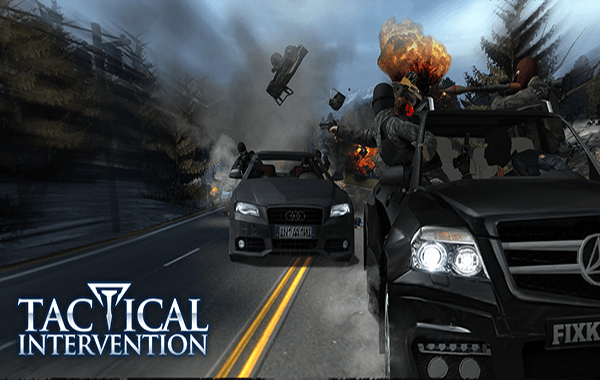
OGPlanet have announced that the free-to-play shooter Tactical Intervention is going to be launched on March 28th.
Minh ‘Gooseman’ Le is the games main developer, and Minh was the co-creator of Counter-Strike, the hugely popular FPS, which he created as a Half Life mod in 1999. Minh Le left Valve to create his own game – Tactical Intervention, created with South Korean studio FIX Korea. This runs on Valve’s source engine and is similar to Counter-Strike, with terrorists and counter terrorists fighting against each other in different game modes, including escort, hostage rescue and hostage grab objectives.
Le has added in features in Tactical Intervention that are not in any Counter-Strike games, such as driving missions and the threat of police dogs. Other aspects of the game which help to differentiate it from Counter-Strike include rappelling, the use of riot shields and the ability to shoot out of moving cars while in high speed car chases.
The plan for continuous content in Tactical Intervention is the development of new maps and releasing them on a regular basis for free. Micro transactions (as are a part of most free-to-play games) will come in the form of improving a player’s gear.