It was revealed on Wednesday that the character of Alexa, shown in the new Pokemon X and Y trailer, is set to appear in the next episode of the Pokemon Anime which is soon to air in Japan. July 18th to be exact. Now we’ve heard word that it will not only be Alexa appearing but three of the Pokemon from the newest generation will be there by her side and it will be their début.
The Pokemon, as listed in the title, that will appear will be GoGoat, Helioptile and Noivern. It will be episode 795 and the episode name will be “Alexa Appears! Helioptile and GoGoat!”
This will be the first of the new Pokemon to be shown in Anime action and I don’t think we’ll have to wait too long to see any more. Keep an eye out on the site for more info as it comes through and don’t forget to hit up our comments section below and drop us a line.
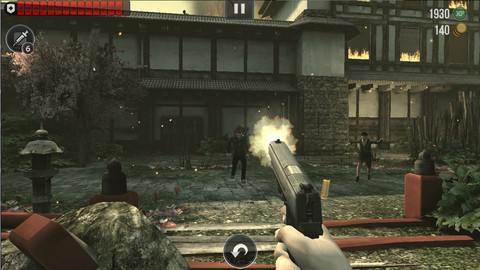
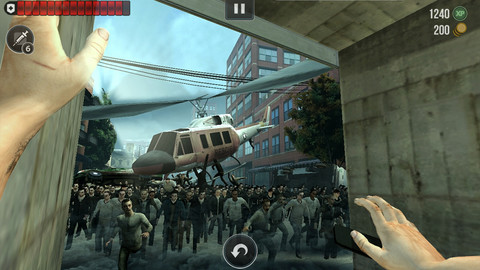
World War Z has hit this earth like some sort of plague, yes, pun definitely intended. Starting off as a book written by Max Brooks, son of famous comedic actor Mel Brooks, it has now grown into something so much bigger than just a well-written, zombie, book. With a new movie starring Brad Pitt and now a new game – Not starring Brad Pitt, I apologise ladies – World War Z is really standing in the spotlight and what a big spotlight it is.
Story
We follow the main character Doug, who is entirely different from Brad Pitt’s character Jerry in the World War Z movie, who is sitting in a bar, talking to a friend as a plane crashes right into the place which unleashes a horde of zombies onto everyone there. Doug manages to survive it because he was packing heat at the time and managed to fend them off, with your help of course considering you control him, Doug gets a call from his son Rob who lives in Japan with his mother but it seems the scourge has hit there too, Doug and his son get disconnected and that’s where the game begins. Basically this game is a big journey for Doug to go and save his son who’s in Kyoto. The thing I liked a lot about the story is that it’s not “World War Z: The Movie: The Game”, we don’t take control of Jerry from the movie, we don’t play his story, if you’ve seen the movie you’ve seen his story and they put that to bed. Instead they created a new character with a different story and a bunch of different struggles for us to get through. It is set in the movie’s universe, the Zombies are the same, the atmosphere is the same, the general vibe of fear is the same, it’s just that know we’re shown a different point of view, so to speak. Look from what I’ve heard the movie is nothing like the books, in fact, all they probably have in common is the name, the game didn’t go ahead and change it again, it didn’t go and make another universe or setting and I think it was done right. Too many times we have seen movies come into the world of gaming and fail because they’ve changed things in the story yet wanted so hard for it to be like the movie and it just doesn’t work that way. The World War Z game did it right.
Visuals
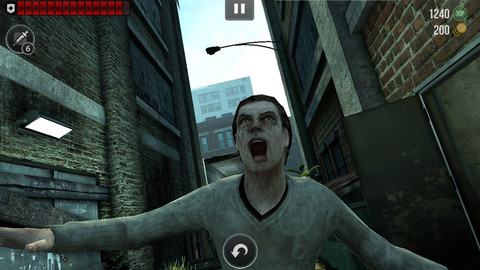
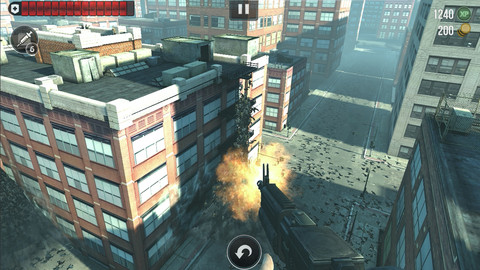
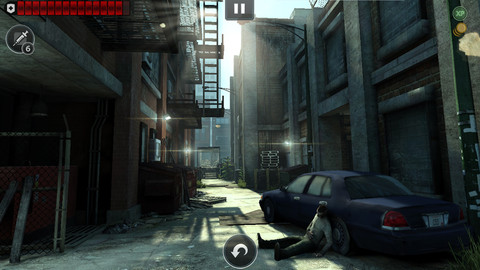
This would have to be one of the best looking games I’ve seen on the iOS. Honestly. The graphics aren’t transcendent, I’m not saying they’re the best graphics I’ve ever seen ever but what I am saying is for it to be on these types of devices and still look this good is a great feat. It’s the little things in the game that make it visually great; looking towards the sun makes the screen hard to see because of how bright it is, when the character talks the screen moves like it’s his head, it’s just those little things. The colours are great too; they’re realistic and somewhat flat but I felt like that was done on purpose as opposed to a lack of care. We are talking about an apocalypse here, we shouldn’t be expecting anything too vibrant. One thing that stood out above all else for me was the markers which show that things can be interacted with; they were nice, neat looking and noticeable without being too over the top or cheesy.
Audio
The voice acting in this blew me away. There is better voice acting in the first cut-scene then there are in some full game titles. The zombies groans and grunts were very basic but you really couldn’t hear them over the gunshots which happened to also be very good and quite accurate. There wasn’t much of a soundtrack at all, basically it was just intense music during action scenes and levels where you were fighting the zombies but once again I can’t help but think that was on purpose because it gave off a damn scary vibe. Having a quite room and just hearing the “boom, boom, boom” of a zombie hitting a door somewhere is kind of spine chilling.
Gameplay
The gameplay style was a mix of a point and click adventure game and a “House of the Dead”-type shooter. When you weren’t fighting the zombies you were clicking on the ground and getting him to move there, looking through desks and on the walls, having to sift through papers using the touch controls to find exp points and what not. When the action starts you are stuck in one place as you aim at the zombie and let the auto-fire work it’s magic. There are melee fights too which, while good, I felt like they were a bit hard to pull off and it made me extremely frustrated when I could unload an entire handgun into a horde of zombies and kill them yet I couldn’t fight off one zombie with a crowbar. The good thing about the shooting gameplay is that it is interchangeable, you can swap how you control Doug in a few different ways just mixing and mashing until you find what suits you. Unfortunately you can’t do that with melee fights. There’s a bunch of weapons and upgrades to unlock and buy through exp. points which is a great help throughout the game. There’s also a “challenge mode” in the game which is basically as close as you’re going to get to a horde mode in the game. The great thing about the challenge mode is that, essentially, you use it to grind experience points quickly just so you can jump back into the campaign and blast your way through what was initially hard. I wish a lot of games had something like that.
Overall
For the price that it’s being sold for this game is definitely a winner. Fact is; as much as this game is for the hardcore players Phosphor have made it so that even us casual iOS gamers can have a it down and kill a few zombies to pass the time. Good graphics, good story, good voice acting, good God just go and get the game! The only thing I can say is; unless you’re a die hard fan of zombies or World War Z don’t get this unless you own an iPad of any kind. It’s good on the iPhone or iPod Touch but I found that had I played it on the iPad which is substantially bigger and clearer I would’ve enjoyed it a whole lot more. Still for $4.99 just try it out, it won’t do you any harm and the game is good enough to keep you there despite what you’re playing it on so check it out.
Capsule Computers review guidelines can be found here.
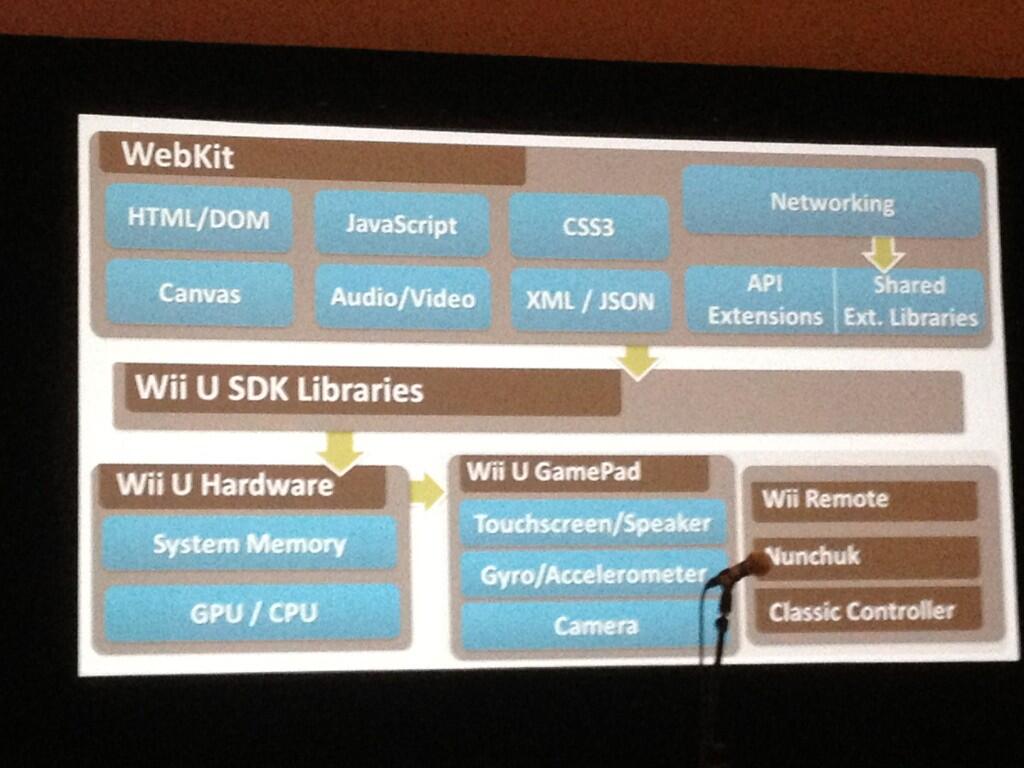
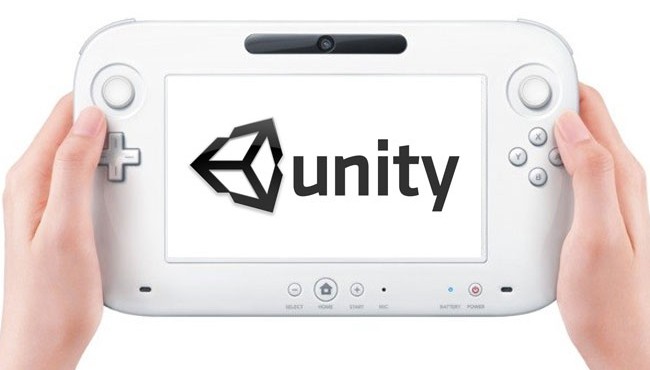
Two months ago at the Games Developers Conference, Nintendo announced the Nintendo Web Framework for the Wii U, supporting application development on the console through the use of HTML5, JavaScript and CSS. Alongside this announcement also came news that the Wii U will support Unity, an integrated development environment with a sole focus on games, used by over 1.2 million developers worldwide.
The good news for Nintendo and its huge fan base is that indie developers have jumped at the chance to develop software for the console, with Nintendo President, Satoru Iwata stating.
“We have received great feedback. We have been in contact with more than a thousand parties.
Even though software for dedicated gaming devices has become advanced and complex, we have been working on those new approaches to expand the range of developers for the platform. As digital business expands, there will be even more opportunities for us to do business with small, independent software developers.”
As more indie developers get involved, the more innovative ideas and concepts will be brought to the table, with hopefully not too long of a wait before they start appearing on the Wii U’s eShop.
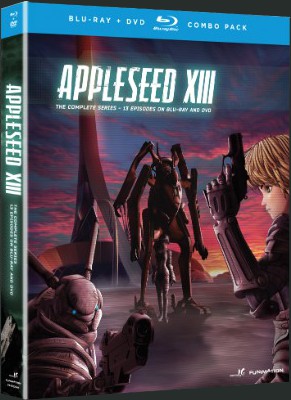
Appleseed XIII Studios: Jinni’s Animation Studios and Production I.G Publisher:FUNimation Format: DVD / Blu-Ray Combo Release Date: June 4th, 2013 Price: $64.98 – Available Here
Overview
If one were to poll anime fans of the best or best looking anime there would probably be plenty that say one or more of the Appleseed films that have been made over the years. With a fairly good reputation it is no surprise that another entry into the Appleseed universe would go into production. Instead of a movie though, this time the story spans an entire thirteen episode series. Is there much more story to tell this time around or simply more drawn out than necessary?
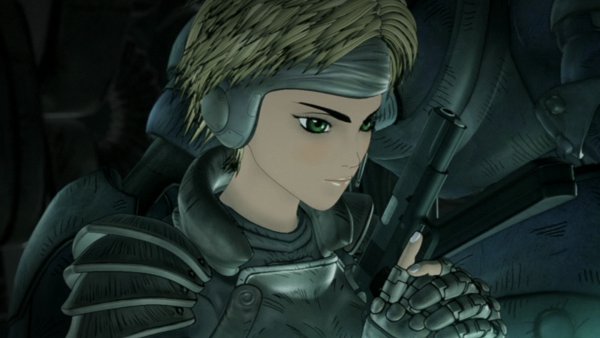
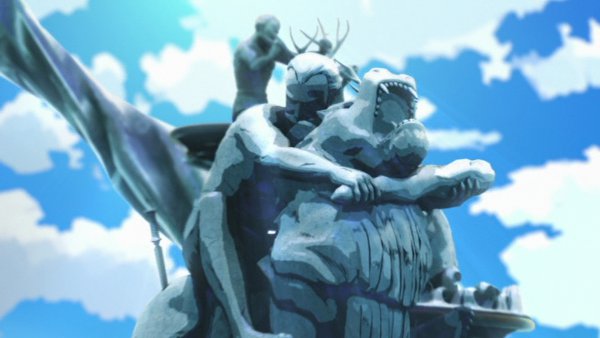
Story Appleseed XIII still centers around Deunan and Briareos in Olympus, as previous works have, this time tasked with a total of twelve Herculean feats and apparently an additional episode. Herculean in the most literal of intrepratations as each episode is titled after one of Hercules’ tasks, statue depictions appear regularly, and many elements that the two face or deal with bear similar names. This isn’t much out of place of in the universe as Appleseed in general has many allusions to Greek mythology, but here it is very front and center almost demanding that parallels be drawn. This is unfortunately haphazard as parallels start to fall apart when attempting to look closer, after all who is supposed to represent the hero Hercules? Deunan, Briareos, or perhaps both of them?
In terms of character and development the main focus does seem to be on Deunan, though Briareos does have his own growth throughout the series. The additional episode that lays outside the twelve tasks does in fact serve a purpose in showing off this change to their dynamic, an interesting though strange capstone to the adventure to show how far they’ve come. This is great to see, as opposed to simply trying to get everything back to status quo, instead cementing the fact that their adventure has had some meaning. Unfortunately, the other characters that surround the two are much more flat, as it seems all of the focus must be on the main characters or the villain.
The characters and forced parallels aside the main bulk of the story is actually very well done when taken as a whole. The very beginning hits a few stumbling blocks as it seems more like a mission of the week, but after about half way through the big picture is actual pointed out. Some episodes are more action oriented, while others are far more focused on the characters. Over the course of all the episodes though, not everything is stated straight out, leaving the viewer to figure out some of details for themselves. This is nice in a time where often flashbacks are used to explain and even though there are flashbacks used throughout the series, they are more about capturing the feeling of a scene than used to present new information.
Visuals
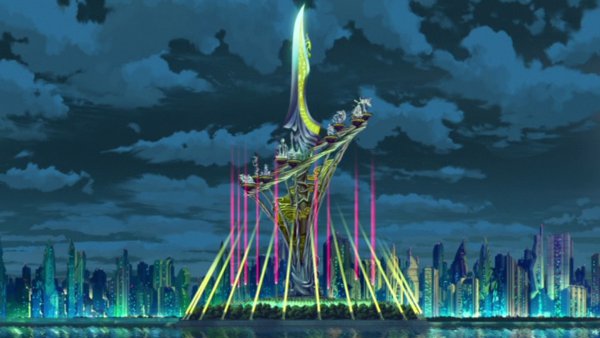
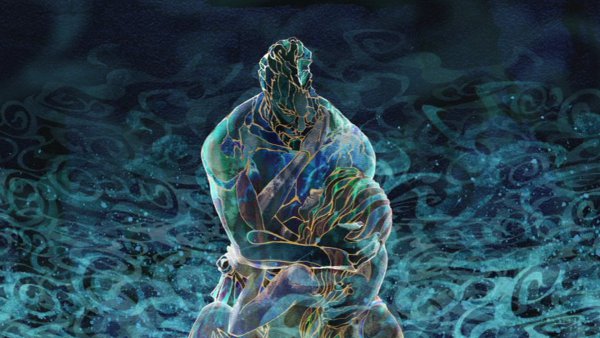
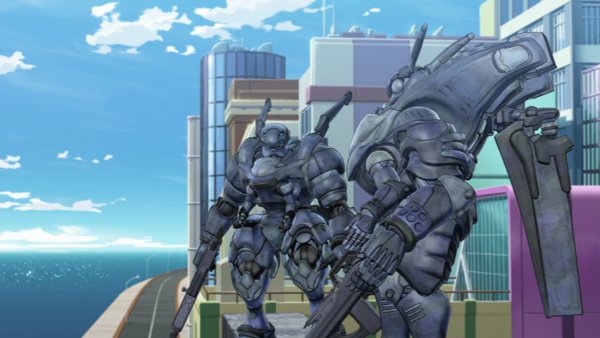
It wouldn’t really be Appleseed without CGI animation, which this series follows through on with pretty detailed models, great looking backgrounds, and cell shaded style that reflections itself as anime. But, in addition to the CGI visuals, there are several pieces of art that point to the ties to Greek mythology. Depicting different scenes throughout mythology, these art pieces complement the twelve statues of Hercules’ tasks though unfortunately suffer from the same haphazard demand of parallels to be drawn. While they all look great, how they all fit in together in the grand scheme of the anime paints them almost as more to stretch out the needs of time.
An interesting detail about the series that may be difficult to tell is the fact the it is not the work of a single studio producing all of the episodes. One studio producing thirteen 22 minute episodes would be a huge investment of time and money that despite how beloved Appleseed is, no one was willing to take on. Instead each episode is the work of a different studio, all utilizing their own methods of how they want to make it. Regardless, the series as a whole looks completely natural together not suffering from drastic changes from one studio to the next, that overall makes this a huge accomplishment.
Audio
The music present throughout Appleseed XIII is a little different than in traditional anime right from the start, where generally an opening theme will set a pseudo mood to a pop-esque song, but this series uses a shorter choral song that fits the more mythological based aspects. From there the music throughout the series is much more like the music that is used in movies, centered on adding to the emotional level of scenes rather than as an addition to spectacle. The ending theme is likewise short and to the point, but instrumental mainly focused on somber violin.
In terms of voice acting it is nice to hear that the English dub was able to get the voices from the previous two movies back for both Deunan and Briareos. While having a different Japanese voice for Deunan, though at least Briareos from Ex Machina, it might have been easier to just go in a different direction but instead going the extra distance and bringing Luci Christian and David Matranga in shows the care taken on the dub. Outside the two stars, the supporting cast does a upstanding job even with having to perform for more or less flat characters, though Hitomi does hit some high moments in the last episode by breaking into being a bit sillier.
Extras
There is the usual in terms of special features for a FUNimation release with commentary, clean opening and closing, and trailers for other releases, but there is also a set of thirteen videos that go behind the scenes of each studio. Obviously having the thirteen different studios work on the different episodes is a big deal, so this extra set of features looks at each studio and episode individually to show how they were made, from just who each studio is, to the methods each studio took. It is interesting to see how some of the episodes uses motion capture, while others were done entirely manually, as well as how each studio approached the task as some episodes are more action heavy and others character interaction heavy. Thus making a great addition to the DVD for fans of behind the scenes material.
Overall
Carrying the name of well liked and well known anime feature films certainly doesn’t do any favors for an anime series outside of drawing in the fans, which sets a high benchmark to try and live up to. With all of that, Appleseed XIII doubles the amount of time viewers have spent with the characters since the first OVA and definitely has at least some development for Deunan, Briareos, and their relationship. While some of the visuals feel misplaced at times, they certainly give a different aesthetic. The series as a whole is a good addition to the universe, unfortunately the minor flaws of forced parallels and cuts to the different artwork, seemingly to pad out time, holds Appleseed XIII back from matching its predecessors.
Capsule Computers review guidelines can be found here.
I’m generally not a fan of clingy things. Clingy girlfriends, clingy pets, clingy kids, when lint clings itself to your clothes…you get the idea. I am however a fan of Cling Thing. It’s a beautiful game with an ugly character, swinging it’s way through challenging puzzles. Gameplay feels fresh, it’s nicely polished and has plenty of levels and content to offer. It may not resonate with all types of gamers but it’s a solid title regardless.
Gameplay
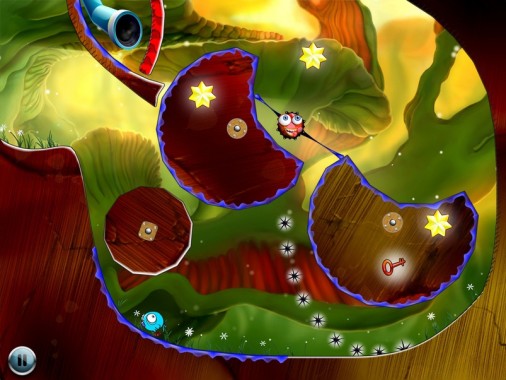
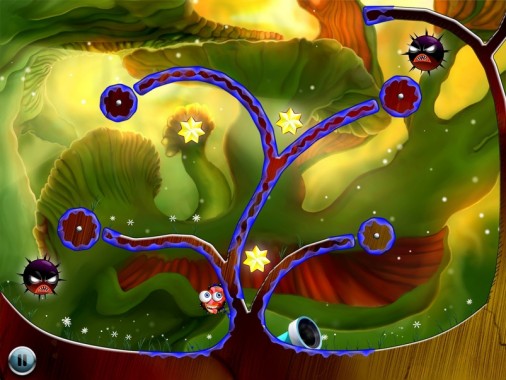
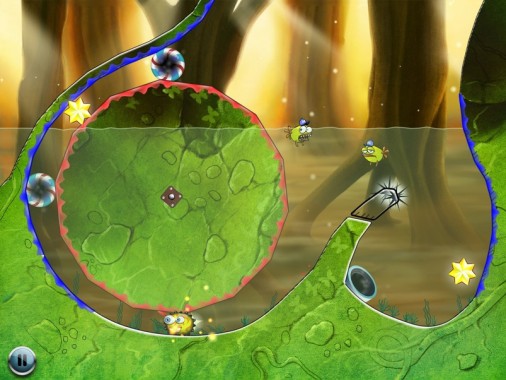
Cling Thing has players controlling a…Cling Thing (whatever that is) throughout 96 physics-based puzzling levels. By tapping on the screen the Cling Thing will cling to a particular surface. Using this as your only means of transportation, players must navigate throughout levels trying to collect stars to unlock more stages. You can cling to multiple surfaces at once to get some pretty fun Spider-Man style swinging going on as well. At first some may be frustrated as your finger may cover the spot you’re clinging too, but as soon as you realize you can move your finger out of the way so everything is sweet. After learning the basics, the game picks up rather quickly. Level design is clever as well as being highly rewarding. Difficulty is also well balanced, as new elements are slowly eased into the game such as portals, cannons and enemies. More or less everything works, but on occasion things can get awkward with positioning your fingers. For example some stages ask you to use three fingers to tap on the screen which can seem virtually impossible to do so comfortably. Thankfully, Cling Thing is very forgiving as levels can be completed without collecting any stars at all, and entire worlds/stages can be skipped from the menu. Gameplay can get a little repetitive however as there isn’t anything else to mix up the gameplay, but I’m sure those picking it up will know exactly what to expect.
Visuals & Audio
As previously mentioned, Cling Thing is a beautiful game with ugly characters. Graphics are smooth, colourful and fun, but the player will always control one of the most ugliest protagonists ever seen in video games. Don’t get me wrong – the design is practical and suits the goal of the game. But all the playable characters are odd faces that cling to things with a retractable tentacles, with uneven eyeballs and have their tounges hanging out. Oh yeah and they’re all covered in some weird tire-like thingy that keeps them rolling. It’s not going to effect the gameplay, but it’s a little off-putting. Aside from that everything else looks rather nice, particularly the backgrounds. Audio is calm and relaxing, and the sound effect that is heard upon making a successful ‘cling’ gives a sense of success which is rewarding. So while the Cling Things aren’t the nicest to look at, the game in general looks and sounds rather well.
Overall
If you pick up Cling Thing, you’re most likely going to get exactly what you’d expect. It’s nothing but physics-based puzzles with literally nothing else to offer. However it’s bursting with creativity, has fantastic level design and has plenty of polish. While the game tries to avoid being repetitive it still does a little. There are a few other hiccups here and there, but the majority of which can be overlooked. If you cling to this sort of thing than Cling Thing is the game for you!
Capsule Computers review guidelines can be found here.
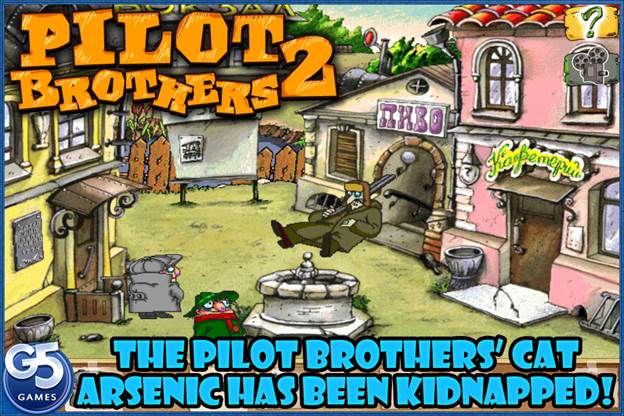
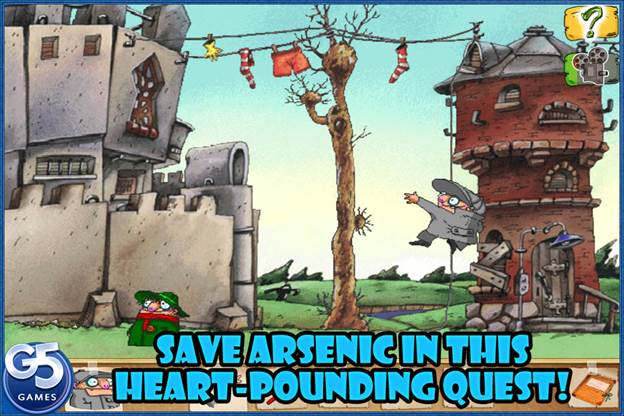
G5 Entertainment has revealed that they will be releasing Pilot Brothers 2 on iOS. The game is a sequel to Pilot Brothers and players will once again join Brother Chief and Brother Colleague on another puzzle adventure. Master a variety of settings, play fast-paced mini-games and enjoy the story and characters.
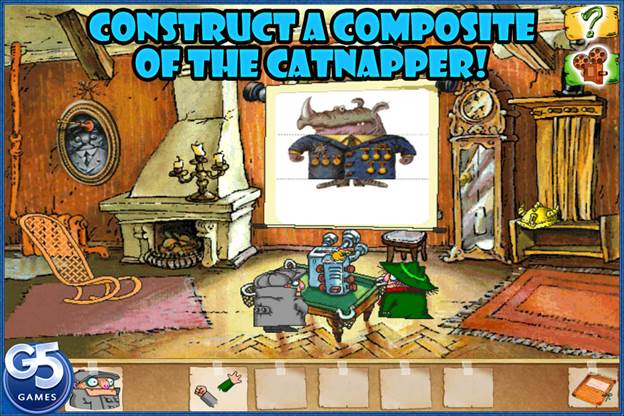
The Pilot Brothers’ cat Arsenic has been kidnapped by Experimental Chef Sumo! Now the famed duo must track down Arsenic before he’s served with French fries. Per usual, this madcap detective adventure won’t be without its twists and turns, as the brothers must start by constructing a composite of the catnapper’s face with the help of a witness. Before long they’ll be slipping past ticket collectors at the railway station, driving a railroad handcar and chasing a train carrying Sumo and Arsenic . Help the Pilot Brothers cross the river – without a bridge – and solve numerous challenging puzzles to save Arsenic in this heart-pounding quest!
Pilot Brothers 2 hits the AppStore June 19th. Until then enjoy the screenshots and keep an eye out, Arsenic needs saving and you might just find him…Probably be easier if you play Pilot Brothers 2. Remember, June 19th.
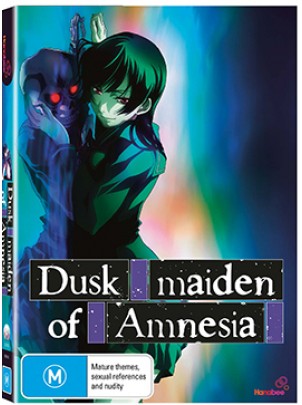
Dusk Maiden of Amnesia Studio: Silver Link Publisher:Hanabee Format: DVD, Blu-Ray – Reviewed on DVD Release Date: 5th June 2013 Price: $59.99 – Available Here
Overview We all know the story. Boy meets girl, boy befriends girl, boy and girl start a school club together…also girl is a ghost. Ok so maybe not the most traditional story. Dusk Maiden of Amnesia is a story of love, loss and pain. But I guess the more pressing issue is do you believe in ghosts?
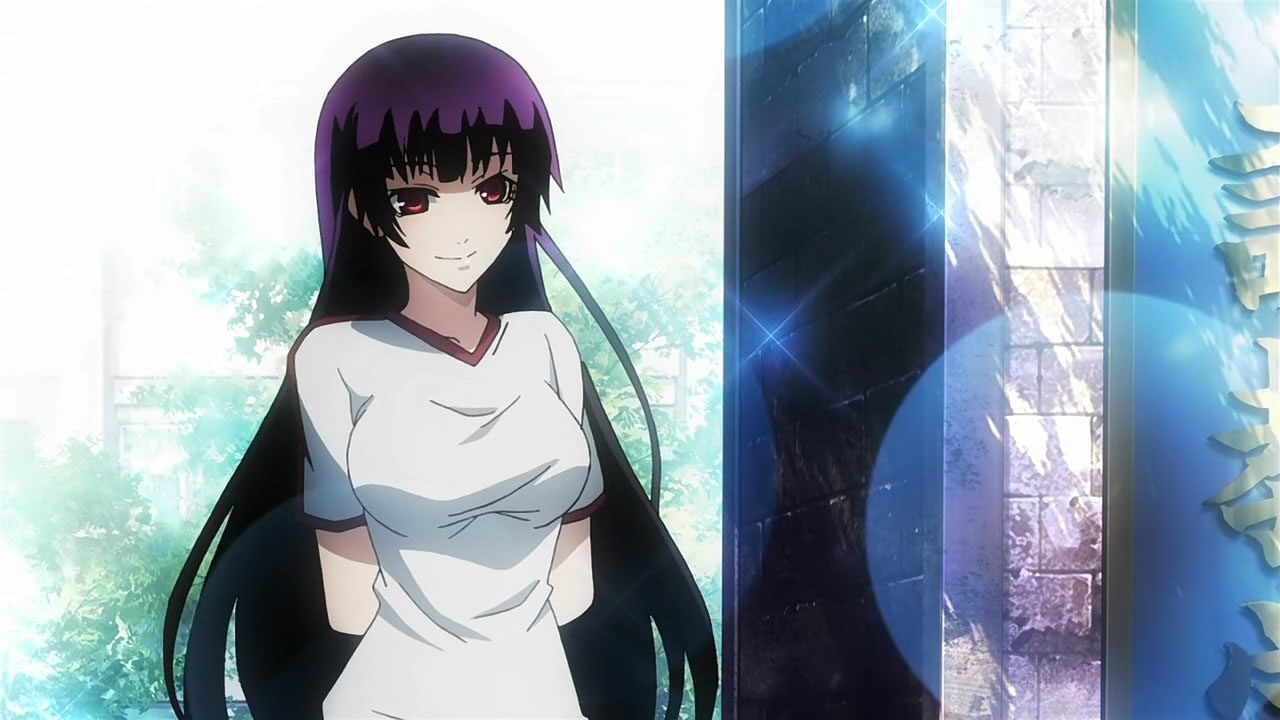
The cutest ghost you never did see
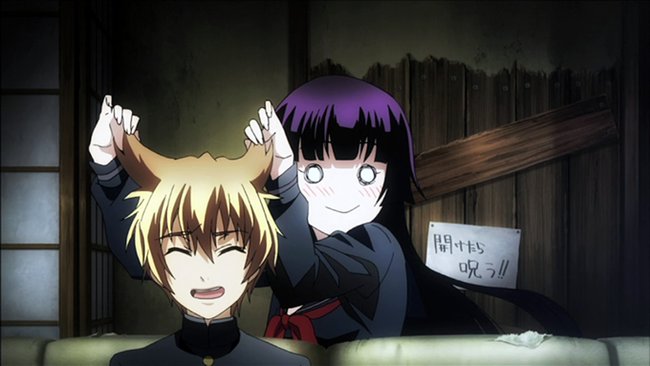
Story It has been said that a ghost haunts the abandoned building of Seikyou Private Academy, a school so altered over the course of time that it has become a labyrinth. The spirit is said to be evil incarnate, fuelled by the rage of its untimely death, forever bound to its body, tormenting those who draw near…Wrong. Enter Yuko, the supposed spirit of doom that lingers in the school. A bubbly, immature schoolgirl with no memories of her life and who just wants to talk to someone again. Then we meet Teiichi. A young boy with the ability to see Yuko. The two become friends and along with two other students, Momoe and Kirie, form the Paranormal Investigations Club, exploring the ghost stories of the school whilst attempting to recover Yuko’s memories.
So right from the get go, Dusk Maiden of Amnesia presents one of its most central themes: misinformation. Imagine a game of Chinese WHsipers that lasted six decades. The idea would be so twisted by the end that no-one would know what the original story was. Over the course of time and numerous retellings, the story revolving around “Yuko-san”, a girl who died on school grounds, have been twisted into horror stories, creating the ghost of Seikyou. This leads into another core theme to the series: perception. Ghosts are described as manifestations of one’s own beliefs. Though Yuko does exist in the school, only Teiichi can see her true form because he places no value into the horror stories describing her. Those who believe the stories see what they expect, a monster. Others who deny the stories and do not consciously seek her out, see nothing.
Seeing is believing…and terrifying
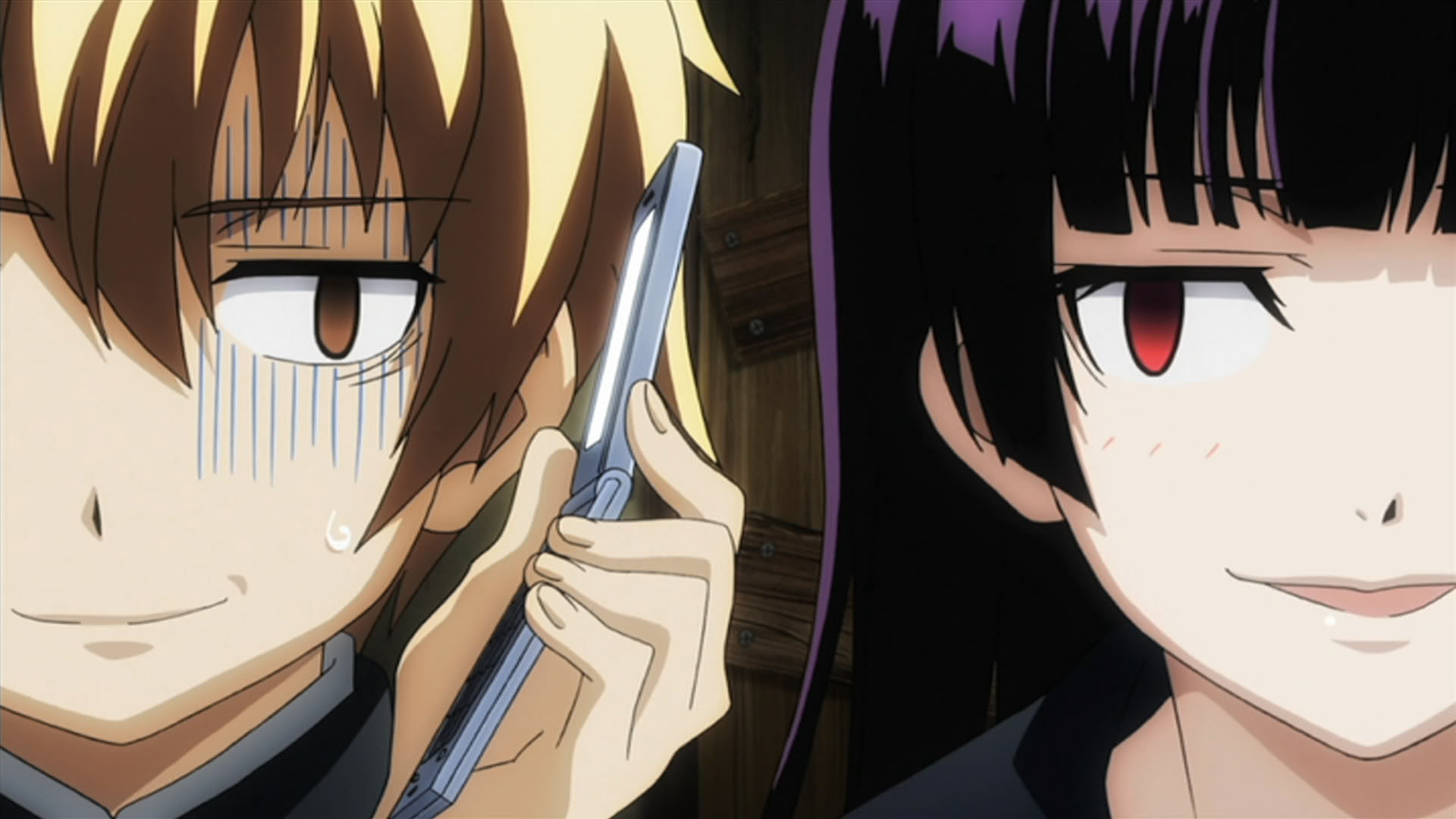
The entire series focuses on the interactions between the four main cast members. As the series progresses, there is quite a lot of development between the four leads, as their bond strengthens and they come to understand each other. Though at some points I wondered if the school even had other students. Whilst other characters are shown, they are left as shadows. Whilst it may sound a tad lazy, it actually does belong with the story. Being that the protagonists are seemingly the only characters not terrified by the ghost stories that are apparently central to daily school life. Most outsider characters are shown as being insane with fear regarding Yuko, going so far as to hate the name itself, not just the figure.
This focus also lends to the running idea of friendship in the series. In making four people the essential world of the show, it places greater emphasis in what happens in their lives. The series constantly expresses friendship and love through the ideal of perception, finding people that can see the true you and ignore what others believe. Whilst Dusk Maiden does have certain elements of a harem anime, the more subdued nature of the characters relationships adds a certain realism to their interactions. Though there may be a shared love interest, each understands the feelings of the other and doesn’t resort to any wacky schemes to win their affections.
Absolutely breathtaking. Yuko looks good too.
Visuals Dusk Maiden in general has a fairly subdued tone to its visual. Being that the Paranormal Investigations Club is set up in the abandoned building, the lighting is presented as fairly muted. Most activities of the show take place around dusk or at night, furthering this almost eerie sense of calmness. As the series progresses, light and colour become more prevalent, lending the the moods of the characters. The series also uses reflections fairly regularly during some of the more dramatic dialogue scenes. Characters will appear back to back, each on a different coloured background, or the sky will be mirrored perfectly on the ground. This creates an interesting visual and often relates to the story. Narrowing and blackening pieces of the screen out, is also used to similar effect in both the romantic and horror scenes. Despite being the same effect, its use in contrasting styles of scenes lends power to both, adding feelings of isolation and restriction. Dusk Maiden does a great job a creating a sense of variation in a series that takes place entirely within school grounds, varying colours and contrast to portray unique scenes and a beautiful world.
Ah, High School. Good times.
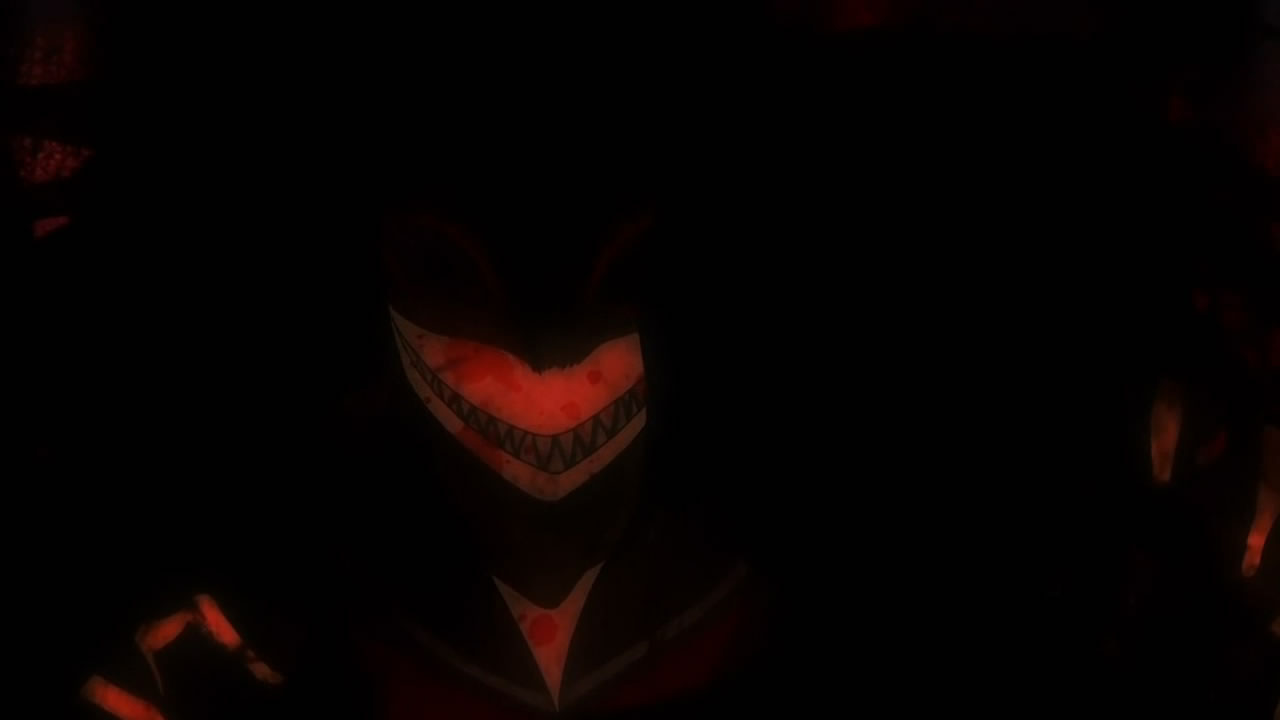
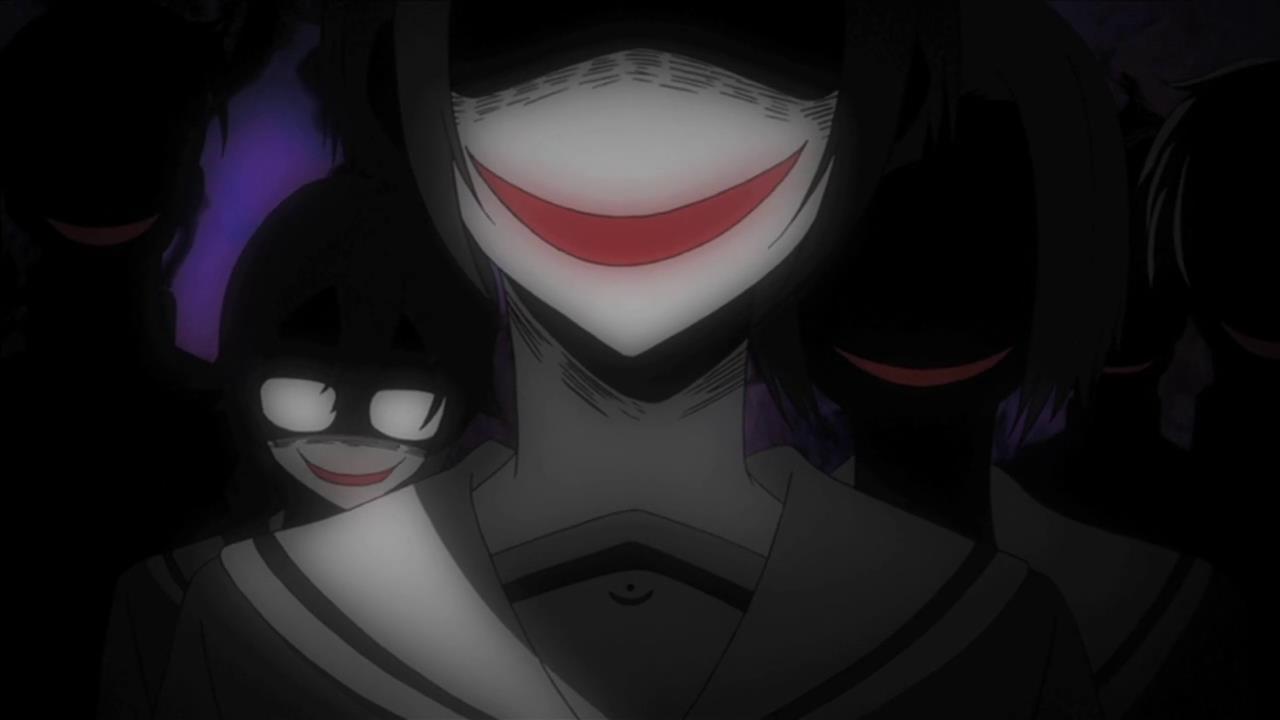
When leaning to the darker side of the series, the tone shifts. Shadows are used heavily, black and blood red dominate the screen and quick cuts are used to induce a sense of panic. Characters appear as shadows with glowing eyes and fanged grins, often growing until they consume the screen. Sentences are occasionally written upon the screen, but not spoken, allowing the audience to create a voice in their head, circling back to the idea of perception. The series will show an area previously depicted as horrifying through the eyes of someone calm headed, revealing that all is not what it seemed.
As looks are also a prevalent theme, the characters themselves are also handled well. Emphasis is often placed on facial expressions and add variation to the small cast. As it has harem elements there is a little fan service, though this isn’t a major focus and is generally overshadowed by the dialogue. Most of the focus is placed on Yuko since, as a ghost, her looks vary between people and is central to her character.
You’ve got a little something in your eye
Audio The overall sound of Dusk Maiden is haunting in both senses of the word. The soundtrack is used to create an ominous sense when regarding the ghost stories of the series, lending to the creepy vibe given by the visuals. However, the music also gives off a haunting sense of sadness, present throughout the entirety of the series. Though the characters are by no means always depressed, the music often serves as a reminder to the more sombre connection they share.
The voice acting of Dusk Maiden was done well. Though some of the more humourous anime style scenes sometimes came across as a little forced, it was the quieter, more dramatic moments were the voice acting came into its own. The voice actors conveyed the feelings of pain and sadness well, adding depth to the dialogue and characters.
Extras Dusk Maiden comes with the standard fare of release extras, textless versions of the series opening and ending themes, “Choir Jail” by Konomi Suzuki and “Calendrier” by Aki Okui, as well as trailers for other Hanabee titles. The release also comes with two soundtrack discs, containing the background music from the series along with a piano version of “Choir Jail” and vocal versions of “Calendrier” and “Requiem”. Also included is an OVA episode, labelled simply as episode 13. This episode takes place after the conclusion of the series and possesses a much lighter tone, focusing on the more humourous side of the Paranormal Investigations Club.
Who you gonna call?
Overall Dusk Maiden of Amnesia is an interesting series. It’s a tale of friendship, love and accepting people for who they are, not who others say they are. Whilst the anime does have humourous and romantic moments, the audience is always reminded that something bleak looms. Though it does feature classic elements of harem genre anime, Dusk Maiden handles them in a way that it doesn’t seem over the top or misplaced. The series comes into its own when it begins to explore Yuko’s past and creates some truly emotional sequences that will warm and break your heart.
Capsule Computers review guidelines can be found here.
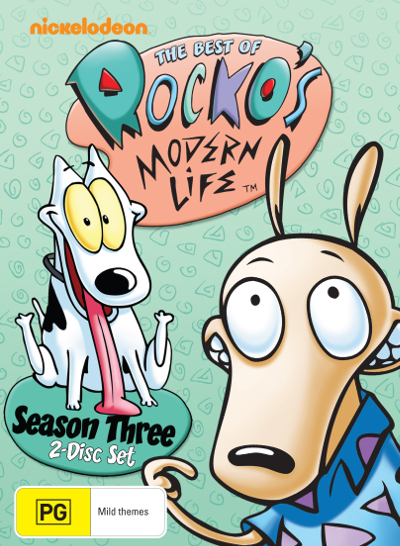
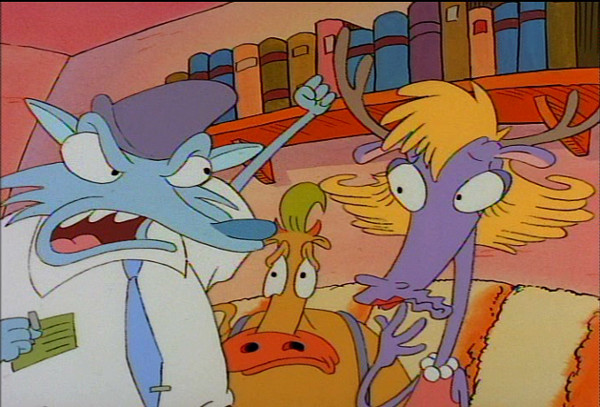
Many consider Rocko’s Modern Life to be Ren & Stimpy lite. Having taken the opportunity to go back to my childhood and re-watch some of the best moments from the 3rd season, nothing could be further from the truth. Rocko has his own, unique identity and the show itself is so tonally different it’s hard to see why people would make the connection at all. Sure, every now and again Rocko’s eyes will pop out, or his brain will be exposed but they aren’t putting these elements in to gross the audience out. While Ren & Stimpy was known for its grotesqueness, Rocko’s Modern Life is more morbid than visceral. In my opinion that’s a good thing not only because it means Rocko isn’t a knock off, it also means that there’s a deeply considered universe here that you’ll be able to enjoy for its own merits.
Story
Rocko (Carlos Alazraqui) is a wallaby who has migrated to the United States from Australia. His 3 best friends are a turtle, cow and dog of which only the dog hasn’t been anthropomorphised. Filbert (Mr. Lawrence) the turtle is a neurotic mess while Heffer (Tom Kenny), the cow, is a morbidly obese fool. They are O-Town’s most socially awkward group, resulting in them becoming embroiled in the bizarre fringes of their community. Rocko’s prudishness often comes in conflict with Filbert and Heffer’s plans, creating the bulk of the comedy here. With no over-arching plot to speak of, excepting nods back to events in previous episodes, it’s worth exploring what makes this show tick.
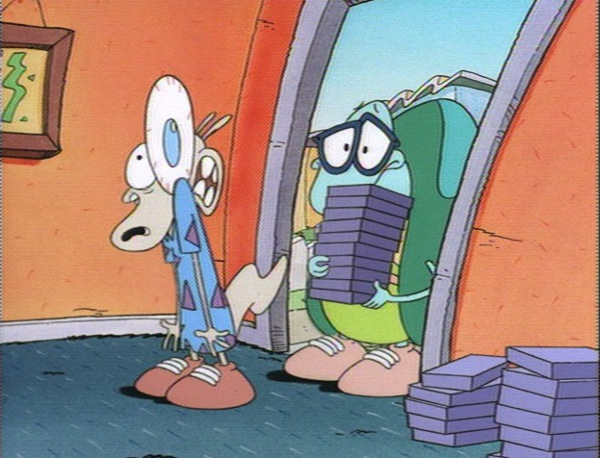
Earlier seasons may have been more graphic in content with sploogey looking brains and Sparky – the dog – continually eating his own vomit. As the show matured it didn’t move away from engaging its audience viscerally. There’s a shift in the third season which is the result of the creative team becoming comfortable with their own identity as a production. Gently backing down from graphic imagery is probably a sign of this. Instead, we’re given more complex themes which allow for nuanced character interactions to emerge. Half Single White Female thriller, half Marcel Marceau slapstick, the episode Fatal Contraption epitomises this approach. With no dialogue, this episode milks laughs out of a fairly heady and uncomfortably weird set up.
Those familiar with the franchise will want to grab this for the nostalgia alone. I’ve brought it up with a few people and invariably they spout their favourite quote or ramble about their favourite episode. When I was growing up it was one of the most watched programmes and a favourite of mine. Other than being less graphic, you may not remember how dry the show could be sometimes. Memes have been circulating recently of some very adolescent jokes that are hidden in the show. Subtle sex jokes litter Rocko’s Modern Life. Finding them is an added bonus, some of them are quite subtle and you have to ask yourself; ‘did they mean that or am I looking into it too much?’ I’d say they were all intentional, just from the series creator interview.
Visuals
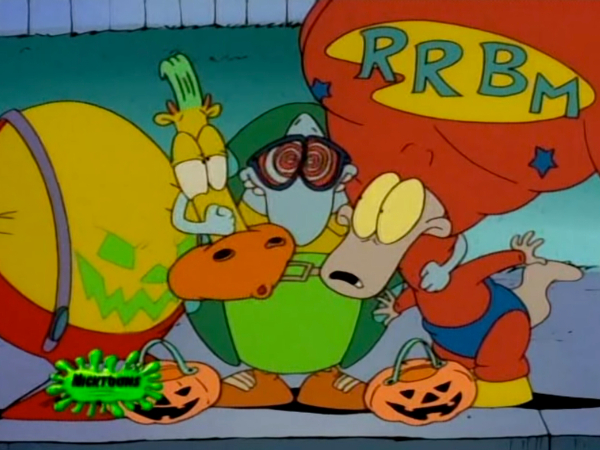
Rocko’s Modern Life has an iconic visual style, one that seemed perfect for the era of analogue television. They’ve played into that high contrast sheen old CRT televisions had on purpose. Aesthetically, the show has a unified gronkiness about it. Shapes always maintain their form but their sizes shift wildly. Everything is distorted as if it were left in the sun for far too long, including the characters. All of this, combined with the washed out colours and empty spaces, reflects the flaws of O-Town.
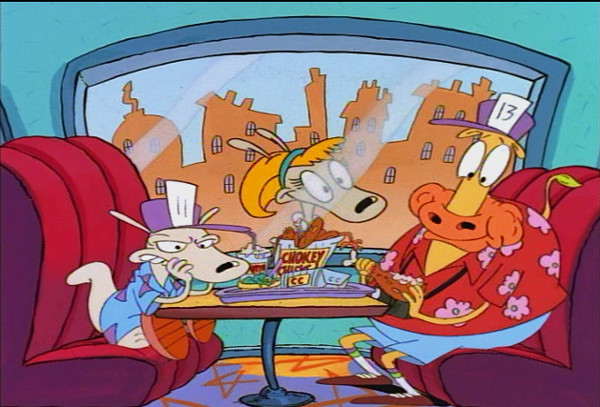
The rote nature of modern American life plays out through the imagery. We see recycled assets like the Chokey Chicken (wink, wink) fast-food restaurant, inflated and limp. Authority figures are always stuffed into uniforms, with puffed chests and bulging eyes. Joe Murry, the creator, uses the show to gently prod the world we live in. The absurd humour always has a root in reality, unlike some cartoons which are wacky simply because they can be. As a result Rocko’s Modern Life looks like a reflection of our world through a warped mirror, albeit with more animals.
Audio
Cartoon shtick always comes with a cheesy soundtrack. There’s no way you could mistake the soundtrack of a cartoon for anything else in the world. Rocko’s Modern Life is no exception. I’m positive just mentioning it will bring up the tune in many readers’ heads. As a theme, it’s almost perfect in establishing the tone of the show you’re about to watch. Much of the soundtrack behind the action follows suit by being equally shambolic. Many of the noises used are inconsistent with the action on screen. This may not be a new technique for cartoons but it brings a nice levity to the action. All in all, the use of sound here is the bow on a really neat package.
Extras
There’s only one extra here, so thank goodness it’s not more trailers. Over half an hour the show’s creator Joe Murray talks about his influences, the team and what Rocko’s Modern Life was really all about. Many of the team moved on to Spongebob Squarepants after Rocko, a neat little Nickelodeon overlap that must have happened to many shows. No one other than Joe actually appears on the screen however he does credit others involved as they intersect his story. If you’re interested in animation you’ll find little advice here. You will see the internal workings of an animation studio, so it’s not a fruitless endevour. Finding out how such insanity is put together for a major international corporation is fascinating; Joe gives us some of the more interesting conflicts he had with the studio in this presentation. This special feature is more than a welcome addition, it’s an essential part of a full fleshed best-of.
Overall
Rocko’s Modern Life was a large part of my generation’s youth so it’s hard to put down the rose tinted glasses. Yet looking back on the production after nearly 20 years I can safely say it still stands up to today’s standards. O-Town was so well crafted, with its layered with social satire and zany plots, that it developed a life of its own. Watching the show again will not only remind you of the crazy antics you enjoyed the first time around but will also reveal a whole new block of content that was designed to only be accessible to older viewers. While Rocko’s Modern Life may not have some of the elements its contemporaries have, such as Spongebob’s surrealism, it’s a solid show. Picking up this box set is well worth your time, whether you’re revisiting a childhood favourite or if you’re getting into the series for the first time.
Capsule Computers review guidelines can be found here.
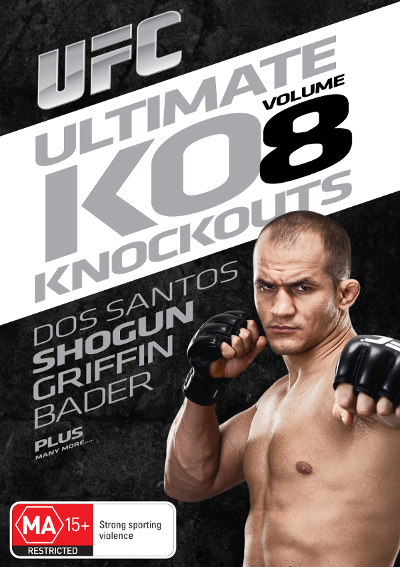
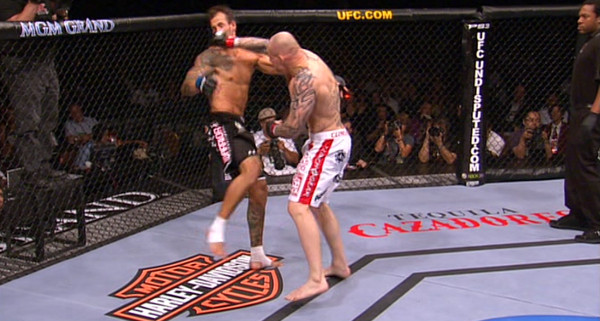
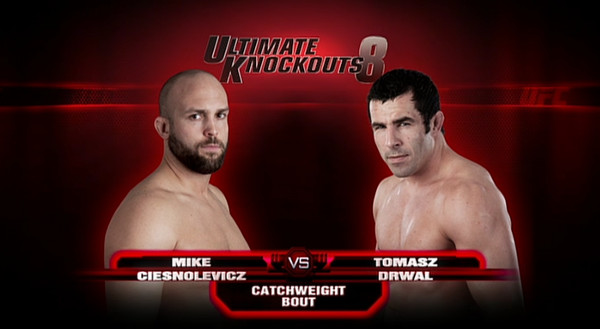
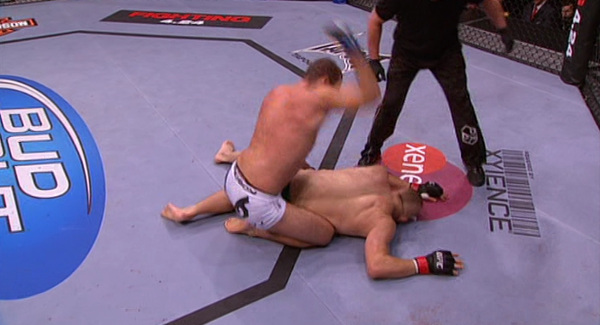
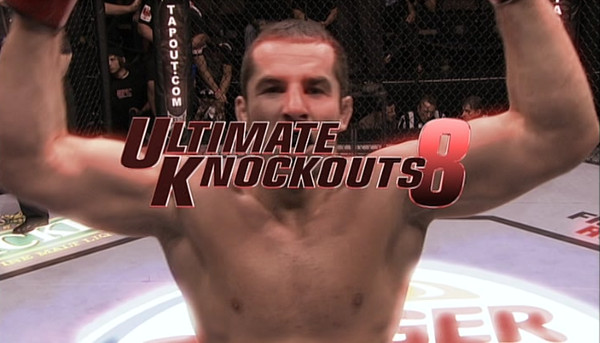
Can I say anything more insightful about this DVD beyond reading out the title? Not really, it turns out. Whether that’s an issue for you or not depends on how much pleasure you derive from watching people get knocked out. There’s a ferocity on a fighter’s face when they know that they’re going to knock their competitor out and that is thrilling to watch. Getting caught up in the match with the fighters is the highlight of these kinds of DVDs; if you’re not the type that finds violence exciting you had best avoid Ultimate Knockouts 8. On the other hand, extreme sport compilations are always welcome if you’re having mates around for a lazy drink.
Story
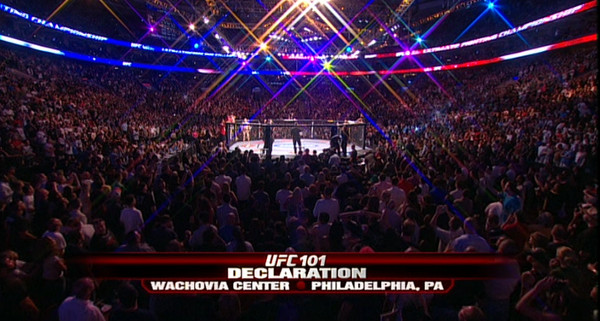
It would be easy to say that the core theme of Ultimate Knockouts 8 is that knock outs are hardcore. The end. Such a dismissive attitude doesn’t really encapsulate the goal of makers of the series. Ultimate Knockouts is about mythologising fighting styles, arenas and contestants. In each knock out clip only the preceding few minutes are shown, to contextualise the event. Even in this short amount of time the importance of the bout to each fighter is made clear. When a winner is declared, the victor will invariably climb onto the lip of the octagon cage and lap up the fans’ adoration. ‘Rocked’ is thrown around liberally by the commentators to describe the moment a fighter is knocked out; along with lots of other epic language. I could see the Romans getting into UFC. Mixed Martial Arts is a gladiatorial event. Not only in the way both sports are brutally blood soaked, but also in the romanticism that surrounds it.
There is an Ultimate Submissions as well, which may interest fans of the sport but it doesn’t particularly appeal to me. To me, going with submissions misses the point. As an observer unfamiliar with the sport, there’s a visceral appeal to watching someone lose consciousness by being hit extremely hard. That mixed feeling of shock and tension release is exhilarating and is the real reason you would watch this. After a couple of KO’s you begin to anticipate it, to the point where it feels like a compulsive chase. You’ll feel cheated when someone get’s knocked out in the first few seconds because that tension is missing. If you are a fan of UFC I imagine your reaction would be totally different due to implicitly expecting the unseen part of the fight to have taken place. Even then, I’m pretty sure you’d still appreciate a good KO when you see it.
Thirty-One knockouts are covered in 93 minutes, so that’s a knock out every 3 minutes. Wrestling fans will recognise Brock Lesner, who’s actually made a bit of a name for himself in the UFC. It’s good to see a pro-wrestler put his money where his mouth is. The more glorious knock outs go to the smaller fighters. Often I was shocked at which of the two executed the KO. Championship belts swap hands a few times within this compilation. Whether there’s a belt or not, each victory feels like it was earned. This is not a season of UFC. You won’t be able to follow who’s rising and falling on the ladder or be able to anticipate when the next big championship is coming up. Such linearity would not suit the tone here, which only delivers just enough information to get emotionally involved and no more.
Visuals
Ultimate Knockout 8 is a well produced package. Menus are deliberately uncomplicated which is the right move. Click and let the punching begin; it doesn’t need to be flashy. Finding a favourite knock out is easy with the menu, yet why you’d have a favourite one in the first place is a little beyond my comprehension. The action itself is cleanly shot, as you’d expect from a pro sport. I have always been impressed that the cage never feels like an issue when watching UFC. Maybe it’s different if you actually go see a fight.
Watching grown men break each other open with their fists has an impact. Each fighter’s combination of styles is expressive, meaning that the way they dominate the frame comes to craft their identity as a fighter. Seeing two fighters who respected each other compete was strange. In one clip there’s a fighter who fist pumps the other guy in the middle of a fight because he had just pinned him. Cockier fighters play to the cameras which is entertaining, if not obnoxious. Blood features predominantly, which is always welcome. Ultimate Knockouts isn’t gory by any means. The worst would be a face covered in blood. As far as knock outs themselves go, they never seem to be out for that long. Often a fighter will get annoyed when the referee calls it. For those sensitive to violence the hardcore knock outs will probably be confronting.
Audio
All the audio is dedicated to fighting. There’s no menu music or sounds when visuals effects cross the screen. A song usually bursts on after the knock out itself but that’s just trimming to lift the visuals. Between the commentators and the crowd, you get this sense that the fight is all that matters. Having the constant drone of the spectators adds to the tension, like the build up of a kettle whistle. Fights demand this kind of atmosphere to have any appeal at all and Ultimate Knockouts 8 is packed with it. The commentary is kind to people who may not watch a lot of UFC. Jargon is introduced in pretty amusing ways simply because the commentators love the sport. One of them will let slip some crazy word for knock out or a pin and they’ll both riff on it for ages.
Extras
There’s only one extra here and it goes straight for the jugular. All the knock outs, with the preceding few minutes not included. All in all it lasts about a minute and a half. I loved it, the brutality of it is literally awesome. If you don’t laugh you’ll just stand gob-smacked. This bonus feature gave me something no other feature has given me before. The visceral nature of watching knock out after knock out makes you appreciate how vulnerable even the strongest can be. An inside look at the animal side of our human selves. Your body will be pumped with adrenaline after watching and you’ll probably want to start a fight.
Overall
I don’t have a team or follow a code but I love watching sports mix tapes. They’re the kind of thing that you throw on when mates come over for impromptu drinks and you still want to be able to talk. Every now and again you’ll be distracted by a king hit or someone coughing up blood but for the most part it’s just providing the background noise to the ribaldry going on around you. Usually I’ve been confined to skate tapes, motor cross and dunks but today I add another sport to my mix tape list; UFC. If it came on VHS it would be damn near perfect. Watching this video through straight will probably entice the enthusiast but it may feel bloated to outsiders. Ultimate Knockouts 8’s tag line is ‘celebrate the art of the KO.’ The DVD goes beyond a celebration, it positions the knock out as the highest achievement in UFC. Those who manage to pull of a knock out are therefore kings of their domain. This DVD acts as their coronation, intended to immortalise each athlete to the community.
Capsule Computers review guidelines can be found here.
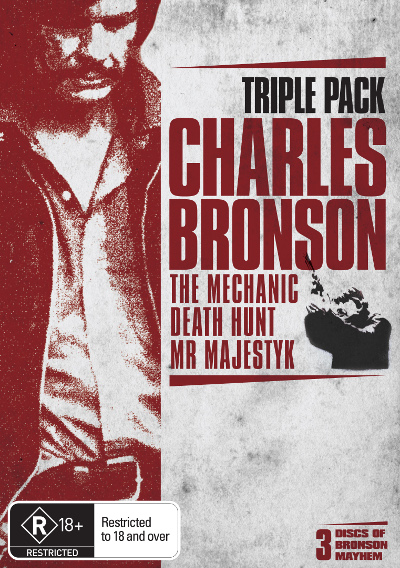
Charles Bronson Triple Pack Studio: Chartoff-Winkler Productions, Mirisch Corporation & Golden Harvest Company Publisher: Beyond Home Entertainment Format: DVD Release Date: 5th June 203 Price: $12.98 – Available Here
Overview
Charles Bronson isn’t just a man’s man, he was your grandfather’s idea of a man’s man. Charles Bronson is from an era where you weren’t tough unless you hocked chewing tobacco into the dirt and carried a six shooter. Well, maybe he’s not that old but you get the idea. Charles Bronson stood among the giants of Hollywood from the 50s right up to the naughties. Having such a long and successful career boiled down to three films is a shame in a way but boy howdy, did they choose three doozies. Mixed movie packs can easily be a hodge podge mix of good and bad films, luckily with the Bronson Triple Pack there aren’t too many of those to accidentally cram in there in the first place.
Story
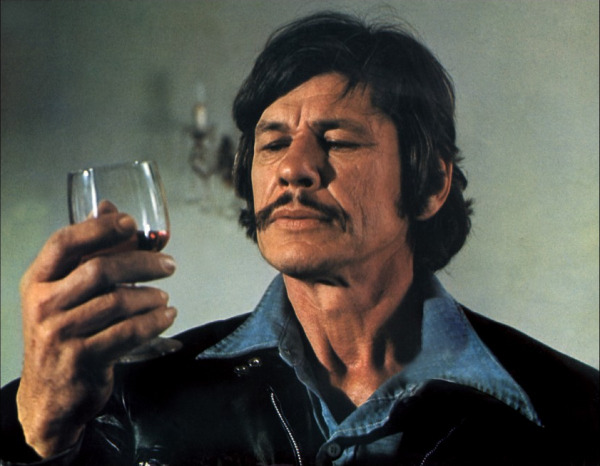
Seeing as there are three films here, I’ll approach each one individually, break it down into its parts and then move on to the next one. I should talk holistically first though. This is not a trilogy, inasmuch the only thread between these films is Bronson himself. You’ll see some of the greats of the era tumble onto screen throughout – most notably Lee Marvin makes for an excellent counter to Bronson in Death Hunt. Stoic brooding epitomises Bronson’s style. Communicating with glares is Charles’ forte, complementing the deliberately paced directing style which was popular throughout the 70’s.
The Mechanic is a slow boiling film about a reclusive assassin. When Arthur Bishop (Charles Bronson) is employed by the mob to assassinate Harry McKenna (Keenan Wynn), Arthur goes to work with grace. Having completed the job, he is drawn to Harry’s funeral where he meets Harry’s son, Steve (Jan-Michael Vincent). Steve quickly deduces Arthur is associated with his father through the mob, however he doesn’t have the complete picture. Young and cashed up with his inheritance, Steve becomes bored with his life and pesters Arthur to take him on as an apprentice. Initially Arthur isn’t fond of Steve hanging around but as his cold-hearted drive is exposed Arthur sees some utility in the partnership. Unsurprisingly, the mob don’t take kindly to Arthur adopting the mark’s son as an apprentice.
Seeing as the film is driven more by its aesthetic than its narrative, I’ll stop there. Plot-wise, the first two acts don’t cover much more material than what has been mentioned above. What we’re really being given here is bucket loads of tension. Sly glances across tables not only convey a characters thoughts, but force the audience to question which characters know what. Arthur’s process of methodically approaching each target forces the film to take its time moving between set pieces. In these preparation sequences we’re given a look into both of these men’s lives – and they’re certainly not positive. It’s not an ‘edge-of-the-seat’ thriller, but if you can handle 70’s pacing then this is a classic piece of machismo cinema.
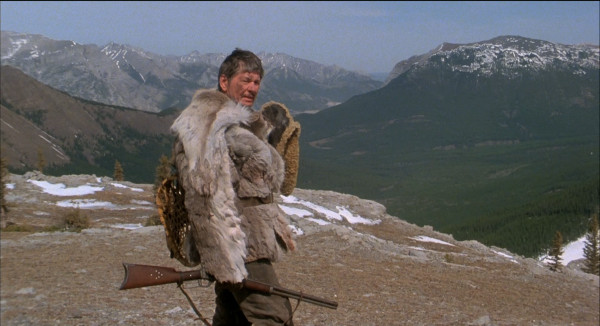
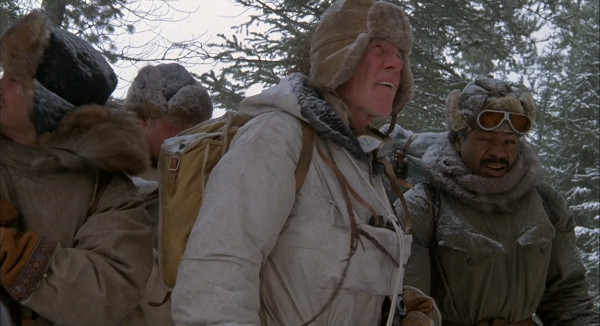
Death Hunt is the strongest of the three pieces, if you remove yourself from the cult fandom surrounding Mr Majestyk.Death Hunt takes us to the Canada in the 1930’s where Albert Johnson (Bronson) is a pariah who lives alone in the wilderness. While on a trip to town, Albert enters his dog in a dog fight, taking the opponent’s animal as a reward for winning. Hazel (Ed Lauter) is frustrated that he lost his dog, so he goes to the Sergeant Millen (Lee Marvin) to try and get the Mounties to recoup his animal. Sgt. Millen outright denies Hazel so he decides to sort the matter out on his own by ambushing Albert. Of course, this is the wrong move. Albert has skills that far surpass your casual drifter, speaking to a past that is shrouded in mystery. After things turn messy, Sgt. Miller is begrudgingly required to tidy up the mess. So begins a long stand off, pitting two honourable men against each other in the most dishonourable of circumstances.
I can’t heap enough praise onto Death Hunt. It’s a classic slow boiler about manly men in the wilderness. You could easily exchange any of the actors for Clint Eastwood or James Coburn, it’s that type of film. Death Hunt is a movie Sam Peckinpah would be jealous of. Based on the true story of the ‘Mad Trapper,’ this film takes a libertarian perspective on the event. Albert was acting in defence, his societal role as a man requires that he not take an assault on his home on the chin. He’s forced to respond to violence with violence. Having this quandary play out against the back drop of the Yukon River and its surround mountains elevates the action from tense procedural to an allegory for man’s will to live on. These themes may be outmoded in a contemporary context, but they were issues that many felt were legitimate at the time. That sincerity is well articulated, so well in fact I felt an attachment to this man’s plight – even if he acted against my own sensibilities.
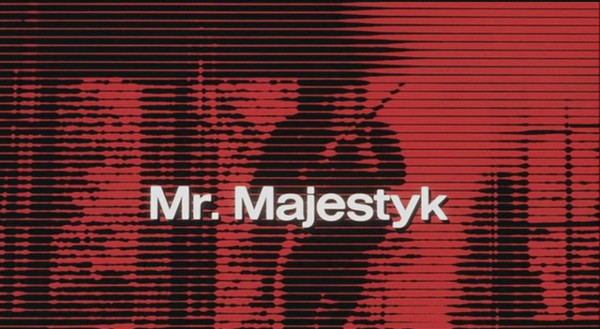
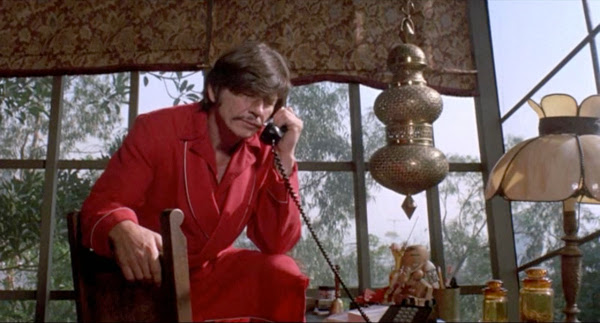
Finally, we reach Mr Majestyk. A film that has blown minds since it was released. Vince Majestyk (Bronson) is a watermelon farmer with a complicated past. No one makes a lot of money with the farm but a large group of migrants depend on Majestyk’s labouring jobs to survive. Vince takes care of them the best he can while going about the business of running the farm. When the mob wants to install their own men to do the work, Majestyk gets defensive of his property. Mobsters being mobsters means that soon the situation escalates to a point where Majestyk must put his life on the line to protect the meagre assets he has left.
This movie sure is a weird one. Not that the plot is particularly complicated, or that there is a huge twist at the end. Rather there’s a bizarre vibe that comes from a film about the intersection of labour laws, watermelon farming and mobsters. Bronson turns in a great performance yet again as the man who was pushed too far. Our villains are over drawn to the point where they’re almost campy but then again that could just be the 70’s acting style. There are quite a few double crosses and intricate relationships in this film. Despite it’s flashy, pop exterior you may need to mull over a few of the themes presented to get the most out of this one. I was surprised at the detail that was put into exploring labour relations. Certainly the film benefits from it.
Visuals
Looking back on Hollywood cinema in the 70’s and 80’s, you can tell that they thought of things differently. I’ve already talked about the pacing marginally but it really is worth exploring how the edit impacts the final product. Nowadays these films feel sluggish as we expect sharper and faster cutting techniques. Having shots rest longer on actors allows the tension to rise in a more subtle way. Unfortunately I think that many people won’t be able to handle it. Some will think these films are boring because they don’t keep the pace that we want to see in movies. If you can get over that, there’s a lot here to enjoy.
While we’re talking about conventions from the 70’s and 80’s, get ready for zooming close ups and loose framing. Again, it’s one of those things modern audiences are going to assume are errors, or at least think that there’s something off about them. Having watched a lot of films from this period, I really enjoyed it. If you love old cowboys you won’t just enjoy the themes or the stories. Everything from the colour palates to the editing through to costuming will enthral you. Each one of these films was a success in their own time because of their aesthetics and their leading man. After watching all three of these films, I think you’ll find it hard to separate the two in your mind.
The great thing about the relatively restrictive budgets of the 70’s and 80’s is that directors weren’t afraid to use nature to awe the audience. Often the environment plays a key role in establishing the mood. So many amazing locations are burned through in this box set because that’s how it used to be done. By the same token, there are no flashy effects, just gritty road chases and muzzle flashes. Not that they’d put those things in if they had the money and technology, they’d be tonally inconsistent. In a way, those constraints are what we have to thank for the narrative forms we get to see as producers needed to dazzle conceptually rather than resting on the effects.
Audio
All three of these films have minimalist soundtracks. Outside of diagetic noises, theme songs are often the only music you’ll hear. The sparseness of the audio half has to do with the standards of the time and half with the aural aesthetic. Each of these films is about a masculine sense of pride and as such don’t need much beautification. Clean, clear and to the point. Just like each of the protagonists. Bronson’s accent is probably one of the key audio devices used in each of the films. It was iconic at the time for a reason. He sounded brash and disjointed, yet sincere. His muted tone makes you lean in to hear which pulls you in to his character, both metaphorically and physically.
Overall
This box set acts as a time capsule with Charles Bronson acting as your tour guide. His unmistakable presence single-handedly lifted each one of these films from generic action to quintessential viewing. Bronson defined manliness and masculinity for a generation. Each of his roles is filled with pride and dignity. Even more explicitly, each one of these films deals with a man who was wronged and is required to act to protect his property. It’s the kind of stuff that Republicans would cream over, mainly because actors like Bronson and Eastwood articulated the tension between masculinity, ownership and identity better than any libertarian politician ever did. Some will never enjoy films from another era simply because tastes have change, I can’t help that. It’s a pity though because this box-set is a glimpse at a world that is no longer with us. A world where people actually believed in alpha-males, and those men had Duty, with a capital D.
Capsule Computers review guidelines can be found here.