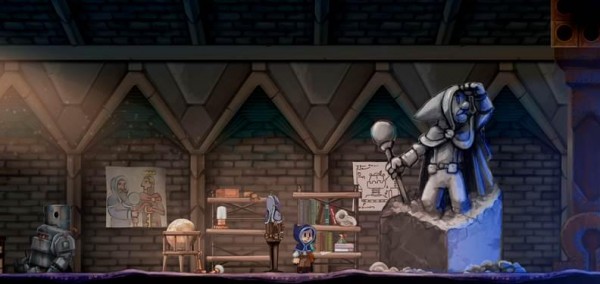
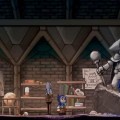
Good news for Wii U owners out there. Today, Rain Games teslamancer team announced that Teslagrad will be headed to the Wii U, and will launch this fall alongside the PC Windows, Mac OS X, Linux, and Playstation 3 versions of the game. For those unfamiliar, Teslagrad is a beautiful puzzle platformer with a slight gimmick revolving around electromagnetism.
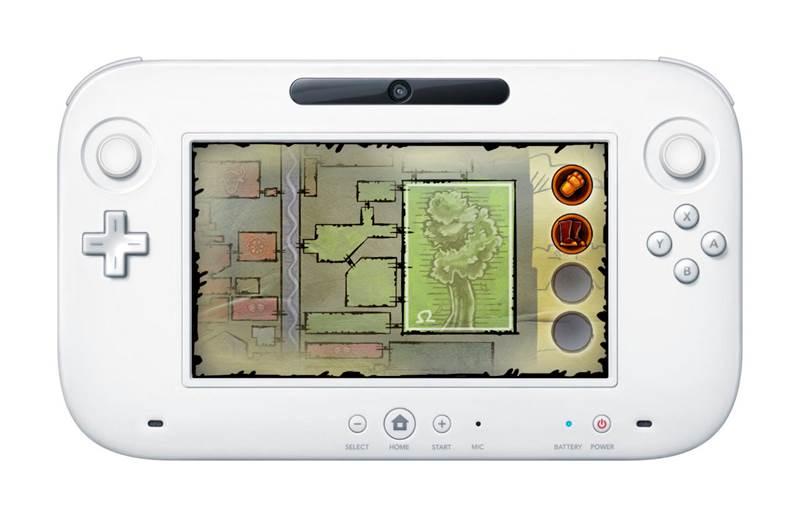
The Gamepad will also be utilized for the Wii U version, as you see in the picture above. From the looks of it, the map and inventory will be displayed, but there is sure to be more announced as the Fall release date gets closer. For now, check out the screenshots below and stay tuned for more updates.
You can also visit these official pages for further information:
Overview
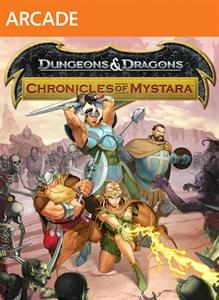
Arcades have been making revivals as of late, and while the boom is still rather broken up and isolated, many have been craving to get their hands on those classics of yore – looking to game publishers for their fix. Capcom of course know a thing or two about making classic quarter munchers, and have bundled together Dungeons & Dragons: Tower of Doom and Dungeons & Dragons: Shadow over Mystara into one digital package, appropriately titled Dungeons & Dragons: Chronicles of Mystara. Now, unless you are an importer, there is a good chance you have missed out on these classics or have yet to play one of the most overlooked arcade duos to date. This little collection is here to fix that, but does it bring back good memories, or have these two titles aged far beyond repair? Let’s find out.
Story
I am honestly surprised I am even writing a story portion to this review – as normally, beat-em ups are very light on dialogue, offering a small plotline of “save this!” as incentive to get the player to continue on. Dungeons & Dragons: Chronicles of Mystara has two titles jam-packed with story however, putting players into the roles of four to six heroes that all have special abilities as a Dungeon Master of sorts delivers options for forking paths and multiple outcomes to overcome along the way.
Dungeons & Dragons: Tower of Doom – the first in the series, features a Cleric, Elf, Fighter, and a Cleric coming together to take on an evil sorcerer. Sure, it isn’t much – but the way the story is told makes it feel like a much grander experience, with elements taken from the original Dungeons & Dragons coming in play during several levels to set the mood. For instance, and the finish of many stages, the player will have a choice to take a longer path that is safe, or take a short road that features more danger. The sequel, Dungeons & Dragons: Shadow over Mystara directly continues the plot with the addition of the Thief and the Magic User, but adds much more with more meaningful choices and outcomes. These choices include allowing the player to take time out to save a gnome in need, or to take on one evil threat over the next. Sure, it is rather generic fantasy fare, but I was into the plot throughout both games due to the role-playing feel that these two titles have, and while Shadows over Mystara comes with more depth and greater replay value, both are perfect for hardcore D&D fans and newbies to the franchise alike.
Gameplay
We hear the word “role-playing” attached to many genres these days – as if adding the term to a box adds some kind of credibility. Sports games now use it, as well as first-person shooters, fighting titles, and so-on, so it can be hard to tell just how much of an RPG a game actually is based on looks alone. These two 90’s classics are based on D&D though, so players are already promised some role-playing on that alone, with the side scrolling beat-em up fare fronting the gameplay experience to make one very unique pair of titles. Unfortunately, there is far less of these elements found within Tower of Doom, but that doesn’t harm the experience.
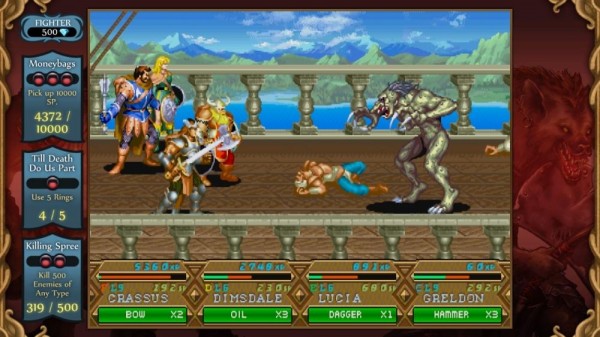
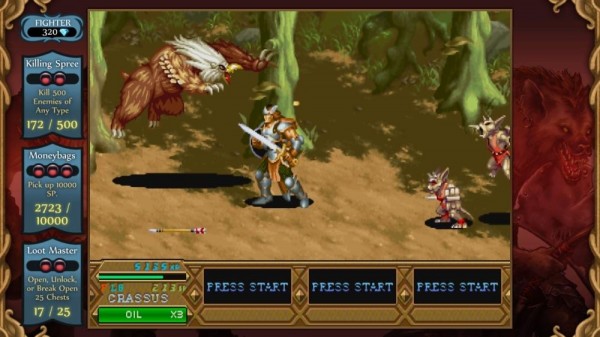
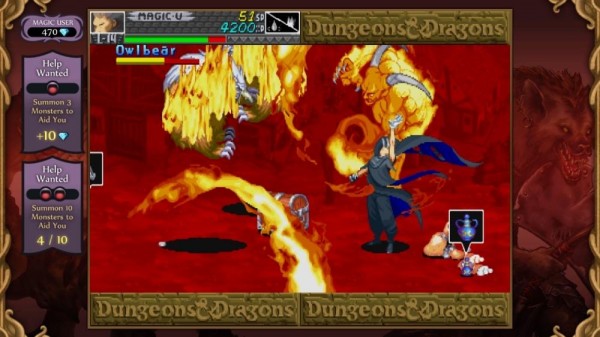
Players start out by selecting a character within Tower of Doom, and will be tasked with a different quest of sorts with each stage. Trolls, goblins, and other fantasy-stylized foes run a muck, so you must seek your sword or bow to attack. Now, this is a beat-em up at heart, so that feel is still in full effect, bringing the the player a simplistic arsenal of button-mashing techniques to take down their enemies with. In addition to the combat however comes loot. After you smash a foe, gold, oil, and other goods are dropped that can be picked up on the fly. Gold can be used to purchase throwing daggers, hammers, and axes, as well as potions and other items that offer some much needed assistance during the more intense sections of combat from a merchant that appears during specific stages. While traversing a level, the player can hit the top face button to change their special ability, allowing them to throw flaming bottles of oil, use a magic attack, or chuck an arrow or dagger at opponents from a distance.
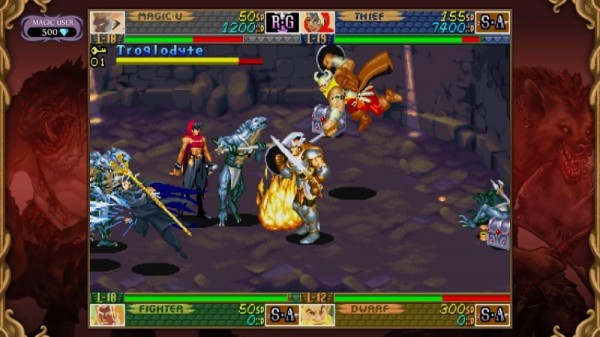
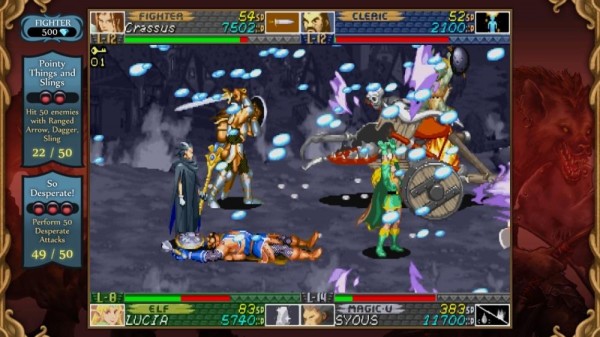
While it is pretty basic, these mechanics come well-oiled with a tight control scheme in tow, meaning that the arcade emulation was left relatively untouched and all of the gameplay is as smooth as it was in the arcades. The balancing act comes in during multiplayer, where up to four can go out on this epic quest together. You see, each character – despite playing similar to the next, features their own unique playstyle that balances the weaknesses of others. The Fighter is equipped with powerful attacks and the most HP, the Elf has speed on her side and can cast spells at the tap of a button to take out multiple targets at once, the Cleric has healing abilities as well as some defensive abilities, and the Dwarf is able to chain together combos and has great strength.
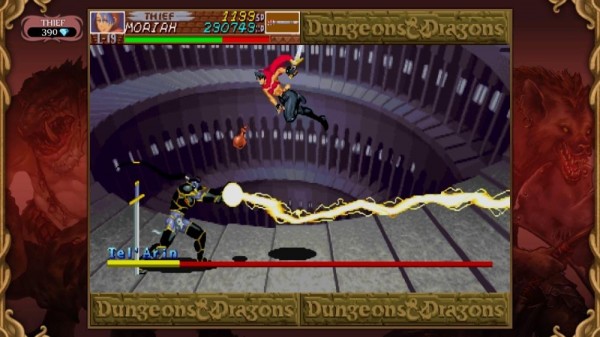
Dungeons & Dragons: Shadow over Mystara was quite a sequel as it adds a ton to the experience and brings us one of the first examples of an “ability wheel” that can be used to easily access a great number of special attacks and extra weaponry. Instead of just tapping a button and waiting for the appropriate action to come up, the player can bring up the wheel and select a spell or item to use while in combat. The downside of this is that your character is vulnerable during this state, so it must be used with quickness in order to not be harmed with a foe’s attack. Shadow over Mystara also features two new character classes that bring some further substance to the table, which are the Thief (who specializes at looting and is as quick as a cat) and the Magic User (the most powerful character in the game, featuring devastating spells at the cost of defense), along with small upgrades the the previous quartet of heroes.
The combat has changed for the better, with far more upgrades and experience to be gained during the course of the game. Much like we see in titles such as Street Fighter, special moves can be performed with a combination of quick button inputs. We don’t always see these kind of techniques outside of fighting titles, but in these two titles – their presence is more than welcome as they alone help to keep the game’s combat from ever coming off as repetitive or boring. By selecting the combat wheel more than once, extra options also appear to allow the player to access a greater movepool. For example, the Elf (my character of choice) has one wheel for magic, one for abilities such as invisibility, and one to access her bow and other pick-up weapons found as loot. Sure, Tower of Doom had enough to come off as an enjoyable beat-em up, but Shadow of Mystara took it one step further, adding a coat of polish and depth and arguably creating one of the most broad beat-em ups to date.
As the player runs the course of both games, the experience points gained and time spent with each character are tracked, with “Vault Points” coming off as a nice extra. After tackling challenges or just playing through each title, these points are awarded to the player and unlock special goodies such as a credit sequence, concept art for both games, and house rules that alter the difficulty to the player’s liking. Sure, it isn’t the most complex list of extras, but its something that both those looking for a challenge and completionists are sure to enjoy. Players can also hop online in a drop-in/drop-out format, and from what I played with a few others online, the servers seem to be rather stable with a seamless connection at all times.
Visuals and Audio
Like all ports of retro arcade classics, the visuals are what they are. By that I mean while the game is in “HD” so to speak, the hand-drawn art style is still in effect and is a bit dated by more modern beat-em ups such as Double Dragon Neon. That is not a bad thing in the least however, as Capcom were going for nostalgia and hit the mark by keeping both titles true to their original design. Even with the dated graphics, each character design features a good amount of detail, with worlds filled with color and a darker feel that fits in perfectly with the D&D universe. Animations are also top-shelf, as there is never any slowdown during combat, no matter how hectic or how many enemies are on the screen at once. If I had any gripe it would be that this port didn’t happen sooner, as my high opinion of the small compilation here would still be just as high due to the love and quality that went into the wonderful art design.
Soundtrack wise, Chronicles comes with two diverse sets of tunes that capture the fantasy setting well, but remain on track with other arcade classics that Capcom have releases over the years in terms of quality. Even with the great music – and trust me, most will love what they hear, I couldn’t help but respect the effort put into the sound effects. The character rosters have light voice-work, and while most of it is just grunts and spell chants, it is still enough to make each class feel distinct. Enemies and bosses also sound as different as they look, and considering the large variety of foes that are in both games and the age of each, you could easily say that this little franchise was ahead of its time back in the 90’s. Sound effects are equally pleasing, with bottles shattering across the ground as oil is cast, swords clanking as they slash down on enemies, and arrows whisking across the sky.
Overall
Dungeons & Dragons: Chronicles of Mystara may be one of Capcom’s best revivals to date. With a deep yet simplistic gameplay design attached to both arcade favorites – following the most famous role-playing game in history, Chronicles of Mystara brings with it a refreshing and unique take on two genres. Sure, we have seen these titles before, but having them both together, fully translated, and modernized with both extras and online drop-in/drop-out play makes for one incredible value that will keep any Elf busy for hours on end. Arcades may be a rarity, but Capcom have been doing wondrous things on consoles in the past few years for our old quarter-munching pastime. Dungeons & Dragons: Chronicles of Mystara is yet another sign that there is still more to come from the old cabinets of yore, rolling a D20 for both nostalgia and enjoyment in yet another high quality port.
Capsule Computers review guidelines can be found here.
The newest expansion The Sims 3 Island Paradise seems to be coming along quite nicely as just last month EA released a nice walk through to show off what players would be able to expect. This time they’ve released a full fledged trailer to show off a few of the newest features and highlight that Sims charm.
From mermaids, to sea monsters, to plenty of underwater activities, the trailer shows that players can expect to find the gameplay they know and enjoy in an all new environment. But as the trailer doesn’t have enough time to show too many details there will also be a The Sims Live Broadcast tomorrow, June 18 at 10AM PDT (June 19 at 3.00am AEST), focused on the underwater aspects of the expansion.
Players can watch the trailer embedded below to see the new features for themselves and those interested in the live broadcast tomorrow can find it HERE. The Sims 3 Island Paradise is set to release for PC in retail stores or Origin digital download on June 27th, with those that pre-order receiving the Limited Edition with the “Island Survival Pack“. But that isn’t all as EA has announced that if pre-orders top 4,000 copies, everyone who pre-orders before June 21st will also get The Sims 3 Barnacle Bay.
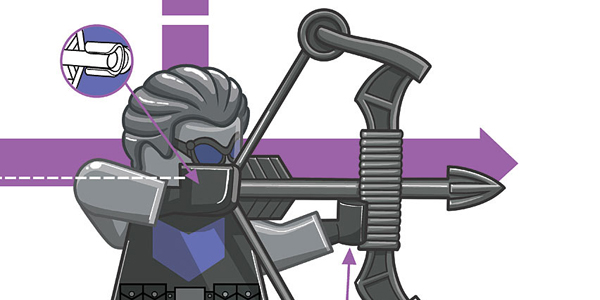
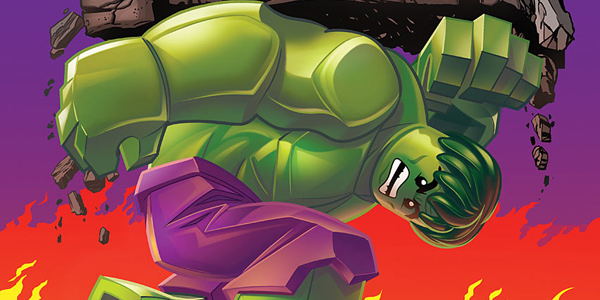
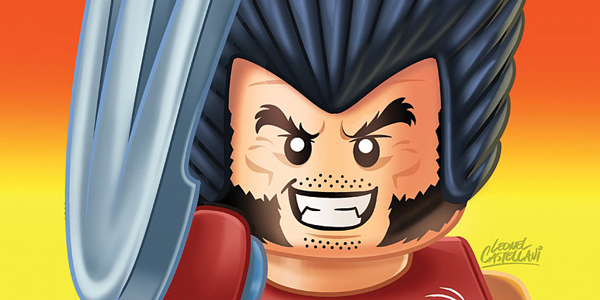
TT Games and Lego have their hands in every pile at the moment, covering franchises like Lord of the Rings and Batman. However, no franchise has fit perfectly like two bricks with Lego than Marvel Entertainment. With the upcoming game “Lego Marvel Super Heroes” set for release later this year, the two companies have joined together to release a set of Lego-themed variant covers for a slew of Marvel’s Comic books this September. The covers will pay homage and put a Lego spin on some of the greatest and most well renowned Marvel Comics covers such as Wolverine #1 and Hawkeye #2.
Currently, there are 18 books slated to have a Lego-Themed cover. The list of all these confirmed books is as follows:
All-New X-Men #17
Avengers #21
Avengers A.I. #4
Captain America #12
Daredevil #31
Fantastic Four #13
Guardians Of The Galaxy #7
Infinity #3
Iron Man #17
Marvel Universe: Avengers Assemble #1
Mighty Avengers 1
New Avengers #11
Nova #8
Secret Avengers #10
Superior Spider-Man #19
Thor: God Of Thunder #14
Uncanny Avengers #12
Wolverine & The X-Men #36
For those of you unfamiliar with comic book variant covers don’t worry, the books themselves will have the same story and artwork, it is only the covers that will change. These will be a limited print, so if you plan on picking them up, then call your local comic book store and place an order to ensure you don’t miss out. For all the Lego, Marvel and comic book news, be sure to stay tuned to Capsule Computers…. and make sure you don’t stand on any wayward Lego Bricks.
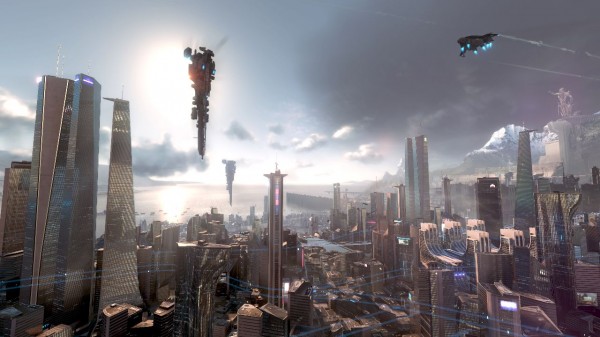
On the 3rd day of E3 2013, Sony hosted Guerrilla Games at their PlayStation 4 Announce Event – their own space to go further in-depth into recently announced games. Members of the development studio walked attendees through the Killzone: Shadow Fall demo previously shown at the ‘Future of PlayStation‘ showcase in an on-stage presentation.
The presentation did not simply involve rehashing the same demonstration we had already seen back in February. After a brief introduction to the familiar demo from the project’s art director, duties were handed over to the concept art director Roy Postma, and environment art director Arjan Bak, who both spoke and gave insight on elements of the demo’s visuals from their respective points of expertise. If you’d like to learn about the inspiration behind the visual design, not only of the featured Vekta City, but also the characters and much more (even technical details aided by a look into the debug system), you can check out the video in question embedded directly below.
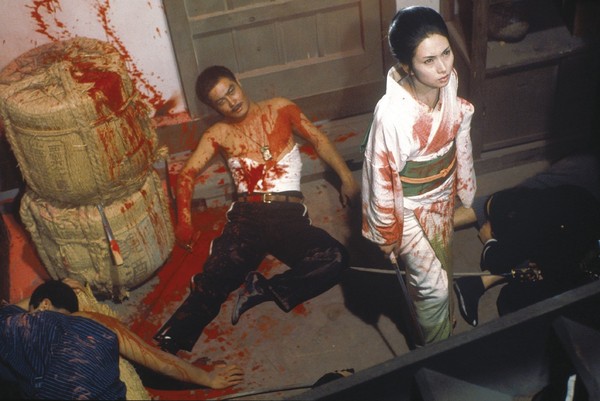
It’s impossible to talk about Lady Snowblood these days without mentioning Kill Bill and that’s a crying shame. Not only is Lady Snowblood the superior film, watching it makes Kill Bill look like no more than a ruthless knock-off. It’s almost as if Quentin Tarantino didn’t expect anyone to watch the same cult films as he did. Even then, it’s only cult in the West. Almost everything that isn’t directly related to the dialogue appears to have been stolen and co-opted into Kill Bill. The framing is the same, the themes are the same and to a large degree the plot is the same. In fact, it’s heavily implied that O-Ren Ishii is Lady Snowblood. I’m glad we got Quentin out of the way early because this film is one of the greatest achievements in cinema history.
Story
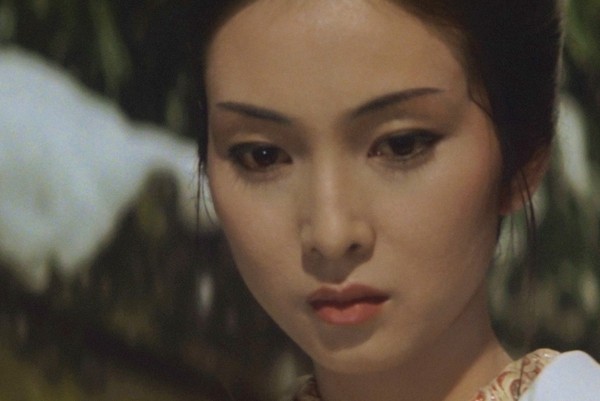
This is the epic tale of Yuki Kashima (Meiko Kaji), who is known by those who fear her as Shurauki-hime (Lady Snowblood). Both films are theses in vengeance, however the first film makes it personal. Her tale of revenge starts before her birth. When Yuki’s mother (Miyoko Akaza) is raped and jailed, she concocts a plan for revenge that can reach outside of her confines. Told through a multi-tiered flashback so complex that it would make Inception blush, Lady Snowblood is broken into becoming a killing machine to revenge her mother. She sets about finding the 4 criminals by doing freelance assassin work for their enemies.
Lady Snowblood’s density of themes betrays its comic book origins. While I wouldn’t be surprised if whole plot lines were missing, there’s never the feeling that a core chunk of exposition has been missed. In that sense this adaptation reminded me of Akira. Like the classic films of Kurosawa, the preparatory phase of each major assault is milked for both tension and character development. Director Toshiya Fujita knows exactly when to slow the pace down and pick it back up as needed. The end result is a film that breathes with the action, panting through fast cuts in action sequences, holding it’s breath in the tense moments and sighing with each resolution.
Revenge is a multi-faceted emotion. If Lady Snowblood only sought vengeance for her mother’s death, it would seem impersonal. Instead, character work and exposition are inextricably linked. Arguably all films should strike this balance but far too often directors don’t even think about it, let alone go to the effort to make it work in the film’s favour. Calling Lady Snowblood a solidly professional film disrespects its autuer moments and its visceral action. Framing the violence in a highly structured way, Fujita manages to express the action cleanly while creating a work that looks great shot to shot and flows magnificently
Lady Snowblood II starts off with Yuki on the run. Police stalk her every move; each time they attack she repels them but it’s taking a toll. Eventually, she refuses to fight any more and succumbs to the police for arrest. Obviously she is found guilty of murdering heaps of people and is sentenced to death. She is freed on her way to the gallows by Kikui Seishiro (Shin Kishida) who heads the secret police. He gives her an ultimatum; hunt down and murder known anarchist Ransui Tokunaga (Juzo Itami) for her freedom or be executed. Yuki begrudgingly takes on this task. As she shadows her target, Yuki discovers that they both share a history of betrayal. Yuki is left in a predicament where her inborn thirst to enact vengeance conflicts with her chance at freedom.
Before I watched the sequel I assumed there was no way that a story not tied to Lady Snowblood’s origin could work. You need not fear; the second Lady Snowblood film stands on its own two feet, introducing us to new moral quandaries being resolved in the classic Snowblood fashion. The new cast acts as ensemble, as we already know where Yuki is coming from. Their own origins are equally as compelling as those put forward in the first film, extending on the bitter universe established previously. The two films paired together make for a viewing experience that is, in my mind, unbeatable.
Visuals
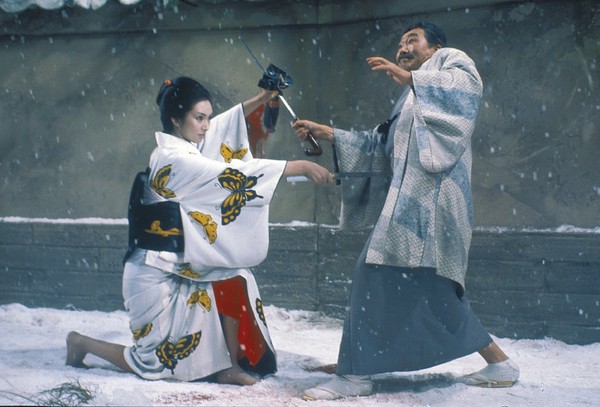
It would be impossible to talk about the visuals and not start with the blood. Continuing from the stylised plot, the blood is made hyper real.It’s almost fluorescent. The way it fans out from gashes, splutters from stabs and bathes anything that gets nicked by a sword is glorious. Lady Snowblood makes no apologies for the glorification of violence. Much like Death Hunt, stoic, retaliatory aggression is used as a way to express standing up for your rights. Well cut editing and shot composition lift this film from ‘must watch’ to ‘canonical.’ Many have faked similar styles but this is an authentic expression that blends grit and cool.
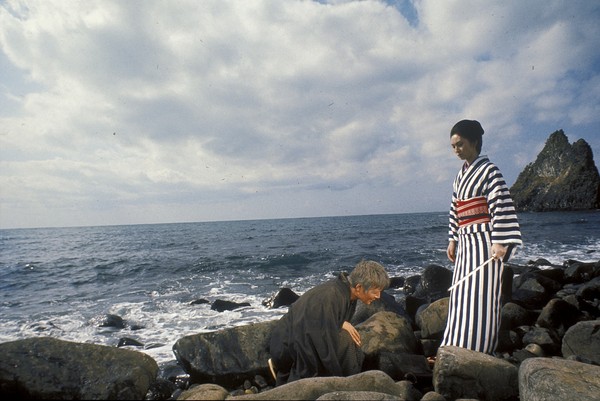
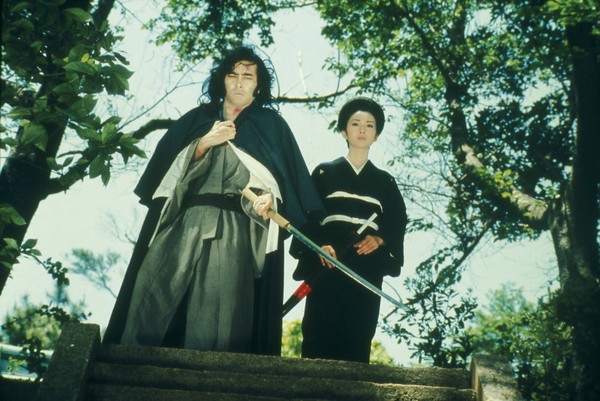
Across both films, the importance of location is paramount. Not just for the aesthetics, each location is large enough for aggressive movement to be documented as well as making solitary, still figures seem like they’re of utmost importance. Great dedication has been put into every facet of this film and it really pays off in the visuals. Lady Snowblood’s kimonos’ were famous at the time for being so striking, yet difficult to move in. The fact that there are action sequences shot in them at all is impressive, that Meiko manages to move so well in them is even more so.
Audio
Clever choices continue into the soundtrack with Lady Snowblood. There are a few songs you may recognise as being pilfered by other directors because they’re so expressive. Interestingly Meiko Kaji not only stars as the feature role but she sings the theme songs as well. The result is a compassionate sounding theme that’s consistent with the intent of the protagonist. I’m sure the impact would be accentuated for Japanese speakers. There’s also some quirky foley work used to heighten the action. Everything comes with a thwack or a boing, which may seem cartoonish to some but I relished it. Really, the sound is the icing on the cake. It’s sad that often the sign of a good soundtrack is an unnoticed one because this soundtack is gorgeous.
Extras
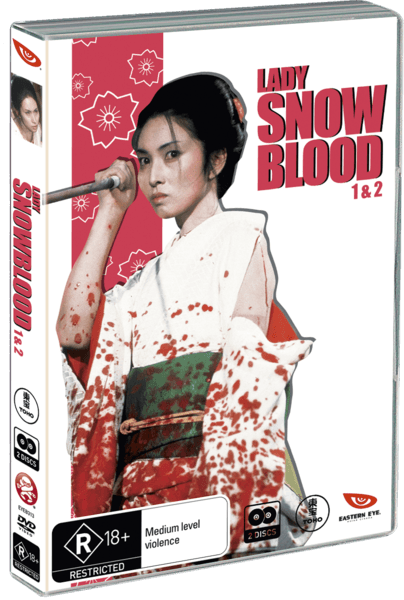
Lady Snowblood I & II comes with 2 extras: an interview with the writer, Norio Osada, and the actor who played Lady Snowblood, Meiko Kaji. They’re both absolutely fascinating. Meiko Kaji focuses on her perspective on what happened during production. She’s particularly bashful about her performance, which is rather endearing. It certainly doesn’t feel like she’s clambering for attention, rather she genuinely reflects on those films and wishes she could have contributed more. I think it’s beautiful that after all these years she’s still dedicated in making that film as good as it possibly could be. She regales stories from the set and describes Toshiya Fujita in an extremely respectful fashion. It’s clear that Lady Snowblood meant a lot to everyone involved and it paid off.
Norio Osada’s interview digs deeper into the themes and how they were constructed. Pieces of trivia pepper the conversation. It’s interesting to note that the only reason Yuki is a woman is that the original artists’ strengths were in drawing the female form. Many of the other choices weren’t driven by such lucky happenstance. Many layers were considered when forming the kind of story Osada wanted to see. Norio Osada wrote both the original story and the adaptation, another reason why this film stands out as being particularly well articulated film. He also reminisces about production for a while. His attitude is a little dryer but you can still see that he cared.
Overall
Lady Snowblood is a classic. It basically set the scene for female revenge films to emerge that weren’t base level femsploitation flicks. The impact this film has had on contemporary cinema is astounding, even if it took a few decades to make it to the West. Struggle as I may, I can’t find something to point out to show where this film falls short. There’s a grand reverence for the art of cinema clearly on display in every aspect of this movie. If you aren’t enamoured by pretty things, then the story packs a solid punch. Of all the films I’ve seen, there are few that I’d call watertight. Lady Snowblood is one of those films that is. All I can say is this: if you haven’t seen this film yet, go and get it now.
Capsule Computers review guidelines can be found here.
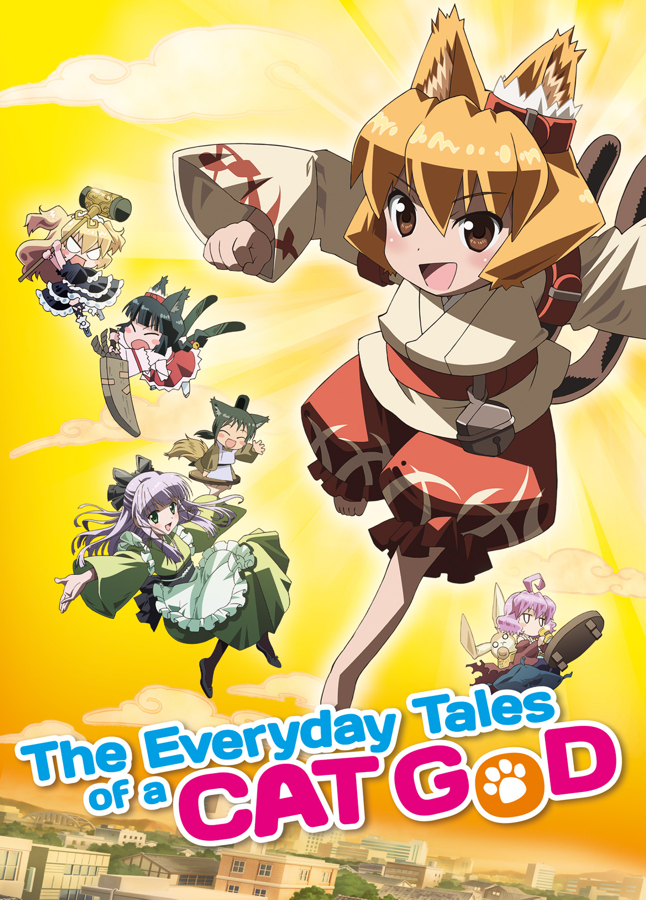
The Everyday Tales of a Cat God Premium Edition Studio:AIC Plus+ Publisher:NIS America Format:Blu-ray Release Date:June 4, 2013 Price: $64.99 – Available Here
Overview Every year over a hundred different anime titles are created in Japan and aired to the public. Over the last few years anime licensing for Western release has increased drastically but even then a number of enjoyable anime series still slip through the cracks. Back in 2011 one of these anime series happened to be Nekogami Yaoyorozu, but now two years later NIS America has brought the series over to North America under the name of The Everyday Tales of a Cat God. Should this series have remained untouched or is this a hidden gem that has only now been uncovered?
Story There are numerous deities talked about in Japanese legend and many of these deities still have shrines throughout the countryside. However what if all of those deities were real? That is what the world of The Everyday Tales of a Cat God is like. One such deity is named Mayu who happens to be a Cat God, but a troublesome one. Thanks to her gambling problems and constant misbehaving, her family has removed nearly all of her divine powers and banished her from the realm of the Gods, Takamagahara, to Earth in an effort to punish her.
Viewers join Mayu a few years after this punishment has been enacted and now she is living a lazy life with a human girl named Yuzu who runs a Japanese antique shop called Antiques Unlimited. Thanks to the many deities operating in Japan and Mayu’s reputation, numerous gods, including gods of poverty, destruction, other cat gods, fox gods and more. Of course being lazier than even the laziest cat around, Mayu simply wants to sit around and play video games and go with the flow.
As such, The Everyday Tales of a Cat God is a very apt title for this anime because that is ultimately exactly what the series is about. Thanks to an overabundance of side characters and the nature of the show, there is pretty much no storyline besides the circumstances that each of the characters have to deal with and their initial introduction episode.
Because of the slice-of-life nature of the anime, it is almost entirely comedy based so in lieu of a continuous storyline, viewers are treated to the numerous supernatural antics that these gods get themselves into which usually involves Mayu getting the group into trouble through her laziness or inaction. The comedy in Everyday Tales of a Cat God can be very hit and miss but as someone who has seen quite a lot of anime I found myself chucking more often than not at the series’ scattershot humor.
I say scattershot because the series prides itself on having numerous running jokes such as a character’s scaredy-cat nature or their laziness, monotone voice, innocence, perverse mind or something else. This anime isn’t all laughs however, as Yuzu’s personal struggles with her sad past are often brought up via flashbacks and we can only see her acting as strong as she does thanks to the support of Mayu and those around her.
In the end however, there isn’t a lot of depth to be found in Cat God except for Yuzu’s backstory and growth but considering her story is only told via flashback and her vulnerability is only displayed once, it isn’t a driving factor to the series. Being a comedy slice of life series, the character interactions are the high point of the series and although they are all pretty formulaic the whole deity aspect puts a nice spin on things. The entire series has a rather carefree aspect to it which demands little from its viewer and offers an enjoyable little series that can easily be overlooked due to its simplicity.
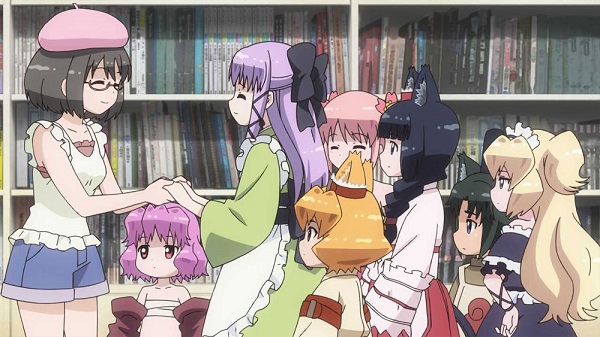
Visuals Almost every aspect of Everyday Tales of a Cat God, from the characters to the environment itself, is brightly colored. Each of the characters have a rather basic character design which matches their deity classification. For example, Shamo, a god of poverty, wears cheap falling apart clothing while Yoshino, a Sakura Flower god, wears pink and even has sakura flowers in her hair. Despite being set in modern times, nearly all of the characters, including one of the few humans, Yuzu, wear clothing similar to the types found in feudal Japan.
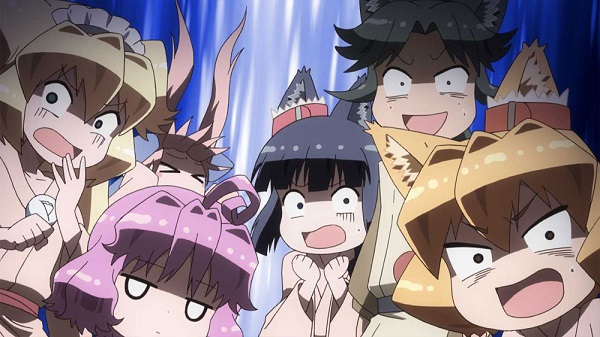
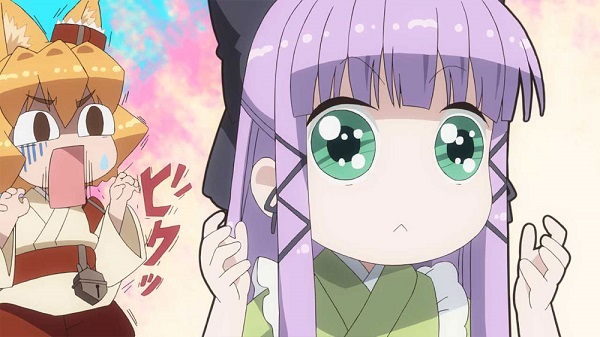
One of the many comedic elements that Cat God has at its disposal is the way that the art style often shifts a character’s expression into a chibi expression either by overacting or simply going completely white eyed and staring. This means that while everything can be rather basic at heart and only sees a few exceptionally well done scenes, the brightly colored world and characters fit the nature of the show perfectly.
Audio Being an NIS America release, it is worth noting that only the original Japanese voice track is being provided with this release. This isn’t much of an issue however as the original Japanese cast handles the characters and their personality types quite well. Some of the more memorable performances are of course Mayu’s voice actress Haruka Tomatsu and Yoshino’s Mako Sakurai.
As far as background music goes, the series has a number of memorable tunes that play throughout the series, though they do tend to be re-used often making one wonder if the background music budget was limited. Anyways, the opening theme is “Kami-sama to Issho” which is sung by Mayu’s and Yuzu’s voice actresses and it is a nice up-beat song that leads into each episode while the main ending theme “Oh My God” is handled by Mayu’s voice actress as well and is more somber in its tone, which reflects how despite being a comedy, there is still drama to be found in the series.
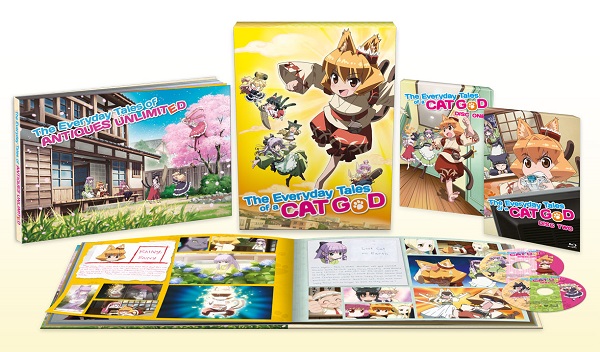
Extras As usual with one of NIS America’s first release of an anime, The Everyday Tales of a Cat God has been given a premium edition release which means that it has been given a collectable hardcover slipcase as well as a full color art book. The chipboard slipcase features a glossy covering and the main cast on both the front and back of the board, with the back illustration featuring a softer toned image.
Before we get into the art book, it is worth noting that there are a number of on-disc bonuses with this release. Not only has the OVA episode “Cherry Blossom Viewing Ghost Busters” been included but the bonus short episodes of the “Cyber Wanderers” have also been bundled with the release. The OVA episode seems to occur after the final episode of the series itself which works well enough thanks to the slice of life nature of the series while the Cyber Wanderers see Mayu being transported into a video game and each of the cast trying to rescue her by controlling her as she tries to clear a game, usually to fail.
Now the art book this time is styled similar to a scrapbook and NIS America has decided to spice things up a little bit by having various characters discuss episodes. This means that the simple episode guide is included is given details by the various characters in the show, usually the one being introduced or discussed in said episode. Following this are a number of pages featuring the character designs and sketches with Mayu’s various notes accompanying said characters before closing out on additional character sketches and full page promotional art.
Overall The Everyday Tales of a Cat God is a very simple series at heart. Take a slice of life set-up; add in a large helping of comedy, a pinch of drama and mix with a large helping of Japanese deities and you have a colorful and humorous anime series that doesn’t offend in any way and simply offers a good time. While it may not be for everyone, the overabundance of humor and antics of Mayu and her fellow gods create an enjoyable anime that could have easily been forgotten but thankfully made the journey overseas.
Capsule Computers review guidelines can be found here.
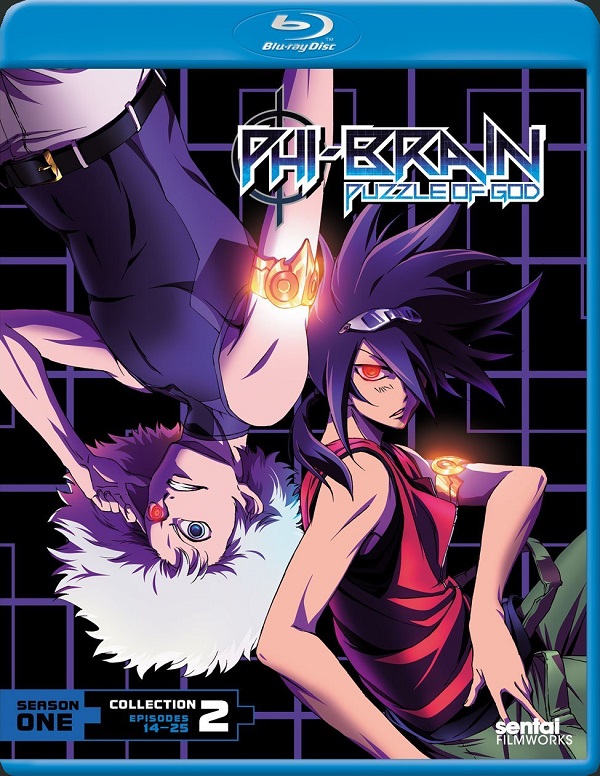
Phi-Brain: Puzzle of God Season One: Collection 2 Studio:Sunrise Publisher:Sentai Filmworks Format:DVD, Blu-ray (Reviewed) Release Date:May, 28 2013 Price: $69.98 – Available Here
Overview Despite there being many video games and television series focused entirely around puzzle solving; only an anime about solving mysteries has been explored. An anime focused almost entirely around solving puzzles would certainly be something unique and so far from the first half of season one, Phi-Brain is just that. When we last left the series, the anime’s storyline was finally getting into high gear, however will it be able to keep up that momentum throughout the second half?
Story A young high schooler named Kaito Daimon is widely regarded by his classmates as being the best puzzle solver in the entire school. Practically no puzzle he comes across is enough to slow him down for longer than a minute. However when he stumbles upon a puzzle which kills the solver if they end up getting it wrong, he discovers a new side of the world that involves dangerous puzzles that pay off risk with great reward.
After solving one of these deadly puzzles, Kaito finds himself in possession of a bangle named Orpheus which has given him the special ability to tap into his hidden potential and solve almost any puzzle in the blink of an eye, even when he had no idea how to solve it before the power activated. After obtaining this bangle he has been thrown into a world where a mysterious organization named POG has been attempting to solve the “Puzzle of God” by creating Phi-Brains intelligent enough to crack the most difficult puzzles in the world.
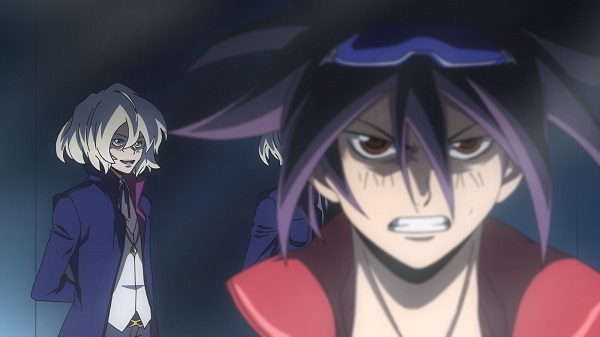
It should go without saying, but jumping into the second half of season one will leave viewers lost and anything mentioned below should also be considered spoiler territory. Anyways, when we last left Kaito he had just discovered that his childhood friend Rook is working for the same organization that has been putting him and his friends in deadly situations. After suffering this shock, Kaito is devastated to the point of unconsciousness.
When Kaito recovers, he begins to dig into the past of his old friend turned enemy Rook and upon doing so the plot begins to take quite a different turn leading into a number of revelations which end up being rather surprising considering the nature of the series up to this point. You see, while these puzzles have always had an air of dread about them thanks to the fatal cost of failure, any aspect of tension was usually alleviated thanks to Kaito’s Orpheus abilities. However as more of Kaito and Rook’s past is explored and unveiled, a dark future is left in front of these two. Through the power of solving puzzles and uncovering the truth behind the POG, can Kaito avoid this dreadful outcome and somehow make it out with his life?
Although the first half of the anime failed to really give characters any backstory or much in the way of fleshing out besides some minor developments here and there, Collection 2 is able to capitalize on the fact that viewers have already been introduced to everyone and the quick plot advancement to flesh out the side characters and actually create a surprisingly interesting storyline. Then again, Kaito remains completely oblivious to the evil nature of those that he is going against, even when their obvious nefarious intentions are spelled out in front of him.
Rather than simply being an opponent to conquer, the exploration of Rook’s backstory begins a series of events which develop into quite an interesting story for a series about puzzle solving. On top of that, the other characters around Kaito, such as Rubic and Nanoha are given some more exploration as well, making them more than simple side characters which take the puzzle reigns whenever Kaito isn’t around to solve things instantly.
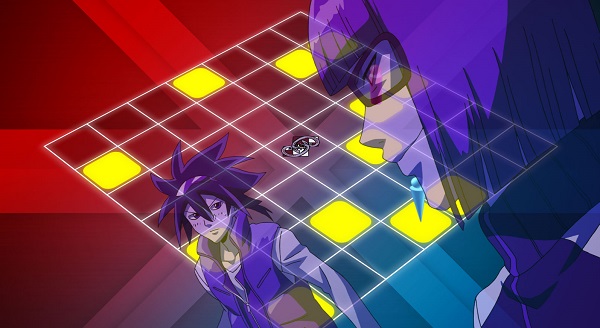
As I mentioned earlier, the puzzles continue to be at the forefront of Phi-Brain throughout its second half, though considering a few of these puzzles actually contain some legitimate story development, they are actually interesting enough to watch and there is a certain tension in the air that was lacking in the first half. Sure, the deadly price of failure always remains a threat but it never feels real until very late in this release, but everything still feels very forced.
By capitalizing on the fact that Rook has finally been introduced and Kaito’s revelations both about his past and the future, Collection 2 manages to actually give meaning to what before seemed like a series of never ending puzzles with little development. By actually having a goal in sight and characters that have actually been given some semblance of development, the second half of season one gives us some form of closure concerning Rook and Kaito, but with a second season on the way and the ever present Puzzle of God, there is still more to come.
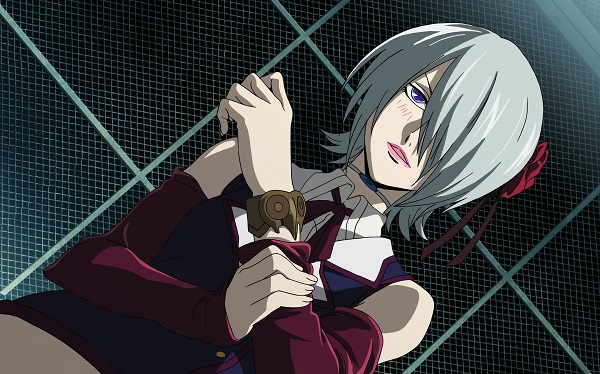
Visuals Throughout the second half Phi-Brain Season One the animation quality fluctuates greatly. There are a multitude of scenes which have been given excellent backdrops, good attention to detail on characters and fluid animation but for every impressive scene there are others which simply look like the animation studio, Sunrise, had blown most of their budget. These flaws usually occur when a character’s face looks strangely proportioned, not for comedic effect, or poor implementation of CGI.
Extra attention has been given to some of the puzzle sequences and considering that, although more character backstory and actual character development occur in this half of the series, they remain the prominent element throughout. It is worth noting though that being a Blu-ray release, the varied color palette of Phi-Brain is vibrantly displayed which makes the exceptionally done scenes mentioned earlier all the better.
Audio As one would expect, being the second half of the first season, all of the English voice actors have returned to reprise their roles. Also just like the first release in the series, this release contains both the original Japanese voice work as well as the newly recorded English dub. The cast continues to perform admirably with Greg Ayres’ voicing of Rook standing out this time around as David Wald’s Kaito continues to impress.
As for the background music, it remains relatively fitting though quite a few themes are repeated from the first half of the release so those looking forward to new tracks will be disappointed in the lack of variety. The opening theme “Brain Diver” by May’n and ending theme “Hologram” by Natsumi Kiyoura remain in place throughout the second half of the season and while Brain Diver is still nice to listen to, it would have been nice to see some sort of change at midway point of the season.
Extras Just like the first half of season one, Phi-Brain: Puzzle of God Season One: Collection 2 features barely anything of note as far as bonus features are concerned. The only included bonuses are the clean opening and ending animations, and considering these are the exact same openings and endings as the first half of the season, they are simply repeated extras, as well as trailers for other Sentai Filmworks releases, which means there is nothing to be found here.
Overall Phi-Brain started off rocky by providing us little explanation to the events occurring or even bothering to flesh out the characters viewers were watching. Thankfully Phi-Brain: Puzzle of God Season One: Collection 2 manages to not only expand these characters but also give us a story arc that actually matters and helps provide a blanket plot to the first season. There are still a number of nagging animation issues however and your standard shōnen series believability problems throughout, but this puzzle series has left enough of an impression to finally be somewhat worthwhile.
Capsule Computers review guidelines can be found here.
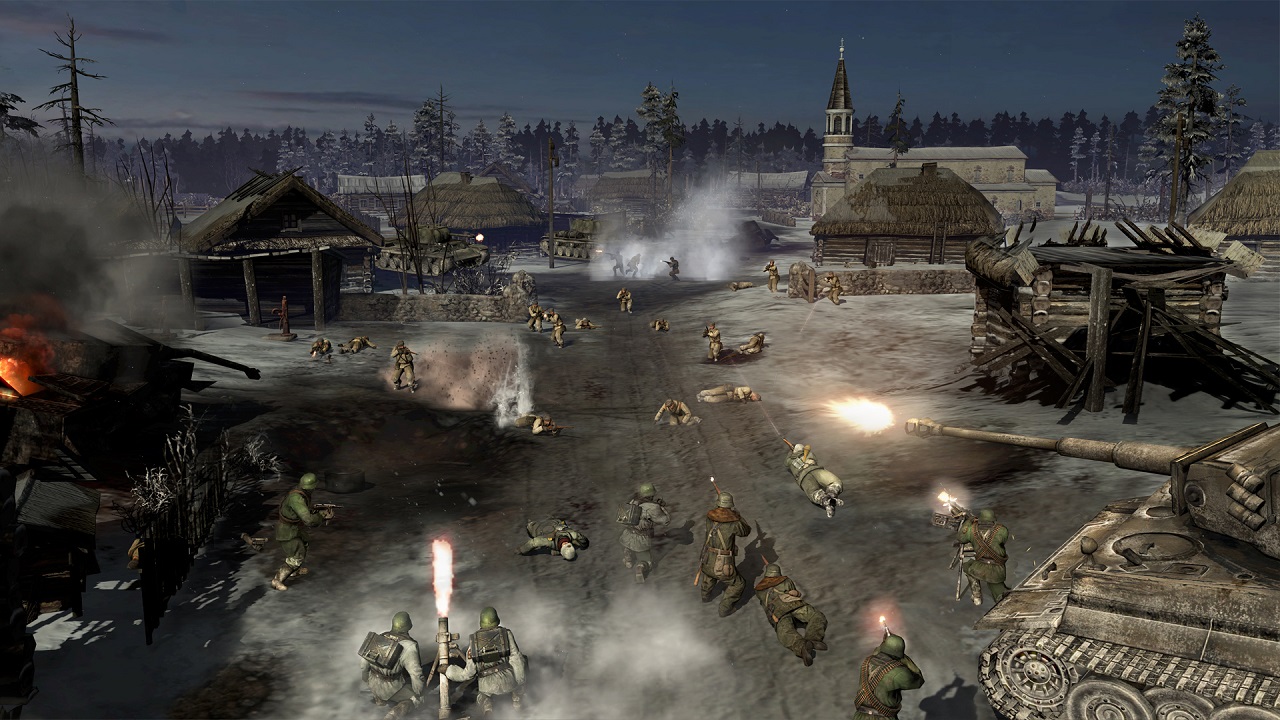
After seeing Sega and Relic Entertainment‘s Company of Heroes 2 campaign demonstration at E3, many of you are likely keen to test out the demo for yourselves. Well, now you can! Those who have yet to download the Beta can do so by visiting the game’s Steam Store Page(players who already have the Open Beta installed need do no more than fire up the program, where they’ll notice that the Campaign element has been unlocked).
Players will gain access to a mission from the middle of the campaign: ‘The Land Bridge to Leningrad’ where the task is to cross a frozen lake under heavy German fire. Players only get access to a portion of the level, with full access only arriving with the retail version. But hurry, the Campaign demo and Open Beta are only available to play up until Tuesday, June 18th.
The full retail release will be hitting shelves for PCon June 25th, 2013
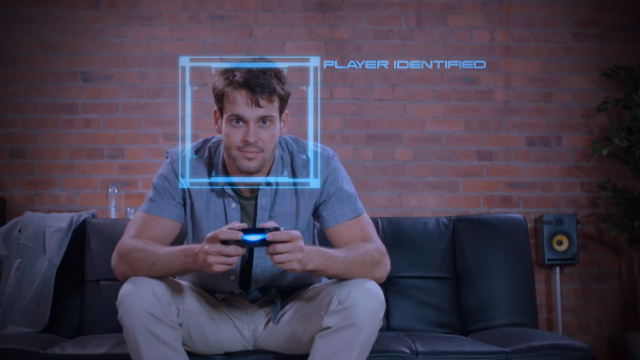
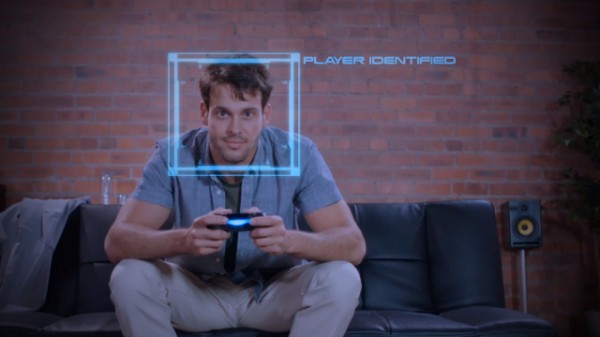
During E3 2013, Sony shared a video demonstrating the possibilities of ‘The Playroom’. We could ascertain many things from said video – which you can view here – but now we have more details on how the PlayStation 4 will be able to combine the capabilities of the Dualshock 4 controller to create an engrossing AR experience.
Here is a breakdown of features and how the console utilises them to make an augmented reality within your living room:
Light Bar – tracked by the PlayStation 4 Camera to create augmentations, like holographic panels around you on screen.
Touch Pad – easy to use for scrolling and interacting in the various AR environments. Players can touch, move and play with AR characters like Asobi, an interactive flying robot who comes out to play in your living room.
Motion Sensor – take a look at how a classic Air Hockey game is given a holographic visual treatment, with players stretching, twisting and bending to try to get the upper hand.
Improved Dual Motors – watch how you can interact in different ways with AR Bots via the DualShock 4 controller’s Dual Motors and Speaker.
The PlayRoom brings in other devices too for a fully connected experience. The video also shows how by using your mobile phone, tablet or PlayStation Vita, you can draw anything you like, flick it and it becomes a 3D plastic toy for the AR Bots to chase after (a very specific example).
This is just the beginning of what will be possible with the PlayStation 4 Camera and DualShock 4 controller. We at Capsule Computers will be sharing more updates as they become available in the future.