Frozenbyte has an interesting new take on the traditional indie bundle. They are releasing a pick what you want coupon giveaway of over 30 indie games called Huge Seal. By logging in with a Steam account, visitors can choose up to five coupons for specific games that provide discounts of 50-85% off the regular price. For every three coupons used to buy a game, Giant Seal will provide a free random Steam key for one of the games in the sale.
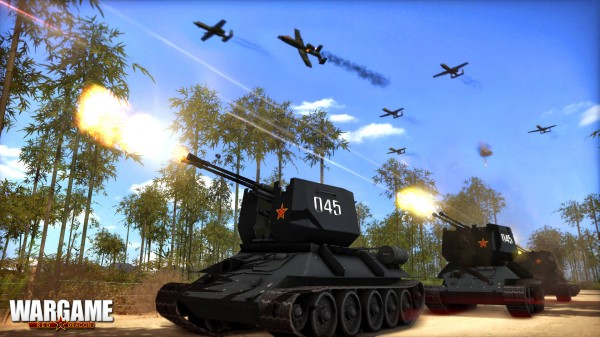
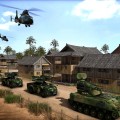
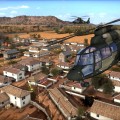
Eugen Systems, the developer of the Wargame series of games, has today released 4 brand new screenshots with publisher Focus Home Interactive for the upcoming addition to the series, Wargame Red Dragon. The new screenshots put the focus on the largest of the 5 new nations joining the fight in the PC strategy game series, China.
Showing off a combination of land and air units from the “Harbin” Z-9A helicopter, to the anti-air defense vehicles like the “HonQi” HQ-7, Type-95, and Type-63. While the units being in this set of screenshots is limited to the sky and ground, don’t forget that Red Dragon will be utilizing sea forces as well, they just aren’t as prepped for deployment just yet.
Those wanting to see the new units that will be part of the 450 new ones coming to Wargame Red Dragon can click on the images in the gallery below to see them full-size. Wargame Red Dragon doesn’t have a release date set yet, but more information will be given as time goes on.
Joe Dever’s Lone Wolf: Blood on the Snow Developer:Forge Reply Publisher:Bulkypix Platforms: iOS (reviewed), Android Release Date:Out Now Price: $5.49 – Available Here
Overview
Joe Dever’s Lone Wolf: Blood on the Snow is a mobile title based upon the Lone Wolf series of gamebooks written by British fantasy author and game designer Joe Dever. Since first publication in 1984, the series has sold over 9 million copies worldwide, and although publication ceased in 1998, fans kept it alive by converting (with permission) the books to HTML format, sparking a renewed interest from the international community and Mongoose Publishing. In 2009, Convergence Entertainment secured the film rights to the IP, and Joe Dever himself, along with developer Forge Reply and publisher Bulkypix, have now brought us Joe Dever’s Lone Wolfthe video game.
Story
“You are the Lone Wolf – the last of the Kai Lords and sole survivor of a massacre that destroyed your elite warrior order”. Our fable begins as the Lone Wolf makes his way through a snowy, narrow mountain pass in the territory of which he is Fryearl. Disturbing reports of Giak invaders in the mining town of Rockstarn have drawn his attention. Once he arrives, he finds the entire township up in smoke, with few buildings left standing. His objectives become clear to him: find out exactly what happened here, rescue those in need, ensure the protection of any survivors and, if need be, get revenge on the raiding party responsible.
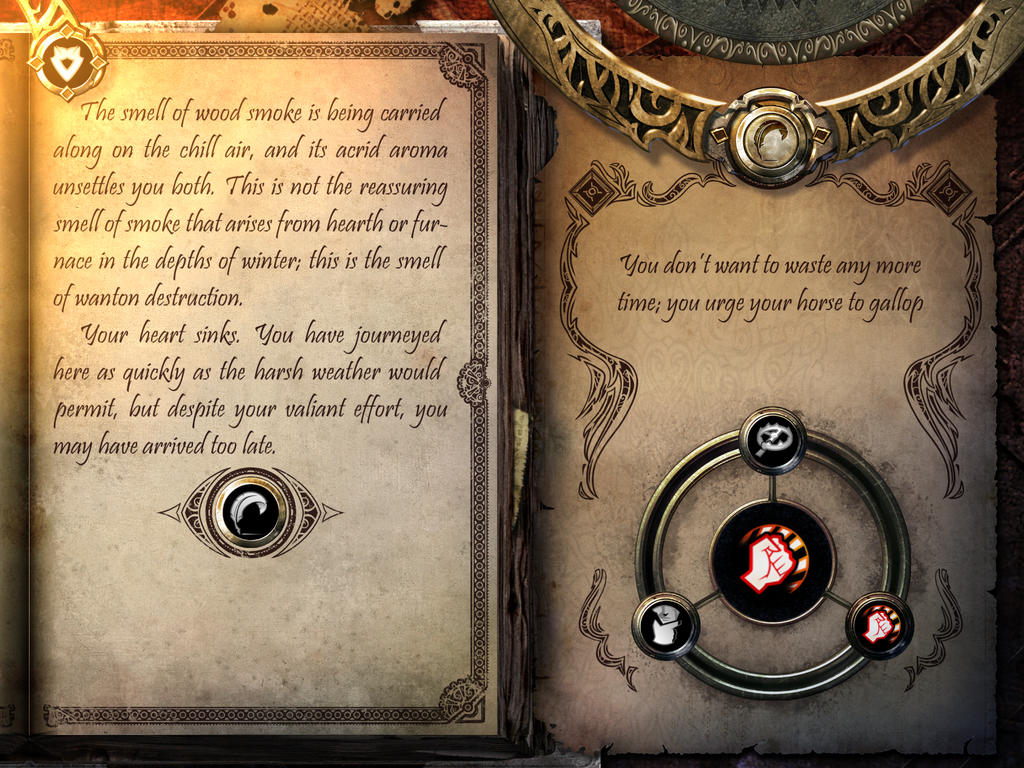
The ‘book screen’.
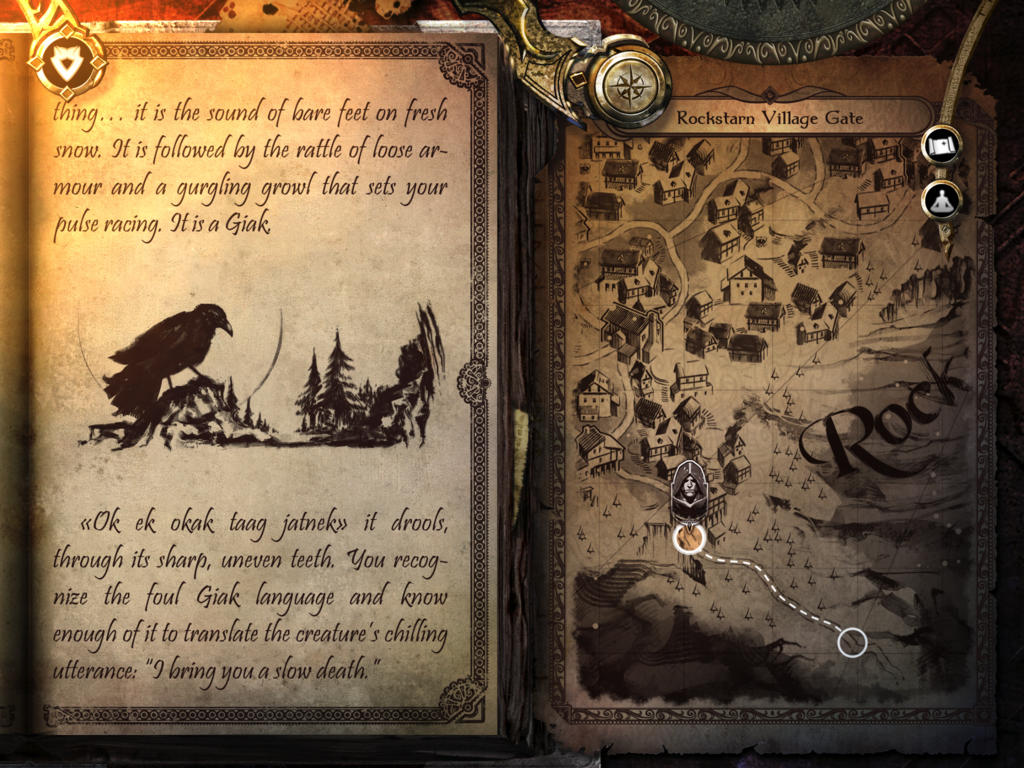
Along the way to completing these tasks, the Lone Wolf meets a fierce woman named Leandra, who plays an integral role in this journey. Depending on their choices, the player can learn about the history of this place, its locals, the enemy forces and more, adding to the Codex accessible in-game. Paths split at certain points as navigational decisions need to be made on the map. Choosing between the established “right or left” choke-points result in decidedly different gameplay/narrative encounters, but the smaller, more frequent decision-making moments – where you are given options dependant on your initial attribute/ability customisation – seem to more often than not converge towards the same end result.
Gameplay
When you start a new game, you must pick between a number of traits and skills, including those that determine what kind of approaches to various situations will be available to you (e.g. being more apt to use Brute Force, Intuition, etc.), which Kai powers you possess (can range from Animal Kinship to Psionic Abilities) and which weapons you wield. These will alter how you interact with the environment, not only in story-driven moments, but also in combat. The story is told to you as you turn the page using the well-established touch screen gesture, and so there is very little “gameplay” to speak of in the “book screen”. However, there are moments where you can choose to pick a lock, moving into a 3D representation of the process, which is achieved with a simple mechanic, or perform another contextual action – such as climbing a cliff – and a quick-time event is triggered within.
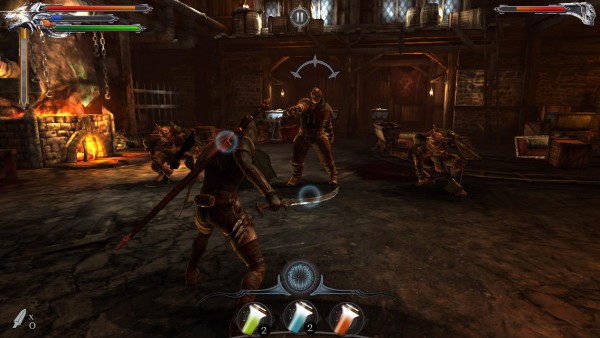
Consumable quickslots show at the bottom, with player health/kai/stamina in the top left. The enemy’s is in the top right.
These quick-time gestures are also the basis for the combat mechanics. When you are confronted with opposition, the game transitions to a 3D battleground for turn-based engagement. A yellow timer bar depletes upwards to represent your time left to make a move. Tapping an enemy puts your focus on them before deciding how to attack. You have five forms of assault: your primary weapon, shield, secondary weapon, the Sommerswerd and your Kai powers. They each have their advantages and effects – using the shield, for instance, puts impetus on the opponent to move and allows you the opportunity to counter with a well timed tap. Executing moves requires a combination of swipes, timed taps, rapid taps and clockwise swirls.
As your enemy’s turn plays out, your stamina automatically recovers. Kai is regained by defeating an opponent or performing a finisher, which pop up from time to time. Consumables can also achieve this, although with a considerable difficulty rate, you’ll want to be conservative with their use. If you die, the death screen presents you four possibilities: restart the battle, quit to the main menu, rewind to the last checkpoint or retry with lesser difficulty, but less reward. To give our readers an idea of how tough and strategy-heavy a battle can be, without the latter option, I would have never beaten the final boss… ever. No question. It’s also smart to remember to organise your inventory in the ‘book screen’ before initiating a fight and take every safe chance to meditate (in ‘map screen’ – refills health/kai/stamina).
Visuals & Audio
Joe Dever’s Lone Wolf: Blood on the Snow is, aptly, visually represented as a magic tome. As you flip through the pages of the book, the cursive text begins to write itself into existence. Peppered throughout the chapters are smaller, static, black and white illustrations, but every now and then, when an important key event occurs in the tale, a whole page is dedicated to a motion comic-like depiction of the scene in question. Other than being great visual supplements to an otherwise wordy (duh!) affair, these also add character and a nice dramatic flair to enhance the story-telling. Outside of book view, graphically, the combat sections are impressive.
Example of an interaction choice.
Whilst not exactly offering the greatest graphics seen in a mobile title, Joe Dever’s Lone Wolfis nothing to scoff at by any means. Character models are well detailed and defined and the lighting helps effectively convey the darker fantasy feel. The theme-music is well-representative and evocative of its medieval setting, featuring legato horns and strings throughout. The music picks up appropriately in combat with a more menacing tone, fast violin work and thumping drums. The musical treatment fits extremely well. I did discover an inconsistent occurrence whilst multitasking and returning to app where the audio flat-out disappeared, but otherwise the presentational components are bug-free.
Overall
Joe Dever’s Lone Wolf: Blood on the Snow retains the spirit of the gamebooks that inspired it. There’s no doubt that longtime fans will be immediately sucked into the story – given that it is classic Dever – although the challenging combat may sully their experience, possibly erring on the frustrating side for some. For others, the challenge of the twitch-style gameplay will be appreciated, and, because of it, this 1st Act can last you 6-7 hours (provided you also read all the text). And considering the replay-ability in starting a new game and choosing different attributes and paths, there’s fair value in its $5.49 price tag. The U.I. elements could have been better communicated and there is a substantial learning curve to the combat, but Joe Dever’s Lone Wolf: Blood on the Snow is the 1st Act of what should be an amazing overall interactive gamebook experience.
Capsule Computers review guidelines can be found here.
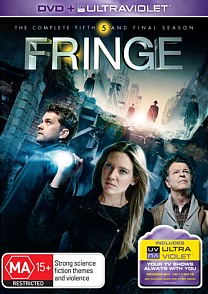
Overview As is the case with most sci-fi productions, a force of unrelenting power has transformed the future into a dystopia…two futures…I guess one is technically their past, being that they came from an even further future…that being said, it’s also the present where our heroes fight to save the world…this isn’t even the complicated part. With the infinity of time resting on their actions in this one past/present/future, the Fringe Division must use all they do and don’t know to save the world from the greatest threat it has ever known.
A lot can change with time…and invasions from the future
Story Having been forced to seal themselves in Amber, the Fringe Division find themselves in the year 2036. A turning point for humanity. In a time where a transhuman threat known as the Observers have begun their takeover of the planet. Travelling back 573 years, they seek to transform the world into one more fit for their altered physiology, having damage their own time. Within the forcibly instilled new world order, civilians live in constant fear of the looming Observer threat. Lacking any trace of emotion and possessing telekinetic and transportational abilities, these invaders are unrelenting and unforgiving. Those unwilling, or unable, to stand against the Observers become complacent in this glib time. These Loyalists, as they are dubbed, do their best to carry favour with the beings, bolstering their forces as part of the military and keeping civilians in line.
However, as with every regime, there is an opposition. A group that stands ready to fight, to tear down that which rules the land. A Resistance. Naturally, our intrepid time travelling heroes, once reunited, work with said resistance to aid them in their plan. A plan that none of them yet understand. To prevent detection by Observer telepathy, the plan lies scrambled within Walter’s brain. Following clues left by Walter himself, the team must uncover all of the components necessary to its completion. With no knowledge of their end goal, the objects collected throughout the series appear random, their connection to each other unknown. For now. The further the plan is progressed, the more attention is gained from the ever watching Observers. With each passing second, it becomes harder and harder for the team to evade capture. But when failure isn’t an option, can you go too far? What is the moment where the ends do not justify the means?
How far would you go?
As the final season, these episode contain within them the ingredients of conclusion. As character’s personal stories come to a close, they discuss the past that they have shared and express the emotions they have carried for so long. Throughout the season, Peter and Olivia continue their struggle to stay by each other’s side, refusing to drift apart as they have in the past. Peter also further develops his connection to Walter, who notes the happiest moment of his life was when Peter once mistakenly called him Dad. These moments serve as the emotional representation of what they stand for: humanity. With the Observers as stark contrast to said humanity, it is expressed clearly just how greatly feelings impact life. Without negative emotions there is no jealousy or grief, but without positive emotions there is no point. Unable to differentiate good from evil, the Observers act only in a logical fashion. But we all know that humans are anything but logical. Pure, sterile fact is, in essence, closer to evil than neutrality. It’s just one of those confusing interpretations that make humans, well human. It’s all rather beautiful really.
The season also sees the return of a number of old enemies, though not in the manner you’d expect. Using what little they have, the Fringe Division decides to recreate some of the events they once investigated. Walter even notes, “There was once a time when we solved Fringe cases,” showing the shift in the series as the Fringe sciences became more and more central to the world. The case of flight 627 reappears first, as it would seem that a flesh eating bacteria can be quite the weapon. This poetic use of their pilot case is referenced by Peter, stating that, “Our first Fringe experience was their last.” (Referring to the Observers who are now much less…alive) The use of their previous cases also serves to tie the series together, conveying that each of their investigations did have a purpose, one that the Observers watched every step of the way without even realising it.
Are they a part of the dream?
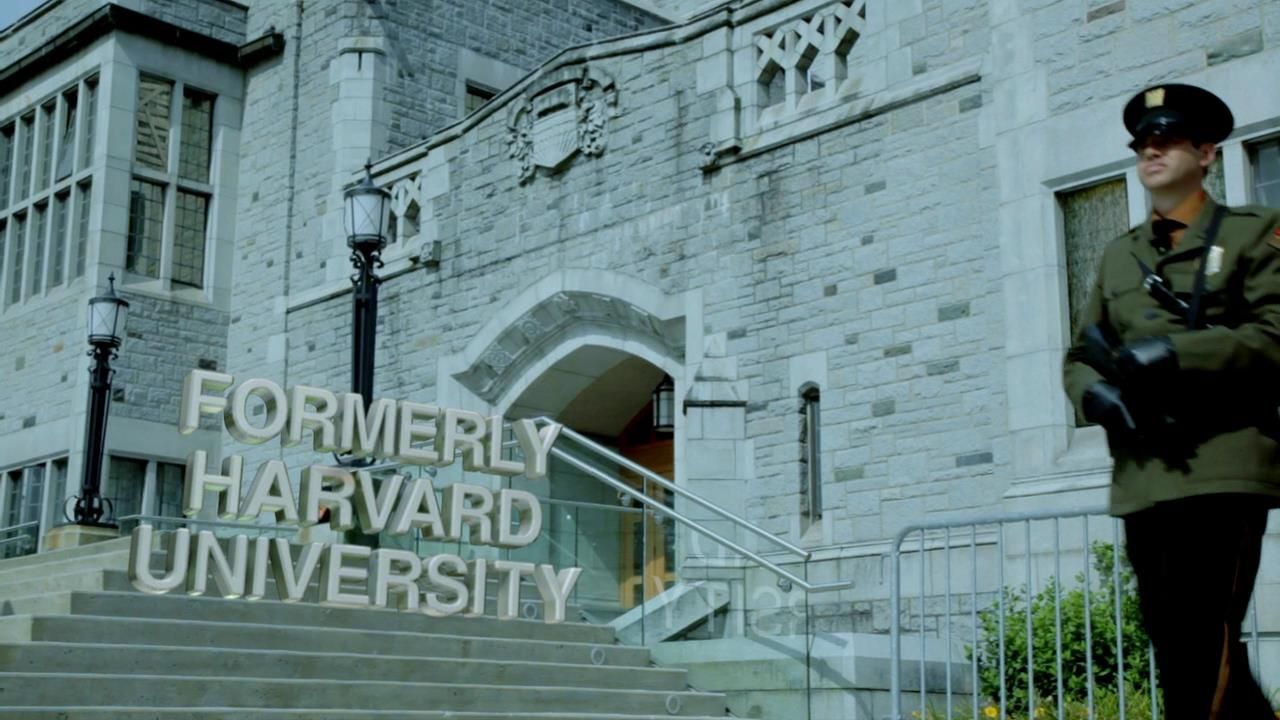
Visuals As is fairly common with dystopia, colour is not exactly a prominent feature. Lending to the Observer mentality, there is no need for vibrant colours when white, grey and black will suffice. This serves as another reminder, just in case you needed one, that the Observers are very robotic in nature…and incredibly dull. Though remnants of the “old world” remain, the new structures are all precise and artificial. Due to their need for an atmosphere rich in carbon monoxide, which isn’t good news for humans, even the sky itself has begun to lose colour. In the year 2601, when Observers rule completely, the sky is as lifeless as the world. That being said, due to when the series takes place, there is a great deal more of the past still present, far more than is expected in a dystopian future. Streets, buildings, parks. The fact that these have not been eradicated serves as a visual reminder that Observer control is not yet total.
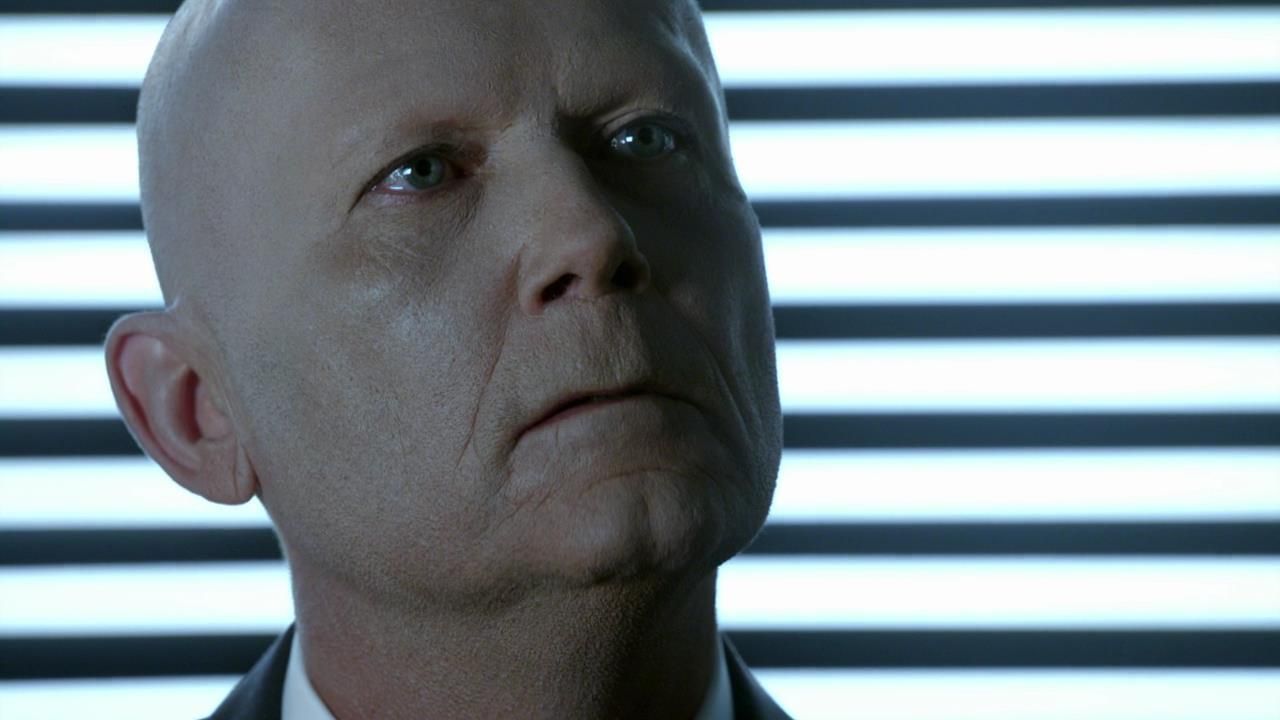
The Observers themselves also cut a very unique figure. Immediately identifiable by their pale skin, lack of hair and the fact they all dress like 1950s businessmen, they serve as a very uniform unit. Variation is not their friend…not that they actually have friends. Observers also share a physical tick where, occasionally, they will slightly tilt their head to side. The purpose of said tick is explained to them in a fantastic speech which notes why humans are superior. It is said that despite all their claims of evolutionary dominance, they tilt their head in a manner akin to a lizard,changing the angle at which sound hits the ear, allowing in more stimuli. Despite all of their higher intelligence and self imposed supremacy, they have honed primitive instincts that humans left behind long ago. Needless to say the Observers took exception to that, though it remains a powerful, albeit subtle, visual cue.
Apathy is a sort of living oblivion
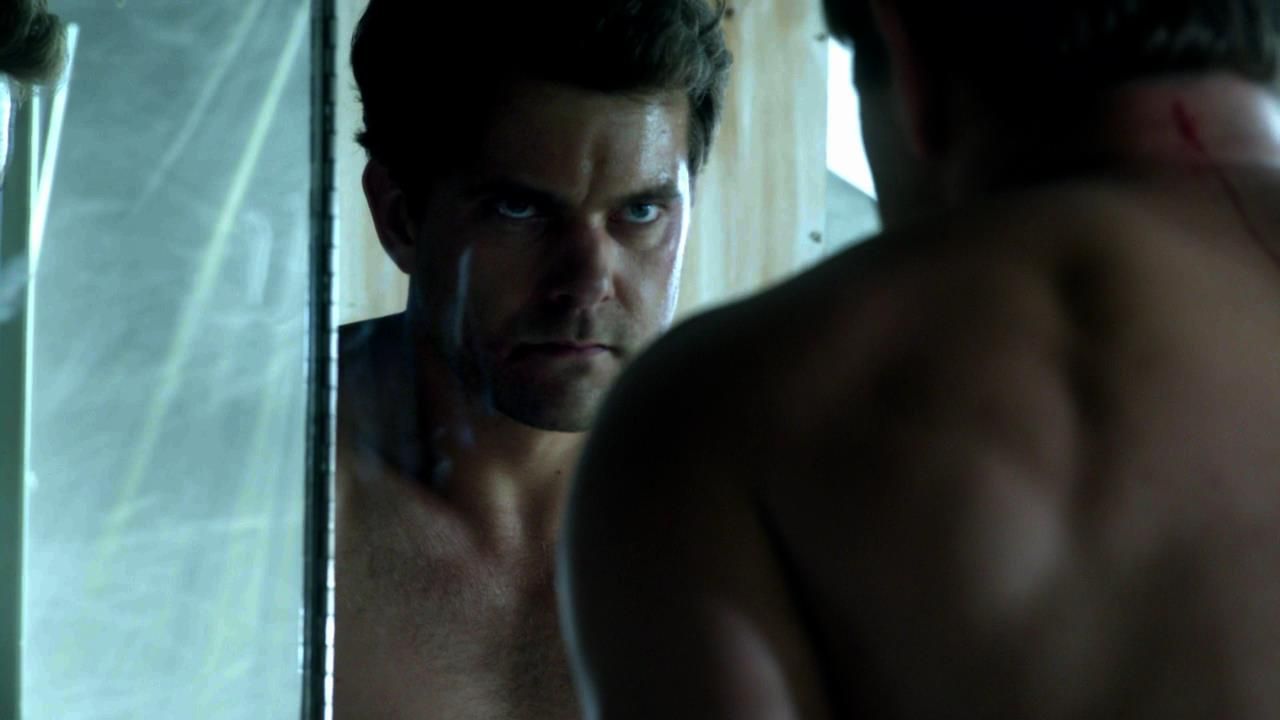
Also connected to the Observers is the symbolism of the bloody eye. Whenever a character fights back against an Observers telepathy, the blood vessels in one of their eyes burst. This leaves a rather confronting image and expresses the willpower that those deemed lesser still possess. At the same time, it also shows the fragility of humans in that, against the Observers minds alone, such damage can occur. At one point in the series, an Observer also suffers the same bloody eye, showcasing the possibility of humanity somewhere within them. Being able to cure said eye by blinking also serves to further reinforce the Observers distance from humans, with healing literally occurring in a micro second.
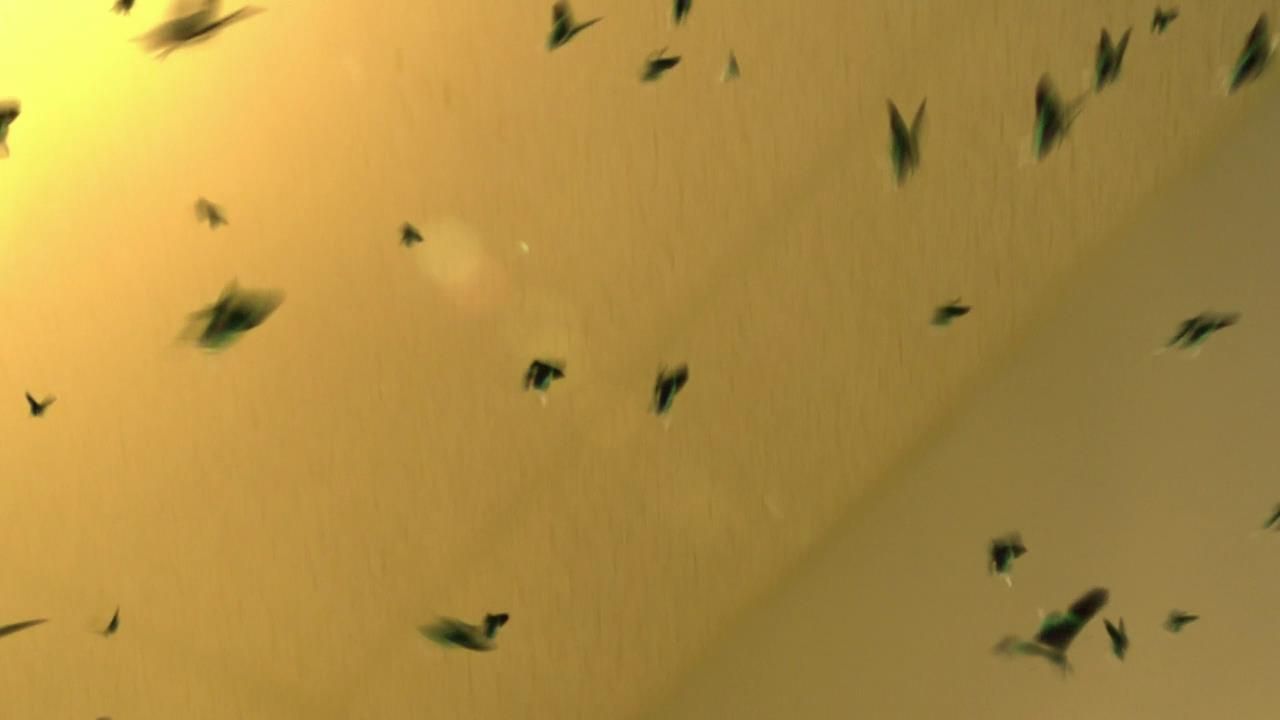
On a lighter note, we are also treated to some rather unique visuals in the episode “Black Blotter”. With Walter being, well Walter, we are taken for a ride o one of his acid trips. Yes, even in the dystopian future, the genius decides to take a break from reality and spend some time with the fairies. Not a euphemism, he sees fairies. We see fairies. Though there are plot relevant details divulged during this episode, it also serves to visually lighten our spirits and diverge from the duldrum of Observer America.
Welcome to the wacky world of Walter Bishop
Audio Music is a very important concept within the series itself. Not surprisingly, music isn’t exactly prevalent in the Observer run 2036. This creates a very glib world auditorily speaking, another factor that serves to further represent the disparity between humans and Observers. Whilst Walter expresses how music can allow you a new perspective on the world around you, Observer Captain Windmark undermines it as nothing more than tones, rhythms and harmonic vibrations. Though they tolerate it, they will never truly understand its effect on humans. Supportive of Walter’s argument, the series features a number of songs that relate directly to the events of each episode. The episode “Five-Twenty-Ten” features Walter discovering that his old companion William Bell stole his David Bowie record “The Man Who Sold The World” In one interpretation of this song, the lyrics note two men and their journey of self discovery. This not only references the relationship between Walter and Bell, but also serves as another way for the series to connect with earlier story arcs.
In line with their own lack of tonal knowledge, the Observers all speak with no emotion or vocal variance. This monotone sound serves to further the overall visage of the invaders. When even hints of human emotions flicker within, their voices do not falter. Their droll delivery of cold, often morbid, statements cements their total divergence from humanity. A terrifying quality in an enemy.
Extras
Fringe Season 5 contains a few choice extras to bring your viewing experience to a close. The release contains two deleted scenes, dubbed Dissected Files, from two different episodes, though they don’t add too much to the story of either. Executive Producer J.H. Wyman and Editor Jon Dudkowski provide commentary for the episode “Black Blotter” whilst the final episode “An Enemy of Fate” script can be viewed in digital form. The cast and crew also get the chance to relay their feelings via a special featurette titled “A Farewell to Fringe”, sharing stories from set and showcasing the final moments of “the little series that could”. Tears are also cried in the Fringe Season 5 2012 Comic-Con panel, in which the cast answer questions, make some poor word choices and express their love to their fans. Just in case you were feeling a little down after the series end and emotional extras, the trademark Gag Reel is also included. So feel free to laugh one more time before saying goodbye to Fringe…you know, until you watch it again.
HOPE
Overall The grand finale of Fringe saw the conclusion of a number of plot threads. The Observers, the timelines, Peter, Olivia, Walter. All received a form of resolution, bringing their own personal arcs to a close. Though not everything was answered, not too hard to believe considering the multi timeline nature of the series, the series doesn’t feel unfinished. That being said, the final episode did seem a little fast paced compared to the rest of the season. Though this made for an action packed finale, it also made events seem as if they were glossed over somewhat. Certain moments could have used just a tad more attention to really express the impact they had not only emotionally but on the story itself. In the end, Fringe wraps itself up in a nice little multi dimensional bow and teaches us the meaning behind every action that ever truly meant anything: Love. It might sound a little sappy, especially coming from a science fiction series, but that doesn’t make it any less true.
Capsule Computers review guidelines can be found here.
Storyline Team has just announced that they will be launching their indie game Crying is not Enough on Steam Greenlight. Crying is not Enough is a supernatural 3D adventure game that is set to span 9 episodes and ultimately conclude in a season finale.
The game is currently planned to release on PC, Mac and Linux, however there is the option to expand to other platforms in the future. It is part of a planned trilogy of games called the Project Chromopolis series, all of which span 100 years of story across 3 seasons of games.
For more information on this intriguing indie game that is Crying is not Enough be sure to check out the official Steam Greenlight page for the game here.
JoJo’s Bizarre Adventure fans have reason to be excited with the fabulous news that the anime adaptation of Part 3 ‘Stardust Crusaders’ is now set to premiere in Spring 2014.
That’s right after months of speculation we now have an official confirmation that the series will begin airing as part of the 2014 Spring anime season. It is expected to cover the entirety of Part 3 over the course of a proposed 26 episodes. No episode count has been officially confirmed as of yet however, leaving this as speculation for the most part.
Stay tuned for further information of the anime adaptation of JoJo’s Bizarre Adventure Part 3 as it comes to light.
EA have announced that on November 22nd, 2013, gamers will get their first taste of the upcoming basketball game NBA LIVE 14 on next generation consoles in a brand new demo that is heading to the Xbox One and PlayStation 4.
The next generation demo will feature a number of game modes to give players an idea of what to expect from the full game upon release. NBA LIVE 14 will be released on November 21st for Xbox One and November 29th for PlayStation 4. Be sure to pick up the demo before hand to get a glimpse at the game ahead of its highly anticipated release.
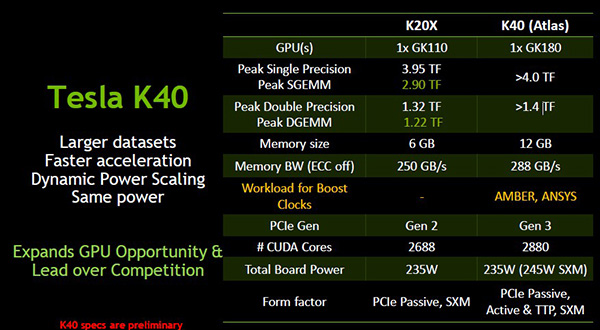
Other than powering our consumer PC gaming machines with the GTX 780Ti, Nvidia also has bigger fish to fry. Namely supercomputers and big data analytics. Their latest GPU “accelerator” is the Tesla K40, set to power scientific, engineering and enterprise projects as well as high performance computing.
The K40 provides double the memory and up to 40 percent higher peformance than its predecessor, the Tesla K20X. To put into perspective how relevant GPUs have become for supercomputing, the K40 is 10 times more powerful than the fastest current CPU.
The Tesla K40 features GPU Boost technology, converting power headroom into a user-controlled performance boost, allowing users to unlock extra power.
Nvidia has also announced plans to collaborate on GPU-accelerated versions of IBM’s range of enterprise software applications to the benefit of IBM customers. Combining IBM POWER8 CPUs with Nvidia’s Tesla, it’s the first time GPU technology goes beyond supercomputing and into enterprise-scale data centres.
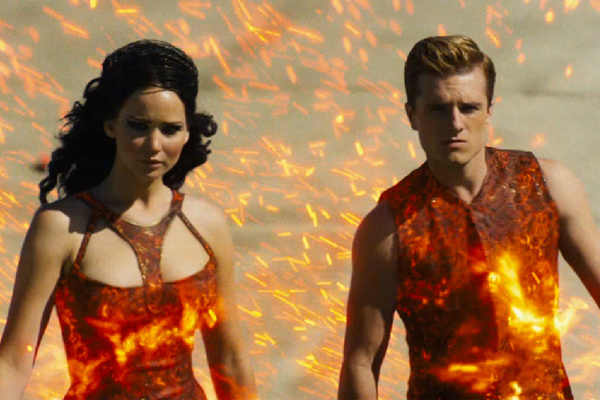
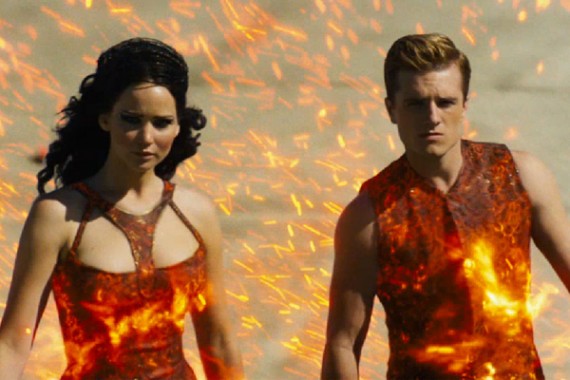
One of this year’s biggest movies; The Hunger Games: Catching Fire is set for release later this week, and you know what that means? That’s right, trivia time! The guys over at Event Cinemas George Street will be hosting one of their awesome and hugely popular trivia events centered on the girl on fire.
Event Cinemas Trivia Nights are always a ball, with a tonne of prizes to win, as well as getting you excited for the upcoming movie. The Hunger Games’ Trivia Night will be held on Wednesday 20th November at 10:15pm sharp. At the conclusion of the trivia, you will be able to check out the film at its midnight screening. Seats are sure to fill out fast, so to reserve yours send an email to [email protected].
Are you ready to offer yourself up as tribute and compete for your districts? Then if so, check out our Hunger Games Double Pass competition, but be quick because it closes today! The Hunger Games: Catching Fire debuts this Thursday November 21st, so be sure to stay tuned to Capsule Computers for all the Hunger Games news as it becomes available.
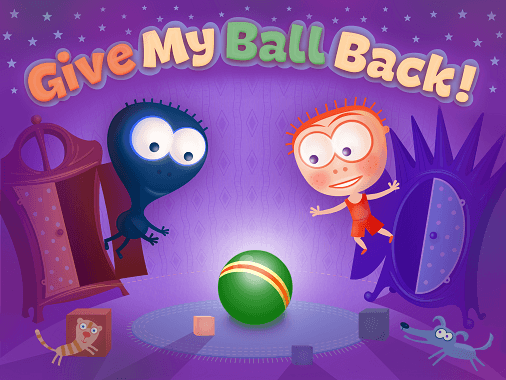
When we were kids we might have all shouted Give My Ball Back! at our parents or brothers or sisters, so now you can relive those wonderful memories with the latest iOS game by Nravo and Bulkypix. Give My Ball Back! is a casual puzzle game with the emphasis on… well giving the main character their ball back.
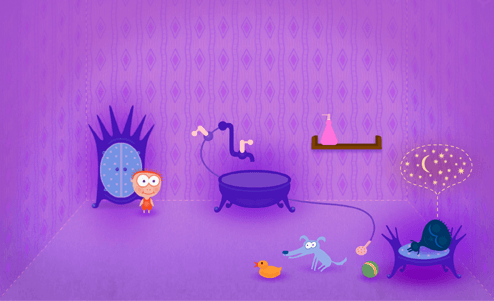
Players will navigate over 40 colorful and frenzied levels as they figure out how to give the curious Tobias his ball back after it mysteriously dissapeared into his wardrobe. Players alternate between Tobias and Moco, the mischievous shadow who lives in the world in the wardrobe, to recover the ball whilst dodging traps and trying not to get caught. Each scene has hidden stars which can unlock in game bonus levels.
Key features of the game include:
Fresh riddles and gameplay elements for each of the 40 levels
Colorful, appealing and original graphics
Nice humor and music
Find hidden stars to unlock bonus levels
You can check Give My Ball Back! out for yourself by watching the short trailer below. Keep an eye out on the App Store when the app drops on November 21st for the small price of 99 cents. Check out our weekly iOS game round up to see what other mobile titles you might be interested in this week.