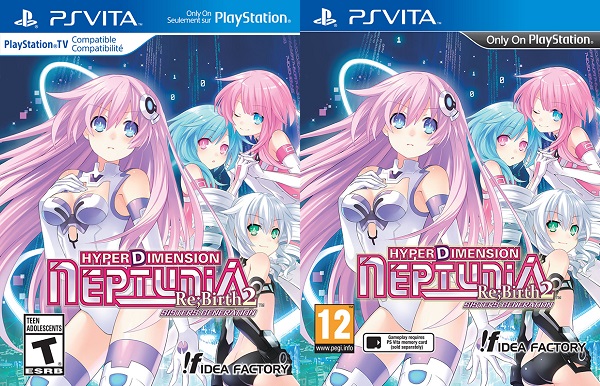
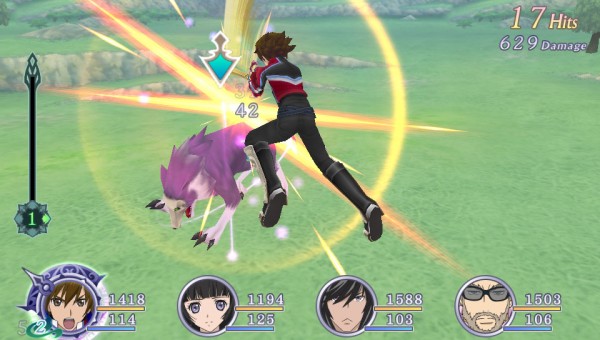
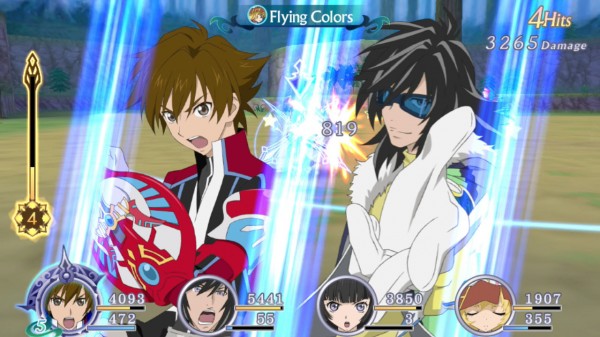
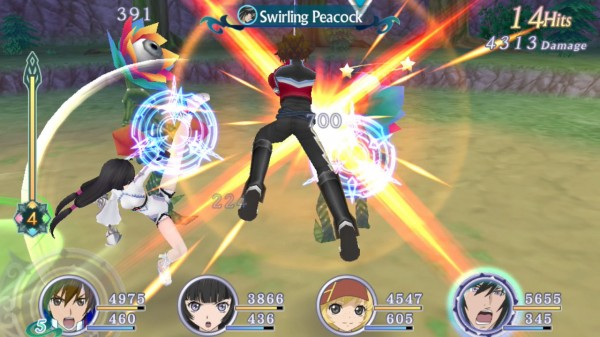
Idea Factory International has announced the release date for Hyperdimension Neptunia Re;Birth2: Sisters Generation in the West. The title will be released in North America on January 27th where it can be purchased either at retail or through the PlayStation Store while gamers in Europe can choose to download the game on January 28th or wait until the retail release on January 30th.
It is also worth noting that Hyperdimension Neptunia Re;Birth2: Sisters Generation will be compatible with the recently released PlayStation TV. For those unaware about the title, Sisters Generation is a remake of Hyperdimension Neptunia mk2 that adds not only a number of new playable characters but also a revamped battle system and additional story elements.
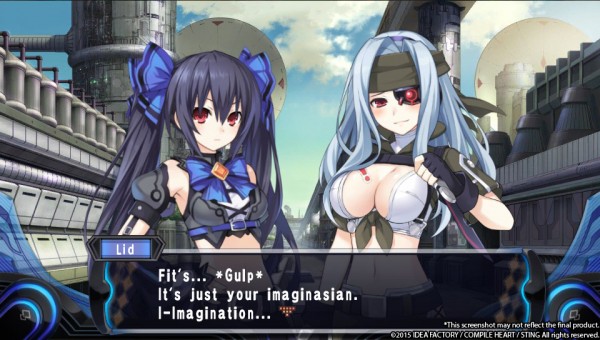
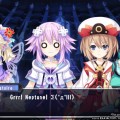
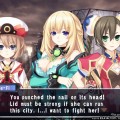
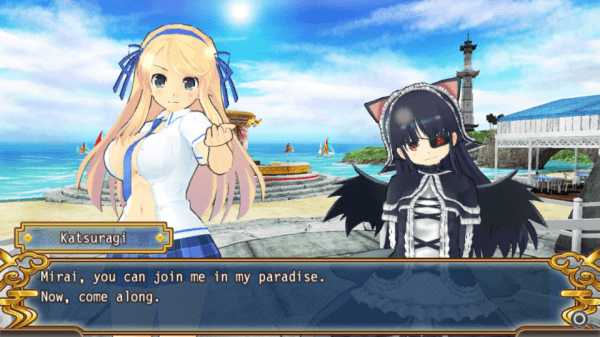
Recently Idea Factory International released the first English screenshots for Hyperdevotion Noire: Goddess Black Heart. The focus of these screenshots, which can be seen below, is on character dialogue and as you can see, a number of the newly introduced characters for this title are shown in these screenshots.
In case you can’t tell, all of the guest characters are homages to other franchises, including references to Dragon Quest, Metal Gear Solid, Agarest War, and more. Currently Hyperdevotion Noire: Goddess Black Heart is set to be released for the PS Vita in early 2015 where it will be available both at retail and through the PlayStation Store.
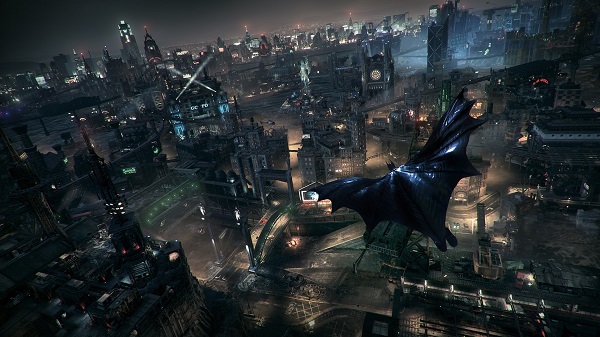
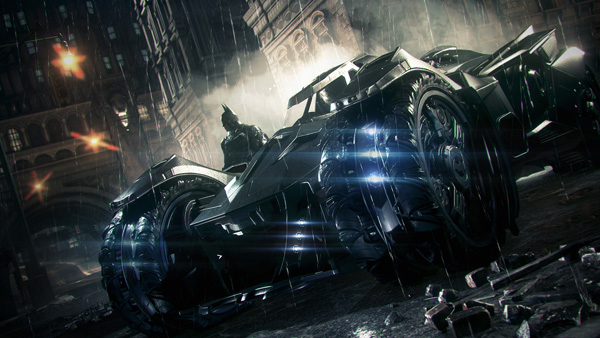
Warner Bros. Games has been very hush on news regarding it’s final installment in the Batman Arkham series but now they are starting to ramp up promotion for the game as it’s release date nears. Apart from showing some truly impressive graphics on what seems to be the PS4 build of the game, the new trailer focuses on the new Fear Takedown mechanic which seems to allow you to chain multiple take downs in predator environments, how the Batmobile integrates into combat seamlessly and also some combat which now seems like you can utilise the environment around you in take downs which is a great addition to the already acclaimed combat mechanics present in the Arkham series.
Part 1 of this three part trailer series also gives us some story details such as Scarecrow is the one using the chemical plant to gear up for his big attack on Gotham and that the games title enemy, the Arkham Knight will also be showing up at the plant. Warner Bros. has teased the next trailer reveal date and time for 9AM PST on the 1st of December. It seems like this next part will be available first at the games official website at www.batmanarkhamknight.com.
It’s hard not to be impressed with just how quickly you can switch between the Batmobile and Batman and just how destructive a force the Batmobile is, not to mention combat looks even more brutal and stylistic then it did in past games and the graphics speak for themselves. After initially being scheduled to launch this year, Batman: Arkham Knight arrives worldwide on PS4, Xbox One and PC on June 2nd, 2015 and a number of very cool collectors editions have been announced.
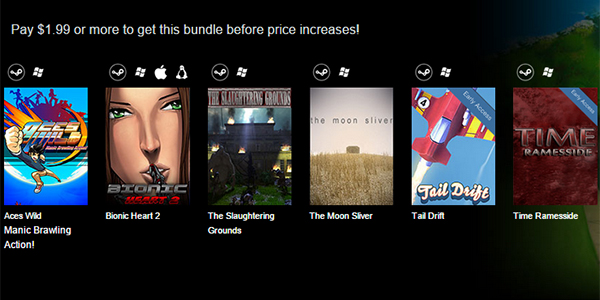
Aces Wild: Manic Brawling Action!– An aerial beat ’em up featuring a free form combat system that increases the difficulty of the game as your damage increases.
Bionic Heart 2– The sequel to the visual novel Bionic Heart, Bionic Heart 2 follows Tom, Luke and Helen after they escape to Mars and Tanya, who is still on Earth.
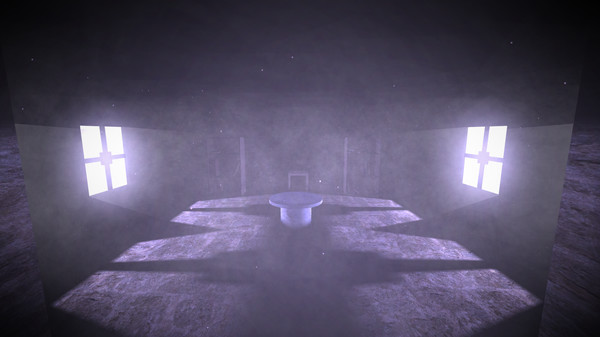
The Moon Sliver– Mix an exploration title with a little bit of horror and experimental storytelling, and you get the spine chilling yet beautiful The Moon Sliver.
Tail Drift– A fast paced racer featuring colourful planes. The Early Access title currently features 4 upgradable planes, 3 power ups, and 7 tracks.
Time Ramesside– Another Early Access game currently in alpha, an action-horror FPS starring Mark Faraoh after he wakes up in a prison without his memories. The world is now swarming with zombies, so it’s a good thing Mark has lots of guns and new magical abilities.
For the first 24 hours of the sale, the bundle is $1.99. Grab your copy at Indie Gala before the price goes up!.
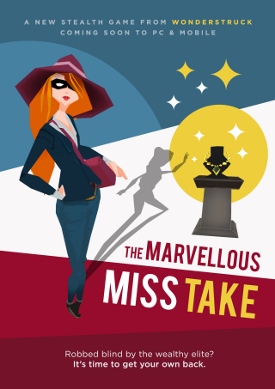
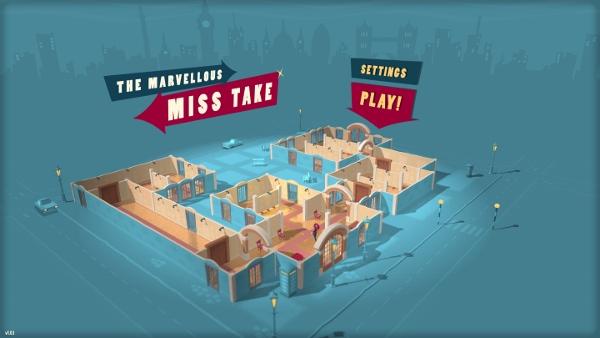
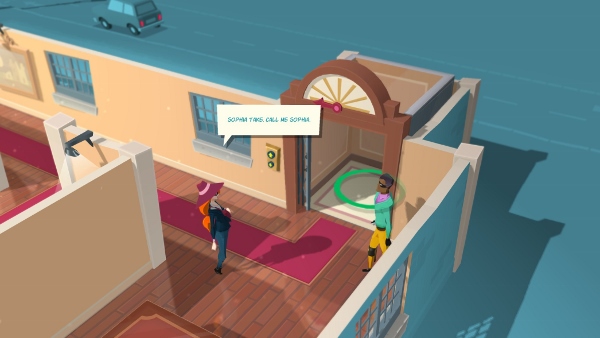
The Marvellous Miss Take is a left-of-centre heist / stealth / puzzle / action / casual / indie game (that refuses to stick to a genre). You play the brazen Miss Take as she navigates the private art galleries of London reclaiming what is rightfully hers.The game’s charm can be found in its cute humour, abundant quirk, elegant simplicity and inventive mechanics.
Story
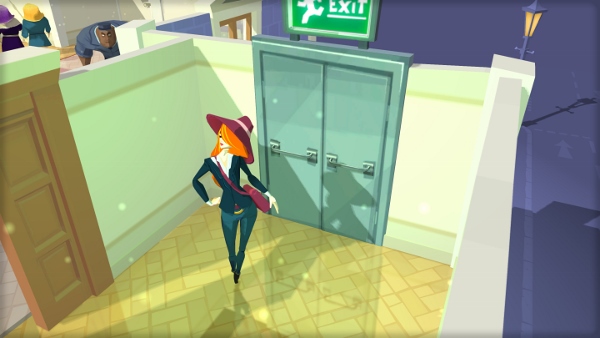
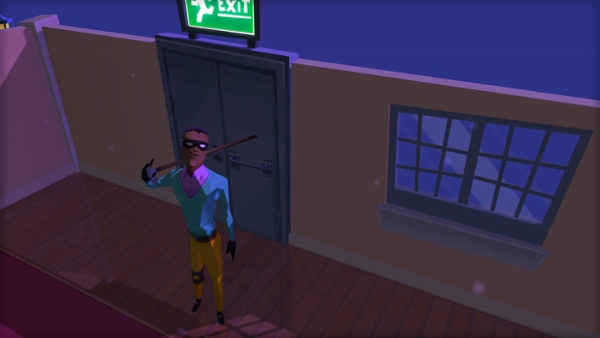
As per her will, the late Madame Take left her extraordinary art collection to her niece, Miss Sophia Take, so she would display the masterpieces for free available for the world to enjoy. However, Mr. Ralph Blackstone has managed to acquire the collection (under very suspicious circumstances) and sell the masterpieces to various private collectors. Sophia has now taken it upon herself to steal back what’s rightfully hers. While this sassy young red-head is quite capable on her own, she can’t say no to the help of master thief Harry Carver and pickpocket Daisy Hobbs.
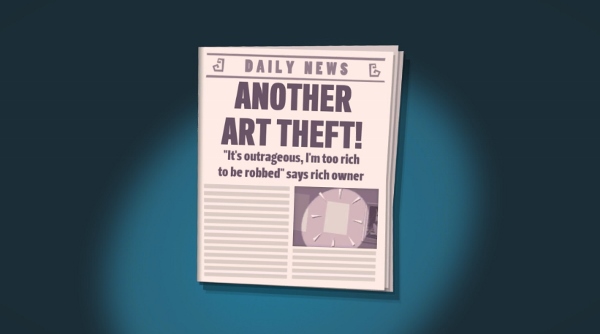
While the whole story feels quirky and cute, the storyline doesn’t offer anything extraordinarily original. The good guy does shady things for a noble cause: we’ve seen that before. However, the game was inspired by the true story of Dr. Albert C. Barnes as portrayed in the documentary The Art of the Steal (2009). The story doesn’t really offer any exciting twists or particularly substantial development in regards to the characters and plot. Honestly the most exciting turn of events is the loss of one of your companions… until you realise he has to reappear for you to complete the objectives necessary to move on to the next chapter. Sure, as you slowly take down the villain you receive some rather amusing newspaper updates, not to mention hilarious chapter titles such as “Show Me the Monet,” but nothing that drastically affects the overall story arc. You can also access a unique epilogue for each character, a very short (and a little predictable) insight into the thieves’ lives at the end of the game.
Gameplay
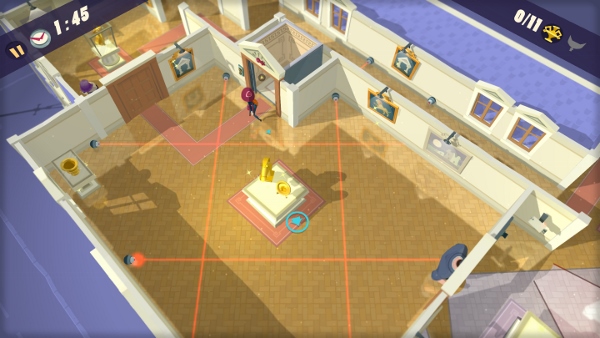
The idea behind The Marvellous Miss Take is simple: get in, avoid the guards, get what you need, get out. There are plenty of heist games with similar gameplay but there is something that makes this a little different.
What’s ingenious about this particular stealth game is the rather simple mechanics behind the guards. Put simply, their patrol paths are randomised. This forces players to think on their feet rather than sitting tight, making plans and waiting for the perfect time to strike. It also forces a stealth game to have an awesome action-type feel to it. My only complaint is that sometimes a level can become frustratingly difficult due to dumb luck. It’s all part of the game, but when your guards decide to corner you or stand right beside your spawn point, you can’t help but feel a little gypped.
It should also be mentioned that the entire game does not allow for violence. This means that players are forced to deal with all objects in their way without trimming them down to something more manageable. Not only is this style of play rewardingly challenging, but also a breath of fresh air. Similar games generally provide the option of taking down enemies in ways that may involve shooting them with broadhead arrows (as in Theif) or stabbing them in the head before impaling them (as in Styx: Master of Shadows). Sometimes it’s nice just to get in, steal some art, and get out. Otherwise known as, according to Wonderstruck, the “wits not fists” approach.
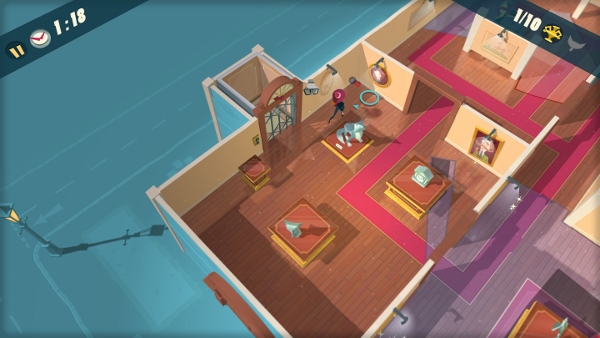
In addition to the guards, you’ll also find yourself navigating around video cameras, lasers and guard dogs. The dogs are particularly interesting. While they can identify you by sight and sound, a more limited version of the guards’ abilities, they can also smell you. Once they find your scent they will follow your footsteps around until you speed up enough to escape their range. This added layer brings a welcome challenge that stop players simply hiding out until the coast is clear.
To help you avoid sticky run-ins with guards and their dogs, you can use a variety of gadgets as well as your own body too manipulate and avoid them. Walking in their field of vision or whistling can attract a guard’s attention as you prepare to slip around a corner and move in another direction. The Marvellous Miss Take also offers a variety of devices including smoke bombs, a ‘bouncer’, teleporters and noise makers. Sophia is only allowed one such device per level (if you receive one at all) demanding that the player learn to use all types of gadgets. It also aids in streamlining the games controls. Controlling your character is elegantly refined, needing only your mouse: the left button controlling all aspects of your avatar while the right activates any available gadgets.
Sometimes, whether it’s due to a dog sniffing you out or a laser catching your leg, you just have to make a run for it. You’ll never get far. For big guys, the guards are much faster. They are, however, idiots. If you get behind a wall (or small pedestal) and quietly hide out, you may just make it out alive. Heck, if you’re in the right place, slowly creeping around a table in circles can serve the same purpose. You can even break into a masterpiece and hide behind the broken case without a guard every suspecting a thing (when he finally dawdles over to check it out). Whatever technique you do decide to use, make sure you don’t leave your hat behind…
Apart from intended obstacles in The Marvellous Miss Take, also keep an eye out for those pesky bystanders. They’re not supposed to cause trouble (unless they see you trying to break into a masterpiece – then they’ll grab a guard) but every now and again they insist on being a part of the action. Maybe you’re hiding behind a table, avoiding the camera looming overhead. There’s a laser behind you and a guard just to your left. You think you can wait it out… until John Smith saunters through wanting to walk through the exact spot you’re sitting in. You’ll mutter curses under you breath but he doesn’t care. I swear he’s secretly smiling when he pushes you into the line of fire. The worst part? Gallery visitors like to gather around whatever art is left and, while these occurrences are admittedly rare and far between, they tend to happen right at the end of a level. Then again, guests to tend to make up for it when they conveniently stand in front of lasers making your job considerably easier. Just pray they don’t move.
So far I’ve talked about the main campaign which is available while playing the one and only Miss Take. While Sophia is a joy to work with, both Harry Carver and Daisy Hobbs offer unique gameplay experiences. While they manoeuvre through the same maps as Sophia, you’ll find some extra closed gates and a few changes in obstacles. Harry provides a slower style of play, mainly due to his inability to run. He cannot use the normally accessible devices yet owns his own unique ‘bouncer’ gadget. This said, his incessant need to never leave it behind combined with it’s relative uselessness makes makes it barely worth your while. However, he only needs to steal three paintings before making his escape. Daisy is much faster. She runs more quietly, can stand closer to guards without being noticed and is faster than the other characters. The catch? She can’t use gadgets, she’s required to get close to guards in order to pickpocket them and will almost always send the authorities running in her direction as she opens safes. Being the impatient person I am, I prefer this faster form of gameplay, but it really comes down to personal preference.
The levels tend to move at a good pace, becoming more difficult with each chapter. The Marvellous Miss Take walks you through the controls easily enough (without being painstakingly obvious) and introduces you to each character and their abilities appropriately. Around chapter three, the game seems to have a steep jump in difficultly, but players should be able to stick it out and cope with this. To advance, Sophia must complete each level in order. This becomes increasingly frustrating as the levels become more arduous. Large amounts of patience and tolerance is required to complete the campaign. Taking breaks and reaching checkpoints also aid in relieving some frustrations. The other two characters don’t have to work in this linear fashion, although can only access levels already completed by Sophia. As the difficulty of each level is more sporadic for these characters, it’s a relief to have the ability to jump around a bit.
The Marvellous Miss Take also caters for those desiring an extra challenge. Firstly, players can strive to complete each level with every character, unlocking the unique epilogues. If this isn’t enough, there are Steam achievements to be earned and extra objectives to complete including collectable, time and stealth challenges.
Visuals
The visuals of The Marvellous Miss Take can be described as bright, fun, distinctive and unique. The modern cartoon (almost comic book) aesthetic of the world oozes with indie vibes, utterly matching the characters existing within. Each level and character sports its own sleek and stylised design, bringing out the personality in each location and avatar. There’s no need for insane graphics that push your machine to its limits. Hey, it’s not like they perform perfectly all the time anyway (just take a look at the glitches in Assassin’s Creed: Unity). What works here is the strong design concept consistent throughout the game.
Audio
Stealing art is way cooler when doing so to laid back jazz. I would go so far as to say if anyone asks you to steal art to music that doesn’t involve scatty flute solos and improvised piano, you tell them to find someone else for the job. While there isn’t a huge variety in the soundtrack, you barely notice. The few in game sound effects, a dog’s sniffing or a guard’s warning shout, gives you just enough information about your surroundings to prove useful. It also helps as a reminder that you’re never totally safe, keeping you on your toes. The sound effects also carry an exaggerated, cartoon-like quality perfectly complimenting the visuals of the game.
Overall
My time with the marvellous Miss Sophia Take has been a pleasurable one, if a little frustrating at times. The simple but ingenious game mechanics aids in creating an adventure that’s rewarding and unique: a true indie gem. While the story isn’t the most original or thrilling, the game sports a selection of quirky (if uncomplicated) characters that are hard not to love. Additionally the stylised design and matching sound track all help in the creation of a world that’s a humorous, a bit different and easy to enjoy. The Marvellous Miss Take also earns its success through its ability to offer something to all sorts of gamers, no matter their level or preferred style of gameplay.
Capsule Computers review guidelines can be found here.
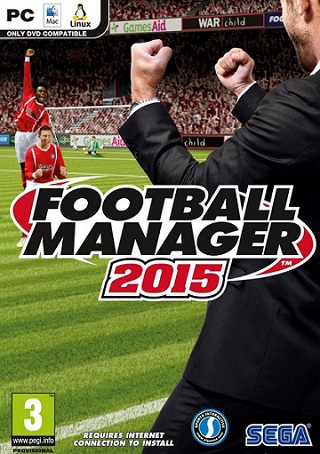
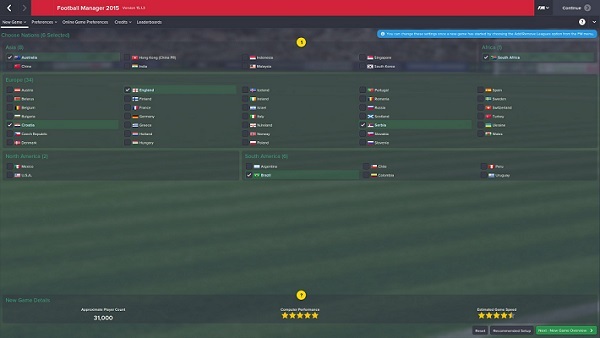
The Football Manager (FM) series has become a staple of the sports simulation genre and has been around for close to a decade. In that time, it has developed a strong and dedicated following whose passion for the game manifested in the extensive guides I had to employ to learn to play this game. This review is not targeted to them, although you can certainly still enjoy it, as I doubt the opinion of this humble writer would be able to sway the opinion of such a dedicated a fanbase. Besides that, I’m not a regular consumer of sports games and this is my first foray into FM so I cannot provide a comparison to previous games in the series. Instead, I will provide analysis and a critique with my outsider observations. So if you’re interested in hearing my thoughts on Football Manager 2015 and maybe getting some tips on how to introduce friends to the series, read on.
Story
This game is a hardcore simulation of the behind-the-scenes machinations of the cut-throat world behind championship soccer. It’s a game which revels in the cold calculations of number crunching behind the world’s “Beautiful Game”. There are certainly narratives to be explored with you transforming the quintessential underdog team into champions on the world stage or rising up from obscurity to take your rightful place as the world’s top soccer coach. These narratives are created by the player, with game solely providing a canvas upon which the player can connect the various dots.
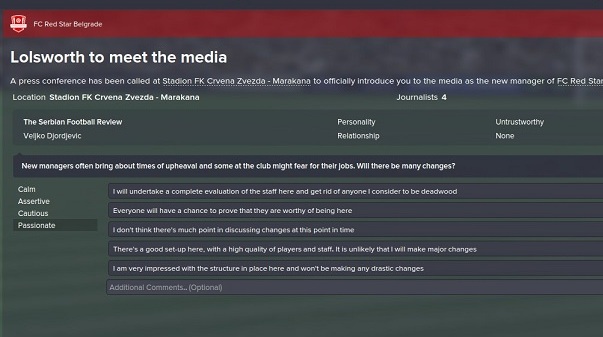
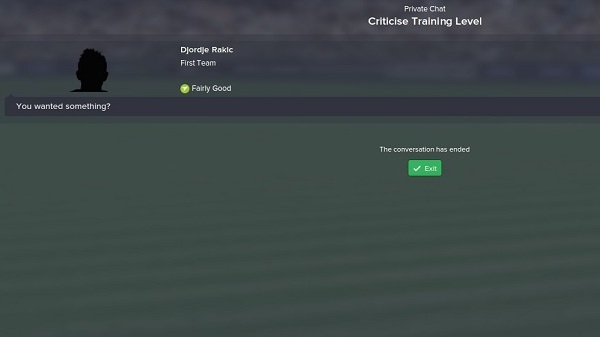
The closest the game comes to providing a narrative to the player is with dialogue trees which the player can use in dealing with players, media, and club officials. The various dialogue options can further be altered by choosing the tone which a player will take such as ‘assertive’ or ‘passionate’. The options are meant to have various effects depending upon the context and disposition of the personas you’re interacting with. Most of the time, I found that I got the best reactions from players and media by simply choosing the positive, passionate responses. There is probably some greater nuance which I’m missing to these interactions, but I ended up playing most of my time in the game as a very happy-go-lucky manager. There were also several instances where I did not appear to have any options and simply left the conversation as soon as it started…
Gameplay
Right off the bat I will say this: Football Manager2015 is the deepest simulation of anything I have ever encountered. The sheer breadth that this game can cover is amazing and a testament to the engine which runs it. Depending on the power of your hardware, you can have the game simulate a world with tens of THOUSANDS of players, coaches, and support staff with their own individual desires and abilities. This kind of intense number crunching is the very essence which defines computerised strategy/simulation games from their boardgame counters parts. All of these numbers are tied to a real-world analysis of players and staff in the current world of International Football.
Into this mass, you play as a football coach with varying degrees of skill and responsibility. The game gives you your own character to play, with your own sets of skills and stats. It balances a stronger coach with higher expectations from the club board, so it’s still fair to play an international level coach playing with a minor league team. The player is also able to mediate the amount of micro-managing that they deal with by assigning certain tasks to support staff to take care of.
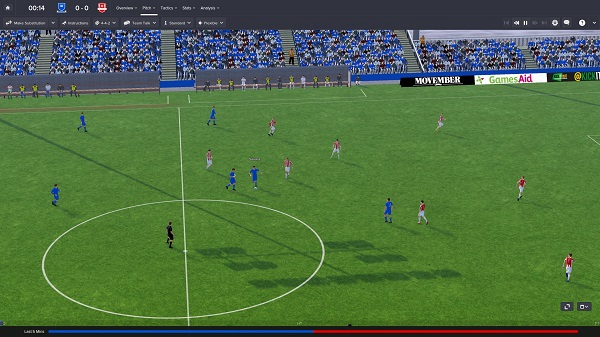
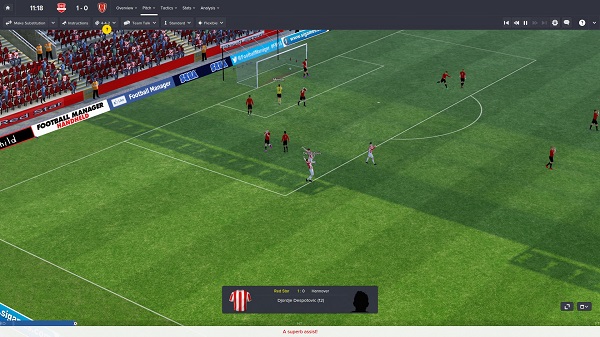
Your efforts culminate with the matches that your team plays, which are played out for you by the computer. There is limited input in these sections, with the player being able to determine tactics and give more specific instructions about how to engage the match, but largely the match is determined by the actions and efforts which came before. This game is reverent of the world of soccer which, when combined with the calculated simulation aspect of the system, allows a soccer fan to take on management of their favourite teams and lead them to glory.
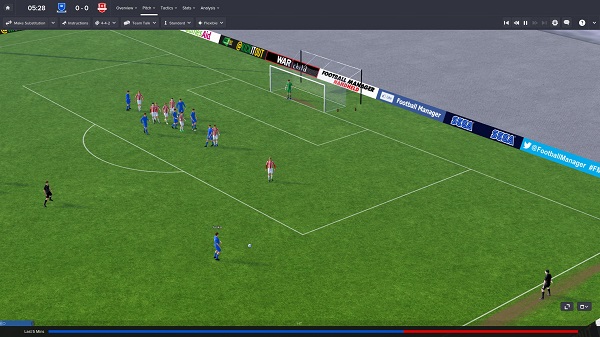
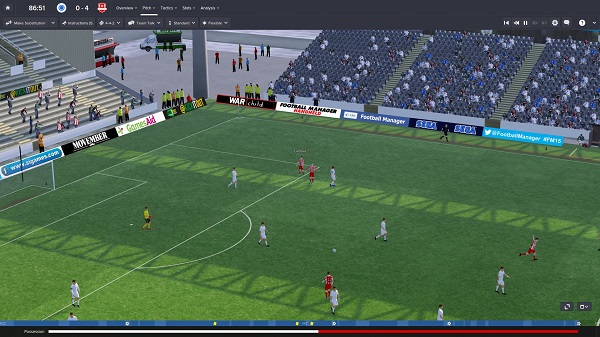
The matches are as fun to watch as any real world soccer game and at several points I did yell abuse and cheer at my screen when my team was appropriately terrible/good. I quite enjoyed these moments but the problem is that they were few and far between. I spent most of time dealing with the fairly clumsy UI as I dealt with various aspects of running the team. For me, I felt overwhelmed by the decisions the game was giving me as I had no frame of reference for what my actions would result in.
This game lacks a tutorial to help new players gain a basic understanding of the game mechanics and the various decisions they would be making. The game does have tooltips which can be turned on or off to help give some explanation, and alongside this the AI of the support staff will give recommendations on various actions. Even after reading guides and watching playthroughs, I still had to rely heavily upon the advice of the AI as well as delegate most duties to my assistant coaches. The point of this game is intense number-crunching with the player deliberating over various decisions, but it needs to do more to give new players an understanding of the weight and consequence of their options beyond a simple tooltip.
What I’d recommend for new players beyond simply engaging in extended ‘trial-and-error’, is to delegate most activities to your support staff and then learn each aspect of the game one-by-one. This will hopefully take some of the pressure off while you’re learning the ropes and you should eventually end up with a more holistic understanding of the mechanics as you learn.
Visuals & Audio
The visuals and audio in this game are mediocre. The UI is not particularly aesthetically appealing although there are a number of skins which players can import to mitigate that. The matches themselves are also similarly mediocre with passable graphics. The animations for the players are actually quite good but at times the animation can play out awkwardly in a tackle or with a player almost waddling across the field. There are no ambient sounds or music when you are outside of a match and I resorted to listening to the radio to keep me company while I planned out the future of my team. Matches themselves are largely dominated by the cheering of the crowd which grows in volume as plays are made and teams score goals. With these areas deficient, it’s fairly easy to assume that most of the effort for this game went into mapping and populating the deep simulation of the game.
Overall
There is a lot to overcome in this game. The steep learning curve, the clunky UI, and the long-term nature of the game mean that it takes a significant investment of time and effort to play it properly. I had to ask for an extra week to work my way through a couple of seasons and even now I feel like I’ve just barely gotten a handle on it. But this game certainly has its appeal as well and can sucker you in if you’re willing to put in the effort. There’s no feeling quite like coming out on top in a league which your team played hard to win… except for maybe winning a sports league in real life (I wouldn’t know). Overall, this game is really quite fun to play but that fun does not come easily or without cost…
Capsule Computers review guidelines can be found here.
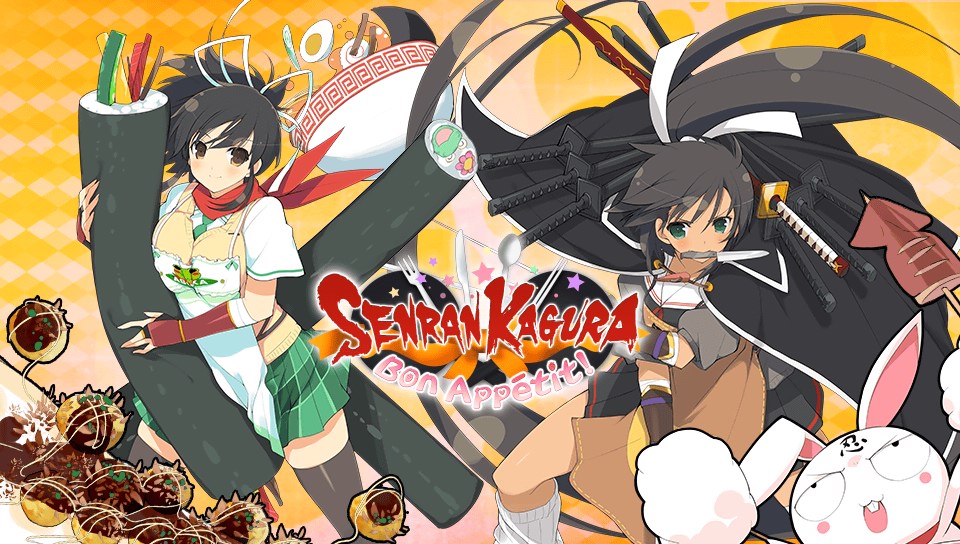
Overview The Senran Kagura series is something that gamers thought may never make it overseas and now here we are with the spin-off rhythm cooking game Senran Kagura: Bon Appétit!. While previous games were always packed with plenty of buxom beauties, exposed underwear, and convenient nudity censorship, the titles also had satisfying combat mechanics to keep things in balance. Now that the shinobi of Senran Kagura have put down their weapons and stepped into the kitchen, is Senran Kagura: Bon Appétit! a title that fans should acquire?
Story The legendary ninja Hattori Hanzo has proclaimed that a Secret Ninja Art Scroll capable of granting one wish of the user’s choice will be awarded to the shinobi capable of creating the Secret Ultimate Dish. Sounds like serious business, but don’t worry it isn’t anything like that at all because it is more like Hanzo is simply hungry and bored and wants to raise a little hell with the help of his disciple Kiriya who seems to be quite different at the moment.
As such he has advertised that such a scroll will be given to the victor of a cooking battle and the girls of Senran Kagura have all taken the bait for their own reasons. In this base game, the girls of Hanzo Academy and Homura Crimson Squad are all included and Hanzo couldn’t be happier as he is able to not only enjoy some delicious cooking, but also quite a show.
Now in the game each character will have her own unique story mode that will unlock special accessories and costumes as well as some visuals. These story modes range from ridiculously funny to just plain funny as none of them are meant to be taken seriously. Each story is told through a visual novel type narrative though only a few actual dialogue scenes populate each of the girls’ story modes as most of it is simply setting things up and then delivering a punch line at the end.
The barrage of humorous and racy jokes is upped immensely in Senran Kagura: Bon Appétit with constant food references and other bits of dialogue being double entendres. Everything is sexually charged as the girls talk to one another, barely veiling some of their flirtier or perverted attitudes, and it creates a hilarious experience that fans of the Senran Kagura series shouldn’t have it any way and neither would I as I found myself laughing constantly in-between cooking battles and simply enjoying the ride.
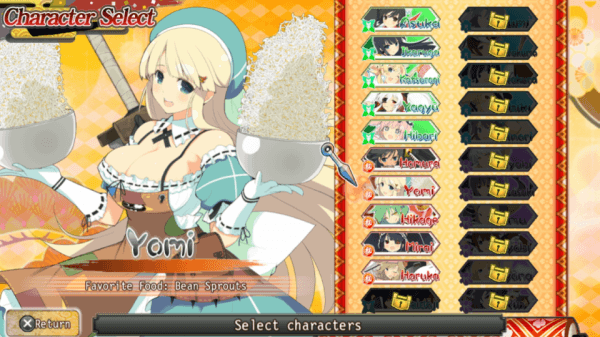
Gameplay Now once you do select a girl, either for the game’s story mode which consists of a number of cooking battles in a row interrupted by a few dialogue sequences, an arcade mode featuring another set of back to back battles, or free mode allowing players to choose who they will play as and who their opponent is, you will then begin a three part cooking battle.
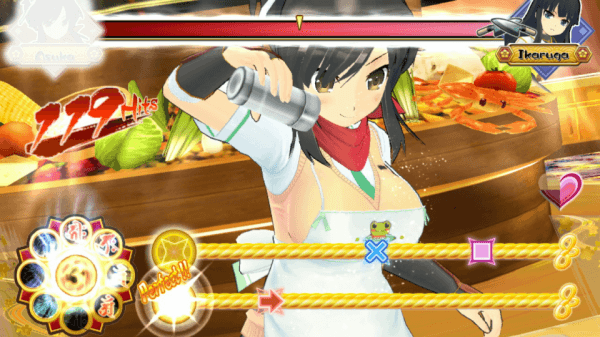
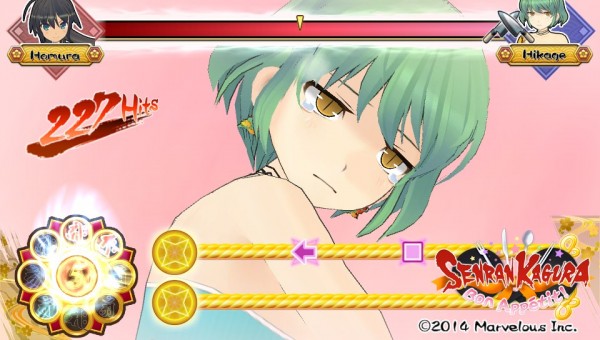
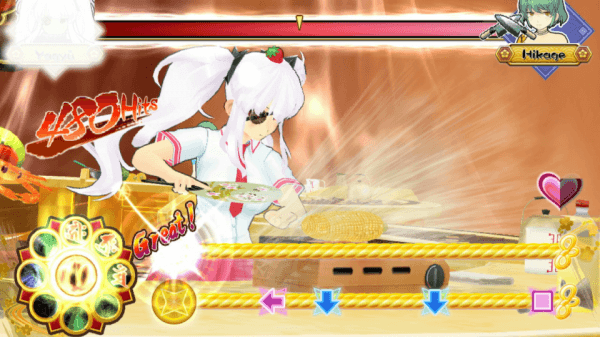
The food that is prepared is determined by what character you will be facing off against, though all of the food is handled the same way as players will need to tap buttons as they are shown to you on the bottom of the screen. There are two lines that buttons can appear on and this includes both D-Pad directions as well as the face buttons and while some notes may simply require the player to tap it once, others will need to be held until a certain point or tapped numerous times within a certain limit to finish. The closer each button is to the proper point the better score you will be given, which is to be expected, and it is worth noting that the more notes you successfully complete will build up a “combo” that can then unleash your chosen girls’ shinobi skill. These skills are all the same and do little to actually change the visuals of the game as they simply help you earn more points while also burying the chances that your opponent has to come back in round as the skill will stay active until you miss a note. Despite sounding easy, the harder difficulties can be incredibly difficult on specific songs as they mix together the directional buttons and face buttons to such an extent it can be one hell of a challenge to complete, especially since there are two lines to worry about.
With each battle being a three part affair, each part is split into a taste testing by Hanzo where he will pick the winner of that part. This is chosen by a colored bar at the top of the screen pushing into the loser’s side of the screen and is determined by how accurate you are with the notes. Each round won or lost will result in the losing party suffering from ripped clothing. This means that by the end of the second round you can have your opponent stripped completely to their underwear and if you manage to pull off a complete victory in the final round, she will be stripped completely naked with chibi versions of her face covering her nipples and a bar of light covering her lower part.
It is also worth noting that doing well in the earlier rounds will fill up a heart meter that, when full, appears as an extra note in the song that, if activated, will zoom the camera around your opponent as she continues to cook. The camera puts emphasis on your opponents “life and hometown” and while there are two angles that the camera can take, it appears to be random which one will trigger.
If you have managed to obtain a perfect victory, you will be awarded something a little extra as your opponent is then placed in a situation where she is served up as a desert, covered in chocolate syrup, whipped cream and more to be as sexual looking as possible without going over the line. Each girl has a different pose and this is certainly a game that does everything it can to deliver that extra bit of service to the player.
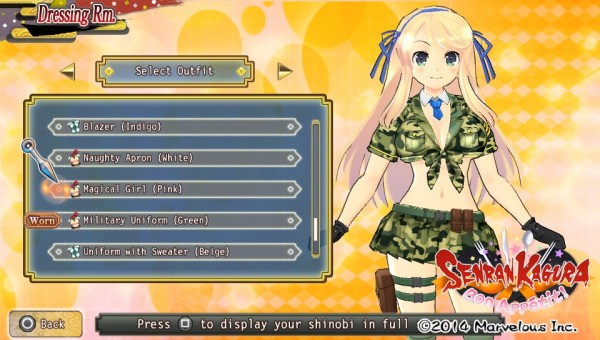
This is continued into the dressing room where players can unlock countless different accessories, outfits, and underwear to dress up their favorite girls. There is so much to unlock in the game and so many different combinations to put together that fans will have a lot to unlock. Of course for those looking to be a bit perverted, the touch screen and gyroscope can be used to provoke the girls.
Visuals Since Senran Kagura fans in the West are getting Senran Kagura: Bon Appétit! so soon after Shinovi Versus, you may notice that the character models have been improved a slight bit over SV, but for the most part they will look the same as you remember with quiet a lot of customization available. By using the dressing room you can change the outfits that each character will wear while she is cooking and even the underwear she will eventually be stripped down to.
The cooking sequences change depending on the item that is being made at any given moment and some of the creations that come out of the final round are quite ridiculous looking and they match perfectly with Hanzo’s euphoric reactions to eating the winner’s food.
Audio Although the gameplay is tight, the graphics are gorgeous, and there is plenty of service to be had for fans, Senran Kagura: Bon Appétit! is unfortunately rather weak when it comes to the songs on offer. Since each girl offered in the game has their own song, there are only ten songs available in this basic version of the game and among them only a couple of tunes actually have lyrics where everything else is simply an instrumental.
While a few of the songs do sound nice and there is a wide-range of genres available, including a Christmas sounding tune, the offerings end up being sadly forgettable. Many of these songs feel like the type of background music you would expect on a menu or as a theme rather than an actual song you would play a game to which is disappointing.
Overall Senran Kagura: Bon Appétit! offers a game that only fans of the series would love but there is plenty here to love. While it is unfortunate that the songs are of lower quality than one would expect for a rhythm game, there is a nice challenge here for those looking for it, plenty of content to unlock, and of course more humorous storylines involving the cast of Senran Kagura to enjoy. With so much lewd content on display this may not be a game to play on the go, but it is a title that Senran Kagura fans will definitely enjoy.
Capsule Computers review guidelines can be found here.
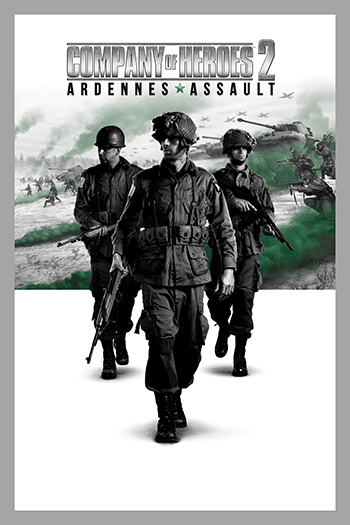
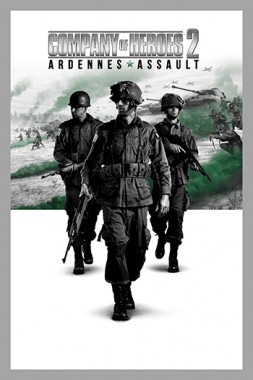
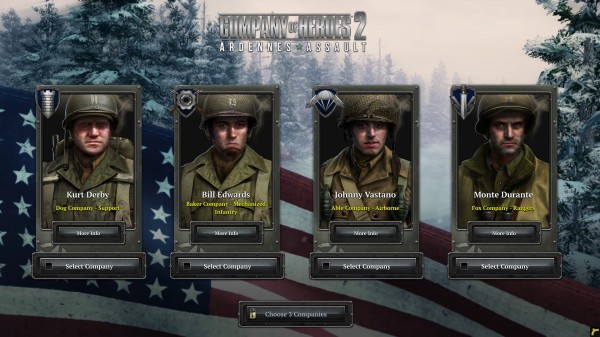
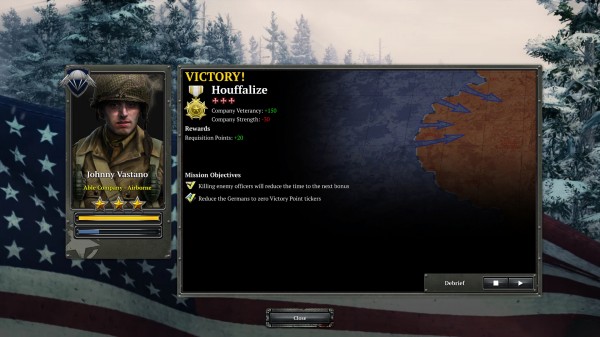
Company of Heroes 2: Ardennes Assault is the second expansion pack for Company of Heroes 2. The pack is standalone and does not require the base game. The first expansion pack introduced the western front armies to multiplayer matches. Ardennes Assault follows up with an 18 mission long single player campaign. Players are given command over three companies, each with unique abilities, to tackle the missions in whatever order they choose.
Story
Company of Heroes 2: Ardennes Assault takes players to the winter of 1944. The Nazi army launched a daring offensive through the Ardennes region in hope of splitting the Allied forces in half and turning the war around. Now the three companies are tasked with repelling the assault and recapturing lost territory. The plot loosely retells the events of the Battle of the Bulge. Most of the story is told through the cut scenes before each mission and the debriefing provided by the company’s commander. The cut scenes are made to mimic the war time news reels shown back in the US, while the debriefing are read out by the company commanders and differ depending on the commander.
Relic Entertainment does a great job with Company of Heroes 2: Ardennes Assault’s writing. The news reels perfectly replicates the real thing, using the correct language and the patriotic tone that glossed over the horrors of war for the viewers at home. The debriefings help build characters to actually care about, something missing in many RTS titles. Young Lt. Vastano is clearly out of his element typing up his after action reports, after being thrust into handling the bureaucratic matters following the disappearance of his CO. The grizzled WWI veteran Capt. Derby prefers to decompress after the battle by confiding in the company chaplain, while the young upper middle class Capt. Edwards contends with US Army censors as he writes home to his father. The small details are not forgotten by the writers. Units chatter among themselves, respond to commands, and alert commanders of current events. The lines feel torn out of Saving Private Ryan and other classic WWII flicks.
Gameplay
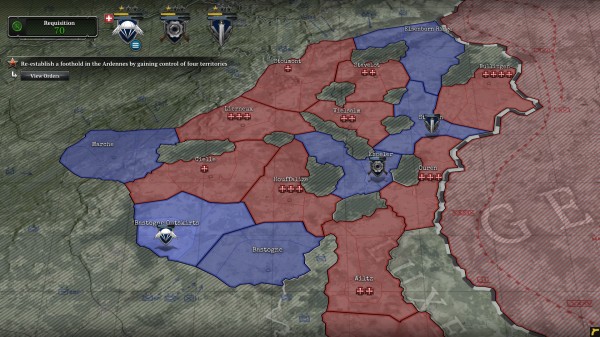
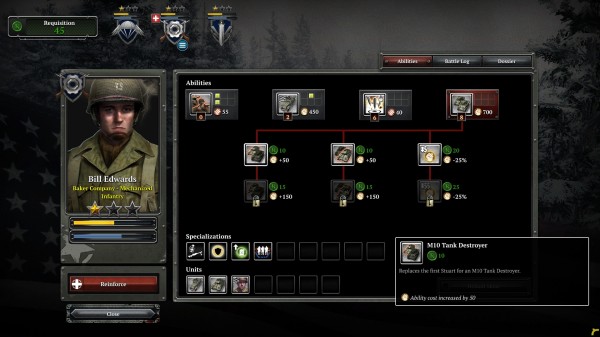
Company of Heroes 2: Ardennes Assault is composed of two phases. The campaign map will have players moving their three companies around the Ardennes region, attacking German held areas. During this time, players can spend requisition and experience points to add reinforcements to their companies and upgrade each company’s special commander abilities. Bringing in new troops will cost experience, so veteran levels and company strength needs to be balanced at all times. This forces players to be mindful of their units, as losing too many units in the early part of a game may result in being placed in a difficult position later in the campaign. A company that loses their company strength will be wiped out.
Although the campaign is open ended, players will probably tackle batches of mission based on difficulty. As Nazi troop levels rise, the AI will have access to extra resources and will put up a harder fight. Once a map is defeated, the surviving Nazi forces will attempt to flee to the closest German stronghold, possibly increasing the difficulty in the next round. As players move around the main map, special events may trigger, encouraging players to attack a certain map due to weakened enemy strength or promise of a new unit.
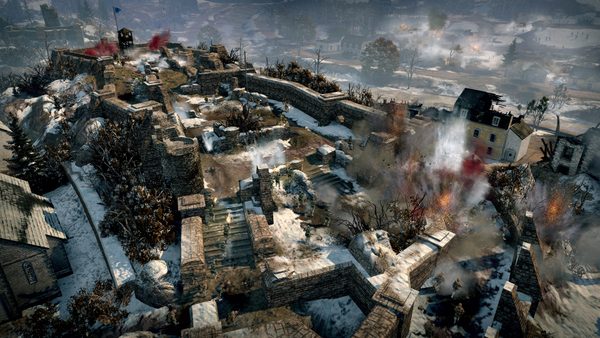
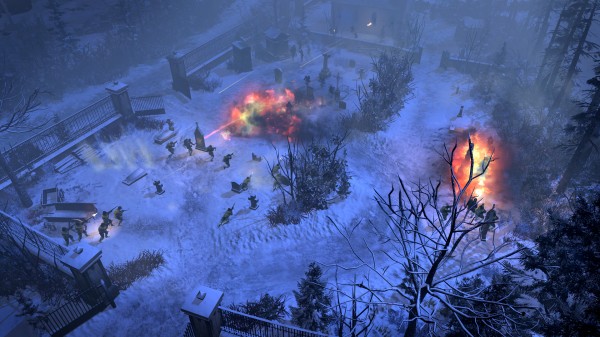
Company of Heroes 2: Ardennes Assault focuses on the tactical combat on the unit level. Base building is practically non-existent, with each commander getting a small base right off the bat. Higher level units in the tech tree are unlocked by summoning an officer unit to the battle. Infantry units serve as game’s bread and butter, as many can be armed with light machine guns, grenades, and anti-tank bazookas. They can even hop into disabled vehicles or take control of abandoned heavy weapons left by enemies. There is a strong emphasis on combined arms tactics, as vehicles are ever so weak against infantry manned anti-tank guns and bazookas. Smart commanders will need to micro-manage units to maneuver them into cover. I found the AI was ok at taking cover, but could not reposition themselves behind new cover to respond to a flank attack or jump behind nearby cover beyond a certain range.
The game benefits from the fact Company of Heroes 2: The Western Front Armies was released over five months ago. The units are balanced very well. Battles require commanders to create well-rounded squads that have their weaknesses covered and encourage players to create opportunities to gain the upper hand by targeting enemy vulnerabilities. Send in tanks without support and they will get slaughtered by anti-tank guns, but send in riflemen with grenades into the same built up area to quickly destroy anti-tank guns will allow their supporting tanks to roll into the base and slaughter the enemy with ease
There is a decent variation to mission objectives. Many of them start as a capture and control type mission, with randomly generated optional objective or two added for good measure. However, Company of Heroes 2: Ardennes Assault is at its best when creative curve-balls are thrown into the works. One of my favourite missions was a spin on the capture and control. It sent me racing around the map in a desperate attempt to capture airdrops randomly dropped around the battlefield at set intervals, while both the enemy commander and I were being choked out of resources at an alarming rate. The randomly generated optional objectives are not nearly as interesting. They all boil down to going to a certain part of the map and collecting intel, killing a VIP, destroying a crippled tank, or rescuing pinned units. They become very predictable after the third or fourth mission.
For the most part, Company of Heroes 2: Ardennes Assault is very stable, but it is not bug-free. I experienced a very serious bug in Company of Heroes 2: Ardennes Assault that caused a two maps to not load at all, making me unable to complete the game. The remaining were all minor things, like AI running around back and forth in small on rare occasions, clearly unable to decide what to do or how to get out.
Company of Heroes 2: Ardennes Assault is a standalone expansion pack, but Steam will install the entire Company of Heroes 2 game. When booting up, players will get the full menu, but those only owning Company of Heroes 2: Ardennes Assault will only have access to Single Player Campaign menu and the options menu. The rest of the menus will advertise the other portions of the game that can be purchased. Company of Heroes 2: Ardennes Assault launched with a day one DLC that locked the Ranger company out, unless players were willing to fork over an extra $4.99 USD or pre-order the game. Frankly, I am not too thrilled at the idea of locking out an entire company behind a paywall on day one.
Visuals
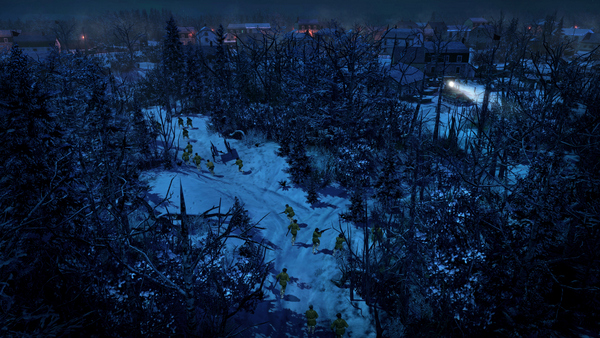
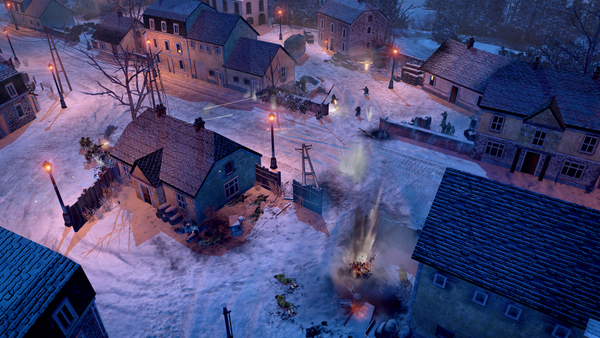
Company of Heroes 2: Ardennes Assault is still looking good, almost a year and a half since the base game was originally released. As an older game, the minimum specs aren’t too high and the game ran well on my computer. I love small details like how each infantry units have members who will die as the unit take damage. The maps are populated with lots of objects, giving infantry units plenty of places to take cover and keeping the maps looking lively. The animations are solid and the UI fits perfectly with the WWII theme.
Audio
The voice acting in Company of Heroes 2: Ardennes Assault is solid. The accents are mostly spot on, though there are a few rough spots. The sound effects sound great and the music serves as a nice backdrop to the game.
Overall
Company of Heroes 2: Ardennes Assault is a solid single player campaign. The units are balanced well, the missions are interesting, the graphics are lovely, and the sound design is solid. The 18 missions are too short for $39.99 asking price, especially since the multiplayer Company of Heroes 2: The Western Front Armies expansion is not included. The replayability rests only in the higher levels of difficulty, as the randomly generated optional mission goals and playing the same maps in different orders, which make the high price even harder to swallow. Ardennes Assault is worth picking up, just at a lower price.
Capsule Computers review guidelines can be found here.
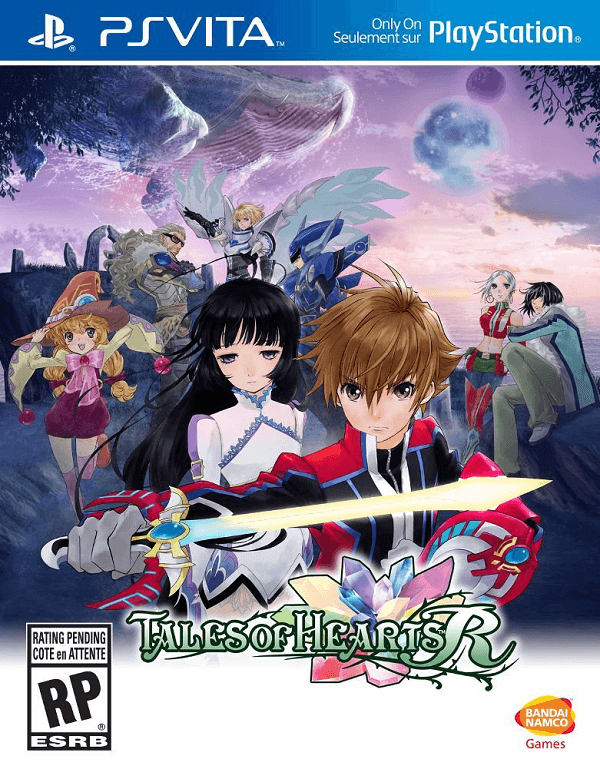
Overview Over the last few years, nearly every JRPG announced for release in Japan has managed to make its way overseas, regardless of how niche it might be. As such thinking that an established franchise such as the “Tales of” series would pass up a worldwide release is more than surprising. However back in 2008 and the year prior, a number of Tales games did not see a Western release in any form. Now with Tales of Hearts being remade for the PS Vita and Bandai Namco listening to fans of the franchise, Tales of Hearts R has been released in the West.
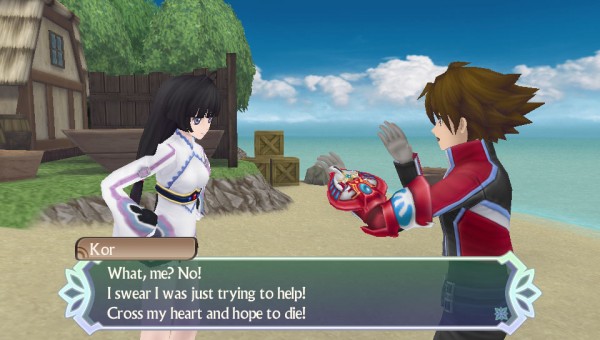
Story A young girl named Kohaku and her brother Hisui are on the run from a witch and while they are trying to escape, they manage to find their way to an isolated village where the oddly named Kor Meteor lives and trains with his grandfather. When the pair arrive in the village, Kor manages to help Kohaku and Hisui fend off the witch’s attacks but in the process his grandfather is murdered and Kohaku’s “spiria” is heavily damaged, causing shards of it to scatter around the world.
A spiria is basically a crystal like item that holds the emotions of the owner and can also be used to power weapons called “Soma” which is one of the few methods to defeat monsters which have begun flooding the land. Since Kohaku’s spiria is now shattered,Kor joins up with the two in order to restore her personality by tracking down every piece and making a number of new allies along the way.
Somewhere along the line however it becomes apparent that there is much more going on to the story than a simple fetch quest and Kor and the rest find themselves on a serious mission with the fate of the world in the balance. I will admit that Tales of Hearts R is one of the slower starting games in the series as it does take a while to pick up the pace but thankfully it does ramp up as the story progresses and begins to reveal more about the world.
As with many Tales games, the characters are initially identifiable by their basic tropes but unfortunately, unlike most other Tales games, Tales of Hearts R does a poor job managing a number of the characters you find joining the party. There are some interesting developments made over the course of the game for the cast and seeing Kohaku go from her previous self to an emotionless shell and back is interesting, but it feels like it is far too little for a series that usually boasts a strong cast of characters.
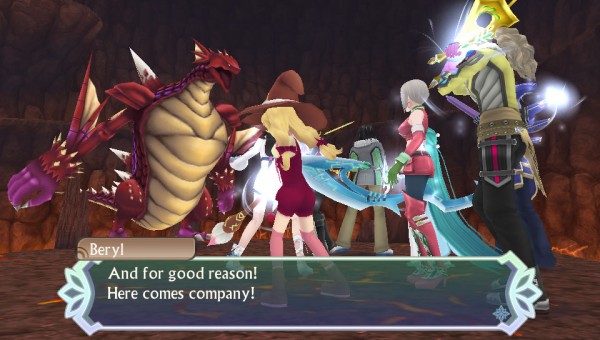
Gameplay Much of Tales of Hearts R’s mechanics will be familiar to longtime fans though the combat and leveling systems have been changed up this time around. As usual, players will enter a battle where they can move freely on a battlefield if they wish, but generally charge in a straight line towards the targeted enemy. You may make use of basic attacks as well as Artes (skills) to deal damage to your foes and this time around you can easily chain together numerous combo attacks using basic attacks and Artes.
One thing that has been added to the game is a chase link system where players can unleash a powerful slew of attacks after launching an enemy into the air and even trigger linked attacks with party members during these chase links. This makes the fast paced combat even more enjoyable than before and thanks to a system that allows players to completely customize how they want their AI partners to fight, you will find yourself fighting alongside highly skilled party members that will react to situations exactly how you want them to without a second thought.
As mentioned earlier, the level up system has also been refined to allow players to craft characters to best fit their play style. Every time a character levels up the player can distribute these points to various parts of their Soma, increasing the damage they do and usually unlocking new Artes in the process. Combined with the aforementioned AI modifications, the amount of customization in Tales of Hearts R is a pleasant surprise.
What isn’t pleasant however is the fact that for whatever reason, Tales of Hearts R has reverted back to the ancient random encounter system. Unlike other titles where you will run into enemies on the field, you will now randomly be thrown into combat against enemies as you explore. There are ways to lower the encounter rate through items, but random encounters end up being an unwelcome blight that is only alleviated by the fun and enjoyable combat system.
Visuals Tales of Hearts R has reworked from the ground up over its original DS release but at times it really doesn’t show it. While the designs of the towns you venture through and the character designs are impressive looking, the same cannot be said for many of the dungeons and areas you will venture through.
Many of the dungeons are straightforward affairs that offer little exploration and are some of the blandest you will find in a JRPG but there are a handful of memorable looking areas that try to make up for it. At least the enemies you encounter will have a decent amount of variety, which also helps alleviate the annoyance of random encounters.
Audio Now unlike almost every other Tales release in memory, Tales of Hearts R does not feature an English dub and instead relies only on the original Japanese voice track. This isn’t a major issue however as it does sound quite natural at times and practically the entire game is voiced thanks to this decision. There are a few moments where the Japanese voice work seems to contradict what is being shown in the localization texts, such as how the main character’s strange localized name Kor is still said as the Japanese version’s Shing and a number of English phrases thrown in from time to time, but for the most part only those with some awareness of the language will probably catch most of these issues.
Unfortunately as far as the background music goes, there really is not much to be said about it due to the fact that the music is relatively bland and uninspired. There are a couple of decent tracks mixed in with the soundtrack but sadly none of the music will be memorable, especially the opening video for Tales of Hearts R has been stripped of its vocals and is now an instrumental only version.
Overall Sporting a satisfying story that is held back a bit by some poor character development, Tales of Hearts R is makes for a satisfying game. The new combat mechanics and customization aspects improve the already enjoyable combat system though the forced random encounters and uninspired dungeon design may leave players putting the title down from time to time to avoid being burnt out on it. Perhaps the fact that it was always designed for a handheld console is something of a blessing as Tales of Hearts R still offers an enjoyable experience, just one that has a number of flaws.
Capsule Computers review guidelines can be found here.
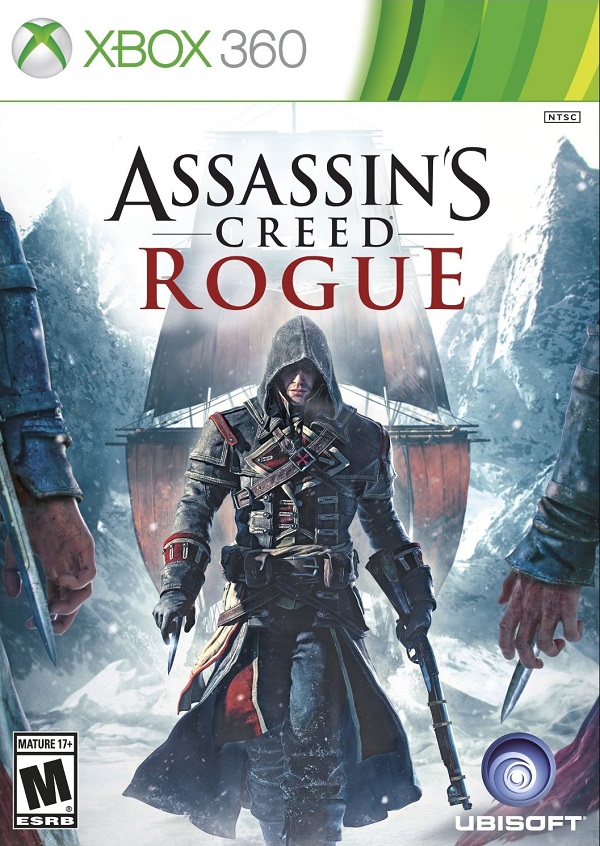
Overview Although many people have turned their attention towards the current-gen exclusive Assassin’s Creed Unity, Ubisoft has not left fans that have yet to upgrade to the latest systems in the dust as they have released Assassin’s Creed Rogue for the older consoles. Throughout the years we’ve followed the battle between the Templars and the Assassins; however we’ve only ever seen the fight through the Assassins’ eyes. With Rogue putting us in the boots of a Templar, is the title worth picking up?
Story Taking place during the French and Indian War in the North Atlantic, players take on the role of Shay Patrick Cormac, a new member to the assassin order who is working under a familiar face in the form of Achilles Davenport. Thanks to his skills, Achilles chooses to give Cormac a chance to prove himself and accept a dangerous mission involving a Piece of Eden.
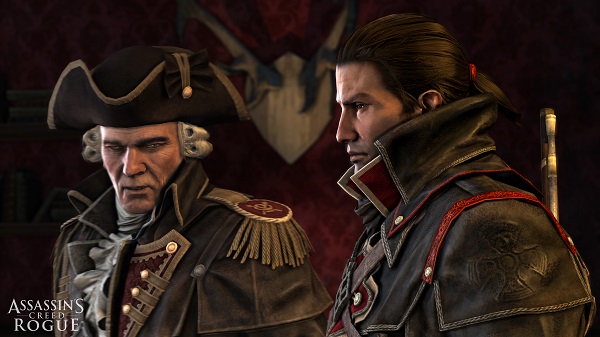
Unlike his predecessors, Cormac has an attitude that forces him to question many of the methods that the Assassins use to complete their missions and when he witnesses the slaughter of many innocents and is left to die by those he used to call friends, he aligns himself with those that players have killed throughout the years, the Templars.
Witnessing the events of Assassin’s Creed Rogue through the side of the Templars makes for an interesting experience and Cormac’s personality is a nice refresher, even if he is not as likable as Edward was back in Black Flag. The entire aspect of having to chase down and kill those who you would previously have been helping puts the story in a bit of a new light, especially when it appears that, at least through their eyes, that the Templars really are the good guys while the Assassins may not be as noble as we’ve been led to believe.
Now as for the modern day aspect of the story, it is reminiscent of Black Flag where players are still a no named employee for Abstergo Entertainment and can walk through the halls of the building in first person mode. While sifting through the memories of Cormac, you accidentally cause the entire building to be locked down and crash the servers. You are then told to continue exploring his memories with zero contact from the modern day Assassins, making this a consistent story where players are always siding with the Templar side of the conflict.
Gameplay
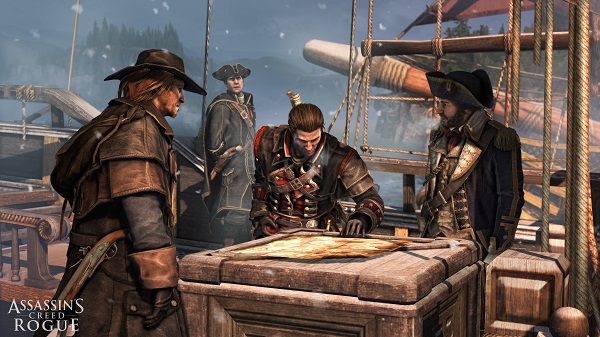
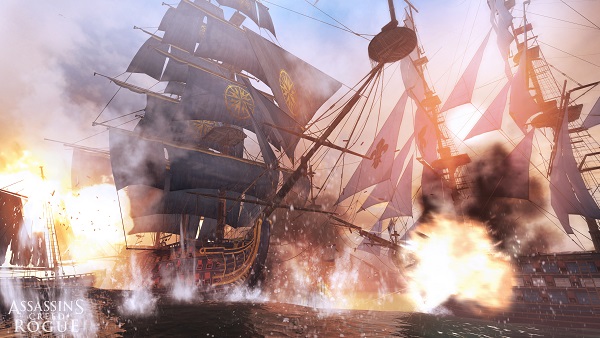
The actual gameplay found in Assassin’s Creed Rogue feels like the company took the best aspects from Black Flag and Assassin’s Creed III and put them together to create a new game using old assets. Players will find themselves sailing the iceberg filled seas of the North Atlantic while participating in open-sea combat that feels extremely similar outside of a few new weapons you have at your disposal, traversing through the streets of the 18th Century streets of New York, and even traveling through the forests of the Hudson River Valley.
As you explore you will come across numerous places to capture ranging from gang hideouts to full on forts and this is only the beginning of what becomes a game littered with collectibles, many pertaining to the French and Indian War, numerous side-activities, and various resources you can gather to help upgrade your ship and make it as dangerous as possible out on the icy seas of the North Atlantic. In fact, one of the best aspects about Rogue is that none of the side-activities are really that tiresome or worn out this time as there is just enough variation here to keep players happy even when they are binging on side quests between campaign missions.
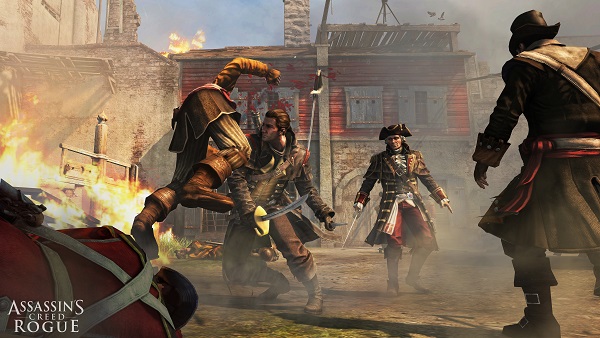
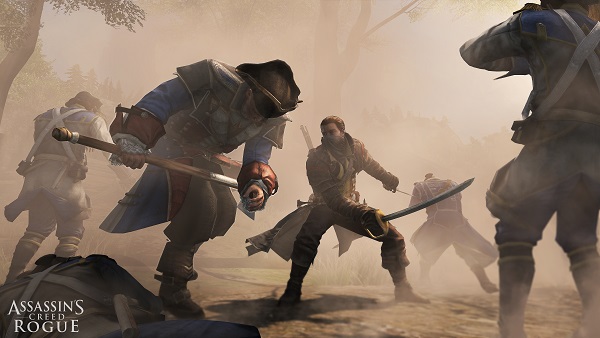
Both the combat system and the parkour system remain the same as prior games where the combat involves players having to attack opponents while countering incoming attacks and changing their strategies depending on what type of enemy they are facing off against. The entire combat system feels like a repeat of past games, making it familiar but also losing the impact that it once had as everything is far too familiar at this point. As for the parkour, it contains the same problems that persisted in past titles where certain movements would either cause Cormac to stutter as he climbs or unintentionally leap off in a random direction instead of where you intended.
It is worth noting that a couple of new firearms, including an air rifle, are included in Rogue though they aren’t quite as useful as I would have liked. One of the most interesting new features to the game appears a few hours in once Cormac becomes a Templar. As you remember, Assassins are always out for Templar blood and that is certainly the case in Assassin’s Creed Rogue and gives players a consistent sense of danger. As you walk through the streets you will always need to keep your ears tuned and eyes open as Assassins have a chance to ambush you at any time. Keeping an ear out for whispers and using an enhanced version of Eagle Vision is essential to avoiding major health loss and getting the jump on your hidden foes.
Visuals & Audio Being a title that is exclusive to old hardware, Assassin’s Creed Rogue still does a very good job at keeping everything nice looking. Exploring through lush looking forests or sailing through the decent looking oceans is still impressive looking, though once you do enter the city you’ll notice that a number of noticeable shortcuts have been taken to lower the amount of detail actually present in most of the game’s textures.
As for the voice work, you will find that Assassin’s Creed Rogue supports a very fitting voice cast that portrays the characters and the struggles of the world nicely. Unfortunately I must say that I was disappointed that most, if not all, of the music in the game, including the sea shanties, was taken directly from Black Flag and transported into Rogue. While the quality is still there, it would have been nice to hear something new.
Overall Assassin’s Creed Rogue makes the best of what it has at hand. Although a number of elements of the game are simply elements re-used from the past couple of Assassin’s Creed titles, they come together nicely and create an experience that fans will enjoy. Especially since it happens to wrap up the elements from the American side of the conflict and helps transfer us nicely into the next step in the Assassin’s Creed storyline, Unity.
Capsule Computers review guidelines can be found here.