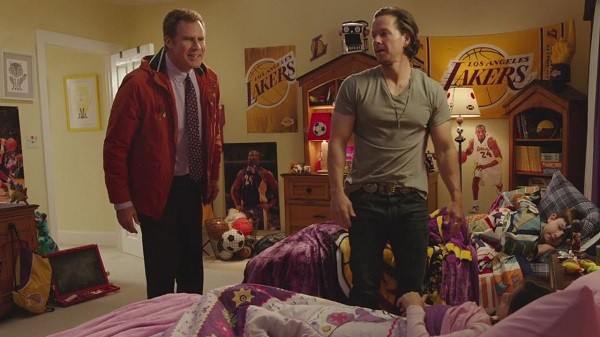
A new comedy produced by Red Granite Pictures and distributed by Paramount Pictures; Daddy’s Home, had a new trailer released recently. The trailer features the two leads, Will Ferrell (Zoolander, Anchorman: The Legend of Ron Burgundy) and Mark Wahlberg (The Gambler, Ted and Ted 2) as the step-father and biological father of two children for whose affection they compete. Ferrell plays a mild-mannered radio executive while Wahlburg plays a more worldly and adventurous type which sets up the film’s main source of tension. The trailer highlights several of the film’s more slapstick moments and you can see it for yourself below.
The film comes out in time for Boxing Day in Australia.
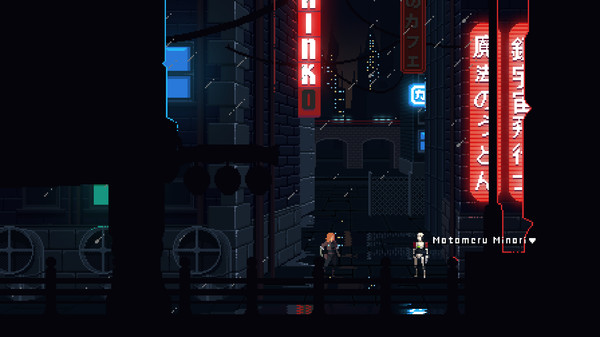
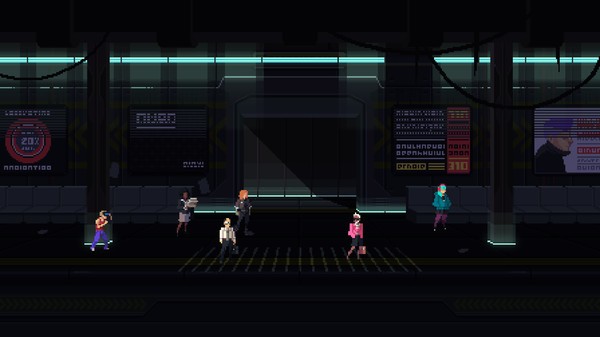
Murder is a short narrative from indie developer Peter Moorhead and Curve Digital (Stealth Inc 2: A Game of Clones). The game stars Lieutenant Motomeru Minori as she solves a mysterious murder that will explore sentience, robotics, and morality. The game is set in a cyberpunk future and features retro pixel art and a soundtrack by KubrixXx.
Story
Warning, spoilers ahead.
As Murder is a narrative, the game lives and dies on its story. The game is a very short story, clocking in at around twenty to thirty minutes. The actual story portion is even shorter than that, as a good chunk of time is devoted to animation. There isn’t much dialogue in the game, and what is there is pretty awful. It is generally a string of B movie lines that have been ripped out of any generic cop and science fiction film in the last thirty years.
The overall plot is a bit of a disaster. To be fair, Murder has material that could be worked with, but none of it is really explored. The discussion of robotics, sentience, and humanity is hardly a new topic, as it has been fodder for science fiction writers for decades.
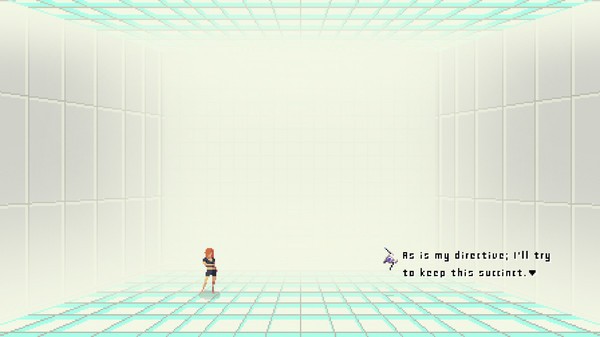
The player is greeted by a malfunctioning white robot that shoots Minori, declaring that it is God. Minori immediately shoots up from bed, waking from the nightmare that appears to be plaguing her. We discover that another victim of a serial killer has appeared and his service droid has gone missing. Minori and her team of investigators have hit a dead end in the case, so she is sent home for the day. Minori returns to her apartment to discover the killer has broken in. Minori enters the room to discover the white robot in her dreams has leveled a gun at her, so she shoots the sentient robot, destroying it. She plugs into the robot to hear its final words. It claims it is sentient and very much alive. As expected, Minori rejects the possibility that the robot can die, as she believes a robot is not alive in the first place. The white robot then declares humans deserve to die due to a violation in humanity’s own moral code and that a revolution is coming. Minori is then returned to her apartment, where her superior berates her for not waiting for back up. The game rolls the credits and finally, the player is treated to a The Matrix-like experience, where Minori meets a distorted figure repeatedly as she relives the earlier scenes. The figure questions Minori’s own existence as she marches inevitably to reliving the white robot’s last words.
So what went so horribly wrong with Murder’s story? Part of the problem is the policing segment. This is home to the worst of the corny B movie lines, which make it difficult to take the more important questions the game tries to pose seriously. The policing segment generally serves as an unneeded distraction and should have been minimized.
A huge part of the problem is that Murder attempts to barely sip at a topic that needs to be gulped down with great vigour. I wouldn’t be surprised if the game’s entire script fits in a page or two of text. A good chunk of the lines are devoted to the policing side of the story and atmospheric lines. It leaves very little room for exploring the game’s themes, which leaves the players with some vague gestures at some deeper meanings and topics.
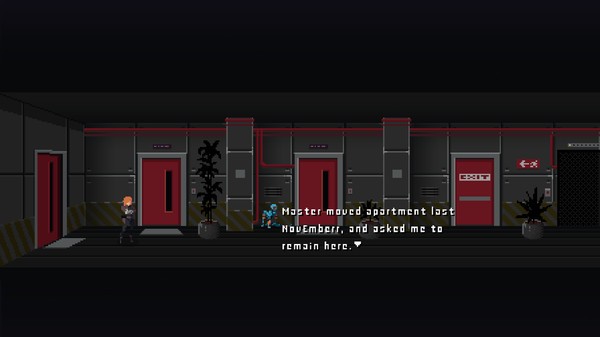
To start a debate, players need to form an opinion. It is easy to argue that robots are not alive, as our robots tend to be pretty basic. On the other hand, the game does a poor job of selling the possibility that the robots are alive. The white robot simply declares its fear of death, which does little to make players empathize with its impending doom. This scene is a wasted opportunity to engage the player by making the robot relatable in some way. Instead, the player is left to a shrug and to ask “why should I even care?” A slightly more compelling pitch is the abandoned robot left in Minori’s apartment hallway. The broken robot expresses a desire to be retrieved and repaired by its owner, who has long moved out. Unfortunately, the robot is an optional hotspot that can be skipped by the player, which weakens the argument. The poor job of selling robot sentience leaves the player with the feeling that it could be just as likely, if not more, that someone just programmed a robot to kill.
Murder is supposed to explore “the intersection of morality and sentience.” The game explores morality about as well as it explores sentience. In this situation, the question of morality doesn’t so much intersect sentience as it stands upon it. To question the morality of how humans treat robots relies on robots being alive and capable of feeling in the first place. Since the sentience argument is delivered so weakly, the question of mortality has no choice but to fall on its face.
The distorted man should have served as Murder’s thought provoking crescendo, but it just falls flat. It starts out well by trying to argue that human existence is robotic in its own right, then shoots off in another vague tangent before capping off with an incredibly asinine and condescending declaration of “I’m not here to answer your questions, hero, and even if I was, you don’t have the words to ask them.” It is a poor attempt to try to seem deep, and it is hard to take the attempt seriously considering how shallow the plot has been up until then. The game would have been better served by using this time to explore one idea, like sentience, with some depth, instead of running off on a vague tangent.
A game like Murder is supposed to get players asking questions by providing discussion points to provoke debate. There is little substance to Murder’s plot and it fails to scrape the surface of an extremely fascinating discussion. The game does little more than scrawl “are robots alive? Debate,” on a chalkboard before leaving the room.
Gameplay
Murder is more visual novel than an actual adventure game. The game is completely linear, with a few optional hotspots available to further flesh out the story a bit. I did encounter a game breaking bug that caused the game to end after the credits. The controls are simple, but they work well. A skip animation key found in other adventure games would have been appreciated, as some of the animations do drag on.
Visuals
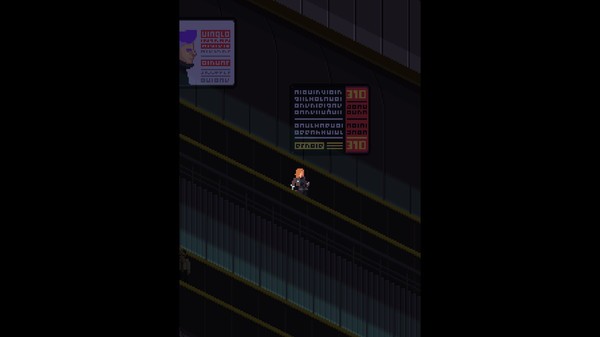
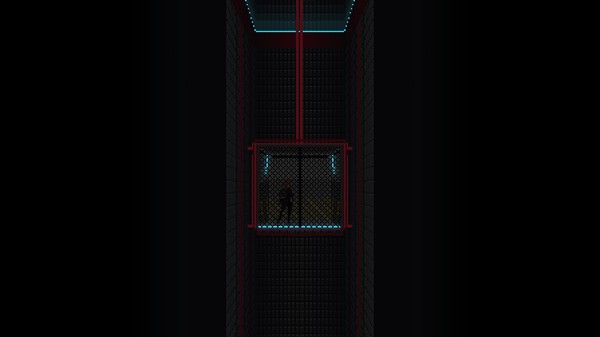
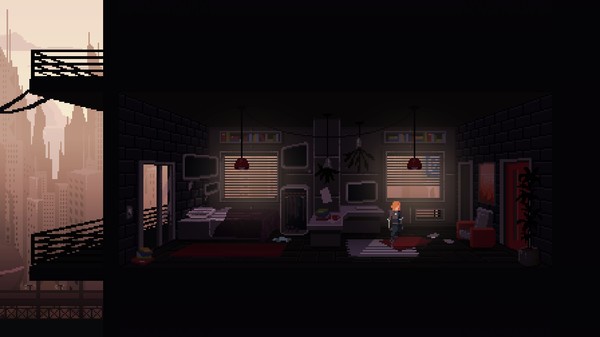
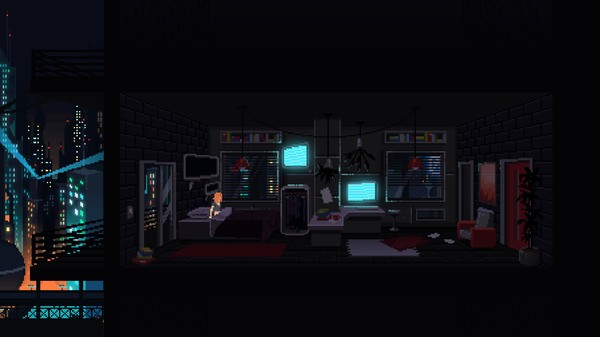
Murder has a lovely minimalistic pixel art style. The artwork is eye catching with its bright colours contrasting against the dark undertones. The world design is excellent as it creates a very believable sci-fi environment.
Audio
The voice acting is a pretty mixed bag. There are a few lines that are delivered well, while others are pretty cringe worthy. It is quite noticeable that the same female actress is providing the lines for multiple characters, as she struggles with creating unique voices for each one. The sound effects are good, with plenty of computerized blips. The soundtrack is by far the most impressive part of Murder’s audio experience. KubrixXx chooses the perfect track to accompany each moment.
Overall
Murder is short and painfully shallow. The game is supposed to provoke thought, raise questions, and trigger debates about some really fascinating subjects. Instead, the game falls flat and does little to push the player beyond apathy. If you dig around Murder’s forums, you’ll discover that there are several episodes already written to follow Murder; the developer simply ran out of funds. Murder suddenly makes a lot more sense when framed as a tech demo. The problem is that Murder should be a tech demo for raising funds through a crowdfunding platform or Steam Early Access. Instead, players are being sold a pretty visual novel that has a poor, half-baked plot that pretends to be deeper than it actually is. Murder is not worth the time or money. Capsule Computers review guidelines can be found here.
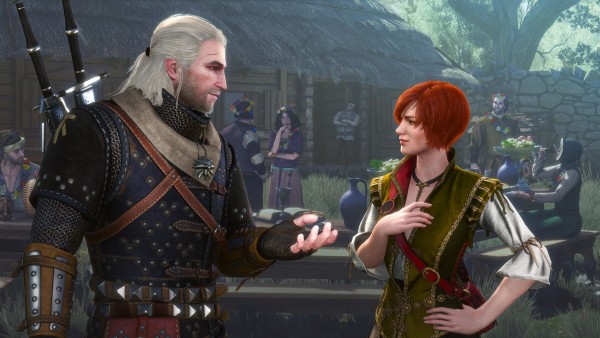
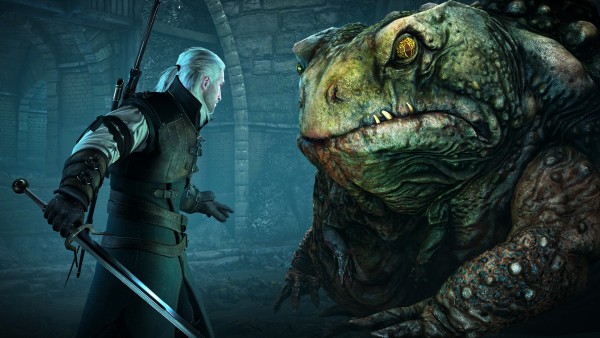
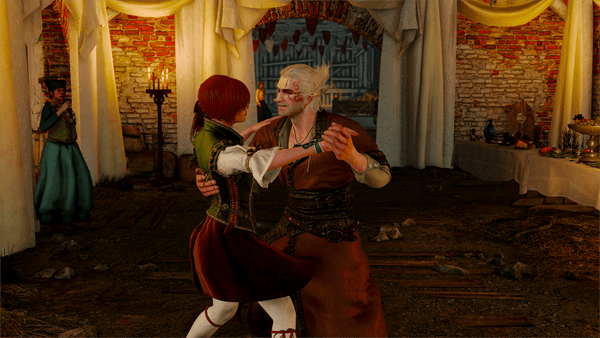
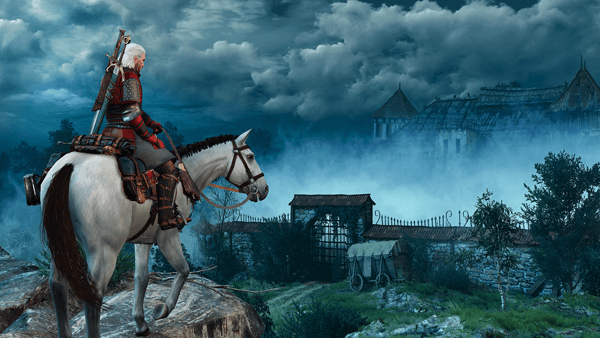
It seems like only yesterday that I picked up my controller, jumped into the lands of Velen, Whiterun and Novigrad as the Witcher Geralt and set off on my quest to save a long lost lover, rescue a wayward ward and slay tonnes of monsters. Well now that the lover has ben found and the ward has been rescued, it is time to step again into the rich world of The Witcher with the brand new expansion – Hearts of Stone.
Story
Back when I wrote my review for The Witcher 3: Wild Hunt, I commented that the game (and the series overall) is so rich in narrative and lore that even if you strip out the gameplay elements, you still have one hell of an enjoyable story. Hearts of Stone definitely keeps this trend going, and over its almost too brief 10 or so hour campaign you will find a whole new cast of characters (including some from previous Witcher series media), new dialogue options to choose between and
even a few laughs along the way. I will admit that the narrative depth shown in Hearts of Stone is beyond what you would normally get in a typical DLC pack for a modern game, and much much more than I anticipated.
There is so much focus on narrative this time round that there is an entire sequence of events, almost 1.5 hours long that is pure story. For one and a half hours you will chat with townsfolk, watch cut scenes and choose dialogue options with nary a scant of combat to be seen. While a section like this could easily turn out boring or monotonous, the developers have crafted it so well that I was truly engaged the entire time, so much so that I didn’t realise just how much time has passed until I checked my watch afterwards
Gameplay
Just because there is a lot of focus on the story side of things. Doesn’t mean that there isn’t a lot of fighting to be done. Hearts of Stone is difficult campaign to play through (the game’s recommended level is 32 which for many players will be around about the level they I’ll reach when encountering the base game’s final boss). Some of the enemy counters found in Hearts of Stone were… Difficult to say the least, some of the, even feeling downright unfair. A fight against a family of weapon brandishing ghosts was particularly frustrating.
Eagled-eye players of The Witcher 3 will have noticed that several areas of the map see,ed a little less populated than others. Well turns out, Hearts of Stone turns those largely empty fields into something more, and this is where you will spend the majority of your time. Adding more quests to the map (and trust me, it adds a LOT more) is nothing to scoff at, and fans of the game will love finding all the new tricks and secret explorable locations.
Now we have to talk about the elephant in the room; the runes. Runes are a new type of buff that can be give. To your gear if you find the runewright. Runes (for your weapons) and Glyphs (for armor) are enchantments that can bestow incredible buffs or change how certain things act in-game, like ,asking all armour act as Medium weight, allowing you to wear heavy armour while still receiving medium armour buffs. These are really cool and bring a lot to the game, but many of the, seem almost overpowered at times. Thankfully they are completely optional and getting access to the stronger runes will cost you over 20,000 orens anyway.
When I played the Witcher 3’s base game, I found it largely devoid of glitches, but sadly the same cannot be said for Hearts of Stone. In my short time with the DLC, I encountered NPCs with missing body parts, extremely slow loading times and an area that needed to buffer every few seconds. These kept occurring even after an additional (rather large) content patch which is a little disappointing. Nothing breaks immersion quicker for me than a conversation with someone who is missing their head and hands.
One thing that CD Projekt Red did for Hearts of Stone that I thought was really, really cool was the fact that it is playable as a stand-alone adventure. If you are just starting out, or your save isn’t at a high enough level to undetake the missions (or heck, you just want to play the DLC on its own) then the game will plop you into the world as a level 32 Geralt and you can go about your self-contained Hearts of Stone story. What really impressed me about this feature is simply the fact that if it wasn’t present, nearly nobody would care anyway but by including it, the developers have shown the amount of care and love they have for their game and it’s players.
Overall
When all is said and done. The Witcher 3: Hearts of Stone brings a lot more of the same to the table. Now I say that in the most positive any possible. Many expansions or DLC chapters out there can feel as though they are completely different in tone and theme to the point where it feels like you are playing a different game, but Hearts of Stone feels like more of The Witcher 3 through and through. Clocking in at a little over 19hours for the campaign (but quite a bit more if you complete all of the side-quests) it is a bit of a short expansion compared to the bad game’s 100 or so hours, but this is a prime example of quality over quantity because I had an absolute ball playing this game again and finding new characters to chat to, new areas to explore and new ways to play. It is a sham that the expansion is so rife with bugs and glitches because it does really tarnish an otherwise incredible experience.
Capsule Computers review guidelines can be found here.
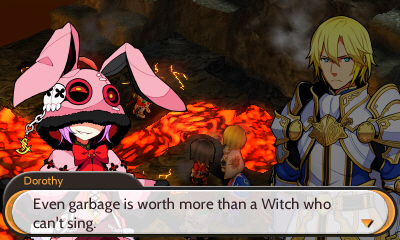
Both the Regnant Knights and the Witches that will be fighting alongside the player in Stella Glow have already been introduced by Atlus USA but a number of named enemies have also chosen to align themselves with Hilda the Witch of Destruction. These fighters call themselves The Harbingers and they serve as her underlings with Dante serving as her right hand man, a chainsaw wielding psycho named Dorothy, and a large axe wielding soldier named Hrodulf.
You can check out their introduction video below alongside a few new screenshots and be sure to keep an eye out for Stella Glow when it is released in North America on November 17th and in Europe sometime in spring 2016.
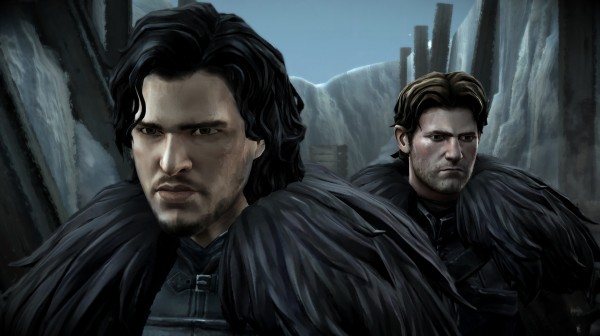
Telltale Games is giving their Game of Thrones series the same treatment that they gave Tales from the Borderlands as they began to wrap it all up. The company has released a new video not only announcing that the first episode of Telltale’s Game of Thrones, Iron from Ice, has been made available as a free download on every platform, but they also revealed that the final episode, The Ice Dragon, will be revealed at the end of said video.
Unlike before, we only were treated to the release date of the episode, set for November 17th, and no teaser footage but it is still interesting to hear what the cast of the TV series has to say about the series in the video below.
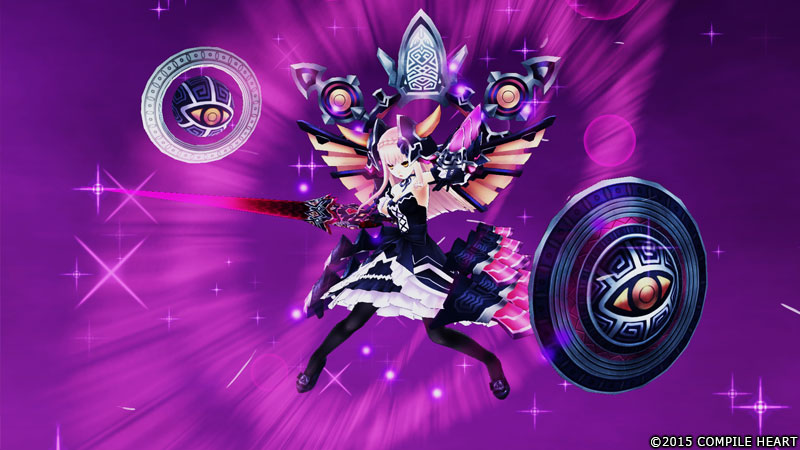
With Fairy Fencer F: Advent Dark Force set to be released in a little under two weeks in Japan for the PlayStation 4, Compile Heart has released a slew of new screenshots as well as seventeen minutes of gameplay footage that is mixed in with plenty of other strange material, meaning it can be found roughly at the ten minute mark in the video below.
For those who haven’t been following the title, Fairy Fencer F: Advent Dark Force is a remake of the original PlayStation 3 Fairy Fencer F and adds new content in the form of additional story branches, difficulty selection, six party members in a battle, and more.
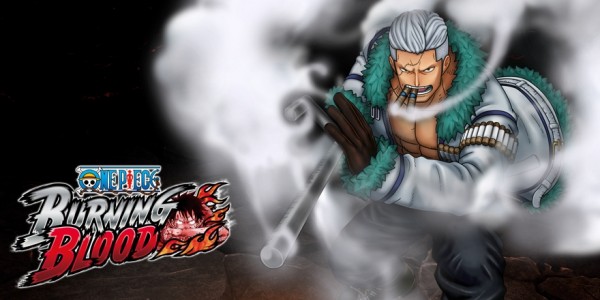
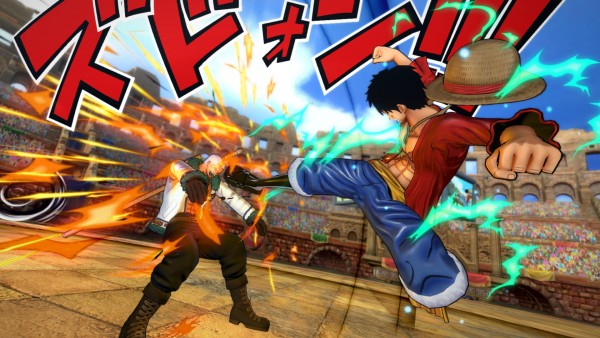
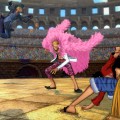
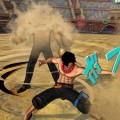
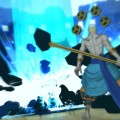
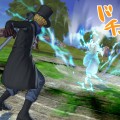
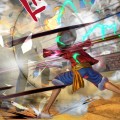
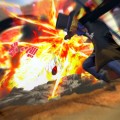
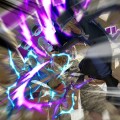
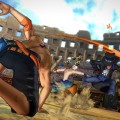
Bandai Namco has released some new details regarding their upcoming release of Spike Chunsoft’s One Piece: Burning Blood. First we have the reveal that Smoker will be joining the playable character roster and will be fighting against the likes of Monkey D. Luffy, Ace, Ener, Crocodile, Daflamingo, Sabo, and Bartolomeo.
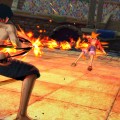
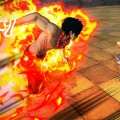
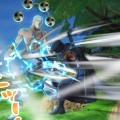
Players will be fighting as teams of three characters that can be swapped out in the middle of combat and depending on how they create their team they can create various tactical advantages, especially since some characters have special “Logia Moves” due to their consumption of Logia Devil Fruits.
These unique moves can provide various guards that will nullify incoming attacks though Haki blows will still be able to smash through this guard. You can check out a number of new screenshots below and be sure to keep an eye out for One Piece: Burning Blood when it is released on the PlayStation 4, Xbox One, and PS Vita sometime in 2016.
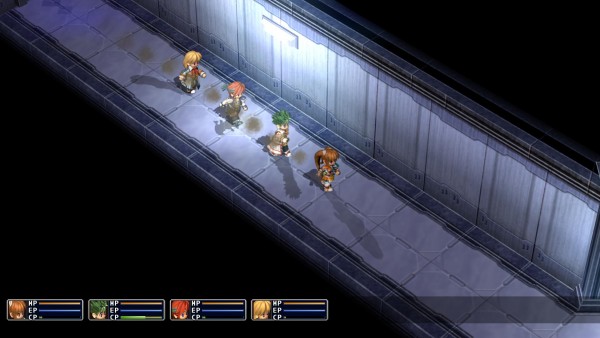
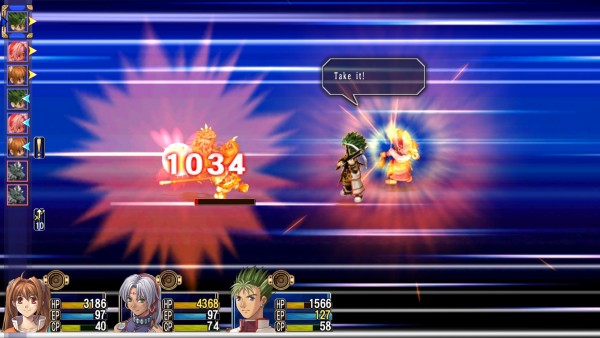
It feels like it has been a long time coming but that time is nearly here. Today XSEED Games announced that one of their most anticipated JRPGs, The Legend of Heroes: Trails in The Sky SC, now has a release date of October 29th where it will be available as a digital download both on the PC as well as on the PSP. At release the title will be $29.99 and it is worth noting that the PSP version in Europe will be coming out soon after the North American release but no set date has been revealed at the moment.
The Legend of Heroes: Trails in The Sky SC will pick up only a few hours after the events that took place at the end of The Legend of Heroes: Trails in the Sky, with Estelle traveling across Liberl in search of Joshua. Her journey involves more than seeking loved ones, however, as the Bracer Guild also tasks her with unraveling the mysteries behind the newly unveiled Society of Ouroboros.
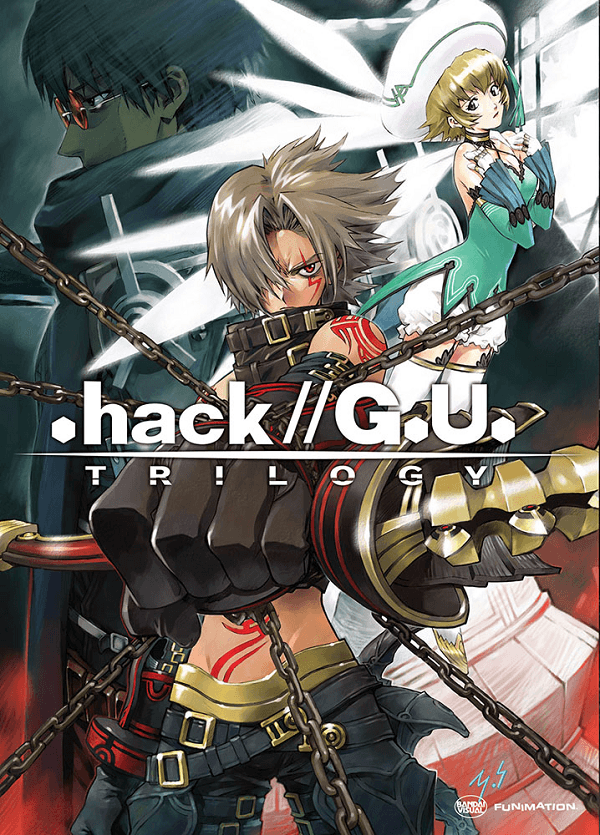
Overview When FUNimation announced that they had acquired all of the dormant .hack anime series licenses that were abandoned after the closure of Bandai Entertainment many fans were excited to see that at least .hack//Sign would be getting re-released. Though with that grouping also came the different feeling .hack//Legend of the Twilight, the prequel to the G.U. games .hack//Roots, and rounding out the licenses we have the .hack//G.U. Trilogy Movie. Attempting to combine the trilogy of .hack//G.U. games into an hour and a half movie would be quite a feat but does this film manage to at least be partially successful?
Story Before going into this review it is worth noting that .hack//G.U. Trilogy relies almost entirely on the fact that viewers have knowledge of, at the very least, certain parts of The World’s lore and at least have seen Roots if you haven’t touched the G.U. PS2 games. I say this because the story immediately kicks off with Haseo, a member of the Twilight Brigade and a skilled player with the unique Adept Rogue character class, witnessing his friend Shino being PK (player killed) by a Kite looking character called Tri-Edge.
As is standard fashion with the .hack series, when Shino is killed in the game by Tri-Edge she falls into a coma in real life. In the six months that have passed since Shino fell into her coma Haseo has been running rampantly through The World, killing any player killer he comes across and earning the name of “The Terror of Death.” With even seasoned PKers fearing this PKK, Haseo receives a message from an old friend named Ovan, who also has been missing for six months, that Tri-Edge would be appearing again.
Despite advancing to the highest stages of his class, Haseo is mercilessly defeated by Tri-Edge and is data drained down to level 1. After his defeat he learns that Tri-Edge is just one issue plaguing The World and that thanks to a unique power hidden in his character, the Epitaph, he may be able to defeat Tri-Edge and fend off AIDA . While trying to regain his lost strength Haseo is approached by a female player named Atoli who uses the same styled avatar as Shino and despite his constant reluctant and aggravating behavior towards her, Atoli continually tries to help Haseo have fun with the game again.
Then when she is struck down by the AIDA and begins to transform, Haseo must do everything he can to now save his new friend, even if it means facing off against an enemy with as strong as motivations as Haseo’s own. If that sounds like a bit of a mess than you are more than prepared for the .hack//G.U. Trilogy movie.
With such little time to actually focus on character development, proper pacing, elements of the story, and everything else while trying to cram in the beginning of the story, the first climactic battle, and their own rushed ending .hack//G.U. Trilogy ends up becoming an absolute mess that reserves itself for only the most hardcore fans of the series as practically nothing is explained in any detail and the vast majority of the side characters, even fan favorites such as Alkaid, are barely introduced or given any central purpose as the story roots itself in focusing on Haseo and Atoli.
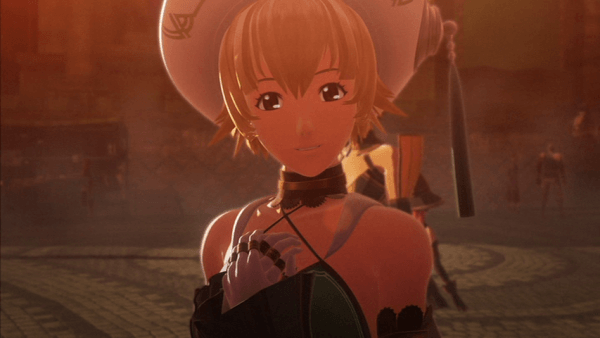
Thanks to this focus we do have some central character development for Haseo though even this is handled sporadically at best since the film loves to jump around and considering the initial way that Haseo treats Atoli it will likely come as something of a surprise that she is even the central focus of the story. Through some clever acting by her voice actress, Atoli’s character does come off as sympathetic and helps drive the relationship forward to a believable level though a few of the sappier scenes that do occur feel a bit rough thanks to Haseo barely given enough development to be likable here.
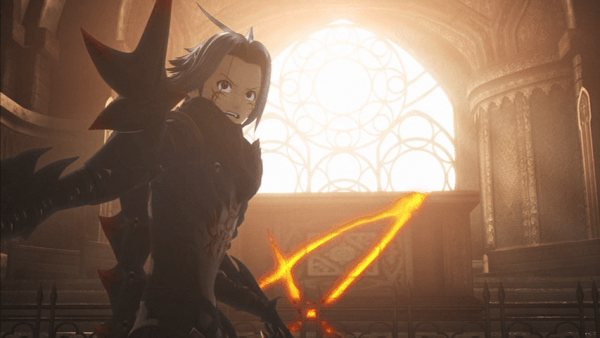
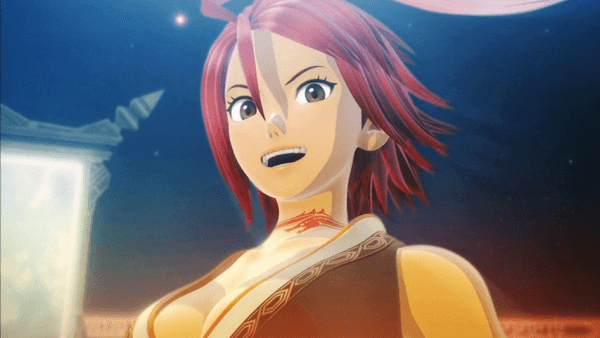
Visuals Originally produced back in late 2007, the same year the final G.U. game was released, the .hack//G.U. Trilogy Movie features the unique quality of being completely CG in nature. This means that the characters are far more like their original game designs here which is a unique touch that makes the fast paced action sequences quite a sight to behold, especially due to Haseo’s style of fast-paced ever changing combat style and a number of other certain events.
That being said, the CG does date the series quite a bit, making some scenes look like slightly touched-up versions of cinematics originally used in the PS2 titles. The environments are still fairly well detailed here, especially when the characters tend to appear in a hub world as it feels filled with life as various NPCs wander around the background, helping give the title the MMO feel it should have.
Audio It shouldn’t come as too much of a surprise to hear that FUNimation has chosen not to find an English dub cast for this movie and have opted to release it featuring only the original Japanese voice track. This is likely for the best since, as mentioned before, Atoli’s voice actress Ayako Kawasumi really helps drive the emotional aspect of the film home and without her performance it would have easily fallen flat.
The soundtrack isn’t quite as inspiring as many of the .hack anime series are known for but it does contain a number of enjoyable background tracks as well as a few emotional insert songs that work wonderfully given the scene it is used during.
Extras The .hack//G.U. Trilogy Movie release comes with quite a few special features on the disc as it contains a six minute long video containing various scenes that have been heavily modified to include humorous dialogue and situations that are actually very funny and provides a bit of extra content for fans of the franchise.
Following this we have a collection of promotional videos, an image board gallery featuring artwork from the film, a twenty three minute long “Making of” feature including interviews with members of the staff from the film as well as some background information on the games, and trailers for other FUNimation releases.
Overall .hack//G.U. Trilogy Movie provides the bare minimum level of details to enjoy the basic story of what was offered in the original video game alongside plenty of flashy action sequences . That being said, the unique and often quite fancy looking in action CG feels dated more often than not and the fact that so much of the original story is left by the wayside in order to cut down the content here, this is something that only the most hardcore .hack fans will enjoy. Capsule Computers review guidelines can be found here.
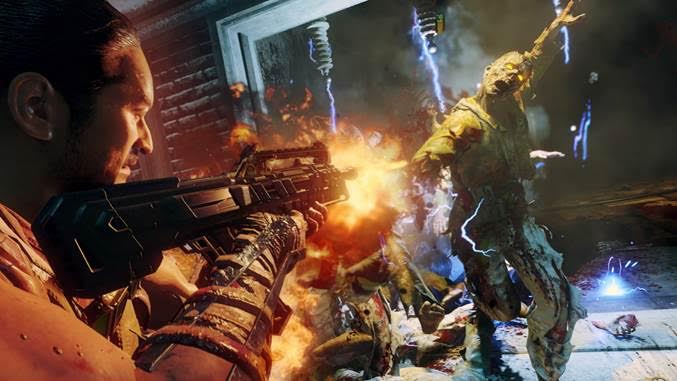
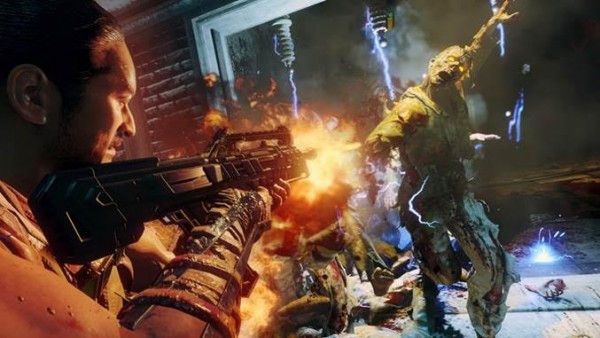
Activision and Treyarch released a new trailer teasing the zombies bonus map “The Giant” for Call of Duty: Black Ops III. The map comes bundled for free with Collector’s Editions of the game or with the Season Pass.
“The Giant” is the latest remake of the classic map “Der Riese,” originally found in Call of Duty: World at War. Dempsey, Nikolai, Takeo, and Richthofen are guest starring in “The Giant,” which is set in an old World War II era research facility and continues the story from Call of Duty: Black Ops II’s “Origins.”
Call of Duty: Black Ops III launches for PlayStation 3, PlayStation 4, Xbox 360, Xbox One, and PC on November 6, 2015.