
Candle: The unique puzzle-adventure’s Making Of
The developers of Teku Studios talk about their experiences with Kickstarter and Unity
What happens after a successful Kickstarter campaign? How is it possible to animate a game completely drawn in watercolor? These and many other questions are answered by the Spanish developers of Teku Studios in the Making Of video of their colorful puzzle-adventure game Candle. Additionally, Teku Studios talk about their experiences with the Unity engine as part of the Developer-Story-Series.
Candle challenges players with sophisticated puzzles and traps. What makes this adventure special is not only its challenge rating, though, but also its distinctive visual style: The game’s backgrounds and characters were not painted digitally, but instead are hand-made and based on watercolor paintings, imbuing the game with a very unique style. Candle will be released in Q3 of 2016 for PC, Mac and Linux.
The making of video of Candle:
About Candle
Candle is a puzzle adventure with demanding puzzles. Players take on the role of Teku, a young man bound to rescue his tribe’s shaman from the vile Wakcha Clan. But the way is spiked with traps and many trials. To master the way ahead, Teku has to pay close attention to his suroundings and make good use of his deductive skills – or his journey will come to an early end.
But Teku has a special gift: His left hand is a candle. He can use it as a torch to fend off enemies or as a bright beacon to ligt dark places.
Candle’s unique charm comes from the beautifully hand-drawn watercolor visuals, as all backgrounds, characters and objects have been individually painted and scanned for the game. Every minute of Candle feels like a living painting.
Features:
- Pay close attention to all details to solve the challenging puzzles
- Players will be able to tap into the power of the flame
- Remarkable visual style: hand-painted watercolor images will make the game a vivid painting
- Beautiful soundtrack with South American flaire
Candle on Steam
About Daedalic Entertainment
Daedalic Entertainment, based in Hamburg, publishes and develops computer and video games for all platforms. The studio focuses on interactive literature and character and narrative-driven games like adventures and RPGs. Daedalic Entertainment has a staff of more than 160 employees, including the Writer’s Room, a team of writers unique to the German media industry.
Since May 2014, Daedalic Entertainment is part of the Bastei Lübbe group of companies. In July 2014, the publisher opend a new studio, Daedalic Entertainment West, in Düsseldorf. The studio’s first project is the Space Exploration RPG The Long Journey Home.
Daedalic won the German Developer Award 21 times („Studio of the Year“ 2009 and 2013, among others). In 2013, the studio won the prestigious German Games Award for “Best German Game” with “Chaos on Deponia”. Daedalic Entertainment is also the six-time winner of the German Video Game Award and the European Games Award.
With titles like State of Mind, Silence, The Devil’s Men and Ken Follett’s The Pillars of the Earth, Daedalic will raise the bar for the whole adventure genre. With Blackguards they also gained a reputation for creation of high quality RPG games. As a publisher, the studio is also known for releasing unique and outstanding titles like Shadow Tactics, Crazy Machines 3, Valhalla Hills and Bounty Train.
www.daedalic.com
www.facebook.com/daedalic
twitter.com/daedalic
About Teku Studios
Teku Studios, based in Teruel, Spain, has been founded in 2012 by two students with a passion for video games. The indie team focuses on motives created with traditional media: all visuals are painted carefully with watercolors by hand. The goal here is to not only create an engaging game, but also an enthralling visual experience in virtual worlds. Their artistic skills and a knack for creating individual gameplay show very clearly in their first game: Candle.
www.tekustudios.com/eng/
www.facebook.com/TekuStudios/
twitter.com/TekuStudios
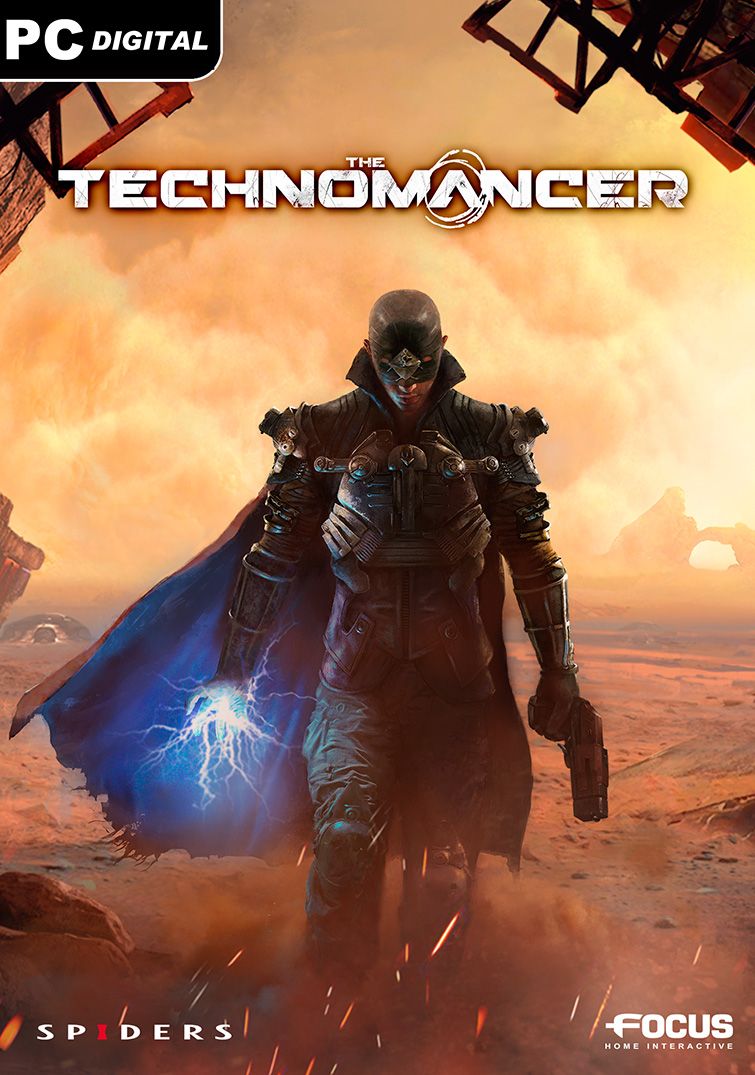
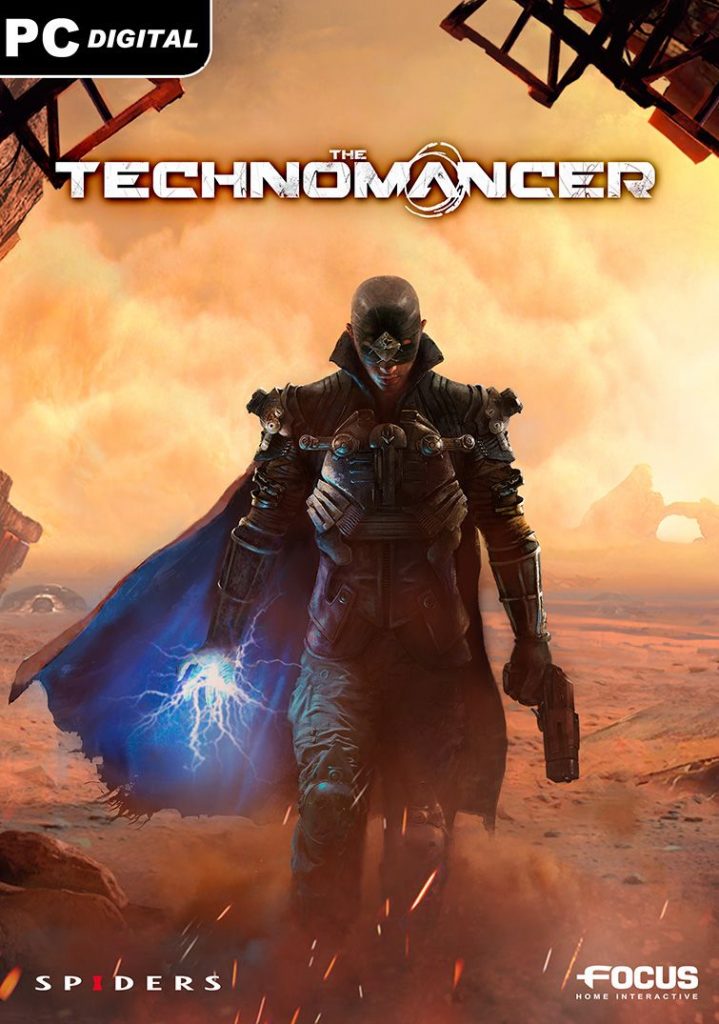

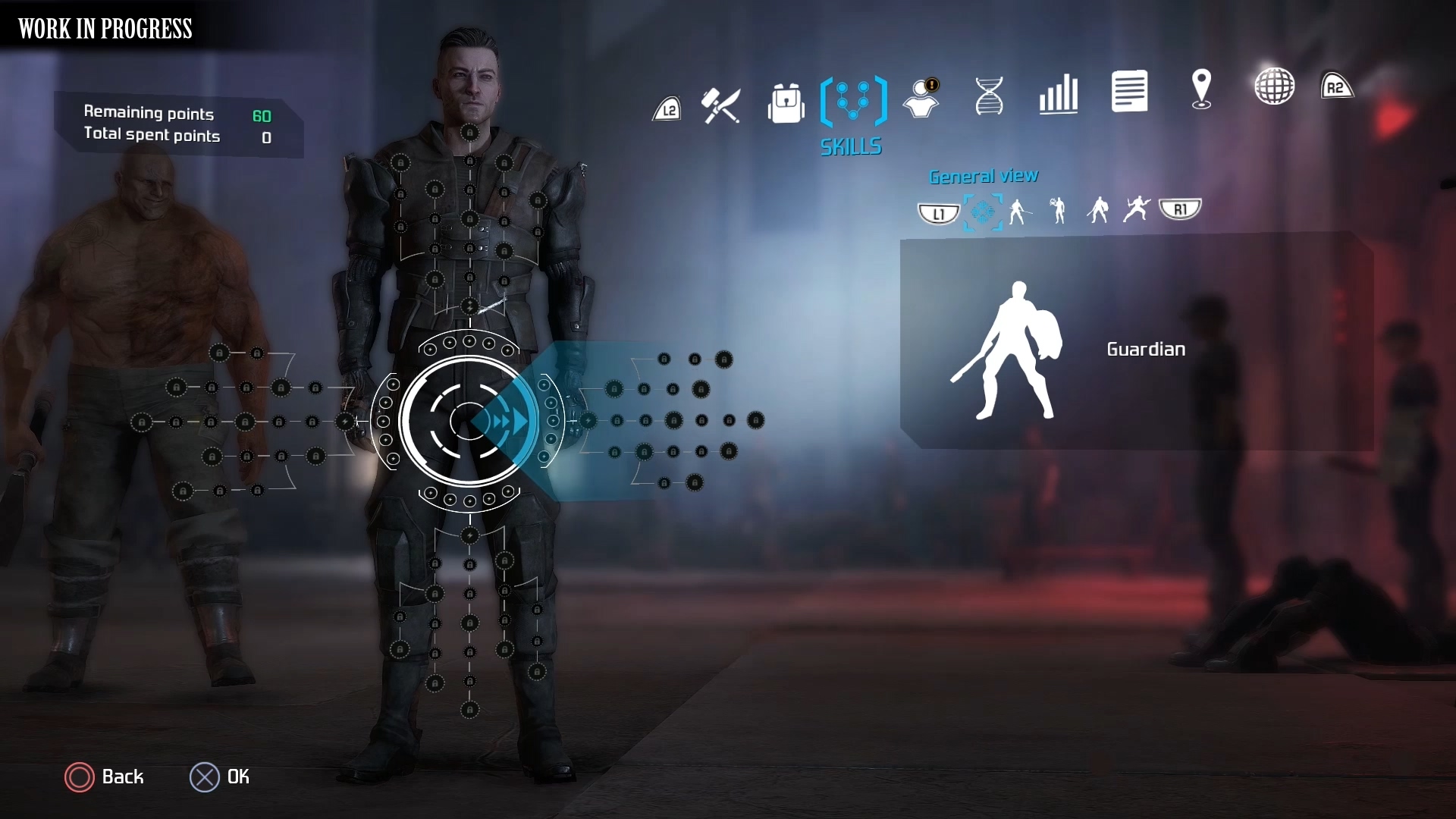
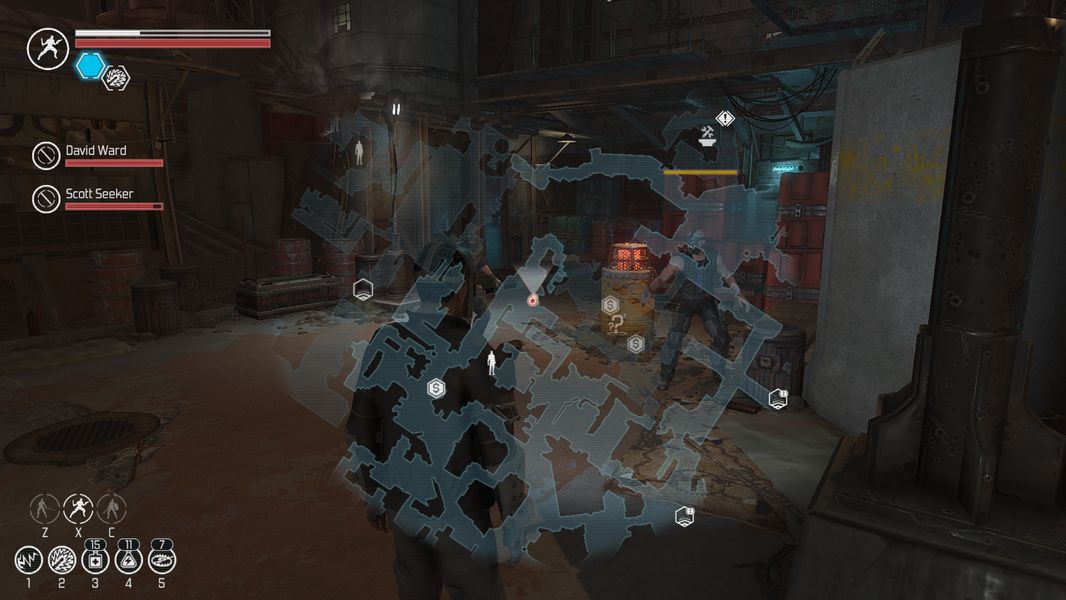
 The controls in The Technomancer are solid. The console controls are well laid out. On PC, players are given the choice between controller or mouse and keyboard. The PC controls are equally well thought out and make proper use of the larger number of keys available. I have one minor quibble with the controls when interacting with dead bodies on PC. The button to loot an unconscious enemy with items is the same button used to kill an unconscious enemy with no loot. This can lead to accidental deaths, which is absolutely annoying for those of us attempting to keep karma loss to an absolute minimum.
 Overall








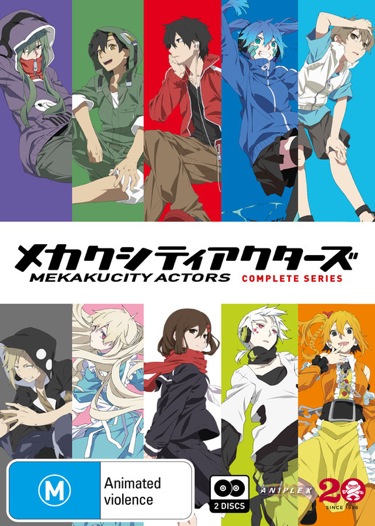

 The third episode finally introduces the other main characters, those being the members of the Blindfold Gang (Mekakushi Dan). We learn that its members have powers involving their eyes, including Momo Kisaragi. It is also revealed that the events of the second episode occur more-or-less simultaneously with the events of episode one, and the truth of the events of the terrorist attack is finally explained. It comes across as clever and almost, but not quite, lacks the stupidity that bogs down other anime series. As the plot progresses, new characters are introduced from the past and the present. One or two episodes at a time are used to explore these characters. The relevancy of these episodes is initially unclear, but the pieces of the puzzle begin falling into place following the extremely disturbing episode seven. This episode portrays Tateyama in a particularly creepy way. Two students, Haruka and Takane, are in Tateyama’s ‘special needs’ class for students who have serious medical conditions. Takane suddenly collapses and dies in a school corridor, which itself raises an unanswered question: what condition does she have that could cause her to suddenly die? Tateyama mysteriously appears at this very moment with an unsettling smile on his face and also appears on Haruka’s deathbed with the same, disturbing smile. The implication is that he murdered them, possibly with poison, although this is left unexplained. An extremely disturbing scene follows later on, showing Takane’s body disappearing as if she were a piece of data in a matrix and then materialising as an electronic being. Characters that die on August the 15th can apparently be given a second chance, like Takane, although the hunt for the people who do not return is slowly relegated to the background and ultimately forgotten.