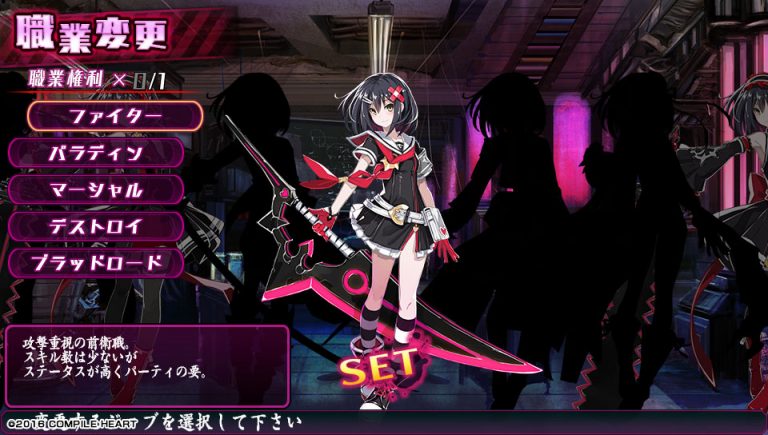
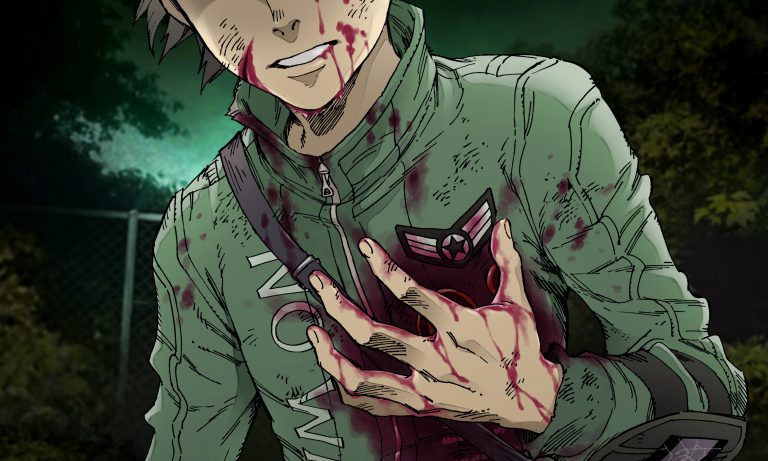
With Divine Prison Tower: Mary Skelter set to be released in Japan on October 13th for the PS Vita Compile Heart has chosen to release the opening movie for the game a little over a month early. The minute and a half long video, found below, gives us a brief look at each of the main characters in the title all set to a very catchy theme song and fairly impressive visuals for this style of game.
Currently Divine Prison Tower: Mary Skelter has not been announced for release in the West though the chances of the dungeon crawling RPG being localized in the future are quite high.
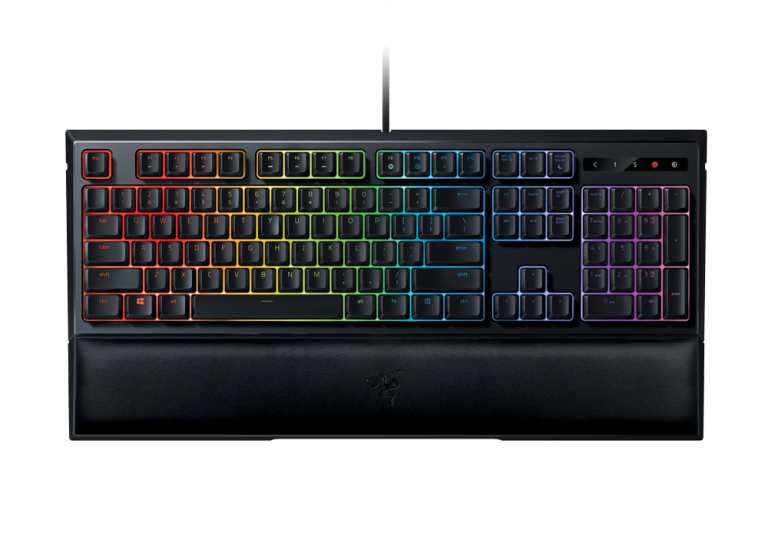
Razer announced today a brand new keyboard today that looks to bridge the gap between rubber domed and mechanical keyboards. The Razer Ornata will come with green LEDs and also a RGB LED version called the Razer Ornata Chroma. The keyboard will feature a brand new, patent pending switch that uses a rubber dome base to maintain a soft, cushioned feel and a mechanical switch mounted on the top for a crisp tactile click. To top it all off, a mid height keycap sits on top of the switch, to create a short travel time for faster actuation.
The Razer Ornata comes with a magnetically attached wrist rest, 10-key roll over, a dedicated gaming mode, and lighting controlled by the Razer Synapse software. The keyboard is available now through Razer’s online store and will hit retailers in October 2016. The Razer Ornata will carry an MSRP of $79.99 USD and the Razer Ornata Chroma will be priced at $99.99 USD.
I find the Razer Ornata to be a pretty intriguing idea. Admittedly, mechanical keyboard snobs will likely turn their noses on anything with the words “membrane” or “rubber dome.” There are so many variations of mechanical key switches and modifications these days, it’s highly likely that someone will eventually find a mechanical switch to suit their taste. On the other hand, Razer is offering the full featured Ornata keyboard at a price competitive with higher end rubber domed gaming keyboards. Either way, I applaud Razer’s attempt to carve a brand new niche for themselves.
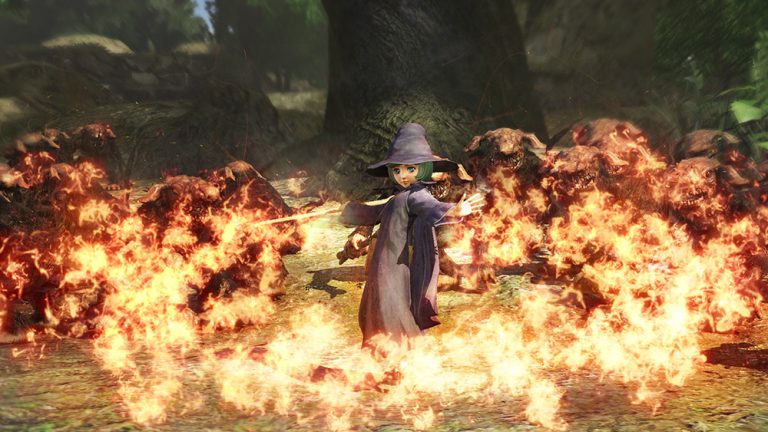
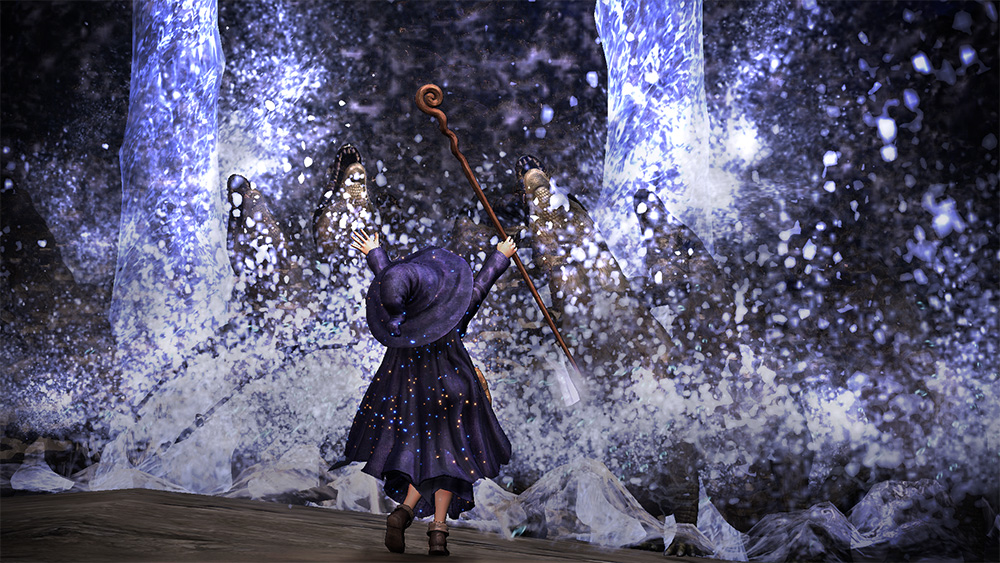
Koei Tecmo has released a new video in their series of short character focused trailers for their upcoming Berserk title. This time around the character being focused on happens to be one of the first characters that was confirmed for the game outside of Guts and Griffith and I’m talking about the young witch-in-training named Schierke.
You can check out the full video featuring Schierke below and as for the game itself, Berserk is currently set to be released in Japan on October 27th and sometime this fall when it is released in North America and Europe for the PlayStation 4, PS Vita, and PC.
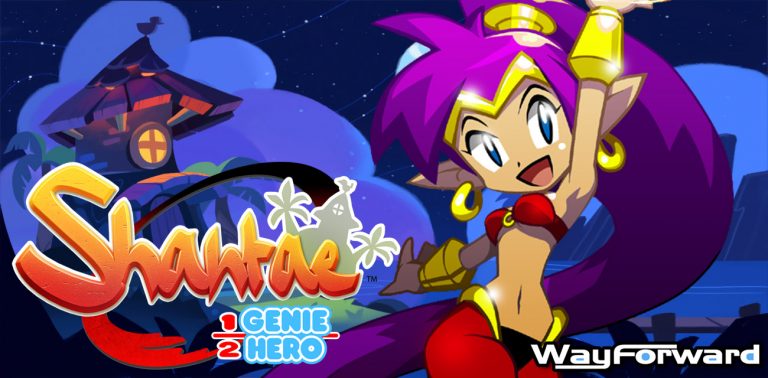
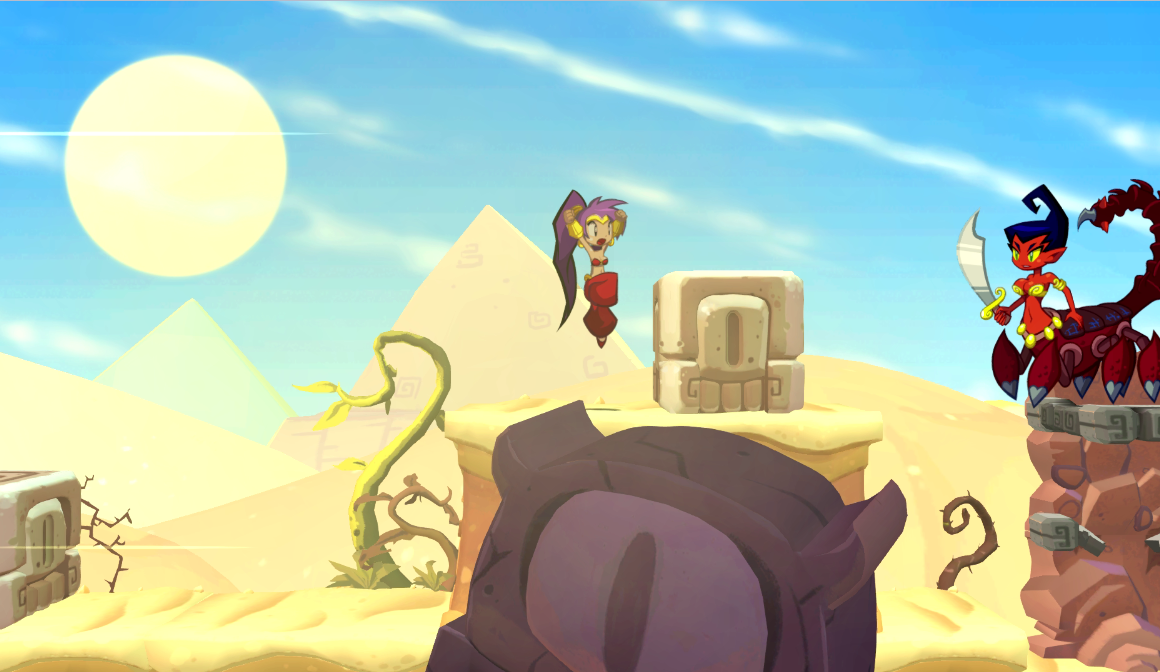
Wayforward had some bad news to share with those looking forward to Shantae: Half-Genie Hero. First and foremost the company stated that they are no longer able to hit their previously targeted release date of September 27th and are now pushing the game back by about six weeks in an effort to polish out any bugs that have appeared in the title, though no new date has been given at this time.
On that note, the company also announced that due to the fact that only 1% of the project’s backers chose the Xbox 360 and PlayStation 3 versions of the game that they have chosen to cancel those versions of the game and are working one on one with those who are affected by this decision.
Deep Silver, who is handling the publishing of Atlus USA and some Sega titles in Europe, has announced that fans of the company’s 3DS titles can expect to see 7th Dragon III Code: VFD and Shin Megami Tensei IV: Apocalypse sometime this Winter season, setting these fans up for a longer wait than many had expected.
This news is likely quite disheartening for some who hoped that the partnership would reduce the time between North American release dates and European considering 7th Dragon III Code: VFD was already released back in mid-July and Shin Megami Tensei IV: Apocalypse is set to be released on September 20th.
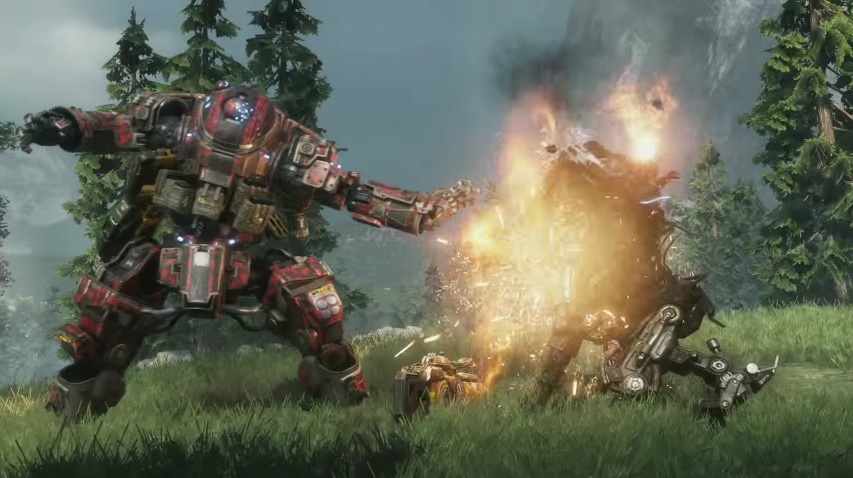
One of the features that Titanfall 2 has touted is the fact that there will be far more Titan types to choose from in this sequel and now EA and Respawn Entertainment have released a new trailer showing off a little bit of what each of these Titan types can do. This includes the six new Titans such as Legion, Ronin, Northstar, Ion, Scorch, and Tone with each one having a chance to show off their unique abilities.
You can check out the trailer below and keep an eye out for Titanfall 2 when it is released for the PlayStation 4, Xbox One, and PC on October 28th.
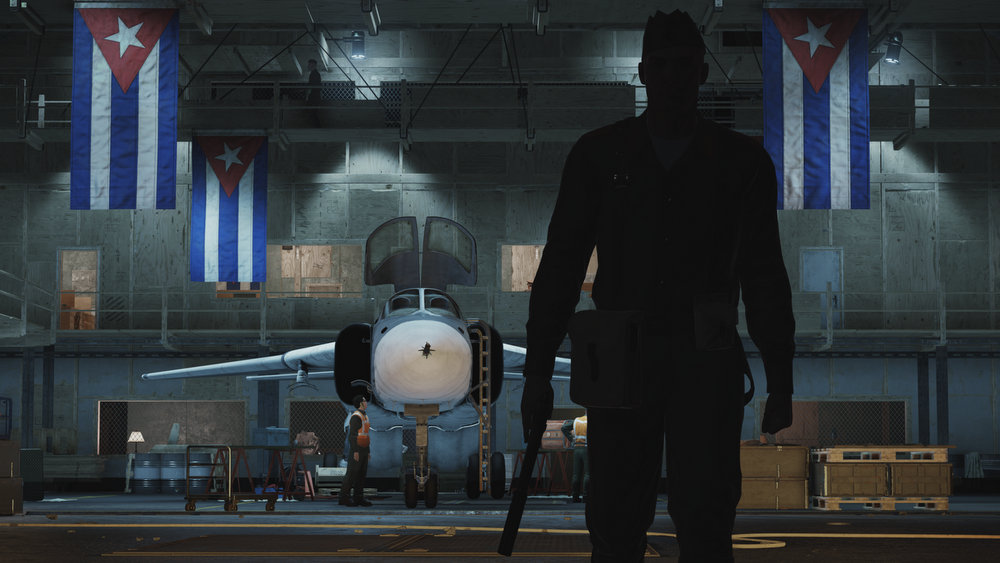
Some fans of the Hitman series have been skeptical about the way that Square Enix has handled the most recent game by releasing various pieces over the course of the year but now those fans will have an exact date of when they can simply choose to pick up a full retail release of the first season.
Square Enix has announced that they are planning on releasing Hitman: The Complete First Season on January 31, 2017 for the PC, Xbox One, and PlayStation 4. This will include all of the content released so far, challenges, opportunities, Escalation Contracts, and various other content that will be included as bonus content:
3 Bonus Missions Pack – Includes “The Icon” and “A House Built on Sand” missions, plus the brand new upcoming “Landslide” mission.
Original Soundtrack– Featuring the original game score.
The ‘Making of’ HitmanDocumentary – Charting the journey from showing the game to our fans for the first time before E3 2015, through to the digital launch in 2016.
“Requiem Blood Money Pack” – Includes the signature Blood Money white suit, white rubber duck and chrome ICA pistol.
The PlayStation 4 version includes the six additional exclusive “The Sarajevo Six” missions.
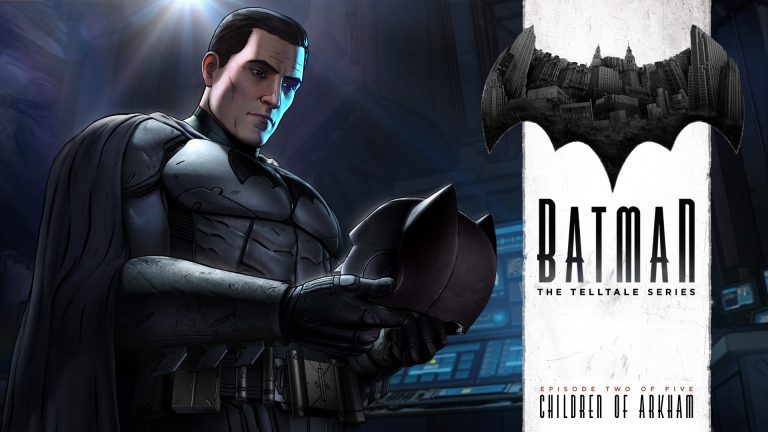
Telltale Games has revealed that they are aiming to have Batman: The Telltale Series “Episode 2: Children of Arkham” out for the PlayStation 4, Xbox One, and PC on September 20th. Those who are looking forward to getting the title on other platforms will need to wait a bit more as the company is planning on revealing those dates later in the month.
The company also went on to state that they are aiming to have the retail release of Batman: The Telltale Series out by September 13th in North America and on September 16th in Europe though the disc works as a Season Pass for later episodes and will only contain the first episode at the time of release.
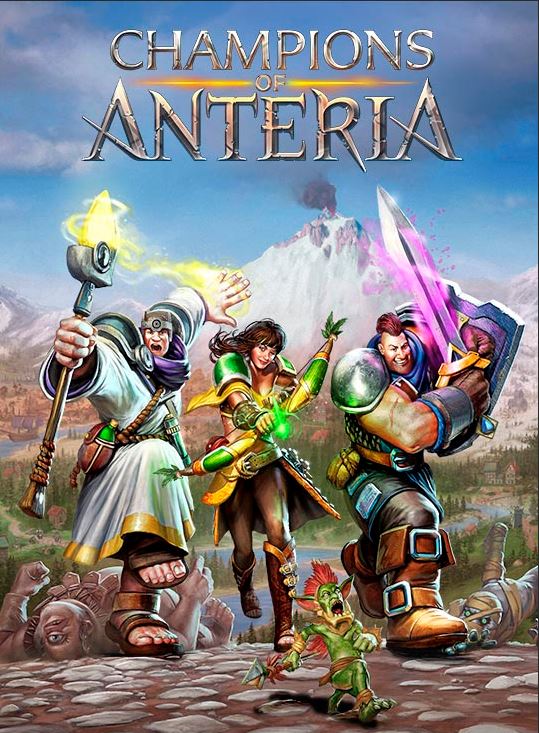
Champions of Anteria is a mixture of small unit real time strategy and turn based kingdom. Based around a rock, paper, scissor elemental system, players will lead their champions on an epic quest to save Anteria from the grips of an evil wizard and end the conflict between the people. Along the way, players will liberate territories piece by piece as they march towards epic boss battles to save Anteria once and for all.
Story
Champions of Anteria began its life as a brand new addition to one of Blue Byte’s biggest franchises, The Settlers. However, the studio opted to give Champions of Aternia its independence, casting the game as a humourous take on the standard fantasy genre. The story begins with three of our champions being tricked into rescuing a town from so called bandits who are actually minions of an evil wizard threatening Anteria. Now the target of the wizard’s wrath, the champions have no other choice but to defeat the wizard to secure their own safety and the safety of all of Anteria.
The plot of Champions of Anteria is entertaining, though it is nothing particularly ground breaking or unique. The humour helps differentiate the story a bit from the standard fantasy video game plotline, but it is definitely subjective. Some people will love the silly digs at the fantasy tropes like the constant mocking of epic hero poses, while others will may find the humour a bit too simple and stupid. The game’s dialogue is decent and the champions’ backstories are pretty witty for the most part. Some of the unit lines, especially Baltasar’s lines, can be a bit grating at times, while others are sure to elicit a good chuckle. Overall, the writing is decent, but it does have some very high moments, some really low ones, and a lot in between.
Gameplay
Champions of Anteria gameplay is broken down to two major phases, small unit real time strategy and a turn based kingdom builder. The game kicks off with a lengthy prologue that serves as the tutorial for the game, walking players through basic controls and concepts in both phases. Thankfully, future runs do provide players with the option to skip through the prologue.
Combat is the bread and butter of Champions of Anteria. Players select three out of five heroes to tackle a map, each with its own main objective and a bonus objective that will award players with buffs or an extra NPC unit. Hero selection is a huge part of the game. The damage system revolves around an extended version of rock, paper, scissors. There are five elements in the game: metal, nature, lightning, water, and fire. Each one is strong against one element, weak against another, and neutral to itself and two other elements. Since each hero is a master of one element and has a few abilities of a secondary element, players are given a preview of the elements they will face in an upcoming map to help players choose their heroes accordingly. For an extra edge, players can pack up to four crafted consumable items to bring with them for heals, buffs, damage soaks, and extra DPS. Each champion has a rather linear equipment upgrade path and a decent sized skill tree that gives players a bit of flexibility with characters.
Players control their three champions like any standard RTS, issuing commands to move, attack, and use abilities. To give players a little breathing room, Champions of Anteria automatically pauses the game when their champion draws the attention of the enemy and can be manually paused at will. Since players are given the benefit of stopping combat to plan, failing to heed to elemental system is a deadly mistake. A unit that has an element strong against the target’s element gets a healthy damage bonus on top of taking less damage from said unit and possibly being completely immune to their abilities. The combat system strikes the perfect balance between being easy enough that anyone can learn it quickly, but still complex enough to be fun.
While the concept being the combat in Champions of Anteria is solid, the execution is a little more lack lustre. The biggest problem is how incredibly stupid the heroes are. Traditional RTS units have a certain degree of autonomy to react against incoming threats. On the other hand, the player’s champions reaction is a little more muddy. Champions have no problem switching to a new target after their current one has been eliminated, but if they are not issued an attack command, they often will happily watch their comrade get obliterated by a unit while they idly stand by. Champions also struggle with corners and tight spaces, sometimes resulting in units running into walls until the player guides them around the corner. The problem was much more prevalent before the first post-release patch, but it is still occurring from time to time. All of the champion’s abilities have cooldowns, but it is only possible to view the cooldown timer of the currently selected champion. The result is that players spend a lot of time micromanaging three units, cycling between them constantly. I found this slowed down combat unnecessarily and became extra frustrating during boss fights that require extra movement of units.
There is a pool of objectives that the regular combat maps pull from. There is enough variation to keep things feeling reasonably fresh, from escorting caravans to defending territories from attack. For the most part, the mission objectives work well enough, but the ones requiring a little bit of stealth are probably the most frustrating of the bunch, as enemy aggro ranges are not always that clear, getting out of combat can be a royal pain, and, depending on the map, the NPCs are slow and have terrible pathing.
Champions of Anteria is at its best during the boss fights. These epic, multi stage battles pits champions against the leaders of opposing kingdoms who have special abilities and incredible pools of health. As I noted earlier in my preview of the game, these battles remind me of raid bosses from MMORPGs, where movement and positioning is just as if not even more important than damage output.
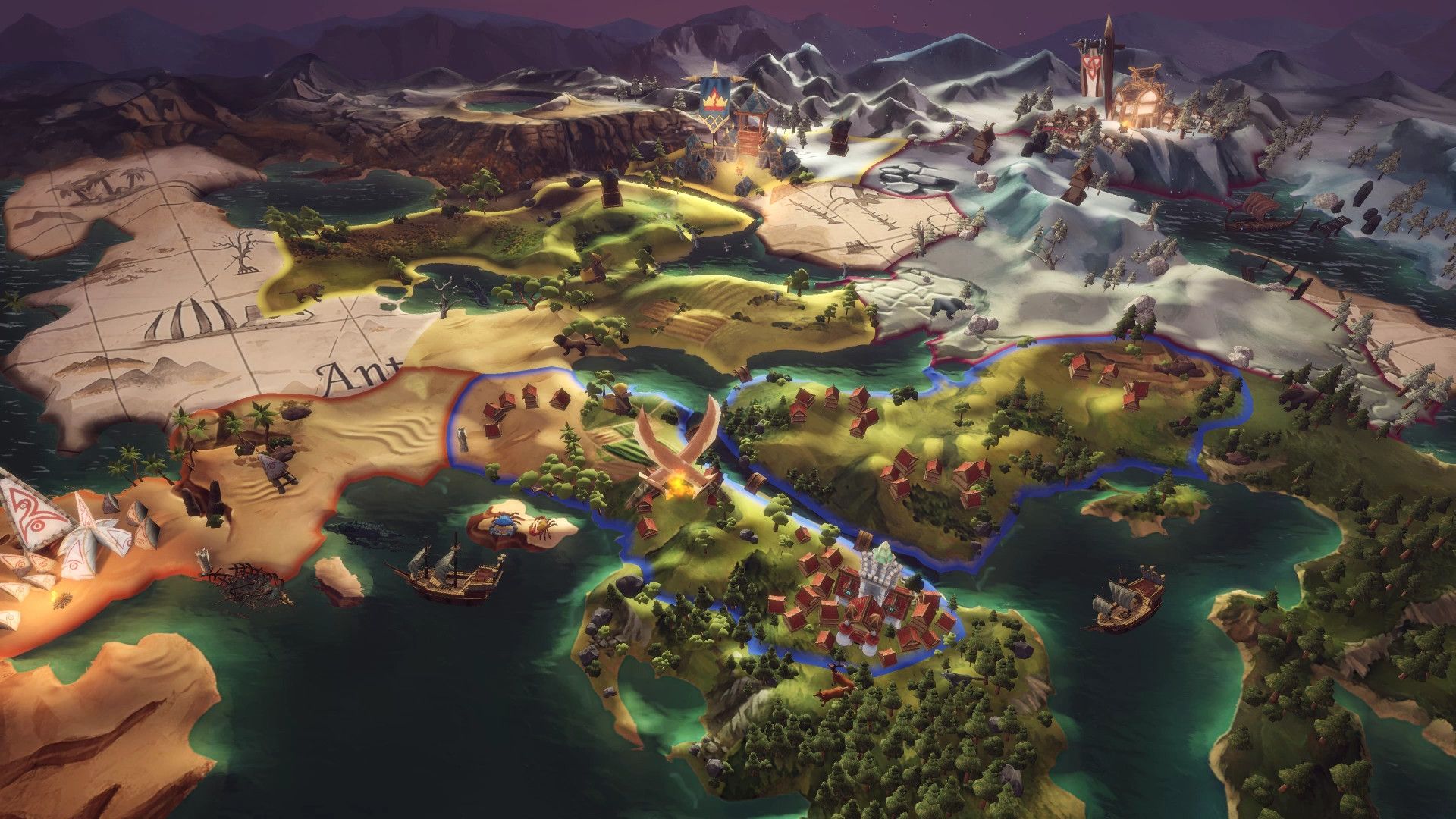
The kingdom management portion of the game is decent. There are two main sections of the world map, conquered territory that awards players with gold and renown each day, and the actual kingdom itself. In the kingdom, players need to synergize the environmental bonuses and each building’s bonuses/penalties to create the most efficient resource farms to fund equipment for champions, new buildings, and consumable items. It takes a bit of playing around to create the most efficient layout and metal can be a real pain to generate if a player is not careful. Frankly, I think a much friendlier option would have been to get rid of penalties for bad synergy all together.
Visuals
Champions of Anteria has a cartoony art style that suits the game’s humorous delivery. The world is bright and vibrant. The UI works well enough, though cooldown timers for unselected champions would be appreciated. On the hardware side, Champions of Anteria ran well enough. There are plenty of graphic options to tune the game for most PCs. I did notice that there are some pretty vicious load times for getting the graphics to appear at times, especially when the game is first being booted up. I am suspect Champions of Anteria would be much happier running on an SSD and a video card with more than 4GB of VRAM.
Audio
Champions of Anteria features good sound effects. The soundtrack is appropriate for a fantasy game and serves as a welcome addition to the game’s overall feel. The voice acting is a bit of a mixed bag. Most of the voice actors do an excellent job delivering their character’s lines; however, there are some cringe inducing exceptions. Queen Nuaba’s lines are absolutely awful and Baltasar comes a close second. There were plenty of moments I seriously considered not taking Baltasar along in a battle just so I wouldn’t have to listen to him blather on.
Overall
Champions of Anteria is a decent RTS/kingdom builder that falls short of its potential due to clumsy execution. The world is charming and the audio/visual presentation is pretty good. The boss fights are an epic, fun experience. Unfortunately, the need to over-micromanage the champions really hamstring the game’s main RTS component. Capsule Computers review guidelines can be found here.
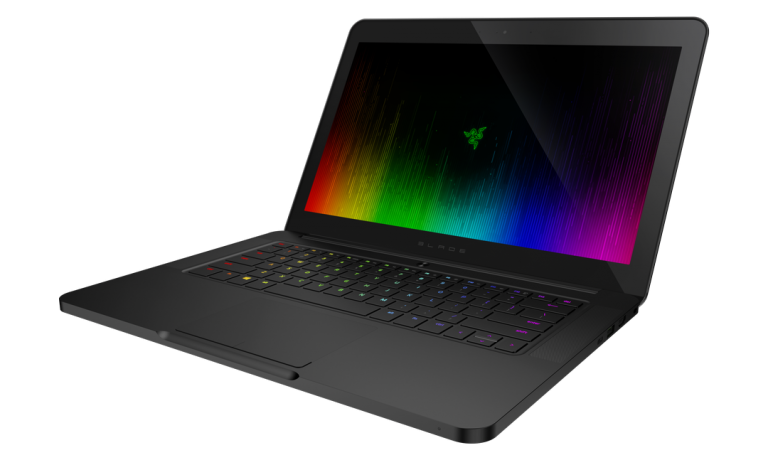
Razer revealed the new specifications for a refreshed Razer Blade and Razer Blade Stealth, plus announced a wired 7.1 version of their ManO’War headset. The new Razer Blade has been updated with a Skylake Intel i7 processor, 16GB of DDR4 RAM, and a Nvidia GeForce GTX 1060 graphic card. Razer has optimized the laptop for VR headsets, yet the laptop still measures only 0.7 inches deep. Buyers can upgrade their system with up to 1TB of SSD storage and a touch-enabled 3200×1800 display. Prices start at $1799 USD for the base system.
For those looking for an even smaller laptop, the Razer Blade Stealth has also been refreshed. It boasts the newly released Kaby Lake i7 processor from Intel. Paired with a Razer Core, the laptop can support almost any video card on the market, including the new Nvidia 10 series GTX cards and the Polaris 10 cards from AMD. The battery has been given a 15% capacity bump on the new Razer Blade Stealth. The Razer Blade Stealth starts at $999 USD.
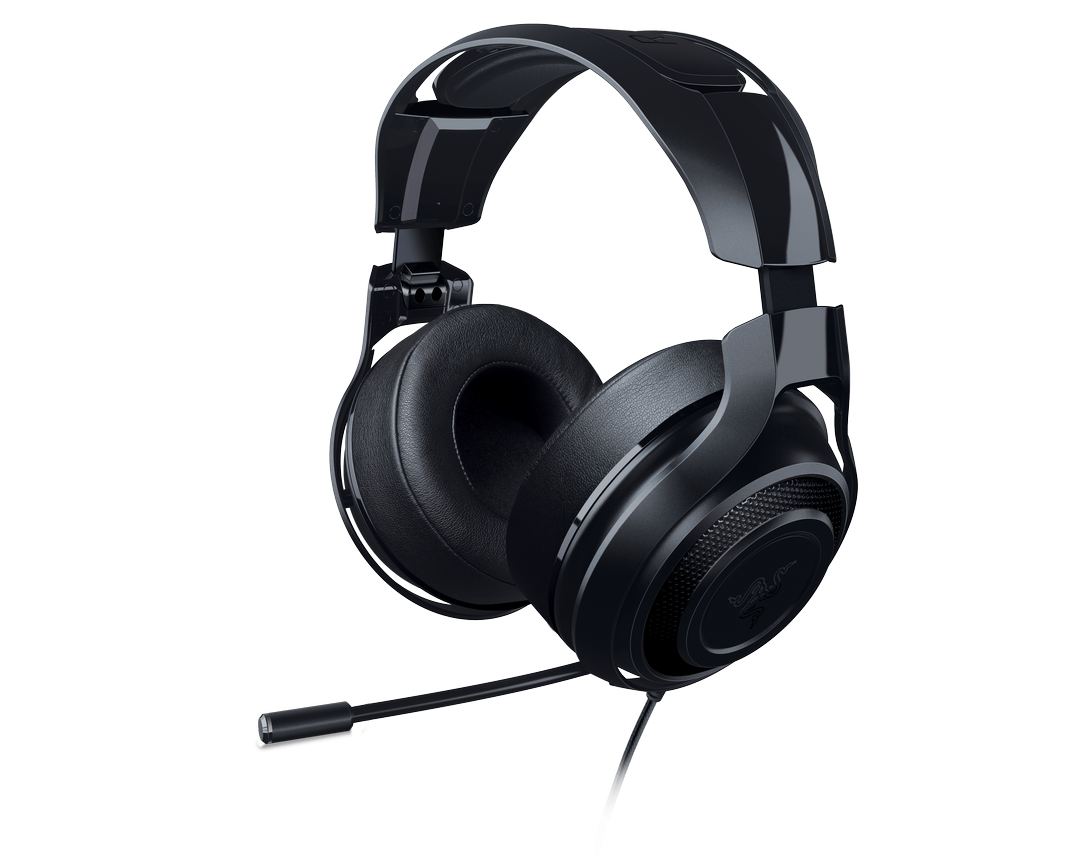
Finally, Razer is adding a new variant to their ManO’War headsets. The new ManO’War 7.1 Wired Gaming Headset features beefy 50mm neodymium drivers and 7.1 virtual surround sound through a USB adapter. The closed headset features oversized pleather ear cushions and a retractable microphone. The headset is designed to work with PC, PlayStation 4, and Xbox One; however, the 7.1 virtual surround sound USB adapter will only work for PC. The headset is scheduled to release worldwide this October for an MSRP of $119.99 USD / €134.99.