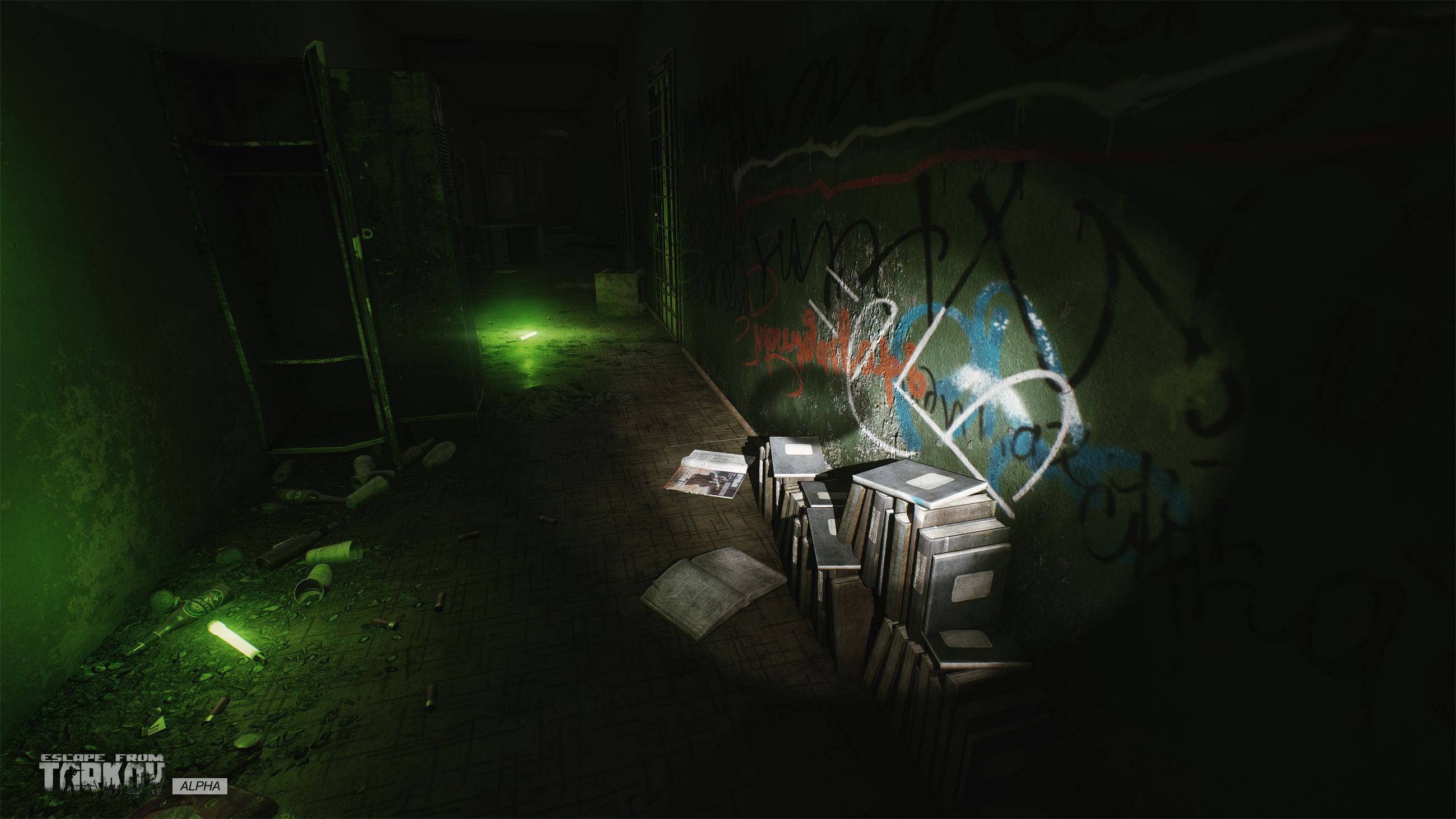
Battlestate Games released a lengthy recap of their progress on the FPSEscape from Tarkov in 2016. If you have not been lucky enough to get into the alpha, the video will get you up to speed on some of the features, weapons, and locations completed in the past year, along with a few hints on what will be coming in 2017.
The extended alpha was released yesterday, which brought some new players into the game. A closed beta-test is still planned for 2017, with sign ups available at the official Escape from Tarkov site. Pre-orders starting from $4.99 USD for the game are available that guarantee access to the closed beta.
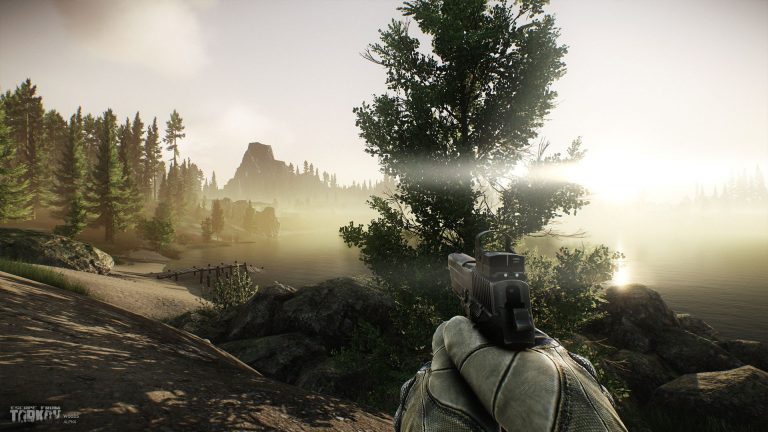
Russian indie devs Battlestate Games announced that their upcoming hardcore MMOFPS Escape From Tarkovwill be entering another round of alpha testing. Being called an extended alpha, the new build introduces the Woods environment that provides a more natural contrast to the urban environments featured in the game’s first alpha. The Woods is a mix of open fields and dense forests, which creates plenty of opportunities to ambush unsuspecting PMCs. Additionally weapon failure, weapon repair, and player groups have been added to the game. Behind the scenes, Escape from Tarkov’s in-game physics have been improved and plenty of optimizations have been implemented.
A new round of keys for Escape from Tarkov’s extended alpha are being sent out, with priority going to those who have purchased pre-orders. Those who purchased a more expensive package will have a higher chance of getting into the alpha. Closed beta is scheduled to start later this year.
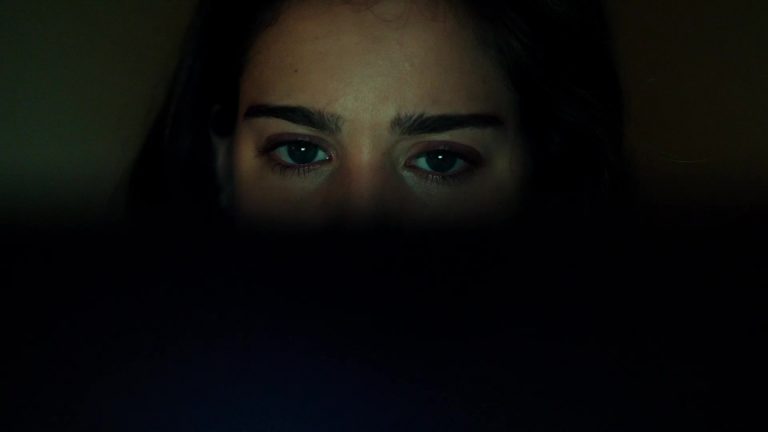
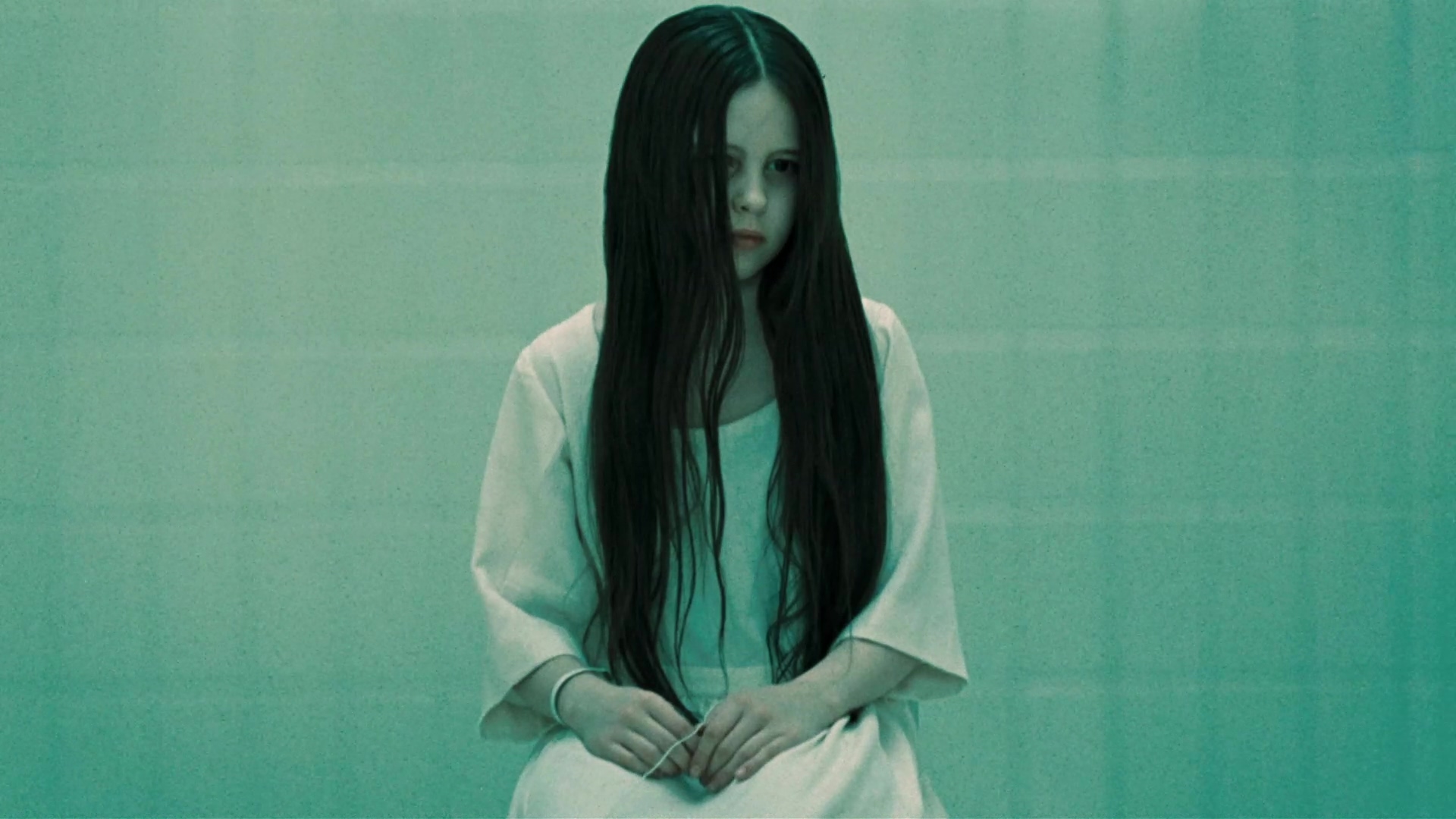
Paramount Pictures released the second trailer for the upcoming horror film Rings. Set 13 years after The Ring and The Ring 2, the film stars Matilda Lutz as Julia and Alex Roe as Holt, a pair of lovers who are the latest victims of the mysterious video that kills. In order to save her curious boyfriend Holt, Julia watches the movie and has only seven days to live. But there’s a horrifying secret, there’s a movie within the movie that no one has ever seen before. Rings will also star Johnny Galecki (The Big Bang Theory) and Aimee Teegarden (Friday Night Lights).
Ringsis set to hit cinemas in Australia on February 23 and in North America on February 3rd.
Parisian publisher Focus Home Interactive and French developers Asobo Studio are partnering up to release a new game called The Plague. Asobo Studio is the team behind Kinect Rush and has assisted in development of many major titles in the past several years. Their resume boasts games like Quantum Break, The Crew, and Recore.
Not much detail is available at the moment about The Plague. We know that the action/adventure game is finishing pre-production and will be released for consoles and PC, but that is about it. The Plague will be given a full reveal at What’s Next De Focus event in Paris running February 1-2. Asobo Studio is expected to release new visuals and show off the first version of the game at the event.
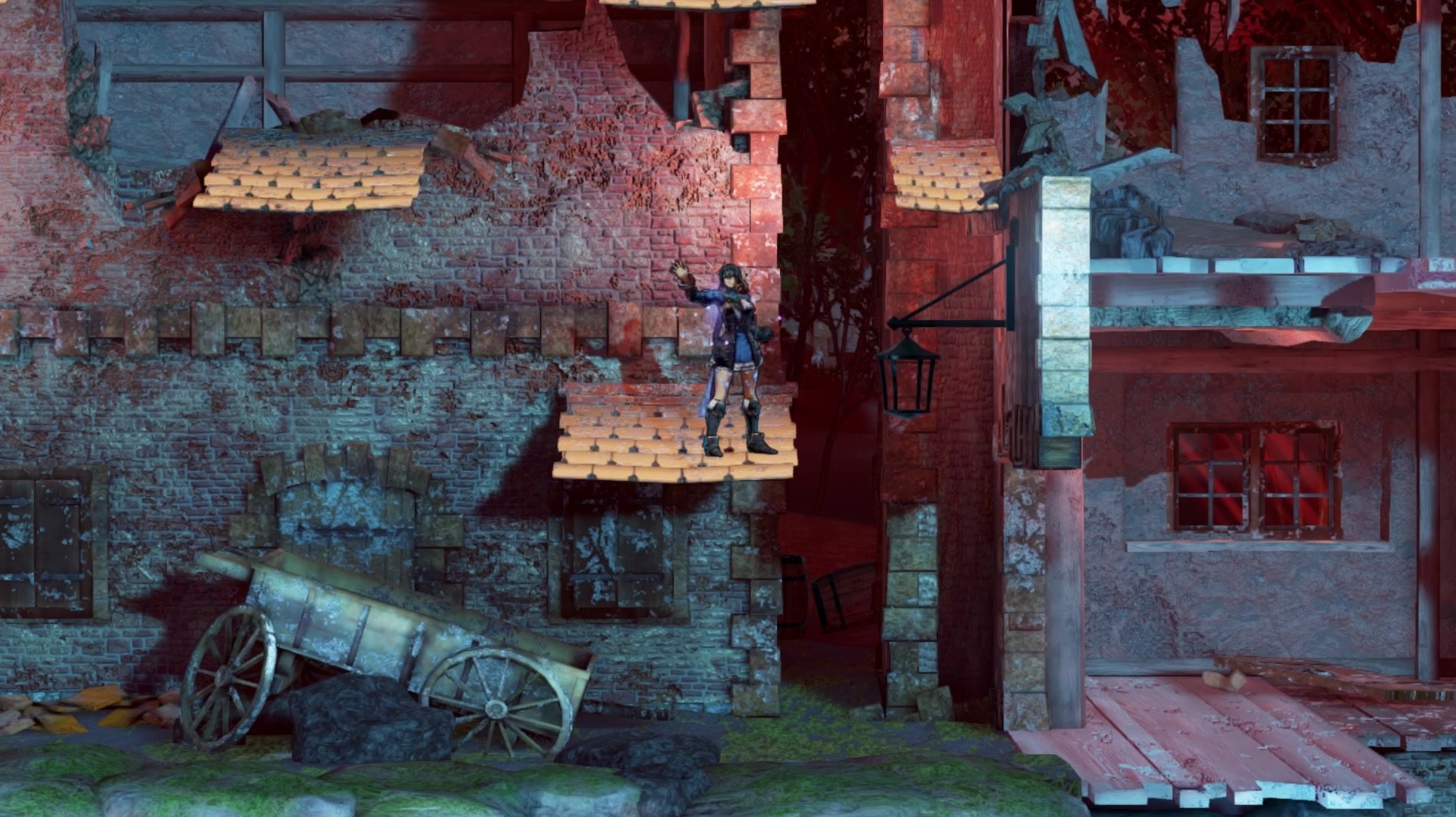
Koji Igarashi decided to kick off the new year, or at least rather close to the new year, with a fresh update for those who are following the development of Bloodstained: Ritual of the Night. This update came in the form of a thirty-second gameplay video showing off the new “Village” area of the game that players will be encountering in the game.
As described by the developer, the village area is located before the castle where the game is mostly set and players will need to pass through the area to enter the castle while fighting against demons who are attacking it at the time. Bloodstained: Ritual of the Night is currently set to be released in the first half of 2018 for the PlayStation 4, Xbox One, PC, PS Vita, and possibly the Wii U.
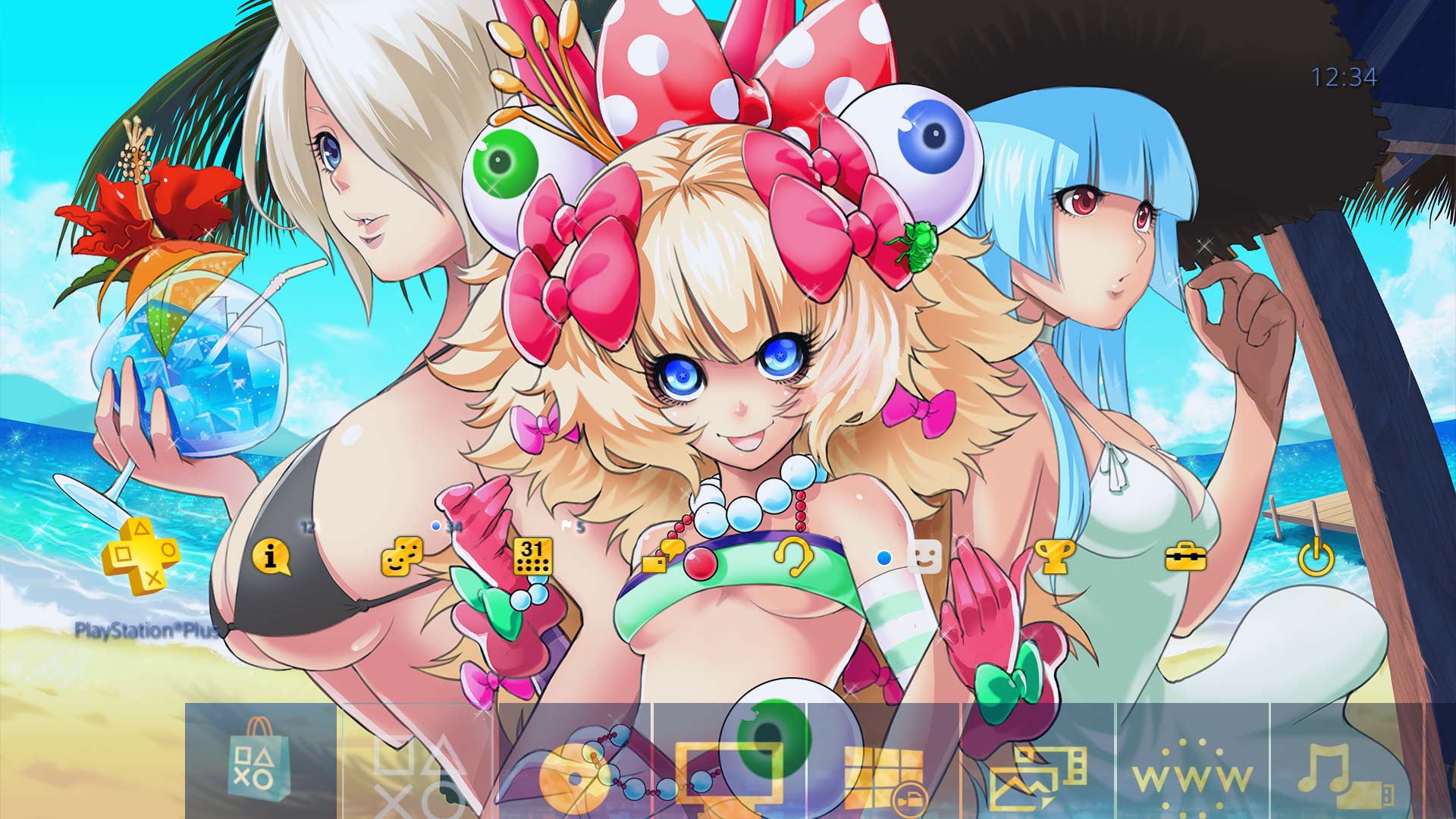
It looks like Atlus USA is giving fans of The King of Fighters XIV a bit of a treat as the company has released a number of themes for the game that players can use to customize their PlayStation 4 user interface. The company has released eleven total themes onto the PlayStation Store and only one of those is currently priced at $2.99 while the other ten themes, including themes that focus on the holiday season, specific teams and characters, or the girls of the roster, are currently free to download.
You can check the themes out on the PlayStation Store here but it is worth noting that Atlus has not stated how long these themes will be free.
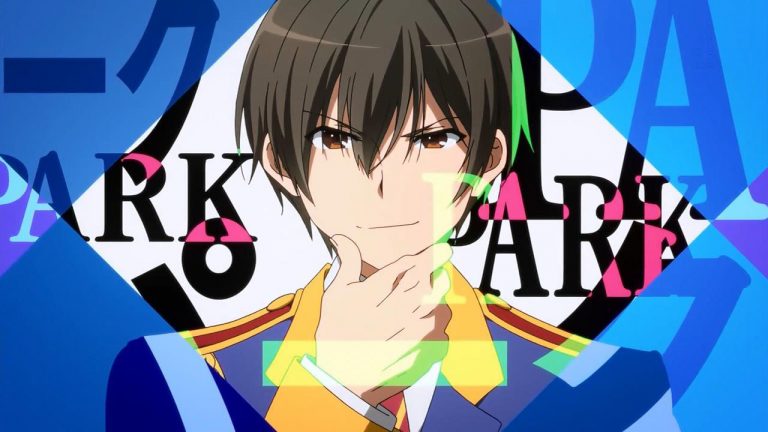
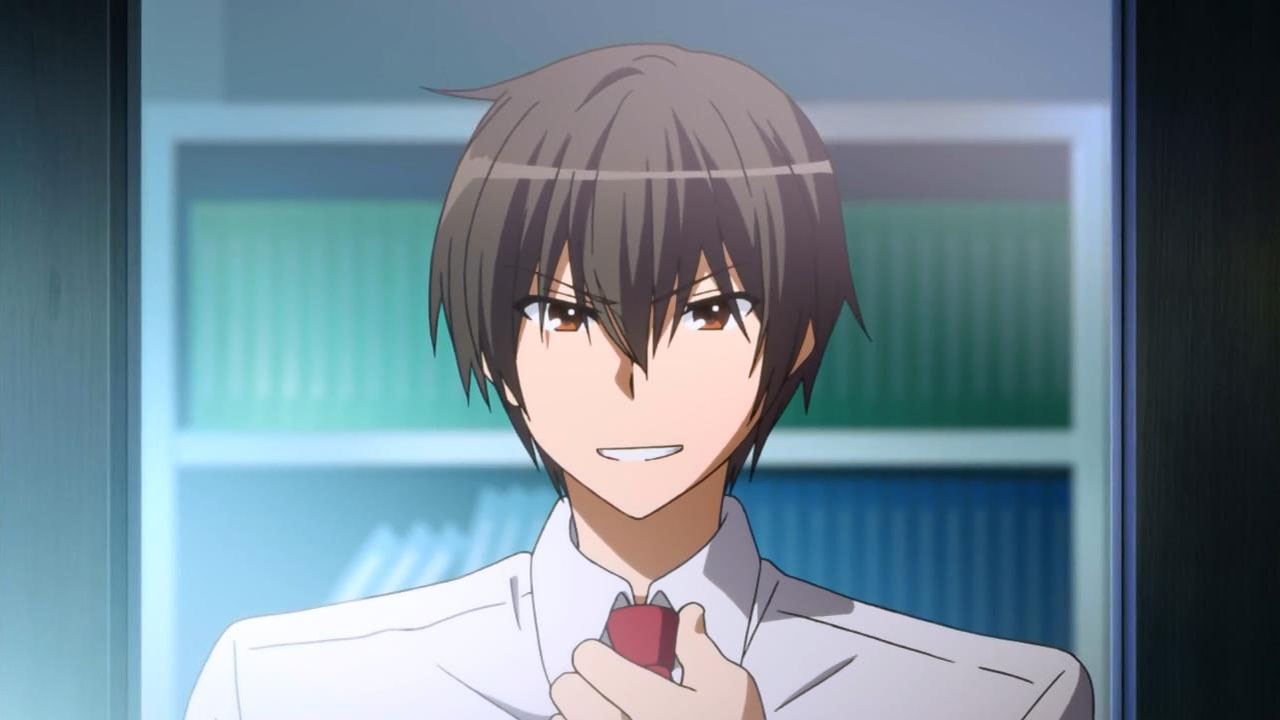
Yesterday Sentai Filmworks began what is turning into a series of English voice actor reveals for the dub of Amagi Brilliant Park. The first time around we were introduced to Princess Latifah and now the company has revealed that the character Seiya Kanie will be voiced by Adam Gibbs when the series is released on Blu-ray, DVD, and in a premium box combo pack on February 28th.
The premium box version of the release will include the series on Blu-ray and DVD, Sticker Sheets, Iron Token, Mirror Button, Metal Pin Set + Card, Authenticity Card, Park Brochures, Map Poster, and a Collectors Box.
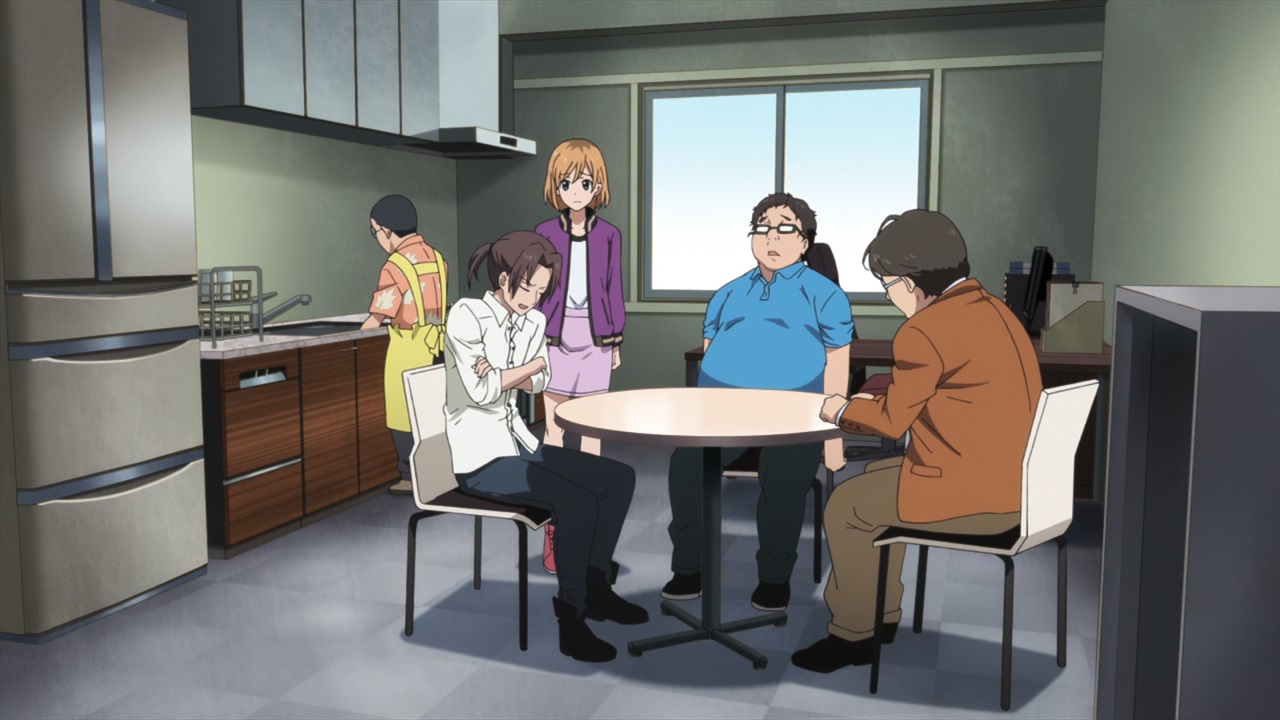
Aoi Miyamori is a production assistant at Musashino Animation. After several years without a major project, Musashino is producing a 13-episode original anime series called Exodus, directed by the infamous Seiichi Kinoshita. Although Aoi initially only has to manage episodes 4 and 9, she soon learns that anime production almost never goes according to plan and that labour shortages are a serious problem in the industry. Meanwhile, her four friends from her high school’s animation club are either working hard in the anime industry or trying to get into it.
Story
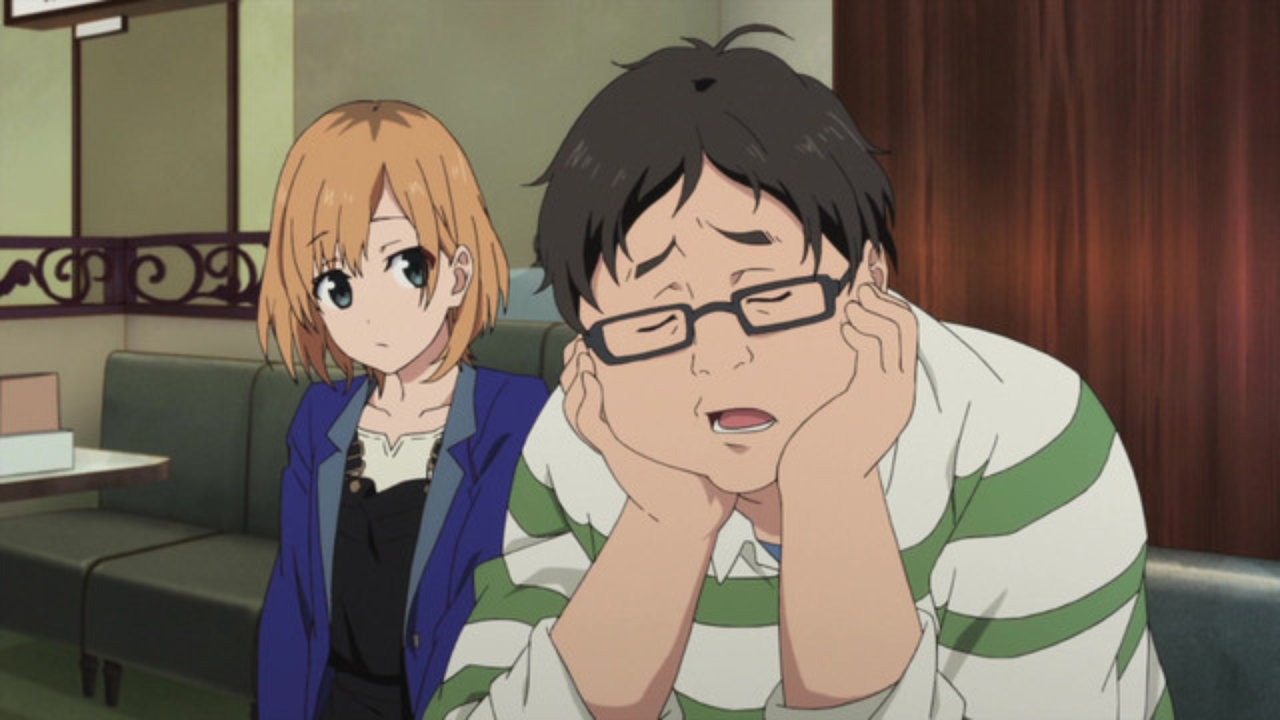
Shirobako features just the right combination of educational content and moe. Cute girls doing cute things is basically its own genre at this point, and an extremely stale genre at that, but the use of moe works well here because of the brilliant but simple premise of the series. This is not a high school anime about girls doing nothing. This is a rare, perhaps unique, anime that has a professional workplace as its setting. It portrays women at the beginning of their professional careers as they learn how to manage their responsibilities, and the issue of how women are viewed in the Japanese workplace is cleverly discussed. The situations and people Aoi has to deal with are occasionally stylised in order to be entertaining, but not to the point of being unbelievable. There are many invaluable insights into anime production to be found here, and there is almost certainly no other anime series this brutally realistic yet optimistic about the anime industry. An episode discussing traditional animation is one of the most fascinating episodes in the entire series, and it is enhanced immensely by the inclusion of a flashback to the production of a fictional anime series from decades ago. Clips of the series that Musashino works on are occasionally presented, so there are many times when it feels like this could be a behind-the-scenes documentary that happens to be animated.
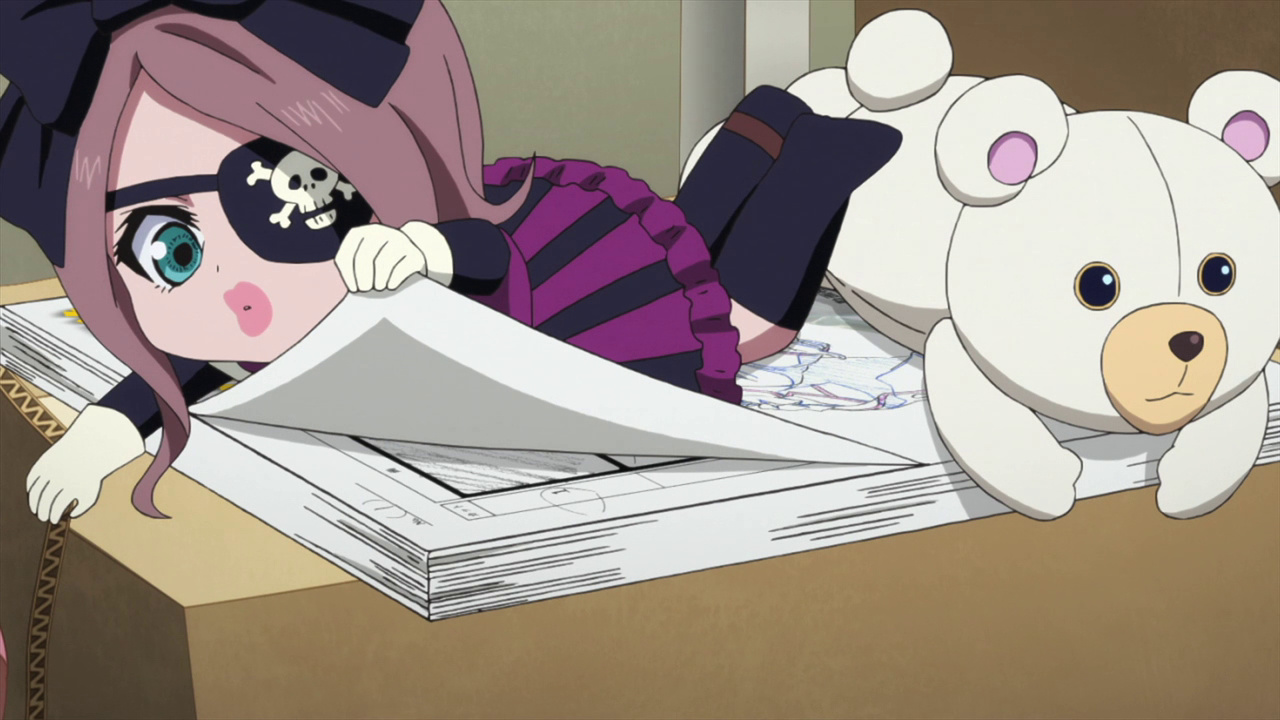
All of the main characters have their own distinctive personalities and reasons for wanting to get into the anime industry. The five students of the animation club show a sense of wonder at seeing their own animation come to life that is almost infectious in a way, and the general impression of the members of the production team at Musashino Animation is that they chose to work in the anime industry because they genuinely like anime. The minor characters introduced in the second half are not given many opportunities to grow, but all of the core characters introduced at the beginning are shown to become more mature and start thinking about their futures. It is rather rare, but refreshing, for an anime series to have characters looking towards the future like this. There are some characters who are annoying, but nearly all of those ones either get their comeuppance or go through realistic character development. The only notable exception is one artist in the second season who is almost entirely incomprehensible. The best way to describe her would be to call her a personification of anxiety. She sounds like a two-year-old and could almost be mistaken for an overgrown child if not for her artistic skills, but she is the only one whose presence in a professional workplace is truly perplexing. Making emotional attachments to these characters is very easy, and their development helps the emotional scenes hit their mark every single time. The emotional content increases in the second half, especially in scenes featuring the heartbreakingly unlucky Shizuka Sakaki.
Visuals
The animation, while sometimes simple, does its job well. The inclusion of key frame artwork and animatics from the fictional shows help to depict the progress of Musashino’s productions. The choice to end episode 12, the final episode of the first season, with a series of still frames seems a little odd, given that no one at Musashino would consider ending Exodus with a relatively long series of still frames. Hopefully this is a creative decision and not an ironic problem caused by a hectic production schedule in real life. The character designs all stand out, and it is refreshing to see characters of all different shapes and sizes depicted. It seems unusual for characters with large bodies to be drawn in anime, but this does make for some surprisingly funny gags and even allows for some action scenes to be present throughout the series.
Audio
The music seems to enhance the situations more than the characters, but there are some wonderful pieces. The background music for The Third Girls Aerial Squad, which is shown in short clips throughout the second season, has a nice orchestral feel to it. This feel is present during montage sequences as well, and it adds to the variety of the music. As always, Shirou Hamaguchi demonstrates his ability to compose music for a variety of situations. The opening theme songs are decent, but not particularly memorable. The first ending song, “Animetic Love Letter”, is both catchy and memorable, on the other hand. The second ending song, “Platinum Jet”, is a bit more typical for anime songs, but it is not bad. All songs are subtitled into English for this release. The subtitles for the show itself are usually fine, but there are many instances of missing commas, causing two statements that ought to be separated to become one long sentence. The on-screen translations are helpful at explaining in-show references to real people and fictional works that may not be obvious to all viewers.
Extras
The textless opening and ending animations are included, but this release does not come with the two OVA episodes included with the Japanese home video releases. Although the main foci of the series are the core characters and Musashino Animation’s production of Exodus and The Third Girls Aerial Squad, it would have been nice for the full first episode of both of these fictional series to have been included with the official English home video releases.
Overall
There tends to be at least one unique and genuinely interesting anime show every season, if not more, and they often tend to be original productions instead of adaptations of existing work. Shirobako is one such series. Real-life troubles and pressures associated with anime production are presented in an engaging way. This show provides a rare opportunity to gain an in-depth insight into the production ‘hell’ that is sometimes talked about in relation to anime. It is one of those high-quality shows that truly deserves to be remembered. It is easy to identify with at least one of its characters, and even just seeing them grow and become more confident as professionals makes it worth watching this series. Capsule Computers review guidelines can be found here.
To celebrate the hotly-anticipated game release of Resident Evil™ 7: Biohazard on 24th January 2017, Capcom has today announced the opening of an immersive experience in London taking place over four days, from the 20th – 23rd January. You can see a preview of what to expect in our reveal trailer available on the press site now.
Following a storyline inspired by the new game, Resident Evil™ 7: The Experience will be a 45-minute immersive experience drawing inspiration from the cult game’s return to its survival horror roots.
Set in a haunted and dilapidated venue in the heart of London’s East End, those brave enough to enter will take on the part of investigative journalist interns helping a paranormal TV production team investigate the disappearance of their crew members who never returned from the house.
Mirroring the unsettling nature of the game, participants will be faced with a web of puzzles and clues, including a few unexpected interruptions, as they work together to overcome both visible and unseen obstacles to figure out the truth, and escape unscathed.
Laura Skelly, PR Manager, Capcom comments, “For anyone who has ever wanted to enter the world of Resident Evil, now is your chance! We wanted to give fans a little glimpse into the Resident Evil 7: Biohazard gameplay, bringing it to life and allowing people to interact with the game in a brand-new way, and perhaps even having a chance encounter with some of the game’s characters. Playing on the idea of survival horror, we are really excited to see who will be able to escape the experience when it opens its doors to the public later this month.”
Game producer Masachika Kawata says, “I’m extremely excited to see Resident Evil 7: Biohazard come to life through this Experience, and for participants to get a little taster of what is to come in the game.”
Resident Evil™ 7: The Experience will take place in London from 20th – 23rdJanuary and will be free entry for members of the public on a strictly first-come basis. Those lucky enough to grab a slot will go through the experience in pairs, and will also be able to play a demo version of the game ahead of the full game launching on the 24th.
With numbers of tickets limited, those wishing to take part will need to visit the dedicated website to find out how to get a chance to enter.
Further details, including terms and conditions, on how to book The Experience can be found on http://RE7experiencelondon.com
Capcom is a leading worldwide developer, publisher and distributor of interactive entertainment for game consoles, PCs, handheld and wireless devices. Founded in 1983, the company has created hundreds of games, including best-selling franchises Resident Evil®, Street Fighter®, Mega Man® and Devil May Cry®. Capcom maintains operations in the U.S., U.K., France, Germany, Tokyo, Hong Kong and Korea, with corporate headquarters located in Osaka, Japan. More information about Capcom and its products can be found at www.capcom.com or www.capcom-unity.com .
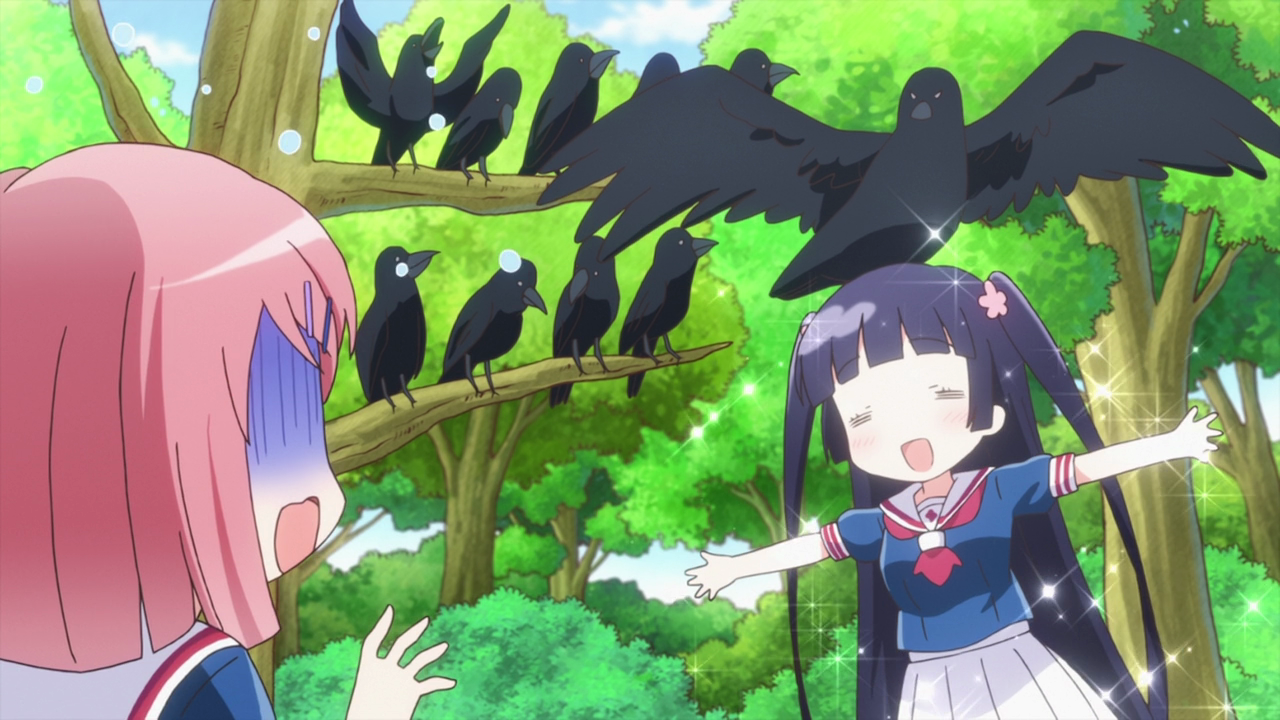
Short anime series that feature episodes that are only around seven or eight minutes long used to be a rare sight outside of Japan and even today we tend to see only a few of the many short series released in the West and those that do tend to be spin-offs of already popular franchises. Wakaba Girl may not be one such series and while some shows based off of 4-koma manga tie multiple stories together in an effort to create a full length episode Wakaba Girl goes the other route. So now that this comedy series has been released in the West is it worth checking out?
Story
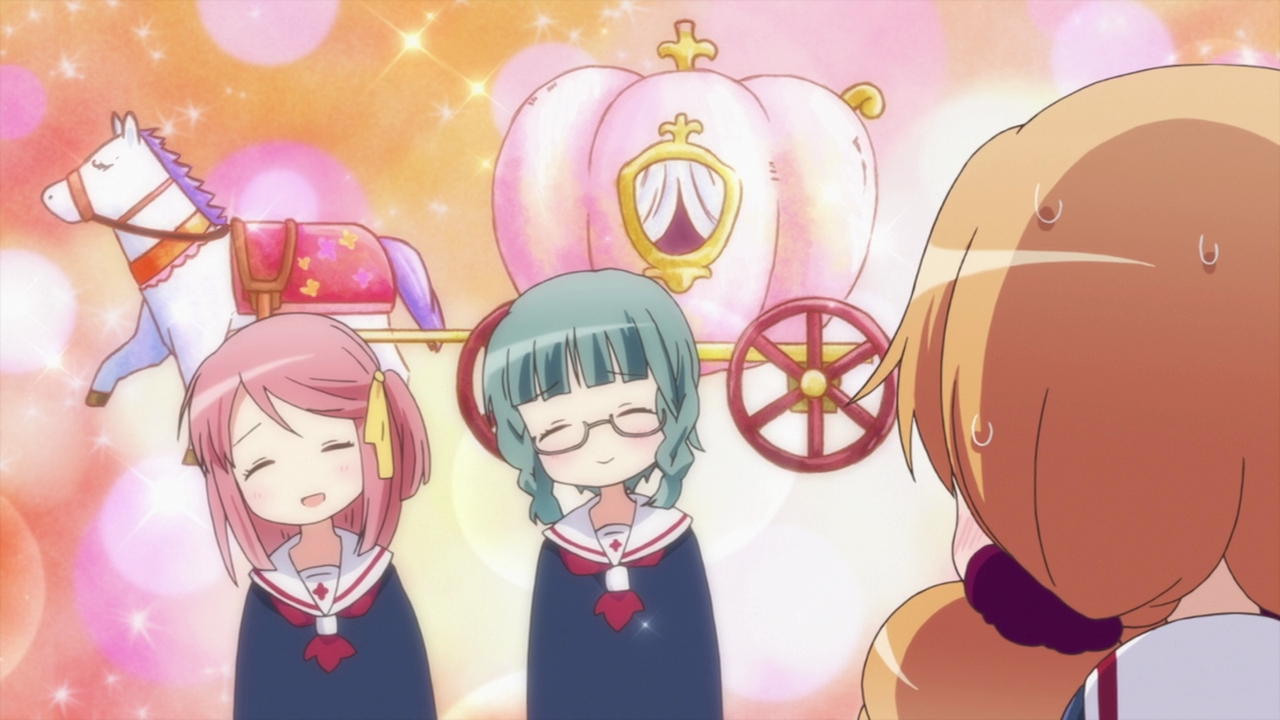
Wakaba Kohashi has lived an incredibly sheltered life. Thanks to her rich family she always has been driven to and from school and even when in class she never would have an opportunity to actually make friends with people due to the fact that her father’s job always keeps the family on the move. This led to Wakaba developing a few unique dreams and misconceptions about the real world. Such as how she wants to become a ‘gyaru’ but really doesn’t know the meaning of the word or anything about it.
Her chance for a change comes when she enters her first year of high school and begins to attend a normal school for the first time in her life. Thanks to the fact that, as she bluntly states, she is a bit dumb and can even fall asleep while standing to deal with classwork, she finds herself surrounded by normal girls and it just so happens that the girls sitting next to her are more than welcoming and the four become quick friends.
These four quickly figure out what to call one another as Wakaba, Moe, Mao, and Shiba begin to take on various school activities that one would usually expect to be predictable but thanks to the sheltered life of Wakaba, tend to be a bit unique. Not only has Wakaba already managed to complete her dream of becoming a high school girl, she makes her very first friends outside of her family and the series tends to follow this pattern of having each new episode be the girls doing something that is new for Wakaba as well as fun for the rest of them.
As is usual in comedy shows such as this, each episode features one of the key jokes as the title so viewers are given a small hint as to what to expect though considering the numerous running gags that are established in the series it’ll be a bit hard to guess when the punchline will happen. For the most part the series works well thanks to the four girls in the group as they play off one another well, with Mao being the energetic girl, Shiba being the athlete that can’t speak when put on the spot, Moe fitting her nickname by being the cute one with some unique traits, and Wakaba being herself.
This combination of characters is far from anything new but the small jabs that the three other girls make at one another and the pure innocence that we see from Wakaba helps make even the most standard activities seem fun. This includes things such as traveling to an ice cream shop, staying the night at a friend’s house, going swimming, taking part in cultural festivals, and more. While these are standard for a series that takes place in the school, the complete disconnect that Wakaba and her family have from normal standards help make each of these situations unique, such as wanting to plan their next trip to a sweet shop in France, offering gold bullion as a housewarming gift, and giving money whenever she has fun.
Outside of Wakaba’s experiencing something new every episode the rest of the cast gets a bit of time to develop as well, with Mao trying to pull off a rich girl attitude to impress a boy she likes and using Wakaba as her studying material only to find that she is beyond the ultimate and that she should stay true to herself, the group standing up for Wakaba when they learn that her early curfew would leave her out of an activity that she is excited for, helping Moe with her athletic skills, and more as their own problems are seen and worked through with Wakaba often leading the way.
This innocent nature and sweetness permeates the series to the point that it is a bit saccharine at times and although there are plenty of great moments there are also plenty of jokes that fall a bit flat especially if you happen to sit through the series all at once rather than enjoying it in small bursts. As one would expect, this sweetness does have a bit of predictable drama worked in at the thirteenth episode to wrap things up in a heartwarming fashion to show how strong of a bond that Wakaba has with her friends and while this is certainly a tender way to end the series it is something viewers should see coming a mile away.
Visuals
Wakaba Girl is animated by Nexus, a company with only a few shows accredited to it, and features solid bright color usage that never comes across as overpowering and helps each of the girls stand out in the group thanks to various small touches in their designs. The animation studio has made great use of deadpan facial expressions and other visual changes to help accent the joke being made in a scene though be prepared for plenty of sound-effects being quickly translated with notes from Sentai Filmworks.
The basics backgrounds and designs of most of the areas the girls travel to may appear rather standard for the series but it plays off of the few outlandish looking scenes that are presented when Wakaba’s house is shown off to the surprise of her friends. It is worth noting that although the series does have the standard swimming episode, there is no real fan service to be concerned about and even the hot spring episode is played in a completely different fashion than one would expect.
Audio
Sentai Filmworks has opted to bring Wakaba Girl to the West with only the original Japanese voice track. This works for the most part thanks to the fact that all of the girls sound exactly as one would expect given their archetypes. Wakaba’s innocent “oujo-sama” voice by Ari Ozawa fits her actions perfectly and one would be rather surprised to see that many of the voice actresses In the series have quite a lot of experience already since many shorts such as this serve as launching grounds for new voice actors.
As far as the soundtrack goes, the series features rather simple tunes that don’t really stand out in any way and thanks to it being a short it only has an opening animation and no closing theme. The opening theme is very catchy thanks to its simple lyrics and pairing with the animation and it is called “Hajimete Girls!” performed by Ray.
Extras
It is worth noting that this release of Wakaba Girl does include the OVA that was released a couple months after the series ended though it is called the fourteenth episode rather than designated as an OVA. The OVA follows the four girls as they plan to go to a hot spring inn and get part-time jobs at a small restaurant in an effort to pay for it themselves rather than use Wakaba’s money, though considering the restaurant is actually owned by Wakaba’s older sister the three girls are in for quite an interesting time.
Outside of the bonus OVA the only other features included in this release are a clean version of the opening theme and trailers for other titles from Sentai Filmworks.
Overall
Wakaba Girl may be a bit too sweet for its own good at times and rarely offers any unpredictable twists but it is an incredibly charming comedy series that features a delightful group with great interactions. Wakaba’s innocent mind and rich-girl ideas that clash with common sense help bring some unique comedic moments to a series that ends up being delightfully pleasant and something to easily pop in and watch a few episodes to get a quick laugh as I can see this humor easily standing up to multiple viewings thanks to its short-form design.









 Her chance for a change comes when she enters her first year of high school and begins to attend a normal school for the first time in her life. Thanks to the fact that, as she bluntly states, she is a bit dumb and can even fall asleep while standing to deal with classwork, she finds herself surrounded by normal girls and it just so happens that the girls sitting next to her are more than welcoming and the four become quick friends.
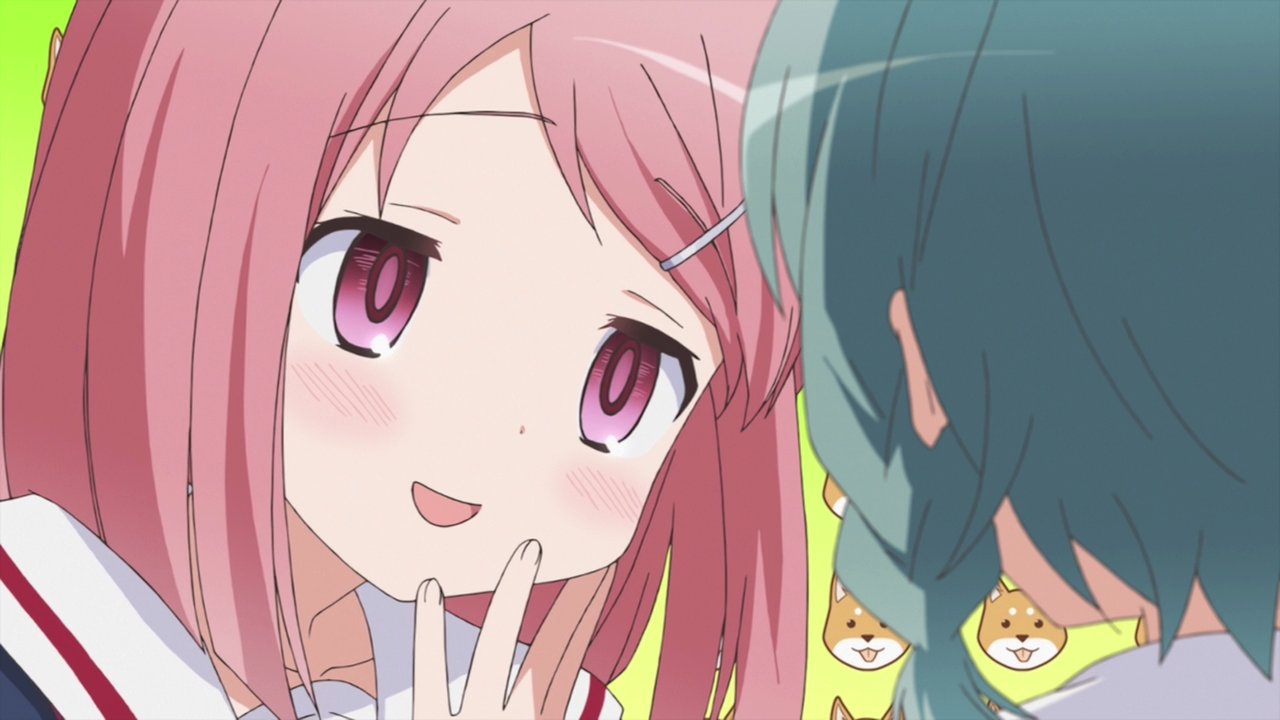 As is usual in comedy shows such as this, each episode features one of the key jokes as the title so viewers are given a small hint as to what to expect though considering the numerous running gags that are established in the series it’ll be a bit hard to guess when the punchline will happen. For the most part the series works well thanks to the four girls in the group as they play off one another well, with Mao being the energetic girl, Shiba being the athlete that can’t speak when put on the spot, Moe fitting her nickname by being the cute one with some unique traits, and Wakaba being herself.
 Outside of Wakaba’s experiencing something new every episode the rest of the cast gets a bit of time to develop as well, with Mao trying to pull off a rich girl attitude to impress a boy she likes and using Wakaba as her studying material only to find that she is beyond the ultimate and that she should stay true to herself, the group standing up for Wakaba when they learn that her early curfew would leave her out of an activity that she is excited for, helping Moe with her athletic skills, and more as their own problems are seen and worked through with Wakaba often leading the way.
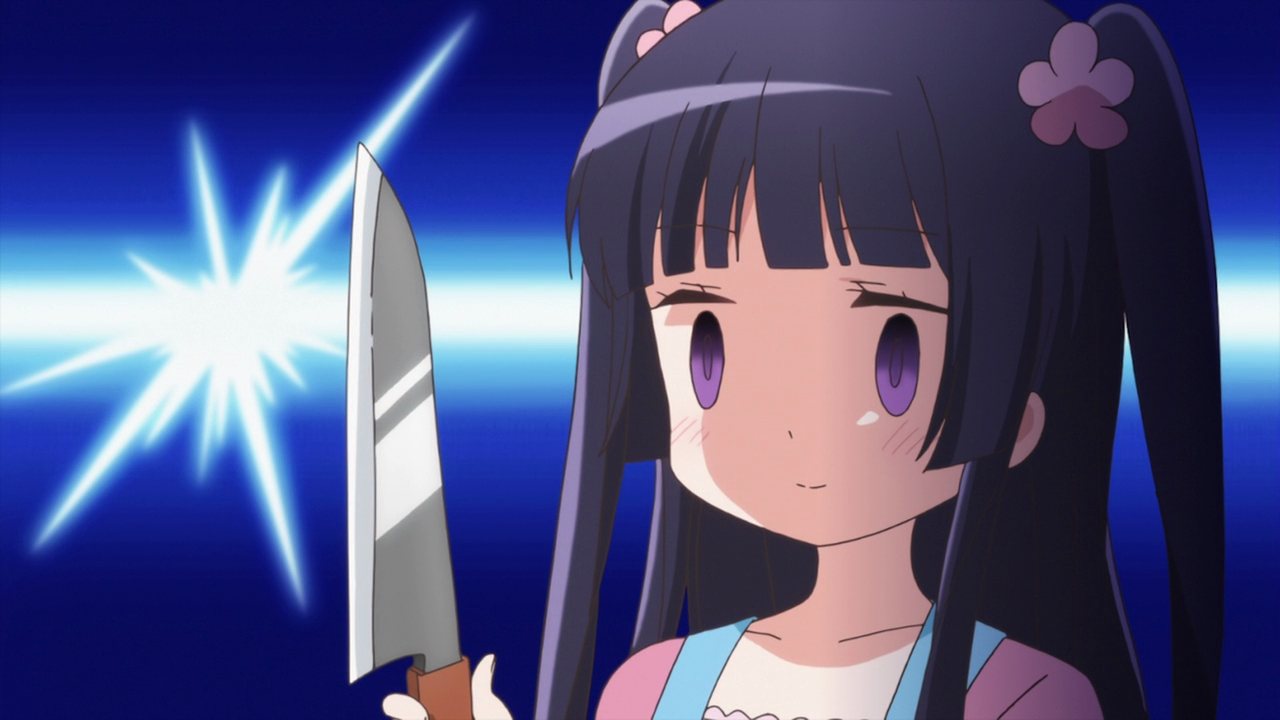 This innocent nature and sweetness permeates the series to the point that it is a bit saccharine at times and although there are plenty of great moments there are also plenty of jokes that fall a bit flat especially if you happen to sit through the series all at once rather than enjoying it in small bursts. As one would expect, this sweetness does have a bit of predictable drama worked in at the thirteenth episode to wrap things up in a heartwarming fashion to show how strong of a bond that Wakaba has with her friends and while this is certainly a tender way to end the series it is something viewers should see coming a mile away.
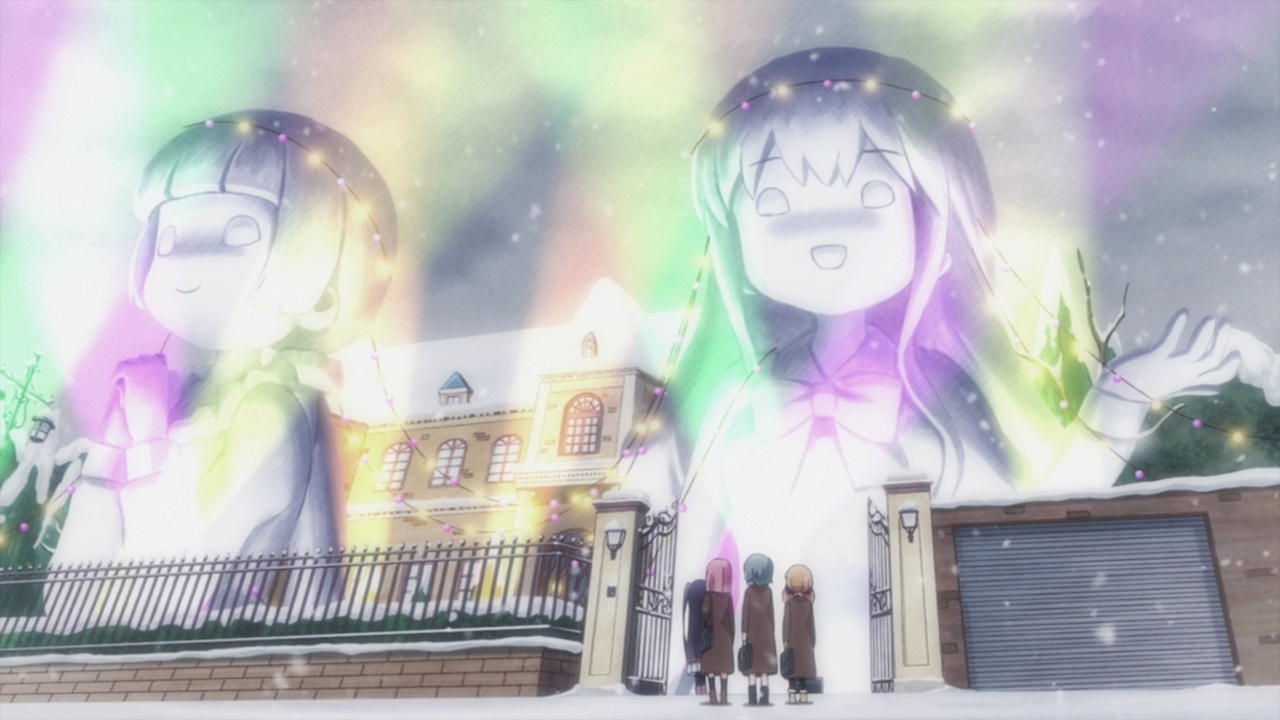 The basics backgrounds and designs of most of the areas the girls travel to may appear rather standard for the series but it plays off of the few outlandish looking scenes that are presented when Wakaba’s house is shown off to the surprise of her friends. It is worth noting that although the series does have the standard swimming episode, there is no real fan service to be concerned about and even the hot spring episode is played in a completely different fashion than one would expect.
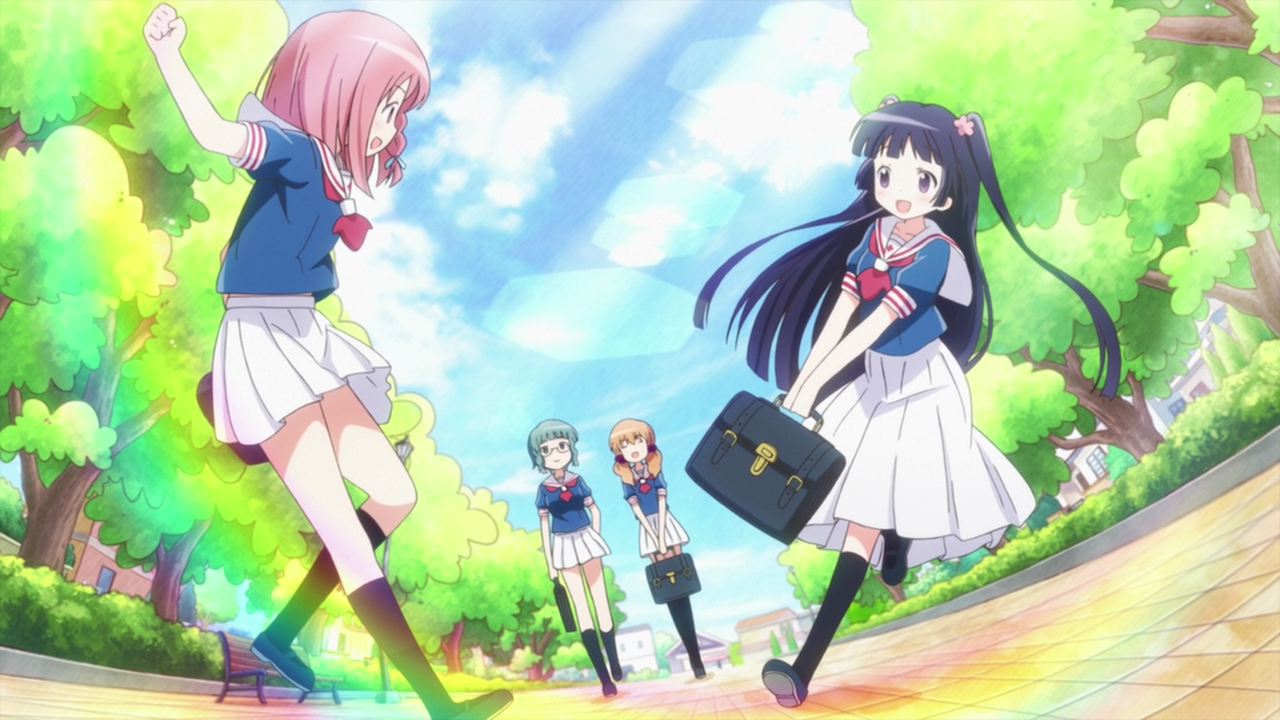 As far as the soundtrack goes, the series features rather simple tunes that don’t really stand out in any way and thanks to it being a short it only has an opening animation and no closing theme. The opening theme is very catchy thanks to its simple lyrics and pairing with the animation and it is called “Hajimete Girls!” performed by Ray.
 Outside of the bonus OVA the only other features included in this release are a clean version of the opening theme and trailers for other titles from Sentai Filmworks.