
Home Blog Page 2785

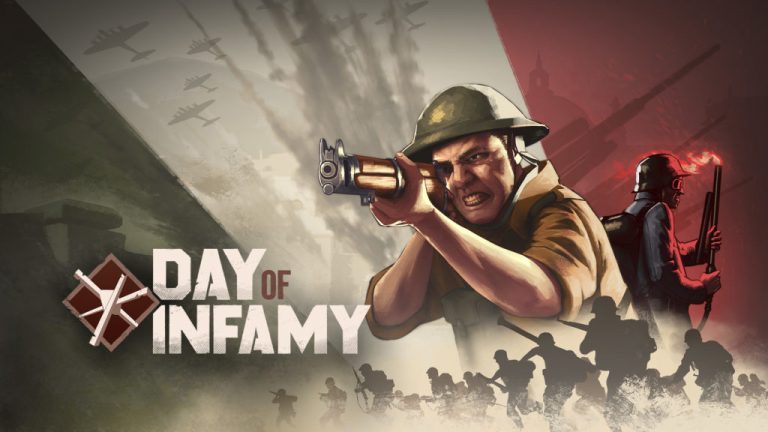
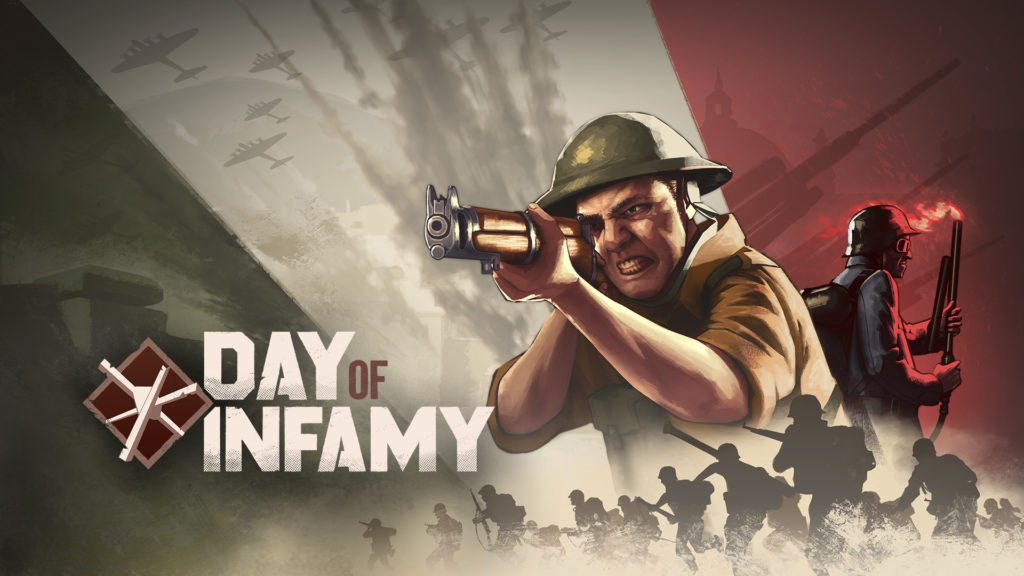
Day of Infamy Preview

Day of Infamy

Developer: New World Interactive
Publisher: New World Interactive
Platform: Mac, Windows
Release Date: 28 July 2016
Price: $19.99 USD – Available Here

Day of Infamy started its life as a World War II mod for Insurgency, designed to be the spiritual successor of the original Day of Defeat mod. The project was soon picked up by Insurgency developers New World Interactive with plans to release Day of Infamy as a full game. After five months of alpha testing, Day of Infamy is now in closed beta and is on track for a Spring 2017 launch.

As the game started out its life as a mod, Day of Infamy shares a lot of similarities to Insurgency. Day of Infamy is just a hair short of being a full blown military sim. Firefights are tense, brutal affairs as realism means nobody will be tanking half a magazine of ammunition before dying. Weapons behave much like their real life counterparts. There is no ammunition counter, just a number for how many magazines with at least one bullet is in one’s possession. Combined with the fact there are no automatic reloads when a magazine runs dry, Day of Infamy’s weapon mechanics creates an incredible amount of tension during extended firefights. The game has made the click click click of an empty weapon officially worthy of my nightmares.
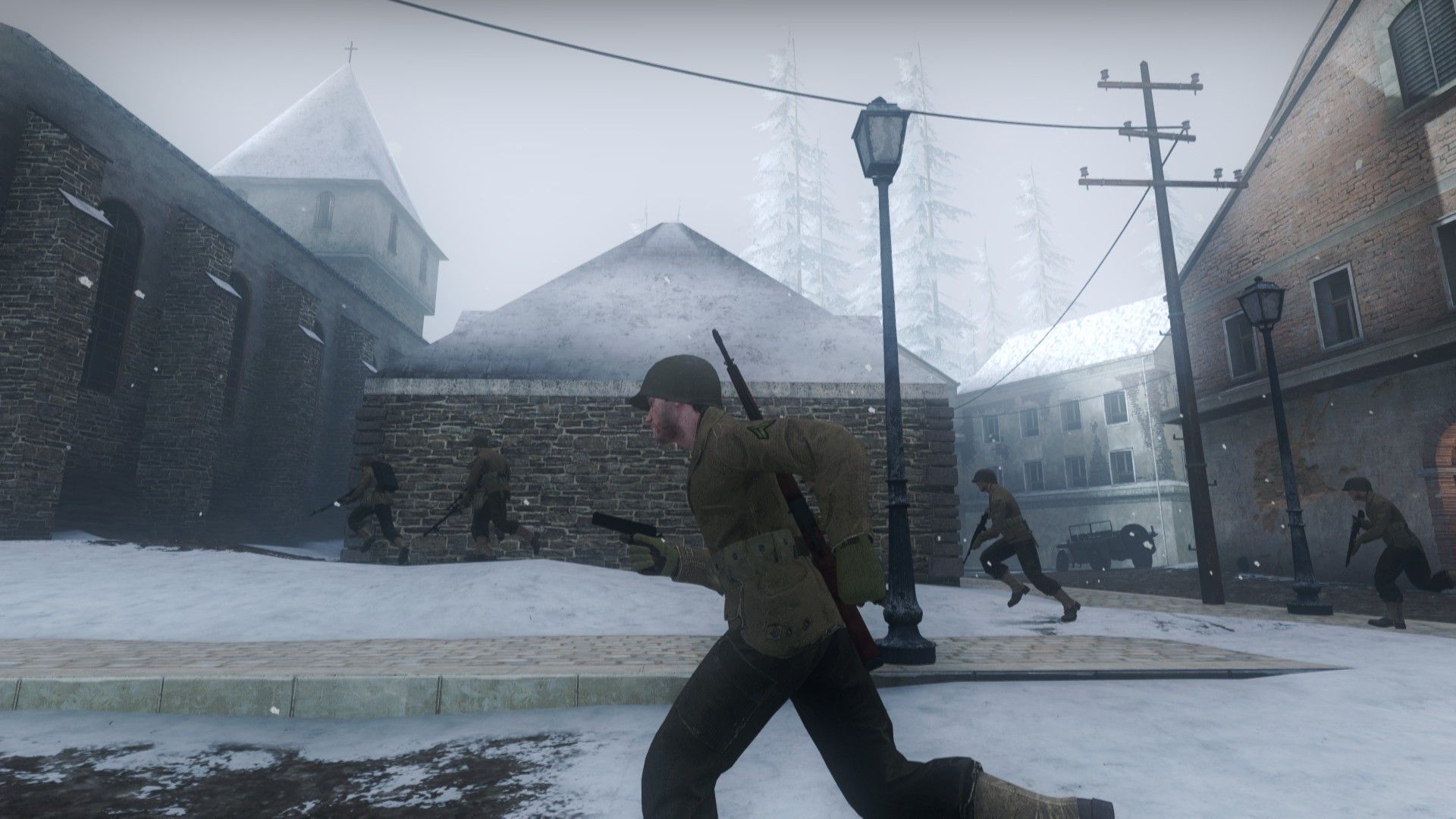
The game’s suppression system adds an extra layer of intensity to the firefights. Shots that land near the enemy are still helpful as bullets that zip past the player will give them a suppression penalty that causes the screen to blur and lowers their accuracy. While it is hard to properly replicate the sheer terror of hiding behind cover in an attempt to stay alive in a video game, the cover system discourages players from acting like Rambo and running out of cover for too long.

The class system starts with the standard World War II mainstays of rifleman, assault/submachine-gunner, machine gunner, and sniper. Day of Infamy also adds an engineer who specializes in opening new attack routes with dynamite, a flamethrower class designed for close quarters, an officer who can call in support from HQ, and a radioman who must radio in the officer’s support requests. I think the radio is an important key of creating Day of Infamy’s realistic environment. Voice chat can only be heard within an earshot of the speaker, so transmitting information about an attack to teammates across the map will require a radio operator with each group. The officer/radioman is a potent combo unique to Day of Infamy. Radios can help speed up capture of points and an officer within two meters of a radio can call in large smoke screens for cover, resupply points, and a variety of explosive strikes to pummel the enemy. Good use of these skills can be the turning point for any match, making soldiers toting around binoculars or a radio a high priority target.
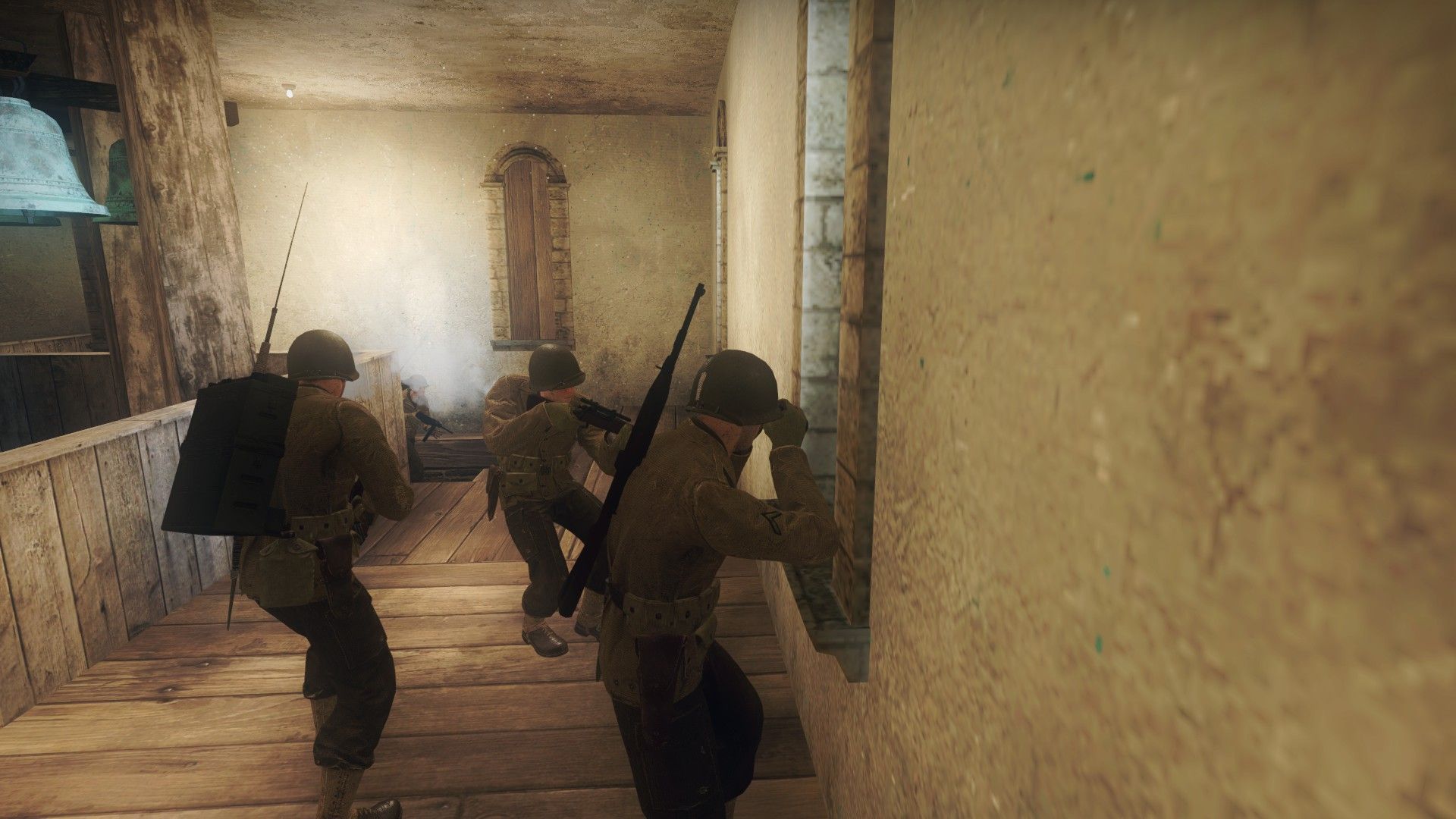
Currently, Day of Infamy features single player practice maps, co-op, and competitive modes. A bulk of the action will be found in co-op and competitive multiplayer. Co-op pits a team of eight against waves of AI in two different modes. Stronghold is an attack mode that has players capturing points from the AI. Death is semi permanent as dead players respawn after the next points is captured. Entrenchment is Strongholds’s defensive counterpart with players respawning when a live player falls back to the next line of defense points to trigger a wave of respawns. The co-op gameplay is a lot of fun. While technically AI will always be less competent than an actual player, Day of Infamy makes up for the skill gap my throwing larger waves of enemies against the player. It is an intense experience to survive fending off a large wave of attackers on the last point of an Entrenchment map knowing there are no more respawns.

Day of Infamy’s multiplayer emphasizes objective-based gameplay. There are currently three modes available. Frontline is the game’s push and pull mode, with both teams fighting for control of the map. Liberation and Offensive are close siblings, with both pitting an attacking team against entrenched defenders. The main difference is Liberation rewards players for sneaking behind enemy lines and capturing undefended points while Offensive only opens up one objective at a time, forcing the two teams to clash in a more concentrated area. The multiplayer battles are incredibly fun and the air of unpredictability of human opponents will appeal to most players.
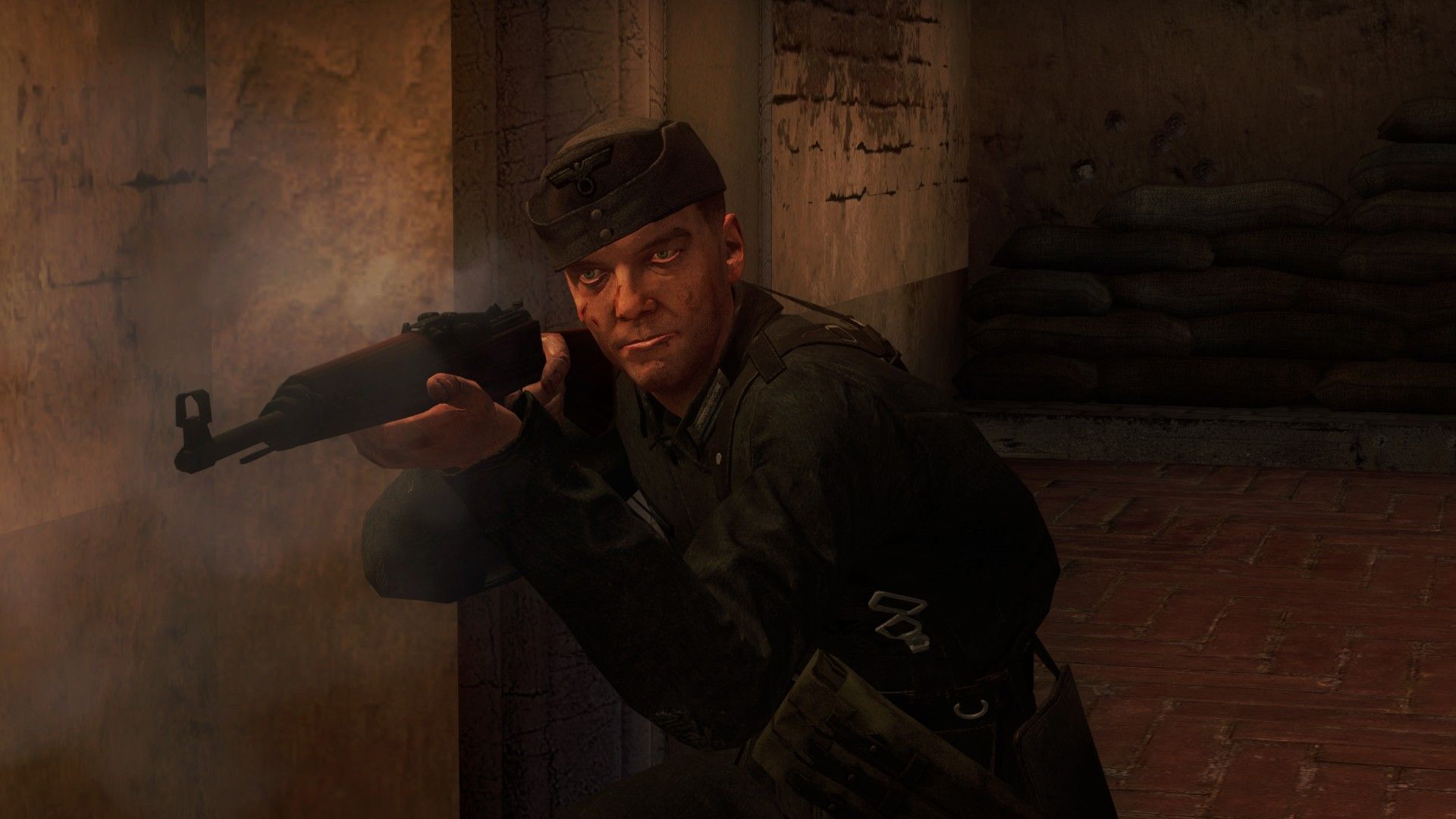
The maps in Day of Infamy are well designed. Day of Defeat fans will find plenty of areas that feel familiar, as many chunks of the maps are inspired by or recreate classic maps like Thunder. Those who haven’t played Day of Defeat will still recognize important locations like Bastogne that has been featured in plenty of WWII films and shows. The mpas of Day of Infamy feature a good balance of wide open spaces for snipers and riflemen to dominate and close quarter areas that are ruled by flamethrowers and submachine guns. Steam Workshop has already been implemented in Day of Infamy, so I suspect plenty of player made maps will follow once the game is launched.

Day of Infamy hits the right balance between realism and accessibility. The game features a simple control scheme that will be familiar to most FPS players, making it much easier to get into the game versus a true military sim. Additionally, a stripped down weapon mod system has been implemented into the game, maintaining a certain level of realism while giving players a little extra flexibility in class customization as they gain access to more supply points. Day of Infamy’s sound design goes a long way to increasing the level of realism in the game. The explosions and gunfire are loud enough to drown out voice chat. The sheer volume makes it difficult to coordinate with teammates while being bombarded with bombers and artillery strikes, creating an extra layer of chaos when intense battles break out.
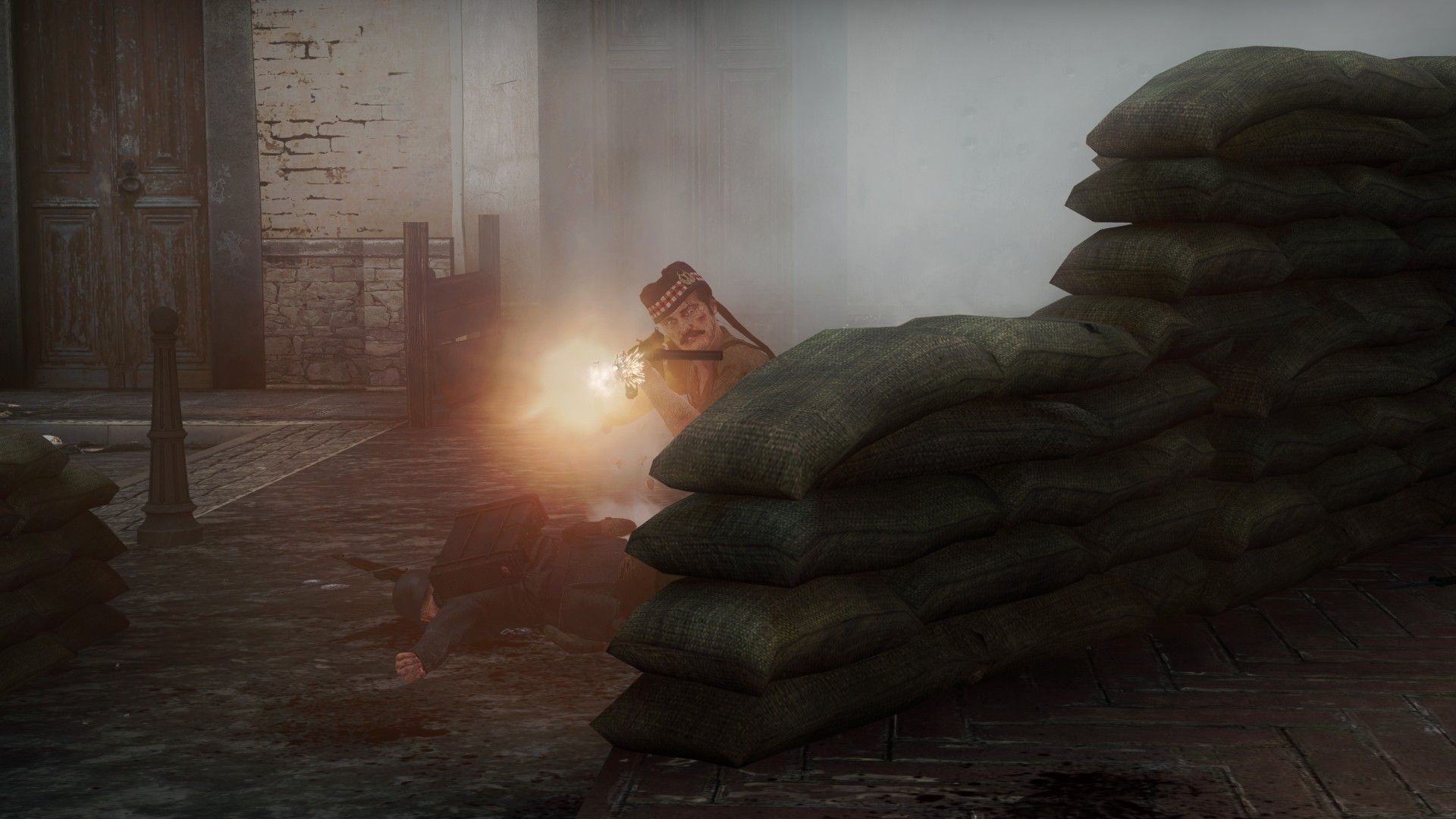
Day of Infamy may be slightly more realistic than the Day of Defeat mod it intends to replace, but the game still packs an enjoyable WWII infantry combat experience. The game hits the right balance, making for a realistic shooter that is still accessible to the average FPS player. While New World Interactive may still be stomping out bugs and fine tuning Day of Infamy, the game is stacking up to an excellent World War II shooter in its own right.
Latest Conan Exiles Trailer Shows the Rise and Fall of Cities

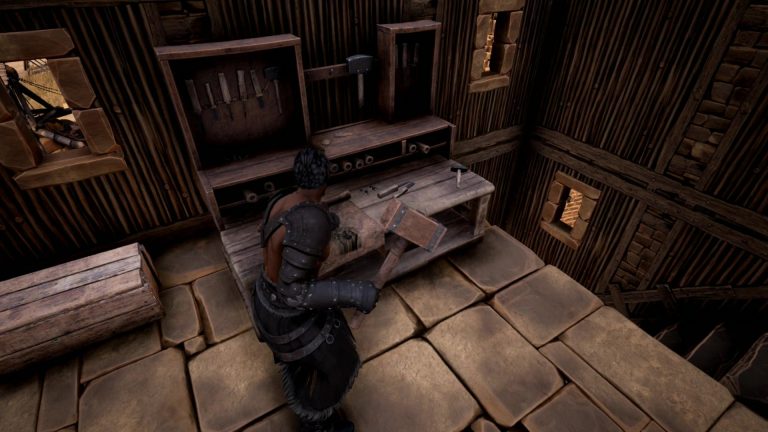
Funcom (The Secret World) released a brand new trailer for their upcoming open world sandbox game Conan Exiles. The trailer features interviews with the development team and fresh gameplay footage of the game’s free form building system.

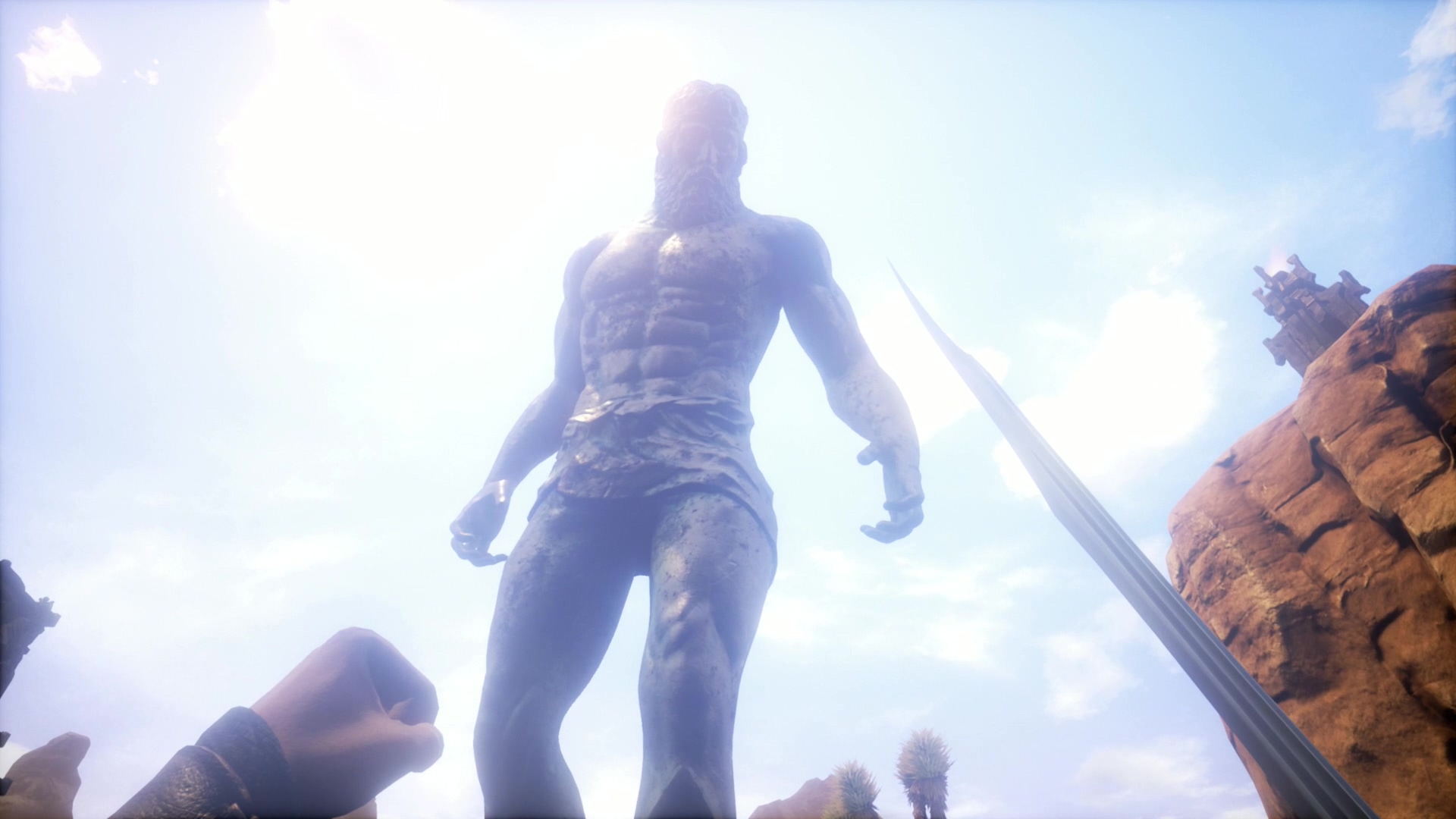
In Conan Exiles, players will be able to build everything from small outposts to epic cities. The system allows for buildings to be erected on any surface, including ones built on the side of mountains. To populate your city, players can capture thralls to complete mundane tasks or even craft specialty items. Of course, all might cities fall. Players will need to not only fend off attacks from other players, but also giant avatars of gods summoned by enemies.

Conan Exiles is set to enter Early Access for PC on January 31st and on Xbox One Game Preview Program some time in Spring 2017.

https://youtu.be/oBW_OEq4l5o

Battlestate Games Recaps Escape from Tarkov Progress in 2016

Battlestate Games released a lengthy recap of their progress on the FPS Escape from Tarkov in 2016. If you have not been lucky enough to get into the alpha, the video will get you up to speed on some of the features, weapons, and locations completed in the past year, along with a few hints on what will be coming in 2017.

The extended alpha was released yesterday, which brought some new players into the game. A closed beta-test is still planned for 2017, with sign ups available at the official Escape from Tarkov site. Pre-orders starting from $4.99 USD for the game are available that guarantee access to the closed beta.

Escape from Tarkov Begins Extended Alpha Testing

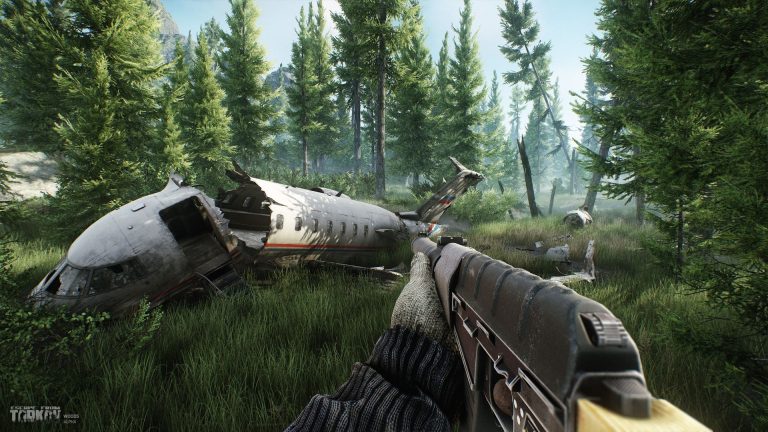
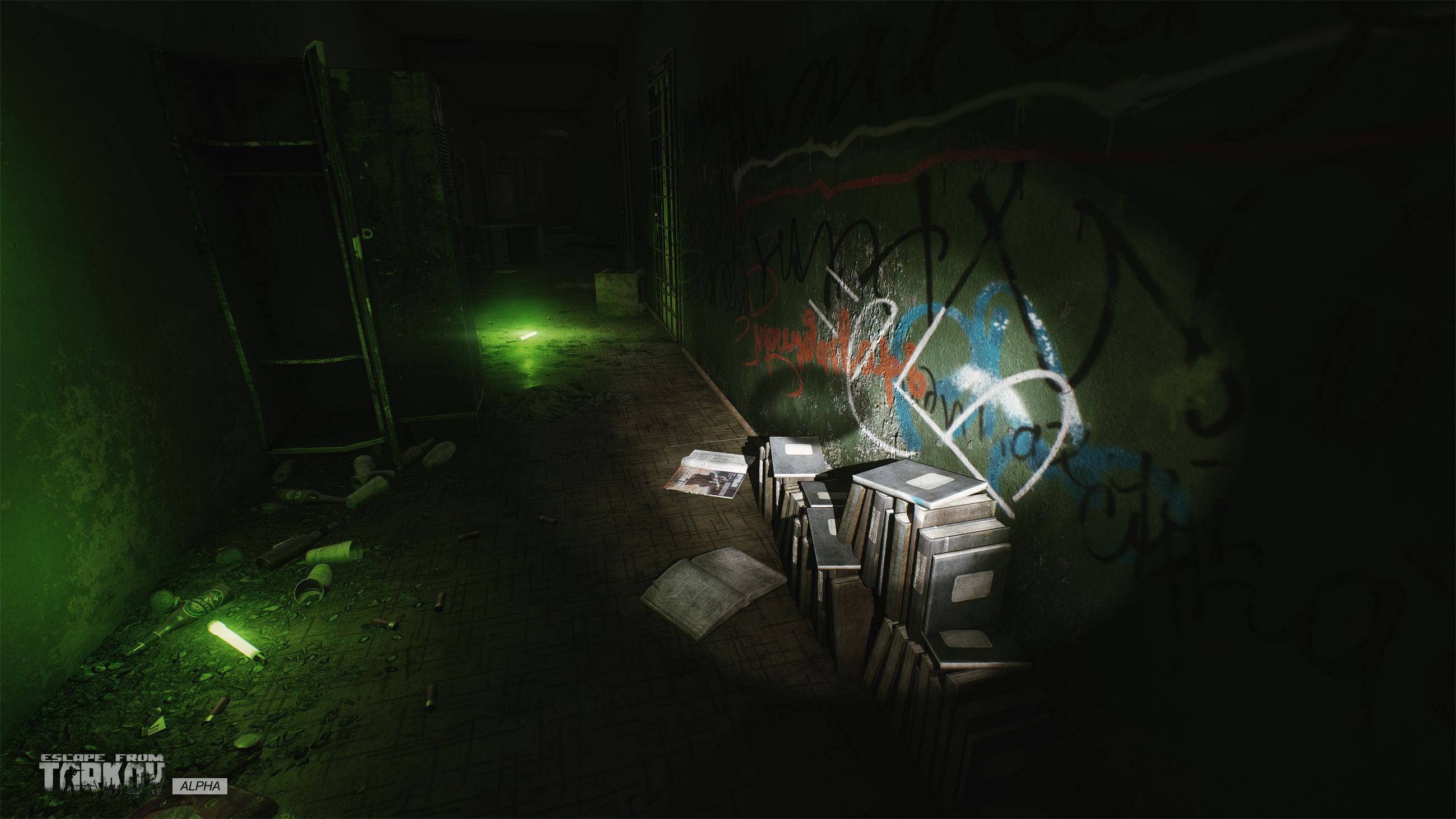
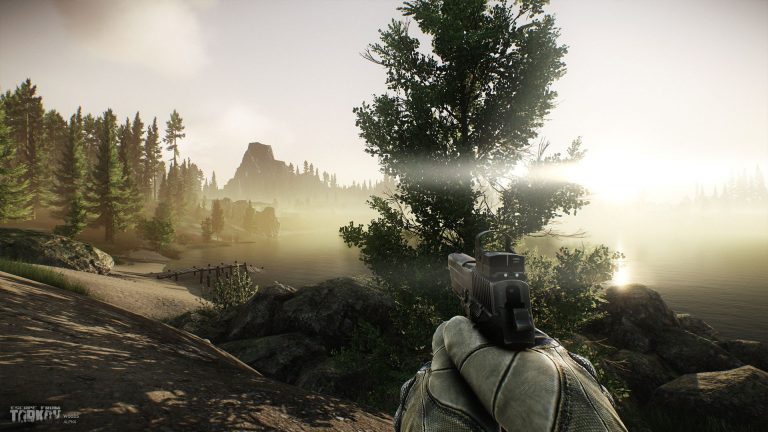
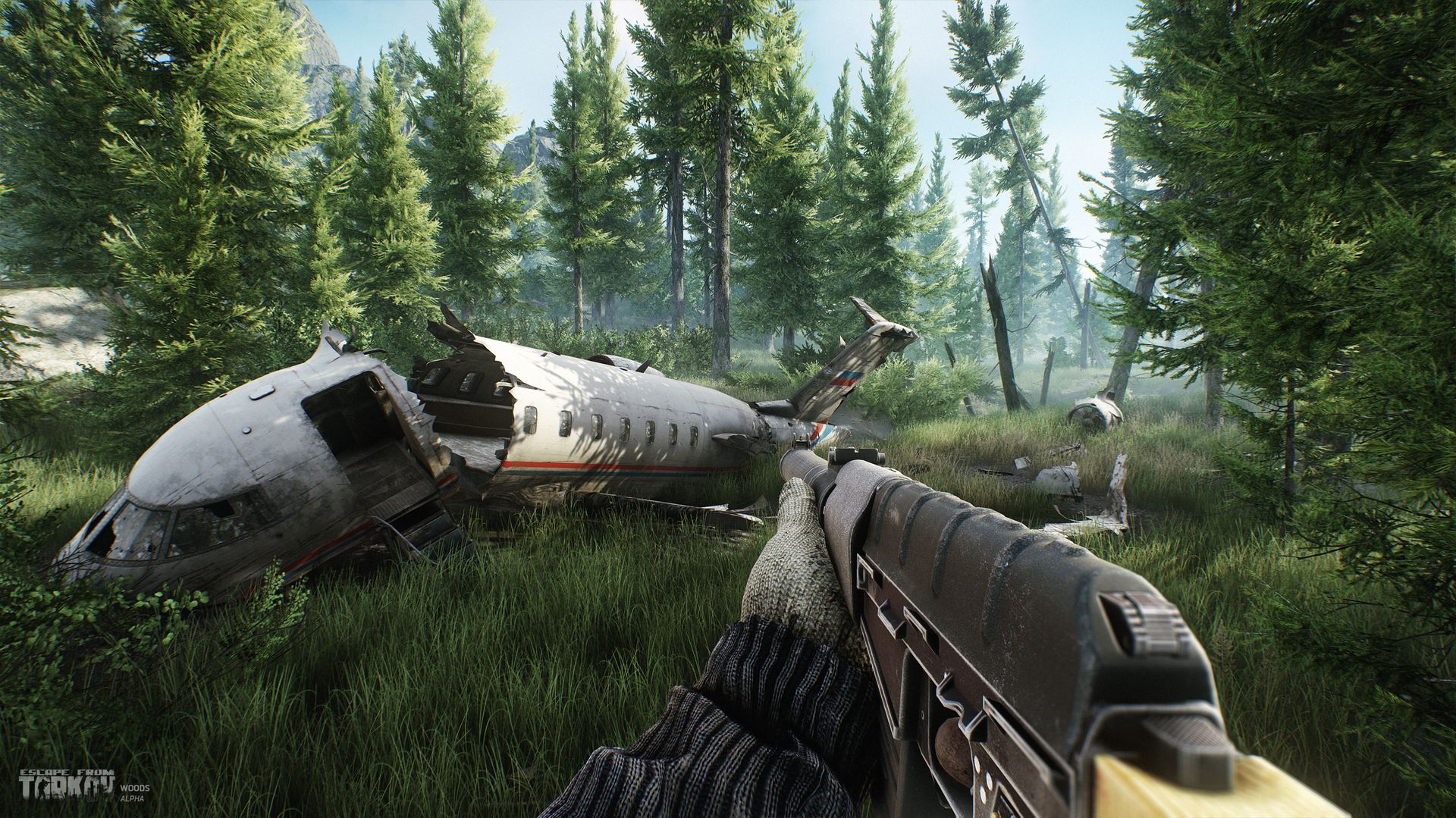
Russian indie devs Battlestate Games announced that their upcoming hardcore MMOFPS Escape From Tarkov will be entering another round of alpha testing. Being called an extended alpha, the new build introduces the Woods environment that provides a more natural contrast to the urban environments featured in the game’s first alpha. The Woods is a mix of open fields and dense forests, which creates plenty of opportunities to ambush unsuspecting PMCs. Additionally weapon failure, weapon repair, and player groups have been added to the game. Behind the scenes, Escape from Tarkov’s in-game physics have been improved and plenty of optimizations have been implemented.

A new round of keys for Escape from Tarkov’s extended alpha are being sent out, with priority going to those who have purchased pre-orders. Those who purchased a more expensive package will have a higher chance of getting into the alpha. Closed beta is scheduled to start later this year.

Second Trailer for Rings Released

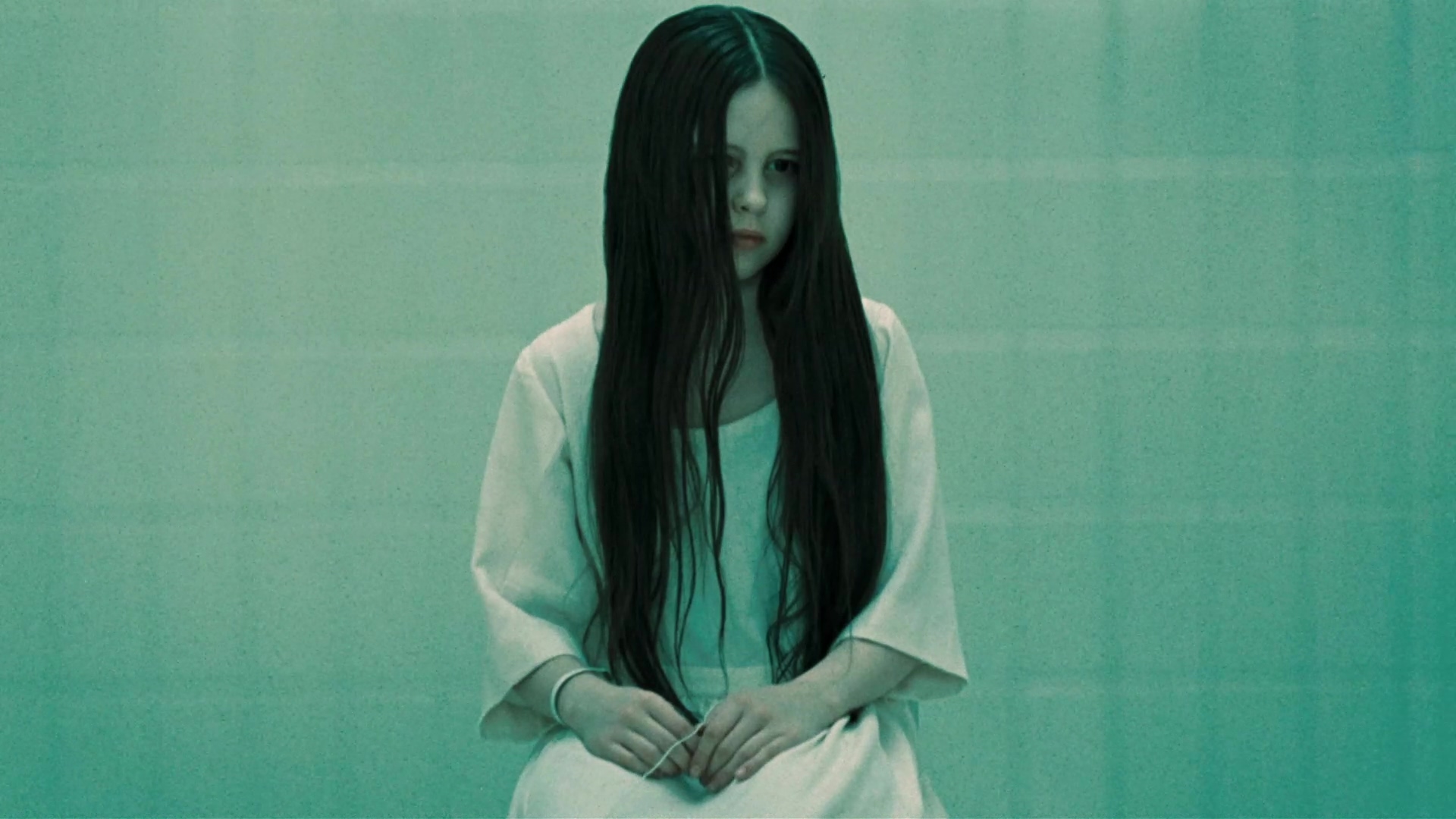
Paramount Pictures released the second trailer for the upcoming horror film Rings. Set 13 years after The Ring and The Ring 2, the film stars Matilda Lutz as Julia and Alex Roe as Holt, a pair of lovers who are the latest victims of the mysterious video that kills. In order to save her curious boyfriend Holt, Julia watches the movie and has only seven days to live. But there’s a horrifying secret, there’s a movie within the movie that no one has ever seen before. Rings will also star Johnny Galecki (The Big Bang Theory) and Aimee Teegarden (Friday Night Lights).

Rings is set to hit cinemas in Australia on February 23 and in North America on February 3rd.

https://youtu.be/hzjzonoQhc0

The Plague Announced for Consoles and PC

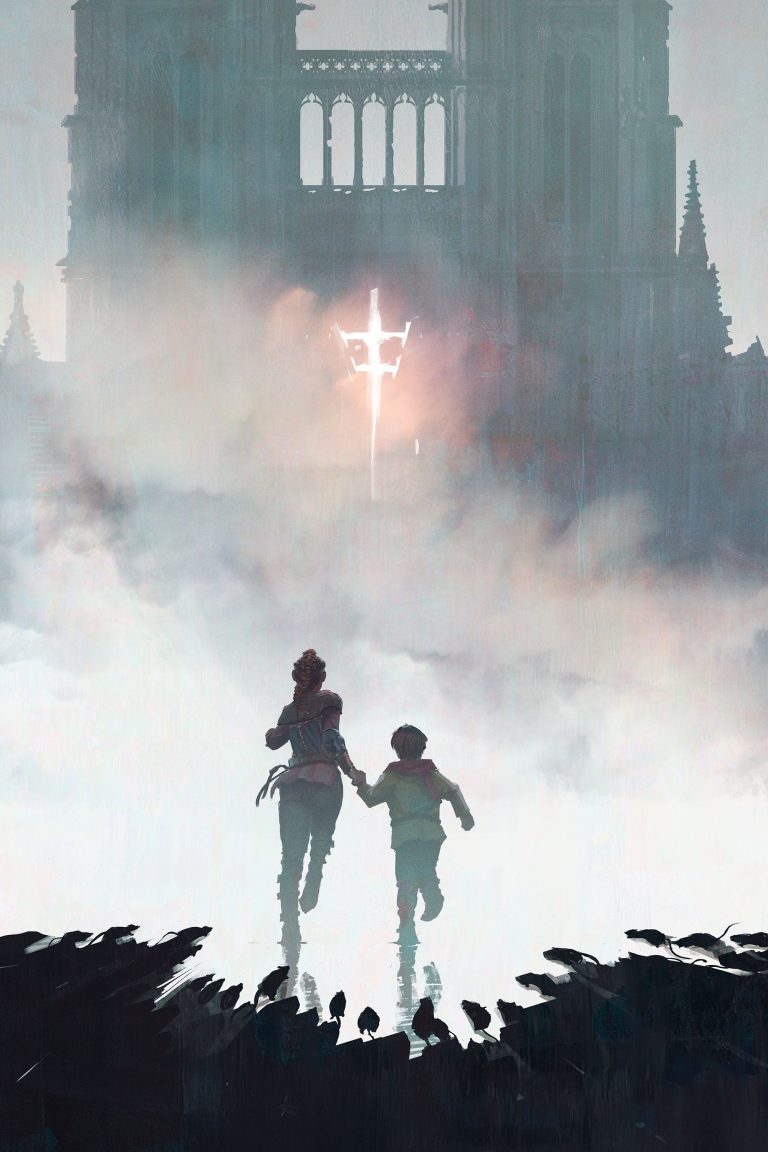
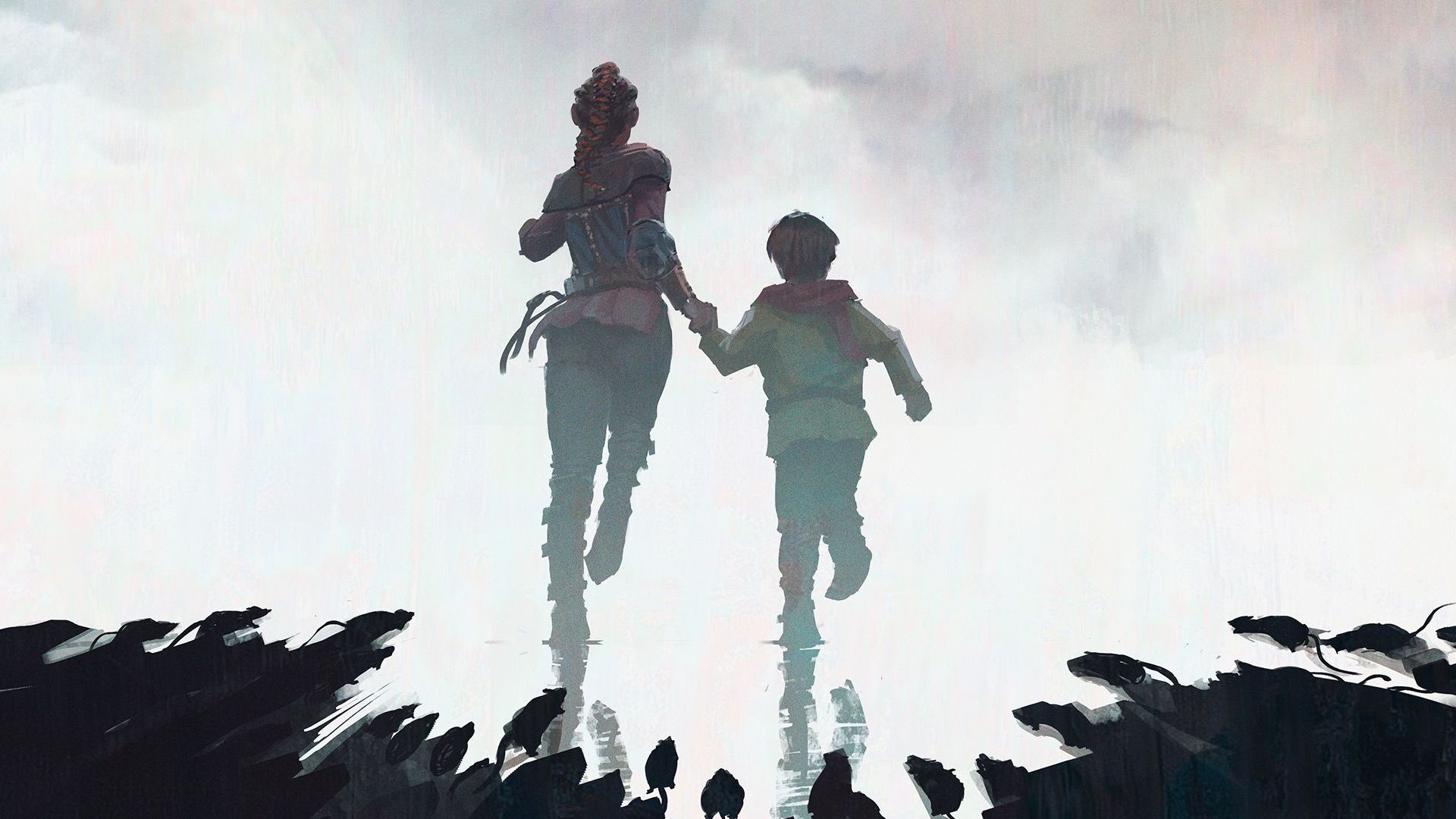
Parisian publisher Focus Home Interactive and French developers Asobo Studio are partnering up to release a new game called The Plague. Asobo Studio is the team behind Kinect Rush and has assisted in development of many major titles in the past several years. Their resume boasts games like Quantum BreakThe Crew, and Recore.

Not much detail is available at the moment about The Plague. We know that the action/adventure game is finishing pre-production and will be released for consoles and PC, but that is about it. The Plague will be given a full reveal at What’s Next De Focus event in Paris running February 1-2. Asobo Studio is expected to release new visuals and show off the first version of the game at the event.

Bloodstained: Ritual of the Night ‘Village’ Gameplay Released

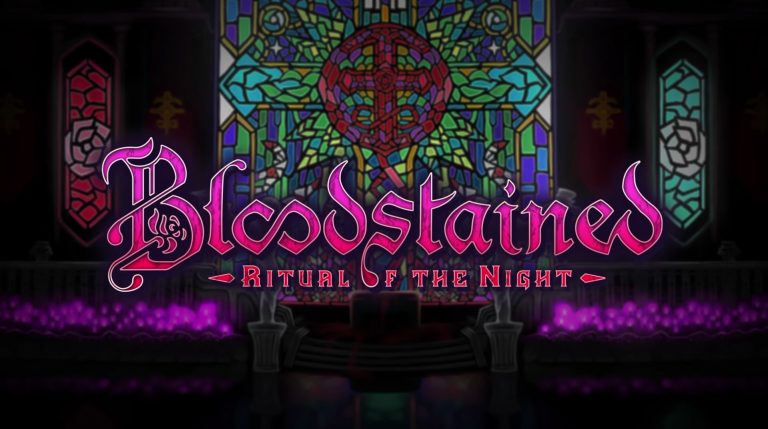
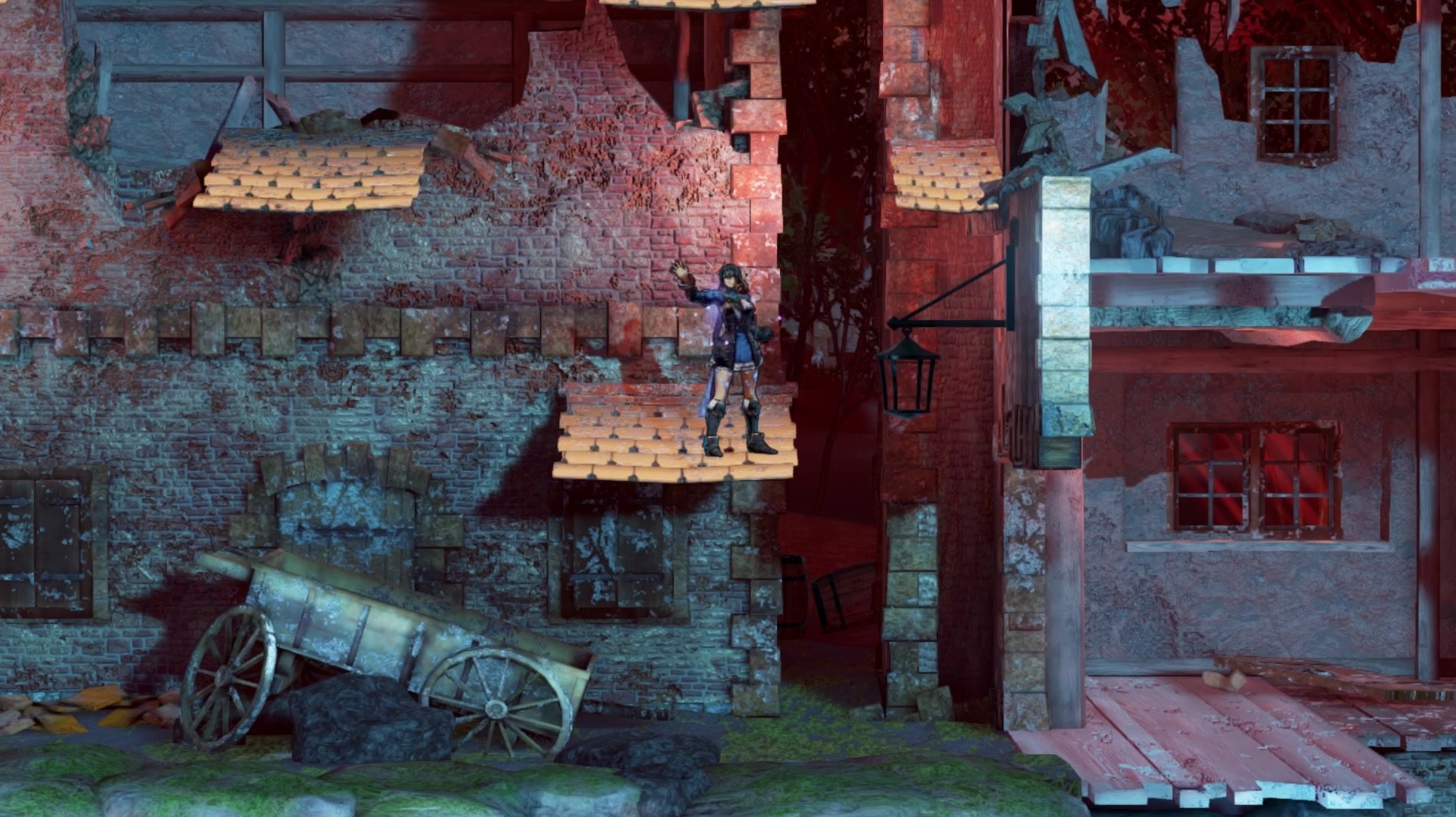
Koji Igarashi decided to kick off the new year, or at least rather close to the new year, with a fresh update for those who are following the development of Bloodstained: Ritual of the Night. This update came in the form of a thirty-second gameplay video showing off the new “Village” area of the game that players will be encountering in the game.

As described by the developer, the village area is located before the castle where the game is mostly set and players will need to pass through the area to enter the castle while fighting against demons who are attacking it at the time. Bloodstained: Ritual of the Night is currently set to be released in the first half of 2018 for the PlayStation 4, Xbox One, PC, PS Vita, and possibly the Wii U.

The King of Fighters XIV PS4 Themes Released for Free

It looks like Atlus USA is giving fans of The King of Fighters XIV a bit of a treat as the company has released a number of themes for the game that players can use to customize their PlayStation 4 user interface. The company has released eleven total themes onto the PlayStation Store and only one of those is currently priced at $2.99 while the other ten themes, including themes that focus on the holiday season, specific teams and characters, or the girls of the roster, are currently free to download.

You can check the themes out on the PlayStation Store here but it is worth noting that Atlus has not stated how long these themes will be free.

Amagi Brilliant Park’s Seiya Kanie to be Voiced by Adam Gibbs

Yesterday Sentai Filmworks began what is turning into a series of English voice actor reveals for the dub of Amagi Brilliant Park. The first time around we were introduced to Princess Latifah and now the company has revealed that the character Seiya Kanie will be voiced by Adam Gibbs when the series is released on Blu-ray, DVD, and in a premium box combo pack on February 28th.

The premium box version of the release will include the series on Blu-ray and DVD, Sticker Sheets, Iron Token, Mirror Button, Metal Pin Set + Card, Authenticity Card, Park Brochures, Map Poster, and a Collectors Box.

Shirobako Review

Shirobako

Studio: P.A. Works
Publisher: Madman Entertainment
Platform: DVD (reviewed)
Release Date: December 7, 2016
Price: $79.95 – Available Here

Overview

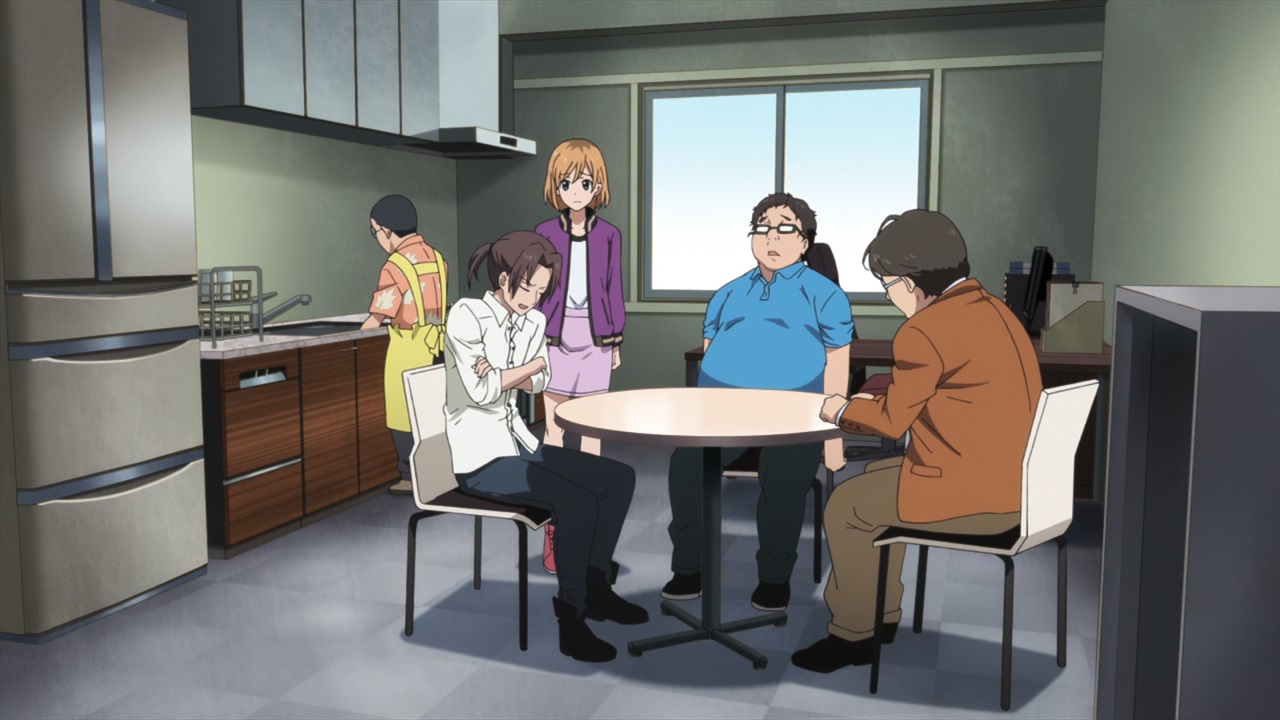
Aoi Miyamori is a production assistant at Musashino Animation. After several years without a major project, Musashino is producing a 13-episode original anime series called Exodus, directed by the infamous Seiichi Kinoshita. Although Aoi initially only has to manage episodes 4 and 9, she soon learns that anime production almost never goes according to plan and that labour shortages are a serious problem in the industry. Meanwhile, her four friends from her high school’s animation club are either working hard in the anime industry or trying to get into it.

Story

Shirobako features just the right combination of educational content and moe. Cute girls doing cute things is basically its own genre at this point, and an extremely stale genre at that, but the use of moe works well here because of the brilliant but simple premise of the series. This is not a high school anime about girls doing nothing. This is a rare, perhaps unique, anime that has a professional workplace as its setting. It portrays women at the beginning of their professional careers as they learn how to manage their responsibilities, and the issue of how women are viewed in the Japanese workplace is cleverly discussed. The situations and people Aoi has to deal with are occasionally stylised in order to be entertaining, but not to the point of being unbelievable. There are many invaluable insights into anime production to be found here, and there is almost certainly no other anime series this brutally realistic yet optimistic about the anime industry. An episode discussing traditional animation is one of the most fascinating episodes in the entire series, and it is enhanced immensely by the inclusion of a flashback to the production of a fictional anime series from decades ago. Clips of the series that Musashino works on are occasionally presented, so there are many times when it feels like this could be a behind-the-scenes documentary that happens to be animated.

All of the main characters have their own distinctive personalities and reasons for wanting to get into the anime industry. The five students of the animation club show a sense of wonder at seeing their own animation come to life that is almost infectious in a way, and the general impression of the members of the production team at Musashino Animation is that they chose to work in the anime industry because they genuinely like anime. The minor characters introduced in the second half are not given many opportunities to grow, but all of the core characters introduced at the beginning are shown to become more mature and start thinking about their futures. It is rather rare, but refreshing, for an anime series to have characters looking towards the future like this. There are some characters who are annoying, but nearly all of those ones either get their comeuppance or go through realistic character development. The only notable exception is one artist in the second season who is almost entirely incomprehensible. The best way to describe her would be to call her a personification of anxiety. She sounds like a two-year-old and could almost be mistaken for an overgrown child if not for her artistic skills, but she is the only one whose presence in a professional workplace is truly perplexing. Making emotional attachments to these characters is very easy, and their development helps the emotional scenes hit their mark every single time. The emotional content increases in the second half, especially in scenes featuring the heartbreakingly unlucky Shizuka Sakaki.

Visuals

The animation, while sometimes simple, does its job well. The inclusion of key frame artwork and animatics from the fictional shows help to depict the progress of Musashino’s productions. The choice to end episode 12, the final episode of the first season, with a series of still frames seems a little odd, given that no one at Musashino would consider ending Exodus with a relatively long series of still frames. Hopefully this is a creative decision and not an ironic problem caused by a hectic production schedule in real life. The character designs all stand out, and it is refreshing to see characters of all different shapes and sizes depicted. It seems unusual for characters with large bodies to be drawn in anime, but this does make for some surprisingly funny gags and even allows for some action scenes to be present throughout the series.

Audio

The music seems to enhance the situations more than the characters, but there are some wonderful pieces. The background music for The Third Girls Aerial Squad, which is shown in short clips throughout the second season, has a nice orchestral feel to it. This feel is present during montage sequences as well, and it adds to the variety of the music. As always, Shirou Hamaguchi demonstrates his ability to compose music for a variety of situations. The opening theme songs are decent, but not particularly memorable. The first ending song, “Animetic Love Letter”, is both catchy and memorable, on the other hand. The second ending song, “Platinum Jet”, is a bit more typical for anime songs, but it is not bad. All songs are subtitled into English for this release. The subtitles for the show itself are usually fine, but there are many instances of missing commas, causing two statements that ought to be separated to become one long sentence. The on-screen translations are helpful at explaining in-show references to real people and fictional works that may not be obvious to all viewers.

Extras

The textless opening and ending animations are included, but this release does not come with the two OVA episodes included with the Japanese home video releases. Although the main foci of the series are the core characters and Musashino Animation’s production of Exodus and The Third Girls Aerial Squad, it would have been nice for the full first episode of both of these fictional series to have been included with the official English home video releases.

Overall

There tends to be at least one unique and genuinely interesting anime show every season, if not more, and they often tend to be original productions instead of adaptations of existing work. Shirobako is one such series. Real-life troubles and pressures associated with anime production are presented in an engaging way. This show provides a rare opportunity to gain an in-depth insight into the production ‘hell’ that is sometimes talked about in relation to anime. It is one of those high-quality shows that truly deserves to be remembered. It is easy to identify with at least one of its characters, and even just seeing them grow and become more confident as professionals makes it worth watching this series.
Capsule Computers review guidelines can be found here.