
Home Blog Page 2560

My Time at Portia Preview

My Time at Portia

Developer: Pathea Games
Publisher: Team 17
PlatformPlayStation 4, Switch,   Xbox One, Windows (Previewed)
Release Date: 23 January 2018 (Steam Early Access)

Video Preview

Kickstarted in mid-2017, My Time at Portia is the latest title from Chinese developers Pathea Games, whose previous work includes Planet Explorers. Visually inspired by the legendary Studio Ghibli, My Time at Portia channels games like Rune Factory, Harvest Moon, Animal Crossing, and Dark Cloud 2. Players will arrive to the town of Portia where they will rebuild their father’s workshop and win the hearts of the townsfolk.

My Time at Portia is set in a second age of humans, only a couple of generations past a near apocalyptic event. The Church of Light and Research Council are now in a tug of war with what to do with old knowledge recovered in the ruins. Beyond the ideological struggle is Portia, a small frontier town filled with charming villagers to befriend and just maybe fall in love. The game’s writing is light hearted, considering the oddly grim backdrop. I do hope the developers add more conversation possibilities with the townspeople as the early access phase continues. Talking with villagers daily is a quick way of improving relationships, and reading the same couple of lines every day gets boring rather quick. There are some minor spelling and grammar errors that still need to be fixed, but nothing that can’t be addressed during the early access phase.
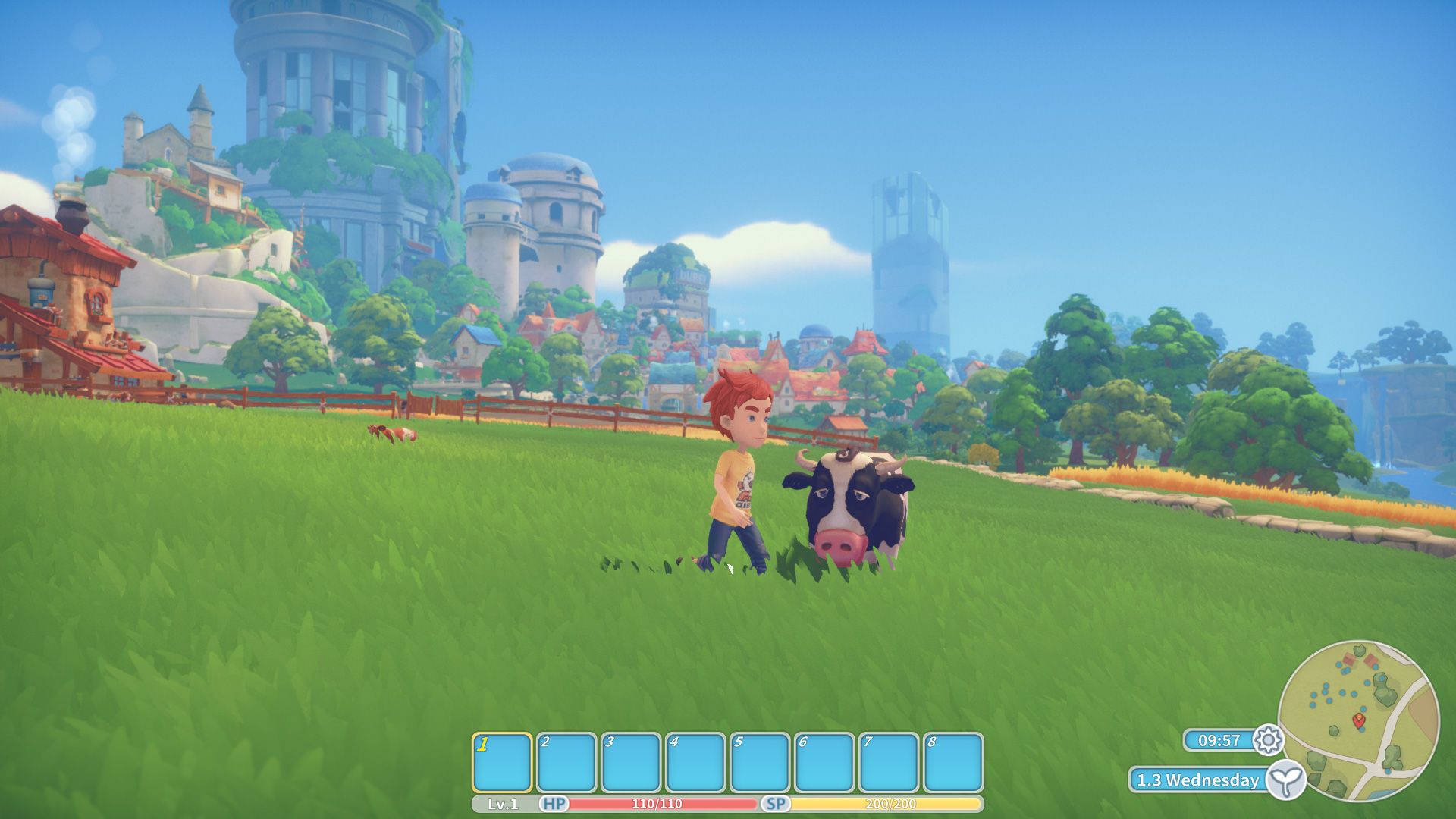
My Time at Portia is a buffet of casual simulation and RPG mechanics. It lets gamers sample a little bit of everything with a gentle learning curve and simple, accessible mechanics. The game’s two foundations are manufacturing items and socializing with the townspeople. Almost all the farming, mining, gathering, and fighting in My Time at Portia is done to collect the necessary raw materials to fulfill commissions, complete quests, or simply turning a profit. There is already a weighty tech tree that will have players trying everything the game has to offer. I really like how the game splits crafting into small projects on work tables and machines and larger, multi-step projects on the assembly pad.

The gathering and farming mechanics in the game are solid so far. The game’s way of repopulating the map is well thought out and works great. I think allowing players to reset the Ancient Ruins by having players “travel” to a new level of the mine is a creative explanation. The farming is a little less intense compared to Harvest Moon or Stardew Valley, but still ticks all the boxes to deliver a basic, yet enjoyable experience.

The game’s social aspects are very similar to Harvest Moon and Animal Crossing games. To build a relationship with the townspeople, players will need to finish quests, fulfill commissions, socialize, and give gifts. Players need to constantly interact with people to maintain their relationships. I think the decay rate needs some tweaking still, as the decay feels a little too severe right now.
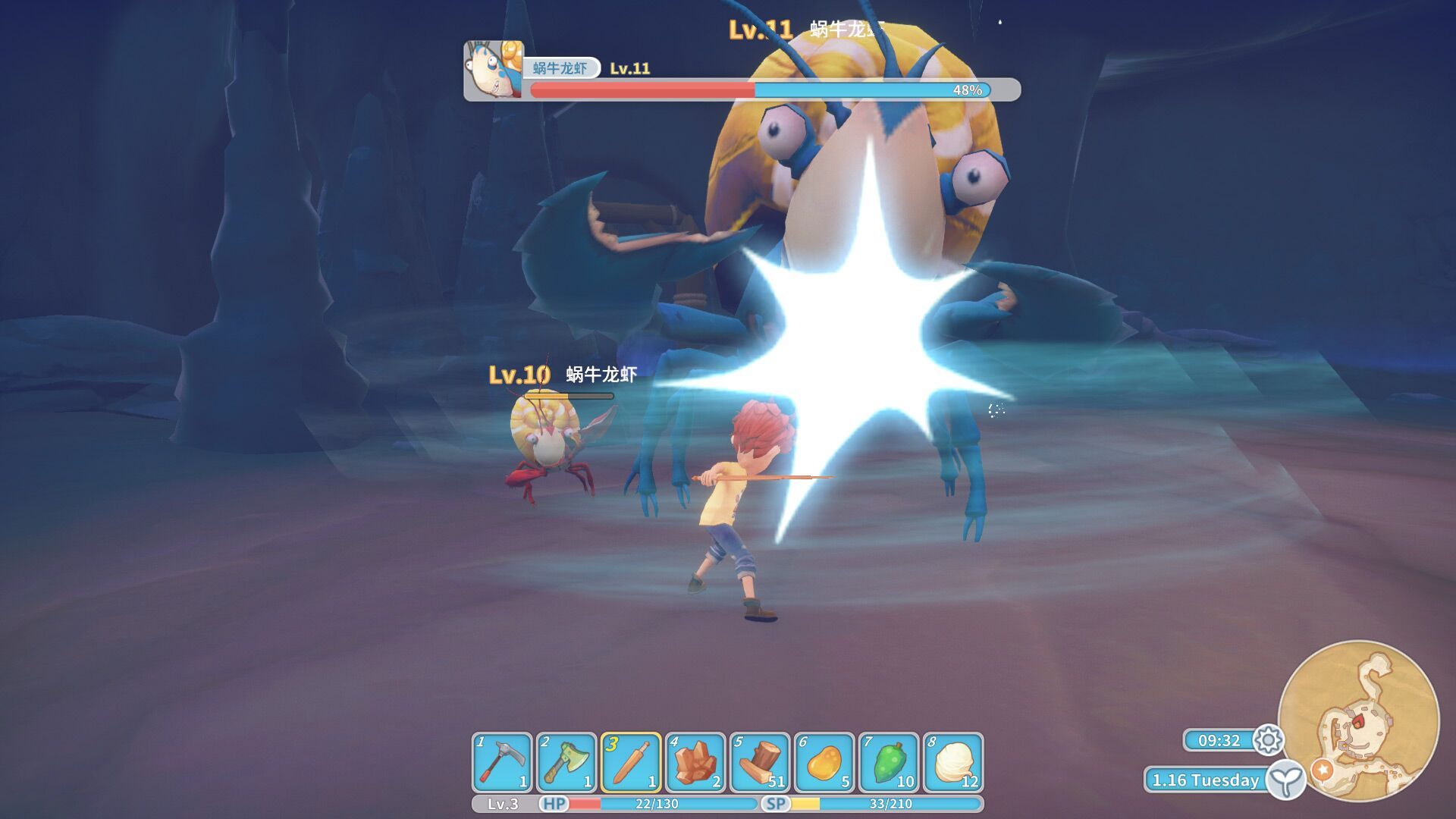
Combat is definitely not the first and foremost activity in My Time at Portia, but the game can put up a surprising challenge at times. The only two moves players need to know is attack and dodge, which makes combat easily accessible to players of all skill levels. The execution of the dodge mechanic is excellent. A well-timed dodge can negate all incoming damage without moving the player too far out of position, and dodge spamming is discouraged by tying it to the endurance meter. The game includes dungeons with some great boss fights. Even though combat has to share time with more peaceful activities like farming and mining, Pathea Games has done a great job creating a fulfilling combat experience.

The first one or two weeks in game is a little rough right now and needs a bit of balancing. Mining for ore and relics will send players into the Ancient Ruins, which require an entrance fee. The fee is pretty onerous in the early days as the daily stamina pool is limited and food is tough to come by. Once players are able to expand their stamina pool and start accessing the Ancient Ruins regularly, the pace of progression feels about right.

In the short term, I hope Pathea Games puts in a little work on the controls. The options for keybinds only allow players to modify certain actions in the game. The controller support is excellent for the most part, but there are some game elements that are still optimized for the mouse and keyboard. The commission board and the fishing mini-game come to mind as the worst offenders so far.
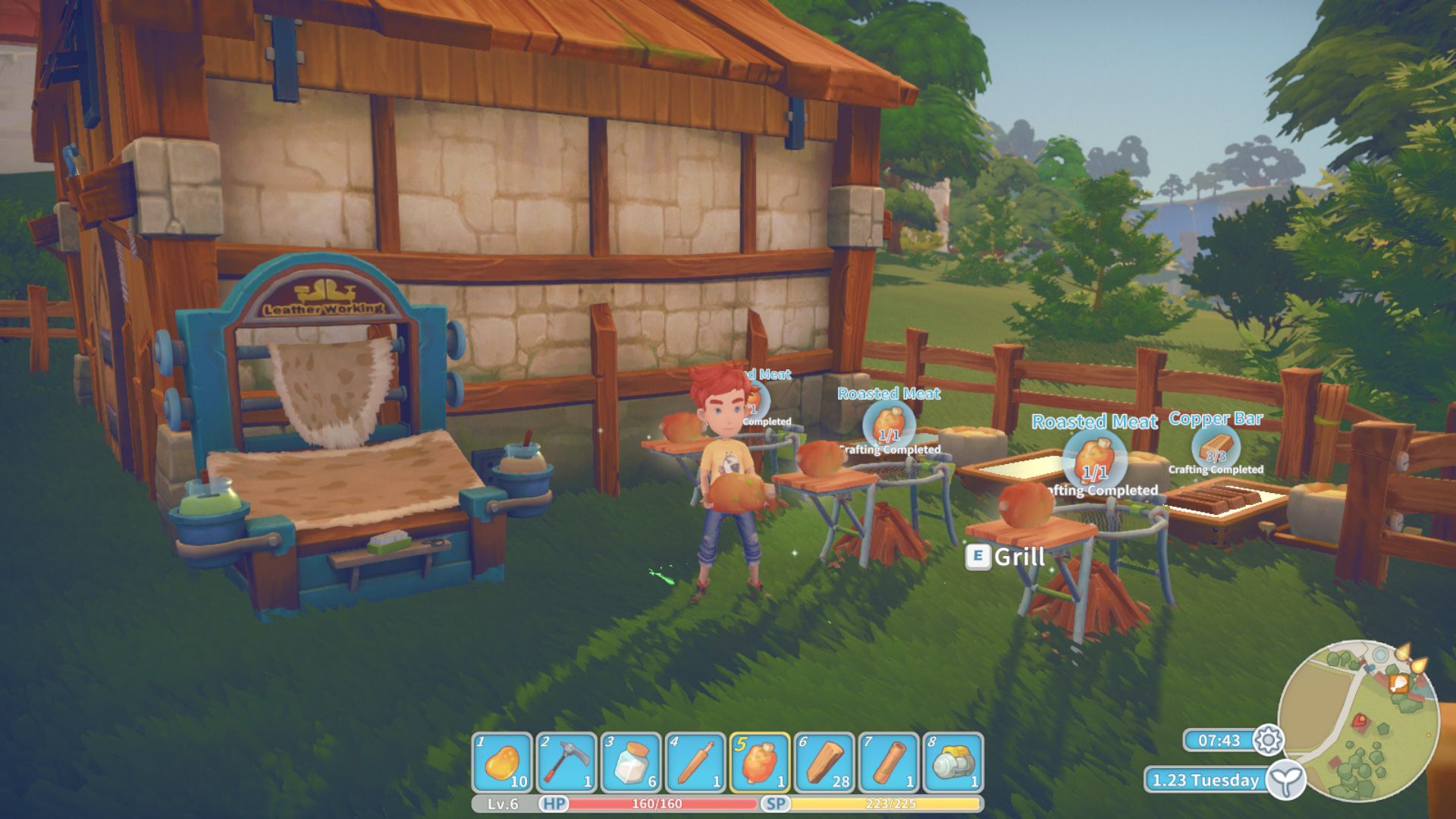
The audio/visual experience is absolutely stunning. The sound effects are solid and there is the odd bit of voice acting thrown into the game. The soundtrack is lighthearted and channels Harvest Moon and Animal Crossing. The music pairs well with the casual nature of the game, though I hope the developers plan on adding more songs as development continues. The game’s Studio Ghibli inspired art is eye catching. The character design lives up to the lofty goal Pathea Games set for itself, with memorable characters and creative monsters.

I really enjoyed My Time at Portia. It is a beautiful love letter to the titles that inspired the game. My Time at Portia is well on its way towards a full release that is going to win the hearts of gamers.
Steam Tops Over 18 Million Users Online at Once for the First Time

0

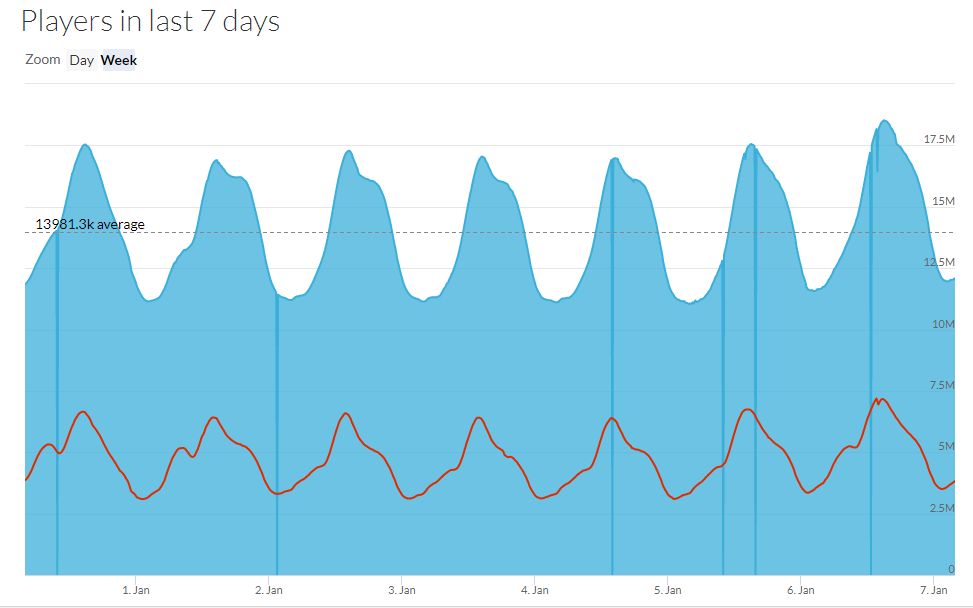
The Switch isn’t the only platform breaking gaming records. SteamDB is reporting Steam has set a new internal record for players online at over 18.5 million players. At the same time, over seven millions gamers were playing at the same time. PLAYERUNKNOWN’s Battlegrounds alone contributed over three million players in this period.

Steam’s growth has been fueled in recent times by an explosion of users from China and the highly popular battle royale game PLAYERUNKNOWN’s Battlegrounds. Steam has come a long way in the last 14 years, starting as a platform for Valve’s games on PC to offering almost 40,000 video games, videos, and software on its storefront plus releasing a controller, TV set top box, and partnering with HTC to release the Vive..

Fortnite Struck with Login and Server Stability Issues After Meltdown Fixes

The fixes for the Meltdown CPU vulnerability are currently going out, with experts expecting a noticeable CPU performance hit as a result. Meltdown is one of two major CPU vulnerabilities revealed by Google’s Project Zero. The vulnerability allows a program to read the content of a computer’s memory, including passwords and sensitive data. Unfortunately for gamers, the vulnerability is related to how CPUs squeeze out better performance out of the chips, which means the fix won’t be pretty for those who rely on CPU power, like gamers, video editors, and server owners. Almost all modern Intel CPUs and a handful of ARM chips are affected.

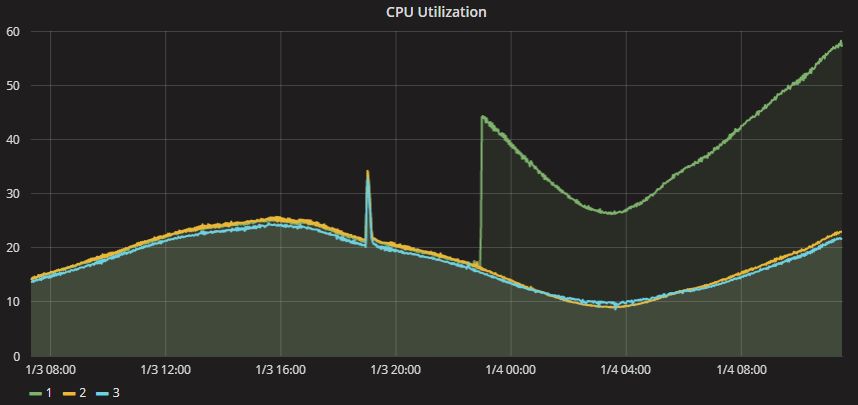
Epic announced the cloud services used by Fortnite were updated yesterday with the Meltdown patch, and the result is an increase of over 50% CPU utilization. The spike in CPU usage is wreaking havoc on the user experience, with login and server stability problems being reported by the community. Epic expects Fortnite’s next few days to be rocky as their cloud services providers make changes to their services in response to the Meltdown fix.

Nintendo Switch Breaks Record to Become Fastest-Selling Console in the US

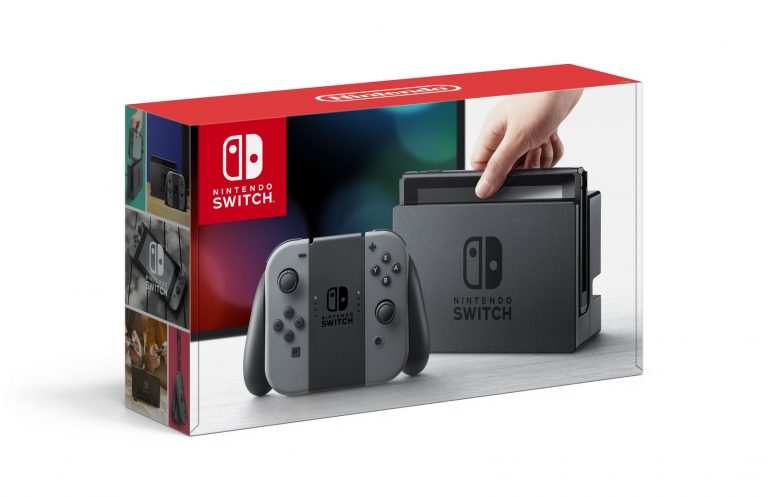
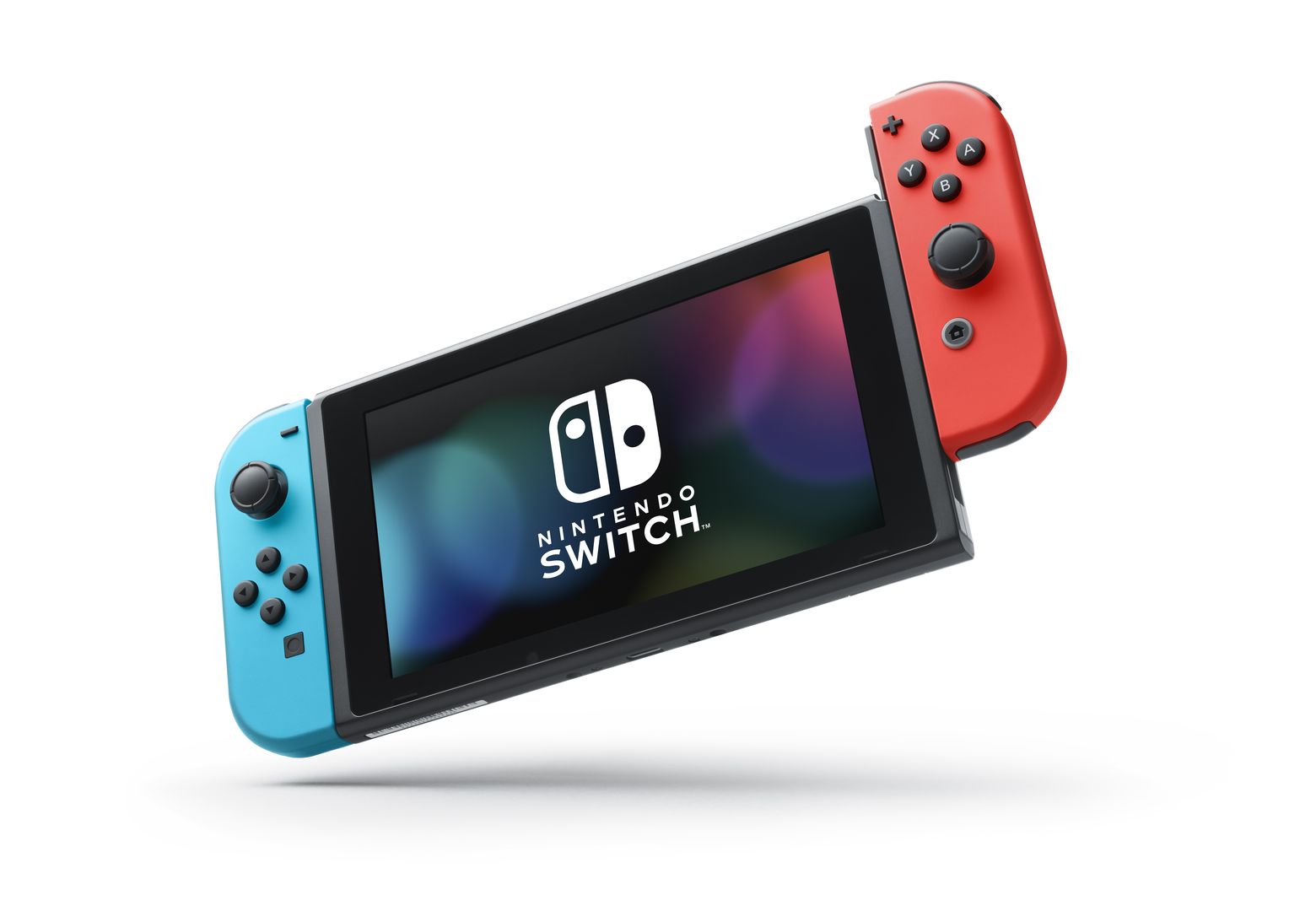
The Nintendo Switch has been dominating the sales chart, thanks to some incredibly strong exclusives that prove you don’t need sheer graphic power to be the best. Nintendo announced that they have broken their own record for fastest selling console in the US by shipping over 4.8 million Switch consoles in only 10 months. The sales number easily beats the previous record held by the Wii, which sold four million units in 10 months.

The Switch has had a strong backing from third party developers porting their games over to the new system; however, Nintendo’s first party titles have absolutely dominated the Switch sales chart. The highly regarded titles Super Mario Odyssey and The Legend of Zelda: Breath of The Wild have been top sellers for Nintendo, and the company has several new Switch exclusives on the horizon.

Monster Hunter: World for PC Scheduled for Spring (AU) / Autumn 2018 (US) Launch

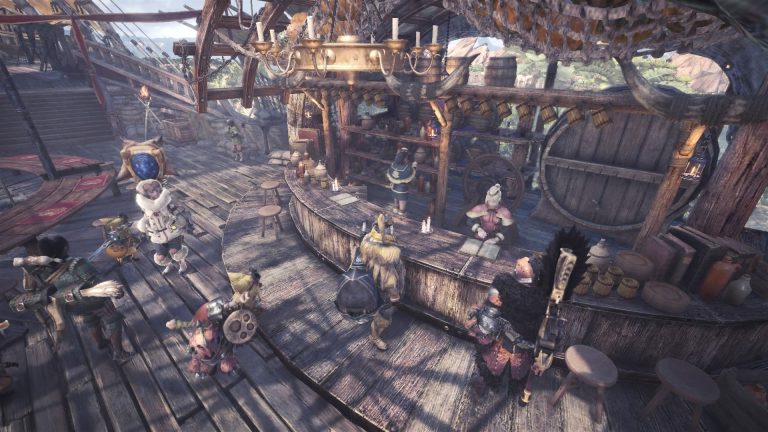
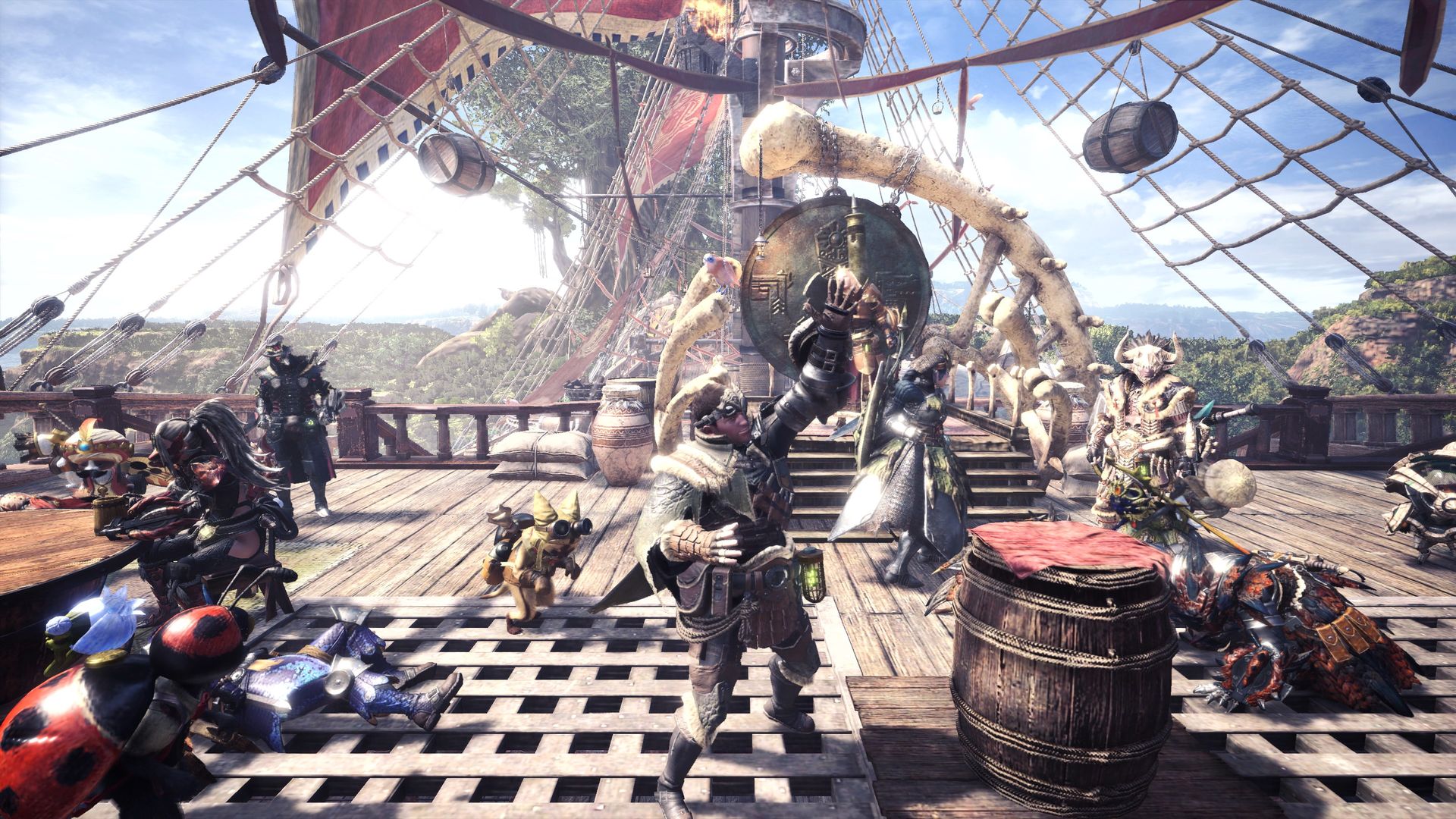
Monster Hunter: World Producer Ryozo Tsujimoto took to Twitter to deliver a New Year’s greeting and an update on the game via video. Currently, the PlayStation 4 and Xbox One versions are on schedule for release on January 26. More importantly, Tsujimoto announced that the PC version of the game is currently undergoing optimization and will be released in Autumn 2018 (Spring 2018 in the Southern Hemisphere). This is disappointing news for PC fans who were expecting a smaller delay between the console and PC release.

Additionally, Tsujimoto revealed the developers have a series of free updates planned for Monster Hunter: World. The content will include new monsters to battle, though none have been revealed so far. It is unknown if the content updates will be available on the PC versions launch, or if the updates will also be delayed.

Valve Clarifies They are Not VAC Banning Linux Users with catbot as a Username

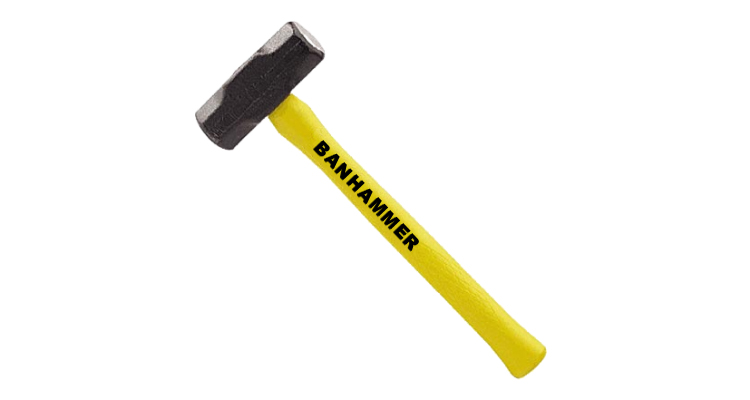
Valve capped off the holidays with a massive wave of banhammer strikes targeting users of the Team Fortress 2 botting software catbot. Initial reports on GitHub alleged that anyone running Linux with username catbot would be issued a VAC ban. The username is commonly used in tutorials for setting up the botting software on Linux.

New Year’s Day was marred with a bit of confusion and understandable fury at the possibility that Valve’s anti-cheat software would issue bans on the basis on username and operating system.

Like most companies, Valve is being tight lipped with exactly how their anti-cheat software work. Valve has closed the bug report on GitHub and posted a clarification on the situation, saying the ban is not strictly based on username, including Steam or Linux usernames, and alleging that the reports are part of a disinformation campaign by cheaters.

Shenmue 3 Producer Hints to 2018 Release for PC and PS4 in New Year’s Tweet

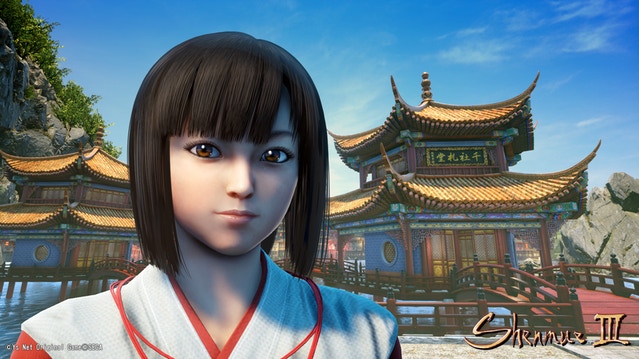
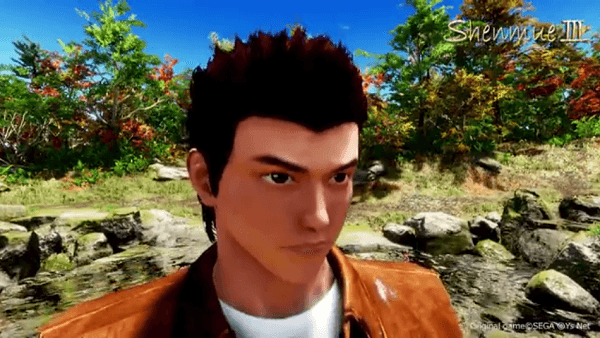
Shibuya Productions President and Shenmue 3 Producer Cedric Biscay added an interesting tidbit to his New Year greeting on Twitter. He assured readers that Shenmue 3 is on track for release on PlayStation 4 and PC for 2018 and promised that some surprises were in store.

Shenmue 3 was kickstarted back in 2015; however, development did not hit full speed until early 2016. The game has missed its original projected release date of December 2017, an all too common occurrence for all video games, not just crowdfunded ones.

As part of the Christmas update, Director Yu Suzuki and Animation Producer Hiroaki Takeuchi looked back on the road travelled so far and what is in store for the game in the coming year. The pair cover a variety of topics, such as Takeuchi’s experience with Unreal Engine 4 and the progress on casting Japanese voice actors. The interview is available in Japanese with English subtitles on the Shemue 3 YouTube channel.

Valve Disables Steam Community in China

0

Chinese gamers are waking up to find that the Steam Community has been disabled in China. All Steam Community features including wish lists and Steam Trading Cards are affected.

Capsule Computers have reached out to contacts in China to find out more details who report that Valve themselves blocked Steam Community, not the Chinese government. The Steam Community is home to several groups supporting politically sensitive topics, such as Tibetan independence, that are highly restricted or banned in China

Like many large companies operating in China, Valve likely found itself in the difficult position of either adhering to local content rules by limiting access in China or risking a ban by Chinese government regulators. Valve has opted for the first option for good reason. Many gamers in China are PC gamers, likely a result of China’s recent lift of a decade long gaming console ban, and now make up a large part of Steam’s user base. Chinese services like WeGame would be more than happy to fill the void left by Steam, similar to how Weibo and Baidu provide similar services as Twitter and Google in China.

Steam has yet to partner with a local Chinese company in China to ensure better operational certainty in the country. Several other gaming companies have opted to do so, including Blizzard’s partnership with NetEase and Bluehole’s recent partnership with Tencent. Valve’s aggressive actions with Steam Community likely ensures that Valve will be able to keep all their profits in China for themselves a little longer.

Australian Federal Court Upholds Ruling Against Valve

0

Valve has been delivered some coal in its Christmas stocking by the Australian courts. The US based company’s appeal has been thrown out be the Australian Federal Court. The original ruling of the Australian Federal Court that hit Valve with a three million dollar penalty after it was ruled the company violated the Australian Consumer Law by misleading Australian customers by not offering refunds, not providing warranties for PC games, and offering the appropriate warranties under Australian law.

Valve has not yet announced if they will take their appeal to the High Court of Australia. If they opt not to do so, this means Valve’s three year Australian legal drama will come to a close. If the case is over support for Australian currency on Steam becomes a little more likely as it has been speculated that Valve has avoided the Australian dollar to prove the company does not operate in Australia.

SpellForce 3 Review

SpellForce 3

Developer: Grimlore Games, THQ Nordic
Publisher: THQ Nordic
Platform: Windows
Release Date: 7 December 2017
Price: $49.99 USD – Available Here
Editor’s Note: A code was provided by THQ Nordic to review this game. This did not influence the findings of the review.

Video Review

Overview

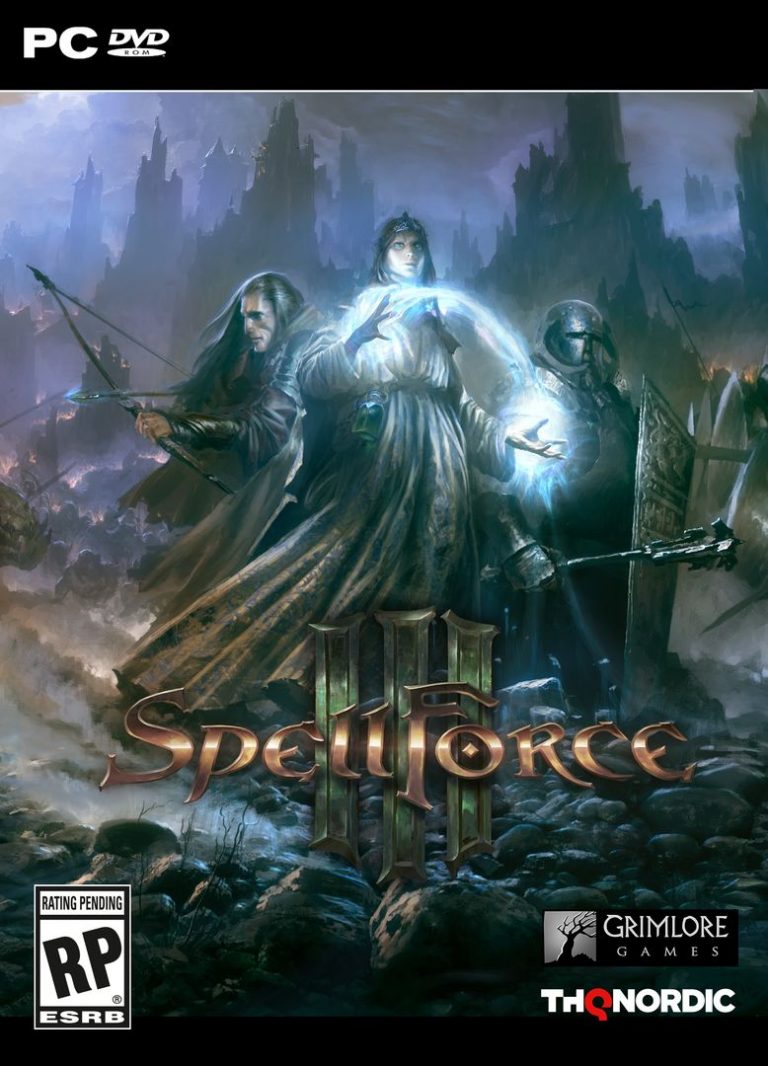
One of THQ Nordic’s earlier takeovers, the SpellForce series has earned itself a loyal following over the years. The classic RTS/RPG hybrid gameplay is finally returning in SpellForce 3 with players controlling small bands of heroes that are levelled up and equipped just like a top down action RPG, all while building an economy and army to overwhelm their opponents. The game serves as the series’ prequel, telling the tale of how the Circle of Mages was formed.

Story

It has been over 14 years since the SpellForce series first launched, bringing in two games and countless expansion packs. Getting into a series this old can often be a daunting challenge. THQ Nordic has made the wise decision to make SpellForce 3 a prequel. As a gamer new to the series, I found the early setting for the game meant that I didn’t feel like I was missing anything coming into the game as all the events from previous games had yet to happen.

SpellForce 3 is well written. The characters are interesting and the dialogue flows well. As far as fantasy titles go, it’s a bit on the grittier side with some dark themes. The relatively generous amount of swearing in the game for a fantasy title was a bit initially jarring, but I think it helps builds that game’s gritty feel. The game gives players a bit of choice when it comes to dialogue. While the consequences are rarely monumental in nature, the level of impact player decisions have is enjoyable.

Gameplay

SpellForce 3 mixes RTS and top down action RPGs. The backbone of the player’s army are hero units that level up, equip gear, and learn new skills. These characters can die in battle and be resurrected at a nearby God Stone after a short timer expires. While hero units can turn the tide of a battle, they are supported by a wide range of generated units from the traditional RTS buildings. These units follow a rock-paper-scissors format in combat.

The game’s economy is built around optimizing worker distribution. Each territory has a main hub that stores resources and has a limited number of workers depending on its level. Each building needs at least one worker to be productive, and at least one worker needs to be available to move resources from the generating buildings to the consumption buildings. Since the demands on the economy is always changing, players must constantly check on their territory to optimize the distribution for the current situation. In the end, the only real way to expand the economy is to take territory by force. I like this alternative take on the classic RTS economy as the movement of resources feel a little more realistic and the constant juggling of workers rewards players who keep on top of their economy without slowing down new players too much.

Overall, SpellForce 3 does not dig particularly deep in RTS or RPG mechanics. If either part of the game was presented exclusively on its own, it would make for some dull content. However, SpellForce 3’s gameplay is greater than the sum of its parts. The mix strikes a good balance between micromanaging individual units and amassing overwhelming armies.

The skills system could use a little work. There are too many active skill options as each character can have up to four different skill trees with each tree composed of mostly active skills, yet each character is only capable of using three skills at a time. The resulting system often results in overall inflexibility in skill choices or a lot of dead skill points that are not contributing to a hero’s strength in specific fights.

The controls for SpellForce 3 are decent. The game uses the standard RTS control scheme that can be easily controlled by mouse or with a multitude of hotkeys for the APM obsessed. Unique to SpellForce is the Click ‘n Fight wheel. Upon pressing the hotkey, time can either slow down or stop based on user settings and a list of possible skills pops up along with important enemy information. On the other hand, I find the UI to be a little scattered. Hero controls that are found on the top left of the screen and are unavoidable, as some spells and all consumables are not accessible via Click ‘n Fight. The building controls are placed at the bottom right. Oddly enough, the construction menu requiring a completely different button to access, but the construction menu appears over the building controls. I think having the construction menu appear whenever a building is not selected would have been a less jarring solution. The game’s camera speeds are also painfully slow by default. While this can all be addressed using the game’s camera speed sliders, the default speeds are slower than a casual walk through a garden.

SpellForce 3’s single player campaign is a mix of small unit top down tactical RPG segments and large battles that utilize all of SpellForce 3’s mechanics. I found the small unit RPG segments to be the weakest parts of the single player campaign, as it illuminates how shallow the game’s RPG mechanics are. Additionally, these sections tend to have long periods of just walking around. Though the God Stones do help cut down on travel time by allowing heroes to teleport, the need to explore side areas for bonus loot and experience essentially negates any time savings. The level design generally needs to be tightened up by putting greater emphasis on SpellForce’s RTS/RPG mix and turning some of the walking segments in levels into cutscenes instead.

Visuals

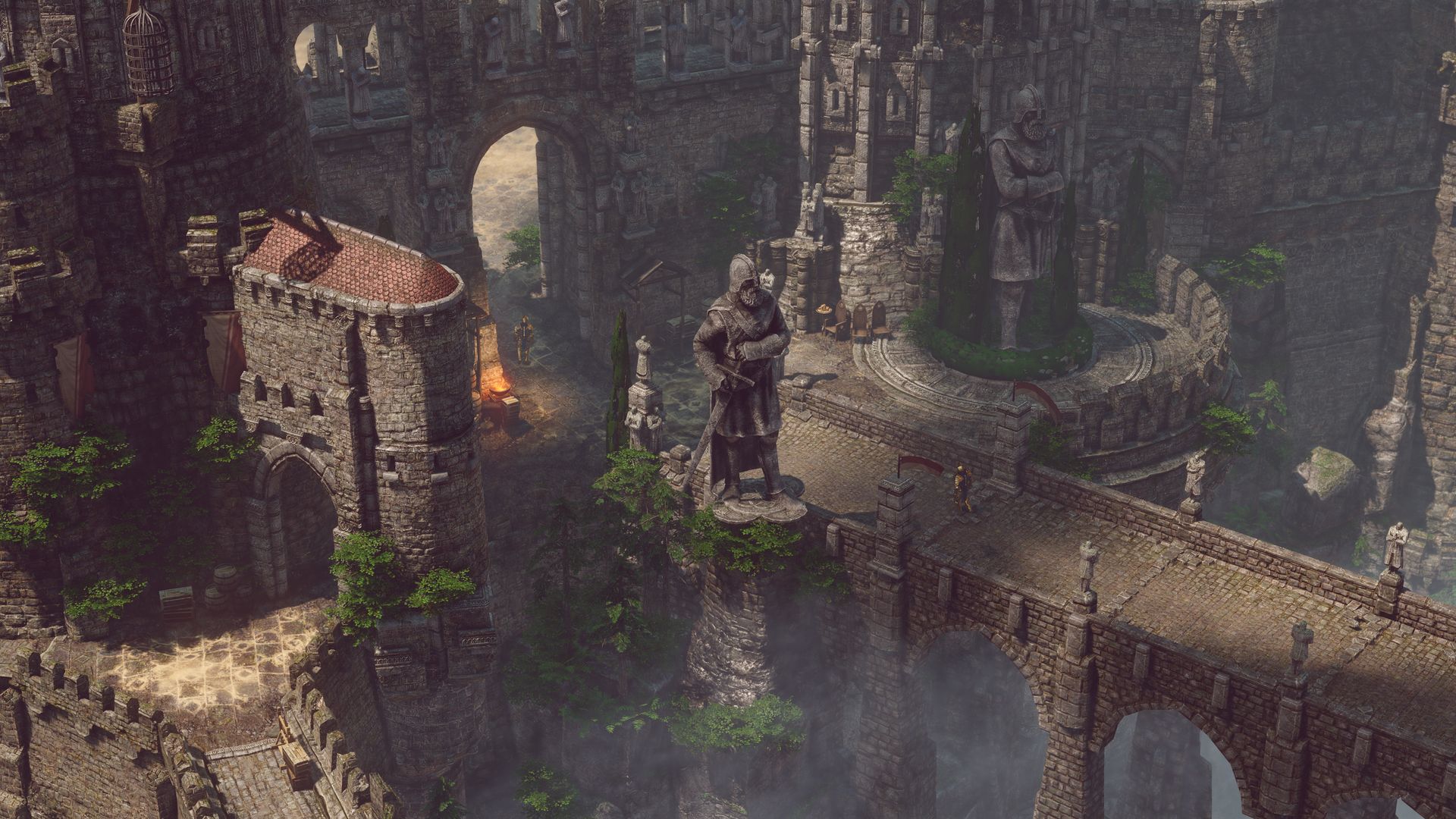
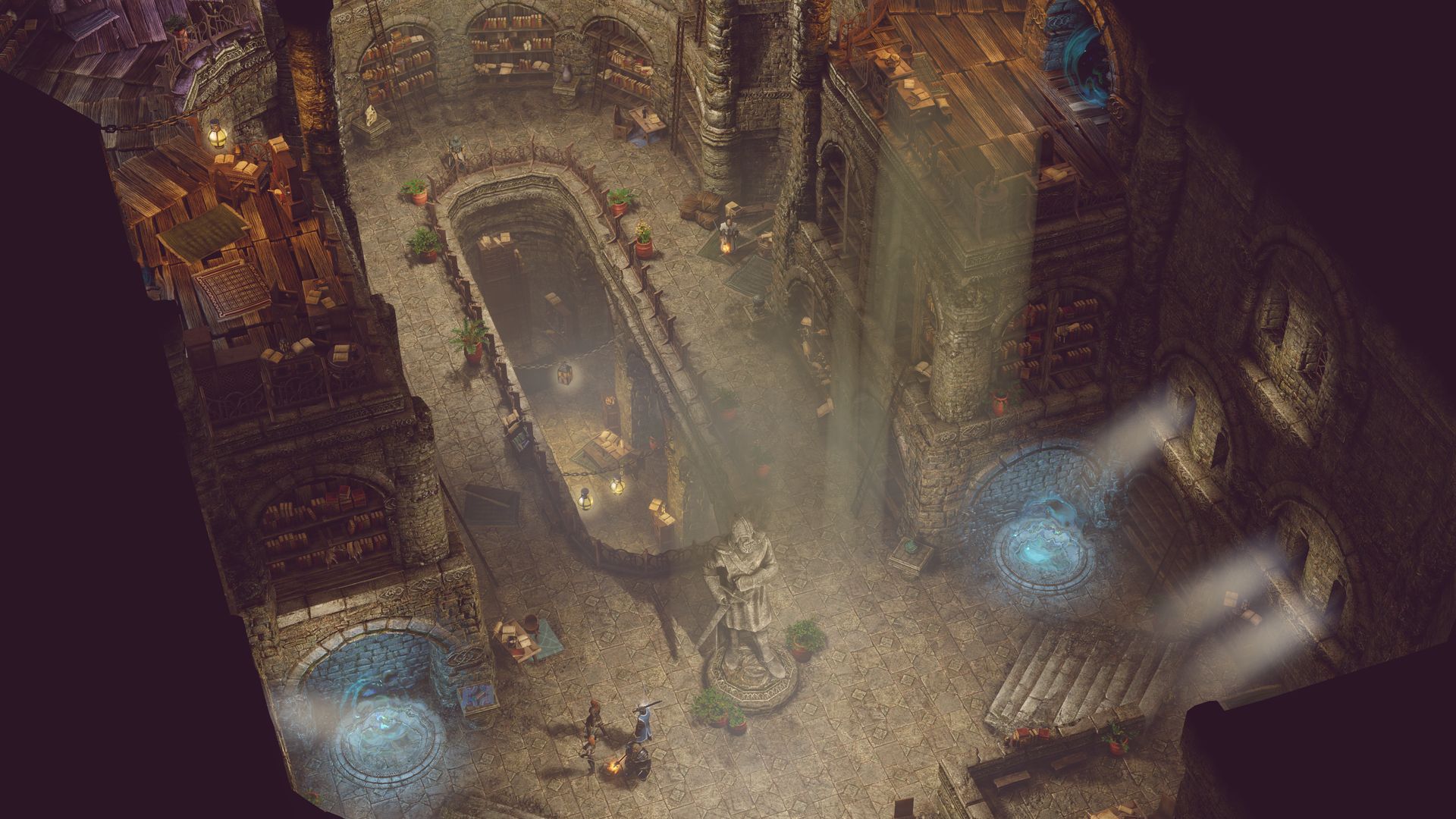
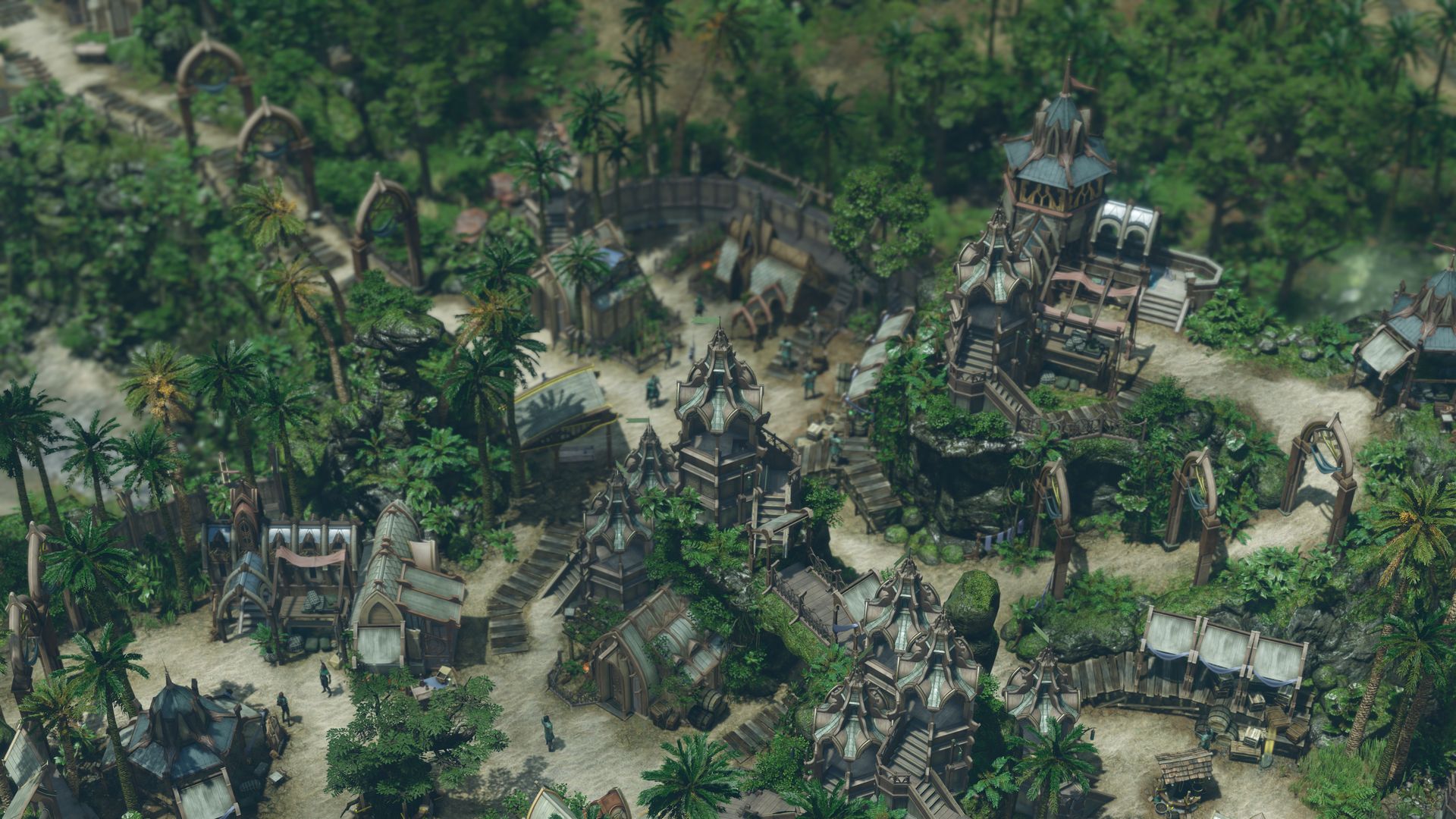
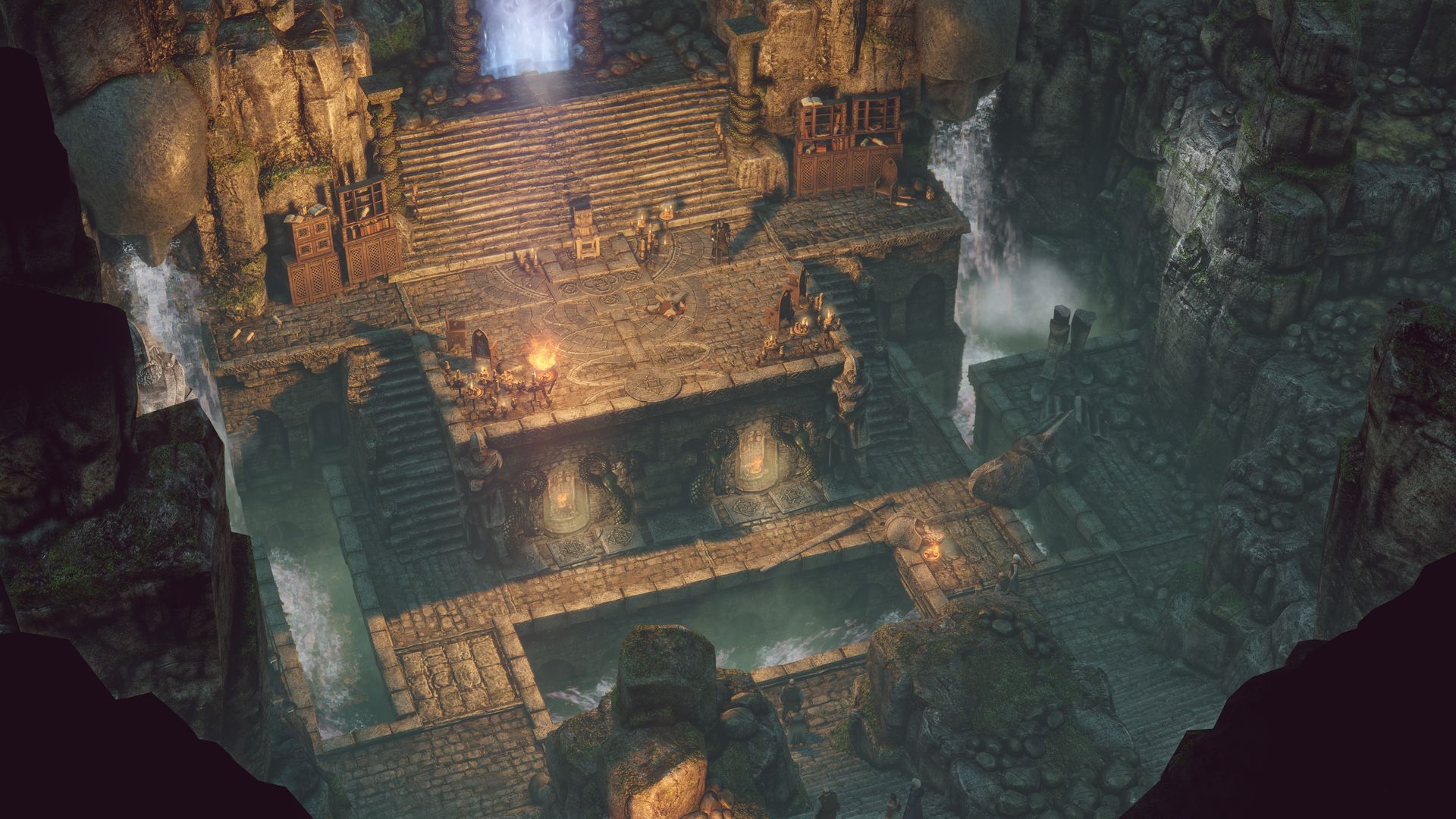
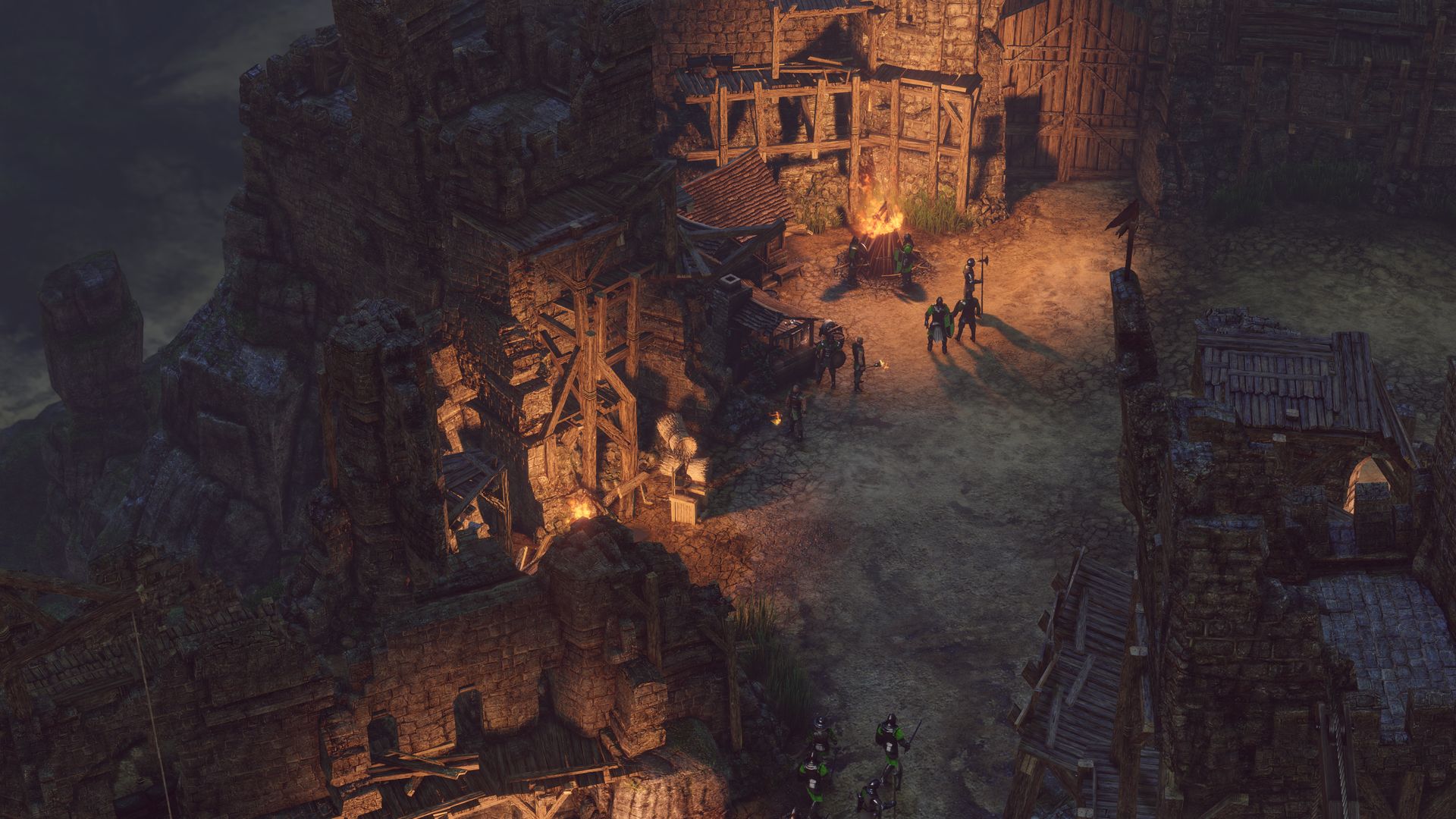
SpellForce 3’s visuals are excellent. Though the art style is a standard fantasy, it is well executed. The world is highly detailed, with some stunning environments that have lush environments and impressive architecture. The textures and animations are solid. On the technical side, SpellForce 3 ran well on my computer. The game provided a good set of graphic options to adjust for individual systems.

Audio

The audio in SpellForce 3 is decent for the most part. The soundtrack is enjoyable and compliments the game well. The sound effects and the voice acting are likely the weakest of the lot. The sound effects for the individual units are good, but some of the sound effects specifically for the campaign feel extremely generic and out of place. The voice acting for the main characters are excellent, but the minor characters are clearly voiced by less skilled actors. The number of lines for individual units are also a bit lacking, as each unit could use an extra two or three lines to keep things fresh.

Overall

SpellForce 3 is no where near a perfect game. The campaign could use a tighter experience to trim some of the fat, and the audio presentation isn’t the greatest. Yet even with all its flaws, SpellForce 3 is still an fun game. The game offers a unique mix of RTS and RPG gameplay that would be rather dull on their own, but combined they strike an entertaining balance. I can see why the SpellForce series has earned a dedicated following through the years.

Capsule Computers review guidelines can be found here.