

BETHESDA GAME STUDIOS EXPANDS WITH NEW DALLAS OFFICE
Escalation Studios Becomes the Newest Addition to Bethesda Games Studios
Bethesda Game Studios®, a ZeniMax® Media company, announced that it has continued to strengthen and expand development capabilities by welcoming Escalation Studios in Dallas, Texas, as part of Bethesda Game Studios.
“We’ve been working with Tom, Marc, and the team at Escalation for a long time. They’ve already delivered amazing games with us, and we knew we could do even bigger things together,” said Todd Howard, Game Director and Executive Producer at Bethesda Game Studios. “It’s an incredible team in Dallas and they’re already contributing to key parts of Fallout® 76 and Starfield™.”
Escalation was founded in 2007 by industry veterans Marc Tardif and Tom Mustaine, and acquired by ZeniMax in 2016. The studio has already contributed critical development work on The Elder Scrolls V: Skyrim® VR, Fallout 4 VR, and Fallout Shelter on Nintendo Switch as well as on DOOM® (2016).
“We were honored to join the ZeniMax family in 2016 and the team is humbled to now join Bethesda Game Studios,” said Marc Tardif. “We’re thrilled to share in the studio’s passion and commitment to bringing new and ambitious experiences to some of the industry’s most iconic franchises.”
“This is an exciting time for everyone at the studio,” said Tom Mustaine. “We feel a profound sense of pride and excitement to work on the most anticipated games in the industry, and we can’t wait for fans to see what we’ve been working on.”
Bethesda Game Studios is currently hiring for its Maryland, Montreal, Austin, and Dallas locations. For more information about available jobs, visit http://jobs.zenimax.com.
About ZeniMax Media Inc.
ZeniMax Media is a privately owned media organization headquartered outside Washington DC with international publishing offices in London, Paris, Frankfurt, Eindhoven, Hong Kong, Tokyo, and Sydney. Through its subsidiaries, ZeniMax Media creates and publishes original interactive entertainment content for consoles, PCs, and handheld/wireless devices. ZeniMax Media divisions include Bethesda Softworks, Bethesda Game Studios, id Software, Arkane Studios, Tango Gameworks, MachineGames, ZeniMax Online Studios, ZeniMax Europe Ltd., ZeniMax Asia K.K., ZeniMax Asia Pacific Limited, and ZeniMax Australia Pty Ltd. For more information on ZeniMax Media, visit www.zenimax.com.
About Bethesda Softworks
Bethesda Softworks, part of the ZeniMax Media Inc. family of companies, is a worldwide publisher of interactive entertainment software. Titles featured under the Bethesda label include such blockbuster franchises as The Elder Scrolls®, Fallout®, DOOM®, QUAKE®, Wolfenstein®, Dishonored®, The Evil Within™, Prey® and RAGE®. For more information on Bethesda Softworks’ products, visit www.bethsoft.com.
About Bethesda Game Studios
Bethesda Game Studios is the award-winning development team known around the world for its ground-breaking work on The Elder Scrolls series and the Fallout series. Creators of The Elder Scrolls IV: Oblivion®, the 2006 ‘Game of the Year’; Fallout® 3, the 2008 ‘Game of the Year’; The Elder Scrolls V: Skyrim®, the 2011 ‘Game of the Year’; Fallout® 4, the winner of more than 200 “Best Of” awards including the 2016 BAFTA and 2016 D.I.C.E. Game of the Year; and Fallout Shelter™, the award-winning mobile game with more than 100 million users. Bethesda Game Studios has earned its reputation as one of the industry’s most respected and accomplished game development studios. For more information on Bethesda Game Studios, visit www.bethesdagamestudios.com.
The Elder Scrolls, Skyrim, Oblivion, Bethesda Game Studios, Dishonored, Arkane, The Evil Within, PsychoBreak, Tango, Tango Gameworks, MachineGames, Prey, Nuka Cola, Bethesda Softworks, Bethesda, ZeniMax and their related logos are registered trademarks or trademarks of ZeniMax Media Inc. in the United States and/or in other countries. Fallout and its related logos (including Vault Boy) are registered trademarks or trademarks of Bethesda Softworks LLC in the United States and/or in other countries. id, id Software, id Tech, DOOM, QUAKE, Wolfenstein, RAGE and their related logos are registered trademarks or trademarks of id Software LLC in the United States and/or in other countries. Other product and company names referenced herein may be trademarks of their respective owners. All Rights Reserved.

 Overall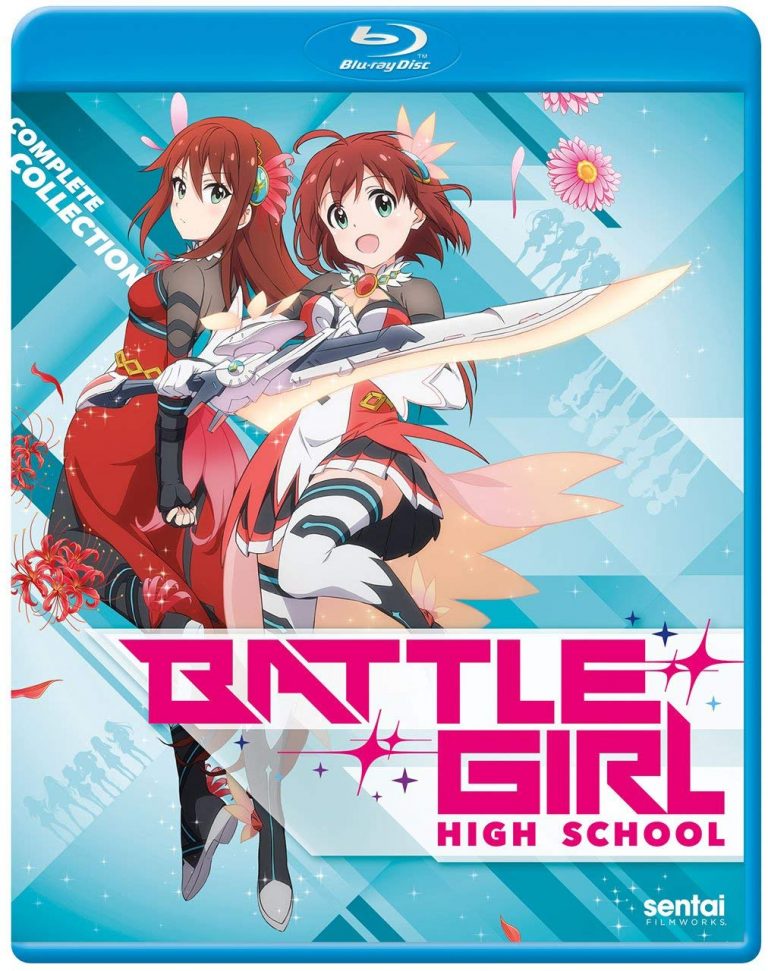
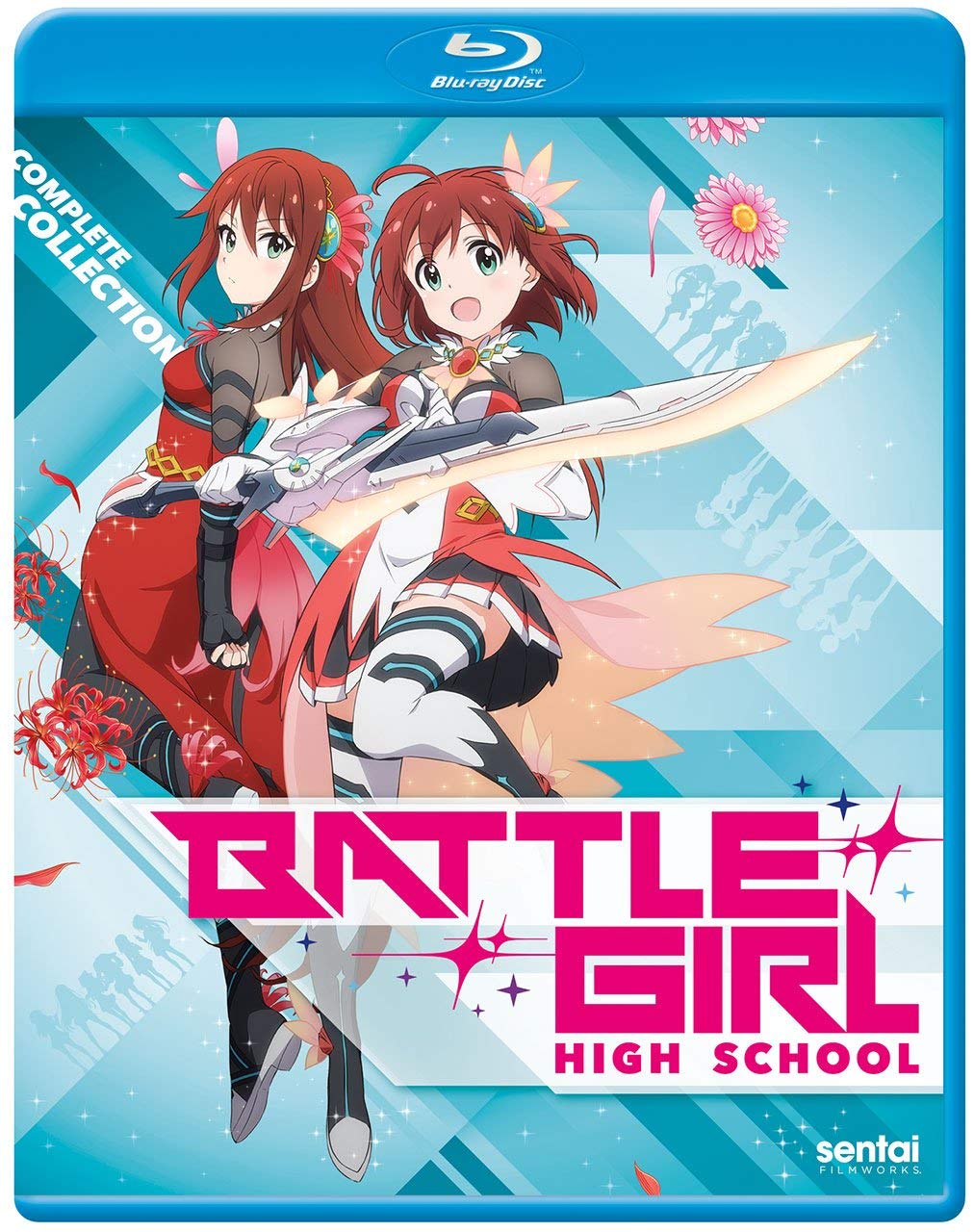
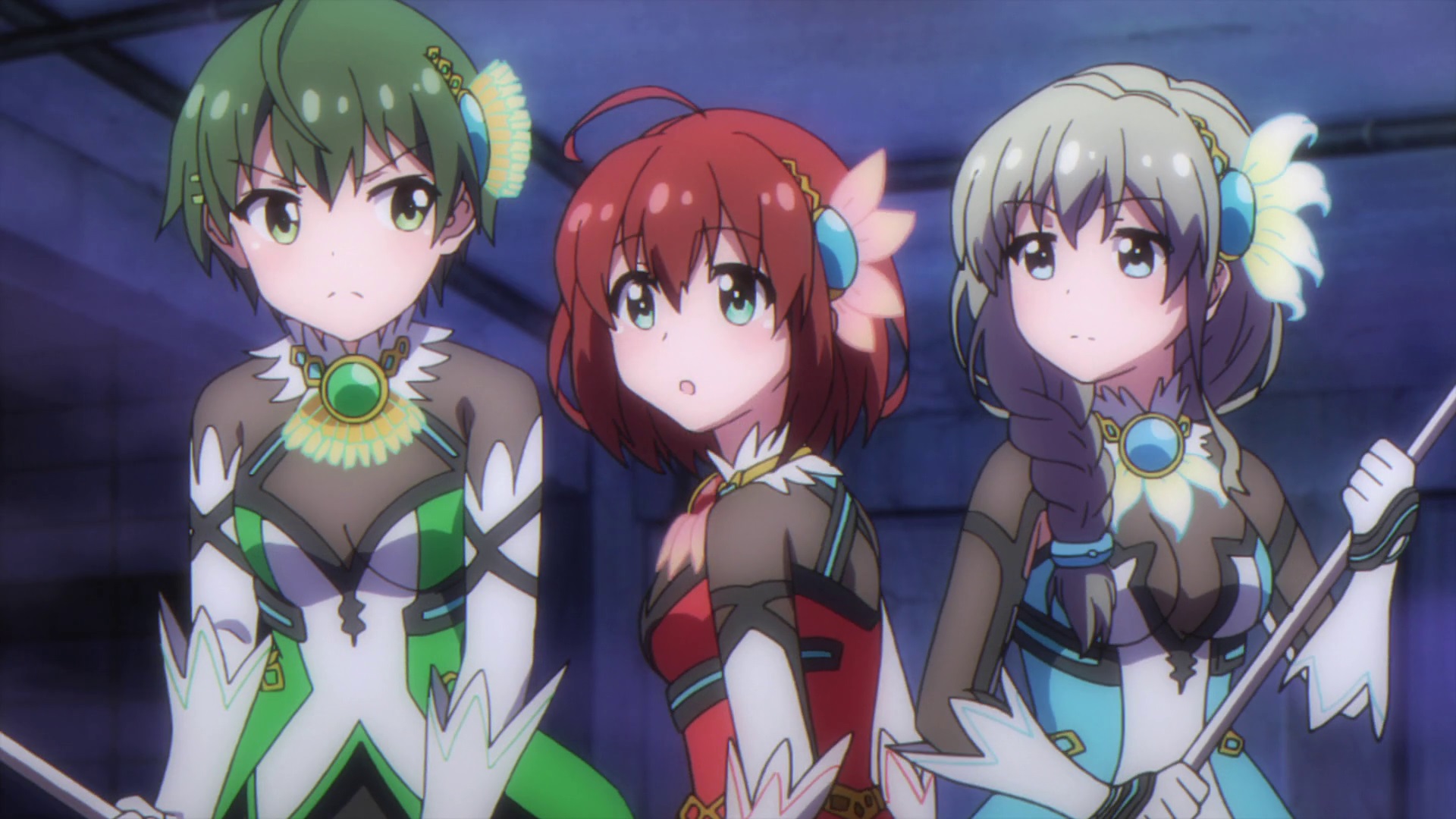 Generally when an anime adaptation is made for a mobile app, the series begins with telling the story from the beginning as an attempt to try and bring fans into the game as easily as possible while also showing current players animated events that they’ve already experienced. As mentioned before, Battle Girl High School does something different and that happens to be telling a completely different story that takes place far into the game’s actual events.
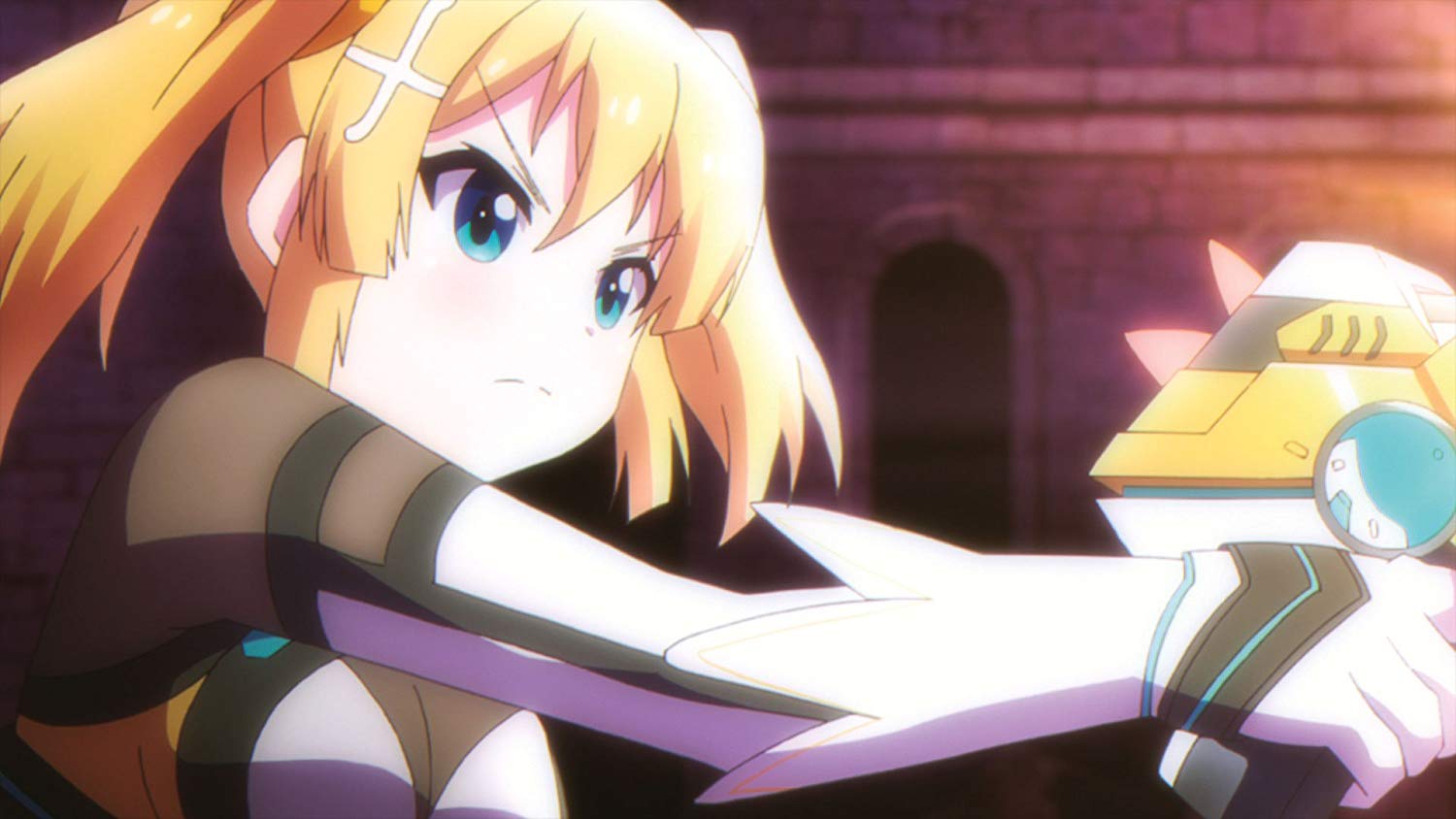 The core of the storyline focuses on a brand new character introduced in the anime, and later added to the game through an event, Misaki and her mysterious origins. Unfortunately this story only happens to hold together during the first couple of episodes before bringing about a twist at the end of the series to try and wrap everything up following numerous episodes simply following these girls doing various cute things and interacting together all while no actual character development takes place. It is interesting to note that the player character, who takes on the role of the girls’ teacher, is still represented in the anime but is mostly relegated to being a side character.
 The combat animation as well as the designs of the Irousu are handled well enough but it is worth noting that certain elements do look rather rough at times and battles tend to have more than a few obvious drops in animation quality.
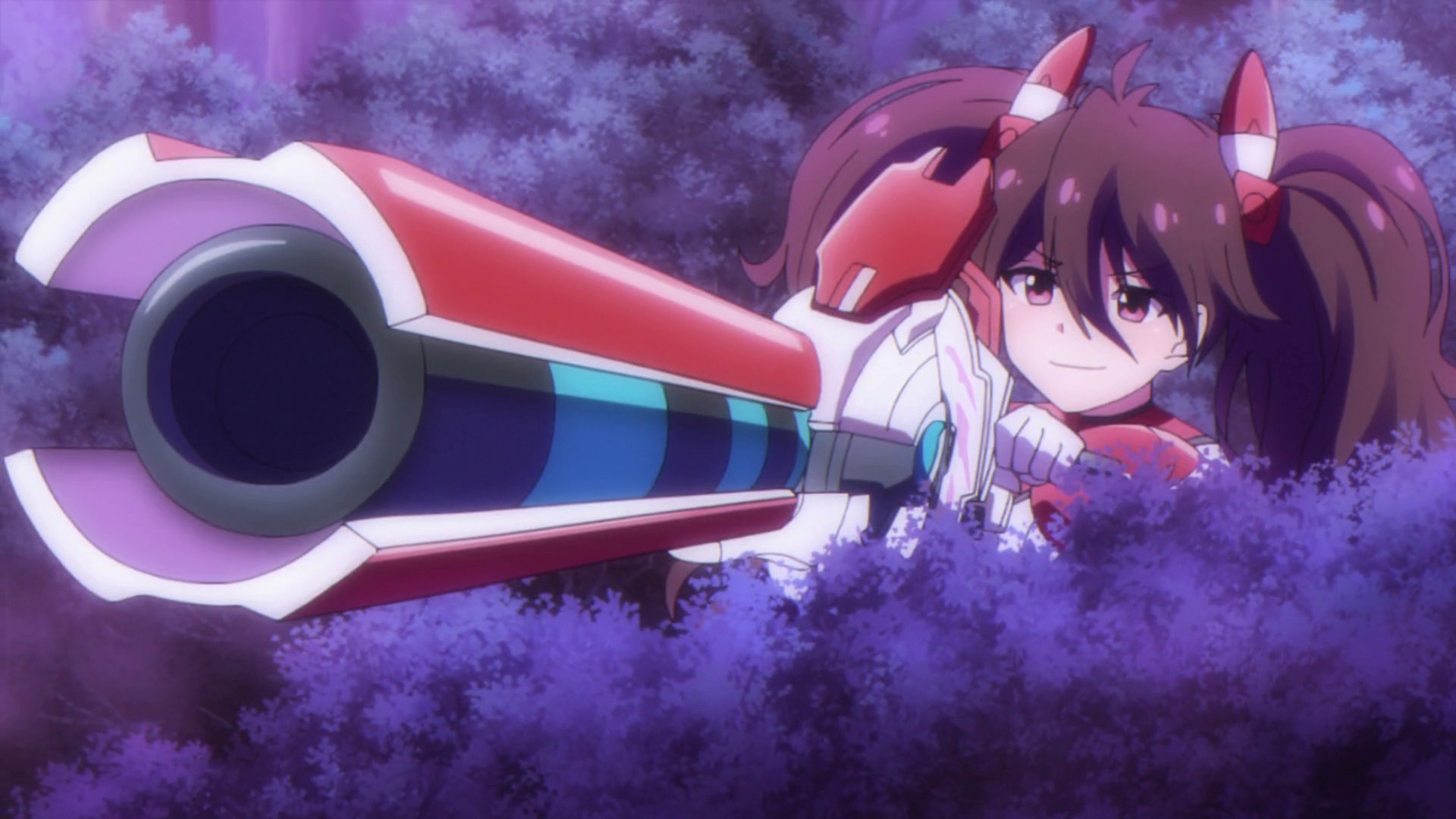 Although Battle Girl High School has a number of background tracks from the mobile game to draw from it is unfortunate that most, if not all, of the background music throughout the series is rather forgettable outside of a few battle scenes that are accentuated rather well by certain tracks. That being said there are a number of insert songs featuring vocals from the in-game idol group f*f who also handle the ending theme for the series and these songs are pleasant to listen to. As for the aforementioned ending theme, it is called “Melody Ring” by f*f while the opening theme “Hoshi no Kizuna” is performed by the voice actresses of the girls.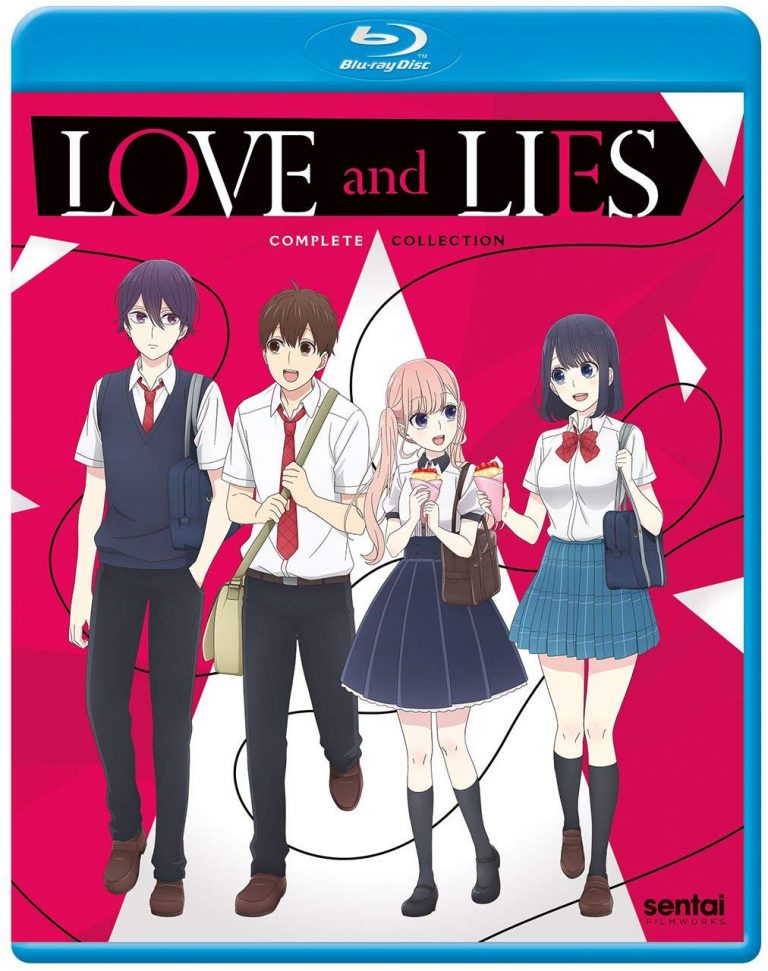
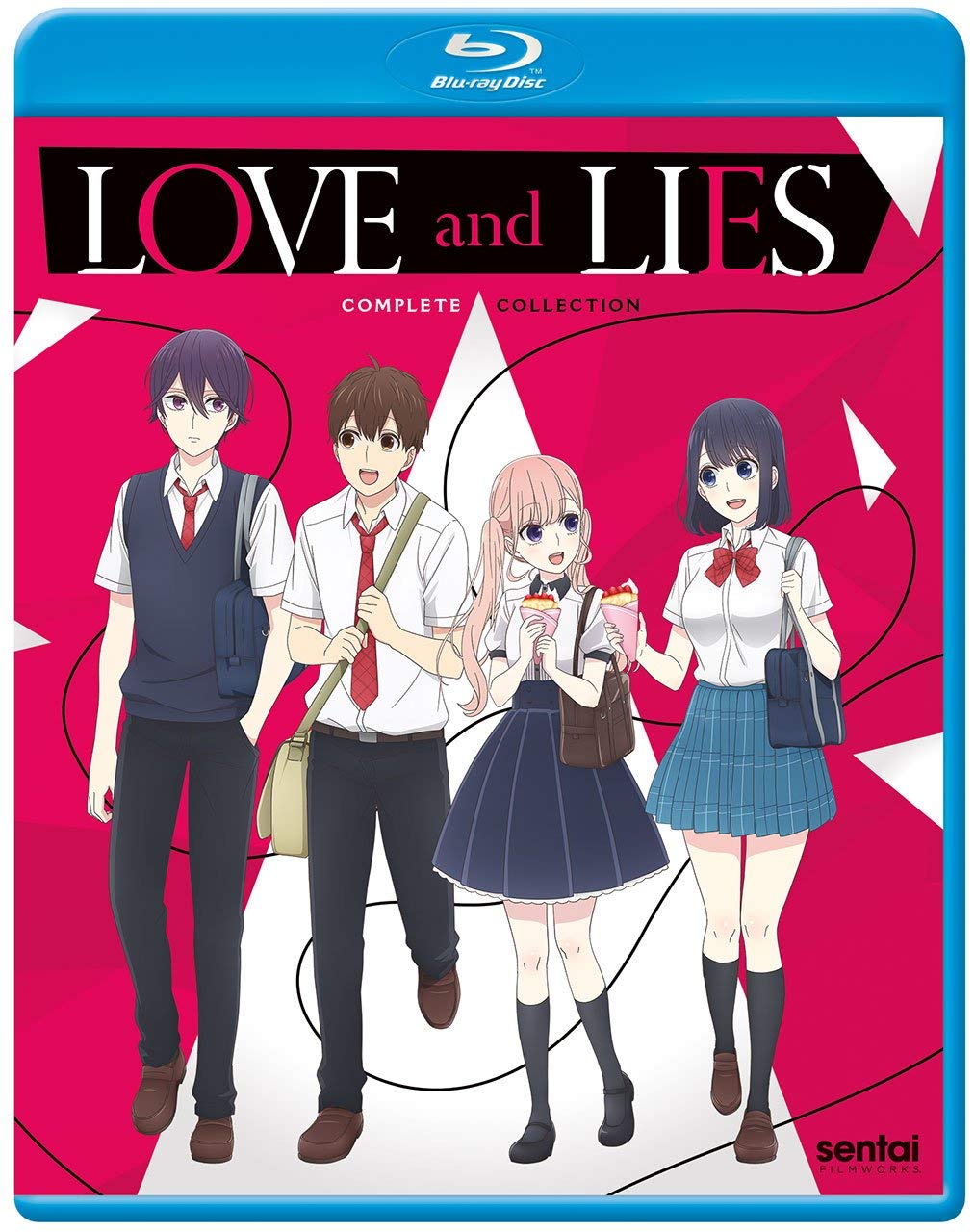
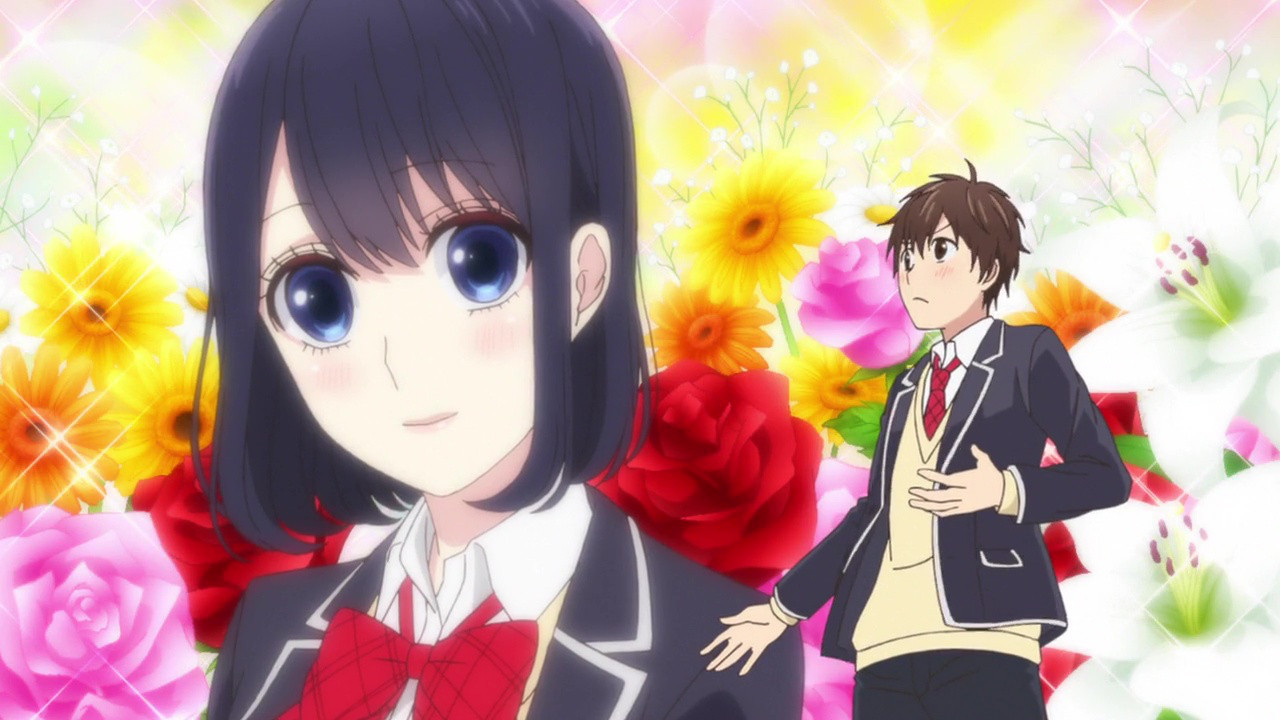 Yukari Nejima is a bit different from the rest of the young people in his school in the way that he actually already has someone he loves. In fact, before his birthday he confesses his love to his longtime friend Misaki Takasaki and she even accepts his feelings as she loves him too. Unfortunately this love ends up being something of a tragic one as the government has instead assigned Yukari a girl named Ririna Sanada to be his future wife.
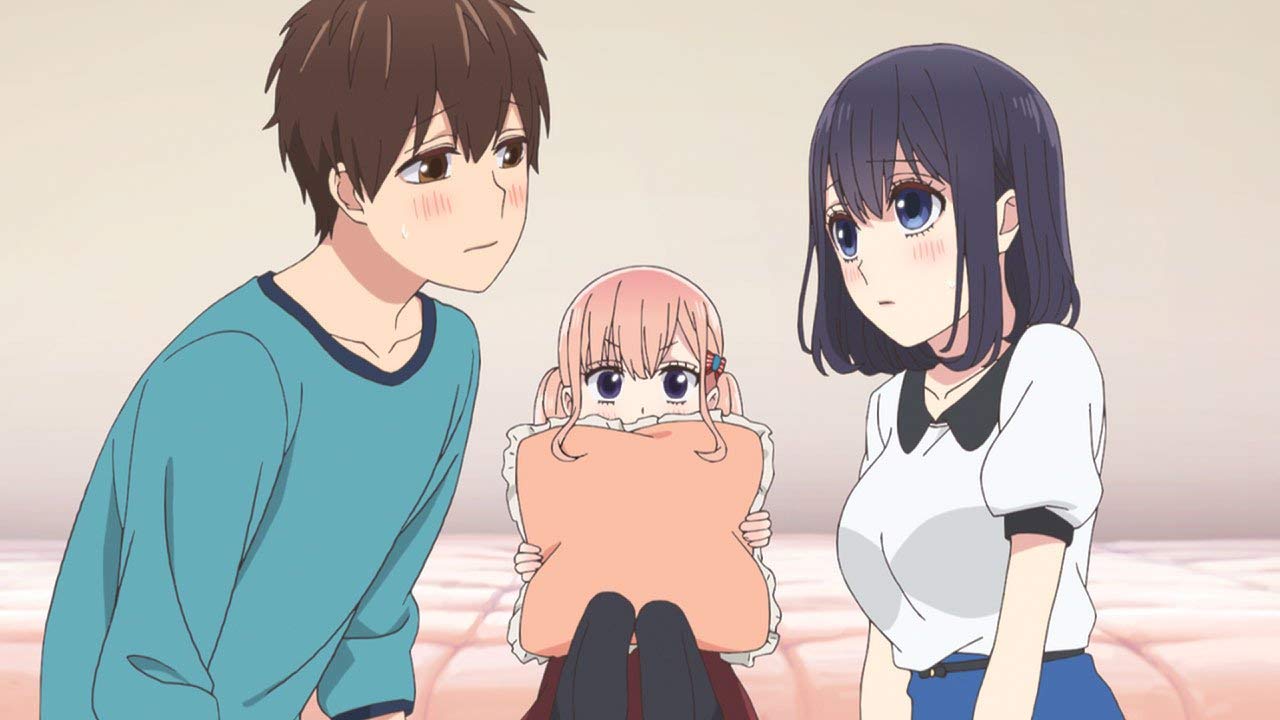 The biggest issue with the series comes from the core characters themselves as not only is Yukari a rather poor choice of a main character as he is indecisive to an unbelievable degree which only exacerbates the problems that arise from the fact that the two girls that he is set up with in the series’ love triangle are just as bad. The explanation for why Ririna is so excited to see such a “forbidden” relationship blossom in front of her and why she encourages it only to fall in love with Yukari for real is ridiculous, even in a world where love is held hostage by the government’s pairing system.
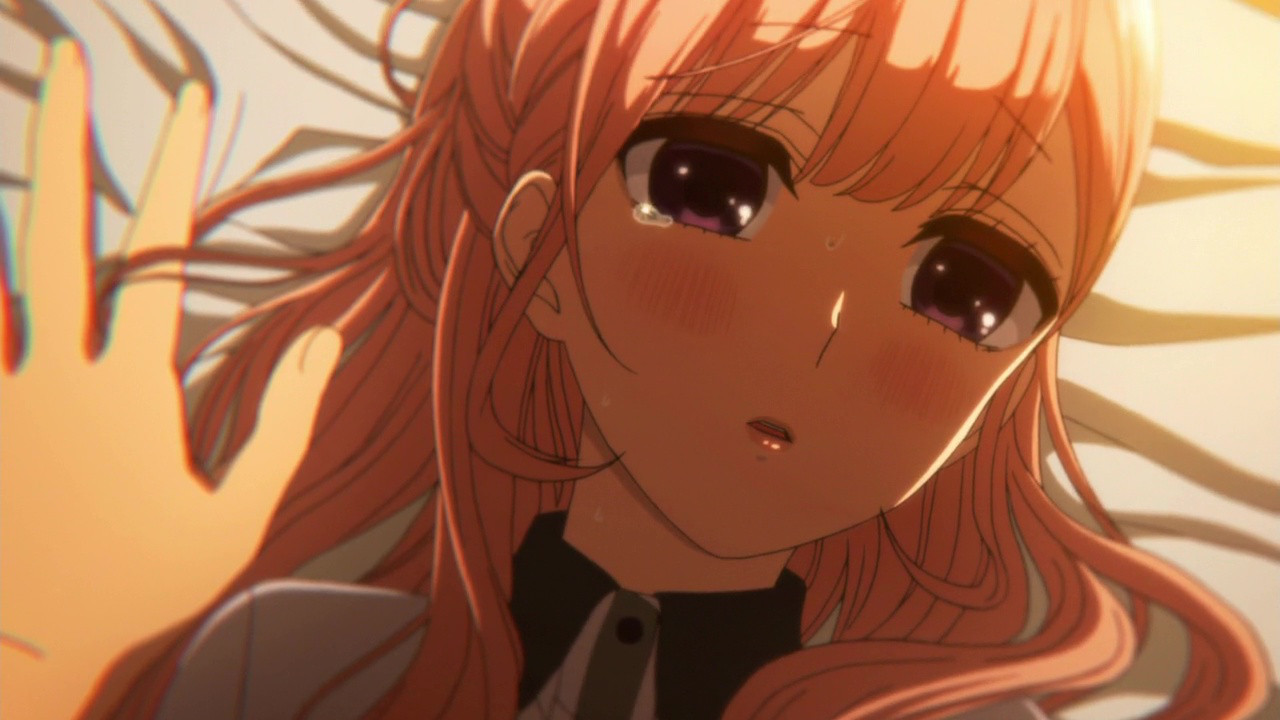 Of course this is likely due to the fact that Love and Lies is based off of a manga that is still being published in Japan but even when it comes to trying to hook viewers into reading the source material, one would hope that more development could have been made in the actual series and more themes actually examined. This is especially true in regards to the fact that the premise of the world is barely examined, especially with one specific character’s type of love never truly expressed out loud or explored in any way as to how it would work in a system such as the one Japan has instituted.
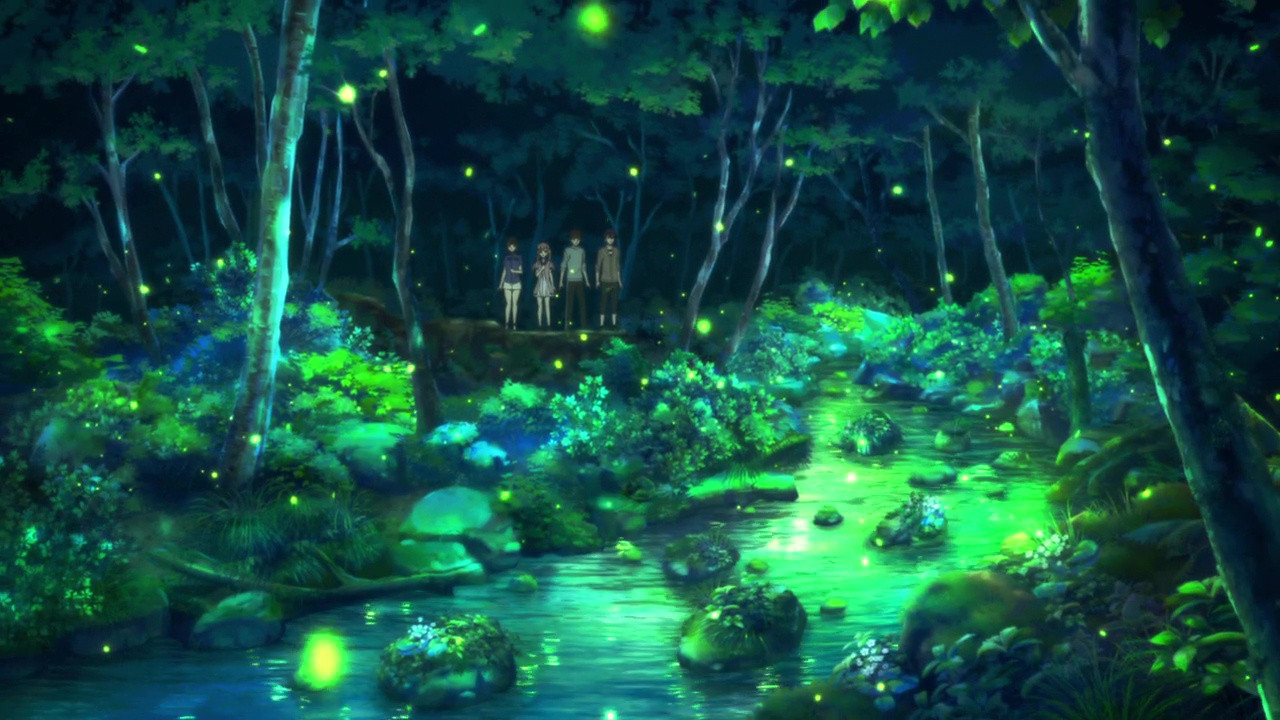 Where the series does stand out is during a number of scenes that really pull the viewer into them as the characters mull over their futures and of course, during any of the romantic scenes where the animators spent plenty of time trying to make them as fan-service heavy as possible without actually entering “ecchi” territory.
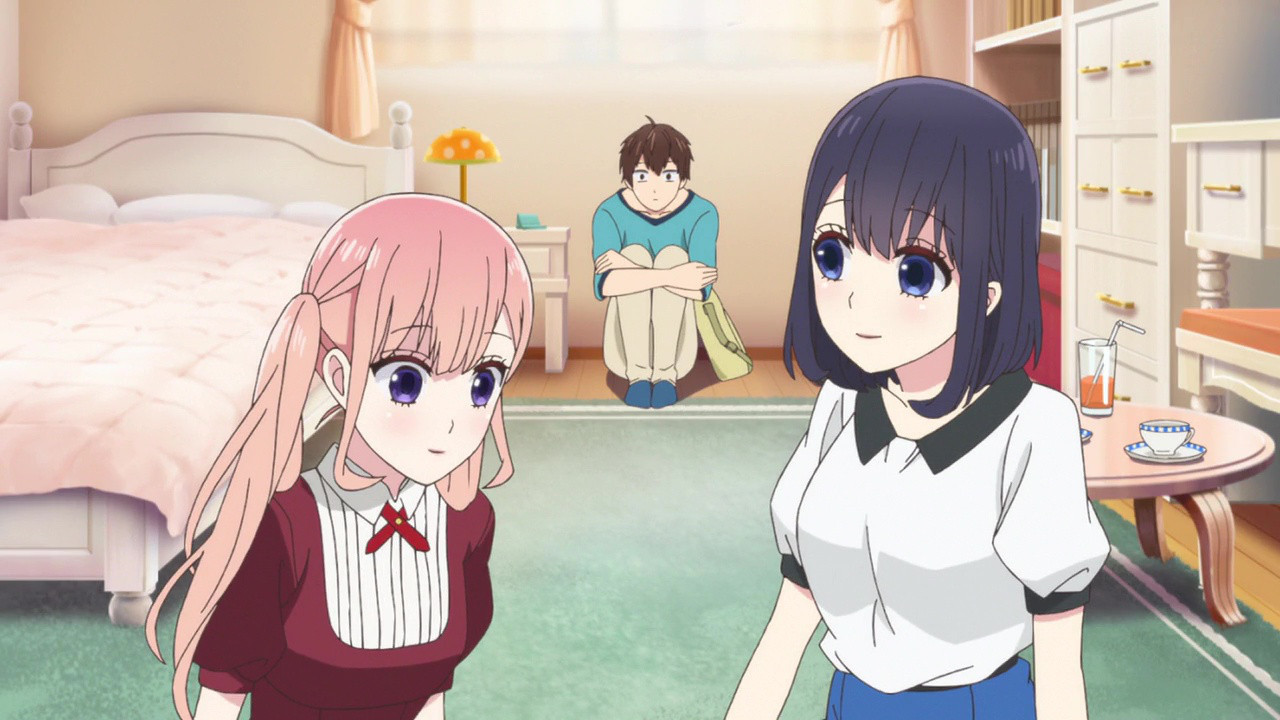 The background music is also fairly simplistic in nature while the opening theme “Kanashii Ureshii” by Frederic does serve as a nice and fitting track for the series while the ending theme “Can’t You Say” by Roys is also fitting but fairly forgettable.