


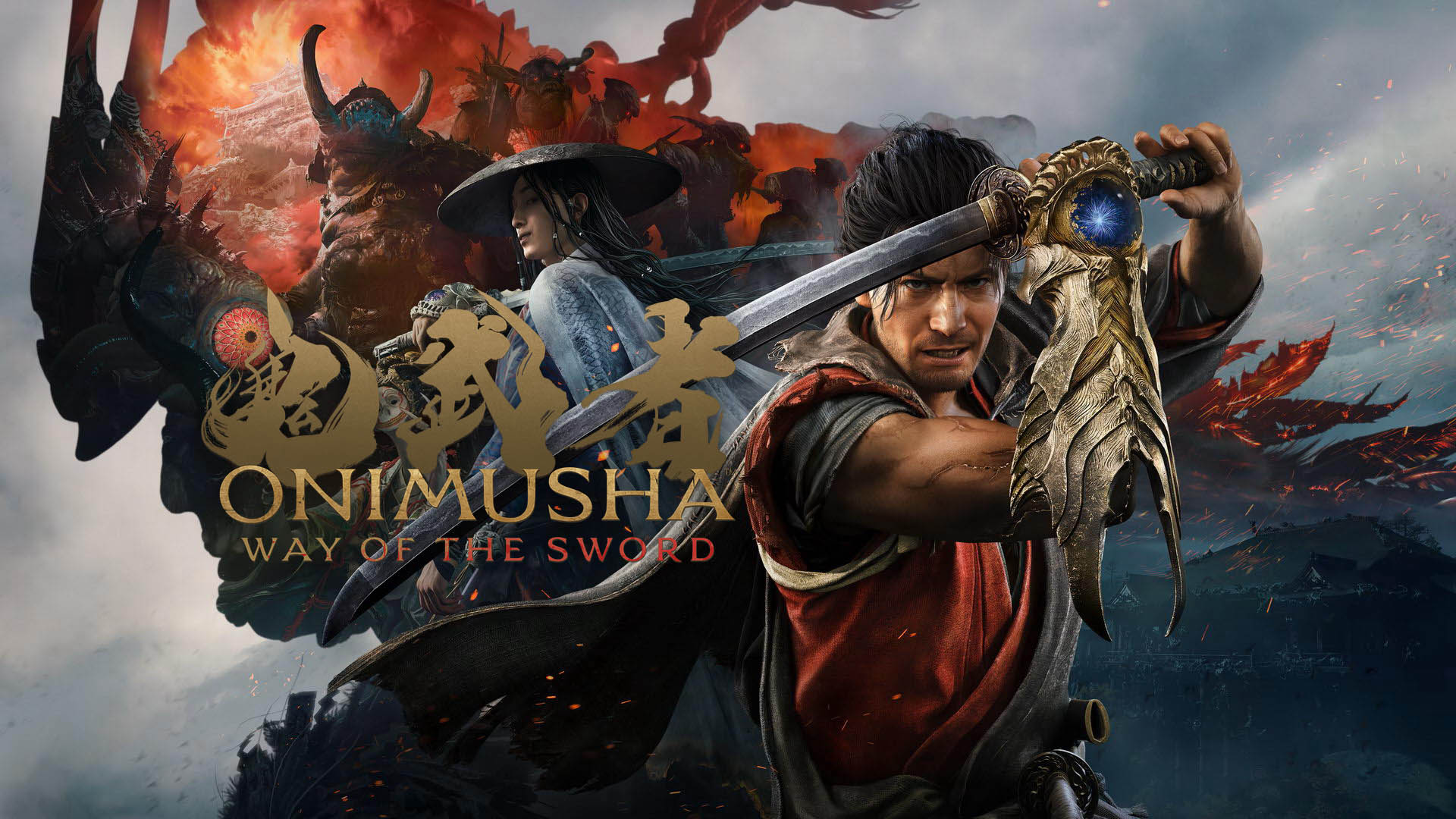
Onimusha: Way of the Sword
Developer: Capcom
Publisher: Capcom
Platforms: PlayStation 5 (Reviewed), PC, Xbox Series X, Switch 2
Release Date: Available Now
Price: $69.99 USD – Available Here
Overview
After teasing the waters a bit with a remaster of Onimusha 2, Capcom has gone all in with their revival of their long slumbering demon slaying samurai franchise. After twenty years since the last new entry, Onimusha: Way of the Sword sets itself up to be not only a brand new entry into the franchise but a way for any newcomer to step right into the shoes of a fresh protagonist in an entirely separate storyline that is also disconnected from the rest of the franchise in all but its signature mechanics and lore elements. So with a lot of hopes riding on this blade, is Onimusha: Way of the Sword as satisfying of an action game that fans could hope for after two decades?
Story
Miyamoto Musashi was known as the best samurai in Japan, having gone undefeated in over sixty duels recorded in his lifetime, but that is not the time that our Musashi is occupying. Instead we step into the shoes of a rogueish but highly skilled samurai that is making his name known throughout Japan by conquering various dojos and masters in duels, so much that even upon defeating one at the start by crippling its master, the vengeful students chase him through the entire village in a slapstick comedy reminiscent of a Super Sentai sequence until he manages to escape them only to come across another, even more charismatic and cartoonishly evil samurai looking to make a name for himself that is stabbed through the throat before he can finish his speech.
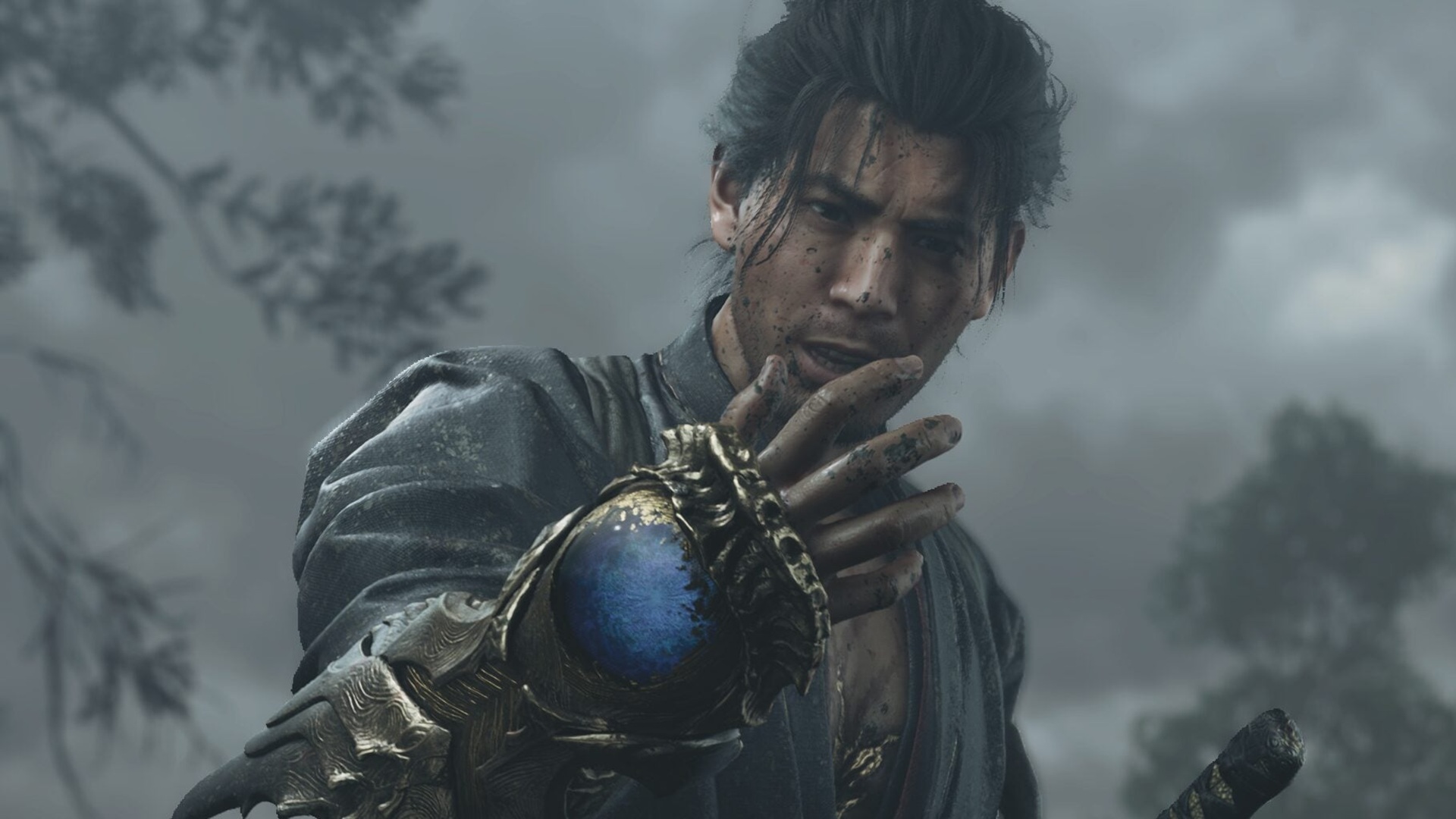
Stunned by the sudden death, Musashi watches demonic looking swordsmen rise from the ground and despite his best efforts, he can’t even scratch them and is slain as numerous blades pierce his body. Luckily, or perhaps unluckily, in the afterlife he is intercepted by a mysterious man who places an Oni Gauntlet on his arm, reviving Musashi and giving him the strength he needs to slay the “Genma” that took his life. While many would be happy to have been given a second chance at life, Musashi is furious, as he has lived by a code his entire life to earn strength the proper way and that winning with the power of something else may as well not count and tries to remove the gauntlet even at the risk of slicing off his arm entirely. Only through the gauntlet chiming up to warn him that doing so will result in his death does Musashi stop and eventually after slaying enough Genma, wake up the “gauntlet lady” to tell him that he must seek out a man in Kyoto to learn more about the state of the world and the true risks at play that Musashi has now found himself right at the heart of.
For as dire sounding of a situation Onimusha: Way of the Sword places players in within Kyoto and the surrounding location, it isn’t afraid to let some laughter in here and there and that is mostly thanks to both Musashi himself and even a large majority of the bosses, whether they are Genma, other demonic beings, or worse, other humans. Musashi’s personality is a far cry from the serious samurai warrior many would have expected of the franchise and his goofier take on things and approach to certain situations is rife with opportunity to clash with the more serious characters. Similarly, the bosses and enemies that make up the various antagonists that players encounter are almost cartoonishly evil at times or inept to the point of comedy, all while being downright vile and horrific at the same time.
Musashi’s crude nature is at its best when he is interacting with more straight-laced characters such as the “gauntlet woman” whose identity and real reason for being there we won’t spoil. She is incredibly refined and thinks that nearly everything Musashi does is brutish even if it gets the job done in the end, creating some great back and forth banter in cutscenes and even during standard gameplay. One element that the game does disappoint is with its side-quests in Kyoto, which serves as a sort of hub in-between larger streamlined objectives. Many of these side-quests tend to reference various yokai and grander elements of mythological lore but it is often just that, a mention and nothing more, and simply involves Musashi instead slaying the same type of Genma in the location or completing a simple task and returning to the quest giver for upgrade material and occasionally a charm with no real world building.
Gameplay
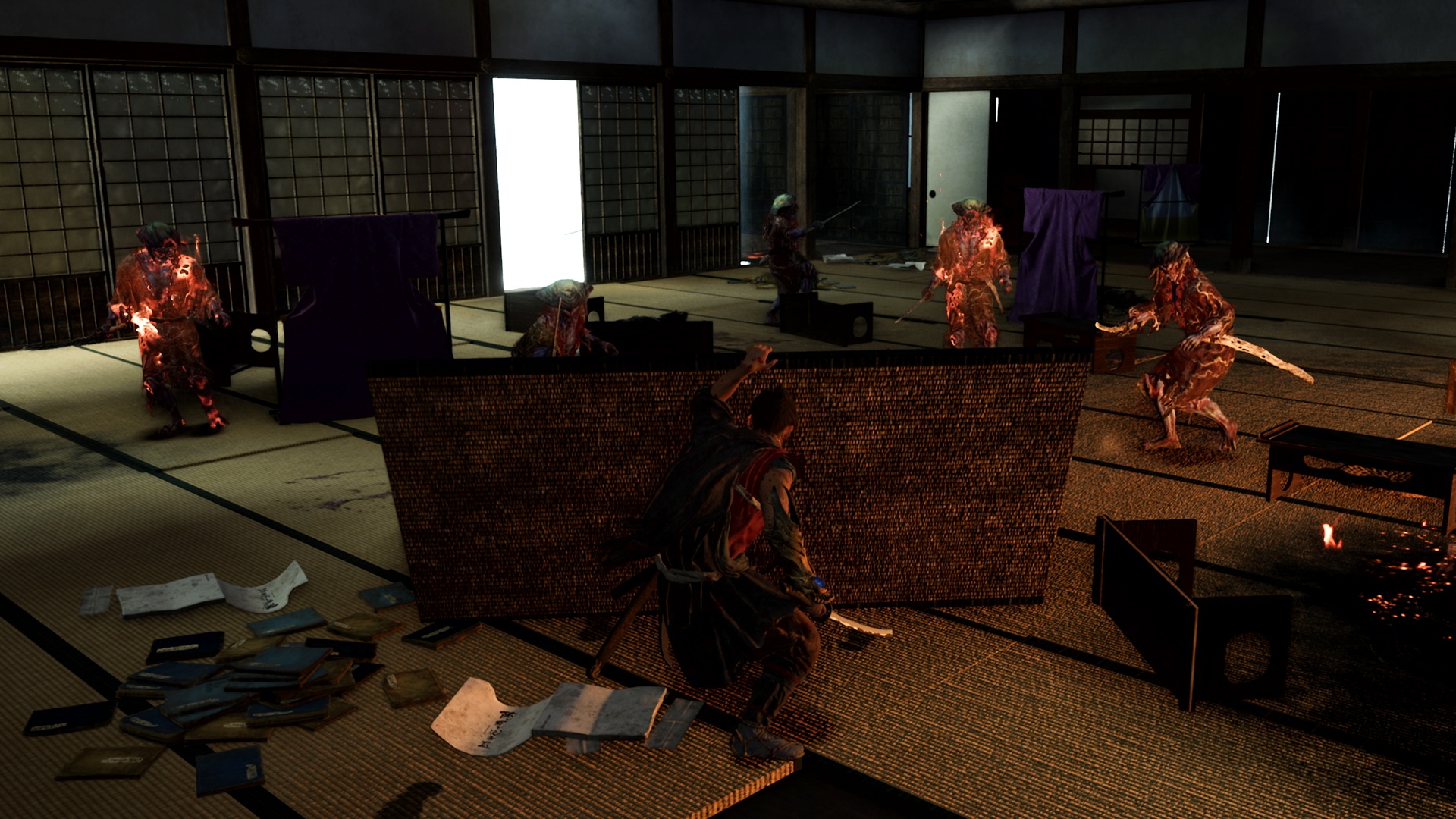
A great storyline in an action game tends to only be the icing on the cake since the core of the experience happens to be how well the action actually controls and thankfully Onimusha: Way of the Sword proves that the company hasn’t lost a step in two decades. Initially Musashi has a limited set of skills such as dodge, parry, slash, and heavy slash but it doesn’t take long before the game reveals just how complex all of these elements can work together to create a deadly samurai capable of slaying even the most outrageous demon or instantly killing five foes with a single slash. To top Musashi’s own abilities off, players can make use of environmental objects such as kicking up planks of wood to act as arrow shields before sending it at foes, throwing explosive jars, or even literally driving a cart into enemies.
As players progress through Onimusha: Way of the Sword they will soon learn the more complex methods of making use of Musashi’s abilities such as parrying attacks to send enemies skidding past into objects or one another, depleting their stamina and leaving them wide-open to devastating, usually instant kill, blows, dodging grab attacks that then throw the opponent to the ground and leaving them wide open for a finishing blow. In similar fashion, players can perform a parry right at the last second and perform a “deflect” of an incoming attack that will greatly reduce an enemy’s stamina or even deflect projectiles back at a ranged enemy once players unlock the ability. Parrying in any form eventually begins to build up Musashi’s Blazing meter, which when filled will ignite his sword and deal even more damage with his attacks, especially follow-up blows.
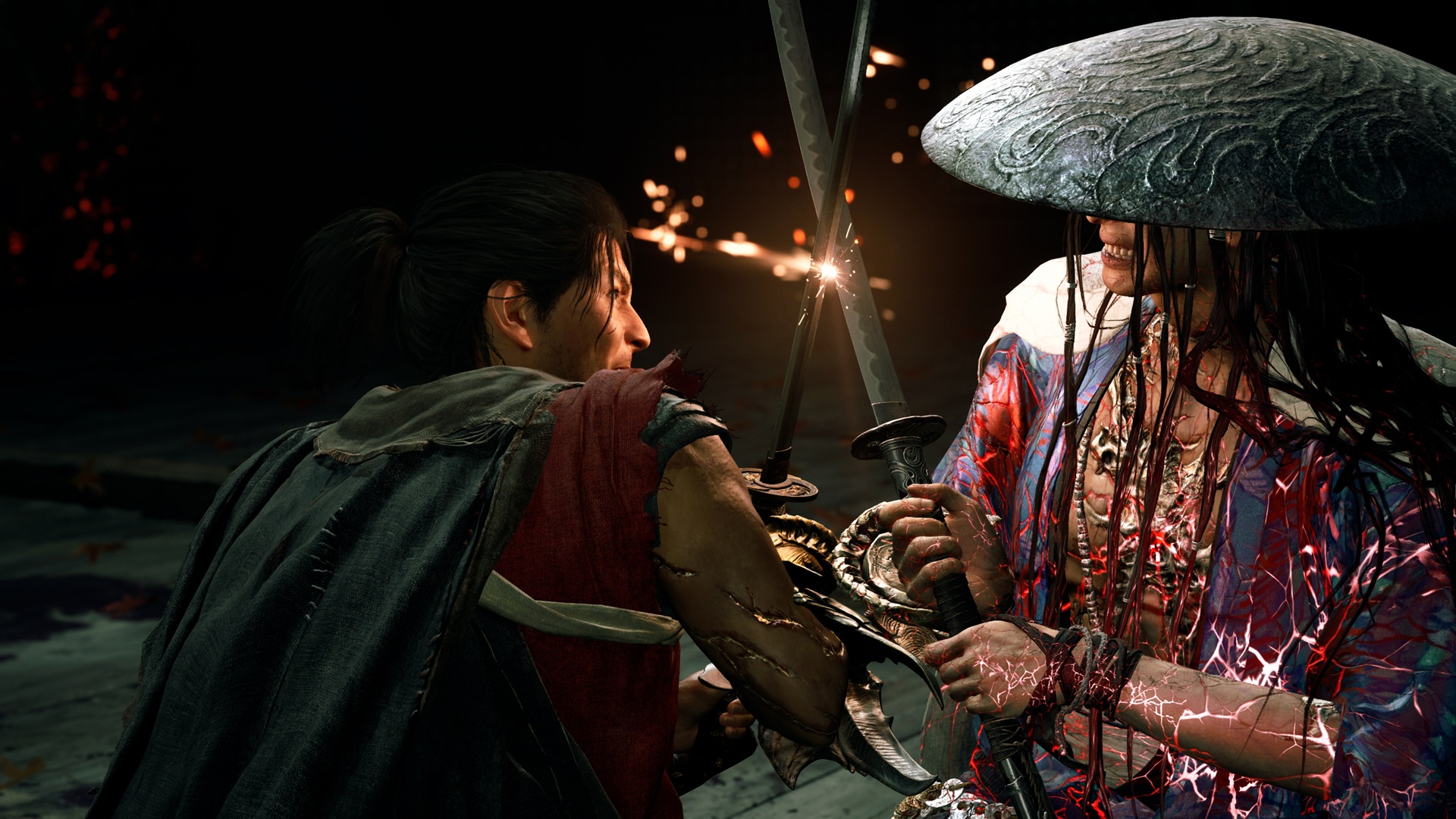
One of the franchise’s iconic gameplay elements also returns with the Issen system. This high-risk and high-reward system basically functions as an instant kill against most standard foes if pulled off correctly or suffer a blow if improperly timed. Issen’s are performed by striking just as the enemy is about to hit Musashi and the counter will not only leave the enemy ready for an instant kill, but players can chain Issen kills together, eventually upgrading it enough to take out entire swathes of Genma. It is also worth noting that players cannot blindly flail their attacks at enemies as doing so can trigger a blade clash where Musashi must either press the opposite attack button they previously pressed to counter an enemy’s counter strike, or mash the attack button to drive their clashed swords together and overpower the foe and leave them open to a counterattack.
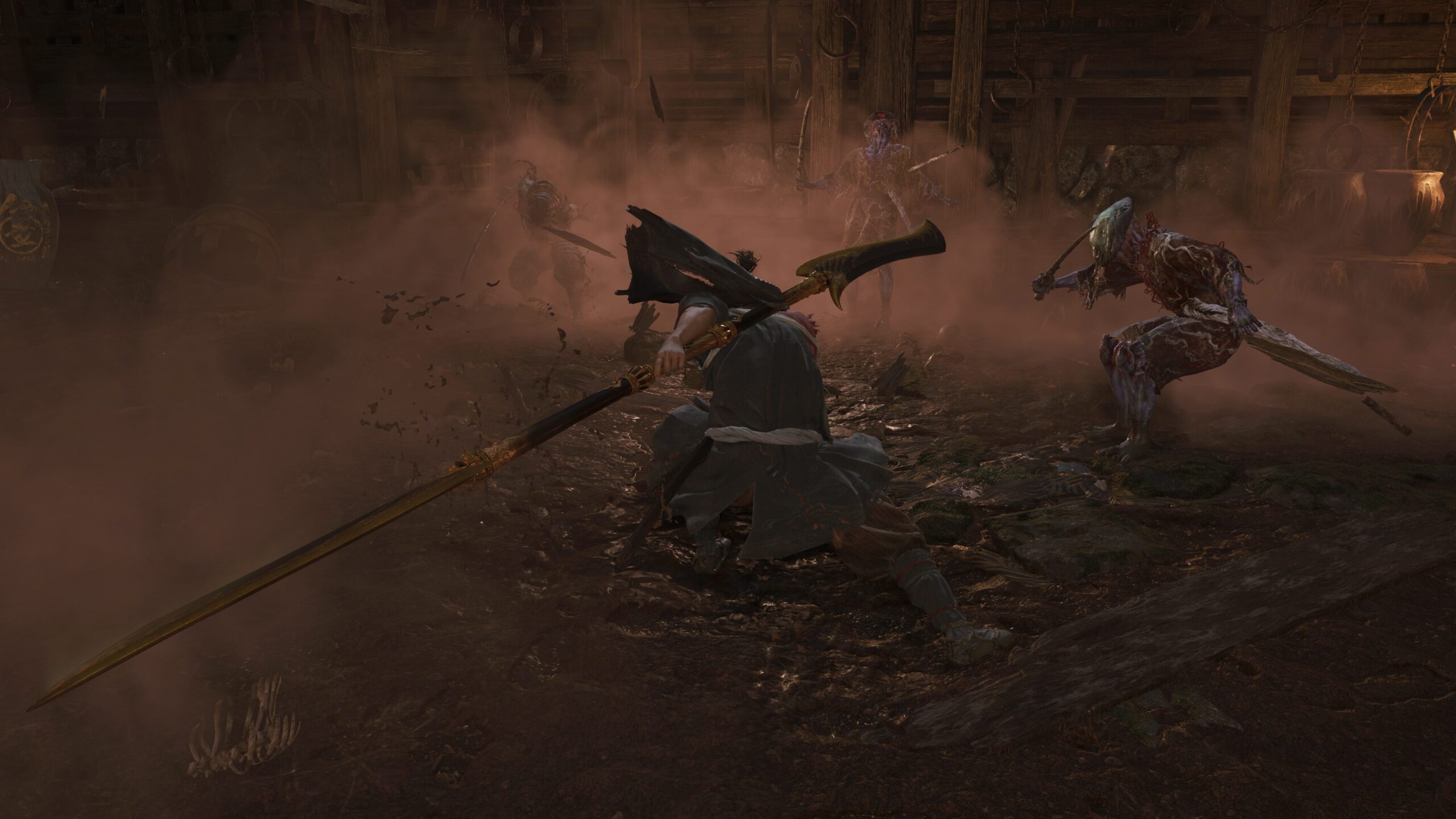
Alongside Musashi’s standard weaponry players acquire a variety of Oni Armaments as well and while some of these are used primarily to open up obstacles or bust through shields, most tend to play a unique role in combat. Blue souls, absorbed by the gauntlet, will fill up the Oni bar, while Red Souls can be used as currency and Yellow Souls restore health. When a bar is filled one of the Oni weapons can be used and they each have their own unique elements. The initial weapon players obtain makes enemies struck with it drop plenty of healing souls, another triggers a windstorm for area-of-effect damage that can be amplified into a fire tornado if triggered near flames, a bow and arrow that is accessible at any time, and more. Players can swap between Oni Armaments on the fly in combat and select which one is best fit for their current opponent, especially if it happens to be a boss.
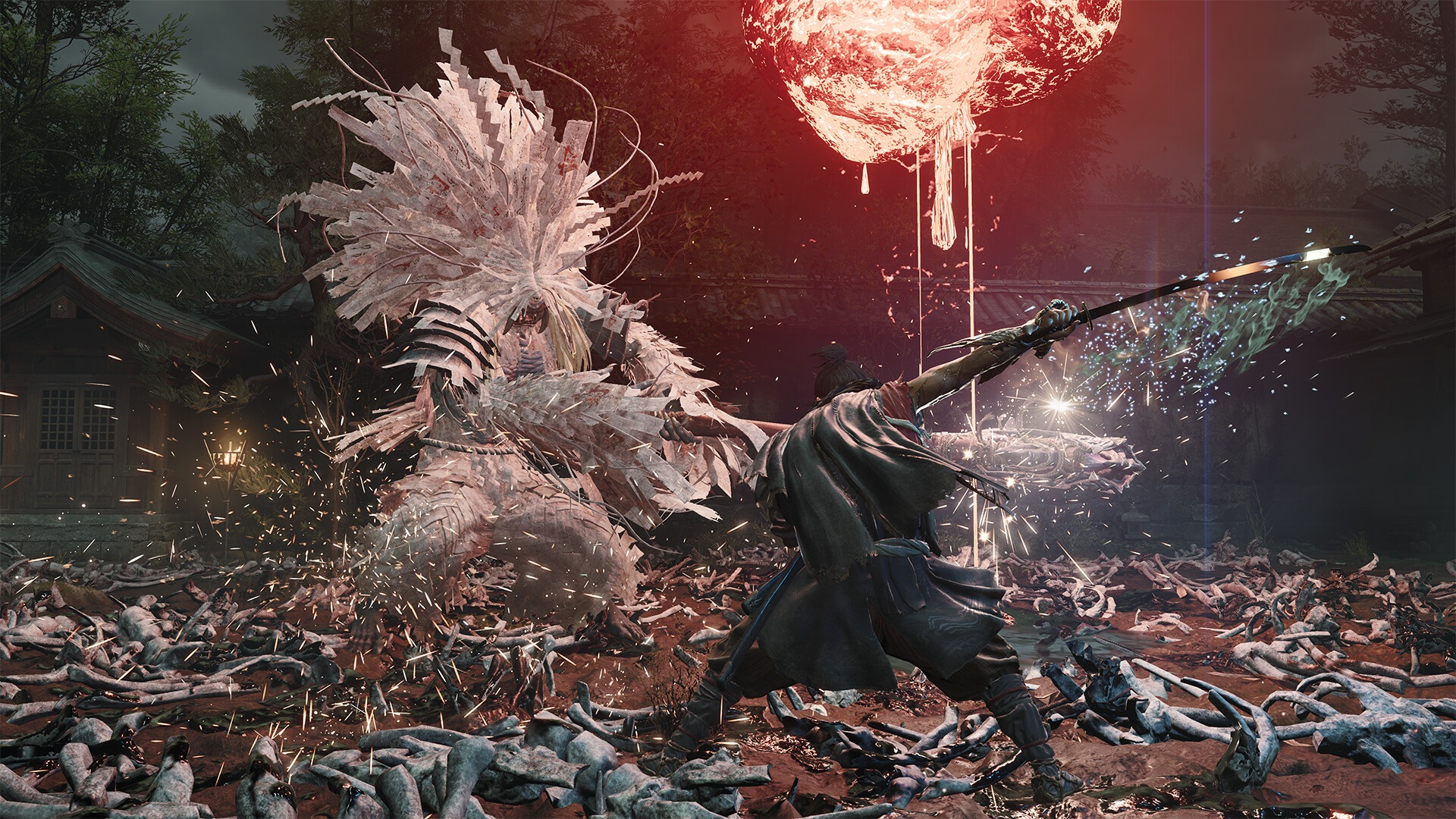
It must be said that the boss fights are absolutely a blast and almost always are unique in one way or another. This can be thanks to the way an enemy attack pattern varies, how they will react to being parried or countered, or even when they boost their power. You see, if players are careless and leave enough souls floating around and don’t absorb them, bosses will absorb them instead and enter a boosted state where they will unleash new attacks and deal more damage. It is also interesting to note that these wonderful battles even feature a unique take on the stamina break strike, as players can target body parts that either will drop a large amount of souls or deal massive damage instead. The best thing of all? Players can easily access any of these bosses again once they’ve gotten new tools and upgrades to work with.
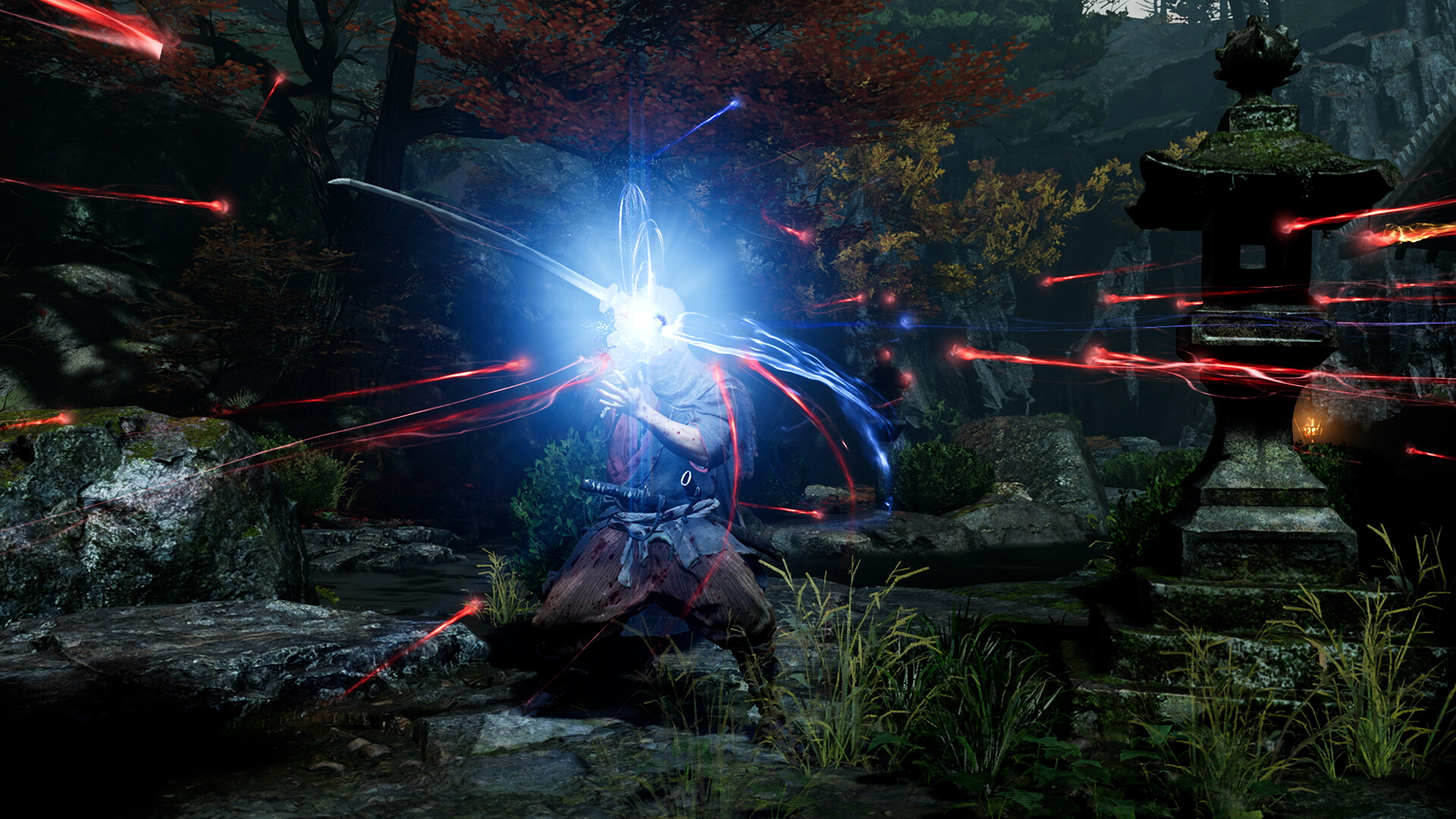
Upgrading Musashi is a fairly straightforward endeavor as players will gain various materials from completing main story quests and the aforementioned side-quests, as well as simply finding them through exploration both inside of missions and the Kyoto city hub. Upgrades come in the form of simply strengthening Musashi’s weaponry and armor to unlocking new abilities and more, including upgrading his healing pouch or imbuing it with special effects. The only issue is while exploring the hub is the best way to obtain most of these upgrades and even upgrade the charms that Musashi can wear around his waist that provide miscellaneous benefits, the location is incredibly boring and feels like busywork more often than not. Large locations of Kyoto are gated behind “miasma” that players can only disperse by cutting down flowers that are producing it and usually these are only accessible with new skills obtained from defeating a new stage’s boss, serving as a “light” metroidvania in an odd way that feels more like padding than anything else.
One thing that is nice to note is that while Onimusha: Way of the Sword is challenging with the amount of mechanics going on at times and how hard enemies can hit as well, it never truly feels unfair. Players have a slew of defensive options available to them if they keep an eye on enemy movements and plenty of healing options as well though there is also an option to play on an easier difficulty for those who simply want to enjoy the game’s style without the worry of frustration, or simply want to dip their toe down a notch if they are up against a particularly difficult boss since difficulty options can be changed at any time. The easier difficulty displays prompts that give players a better idea on how to counter attacks and increases the damage Musashi does while reducing the incoming damage, making the title more accessible for those who want to see the first game in decades and might be a bit rusty.
Audio & Visuals
The environmental design, character and enemy design, and brutal enemy dismemberment are outstanding looking in Onimusha: Way of the Sword. The character animations are gorgeous and the swordplay looks as fluid as one would expect and the twisted Genma that Musashi faces off against range from monstrous to downright horrifying. It also must be said that the animation and design of Musashi’s facial work is handled perfectly here, really bringing out his emotions and personality in cut-scenes.
The same unfortunately cannot be said about the game’s English dub. While most of the characters sound fine in the English voice track, Musashi’s voice actor just doesn’t seem to fit the role at all. In fact, upon switching to the Japanese voice track it was practically like night and day. Generally, we say it is the player’s choice to select whichever dub they prefer, but here it must be said that the Japanese voice actors have done a far superior role here and it also happens to fit the setting perfectly as well. As for the background music the title features a very fitting collection of tracks that do wonders for the action packed combat when slicing through generic Genma and especially when a boss theme kicks off, though there are also a number of quieter tracks as well to help balance things out.
Overall
It can be hard to revive a series that’s been on ice for two decades but if any company can pull it off, it turns out Capcom can, and with style to boot. Onimusha: Way of the Sword is a glorious action game that is impressive both in its storytelling that mixes humor with seriousness in equal amounts and intense swordplay that feels like it is perfectly balanced even if players are on the losing side of things, rarely feeling unfair even if they are. The title may be held back a bit by a pseudo-open hub system but beyond that this is the best type of return for Onimusha that every fan and potential fan could have hoped for.
Capsule Computers review guidelines can be found here.

