


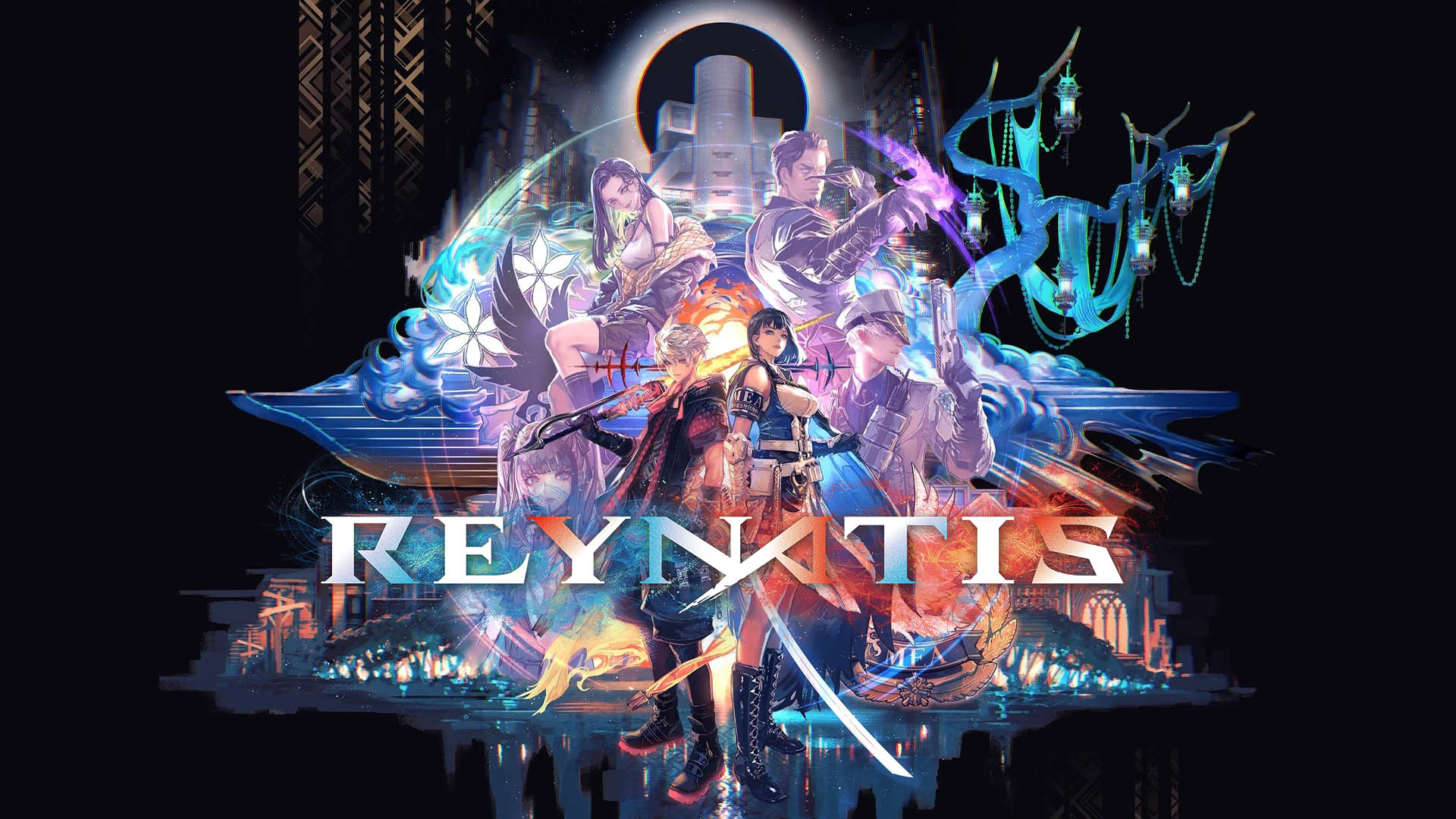
REYNATIS
Developer: FuRyu, Natsume Atari
Publisher: NIS America
Platforms: Nintendo Switch, PlayStation 4, PlayStation 5, (Reviewed), PC
Release Date: Available Now
Price: $59.99 USD – Available Here
Overview
Bringing magic into the modern day has created some wonderfully unique games in the past, especially when done well. Blending the fact that someone can conjure fire or giant mystical serpents out of thin-air next to someone who can only pull out a cell phone to record or call the police makes for an interesting dynamic and it is one that FuRyu and NIS America have looked to explore in Reynatis. The question is, were they successful with this action RPG or is Reynatis one of FuRyu’s infamous entries that fails to reach its potential?
Story
In an alternate world a powerful event occurred that unleashed the untapped magical potential of the world and made it so wizards can exist among normal humans. Years have passed since this event and the story focuses on Shibuya, Japan where the Magic Enforcement Agency and the wizards that they employ as a new brand of police officers seek to eliminate any rogue wizards trying to use their powers for evil. What few realize, while some may have come to power through bloodlines, many wizards awaken to their magic through near-death experiences and both of our lead characters find themselves in the latter category.

One is Sari Nijishima, a member of M.E.A. who believes she can enforce justice by tracking down those who use the mysterious drug Rubrum to try to tap into magic only to devolve into monstrous creatures as a result, and Marin Kirizami, a young stray wizard who wants to become the strongest around because with power comes freedom. While initially these two and their party members that quickly gather around them clash against one another as the story swaps between their opposing viewpoints, the two soon find themselves uncovering more secrets behind the mysterious drug that will shake the streets of Shibuya and the magic world to its core.
Reynatis tells a fairly interesting storyline where an oppressed populace is trying to find a life for themselves all while still realizing how truly dangerous the world can be should their powers go unrestrained as well a the corruption that can arise from the police having total control over the fate of others and the distaste the general public has for magic and wizards in general. Things eventually escalate to a rather interesting level as more is revealed about the depths of magic but the title really likes to over complicate things for no reason. As for the characters, there are numerous interesting scenes involving the characters of the party members including text chains, though these can be a bit more annoying to read, that help flesh out the characters and the world that players live in. Unfortunately, side-quests that players can take on and even a number of main quests that feel like they should have some emotional impact fall flat on their face.
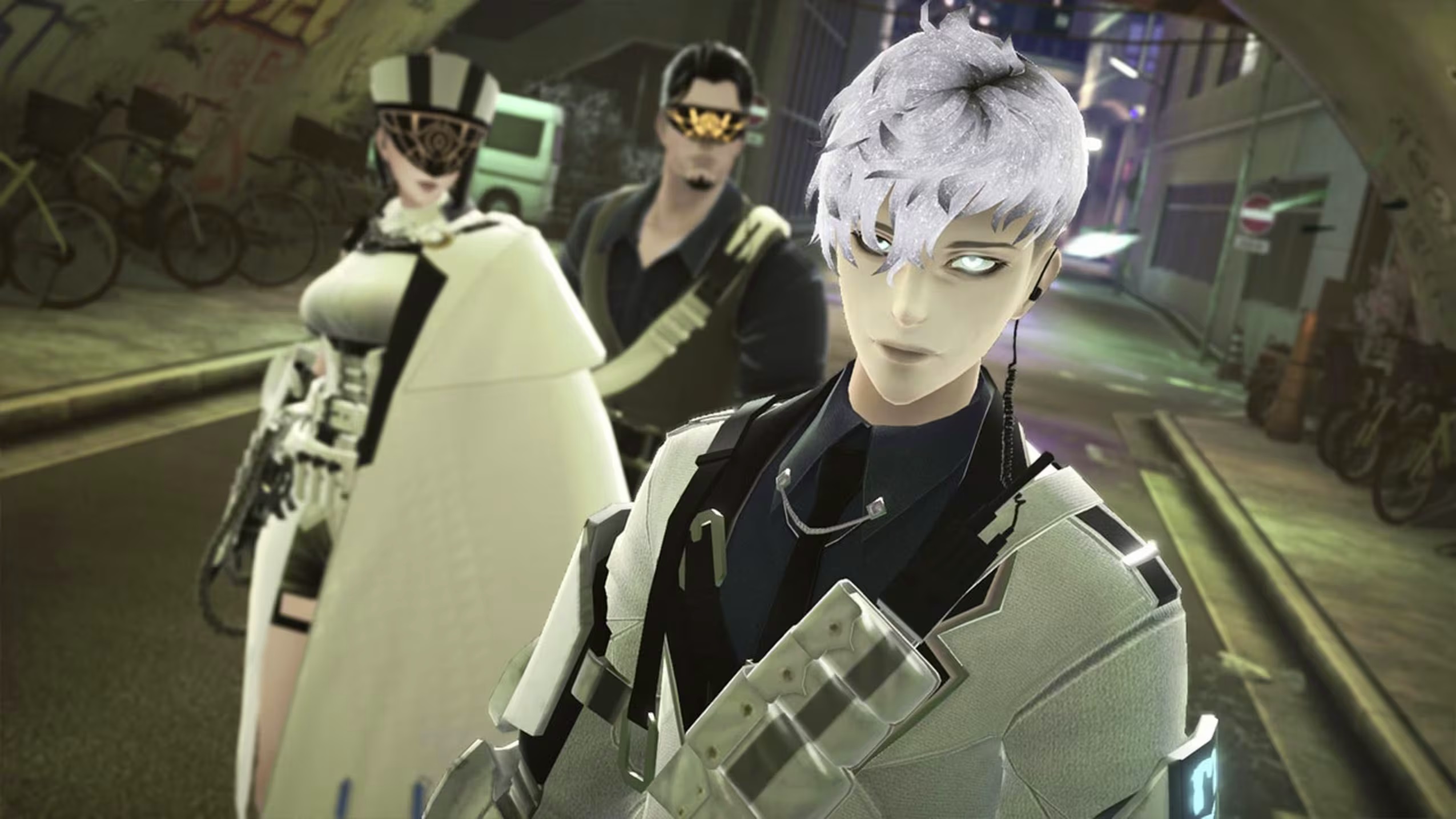
That’s not to say that there aren’t emotional scenes and a few twists here and there as there certainly are, especially near the end, but early developments are so poorly handled that it makes players wonder what, if at all, the writers were thinking when it came to trying to give these characters emotions. This same issue persists fairly often simply because Reynatis constantly tries to throw more fancy terms and depth at things that is just unnecessary, trying desperately to make the storyline feel more complicated than it really is, often muddying the waters of an already middle-of-the-road story.
Gameplay
Reynatis finds itself in a bit of an odd place when it comes to combat and this is because it tries to do something unique but ends up faltering in the process, making what might have been a unique feature one that gets in the way of the actual flow of battle more than anything else. Regardless of whether players are controlling Marin or Sari’s group they will be able to swap between two “states” at will, Suppressed and Liberated. Suppressed mode is just a standard mode where players can explore like normal, pick up items, and generally navigate through Shibuya’s streets but anytime combat kicks off they’ll need to be in Liberated mode to actually fight. Liberation Mode is where characters can attack and unleash spells to deal damage to enemies but staying in this mode diminishes a character’s MP gauge and when it is fully depleted they will be forced back into a Suppressed state.
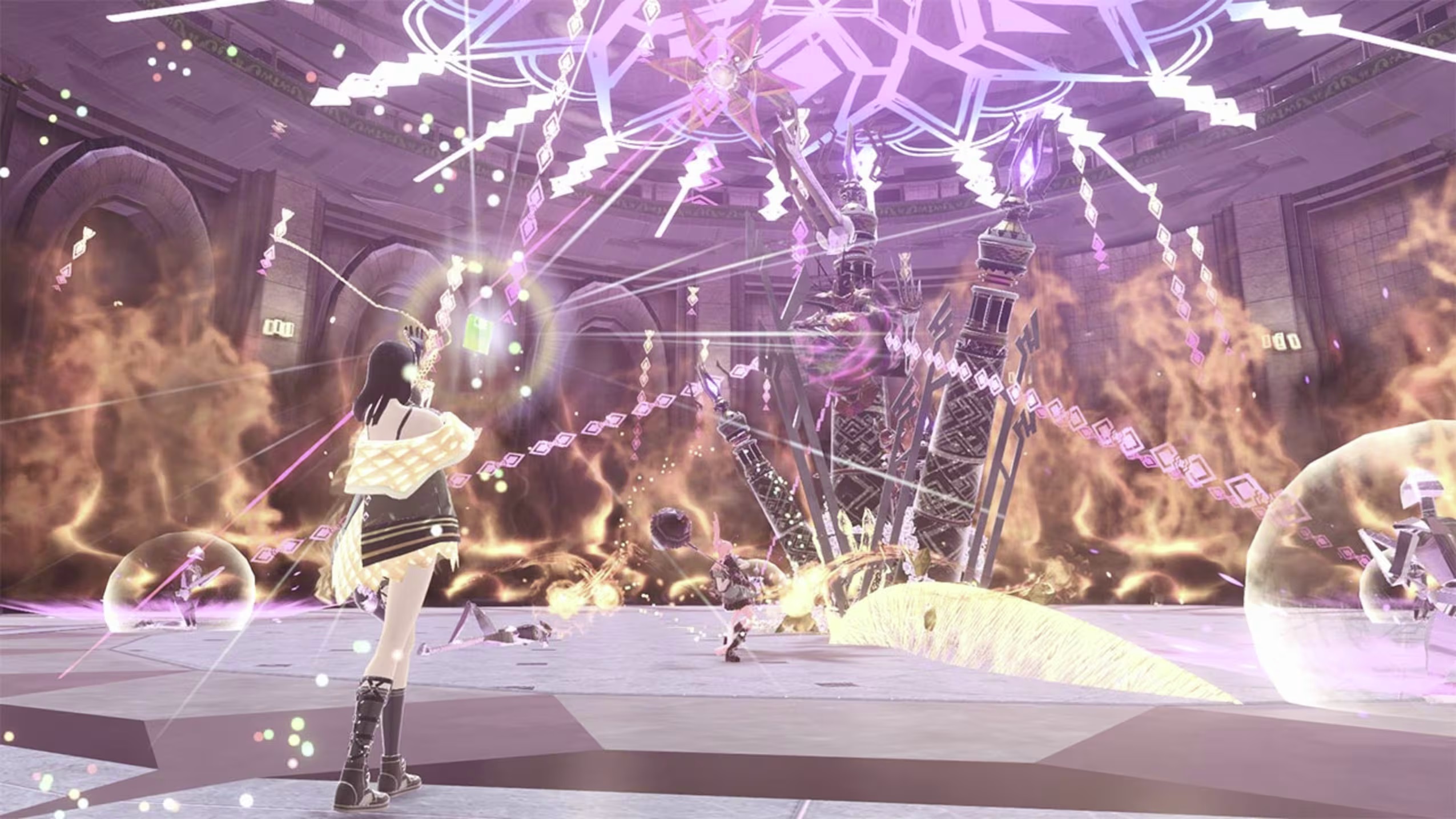
What makes this unique however is the fact that players won’t want to stay in Liberation mode long as the game’s MP recovery system focuses heavily on dodging while Suppressed with any long distance attacks being dodged at the tap of a button and melee attacks requiring the dodge button to be pressed and held until the gauge fills up entirely to “perfect dodge” and absorb tons of MP. When their MP is overfilled a character can trigger an enhanced Liberation mode that stuns enemies and allows for players to unleash hell on an opponent using all manner of attacks and “Wizarts” but the fact that players need to walk this line between MP management and the two modes often feels more annoying than intuitive, especially since it often goes against most action gamers’ intuition to dodge properly rather than stand there and let attacks hit them first to trigger the gauge. Nevermind that when combat unfolds in the tight streets of Shibuya or even the oddly tight-yet-open locations in “Another” the camera does an incredibly poor job keeping it up with the action and even the fanciest skills can feel floaty and imprecise. In fact, one skill in particular felt like it never landed properly a single time, though thankfully players can swap skills out when they gain more.
Thankfully most of the time players have two other characters fighting in their party that can be swapped to at any time during a fight and can trigger these characters’ Liberation states as well to keep combo chains flowing and even unleash a powerfully charged ultimate that varies from character to character. When not fighting these two modes will vary depending on what character players are currently controlling. If they are Marin, they will need to avoid entering Liberation mode as the general populace will freak out and alert the police to their presence and, should they arrive, instantly kill them all while building up their stress meter. A high stress meter rewards players with dealing higher damage at the risk of taking more themselves as well as slipping into Liberation mode accidentally in public. Ironically, considering the game’s auto-save will revive players instantly without cost there really isn’t much of a concern for this, let alone the fact that players can instantly travel out of a location to lower suspicion or enter a few blind spots.
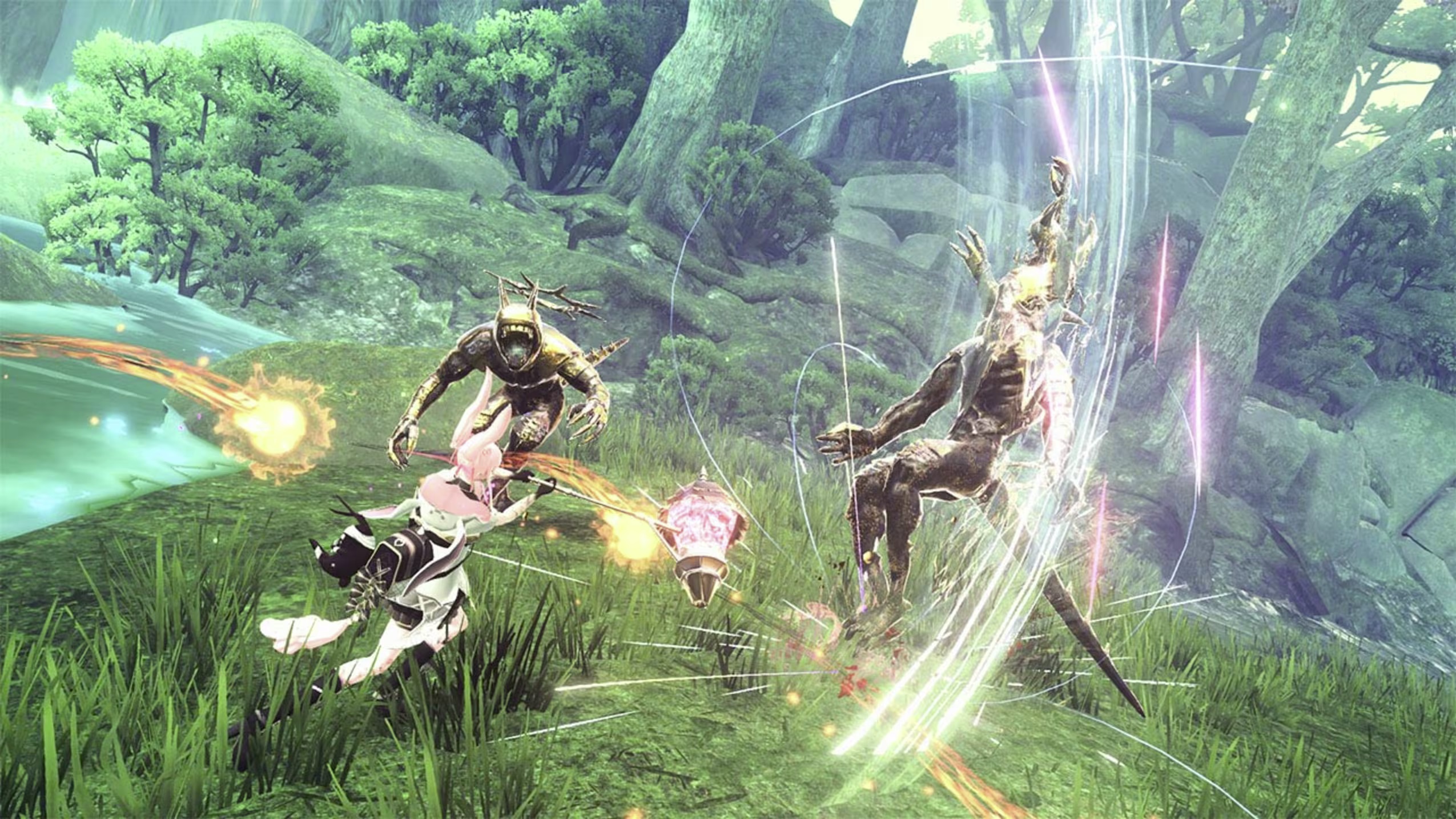
While playing as Sari the public won’t care at all of course as she’s a member of the police unit. Ironically this means players can travel freely in Liberation mode and focus on grabbing items that may not appear unless they are in this state while traveling around Shibuya. That being said, actually exploring Shibuya is very bland. While it’s evident a lot of care was put into creating a vivid replica of the city streets and famous crossings there just isn’t much to actually see or do here. Numerous save points can heal players just as much as visiting the useless restaurants or vending machines with authentic food or drinks inside of them and the side-quests that players can undertake are incredibly underwhelming and unrewarding.
One thing that is a solid reward for completing side-quests as either Sari or Marin is that it will reduce the “Malice” the residents of Shibuya have against wizards and magic in general, allowing more pieces of graffiti art called Wizarts to appear in the world. This graffiti can then be studied and rewarded skills or bonuses that can be equipped to the various characters in each party, giving players plenty of ways they can customize their team if they feel the need to. That being said, thanks to the way the combat system controls, the lackluster feeling level-ups, and more, most of the actual rewards for exploration are disappointing at best outside of some of the more flashy skills that players can obtain at low Malice levels.
Audio & Visuals
Similar to its combat system, Reynatis feels like it has two separate states when it comes to it’s graphical design. The streets and designs of Shibuya are wonderful looking while the poorly rendered fog of the generic Another feels like something from two generations ago. Similarly while the character art is gorgeous looking in character portraits and menus and even the character models look rather impressive when they are in their Liberation forms, the Suppressed forms and generic designs of almost everyone else is dull. This disparity in quality is quite shocking, especially with how colorful and flashy some of the combat can be, but it just never manages to keep itself at those heights.
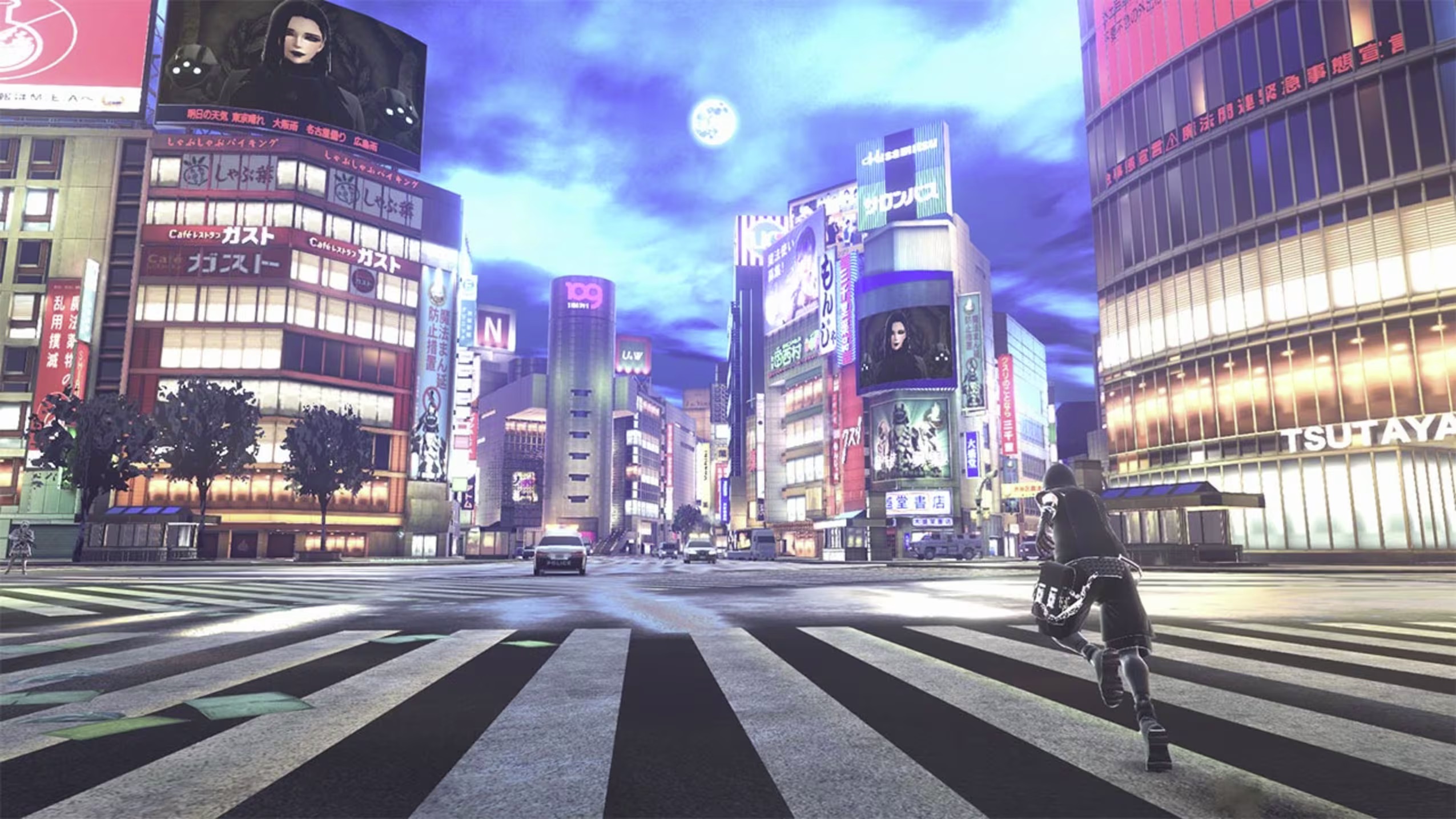
As far as the audio goes, it is worth noting that the game features only the original Japanese voice track and while this isn’t too much of a problem considering the characters are handled quite well by the fantastic Japanese voice cast, what is an issue is the fact that they never stop talking. Having a talkative party is always a favorite feature of mine when it comes to RPGs, helps keep things from feeling tedious usually, but when players need to constantly keep reading subtitles while trying to walk to their destination or straight-up miss subtitles because they continue to talk even during location transitions, it’s an issue. This is especially true thanks to the way that some story elements are presented as mentioned before. As for the soundtrack, Reynatis surprisingly features the highly skilled Yoko Shimomura behind the soundtrack but it doesn’t really feel like it makes the best use of their skills. There are some nice tracks here and there, especially a certain track that plays near the end of the game that we won’t spoil here, but many of them surprisingly just lack the impact that most would expect from the composer.
Overall
Reynatis is a game that feels like it is full of good ideas but just can’t execute any of them well enough to stand out in any way. It has gorgeous looking visuals when the action is at its best but the combat can be stiff and limited by its own unique mechanics and while the storyline may be interesting on the surface, the writing skill just isn’t there when they try to develop it further, making this a middle-of-the-road action RPG with some interesting ideas that just don’t pan out.
Capsule Computers review guidelines can be found here.

