Com2us have released the sequel to their derby smash hit, Homerun Battle 2. If you guys already have the first one then you will know how kickass this game is, and with improved gameplay, new character models (like chicks, yay for female derby racers!), total customization, cross-platform capability, new stadiums, and online play, Homerun Battle 2 is sure to be even better than the first one.
There are six different modes including Duel, Survival, Mission, Burning, Arcade and Training. Mix it up between the one-on-one battle, item battle, up-to-4-player mission matching up, never-ending throws, and standard achievement and record challenge.
And for those social butterflies, there are community activities on Com2uS Hub, chats during gameplay, and easy functions that let you add in some rivals to take them down in a fiery blaze of glory.
With cross-platform capability, you can take on people on iOS devices or Android, Com2uS isn’t platform biased, so come on guys, let her rip!
Homerun Battle 2 is available now on iPhone and iPad for $4.99 – grab it HERE
I Won’t Fall Developer: Agni Studios Publisher: Agni Studios Platforms: iPhone (reviewed), iPad Release Date: November 16, 2011 Price: $0.99 – Available Here
Overview
A game based on a large yellow bird who has been separated from her young and is desperate to go to whatever means possible to retrieve them? That sounds a little familiar. But then most of the characters and stories behind apps blur into each other after seeing the tenth cute cartoon animal. Does I Won’t Fall separate itself from the herd despite its similar aspects? Or does it simply join the crowd?
Gameplay
Your mother bird has lost all her children! They’re all stranded in little floating bits of land. No idea how, or why, or why they can’t come back to her, or why she can’t simply fly to them instead of just hopping small distances. This game requires a little suspension of disbelief.
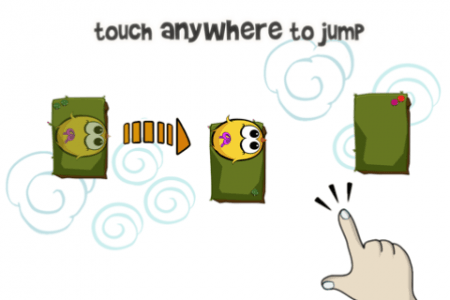
Moving on from the odd goal of the game, the gameplay is extremely simple, You have to make it from where you start off to where one of your many wayward children is by tapping the screen to make your bird jump forward and (hopefully) land on a platform. There’s no tilting, shaking, swiping, etc. Just tap at the right time to get your Momma bird over to the other side.
The obstacles get more complex as time goes on, however in some instances you could bypass them easily just by hopping immediately from one section to the next. At the end of the level you are marked out of three stars (ah yes, it operates under the three-star grading system, another iOS classic).
The point is to do it as quickly as possible while also collecting tiny bubbles so you can get the bonuses. That’s the only real grading system there is, the time you take and the amount of bonuses in the level (you’ll see how many there are and how many you’ve gotten so far in the top right of the screen).
The game has an achingly simply concept that some of you will love for those random bored times when you just want to play a really quick game of something, but others will hate because it gets repetitive after a while. There are 45 levels, and I gotta tell you, after about level 10 I got quite resentful towards these lost little birds.
I’m just saying, if they got there in the first place then they should figure out how to get back. Also, you have 45 kids and you lose them all? Please tell me you have fifteen sitting at home being babysitted by someone. Unless it’s the same kid, but the intro cut scene seemed to suggest they were all different. I’m just glad this isn’t an accurate representation of parenting. Otherwise parents wouldn’t be able to support themselves, they’d spend the whole time chasing around their kids who are stranded on floating pieces of land.
Visuals/Audio
The game I Won’t Fall is quite stylised and has a charming little quality. Each time you win a little graphic of mother and child reunited which is sweet. It’s simple, yet cute. However, the soundtrack for the game doesn’t suit it at all. It’s this weirdly sweeping orchestral music that has nothing to do with the game.
Overall
This game has the simple gameplay, the cute cartoon characters, the missing young, but unfortunately it just doesn’t have that special addictive quality that makes these types of games so popular in the casual market. While a little interesting it doesn’t have that certain something that drives you to beat it, it just falls sort of flat and hollow.
Armadillo Studio: Fridthjof Film Publisher: Madman Platform: DVD/Blu-Ray(reviewed) Release: 05/10/2011 Price: $34.95 – Available Here
Overview
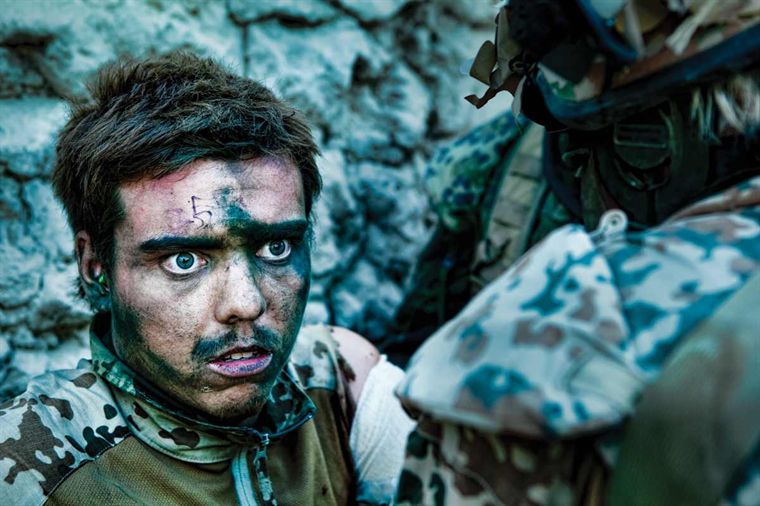
Emerging from the smoke and haze of war glorified by media, comes a war film unlike any other. Director Janus Metz arrives at Armadillo, alongside cameraman Lars Skree and documents the time newly arrived Danish soldiers spend at war. The filmmakers repeatedly risk their lives to produce this uncompromised and beautifully composed documentary, so meticulously constructed it could easily pass as a work of cinematic fiction.
Story
Inherently, documentaries lack in a clear linear narrative. Documentaries have themes, subjects, concerns, motives, but never traditionally a story with a beginning, middle and end. Armadillo has these narrative qualities: presenting the story of Danish soldiers embarking on their first tour of duty. The story starts with the boys heading overseas, saying farewell to their parents and automatically sets the scene of the emotional and psychological journey both the soldiers, and us, as the viewers are about to experience. This is immediately juxtaposed with a farewell party featuring a stripper and a heavy metal soundtrack.
Through out the story, insight is gained into the lives and minds of the soldiers. Troops call home, express concern to their parents. Discuss what it is like to be at war. As conversations go on, we gain insight into the trauma these people experience. If there is anyone we could consider giving the title of leading role, it would be the young soldier Mads. Often silent and in constant contact with his parents, Mads seems to struggle the most with his presence in the war zone.
Conversations between the soldiers and locals appear constantly through out the film, emphasizing the futility of the troops presence. These conversations really bring forth the message that it is these people, the locals: farmers and families, who are most at risk through this war. It is not the Danish soldiers or the Taliban who die, but the innocent citizens. They refuse to help the occupying troops out of fear of retaliation, and who can blame them.
The film carries on much the same; with an emphasis on the psychological impact war is having on all parties involved until the final battle scene erupts. We do not see any actual deaths, but rather witness the aftermath, making for a much more chilling effect. What is worse is the discussion of the events that took place, as the soldiers recall and justify their actions while still on a high from their so-called victory. Any sympathy we gained through out the duration of the film seems to automatically drain away, except of course for Mads who remains silent. The film seems to finish with the end of duty, then moves on an open-ended conclusion where we realize that the filmmakers are leaving, but for the soldiers this is a continuing process. This is true not just for the men who were in the film, but for everyone involved, and who will be involved in present and future wars.
Visuals
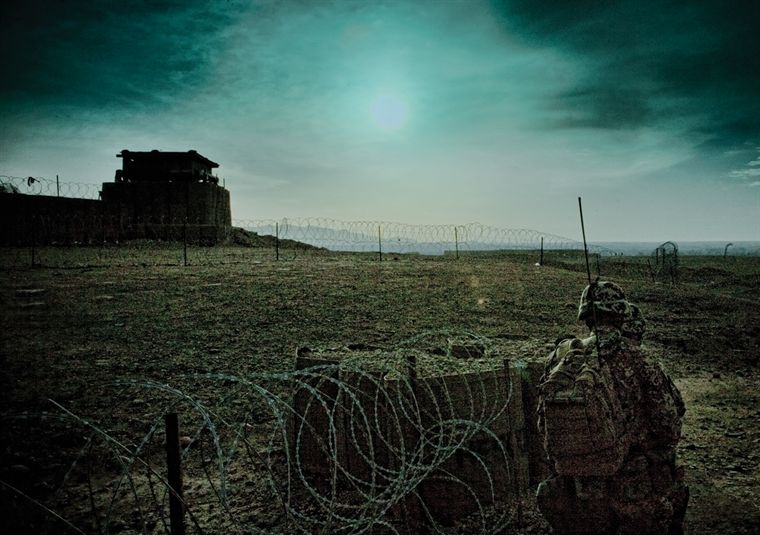
At first glance, ignoring prior knowledge that this is a documentary, one could assume that Armadillo is a feature film. The composition of shots, quick moving cuts, keeps a constant movement through what are seemingly mundane scenes. Soldiers sitting around in an out post, playing shooting videogames, watching pornography form the setting for film. The daily lives of these Danish troops are filmed in a way to emphasis the ordinary while at the same time presenting it in an interesting light: free from any hyperbolic glorification. In a more traditional documentary style, the perspective is all first person: shot with a handycam. This adds a level of voyeurism to the scenes of soldiers at the base, but a much-needed layer of action and tension to any battle scenes. The flying dirt as the cameraman dives to the ground and the shakes as he runs for cover place the viewer in the front line where danger is highly probable. The film has a bleak wash over it, emphasising the themes psychological trauma. While the film may look gloomy, it would be nothing without the tension created by the soundtrack.
Audio
A minimalistic soundtrack runs throughout the film, adding to the overall tension created through the theme and visual representations of life at war. What is unusual is that there is a soundtrack at all. Usually documentaries tell the stories of the subjects, narrated by the subjects themselves, which is often interjected by the ever-present observer or documentary filmmaker. Armadillo has that, with the exception of interjection from the film crew. The film is oddly absent from narration, which would only break the feeling that this is a feature film, or moreover that we are on the fighting line with these troops. The soundtrack remains minimal, including some infrequent heavy metal and some often used haunting orchestral scores in moments of heightened tension. It adds a cinematic quality not often found in documentary films, leaving the viewer with the impression of a polished and meticulously crafted film.
Extras
While the feature itself breaks conventions of documentary film, the bonus features are firmly rooted in a documentary style. The additional scenes include “prior to departure” which features a talking-heads style of documentary film making, giving some insight into why the troopers are leaving. If you are inclined to gain more insight into troops minds, then the additional footage will really be helpful. On the other side, there is also director’s commentary to gain insight into the mind of the director. Overall the film works well as a stand-alone feature, but the bonus material is a nice addition for those willing to delve deeper behind enemy lines.
Overall
If you’re looking for a tale of heroes at war, or an exciting action filled montage of battles, then Armadillo is not your best bet. However, if those things are up your alley then I can only suggest watching Armadillo. Armadillo brings often-untold stories of war, from the perspective of the troops and of locals in Afghanistan: presenting everyone as victims of war. Even though we do not see the Taliban, we are told through out the film that they fight because they are poor: creating the sense of another victim. There is no good verses evil in Armadillo, there is just those affected by war.
Want a more technical look at Max Payne 3? Rockstar have just begun a series of Design and Technology videos to give gamers the inside scoop on the latest and greatest developments being utilised for their next big adventure.
This first video delves into what it takes to create a cinematic, cutting edge action game, and covers shooting mechanics, Max Payne’s movement animations, bullet time and artificial intelligence.
It’s a great look into the gameplay more than anything, but the narration has some pretty interesting details in there to make it worth watching. The next instalment in the five part series will take a closer look at targeting and shooting, so should provide a lot more depth than this first introductory video.
The full game isn’t due until March next year, but you can of course preorder it now.
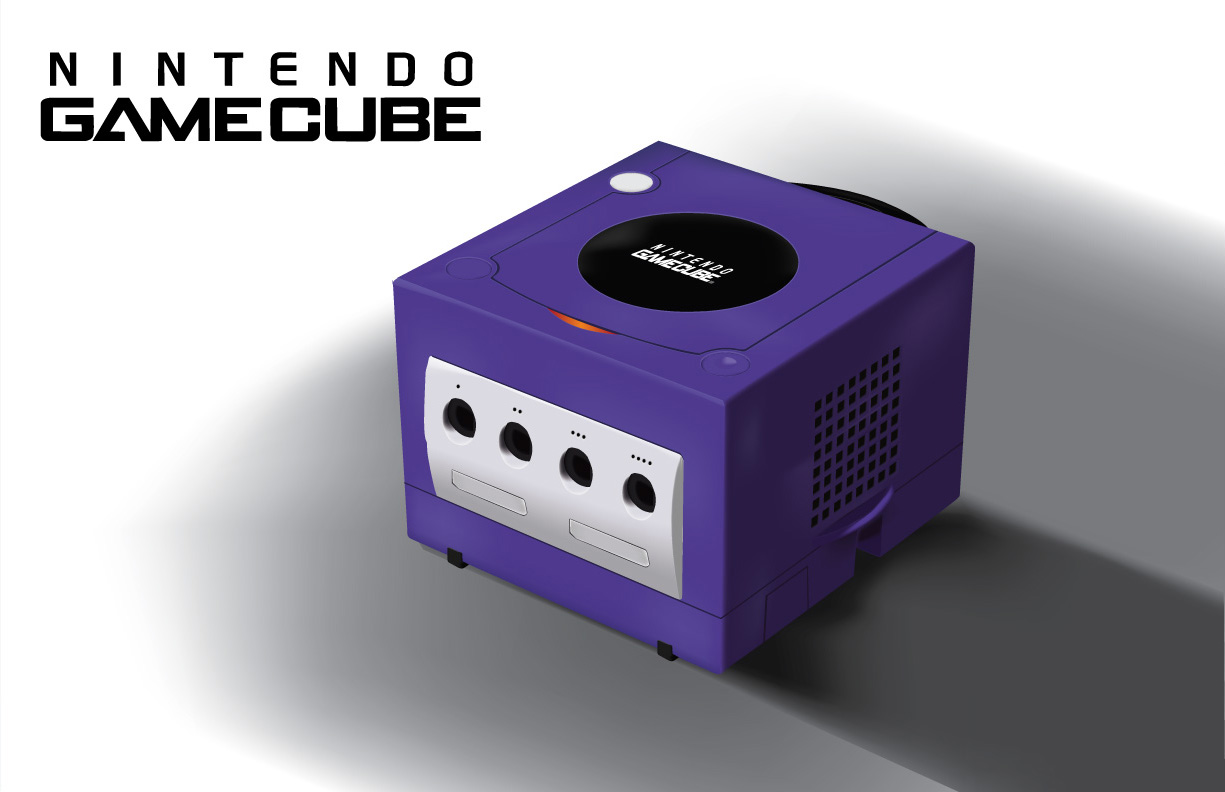
It was 10 years ago on this date that Nintendo’s most neglected child was released. The Nintendo Gamecube went on the become Nintendo’s most financially unsuccessful console to date. Many contribute this lack of success to the kiddy image of the console or lack-of-innovation with hardware. Both of which definitely contributed to it’s failure to gain financial success. While the little purple box may be a failure in the eyes of many, today I will be proposing a different take on history. A history of a video-game console that marked a unprecedented changing of tides in the entire video-game industry.
The Gamecube came fresh off the heels of a wildly popular Nintendo 64 and faced the challenge of competing with the hot newcomer in The Playstation 2. While the Playstation 2, marked innovation of hardware over it’s predecessor, the Gamecube on a hardware scale was essentially a beefed up Nintendo 64. If it ain’t broke don’t fix it, right?
The Gamecube lacked innovative hardware that it’s rivals boasted, but it was still Nintendo. Surely that name alone would be enough to sell some units, right? Unfortunately the name was not enough and the console floundered. With it’s lack of a built in DVD player that it’s rivals flaunted, the Gamecube didn’t feature the extra value that it’s competition boasted.
Not only that but a lot of the people who would be potentially purchasing the console for the name alone, had grown up with Nintendo and as they grew older, the grew out of Nintendo. Instead they were now looking for a more mature way to play games. The word ‘Nintendo’ held memories of their childhood and by extention placed a veil of immaturity over the eyes of gamers across the globe. It wasn’t that Nintendo had gotten immature, it’s that we as a whole had grown older. While we had all grown, Nintendo had grown as well. With their growth came innovation, not in their hardware, but in their software.
Nintendo used the Gamecube as a launching pad for a new way of thinking. They took a look at old franchises, deconstructed them and rebuilt them in a new light. A light that had never before shined upon these Nintendo classics. Just take one look at all of Nintendo’s huge franchises and the changes that were present in their Gamecube iterations.
Metroid become an atmospheric first person shooter that made strides in advancing the genre as well as the franchise. With a focus on exploration instead of running and gunning, Metroid Prime is not only a video-game classic but it is also a monumentally ground-breaking title. Looking at Nintendo’s other franchises will also prove that this new line of thinking, for better or worse, was across the board.
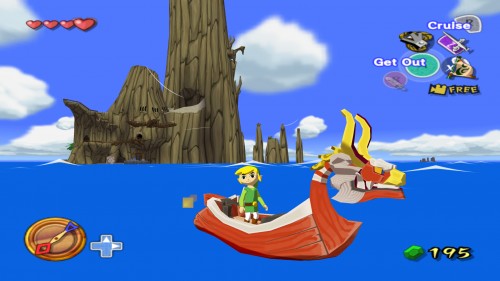
Mario Sunshine entered new territory and introduced unheard of gameplay mechanics that would pave the way for future titles such as Mario Galaxy. Zelda became cell-shaded and took Link to the high seas, in what is to this day the most well-aged Zelda game as well as the title that changed perceptions of what a Zelda game could truly be. Star Fox Adventures took Fox out of the Arwing and gave the Star Fox universe life and character that it had yet to see. Smash Bros. became a hyper fast brawler the likes of which were never before seen. Even Mario’s brother Luigi became a star in his own right, with his first ever game Luigi’s Mansion.
While they took so many of their franchises to unprecedented heights, Nintendo also launched some of the most critically acclaimed franchises of all time on the little purple box that everyone forgot. With such titles as Pikmin and Animal Crossing being born on this little console that could, it is evident that during the Gamecube era, Nintendo was at an all time creative high.
It’s no secret that the Gamecube was largely the console people pushed aside for the Playstation 2 or even the Xbox. But it is undoubtable that the Gamecube featured more variety and unabashed creative flare than any other console on the market at the time. It wasn’t just Nintendo who put out inventive titles on the console. Titles such as Baten Kaitos, Eternal Darkness and Doshin the Giant, were creative masterpieces and genre defining titles.
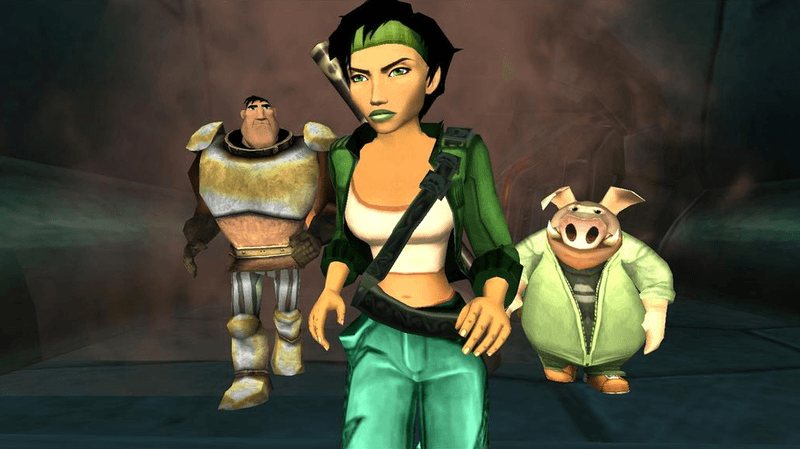
It’s even arguable to say that multiplatform titles were better on the Gamecube, with titles like Resident Evil 4, Beyond Good and Evil and Metal Gear Solid: Twin Snakes coming to mind. It was just simply a stunning platform for gaming. A console that was not distracted by frivolous things such as a DVD/CD player, instead focusing on how to make gaming itself better.
But above all it’s achievements, the Gamecube is owed the most debt by Nintendo’s follow-up console, the Nintendo Wii. By all rights the Wii owes everything it has achieved to the Gamecube. Had it not laid the foundations, the Wii would never have seen the light of day.
With it’s lack of hardware innovation and kiddy-image the Gamecube failed to capture a wide audience. It caused Nintendo to reevaluate themselves as both a company and a developer. Through their reevaluation they concluded that their image should not be tossed aside but instead embraced, with Nintendo creating the most casually accessible console of all time in the Nintendo Wii. How did they do this? By taking the Gamecube and giving it the innovative hardware that so many wished it had and Nintendo continued to produce quality games, one after the other. The Wii has since gone on to become the best selling console of all this generation and it is all thanks to the long forgotten little purple box that made it all possible.
The legacy of the Gamecube is one that is rarely spoken about, but 10 years on, I felt it necessary to set the record straight about one of the most influential and game-changing consoles of all time. The Gamecube is never going to be one of those consoles that people look back on and remember how it took the world by storm. But for those of us who played the console and were touched by the adventures that it took us on, we will look back and remember how it took us by storm. Rest easy, my old friend and thanks for the memories.
So, I hear you like discounted games. That’s cool, I do too. The only thing better than videogames on sale is awesome videogames on sale! And boy, does this pack contain a few. The Super Meat Boy Anniversary Pack on Steam is currently at 75% off. Meaning for $25 you can get the following titles:
Aquaria
Bit.Trip Beat
Bit. Trip Runner
Braid
Gish
Half-Life 2
Machinarium
Super Meat Boy
VVVVVV
World of Goo
These are all exceptional titles, each easily worth the discounted $5 they are on their own, but why not pick them all up and save around $30 in the process! Unfortunately not all these games are Mac compatible, but those that are, are worth the purchase on their own. Click here to check out the Super Meat Boy Anniversary Pack on Steam.
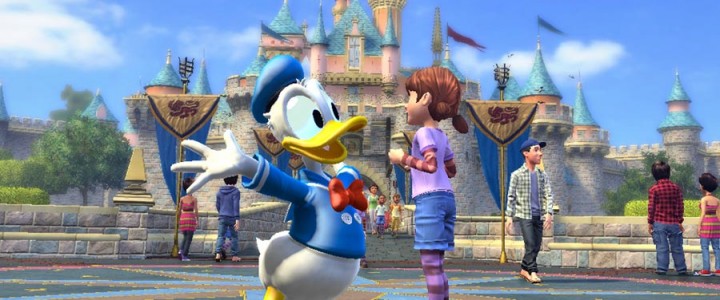
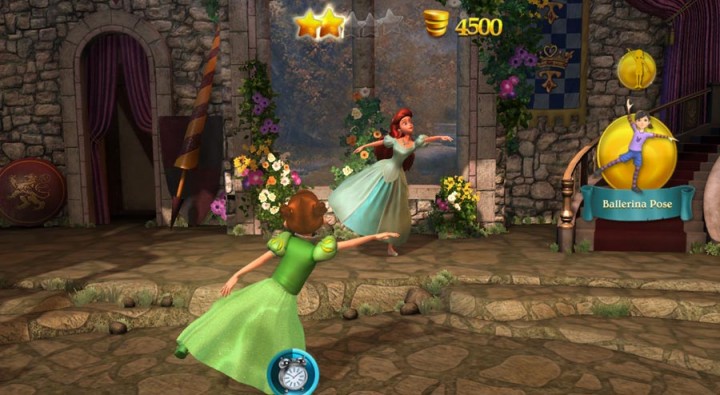
Ever wanted to go to Disneyland without the hassle of travelling and being bugged by all those annoying kids? Well Microsoft and Disney have the answer – Kinect: Disneyland Adventures.
After doing a bit of market research, the big guys over at Microsoft saw that Australians like to play video games, and that Christmas Day is by no means any reason to stop. According to their figures, 37% of Aussies will play a video game this December 25th, which is probably true enough. Whether a simulated trip through Disneyland is quite the thing their looking for is up for debate, but for the families out there with young, super excitable Disney crazed kids it’s sure to be a great idea.
Bizarrely this is one of the biggest games ever published by Microsoft Studios, and apparently has nearly 100 hours of gameplay that takes in 20 iconic park attractions, 40 Disney characters and 100 adventures. 100 hours? Is Disneyland Adventures the most obscure competition to Skyrim ever? Kids will be able to replicate some of the real life Disneyland experience, and can collect autographs from their favourite characters as well as giving them big fuzzy air hugs. Aaaw.
The title is on sale now, so if you’re looking for a Christmas gift that will mean the presence of an Xbox at your particular family celebrations (and keep the kids happy of course), make sure and check it out.
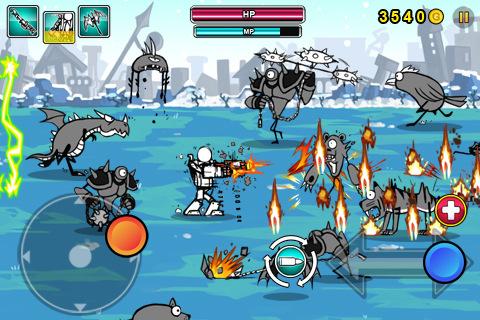
Free stuff is always good. Gamevil free stuff is even better. For the first time ever the mobile publisher has made a title in the Cartoon Wars franchise available for absolutely nothing. The series has seen over a million downloads, so if you’ve missed out on a bit of stick man war games now is the time to get yourself hooked. Cartoon Wars: Gunner + puts players in control of Captain J, and sees the super skilled stick man take on hordes of enemies with weapons from bow and arrow to a mechanised suit of armor.
Killing some of the 30+ different types of goons will net you magic points to whip out a bit of super powered magic whenever the good old bullets get a bit on the low side, and the action as you can no doubt see gets pretty hectic.It’s got a nice RPG aspect to it that lets you upgrade the weapons, and the gameplay is certainly addictive enough to grab clutches of five star reviews from iOS players.
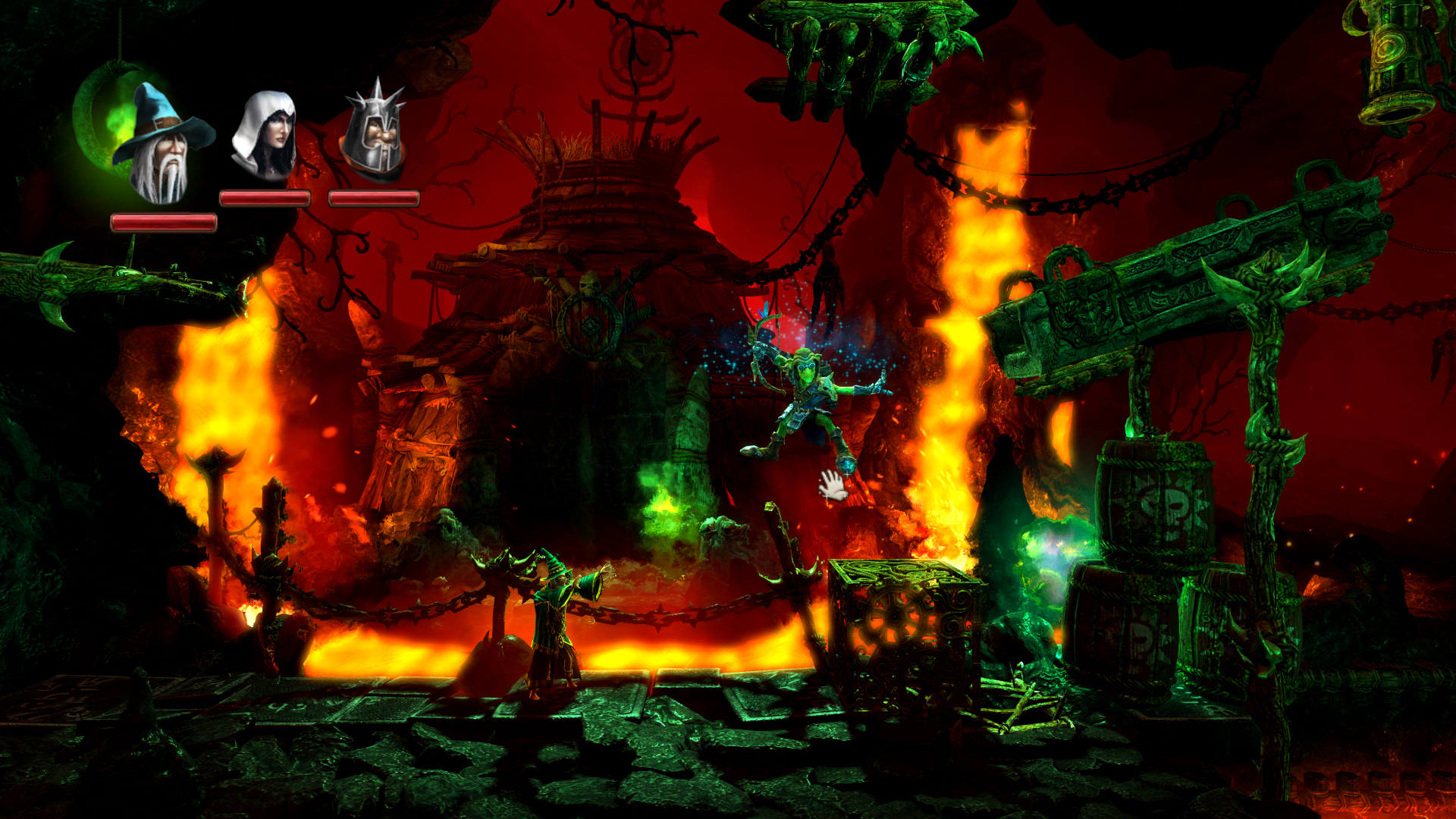
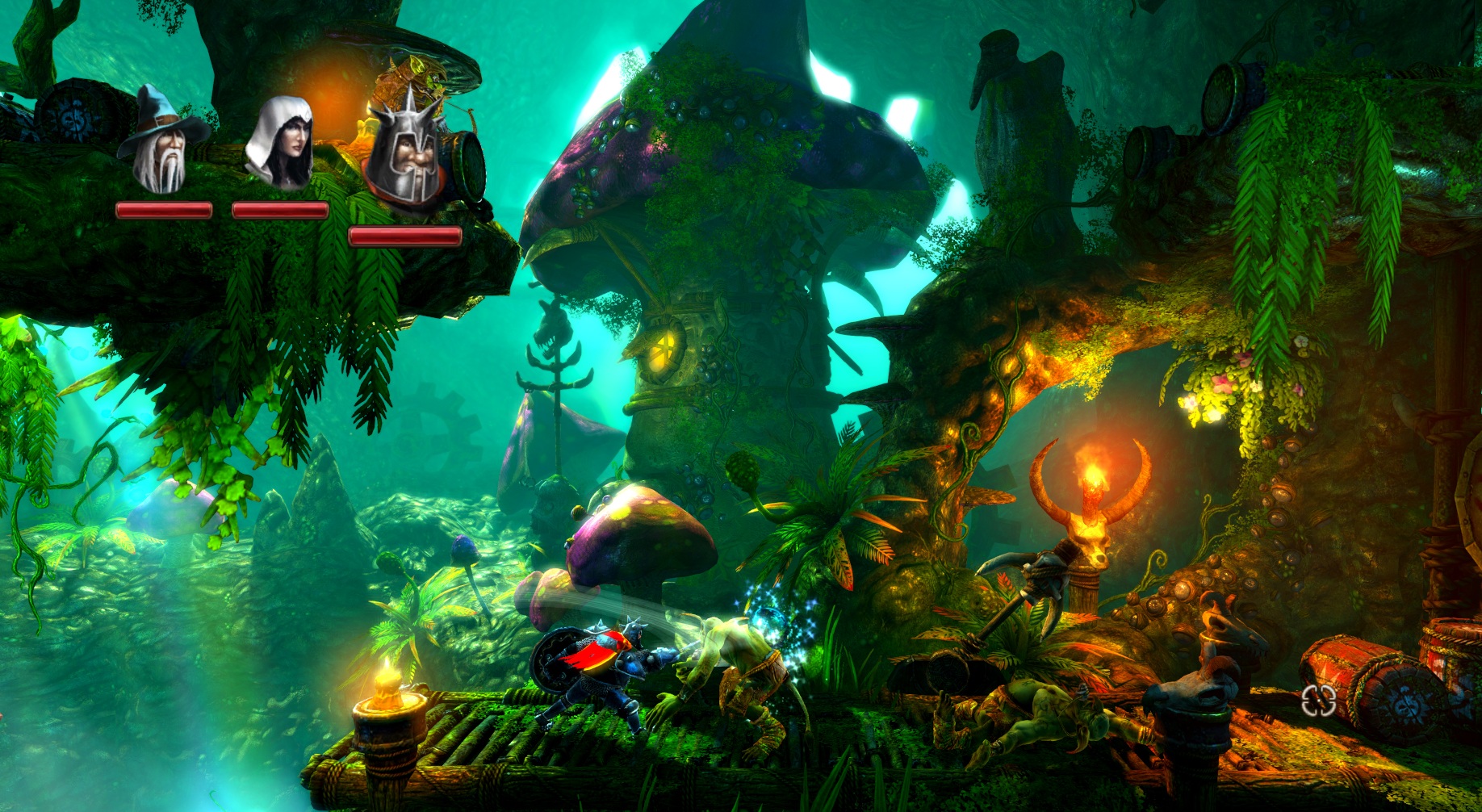
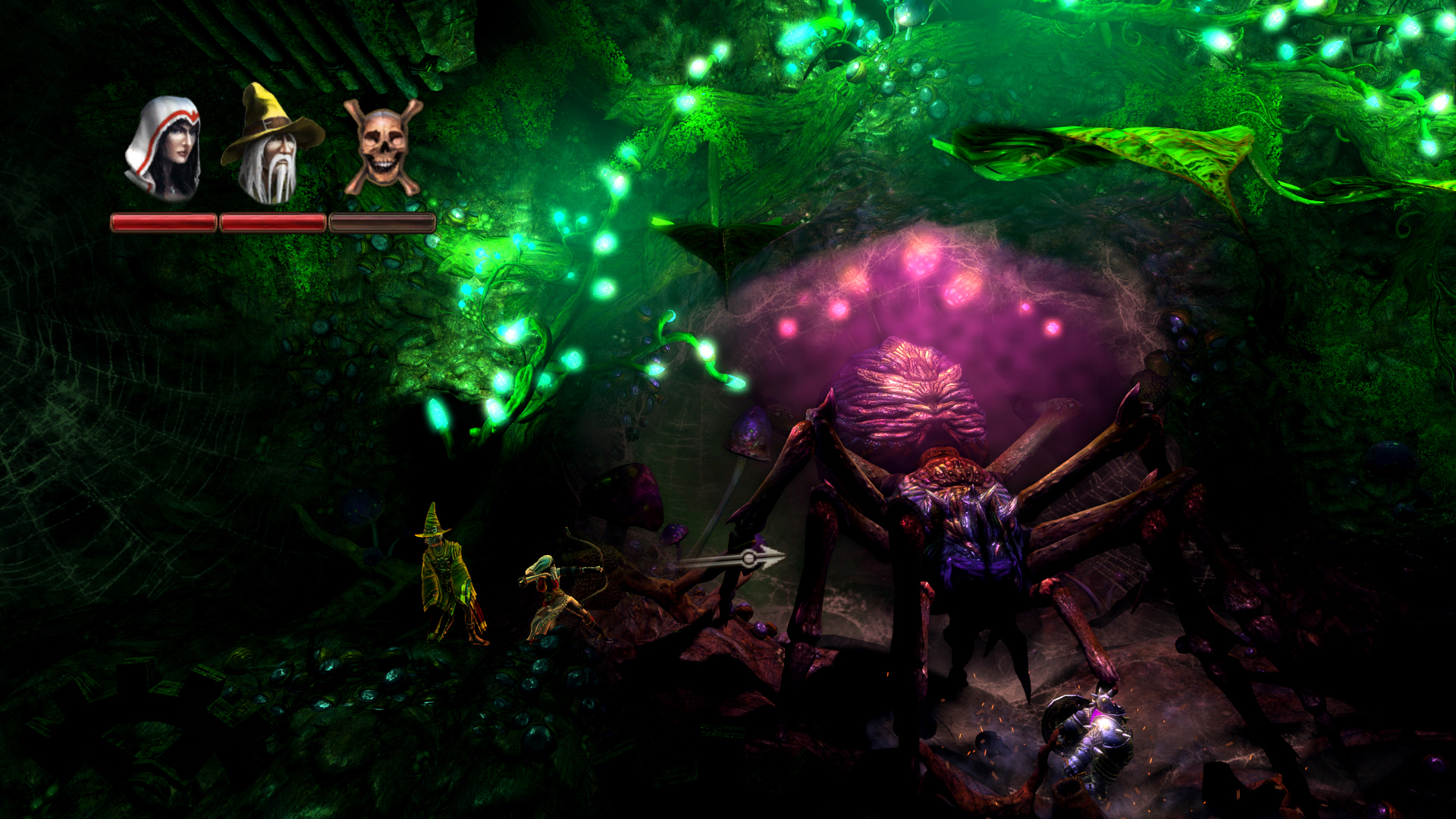
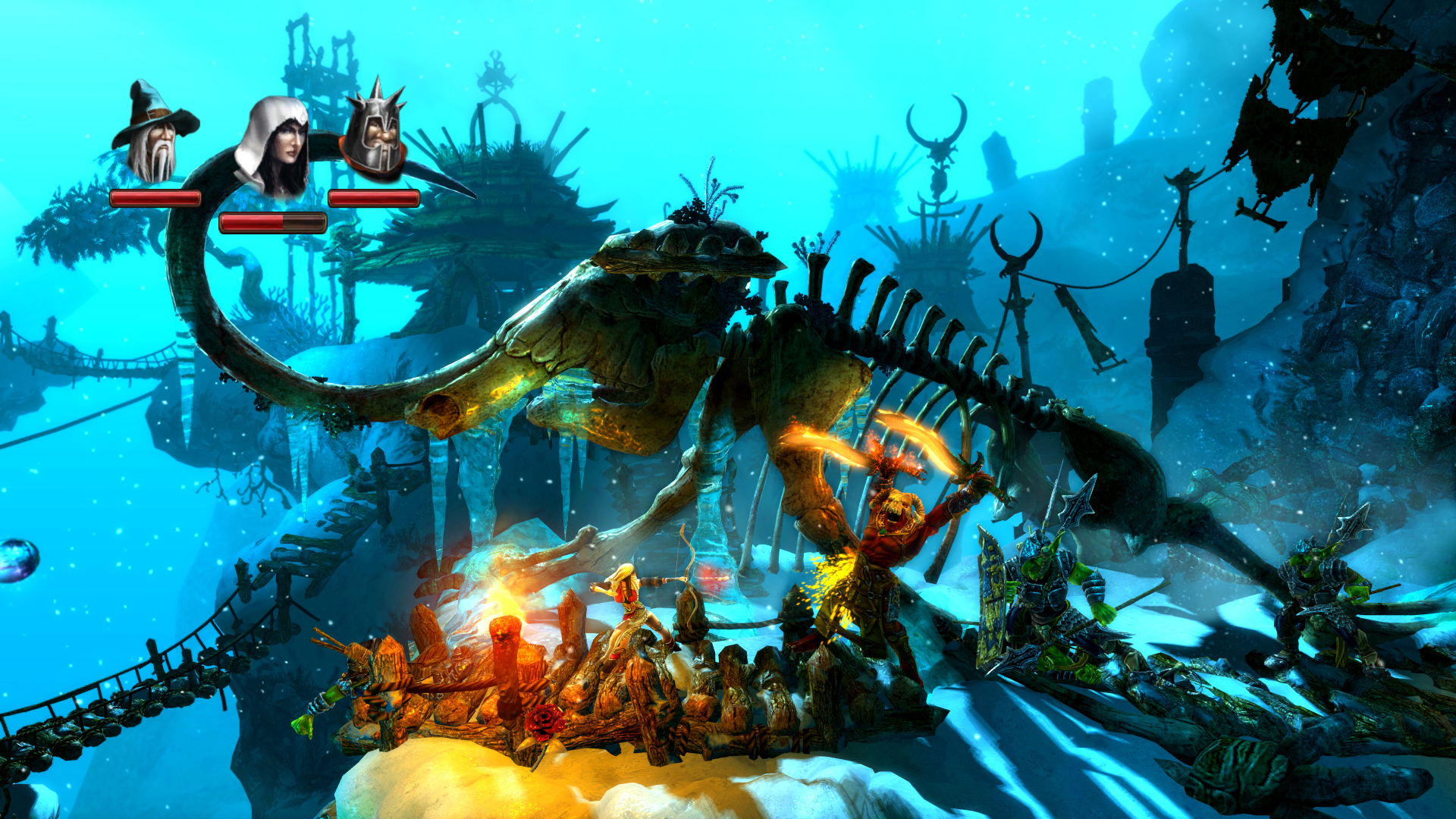
As if Trine 2 wasn’t gobsmackingly gorgeous enough already, Frozenbyte have just released new screens that up that vibrant fantasy style even more. Each features the heroes of the Trine having some of the games more epic moments of battle, and see Zoya the thief, Amadeus the Wizard and Pontius the knight facing a giant spider, goblins and what looks like a barbarian berserker. If the spider fight is anything like the boss featured in the game’s opening levels (available to play now if you preorder the PC version on Steam) then there should be a good puzzle element to the battle as well.
The big selling point of the game is how to use its three very different characters to take on these challenges, mixing their abilities with some excellent physics and puzzling. The mechanics are well balanced in the preview of the game, so I’ll be looking forward to seeing how the full title scales up these aspects in some of its more challenging moments.
Trine 2 will hit PC, Mac, PSN and XBLA this December, and for those Linux users out there, will follow sometime in early 2012.
Saturday, November 12, 1955: Doc Brown sets up an elaborate “weather experiment” at the Hill Valley Town Hall, to send 1.21 Gigawatts of electricity roaring into an invention that he won’t invent for nearly thirty years, to send his friend Marty, who hasn’t been born yet, back to the future.
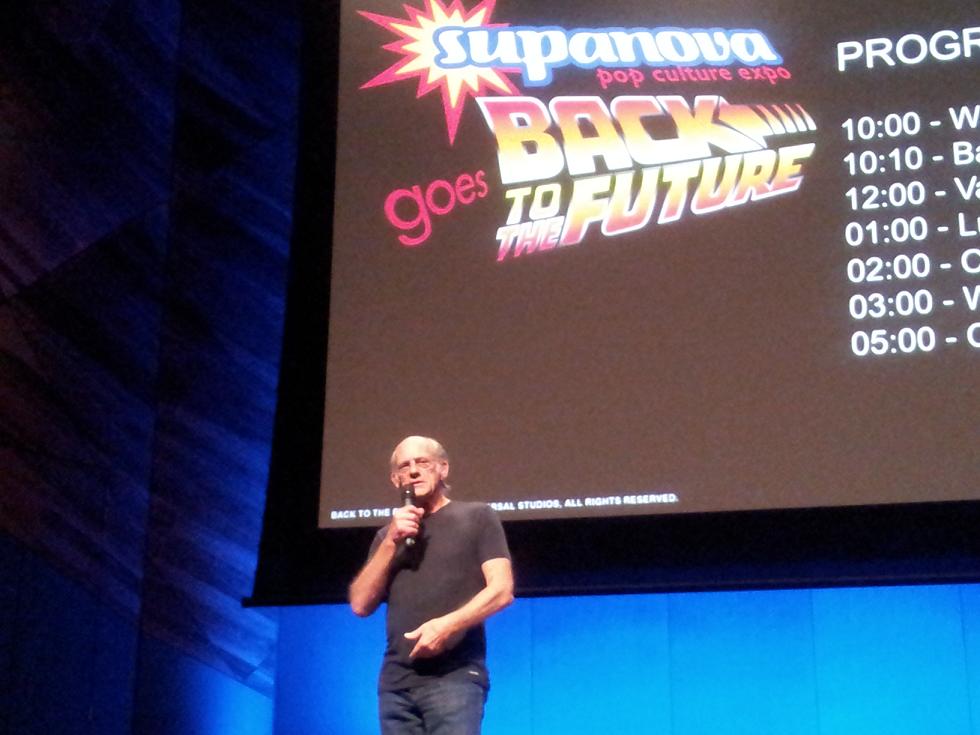
Saturday, November 12, 2011: Doc Brown – I mean, Christopher Lloyd – visits Melbourne. Along with Val Kilmer, for some reason.
Fellow Capsule editor Luke Merritt and I were in attendance at the special Supanova event in Melbourne, after Christopher Lloyd had to postpone his appearance at the regular event back in April.
The event kicked off with a screening of the first Back to the Future, after an introduction by Lloyd. I’ve seen the movie a hundred times, but it’s such a classic example of great storytelling, heart and humour that another viewing was a pleasure. Especially on the big screen, in Blu-Ray, in what were possibly the comfiest auditorium seats I’ve ever parked my backside in.
Before the movie started, Lloyd asked if this was the first time anyone in the audience was seeing it. Unsurprisingly, not a single hand went up. I suppose there was a chance that maybe someone had dragged a friend along to share the movie for the first time, but really, anyone who would go to the trouble of attending an event based around a movie is likely already a fan of said movie.
Anyway, as I said, another viewing was a pleasure. One thing in particular that I noticed this time around was how faithful Telltale’s recent Back to the Future game was in regards to the property. I’ve been playing it a bit lately (two out of five episodes down, currently!) and noticed that, in particular, the iconic Town Square seems perfectly recreated in the game. The courthouse with the clock is the centrepiece, but there’s also the little park in front, the cinema behind it, the café/malt shop overlooking the park, even the shopfronts off to the right of the courthouse are all faithfully rendered and used well in-game.
We stayed for the entire film, but a lot of people bailed to line up for photos. Which I guess was the smart thing to do – you didn’t want to be lining up during the Q&A session with Val Kilmer, who came out afterwards. He may not have been the focus of the event, having bugger all to do with Back to the Future, but he was quite entertaining regardless.
The only thing I’d seen him in recently was playing the villain Von Cunth in MacGruber, the parody of MacGyver by the Saturday Night Live/Lonely Island gang. There still seemed to be a decent gathering of his fans present, and his tendency to digress onto unrelated but entertaining stories made his session run over into lunch.
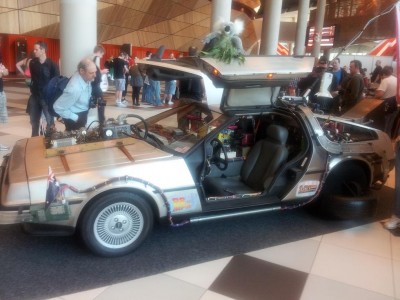
Our friend Doc Braun, the guy who built his own drivable Delorean (read our interview with him from Armageddon!) was parked outside, showing off his pride and joy to fellow fans. I spoke to him briefly, and he was ecstatic that he’d attracted the attention of the man he was initially inspired by. Lloyd himself had come by earlier and had a chat, had some photos taken and praised Braun’s faithful recreation. Knowing how hard ol’ Doc Braun has worked on his passion, and how genuinely nice a guy he is, it was fantastic to hear that his dream had finally come true.
When we got back to our seats, out came the man himself. The crowd’s reaction to Lloyd’s presence was insane! In a good way, of course. Seeing someone in person that you’ve only seen on screen is a thrill, especially when it’s someone you feel you’ve grown up with. The audience’s enthusiasm was nothing short of amazing, considering the film that everyone was most excited about is twenty-six years old.
This enthusiasm manifested itself most prominently in the questions that fans were burning to ask. I’m sure he’s answered them all in the past 26 years, but he fielded them all with gentle humour, understanding and acceptance.
Some invoked genuinely interesting stories about the film’s production. For instance, Eric Stoltz was the original actor for the part of Marty McFly, but was swapped with Michael J. Fox once he became available. In fact, the experiment scenes in the mall parking lot at night had already been shot with Stoltz as Marty, before the switch. The producers thought Fox brought a light-hearted, humourous energy to the role, and as such McFly and Fox are inseparable in the fans’ minds.
The script underwent some key changes, as they so often do, and had they gone ahead with the original ideas, the film may not have been as fondly remembered. Firstly, the Delorean was not the form the original time machine took. Apparently, and a regular old refrigerator was how Marty and the Doc would move through time. No getting it to 88mph, just climb in the fridge and bam!…. Not quite the same.
Doc’s beloved dog Einstein was to be a chimpanzee in one draft, and instead of channelling lightning from the historic thunderstorm, the 1.21 gigawatts of power required to send Marty back to the future was to be absorbed from a nuclear test strike in Nevada. That would have raised all kinds of unwanted issues, Lloyd said, as well as drawing away from the close character narrative that the film so expertly weaves.
But while some questions led to fascinating insights into the franchise, others seemed to be just wanting to mention their favourite movies of his, resulting in a lot of questions along the lines of “How was it working on such and such?” with nowhere for Lloyd (or Kilmer earlier, for that matter) to go, besides awkward “yeah, it was fun” answers.
I haven’t been to many of these Q&A sessions, but I have noticed that these kinds of questions pop up regularly. While it may be somewhat frustrating for the stars to field these at every event, they handled them professionally, understanding that fans are getting a thrill just talking to their heroes.
And who wouldn’t get a thrill meeting someone as memorable and well-loved as Christopher Lloyd? His portrayal of eccentric, lovable characters, most notably Doc Brown, is a part of many childhoods of the 80s and 90s (including my own), and his gentle and almost ironically subdued personality, given the characters he’s known for, only adds to the charm.


 Com2us have released the sequel to their derby smash hit, Homerun Battle 2. If you guys already have the first one then you will know how kickass this game is, and with improved gameplay, new character models (like chicks, yay for female derby racers!), total customization, cross-platform capability, new stadiums, and online play, Homerun Battle 2 is sure to be even better than the first one.