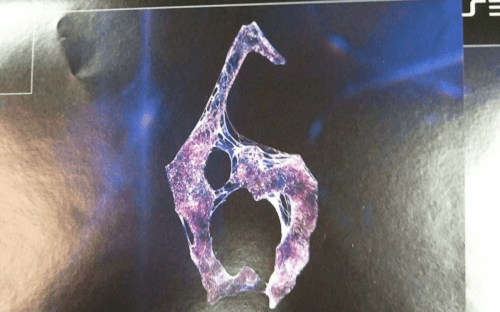
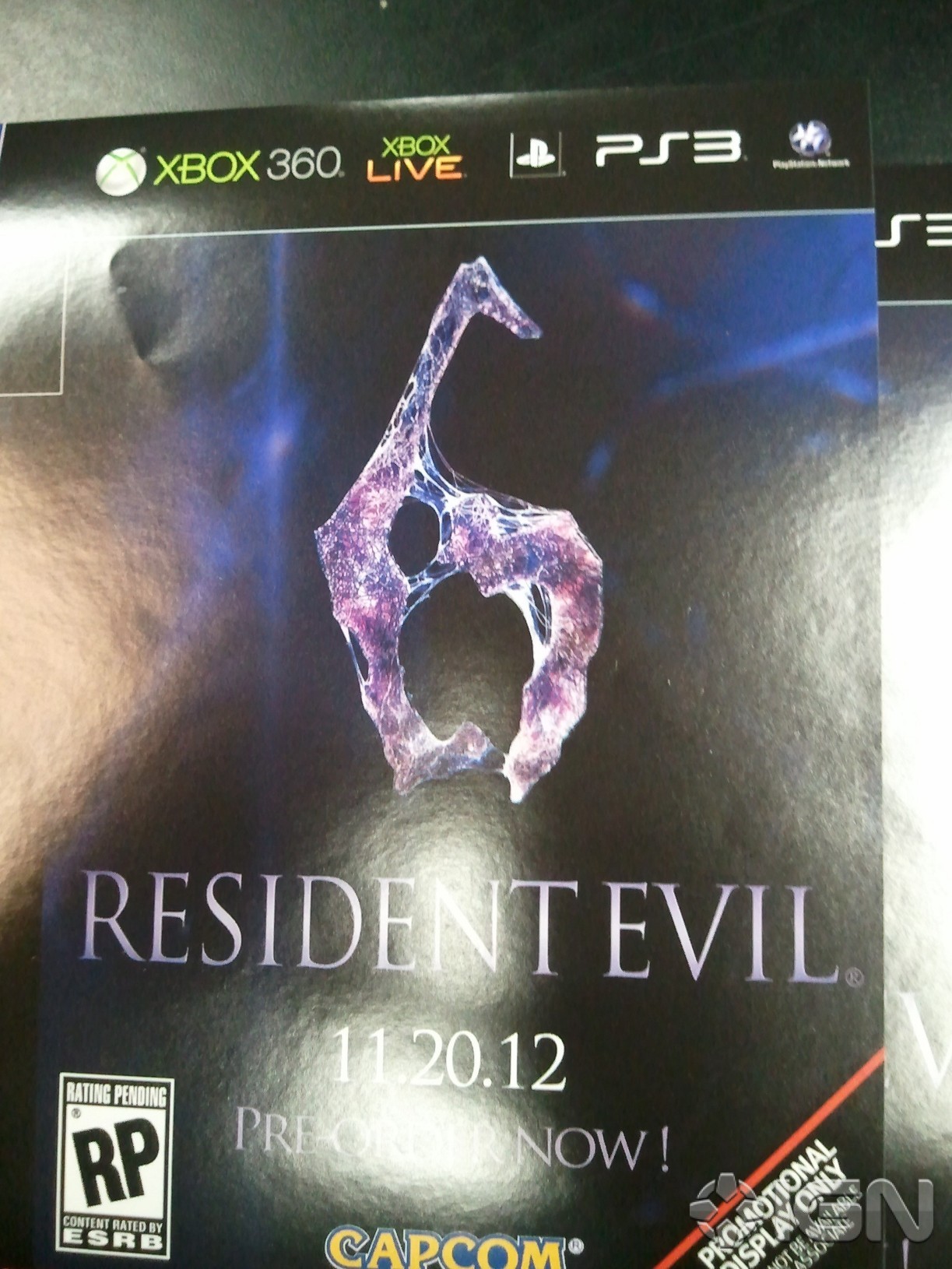
While there probably would have been an announcement later tonight from Capcom, being that today is the 15th anniversary of Resident Evil and all, nothing says big news like it being leaked out early all over the internet. GameStop employees have received promo material and it seems a few of those stores have already placed it out in view of the public and caught by IGN.
As such the news has now been leaked that Resident Evil 6 is to be released on November 20th. Also, rumors are circulating that Leon Kennedy and Chris Redfield will be playable characters when the game is released. Expect more details tonight when the official announcement is meant to take place. Check the full promo material below.
Yesterday Tequila Works revealed a project which seems to have been in development for quite some time, Deadlight. Currently not much is known about the title other than the fact that it will be a puzzle platformer and is meant to be released sometime this Summer.
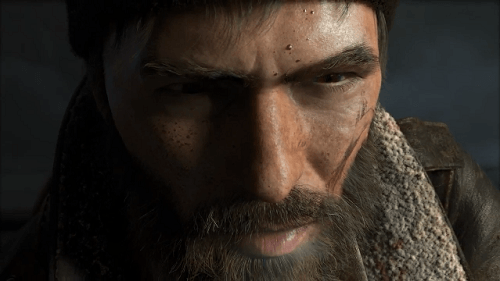
Today Tequila Works revealed a teaser trailer for Deadlight, which shows a very dour looking man who describes that whenever you kill a person, everything changes. This is all while he is standing over a highway with what appears to be zombies moving around. Considering the story so far is that Randall Wayne is one of the last survivors of a pandemic that wiped out nearly everyone else, this could be a new twist on the zombie genre.
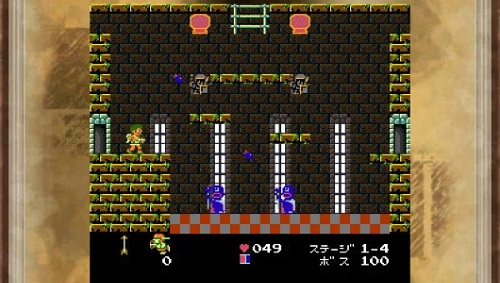
Kid Icarus: Uprising is quite the hotly anticipated title here in North America. As such it only makes sense that Nintendo of America give fans some sort of pre-order incentive right? Well today they have announced that those who pre-order the game will guarantee them a downloadable code when they pickup the title.
Unfortunately, although the announcement stated that the pre-order bonus would be available from select retailers, they did not say which ones specifically. Its a bit disappointing however that Nintendo of America has had to resort to letting fans receive the title free from pre-order, while other regions received the 3D classic Kid Icarus free with a couple of qualifying 3DS games.
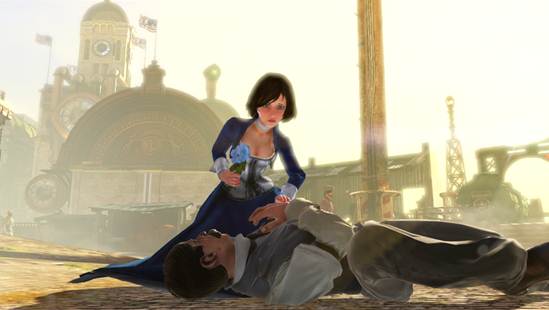
Some people say that video games today are too easy, that FPS are too forgiving on the average gamer. Well if you happen to be one of those people then you will be happy to hear that Irrational Games is putting a gameplay mode into Bioshock Infinite just for you. The developer announced today that they will be including a “1999 Mode” in the final product.
1999 Mode will feature various difficulty tweaks that won’t be found in the main game mode, and also all of your choices will have a more permanent effect on the game so if you ended up making a choice that resulted in a harder game later on, you need to deal with that. Player health has been modified, difficulty gets an increase and any weapon you pick up or own will be “useless” unless you already have a specialization for that weapon.
Seems like this mode is only for the most die-hard FPS fan but it is good to see that those who want a difficult challenge will indeed be receiving it. Currently there has been no word as to whether or not 1999 Mode will be available at the start of the game or will be unlocked upon completion.
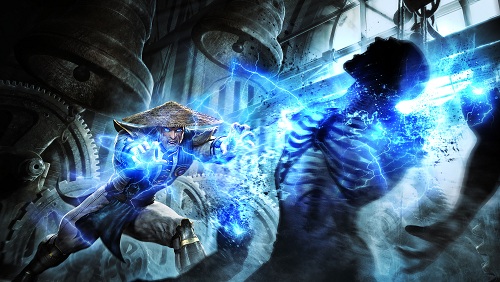
Nothing says brutal by actually being able to input a kill command with a few swipes of your finger. Now earlier this week Warner Bros. revealed that they would be bringing last year’s Mortal Kombat game to the PlayStation Vita sometime this spring. This includes all of the extra content that was included in the PlayStation 3 version of the game, but at the time the company did not elaborate on what new features, if any, were to be added.
Today NetherRealm Studios Creative Director, Ed Boon, has explained that the Vita version of Mortal Kombat will have an exclusive second Challenge Tower with 150 extra challenges, some of which will use the Vita’s touch screen and accelerometer. Touch controls have also been implemented into the combat in a small way, with players able to perform Fatalaties and X-Ray attacks with just a touch or few swipes of the screen.
The genre of physics puzzler has more or less dominated the mobile gaming market ever since Angry Birds hit the AppStore back in 2009. Since then, there have been many variations on the genre, and even what could be termed “Angry Birds Clones”.
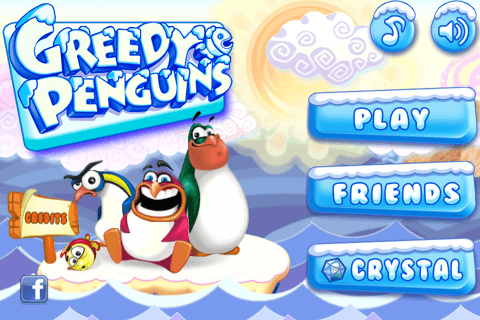
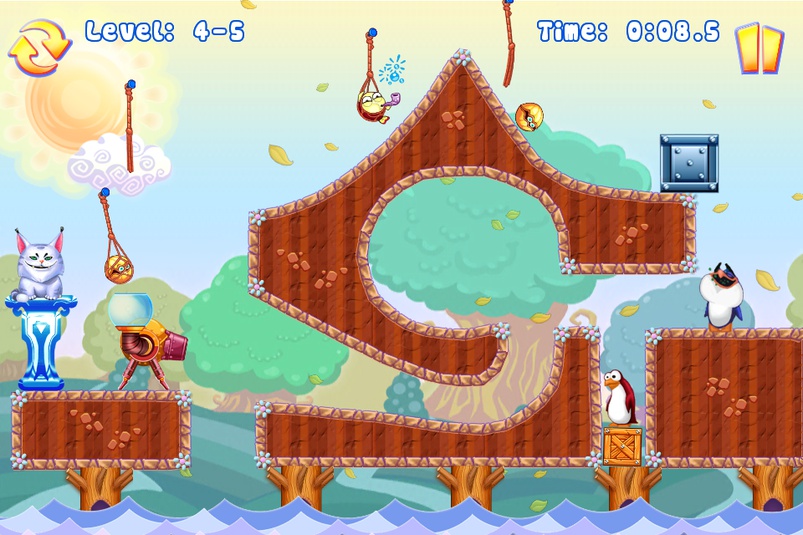
Greedy Penguins is one such variation, and one that manages to make it’s gameplay decidedly distinct from the Angry Birds franchise.
Story
As with most puzzle games past and present, the story is thin at best. The basic idea is you need to feed each penguin their favourite (matching colour) fish, afterwhich they release a pink ice-cream cone, which you then tap to deliver to the walrus, pig, or other random animal lazing around somewhere.
I don’t know why you do this, or if it makes any sense whatsoever, but you don’t play this game to learn about penguins, the human condition, or grow as a person… you play this game to excercise your brain, pit your wits against the game’s creators, and to pass the time. And it definitely succeeds in that endeavour.
Gameplay
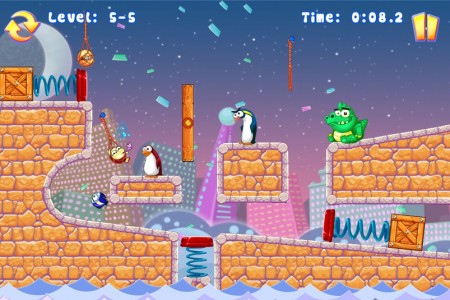
Each puzzle provides you with a number of different coloured fish, hanging individually in ropey-net-type-things, and dares you to deliver those fish to their corresponding colour penguins. You have to roll them around the level up and down ramps, hurl them across the screen using cannons, and avoid letting them roll into the ocean below.
The controls are nice and simple. For the most part, you’re tapping on fish to free them from their nets, letting them drop, slide or fly into the gaping mouths of the greedy penguins. As you progress through the stages more obstacles and gadgets are introduced (the classic fans with switches and cannons to name a few), calling on you to put more thought into the setup and ordering of your actions to best achieve your goal.
Once a penguin receives their fish, they dive into the water, letting you send along the next fish to reach other penguins. Send the wrong fish to the wrong penguin, however and it’ll… make him “ill”, and you’ll fail the level. More on that later.
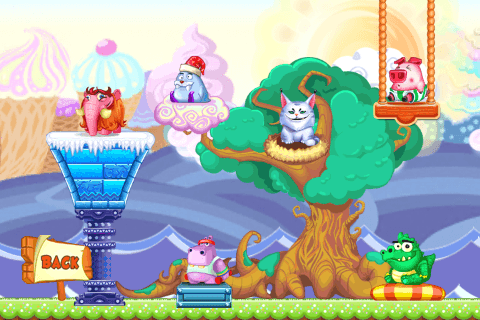
The penguin will then let their pink ice-cream cone start float skyward, which you then need to tap to send it over to that particular stage’s mascot. These mascots mainly serve as an identifier to the stage, and basically just sit in the level pulling faces and the like until you send them some ice-cream.
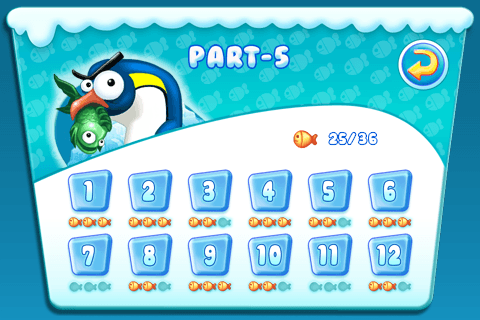
Once all of the penguins have been fed, you’ve completed the level, and are scored based on time taken and how many cones you grabbed. You are then presented with a fish ranking between 1 and 3, which of course go towards unlocking the next stage.
Each stage consists of 12 levels which slowly ramp up in difficulty, but largely keep things straightforward, which is a welcome change from the usual steep learning curve in these kinds of games.
The gameplay is pleasant and stays mildly challenging until only they last few levels of the final stage. That said, it is very short. There’s a total of 72 levels, but due to the lack of difficulty, you’ll be able to blast through the game in a couple of hours, tops. This won’t be an issue if you’re playing it in 5 minute intervals when you’ve got a little time to waste, but if you’ve got a lot of time to waste, you may be disappointed by the game’s length.
The time you do spend playing this game, however, will be filled with fun, mildly challenging phsyics fun.
The game can change between landscape orientations, mute buttons for music and sound effects, along with GameCentre and Crystal integration.
Audio & Visual
The game’s visual style quirky but largely stays on the cartoony side of the line. Each colour penguin and each stage mascot can be poked at any time to see a unique animation, and even have a selection of humourous idle animations and sound effects that play intermittently.
When a penguin eats something he shouldn’t, he immediately barfs it up, in a pseudo-graphic, though decidedly comical way. When a mascot eats an ice-cream, he gives a satisfied groan afterwards.
These little animations are very well put together, and do a lot to keep your interest. You even unlock new animations for the mascots as you receive more fish at the end of the levels, again, keeping you engaged with the characters and amused in general the whole time you’re playing the game.
The music, too, stays playful and unobtrusive in the background, not particularly wowing the player, but keeping you in a trance of “aww”, “teehee” and “that’s so cute“.
Overall
This game is a joy to play from beginning to end. And although it doesn’t last very long, the time you spend on it is rewarding and humourous, and serves as a great pick-me-up in the coffee break of a long day, or as an alternative to the more hardcore physics puzzlers out there.
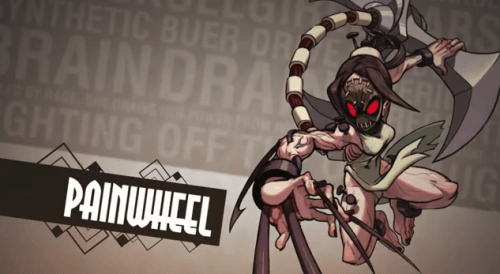
A new addition to the lineup of the much anticipated 2D beat-em-up Skullgirls has been announced in a new trailer!
Her name is Carol, but her foes know her by Painwheel. Kidnapped by Valentine, she was taken to the Anti-Skullgirls Lab Zero, where she was implanted with the Buer Drive, Gae Bolga parasites, and some experimental Skullgirl blood, creating the monster we see today.
Controlled by Zero Lab’s own psychic director Brain Drain, she’s a raging beast who draws on her pain and fury, while deep down the scared little girl strives to fight off the dark voices that would control her.
Her likes include gardening and walking on the beach at sunset, memories of times gone by, and the colour magenta. Her dislikes include Brain Drain, Lab Zero, and her monstrous and mutilated body.
Led by fighting game champion Mike “Mike Z” Zaimont, and artist Alex “0_8” ahad, Reverge Labs is set to release the title early 2012 on XBLA and PSN.
If you are one to run away from a zombie infestation, move out the way! The rest of us have some merciless killing to do. Ever since publisher Square Enix and developer Doublesix launched All Zombies Must Die!, gamers have been slaughtering zombies with cricket bats and automatic rifles.
But now players can purchase neat All Zombies Must Die! memorabilia for their avatars on Xbox Live. Perhaps you would be interested in having a miniature pet zombie or jumping into the SWAT Zombie outfit? Zombie heads can be bought individually as well, so you do not have to change your entire outfit. Some people just love their ugly holiday sweaters too much.
Watch the All Zombies Must Die! avatar trailer below, and purchase some neat zombie material (HERE).
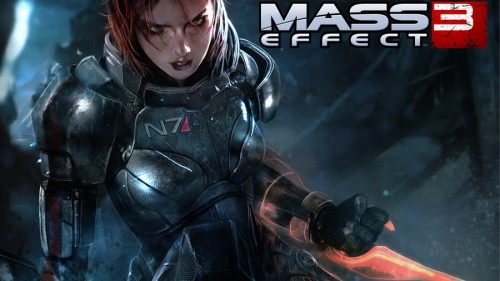
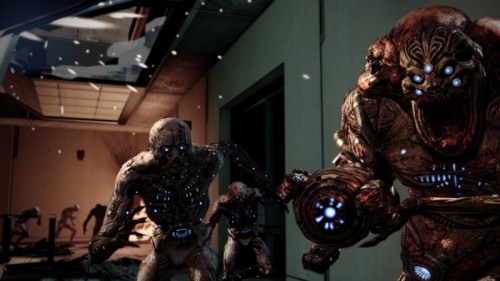
Bioware have revealed the system requirements for PC versions of Mass Effect 3, via the Bioware Social Network; as well as shedding a few extra details on the upcoming demo for the game, to be released on February 14th.
Despite the great graphical improvements between the original Mass Effect and its sequel, gamers should recall that the requirements didn’t change all that much between them, and it’s much the same story here:
Minimum Requirements
OS – Windows XP SP3/Vista SP1, Win 7
CPU – 1.8 GHz Intel Core 2 Duo (equivalent AMD CPU)
RAM – 1GB for XP / 2GB RAM for Vista/Win 7
Disc Drive – 1x speed
Hard Drive – 15 GB of free space
Video – 256 MB* (with Pixel Shader 3.0 support)
Sound – DirectX 9.0c compatible
DirectX – DirectX 9.0c August 2009 (included)
Recommended Specs
OS – Windows XP SP3/Vista SP1, Win 7
CPU – 2.4 GHz Intel Core 2 Duo (equivalent AMD CPU)
RAM – 2GB for XP / 4GB RAM for Vista/Win 7
Disc Drive – 1x speed
Hard Drive – 15 GB of free space
Video – AMD/ATI Radeon HD 4850 512 MB or greater, NVidia GeForce 9800 GT 512 MB or greater
Sound – DirectX 9.0c compatible
The post also shed new light on the demo being released next month. Two multiplayer maps will be available to those who take part in the demo before March 5th (the multiplayer portion will then be taken down), the singleplayer portions allow full creation and customisation of Shepard (but these will not carry over into the main game, so don’t obsess over whether that facial scar matches the personality of your character), and players can try out the much-touted different game modes from Mass Effect 3: “Action”, “Roleplaying”, and “Story”.
Mass Effect 3 relays into your nearest games retailer on March 6.
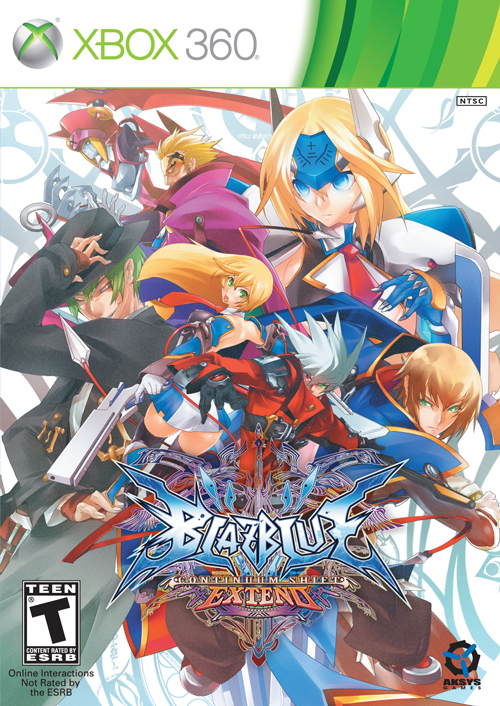
BlazBlue: Continuum Shift Extend Publisher: Aksys Games Developer: Arc System Works Platforms:Xbox 360 (Reviewed, Import), PlayStation 3, PlayStation Vita Release Date: February 22, 2012 Price: $48.00 – Available Here
Overview:
One of the most impressive new IPs of this console generation has to be BlazBlue, and I’ve been following it ever since it initially debuted as ‘Blaze Blue’. With the fighting genre currently being a saturation of sequels and HD remakes, BlazBlue is perhaps the only fighting franchise that’s actually still fresh and interesting.
BlazBlue: Calamity Trigger was such an amazing release at the time, and while it had only 12 characters, the sheer uniqueness in the play style of each was really impressive. Each character had their own unique fighting system, and no two combatants felt remotely alike. What really stood out in the fighting system was the Drive mechanic, a single button that allowed each character to perform their special ability. The idea was simple in concept but amazingly deep in execution. Another thing Calamity Trigger did so well was story execution, as not only was the story really interesting for a fighting game, but it was delivered nicely enough as a visual novel and the characters were pretty compelling too.
BlazBlue: Calamity Trigger would then be followed by a sequel called BlazBlue: Continuum Shift, which moved the story forward and introduced a host of awesome new characters, as well a major overhaul in play styles, mechanics, and overall balance. In 2012, we see yet another new entry in this series, but this time it comes in the form of an expansion pack, BlazBllue: Continuum Shift Extend.
BlazBlue: Continuum Shift Extend comes to Western territories next month as a highly generous budget release (RRP here is $48). But being the eager and impatient fan that I am, I grabbed myself the Japanese version for my Japanese Xbox 360. While the game is very import friendly to anyone who has been following this series since day one, you’re still better off waiting just a bit longer for the local release. As you will learn, it will definitely be worth the wait, and the price of admission.
Story:
BlazBlue: Continuum Shift Extend, being an expansion to the original Continuum Shift, doesn’t really move the story forward. However, the game’s story mode does have more substance as it offers new story arcs, revamped cut scenes, and more backstory. Much like the previous games, Continuum Shift Extend story mode uses a visual novel format to portray the BlazBlue lore. However, unlike previous entries, this time every playable character has their own scenario, including the characters that were DLC only in the original Continuum Shift.
The format is the same as past games, you go through several animated stills with large amount of fully voiced dialogue between characters, take part in battles, and even make choices along the way. There are multiple paths and endings for each character, and getting full completion will allow you to unlock more scenarios and the eventual final ending.
What’s cool about Continuum Shift Extend is that it includes a remastered version of the Calamity Trigger story. What you essentially get is a nicely streamlined retelling of the events that transpired in Calamity Trigger. You take part in a few key battles and witness only the true canon events that would lead up to the current setting in Continuum Sift. The remaster also introduces some new animated cut scenes, which are nicely done and portray the story in a far more entertaining and dramatic fashion.
BlazBlue has a rather fascinating lore, and while it does get a bit confusing and convoluted at times, it’s still very interesting thanks to a rather vivid cast of characters that are extremely likeable. The plot is so detailed and crazily intertwined that it warrants its own anime series, and is riddled with themes of time travel, cloning, ancient secret weapons, big political conspiracies, and a ton of extremely personal rivalries between the characters. The in-game universe really has a life of its own, with the quality and depth being something that you would expect from a role playing game.
Visuals:
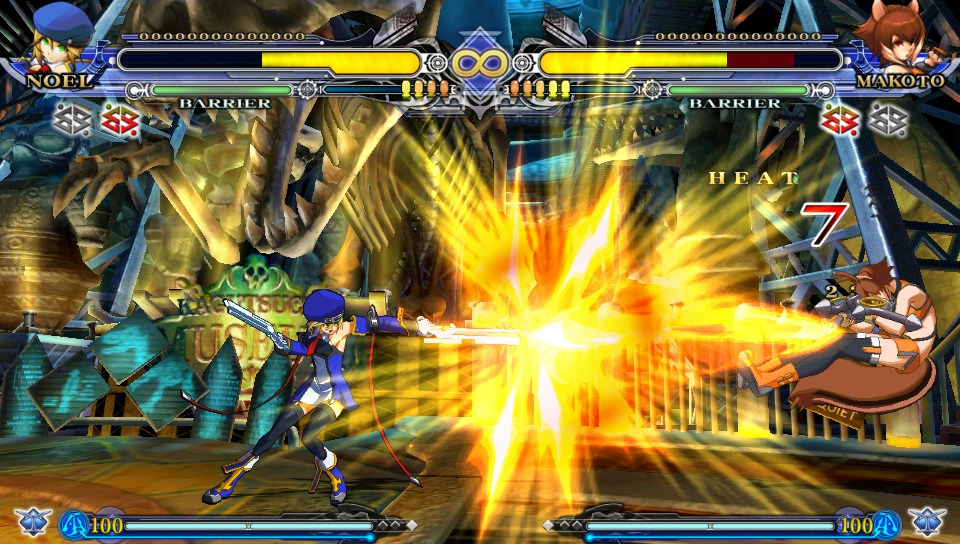
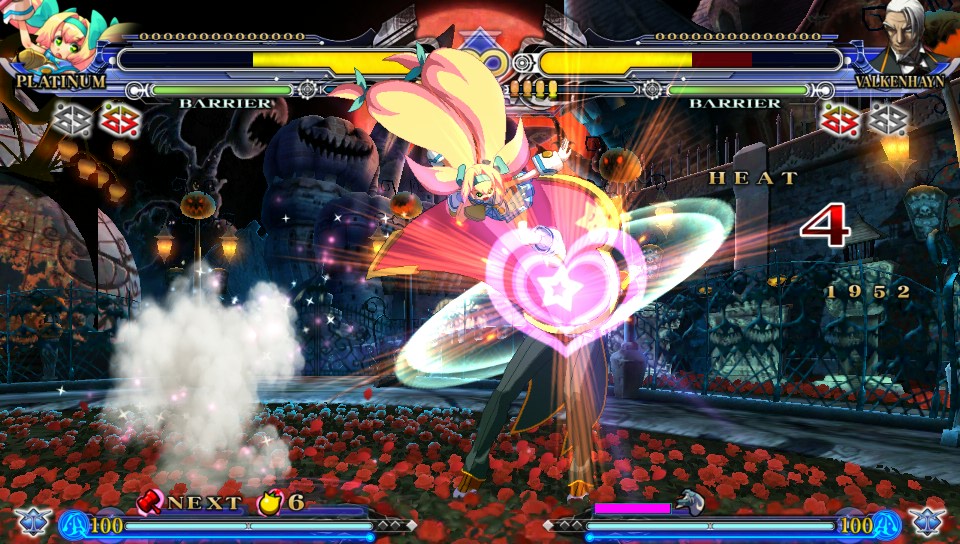
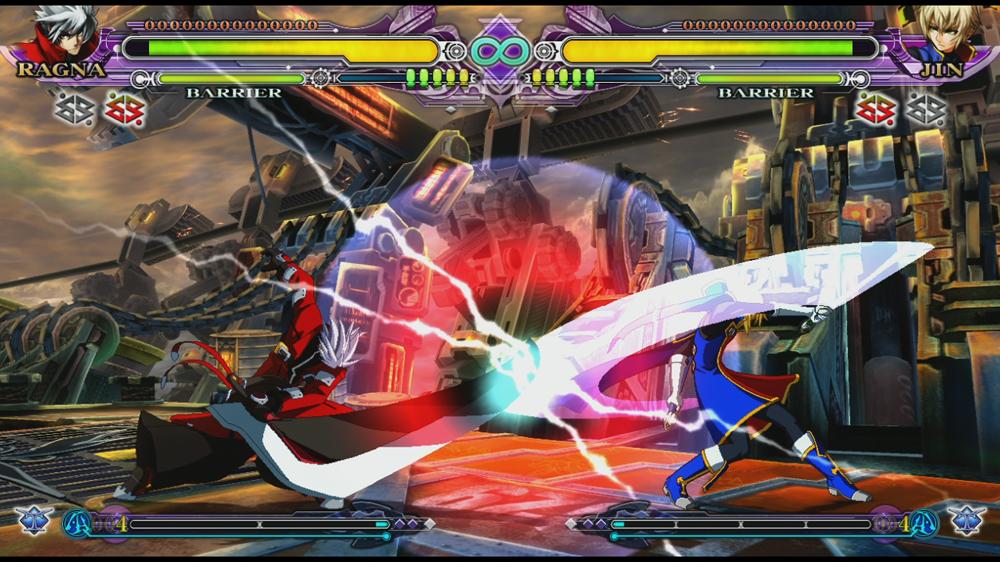
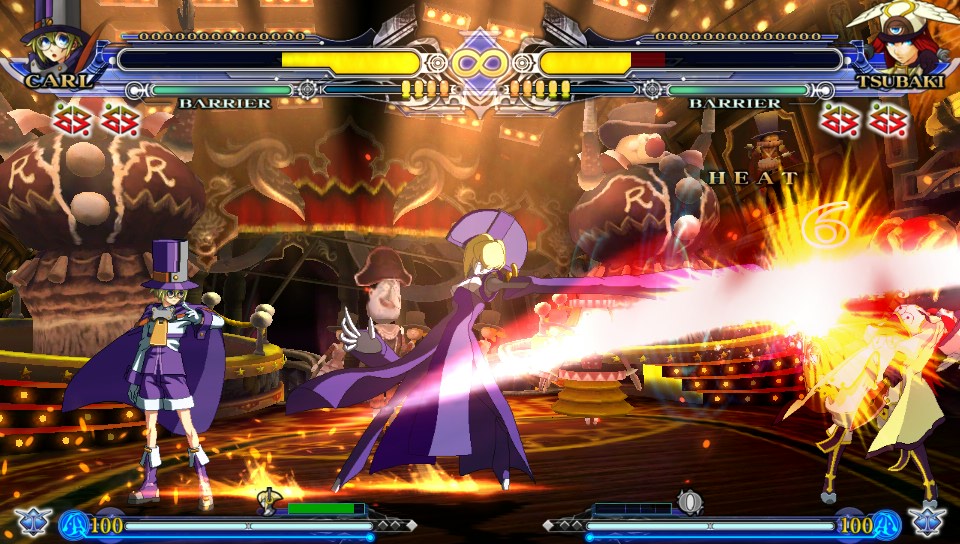
Given that the graphics engine is largely unchanged from Calamity Trigger, much of the impact that it made back then is pretty much gone at this stage. Still, BlazBlue: Continuum Shift Extend is a visually stunning game, and is easily among the best looking and performing HD 2D games you can find. The character sprites brim with a ton of detail and animate extremely fluidly, and they blend smoothly with the high resolution 3D backgrounds and effects.
From an artistic standpoint, the game is still as amazing as always. Although nothing much has changed since the previous game, it still has a ton of flair and the character designs are still the most interesting you will see out of the genre. BlazBlue really has a style of its own, and even with things largely unchanged, there isn’t another fighting game out there that has the same amount of personality.
A cool addition on the artistic side of things is the new animated intro, courtesy of the famed animation studio Production I.G. The studio is famous for the Ghost of the Shell series and more recently the excellent Guilty Crown series. The animated sequence is well drawn and animated, and adds a little spice to the game’s presentation.
Audio:
Daisuke Ishiwatari is perhaps one of the greatest composers in the industry, with his style primarily being that of heavy metal rock. He did a fantastic job with the music of the Guilty Gear series and still continues compose for the BlazBlue series. His style has certainly evolved over the years, as his compositions now have a bit more symphonic flair to them.
BlazBlue: Continuum Shift Extend has a mind blowing soundtrack, retaining all the great tracks used so far in the series while adding plenty of great new instrumentals and vocal themes. Among the new tracks, one that personally stands out to me is X-Mantic, which is the theme of Carl Clover vs. Relius Clover, and it’s a really dramatic and highly emotional piece filled with slow melancholic guitar riffs that captures the story of their rivalry and relationship perfectly. There are several rival theme songs like this, and they do a great job of enhancing the story presentation and making battles between certain characters more emotional.
Any fan of good heavy metal rock will appreciate the quality of the music present here, and there’s plenty of interesting symphonic fusions and other unorthodox pieces (such as the theme of Taokaka and Platinum). It’s an amazing soundtrack, and probably among the best of this generation.
Gameplay:
BlazBlue Continuum Shift Extend plays just like original Continuun Shift, but with some noticeable improvements. With fighting games, even the smallest change can do wonders in altering the game balance and flow.
Generally speaking, Continuum Shift Extend, like any BlazBlue title, plays like a dream. The mechanics are just sublime and smooth, and it allows you to chain attacks together into massive combos with great ease and fluidity. What’s great about the system is that it allows you to be creative, and you can basically improvise on the spot and not feel like you’re being restricted as is the case with most fighting games.
The gameplay mechanics are unchanged from Continuum Shift, as you still have the instant kill ‘Astral’ finishers and the Drive system that allows each character to perform their unique skill/ability. But what they have really done different this time around is alter some of the characters in terms of their moves and play styles, changes that may seem minor but actually have a significant impact on the game balance. A good example being Tsubaki, her Drive is basically a charge that strengthens her attacks, and in the original Continuum Shift she could charge fairly quickly with ease. In Continuum Shift Extend, however, she now pauses after charging each bar of the meter, and that split second pause basically exposes her to an attack. Little changes like these really shake up the overall fighting experience.
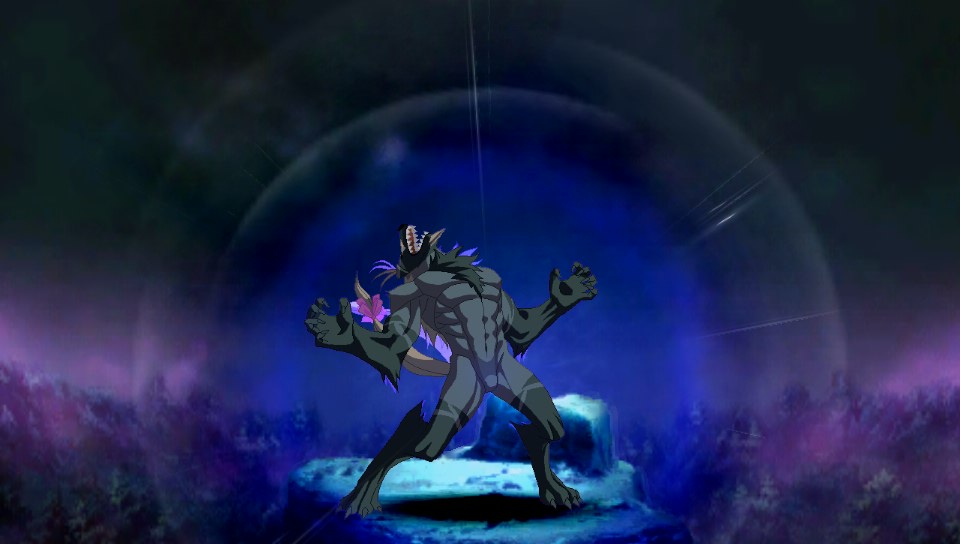
Continuum Shift Extend has 19 playable characters, all unlocked and ready to use in any mode, including all the characters that were DLC in the original Continuum Shift. Relius Clover, who in past games was a non-playable character that played a key role in the game’s story mode, now joins the list of playable characters. Much like his son, Carl Clover, he too uses a puppet (named Ignis…his wife so to speak) to assist him in combat. Relius however, is far easier to use than Carl as his general play style is pretty aggressive, allowing players to chain together rapid strikes to create some really big combos. His drive allows him to summon Ignis to perform special moves. With Carl and his puppet Nirvana, it was a lot like controlling two separate characters at the same time, but with Relius and Ignis it’s not quite like that as their dynamic/mechanic is similar to that of Litchi and Matenbo (the staff). Ignis shows up only temporarily to perform some big moves but like Nirvana, her usage is also restricted by a gauge. Another thing that’s interesting about Relius is his Astral finisher, where he basically tortures his opponent, but the torture method he uses depends on who his opponent is. Overall, Relius is an awesome addition to the cast and like any other playable character in the game, offers a truly unique combat experience.
Apart from the fleshed out Story Mode that I already discussed in detail, Continuum Shift Extend introduces some new single player modes, but they’re all pretty similar as all you really do is go up against a series of opponents. There are a few gimmicks in these new modes, such as the RPG style stat building in Abyss mode. The real purpose that these modes serve is to help you earn enough points/money to unlock artwork in the game’s rather large and impressive gallery. All the other modes from previous games are intact, such as the extremely useful tutorial and challenge modes. The online multiplayer mode is still as strong as ever, with the quality of the netcode being near perfect (if not the best you will experience in a fighting game) and this time you get some new team based match types to play around with. It’s a nice package overall, with plenty to do and unlock, and the online multiplayer will always have you hooked.
Overall:
BlazBlue: Continuum Shift Extend, even though is just an expansion pack, is still a pretty awesome release. For one thing the price of admission is generous, and you’re getting quite the value for it. All the qualities that fans have come to love over the years are still present in full force, be it the head banging score by Daisuke Ishiwatari, the refreshing art direction, the fascinating story, or the breathtaking and masterful fighting system. Everything is present, just that it’s more refined and fleshed out than it’s ever been.
Relius Clover makes a great addition to the cast, and being a BlazBlue character, the gameplay experience he offers is unique and refreshing, and unlike anyone else in the roster. The story mode is wonderfully crafted, and it’s really convenient to have both the story of Calamity Trigger and Continuum Shift bundled together to get the complete picture of the BlazBlue lore. Not only that, but they’ve added several new story arcs and a plenty of cool animated cut scenes. The old saying “story doesn’t matter in fighting games” does not apply here, as this is one tale that you definitely want to experience, and the vibrant cast of characters will definitely win you over.
As a fighting game, BlazBlue: Continuum Shift Extend is still as strong as ever, as there isn’t another fighting game out there that will offer a gameplay experience quite like it. The fighting system is still as breathtaking as it’s always been, it’s just now more refined than ever before. There is plenty on offer here to keep players busy, and is endlessly repayable courtesy of the near perfect online play. BlazBlue: Continuum Shift Extend is an excellent accumulation of the entire series, and is the most complete and definitive BlazBlue experience.