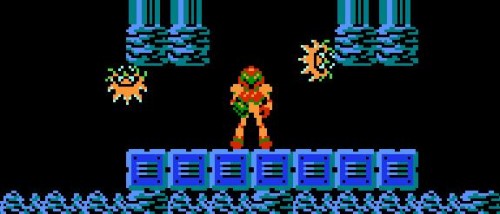
If you are a Club Nintendo ambassador, you more than likely already download Metroid and are still enjoying every second of it. Those who weren’t early adopters though are now in luck, as this week Nintendo have dropped the original adventure with Samus on the 3DS Virtual Console for just $4.99. This continues Nintendo’s NES offerings, and if I would have to guess, Zelda should be next.
As far as other releases go, the appropriately titled “Aahh! Spot The Differences!” is available for $1.99 on the eShop and the puzzle/platformer Aya and the Cubes of Light can be snagged up for the WiiWare for 1000 points.
Those wanting a taste of Sega’s remake of Crush3D are also in luck, as a demo for the game has hit the service a few days before the game’s launch.
With all the buzz and excitement surrounding Final Fantasy XIII-2 finally dying down a bit, well at least until the next round of downloadable episodes come out, I feel that now is a good time to vent out some thoughts that have been circulating in my cluster mess of a brain for quite some time now. As I watch this industry evolve right before my very eyes, one thing that has particularly stood out to me is the evolution of Final Fantasy. Now bear in mind, this piece is meant to be a reflection of my personal views, it’s by no means a factual recollection.
My first proper experience with the franchise was Final Fantasy VIII on the original PlayStation. I still hold fond memories of it even though it’s one of those games that a lot of people seem to love to hate. Technically my first Final Fantasy game was Final Fantasy IV (or Final Fantasy II in some regions) on the Super Nintendo, but at the time I was too young to really grasp it properly. After my play through of Final Fantasy VIII, I obsessively went on to play the other entries. What really impressed me back then was that each title stood on its own, and I loved how Square-Enix (they were called Squaresoft during those days) would experiment with new ideas, themes, gameplay systems, art direction, lore, and a whole new in-game universe, instead of just pumping out direct sequels with the same locations and characters. It was because of this development philosophy that each Final Fantasy game became a uniquely refreshing experience.
Even as each title in the series tried different things and did not reference each other at all, there was still some intangible consistency that was largely because of the team involved, namely the founder Hironobuo Sakaguchi and legendary composer Nobuo Uematsu. As long as they were involved with a Final Fantasy game, you could be certain to get the kind of experience and quality that only they could design and deliver. I think that’s why each Final Fantasy title succeeded regardless of vast differences in the theme, setting, and premise, because they all had a consistent demeanour and ambience. The story telling and characterisation was always delivered in a manner that although was distinct for each game, still had a consistent style. I know a lot of what I’m saying here sounds vague and ambiguous, but it’s always these unseen elements that really give a game (and franchise) its unique personality.
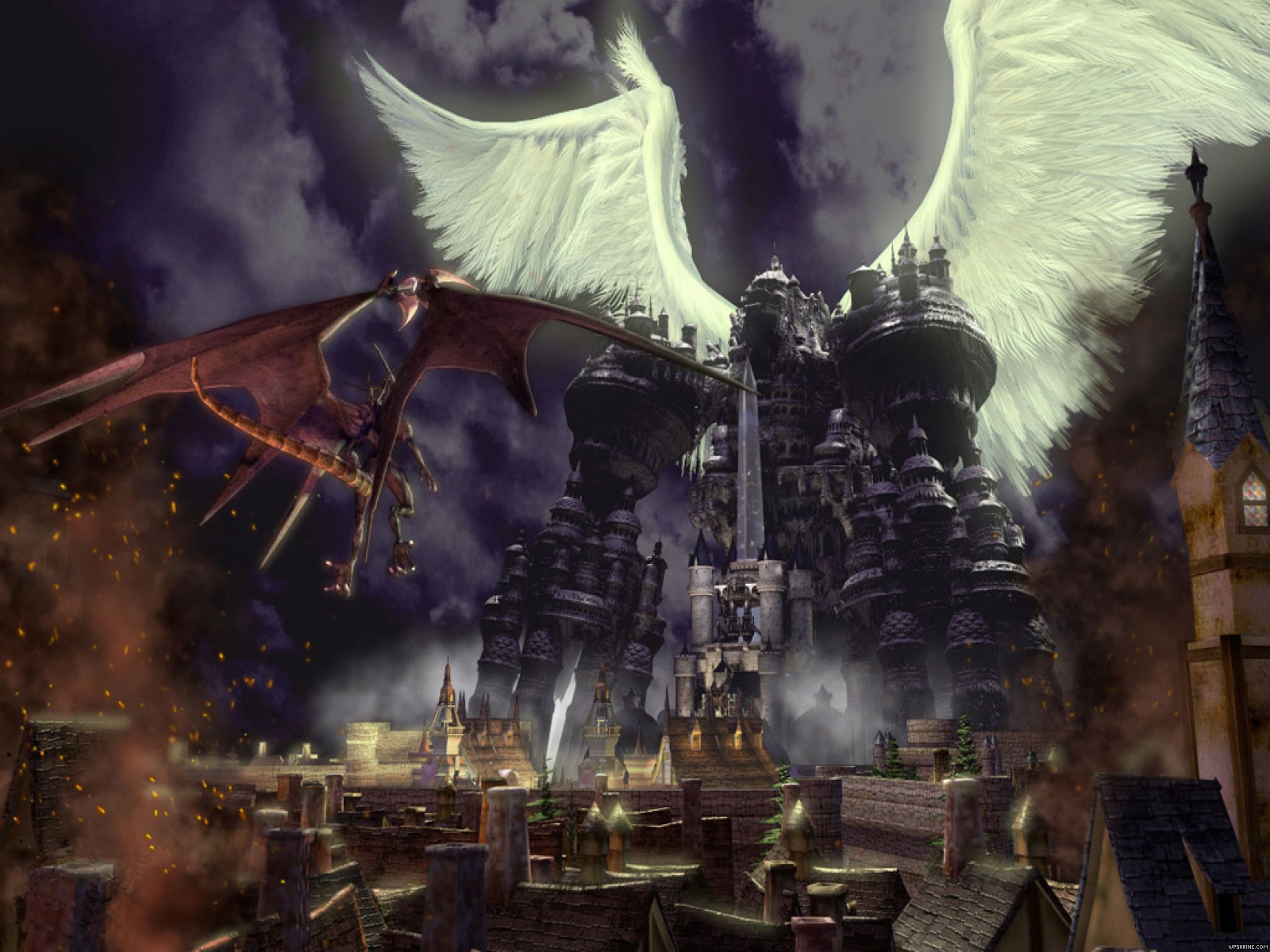
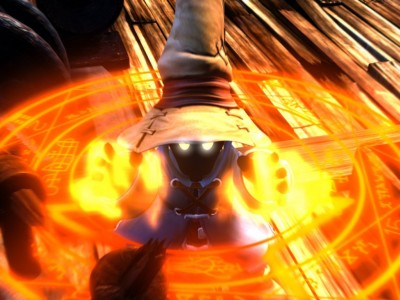
Final Fantasy IX is perhaps the most important and underrated entry in the series. That game, for all intents and purposes, was the last ‘true’ Final Fantasy game produced. Not trying to discount the Final Fantasy games that featured a sci-fi setting, but the true essence and spirit of Final Fantasy can always be truly felt in the ones that had a medieval fantasy setting filled with mages, knights, dragons, and the like. Those games had the ‘Fantasy’ that the title itself implied, and you can sense so much character and magic in them. Final Fantasy IX represents the pinnacle of Hironobu Sakaguchi’s creative brilliance. It was his love letter to the franchise and an accumulation of all the qualities that characterised it.
Final Fantasy IX was the last game produced by the founding father, as the series would move on without him. The argument regarding how good or bad these post-Final Fantasy IX games were isn’t relevant here, because what really matters here is that they were all clearly and sorely lacking something in their overall demeanour due to the absence of Sakaguchi’s vision and direction.
As of now the ‘Fabula Nova Crystallis’ project is what will define Final Fantasy in the coming years, which is essentially the term coined for the universe of Final Fantasy XIII and related games. That title marked the proper debut of Final Fantasy for this current console generation, and it represents the present and future of the IP. Final Fantasy XIII itself is without a doubt the most controversial entry that the series has ever seen, and in my view, it is a genuine threat to the series’ legacy and everything that it stood for.
The seeds for Final Fantasy XIII were planted long before this, as the legendary Final Fantasy VII in fact laid the very foundation for the ‘modern’ Final Fantasy and Japanese RPG for that matter, but it was Final Fantasy X that started taking this new direction to a place that made long-time fans feel very uneasy. Final Fantasy XIII represents the final stage of this evolution, the result of which being a franchise that has forgotten what it truly was and has really abandoned its core values and principles. Basically what I’m trying to say is that the spirit of Final Fantasy no longer exists within Final Fantasy anymore.
Whiny emo characters, androgynous and girly looking male characters, pretentious social situations, convoluted plots, and absolutely juvenile characterisation, are these Japanese RPG norms? Wrong, they are largely modern Final Fantasy norms. I don’t blame people for bringing up these flaws when they’re trying to bring up the ‘typical’ pesky conventions of Japanese RPGs, because in Western regions Final Fantasy is viewed as an official representation of the genre.
What is the typical Japanese RPG? Nothing like what I listed earlier, because if you really want the genuine Japanese RPG experience then you need to look back at the Final Fantasy titles that were a product of Hironobu Sakaguchi’s vision, and you also need to get into titles like Dragon Quest and the non-Persona entries of the Shin Megami Tensei franchise. Now those games had the qualities that the genre stood for, which sadly have mostly been forgotten and overlooked.
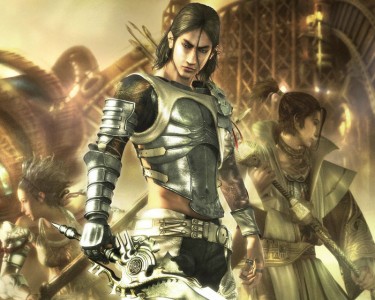
Is the spirit of Final Fantasy gone? Thankfully it isn’t but at the same time it is struggling to stay alive. Hirnobu Sakaguchi, few years after he departed Square-Enix, would go on to form his very own studio called Mistwalker. The studio had a bit of a bittersweet journey, which is to be expected from an up and coming team in this day and age. They’ve released some modest projects for the most part but in particular, the original Blue Dragon and Lost Odyssey had the same charm and character as the Final Fantasy of old. Blue Dragon had that charming and innocent fantasy direction, while Lost Odyssey demonstrated a very mature and sophisticated storytelling and characterisation that is unlike anything you will ever get out of a modern Final Fantasy game or most modern Japanese RPGs for that matter. After some undeservingly setbacks, the studio seems to be back in good form again with their latest Wii RPG, The Last Story. The name itself is ironic to say the least, but again, this is where the true spirit of Final Fantasy now lies, in the mind of Sakaguchi as it always has.
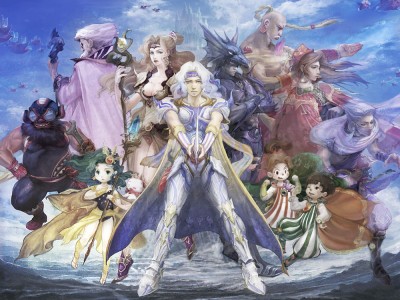
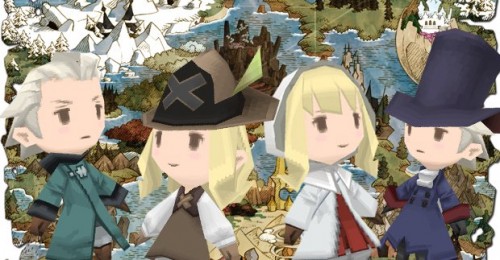
However, there is some hope within Square-Enix still as not long ago a rather interesting title called Final Fantasy: The 4 Heroes of Light was released, which was a refreshing and nostalgic reminder of the true legacy of Final Fantasy. The subtitle itself harks back to the Final Fantasy of old, referencing the four warriors of light that were in the very first Final Fantasy video game. As flawed as the game was, I really truly appreciated it for what it was trying to do.
Final Fantasy: The 4 Heroes of Light is a throwback to what Final Fantasy used to be, and as such has a very similar presence to it. It’s a beautiful, innocent, and imaginative game with a very down to earth storytelling and characterisation. In fact to me, this game is the most ‘Final Fantasy’ game I’ve experienced since Final Fantasy IX. It has its share of annoying flaws, but the overall essence is very much like the Final Fantasy that many hold fond memories of. It’s terribly underrated, and is a game that modern gamers should really consider trying instead of judging the entire franchise by Final Fantasy XIII.
This rant brings me to the upcoming Nintendo 3DS RPG, Bravely Default, which interestingly enough originally started out as a sequel to Final Fantasy: The 4 Heroes of Light but at some point they decided to turn it into its own unique IP. This is a good move, and I think it’s a good idea to break away from the tried and tested Final Fantasy banner to give it a fresh feel. I am excited about this game because the art direction, characters, and overall tone of the game captures what was truly great about the traditional Final Fantasy games, while adding its own unique charms and qualities.
The problem with modern Final Fantasy and Final Fantasy XIII in particular, is that they seem to prioritise graphics and superficial aesthetics above the things that really matter, like a good story, compelling characters, and engaging delivery. Bravely Default will hopefully avoid the pesky pitfalls and deliver an authentic Japanese RPG experience that is relevant in this day and age.
Final Fantasy is very much alive and well, but you’ll just have to look for it outside of Final Fantasy.
The PC release of Alan Wake on digital platforms like Steam went swimmingly, and now its time for the retail package to present itself. Nordic Games has released the Standard and Collector’s Edition boxed copies of the game today.
Alan Wake Collector’s Edition includes two Bonus Discs crammed with exclusive content. This includes The History Of Remedy, The Making Of Alan Wake, The Making Of A Thriller, the music video “War” by the “Poets of the Fall”, several trailers to the game, all in-game cinematics with storyboard concept art, the teaser trailer of “The Signal”, the launch trailer of “The Signal”. The launch trailer of “The Writer”, as well as two more features “Building the technology” and “Building a Thriller”.
Also included is The Alan Wake Files; a 144-page publication extra with evidence on the mysterious incidents around Alan Wake and Bright Falls, compiled by the fictitious author Clay Steward.
The Standard and Collector’s Editions of Alan Wake both include the main game, with optional commentary provided by Remedy (Collector’s Edition only) and both DLCs – The Signal and The Writer – on disc one, while disc two hosts the official soundtrack, comprising 13 tracks.
Also in the box are six post cards featuring different scenes from the game, the manual, a double-sided poster and seven stickers with different scenes and characters from the game.
Alan Wake and Alan Wake Collector’s Edition are available to buy on PC from March 2nd, today, priced at £29.99 for the Standard Edition and £34.99 for the Collector’s Edition.
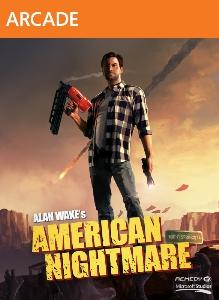
Alan Wake’s American Nightmare Publisher: Microsoft Developer: Remedy Platform: Xbox Live Arcade Release Date: February 22, 2012 Price: 1200 MS Points BUY NOW!
Overview
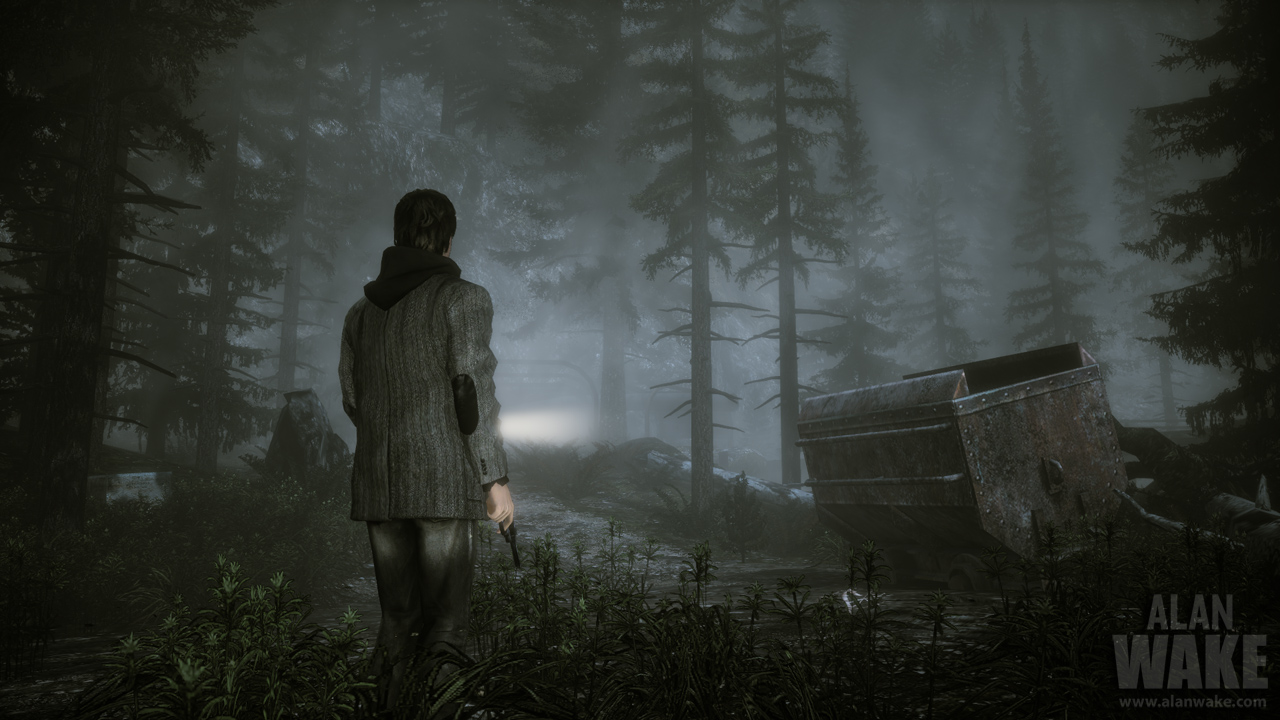
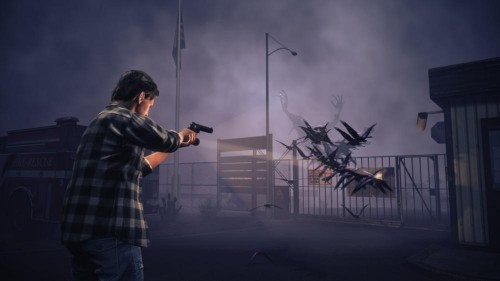
In 2010, Remedy introduced the world to Alan Wake. For those who were living under a rock at that time, that release introduced players to a new type of survival horror, where the player must make their way through darkness and defeat enemies by using light along with a limited supply of ammunition. Much like Deadly Premonition (which also was released in 2010), Alan Wake received an almost instant cult following due to it’s unique mechanics and storytelling, leaving fans hungering for more. Just two years later, Remedy are ready to bring the lone writer back, but this time with a purely digital release by the name of Alan Wake’s American Nightmare. The big question that many fans of the original (including myself) have wondered however, is if this title has that same atmosphere and gameplay that kept us all coming back for more. What’s the answer? Here is my review for Alan Wake’s American Nightmare.
Story
The first thing you should know about American Nightmare is that you don’t have to play the original to get a full grasp on the many mysteries and twisted narrative that await. That’s because this title isn’t quite a sequel, but more of a side-dish that attempts to further fuel the complex world that Remedy created. This tale takes place within Night Springs, a television show that Wake himself penned, but now seems to be trapped in. A darker, more insane version of Alan by the name of Mr. Scratch is the culprit behind the madness, and is making our Champion of Light repeat the same series of events over and over until he breaks the chain by stopping murders and restoring power in three different areas.
While this follow-up of sorts is a bit lighter on actual mystery and exploration, it still has that sharp dialogue and an equally intriguing plot that fans of the first are sure to feel right at home with. Mr. Scratch is a villain that is hard not to love, as players will see this new foe perform maniacal actions, only to follow them up with a dance number or quick one-liner. Other characters come off as a bit clueless, leaving Wake to connect the dots for them while offering assistance if needed. The interaction is a bit more limited this time around as well, but luckily there is still a good amount of back-story for the small cast, with manuscript pages scattered about that offer the player some enlightenment on Wake’s several encounters. It felt like there was a new turn of events around every corner and even though American Nightmare isn’t as long as it’s predecessor, the fantastic writing has stayed in tact and opened even more possibilities for future entries.
Gameplay
As far as the gameplay goes within American Nightmare, players should expect nearly the same mechanics found in Alan Wake. You still have to defeat the Taken by shining a light on them before blasting them to bits with bullets, and the game has also retained it’s third-person view in terms of perspective. However, just because the control scheme is nearly identical, that doesn’t mean that Remedy haven’t improved the formula somewhat. One of my only complaints with the first title was that the controls felt a bit loose and controlling Wake got a bit awkward during action-based segments as a result. These small flaws are still present, but this time movement feels a bit tighter and it’s much easier to leap out of danger while dodging a swarm of foes. Dodging however is still a mixed bag, leaving the player to rely on timing rather than accurate movement to avoid damage.
There is also more ammunition this time around, and when I say more, I mean you will rarely be without bullets as drops are common. The nailgun will more than likely be most player’s weapon of choice, as it can hold up to 100 nails at a time and is quick on reloading. There are plenty of other types of actual guns as well, but I never felt a need to change as this unique tool found early on in the game performed well enough to keep me out of danger until the end. Flares and flashbangs prove useful too, biding Wake’s time as swarms of enemies become stunned instantaneously. I do wish there was a bit more creativity when it came to deciding light-based weaponry, but everything does it’s job well enough and even though you rarely see a change in techniques, there is little reason to fear repetition with the varied types of Taken that Wake will have to charge through.
This time, the Taken are a bit more vicious and seem to try to overwhelm the player by attacking in large groups. One breed in particular will split into two each time your light hits them, which can quickly turn into chaos unless you happen to have some kind of throw-able light source equipped. Remember those pesky birds from the first title? Yeah, those are in too, but now take the form of foe who is both agile and nearly impossible to outrun. Along with your usual big bads with chainsaws and grenades, spiders were also thrown in to antagonist the player, but don’t fit in as well as the rest of the enemies, leaving their inclusion to feel a bit forced. Even with that said though, one still has to respect the variety offered, which definitely delivers a nice satisfying – but never frustrating challenge.
After just one-third of the way through the game, you will quickly realize that you, as the player, are trapped in the same repeat of events as our protagonist. The same three areas must be explored multiple times, and changes are very minor at best. As I mentioned, this does tie into the plot and makes complete sense due to the narrative’s pacing, but re-tracking through the same three locations can gnaw on the player after the second time through. To kill off a bit of the “been here before” feelings, television sets and radios prove to be fine entertainment as the player can get caught up with Mr. Scratch or hear radio shows that clue us in to the bizarre in-game universe and colorful cast of characters. American Nightmare is of course a survival horror experience at heart, but there is still a fantastic B movie that is dying to get out and piecing together all of the lore is really what makes this title so endearing.
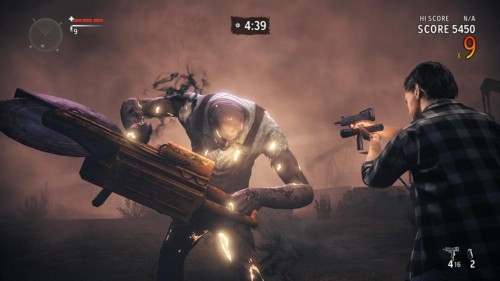
After you finish the main story, there is still Arcade mode. This bit has the player attempt to survive for ten minutes, where the difficulty rises the longer you stay alive. There are ten distinctly different stages in all, and it’s simply your job to keep gathering ammo, upgrades, and of course living until dawn breaks. Killing multiple Taken at a time boosts score as well, with a combo multiplier delivering the player even more points as they slaughter the dark foes in bundles. The only downside to this is that the rounds are ten minutes long, and the lack of variation in weaponry makes this mode unlikely to be played for more than one or two rounds at a time. I could definitely see Arcade being improved upon in the future though, so hopefully next time we will see some more mechanics added, and the timer take a much-needed downsizing.
Visuals/Audio
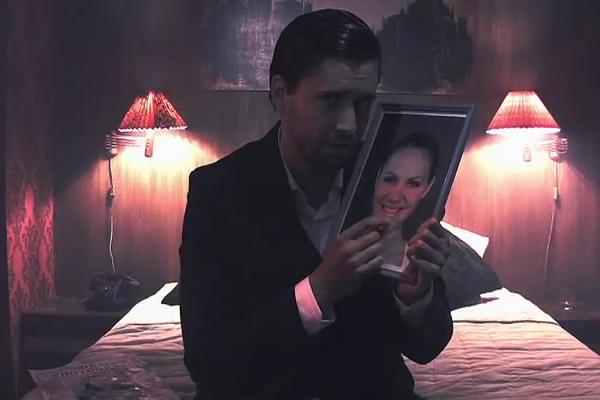
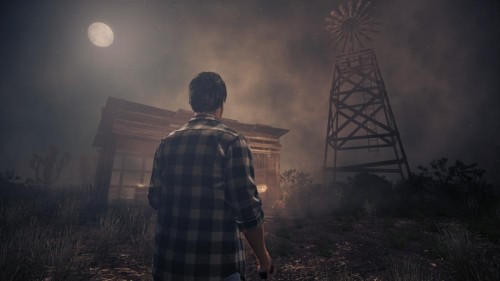
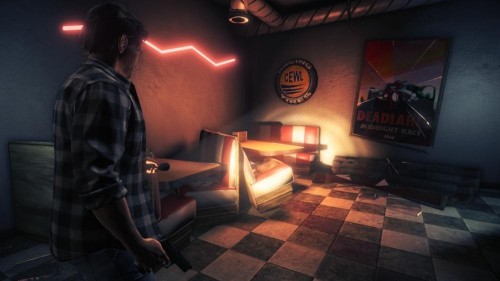
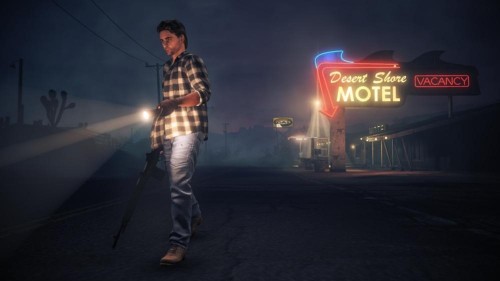
Visually, Alan Wake’s American Nightmare looks just as good as any other current gen game for the Xbox 360, as the models are realistic and heavily detailed. Alan’s open flannel shirt is constantly flowing with the air as you run, and each environment seems to tell a story in it’s own unique way. It’s hard not to appreciate the glow of a dimly lit hotel sign as you look for safety, and being alone in utter darkness is still as unnerving as ever before. The cutscenes in the game are done a bit differently and performed by actual actors (or actor, for the most part). Instead of being the kind of cringe-worthy, forcefully acted scenes we seen for the likes of nearly every title with FMVs dating back to the Saturn, these are always a treat to view and mesh perfectly with the in-game world.
I could go on and on about how well done the voice acting is, as Alan Wake’s actor does a phenomenal job, but that’s not really the highlight of the audio you will take away. This title in my opinion has one of the best soundtracks on the console as a whole, blending in rock beats to fuel the intensity of combat. You may never know when your about to face a grave challenge during some moments, but once you hear one of the several tunes fire up, it’s time to kick ass and whip out that flashlight. It’s a rarity anymore to see any title enhance it’s already rich atmosphere with music, but the soundtrack here is definitely worth the full price of admission as it actually makes the hectic combat fun, rather than just trying to creep the player out the whole time with solemn and eerie tunes like most games from the genre.
Overall
Alan Wake’s American Nightmare is like nothing we have seen released on the Xbox Live Arcade thus far. While most on the platform strive to deliver a $15 experience, this title goes above and beyond to make the player feel like they just paid full retail and got every penny worth. Yes, there are a few minor flaws to this gem and it’s still a bit on the short side, but one has to admire Remedy’s work on the soundtrack and presentation as American Nightmare could easily stand toe to toe with any big budget title currently available. With that said though, if you weren’t a fan of the first Alan Wake, there really isn’t enough differences here to change anyone’s mind. Everyone else though should definitely consider picking up Wake’s latest work…Mr. Scratch is dying to meet you.
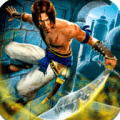
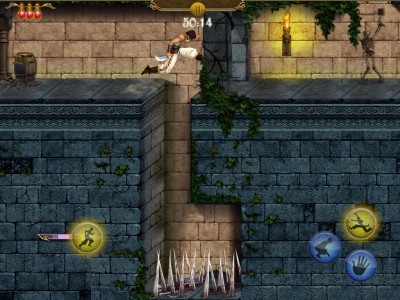
The Prince of Persia makes his grand debut on the iOS with the release of Prince of Persia Classic HD, a new take on the classic platformer. Prince of Persia Classic HD revives the series, which has sold 2.5 million copies so far, with a new style and additional modes. Players can play through on three different modes: Normal, Time Attack and Survival, which are all quite self-explanatory.
With some great looking graphics that are a great representation of the original series and is sure to be a great purchase for Prince of Persia fans. Check out the trailer for the game below, which shows off some of the awesome levels and the great look of the game. What do you guys think? Is this a good remake of the game, and something you’re interested in picking up for your iOS device?
Prince of Persia Classic HD is available NOW on iPad for $2.99 HERE or on iTouch and iPhone for $1.99 HERE.
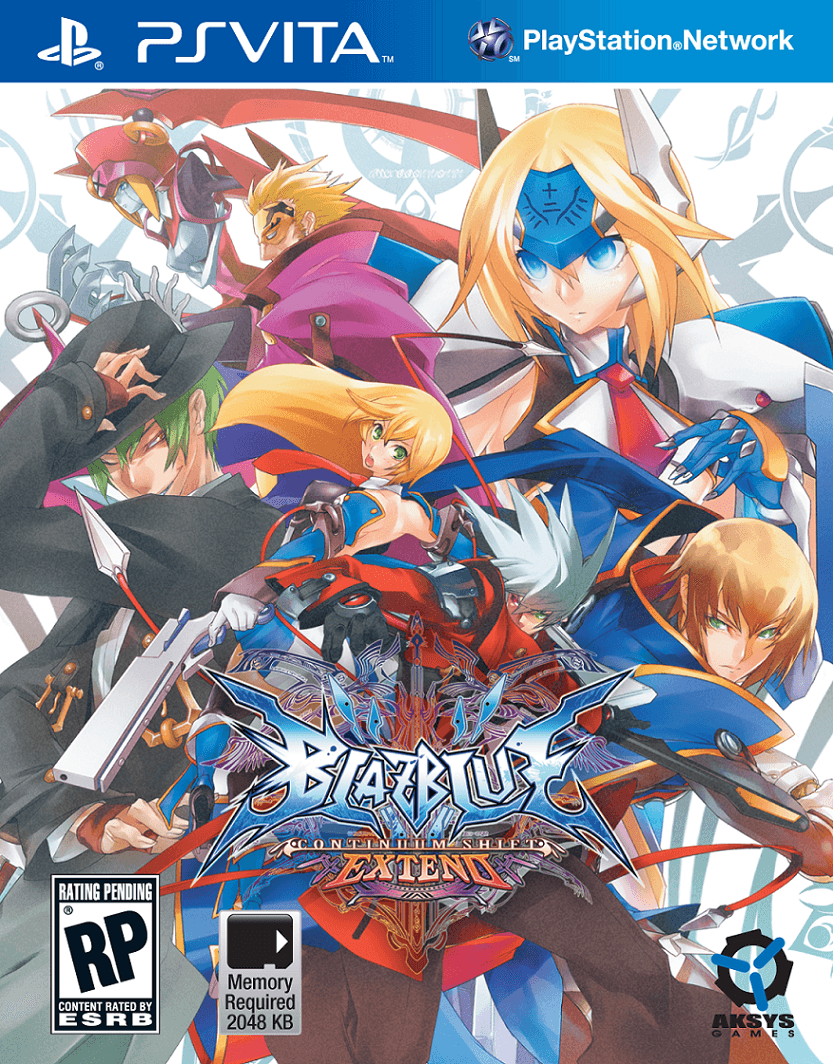
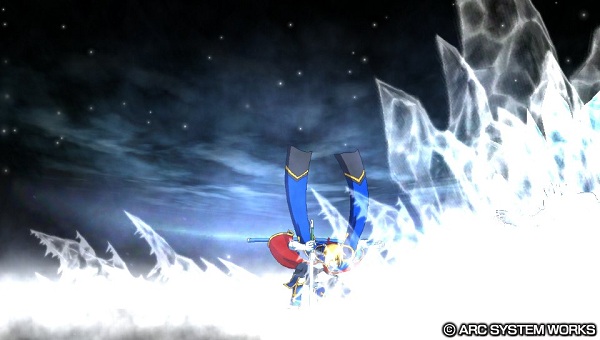
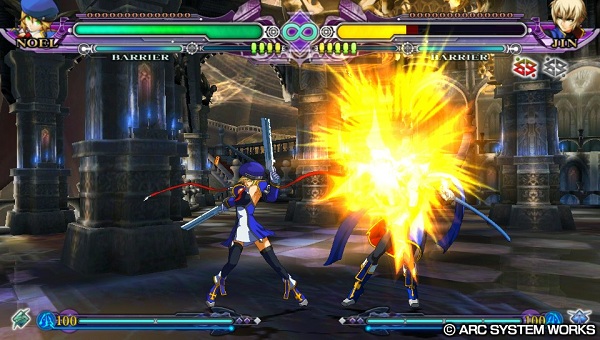
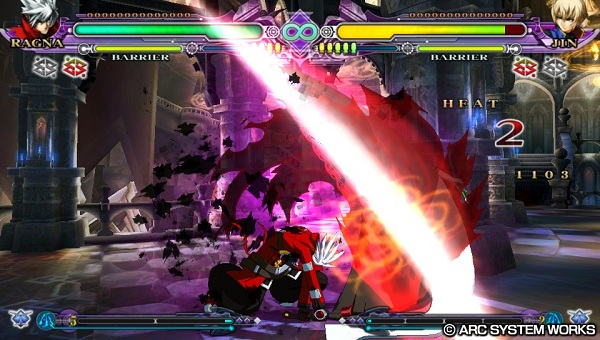
Blazblue: Continuum Shift Extend Developer: Arc System Works Publisher: Aksys Games Release Date: February 22, 2012 Price: $39.99 – Available Here
Overview: While many series in the fighting genre can go years without seeing more than two titles released. However there are a few series that have popped up again and again with not only more content each time but plenty of adjustments and balancing to create the best experience possible for fans of the series. Such is the case with BlazBlue: Continuum Shift Extend which is a sequel to BlazBlue: Calamity Trigger at heart, as well as the twice expanded version of the original Continnum Shift. However this time around it has been brought to the new portable gaming powerhouse from Sony, the PlayStation Vita. Has the series shifted flawlessly to the new Vita or have there been some bumps along the way?
Story: Now before we go any further, it is worth noting that although BlazBlue: Continuum Shift Extend is indeed a brand new game, it also contains the same story that was present in Continuum Shift for all of the characters which were available originally without the DLC. However there are a few things that BlazBlue: Continuum Shift Extend have expanded upon… or shall we say extended?
The presentation of the story for BlazBlue: Continuum Shift Extend remains unchanged, following a visual novel style presentation where the characters present and talking are provided with partially animated characters that talk to one another. Each character has their own separate storylines, with some locked until the player finishes certain character’s storylines first. However finishing a story may not be quite so easy, as there are various branching paths and choices for each character with a wrong choice leading to an alternate ending.
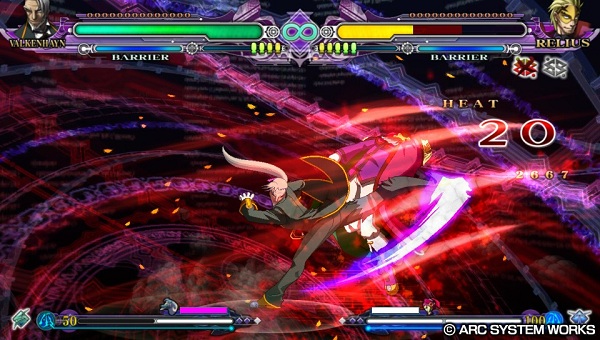
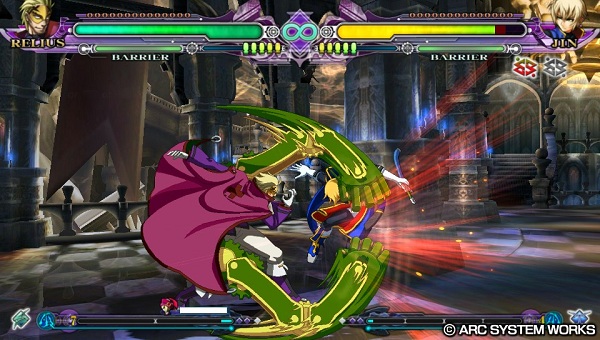
One of the biggest inclusions to the already impressive in length Story Mode is the fact that all of the characters which have been added into the game: Makoto Nanaya, Valkenhayn R. Hellsing, Platinum the Trinity and the brand new Relius Clover have a story mode of their very own, which not only provides further backstory for their characters but more presentation for other characters as well as they interact with the newly added cast of characters.
Another brand new addition is actually a bit of old content that should please those who have never played the first BlazBlue title, Calamity Trigger. Included with Extend is a re-mastered version of the Calamity Trigger storyline where players are presented the canon only storyline that contains all of the important events that occurred in the first game, making sure that no one is left in the dark.
And believe me; it is quite possible to be left in the dark with BlazBlue’s storyline. Under the best conditions, BlazBlue: Continuum Shift Extend’s storyline can be very convoluted and confusing, especially when certain characters have endings that are very different from one another. However it is thanks to the amazing presentation, in-depth story telling that, although confusing, still presents an entertaining journey and the extremely likable and expansive cast of characters that the game’s storyline is more than worth the price of entry.
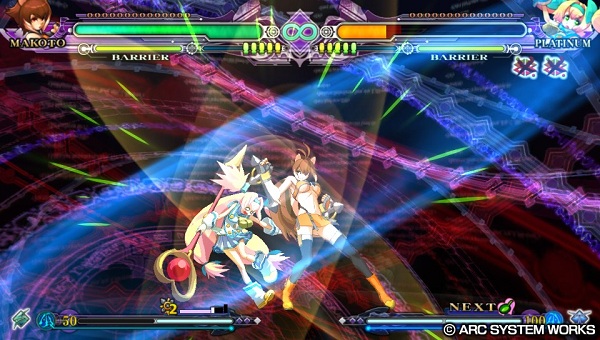
Visuals: While past versions of the BlazBlue series on portables have taken an impact as far as the quality of the graphics are concerned, none of those devices contain the capability of the PlayStation Vita. After playing multiple versions of BlazBlue over the years, it comes as a huge surprise that the Vita’s OLED screen presents some of the best possible graphics you could ever ask for.
The quality of the visuals presented at any given time are absolutely amazing and are easily on par with what can be found on the console versions of the same game. This is demonstrated perfectly when the opening animation plays and you are treated to a glorious animation featuring all of the characters present in the game itself. However the quality doesn’t stop there.
One thing that has always been pleasant about the BlazBlue series is how alive each stage felt as you battled on it, with something always moving in some backgrounds or just a high level of quality others. There is also absolutely no slowdown despite how hectic a battle can get at any given time and the high quality representations of the characters in battle. It is worth noting that nearly all of the returning characters still have the same experience and color options, though a few extra color options can be unlocked in the game’s Gallery Mode.
Audio: As with past versions of BlazBlue, BlazBlue: Continuum Shift Extend has an extensive story mode with hours of content, and every element of this story is given fully voiced dialogue with voice actors returning to reprise their once again, with newer characters finally given extended dialogues with their own storylines that have been added into the game. The voice actors provide a great job with their characters, and those who would rather hear the Japanese voice actors will be glad to hear that the entire game can also be played with the Japanese voice actors as well.
Besides the voice work for each character, the game still retains most of the same music which we have heard before from past BlazBlue games, which is great for fans but does feel a bit too recycled at this point in time. However the opening song that accompanies the opening animation is absolutely wonderful and something actually worth listening to each time the game begins.
Gameplay: At its heart, BlazBlue: Continuum Shift Extend is a very fast paced 2D fighting game. However beyond that lies a very in-depth and complicated controls system that can thankfully be dumbed down a bit for more accessible play. Now while other fighting games can be picked up and players can learn to play each fighter rather simply, BlazBlue offers a much different experience. First of which involves the large amount of characters included for this version of BlazBlue, with a total of 19 characters overall, the most that has ever been available for the series.
It is highly recommended that new players spend time trying out the tutorial, practice and challenge modes as these modes are the best way to hone your skills and take a chance at learning all of the characters different abilities or finding the character you like the best. The level of difficulty is compounded further by the fact that each character has special Drive attacks which are only used for that character alone, providing a new experience for each character on the roster. Finally, the game also contains very extensive combo attacks that can be very difficult to pull off for the untrained.
However there is a way to avoid this complicated control scheme and that is through the thankfully included Stylish mode, which will make performing special attacks, combos and even the devastating Distortion Drives can be performed without too much effort. Now while this does make things easier for new players, it also limits them to only a few specific attacks and doesn’t unlock the full potential for the character, providing a good balance between veterans and new players.
One of the most noticeable things about BlazBlue: Continuum Shift Extend when you start it up is the sheer amount of content that you are provided with upon start up. Now most of the modes included are those that have been included with past versions of the game, such as Story Mode, Score Attack Mode, Arcade Mode, Challenge Mode, and Abyss Mode, however there is a brand new mode as well, which will give you a great challenge. This mode is called Unlimited Mars mode and will put your skills to the test and your Vita’s durability for anger as you face off against extremely strong and smart AI opponents ready to beat you down for even entering such a mode.
Besides the wealth of single player modes available, BlazBlue: Continuum Shift Extend on the PlayStation not only offers ad-hoc play for facing off against friends locally in lag-free combat but also an online versus mode as well. Players should find this mode well populated with plenty of other players to face off against in a nearly lag-free battle that will extend this game’s longevity far past anything the single player modes could provide.
Now you may notice that there has been little to no mention of the PlayStation Vita’s special capabilities during this review, and that is due to the fact that there are barely any for this title. Players can use the touchscreen to view artwork and images in the Gallery Mode easier, however the main use of the Vita’s capabilities come from the option to use the rear touch pad as an extended controller.
If the player wishes, they can activate the rear touch pad of the Vita and map certain buttons to each section of the Vita’s touch pad. However this is a far from accurate gameplay choice as using the rear touch pad can be extremely inaccurate, especially in a game as fast paced as BlazBlue. Plus it is extremely easy to simply activate an unwanted attack simply by brushing one of the spots on the back of the Vita on accident, something likely to happen on more than one occasion.
Overall: Now while the amount of recycled content may put off those who already own past versions of BlazBlue: Continuum Shift, there is more than enough added content into BlazBlue: Continuum Shift Extend to warrant a purchase. With the exact same amount of content and quality that can be found in console versions of the game, Extend provides everything you could ask for and more from a fighting game, with plenty of single player content, active multiplayer and a legitimate and lengthy story. All of this makes BlazBlue: Continuum Shift Extend one of the best handheld fighters you could ever ask for.
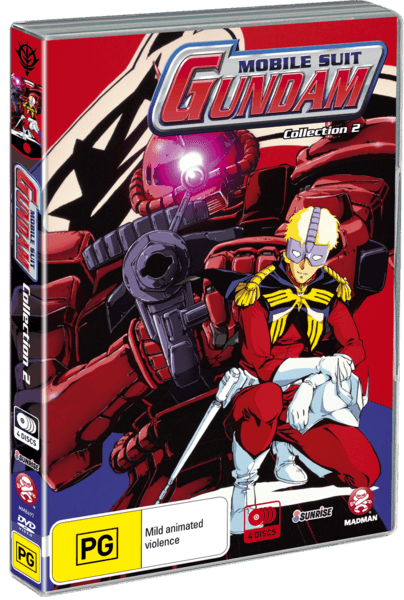
Mobile Suit Gundam Collection 2 Studio: Sunrise Publisher: Madman Entertainment Release Date: February 15, 2012 Price: $59.95 – Available here
Overview
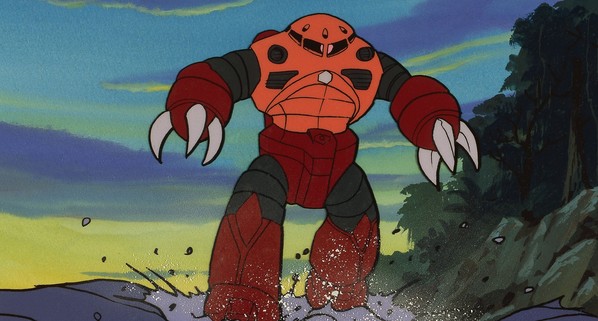
There is no doubt that the Mobile Suit Gundam series stands as a testament to the success of anime as an entertainment medium. The original series released in 1979 set the benchmark that would see the boom in success of the mech anime genre in the 80’s and 90’s. Countless sequels, spinoffs and even knock-offs flowed into the Japanese entertainment market, and Gundam became one of the biggest techno cultural icons of a generation. However, for all of its fame and fandom in the East, many anime viewers in the West are much less familiar with the origins of the franchise. Many viewers who became fans of anime in the 90’s, such as myself, were introduced to the Gundam multiverse in one of the successful sequels, like Gundam Wing, or G Gundam in Cartoon Network’s Toonami or on the odd free-to-air anime timeslots. DVD releases in the West of the original series now have the potential to change this.
Regular readers of Capsule Computers would recall that I reviewed Mobile Suit Gundam Collection 1 in late 2011. Now the second of two collections has finally made its way onto DVD to finish telling the Story that Collection 1 began.
Story
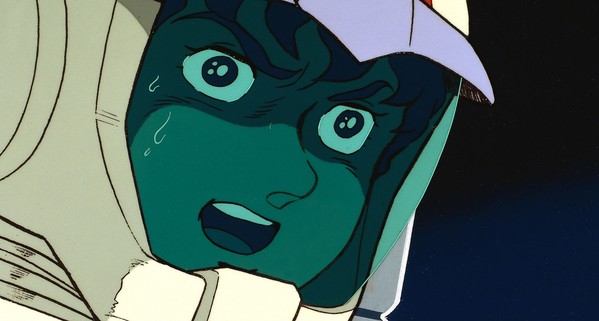
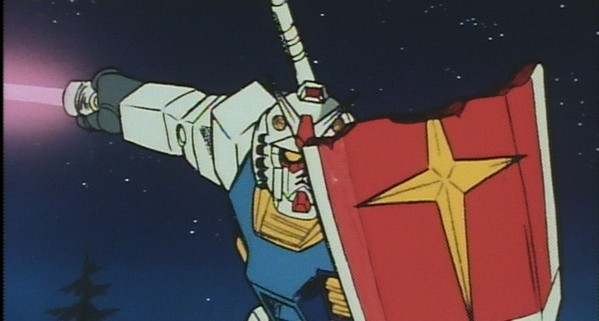
Several months have passed since the series hero Amuro Ray first took up the controls of the Mobile Suit codenamed: Gundam. In those past few months he has experienced both triumph and loss, as both friends and enemies lost their lives to the War between Zeon and the Earth Federation. Now acting as a fully-fledged solider of the Federation, Amuro, and his friends aboard the prototype warship White Base must now play a part in ending the conflict for good. He and his friends have improved their skills as pilots and are now dedicated to seeing Zeon defeated. However, Amuro’s arch rival Char Aznable has also improved, and has stumbled upon a power that will send ripples throughout the Gundam Universe for years to come. The advent of the new race of human beings called ‘Newtypes’ suddenly changes the focus of the series off the ongoing war, and into a philosophical and ideological struggle for the main characters.
I feel the story portrayed in Collection 2 of the series deserves credit for advancing the story at a much better pace than the first collection. While the story presented in the first half was good, the flow was disjointed at points and the overall progression from the grassroots story into the real heart of the war was painfully slow at points. This second collection starts off in the midst of the action. The story flow and advancing stages of the war are better paced and the rapid movement of events serves to increase the tension of the series. However, the later acts of the series felt like they happened to quickly and could have been better spaced out in the screen time that many of the earlier episodes seemed to needlessly consume.
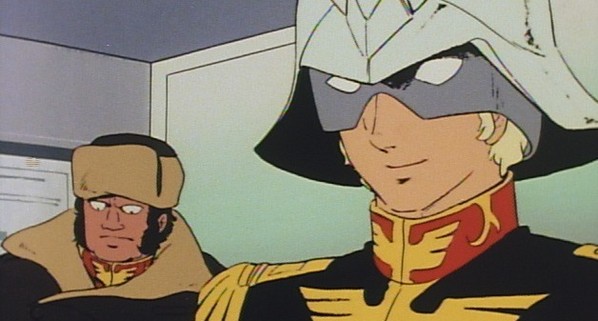
There is quite a bit of character development to be seen, but most of it is done by the 2 lead characters: Amuro and Char. Sure, there are scenes where supporting cast members like Kai Shiden have their own characters explored, but the central focus is placed on Amuro, Char and a chance meeting with a mysterious girl and a strange power that awakens in both of them. While the war is never really forgotten, the focus of the anime shifts rapidly towards the idea of humanity evolving into Newtypes. It becomes the centre of the conflict between the main protagonist and main antagonist. Overall the story is still enjoyable and intriguing, but viewers will have to be prepared to adjust themselves when the pacing starts to fluctuate. Remember to watch with an opening mind and consideration for the fact that this series has aged almost 35 years.
Visuals
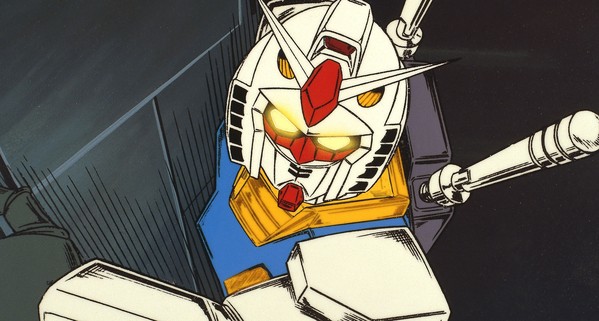
Despite the slight rushed tone of the story closer to the finale of the series, thankfully, the visual standard was not representative of that. From beginning to end, the series retains its colourful, but surprisingly well defined graphic style. The level of detail applied to the Mobile Suits and action scenes in particular were the most enjoyable to watch. I will still admit that the bright colour is still perplexing, and that where detail went into the graphical design of the mobile suits and effects, the same could not be said for character models. One particular case of this is a Federation officer named Matilda. A lady whose hair may have just as well been spray painted in MS paint in a single monotoned, undetailed faded red. Again, this is a sign of the limitations of the technology at the time, but I feel that even with a re-release that some visual touch-ups could have been made to the character models.
Minor complaints aside, the visuals do a very good job at portraying the original Gundam universe. The screen never seems too overloaded with visual information, which is good, and allows viewers to follow along with the pace of what exactly is going on. In contrast to the gritty metallic confusion of scenes that makes up the Transformers movie franchise, you can always tell what’s going on with these mobile suits. While it still retains the visual style of an anime that may seem far too old for this day and age, it still stacks up as a reminder of a series’ more humble beginnings.
Audio
Although both DVD re-releases of the anime have made efforts to retain elements of the original series, I feel that the audio applied to the show could have undergone some changes. Namely some of the musical scores. Even after the entire series, I still can’t get used to hearing that original Gundam Theme Song. It seems far too upbeat for a series that is centred around the concept of war and loss. While the sound effects are well appropriated and in fact very unique (such as the ‘Newtype-sense’ riff) much of the soundtrack just sounds decrepit. However, it still performs it’s function well enough to invoke the intended emotional response from the viewers. As mentioned before, the most epic battle music is reserved for clashes between Char and Amuro. As long as a series is able to establish that sort of subtle connection, it will retain its viewer base.
Like the previous collection, I have to reinstate that the character voice acting in the second series collection is a massive mixed bag. While some characters have awesome voice-work to compliment them, (such as Char, Sayla and Bright Noa), other characters, particularly amongst the main cast have had their English translations made long-winded and unnecessary. The voice of the main character Amuro, as done by Gundam veteran Brad Swaille, is decent enough, but characters like Kai Shiden I want to gaffer-tape their mouths shut. However, the voice actors can’t really be at fault for the translations. Meaning and context unfortunately can’t be perfectly carried over language barriers. It is by no means a series breaking issue, though it does get a little irritating to listen to over and over again. Let’s just say I get very disappointed when certain characters have the potential to die but ultimately don’t.
Extras
Like many Madman published anime DVD’s, Mobile Suit Gundam Collection 2 comes with the option to watch the show in the original Japanese dub, and in English. This is an interesting feature for anyone who wants to either watch the show as it was intended and created, or for anyone that just got plain sick of some of the English voice acting, especially by the support cast. Like the last collection, the 4th disc also contains a trailers section that advertises 5 OTHER Gundam series and a few other pieces of anime.
Overall
While I feel that the story flowed at a much nicer pace in the second collection, I feel that the overall appeal of the series was lost slightly over the time between the 2 collection releases. The main problem is the sudden change in pacing. It felt as though the story took too long to get started with the real conflicts that appeared later in the series. Conversely, when it finally did reach the climatic battles close to the end, the conclusions felt too fast, as though the ending few episodes were rushed. This was also unfortunately complimented by some very mixed VA work. Again, this is reflective of the time in which the original anime was released. Don’t get me wrong, the series still stacks up quite well, but perhaps not as well as it did in 1979. But, as every person has an ancestor, and the greatest tree needs a seed to grow, the original Mobile Suit Gundam series provided the necessary groundwork for the mech genre and Gundam franchise to grow and evolve into the anime cultural icon it is today.
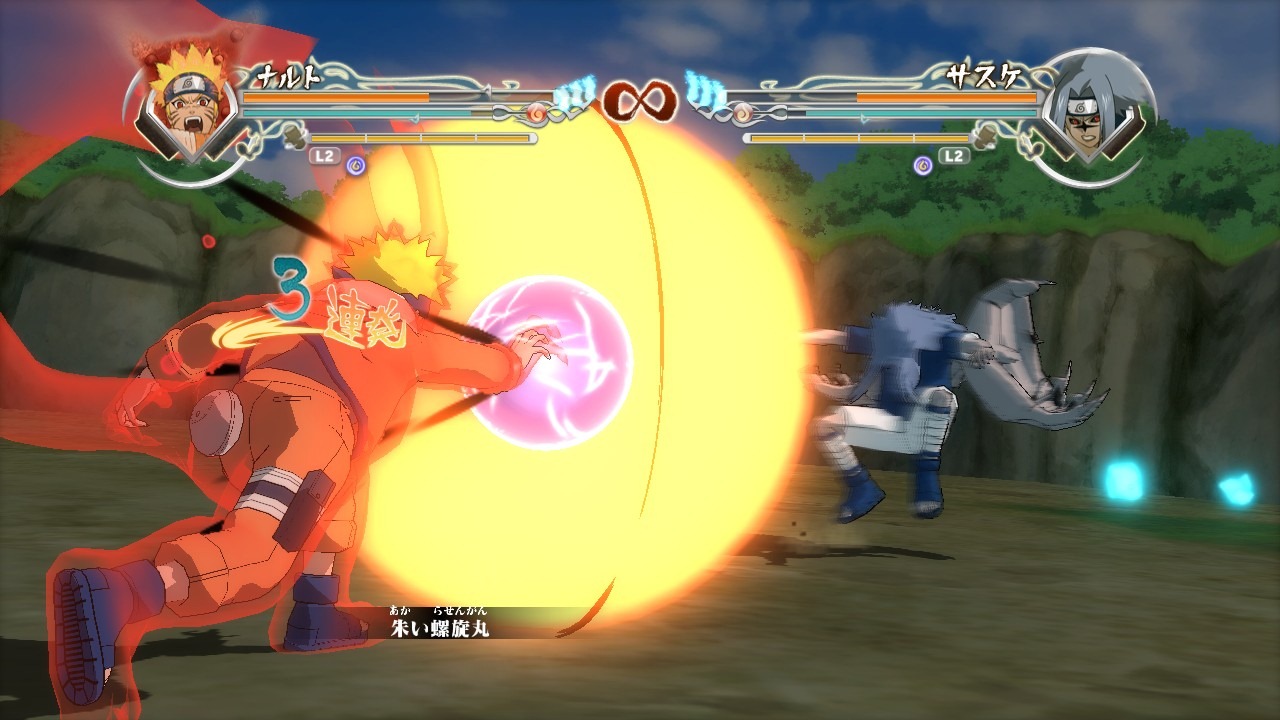
Namco Bandai Games have now released the demo for the upcoming Naruto Shippuden: Ultimate Ninja Storm Generations. The demo for the latest instalment in the Naruto Shippuden: Ultimate Ninja Storm series is available now on the Xbox Live Marketplace and the Playstation Network.
The demo focuses on the single player aspect of the game (story mode) and gives players a chance to duke it out against some of Naruto’s biggest rivals; Sasuke, Pain and Madara.
Naruto Shippuden: Ultimate Ninja Storm Generations is set for release on the Xbox 360 and Playstation 3 on the 29th of March, 2012. Be sure to pick up the demo now to get a taste of the ninja action early. Let us know what you think of the demo in the shoutbox and comments section.
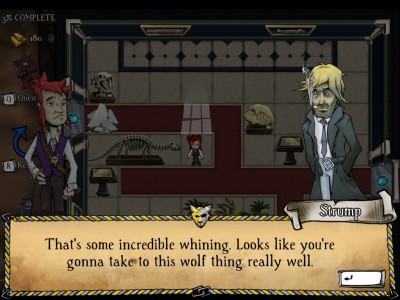
Who doesn’t love a good witty adventure-puzzle game? Well if you are one of those who love a good challenge coupled with some funny dialogue, MacGuffin’s Curse may be the perfect game for you. The game is based around Lucas MacGuffin, a magician/thief/werewolf, whose powers came to him when he accidentally binds himself to an ancient amulet during a museum robbery. Bugger for him.
Stuck with some supernatural powers that are a bit of a bother, Lucas has to make his way through a series of puzzles, bring down a terrifying criminal mastermind, and deal with a wise-cracking daughter to top it off. MacGuffin’s Curse makes use of beautiful hand-drawn art, an unforgettable cast of characters, an awesome soundtrack, and a great story line.
And in case that isn’t enough to convince you that this is an app worth looking out for, MacGuffin’s Curse also won Best Game Writing award at the Freeplay Independent Games Festival.
MacGuffin’s Curse is set for release on April 19th 2012 on iPhone, iTouch, iPad and Mac. For more information on the game leading up to the date keep tuned to Capsule Computers.
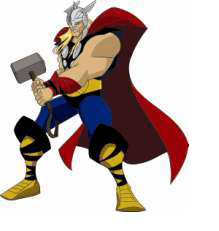
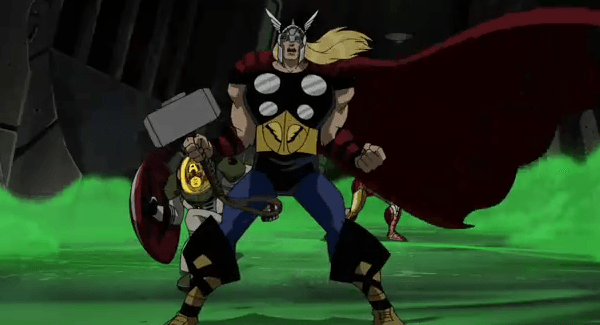
May 2nd marks the release of the 4th volume of the Avengers animated series, titled Thors Last Stand. The Dvd is being sold by Magna Home Entertainment for $19.95 at most retailers.
Worry not, lovers of Thor, for he is back in VOL 4 with the help of THE AVENGERS to fight against his evil brother Loki. When the ruler of the Dark Elves, Malekith, opens the casket of Ancient Winters, the world is thrown into an ice-age and causes a global shivering chaos. THE AVENGERS team, scattered amongst the nine realms, are fighting their own battles in an attempt to get back to Asgard with the sole purpose of saving Earth and reality.
I think that all Marvel fans will rejoice in the launch of this disc, and as a fan of Marvel myself, I can’t wait to take a look at it.