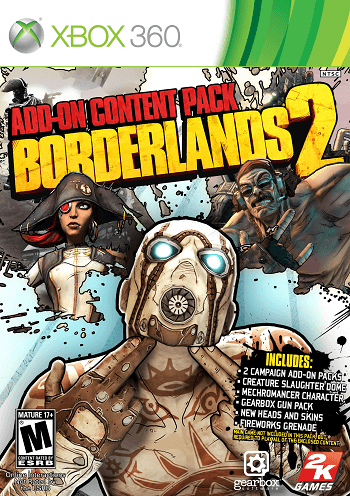
It looks like 2K Games and Gearbox Software are going to continue on the tradition of releasing their Borderlands DLC in physical form. Today it was announced that Borderlands 2’s first two DLC packs, Captain Scarlett and Her Pirate’s Booty and Mr. Torgue’s Campaign of Carnage add on DLC, the reviews of which can be found here and here respectively.
Besides those two DLC packs the fifth playable character, Gaige the Mechromancer will also be given to anyone who buys this retail pack. Not enough for you? Well the Creature Slaughter Dome battle arena, Mad Moxxi’s rare rocket launcher, the Gearbox Gun Pack and Skyrocket Grenade will also be included in this physical release. To sweeten the deal a little more, a few additional skins and heads and an extra Golden Key is also included. Keep an eye out for this pack on store shelves on February 26th when it goes on sale for $29.99.
EA have revealed a brand new trailer for the hotly anticipated video-game golfing phenomenon Tiger Woods PGA Tour 14. The latest trailer focuses heavily upon the Legends of the Golf Majors that will be a part of the the game.
Golf fanatics will be pleased to see their favourite legendary golfers present as part of the line-up of Legends of the Golf Majors. You can check out the video below to see if your favourite golf hero is featured in Tiger Woods PGA Tour 14.
What do you think of these legends in Tiger Woods PGA Tour 14? Let us know your thoughts on this in the comments section below.
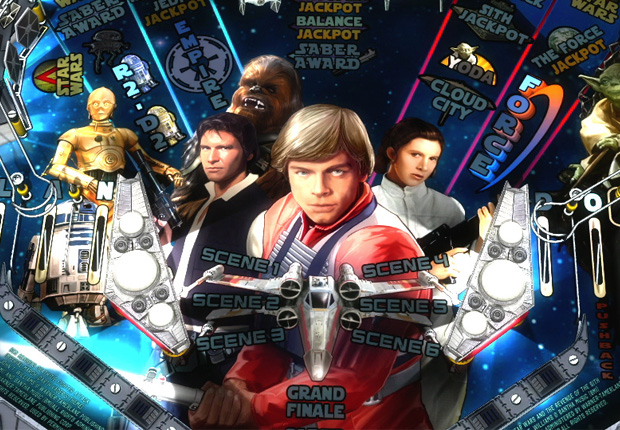
Zen Studios known for their legendary Zen Pinball series, has announced that the Star Wars franchise will be getting the Zen Pinball treatment under the title of Star Wars Pinball.
The new title Star Wars Pinball will be available on a variety of digital platforms and will feature 3 different pinball tables based upon different events in the Star Wars chronology such as Star Wars Episode V: The Empire Strikes Back, Boba Fettand Star Wars: The Clone Wars.
Star Wars Pinball hits digital platforms this month. Will you be picking up Star Wars Pinball? Are you excited to adventure into the wild world of Star Wars through the exciting medium of pinball? Let us know in the comments section below.
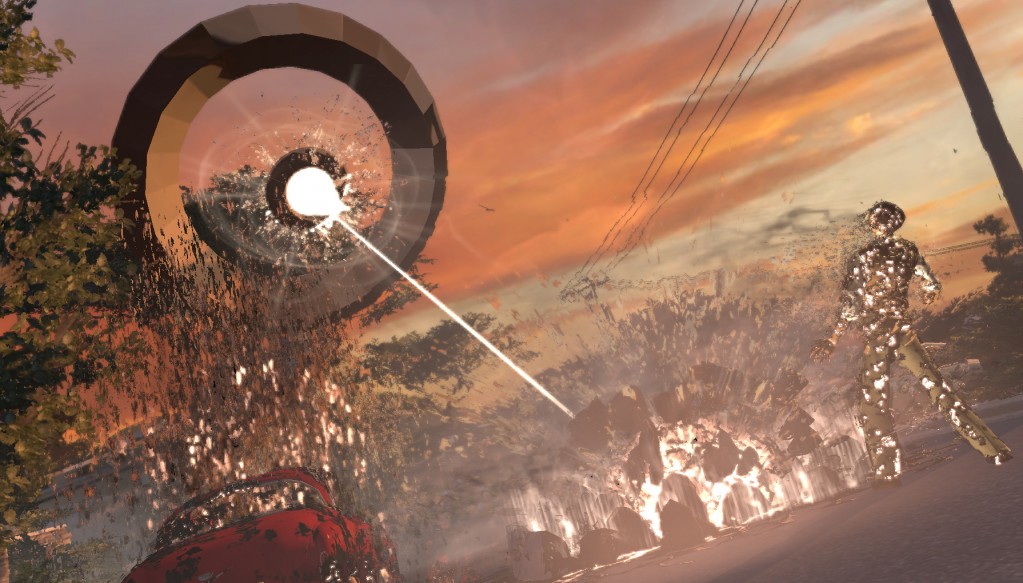
Remember XCOM? No not XCOM: Enemy Unknown which was released successfully last year. XCOM the FPS game that was shown off back at E3 2011. Well, ever since people got extremely angry about the game it disappeared from the public eye for the better part of a year and a half.
Well today 2K Marin and Take-Two revealed that the game is indeed set to still be released, though it is currently set to be released during the 2014 Fiscal Year which runs from April 1, 2013 until March 31, 2014. This news comes from a financial call today from Take-Two in which the company stated that “2K Marin continues to make progress on XCOM.” In case you want a little refresher course about what the game used to offer, you can check out our quite old impressions of the game when it was shown at E3 2011 here.
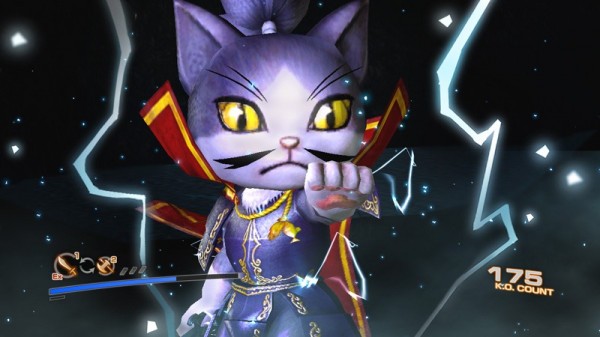
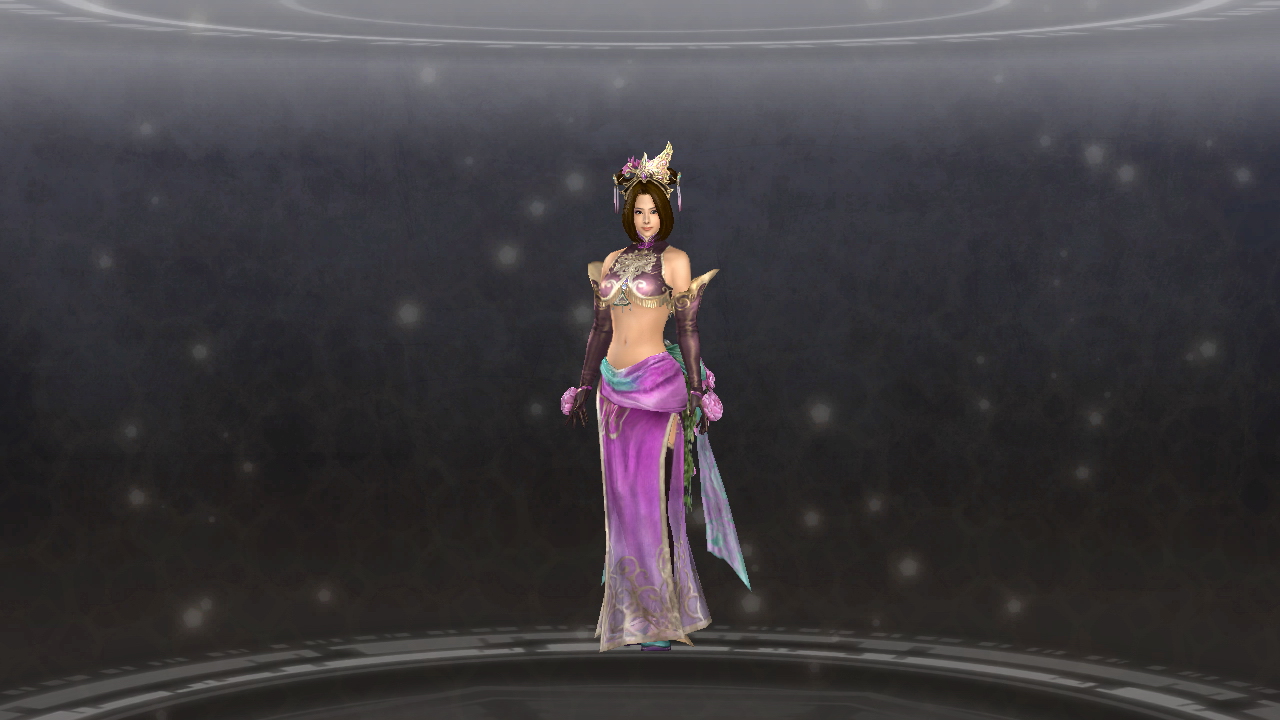
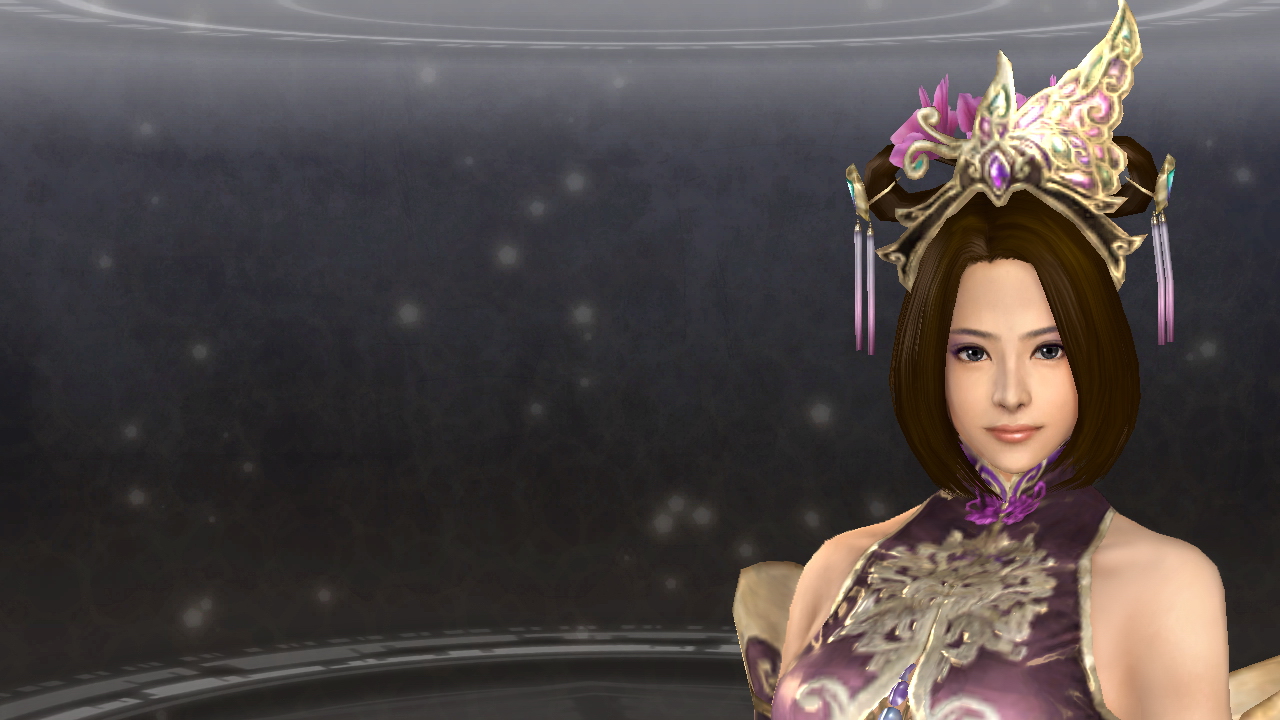
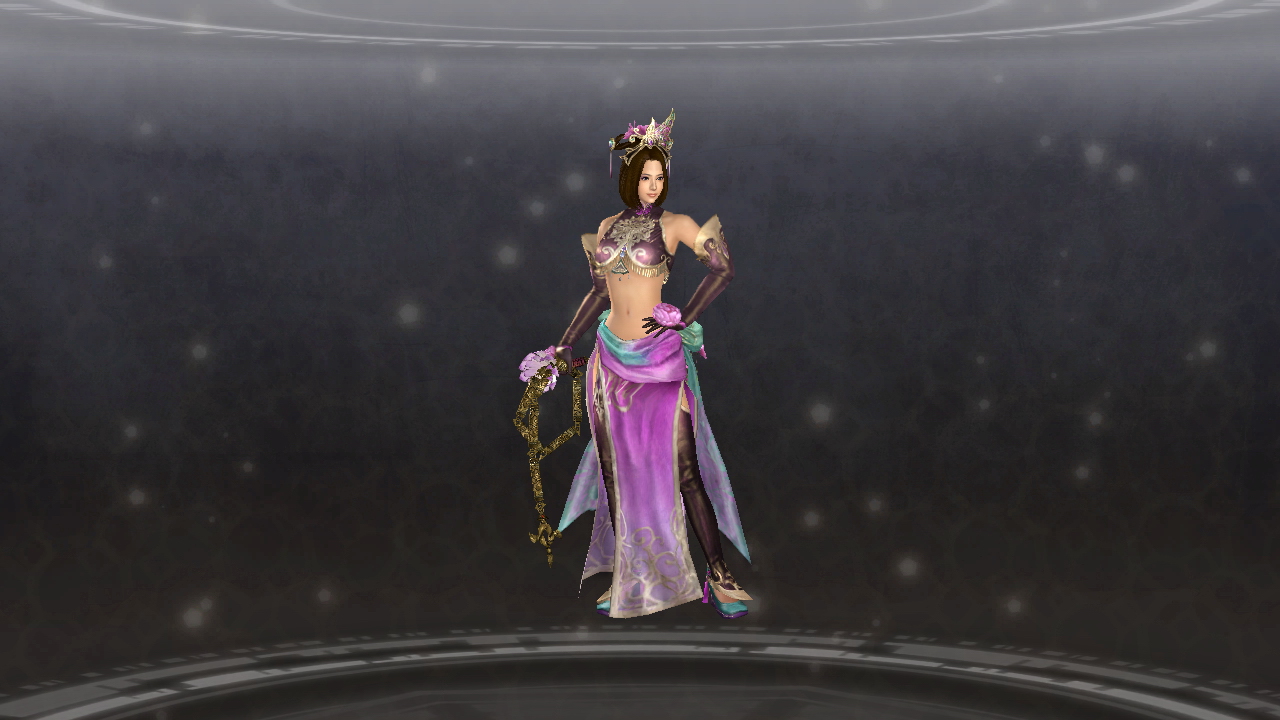
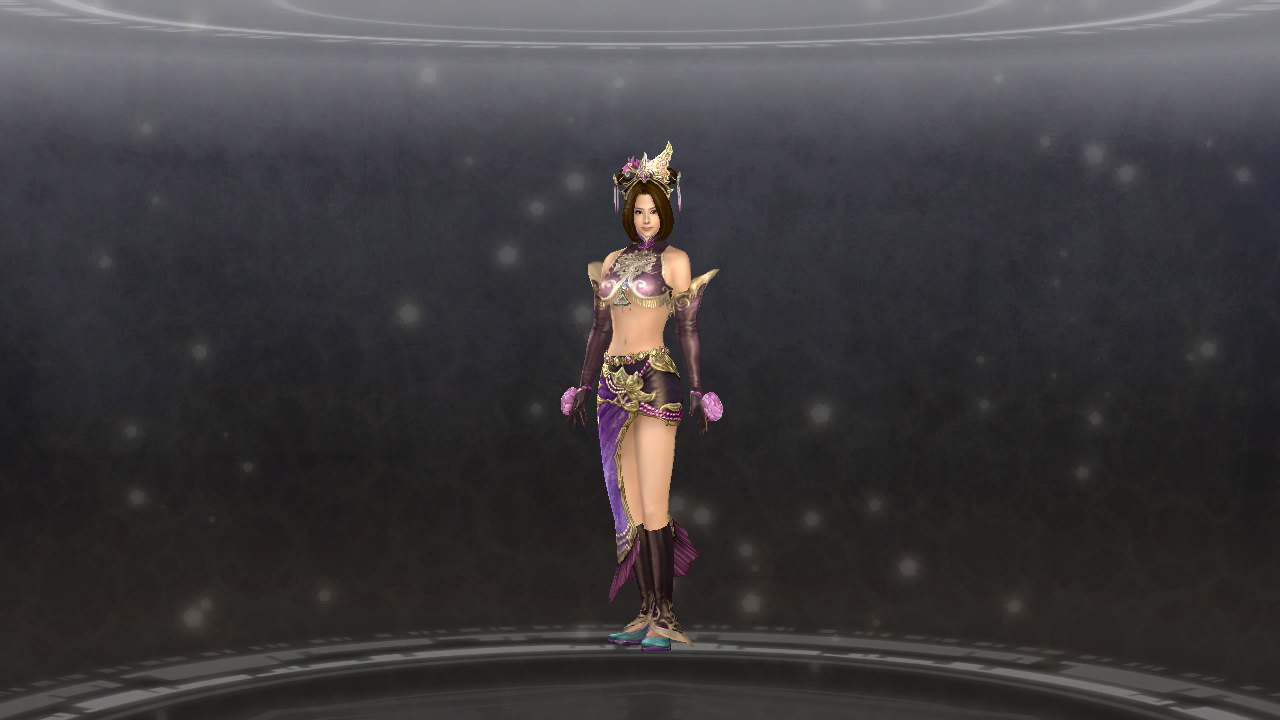
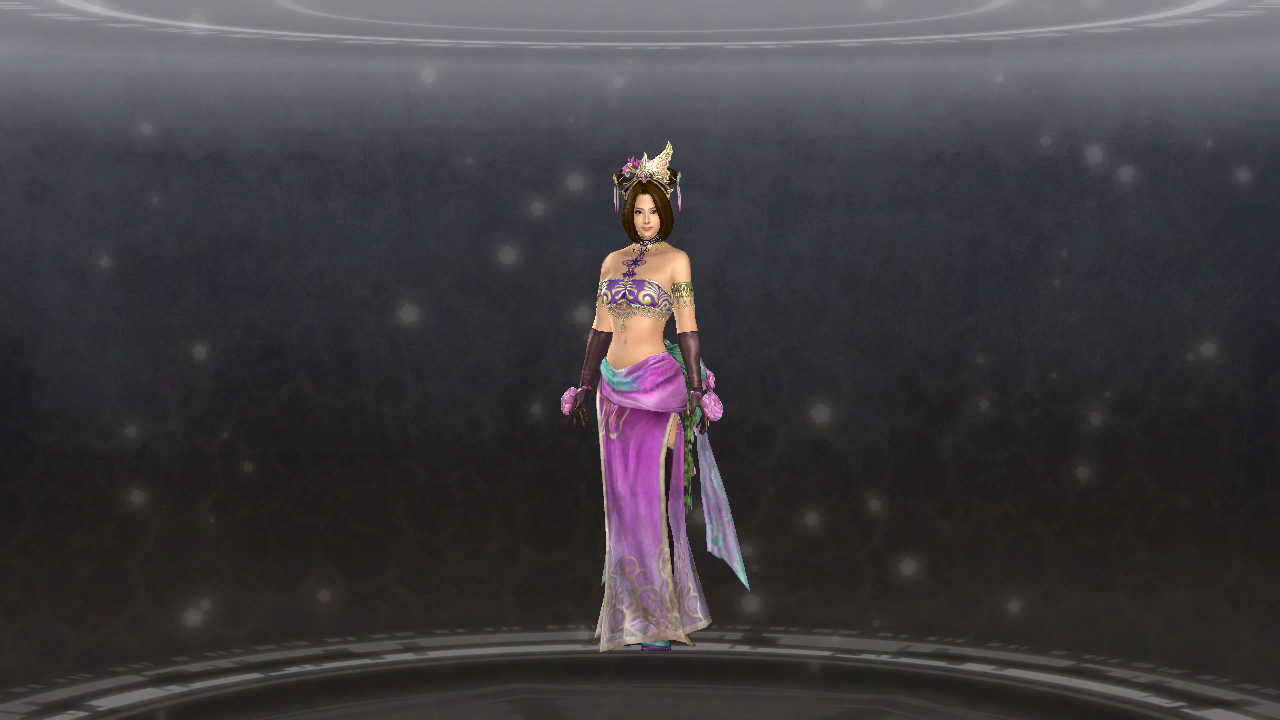
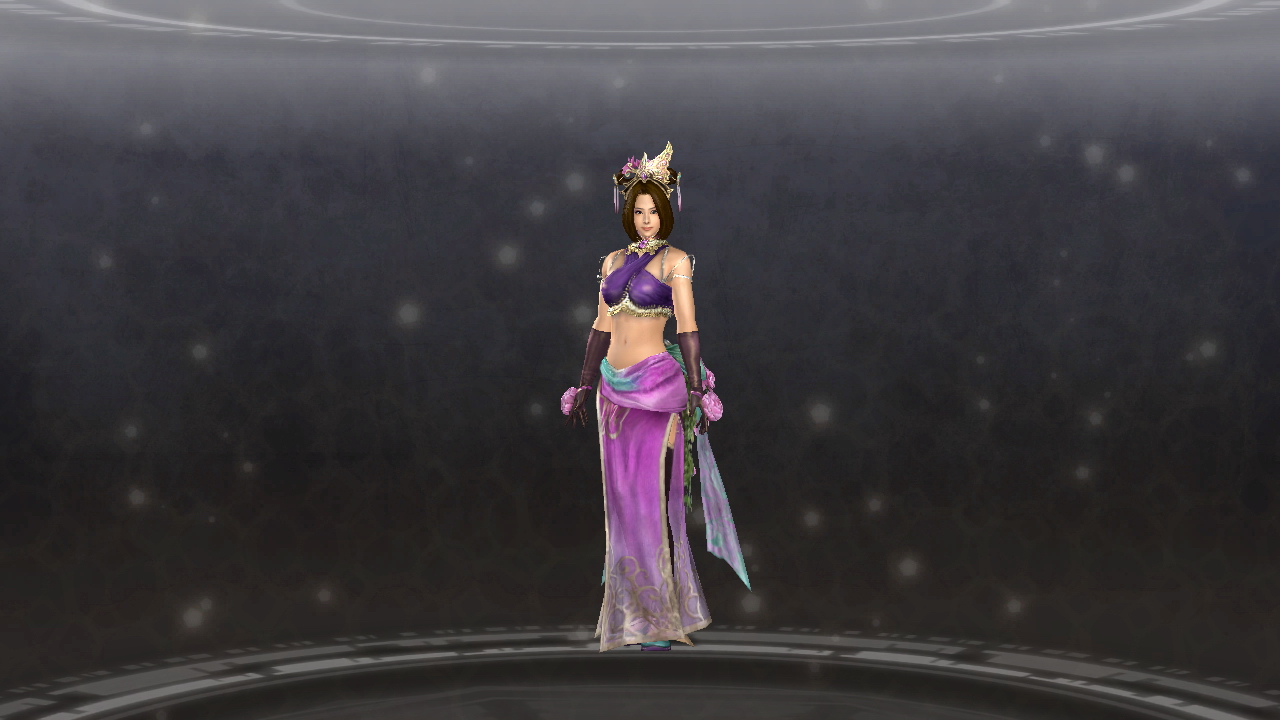
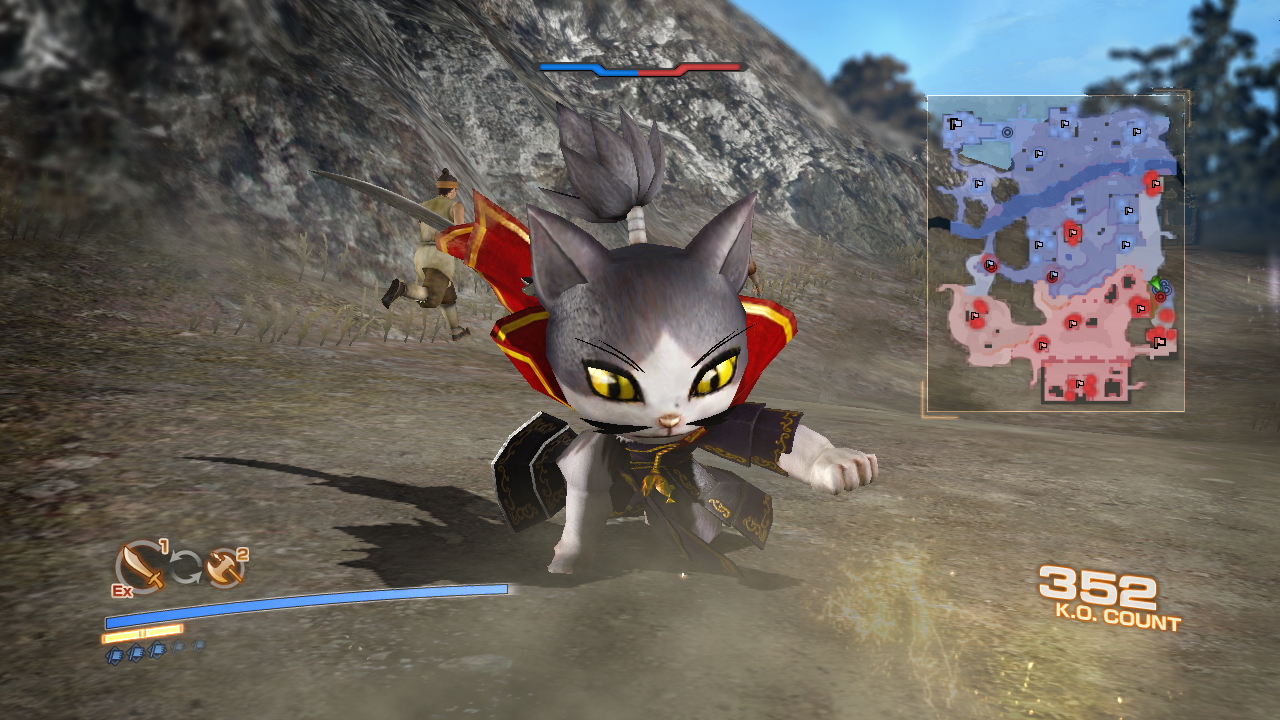
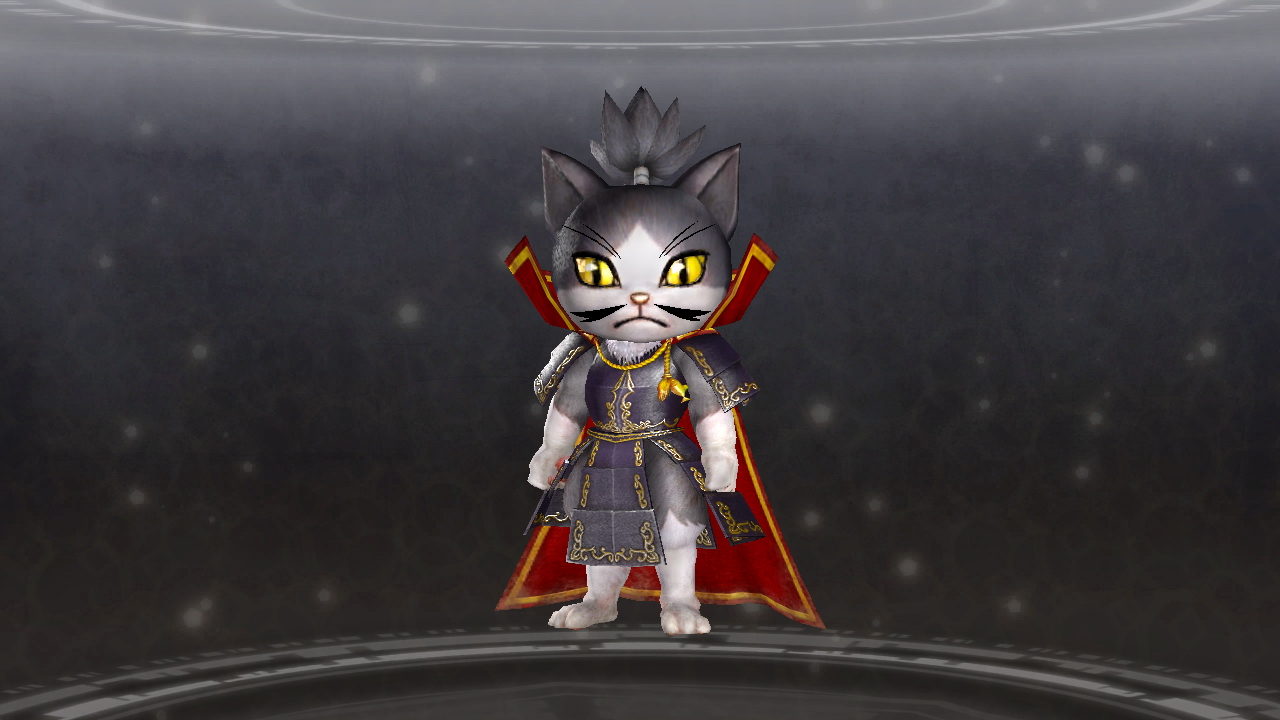
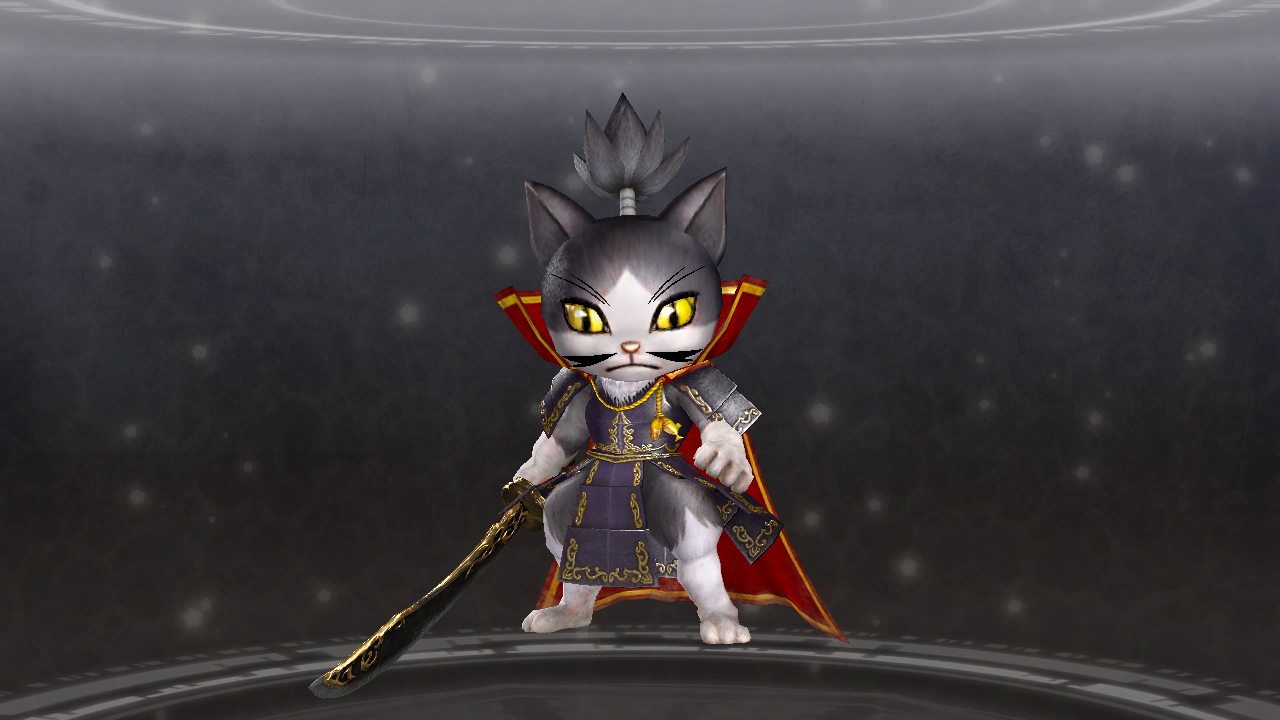
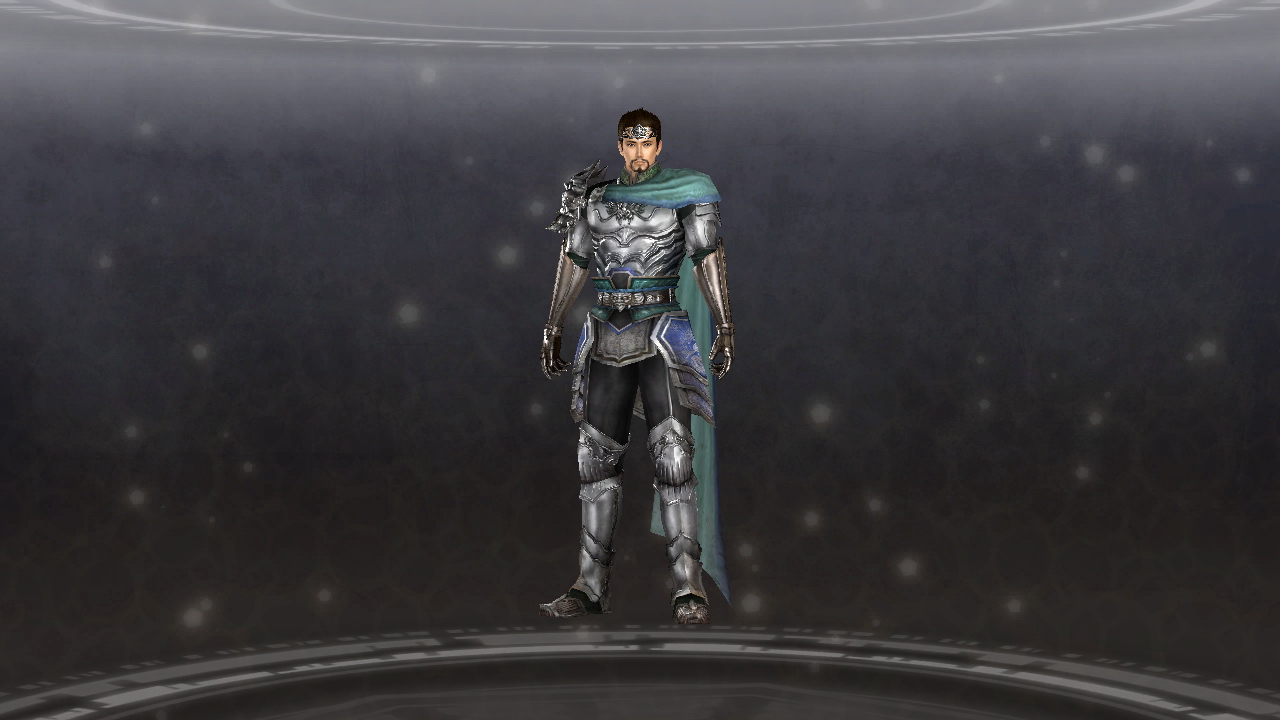
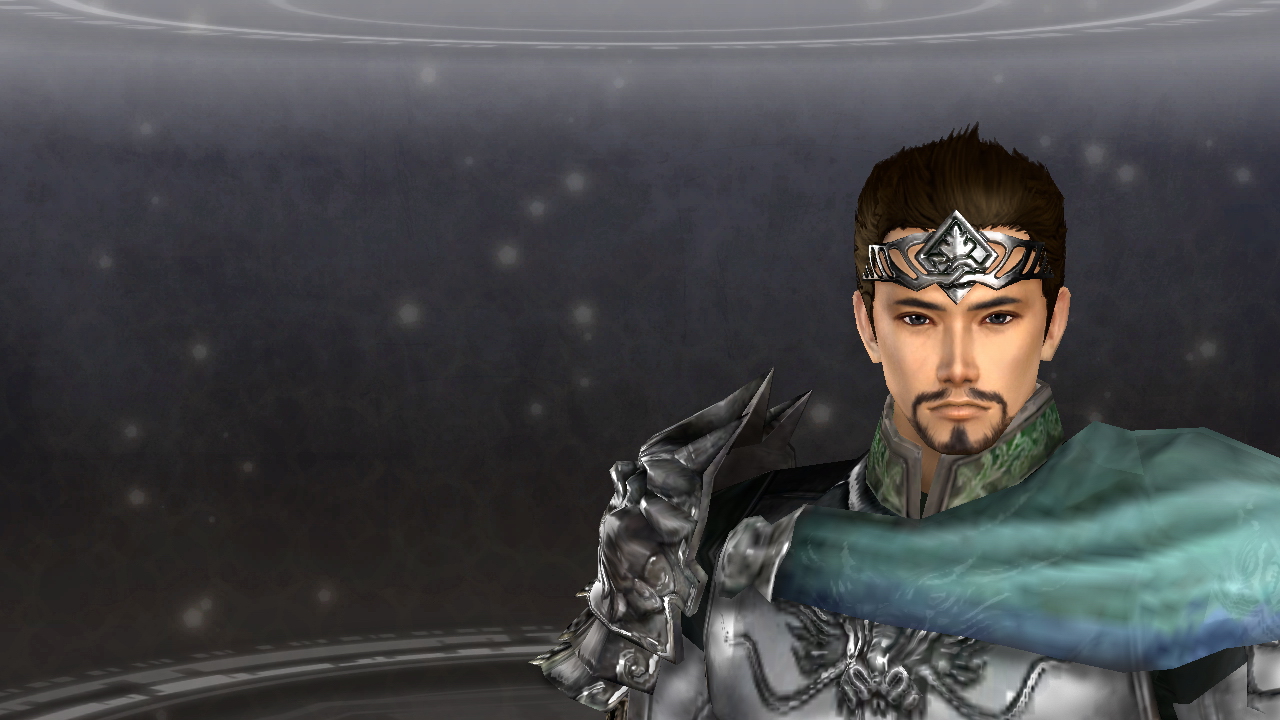
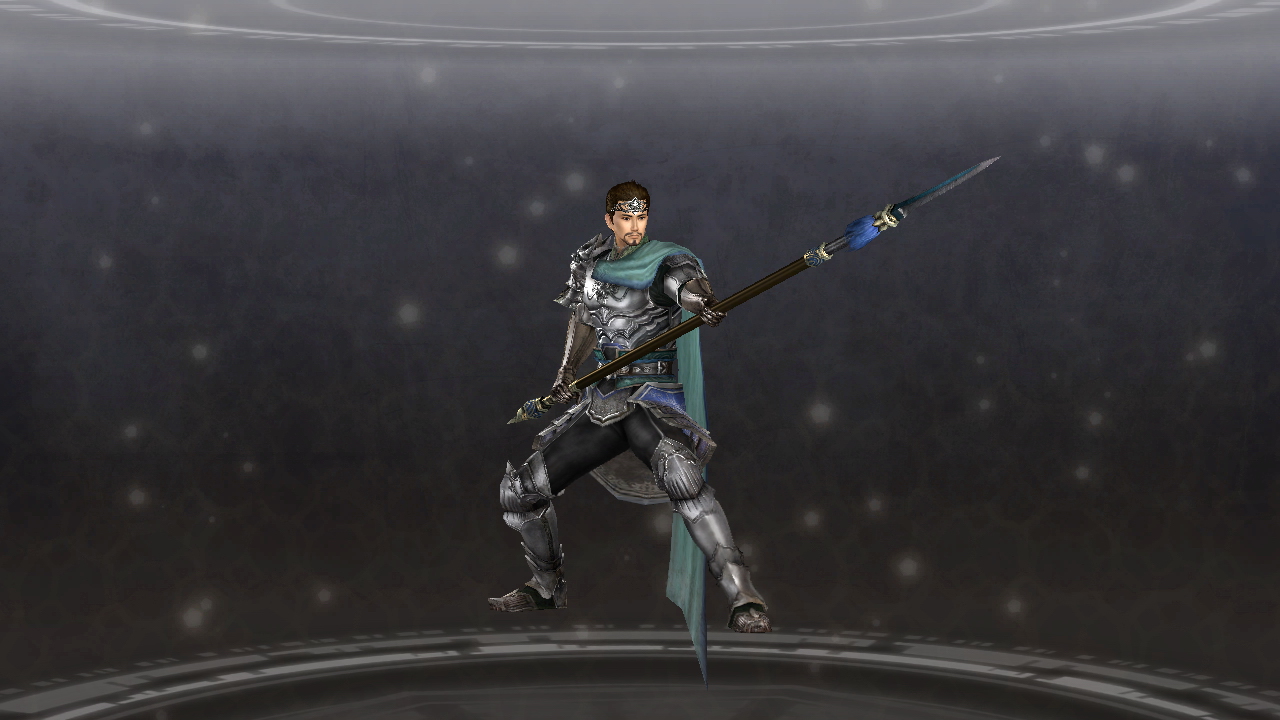
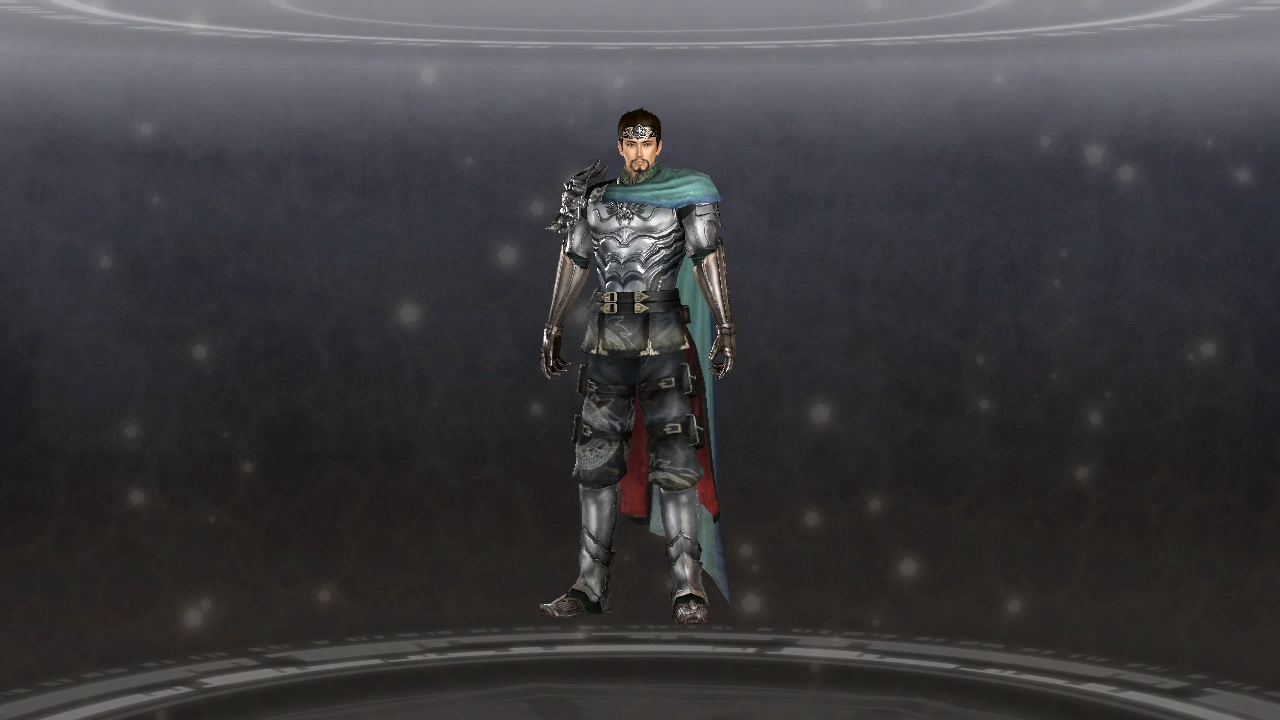
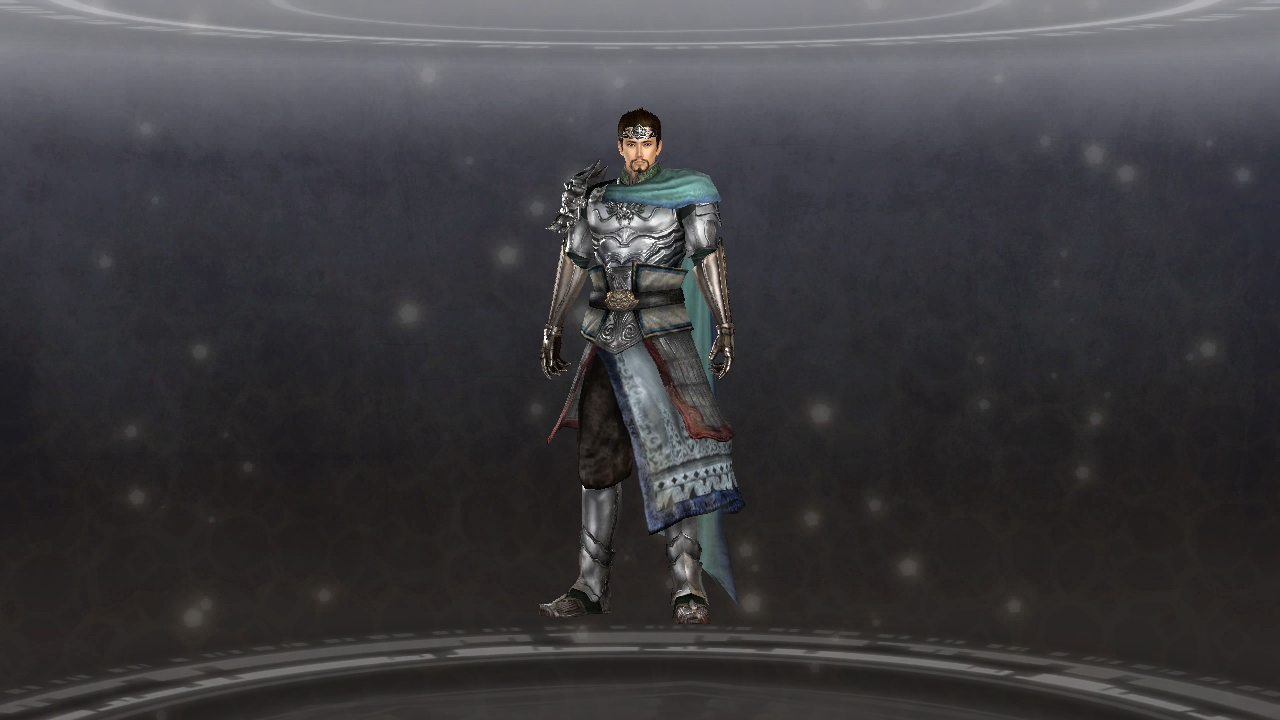
Today Tecmo Koei Europe detailed the pre-order bonuses for Dynasty Warriors 7 Empires which will be released exclusively on the PlayStation 3 on February 22nd. Those who pick up the game in the UK will be able to pre-order the title from GAME and receive DLC that includes outfits for Diao Chan, Zhao Yun and the Nobunyaga costume which is the feline version of Samurai Warrior’s main-stay Nobunaga Oda.
It is also worth noting that with the newly improved Edit Mode so you will be able to still create a warrior of you’re choice if you don’t feel like playing as one of the famous legends from the Romance of the Three Kingdoms. In case you’re curious about what the pre-order bonuses look like, you can check ’em out in the gallery below.
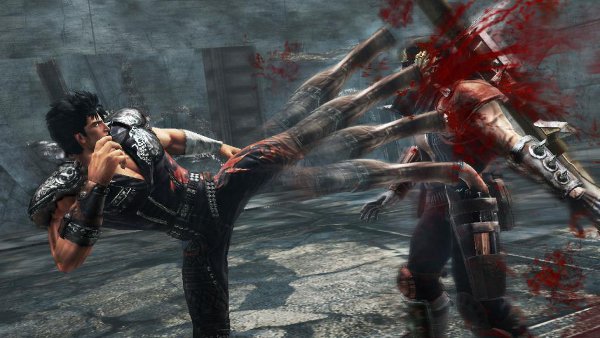
If you’ve been looking forward to a bloodier version of you’re standard Dynasty Warriors game or if you happen to be a fan of the First of the North Star series, then you’ll be happy to hear that Fist of the North Star: Ken’s Rage 2 has been released onto the Xbox 360 and PlayStation 3 and will be available on the Wii U as a digital download on February 7th.
To go along with the game’s release this week Tecmo Koei released an impressive four minute long video which you can check out below. This video shows off all of the various enhancements and features that have been added into Ken’s Rage 2.
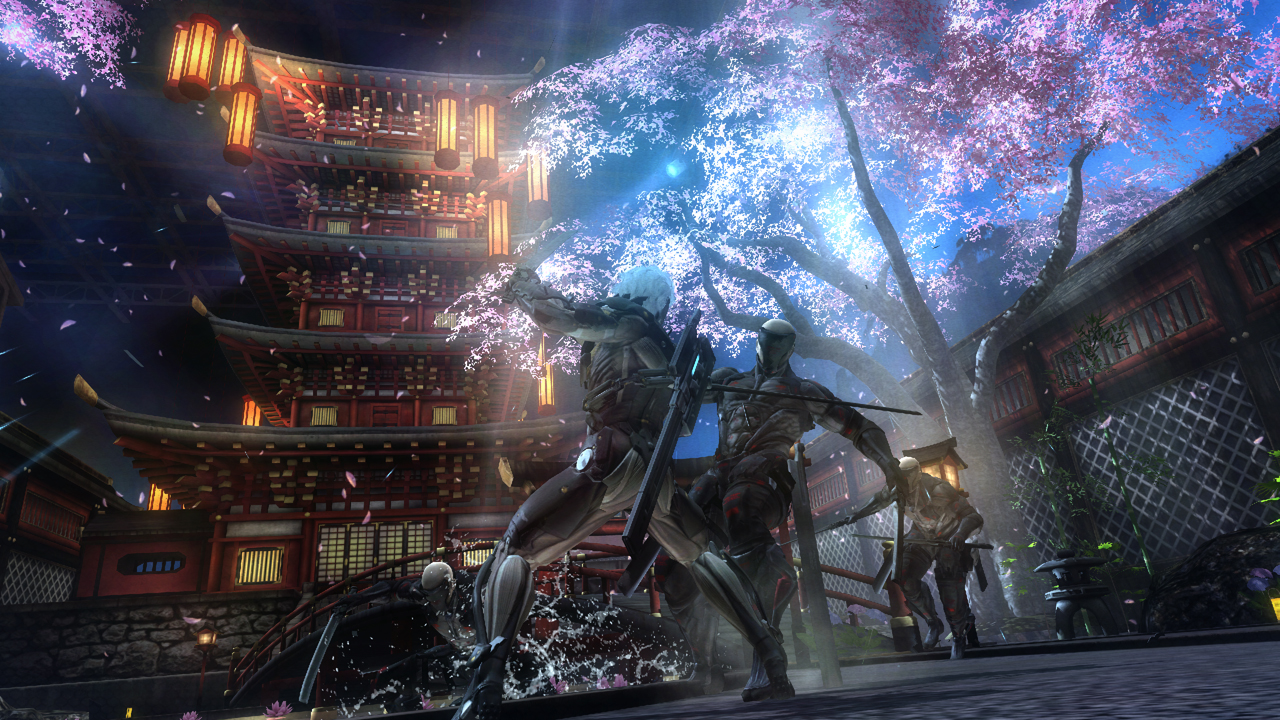
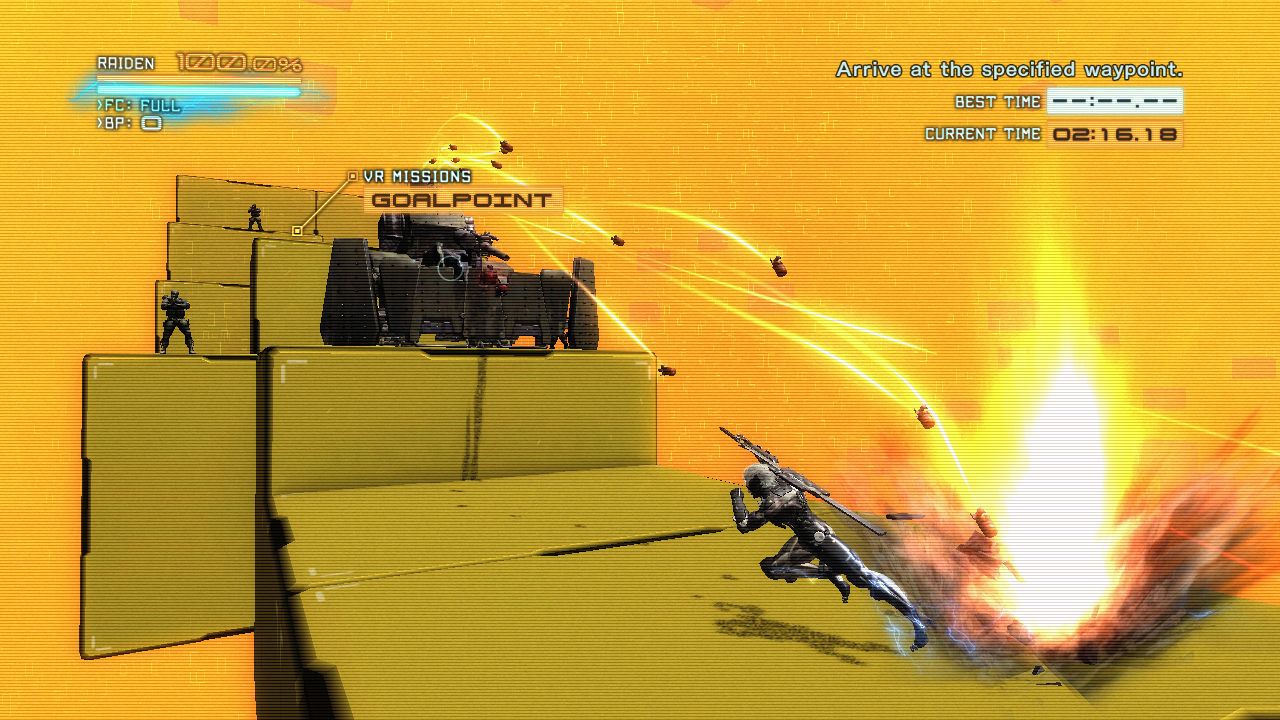
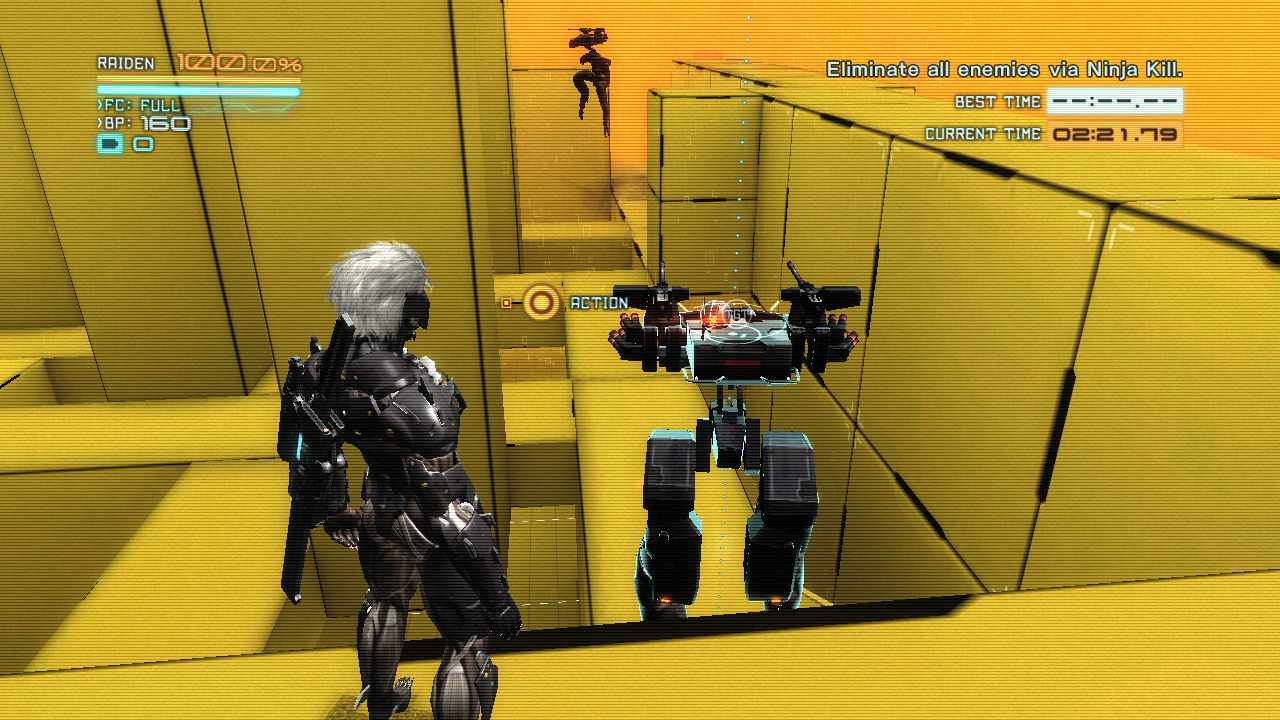
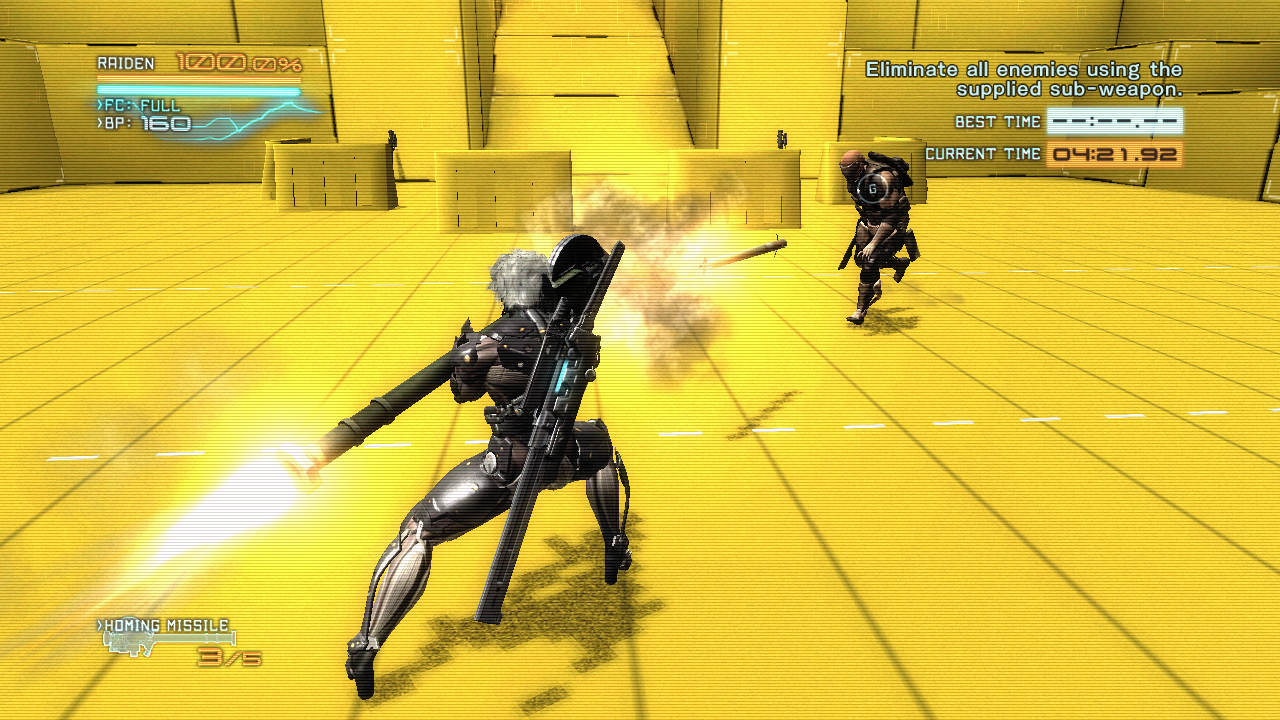
Today Konami released a bit of information concerning Metal Gear Rising: Revengeance. First of all, the PlayStation 3 version of Metal Gear Rising: Revengeance will feature 30 exclusive downloadable Virtual Reality Missions for Raiden to slice his way through. These missions are only exclusive to the PlayStation 3 in Japan and North America while gamers in Europe will be able to access this content on both the Xbox 360 and PlayStation 3.
The company also revealed two new gameplay trailers called the “Unmanned Gears” and “Unique Weapons” videos. Check ’em out below and keep an eye out for Metal Gear Rising: Revengeance when it is released on the PS3 and 360 on February 19th.
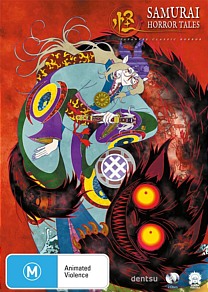
Ayakashi Samurai Horror Tales Studio: Toei Animation Publisher: Siren Visual Format:DVD Release Date: January 24, 2013 Price:$49.95 – Available Here
Overview:
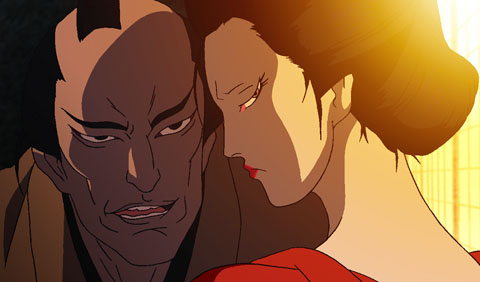
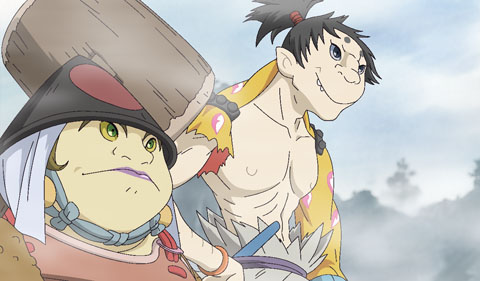
Samurai Horror Tales is a collection of three stories that although are distinct, yet still have a great deal of underlying consistency in their demeanor and narration style. Two of these are based on old Japanese plays, namely the first two stories: Yotsuya Ghost Story and Goddess of the Dark Tower. The third story is an original developed for this anime, titled Goblin Cat, which would subsequently spawn its own spin-off series that was recently picked up for localization.
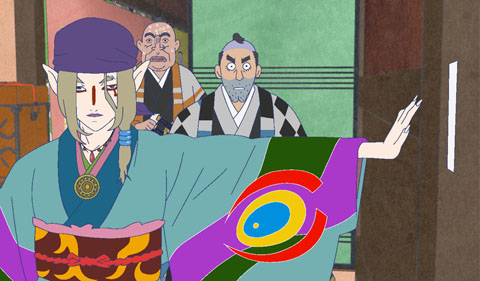
Each of these stories is spread across 3-4 episodes each, presented as separate volumes that together make up the Samurai Horror Tales. It’s an interesting project, especially since it features anime interpretations of two well-known and renowned Japanese theatrical productions. The main star of the series however, can be seen in the promotional materials and even on the packaging of the release itself, the original story Goblin Cat.
Individually these stories are meaningful, but the execution leaves much to be desired, and also the realization that not all stories, as compelling as they may have been during their time, have timeless appeal.
Story:
Yotsuya Ghost Story kicks off this collection by retelling a very popular and well known Japanese ghost tale that was adapted into a play during the 18th century, while it provides a run of the mill anime adaptation, it also breaks the fourth wall in a rather peculiar fashion by having the original writer of the play, recreated as an anime character, explain the process and inspiration that went into writing this play as well as serve as the narrator. It feel s very odd to have that element thrown in, especially when you see him provide random trivia. It somewhat dampens the impact of the actual play itself, almost feels like watching a documentary of it rather than witnessing a proper self-contained story.
The story of Yotsuya itself revolves mainly around love and betrayal, mixed with supernatural psychological elements. What’s interesting about it is that while it is essentially meant to be a ghost story, what it really does is delve into the human psyche of guilt and remorse. You have the main antagonist seemingly ‘haunted’ by the ghosts of his sinful past, but what it really does is portray the immense guilt and fear in his heart, so immense that it sends him into a psychotic state of paranoia and delusion. You won’t realize this the first time you watch it, but for a ghost story it sure has a funny way to tell you that ghosts may just all be ‘in your head’. It’s an interesting story for sure, but the narration style and character development feels rather rushed and campy by today’s standards. However it is frightening, especially if you are superstitious or are afraid of rats…
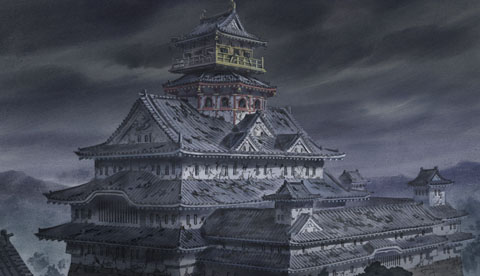
Goddess of the Dark Tower is a classic forbidden love story, and oddly enough, while Yotsuya portrays the dire consequences of betraying your spouse and your loved one for selfish reasons, Goddess of the Dark Tower seemingly tries to justify the very same thing. It’s a tale of a human and a god caught up in a love that is both forbidden and highly problematic. How far is it worth going for love? Is worth sacrificing everything and letting everyone down for the sake of love? Is blind love worth chasing at all? These are some of the questions that this story attempts to answer. Whether you agree with what happens in this story or not, it still offers a rather grey portrayal of love. Still, it’s hard not to criticize just how haphazardly this ‘love’ is developed in the story, it’s an old fashioned love at first sight sort of thing that can be found in numerous fairy tales. It honestly feels stupidly silly and misinformed when you witness it, but I suppose things were simpler back in the old days (maybe).
Finally, Goblin Cat offers perhaps the deepest and darkest horror tale of all, not surprising considering that this is an original story developed by the creators of the anime and so it certainly feels a lot more fleshed out and layered than the other two relatively primitive stories that are based on century old plays. Here you have a wandering cat-like medicine peddler, who also happens to be demon hunter, caught up in a dark and frightening family scandal. This chance encounter with the seemingly normal family suddenly gives rise to a vicious adversary in the form of an evil spirit, a spirit that is looking to kill the entire family that is now forcibly trapped in their home. The wandering peddler, oblivious to the underlying truth, puts on his detective hat to uncover a truth that will hopefully put the dark evil spirit to rest and save the family from a gruesome death. This story starts off slow and feels like a typical spirit exorcism tale, but in the final act when the truth is finally revealed, you witness a hauntingly gripping and a painfully depressing portrayal of the unlimited malice of the human heart. It makes you realize all the ghosts and supernatural beings that people so superstitiously fear are really just manifestations of their own inner demons.
All three stories are narrated in a rather quick manner, jumping over necessary narration and plot layers just to get the underlying morale across, similar to a Brothers Grimm folk tale. This kind of hasty storytelling may not be to the liking of the contemporary anime viewer, and the shallow dialogue and seemingly empty characters don’t help either.
Audio and Visuals:
Visually, Samurai Horror Tales is an awful show to look at. The animation is atrociously sloppy and lazy, so much so that you can easily find superior quality in anime produced during the 80s even. It feels lazily drawn and animated, with aesthetically weak and bland character designs that sport some truly awful facial animation. Out of all the shows, Goblin Cat probably looks the best with its cool paper canvas aesthetic, but overall it just feels like watching a cheap fan production made for Youtube.
Musically the show is characterized by consistent Japanese folk music which sounds pretty good for the most part. The anime has this rather obscure opening theme that’s basically hard rap music fused with folk music instrumentals. The ending theme is a generic ballad of sorts that is consistent with the general folk music style.
The release contains the original Japanese dub, which actually sounds pretty weak as it sounds like the voice actors were just reading off the script, sorely lacking in emotion and flair. It contains the English dub too, which sounds far worse as it is truly mediocre and it will surely remind you of the atrocious English dubs from yesteryear.
Extras:
Outside of the main episodes, this collection features no extras whatsoever.
Overall:
Samurai Horror Tales presents two classic Japanese plays, and an original story, in a truly unmemorable and sloppy fashion. The execution is simply lazy with hardly anything that stands out as good. In terms of visuals and production, it’s as weak as they come, and even the actual story delivery, dialogue, and voice acting does very little to make things compelling. The stories themselves are fine, but their delivery and execution leaves a lot to be desired. A weak anime series released with hardly any extra content, this is a release that anime viewers can easily live without. For that price-point you could do a lot better, like the amazing content-heavy release of the excellent UnGo series.
Capsule Computers review guidelines can be found here.
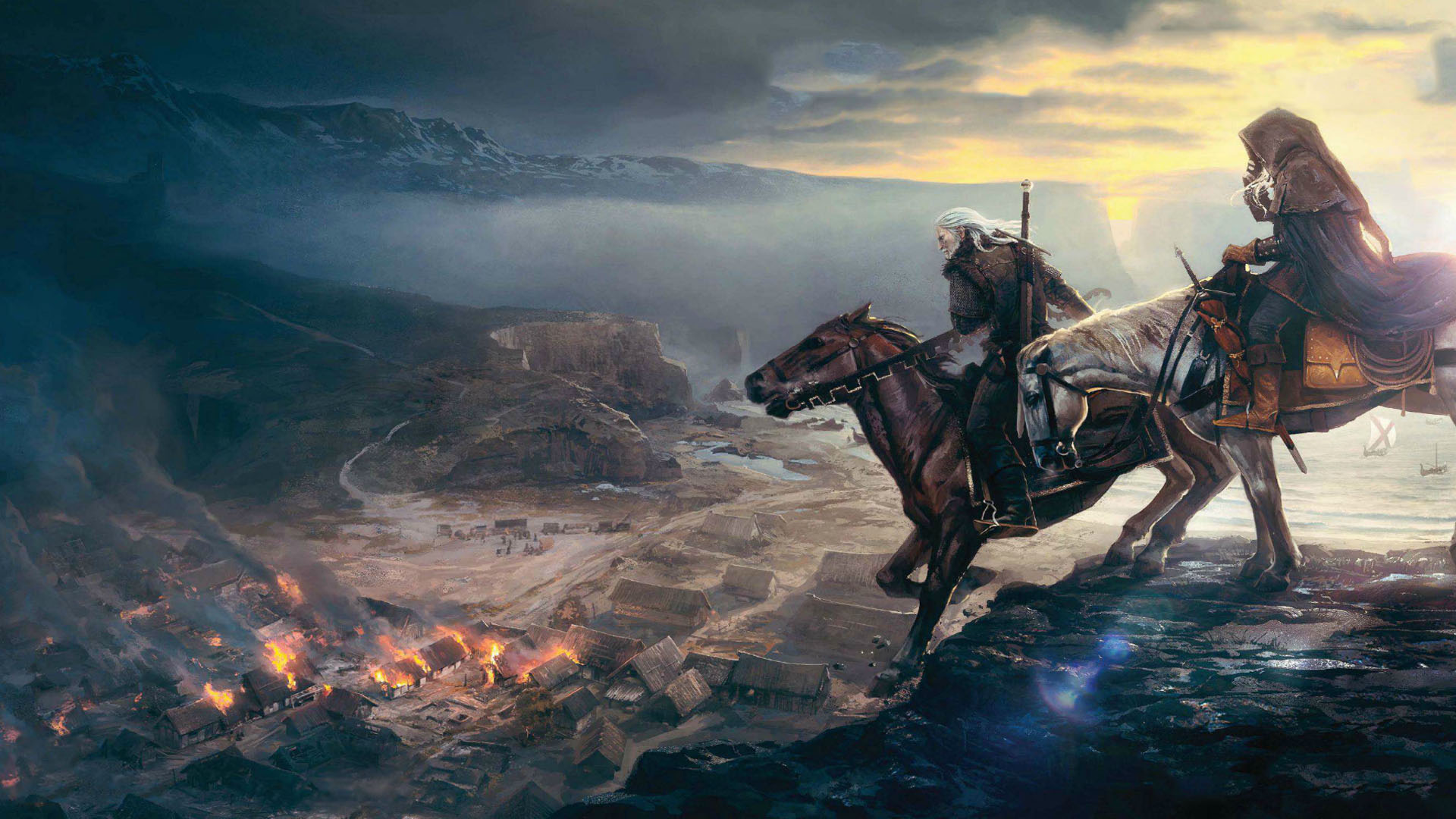
Today the teasing for CD Projekt Red has come to an end as today the company revealed The Witcher 3: Wild Hunt. Interestingly enough, when the company announced the game they stated that it will be released sometime in 2014 on the PC as well as on “all high-end platforms” suggesting that it will appear on the next generation of gaming consoles.
Outside of that, CD Projekt Red’s studio head Adam Badowski stated that The Witcher 3: Wild Hunt will contain an open-world that will be 30 times larger than The Witcher 2 and that each region in the game will feature it’s own population with different customs, problems and story development.
Badowski went further saying that “Imagine playing a dark fantasy game with the same great non-linear story as in the previous Witcher titles, but now told in a world you can explore freely with no artificial boundaries. The war-ravaged world is so huge that to reach farther places you will need to ride a horse or sail a boat to get there.”
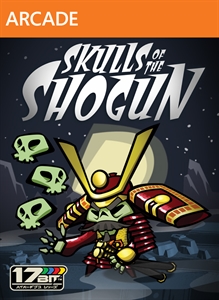
Skulls of the Shogun Developer: 17-BIT Publisher: Microsoft Studios Platforms: XBox Live Arcade (Reviewed), Windows 8, Windows Phone, Microsoft Surface Release Date: January 30, 2013 Price: 1200 Microsoft Points ($14.99) – BUY NOW
Overview
Founded in 2009 by a veteran of the games industry, developer 17-BIT set to work developing their first title, Skulls of the Shogun. Fast forward to 2013 and we finally have the anticipated indie strategy darling in our hands. Does it have a true command of the battlefield as all warlords should, or have Sun Tzu’s deception techniques thrown us for a loop? Let the battle commence.
Story
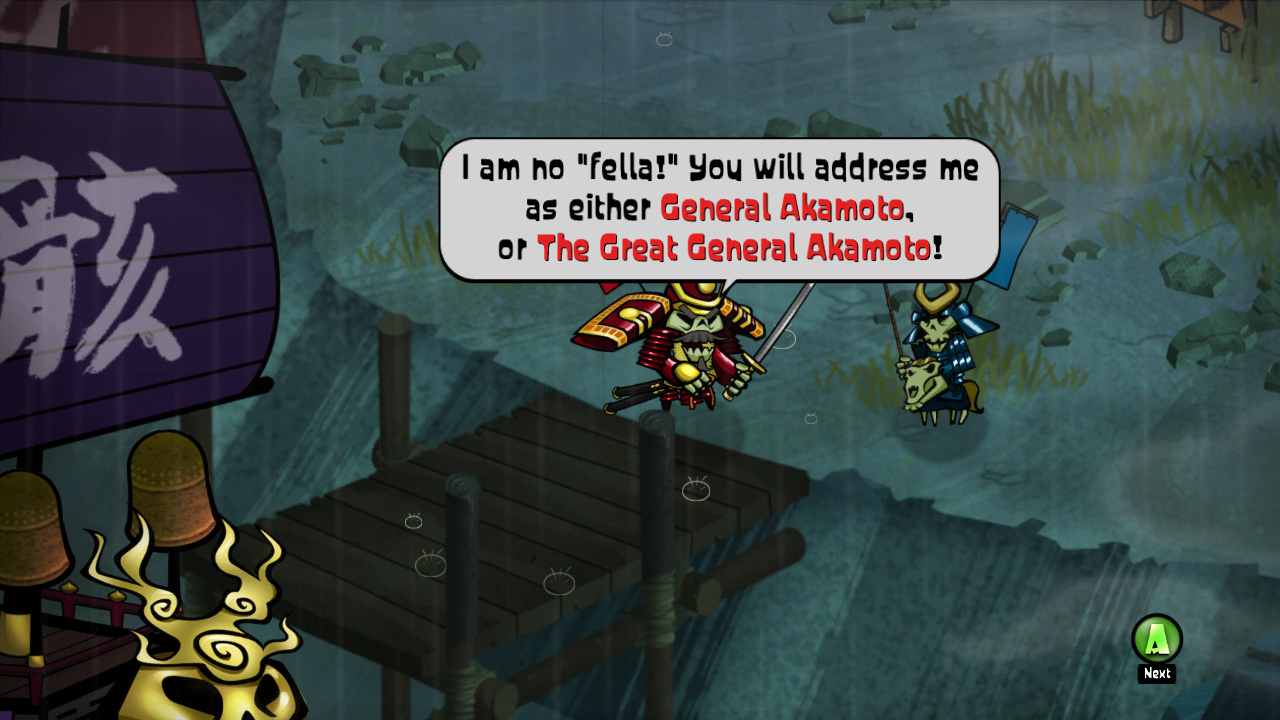
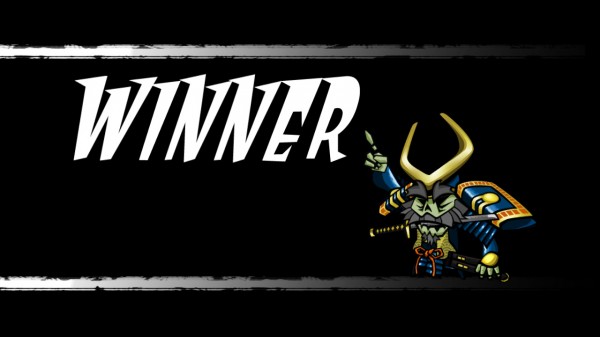
As the game begins, we are introduced to General Akamoto. Victorious and standing on the precipice of achieving the title of shogun, warlord ruler of all Japan, he is suddenly taken unaware by a blade to his back. When he awakens, he is aboard a sailing vessel bound for the Shores of the Dead, flesh missing but mustache intact.
Upon landing, he is ordered to wait in line for entry into the afterlife, but the guards obviously have no idea who he is! Refusing to wait his turn and demanding vengeance for his untimely demise, Akamoto soon rallies a small army of bored soldiers to his cause and begins his journey to the gates of the afterlife and beyond to exact his revenge and become the Shogun of the Dead.
Gameplay
There are two ways to play Skulls of the Shogun. While the single player campaign will take you on a 8-10 hour journey across the seasons of the afterlife, the multiplayer will gives you a few different options to enjoy a competitive match. These include 2-4 player games of online, couch, and asynchronous play across several different Microsoft platforms.
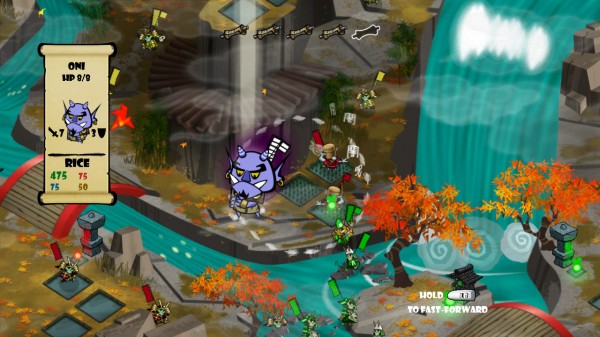
After an initial play session or two with Skulls of the Shogun, it could be easy to start drawing comparisons between it and Intelligent Systems’ Advance War series. Each army involved in the conflict begins with a given set of units, there are locations on the map that you can capture to call in reinforcements, and each side is commanded by a military officer, but Skulls of the Shogun goes so much deeper.
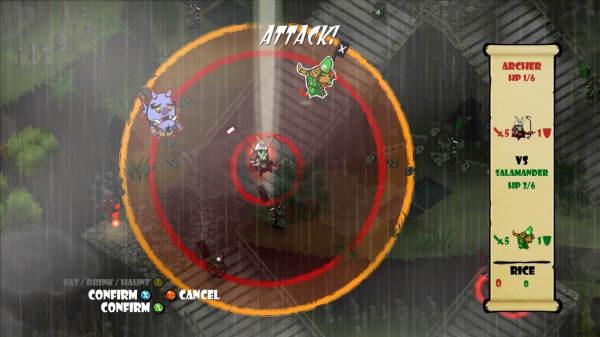
Where the Advance Wars titles are grid-based, Skulls of the Shogun drives all of its movement from a circular sphere of movement for each character. Each round, the active army is granted five scrolls, each representing the movement and actions of a single soldier. This lends more weight to the actions your soldiers take, since no matter how many troops you have on the field, only five can ever contribute on a single round.
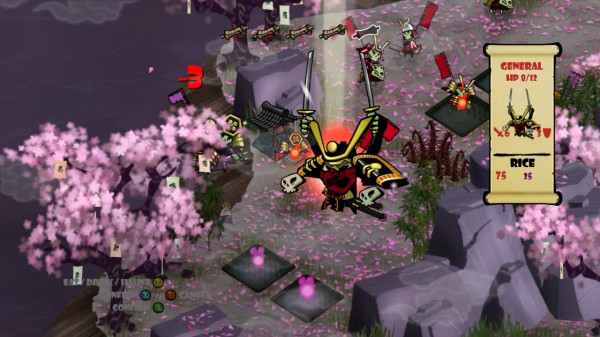
There are three basic archetypes of soldier: General, Samurai, and Monks. Between all three archetypes there are still only a handful of different individual soldier types, but each is used to great effect. First and foremost, each army has a general to command the troops and dole out some extra damage. If you lose your General, it’s game over. More often than not, missions will come down to eliminating your enemies’ general while keeping yours alive. Watching the general work feels like watching a superhero go to work on the goons around him.
The Samurai, which include infantry, cavalry, and archers, are the backbone (pun intended) of your army’s work force. Infantry are a bit heartier, cavalry can travel long distances, and archers have great range damage but will fall to pieces in close combat. With proper tactics and patience, the Samurai caste will win your wars, and you’ll feel like a boss for helping them get you there.
The Monks are a special class of soldier in Skulls of the Shogun. They will only join your forces if you haunt their shrine. There are three types of monks. The Fox monk focuses on healing magic, the Salamander monk breathes fire and focuses on destructive magic, and the Crow monk utilizes wind and trouble-making magic. Each can be very effective in a given situation, and when they’re missing from your army, you’ll definitely notice it.
Over the course of a mission, every unit has the potential to get stronger. When you defeat an enemy, their skull is left on the ground. Instead of utilizing an action, a unit can decide to consume the skull of the fallen. The general and his samurai will gain health (both as a heal and to boost overall capacity) with each skull consumed, where each monk will gain a new spell with each skull eaten. When a unit has eaten three skulls, they transform into their “demon” form, granting each unit a particularly useful skill. A demonized general, for instance, can perform up to three actions per turn instead of just one, or a demonized fox monk can resurrect dead soldiers.
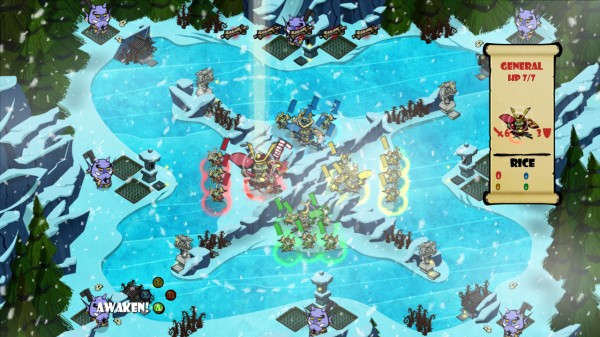
As an added bit of strategy, soldiers can stand next to one another to form what is known as a “soul wall.” This gives the units in that wall added defense, but it also has an added benefit in that no unit behind the wall can be targeted. This is great for setting up archers or letting your general meditate.
Most maps also have several features built into them. There are rice fields your soldiers can “haunt.” Once taken, each field will give you rice (the primary form of currency) for up to six turns, and then those resources are forever gone. You can use that rice to summon new units to the field or perform special skills. Also built into the terrain are bamboo and brambles. Knocking an enemy back into the brambles will cause extra damage, while hiding your units in bamboo gives them a little extra chance to dodge an attack.
Visuals and Audio
Skulls of the Shogun is an aesthetic joy to experience. The art design of the characters feels reminiscent of The Grim Adventures of Billy and Mandy or some other Saturday morning cartoon. Bright, vibrant colors adorn each army, while the Asian-themed environments add a sense of place and feel to the world. The music in the game is a mix of traditional Asian with modern pop music, though it’s ultimately fairly forgettable. The theme that plays when you complete a mission, though, will take you right back to the days of your childhood, conquering a Super Nintendo or Sega Genesis game.
Overall
Strategy game fans with the means to get Skulls of the Shogun would be doing themselves a disservice to pass it by. The art is bright and enjoyable, the humor will have you chuckling along, and there is a great strategy game at its core as well. The multiplayer has 17 maps to keep you occupied and the 8-10 hour long campaign is a lot of fun, though the faint of heart may want to set the difficulty to casual and just enjoy the experience. While it may not appeal to all audiences, folks who have been looking for a great strategy game on consoles for the past few years need look no further.
Capsule Computers review guidelines can be found here.


 It looks like 2K Games and Gearbox Software are going to continue on the tradition of releasing their Borderlands DLC in physical form. Today it was announced that Borderlands 2’s first two DLC packs, Captain Scarlett and Her Pirate’s Booty and Mr. Torgue’s Campaign of Carnage add on DLC, the reviews of which can be found here and here respectively.