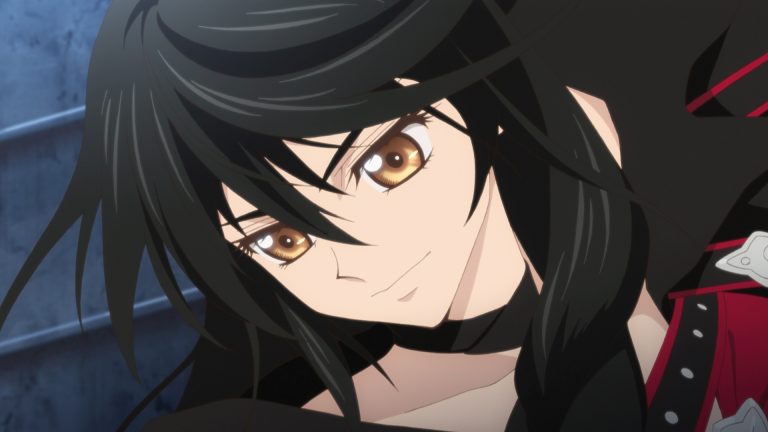
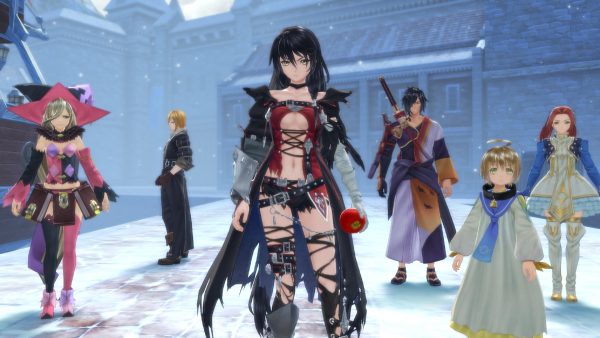
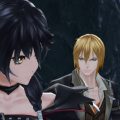
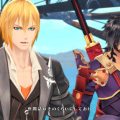
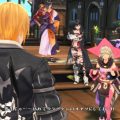
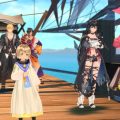
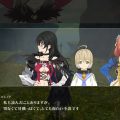
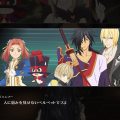
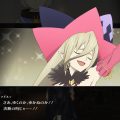
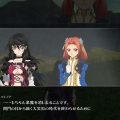
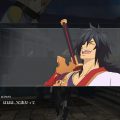
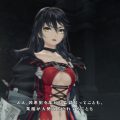
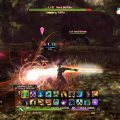
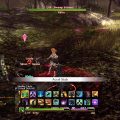
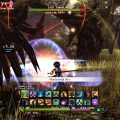
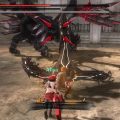
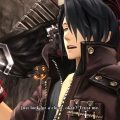
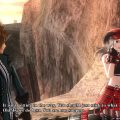
A little earlier this month we learned that Tales of Berseria would be released in Japan in mid-August and at the time we still had no rough idea on when to expect the game in the West. Well that changed during Bandai Namco‘s event today when the company announced that they are planning on releasing Tales of Berseria in the West sometime in early 2017 for the PlayStation 4 and PC.
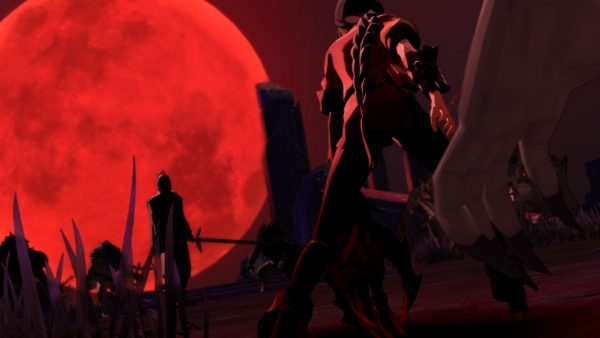
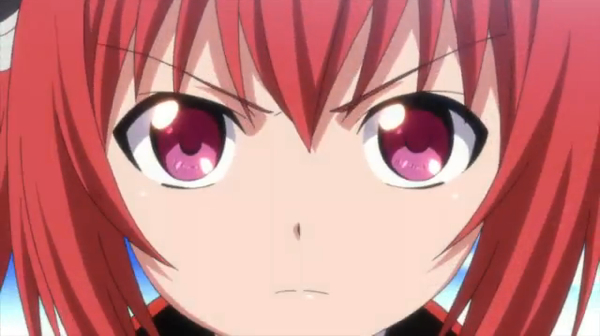
When released Tales of Berseria will feature both English and Japanese audio and for those who haven’t been keeping up with the game, the story follows Velvet Crowe in a world where three years prior to the start of the story suffers from a disease called Daemonblight that turns people into monsters. On a night with a scarlet moon, Velvet found herself betrayed and both her parents and her left arm were taken by a strange power. Now three years later the world is starting to recover from the Daemonblight and is searching for those who took everything from her.
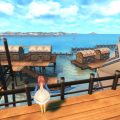
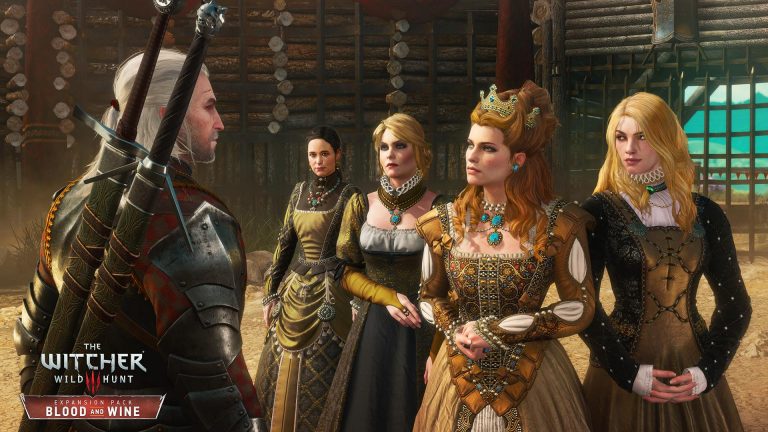
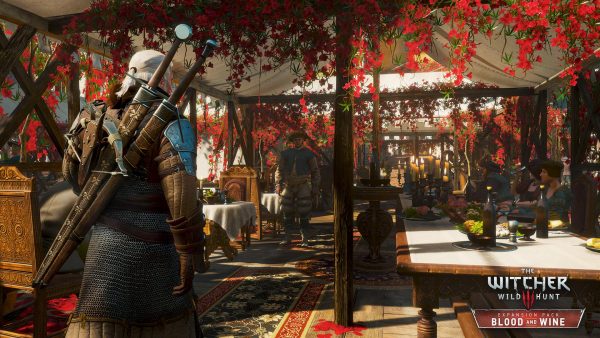
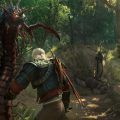
Although CD Projekt Red is still keeping the release date for the next Witcher 3 expansion close to their vests, they aren’t afraid to show off a bit more of what to expect when it Blood and Wine eventually released. Today the company released another small batch of screenshots to show off the lands that players will be exploring, which appear to be extremely colorful and filled with different kinds of fauna.
Of course lurking in the wilderness are still plenty of enemies to fear, including what appears to be some extremely large and horrifying looking centipede-style creatures and I bet that the high-class nature of the few characters shown so far only hide more secrets.
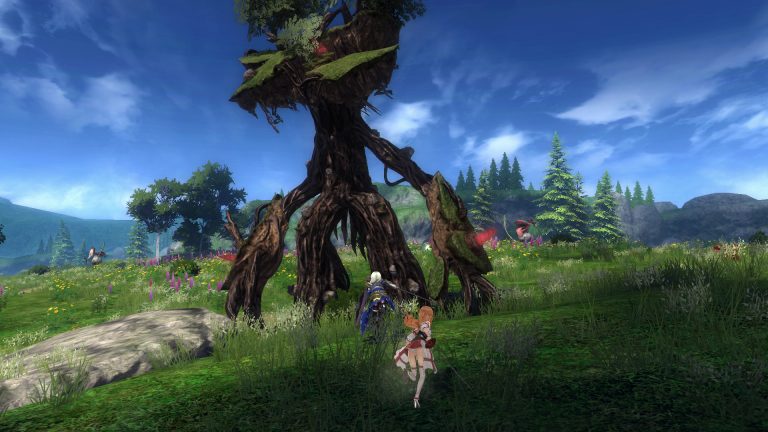
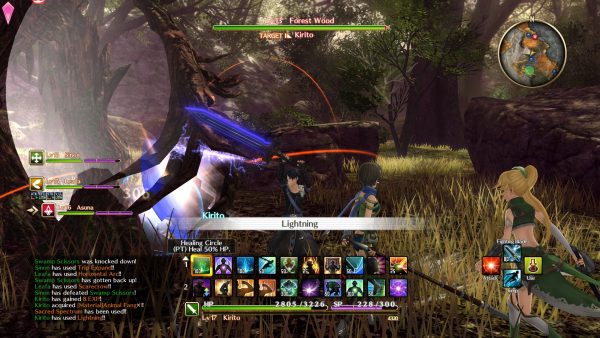
Today during Bandai Namco‘s slew of announcements the company also revealed that they have narrowed down Sword Art Online: Hollow Realization‘s Western release window from sometime in 2016 to Fall 2016. When released in the West Sword Art Online: Hollow Realization will be available for both the PlayStation 4 and PlayStation Vita and will tell a completely brand new storyline that was supervised by the series’ creator Reki Kawahara.
In this game a brand new VRMMO based off of what was left of the old Sword Art Online server has been launched under the name Sword Art: Origin. Unable to resist the temptation of revisiting a game similar to where they were trapped, Kirito and the group quickly begin to play the game and find that things have changed.
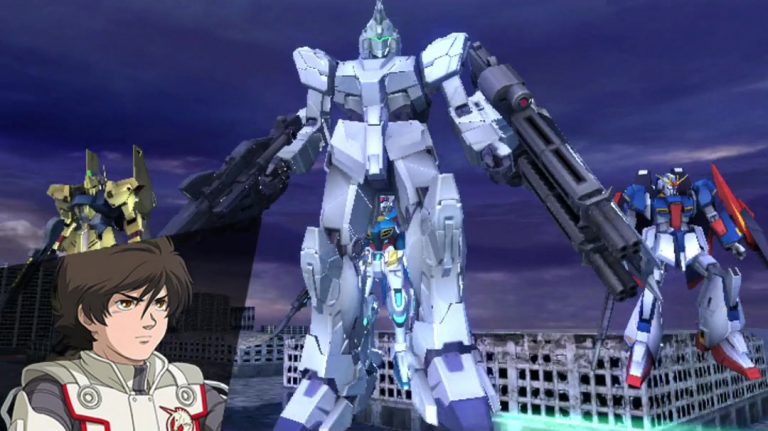
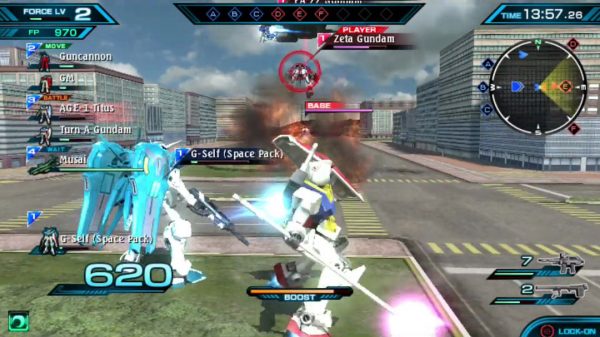
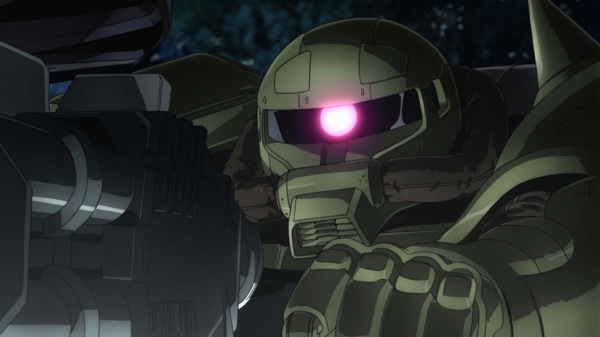
Bandai Namco has announced that they are planning on releasing Mobile Suit Gundam: Extreme VS Force onto the PS Vita in North America on July 12th. The title will feature a huge roster of Mobile Suits to play as, including brand new ones that are being taken from recent series such as Gundam Reconquista in G and Mobile Suit Gundam: Iron-Blooded Orphans.
The game will allow players to experience the classic two-versus-two gameplay of Team Battles and even command their own troops as the chief in a team of six Mobile Suits and one battle ship. Mobile Suit Gundam: Extreme VS Force will also feature various scenarios from Mobile Suit Gundam to Mobile Suit Gundam: Universal Century.
Hanabee Entertainment announced its July 2016 releases just a few hours ago. All of the following releases will be available in Australia from July 14, 2016.
Two DVD and Blu-ray combo packs are being released in July. Btooom! and Inu x Boku SS (Secret Service) will both be available for a suggested retail price of $59.99. Both series will be presented with dual language options, and both will feature their respective textless opening and ending animations as on-disc extras.
A box set of Hakkenden: Eight Dogs of the East will be released in separate DVD and Blu-ray editions. All 26 episodes will be presented with dual language options. The textless opening and ending animations will be featured as on-disc extras. Both editions have a suggested retail price of $79.99.
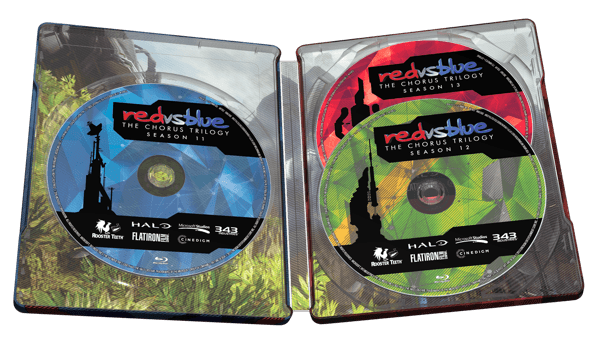
Finally, a limited edition steelbook collection of the Red vs Blue: Chorus Trilogy will be released in July. This set will come with seasons 11-13 and 11 hours of bonus content. The extras include blooper reels, behind-the-scenes footage, audio commentary with the cast and crew, PSAs and more. It has a suggested retail price of $59.99.
All prices listed are in Australian Dollars (AUD). These releases, as well as Hanabee’s May and June releases, can be pre-ordered from their official online store here.
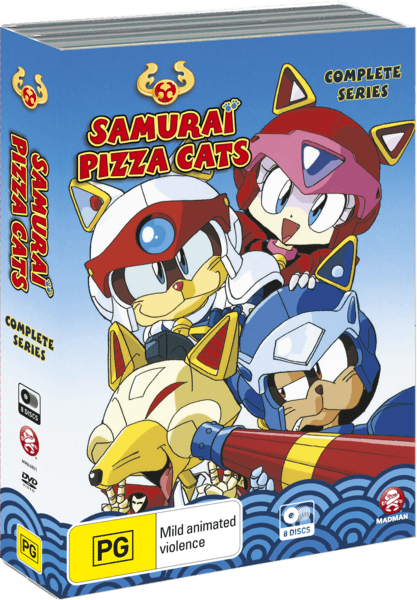
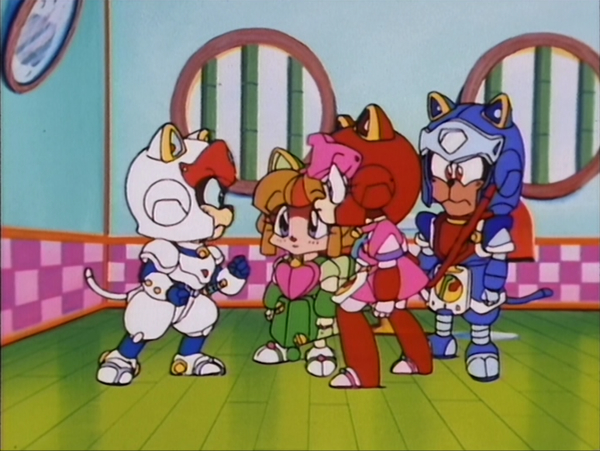
Speedy Cerviche, Guido Anchovy and Polly Esther are the Samurai Pizza Cats. These anthropomorphic animals have a day job as waiters and delivery cats at their pizza emporium, but they are also the town’s resident samurai superheroes. Unfortunately, they tend to end up getting into trouble when they try to save the day, so they almost always have to call for assistance. Their enemy is the Big Cheese, who generally explodes after one of his plans fails.
Story
Two common features of scripts for this kind of anime adaptation are alliteration and rhyme. Those techniques are rarely funny in these adaptations, but it does show that the scriptwriters have at least put some thought into the scripts. Unfortunately, they try their best to ruin the scripts by filling them with contemporary pop culture references and incessant self-referential comments. Breaking the fourth wall does not just happen once in any given episode; it happens multiple times in each episode. It was not funny the first time, and it was not funny the 40th time. Some jokes are also offensive by today’s standards. Fortunately, there are few positive elements of the script. For example, the writers do effectively make a surprising amount of political, moral and ethical points. Some of it is still relevant, as opposed to the pop culture references, which will likely be obscure to anyone who did not grow up in the 1980s. The references are specific to contemporary North America as well, making understanding the script even harder for other audiences.
Each episode follows the same pattern. The Big Cheese and Jerry Atric work on a dastardly plan, a giant robot shows up along with Bad Bird and the ninja crows, the Pizza Cats are deployed, they run into trouble, get saved, finish their mission and then go home and ignore the real world implications of the massive destruction that has been caused either by them and/or the Big Cheese. Speedy and Guido are constantly fighting over their friend Lucille and often fail to complete their deliveries as a result of their attraction to her. They ignore their colleague Polly, who is nearly always in a state of anger, and exhibits characteristics reminiscent of the tsundere archetype. She is violent on the outside, but does care about love on the inside. They also do not appear to care much about Francine, the cat in charge of Pizza Cat dispatch. She has almost no character outside of her love of rhyme, and is only rarely the focus of a scene or episode. The Big Cheese likes making money and trying to defeat the pizza cats, but he also frequently engages in cross-dressing. All of the characters have just one character trait, maybe two on a good day. This two-dimensional nature makes it hard to identify with the characters and also makes it hard to like certain characters, such as Princess Violet. It does at least mean that you can watch just about any episode and know exactly what you are getting into. Samurai Pizza Cats is a one-trick pony that, if nothing else, is consistent. For that, it does make for decent afternoon entertainment. If you get through enough episodes, you may even come across one that presents a well-written plot and evokes real emotions.
Visuals
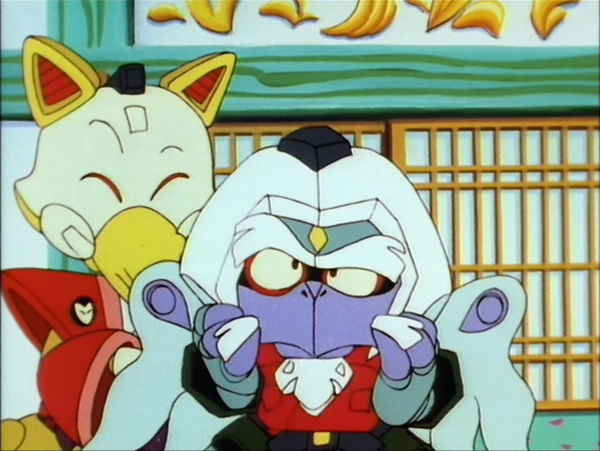
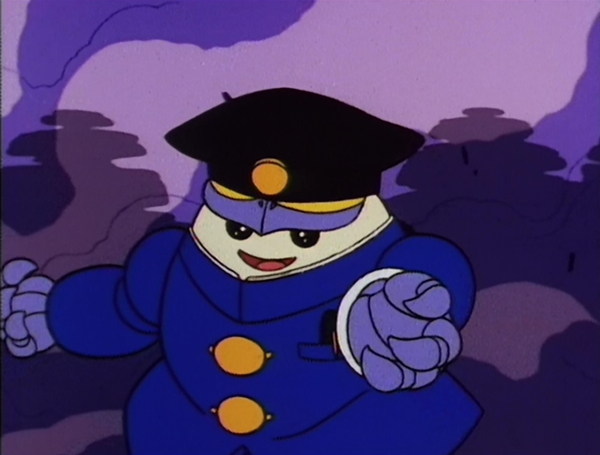
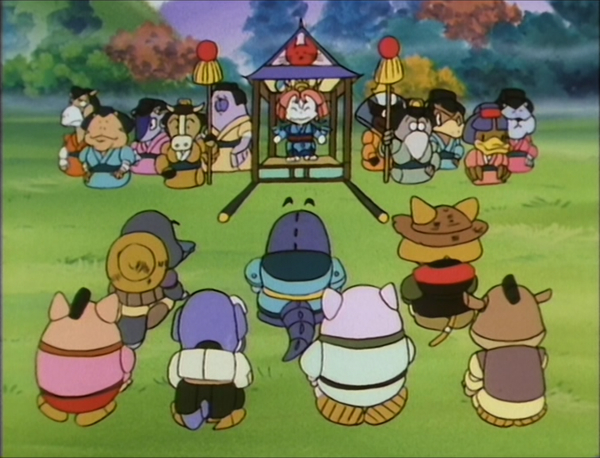
The quality of the video is reasonable for a DVD release of a children’s anime produced in 1990. There are a few issues, which may be due to the transfer process, but it is about as good as it is going to get. There are a large number of cuts made to probably every shot in every episode, and the episodes get shorter after the first three discs. One thing that stands out about Saban’s adaptation is that the Japanese characters are left on screen. Only 4Kids Entertainment consistently painted Japanese characters out of the shows they adapted, but Saban Entertainment does not appear to have made any attempt to paint over anything. The Japanese name of Lucille is left on-screen, as is the Japanese word for ‘tobacco’. It was acceptable to discuss tobacco on western television back when this adaptation aired, but it is surprising now to hear tobacco actually mentioned in an episode later on in the series. Long episode previews are featured before the credits of the first twenty episodes, but this segment is abandoned from episode 21 onwards.
One of the main features of this series is visual gags. There is an awful lot of slapstick ‘comedy’, which does not actually end up being funny in any way. Another recurring gag is Francine’s almost constant inability to send the Pizza Cats in the right direction, often instead sending them flying headfirst into a building or other solid structure. Yet another annoying recurring gag is Lucille’s bizarre ability to shoot off a bunch of missiles from her head whenever she experiences a strong emotion. The animation is consistent, at least, and if there is one thing about this series that makes it worth watching in this day and age, it is the traditional animation used for this series. It may not be the best animation, nor are the character designs memorable, but it is nice to be able to watch an anime series produced the traditional way if nothing else. Of course, with traditional animation comes a large amount of recycled footage, although this is less annoying and more understandable than the visual gags.
Audio
The North American music in Samurai Pizza Cats feels as if it was composed on an average 1980s synthesiser. Some of it is somewhat effective. However, for every piece of music that does feel suitable, there is also a piece of music that does not belong at all. There are a few moments here and there that are musically silent, but they unfortunately do not last long at all.
The voices are basically the same as the voices found in any North American animated series produced around this time. Speedy’s voice is reminiscent of Bugs Bunny, Polly sounds like she is from New Jersey, and the rest of the cast could just as easily be from the western Sonic the Hedgehog cartoons produced in the ’90s. If you can overlook the obvious fact that this is a Japanese series, the voices fit to a certain extent. The series is so random and stupid that it ultimately does not matter what the voices sound like or what background music is accompanying the action, however; Samurai Pizza Cats is a somewhat entertaining blast from the past that has little meaning or value outside of potential nostalgia for some viewers.
Overall
Samurai Pizza Cats is crazy and stupid. Not just a little bit, but extremely crazy and stupid. There are a few moments that are genuinely funny. Many of the jokes simply make you think rather than make you laugh out loud, or at best elicit a short ‘ha’. A lot of the ‘jokes’ are so terrible that they do not even deserve a pity laugh, but that is not a surprise given that this heavily-edited English adaptation was produced in 1991. In fact, everything about Samurai Pizza Cats says ‘1991’. It can be entertaining, but this release is best suited to only those who watched this series as a child and are in the mood for a nostalgia kick. If you are nostalgic for heavily edited adaptations of anime in general, or nostalgic for the humour of the early 1990s, you may find something to enjoy in this release. It has a lot against it on paper, but it is not the worst piece of mindless entertainment that is available on DVD. This strange series has a certain, albeit weak, charm that cannot be replicated in this day and age.
Capsule Computers review guidelines can be found here.
Madman Entertainment has just announced their imported collector’s edition release of Mobile Suit Gundam Thunderbolt. It will be available on Blu-ray only. All episodes will be featured with dual language options.
This set will come with a variety of extras. Physical extras will include a storage box illustrated by Hajime Katoki, a sleeve case illustrated by Yasuo Ohtagaki, a specially created jacket illustration, a 108-page “Animation Works” booklet, which will feature line art illustrations and staff interviews, and a special 16-page booklet. A bonus disc of extras will be included, which will not feature subtitles. On-disc extras include storyboards from episodes 1-4, staff and cast audio commentary, promotional videos and TV commercials.
Pre-orders are now open. Copies can be ordered here for $129.95 AUD (Australian Dollars). Orders must be made before May 22, 2016. It will ship on July 2.
FUNimation Entertainment has just revealed the English dub cast for Gonna Be the Twintail!!. The announcement was made at FUNimation’s Industry Panel at Anime Detour. The English dub cast is as follows (character/actor):
Soji – Austin Tindle
Aika/Tailblue Sarah Wiedenheft
Erina/Tailyellow – Mikaela Krantz
Twoearle – Morgan Garrett
Tailred – Bryn Apprill
Dark Grasper/Acena/Anko – Leah Clark
Mikoto – Michelle Rojas
Miharu – Jennifer Green
Mega Ne – Tia Ballard
Jerry Jewell is the ADR director, William Dewell is the lead ADR engineer and Samuel Wooley is the script writer for the English dub. FUNimation provided a synopsis of the series:
Soji Mitsuka is an ordinary high schooler with an extraordinary obsession. Twin tails are his fire, his air, his will to live! But when a mysterious woman from another world enlists his help to fight hideous monsters with various moe fetishes, Soji much transform into a powerful pigtailed…girl? With the help of his childhood friend, the class president, and his endless devotion to pigtails, Soji and his crew form a twin-tailed threesome to take on the monsters who feed on the “attribute power” of humans. But Soji’s new pigtailed powers come with a price; his surging popularity as the new heroin in town makes the twin-tailed trend explode, giving the monsters ample attribute powers to feed upon!
The anime adaptation began airing in Japan in October 2014. It ran for twelve episodes. It is based on the light novel series by Yume Mizusawa, which was illustrated by Ayumu Kasuga. The adaptation was animated by Production IMS.
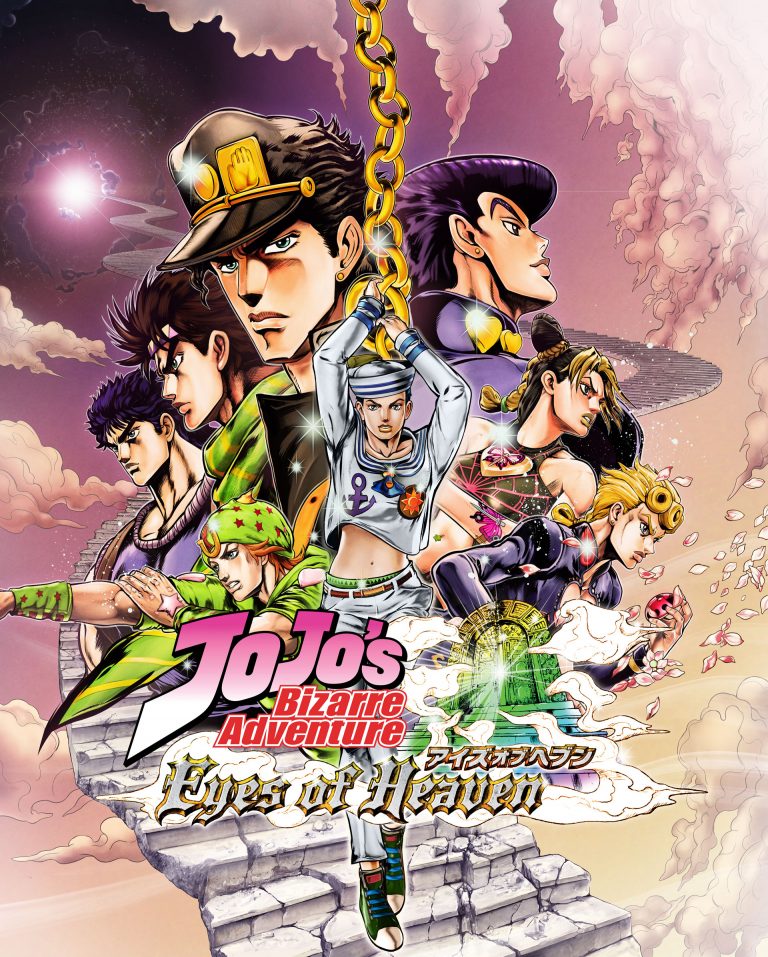
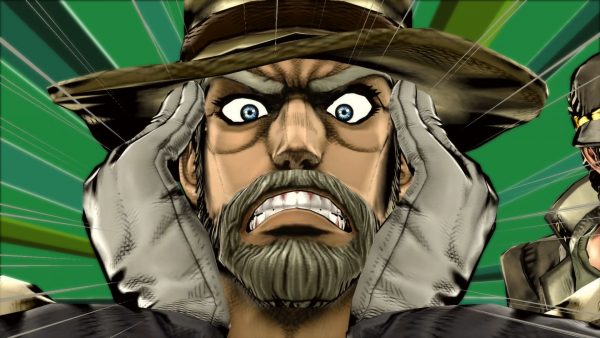
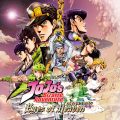
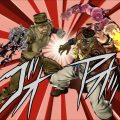
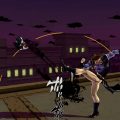
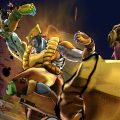
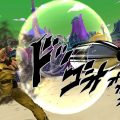
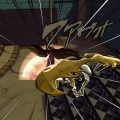
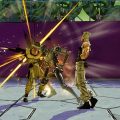
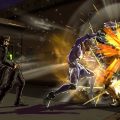
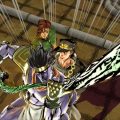
Bandai Namco has revealed that they are planning on releasing JoJo’s Bizarre Adventure: Eyes of Heaven in North America on June 28th. This PlayStation 4 exclusive fighting game will feature over fifty playable characters taken from the eight chapters of the story that will be able to fight against one another in two on two combat and a brand new original storyline that spans generations following all members of the House of Joestar.
To go along with this announcement, the company has released a number of new screenshots and a brand new trailer for JoJo’s Bizarre Adventure: Eyes of Heaven that you can check out below.
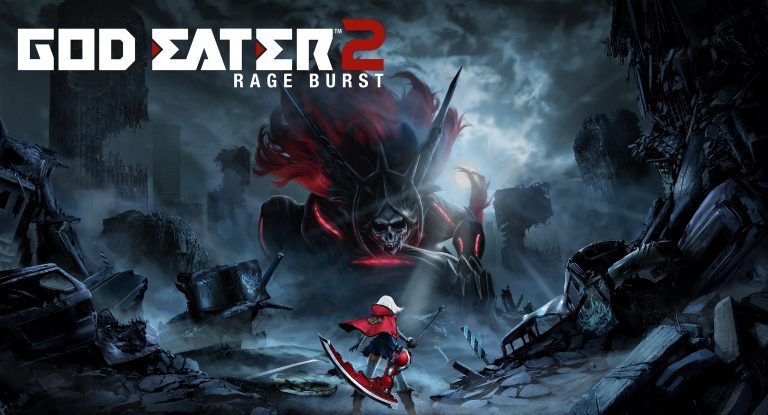
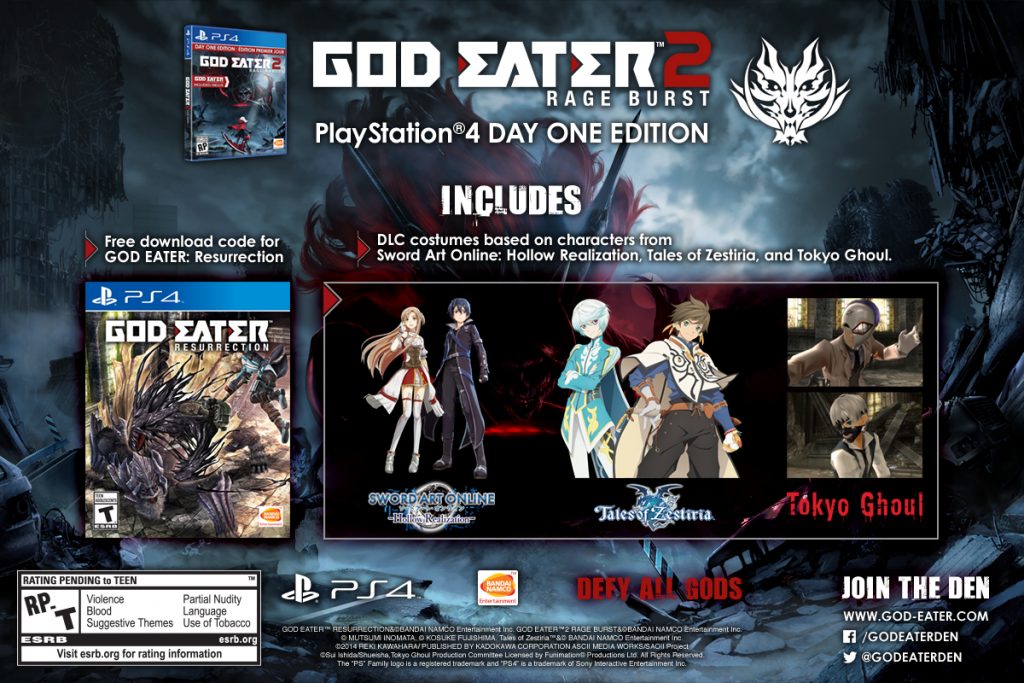
Today Bandai Namco revealed when fans of the God Eater series can expect God Eater: Resurrection and God Eater 2: Rage Burst to be released in North America and Europe. God Eater: Resurrection will be released digitally on the PlayStation 4 and PlayStation Vita on June 28th and on PC on August 30th. As for God Eater 2: Rage Burst, it will be released physically and digitally on the PlayStation 4 and PlayStation Vita as well as on PC on August 30th.
As for Europe, both God Eater: Resurrection and God Eater 2: Rage Burst will be released on August 30th with God Eater: Resurrection being included as a free download with God Eater 2: Rage Burst which will be available physically and digitally on the PlayStation 4, PlayStation Vita, and PC.
A new video and screenshots for the two games have also been released and can be found below: